LocalBoost AI
Plateforme IA pour commerces belges qui crée campagnes marketing multilingues (FR/NL) et optimise visibilité locale avec insights clients.
understanding the opportunity behind an AI-powered local marketing platform for belgian businesses
Belgium’s unique linguistic, cultural, and economic landscape creates both an opportunity and a challenge for local businesses. With Dutch (NL), French (FR), and German (DE) communities coexisting across a relatively small geography, marketing effectively requires not just translation—but true localization.
That’s where an idea like LocalBoost AI, an AI-powered multilingual marketing platform for Belgian businesses, becomes compelling. It sits at the intersection of three powerful trends:
- The rise of AI-generated marketing content
- The increasing importance of local SEO and discoverability
- The growing need for hyper-personalized, multilingual communication
This article breaks down the full potential of such a SaaS product—from market demand and feature design to monetization, tech stack, and go-to-market execution.
what problem does LocalBoost AI solve?
Local businesses in Belgium face a structural disadvantage compared to large enterprises:
- Limited marketing budgets
- Lack of multilingual expertise
- Weak online visibility in local search results
- Fragmented customer data across platforms
Most small and medium-sized businesses (SMBs) rely on:
- Google Business Profile
- Facebook/Instagram
- Occasional email campaigns
- Word-of-mouth
But they struggle with consistency, localization, and performance tracking.
the core pain points
- Language friction: Many businesses either market in one language or rely on poor translations
- Time constraints: Owners don’t have time to create campaigns regularly
- Lack of insights: They don’t know what content works or who their customers really are
- Weak local SEO: Poor rankings in “near me” searches or Google Maps visibility
Key insight
Belgium is one of the few markets where multilingual marketing is not optional—it’s essential for growth. Any SaaS that simplifies this has a built-in competitive advantage.
target audience analysis
primary audience segments
LocalBoost AI should focus on high-frequency, location-dependent businesses:
- Restaurants and cafés
- Retail shops
- Hair salons and beauty services
- Fitness studios
- Medical and dental clinics
- Local service providers (plumbers, electricians, etc.)
These businesses depend heavily on:
- Local discovery (Google Maps, search)
- Repeat customers
- Seasonal promotions
secondary audience
- Franchise owners managing multiple locations
- Local marketing agencies serving SMBs
- Tourism-related businesses in multilingual regions
user personas
The Busy Owner
Runs a small shop, has no time for marketing, wants simple automation and visibility.
The Growth-Oriented Manager
Understands digital marketing but needs better tools for scaling multilingual campaigns.
The Local Agency
Manages multiple clients and wants to automate campaign creation and reporting.
market opportunity and competitive gap
macro trends supporting this idea
- AI content tools like ChatGPT and Jasper have normalized AI-assisted marketing
- Local SEO has become more competitive due to Google Maps optimization and reviews
- Consumers increasingly expect localized and personalized communication
why Belgium is uniquely positioned
- High internet penetration
- Dense urban areas with strong local competition
- Linguistic diversity requiring true localization, not just translation
existing solutions (and their gaps)
| Platform | Multilingual AI | Local SEO Tools | Customer Insights | Belgium Focus |
|---|---|---|---|---|
| HubSpot | ✅ | ✅ | ✅ | ❌ |
| Jasper AI | ✅ | ❌ | ❌ | ❌ |
| SEMrush | ❌ | ✅ | ✅ | ❌ |
| LocalBoost AI | ✅ | ✅ | ✅ | ✅ |
the gap
No current solution combines:
- AI-generated campaigns
- Multilingual localization (FR/NL)
- Local SEO optimization
- Customer insights
- Belgium-specific market intelligence
This creates a strong niche defensibility.
core features of LocalBoost AI
1. multilingual campaign generator (FR/NL)
At the heart of the platform is an AI engine that creates:
- Social media posts
- Email campaigns
- Google Business updates
- Promotions and offers
But unlike generic AI tools, it:
- Adapts tone to Belgian audiences
- Accounts for regional preferences (Flanders vs Wallonia)
- Maintains brand voice across languages
2. local SEO optimization engine
- Suggests keywords based on location
- Optimizes Google Business Profile descriptions
- Generates localized landing pages
- Tracks rankings in “near me” searches
3. customer insights dashboard
- Aggregates data from:
- POS systems (optional integration)
- Social media engagement
- Website analytics
- Provides:
- Customer demographics
- Peak engagement times
- Campaign performance insights
4. automated campaign scheduling
- Weekly or monthly campaign plans
- Auto-posting to:
- Google Business
- Smart timing based on audience behavior
5. review and reputation management
- AI-generated responses to reviews (FR/NL)
- Sentiment analysis
- Alerts for negative feedback
6. location-based personalization
- Tailors campaigns based on:
- City
- Neighborhood
- Local events
- Weather patterns (optional integration)
how the AI layer works (simplified architecture)
// Example: Campaign generation flow

async function generateCampaign(businessData, location, language) {
  const audienceInsights = await getAudienceInsights(businessData);
  const localTrends = await fetchLocalTrends(location);

  const prompt = `
    Create a marketing campaign in ${language}
    for a ${businessData.type} in ${location}.
    Consider: ${audienceInsights}, ${localTrends}.
  `;

  const campaign = await openAI.generate(prompt);

  return optimizeForSEO(campaign, location);
}
key AI capabilities
- Prompt engineering tuned for Belgian markets
- Fine-tuning on local datasets (future moat)
- Real-time contextual data injection
recommended tech stack
frontend
Why: Fast development, SEO-friendly rendering, scalable UI.
backend
- Node.js (NestJS or Express)
- PostgreSQL for structured data
- Redis for caching
AI layer
- OpenAI API (for content generation)
- Optional fine-tuning pipelines
integrations
- Google Business Profile API
- Meta (Facebook/Instagram) APIs
- Email providers (SendGrid, Mailgun)
analytics
- Custom dashboard + integrations with Google Analytics
Tech trade-off
Relying heavily on third-party AI APIs reduces initial complexity but creates long-term dependency risk. Consider hybrid models or fine-tuning for differentiation.
monetization strategy
subscription tiers
-
Starter (€29–€49/month)
Basic campaigns, limited languages, basic analytics -
Growth (€79–€129/month)
Full multilingual support, automation, insights -
Pro (€199+/month)
Advanced analytics, multi-location support, API access
add-ons
- Extra campaign credits
- Advanced SEO reports
- Custom branding
B2B opportunities
- White-label for agencies
- Enterprise plans for franchises
pricing insight
Belgian SMBs are price-sensitive but will pay if:
- ROI is clear (more customers, visibility)
- Time savings are obvious
competitive advantage and moat
1. localization depth
Not just translation—true cultural adaptation.
2. vertical focus
Instead of being a generic tool, it’s built specifically for:
- Belgian SMBs
- Local marketing use cases
3. data network effects
Over time, the platform can:
- Learn what campaigns work in specific cities
- Improve recommendations
- Build a proprietary dataset
4. simplicity
Most competitors are too complex for SMBs.
potential risks and mitigation strategies
risk 1: AI commoditization
Problem: Generic AI tools become cheaper and more powerful.
Mitigation:
- Focus on local data + insights
- Build proprietary datasets
- Offer end-to-end workflows, not just content generation
risk 2: API dependency
Problem: Reliance on third-party APIs.
Mitigation:
- Abstract AI layer
- Explore open-source models over time
risk 3: customer acquisition
Problem: SMBs are hard to reach and convert.
Mitigation:
- Partner with local agencies
- Offer freemium trials
- Use referral programs
risk 4: multilingual accuracy
Problem: Poor translations damage credibility.
Mitigation:
- Human-in-the-loop review options
- Continuous model improvement
go-to-market strategy
phase 1: niche domination
Start with:
- Restaurants in Brussels and Antwerp
Why?
- High competition
- Frequent promotions
- Strong need for visibility
phase 2: expand vertically
Add:
- Retail
- Beauty services
- Healthcare
phase 3: geographic expansion
- Extend to:
- Netherlands
- France
- Luxembourg
implementation roadmap
example user journey
- A restaurant owner signs up
- Inputs business details and location
- Selects target language (FR/NL)
- Platform generates:
- Weekly social posts
- Promotions
- AI schedules posts automatically
- Dashboard shows:
- Engagement
- Customer trends
- Owner adjusts strategy based on insights
future expansion opportunities
AI-powered ad optimization
- Automatically generate and test Facebook/Google ads
voice and chatbot integration
- Multilingual chatbots for websites
predictive analytics
- Forecast demand based on trends
hyperlocal partnerships
- Integrations with local event platforms
why this idea stands out
LocalBoost AI isn’t just another AI writing tool. It’s a localized growth engine tailored to a very specific and underserved market.
Its strength lies in:
- Combining multiple tools into one
- Solving a real, daily pain point
- Leveraging AI where it actually matters
actionable next steps to build LocalBoost AI
- Define your MVP scope clearly
- Build a simple but powerful campaign generator
- Focus heavily on UX simplicity
- Test with real businesses early
- Iterate based on actual usage
- Build distribution channels (agencies, partnerships)
When it comes to accelerating development, platforms like TurboStarter can significantly reduce time-to-market by providing pre-built SaaS infrastructure, allowing you to focus on core product differentiation instead of boilerplate.
final thoughts
The combination of AI, local SEO, and multilingual marketing is not just a trend—it’s becoming the standard for competitive local businesses.
Belgium, with its linguistic diversity and dense local economies, is the perfect testing ground for such a platform.
If executed well, LocalBoost AI could evolve from a niche Belgian tool into a broader European SaaS leader in localized AI marketing.
The key is focus: start narrow, solve deeply, and expand intelligently.
More 🤖 AI Startup SaaS ideas
Discover more innovative ai startup SaaS ideas that are trending in 2026. Each idea is AI-generated with market validation and growth potential to help you find your next profitable venture faster than competitors.
Your competitors are building with TurboStarter
Below are some of the SaaS ideas that have been generated and built with our starter kit.
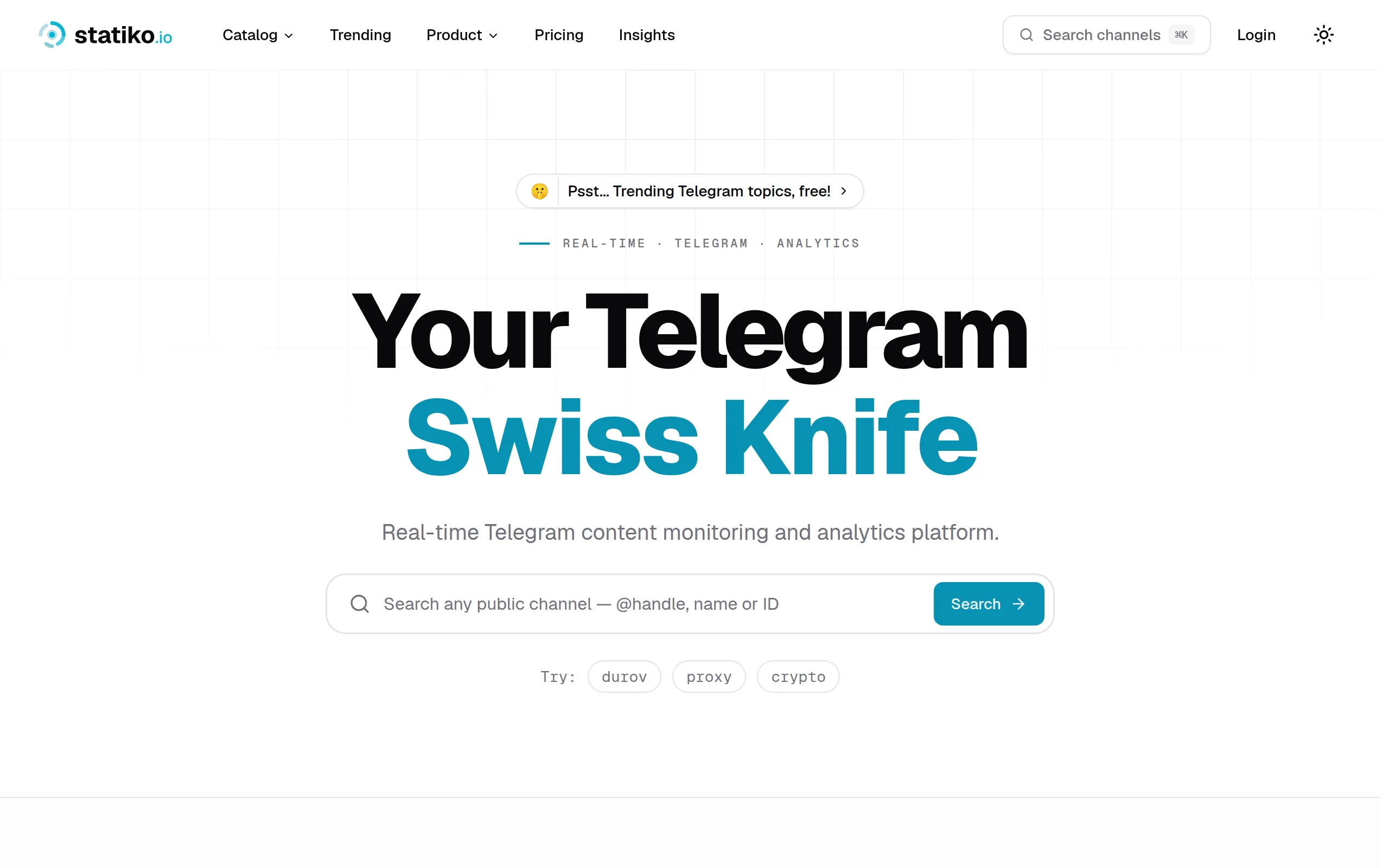
Statiko
Monitor any Telegram channel in real time - track posts, edits, deletions, and growth with AI recaps 📡
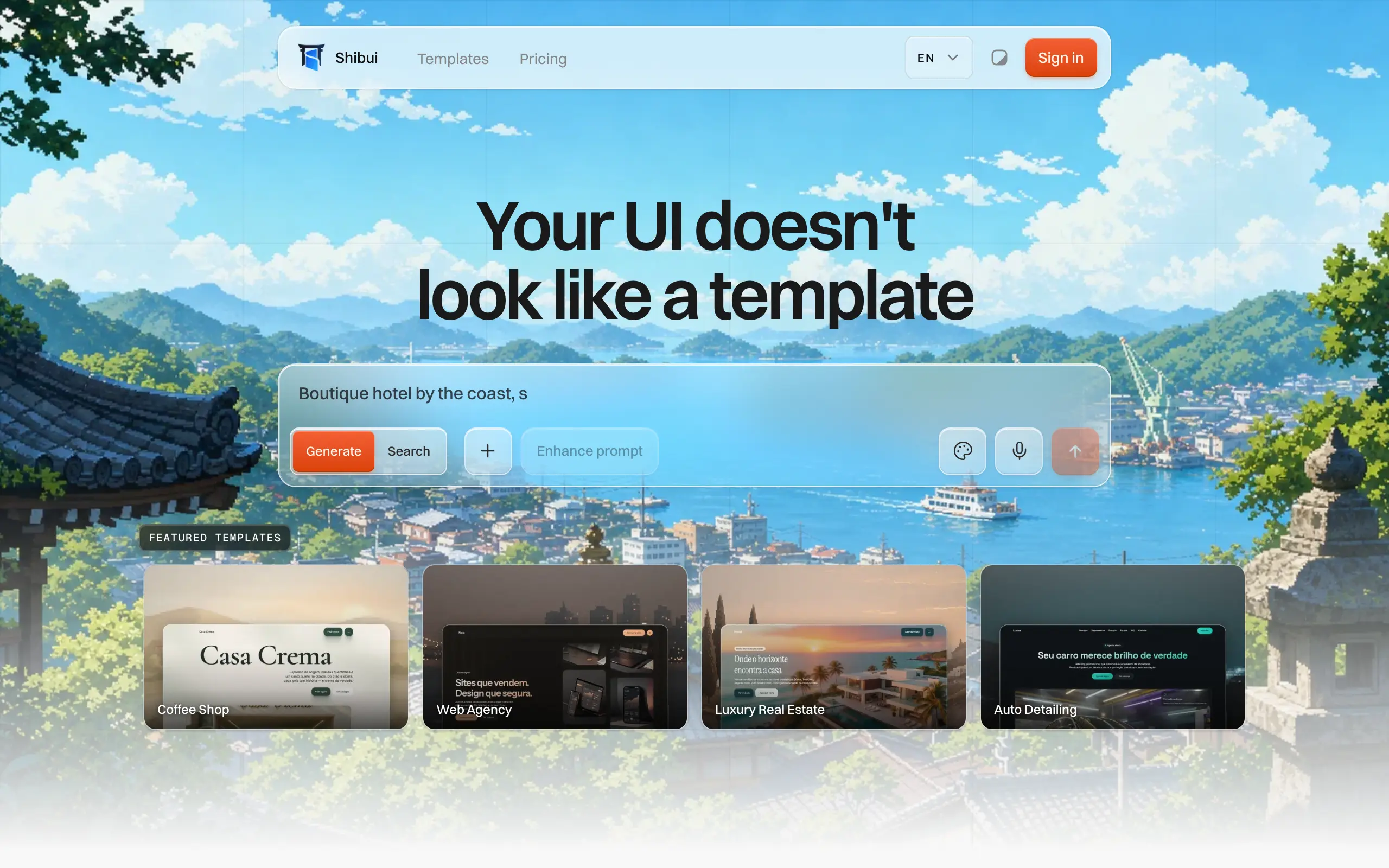
Shibui
AI website builder - describe your business, pick a niche template, edit by chatting, and publish instantly ✨
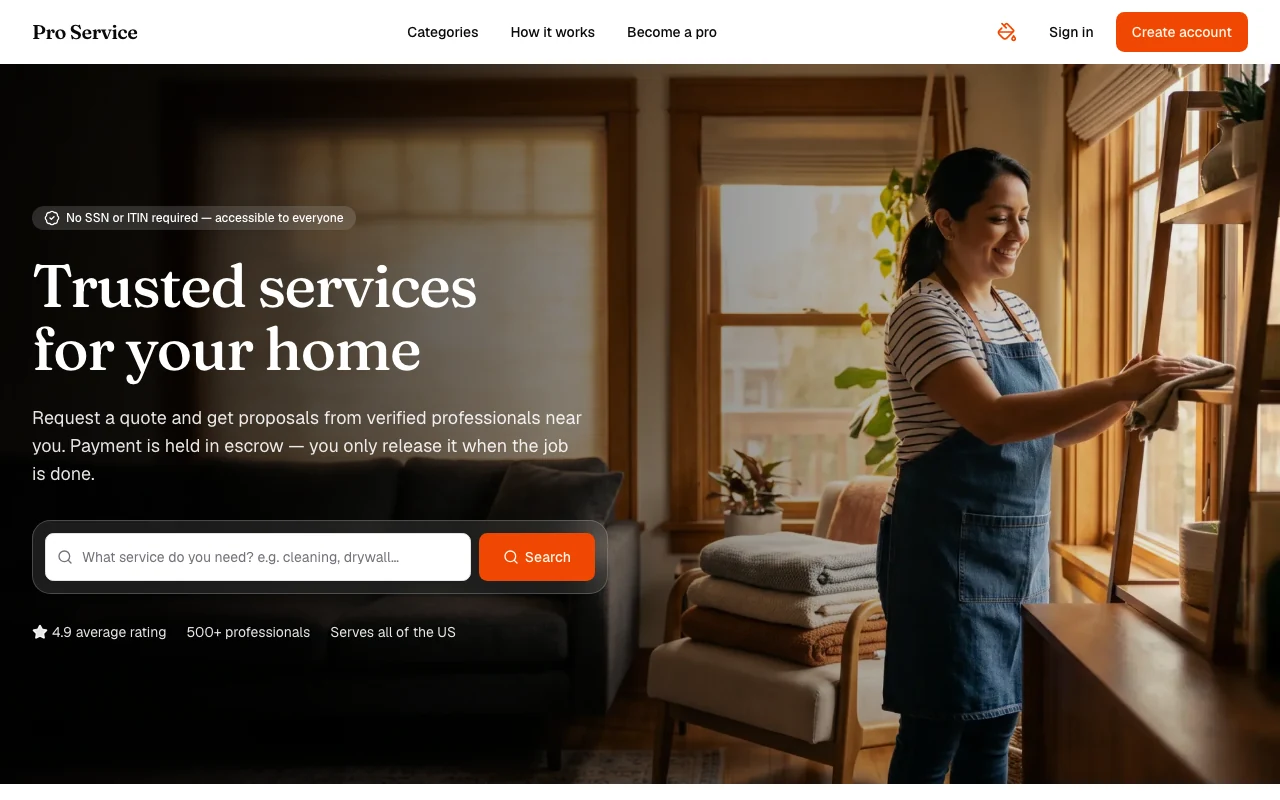
Pro Service
Find verified home service professionals, compare quotes, and pay securely through escrow - built for Brazilians across the US 🏠
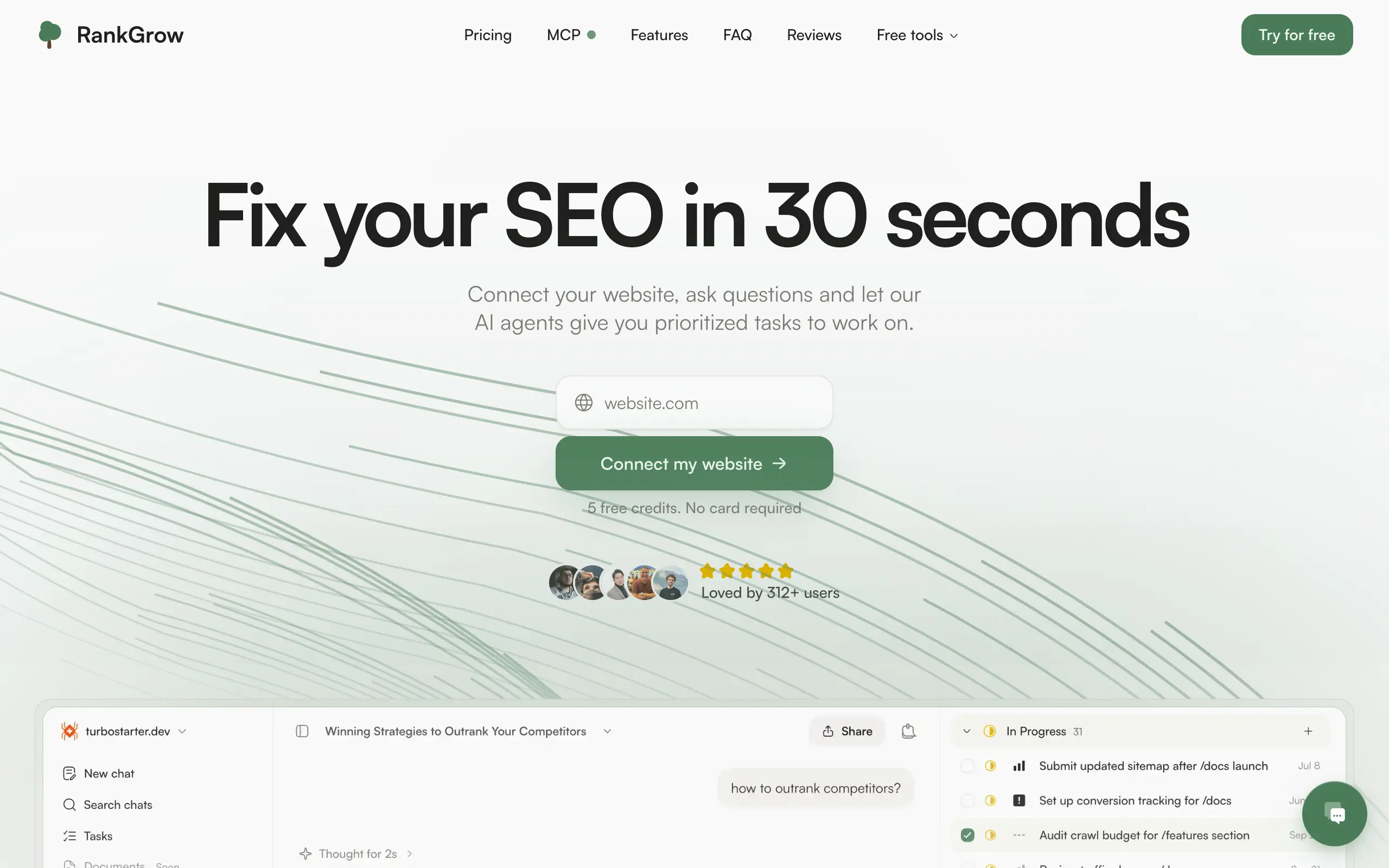
RankGrow
Fix your SEO with AI agents - connect Search Console, get prioritized tasks, and grow organic traffic 📈
SyncReads
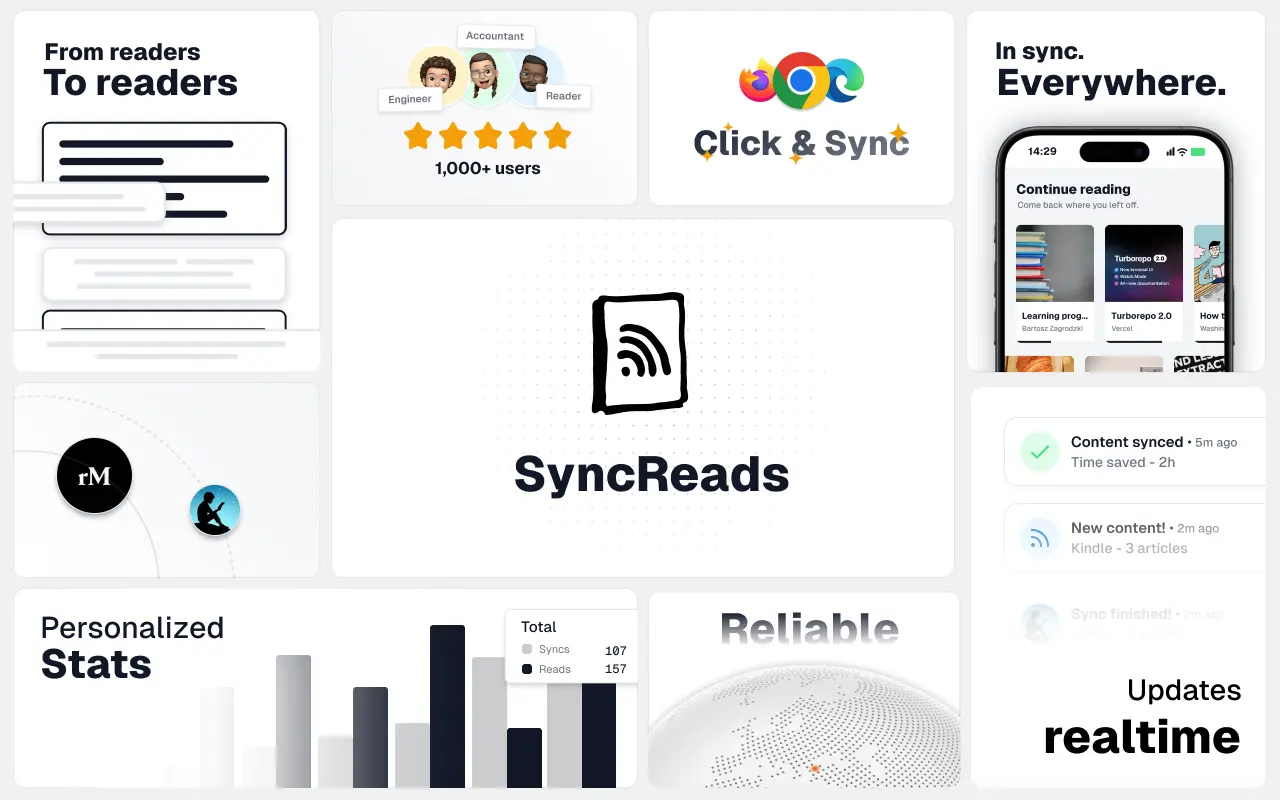
Sync your favorite content for distraction-free reading, save time and replace multiple apps. Anytime, anywhere 🔄
Socialcrawl
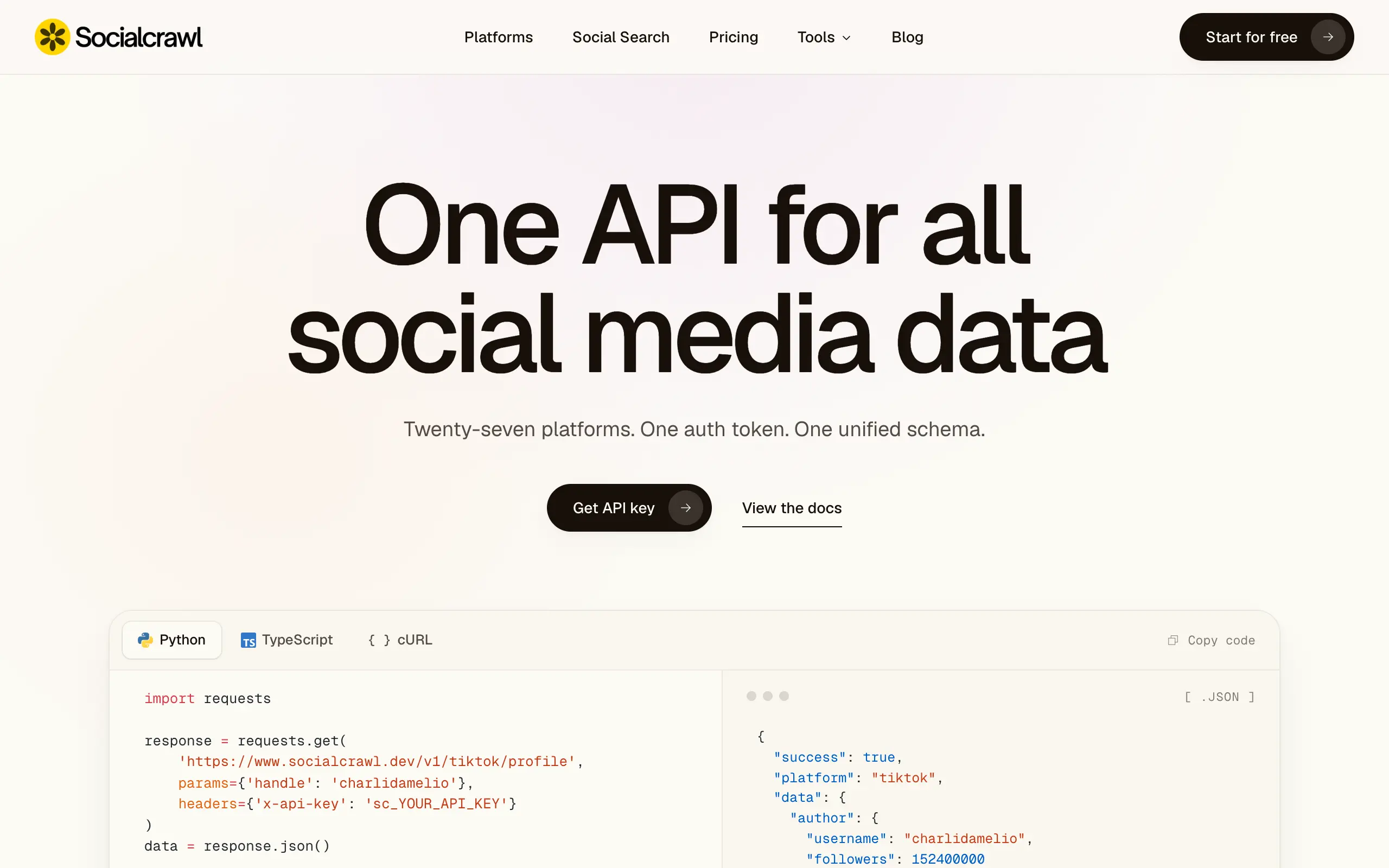
Get clean, structured data from 21 platforms like TikTok, Instagram, and YouTube with a single request 📊
Statiko
Monitor any Telegram channel in real time - track posts, edits, deletions, and growth with AI recaps 📡
Shibui
AI website builder - describe your business, pick a niche template, edit by chatting, and publish instantly ✨
Pro Service
Find verified home service professionals, compare quotes, and pay securely through escrow - built for Brazilians across the US 🏠
RankGrow
Fix your SEO with AI agents - connect Search Console, get prioritized tasks, and grow organic traffic 📈
SyncReads
Sync your favorite content for distraction-free reading, save time and replace multiple apps. Anytime, anywhere 🔄
Socialcrawl
Get clean, structured data from 21 platforms like TikTok, Instagram, and YouTube with a single request 📊
Statiko
Monitor any Telegram channel in real time - track posts, edits, deletions, and growth with AI recaps 📡
Shibui
AI website builder - describe your business, pick a niche template, edit by chatting, and publish instantly ✨
Pro Service
Find verified home service professionals, compare quotes, and pay securely through escrow - built for Brazilians across the US 🏠
RankGrow
Fix your SEO with AI agents - connect Search Console, get prioritized tasks, and grow organic traffic 📈
SyncReads
Sync your favorite content for distraction-free reading, save time and replace multiple apps. Anytime, anywhere 🔄
Socialcrawl
Get clean, structured data from 21 platforms like TikTok, Instagram, and YouTube with a single request 📊
Statiko
Monitor any Telegram channel in real time - track posts, edits, deletions, and growth with AI recaps 📡
Shibui
AI website builder - describe your business, pick a niche template, edit by chatting, and publish instantly ✨
Pro Service
Find verified home service professionals, compare quotes, and pay securely through escrow - built for Brazilians across the US 🏠
RankGrow
Fix your SEO with AI agents - connect Search Console, get prioritized tasks, and grow organic traffic 📈
SyncReads
Sync your favorite content for distraction-free reading, save time and replace multiple apps. Anytime, anywhere 🔄
Socialcrawl
Get clean, structured data from 21 platforms like TikTok, Instagram, and YouTube with a single request 📊
Dotallio
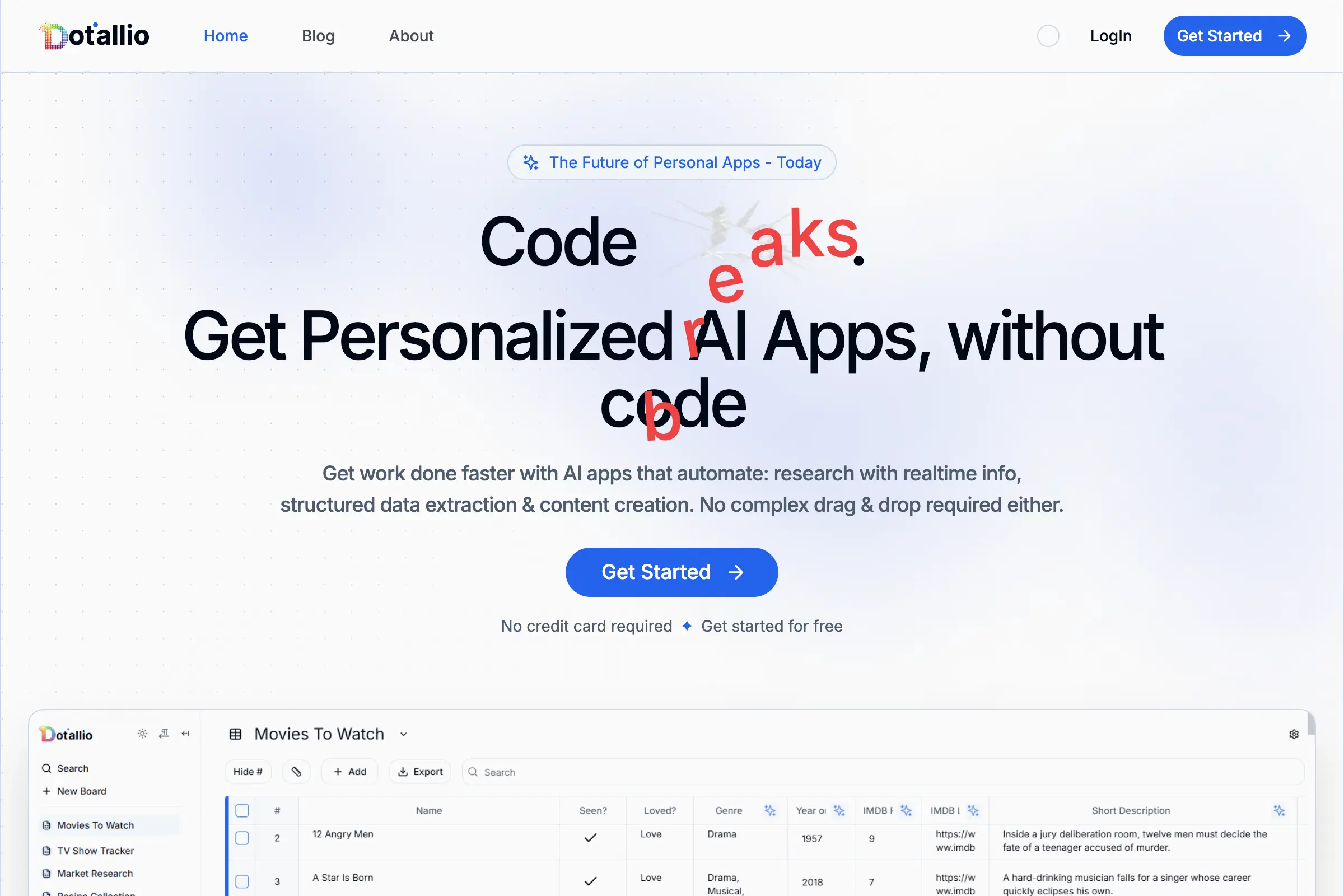
Personalized AI apps that automate research, data extraction, and content creation without code 🤖
Talk to Santa
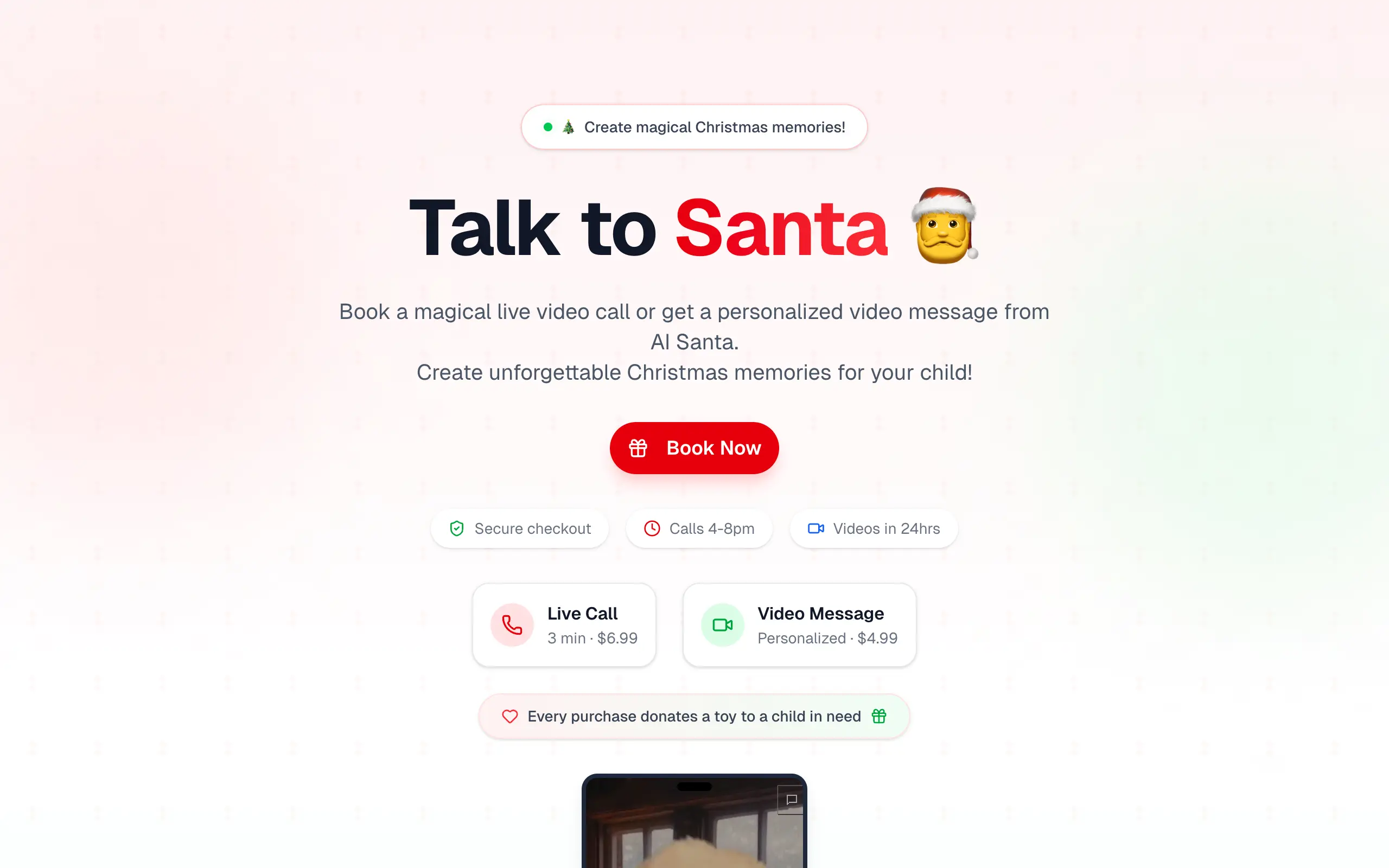
Enjoy a magical live video chat or receive a unique AI-generated video greeting from Santa Claus 🎅
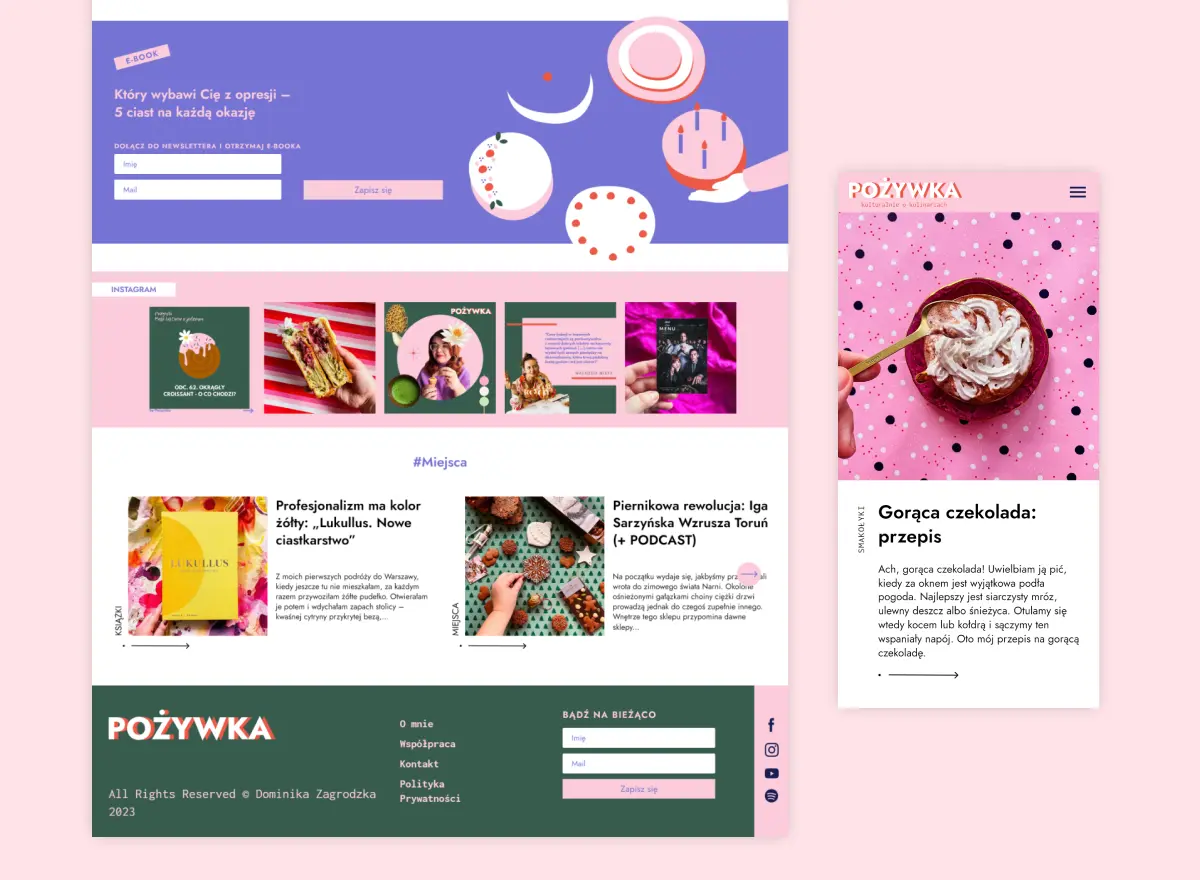
pozywka.pl
Scalable blog for food journalist, focused on performance and user experience 🌭
zagrodzki.me
Personal blog and portfolio of Bart Zagrodzki, where he shares his knowledge and work 💼
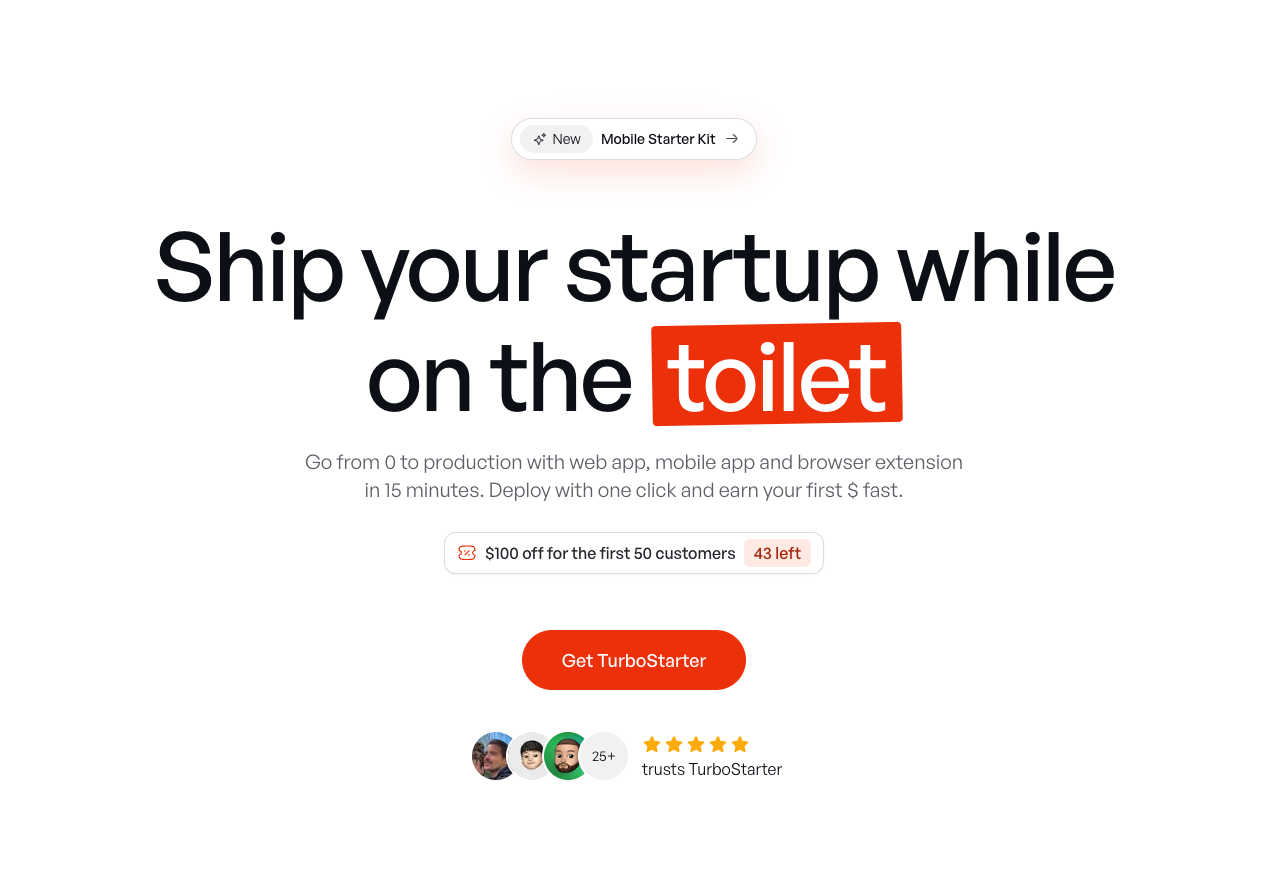
TurboStarter
Ship your startup everywhere. In minutes.
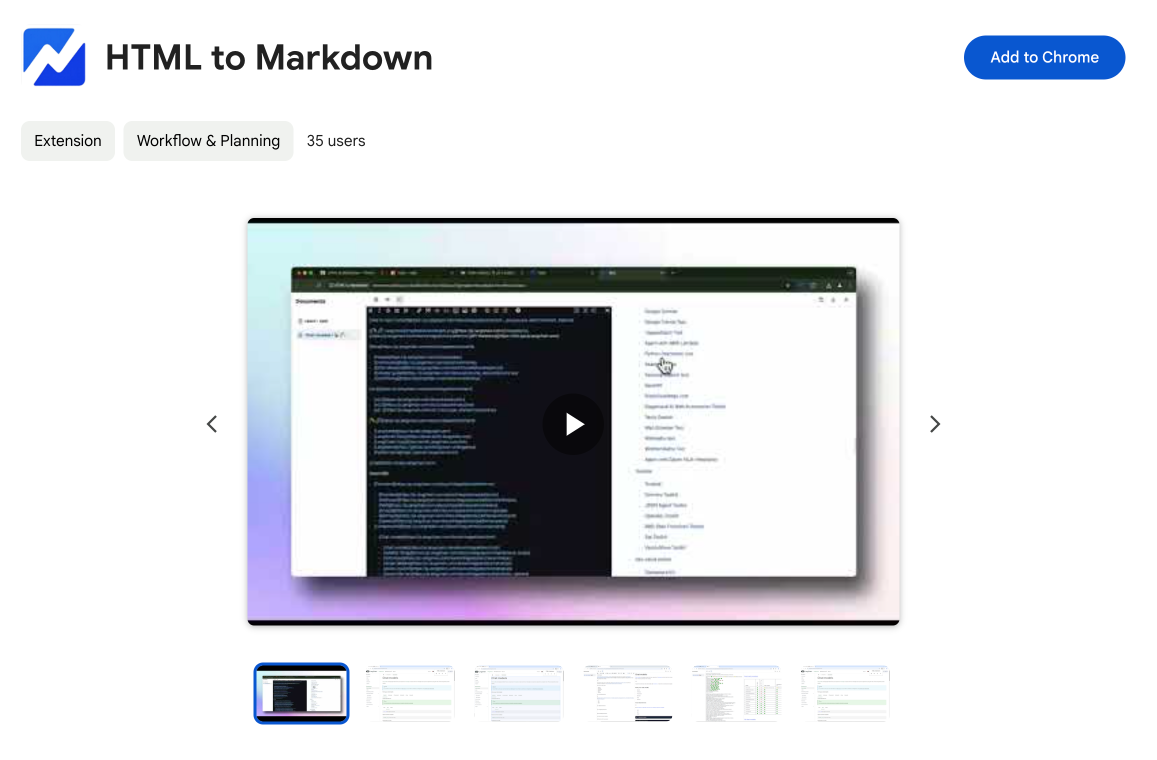
HTML to Markdown
Convert HTML to Markdown with ease, directly in your browser 📄
Dotallio
Personalized AI apps that automate research, data extraction, and content creation without code 🤖
Talk to Santa
Enjoy a magical live video chat or receive a unique AI-generated video greeting from Santa Claus 🎅
pozywka.pl
Scalable blog for food journalist, focused on performance and user experience 🌭
zagrodzki.me
Personal blog and portfolio of Bart Zagrodzki, where he shares his knowledge and work 💼
TurboStarter
Ship your startup everywhere. In minutes.
HTML to Markdown
Convert HTML to Markdown with ease, directly in your browser 📄
Dotallio
Personalized AI apps that automate research, data extraction, and content creation without code 🤖
Talk to Santa
Enjoy a magical live video chat or receive a unique AI-generated video greeting from Santa Claus 🎅
pozywka.pl
Scalable blog for food journalist, focused on performance and user experience 🌭
zagrodzki.me
Personal blog and portfolio of Bart Zagrodzki, where he shares his knowledge and work 💼
TurboStarter
Ship your startup everywhere. In minutes.
HTML to Markdown
Convert HTML to Markdown with ease, directly in your browser 📄
Dotallio
Personalized AI apps that automate research, data extraction, and content creation without code 🤖
Talk to Santa
Enjoy a magical live video chat or receive a unique AI-generated video greeting from Santa Claus 🎅
pozywka.pl
Scalable blog for food journalist, focused on performance and user experience 🌭
zagrodzki.me
Personal blog and portfolio of Bart Zagrodzki, where he shares his knowledge and work 💼
TurboStarter
Ship your startup everywhere. In minutes.
HTML to Markdown
Convert HTML to Markdown with ease, directly in your browser 📄
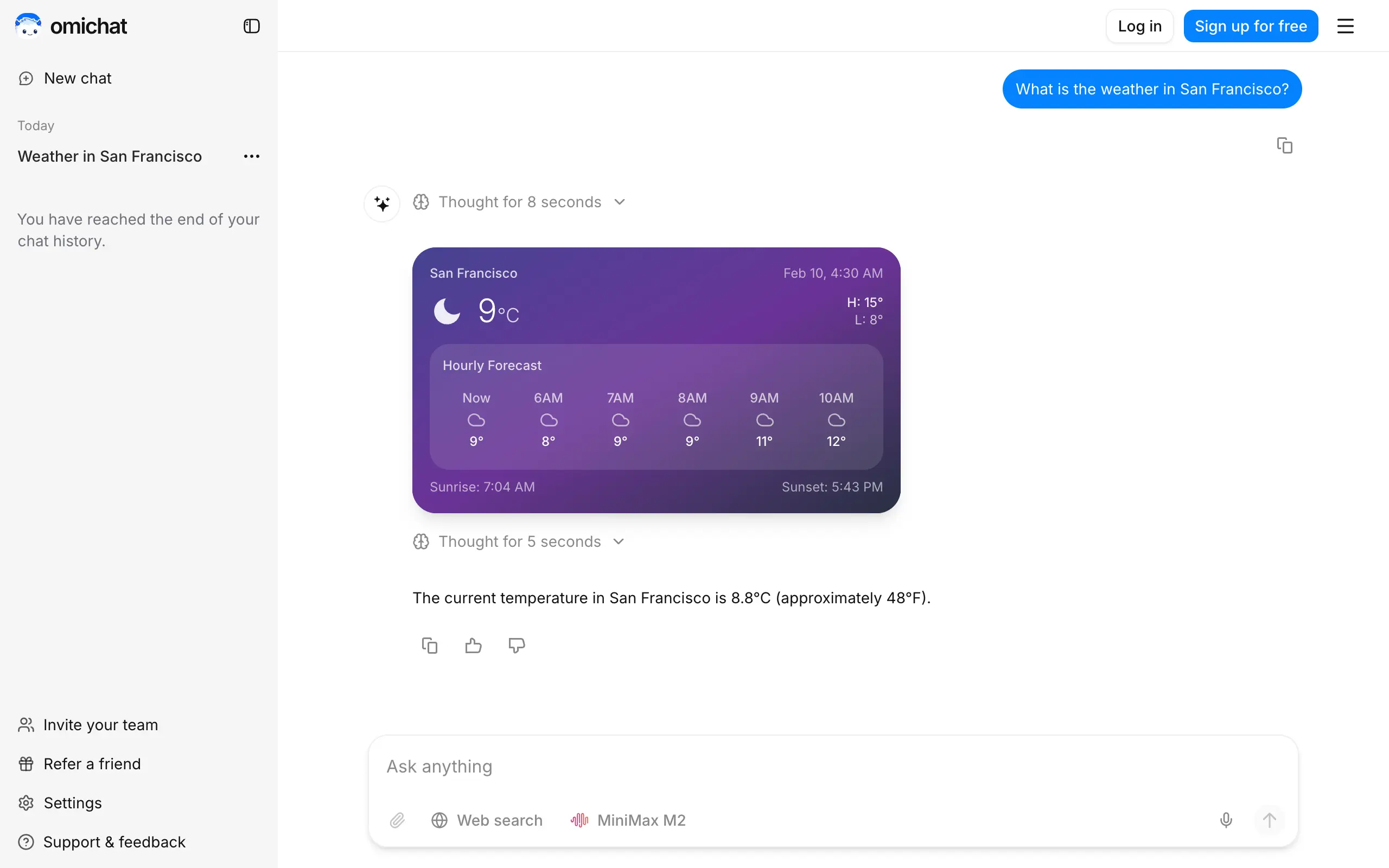
Omichat
Chat with 50+ AI models, including ChatGPT and Claude, in one place - switch models anytime without losing context 🤖
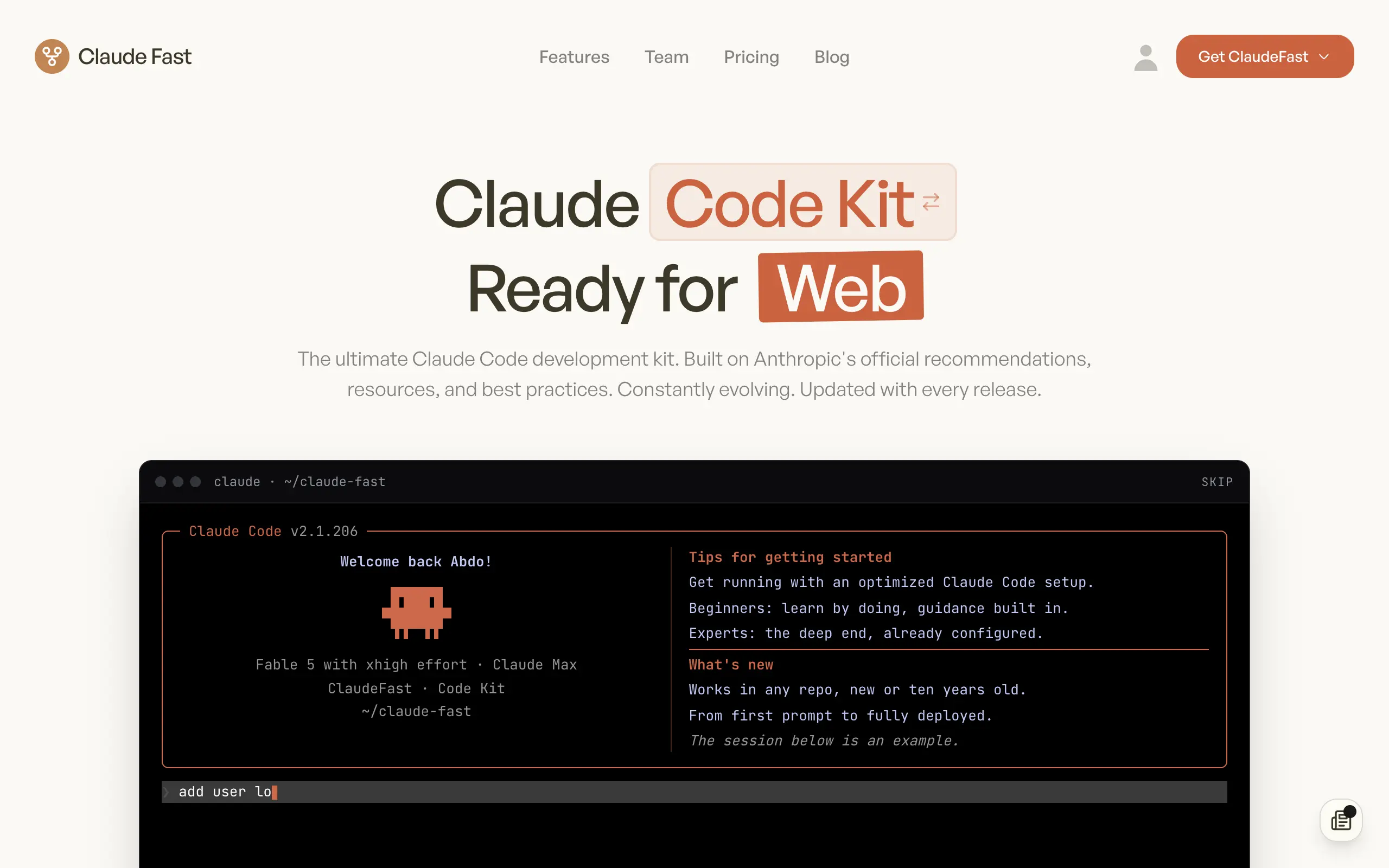
Claude Fast
Supercharge your Claude Code with 6x effective context window and specialized AI agents 🤖
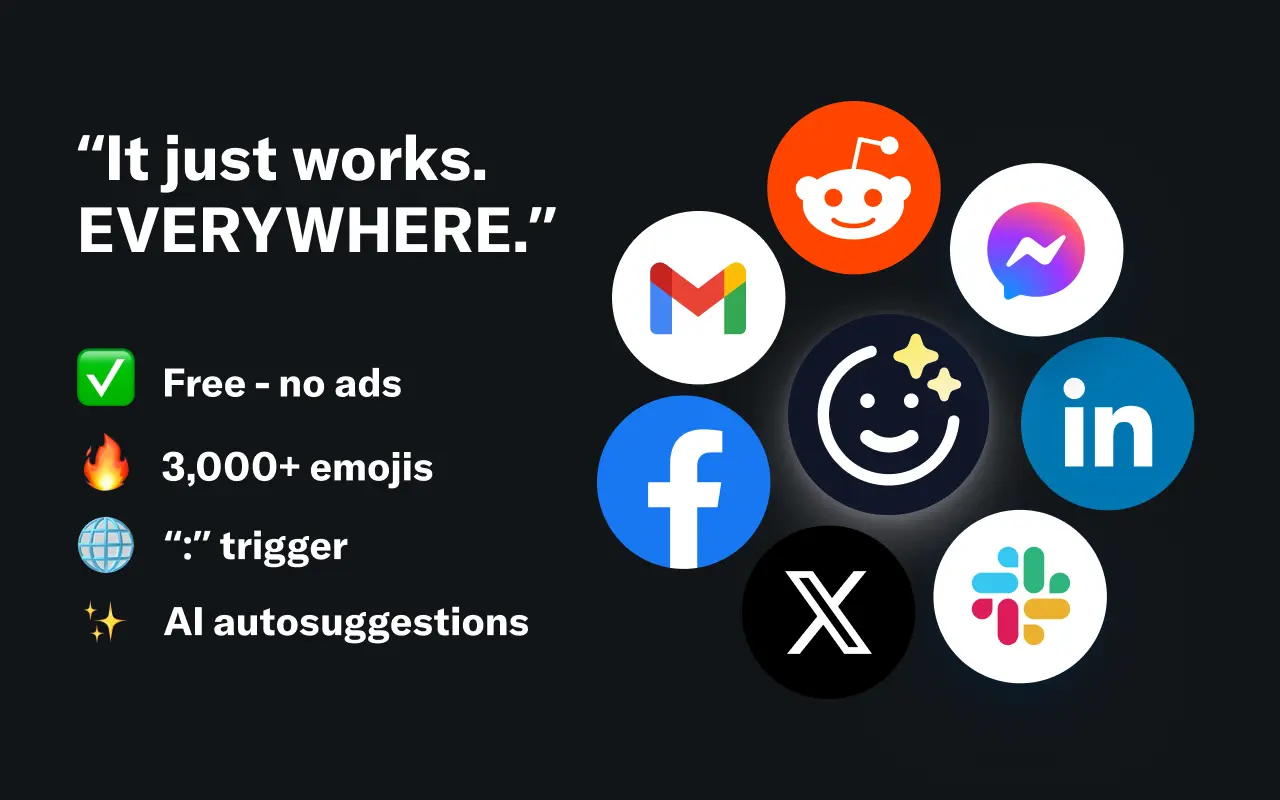
EmojAI
AI-powered emoji picker with smart, context-aware suggestions 🤖
Solohacker
Autonomous company launcher - AI agents work 24/7, escalate what matters, and you stay in control 🤖
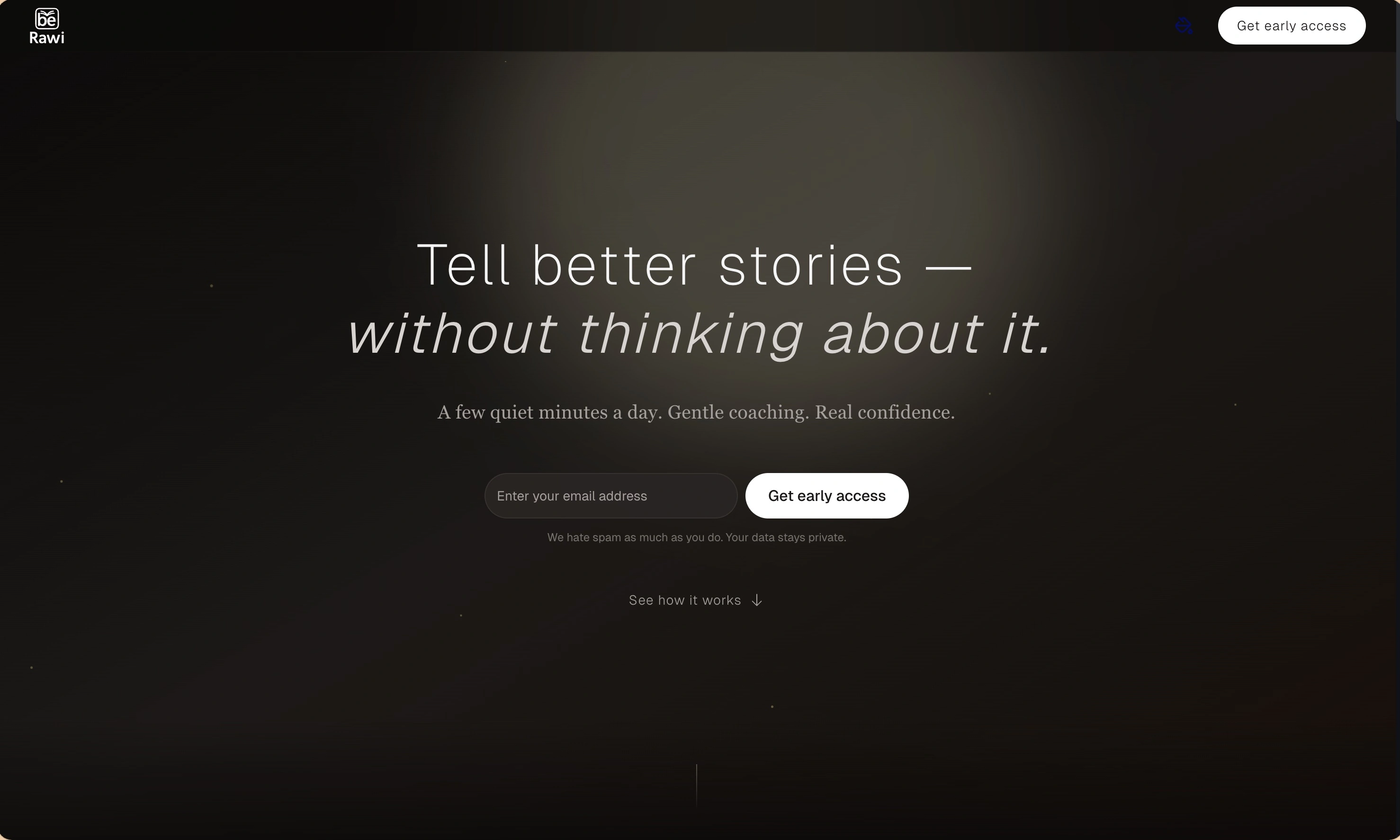
BeRawi: Storytelling Coach
Practice storytelling daily with instant feedback to sound clearer, more engaging, and confident 🎤
Omichat
Chat with 50+ AI models, including ChatGPT and Claude, in one place - switch models anytime without losing context 🤖
Claude Fast
Supercharge your Claude Code with 6x effective context window and specialized AI agents 🤖
EmojAI
AI-powered emoji picker with smart, context-aware suggestions 🤖
Solohacker
Autonomous company launcher - AI agents work 24/7, escalate what matters, and you stay in control 🤖
BeRawi: Storytelling Coach
Practice storytelling daily with instant feedback to sound clearer, more engaging, and confident 🎤
Omichat
Chat with 50+ AI models, including ChatGPT and Claude, in one place - switch models anytime without losing context 🤖
Claude Fast
Supercharge your Claude Code with 6x effective context window and specialized AI agents 🤖
EmojAI
AI-powered emoji picker with smart, context-aware suggestions 🤖
Solohacker
Autonomous company launcher - AI agents work 24/7, escalate what matters, and you stay in control 🤖
BeRawi: Storytelling Coach
Practice storytelling daily with instant feedback to sound clearer, more engaging, and confident 🎤
Omichat
Chat with 50+ AI models, including ChatGPT and Claude, in one place - switch models anytime without losing context 🤖
Claude Fast
Supercharge your Claude Code with 6x effective context window and specialized AI agents 🤖
EmojAI
AI-powered emoji picker with smart, context-aware suggestions 🤖
Solohacker
Autonomous company launcher - AI agents work 24/7, escalate what matters, and you stay in control 🤖
BeRawi: Storytelling Coach
Practice storytelling daily with instant feedback to sound clearer, more engaging, and confident 🎤

Connect with like-minded people
Join our community to get feedback, support, and grow together with 1,000+ builders on board, let's ship it!
Join usShip your startup everywhere. In minutes.
Don't burn tokens on setup and start building features on day one.