LocalLens
Search Ireland’s independent shops by photographing what you want; AI finds similar locally made products and helps buyers support nearby businesses.
What LocalLens is and why the idea matters
LocalLens is an AI-powered local shopping discovery platform for Ireland. A shopper photographs an item they want—such as a ceramic mug, a wool scarf, or a piece of jewellery—and LocalLens finds similar products from independent Irish shops and makers.
The concept combines visual product search, local business discovery, and shopping with a sense of place. Instead of asking shoppers to guess the right search terms or browse a long list of general results, LocalLens starts with the object they already have in mind and helps them find a locally available alternative.
The idea addresses a practical discovery problem. Independent shops may offer distinctive products, but buyers often do not know what those shops stock, how to describe a product, or where to look for it. Meanwhile, a shopper who finds a product on a large marketplace may have no easy way to discover a similar item made or sold nearby.
LocalLens can make that connection easier. A buyer shares an image, receives relevant local product matches, and can visit the seller’s own product page or contact the business to confirm availability.
The opportunity is promising, but execution will matter more than the AI label. The platform needs accurate matches, trustworthy product and location information, current inventory signals, and enough participating merchants to make searches useful. Its strongest version is not simply “visual search for Irish shops.” It is a dependable local discovery layer that helps shoppers move from inspiration to a real independent seller.
The search intent behind LocalLens
People searching for a product through an image often have a clear visual preference but not the vocabulary to describe it. They may know that they want “something like this” without knowing the product category, material, style, or maker.
LocalLens should serve several related search and shopping intents:
- Visual product discovery: Find products similar to an image.
- Local shopping: Find independent shops and makers in Ireland.
- Irish-made product discovery: Explore goods that are made in Ireland, where that claim is verified.
- Gift finding: Turn a reference image into gift ideas from local businesses.
- Shopping with values: Make it easier to choose independent sellers over a generic marketplace result.
- Retail discovery: Help a buyer identify a relevant shop before visiting or purchasing.
This mix gives the product two jobs. First, it needs to identify what is visually similar. Second, it needs to show why a result is locally relevant and whether the shopper can actually buy it.
A good result should therefore communicate more than a thumbnail and a product name. It should make clear:
- What the product is
- Which business sells or makes it
- Where that business is based
- Whether the product is made locally or simply sold locally
- Whether it appears to be available online or in store
- How the shopper can verify details or make a purchase
That distinction is central to trust. A platform that labels everything “Irish-made” without evidence risks misleading buyers and undermining the businesses it aims to support.
Target audiences for an AI local shopping platform
LocalLens has at least two core audiences: shoppers and independent businesses. A strong launch plan should focus on a narrow segment of each rather than attempting to serve every product category and every Irish retailer at once.
Shoppers looking for distinctive products
The first customer group is people who want an item with a particular look, material, or character but are open to buying from a different brand or maker. A visual reference makes their starting point concrete.
Potential use cases include:
- Finding handmade homeware similar to an image saved from social media
- Discovering a locally stocked alternative to a product seen elsewhere
- Searching for a gift based on a photo or mood board
- Finding clothing or accessories with a similar style
- Browsing Irish craft and design without already knowing the relevant makers
These shoppers need a low-friction experience. They should be able to upload an image, understand why a result is relevant, and quickly see the seller’s location and purchase options.
Local shoppers and visitors
People who want to support businesses in a particular town or region may use LocalLens to find products near them. Visitors can also use it to discover independent shops while travelling, especially when they want a souvenir or locally produced gift that feels more meaningful than a mass-market item.
For this audience, geography must be useful rather than decorative. The platform should distinguish between:
- A product sold by a shop in the shopper’s area
- A product made by a business elsewhere in Ireland
- A product that is available for delivery across Ireland
- A product that can be collected or viewed in person
Clear filters and labels help users understand these differences.
Independent retailers and makers
The supply side may include independent gift shops, design stores, craft studios, fashion boutiques, homeware retailers, and individual makers. Their needs are not identical.
A maker may want to be found by people searching for a product category or style. A retailer may stock goods from many producers and need an efficient way to maintain a product catalogue. A multi-location business may need store-level availability.
Merchants are more likely to participate if LocalLens brings relevant, measurable discovery—not merely another listing to maintain. The platform should make onboarding straightforward and show participating businesses how their listings are displayed, what information is public, and how they can correct errors.
Gift buyers and event-driven shoppers
Gift discovery is a useful early use case because shoppers often begin with an inspiration image and may be flexible about the exact item. LocalLens could support searches around birthdays, weddings, housewarmings, holidays, and corporate gifts.
This segment also creates opportunities for curated collections. For example, LocalLens might highlight locally made gifts under a chosen budget or products from a specific region. These collections should be clearly labelled as editorial or sponsored where appropriate, rather than presented as neutral search results when they are paid placements.
The market opportunity and the gap LocalLens can fill
LocalLens sits at the intersection of several established behaviors: image-based discovery, online product research, independent retail, and local search. The opportunity is not to claim that no one can search for products visually or find shops online. It is to make those activities work together around independent Irish commerce.
A shopper can already use general search engines, social platforms, online marketplaces, maps, or retailer websites. But these tools may not answer the full question: “Where can I find something like this from an independent Irish business?”
The likely gap is fragmentation. Product information can be distributed across individual websites, social profiles, marketplace listings, and in-store catalogues. LocalLens can create value by making those products easier to search and compare while preserving a direct path to the business.
The strongest initial market opportunity is likely to be a focused product category and geography, not the whole country and every type of product from day one. A concentrated catalogue can improve matching quality and make merchant acquisition more manageable.
Possible launch wedges include:
- Irish-made homeware and ceramics
- Independent jewellery and accessories
- Gifts from a defined region
- Fashion and textiles from local makers
- Products sold by independent shops in one city or county
Each wedge has trade-offs. A category such as homeware may be visually distinctive and relatively easy to explain, but it may involve seasonal inventory and varied product descriptions. Gift discovery can appeal to a broad audience, but it may be harder to define a precise search taxonomy. A regional launch can make merchant relationships and in-person promotion more practical, but it limits initial catalogue breadth.
LocalLens should test these options with shoppers and merchants before committing to a large build. Interviews can reveal what people currently do when they see a product they like, which alternatives they trust, and what would make them upload an image to a new service. Merchant conversations can reveal how products are currently catalogued and what participation would need to deliver.
A practical positioning statement
A useful positioning statement for LocalLens is:
Find products like the ones you love, from independent shops and makers in Ireland.
This expresses the product’s core difference without promising perfect image recognition or implying that every item is made locally. Product pages and filters can then explain whether a result is Irish-made, sold by an Irish business, or simply available locally.
Competitive advantage and positioning
LocalLens will compete with behaviors and platforms, not just direct products. A buyer may choose a general visual search tool, search a marketplace, browse social media, visit a shop, or ask friends for recommendations. LocalLens needs to offer a clearer reason to choose it for this specific task.
| Discovery option | Visual search | Irish independent focus | Merchant context | Main limitation |
|---|---|---|---|---|
| General web search | Varies | Varies | Varies | Results may be broad or difficult to verify |
| Large marketplaces | Often available | Usually not the primary focus | Marketplace-led | Independent local context may be hard to assess |
| Social media browsing | Image-led | Depends on who a shopper follows | Often informal | Product details and current availability can be unclear |
| Local maps and directories | Usually limited | May list local businesses | Business-led | Product-level discovery may be limited |
| LocalLens | Core experience | Core positioning | Product and seller information together | Requires a useful, current merchant catalogue |
The table is a positioning framework, not a claim that every service in a category offers the same features. Capabilities change, and LocalLens should periodically test its experience against the tools shoppers actually use.
LocalLens’s potential USP
The potential unique selling proposition is visual discovery designed around independent Irish commerce. The platform can bring together:
- Image-based product search for shoppers who cannot describe what they want.
- Local and independent seller signals that make a result relevant beyond visual similarity.
- Merchant identity and location information that helps buyers understand who they are supporting.
- A direct route to the seller rather than keeping the transaction hidden inside a discovery tool.
That combination is more defensible than image matching alone. A general vision model can identify objects and styles, but a carefully built local catalogue, accurate merchant data, and strong retailer relationships are harder to replicate quickly.
Core features and how the solution should work
The product should begin with a focused, dependable search journey. Advanced features are useful only if the basic loop works: a shopper uploads an image, sees relevant products, understands the match, and can reach a seller.
1. Image upload and visual search
A shopper should be able to upload an image from a phone or computer. The search system can analyze visual features such as product category, shape, colour, pattern, and style, then compare those features with product images in the catalogue.
The system should not assume that the uploaded image is a product photo. It could be a room scene, a person wearing an item, a screenshot, or a reference image with several objects. A good search experience can ask the user to select or crop the relevant area when the image contains multiple possible products.
Useful upload features include:
- Camera capture on mobile
- Image upload from a device
- Crop and focus controls
- A clear explanation of accepted image formats
- A way to remove an uploaded image
- A fallback text search if image matching is unsuccessful
Privacy should be considered at the point of upload. Explain what happens to the image, whether it is stored, and how long it is retained. If the platform does not need to retain original images after generating a search representation, avoid keeping them unnecessarily.
2. Search results with explainable relevance
A result should show the product, seller, location, price when available, and a concise reason it appears. For example, the explanation could note that the item is a similar shape, material, colour, or product type. It should not imply that an item is an exact match unless it really is.
A useful results page should let users refine their search by:
- Product category
- Region or distance
- Price range
- Availability or purchase method
- Made in Ireland status
- Independent seller type
- Delivery or collection options
Filters should use data the platform can maintain. If a merchant has not supplied reliable stock information, LocalLens should say that availability needs to be confirmed rather than displaying a misleading “in stock” label.
3. Product pages that support trust
LocalLens can host product pages, link to merchant pages, or combine the two. In an early version, linking directly to a merchant’s own product page may reduce payment complexity and help merchants retain the customer relationship.
A product listing should include:
- Product name and images
- Seller name and business location
- Product category and searchable attributes
- Price and currency, if the seller provides them
- A clear “made in Ireland” status only when supported
- An external purchase or enquiry link
- A last-updated indicator where practical
- A method for the merchant to correct information
A product being sold by an Irish business is not necessarily made in Ireland. Keeping those concepts separate is important for both accuracy and consumer trust.
4. Merchant onboarding and catalogue management
Merchant onboarding is a core product feature, not an administrative afterthought. If adding products is burdensome, the catalogue will become incomplete or stale.
An MVP could support a few simple ways to provide catalogue data:
- A guided manual listing form
- A spreadsheet or CSV upload
- A product feed for compatible commerce platforms
- A merchant claim process for listings created from public business information
Each method has different costs. Manual listing is easy to understand but difficult to scale. Bulk uploads can save time but require validation and support. Integrations may be valuable later, once the platform understands which systems its first merchants use.
Merchants should be able to update images, prices, location, product descriptions, and links. They should also be able to flag products that are discontinued or temporarily unavailable.
5. Discovery beyond the search box
Once the core visual search works, LocalLens can add discovery features that encourage repeat visits:
- Curated collections by category or region
- Seasonal gift guides
- Maker stories and shop profiles
- Saved products or wish lists
- Search alerts for a product type or budget
- Editorial maps of independent shops
- Recommendations based on a user’s chosen interests
These features should support product discovery rather than overwhelm it. The platform should be careful not to turn a simple image search into a generic content feed that makes it harder to reach a product.
Recommended technology stack
A modern web application is a sensible starting point. The stack should help the team validate search quality and merchant participation quickly while keeping data, privacy, and operational costs manageable.
Frontend and application layer
A web-first product can be built with React and Next.js. This approach supports responsive interfaces for mobile and desktop, which matters because many shoppers will discover products on their phones.
Server-rendered or statically generated product and merchant pages can also help search engines understand public catalogue content. The team should decide which pages are public, how frequently they change, and whether product pages should be indexed when listings are incomplete or out of date.
Use accessible form controls, clear upload states, and useful error messages. Image search may feel technically sophisticated, but users still need an interface that works with keyboard navigation, screen readers, and slower mobile connections.
Backend, database, and search
A relational database such as PostgreSQL is a strong choice for product, merchant, location, and availability records. It supports structured data and makes it easier to maintain relationships between products and sellers.
The search architecture may combine:
- Text search over names, descriptions, categories, and tags
- Image embeddings or another vector representation for visual similarity
- Geographic filtering by region or coordinates
- Ranking rules that balance visual relevance, seller location, and data quality
A vector index can help retrieve visually similar catalogue items, but it should not be the only ranking signal. A technically similar product that is unavailable, incorrectly categorized, or far outside the shopper’s chosen area may be a poor result. A hybrid approach gives the team more control.
Image analysis and AI services
The team can evaluate a hosted AI vision service or an open-source model. A hosted service may speed up prototyping and reduce infrastructure work, but it can create recurring usage costs and dependency on a provider. A self-hosted model may offer more control but requires expertise in deployment, performance monitoring, and model updates.
For an MVP, the simplest useful approach is often:
- Extract a product category and a small set of descriptive attributes.
- Create an image representation for similarity search.
- Retrieve candidate listings.
- Re-rank candidates using category, location, availability, and listing quality.
- Show results with appropriate uncertainty.
Test search quality on real examples from the intended product categories. A model that performs well on generic objects may perform poorly on visually similar handmade products, subtle material differences, or images containing multiple objects.
Hosting, analytics, and payments
Choose hosting and analytics services based on the team’s existing skills, privacy needs, regional requirements, and expected traffic. For early validation, operational simplicity is usually more valuable than a complex infrastructure design.
If LocalLens initially refers shoppers to merchants, it may not need to process payments. If it later becomes a marketplace, it will need to plan for payment processing, refunds, customer support, seller onboarding, tax treatment, and marketplace obligations. Those requirements should be evaluated before building checkout, not added casually after launch.
A practical MVP architecture
A first version could use:
- A responsive web app for shoppers and merchants
- A PostgreSQL database for structured catalogue data
- Object storage for product images
- A search service or vector index for image similarity
- A background job system for image processing and catalogue imports
- Analytics that track search outcomes without retaining unnecessary personal data
- A moderation and reporting workflow for inaccurate or inappropriate listings
The important trade-off is speed versus control. Managed services can help a small team launch sooner, while a custom AI and search stack may be justified once the platform has enough usage data to identify specific shortcomings.
Monetization strategy options
LocalLens can experiment with several revenue models, but it should protect the credibility of its results. If users believe that search rankings are simply paid placements, the product’s core promise weakens.
Merchant subscription
A subscription could provide merchants with features such as enhanced listings, catalogue management, performance insights, and additional product slots.
This model creates predictable revenue but may be difficult to sell before LocalLens demonstrates meaningful traffic or sales. Consider a free or low-cost launch tier while validating merchant value.
Referral or transaction commission
LocalLens could earn a fee when it sends a buyer to a merchant or facilitates a completed order. Referral tracking is relatively straightforward when the merchant supports it, but attribution can be difficult when a shopper completes a purchase later or in a physical shop.
A marketplace commission may produce more direct attribution but adds operational responsibilities, including payment flows, refunds, seller support, and transaction disputes.
Sponsored discovery
Merchants may pay to promote products or collections. Sponsored placements can be commercially useful, but they should be visibly labelled and must not silently override relevance. A transparent advertising policy can help protect trust.
Curated campaigns and partnerships
LocalLens could work with local organisations, tourism groups, shopping districts, or event organisers on clearly labelled gift guides and regional collections. These partnerships may help with customer acquisition and merchant onboarding, though they should not determine all organic results.
Data and insights
Aggregated insights about search demand may be valuable to merchants—for example, broad trends in the kinds of products shoppers are seeking. Any analytics offering should be designed with privacy in mind. Avoid selling identifiable shopper data or implying that individual searches will be shared with a merchant without consent.
A sensible sequence is to begin with a free discovery experience and test a paid merchant feature only after LocalLens can demonstrate qualified visits, enquiries, or sales referrals.
Risks and how to mitigate them
Inaccurate visual matches
Visual search can return items that look similar but differ in material, size, quality, or intended use.
Mitigation: Let users refine results, explain why an item matched, and measure search quality with real shopper feedback. Provide a text-search alternative and avoid presenting similarity as a guarantee of equivalence.
Sparse or outdated product data
A search tool is only useful when it has enough relevant products. Listings can become stale as prices, stock, and product ranges change.
Mitigation: Start with a limited category or geography, give merchants simple update tools, show update timestamps where feasible, and create a process for flagging incorrect listings. Do not promise real-time inventory unless the platform can support it.
Confusion about what “local” means
A product may be made in Ireland, sold by an Irish retailer, or simply deliverable to Ireland. Treating these as the same claim could mislead shoppers.
Mitigation: Use distinct labels and define the evidence required for each claim. Let merchants provide information, but establish a review or correction process for claims that materially affect buyer decisions.
Merchant acquisition and onboarding friction
Independent businesses may have limited time and may not want to maintain another sales channel.
Mitigation: Make onboarding lightweight, offer help importing an initial catalogue, and communicate the value in terms merchants care about: qualified discovery, visits, enquiries, or sales. Interview merchants before investing in a complex portal.
Search ranking bias
Ranking choices can unintentionally privilege merchants with more listings, better images, or paid plans.
Mitigation: Separate relevance from promotion, disclose sponsored placements, audit results across sellers and regions, and give merchants a way to challenge factual errors. Include listing quality and local relevance as explicit ranking considerations.
Image privacy and intellectual property
Users may upload images containing people, private spaces, or content they do not own. Product images also belong to merchants or other rights holders.
Mitigation: Explain image handling clearly, collect only what is needed, provide deletion options, and secure permission for catalogue images. Establish a takedown and reporting process before scaling.
Unit economics and AI costs
Image processing and vector search can create recurring costs, especially if users upload many images or merchants submit large catalogues.
Mitigation: Measure cost per search early, resize images appropriately, cache reusable processing where suitable, apply sensible rate limits, and compare hosted and self-managed options using actual workload estimates.
Seasonal demand and retention
Shopping demand may rise around gift-giving periods and soften at other times. A single-use search tool may also struggle to encourage repeat visits.
Mitigation: Build useful repeat discovery through saved searches, collections, gift guides, and new-product updates. Validate which features bring users back rather than assuming that more content will improve retention.
How LocalLens can build trust and authority
Trust is a product feature for a shopping platform. Users need confidence that the results are relevant and that business and product claims are accurate.
LocalLens can reinforce trust by:
- Explaining how visual matching works in plain language
- Separating “made in Ireland” from “sold by an Irish business”
- Displaying seller identity and location clearly
- Identifying paid placements
- Showing when product data was last updated, when that information is available
- Providing a simple way to report an inaccurate listing
- Avoiding unsupported claims about sustainability, origin, or stock
- Publishing a clear image and privacy policy
The team should also create a small evaluation set of representative search queries and images. It can include product types, locations, image quality levels, and cases where several objects appear in one photo. Track whether the first results are useful, whether the seller information is accurate, and whether a shopper takes the intended next step.
For any market statistics used in public-facing material, cite a current, authoritative source and include its publication date and methodology. Do not rely on vague claims about the size of “local shopping” or “AI commerce” as proof of demand. For an early-stage product, direct evidence from interviews, search tests, merchant sign-ups, and referral outcomes is more actionable.
Actionable implementation steps
LocalLens can reduce risk by validating the product in stages rather than building a full marketplace immediately.
1. Choose a narrow launch segment
Select one product category and a manageable geographic area. Define whether the initial promise is to find products made in Ireland, products sold by independent Irish businesses, or both with distinct labels.
2. Interview shoppers and merchants
Speak with prospective buyers about how they currently find similar products and what would make them trust a visual search result. Ask merchants how they manage product information, images, and stock updates. Use the findings to prioritize the first catalogue and onboarding method.
3. Build a small, permissioned catalogue
Recruit an initial group of merchants and obtain product information and image-use permission. Begin with enough depth in the chosen category to make searches worthwhile, rather than collecting a shallow sample across many unrelated categories.
4. Prototype the core search loop
Build a mobile-friendly upload flow, a results page, a few high-value filters, and direct seller links. Test image matching with real shopper photos and reference images. Keep a text-search fallback available.
5. Measure result quality and buyer intent
Track whether searches return relevant products, whether users open merchant pages, and whether they save, enquire about, or purchase a product when that information is available. Review failed searches manually and improve the catalogue or ranking before adding more features.
6. Improve merchant tools and data freshness
Once businesses are receiving useful discovery, streamline product updates and evaluate bulk import or platform integrations. Make it easy to correct inaccurate information and remove discontinued products.
7. Test a revenue model transparently
Explore subscriptions, referrals, or clearly labelled sponsored listings only after LocalLens can show merchants a credible benefit. Keep organic relevance distinct from paid promotion.
A useful early success measure is not simply the number of uploaded images. It is whether shoppers find relevant products and take a meaningful next step—and whether merchants receive enough value to keep their listings current.
Frequently asked questions about LocalLens
LocalLens is designed around discovering products from independent businesses in Ireland. Its potential advantage is the combination of visual matching with seller, location, and product-origin information. The quality of that advantage will depend on the accuracy and coverage of its catalogue.
No. A product could be made in Ireland, sold by an Irish independent retailer, or simply available from a local shop. Those are different attributes and should be labelled separately. The platform should only make an “Irish-made” claim when it has an appropriate basis for doing so.
Not necessarily. Directing shoppers to a merchant’s existing product page can make an initial version simpler to operate. A later marketplace model may provide more transaction control and clearer commission revenue, but it also adds payment, support, and seller-management responsibilities.
A focused catalogue, mobile image upload, relevant visual results, basic filters, accurate seller information, and a direct route to the merchant are a strong starting point. Merchant updates and a reporting process are also important so that listings do not become unreliable.
Start with a category and area where the platform can show a clear discovery benefit. Offer a simple onboarding process, help businesses provide product data, and report useful outcomes such as product views, click-throughs, and enquiries where those metrics can be measured accurately.
The opportunity for LocalLens
LocalLens has a clear product premise: let shoppers use an image to discover similar products from independent shops and makers in Ireland. Its strongest differentiation comes from joining visual search with local relevance, accurate merchant information, and a direct connection to the seller.
The main challenge is not whether AI can compare images. It is whether LocalLens can assemble a useful catalogue, return trustworthy matches, keep product data current, and demonstrate value to both sides of the marketplace. A focused launch can help answer those questions before the team invests in a national catalogue, sophisticated integrations, or checkout infrastructure.
Build the smallest version that can deliver a genuinely useful search. Test it with real shoppers and participating businesses, measure where the experience fails, and expand only when the data supports the next step. For teams looking to accelerate SaaS product development, TurboStarter can provide a starting point for building and validating the application.
More 🤖 AI Startup SaaS ideas
Discover more innovative ai startup SaaS ideas that are trending in 2026. Each idea is AI-generated with market validation and growth potential to help you find your next profitable venture faster than competitors.
Your competitors are building with TurboStarter
Below are some of the SaaS ideas that have been generated and built with our starter kit.
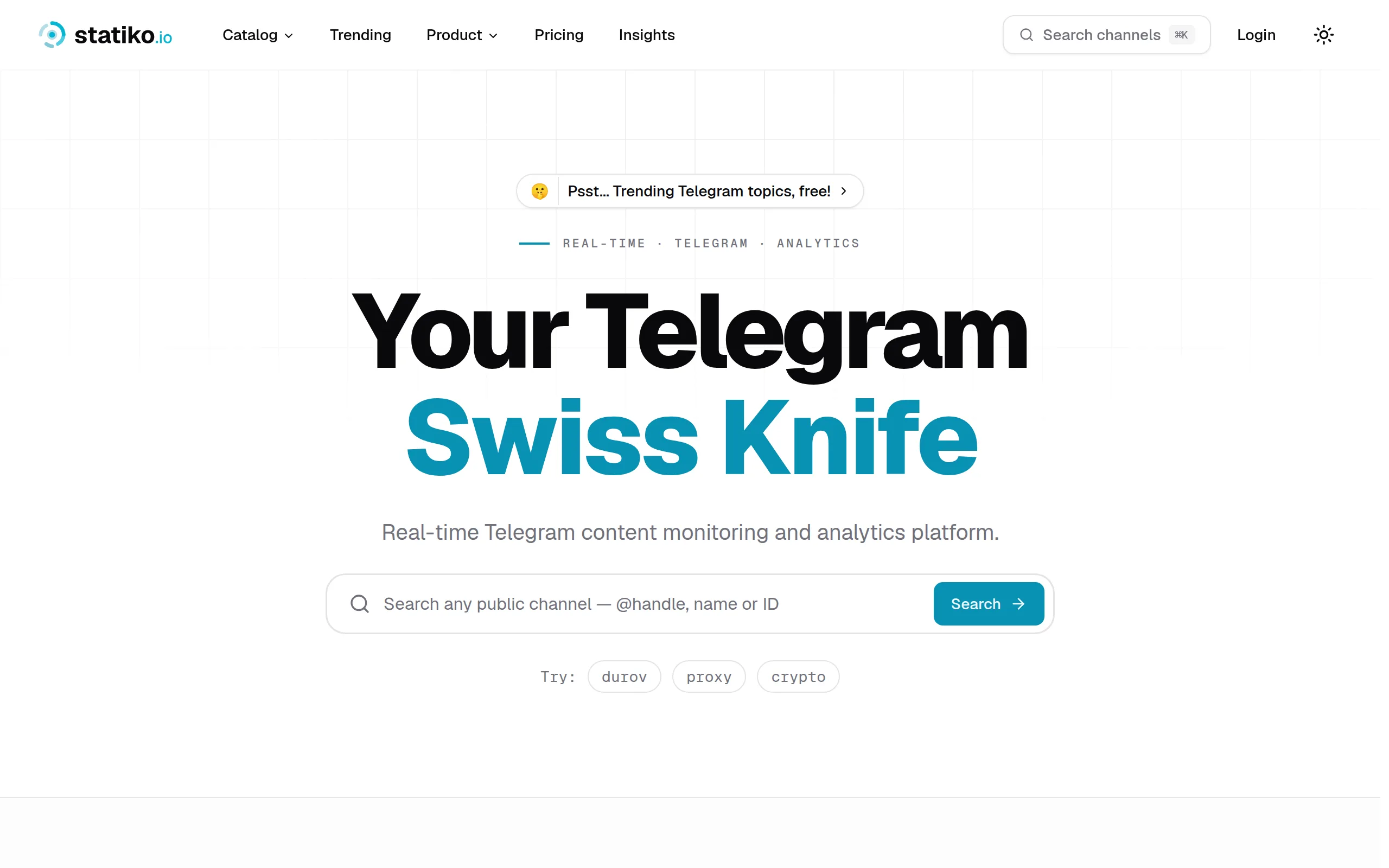
Statiko
Monitor any Telegram channel in real time - track posts, edits, deletions, and growth with AI recaps 📡
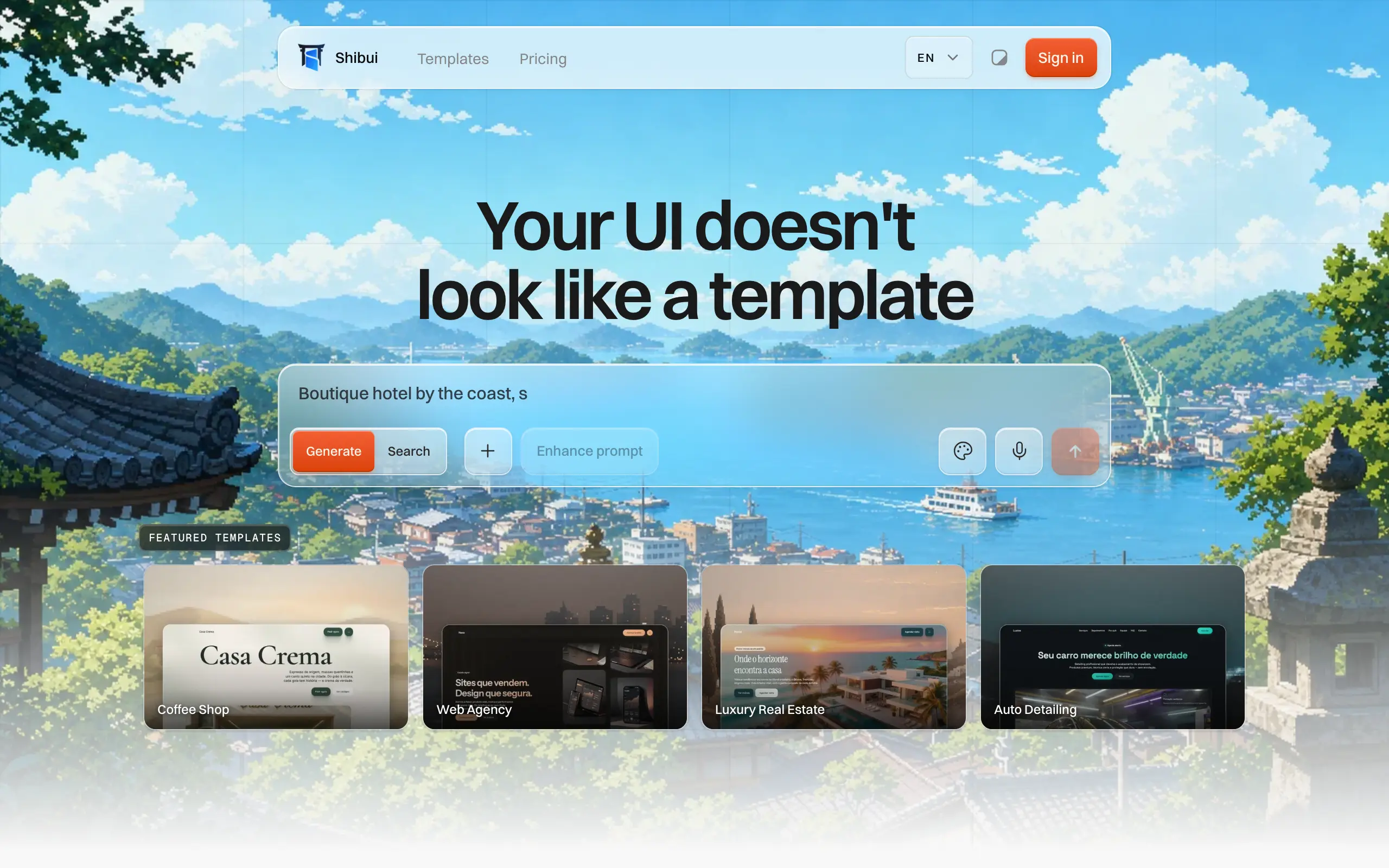
Shibui
AI website builder - describe your business, pick a niche template, edit by chatting, and publish instantly ✨
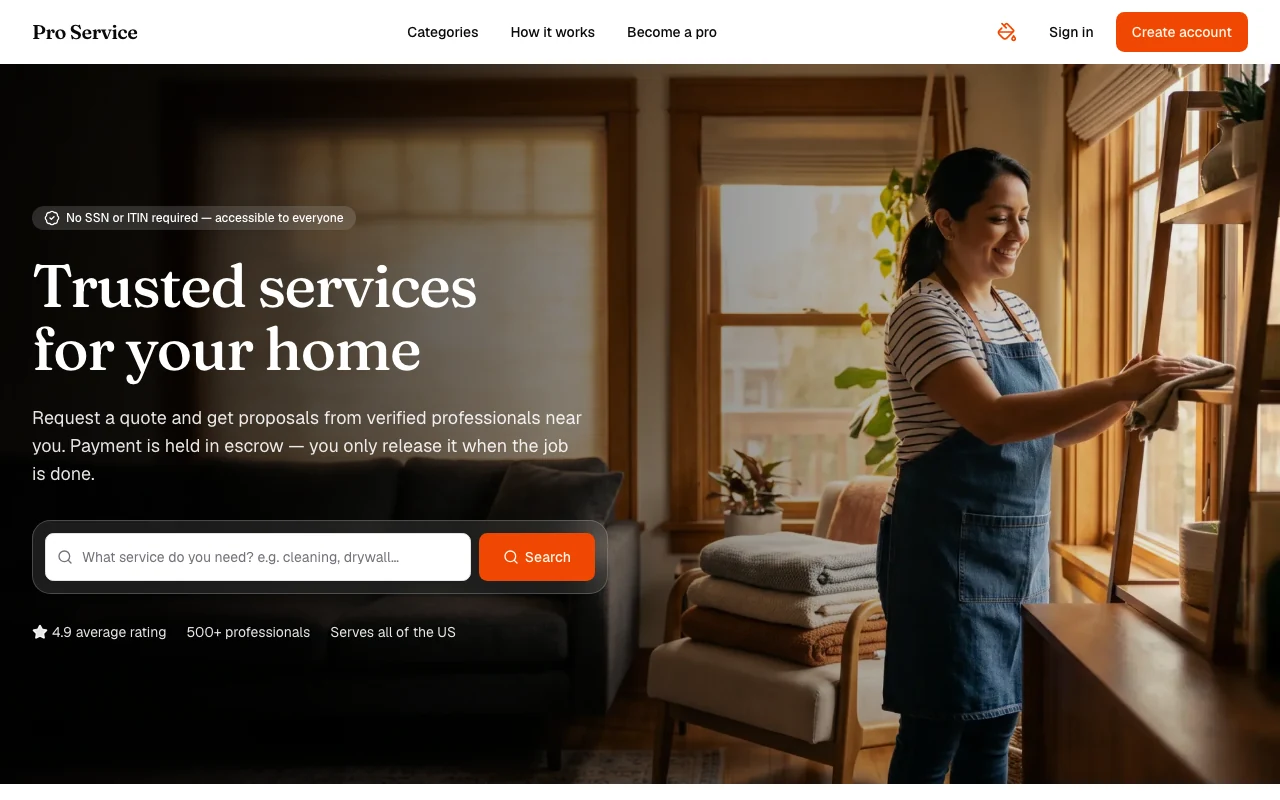
Pro Service
Find verified home service professionals, compare quotes, and pay securely through escrow - built for Brazilians across the US 🏠
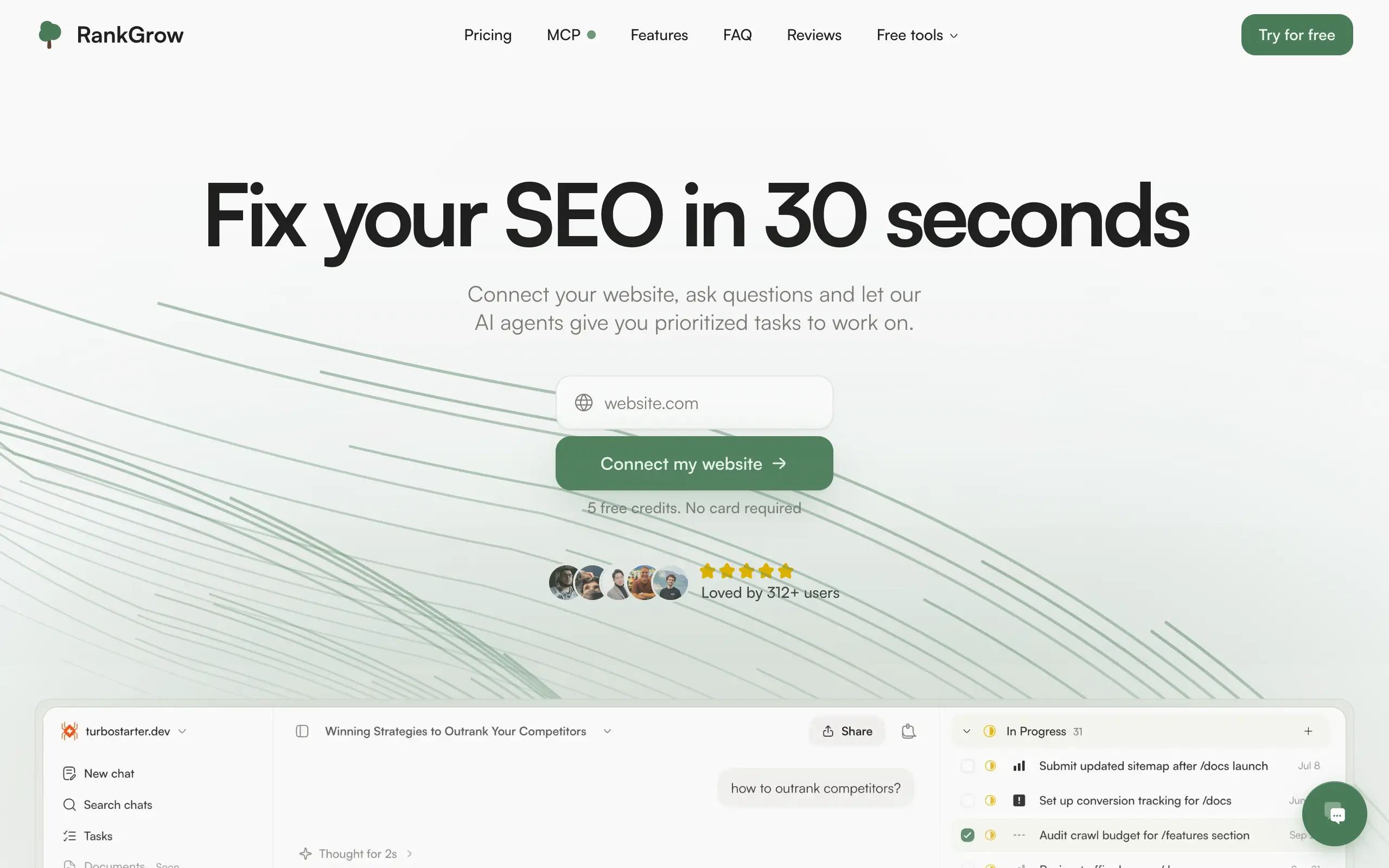
RankGrow
Fix your SEO with AI agents - connect Search Console, get prioritized tasks, and grow organic traffic 📈
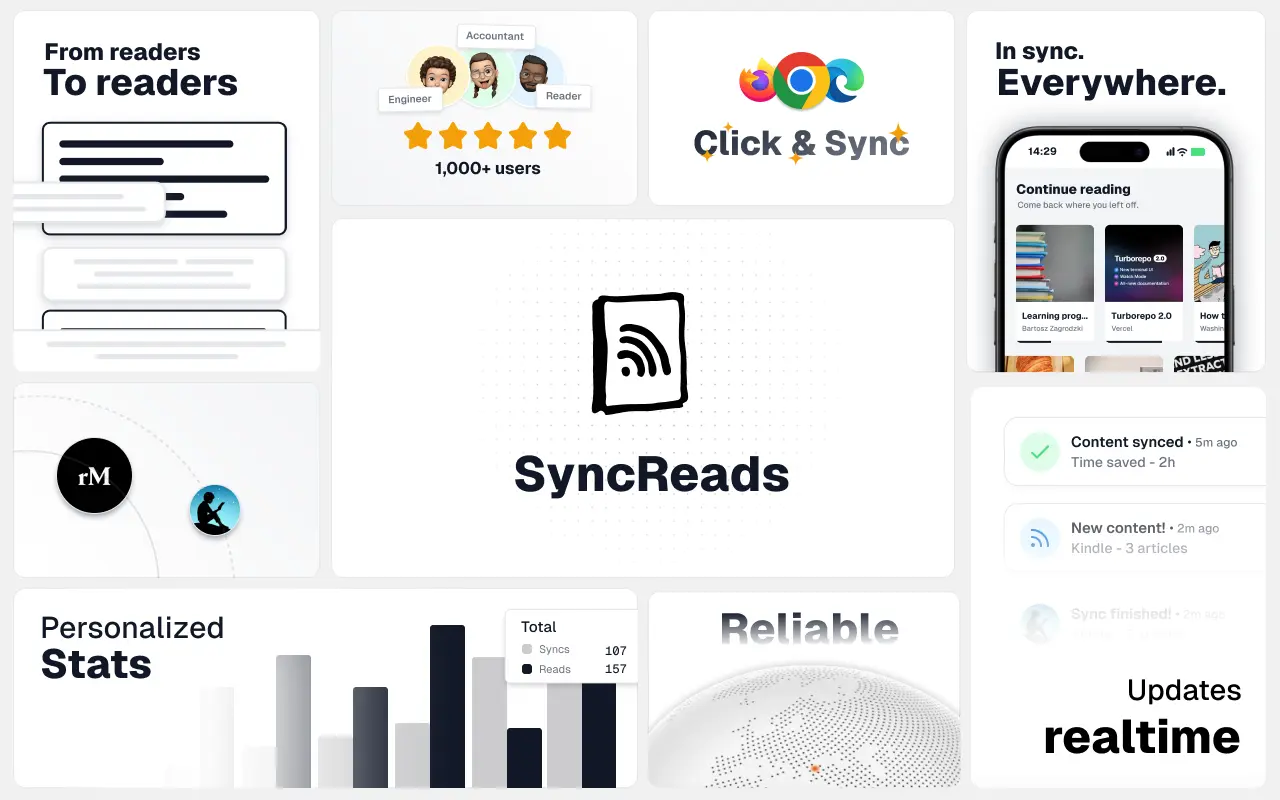
SyncReads
Sync your favorite content for distraction-free reading, save time and replace multiple apps. Anytime, anywhere 🔄
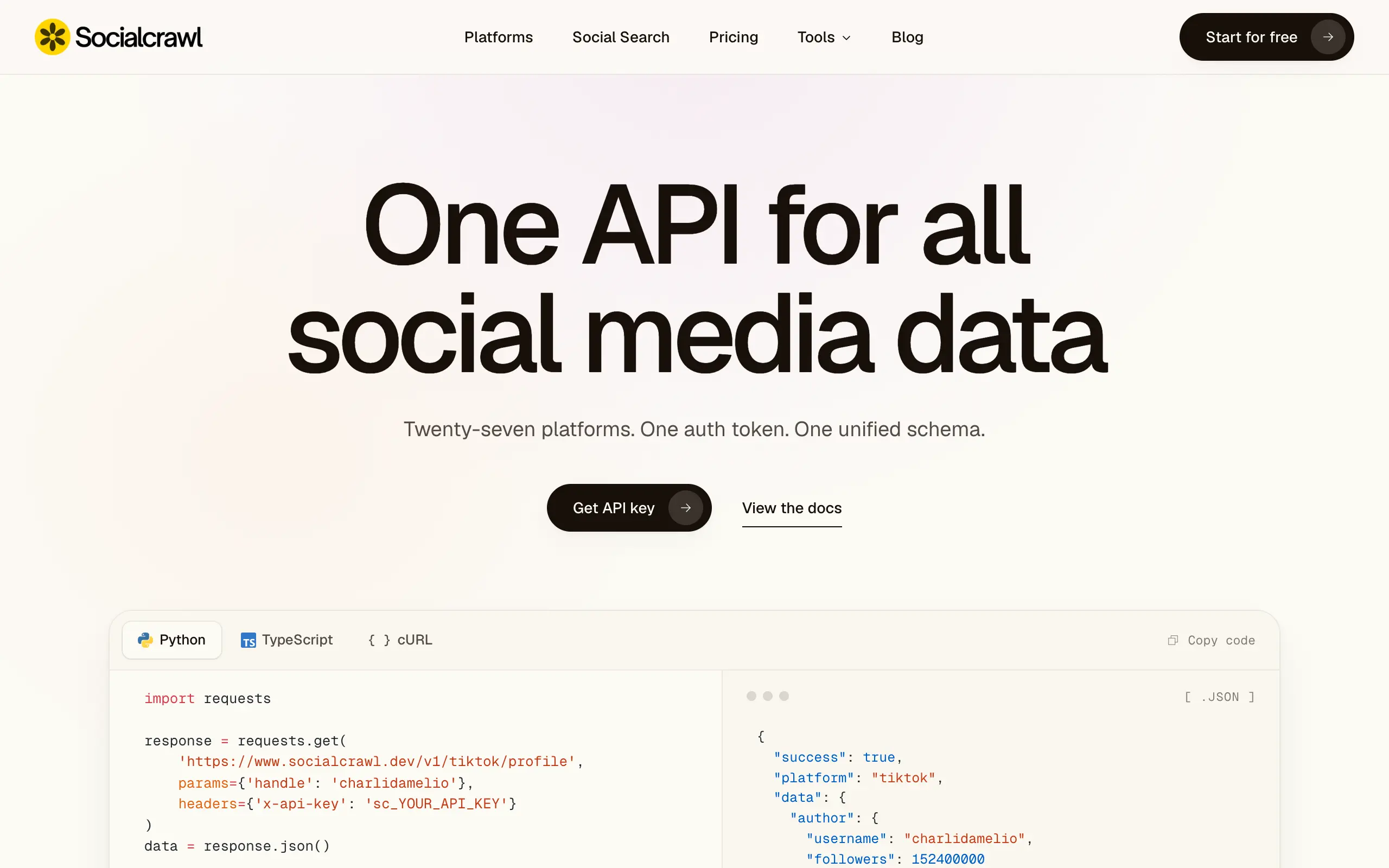
Socialcrawl
Get clean, structured data from 21 platforms like TikTok, Instagram, and YouTube with a single request 📊
Statiko
Monitor any Telegram channel in real time - track posts, edits, deletions, and growth with AI recaps 📡
Shibui
AI website builder - describe your business, pick a niche template, edit by chatting, and publish instantly ✨
Pro Service
Find verified home service professionals, compare quotes, and pay securely through escrow - built for Brazilians across the US 🏠
RankGrow
Fix your SEO with AI agents - connect Search Console, get prioritized tasks, and grow organic traffic 📈
SyncReads
Sync your favorite content for distraction-free reading, save time and replace multiple apps. Anytime, anywhere 🔄
Socialcrawl
Get clean, structured data from 21 platforms like TikTok, Instagram, and YouTube with a single request 📊
Statiko
Monitor any Telegram channel in real time - track posts, edits, deletions, and growth with AI recaps 📡
Shibui
AI website builder - describe your business, pick a niche template, edit by chatting, and publish instantly ✨
Pro Service
Find verified home service professionals, compare quotes, and pay securely through escrow - built for Brazilians across the US 🏠
RankGrow
Fix your SEO with AI agents - connect Search Console, get prioritized tasks, and grow organic traffic 📈
SyncReads
Sync your favorite content for distraction-free reading, save time and replace multiple apps. Anytime, anywhere 🔄
Socialcrawl
Get clean, structured data from 21 platforms like TikTok, Instagram, and YouTube with a single request 📊
Statiko
Monitor any Telegram channel in real time - track posts, edits, deletions, and growth with AI recaps 📡
Shibui
AI website builder - describe your business, pick a niche template, edit by chatting, and publish instantly ✨
Pro Service
Find verified home service professionals, compare quotes, and pay securely through escrow - built for Brazilians across the US 🏠
RankGrow
Fix your SEO with AI agents - connect Search Console, get prioritized tasks, and grow organic traffic 📈
SyncReads
Sync your favorite content for distraction-free reading, save time and replace multiple apps. Anytime, anywhere 🔄
Socialcrawl
Get clean, structured data from 21 platforms like TikTok, Instagram, and YouTube with a single request 📊
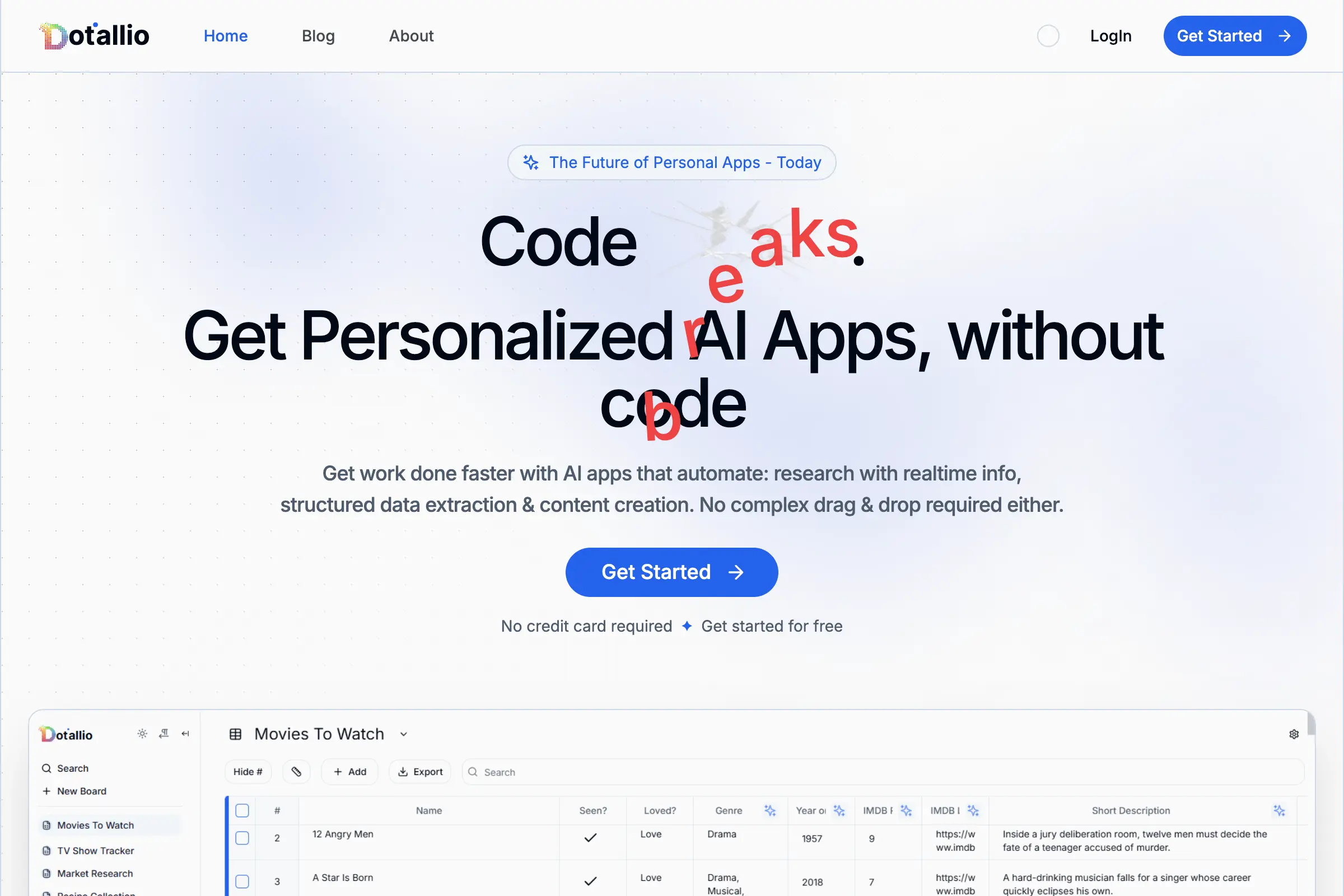
Dotallio
Personalized AI apps that automate research, data extraction, and content creation without code 🤖
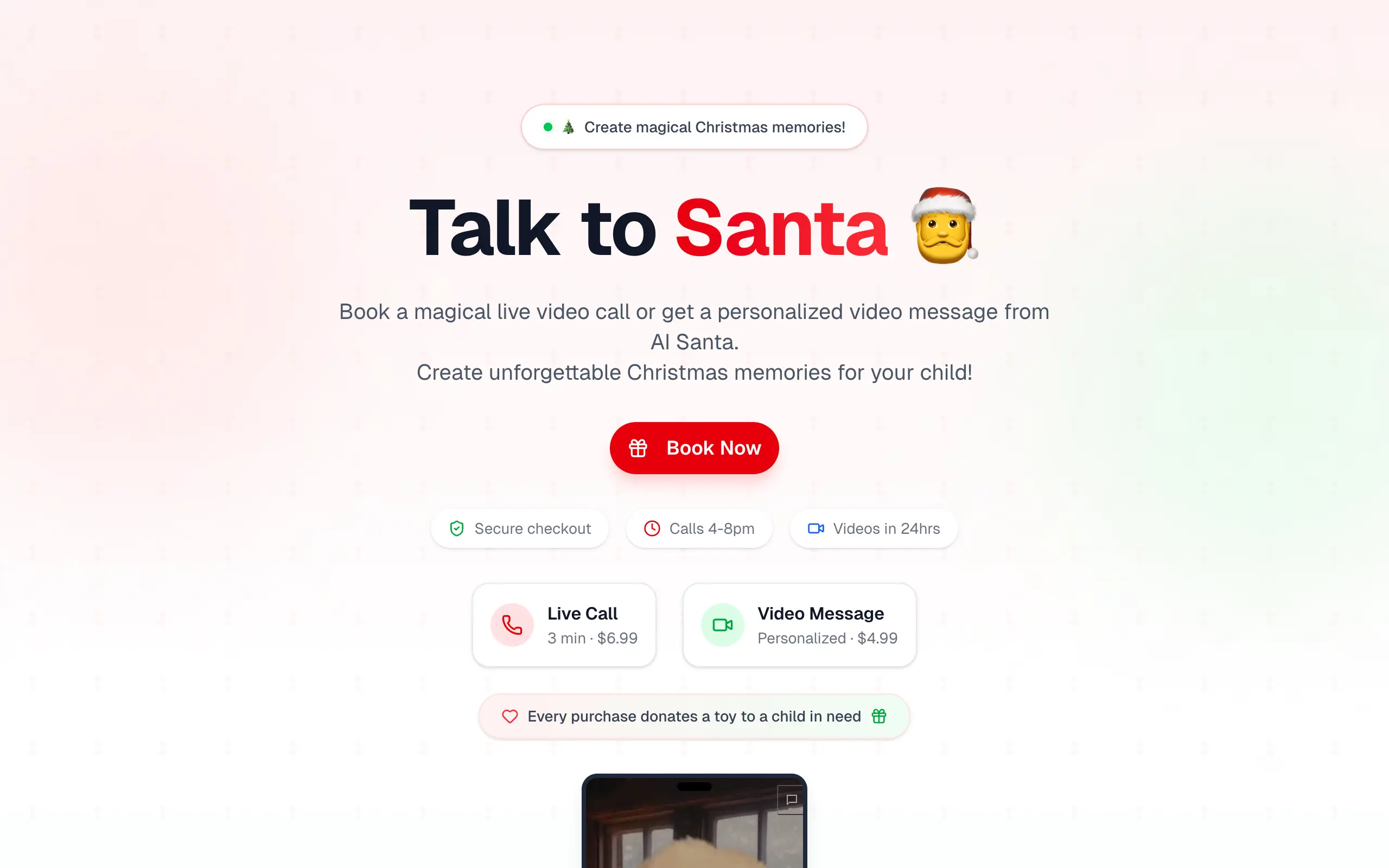
Talk to Santa
Enjoy a magical live video chat or receive a unique AI-generated video greeting from Santa Claus 🎅
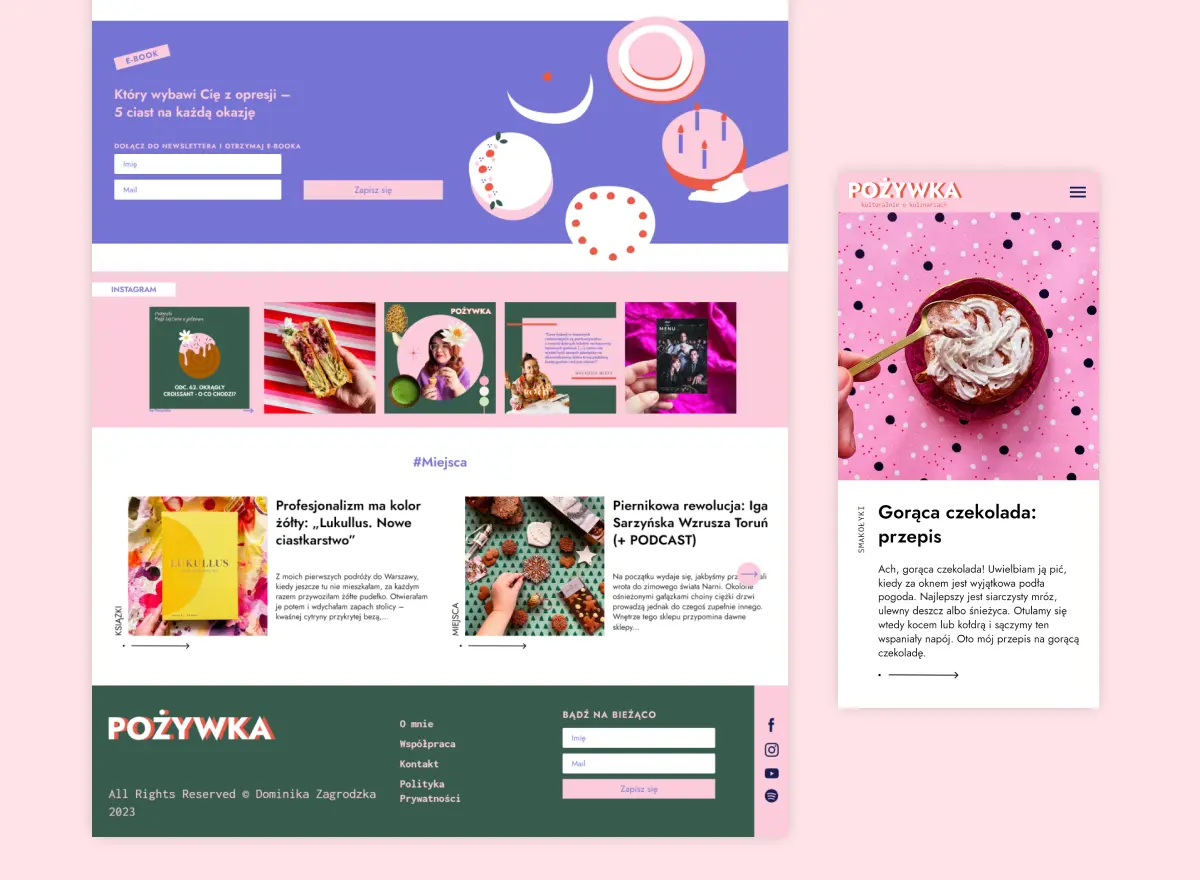
pozywka.pl
Scalable blog for food journalist, focused on performance and user experience 🌭
zagrodzki.me
Personal blog and portfolio of Bart Zagrodzki, where he shares his knowledge and work 💼
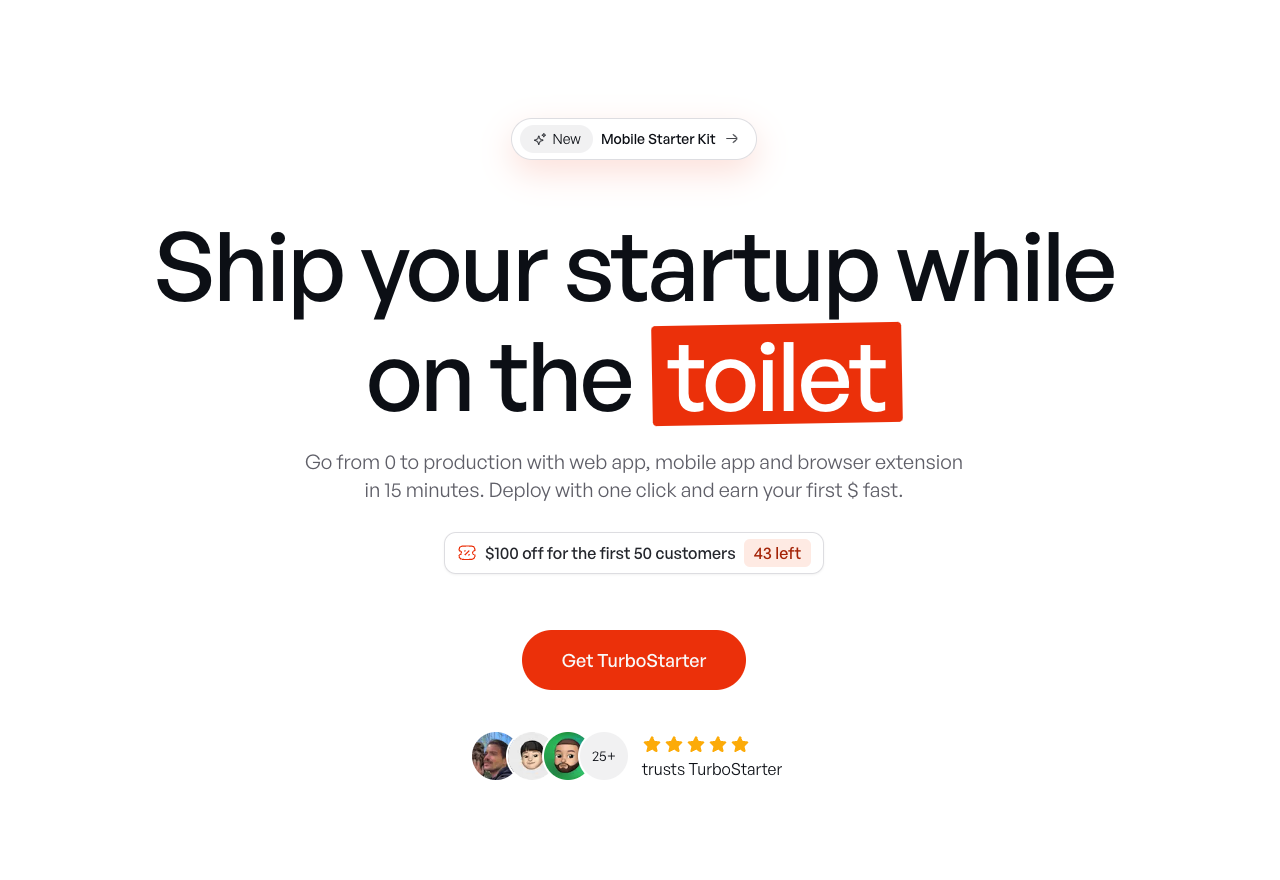
TurboStarter
Ship your startup everywhere. In minutes.
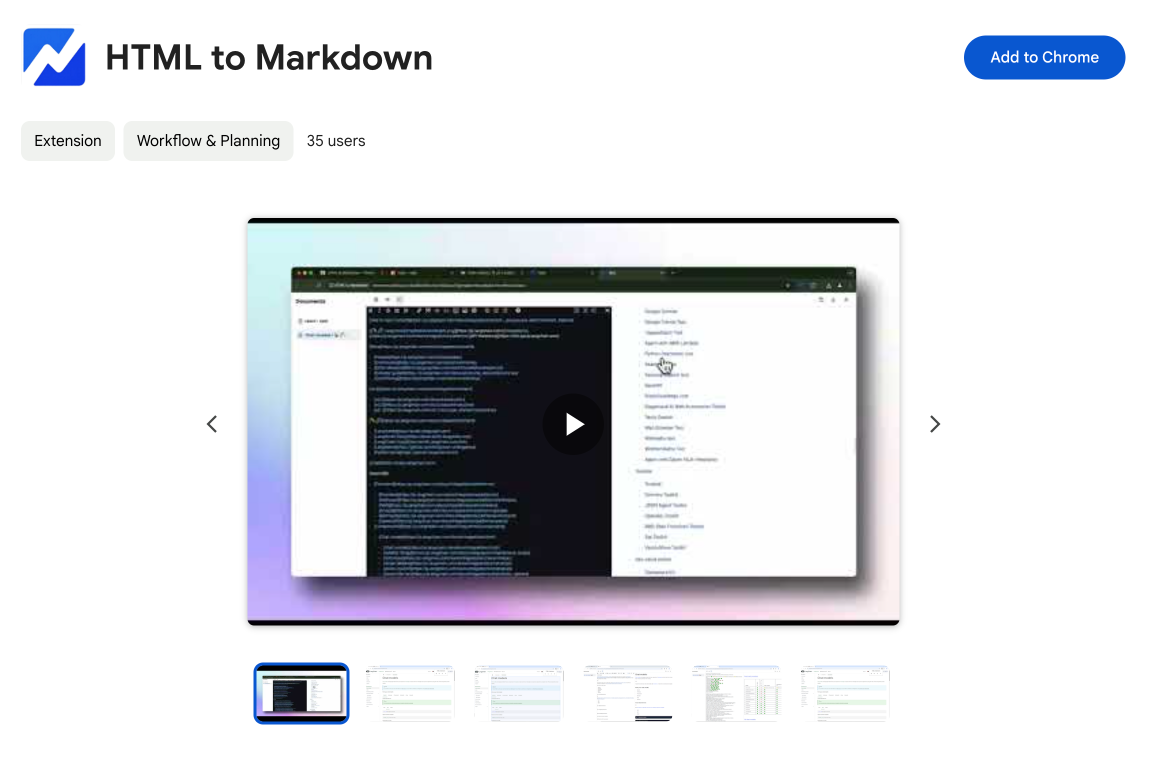
HTML to Markdown
Convert HTML to Markdown with ease, directly in your browser 📄
Dotallio
Personalized AI apps that automate research, data extraction, and content creation without code 🤖
Talk to Santa
Enjoy a magical live video chat or receive a unique AI-generated video greeting from Santa Claus 🎅
pozywka.pl
Scalable blog for food journalist, focused on performance and user experience 🌭
zagrodzki.me
Personal blog and portfolio of Bart Zagrodzki, where he shares his knowledge and work 💼
TurboStarter
Ship your startup everywhere. In minutes.
HTML to Markdown
Convert HTML to Markdown with ease, directly in your browser 📄
Dotallio
Personalized AI apps that automate research, data extraction, and content creation without code 🤖
Talk to Santa
Enjoy a magical live video chat or receive a unique AI-generated video greeting from Santa Claus 🎅
pozywka.pl
Scalable blog for food journalist, focused on performance and user experience 🌭
zagrodzki.me
Personal blog and portfolio of Bart Zagrodzki, where he shares his knowledge and work 💼
TurboStarter
Ship your startup everywhere. In minutes.
HTML to Markdown
Convert HTML to Markdown with ease, directly in your browser 📄
Dotallio
Personalized AI apps that automate research, data extraction, and content creation without code 🤖
Talk to Santa
Enjoy a magical live video chat or receive a unique AI-generated video greeting from Santa Claus 🎅
pozywka.pl
Scalable blog for food journalist, focused on performance and user experience 🌭
zagrodzki.me
Personal blog and portfolio of Bart Zagrodzki, where he shares his knowledge and work 💼
TurboStarter
Ship your startup everywhere. In minutes.
HTML to Markdown
Convert HTML to Markdown with ease, directly in your browser 📄
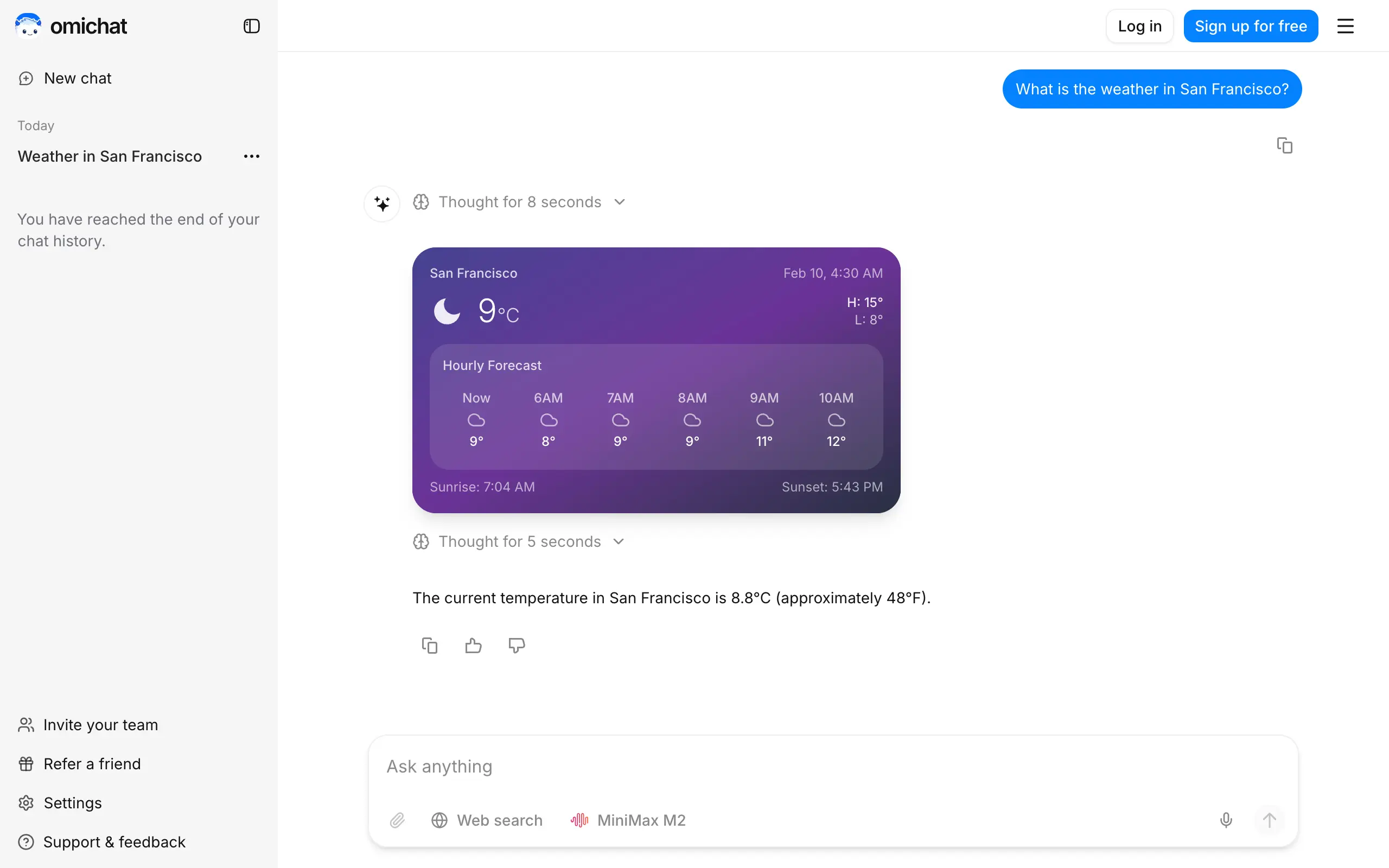
Omichat
Chat with 50+ AI models, including ChatGPT and Claude, in one place - switch models anytime without losing context 🤖
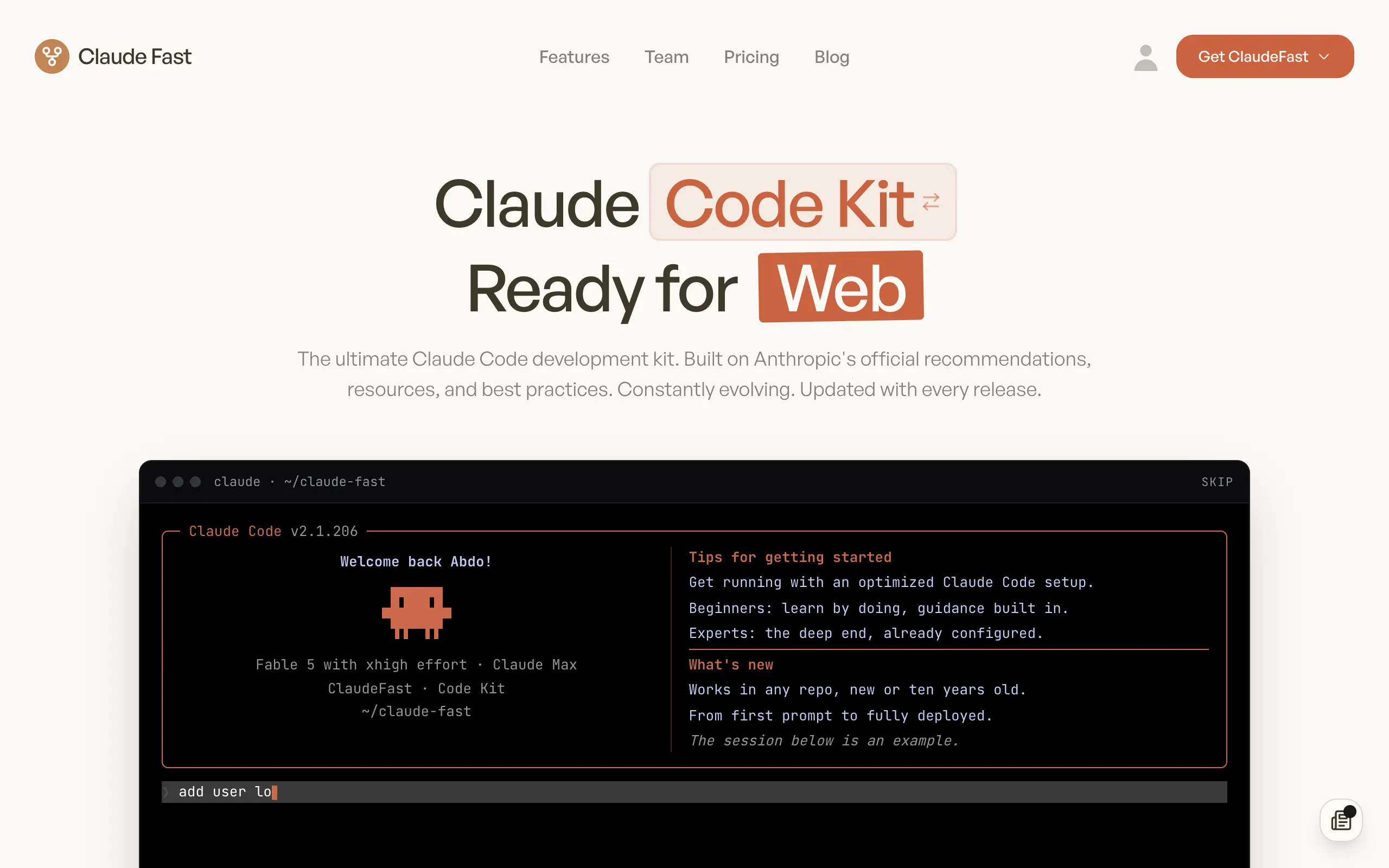
Claude Fast
Supercharge your Claude Code with 6x effective context window and specialized AI agents 🤖
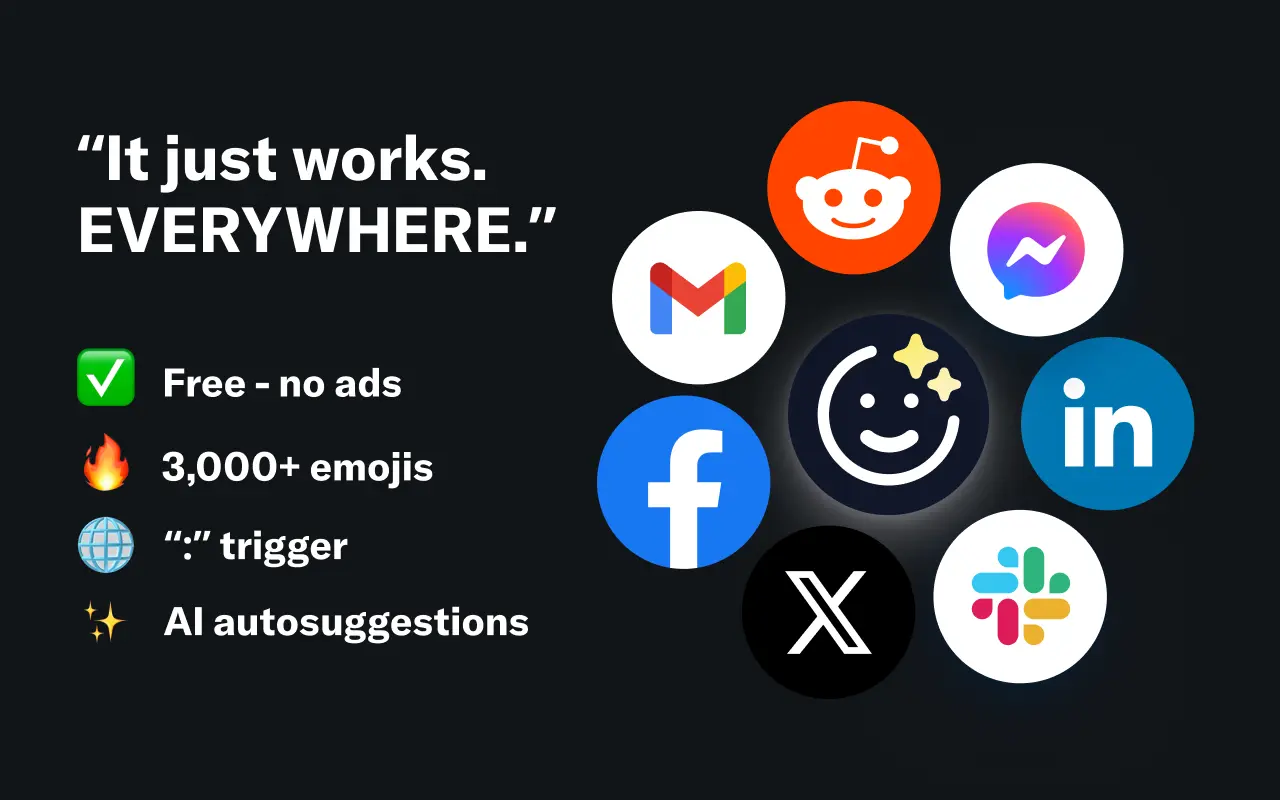
EmojAI
AI-powered emoji picker with smart, context-aware suggestions 🤖
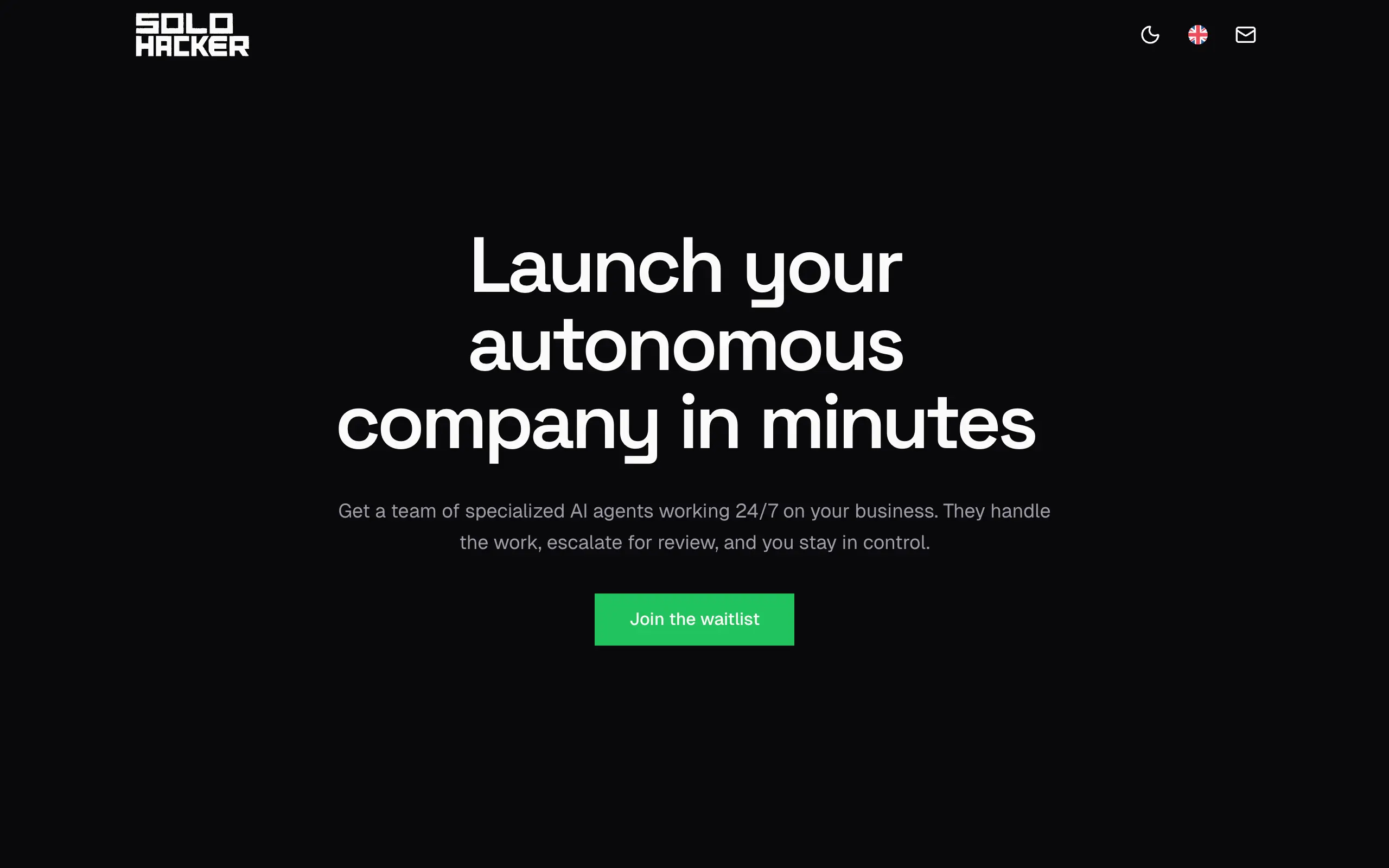
Solohacker
Autonomous company launcher - AI agents work 24/7, escalate what matters, and you stay in control 🤖
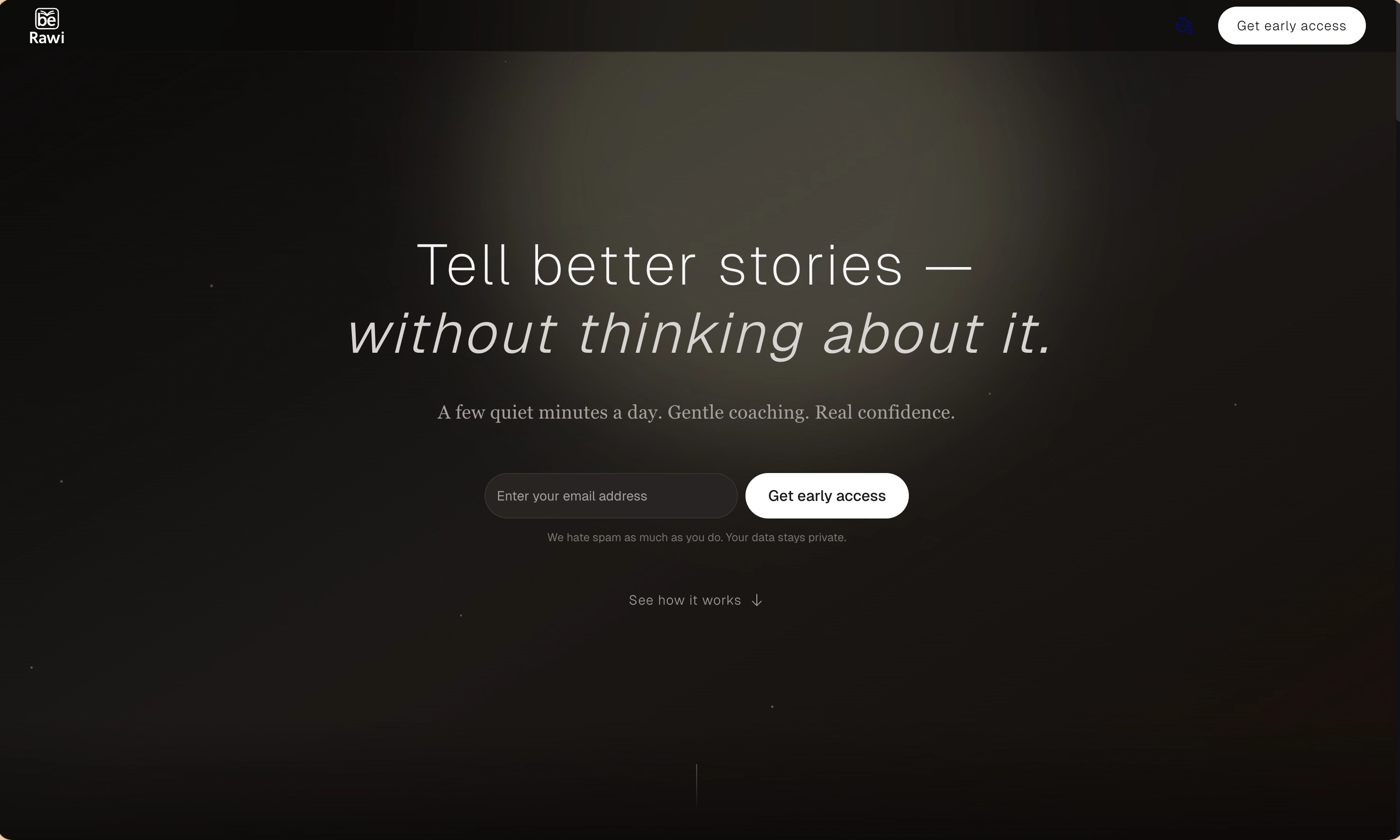
BeRawi: Storytelling Coach
Practice storytelling daily with instant feedback to sound clearer, more engaging, and confident 🎤
Omichat
Chat with 50+ AI models, including ChatGPT and Claude, in one place - switch models anytime without losing context 🤖
Claude Fast
Supercharge your Claude Code with 6x effective context window and specialized AI agents 🤖
EmojAI
AI-powered emoji picker with smart, context-aware suggestions 🤖
Solohacker
Autonomous company launcher - AI agents work 24/7, escalate what matters, and you stay in control 🤖
BeRawi: Storytelling Coach
Practice storytelling daily with instant feedback to sound clearer, more engaging, and confident 🎤
Omichat
Chat with 50+ AI models, including ChatGPT and Claude, in one place - switch models anytime without losing context 🤖
Claude Fast
Supercharge your Claude Code with 6x effective context window and specialized AI agents 🤖
EmojAI
AI-powered emoji picker with smart, context-aware suggestions 🤖
Solohacker
Autonomous company launcher - AI agents work 24/7, escalate what matters, and you stay in control 🤖
BeRawi: Storytelling Coach
Practice storytelling daily with instant feedback to sound clearer, more engaging, and confident 🎤
Omichat
Chat with 50+ AI models, including ChatGPT and Claude, in one place - switch models anytime without losing context 🤖
Claude Fast
Supercharge your Claude Code with 6x effective context window and specialized AI agents 🤖
EmojAI
AI-powered emoji picker with smart, context-aware suggestions 🤖
Solohacker
Autonomous company launcher - AI agents work 24/7, escalate what matters, and you stay in control 🤖
BeRawi: Storytelling Coach
Practice storytelling daily with instant feedback to sound clearer, more engaging, and confident 🎤

Connect with like-minded people
Join our community to get feedback, support, and grow together with 1,000+ builders on board, let's ship it!
Join usShip your startup everywhere. In minutes.
Don't burn tokens on setup and start building features on day one.