LocalLex Scout
Tracks obscure local regulations and court rule changes in small jurisdictions, delivering actionable alerts for niche legal practices.
understanding the need for an AI-powered local regulation tracking platform
Legal professionals working in niche or geographically constrained practices face a persistent, under-addressed challenge: staying current with local regulations, municipal ordinances, and court rule changes. While major jurisdictions are well-covered by traditional legal research platforms, smaller courts, municipalities, and regional authorities often publish updates in fragmented, inconsistent, and hard-to-track formats.
This is where an AI-powered platform like LocalLex Scout becomes not just useful—but essential.
The primary keyword here is AI legal regulation tracking software, supported by related keywords such as local court rule monitoring, municipal law updates platform, legal compliance alerts SaaS, and AI legal research automation.
LocalLex Scout targets a clear gap: real-time monitoring of obscure legal changes in small jurisdictions, transforming scattered data into actionable alerts tailored to specific legal practices.
the problem: fragmented and opaque local legal updates
why traditional legal research tools fall short
Most established platforms like Westlaw or LexisNexis focus heavily on:
- Federal and state-level case law
- Major appellate court decisions
- Widely cited statutes and regulations
However, they often struggle with:
- Municipal code updates
- County-level administrative rule changes
- Local court procedural modifications
- Special district regulations (zoning boards, water authorities, etc.)
These updates are frequently:
- Published on outdated websites
- Buried in PDF notices
- Announced via email newsletters or bulletin boards
- Inconsistent in formatting and frequency
Hidden risk for legal professionals
Missing a minor local rule change can result in procedural errors, missed filings, or non-compliance penalties—especially in niche practices like real estate, environmental law, or municipal defense.
real-world consequences
Legal professionals often rely on:
- Manual monitoring of dozens of websites
- Word-of-mouth updates
- Outdated checklists
This leads to:
- Inefficiency: hours wasted tracking changes
- Risk exposure: missed updates can impact cases
- Competitive disadvantage: firms with better intel move faster
target audience and user personas
LocalLex Scout is not for every lawyer—and that’s its strength. It is highly optimized for niche legal professionals who depend on hyper-local knowledge.
primary audiences
- Solo practitioners and small law firms
- Especially those without dedicated research teams
- Specialized legal practices
- Real estate attorneys
- Land use and zoning lawyers
- Environmental compliance experts
- Municipal defense attorneys
- Corporate compliance teams
- Companies operating across multiple small jurisdictions
- Legal consultants and paralegals
- Supporting region-specific casework
user personas
The zoning attorney
Needs real-time updates on local zoning changes across multiple municipalities.
The compliance officer
Tracks regulatory changes across counties to ensure operational compliance.
The solo practitioner
Relies on timely alerts to stay competitive without a research team.
user intent breakdown
Users searching for solutions like LocalLex Scout typically want:
- Automation of legal update tracking
- Accuracy and reliability of alerts
- Customization based on jurisdiction and practice area
- Time savings and reduced manual research
market opportunity and gap analysis
growing demand for legal tech automation
The legal tech market continues to expand rapidly, driven by:
- Increased regulatory complexity
- Demand for operational efficiency
- Advances in AI and natural language processing
According to widely cited industry reports (e.g., from Gartner or Statista), legal tech adoption is accelerating, particularly among small and mid-sized firms.
underserved niche: local regulation intelligence
While there are tools for:
- Case law research
- Contract analysis
- E-discovery
There are very few solutions focused on local regulation tracking, especially in smaller jurisdictions.
competitive landscape
| Feature | LocalLex Scout | Westlaw | LexisNexis | Manual Tracking |
|---|---|---|---|---|
| Local jurisdiction coverage | ✅ | ❌ | ❌ | ✅ |
| AI-powered alerts | ✅ | ✅ | ✅ | ❌ |
| Customization by practice area | ✅ | ✅ | ✅ | ❌ |
| Coverage of obscure sources | ✅ | ❌ | ❌ | ✅ |
key gap
The gap is clear: no scalable, AI-driven platform is dedicated to aggregating and interpreting obscure local legal updates.
core product vision: how LocalLex Scout works
LocalLex Scout is an AI legal monitoring SaaS platform that continuously scans, analyzes, and delivers updates from fragmented local legal sources.
core functionality
1. intelligent data aggregation
- Scrapes:
- Municipal websites
- Local court portals
- Government PDFs and bulletins
- Uses NLP to extract relevant updates
2. AI-powered classification
- Categorizes updates by:
- Practice area
- Jurisdiction
- Urgency level
3. actionable alerts
- Sends alerts via:
- Dashboard notifications
- API integrations
- Includes:
- Summary of change
- Impact analysis
- Recommended actions
4. customizable monitoring
Users can define:
- Jurisdictions (e.g., counties, cities)
- Legal domains (e.g., zoning, tax, environmental)
- Alert frequency and thresholds
feature deep dive
AI summarization and legal interpretation
LocalLex Scout doesn’t just notify—it explains.
- Converts dense legal text into plain English summaries
- Highlights:
- What changed
- Who it affects
- What action is needed
historical tracking and version comparison
- Track how regulations evolve over time
- Compare versions of local ordinances
smart filtering and prioritization
- AI ranks updates by relevance
- Reduces noise and alert fatigue
integrations
- CRM tools
- Legal case management systems
- Slack or email workflows
recommended tech stack and architecture
Building LocalLex Scout requires a balance between scalability, accuracy, and maintainability.
frontend
- React for UI
- TailwindCSS for styling
backend
- Node.js (fast iteration)
- Python (for AI/NLP pipelines)
AI and NLP
- OpenAI models for summarization
- spaCy or Hugging Face for classification
data ingestion
- Scrapy (Python) for web scraping
- Puppeteer for dynamic sites
database
- PostgreSQL (structured data)
- Elasticsearch (search and indexing)
infrastructure
- AWS or Vercel for deployment
- Kafka for event streaming (optional at scale)
trade-offs
-
Python vs Node for backend:
- Python excels in NLP
- Node offers faster API performance
-
Scraping vs API partnerships:
- Scraping is scalable but fragile
- APIs are stable but limited in availability
monetization strategies
subscription-based pricing
- Tiered pricing based on:
- Number of jurisdictions tracked
- Alert frequency
- Team size
Example tiers:
- Starter: $29/month
- Pro: $99/month
- Enterprise: Custom pricing
add-ons
- Advanced analytics dashboards
- Custom integrations
- Priority support
enterprise licensing
- Law firms with multiple offices
- Compliance departments in large organizations
competitive advantage and differentiation
1. hyper-local focus
Unlike broad legal research tools, LocalLex Scout is optimized for small, overlooked jurisdictions.
2. AI-first approach
- Not just aggregation—interpretation and actionability
- Reduces cognitive load for users
3. niche specialization
- Focus on high-value, underserved users
- Easier to dominate a niche than compete broadly
4. continuous learning system
- Improves accuracy over time based on user feedback
potential risks and mitigation strategies
data inconsistency
Local sources are often unreliable.
Mitigation:
- Use multiple sources for validation
- Implement confidence scoring
legal liability
Incorrect interpretation could lead to user harm.
Mitigation:
- Include disclaimers
- Provide source links for verification
- Allow user feedback loops
scraping challenges
Websites may block scrapers.
Mitigation:
- Rotate IPs
- Use headless browsers
- Explore partnerships with local governments
implementation roadmap
MVP scope
Focus on:
- One niche (e.g., zoning law)
- Limited geographic area
- Basic alert system
go-to-market strategy
initial traction channels
- Legal forums and communities
- LinkedIn outreach to legal professionals
- Partnerships with bar associations
content marketing
- Blog posts on:
- “How to track local regulation changes”
- “Top compliance risks in small jurisdictions”
SEO strategy
Target keywords like:
- AI legal regulation tracking software
- Local court rule monitoring tools
- Municipal law update alerts
future expansion opportunities
geographic scaling
- Expand from local to national coverage
- Eventually international markets
vertical expansion
- Add industry-specific compliance tracking
- Example: healthcare, construction, finance
predictive analytics
- Forecast regulatory changes
- Identify trends across jurisdictions
actionable steps to build your own LocalLex Scout
If you’re looking to turn this idea into a real SaaS product, here’s a practical path forward:
For a faster launch, consider using a pre-built SaaS starter kit like TurboStarter, which can significantly reduce development time and help you focus on core features.
frequently asked questions
Yes—especially among niche legal professionals who rely on hyper-local knowledge. The lack of existing solutions makes this a strong opportunity.
With proper training and validation, AI can achieve high accuracy. However, human oversight and source verification are essential.
Data ingestion from inconsistent sources is the hardest part. Building resilient scraping pipelines is critical.
final thoughts
LocalLex Scout represents a powerful intersection of AI, legal tech, and niche market strategy. By focusing on an underserved problem—tracking obscure local legal changes—it creates a compelling value proposition with clear demand.
The key to success lies in:
- Precision over breadth
- Actionable insights over raw data
- User-centric design tailored to real workflows
In a world where legal complexity continues to grow, tools that simplify and clarify will not just succeed—they’ll become indispensable.
More 🤖 AI Startup SaaS ideas
Discover more innovative ai startup SaaS ideas that are trending in 2026. Each idea is AI-generated with market validation and growth potential to help you find your next profitable venture faster than competitors.
Your competitors are building with TurboStarter
Below are some of the SaaS ideas that have been generated and built with our starter kit.

Statiko
Monitor any Telegram channel in real time - track posts, edits, deletions, and growth with AI recaps 📡

Shibui
AI website builder - describe your business, pick a niche template, edit by chatting, and publish instantly ✨

Pro Service
Find verified home service professionals, compare quotes, and pay securely through escrow - built for Brazilians across the US 🏠
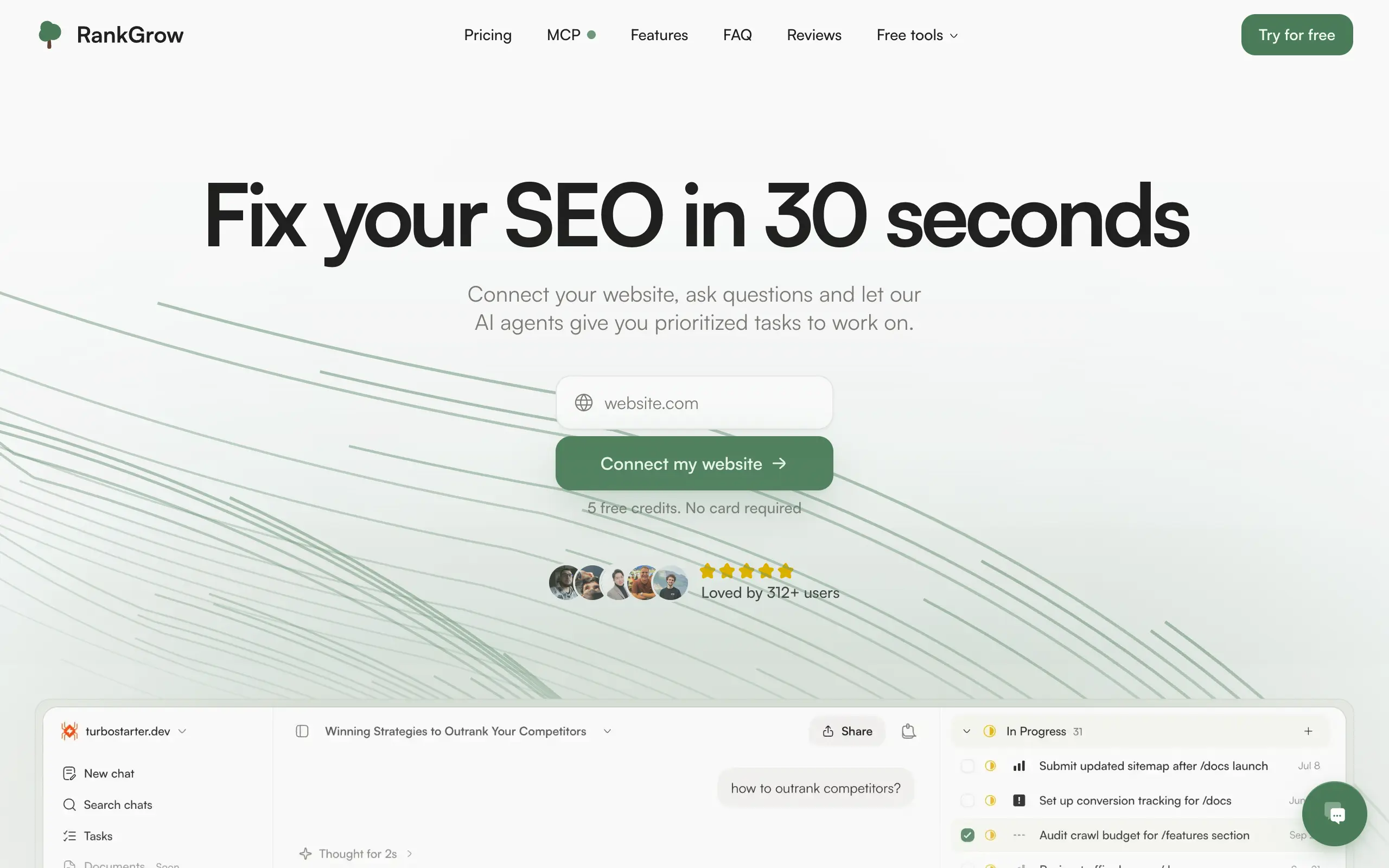
RankGrow
Fix your SEO with AI agents - connect Search Console, get prioritized tasks, and grow organic traffic 📈
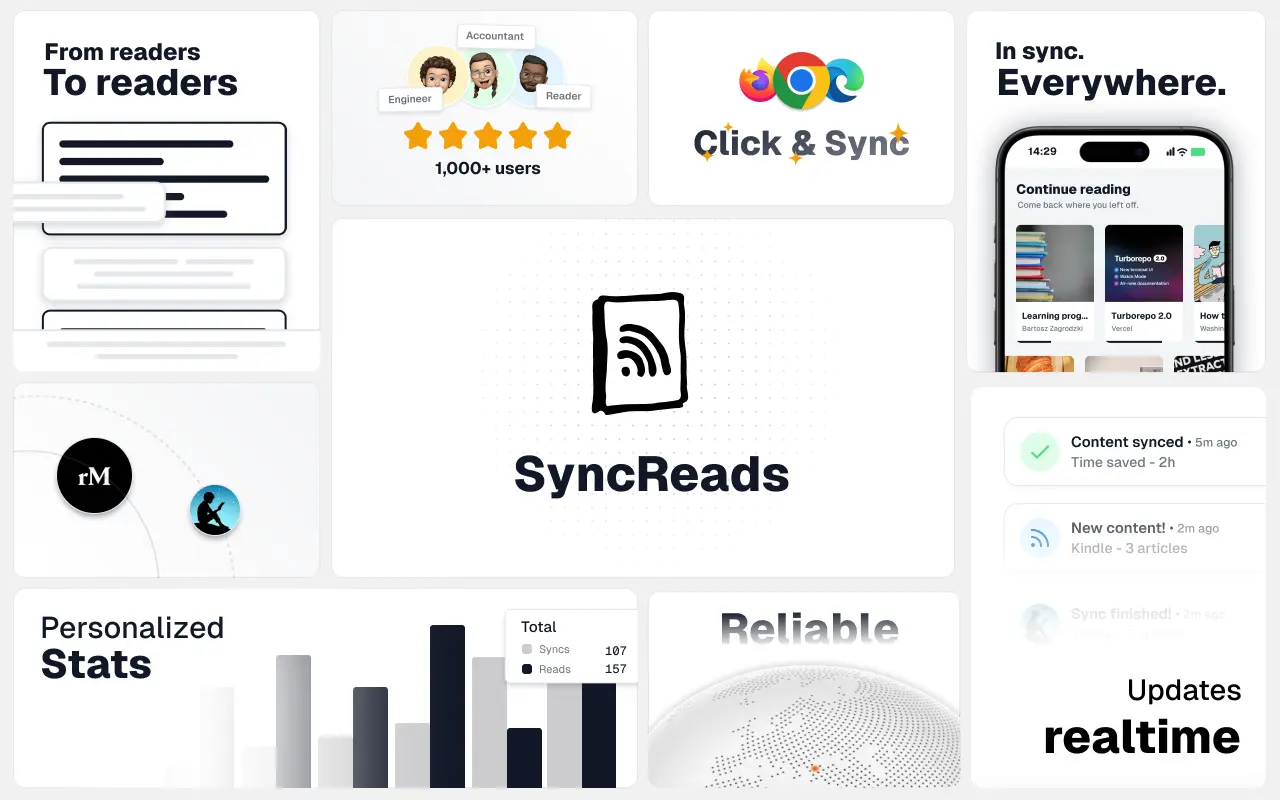
SyncReads
Sync your favorite content for distraction-free reading, save time and replace multiple apps. Anytime, anywhere 🔄
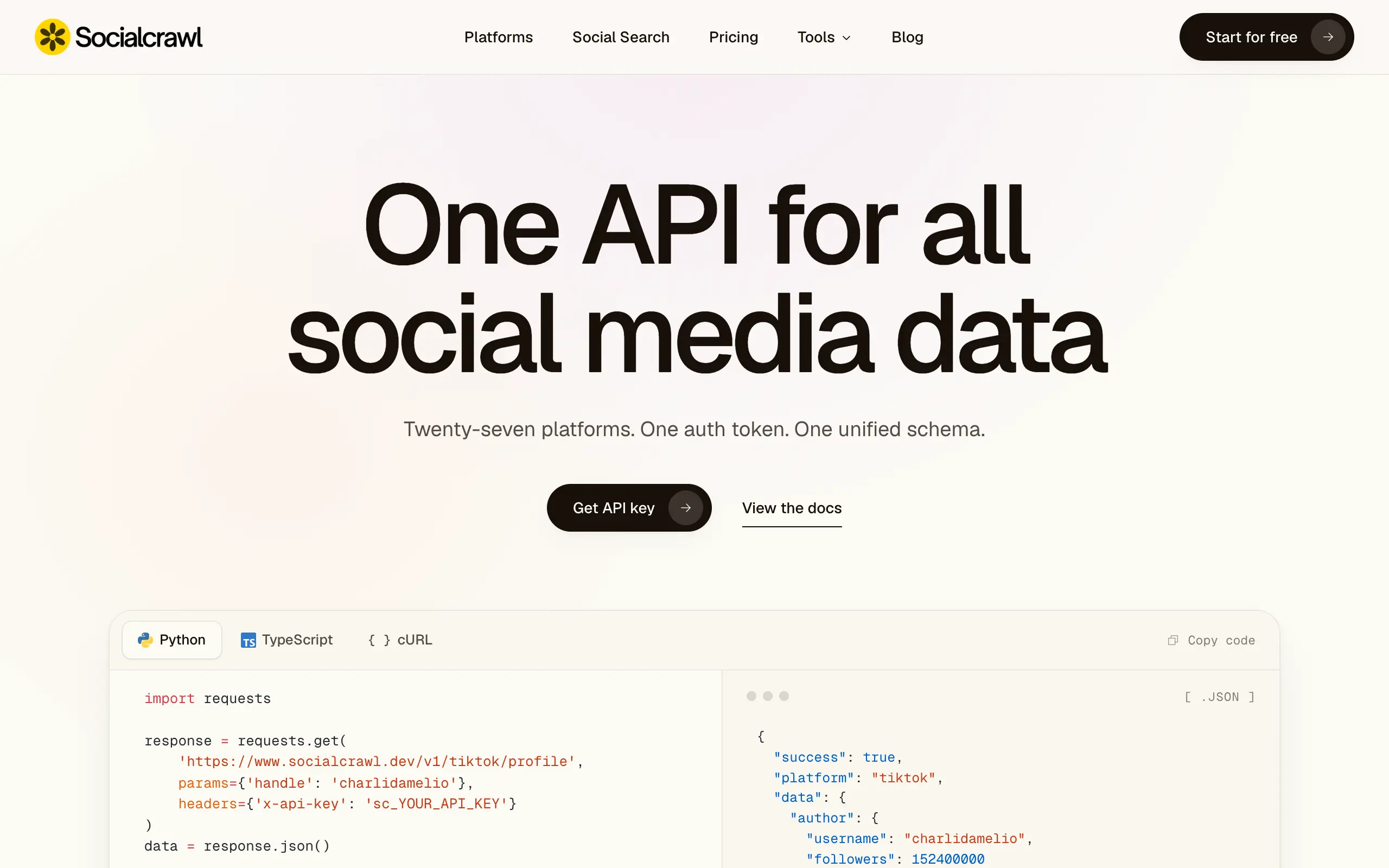
Socialcrawl
Get clean, structured data from 21 platforms like TikTok, Instagram, and YouTube with a single request 📊
Statiko
Monitor any Telegram channel in real time - track posts, edits, deletions, and growth with AI recaps 📡
Shibui
AI website builder - describe your business, pick a niche template, edit by chatting, and publish instantly ✨
Pro Service
Find verified home service professionals, compare quotes, and pay securely through escrow - built for Brazilians across the US 🏠
RankGrow
Fix your SEO with AI agents - connect Search Console, get prioritized tasks, and grow organic traffic 📈
SyncReads
Sync your favorite content for distraction-free reading, save time and replace multiple apps. Anytime, anywhere 🔄
Socialcrawl
Get clean, structured data from 21 platforms like TikTok, Instagram, and YouTube with a single request 📊
Statiko
Monitor any Telegram channel in real time - track posts, edits, deletions, and growth with AI recaps 📡
Shibui
AI website builder - describe your business, pick a niche template, edit by chatting, and publish instantly ✨
Pro Service
Find verified home service professionals, compare quotes, and pay securely through escrow - built for Brazilians across the US 🏠
RankGrow
Fix your SEO with AI agents - connect Search Console, get prioritized tasks, and grow organic traffic 📈
SyncReads
Sync your favorite content for distraction-free reading, save time and replace multiple apps. Anytime, anywhere 🔄
Socialcrawl
Get clean, structured data from 21 platforms like TikTok, Instagram, and YouTube with a single request 📊
Statiko
Monitor any Telegram channel in real time - track posts, edits, deletions, and growth with AI recaps 📡
Shibui
AI website builder - describe your business, pick a niche template, edit by chatting, and publish instantly ✨
Pro Service
Find verified home service professionals, compare quotes, and pay securely through escrow - built for Brazilians across the US 🏠
RankGrow
Fix your SEO with AI agents - connect Search Console, get prioritized tasks, and grow organic traffic 📈
SyncReads
Sync your favorite content for distraction-free reading, save time and replace multiple apps. Anytime, anywhere 🔄
Socialcrawl
Get clean, structured data from 21 platforms like TikTok, Instagram, and YouTube with a single request 📊
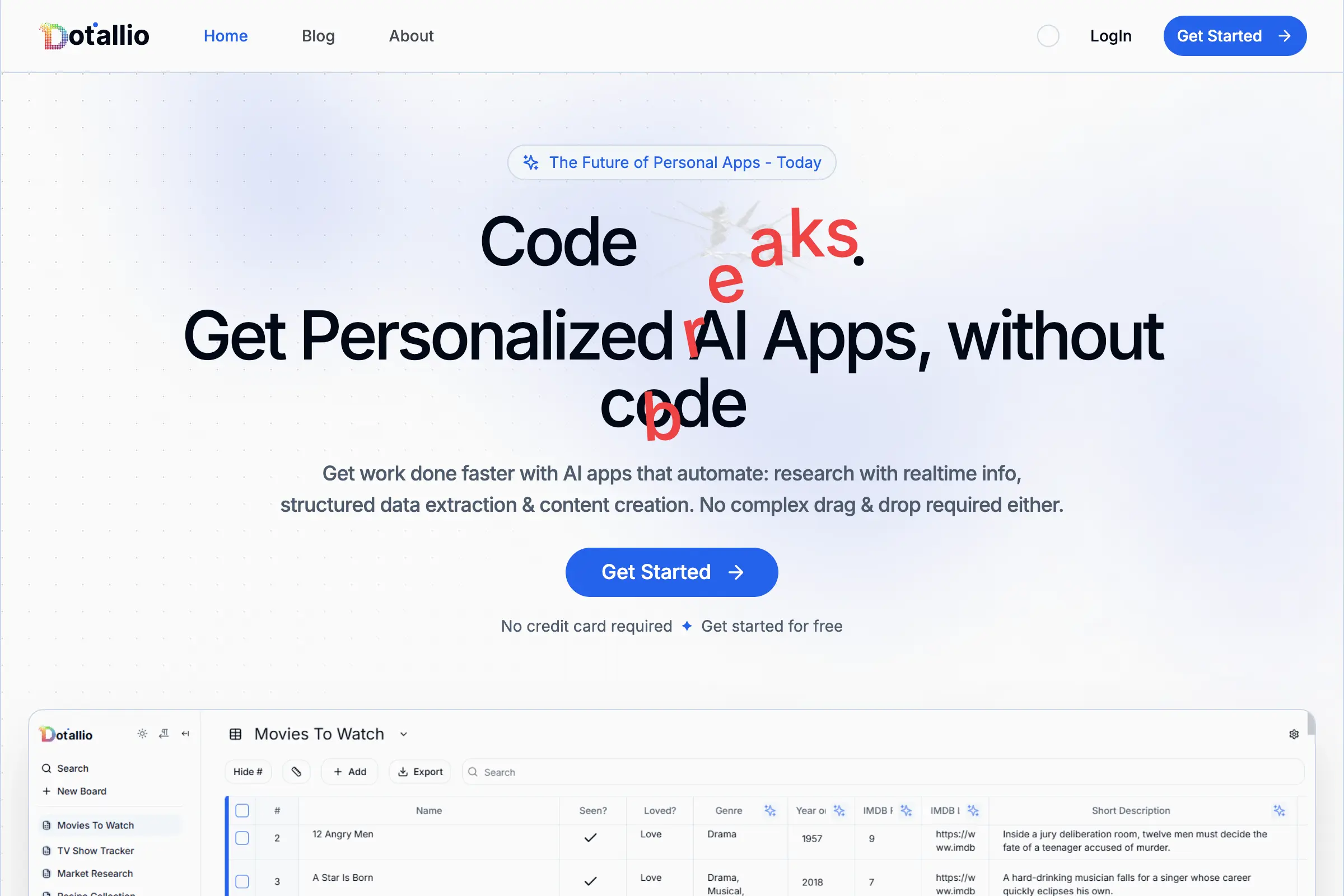
Dotallio
Personalized AI apps that automate research, data extraction, and content creation without code 🤖
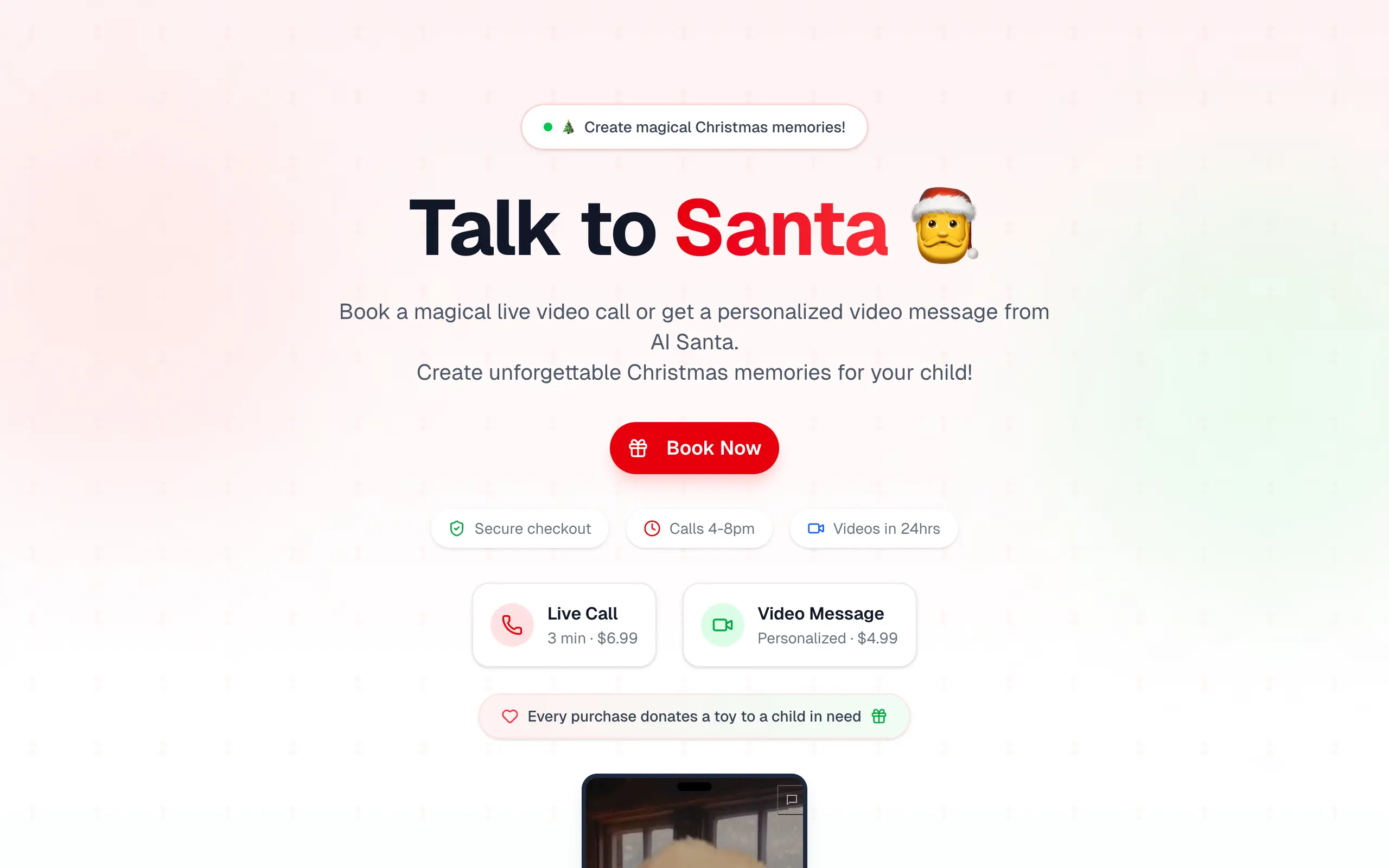
Talk to Santa
Enjoy a magical live video chat or receive a unique AI-generated video greeting from Santa Claus 🎅

pozywka.pl
Scalable blog for food journalist, focused on performance and user experience 🌭
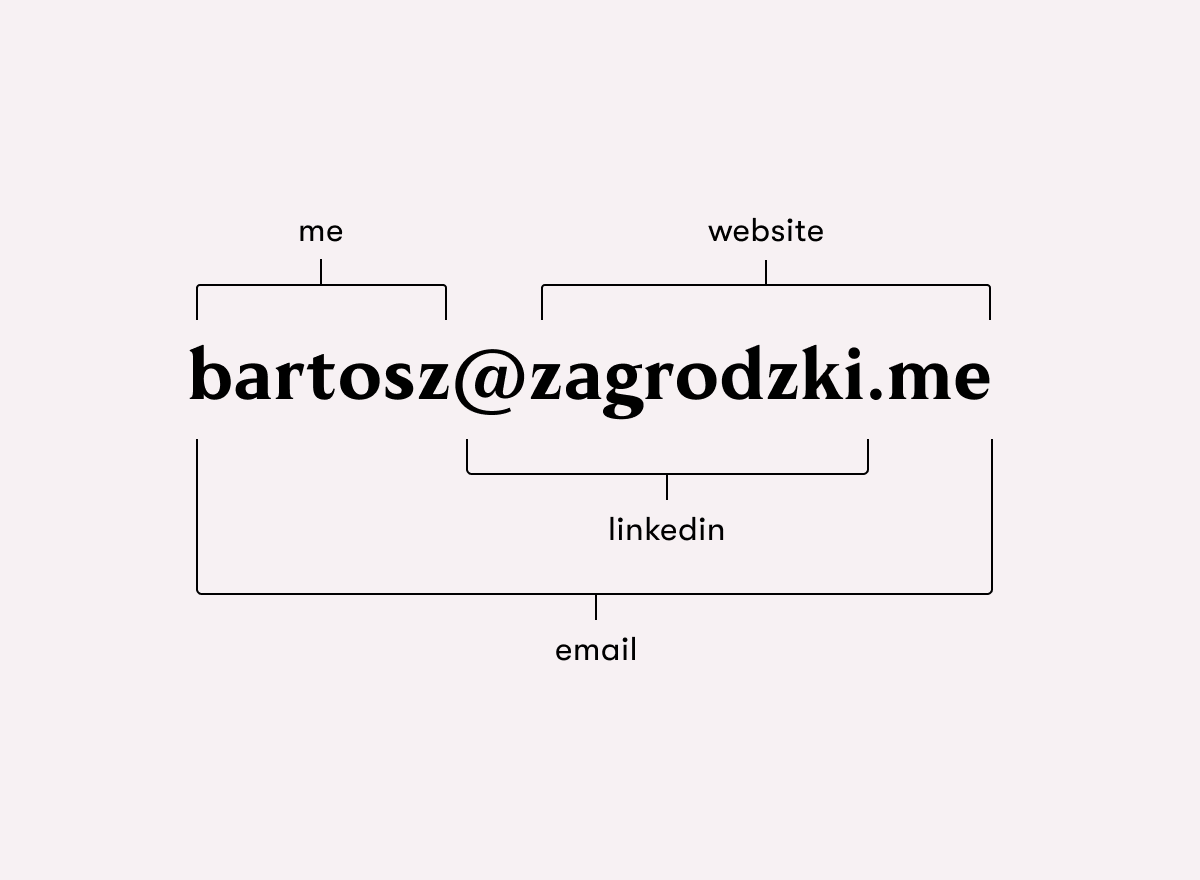
zagrodzki.me
Personal blog and portfolio of Bart Zagrodzki, where he shares his knowledge and work 💼
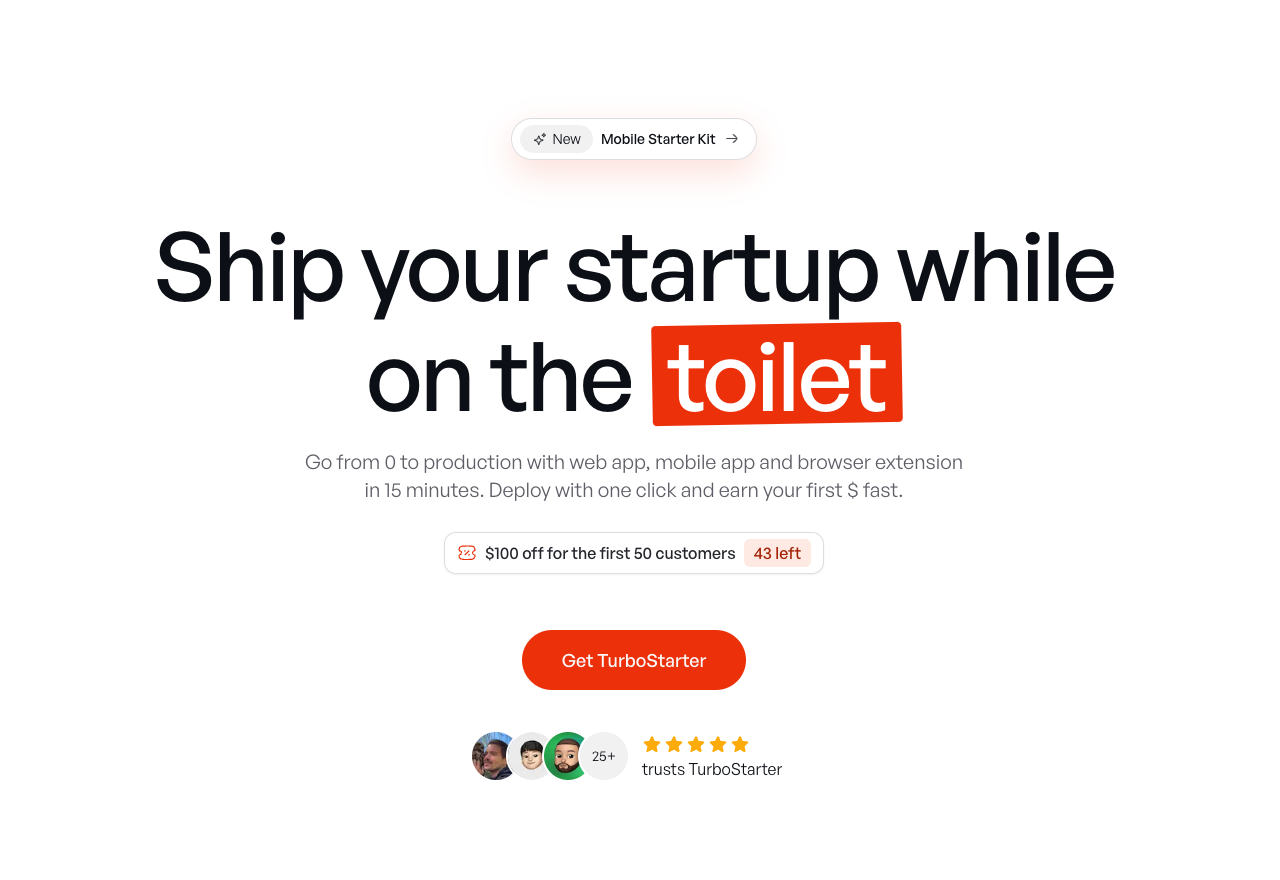
TurboStarter
Ship your startup everywhere. In minutes.
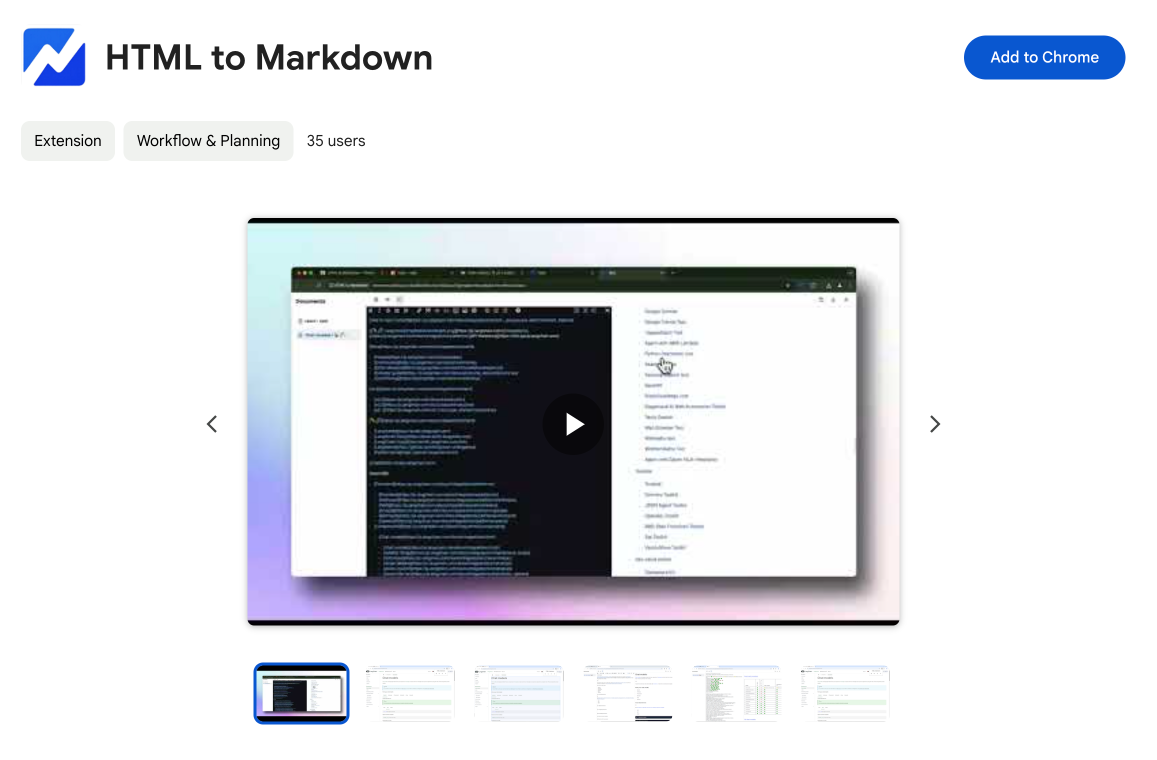
HTML to Markdown
Convert HTML to Markdown with ease, directly in your browser 📄
Dotallio
Personalized AI apps that automate research, data extraction, and content creation without code 🤖
Talk to Santa
Enjoy a magical live video chat or receive a unique AI-generated video greeting from Santa Claus 🎅
pozywka.pl
Scalable blog for food journalist, focused on performance and user experience 🌭
zagrodzki.me
Personal blog and portfolio of Bart Zagrodzki, where he shares his knowledge and work 💼
TurboStarter
Ship your startup everywhere. In minutes.
HTML to Markdown
Convert HTML to Markdown with ease, directly in your browser 📄
Dotallio
Personalized AI apps that automate research, data extraction, and content creation without code 🤖
Talk to Santa
Enjoy a magical live video chat or receive a unique AI-generated video greeting from Santa Claus 🎅
pozywka.pl
Scalable blog for food journalist, focused on performance and user experience 🌭
zagrodzki.me
Personal blog and portfolio of Bart Zagrodzki, where he shares his knowledge and work 💼
TurboStarter
Ship your startup everywhere. In minutes.
HTML to Markdown
Convert HTML to Markdown with ease, directly in your browser 📄
Dotallio
Personalized AI apps that automate research, data extraction, and content creation without code 🤖
Talk to Santa
Enjoy a magical live video chat or receive a unique AI-generated video greeting from Santa Claus 🎅
pozywka.pl
Scalable blog for food journalist, focused on performance and user experience 🌭
zagrodzki.me
Personal blog and portfolio of Bart Zagrodzki, where he shares his knowledge and work 💼
TurboStarter
Ship your startup everywhere. In minutes.
HTML to Markdown
Convert HTML to Markdown with ease, directly in your browser 📄
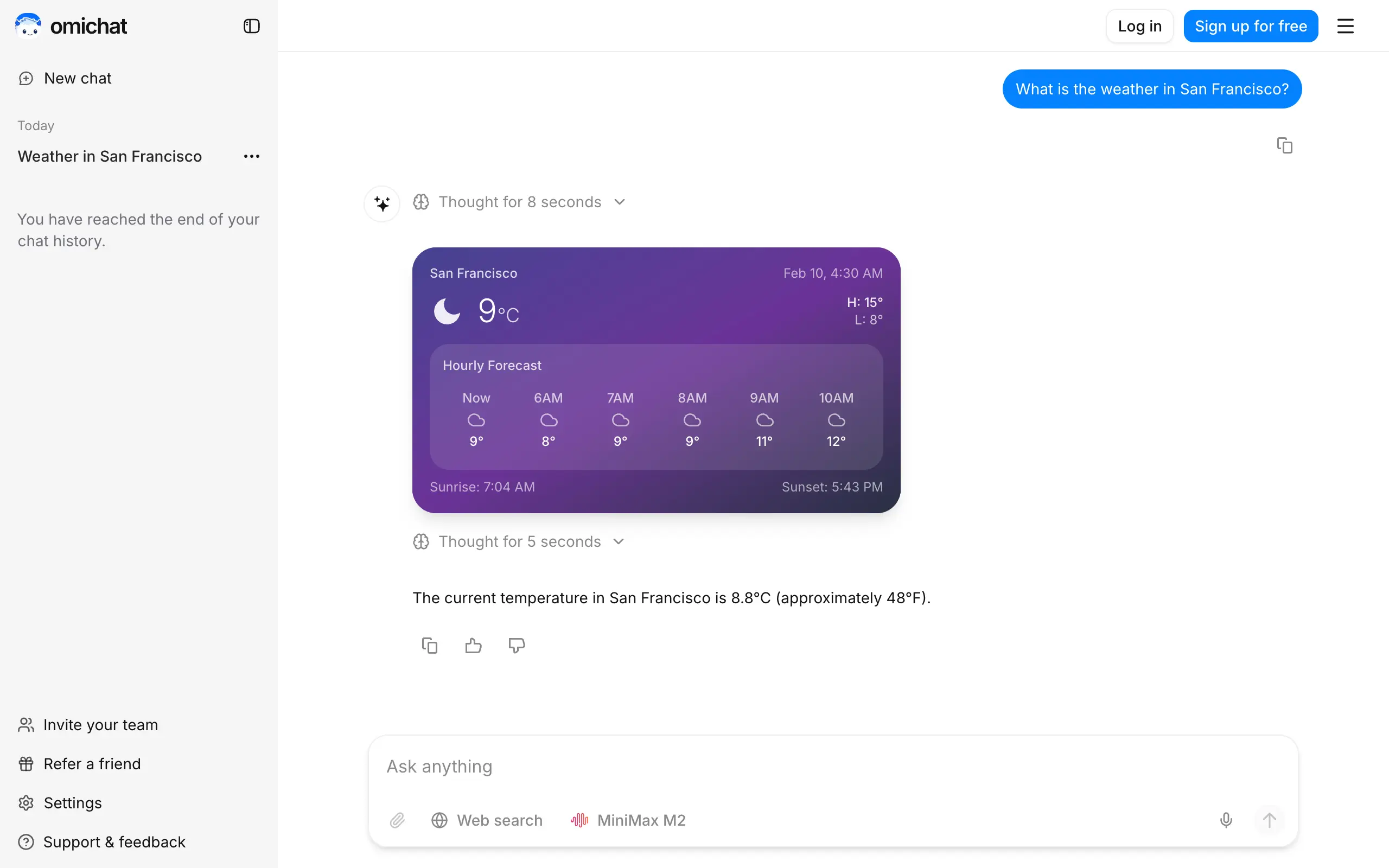
Omichat
Chat with 50+ AI models, including ChatGPT and Claude, in one place - switch models anytime without losing context 🤖
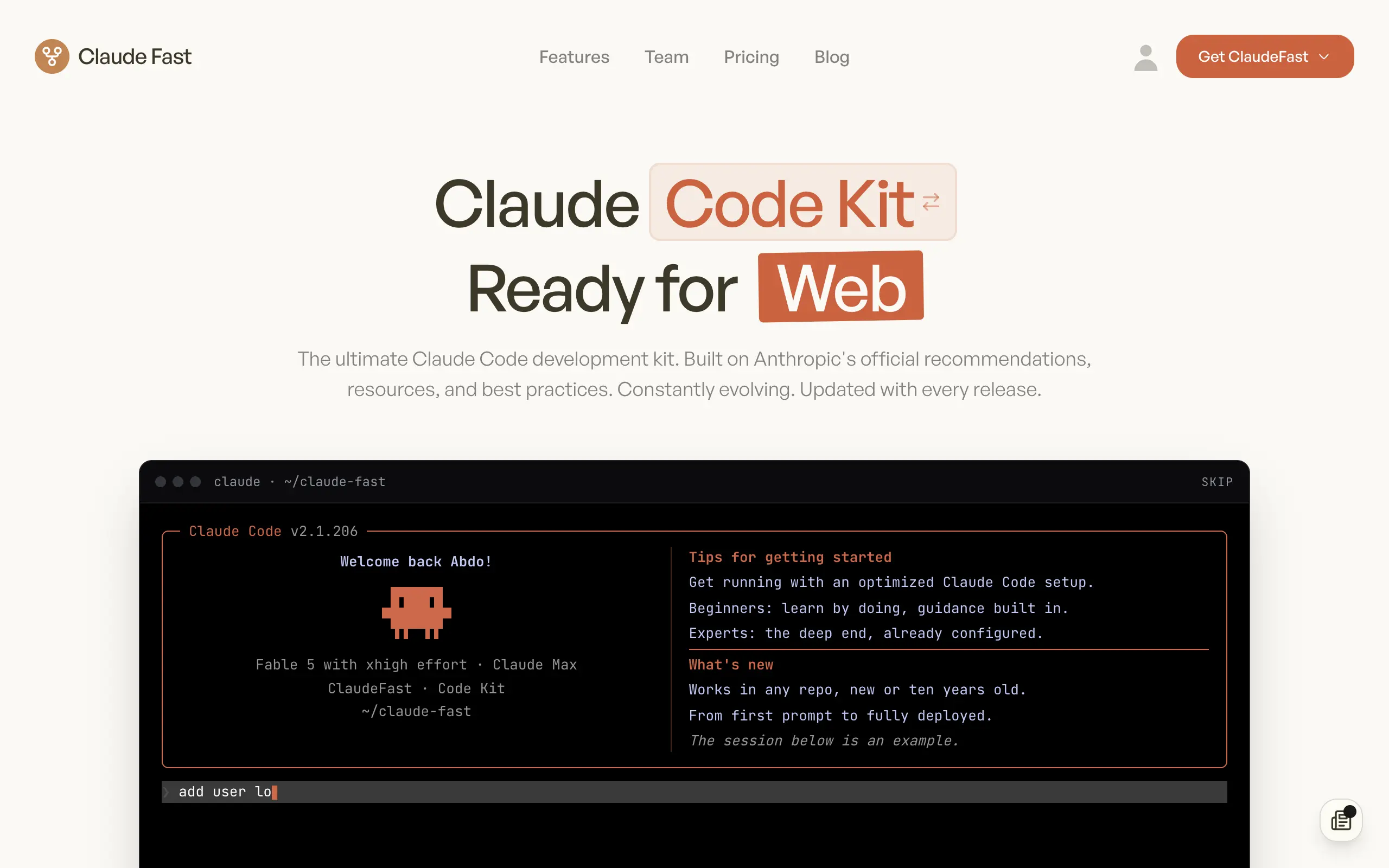
Claude Fast
Supercharge your Claude Code with 6x effective context window and specialized AI agents 🤖
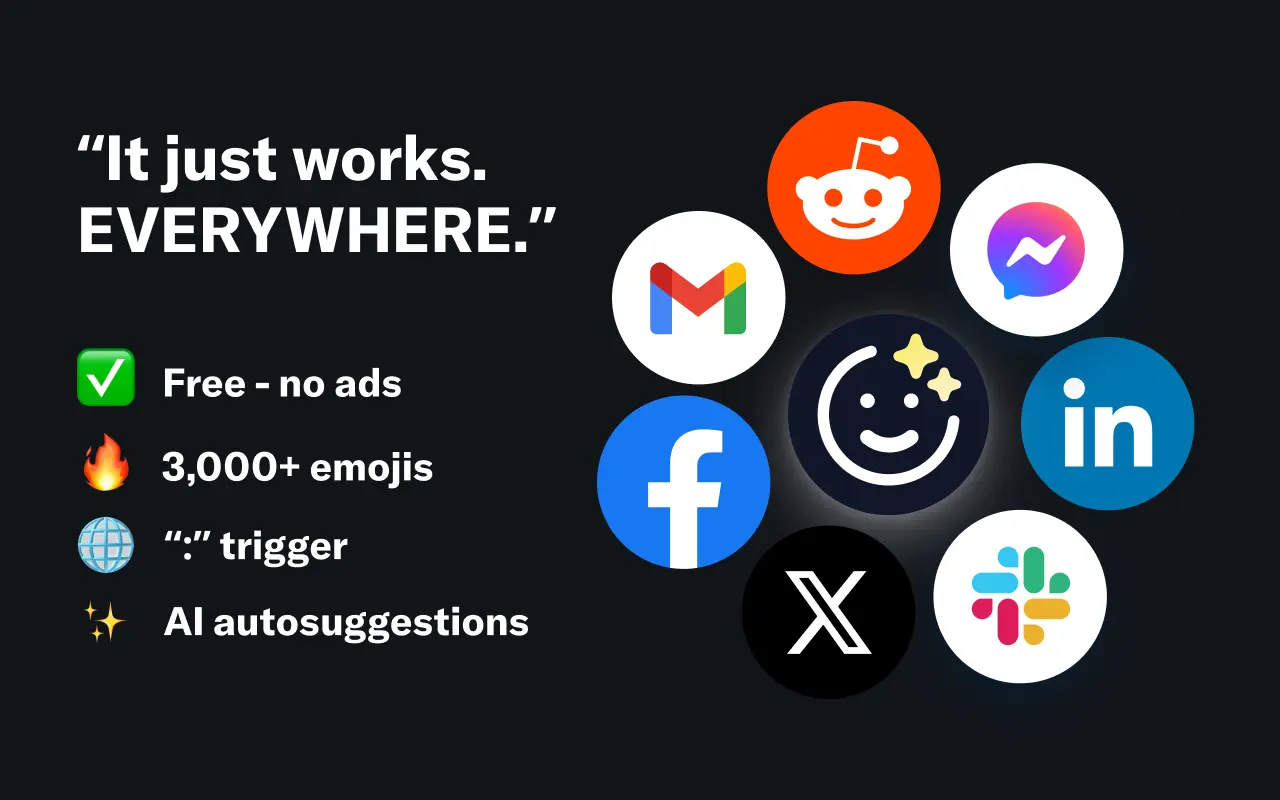
EmojAI
AI-powered emoji picker with smart, context-aware suggestions 🤖
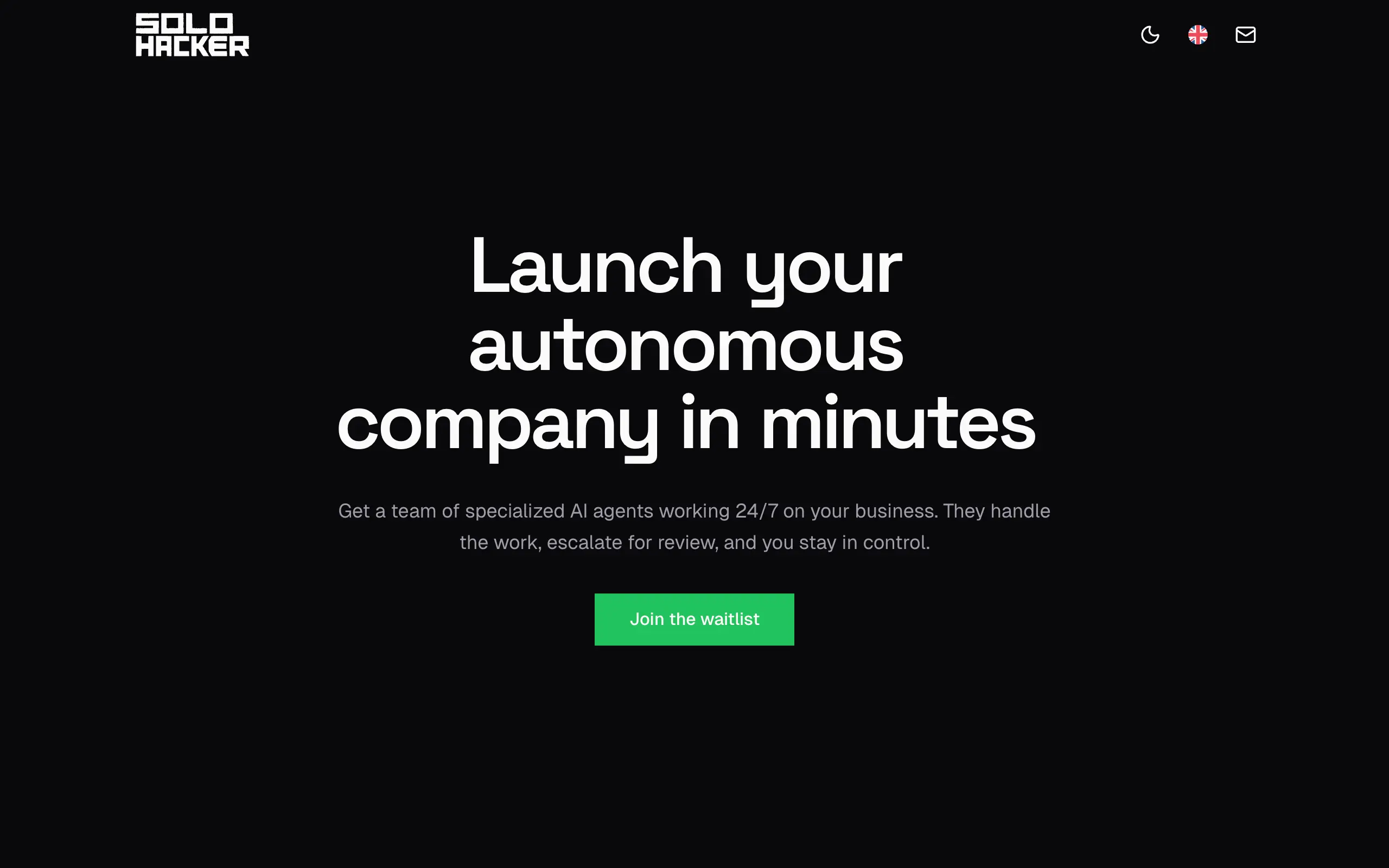
Solohacker
Autonomous company launcher - AI agents work 24/7, escalate what matters, and you stay in control 🤖

BeRawi: Storytelling Coach
Practice storytelling daily with instant feedback to sound clearer, more engaging, and confident 🎤
Omichat
Chat with 50+ AI models, including ChatGPT and Claude, in one place - switch models anytime without losing context 🤖
Claude Fast
Supercharge your Claude Code with 6x effective context window and specialized AI agents 🤖
EmojAI
AI-powered emoji picker with smart, context-aware suggestions 🤖
Solohacker
Autonomous company launcher - AI agents work 24/7, escalate what matters, and you stay in control 🤖
BeRawi: Storytelling Coach
Practice storytelling daily with instant feedback to sound clearer, more engaging, and confident 🎤
Omichat
Chat with 50+ AI models, including ChatGPT and Claude, in one place - switch models anytime without losing context 🤖
Claude Fast
Supercharge your Claude Code with 6x effective context window and specialized AI agents 🤖
EmojAI
AI-powered emoji picker with smart, context-aware suggestions 🤖
Solohacker
Autonomous company launcher - AI agents work 24/7, escalate what matters, and you stay in control 🤖
BeRawi: Storytelling Coach
Practice storytelling daily with instant feedback to sound clearer, more engaging, and confident 🎤
Omichat
Chat with 50+ AI models, including ChatGPT and Claude, in one place - switch models anytime without losing context 🤖
Claude Fast
Supercharge your Claude Code with 6x effective context window and specialized AI agents 🤖
EmojAI
AI-powered emoji picker with smart, context-aware suggestions 🤖
Solohacker
Autonomous company launcher - AI agents work 24/7, escalate what matters, and you stay in control 🤖
BeRawi: Storytelling Coach
Practice storytelling daily with instant feedback to sound clearer, more engaging, and confident 🎤

Connect with like-minded people
Join our community to get feedback, support, and grow together with 1,000+ builders on board, let's ship it!
Join usShip your startup everywhere. In minutes.
Don't burn tokens on setup and start building features on day one.