LocalReply
AI drafts on-brand replies to reviews, WhatsApp messages, and inquiries for local businesses, with approval workflows and multilingual support.
Local businesses win or lose customer trust one conversation at a time. A thoughtful reply to a public review can turn a frustrated diner into a repeat guest. A fast answer to a WhatsApp inquiry can convert a browsing customer into a booked appointment. Yet owners and small teams rarely have the time, language skills, or brand-writing discipline to respond consistently across every channel.
LocalReply is an AI customer reply software for local businesses that drafts on-brand responses to reviews, WhatsApp messages, and inbound inquiries. It keeps humans in control through approval workflows while helping businesses respond faster, protect their reputation, and serve multilingual communities without hiring a larger support team.
The opportunity is not simply “use AI to write messages.” The durable value is a workflow that understands the local business context, keeps responses safe, and makes excellent customer communication repeatable.
Why AI customer reply software matters for local businesses
Local businesses increasingly compete on responsiveness. Customers expect quick answers about bookings, hours, availability, pricing, delivery, parking, policies, and service issues. They also evaluate businesses through public review profiles before visiting, calling, or making a purchase.
For a restaurant, salon, dental practice, home-service provider, hotel, fitness studio, or retail store, communication usually lives in fragmented places:
- Google Business Profile reviews
- WhatsApp conversations
- Website contact forms
- Facebook and Instagram messages
- Booking platforms
- Email inquiries
- Customer feedback tools
- Internal spreadsheets or inboxes
The owner often becomes the bottleneck. They may reply late at night, use inconsistent language, miss urgent messages, or avoid responding to negative reviews altogether. That creates a gap between the service the business delivers and the service customers perceive online.
AI review response software can reduce that gap when it is designed as an operational system rather than a generic text generator. The product needs to help a business decide what deserves a response, draft an appropriate reply, route sensitive cases for approval, and preserve a recognizable brand voice.
The core product principle
LocalReply should draft, organize, and accelerate customer communication. It should not silently replace human judgment in sensitive situations such as refund disputes, safety complaints, legal allegations, discrimination claims, or health-related questions.
The most compelling customer promise is straightforward:
Respond to every important customer message quickly, professionally, and in your own voice, across the languages your community speaks.
The target audience for LocalReply
The initial target should be local businesses with high message volume, meaningful customer lifetime value, and an obvious downside when communication is slow or inconsistent. These businesses feel the pain immediately and can measure improvement through response time, booking conversion, review engagement, and staff efficiency.
Primary customer segments
Multi-location hospitality
Restaurants, cafés, hotels, and short-stay operators receive reviews and booking questions every day. Brand consistency across locations is difficult, especially during busy service hours.
Appointment-based services
Salons, spas, clinics, fitness studios, and professional services need fast answers to availability, pricing, rescheduling, and pre-visit questions.
Home and field services
Plumbers, HVAC providers, cleaners, landscapers, and repair businesses need to qualify inquiries quickly before leads contact a competitor.
Each segment has a different workflow, but all share one requirement: a customer expects a useful, reassuring response before they have fully decided where to spend their money.
The economic buyer and daily user
LocalReply should account for the distinction between the person paying and the person using the product.
- Owners and operators care about reputation, customer retention, labor efficiency, and revenue.
- Location managers care about inbox visibility, fast approvals, and reducing repetitive tasks.
- Front-desk and customer service staff care about easy handoffs, reusable answers, and confidence that they are saying the right thing.
- Marketing agencies care about managing multiple client brands without creating a manual review-response process for every account.
- Franchise operators care about guardrails that maintain brand standards while permitting local nuance.
This makes LocalReply especially well suited to a business-to-business SaaS model with workspace-level billing, role-based access, brand templates, and multi-location controls.
Ideal customer profile for the first version
The strongest early adopter is likely a business with two to 20 locations, a lean operating team, active review profiles, and regular WhatsApp or web inquiries. A single-location business can benefit, but a growing multi-location operator has a sharper need for standardization and collaboration.
Prioritize businesses that have:
- At least several customer conversations per day
- A visible online reputation that affects purchasing decisions
- A team member currently responsible for replies
- Repeated questions that can be handled with approved business information
- More than one language spoken by customers or staff
- A willingness to use an approval queue before enabling any automation
Avoid initially targeting businesses with highly regulated communication requirements unless LocalReply has the policies, data controls, audit logs, and legal review needed for that use case.
The market gap in AI review replies and local messaging
Generic AI chat tools can write a polite answer, but local businesses do not need another blank prompt box. They need a system that recognizes the operational reality behind a message.
A restaurant should not promise a table without knowing its reservation policy. A dental office should not have an AI system provide clinical advice. A contractor should not quote a job based on a vague photo without a human review. A hotel should not publicly expose guest details in an attempt to resolve a complaint.
The market gap is the distance between generic text generation and brand-safe local customer communication.
Where current workflows fail
Most local businesses currently rely on one of four approaches:
- They reply manually when time permits.
- They copy and paste generic templates.
- They use a broad social inbox with limited AI assistance.
- They ask a general-purpose AI tool to draft replies one by one.
These approaches create predictable problems:
- Replies arrive too late to influence customer decisions.
- Templates sound repetitive and impersonal.
- Staff members make promises they cannot keep.
- Negative reviews are handled defensively or ignored.
- Brand voice varies by employee and location.
- Multilingual messages receive shorter, less useful answers.
- Owners cannot see which conversations are unresolved.
- There is no reliable audit trail of what was sent and why.
LocalReply can occupy a valuable category between review-management software and customer support software. Its focus should be high-quality, approved responses for local commerce, not an overly broad attempt to replace a CRM, contact center, or marketing platform.
Market-validation research to complete before building deeply
The team should interview at least 20 to 30 prospective customers across two focused verticals. The goal is not to ask whether they “would use AI.” Most will say yes. The goal is to uncover the exact moments where response quality, speed, or language creates a costly failure.
Ask questions such as:
- Which inboxes are checked least reliably?
- Which customer messages are most repetitive?
- What types of public reviews are hardest to answer?
- Who has permission to offer refunds, discounts, or exceptions?
- Which languages are most common among customers?
- What information must never appear in a public response?
- How do managers currently review staff messages?
- What counts as a successful response for the business?
For market sizing and category claims, reference credible sources in the finished go-to-market materials rather than relying on unsupported figures. Useful evidence may include platform review behavior studies, local consumer survey reports, and official small-business communication research.
LocalReply’s unique value proposition
LocalReply should not position itself as “AI that replies to everything automatically.” That claim may attract attention, but it creates trust concerns for businesses whose reputation is at stake.
A stronger positioning statement is:
LocalReply helps local businesses draft fast, multilingual, on-brand customer responses across reviews and messaging channels, with the right human approval controls built in.
The differentiator is the combination of five capabilities:
| Capability | Generic AI chat | Review platform | LocalReply advantage | Business impact |
|---|---|---|---|---|
| Brand context | Manual prompting | Usually limited | Persistent voice and policy profile | More consistent replies |
| Approvals | External workflow | Often basic | Risk-aware routing and audit trail | Lower reputational risk |
| Multilingual support | Prompt dependent | Channel dependent | Language detection and brand-safe drafting | Better local accessibility |
A defensible product moat
AI text generation itself is becoming easier to access. LocalReply’s defensibility should come from accumulated workflow intelligence, not from claiming exclusive access to a language model.
Over time, the product can build defensibility through:
- Per-brand voice profiles refined by approved edits
- Vertical-specific response policies
- Structured business knowledge such as hours, services, FAQs, and escalation rules
- Performance data that identifies which response patterns improve outcomes
- Deep integrations with local communication channels
- Approval logic tailored to roles, locations, and issue severity
- Agency and multi-location management features
The more a business uses LocalReply to approve high-quality responses, the more valuable its private communication playbook becomes. This creates meaningful switching costs without trapping customers in an opaque system.
Core LocalReply features and solution design
The best minimum viable product should make one narrow workflow dramatically better: receive a customer message, generate a credible draft grounded in business context, approve or edit it, and record the outcome.
Unified response inbox
A unified inbox should bring review notifications, WhatsApp conversations, and website inquiries into one prioritized workspace. The interface should make it easy to see:
- Source channel
- Customer language
- Sentiment and urgency
- Assigned location
- Suggested reply status
- Required approver
- Response deadline or service-level target
- Conversation history
Avoid overwhelming users with an inbox that feels like enterprise help-desk software. Local business staff need a focused queue that answers a simple question: what should we respond to next?
Brand voice and business knowledge profiles
Every workspace needs a structured profile that provides safe context to the AI. This should not be a single freeform “about us” field. It should be a guided setup experience.
A complete profile could include:
- Business name, locations, hours, and contact details
- Primary services and service boundaries
- Brand voice descriptors such as warm, concise, formal, playful, or premium
- Preferred greetings and sign-offs
- Terms or phrases to avoid
- Languages supported by staff
- Refund, cancellation, booking, and escalation policies
- Frequently asked questions
- Approved links or contact methods
- Public-review privacy rules
The AI should use this profile as a controlled source of truth. If it does not have enough information, it should draft a clarifying response rather than inventing a policy or promise.
Context-aware reply generation
The draft experience should give users more than one generic response. It should provide clear options based on the message category.
For positive reviews, LocalReply should thank the customer specifically, reflect the service mentioned, and invite an appropriate return visit without sounding copied and pasted. The response should avoid overclaiming or revealing personal details.
For negative reviews, LocalReply should acknowledge the experience, express a commitment to improvement, avoid public argument, and recommend an approved path to private follow-up. High-risk complaints should require human review before a draft is shown as send-ready.
For new inquiries, LocalReply should answer known questions, ask only the minimum useful follow-up questions, and guide the customer toward booking, calling, visiting, or receiving a quote according to the business workflow.
A useful draft panel might include:
- A primary recommended response
- Shorter and warmer alternatives
- A translation view
- A “why this was suggested” explanation
- Sources from the business knowledge profile
- An issue-risk flag
- Edit history before sending
This explanation layer is valuable for trust. Staff are more likely to use AI when they can understand its recommendation and correct it quickly.
Approval workflows and escalation rules
Approval is not merely a checkbox. It is central to LocalReply’s brand-safe promise.
Administrators should be able to define policies such as:
- Low-risk positive reviews can be sent by trained staff.
- One-star reviews require manager approval.
- Refund requests are assigned to an authorized role.
- Messages mentioning injury, legal action, harassment, discrimination, or medical concerns are escalated immediately.
- Replies in an unsupported language are routed to a qualified team member.
- Location-specific replies require approval from that location’s manager.
A basic decision policy can be represented clearly in application code:
type ReplyRisk = "low" | "medium" | "high";

export function getApprovalRule(input: {
  sentiment: "positive" | "neutral" | "negative";
  containsSensitiveTopic: boolean;
  offersCompensation: boolean;
  languageSupported: boolean;
}): ReplyRisk {
  if (
    input.containsSensitiveTopic ||
    input.offersCompensation ||
    !input.languageSupported
  ) {
    return "high";
  }

  if (input.sentiment === "negative") {
    return "medium";
  }

  return "low";
}
The production system should be more nuanced than this example. It should combine deterministic policy rules with AI classification, confidence thresholds, and human override options. Deterministic rules are especially important when an organization needs predictable controls.
Multilingual communication that preserves meaning
Multilingual support is a major opportunity, but it must be handled carefully. Translation is not enough. A reply should retain the business’s tone, accurately reflect its policies, and avoid cultural awkwardness.
LocalReply should support:
- Automatic language detection
- Drafting in the customer’s language
- Side-by-side translation for staff approval
- Language-specific templates and greetings
- Confidence indicators for low-certainty drafts
- Escalation when no qualified reviewer is available
- Business knowledge maintained in a canonical language with controlled localization
Do not promise perfect translation. Instead, design the product so humans can review high-risk messages and improve the language profile over time.
Analytics that connect communication to outcomes
A small business owner does not need an abstract dashboard full of AI metrics. They need proof that LocalReply is making customer communication better.
Prioritize metrics such as:
- Median first-response time
- Percentage of reviews answered
- Percentage of drafts approved without major edits
- Messages awaiting approval
- Replies by channel and location
- Customer language distribution
- High-risk escalation volume
- Common inquiry topics
- Conversion events where integrations make attribution possible
For review response quality, a useful internal metric is the edit distance between the suggested draft and approved reply. If staff consistently rewrite drafts, the brand profile, knowledge base, or prompting strategy needs improvement.
A practical technology stack for LocalReply
The technology stack should support rapid iteration, strong multi-tenant security, reliable integrations, and asynchronous processing. A modern TypeScript stack is a practical choice because it keeps frontend and backend development aligned while allowing the product team to move quickly.
Recommended application stack
- Frontend and application framework — Next.js with React provides a mature foundation for authenticated SaaS dashboards, server-rendered pages, and API endpoints.
- Styling system — Tailwind CSS supports consistent, fast interface implementation, especially when building queues, forms, status states, and responsive tables.
- Database and authentication — Supabase can accelerate PostgreSQL-backed multi-tenancy, authentication, storage, and row-level security.
- ORM and schema management — Prisma is a strong option for typed database access and controlled migrations. Teams wanting direct SQL flexibility may prefer a lighter query layer.
- AI provider layer — Use a provider abstraction rather than hard-coding one model vendor. OpenAI API documentation is a reliable starting point for structured outputs and modern language-model capabilities.
- Billing — Stripe supports subscription billing, metered usage, invoicing, tax tooling, and customer portal workflows.
- Observability — Implement structured logs, error monitoring, model request tracing, and audit logs from the earliest version.
Architecture trade-offs to plan for
A serverless architecture can launch quickly, but inbound channel webhooks and bulk draft generation require dependable background jobs. AI generation can be slow, API providers can temporarily fail, and users should not have to keep a browser tab open while work completes.
Use a queue-based model for tasks such as:
- Ingesting incoming messages and reviews
- Classifying content and language
- Generating drafts
- Sending approved replies
- Retrying failed channel deliveries
- Updating analytics aggregates
- Syncing business profile information
The database schema should separate tenants, locations, channels, conversations, messages, drafts, approvals, policies, and audit events. Every generated draft should be traceable to the source message, knowledge version, prompt version, model version, and final human action.
That traceability matters for debugging, customer trust, and future enterprise requirements.
AI implementation principles
LocalReply should use retrieval-augmented generation rather than placing all business context into a long static prompt. Store business policies, FAQs, services, and location information as structured records. Retrieve only the most relevant context for each customer message.
A reliable generation pipeline includes:
- Normalize the incoming channel message.
- Detect language, topic, sentiment, and risk signals.
- Retrieve relevant approved business facts.
- Apply channel and brand-specific reply constraints.
- Generate structured draft candidates.
- Validate the output against safety and policy rules.
- Route the item into the right approval queue.
- Store the full audit record.
Structured outputs reduce fragile parsing and make it easier to validate whether the model has included an unsupported claim, prohibited phrase, or compensation offer.
Monetization options for AI reply software
LocalReply should charge for operational value, not simply for the number of AI words generated. Customers understand the value of managed locations, team collaboration, response volume, and approval workflows more readily than token usage.
A tiered subscription model
A sensible packaging approach could include:
- Starter — One location, limited monthly drafted replies, core review response workflow, and a basic brand profile.
- Growth — Multiple channels, more response volume, multilingual support, approval workflows, analytics, and team roles.
- Multi-location — Location groups, regional roles, advanced policies, shared brand libraries, and consolidated reporting.
- Agency — Client workspaces, white-label reporting options, bulk management, and delegated access.
- Enterprise — Custom security, onboarding, service-level agreements, advanced integrations, and procurement support.
Usage limits should be visible and predictable. Consider charging for monthly managed conversations or approved AI drafts after an included allowance, with safeguards that prevent billing surprises.
Higher-margin expansion revenue
Beyond core subscriptions, LocalReply can develop additional revenue streams:
- Guided brand voice and knowledge-base setup
- Premium vertical templates
- Extra locations
- Advanced analytics
- Agency client packs
- Custom integration work
- Compliance-oriented audit exports
- Priority support and onboarding
Avoid monetizing core safety features as an expensive add-on. Approval workflows and audit history are part of the trust foundation, not optional luxuries.
Competitive advantage and positioning strategy
The competitive landscape includes broad reputation-management platforms, shared inbox tools, customer support suites, social media management products, and general AI assistants. LocalReply should avoid competing head-on with every category.
Its advantage is focus.
How LocalReply should position against alternatives
- Against manual replies — LocalReply reduces time-to-response and creates consistent quality without removing human review.
- Against generic AI tools — LocalReply remembers approved business context, applies policies, and routes risky situations correctly.
- Against review-management suites — LocalReply extends beyond public reviews into customer inquiries and conversational workflows.
- Against help-desk software — LocalReply is designed around the simpler, high-frequency needs of local commerce rather than large support operations.
- Against agencies — LocalReply helps agencies serve more clients while preserving the approval and brand controls clients expect.
The product should use focused messaging such as “your local business response desk” rather than technical language about models, tokens, or automation agents. Business owners buy outcomes. They want fewer missed messages, better reviews, faster bookings, and a professional presence.
Risks, compliance concerns, and mitigations
AI-assisted customer messaging can create meaningful risks. Treating those risks as product requirements will strengthen LocalReply’s trustworthiness and improve retention.
Hallucinated policies or promises
A model may invent availability, pricing, refunds, eligibility, or business details. This is one of the most important risks because inaccurate promises damage customer trust.
Mitigate it with:
- Structured knowledge retrieval
- Restricted generation instructions
- A rule that unknown facts trigger clarifying questions
- Citation of internal knowledge sources in the draft UI
- Approval requirements for sensitive categories
- Automated checks for pricing, discounts, and compensation language
Privacy and sensitive data
Customer messages may contain phone numbers, reservation details, addresses, health information, payment-related language, or other personal data. Public review responses create an additional risk because staff can accidentally disclose private context.
Mitigate it with:
- Data minimization and retention controls
- Encryption in transit and at rest
- Role-based access permissions
- Public-response privacy filters
- Redaction in logs and analytics where appropriate
- Workspace audit logs
- Clear customer data-processing terms
- Vendor assessment for AI providers and integrations
Businesses in regulated industries should obtain qualified legal and compliance advice before relying on AI-generated communication for regulated interactions.
Brand damage through poor tone
A technically correct reply can still feel cold, defensive, overly promotional, or inappropriate for a sensitive complaint.
Mitigate this with an iterative brand-learning loop. Let teams mark drafts as excellent, acceptable, or unsuitable. Capture approved edits, but do not automatically learn from every edit without controls. Administrators should be able to approve which examples become part of the brand profile.
Channel API and platform dependency
Review sources and messaging providers may change API policies, rate limits, permissions, or feature availability. WhatsApp integration requirements can be especially strict depending on the conversation type and template rules.
Mitigate dependency risk by:
- Designing modular channel adapters
- Maintaining retry and reconciliation processes
- Storing canonical conversation data independently
- Offering CSV, email, or manual-import fallback workflows where appropriate
- Monitoring provider policy updates
- Clearly communicating supported channel capabilities to customers
Over-automation
The temptation to offer “auto-send every reply” will be strong. However, a premature automation feature can increase churn if even a few responses are wrong.
Start with draft-first workflows. Later, allow carefully constrained auto-send only for explicitly approved low-risk categories, such as selected five-star reviews with no sensitive terms. Make automation opt-in, reversible, transparent, and measurable.
Trust is more valuable than autonomous volume
A local business may forgive an imperfect draft that requires editing. It is much less likely to forgive an AI reply that publicly makes an inaccurate promise or mishandles a serious complaint.
Go-to-market plan for LocalReply
The first go-to-market motion should be vertical and service-led. Early customers need help defining their brand voice, policies, and workflows. That onboarding work is not a distraction; it is product research and a path to better retention.
Start with one high-urgency vertical
Restaurants and hospitality businesses are strong candidates because they receive frequent reviews, booking questions, operational complaints, and multilingual customer communication. Appointment-based service businesses are another compelling option because response speed directly affects lead conversion.
Choose one based on interview evidence, integration feasibility, and founder access to buyers.
Customer acquisition channels
Early acquisition can combine:
- Direct outreach to multi-location operators
- Partnerships with local marketing agencies
- SEO content around AI review response software and multilingual customer messaging
- Demonstrations using anonymized real-world review examples
- Free response audits that show current reply gaps
- Referral programs for agencies and existing customers
- Local business associations and vertical software ecosystems
Content should address concerns directly. Publish practical guidance on replying to negative reviews, building a brand voice, managing multilingual inquiries, and deciding when AI requires human approval. This builds topical authority while attracting buyers with active problems.
Actionable implementation roadmap
A disciplined roadmap prevents LocalReply from becoming a sprawling inbox tool before it has proven product-market fit.
What to build in the first 90 days
The first 90 days should optimize for learning, not feature quantity.
Days 1 through 30
- Conduct customer discovery interviews.
- Define the initial vertical and channel scope.
- Create the business profile data model.
- Prototype response drafting with real, anonymized messages.
- Test brand voice setup with prospective users.
Days 31 through 60
- Build authentication, workspace management, roles, and location support.
- Implement one or two channel ingestion paths.
- Create the draft, edit, approve, and send workflow.
- Add basic sentiment, language, and risk classification.
- Store detailed audit events.
Days 61 through 90
- Onboard design partners manually.
- Measure outcomes every week.
- Fix the most common factual and tone failures.
- Add reporting for response speed and approval behavior.
- Prepare a repeatable onboarding checklist and pricing test.
For founders who want to accelerate SaaS foundations such as authentication, billing, dashboard architecture, and production-ready application patterns, TurboStarter can reduce time spent rebuilding common infrastructure.
Frequently asked questions about LocalReply
It can eventually support constrained automation for selected low-risk scenarios, but the strongest initial product should be draft-first. Human approval protects the business from inaccurate promises, poor tone, and inappropriate responses to sensitive complaints.
LocalReply should detect the customer language, draft within a controlled brand and policy context, provide a staff-facing translation, show confidence signals, and escalate messages when qualified review is needed. It should never present multilingual output as infallible.
A general AI chatbot requires users to provide context repeatedly. LocalReply stores approved business information, applies channel-specific rules, routes messages through approvals, and creates an auditable workflow for local business teams.
Businesses with frequent reviews or inbound messages, a small operating team, and meaningful value per customer are the best fit. Hospitality, appointment-based services, home services, and multi-location retail are strong starting segments.
Final perspective
LocalReply has a credible opportunity because it solves a persistent operational problem with a practical application of AI. The winning product will not be the one that generates the longest replies or claims the highest level of automation. It will be the one that helps local businesses respond with speed, accuracy, empathy, and control.
By focusing on on-brand drafting, multilingual communication, structured business knowledge, thoughtful approvals, and reliable integrations, LocalReply can become essential infrastructure for local customer relationships. Start narrow, prove that teams trust the workflow, and let the product expand from a review-response tool into the communication layer that keeps local businesses responsive wherever their customers reach out.
More 🤖 AI Startup SaaS ideas
Discover more innovative ai startup SaaS ideas that are trending in 2026. Each idea is AI-generated with market validation and growth potential to help you find your next profitable venture faster than competitors.
Your competitors are building with TurboStarter
Below are some of the SaaS ideas that have been generated and built with our starter kit.
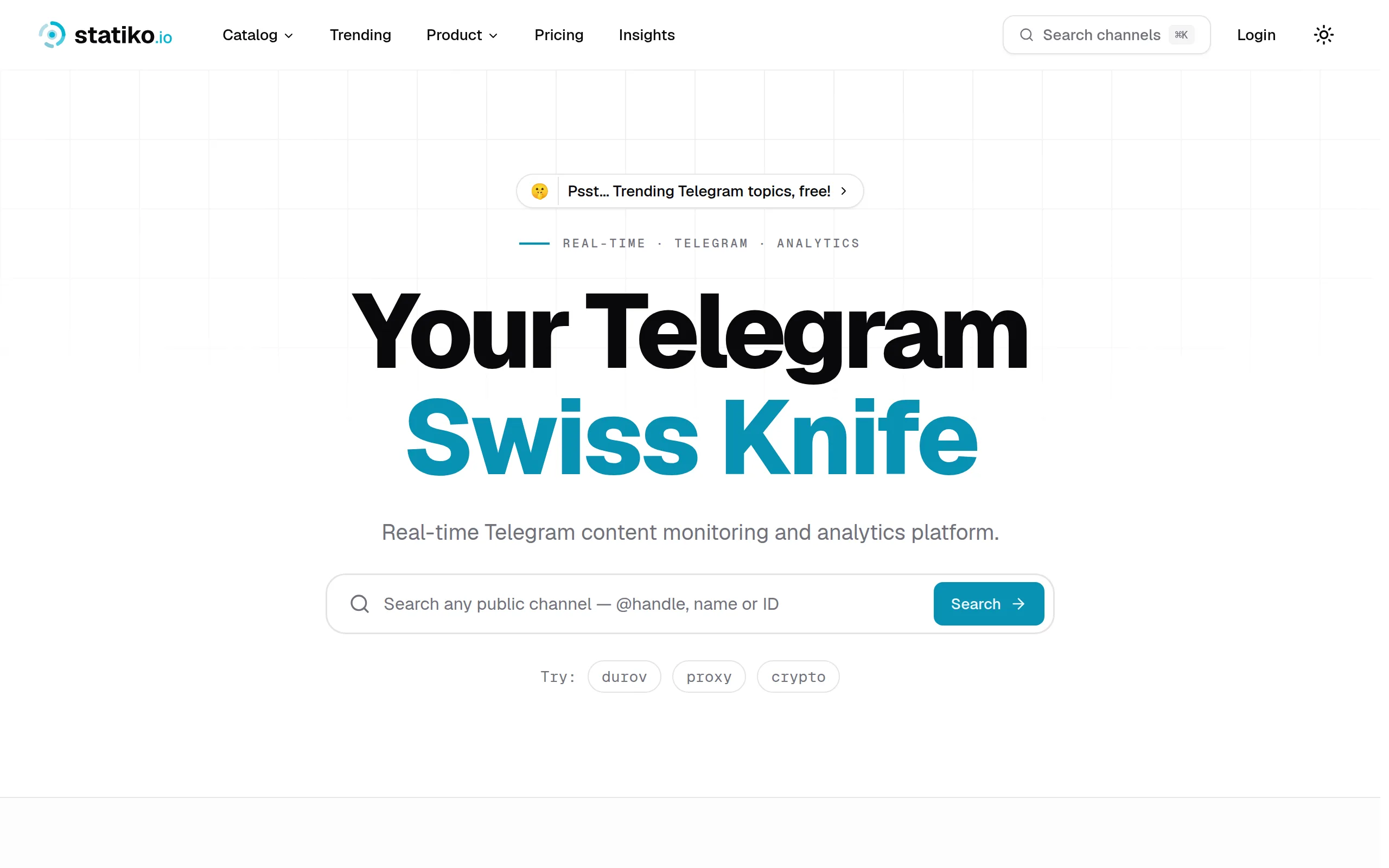
Statiko
Monitor any Telegram channel in real time - track posts, edits, deletions, and growth with AI recaps 📡

Shibui
AI website builder - describe your business, pick a niche template, edit by chatting, and publish instantly ✨
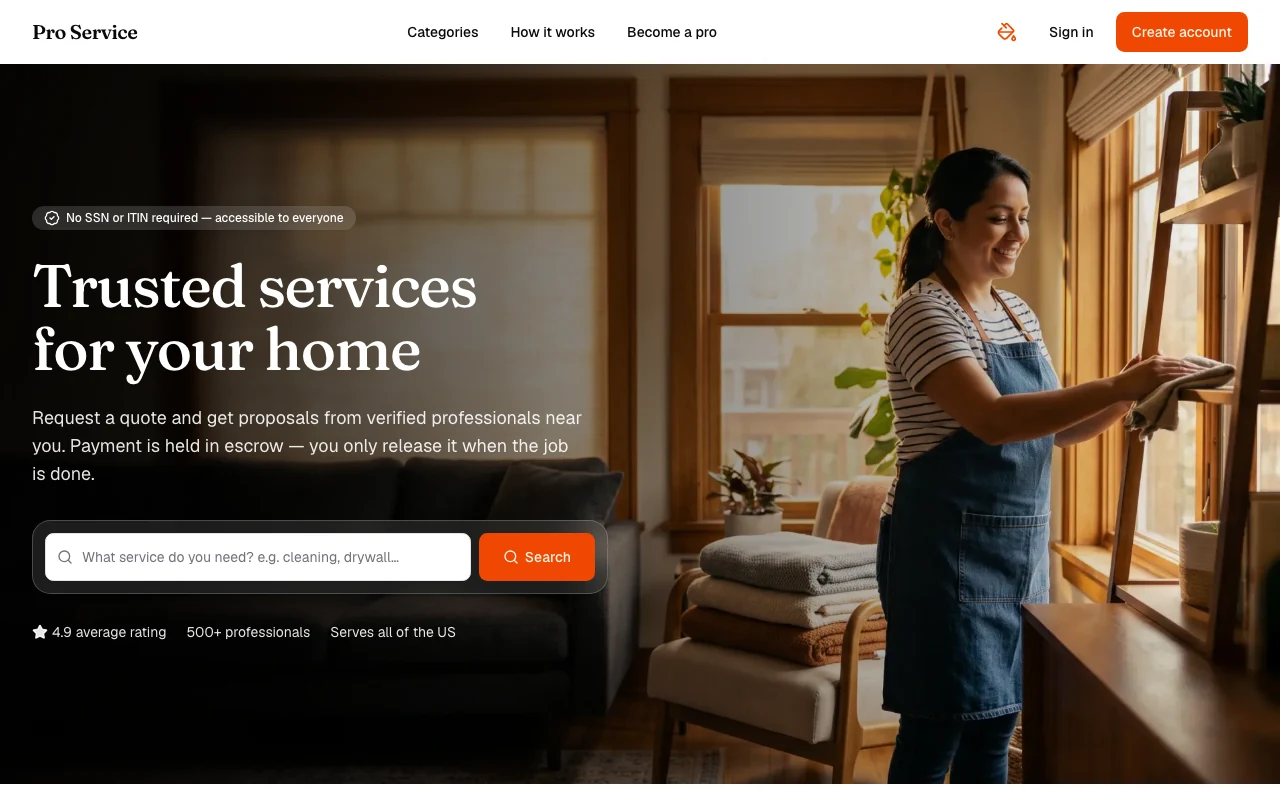
Pro Service
Find verified home service professionals, compare quotes, and pay securely through escrow - built for Brazilians across the US 🏠
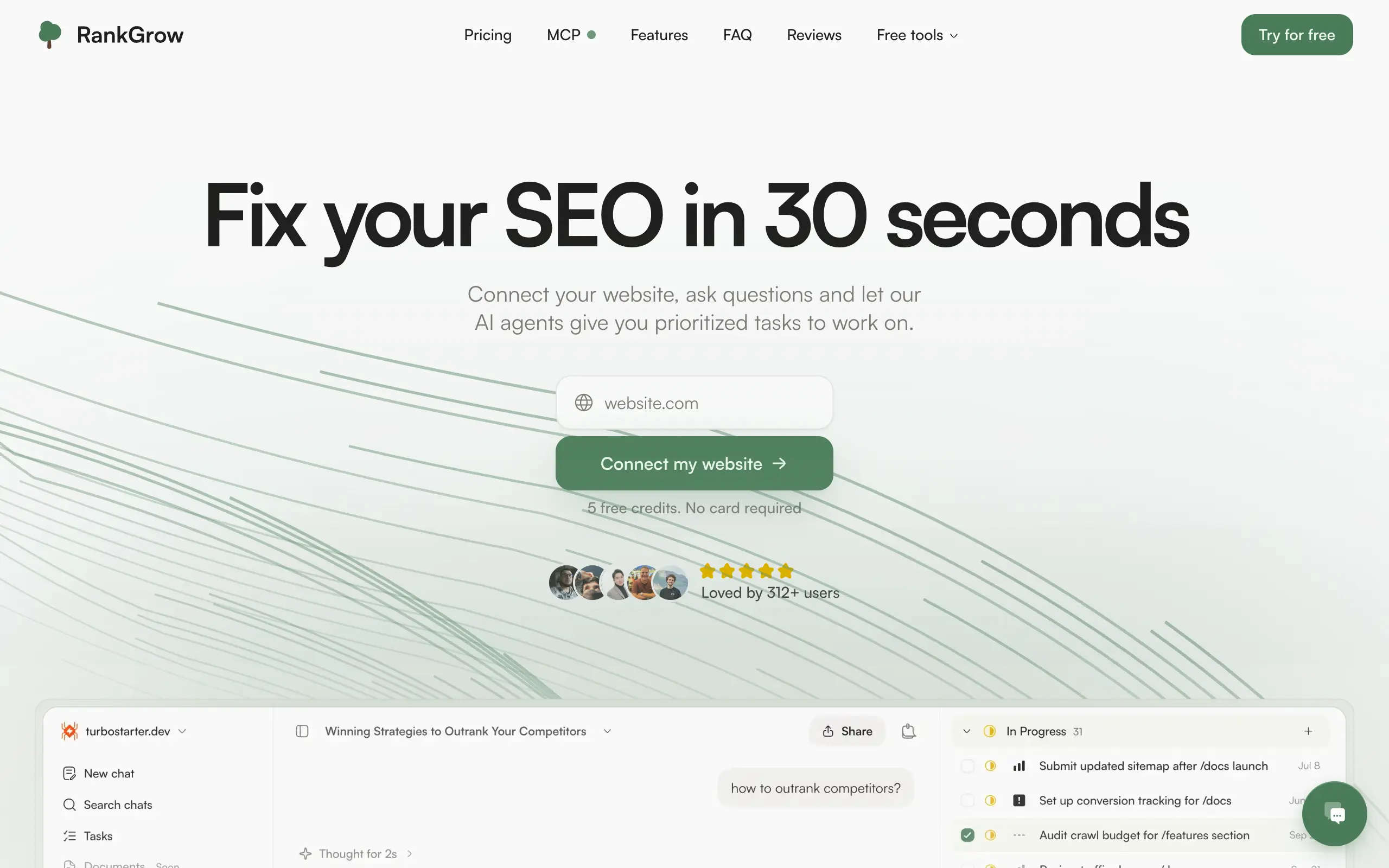
RankGrow
Fix your SEO with AI agents - connect Search Console, get prioritized tasks, and grow organic traffic 📈
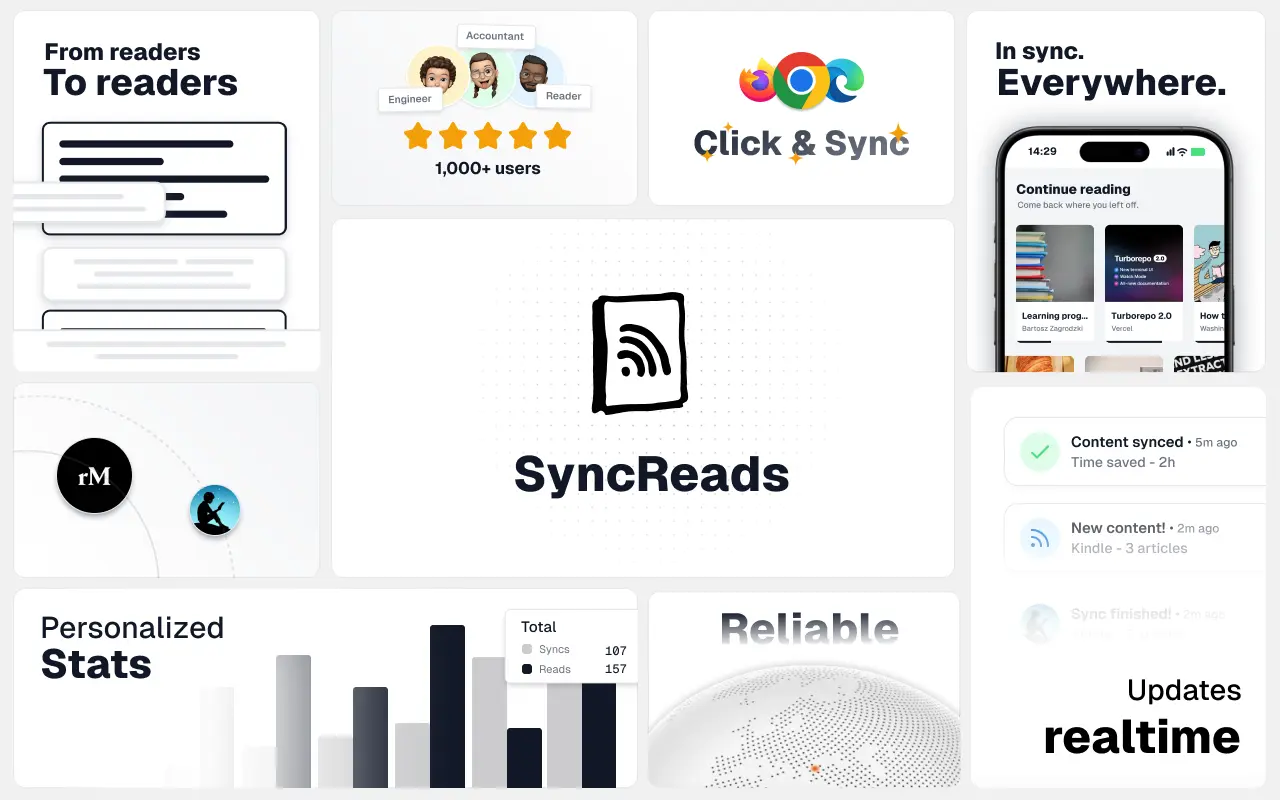
SyncReads
Sync your favorite content for distraction-free reading, save time and replace multiple apps. Anytime, anywhere 🔄
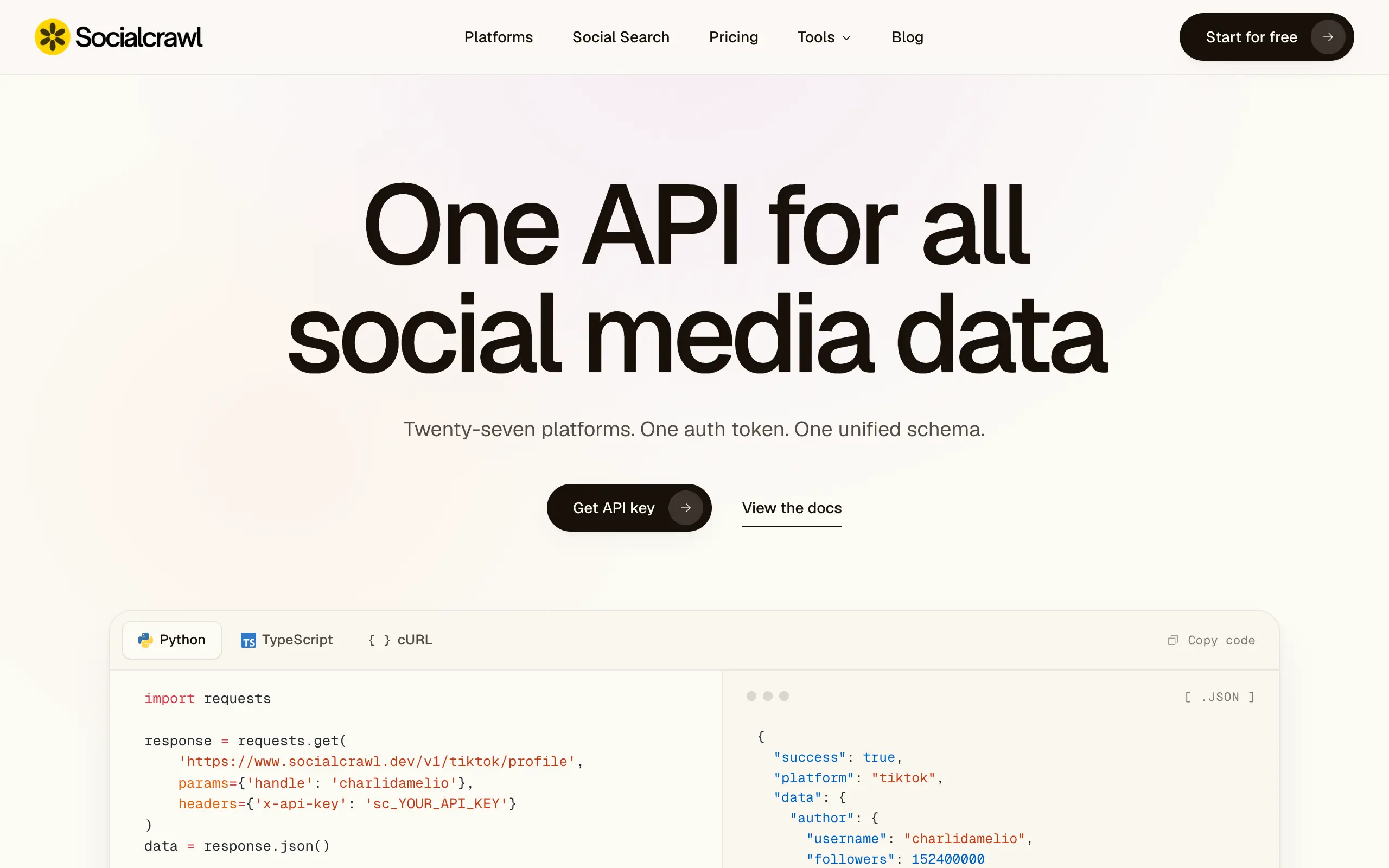
Socialcrawl
Get clean, structured data from 21 platforms like TikTok, Instagram, and YouTube with a single request 📊
Statiko
Monitor any Telegram channel in real time - track posts, edits, deletions, and growth with AI recaps 📡
Shibui
AI website builder - describe your business, pick a niche template, edit by chatting, and publish instantly ✨
Pro Service
Find verified home service professionals, compare quotes, and pay securely through escrow - built for Brazilians across the US 🏠
RankGrow
Fix your SEO with AI agents - connect Search Console, get prioritized tasks, and grow organic traffic 📈
SyncReads
Sync your favorite content for distraction-free reading, save time and replace multiple apps. Anytime, anywhere 🔄
Socialcrawl
Get clean, structured data from 21 platforms like TikTok, Instagram, and YouTube with a single request 📊
Statiko
Monitor any Telegram channel in real time - track posts, edits, deletions, and growth with AI recaps 📡
Shibui
AI website builder - describe your business, pick a niche template, edit by chatting, and publish instantly ✨
Pro Service
Find verified home service professionals, compare quotes, and pay securely through escrow - built for Brazilians across the US 🏠
RankGrow
Fix your SEO with AI agents - connect Search Console, get prioritized tasks, and grow organic traffic 📈
SyncReads
Sync your favorite content for distraction-free reading, save time and replace multiple apps. Anytime, anywhere 🔄
Socialcrawl
Get clean, structured data from 21 platforms like TikTok, Instagram, and YouTube with a single request 📊
Statiko
Monitor any Telegram channel in real time - track posts, edits, deletions, and growth with AI recaps 📡
Shibui
AI website builder - describe your business, pick a niche template, edit by chatting, and publish instantly ✨
Pro Service
Find verified home service professionals, compare quotes, and pay securely through escrow - built for Brazilians across the US 🏠
RankGrow
Fix your SEO with AI agents - connect Search Console, get prioritized tasks, and grow organic traffic 📈
SyncReads
Sync your favorite content for distraction-free reading, save time and replace multiple apps. Anytime, anywhere 🔄
Socialcrawl
Get clean, structured data from 21 platforms like TikTok, Instagram, and YouTube with a single request 📊
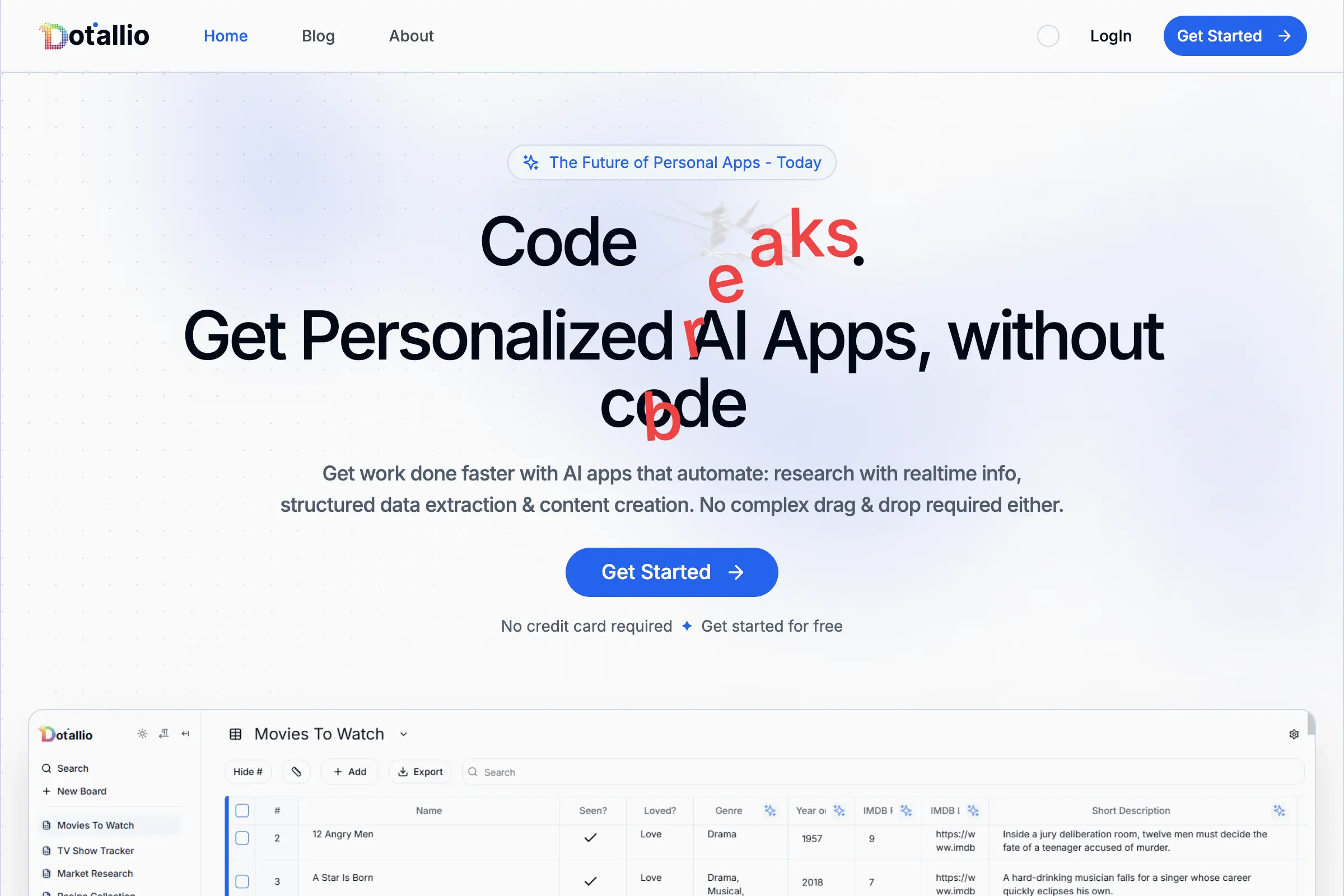
Dotallio
Personalized AI apps that automate research, data extraction, and content creation without code 🤖
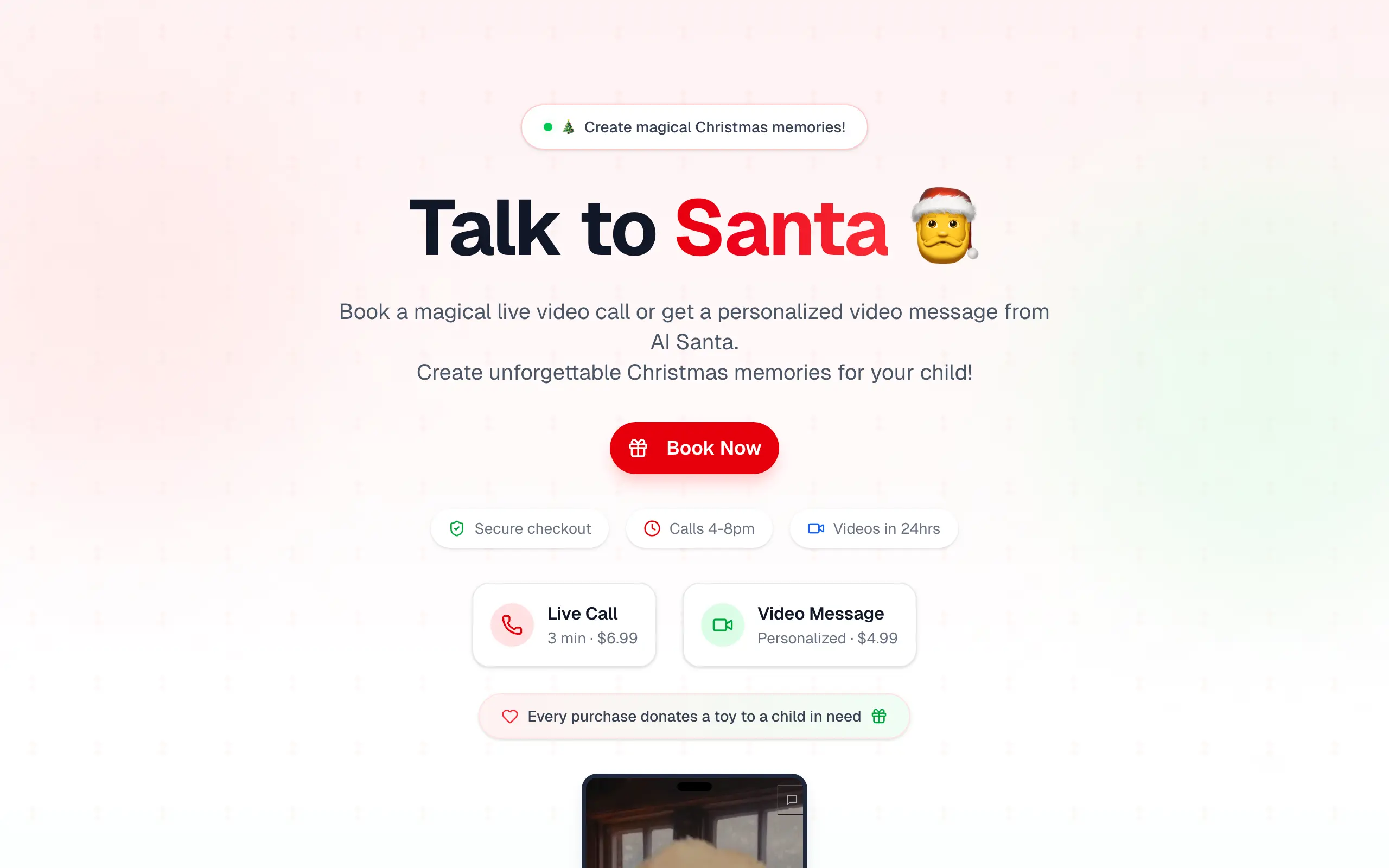
Talk to Santa
Enjoy a magical live video chat or receive a unique AI-generated video greeting from Santa Claus 🎅
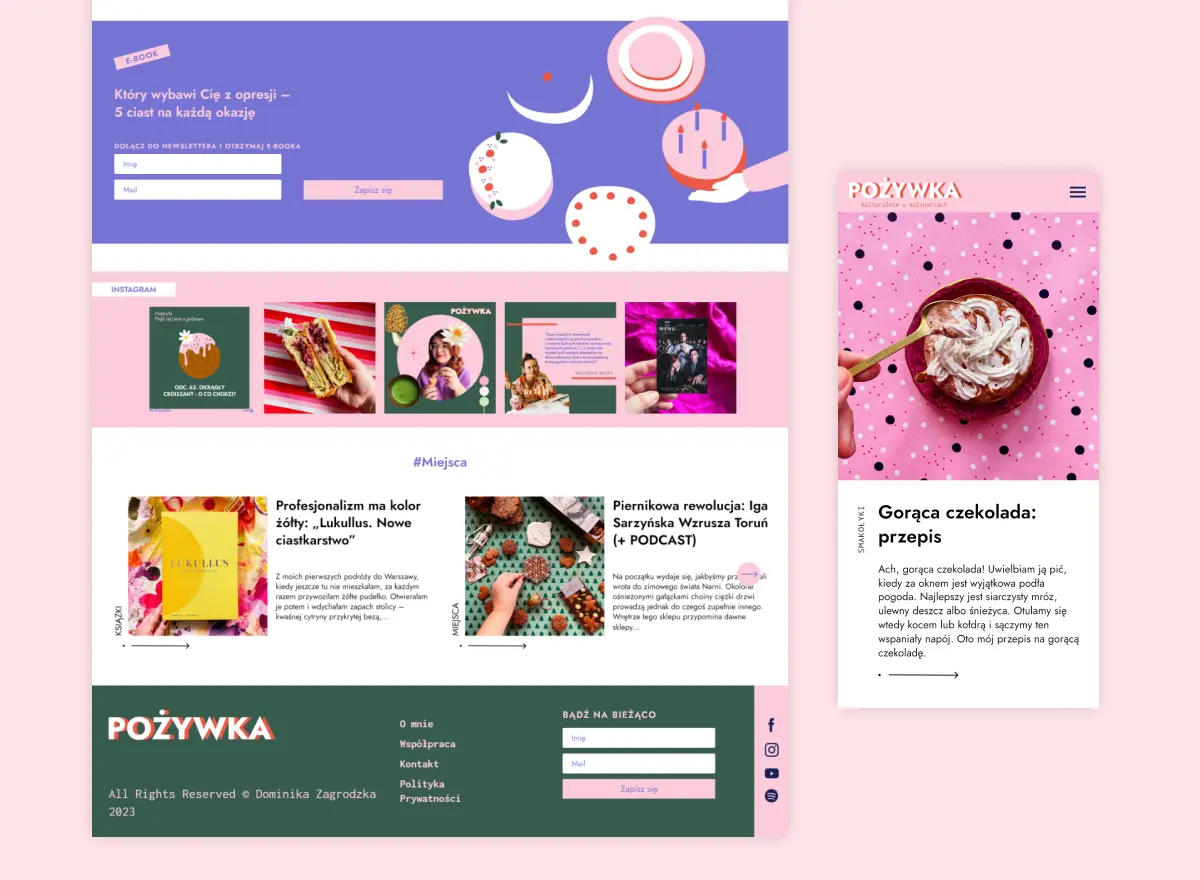
pozywka.pl
Scalable blog for food journalist, focused on performance and user experience 🌭
zagrodzki.me
Personal blog and portfolio of Bart Zagrodzki, where he shares his knowledge and work 💼
TurboStarter
Ship your startup everywhere. In minutes.
HTML to Markdown
Convert HTML to Markdown with ease, directly in your browser 📄
Dotallio
Personalized AI apps that automate research, data extraction, and content creation without code 🤖
Talk to Santa
Enjoy a magical live video chat or receive a unique AI-generated video greeting from Santa Claus 🎅
pozywka.pl
Scalable blog for food journalist, focused on performance and user experience 🌭
zagrodzki.me
Personal blog and portfolio of Bart Zagrodzki, where he shares his knowledge and work 💼
TurboStarter
Ship your startup everywhere. In minutes.
HTML to Markdown
Convert HTML to Markdown with ease, directly in your browser 📄
Dotallio
Personalized AI apps that automate research, data extraction, and content creation without code 🤖
Talk to Santa
Enjoy a magical live video chat or receive a unique AI-generated video greeting from Santa Claus 🎅
pozywka.pl
Scalable blog for food journalist, focused on performance and user experience 🌭
zagrodzki.me
Personal blog and portfolio of Bart Zagrodzki, where he shares his knowledge and work 💼
TurboStarter
Ship your startup everywhere. In minutes.
HTML to Markdown
Convert HTML to Markdown with ease, directly in your browser 📄
Dotallio
Personalized AI apps that automate research, data extraction, and content creation without code 🤖
Talk to Santa
Enjoy a magical live video chat or receive a unique AI-generated video greeting from Santa Claus 🎅
pozywka.pl
Scalable blog for food journalist, focused on performance and user experience 🌭
zagrodzki.me
Personal blog and portfolio of Bart Zagrodzki, where he shares his knowledge and work 💼
TurboStarter
Ship your startup everywhere. In minutes.
HTML to Markdown
Convert HTML to Markdown with ease, directly in your browser 📄
Omichat
Chat with 50+ AI models, including ChatGPT and Claude, in one place - switch models anytime without losing context 🤖
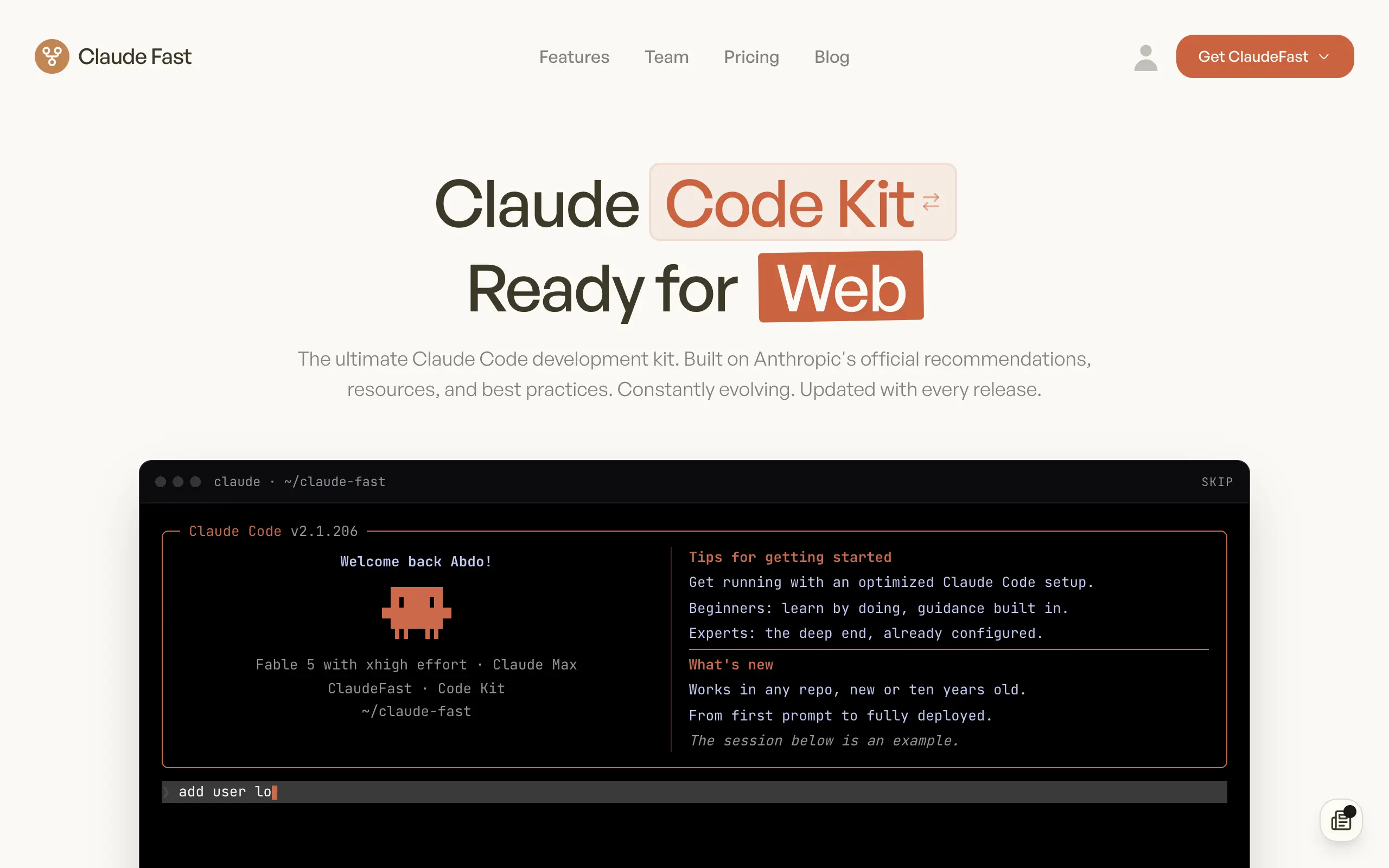
Claude Fast
Supercharge your Claude Code with 6x effective context window and specialized AI agents 🤖
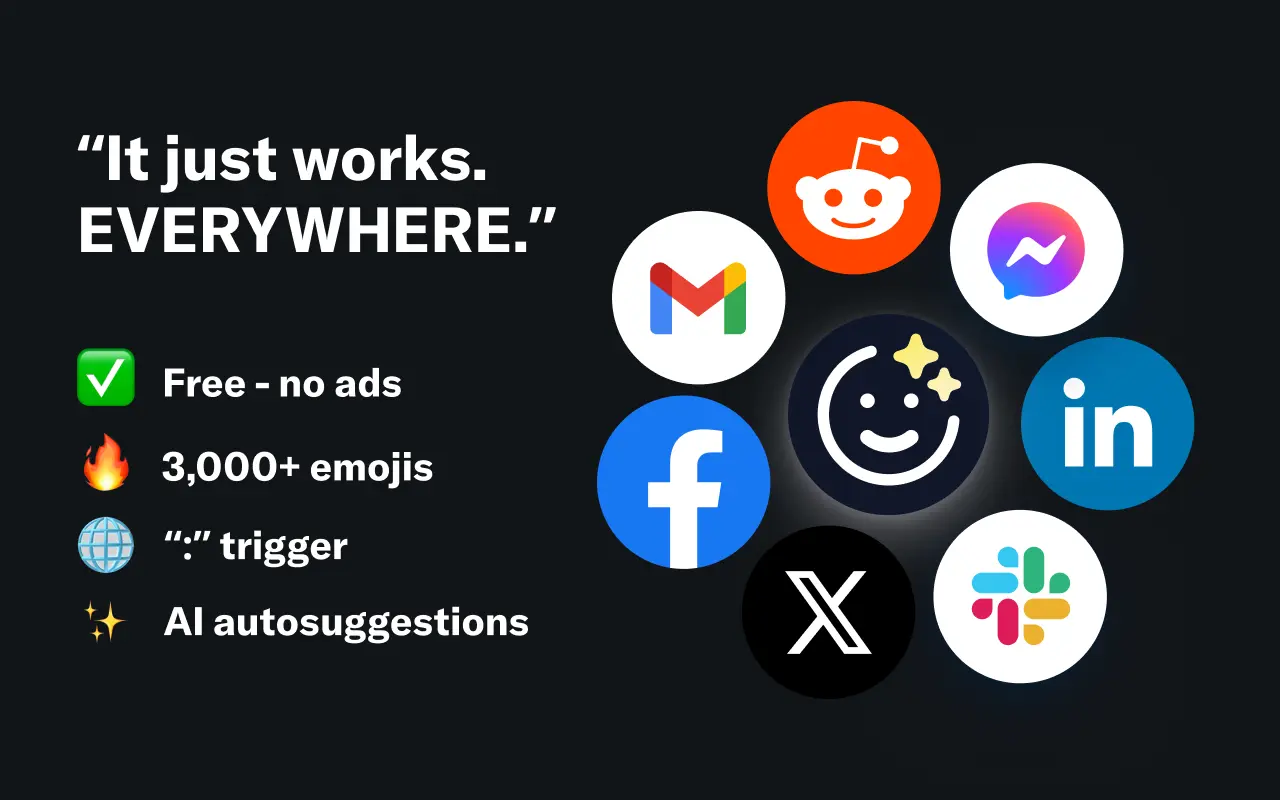
EmojAI
AI-powered emoji picker with smart, context-aware suggestions 🤖
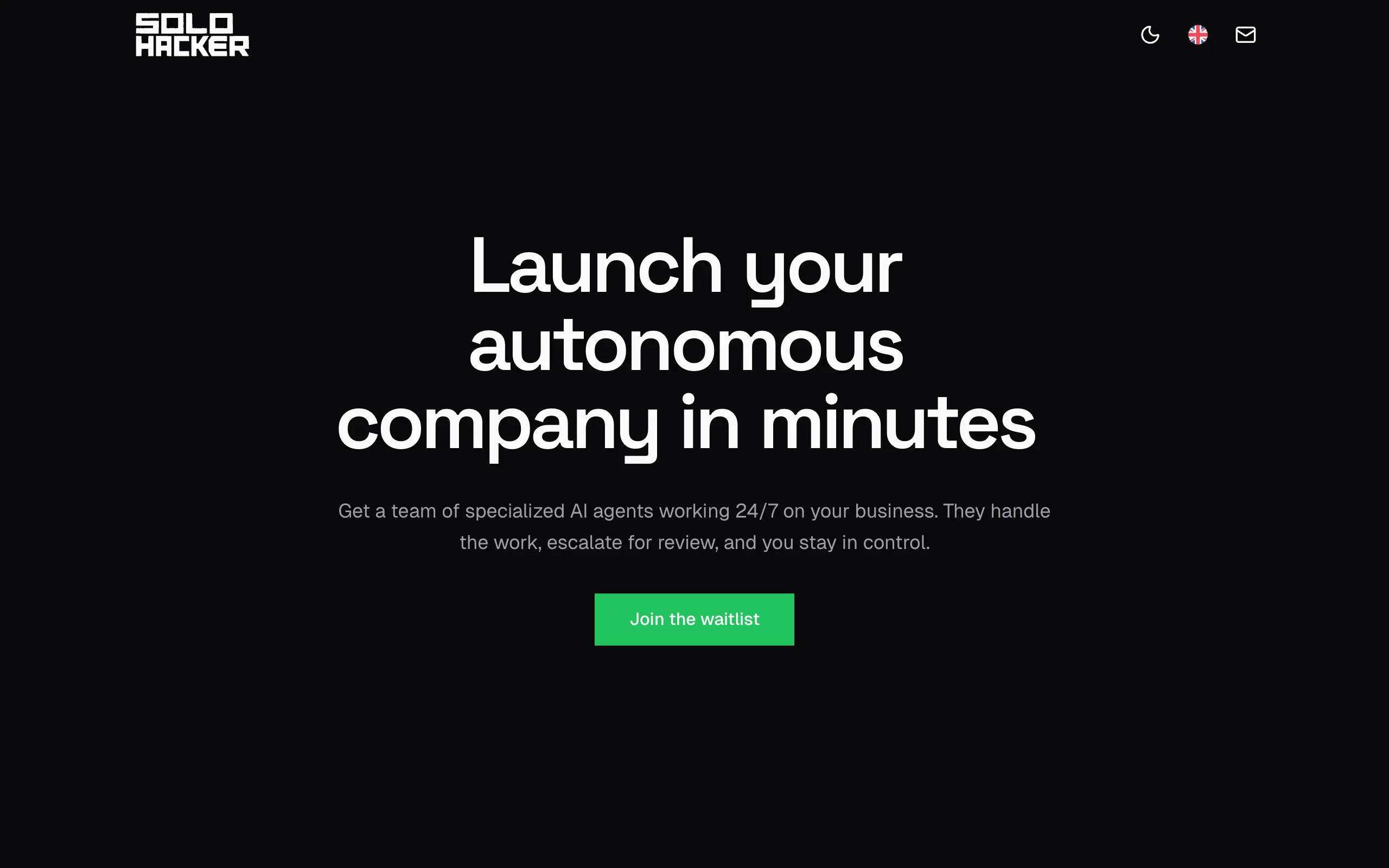
Solohacker
Autonomous company launcher - AI agents work 24/7, escalate what matters, and you stay in control 🤖
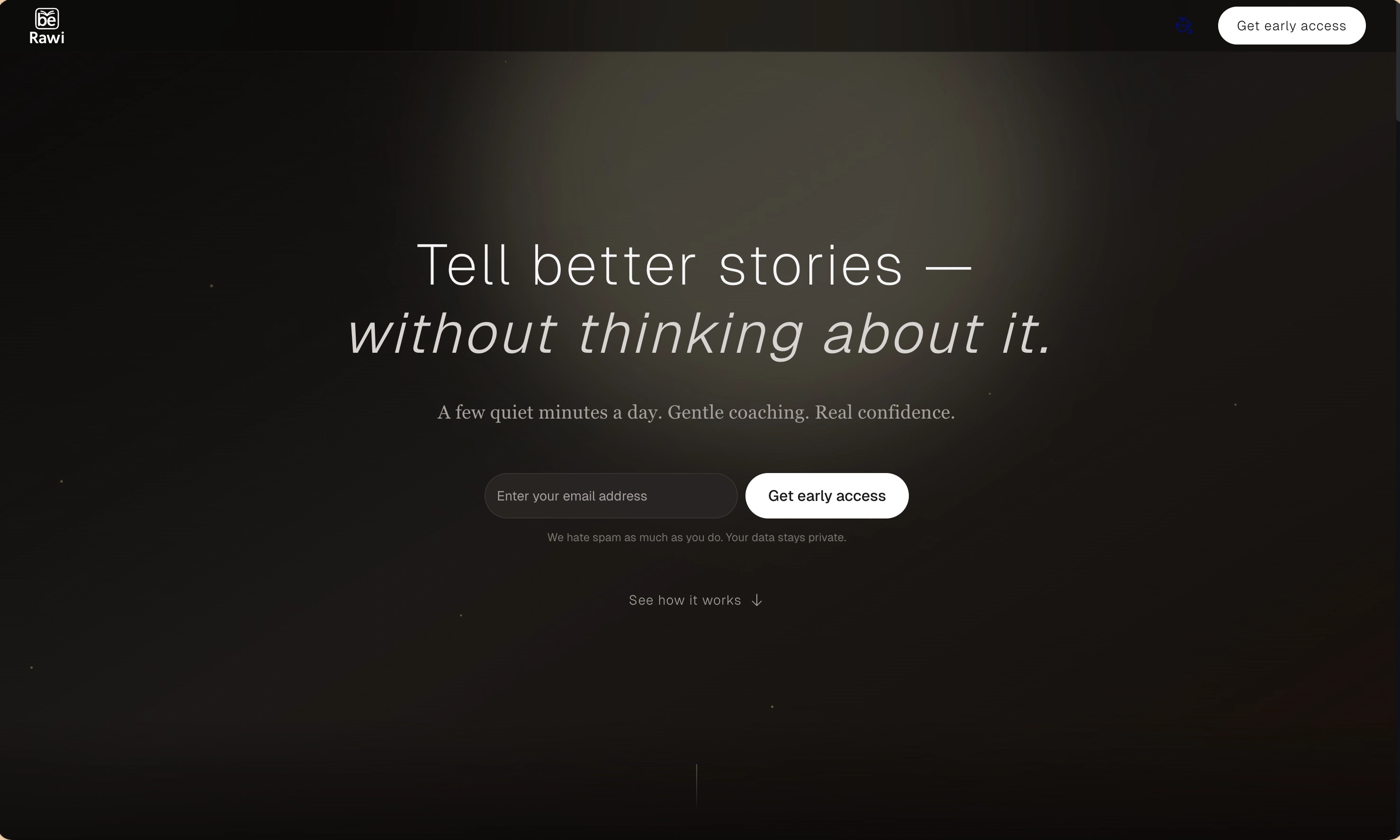
BeRawi: Storytelling Coach
Practice storytelling daily with instant feedback to sound clearer, more engaging, and confident 🎤
Omichat
Chat with 50+ AI models, including ChatGPT and Claude, in one place - switch models anytime without losing context 🤖
Claude Fast
Supercharge your Claude Code with 6x effective context window and specialized AI agents 🤖
EmojAI
AI-powered emoji picker with smart, context-aware suggestions 🤖
Solohacker
Autonomous company launcher - AI agents work 24/7, escalate what matters, and you stay in control 🤖
BeRawi: Storytelling Coach
Practice storytelling daily with instant feedback to sound clearer, more engaging, and confident 🎤
Omichat
Chat with 50+ AI models, including ChatGPT and Claude, in one place - switch models anytime without losing context 🤖
Claude Fast
Supercharge your Claude Code with 6x effective context window and specialized AI agents 🤖
EmojAI
AI-powered emoji picker with smart, context-aware suggestions 🤖
Solohacker
Autonomous company launcher - AI agents work 24/7, escalate what matters, and you stay in control 🤖
BeRawi: Storytelling Coach
Practice storytelling daily with instant feedback to sound clearer, more engaging, and confident 🎤
Omichat
Chat with 50+ AI models, including ChatGPT and Claude, in one place - switch models anytime without losing context 🤖
Claude Fast
Supercharge your Claude Code with 6x effective context window and specialized AI agents 🤖
EmojAI
AI-powered emoji picker with smart, context-aware suggestions 🤖
Solohacker
Autonomous company launcher - AI agents work 24/7, escalate what matters, and you stay in control 🤖
BeRawi: Storytelling Coach
Practice storytelling daily with instant feedback to sound clearer, more engaging, and confident 🎤

Connect with like-minded people
Join our community to get feedback, support, and grow together with 1,000+ builders on board, let's ship it!
Join usShip your startup everywhere. In minutes.
Don't burn tokens on setup and start building features on day one.