LocalScope Insights
AI analytics engine that delivers hyperlocal demand insights, competitor gaps, and pricing recommendations for businesses in your directory.
Why hyperlocal AI analytics is the next growth engine for directory platforms
Local businesses live and die by hyperlocal demand. A restaurant two blocks away from a competitor can experience completely different foot traffic, price sensitivity, and customer intent. Yet most directory platforms and local marketplaces still rely on:
- Static listings
- Basic analytics dashboards
- Generic “top categories” reports
- Surface-level competitor comparisons
What’s missing is a true AI analytics engine for hyperlocal demand insights—one that doesn’t just show data, but interprets it and turns it into revenue-driving recommendations.
That’s where LocalScope Insights fits: an AI-powered analytics engine that delivers hyperlocal demand intelligence, competitor gap analysis, and pricing recommendations for businesses listed in a directory.
This article explores the full business and technical blueprint behind an AI analytics SaaS like LocalScope Insights—covering market opportunity, feature design, monetization, tech stack, competitive positioning, and step-by-step implementation.
Understanding the user intent behind “hyperlocal demand insights”
People searching for terms like:
- “hyperlocal market analysis tool”
- “AI for local business demand forecasting”
- “local competitor gap analysis software”
- “pricing optimization for local businesses”
Are typically looking for one of three things:
- Validation of a SaaS idea
- Implementation guidance
- Strategic insights for a directory or marketplace
This guide addresses all three—offering both strategic and tactical clarity.
The problem: local businesses operate with partial visibility
Despite the explosion of data, most local businesses still operate in the dark.
Core pain points
- ❌ No clear view of real-time demand fluctuations
- ❌ No structured analysis of competitor positioning
- ❌ Guesswork-based pricing
- ❌ Inability to detect underserved micro-neighborhood segments
- ❌ Data scattered across Google, social platforms, POS, and booking tools
Directory platforms suffer too:
- Low engagement after listing creation
- Limited monetization beyond featured placements
- No defensible AI moat
- High churn from business subscribers
The gap in the market
There are tools like:
- Yelp and Google Business for visibility
- SEMrush for SEO
- Tableau for BI dashboards
But there is no dominant AI-native platform focused exclusively on hyperlocal intelligence for directory ecosystems.
That’s the strategic opportunity.
Target audience analysis
Primary audience: directory and marketplace owners
These include:
- Local business directories
- Real estate marketplaces
- Healthcare provider listings
- Restaurant discovery apps
- City-focused community platforms
They want:
- Increased ARPU
- Premium subscription tiers
- Actionable analytics to retain businesses
- AI-powered differentiation
Secondary audience: local business operators
- Restaurants
- Clinics
- Gyms
- Retail stores
- Service providers
They want:
- Data-backed pricing guidance
- Demand forecasts
- Competitor gap insights
- Marketing strategy suggestions
Tertiary audience: multi-location chains
These businesses need:
- Location-level performance comparisons
- Micro-territory pricing optimization
- Neighborhood demand heatmaps
Market opportunity: why now?
Several macro trends support this idea:
1. AI adoption among SMBs is accelerating
According to major consulting reports (e.g., McKinsey’s annual AI surveys), small and mid-sized businesses are rapidly adopting AI tools—but struggle with implementation complexity.
There’s demand for vertical AI tools, not general-purpose dashboards.
2. The hyperlocal economy is expanding
Urban density + last-mile delivery + local discovery apps = explosive hyperlocal activity.
3. Directories need defensibility
SEO alone is no longer enough. Google can replicate listings. But proprietary AI insights built on aggregated directory data? That’s defensible.
4. Pricing optimization is underutilized at the local level
Large enterprises use advanced pricing engines. Small local businesses rarely do.
That’s a massive gap.
Core product: what LocalScope Insights actually does
At its core, LocalScope Insights is an AI-powered hyperlocal analytics engine embedded inside a directory.
It transforms raw directory + external data into:
- Demand forecasts
- Competitor gap maps
- Pricing recommendations
- Opportunity scoring
High-level system architecture
// Simplified architecture overview

interface DataSources {
  directoryListings: Listing[];
  searchTrends: TrendData[];
  reviews: Review[];
  pricingData: CompetitorPricing[];
  geoSignals: GeoActivity[];
}

interface AIEngine {
  demandModel: ForecastModel;
  competitorGapModel: GapAnalyzer;
  pricingOptimizer: PricingEngine;
}

interface Output {
  demandInsights: Insight[];
  gapRecommendations: Recommendation[];
  pricingSuggestions: PricingStrategy;
}
Core features breakdown
1. Hyperlocal demand forecasting
AI analyzes:
- Search trends (city/neighborhood level)
- Listing view velocity
- Booking frequency
- Seasonal signals
- Event-based spikes
Outputs:
- 30/60/90-day demand forecasts
- Category-specific heatmaps
- Demand volatility index
Example insight:
“Downtown yoga demand expected to increase 18% next quarter due to seasonal fitness surge.”
2. Competitor gap analysis
The system maps:
- Category saturation
- Review sentiment clustering
- Service differentiation
- Price bands
Then identifies:
- Underserved niches
- Overpriced clusters
- Low-rating opportunity zones
Example insight:
“There are 12 Italian restaurants in this district, but none offering vegan options. Demand signals suggest a 23% unmet segment.”
3. AI pricing recommendations
Using:
- Competitor price bands
- Demand elasticity models
- Review-to-price correlation
- Historical performance
The engine suggests:
- Optimal price adjustments
- Tiered pricing structures
- Promotional discount ranges
Strategic advantage
Most local businesses never test price elasticity systematically. This becomes a powerful upsell lever.
4. Opportunity score
A composite metric combining:
- Demand growth
- Competitive intensity
- Sentiment strength
- Price positioning
Score example:
“Location opportunity score: 8.4/10 — High potential, moderate competition, strong review leverage.”
5. AI-generated action plans
Instead of just analytics, provide:
- “Raise price by 5–8%”
- “Add gluten-free option”
- “Extend weekend hours”
- “Target search ads for ‘late-night’ keyword”
This converts data into action.
Competitive landscape analysis
Let’s compare LocalScope Insights against typical alternatives:
| Feature | Google Business | Generic BI Tools | Market Research Firms | LocalScope Insights | SEO Tools |
|---|---|---|---|---|---|
| Hyperlocal demand AI | ❌ | ❌ | ✅ | ✅ | ❌ |
| Competitor gap detection | ❌ | ❌ | ✅ | ✅ | ✅ |
Key differentiator
LocalScope Insights is:
- ✅ Embedded directly inside a directory
- ✅ AI-first (not dashboard-first)
- ✅ Action-oriented (not just descriptive analytics)
- ✅ Hyperlocal at micro-neighborhood level
Recommended tech stack (with trade-offs)
Frontend
- React
- TailwindCSS
- Data visualization: Recharts or D3
Why:
React enables modular dashboards. Tailwind accelerates UI development.
Trade-off:
D3 offers power but increases complexity.
Backend
- Node.js or Python (FastAPI)
- PostgreSQL with PostGIS
- Redis for caching
PostGIS is critical for:
- Geo-radius queries
- Polygon-based neighborhood clustering
- Heatmap generation
AI & ML layer
- Python
- Scikit-learn
- XGBoost
- LLM APIs for narrative summaries
Hybrid approach:
- Deterministic ML for forecasting
- LLM layer for explanation generation
Infrastructure
- AWS or GCP
- S3 for data lake
- Lambda/Cloud Functions for processing
For rapid SaaS scaffolding and auth setup, consider starting with TurboStarter to reduce engineering overhead.
Data acquisition strategy
Internal data
- Listing metadata
- User searches
- Click-through rates
- Reviews
- Booking logs
External data
- Public search trend APIs
- Open data portals
- Weather APIs
- Event calendars
Compliance matters
Always validate scraping legality and comply with GDPR/CCPA when using user behavior data.
Monetization strategy
1. Tiered SaaS model
Basic
Limited insights, monthly demand summary, benchmark comparison.
Pro
Full demand forecast, competitor gap map, pricing AI recommendations.
Enterprise
Multi-location dashboards, API access, custom forecasting models.
2. Add-on monetization
- Custom reports
- Geo-expansion analysis
- White-labeled insights
3. Usage-based pricing
Charge per:
- Location analyzed
- API calls
- Report exports
4. Revenue share model
If pricing optimization increases revenue, take:
- 1–3% performance uplift fee
High upside, but complex tracking.
Pricing strategy example
- $49/month: Insight Lite
- $149/month: Pro AI Insights
- $499/month: Multi-location
Enterprise: Custom pricing.
Risks and mitigation
Risk 1: Inaccurate forecasts
Mitigation:
- Use confidence intervals
- Regular model retraining
- Human override options
Risk 2: Data sparsity in small towns
Mitigation:
- Blend regional data
- Use Bayesian smoothing
- Apply cross-category modeling
Risk 3: Businesses distrust AI
Mitigation:
- Show reasoning behind recommendations
- Provide transparent scoring formulas
- Allow scenario simulation
Building defensibility
The true moat comes from:
- Aggregated proprietary directory data
- Continuous model training
- Embedded analytics workflows
- Historical pricing outcome tracking
The longer businesses use the platform, the stronger the insights become.
Implementation roadmap
MVP scope recommendation
Start with:
- One vertical (e.g., restaurants)
- One metro area
- Demand forecast + competitor gap map
Avoid building:
- Multi-industry complexity
- Enterprise dashboards
- Overengineered AI models
Focus on delivering one undeniable insight that increases revenue.
Expansion strategy
Once validated:
- Expand to new cities
- Add predictive staffing insights
- Add marketing spend optimization
- Build API for external integrations
Why this idea has strong SaaS potential
LocalScope Insights combines:
- AI analytics
- Vertical SaaS
- Geo-intelligence
- Pricing optimization
- Embedded monetization
It’s not just analytics. It’s:
A revenue engine for directory platforms.
And that positioning is powerful.
Final actionable blueprint
If you want to build this:
- Start with a niche vertical
- Focus on demand forecasting accuracy
- Prove revenue uplift case studies
- Use AI summaries to simplify complexity
- Monetize insights—not raw data
Then scale city by city.
Closing thoughts
The future of local business software is not another listing dashboard.
It’s AI-powered hyperlocal intelligence that tells businesses:
- What to offer
- Where to compete
- How to price
- When to expand
LocalScope Insights stands out because it transforms passive directory data into predictive, actionable strategy.
If executed correctly, it becomes more than a feature—it becomes the core reason businesses stay on the platform.
If you’re building in the AI + local SaaS space, this is one of the strongest defensible opportunities in today’s market.
More 🤖 AI Startup SaaS ideas
Discover more innovative ai startup SaaS ideas that are trending in 2026. Each idea is AI-generated with market validation and growth potential to help you find your next profitable venture faster than competitors.
Your competitors are building with TurboStarter
Below are some of the SaaS ideas that have been generated and built with our starter kit.

Statiko
Monitor any Telegram channel in real time - track posts, edits, deletions, and growth with AI recaps 📡

Shibui
AI website builder - describe your business, pick a niche template, edit by chatting, and publish instantly ✨

Pro Service
Find verified home service professionals, compare quotes, and pay securely through escrow - built for Brazilians across the US 🏠
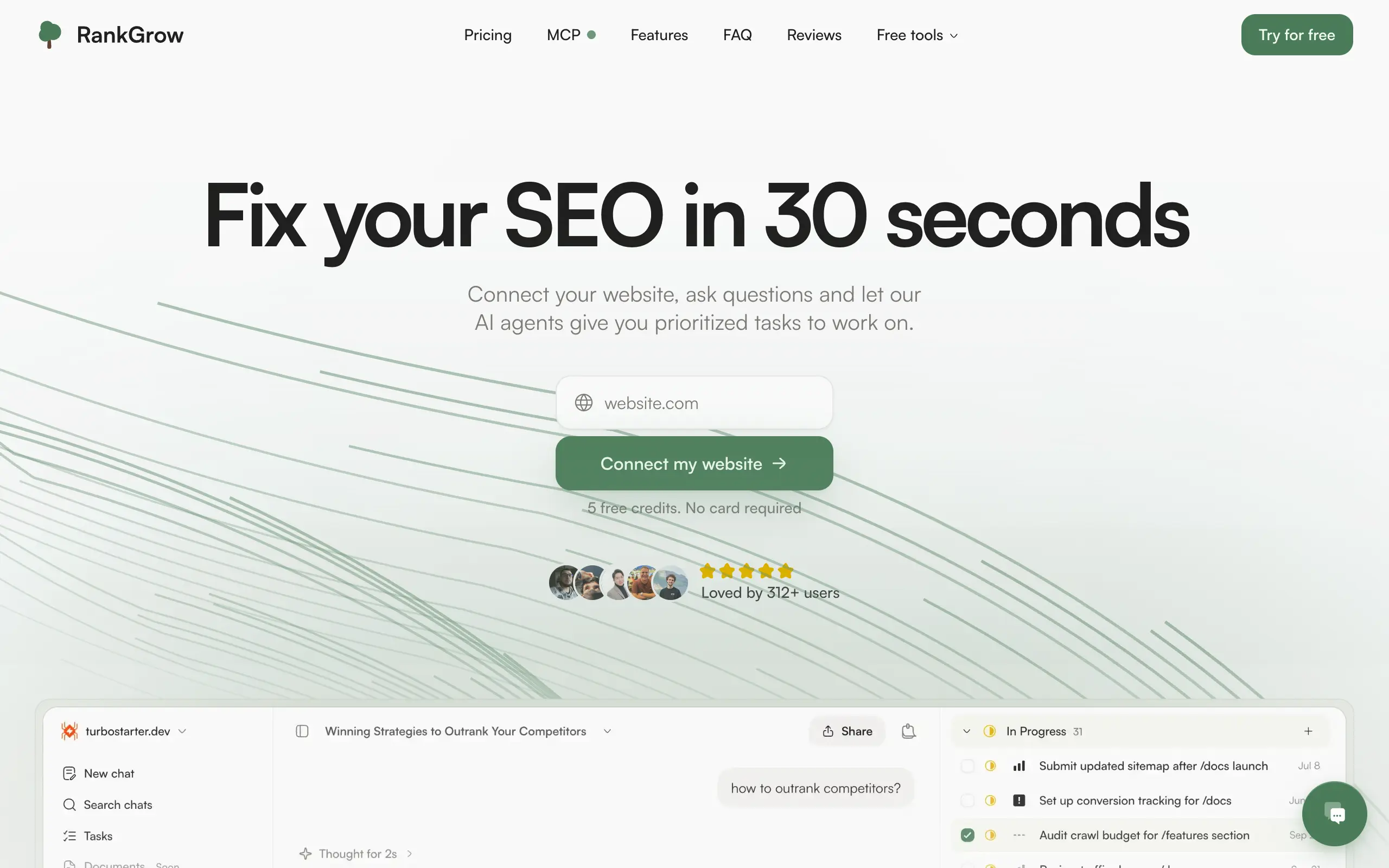
RankGrow
Fix your SEO with AI agents - connect Search Console, get prioritized tasks, and grow organic traffic 📈
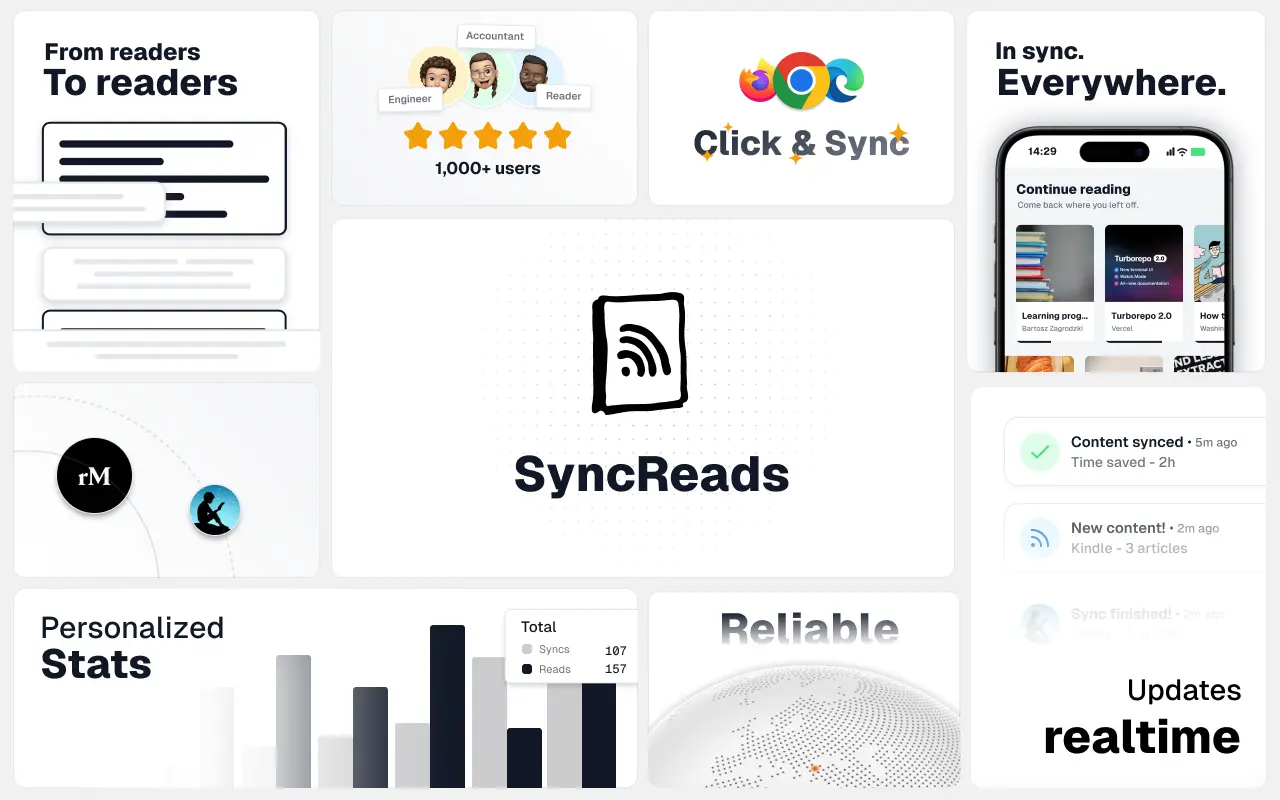
SyncReads
Sync your favorite content for distraction-free reading, save time and replace multiple apps. Anytime, anywhere 🔄
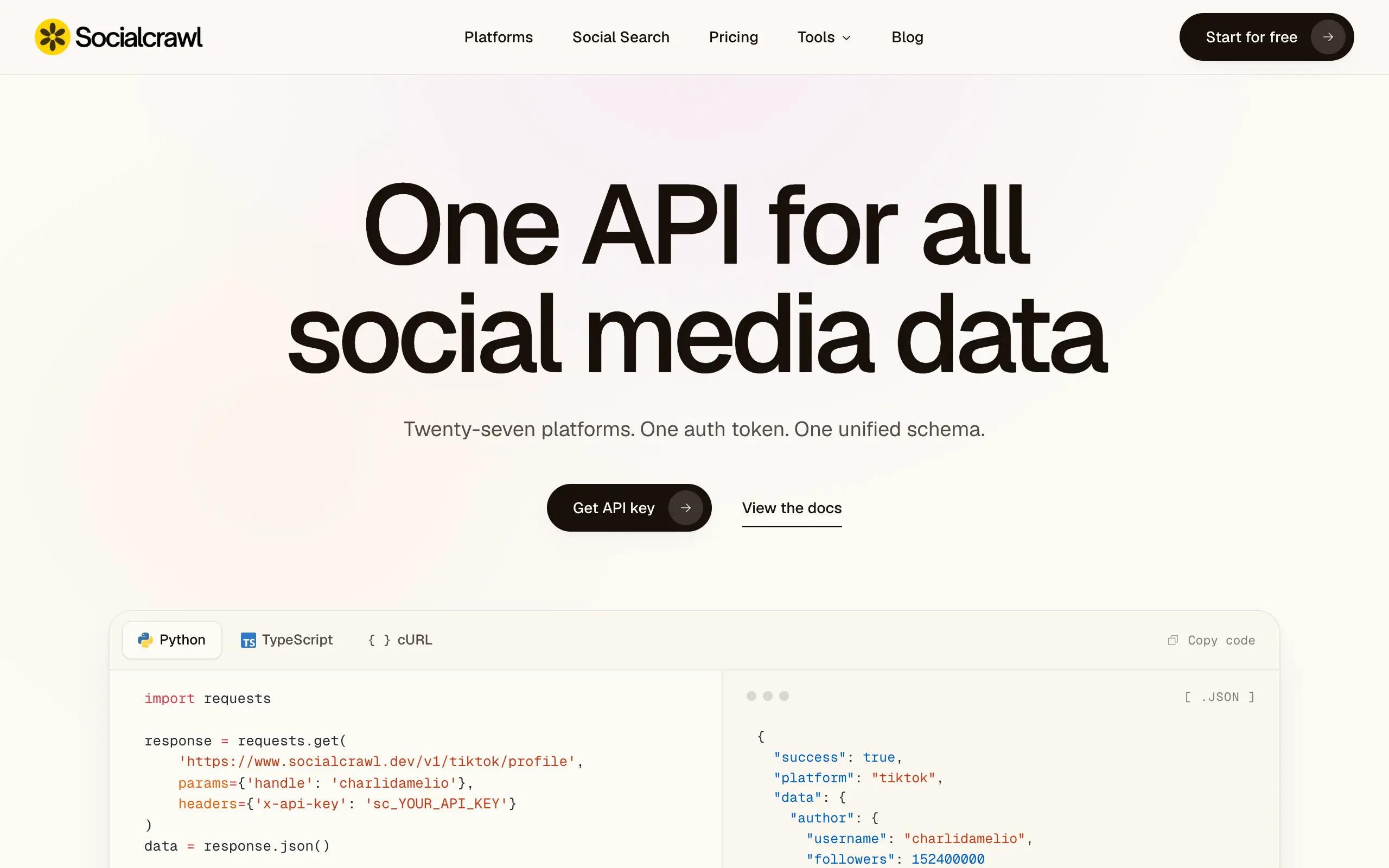
Socialcrawl
Get clean, structured data from 21 platforms like TikTok, Instagram, and YouTube with a single request 📊
Statiko
Monitor any Telegram channel in real time - track posts, edits, deletions, and growth with AI recaps 📡
Shibui
AI website builder - describe your business, pick a niche template, edit by chatting, and publish instantly ✨
Pro Service
Find verified home service professionals, compare quotes, and pay securely through escrow - built for Brazilians across the US 🏠
RankGrow
Fix your SEO with AI agents - connect Search Console, get prioritized tasks, and grow organic traffic 📈
SyncReads
Sync your favorite content for distraction-free reading, save time and replace multiple apps. Anytime, anywhere 🔄
Socialcrawl
Get clean, structured data from 21 platforms like TikTok, Instagram, and YouTube with a single request 📊
Statiko
Monitor any Telegram channel in real time - track posts, edits, deletions, and growth with AI recaps 📡
Shibui
AI website builder - describe your business, pick a niche template, edit by chatting, and publish instantly ✨
Pro Service
Find verified home service professionals, compare quotes, and pay securely through escrow - built for Brazilians across the US 🏠
RankGrow
Fix your SEO with AI agents - connect Search Console, get prioritized tasks, and grow organic traffic 📈
SyncReads
Sync your favorite content for distraction-free reading, save time and replace multiple apps. Anytime, anywhere 🔄
Socialcrawl
Get clean, structured data from 21 platforms like TikTok, Instagram, and YouTube with a single request 📊
Statiko
Monitor any Telegram channel in real time - track posts, edits, deletions, and growth with AI recaps 📡
Shibui
AI website builder - describe your business, pick a niche template, edit by chatting, and publish instantly ✨
Pro Service
Find verified home service professionals, compare quotes, and pay securely through escrow - built for Brazilians across the US 🏠
RankGrow
Fix your SEO with AI agents - connect Search Console, get prioritized tasks, and grow organic traffic 📈
SyncReads
Sync your favorite content for distraction-free reading, save time and replace multiple apps. Anytime, anywhere 🔄
Socialcrawl
Get clean, structured data from 21 platforms like TikTok, Instagram, and YouTube with a single request 📊
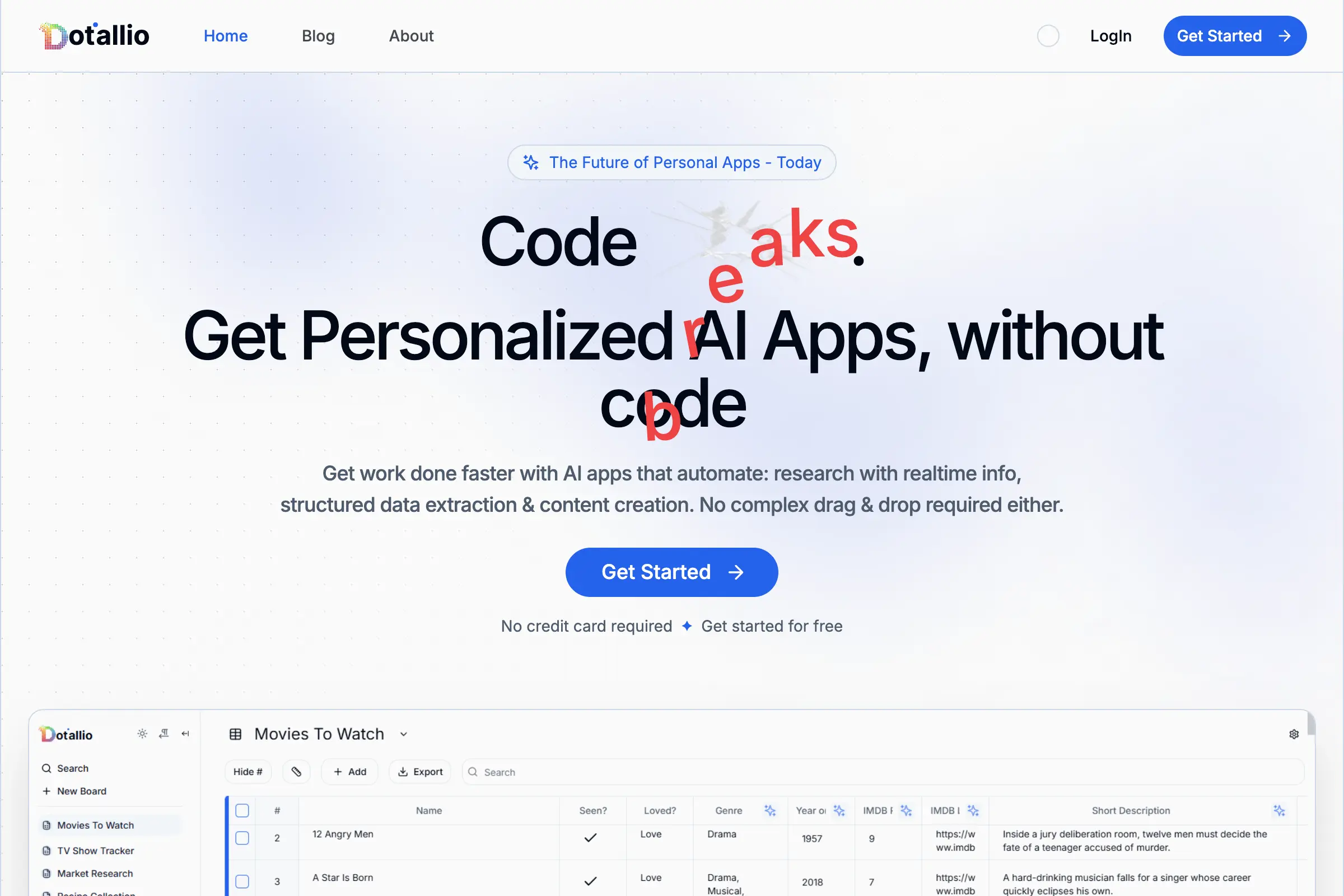
Dotallio
Personalized AI apps that automate research, data extraction, and content creation without code 🤖

Talk to Santa
Enjoy a magical live video chat or receive a unique AI-generated video greeting from Santa Claus 🎅

pozywka.pl
Scalable blog for food journalist, focused on performance and user experience 🌭
zagrodzki.me
Personal blog and portfolio of Bart Zagrodzki, where he shares his knowledge and work 💼
TurboStarter
Ship your startup everywhere. In minutes.
HTML to Markdown
Convert HTML to Markdown with ease, directly in your browser 📄
Dotallio
Personalized AI apps that automate research, data extraction, and content creation without code 🤖
Talk to Santa
Enjoy a magical live video chat or receive a unique AI-generated video greeting from Santa Claus 🎅
pozywka.pl
Scalable blog for food journalist, focused on performance and user experience 🌭
zagrodzki.me
Personal blog and portfolio of Bart Zagrodzki, where he shares his knowledge and work 💼
TurboStarter
Ship your startup everywhere. In minutes.
HTML to Markdown
Convert HTML to Markdown with ease, directly in your browser 📄
Dotallio
Personalized AI apps that automate research, data extraction, and content creation without code 🤖
Talk to Santa
Enjoy a magical live video chat or receive a unique AI-generated video greeting from Santa Claus 🎅
pozywka.pl
Scalable blog for food journalist, focused on performance and user experience 🌭
zagrodzki.me
Personal blog and portfolio of Bart Zagrodzki, where he shares his knowledge and work 💼
TurboStarter
Ship your startup everywhere. In minutes.
HTML to Markdown
Convert HTML to Markdown with ease, directly in your browser 📄
Dotallio
Personalized AI apps that automate research, data extraction, and content creation without code 🤖
Talk to Santa
Enjoy a magical live video chat or receive a unique AI-generated video greeting from Santa Claus 🎅
pozywka.pl
Scalable blog for food journalist, focused on performance and user experience 🌭
zagrodzki.me
Personal blog and portfolio of Bart Zagrodzki, where he shares his knowledge and work 💼
TurboStarter
Ship your startup everywhere. In minutes.
HTML to Markdown
Convert HTML to Markdown with ease, directly in your browser 📄
Omichat
Chat with 50+ AI models, including ChatGPT and Claude, in one place - switch models anytime without losing context 🤖
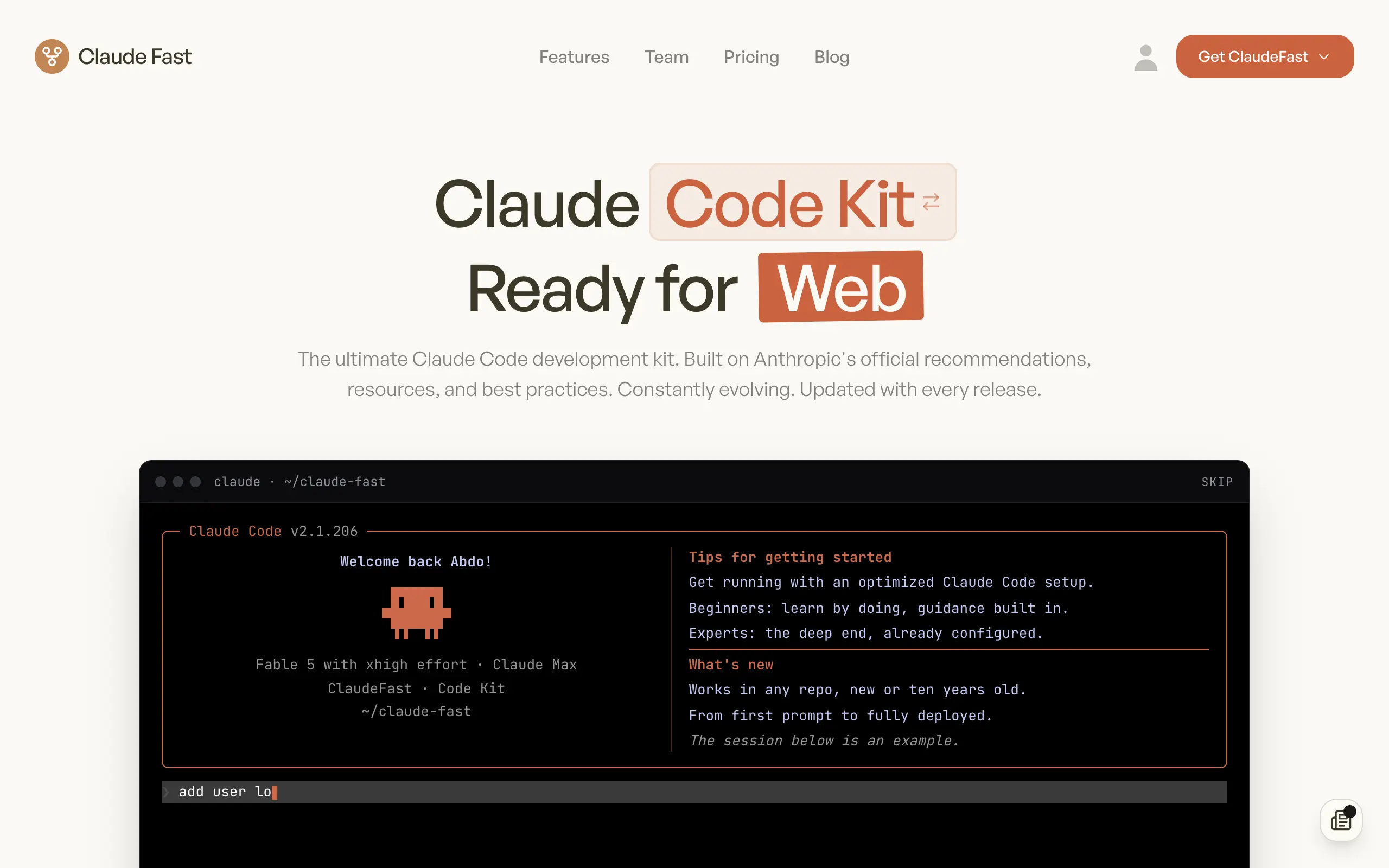
Claude Fast
Supercharge your Claude Code with 6x effective context window and specialized AI agents 🤖
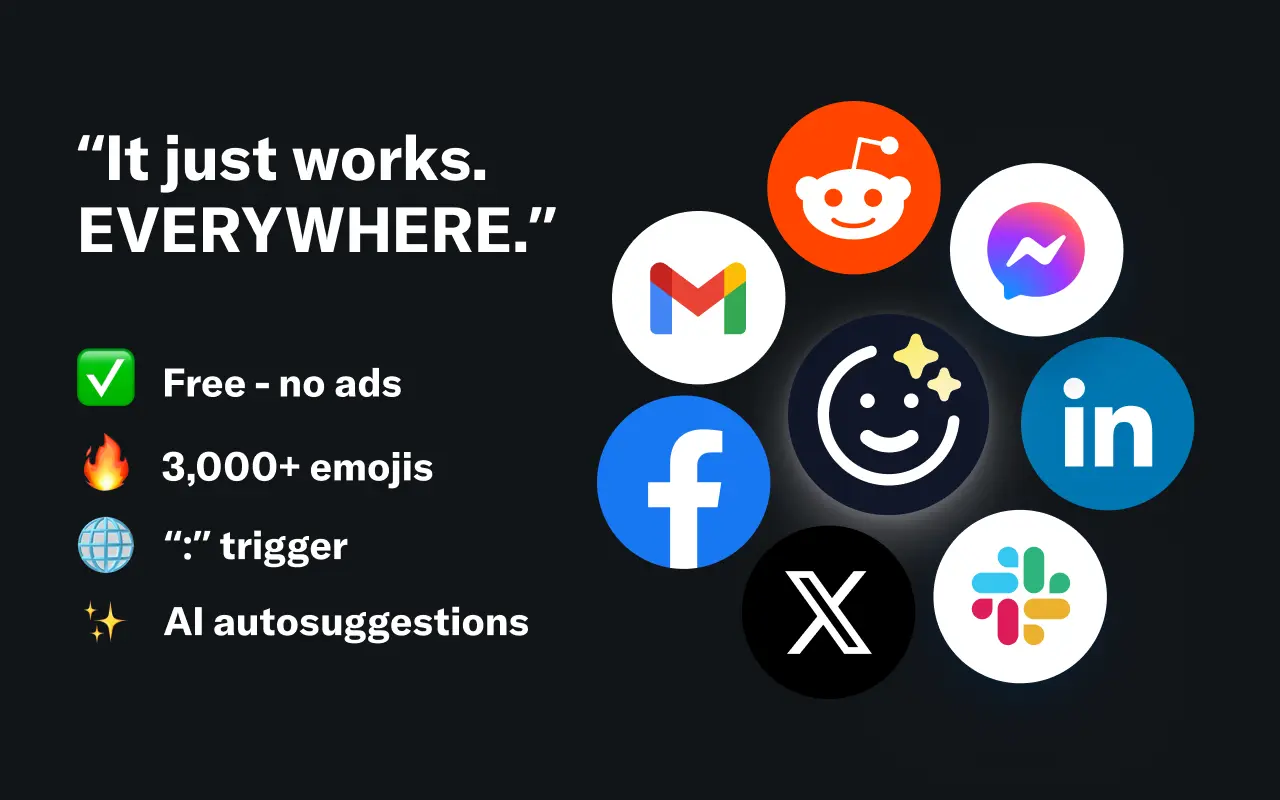
EmojAI
AI-powered emoji picker with smart, context-aware suggestions 🤖
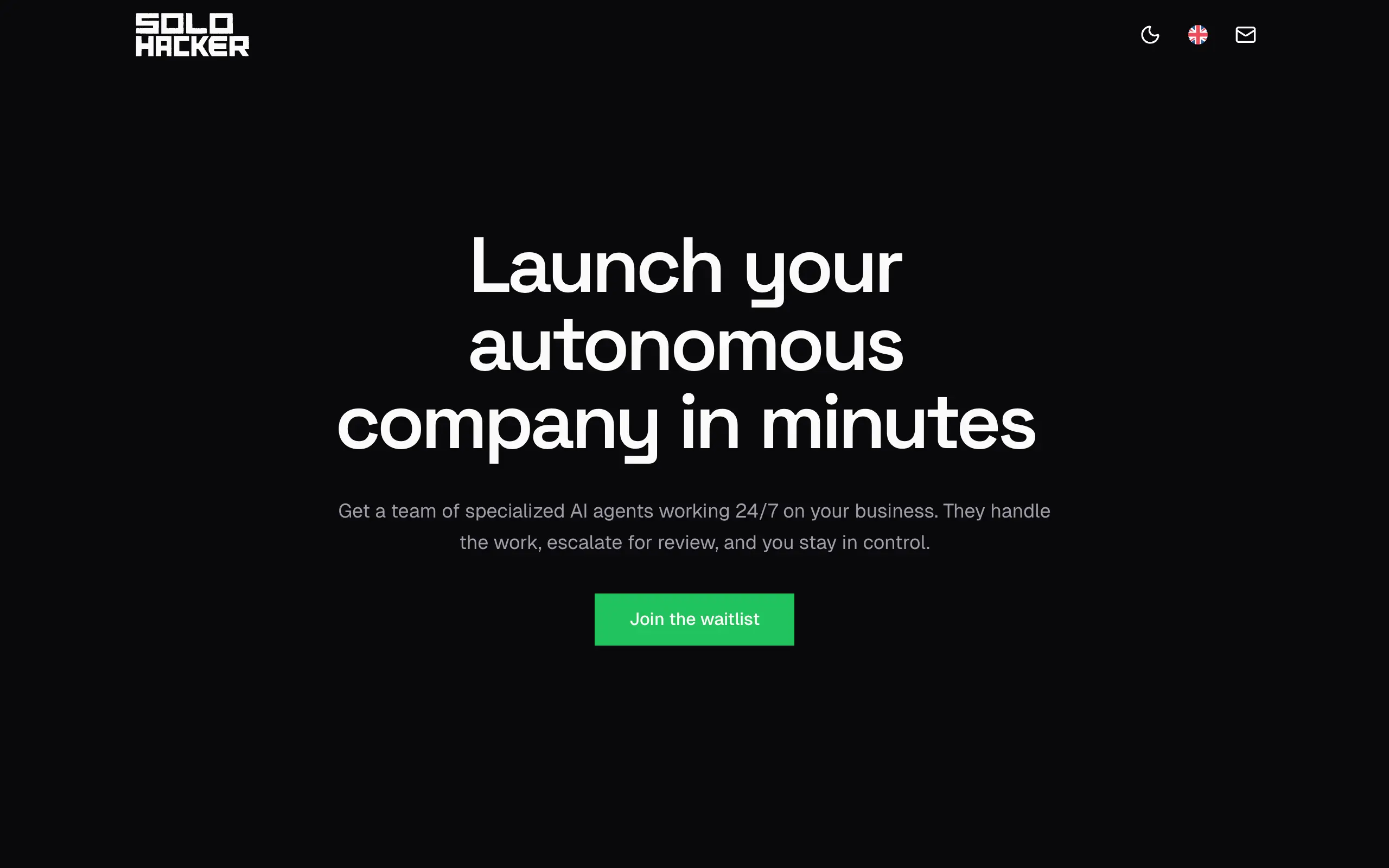
Solohacker
Autonomous company launcher - AI agents work 24/7, escalate what matters, and you stay in control 🤖
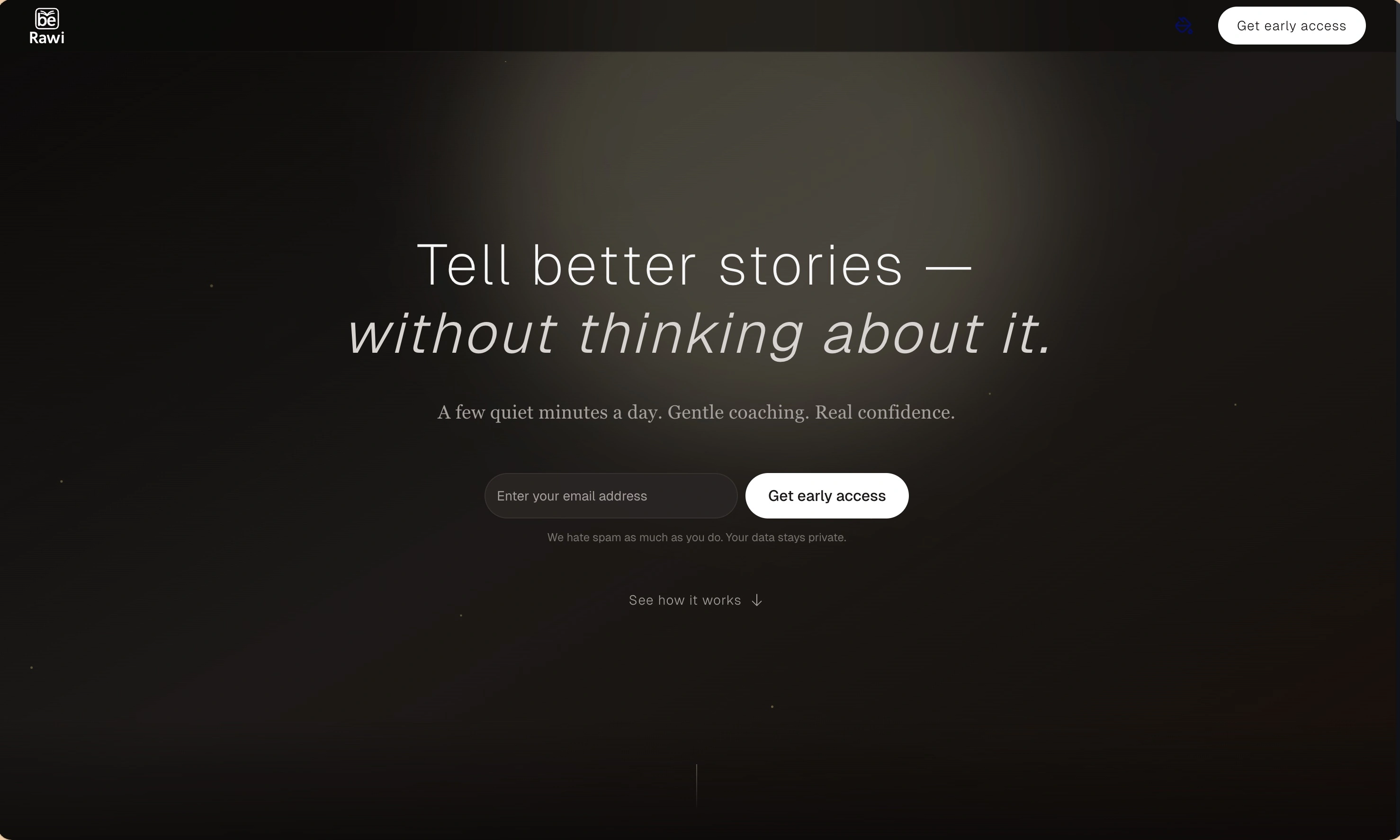
BeRawi: Storytelling Coach
Practice storytelling daily with instant feedback to sound clearer, more engaging, and confident 🎤
Omichat
Chat with 50+ AI models, including ChatGPT and Claude, in one place - switch models anytime without losing context 🤖
Claude Fast
Supercharge your Claude Code with 6x effective context window and specialized AI agents 🤖
EmojAI
AI-powered emoji picker with smart, context-aware suggestions 🤖
Solohacker
Autonomous company launcher - AI agents work 24/7, escalate what matters, and you stay in control 🤖
BeRawi: Storytelling Coach
Practice storytelling daily with instant feedback to sound clearer, more engaging, and confident 🎤
Omichat
Chat with 50+ AI models, including ChatGPT and Claude, in one place - switch models anytime without losing context 🤖
Claude Fast
Supercharge your Claude Code with 6x effective context window and specialized AI agents 🤖
EmojAI
AI-powered emoji picker with smart, context-aware suggestions 🤖
Solohacker
Autonomous company launcher - AI agents work 24/7, escalate what matters, and you stay in control 🤖
BeRawi: Storytelling Coach
Practice storytelling daily with instant feedback to sound clearer, more engaging, and confident 🎤
Omichat
Chat with 50+ AI models, including ChatGPT and Claude, in one place - switch models anytime without losing context 🤖
Claude Fast
Supercharge your Claude Code with 6x effective context window and specialized AI agents 🤖
EmojAI
AI-powered emoji picker with smart, context-aware suggestions 🤖
Solohacker
Autonomous company launcher - AI agents work 24/7, escalate what matters, and you stay in control 🤖
BeRawi: Storytelling Coach
Practice storytelling daily with instant feedback to sound clearer, more engaging, and confident 🎤

Connect with like-minded people
Join our community to get feedback, support, and grow together with 1,000+ builders on board, let's ship it!
Join usShip your startup everywhere. In minutes.
Don't burn tokens on setup and start building features on day one.