LoL Coach Companion
AI-powered assistant for League of Legends coaches, offering real-time feedback, session analytics, and personalized training plans for students.
Understanding the need for an AI-powered League of Legends coaching assistant
The esports industry, and specifically the League of Legends (LoL) coaching ecosystem, has seen explosive growth in recent years. As competitive gaming becomes more sophisticated, coaches are under increasing pressure to deliver personalized, data-driven training to their students. However, traditional coaching methods often fall short in providing real-time feedback, actionable analytics, and scalable training plans. This is where LoL Coach Companion, an AI-powered assistant for League of Legends coaches, steps in to bridge the gap.
In this comprehensive guide, we’ll explore the market opportunity, target audience, core features, technology stack, monetization strategies, risks, and competitive advantages of LoL Coach Companion. Whether you’re a coach, entrepreneur, or developer, this article will provide actionable insights and a clear roadmap for building and scaling this innovative SaaS solution.
Target audience analysis: Who benefits from LoL Coach Companion?
Understanding the target audience is crucial for any SaaS product, especially in a niche like esports coaching. LoL Coach Companion is designed to serve several key user segments:
1. Professional and semi-professional LoL coaches
- Needs: Efficient tools for analyzing gameplay, providing real-time feedback, and managing multiple students.
- Pain points: Manual review of replays, time-consuming note-taking, and lack of scalable analytics.
2. Amateur and aspiring coaches
- Needs: Affordable, easy-to-use tools to enhance coaching credibility and effectiveness.
- Pain points: Limited access to advanced analytics, difficulty in creating personalized training plans.
3. Esports organizations and training academies
- Needs: Scalable solutions for managing large cohorts of players, tracking progress, and standardizing coaching quality.
- Pain points: Inconsistent training methods, lack of centralized analytics, and high operational costs.
4. League of Legends players seeking coaching
- Needs: Personalized feedback, structured improvement plans, and measurable progress.
- Pain points: Generic advice, slow improvement, and lack of accountability.
Pro Coaches
Streamline feedback and analytics for multiple students.
Amateur Coaches
Access advanced tools to boost coaching effectiveness.
Esports Academies
Standardize and scale training across teams.
Players
Receive actionable, personalized improvement plans.
Market opportunity and gap analysis
The global esports market is projected to surpass $1.6 billion in revenue by 2024, with League of Legends consistently ranking among the top titles in terms of viewership and player base (see Newzoo’s Global Esports Market Report). Despite this growth, the coaching segment remains fragmented and underserved:
- Manual processes dominate: Most coaches rely on manual replay reviews, spreadsheets, and generic feedback.
- Lack of real-time insights: Existing tools rarely offer live, in-game analytics or instant feedback.
- Scalability issues: As the number of students grows, maintaining quality and personalization becomes challenging.
- Limited use of AI: Few solutions leverage AI for actionable insights, pattern recognition, or adaptive training plans.
LoL Coach Companion addresses these gaps by combining AI-driven analytics, real-time feedback, and personalized training plans in a single, user-friendly platform.
Core features and solution details
To deliver maximum value, LoL Coach Companion should focus on a robust set of features tailored to the needs of coaches and their students. Here’s a breakdown of the essential components:
Real-time feedback during live sessions
- AI-powered event detection: Instantly identify key moments (e.g., missed skillshots, poor positioning, objective misplays).
- Contextual suggestions: Offer actionable tips based on in-game events, champion matchups, and team compositions.
- Voice or text prompts: Deliver feedback via overlays, chat, or voice assistants.
Session analytics and performance dashboards
- Comprehensive stats: Track KDA, CS per minute, vision score, objective control, and more.
- Trend analysis: Visualize improvement over time, highlight strengths and weaknesses.
- Customizable dashboards: Allow coaches to tailor analytics to their coaching style.
Personalized training plan generation
- Adaptive learning paths: AI recommends drills and exercises based on player weaknesses.
- Progress tracking: Monitor completion of training modules and skill mastery.
- Goal setting: Enable coaches and students to set and track short- and long-term objectives.
Session recording and replay annotation
- Automated session capture: Record live sessions for later review.
- Timestamped notes: Coaches can annotate key moments for targeted feedback.
- Shareable clips: Easily share highlights or areas for improvement with students.
Student management and communication tools
- Roster management: Organize students, track attendance, and monitor engagement.
- Integrated messaging: Secure chat and file sharing between coaches and students.
- Scheduling: Book sessions, send reminders, and sync with calendar apps.
Security and privacy
- Data encryption: Protect sensitive gameplay and personal data.
- Role-based access: Ensure only authorized users can view or edit analytics.
The AI assistant integrates with the LoL client or uses computer vision to analyze gameplay in real time, detecting key events and providing instant, context-aware feedback to both coach and player.
Yes, coaches can override AI recommendations, add custom drills, and adjust training modules to fit each student’s unique needs.
All session data is encrypted in transit and at rest, with strict access controls to ensure privacy and compliance.
Recommended tech stack for LoL Coach Companion
Choosing the right technology stack is critical for performance, scalability, and maintainability. Here’s a recommended stack, along with trade-offs to consider:
Frontend
- React: Flexible, component-based UI development.
- TailwindCSS: Rapid, utility-first styling.
- Next.js: Server-side rendering, API routes, and SEO optimization.
Backend
- Node.js: High-performance, event-driven server environment.
- Express: Lightweight API framework.
- Python (for AI modules): Rich ecosystem for machine learning and data analysis.
AI and analytics
- TensorFlow or PyTorch: Deep learning frameworks for event detection and pattern recognition.
- OpenAI API: Natural language processing for feedback generation.
- Pandas: Data manipulation and analytics.
Data storage
- PostgreSQL: Reliable, scalable relational database.
- Redis: In-memory caching for real-time analytics.
Integrations
- Riot Games API: Access to match data, player stats, and in-game events.
- OAuth 2.0: Secure authentication with Riot accounts.
Trade-offs and considerations
- Real-time performance: Node.js and Redis are well-suited for low-latency data processing, but Python-based AI modules may require asynchronous integration.
- Scalability: Next.js and PostgreSQL support horizontal scaling, but AI workloads may need dedicated GPU resources.
- Security: OAuth 2.0 and data encryption are essential for protecting user data.
Monetization strategy options
A successful SaaS product needs a sustainable revenue model. Here are several monetization strategies for LoL Coach Companion:
1. Subscription-based pricing
- Tiered plans: Offer basic, pro, and enterprise tiers with varying feature sets.
- Per-coach or per-student pricing: Scale pricing based on usage.
2. Pay-per-session or pay-per-analysis
- On-demand analytics: Charge for individual session reviews or advanced reports.
3. White-label solutions for esports organizations
- Custom branding: Allow academies to use their own branding and integrate with internal systems.
4. Marketplace for coaching services
- Coach discovery: Enable coaches to list their services and take a commission on bookings.
5. Affiliate partnerships
- Hardware and software partners: Promote gaming peripherals or training tools for a commission.
| Subscription | Pay-per-use | White-label | Marketplace | Affiliate |
|---|---|---|---|---|
| ✅ | ❌ | ❌ | ✅ | ❌ |
| ✅ | ❌ | ✅ | ✅ | ❌ |
Potential risks and mitigation strategies
Launching an AI-powered SaaS in the esports space comes with unique challenges. Here’s how to anticipate and address them:
1. Riot Games API limitations
- Risk: Changes to the Riot API or terms of service could disrupt data access.
- Mitigation: Maintain close communication with Riot, diversify data sources, and design modular integrations.
2. AI accuracy and bias
- Risk: Inaccurate or biased feedback could harm player development.
- Mitigation: Continuously train and validate AI models with diverse datasets; allow coaches to override AI suggestions.
3. Data privacy and security
- Risk: Breaches could damage trust and violate regulations.
- Mitigation: Implement end-to-end encryption, regular security audits, and strict access controls.
4. Market adoption
- Risk: Coaches may be resistant to adopting new technology.
- Mitigation: Offer onboarding, tutorials, and a freemium tier to lower barriers to entry.
5. Competition
- Risk: Established tools or new entrants could erode market share.
- Mitigation: Focus on unique AI features, superior UX, and community-driven development.
Stay compliant with Riot's policies
Always review and adhere to Riot Games’ API terms of service to avoid disruptions or legal issues.
Competitive advantage analysis: What makes LoL Coach Companion unique?
While there are several tools for LoL analytics and coaching, LoL Coach Companion stands out in several key ways:
- True real-time feedback: Most competitors focus on post-game analysis; LoL Coach Companion delivers actionable insights during live sessions.
- AI-driven personalization: Adaptive training plans and contextual feedback tailored to each player’s needs.
- Coach-centric design: Built specifically for coaches, with tools for managing multiple students, scheduling, and communication.
- Seamless integration: Works alongside existing coaching workflows and supports both solo and group sessions.
- Scalable and secure: Designed to support individual coaches and large academies, with enterprise-grade security.
Implementation steps: Bringing LoL Coach Companion to life
Building a robust, AI-powered SaaS like LoL Coach Companion requires a structured approach. Here’s a step-by-step roadmap:
Actionable next steps and conclusion
LoL Coach Companion represents a significant leap forward for League of Legends coaching. By harnessing AI for real-time feedback, deep analytics, and personalized training, it empowers coaches to deliver better results, faster. The market is ripe for innovation, and with the right execution, this SaaS can become the go-to platform for LoL coaching worldwide.
Key takeaways:
- The esports coaching market is growing but underserved by current tools.
- LoL Coach Companion’s AI-driven features address real pain points for coaches and players.
- A thoughtful tech stack, robust security, and flexible monetization are essential for success.
- Competitive differentiation hinges on real-time feedback, personalization, and coach-centric design.
Ready to build or invest in the future of esports coaching? Explore how TurboStarter can accelerate your SaaS journey.
Frequently asked questions
While designed for coaches, motivated players can use the platform for self-improvement, leveraging AI feedback and training plans.
The initial focus is on League of Legends, but the architecture can be extended to other esports titles in the future.
All data is encrypted, and strict privacy controls ensure compliance with industry standards.
References
- Newzoo Global Esports Market Report 2023 (suggested citation for market data)
- Riot Games API documentation (for integration details)
- TensorFlow and PyTorch official documentation (for AI implementation)
- TurboStarter (for SaaS launch acceleration)
More 🤖 AI Startup SaaS ideas
Discover more innovative ai startup SaaS ideas that are trending in 2026. Each idea is AI-generated with market validation and growth potential to help you find your next profitable venture faster than competitors.
Your competitors are building with TurboStarter
Below are some of the SaaS ideas that have been generated and built with our starter kit.
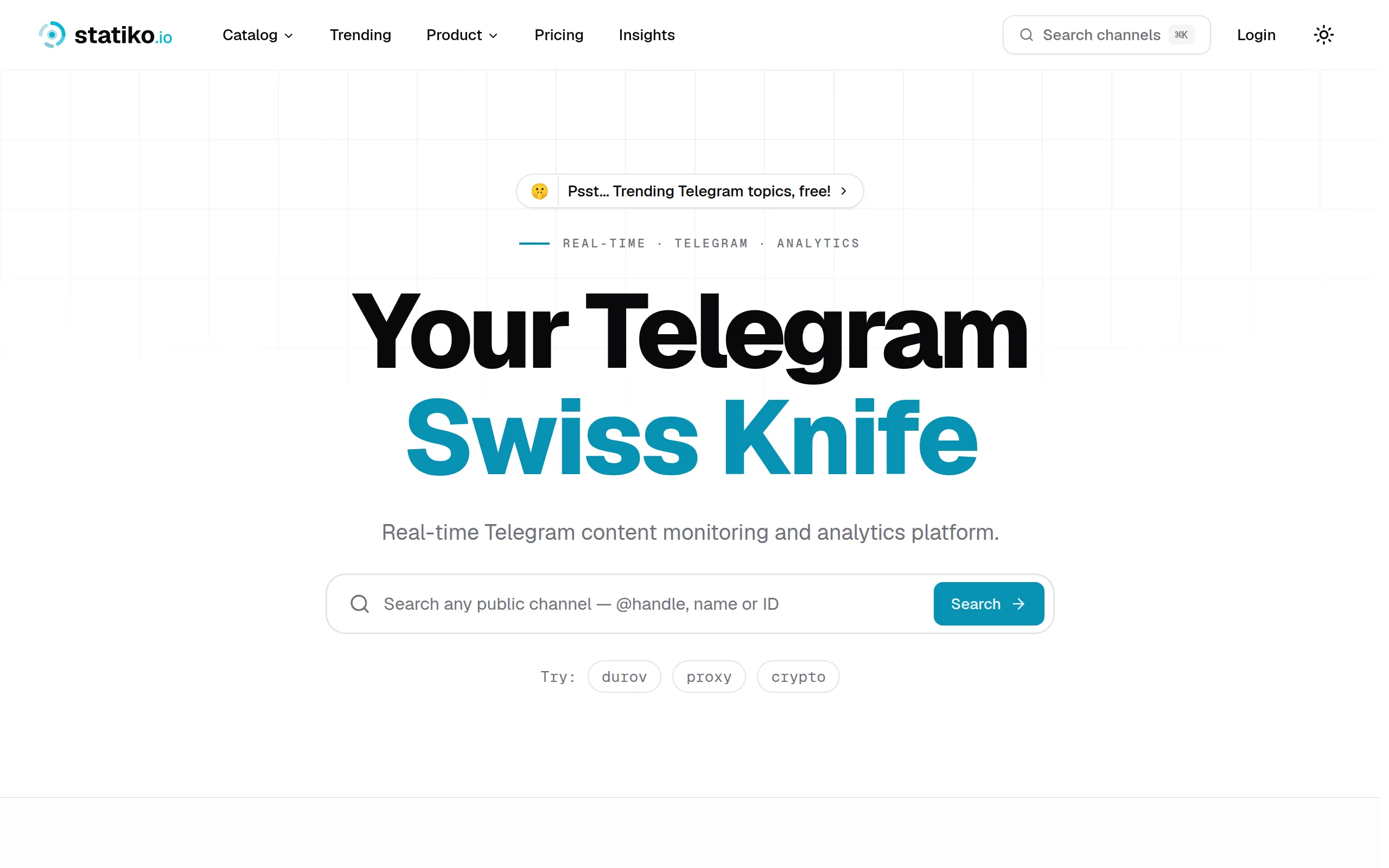
Statiko
Monitor any Telegram channel in real time - track posts, edits, deletions, and growth with AI recaps 📡

Shibui
AI website builder - describe your business, pick a niche template, edit by chatting, and publish instantly ✨

Pro Service
Find verified home service professionals, compare quotes, and pay securely through escrow - built for Brazilians across the US 🏠
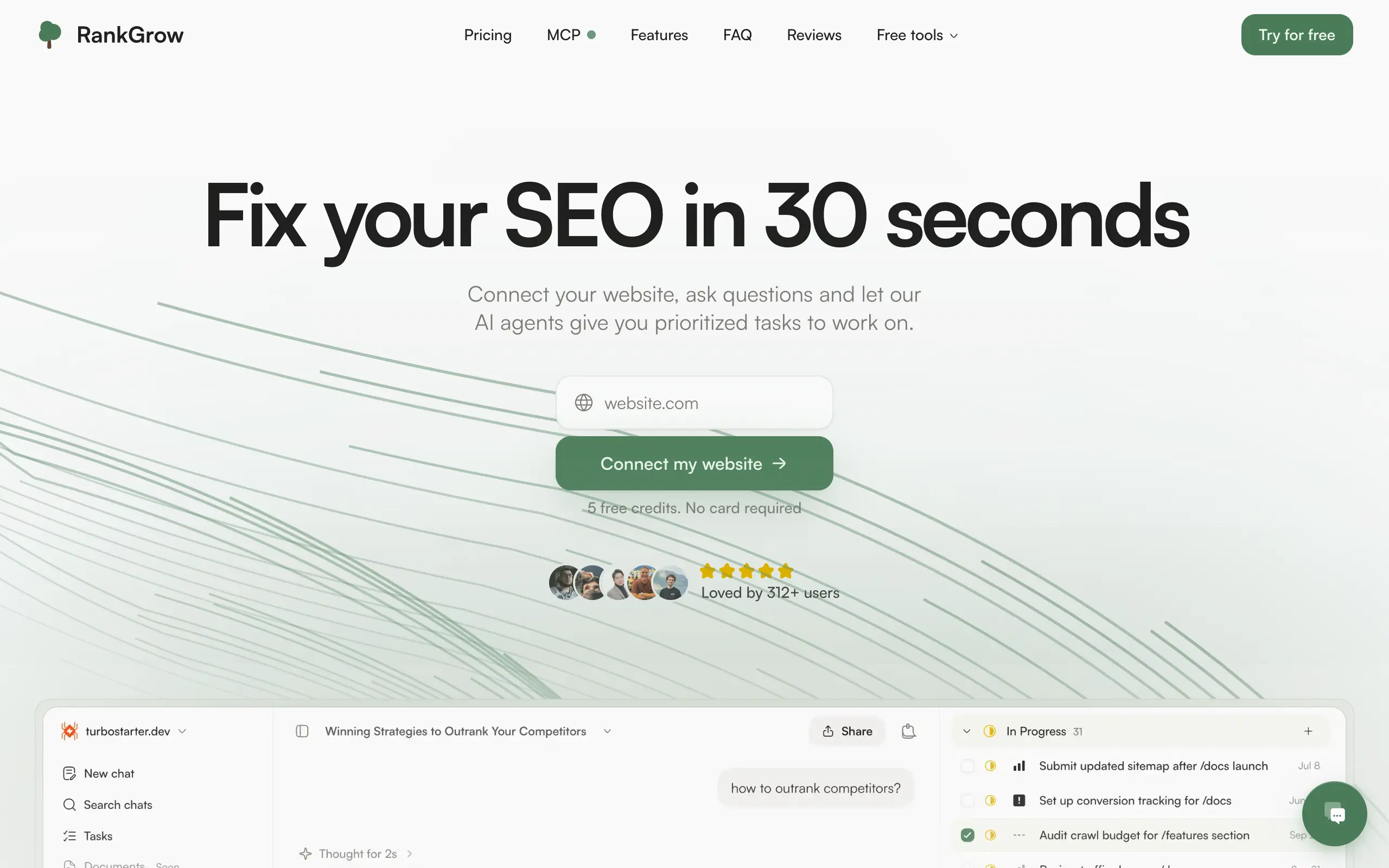
RankGrow
Fix your SEO with AI agents - connect Search Console, get prioritized tasks, and grow organic traffic 📈
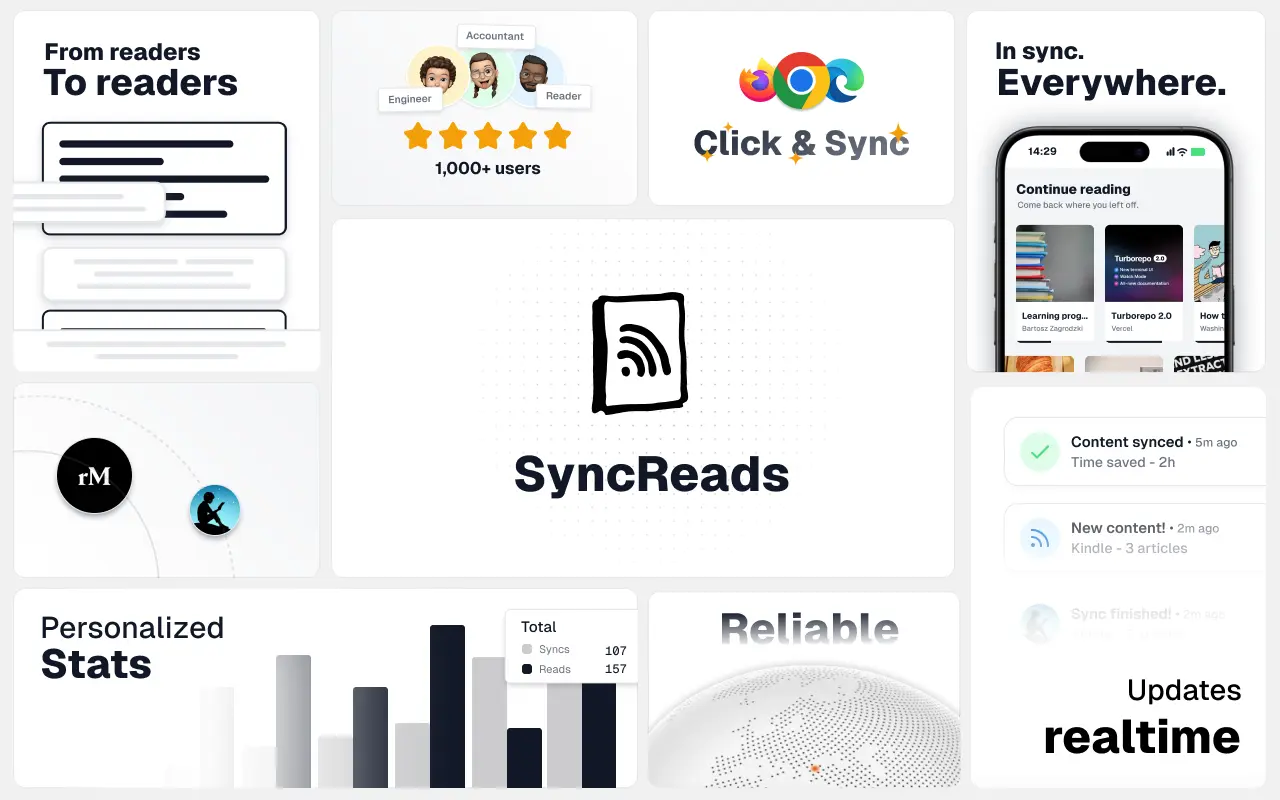
SyncReads
Sync your favorite content for distraction-free reading, save time and replace multiple apps. Anytime, anywhere 🔄
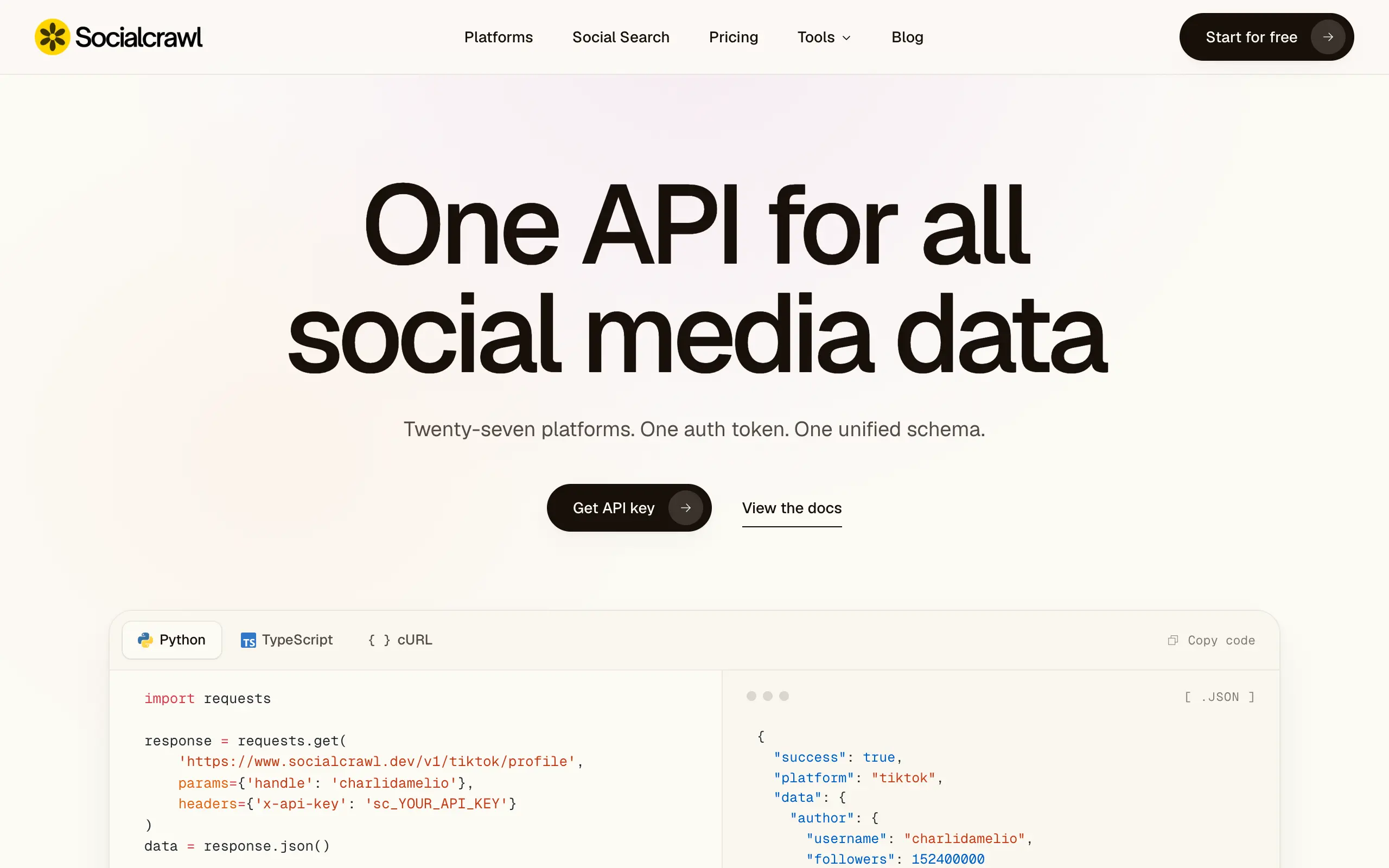
Socialcrawl
Get clean, structured data from 21 platforms like TikTok, Instagram, and YouTube with a single request 📊
Statiko
Monitor any Telegram channel in real time - track posts, edits, deletions, and growth with AI recaps 📡
Shibui
AI website builder - describe your business, pick a niche template, edit by chatting, and publish instantly ✨
Pro Service
Find verified home service professionals, compare quotes, and pay securely through escrow - built for Brazilians across the US 🏠
RankGrow
Fix your SEO with AI agents - connect Search Console, get prioritized tasks, and grow organic traffic 📈
SyncReads
Sync your favorite content for distraction-free reading, save time and replace multiple apps. Anytime, anywhere 🔄
Socialcrawl
Get clean, structured data from 21 platforms like TikTok, Instagram, and YouTube with a single request 📊
Statiko
Monitor any Telegram channel in real time - track posts, edits, deletions, and growth with AI recaps 📡
Shibui
AI website builder - describe your business, pick a niche template, edit by chatting, and publish instantly ✨
Pro Service
Find verified home service professionals, compare quotes, and pay securely through escrow - built for Brazilians across the US 🏠
RankGrow
Fix your SEO with AI agents - connect Search Console, get prioritized tasks, and grow organic traffic 📈
SyncReads
Sync your favorite content for distraction-free reading, save time and replace multiple apps. Anytime, anywhere 🔄
Socialcrawl
Get clean, structured data from 21 platforms like TikTok, Instagram, and YouTube with a single request 📊
Statiko
Monitor any Telegram channel in real time - track posts, edits, deletions, and growth with AI recaps 📡
Shibui
AI website builder - describe your business, pick a niche template, edit by chatting, and publish instantly ✨
Pro Service
Find verified home service professionals, compare quotes, and pay securely through escrow - built for Brazilians across the US 🏠
RankGrow
Fix your SEO with AI agents - connect Search Console, get prioritized tasks, and grow organic traffic 📈
SyncReads
Sync your favorite content for distraction-free reading, save time and replace multiple apps. Anytime, anywhere 🔄
Socialcrawl
Get clean, structured data from 21 platforms like TikTok, Instagram, and YouTube with a single request 📊
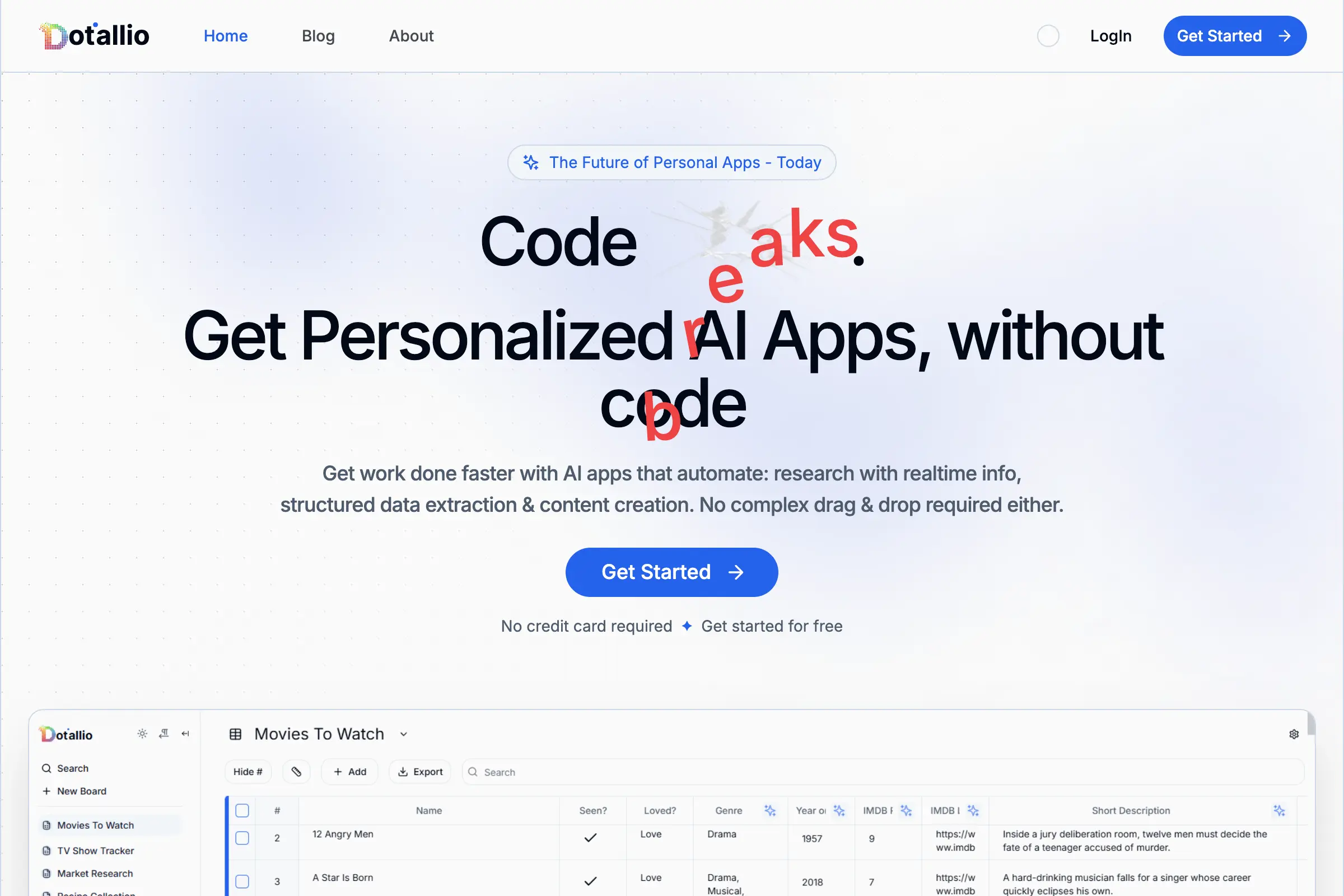
Dotallio
Personalized AI apps that automate research, data extraction, and content creation without code 🤖
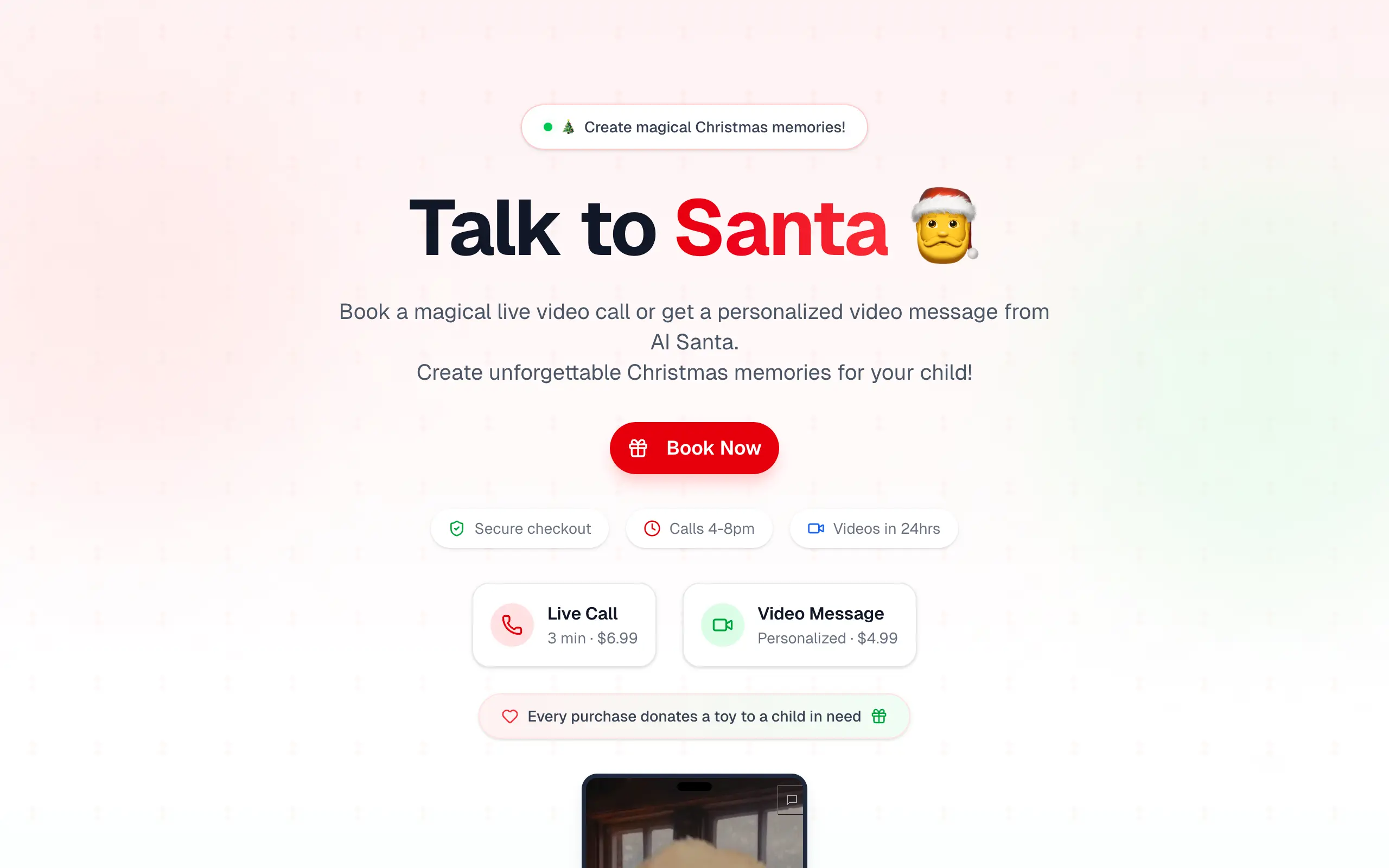
Talk to Santa
Enjoy a magical live video chat or receive a unique AI-generated video greeting from Santa Claus 🎅

pozywka.pl
Scalable blog for food journalist, focused on performance and user experience 🌭
zagrodzki.me
Personal blog and portfolio of Bart Zagrodzki, where he shares his knowledge and work 💼
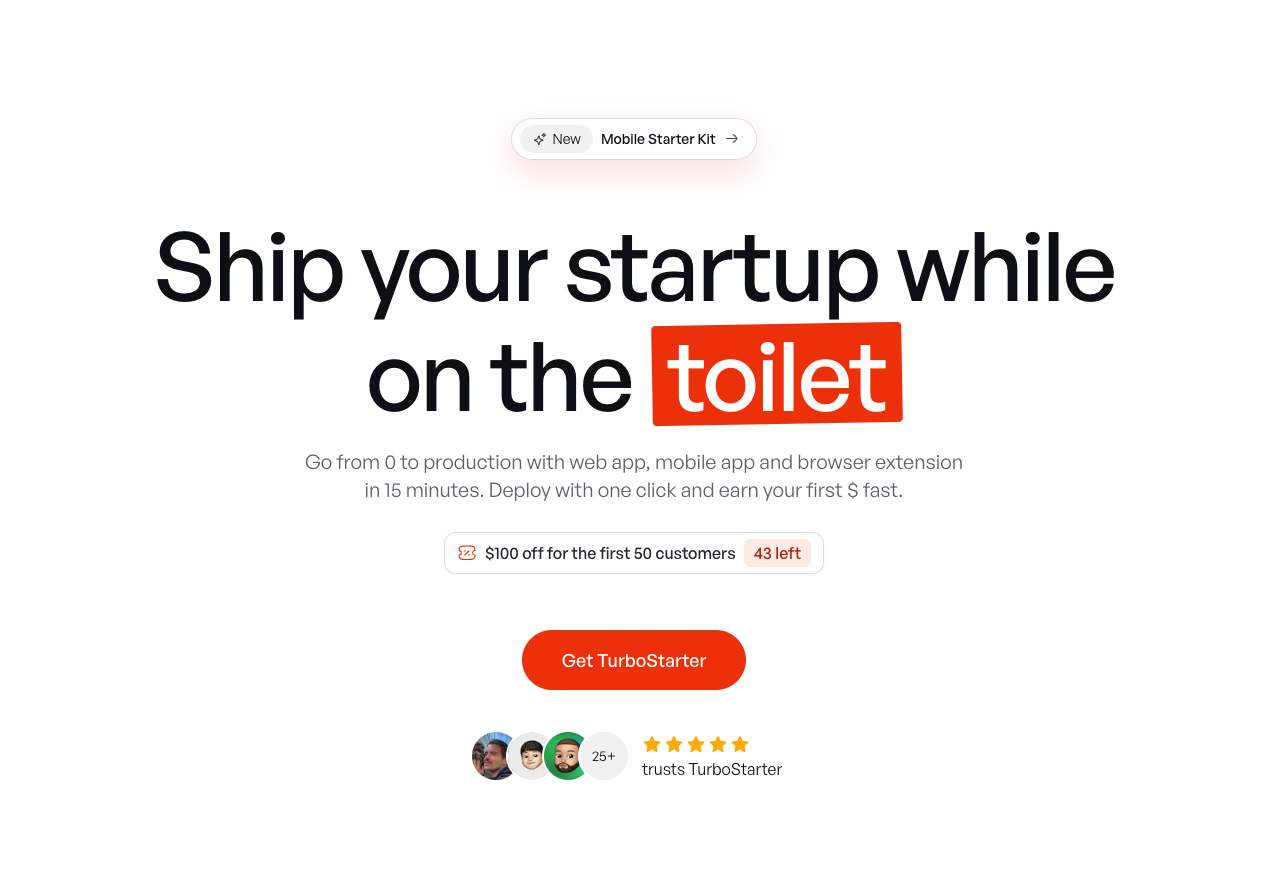
TurboStarter
Ship your startup everywhere. In minutes.
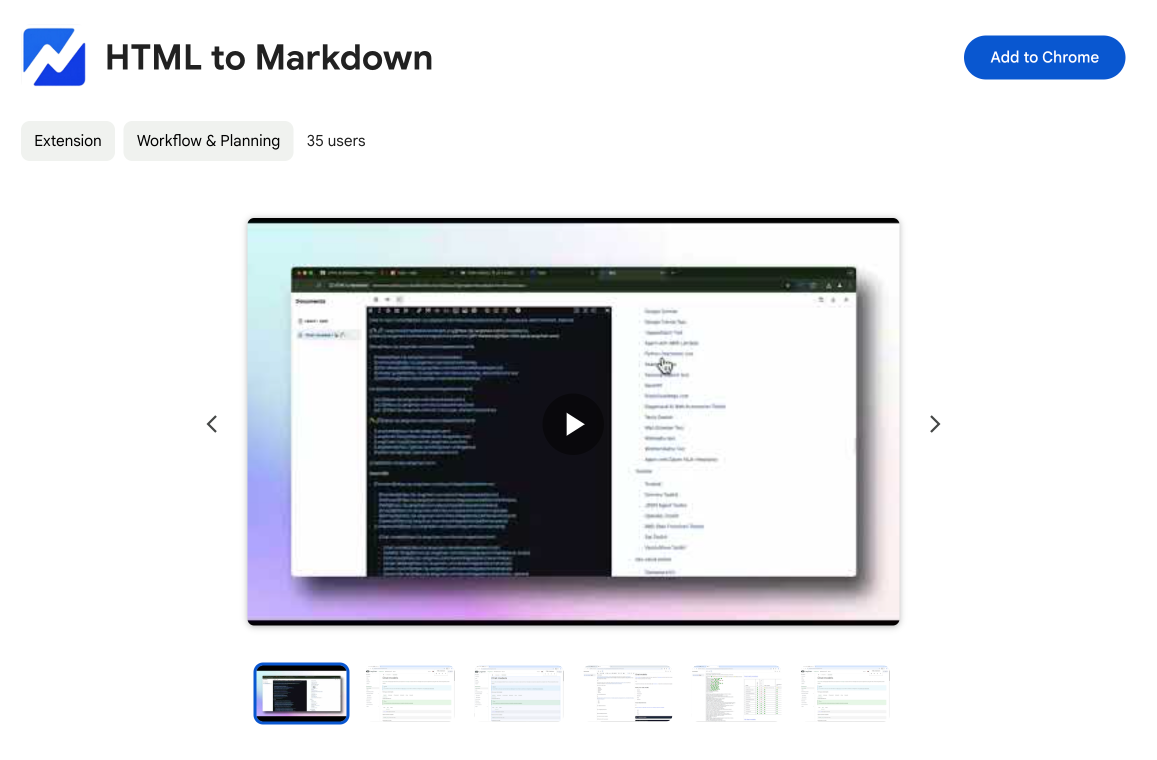
HTML to Markdown
Convert HTML to Markdown with ease, directly in your browser 📄
Dotallio
Personalized AI apps that automate research, data extraction, and content creation without code 🤖
Talk to Santa
Enjoy a magical live video chat or receive a unique AI-generated video greeting from Santa Claus 🎅
pozywka.pl
Scalable blog for food journalist, focused on performance and user experience 🌭
zagrodzki.me
Personal blog and portfolio of Bart Zagrodzki, where he shares his knowledge and work 💼
TurboStarter
Ship your startup everywhere. In minutes.
HTML to Markdown
Convert HTML to Markdown with ease, directly in your browser 📄
Dotallio
Personalized AI apps that automate research, data extraction, and content creation without code 🤖
Talk to Santa
Enjoy a magical live video chat or receive a unique AI-generated video greeting from Santa Claus 🎅
pozywka.pl
Scalable blog for food journalist, focused on performance and user experience 🌭
zagrodzki.me
Personal blog and portfolio of Bart Zagrodzki, where he shares his knowledge and work 💼
TurboStarter
Ship your startup everywhere. In minutes.
HTML to Markdown
Convert HTML to Markdown with ease, directly in your browser 📄
Dotallio
Personalized AI apps that automate research, data extraction, and content creation without code 🤖
Talk to Santa
Enjoy a magical live video chat or receive a unique AI-generated video greeting from Santa Claus 🎅
pozywka.pl
Scalable blog for food journalist, focused on performance and user experience 🌭
zagrodzki.me
Personal blog and portfolio of Bart Zagrodzki, where he shares his knowledge and work 💼
TurboStarter
Ship your startup everywhere. In minutes.
HTML to Markdown
Convert HTML to Markdown with ease, directly in your browser 📄
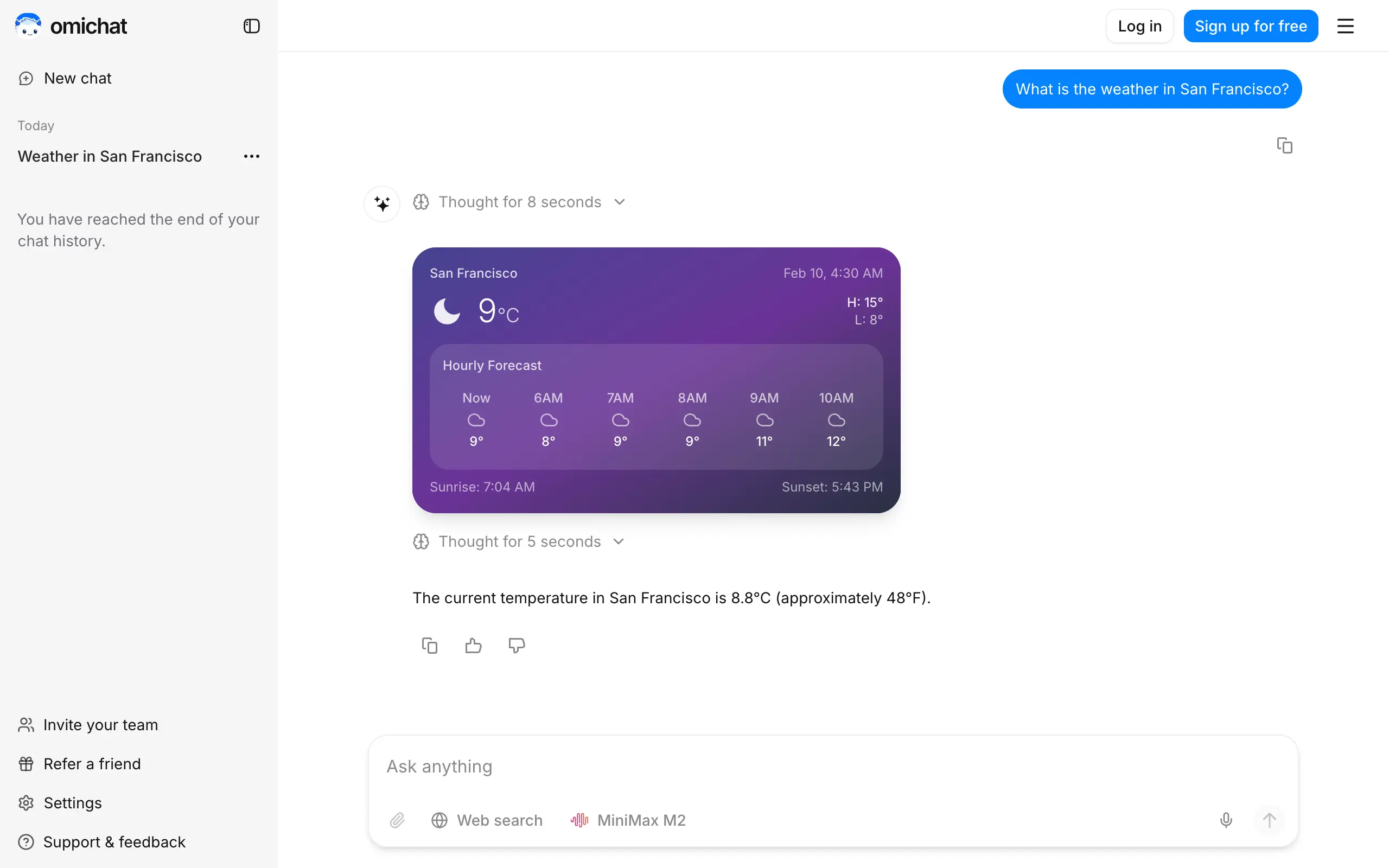
Omichat
Chat with 50+ AI models, including ChatGPT and Claude, in one place - switch models anytime without losing context 🤖
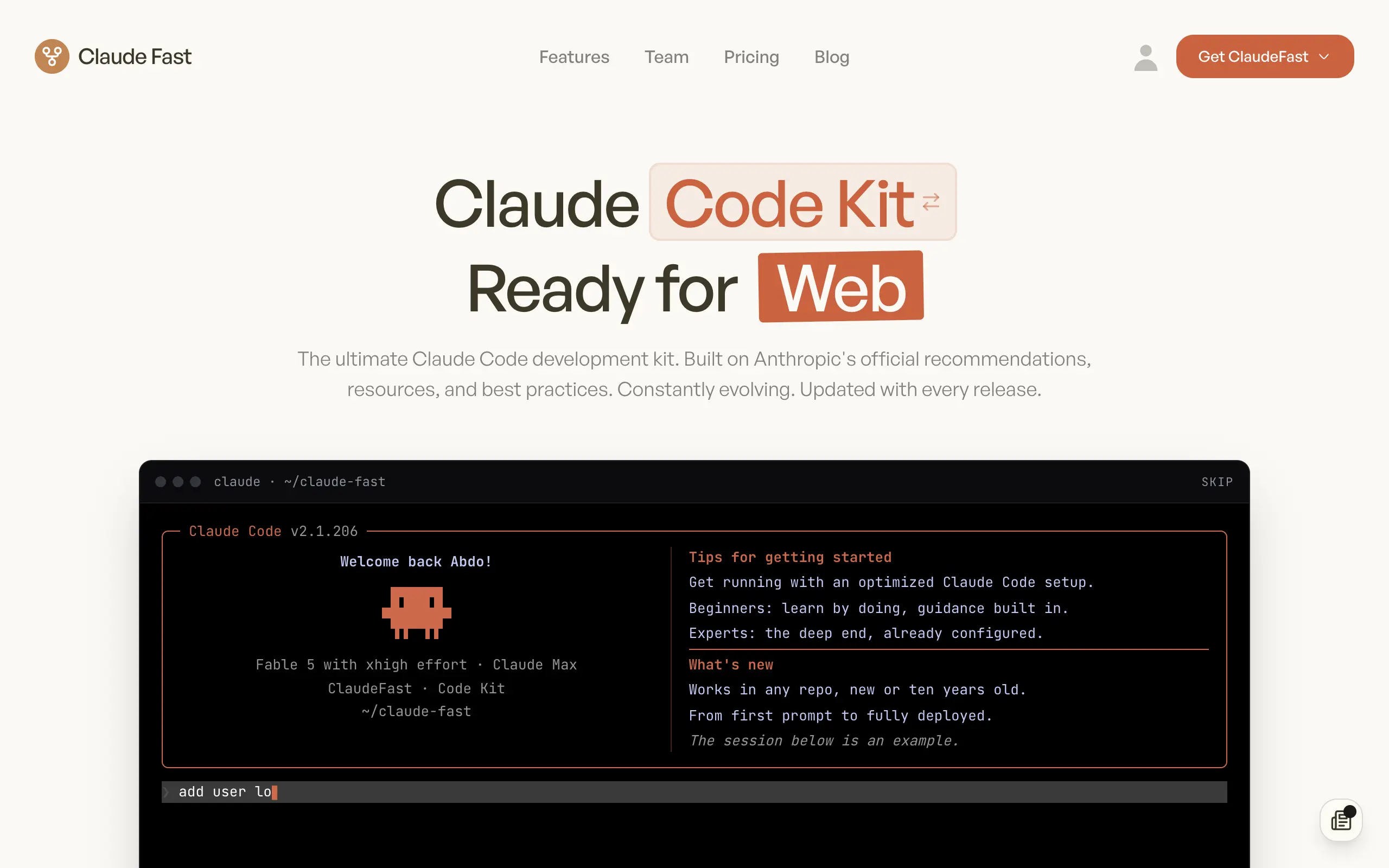
Claude Fast
Supercharge your Claude Code with 6x effective context window and specialized AI agents 🤖
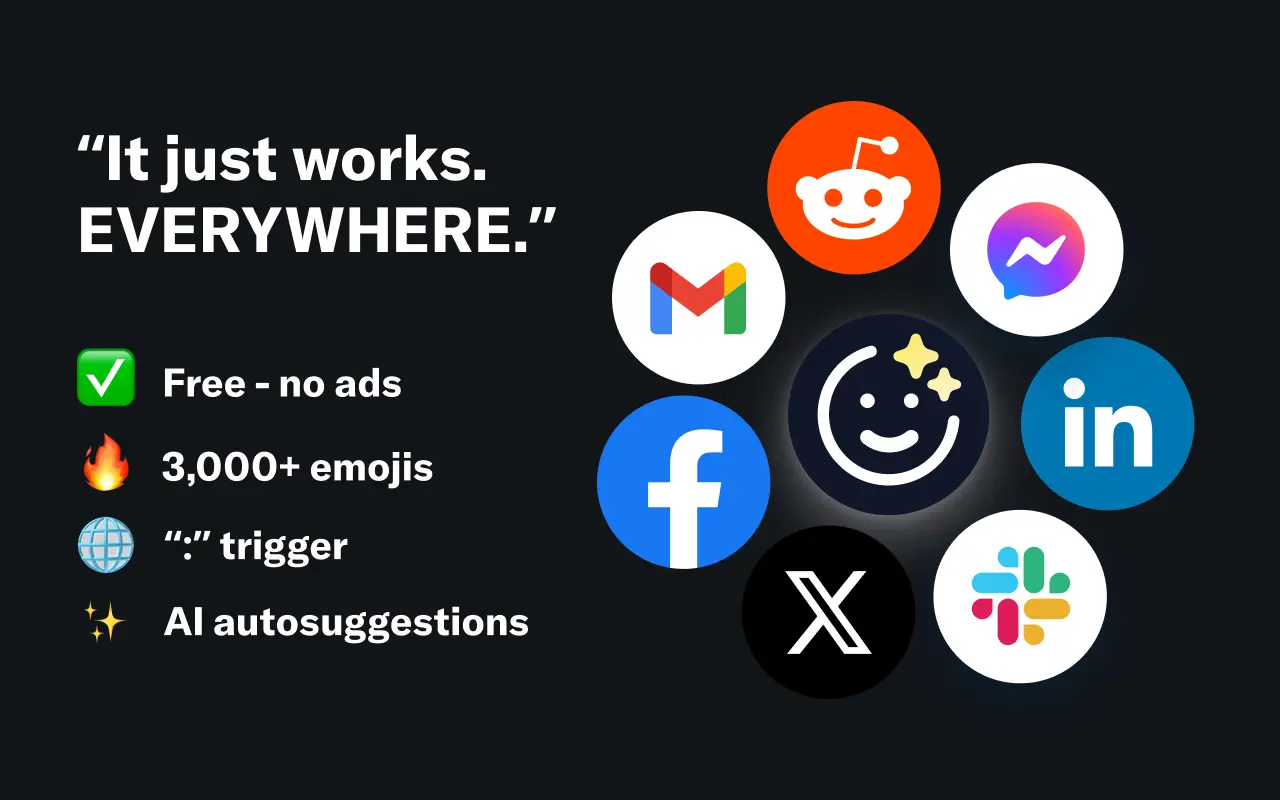
EmojAI
AI-powered emoji picker with smart, context-aware suggestions 🤖
Solohacker
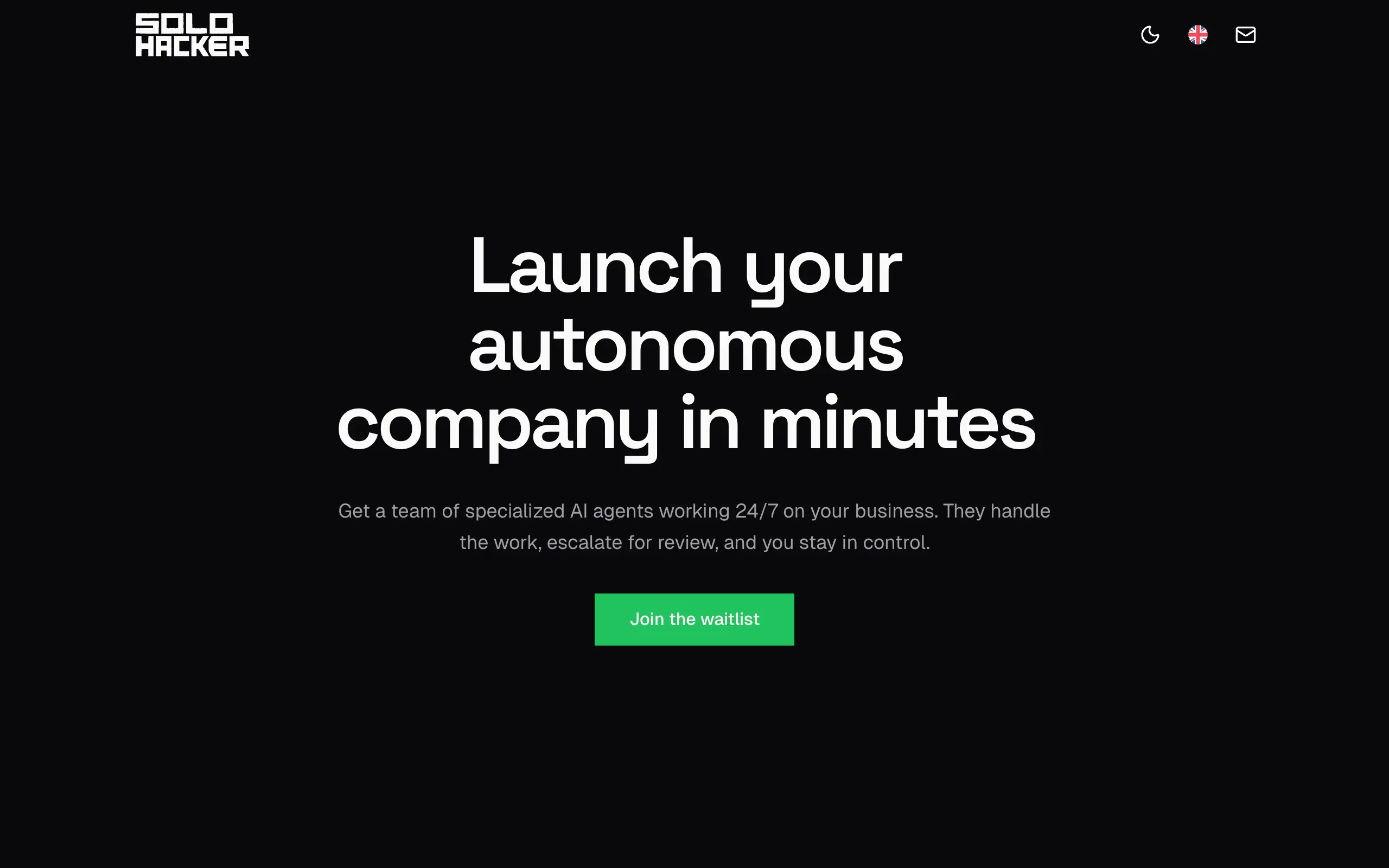
Autonomous company launcher - AI agents work 24/7, escalate what matters, and you stay in control 🤖

BeRawi: Storytelling Coach
Practice storytelling daily with instant feedback to sound clearer, more engaging, and confident 🎤
Omichat
Chat with 50+ AI models, including ChatGPT and Claude, in one place - switch models anytime without losing context 🤖
Claude Fast
Supercharge your Claude Code with 6x effective context window and specialized AI agents 🤖
EmojAI
AI-powered emoji picker with smart, context-aware suggestions 🤖
Solohacker
Autonomous company launcher - AI agents work 24/7, escalate what matters, and you stay in control 🤖
BeRawi: Storytelling Coach
Practice storytelling daily with instant feedback to sound clearer, more engaging, and confident 🎤
Omichat
Chat with 50+ AI models, including ChatGPT and Claude, in one place - switch models anytime without losing context 🤖
Claude Fast
Supercharge your Claude Code with 6x effective context window and specialized AI agents 🤖
EmojAI
AI-powered emoji picker with smart, context-aware suggestions 🤖
Solohacker
Autonomous company launcher - AI agents work 24/7, escalate what matters, and you stay in control 🤖
BeRawi: Storytelling Coach
Practice storytelling daily with instant feedback to sound clearer, more engaging, and confident 🎤
Omichat
Chat with 50+ AI models, including ChatGPT and Claude, in one place - switch models anytime without losing context 🤖
Claude Fast
Supercharge your Claude Code with 6x effective context window and specialized AI agents 🤖
EmojAI
AI-powered emoji picker with smart, context-aware suggestions 🤖
Solohacker
Autonomous company launcher - AI agents work 24/7, escalate what matters, and you stay in control 🤖
BeRawi: Storytelling Coach
Practice storytelling daily with instant feedback to sound clearer, more engaging, and confident 🎤

Connect with like-minded people
Join our community to get feedback, support, and grow together with 1,000+ builders on board, let's ship it!
Join usShip your startup everywhere. In minutes.
Don't burn tokens on setup and start building features on day one.