Lookboard Studio
An AI fashion layout tool for creators and boutiques that builds magazine-style outfit thumbnails from product shots and model images.
The opportunity for an AI fashion layout tool
Fashion creators, online boutiques, stylists, and resale sellers all face the same visual-content bottleneck. They may have excellent product photography, strong taste, and a clear point of view, but creating consistent editorial visuals takes time. A single magazine-style outfit layout can require photo selection, background cleanup, cropping, cutouts, typography, composition, and multiple revisions for different channels.
Lookboard Studio is positioned as an AI fashion layout tool that turns product shots and model imagery into polished outfit thumbnails, moodboards, campaign tiles, and magazine-inspired lookboards. Rather than asking users to become expert designers, it gives them a guided workflow for producing cohesive fashion visuals at speed.
The primary search intent around this category is practical. Users are not simply looking for “AI fashion inspiration.” They are looking for a way to:
- Create outfit collages faster
- Produce better fashion thumbnails for social media
- Turn product photos into editorial layouts
- Maintain a recognizable boutique aesthetic
- Generate campaign-ready visuals without outsourcing every asset
- Test different styling concepts before a full photo shoot
This makes Lookboard Studio more than a general-purpose image generator. Its strongest market position is as a fashion-native visual production workspace where AI, layout templates, product intelligence, and branding controls work together.
Core positioning
Lookboard Studio should be marketed as an AI outfit thumbnail generator and fashion layout tool for people who need polished, on-brand visual merchandising without the cost and turnaround time of traditional design workflows.
Who needs an AI outfit thumbnail generator
The most promising audience is broad enough to support meaningful demand, but focused enough that the product can deliver a tailored experience. Lookboard Studio should prioritize users who create fashion content repeatedly and who benefit directly from reducing design time.
Independent fashion creators and content creators
Fashion influencers, TikTok creators, newsletter writers, stylists, and Pinterest publishers need high-volume visual output. Their work often depends on editorial consistency, whether they are sharing seasonal outfit ideas, capsule wardrobes, trend roundups, or affiliate product recommendations.
These users typically have strong taste but limited production capacity. They may use a mix of Canva, Photoshop, Pinterest boards, screenshot folders, and mobile editing apps. The workflow is fragmented and difficult to scale.
Lookboard Studio can solve this by helping creators:
- Combine product images into clean outfit collages
- Generate cover images for videos, carousels, and blog posts
- Build “get the look” layouts from retailer product shots
- Create consistent series formats for recurring content
- Produce multiple variations for A/B testing social thumbnails
- Export vertical, square, and landscape layouts from one composition
For creators, the value proposition is not “AI art.” It is faster publishing with a more recognizable visual identity.
Boutique owners and e-commerce merchandisers
Small and mid-sized boutiques often have enough inventory to require continuous content, but not enough internal design resources to produce an editorial campaign for every product drop.
A boutique can use Lookboard Studio to transform basic catalog images into:
- New-arrival lookbooks
- Collection launch assets
- Product recommendation modules
- Email campaign headers
- Instagram and Pinterest content
- Homepage promotional tiles
- Seasonal style guides
- Bundle and cross-sell visuals
The platform becomes particularly valuable when it connects layouts to shoppable product data. A boutique owner should be able to select three garments, choose a visual template, add a headline, and export a polished image with product references intact.
Personal stylists and fashion consultants
Personal stylists frequently create wardrobe proposals, packing lists, event looks, and shopping recommendations. Their deliverables need to feel thoughtful and premium, yet building each one manually can be expensive.
A fashion layout tool can help stylists create client-ready boards with:
- Outfit combinations by occasion
- Suggested accessories and footwear
- Seasonal wardrobe edits
- Color palette coordination
- Travel capsule wardrobes
- Before-and-after wardrobe proposals
- Personalized styling notes
This segment may be smaller than the creator market, but it can support premium subscription pricing because the tool directly improves client delivery and perceived service value.
Resellers and marketplace sellers
Vintage sellers, luxury resellers, and marketplace merchants often photograph products individually. However, individual listings do not always communicate the styling potential of a piece.
Lookboard Studio can help sellers create editorial thumbnails that show how a jacket, handbag, shoe, or dress fits into a complete look. This can increase browsing appeal while keeping the seller’s original item photography visible and accurate.
For this audience, transparency matters. AI-generated styling imagery should never misrepresent condition, fit, material, or included items. Product-specific disclosures and controls will be essential.
Fashion teams at larger brands
Over time, Lookboard Studio can expand into a collaborative content tool for marketing teams, social managers, visual merchandisers, and creative agencies. Larger teams need permissions, brand kits, approvals, asset libraries, and repeatable templates.
This is an attractive expansion path because fashion brands routinely need high-volume content variations across channels, regions, audiences, and product categories.
The market gap in fashion visual merchandising
Generic design software is powerful, but it creates friction for users who need fashion-specific output. A creator can start with a blank canvas, but they still need to decide on the crop, hierarchy, visual balance, text treatment, shadow style, product grouping, and platform dimensions.
General AI image tools introduce a different problem. They can be useful for ideation, but they often struggle with product fidelity. Fashion sellers need confidence that a bag still looks like the bag they sell, that a dress has the correct neckline, and that the color shown to customers is not misleading.
This creates a market gap between three existing categories:
| Category | Main strength | Key limitation | Lookboard Studio opportunity | Best-fit user |
|---|---|---|---|---|
| Generic design tools | Flexible editing | Require manual composition | Fashion-aware layout automation | Creator or boutique |
| Image generators | Fast visual ideation | Can alter real products | Product-preserving generation controls | Merchandiser |
| Professional design software | Advanced creative control | Steep learning curve | Guided editorial workflows | Small fashion team |
| Traditional agencies | High-end art direction | Slow and costly for daily assets | Scalable self-serve production | Growing ecommerce brand |
The product should not compete primarily on raw image generation quality. That market is crowded and model capabilities change quickly. Instead, Lookboard Studio should compete on fashion workflow intelligence.
That includes knowing how to make a handbag, top, skirt, shoe, and accessory read as one outfit; understanding that an editorial lookboard needs balanced negative space; offering templates that suit fashion content; and preserving source product details wherever possible.
Lookboard Studio’s unique selling proposition
The central USP is simple:
Lookboard Studio converts product photos and model images into editorial fashion layouts that are fast to create, easy to brand, and designed for publishing.
The product should make high-quality output feel achievable in minutes, even for users without formal graphic design skills.
The strongest differentiation comes from combining four layers:
Fashion-first composition
Templates, crop logic, spacing rules, and hierarchy designed around apparel, accessories, and outfit storytelling.
Product-aware AI
AI assists with styling, cutouts, arrangement, and copy while preserving original product imagery and key visual details.
Brand consistency
Saved color palettes, fonts, logo placement, visual rules, and reusable campaign templates keep every lookboard on-brand.
Channel-ready exports
One look can become optimized assets for Instagram, Pinterest, email, ecommerce, blogs, and digital lookbooks.
A compelling positioning statement could be:
Create shoppable, magazine-style fashion layouts from your existing product images and model shots.
That wording speaks directly to both the visual aspiration and the practical source material users already have.
Core features for an AI fashion layout tool
A successful initial release should solve a narrow workflow extremely well. Avoid trying to build every creative feature before proving that users can reliably go from assets to publishable visual output.
Asset upload and product organization
Users need an easy way to bring product photos, model imagery, logos, and reference images into the workspace. The upload experience should support drag-and-drop, mobile uploads, bulk asset selection, and folders.
Useful metadata fields include:
- Product name
- Brand or collection
- Category
- Color
- Season
- Price
- Product URL
- SKU
- Affiliate link
- Usage rights
- Availability status
This metadata becomes strategically valuable later. It enables auto-generated captions, shoppable exports, collection-based templates, and intelligent recommendations such as “pair this blazer with neutral footwear.”
AI background removal and clean cutouts
Background removal is one of the highest-value features because it immediately turns catalog photos into flexible design elements. However, fashion cutouts require careful handling around hair, sheer fabrics, jewelry, straps, lace, and textured garments.
The feature should offer:
- Automatic background removal
- Manual brush refinement
- Edge smoothing controls
- Shadow retention or regeneration
- Transparent PNG export
- Original-image restoration
- Batch processing for collections
A user should always be able to compare the source asset and cutout. This builds trust and prevents accidental product distortion.
Smart outfit composition
The composition engine is the heart of Lookboard Studio. Instead of merely placing images on a canvas, it should propose visually balanced arrangements based on the number and type of selected items.
For example, selecting a dress, handbag, heel, and earrings could trigger several layout suggestions:
- Centered hero garment with surrounding accessories
- Split editorial grid with oversized product crop
- Minimal luxury composition with large negative space
- Social-first collage with bold text overlay
- Shopping-guide format with prices and labels
The user should retain direct control over every suggestion. AI should accelerate decisions, not hide them.
Fashion templates and style presets
Templates should be organized around actual publishing use cases rather than abstract graphic styles. Categories may include:
- New arrivals
- Weekend outfit ideas
- Wedding guest looks
- Capsule wardrobe edits
- Vacation packing lists
- Street style inspiration
- Luxury resale highlights
- Seasonal trend reports
- Gift guides
- Product bundles
- Editorial cover layouts
- Pinterest pins
Style presets can control font pairing, spacing, color treatment, sticker styles, drop shadows, texture overlays, and title placement. A user should be able to select a “quiet luxury” or “playful editorial” direction without recreating the visual language from scratch.
AI styling assistance and copy generation
The AI assistant can recommend complementary products, layout directions, and short text. This is especially useful for users who know what they want to sell but need help framing the story.
Helpful prompts might include:
- “Create three autumn date-night look variations”
- “Write a concise Instagram caption for this outfit”
- “Suggest a headline for a minimalist workwear edit”
- “Turn these five products into a travel capsule”
- “Recommend a neutral color palette for this collection”
The output should be editable and clearly presented as a suggestion. Copy tools should prioritize brand tone controls so a playful creator and a luxury boutique do not receive the same generic language.
Brand kits and reusable layout systems
Brand consistency turns Lookboard Studio from a novelty into an operating tool. A brand kit should include logos, colors, approved fonts, image treatments, spacing rules, watermark options, and default export sizes.
For teams, reusable layout systems should allow a creative lead to lock important elements while permitting others to update products and copy. This helps maintain quality at scale.
Multi-format export and publishing workflows
One layout should be adaptable across common publishing surfaces. Export options should include:
- Square social post
- Vertical story or short-form video cover
- Pinterest pin
- Email banner
- Ecommerce collection banner
- Blog header
- Printable PDF lookbook
- Transparent product collage
- High-resolution press asset
A useful future integration layer could include scheduling or direct handoff to social media tools, ecommerce platforms, and email marketing systems. Start with dependable exports before building a large integration catalog.
A practical user workflow for Lookboard Studio
The product experience should feel like a short creative session, not a complicated design project.
The first version should target a time-to-first-export of under ten minutes for a new user. That is a meaningful product metric because it measures whether the promise of faster visual production is actually being delivered.
Recommended technology stack and trade-offs
Lookboard Studio needs a stack that supports responsive editing, image-heavy workflows, secure storage, AI tasks, and scalable billing. The ideal stack depends on the founding team’s strengths, but a modern TypeScript architecture offers strong hiring, ecosystem, and maintenance advantages.
Frontend and editor experience
Use React with Next.js for the application layer. React is well suited to component-driven editing interfaces, while Next.js supports server rendering, API endpoints, route handling, and production deployment patterns.
For styling, Tailwind CSS is a pragmatic choice for moving quickly while keeping a consistent interface system.
For the visual canvas, evaluate a dedicated canvas library such as Fabric.js or Konva. The choice should follow prototype testing.
- “Fabric.js” is helpful for object manipulation, serialization, and canvas-based editing.
- “Konva” provides a React-friendly model and can work well for interactive canvas scenes.
- “DOM-based layouts” are easier to make responsive and accessible but can become more difficult for freeform editor interactions.
A hybrid model is often best. Use the DOM for panels, controls, text inputs, and previews; use a canvas layer only where direct manipulation provides clear value.
Backend, authentication, and data
For fast initial development, Supabase can provide authentication, PostgreSQL, storage, row-level security, and real-time capabilities in a unified platform.
Core data entities should include:
- Users and organizations
- Workspaces
- Brand kits
- Assets
- Product records
- Layout projects
- Template definitions
- Export jobs
- AI generation records
- Subscription entitlements
For teams with strict enterprise requirements, a custom backend can offer more control, but it increases development and operations overhead. Early-stage founders should avoid overbuilding infrastructure before validating the workflow.
Image processing and AI orchestration
Image processing should run asynchronously through a queue. Background removal, image upscaling, cutout refinement, export rendering, and AI layout proposals can all take longer than normal page requests.
A robust architecture includes:
- Object storage for source images and generated outputs
- A job queue for expensive processing
- Signed URLs for secure asset access
- Retry logic for failed jobs
- Usage logging for credit-based billing
- Caching for repeated transformations
AI model providers should be abstracted behind an internal service layer. This reduces vendor lock-in and makes it easier to compare cost, quality, latency, and terms over time.
Do not build around a single model vendor
Image-generation quality, pricing, safety policies, and API availability can change quickly. Keep prompts, generation settings, provider routing, and output validation in your own service layer.
Payments and subscriptions
Stripe is a strong default for subscriptions, usage-based credits, invoices, coupons, and tax-related payment workflows. Fashion creators may prefer monthly plans, while boutiques may need team seats and higher asset-processing limits.
For a fast SaaS foundation with authentication, billing patterns, dashboard components, and a production-ready architecture, TurboStarter can reduce the time needed to launch the non-differentiating parts of the application.
Monetization strategies for Lookboard Studio
The monetization model should match the fact that AI image processing has variable costs. A pure unlimited plan can become risky if power users generate large volumes of high-resolution exports or repeated AI variations.
A hybrid subscription and credit model is usually the safest starting point.
Recommended pricing structure
A possible pricing architecture includes:
- “Free plan” with limited exports, watermarking, and a small monthly AI credit allowance
- “Creator plan” for solo users who need regular social content and standard exports
- “Pro plan” for stylists, affiliates, and growing sellers needing higher limits and brand kits
- “Boutique plan” for inventory teams, collaborative workspaces, and commercial licensing
- “Enterprise plan” for advanced permissions, service-level commitments, integrations, and custom contracts
The free plan should let users experience the magic moment. They need to upload real products, create a credible lookboard, and understand how the output would improve their workflow.
Credit-based add-ons
Credits can be sold for premium activities such as:
- High-resolution exports
- Advanced cutout processing
- AI styling suggestions
- Background generation
- Bulk image treatment
- Extra storage
- Branded PDF lookbook exports
- Team collaboration seats
The pricing page should communicate credits clearly. Users should know what consumes a credit before clicking a generation button. Surprise billing destroys trust, particularly among independent creators.
Additional revenue opportunities
Once the core editor has traction, Lookboard Studio can explore adjacent revenue streams:
- Curated premium template packs
- Seasonal trend packs created with expert stylists
- Agency white-label workspaces
- Ecommerce platform integrations
- Affiliate-link management tools
- Product-feed import and enrichment
- Marketplace partnerships
- Managed creative services for high-value boutique customers
The strongest long-term expansion is likely an ecosystem where fashion brands can combine content production, product presentation, and publishing workflows in one workspace.
Competitive advantage and defensibility
The most durable competitive advantage will not be an AI prompt box. Competitors can copy visible features quickly. Lookboard Studio needs advantages that compound as usage grows.
Build proprietary fashion workflow data
With user permission and privacy safeguards, the platform can learn which layouts perform best by category, channel, season, product count, visual style, and audience. This enables smarter recommendations over time.
For example, the system may learn that:
- Jewelry performs better in close-crop grids
- Footwear looks stronger when paired with full-body model imagery
- Pinterest layouts benefit from taller text hierarchy
- Boutique email headers perform better with fewer products
- Resale listings need more prominent source-photo treatment
This type of product intelligence is much harder to replicate than generic image generation.
Create a trusted product-fidelity standard
Fashion commerce depends on visual honesty. Lookboard Studio should become known for helping brands make products look more compelling without changing what they are selling.
The platform can support this through:
- Original product image preservation
- Generated-image labeling options
- Side-by-side source comparisons
- Controls that prevent major garment changes
- Clear commercial-use terms
- Asset-rights metadata
- Audit records for team workflows
Trust is especially important for resale, luxury, and apparel categories where customers care about exact color, condition, material, and silhouette.
Win with templates that encode expertise
Generic templates are easy to create. Fashion-specific templates informed by editorial design, ecommerce conversion patterns, and creator publishing habits are more valuable.
Lookboard Studio should work with experienced stylists, art directors, fashion photographers, and merchandisers to develop template collections. Their expertise can become part of the product, not merely part of a marketing campaign.
Risks and mitigation strategies
AI fashion software has strong potential, but it also comes with operational, legal, and product risks. Addressing them early helps build a durable company.
AI may alter colors, materials, proportions, logos, or garment details. Mitigate this through product-preservation modes, source-image locking, manual review tools, and clear generated-content labels.
Users may upload content they do not have the right to use. Require users to confirm rights at upload, maintain clear terms, support takedown processes, and store asset provenance where possible.
Image processing can become expensive as usage grows. Use quotas, credit pricing, background job controls, resolution tiers, caching, and provider routing to keep unit economics healthy.
If every layout looks similar, creators will churn. Invest in flexible templates, brand kits, manual controls, expert style packs, and saved visual systems.
Large platforms have distribution and broad feature sets. Focus on a narrow, high-value fashion workflow where generic tools require too much manual work.
How to validate demand before building every feature
Before investing heavily in a full editor, validate whether users will pay for the outcome. The fastest route is a concierge-style prototype.
Start by interviewing people who currently create fashion collages and editorial product posts every week. Ask them to show their actual workflow, not just describe it. Screenshare sessions reveal where time is really lost.
Focus on questions such as:
- How many visual assets do you produce in a typical week?
- Which tools do you use from product photo to final post?
- What part of the process is the most repetitive?
- What makes an outfit layout feel “on-brand” to you?
- How often do you need to resize a design for multiple channels?
- Would you trust AI to arrange real product images?
- What would make you reject an AI-generated lookboard?
- How much time or money does one finished asset cost today?
A lightweight prototype can use a curated set of templates, manual design operations behind the scenes, and AI-assisted copy or cutout processing. The goal is to test willingness to pay for the finished lookboard before perfecting every automation.
Metrics that matter during validation
Avoid vanity metrics such as signups without usage. Track behaviors that indicate recurring workflow value.
Key early metrics include:
- Activation rate from signup to first exported layout
- Time from upload to first usable output
- Number of layouts created per active workspace
- Percentage of users who save a template or brand kit
- Weekly returning creators
- Export rate by channel format
- Cost per generated or exported asset
- Trial-to-paid conversion
- Retention after the first billing cycle
A particularly meaningful qualitative metric is whether users replace part of an existing workflow. If a boutique says, “We stopped building every new-arrival collage manually,” that is strong evidence of product-market fit.
An actionable roadmap for launching Lookboard Studio
The best launch strategy is to focus on one repeated job: turning a small set of fashion product images into a polished, branded social or ecommerce layout.
Phase one: define the narrowest valuable workflow
Build for a solo creator or boutique marketer who has product images and needs a social-ready outfit collage.
The minimum viable product should include:
- User signup and workspace creation
- Image upload and project organization
- Background removal or transparent asset support
- A small library of fashion-specific templates
- Drag-and-drop editing controls
- AI layout suggestions for selected assets
- Basic text and brand color controls
- Square and vertical exports
- Usage limits and subscription billing
Do not begin with complex ecommerce integrations, fully automated model generation, or a massive template library. Those can follow once the core workflow is proven.
Phase two: improve repeatable brand workflows
After users successfully create and export lookboards, invest in the features that drive retention:
- Brand kits
- Saved templates
- Batch asset processing
- Product metadata
- Collaboration
- Folder and collection organization
- AI caption generation
- Multi-format resizing
- Higher-resolution export options
Phase three: build the fashion commerce layer
Once Lookboard Studio is trusted as a design workflow, expand into commerce-oriented functionality:
- Shoppable product tags
- Catalog imports
- Affiliate link support
- Collection-level campaign generation
- Performance-informed layout recommendations
- Ecommerce integrations
- Team approval flows
- API access for larger brands
Final takeaways for building a winning AI fashion layout SaaS
Lookboard Studio has a credible opportunity because it addresses a frequent, expensive, and visually demanding workflow. Fashion creators and boutiques do not need another generic AI tool that produces unpredictable imagery. They need a reliable way to turn existing assets into content that looks intentional, editorial, and consistent with their brand.
The winning version of this product will focus on three principles:
- Speed through AI-assisted composition, cutouts, templates, and export automation
- Control through editable layouts, brand kits, and source-product fidelity
- Trust through transparent AI use, strong asset handling, and accurate commercial visuals
Build the first release around a single promise: a user can upload product images and leave with a polished outfit thumbnail they are proud to publish. Then use real customer workflows, retention data, and expert fashion input to evolve Lookboard Studio into the visual operating system for modern fashion merchandising.
More 🤖 AI Startup SaaS ideas
Discover more innovative ai startup SaaS ideas that are trending in 2026. Each idea is AI-generated with market validation and growth potential to help you find your next profitable venture faster than competitors.
Your competitors are building with TurboStarter
Below are some of the SaaS ideas that have been generated and built with our starter kit.
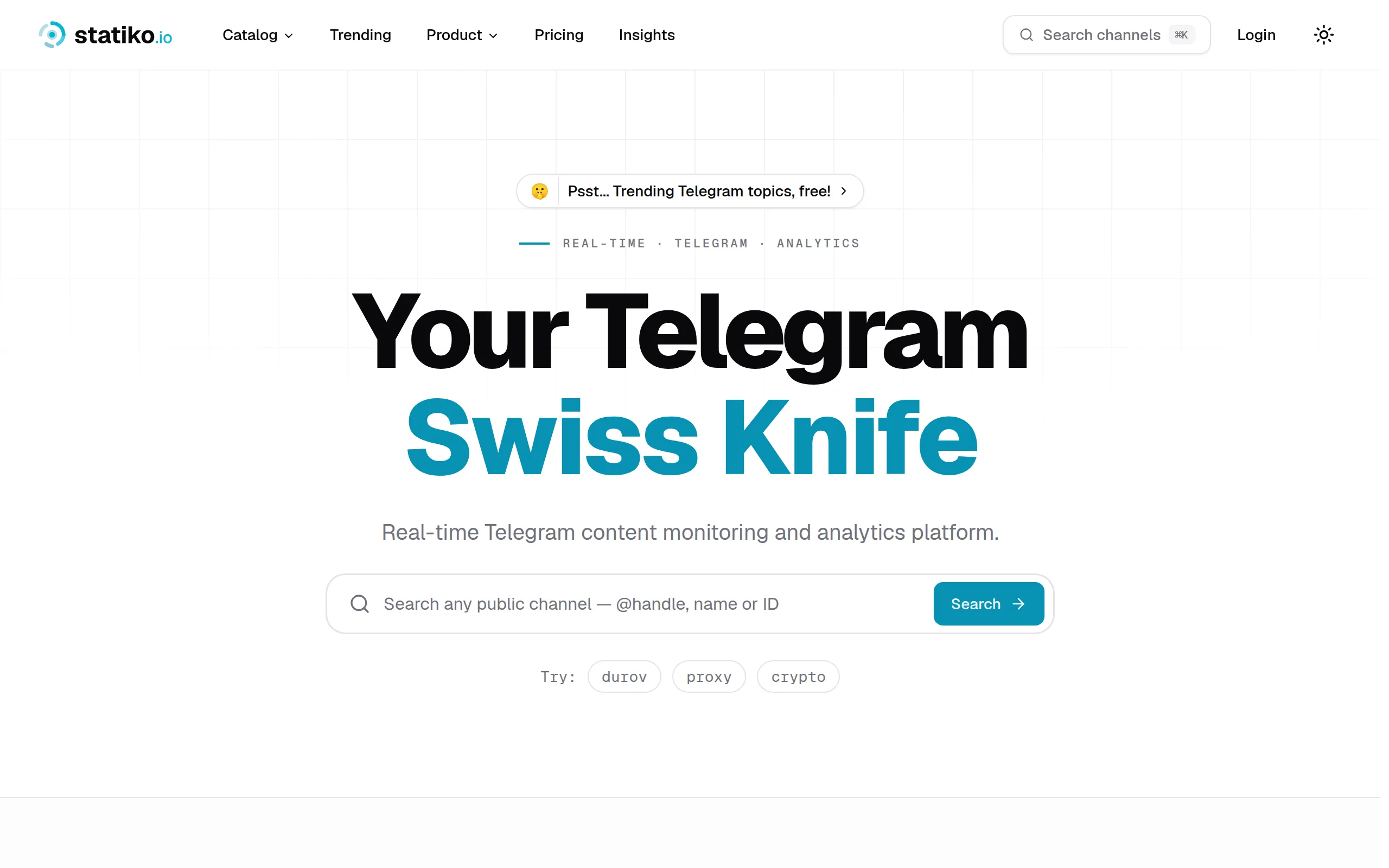
Statiko
Monitor any Telegram channel in real time - track posts, edits, deletions, and growth with AI recaps 📡

Shibui
AI website builder - describe your business, pick a niche template, edit by chatting, and publish instantly ✨

Pro Service
Find verified home service professionals, compare quotes, and pay securely through escrow - built for Brazilians across the US 🏠
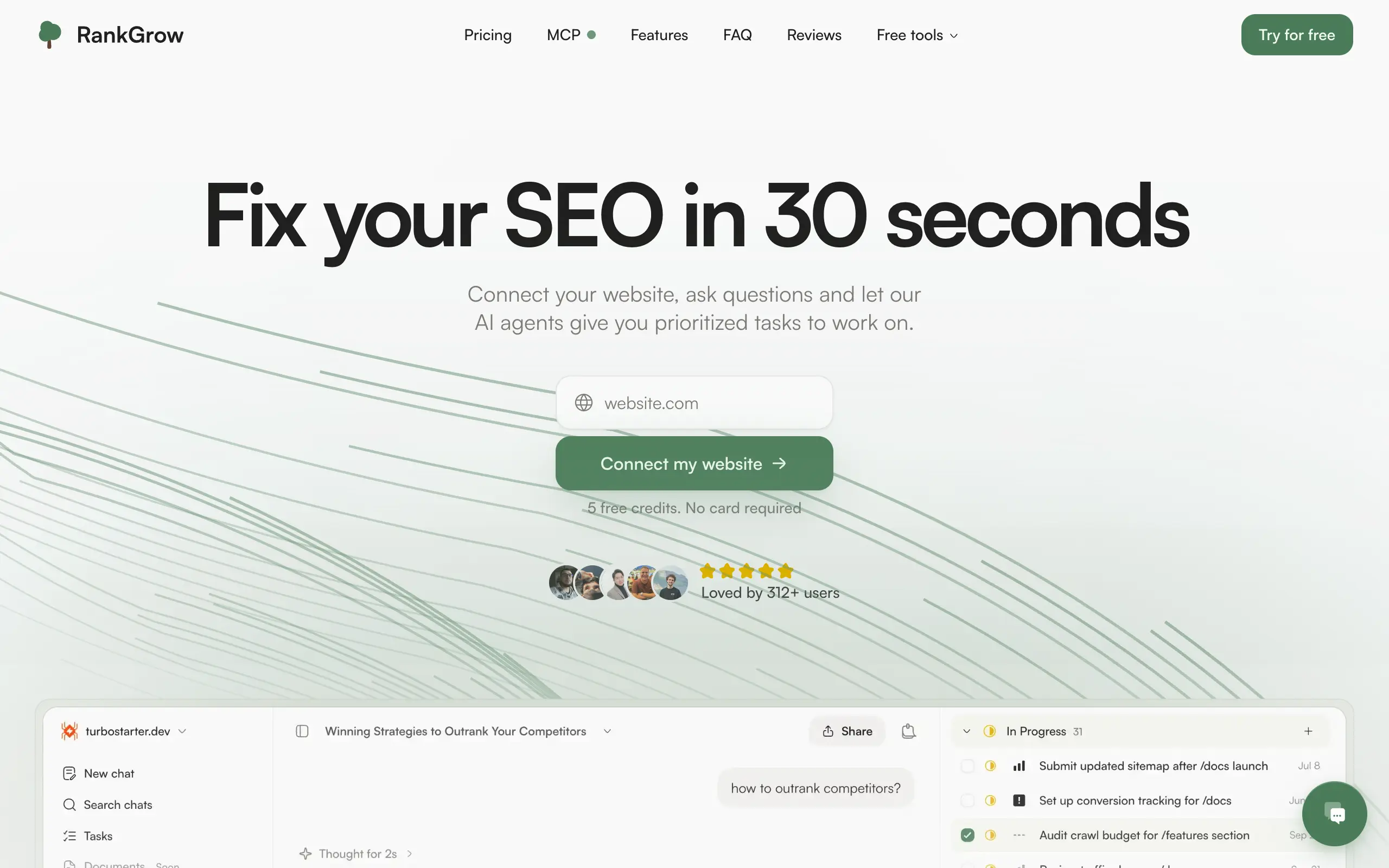
RankGrow
Fix your SEO with AI agents - connect Search Console, get prioritized tasks, and grow organic traffic 📈
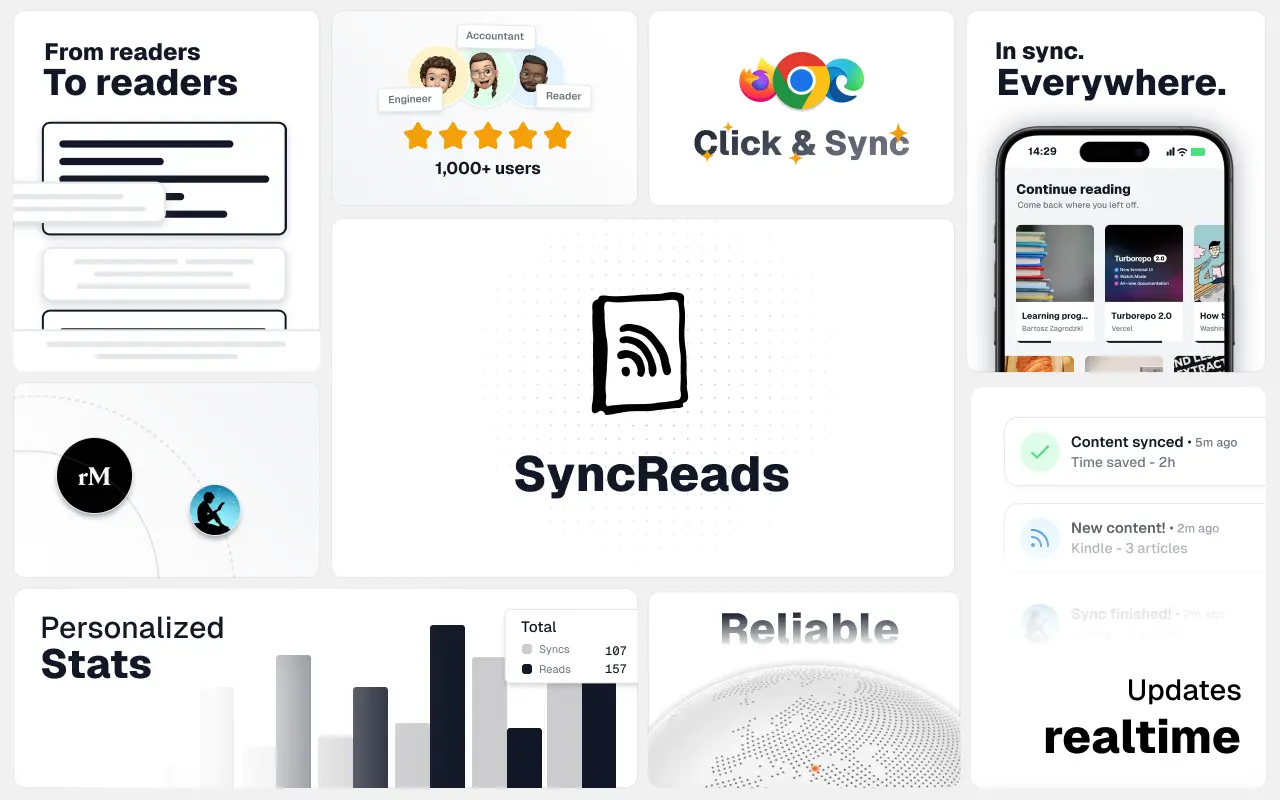
SyncReads
Sync your favorite content for distraction-free reading, save time and replace multiple apps. Anytime, anywhere 🔄
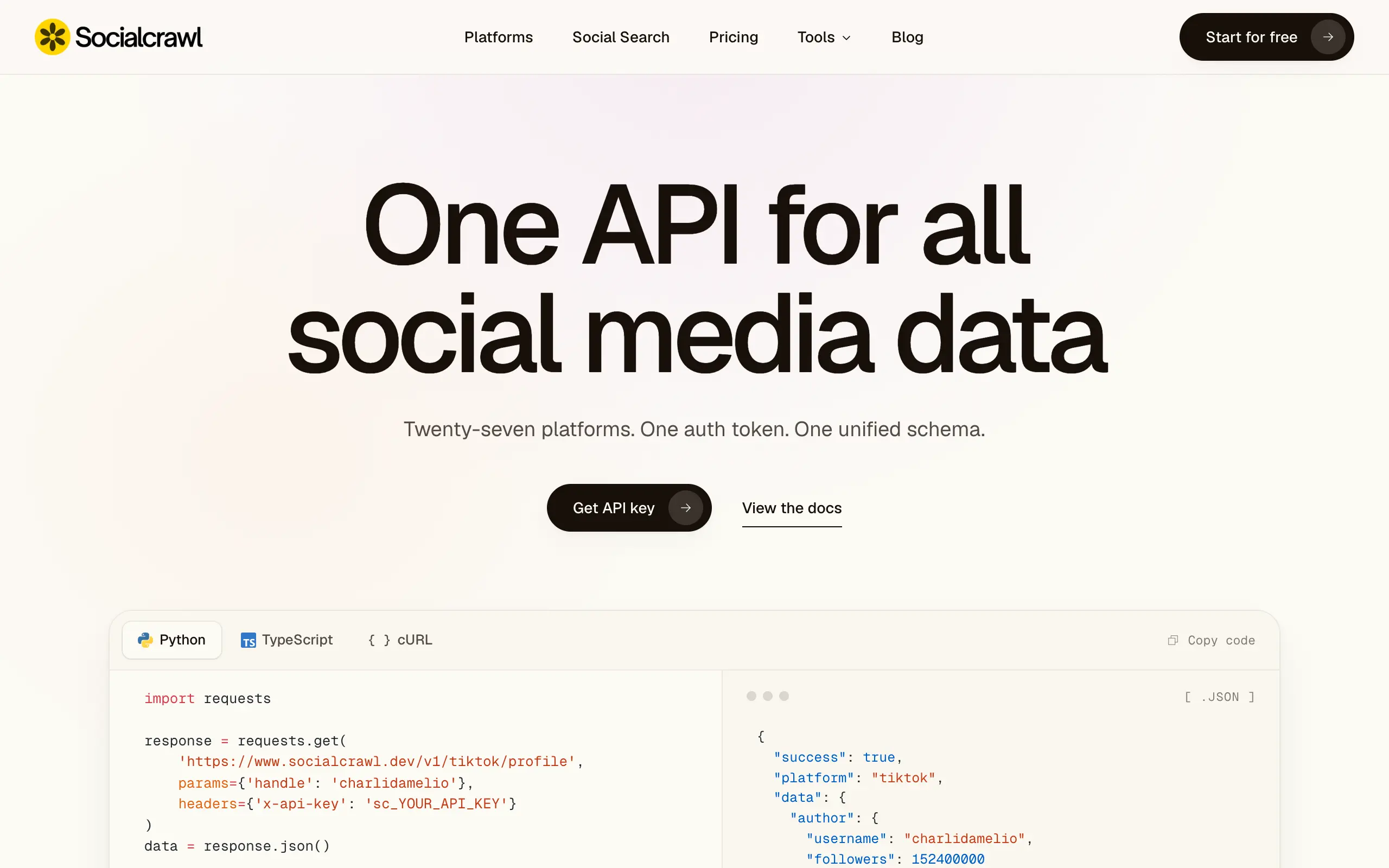
Socialcrawl
Get clean, structured data from 21 platforms like TikTok, Instagram, and YouTube with a single request 📊
Statiko
Monitor any Telegram channel in real time - track posts, edits, deletions, and growth with AI recaps 📡
Shibui
AI website builder - describe your business, pick a niche template, edit by chatting, and publish instantly ✨
Pro Service
Find verified home service professionals, compare quotes, and pay securely through escrow - built for Brazilians across the US 🏠
RankGrow
Fix your SEO with AI agents - connect Search Console, get prioritized tasks, and grow organic traffic 📈
SyncReads
Sync your favorite content for distraction-free reading, save time and replace multiple apps. Anytime, anywhere 🔄
Socialcrawl
Get clean, structured data from 21 platforms like TikTok, Instagram, and YouTube with a single request 📊
Statiko
Monitor any Telegram channel in real time - track posts, edits, deletions, and growth with AI recaps 📡
Shibui
AI website builder - describe your business, pick a niche template, edit by chatting, and publish instantly ✨
Pro Service
Find verified home service professionals, compare quotes, and pay securely through escrow - built for Brazilians across the US 🏠
RankGrow
Fix your SEO with AI agents - connect Search Console, get prioritized tasks, and grow organic traffic 📈
SyncReads
Sync your favorite content for distraction-free reading, save time and replace multiple apps. Anytime, anywhere 🔄
Socialcrawl
Get clean, structured data from 21 platforms like TikTok, Instagram, and YouTube with a single request 📊
Statiko
Monitor any Telegram channel in real time - track posts, edits, deletions, and growth with AI recaps 📡
Shibui
AI website builder - describe your business, pick a niche template, edit by chatting, and publish instantly ✨
Pro Service
Find verified home service professionals, compare quotes, and pay securely through escrow - built for Brazilians across the US 🏠
RankGrow
Fix your SEO with AI agents - connect Search Console, get prioritized tasks, and grow organic traffic 📈
SyncReads
Sync your favorite content for distraction-free reading, save time and replace multiple apps. Anytime, anywhere 🔄
Socialcrawl
Get clean, structured data from 21 platforms like TikTok, Instagram, and YouTube with a single request 📊
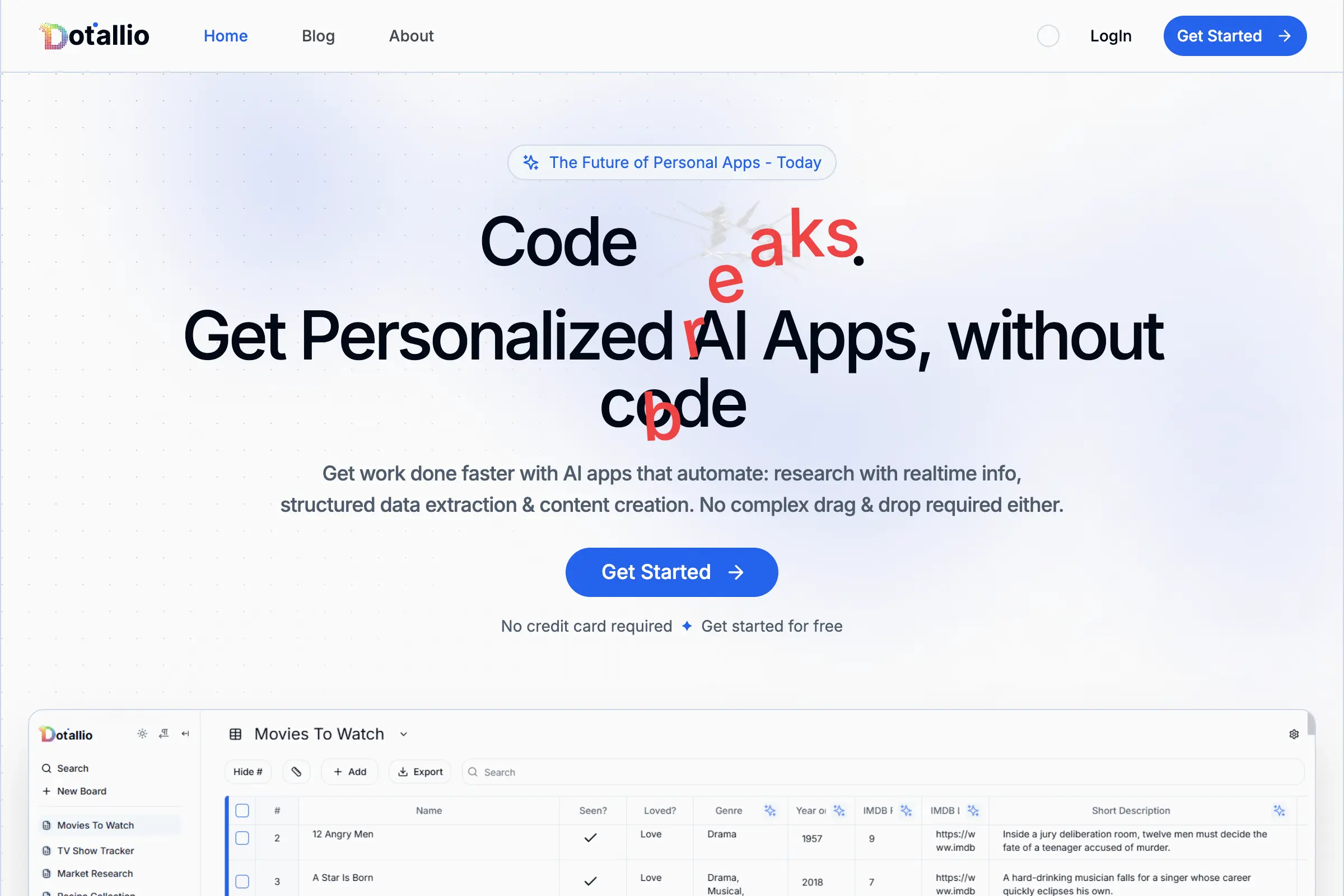
Dotallio
Personalized AI apps that automate research, data extraction, and content creation without code 🤖

Talk to Santa
Enjoy a magical live video chat or receive a unique AI-generated video greeting from Santa Claus 🎅
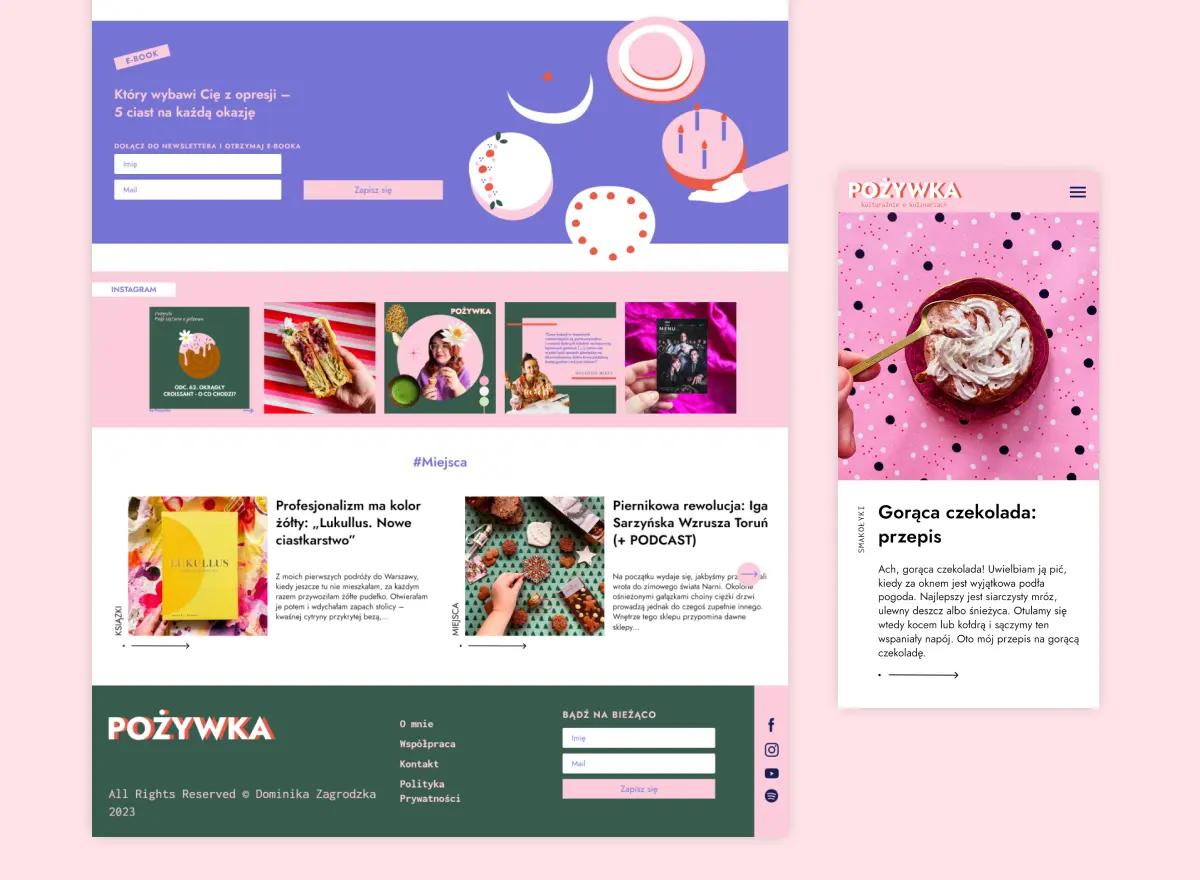
pozywka.pl
Scalable blog for food journalist, focused on performance and user experience 🌭
zagrodzki.me
Personal blog and portfolio of Bart Zagrodzki, where he shares his knowledge and work 💼
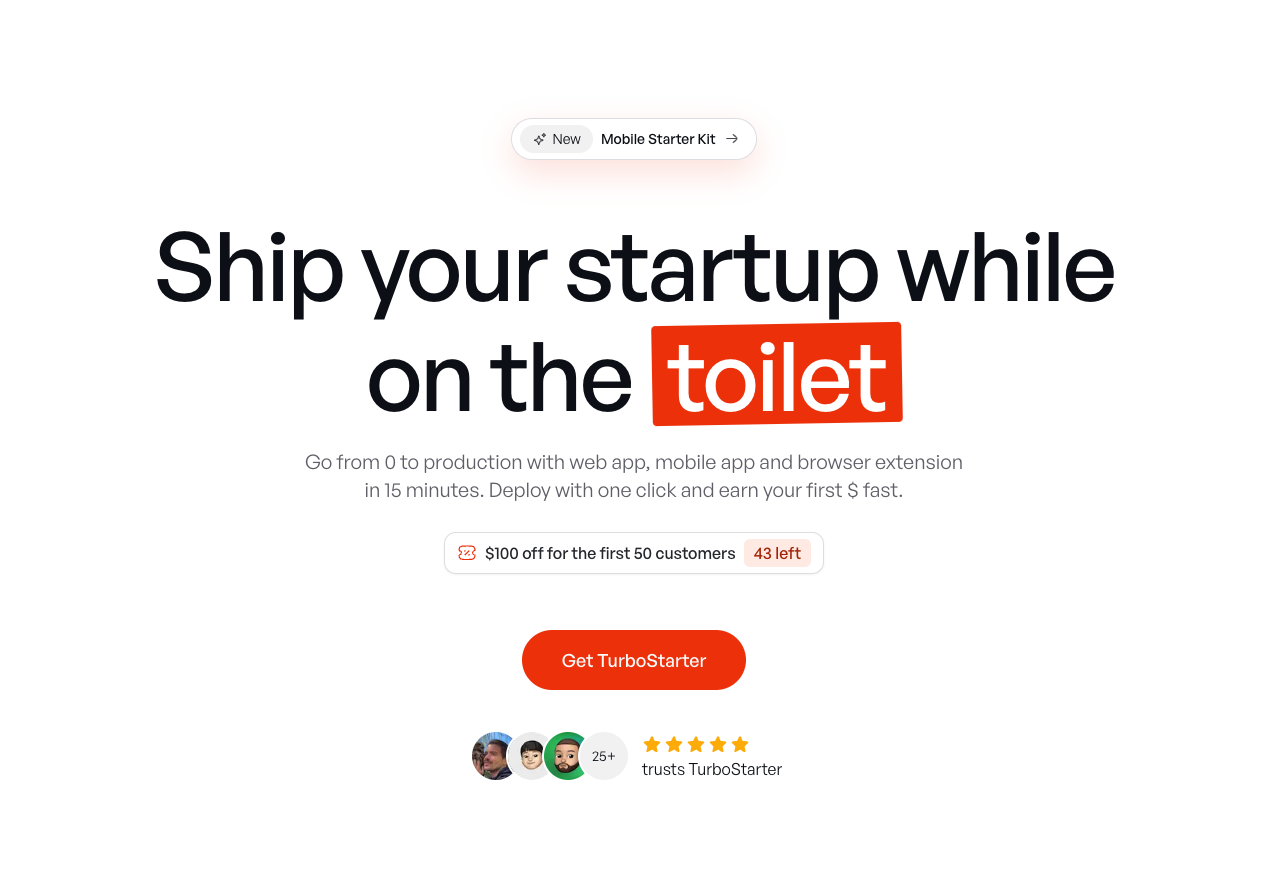
TurboStarter
Ship your startup everywhere. In minutes.
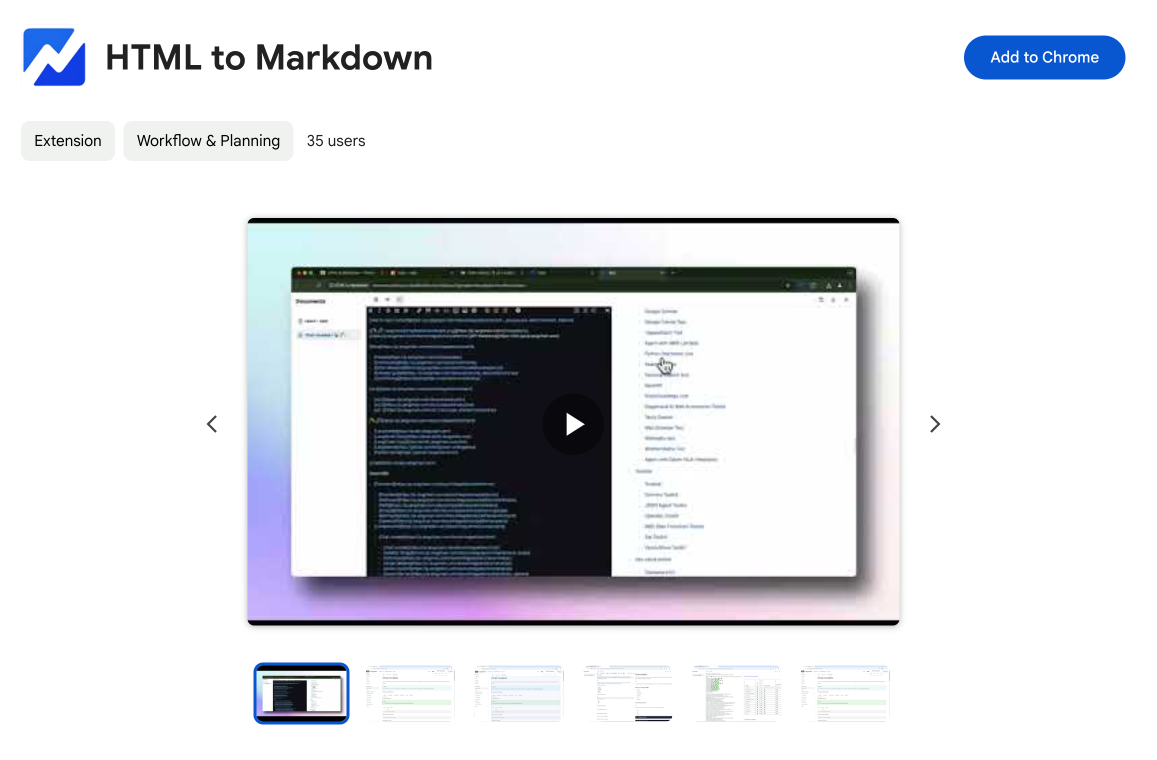
HTML to Markdown
Convert HTML to Markdown with ease, directly in your browser 📄
Dotallio
Personalized AI apps that automate research, data extraction, and content creation without code 🤖
Talk to Santa
Enjoy a magical live video chat or receive a unique AI-generated video greeting from Santa Claus 🎅
pozywka.pl
Scalable blog for food journalist, focused on performance and user experience 🌭
zagrodzki.me
Personal blog and portfolio of Bart Zagrodzki, where he shares his knowledge and work 💼
TurboStarter
Ship your startup everywhere. In minutes.
HTML to Markdown
Convert HTML to Markdown with ease, directly in your browser 📄
Dotallio
Personalized AI apps that automate research, data extraction, and content creation without code 🤖
Talk to Santa
Enjoy a magical live video chat or receive a unique AI-generated video greeting from Santa Claus 🎅
pozywka.pl
Scalable blog for food journalist, focused on performance and user experience 🌭
zagrodzki.me
Personal blog and portfolio of Bart Zagrodzki, where he shares his knowledge and work 💼
TurboStarter
Ship your startup everywhere. In minutes.
HTML to Markdown
Convert HTML to Markdown with ease, directly in your browser 📄
Dotallio
Personalized AI apps that automate research, data extraction, and content creation without code 🤖
Talk to Santa
Enjoy a magical live video chat or receive a unique AI-generated video greeting from Santa Claus 🎅
pozywka.pl
Scalable blog for food journalist, focused on performance and user experience 🌭
zagrodzki.me
Personal blog and portfolio of Bart Zagrodzki, where he shares his knowledge and work 💼
TurboStarter
Ship your startup everywhere. In minutes.
HTML to Markdown
Convert HTML to Markdown with ease, directly in your browser 📄
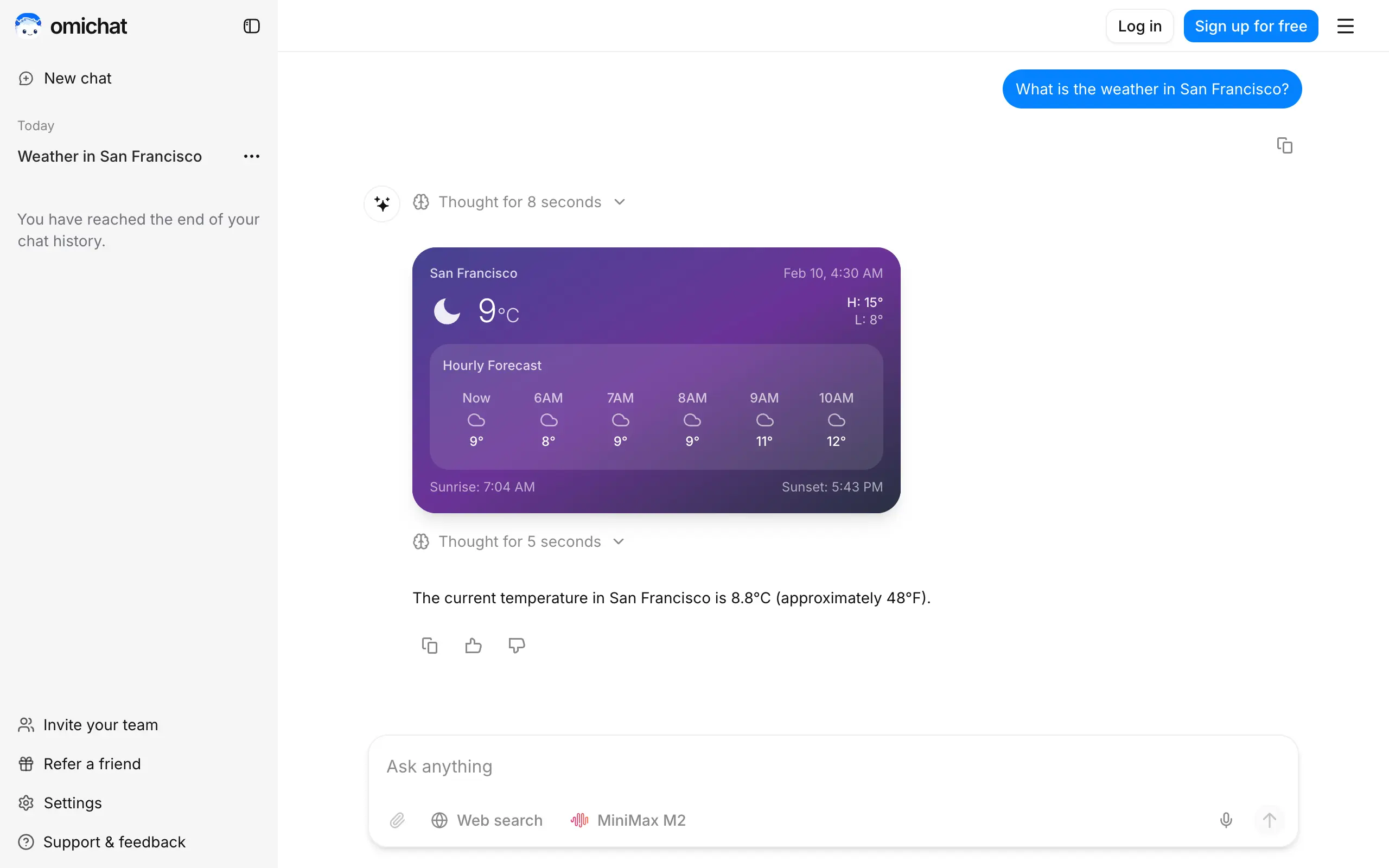
Omichat
Chat with 50+ AI models, including ChatGPT and Claude, in one place - switch models anytime without losing context 🤖
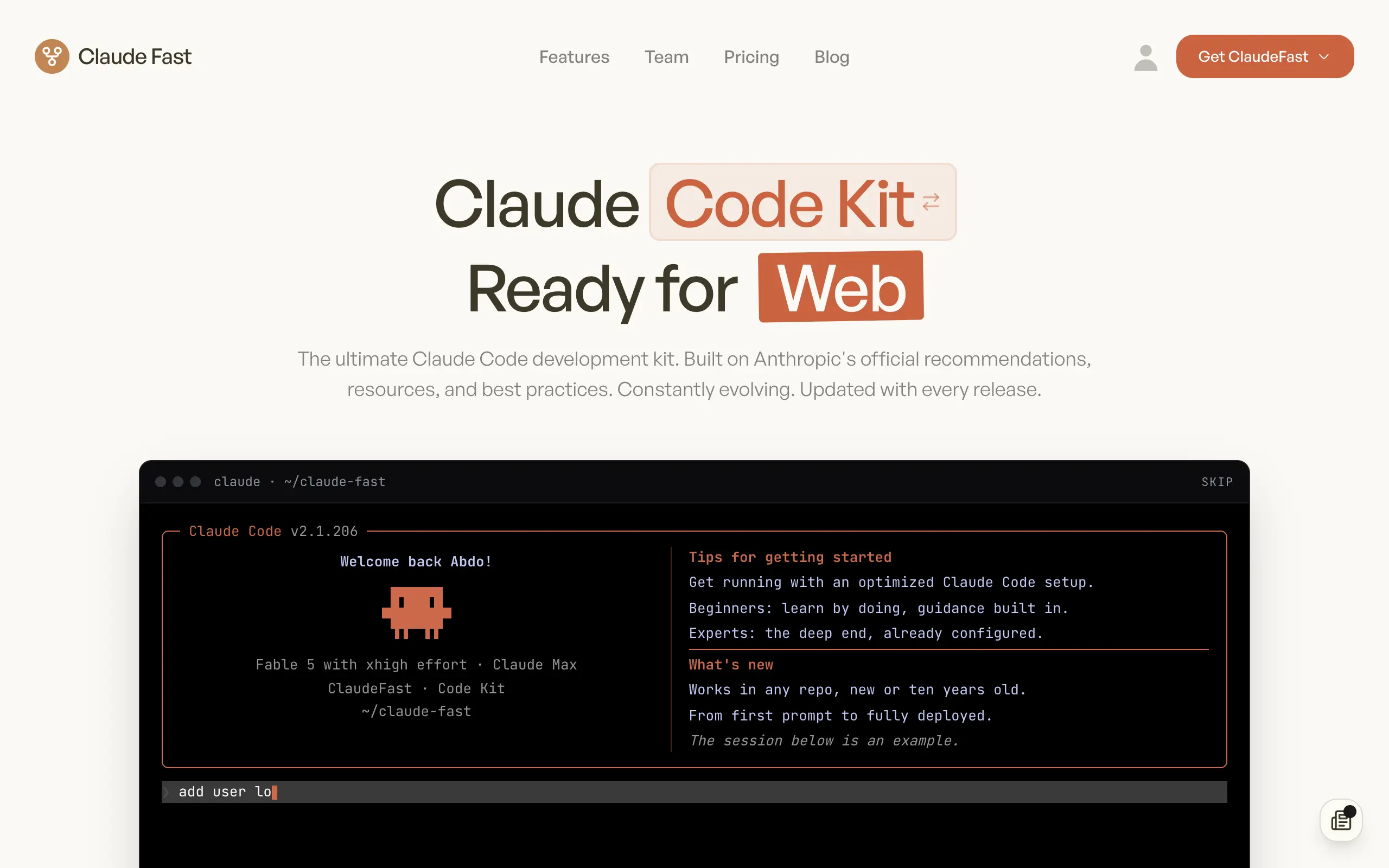
Claude Fast
Supercharge your Claude Code with 6x effective context window and specialized AI agents 🤖
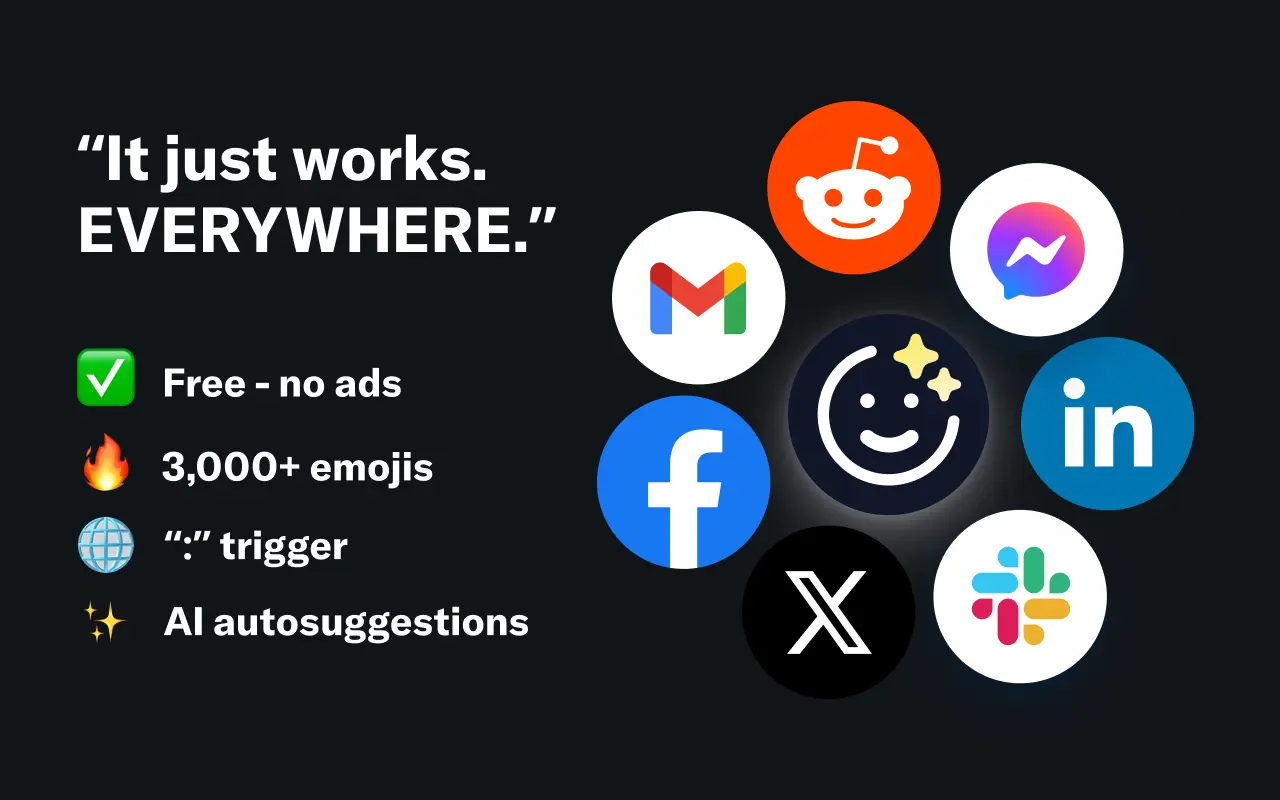
EmojAI
AI-powered emoji picker with smart, context-aware suggestions 🤖

Solohacker
Autonomous company launcher - AI agents work 24/7, escalate what matters, and you stay in control 🤖
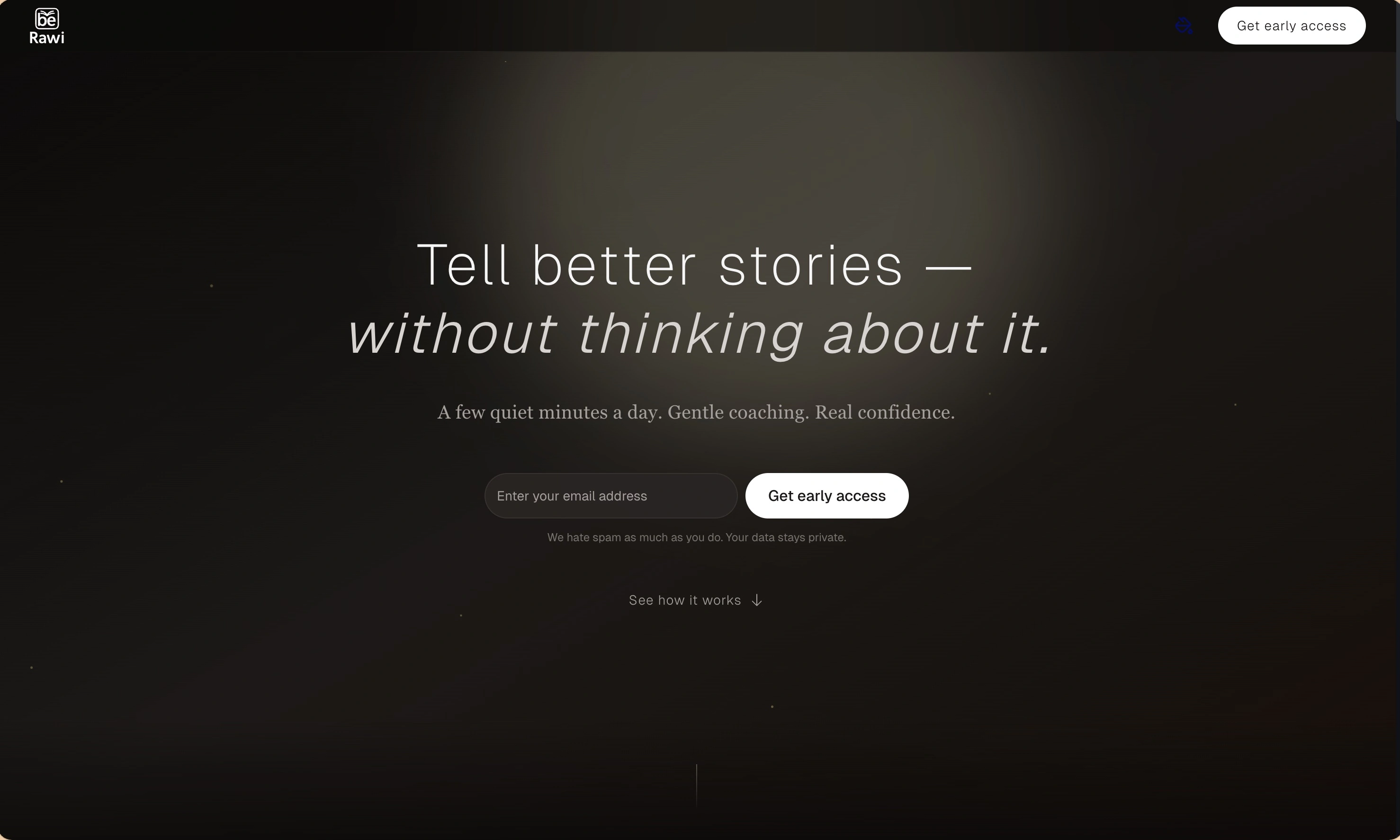
BeRawi: Storytelling Coach
Practice storytelling daily with instant feedback to sound clearer, more engaging, and confident 🎤
Omichat
Chat with 50+ AI models, including ChatGPT and Claude, in one place - switch models anytime without losing context 🤖
Claude Fast
Supercharge your Claude Code with 6x effective context window and specialized AI agents 🤖
EmojAI
AI-powered emoji picker with smart, context-aware suggestions 🤖
Solohacker
Autonomous company launcher - AI agents work 24/7, escalate what matters, and you stay in control 🤖
BeRawi: Storytelling Coach
Practice storytelling daily with instant feedback to sound clearer, more engaging, and confident 🎤
Omichat
Chat with 50+ AI models, including ChatGPT and Claude, in one place - switch models anytime without losing context 🤖
Claude Fast
Supercharge your Claude Code with 6x effective context window and specialized AI agents 🤖
EmojAI
AI-powered emoji picker with smart, context-aware suggestions 🤖
Solohacker
Autonomous company launcher - AI agents work 24/7, escalate what matters, and you stay in control 🤖
BeRawi: Storytelling Coach
Practice storytelling daily with instant feedback to sound clearer, more engaging, and confident 🎤
Omichat
Chat with 50+ AI models, including ChatGPT and Claude, in one place - switch models anytime without losing context 🤖
Claude Fast
Supercharge your Claude Code with 6x effective context window and specialized AI agents 🤖
EmojAI
AI-powered emoji picker with smart, context-aware suggestions 🤖
Solohacker
Autonomous company launcher - AI agents work 24/7, escalate what matters, and you stay in control 🤖
BeRawi: Storytelling Coach
Practice storytelling daily with instant feedback to sound clearer, more engaging, and confident 🎤

Connect with like-minded people
Join our community to get feedback, support, and grow together with 1,000+ builders on board, let's ship it!
Join usShip your startup everywhere. In minutes.
Don't burn tokens on setup and start building features on day one.