LoreLoom
Build fantasy character, place, and faction names that fit your story’s cultures and tone. Get pronunciation guides, meanings, and optional backstory prompts.
Why an AI fantasy name generator is worth building
Naming is a small task with an outsized effect on a story. A character’s name can suggest a culture, hint at a family history, signal a place of origin, or establish a tone before the reader knows anything else. Yet writers often get stuck cycling through names that sound generic, clash with the setting, or resemble characters from familiar books and games.
LoreLoom is an AI-powered fantasy name generator designed to solve more than the blank-page problem. It helps writers create names for characters, places, and factions that fit a story’s cultures and tone. Each suggestion can include a pronunciation guide, a meaning, and an optional backstory prompt, giving users more context than a random list of fantasy-sounding syllables.
The product has a clear opportunity because it can serve two needs at once:
- Fast inspiration: Give a writer a useful shortlist when they need a name now.
- Creative consistency: Help that writer build a naming style they can reuse across a larger world.
That second need is where LoreLoom can distinguish itself from a basic fantasy name generator. The product should not simply produce names that sound plausible in isolation. It should help users develop names that belong together.
The search intent behind a fantasy name generator
People searching for a fantasy character name generator, fantasy city name generator, or AI fantasy name generator typically want an immediate result. They may be outlining a novel, starting a tabletop role-playing campaign, naming a game character, or trying to overcome creative block.
This is a high-intent, practical search. Users are generally not looking for a long explanation before they can try the tool. They want to enter a few preferences, generate suggestions, and decide whether any fit.
But the search need often extends beyond the first result. A writer may also ask:
- Does this name fit the character’s culture or role?
- How is the name pronounced?
- What does it mean?
- Can I generate more names that sound like this one?
- Can I use the same naming conventions for a village, kingdom, or faction?
- Can I save ideas and return to them later?
A strong product experience should answer the immediate request quickly, then make it easy to explore these deeper questions. That creates a useful distinction between a one-off name generator and a worldbuilding tool.
For SEO, LoreLoom should serve both intents. Its main landing experience can focus on quick generation, while supporting pages and in-product features address narrower needs such as naming elven characters, designing fantasy kingdoms, or maintaining consistent naming systems.
Who LoreLoom should serve
The initial audience should be broad enough to support discovery but focused enough to guide product decisions. Several groups share the need for distinctive, setting-aware names, though their workflows differ.
Novelists and fiction writers
Writers of fantasy, science fiction, romance, and historical fiction may need names for protagonists, families, cities, organizations, magical traditions, and minor characters. Their biggest concern is usually fit. A name needs to sound appropriate for a particular voice, culture, genre, or emotional role.
For these users, LoreLoom should make it easy to provide context in plain language. A writer might describe a character as “a cautious heir from a coastal trading city whose family values old customs.” The product can then generate options that reflect those details without requiring the writer to learn prompt engineering.
Useful features for writers include saved collections, project-level context, favorites, and the ability to ask for additional options based on a name they already like.
Tabletop role-playing game groups
Game masters often create names under time pressure. They may need a merchant, tavern, village, rival adventuring party, or ancient order before a session begins. Players may also use a generator to name their own characters.
This audience values speed, variety, and easy access during play. A quick-generation mode with presets such as “friendly innkeeper,” “mountain settlement,” or “secretive guild” could help. It should remain possible to customize the result rather than forcing users into a fixed list of fantasy tropes.
Indie game developers
Small game teams may need many names for non-player characters, locations, items, organizations, or procedural content. Their needs include repeatability and consistency. They may want to generate a batch of names that follow the same conventions or export results into a spreadsheet or design document.
This segment may also care about integration. If LoreLoom eventually offers an API, bulk-generation workflow, or structured export, it could become useful within a game production pipeline. These capabilities should follow evidence of demand rather than lead the first release.
Dungeon masters, campaign designers, and worldbuilders
Some users create settings as a hobby or as part of a tabletop campaign. They may not be writing a polished novel, but they still want names that feel intentional. They often need clusters of related names for a region, culture, religion, dynasty, or organization.
A useful way to serve this group is to offer naming systems, not just individual outputs. For example, users could define sound patterns, syllable preferences, recurring prefixes, or naming conventions for a fictional culture, then generate multiple names that follow those rules.
Educators and creative communities
Writing groups, game-design programs, and classroom activities can use name generation as a creative prompt. These users may care about accessibility, clear explanations, and a low-friction experience. They are less likely to need advanced controls at first, but may value shareable collections and collaborative projects later.
The market gap and the opportunity
Fantasy name generators are easy to find, and many free tools are sufficient for a user who only needs a quick list. LoreLoom should not assume that adding an AI model alone creates a competitive advantage. The opportunity is to improve the quality and usefulness of the entire naming workflow.
Generic results often lack context
A random list can produce names that are pronounceable but interchangeable. It may not account for whether a character is a revered monarch, a comic side character, or a member of a culture with a distinct sound.
LoreLoom can address this by collecting a small amount of useful context before generation. The interface should ask for only what improves the output, such as name type, tone, cultural cues, and pronunciation preferences.
Names are disconnected from their meanings
A name can sound appealing while its claimed meaning is arbitrary or inconsistent. If the product provides meanings, it should explain what kind of meaning it is presenting. Is it a literal translation, a symbolic interpretation, a word coined for the setting, or a prompt to inspire the author?
Being transparent here protects user trust. LoreLoom should not present invented etymologies as real linguistic facts. It can label them as fictional meanings or creative interpretations and let users edit them.
Worldbuilding tools can feel too heavy
Some worldbuilding products focus on large encyclopedias, maps, timelines, and lore databases. Those can be valuable, but they may be more than a user needs when they are simply trying to name a character.
LoreLoom can occupy a lighter, more approachable position: start with one creative task, then let users save and expand their work when they are ready. This creates a product that is useful in a short session and potentially valuable over a longer project.
Consistency is a product opportunity
A writer may generate a character name today and a city name next week. If those names belong to the same fictional culture, users need a way to preserve sound and style across sessions.
A differentiating feature could be a culture profile containing reusable preferences, such as:
- Preferred syllable count
- Common consonant or vowel patterns
- Whether names use titles or family names
- Naming conventions for different genders or social roles, if relevant to the setting
- Cultural notes supplied by the user
- Names already accepted or rejected
This turns the product from a prompt box into a small creative system.
Core features for an AI fantasy name generator
The first version should make the core job easy: describe what is needed, receive useful suggestions, and keep the ones worth developing.
Context-aware name generation
The generation form should begin with a simple selection:
- Character
- Place
- Faction
- Optional categories such as family, artifact, ship, organization, or creature
Users can then provide a short description and select a tone, such as ancient, lyrical, ominous, grounded, whimsical, or noble. Presets make the tool approachable, while free-text input gives experienced writers more control.
The form should avoid asking too many questions before showing results. A practical first experience might request the name type and one sentence of context, with advanced options hidden until needed.
Pronunciation guides
Pronunciation is a valuable differentiator because invented names can be difficult to read aloud. LoreLoom can provide a phonetic guide, a syllable breakdown, or both. It should avoid implying that a pronunciation is universally correct when the name is fictional. Instead, label it as a suggested pronunciation that the writer can change.
For example, an output might display the name, a simple pronunciation hint, and an optional note about stress. The goal is usability, not a technical phonology lesson.
Meanings and backstory prompts
Each name can include a concise creative interpretation and an optional prompt. A prompt might ask how a family earned a particular title, why a settlement has an unusual name, or what a faction wants to hide.
These additions make the generator more useful to writers who need a starting point for characterization or lore. They should remain optional so the tool does not overwhelm users who just want a name.
Variation and refinement
Users should be able to refine a result without starting over. Useful actions include:
- Generate more options in the same style
- Make the name shorter, softer, harsher, or more formal
- Preserve the meaning while changing the sound
- Keep the sound but change the meaning
- Create related names for family members, places, or factions
Refinement should be explicit. If a user asks for “more ancient and less harsh,” the interface should make it clear which direction is being applied.
Projects and saved collections
A saved workspace gives repeat users a reason to return. A project might represent a novel, campaign, game, or fictional world. It can store:
- A short setting description
- Culture profiles
- Generated and approved names
- User notes
- Tags such as “royal family,” “north coast,” or “antagonist”
- The source prompt and generation settings
Users should be able to remove or export their data. Writers may be protective of unpublished work, so privacy controls are part of product quality, not merely an account setting.
Search, filtering, and export
As a collection grows, users need to find their own work. Basic search, tags, and filters by name type can make saved results substantially more useful.
For an early product, export can be simple. A user might copy a result, download a text file, or export a project to CSV. More specialized integrations can come later if customer interviews reveal demand.
A well-designed result card
A useful result card should make the name itself easy to scan. Supporting information should be visually secondary, with controls for saving, copying, refining, and regenerating. Avoid putting every output detail on equal footing.
Name
Show the generated name prominently, with an editable pronunciation guide.
Creative context
Include a clearly labeled fictional meaning and a short optional backstory prompt.
Next action
Let users save, copy, refine, or generate related names without losing the current result.
Competitive advantage and positioning
LoreLoom will compete with free name generators, general-purpose AI assistants, writing applications, and broad worldbuilding platforms. It does not need to replace all of them. It needs to deliver a more focused and repeatable naming experience.
| Product approach | Fast to use | Setting-aware | Supports consistency | Helps develop lore | Saves project context |
|---|---|---|---|---|---|
| Random name list | ✅ | ❌ | ❌ | ❌ | ❌ |
| General AI chat | ✅ | ✅ | Sometimes | ✅ | Sometimes |
| LoreLoom concept | ✅ | ✅ | ✅ | ✅ | ✅ |
The table describes a positioning opportunity, not a claim that every competing product lacks these features. Before launch, the team should test real products and document their current capabilities.
LoreLoom’s unique selling proposition
A clear USP could be:
Create distinctive fantasy names that fit your world, understand how to say them, and build a consistent naming style over time.
This proposition combines immediate utility with a longer-term workflow. The name generator draws users in; saved projects and culture profiles create the possibility of ongoing value.
The strongest product advantage is likely not access to a particular language model. Models and interfaces change. A more durable advantage comes from:
- A thoughtful naming workflow
- High-quality output evaluation
- Reusable culture and project context
- Clear treatment of invented meanings and pronunciation
- A library of user-controlled, editable creative assets
- Trustworthy privacy and export practices
Recommended technology stack
The right stack depends on the team’s skills, budget, and expected usage. For a lean SaaS MVP, choose familiar tools and keep the architecture simple enough to change as customer feedback arrives.
Front end
A web application built with React can support the generator, saved projects, and responsive account experience. A framework such as Next.js can add routing, server-side rendering, and server-side endpoints where needed.
For a product with public SEO landing pages as well as logged-in tools, server-rendered or statically generated pages can help search engines understand the marketing content. The interactive generator itself can remain a client-rich application.
TypeScript is a sensible choice for defining consistent data shapes across the interface and API. It can reduce avoidable errors when the product handles different result types, project settings, and generation states. The official TypeScript documentation is a good reference for teams adopting it.
Backend and data storage
A relational database such as PostgreSQL can store users, projects, saved names, culture profiles, and billing references. These entities have clear relationships, and structured queries are useful for search and filtering.
A managed backend platform such as Supabase may reduce operational work for a small team by bundling database, authentication, and related services. The trade-off is platform dependence, so the team should understand how it will export data and migrate if needs change.
A possible data model includes:
- User account
- Project
- Culture profile
- Generation request
- Generated result
- Saved or rejected result
- Subscription or usage record
Store only what the product needs. If prompts may contain unpublished story ideas, explain how they are handled and provide a clear deletion path.
AI generation layer
The model provider should be selected through testing rather than brand preference. Compare candidate models on:
- Relevance to the user’s brief
- Variety without incoherence
- Consistency across a set
- Quality of pronunciation suggestions
- Ability to follow formatting constraints
- Latency and cost at expected request volume
- Provider policies and data handling
Keep the model call behind a server-side abstraction. That makes it easier to change providers, add fallback behavior, and control access without exposing credentials in the browser.
Use structured output where available, and validate responses before displaying them. A model response that omits a field or returns malformed data should not break the product.
type GeneratedName = {
  name: string;
  nameType: "character" | "place" | "faction";
  pronunciation: string;
  meaning: string;
  backstoryPrompt?: string;
  styleNotes: string[];
};
The application should also set sensible limits on prompt length and generation count. This reduces abuse, controls costs, and keeps the interface predictable.
Authentication, billing, and deployment
For billing, Stripe is a common option for managing subscriptions and payments. The product should keep billing state separate from generation logic so plan changes do not require redesigning the core experience.
Deployment should use a platform the team can operate confidently. Choose based on framework support, observability, data location, and pricing at expected scale. Add error monitoring and request logging early, but avoid storing sensitive user text in logs by default.
A starter framework can reduce time spent on routine SaaS setup. TurboStarter is one option to evaluate for foundational application work. Compare its current capabilities with the team’s requirements before committing, and keep the product’s core generation and data model understandable independently of any starter.
Monetization strategies
LoreLoom can use a freemium model, paid plans, credits, or a combination. The right approach depends on whether users generate names occasionally or return regularly to manage larger projects.
Freemium with usage limits
A free tier can let users experience the quality of the output before paying. It might include a limited number of generations, a small number of saved results, or access to basic presets.
The free tier should demonstrate the product’s value, not make the experience frustrating. If users cannot judge whether the tool fits their needs without creating an account or navigating repeated interruptions, conversion may suffer.
Subscription plans
A subscription can suit writers and game masters who return throughout a project. Paid features could include:
- More generations or higher usage limits
- Multiple projects
- Reusable culture profiles
- Advanced refinement controls
- Bulk generation
- Export options
- Longer project context
Avoid charging for features before learning whether they matter to customers. Early interviews and usage data can help distinguish genuinely valuable capabilities from attractive-sounding extras.
Credit-based generation
Credits may suit users with irregular needs, especially those who prefer paying for a focused project rather than maintaining a subscription. The trade-off is that credits can make pricing less predictable. The interface should explain how a generation uses credits before the user confirms an action.
Team or studio plans
Indie studios, writing partnerships, and tabletop publishing groups may value shared projects, roles, or collaborative review. This could support a higher-priced plan, but team features should be built only after individual users demonstrate sustained use.
Education and community offers
Classroom or workshop pricing may be useful if educators become a meaningful audience. This segment can involve distinct needs such as shared access, student privacy, and administrative controls. Treat it as a separate product opportunity rather than assuming that a consumer subscription will automatically fit.
Risks and mitigation
A trustworthy product should make its limitations clear and build safeguards into its workflow.
Generic or repetitive output
AI-generated names can become repetitive, overly ornate, or familiar-sounding. Improve quality through testing with real briefs, structured evaluation, and feedback controls such as “too similar,” “hard to pronounce,” or “wrong tone.”
The product should also offer variety intentionally. For example, it could show a balanced set of options rather than returning ten names that differ only by one letter.
False claims about meaning or language
A generated name may be presented as having a linguistic meaning that it does not actually have. This can undermine trust and create cultural concerns.
Mitigation should include clear labels that distinguish fictional interpretation from verified etymology. If the product supports real-world languages or cultural naming conventions, the team should use reliable references and consider expert review. It should not imply cultural authenticity based only on a model’s output.
Cultural stereotyping
Prompts about fictional cultures can unintentionally draw on stereotypes associated with real groups. The interface can encourage users to describe specific sound and story qualities rather than relying on broad, reductive labels.
The team should test outputs across varied prompts and provide guidance that encourages original worldbuilding. Users should remain able to review, edit, and reject suggestions.
Similarity to existing names
Generated content may resemble names used in books, games, or other media. LoreLoom should avoid claiming that a name is unique or legally cleared. A name generator is a creative aid, not a trademark search service or legal review.
For commercial projects, users should be advised to conduct their own appropriate checks before publishing. The product can also discourage prompts that ask for names closely imitating a specific living author’s style or a protected fictional universe.
Cost, latency, and service dependence
Every generation can carry model and infrastructure costs. Sudden usage spikes or poorly bounded requests may affect margins and reliability.
Set generation limits, monitor cost per active user, cache suitable non-personal data where appropriate, and use provider abstractions. Provide a graceful fallback when the model service is temporarily unavailable.
Privacy and ownership expectations
Users may submit unpublished characters, plot details, and worldbuilding notes. Explain what information is stored, how it is used, and how users can delete it. Avoid making broad ownership promises that have not been reviewed by qualified legal counsel.
The application should provide clear terms and privacy information before inviting users to store substantial creative work.
SEO strategy for LoreLoom
Search visibility should support the product’s actual value, not substitute for it. The most useful pages are those that help a person complete a naming task and then make it easy to try LoreLoom.
Build around clear search themes
Potential keyword themes include:
- AI fantasy name generator
- Fantasy character name generator
- Fantasy city name generator
- Fantasy faction name generator
- Fantasy name generator with meanings
- Fantasy names with pronunciation
- Worldbuilding name generator
- D&D name generator
These phrases represent related but distinct intents. A single page should not be forced to rank for every possible query. Create useful landing pages when the tool genuinely offers a relevant experience for that task.
Make landing pages useful
A landing page for a fantasy city name generator should explain which settings users can describe, what information appears with each suggestion, and how to save or refine results. It should not simply repeat keywords around a generic button.
Each page can include:
- A direct explanation of what the generator does
- A short interactive or illustrative workflow
- Examples clearly identified as examples
- Helpful guidance on choosing names
- Answers to common user questions
- Links to relevant naming tools or guides
Publish helpful supporting content
Editorial content can attract writers who are researching naming, worldbuilding, and character development. Useful topics include creating consistent names for a fictional culture, writing pronunciation guides, naming fantasy cities, and avoiding repetitive character names.
Content should demonstrate practical expertise. Avoid publishing large numbers of near-identical pages that swap one creature or genre keyword for another without offering a distinct benefit.
Measure meaningful outcomes
Organic traffic alone does not show whether SEO is working. Track actions such as a user generating a first name, saving a result, creating a project, returning to a project, and starting a paid plan.
Use privacy-conscious analytics and define success before publishing new pages. If a page attracts search visits but no meaningful product engagement, investigate whether its content matches the visitor’s intent.
How to validate the idea before scaling
The goal of early validation is to learn whether people value the quality and workflow enough to return or pay. A large feature set is not necessary to answer that question.
Start with conversations across writers, game masters, and indie developers. Ask participants to show how they currently name characters or places, what frustrates them, and what they do after generating a name. Questions about actual behavior are more informative than asking whether someone likes the concept.
Then test a simple prototype. Give users realistic tasks, such as naming a coastal city in an established setting or creating a family of related character names. Observe whether they can explain their preferences and whether the outputs feel usable.
Track qualitative feedback alongside basic product measures:
- Whether users save any generated names
- Which controls they use to refine a result
- Whether they return to the same project
- Which output details they trust or question
- Where they abandon the flow
- Whether they would pay for a specific recurring benefit
Do not interpret a single enthusiastic response as product-market validation. Look for repeated behavior across users with similar needs, and be willing to narrow the initial audience if one group shows much stronger engagement.
Actionable implementation steps
A focused launch can move from discovery to a working product without building a full worldbuilding suite upfront.
Interview target users. Speak with novelists, game masters, and indie developers. Ask about current naming workflows, recurring pain points, and how they organize names after choosing them.
Choose an initial audience and task. For example, begin with fantasy writers who need character and place names for an active project. A specific starting point makes the first experience easier to design and evaluate.
Define output quality. Create a rubric for relevance, pronounceability, variety, cultural care, and usefulness of meanings or prompts. Test generated results against real briefs before launching.
Build the smallest useful generator. Include context input, a few tone controls, name suggestions, pronunciation, clearly labeled creative interpretations, and a way to save or copy results.
Add privacy and cost controls. Set request limits, secure model credentials on the server, document data handling, and give users a way to delete saved projects.
Run a private beta. Observe users completing real naming tasks. Improve the prompts and interface based on behavior, not only on feature requests.
Test pricing with actual value propositions. Compare interest in usage limits, subscriptions, and project-based purchases. Make pricing understandable before increasing generation volume.
Expand only after repeat use. Add culture profiles, bulk generation, collaboration, or integrations when customer behavior supports them.
Keep the first release focused
A compelling first version does not need to generate every kind of fantasy content. It needs to help a clearly defined user create a name they want to keep, understand, and use in their work.
The opportunity for LoreLoom
LoreLoom has a credible product direction because it addresses an immediate creative task while leaving room for deeper workflow value. The first promise is simple: generate a name that fits the story. The longer-term opportunity is helping users maintain a coherent naming style across characters, places, and factions.
Its success will depend less on producing the largest number of names and more on helping users make better creative decisions. That means useful context, transparent meanings, readable pronunciation guides, meaningful refinement, and user-controlled projects.
Start with a focused audience, validate the quality of the output, and build only the supporting features that make people return. If users save names, reuse culture profiles, and bring LoreLoom into active projects, the product can grow from a convenient AI fantasy name generator into a dependable creative tool.
More 🤖 AI Startup SaaS ideas
Discover more innovative ai startup SaaS ideas that are trending in 2026. Each idea is AI-generated with market validation and growth potential to help you find your next profitable venture faster than competitors.
Your competitors are building with TurboStarter
Below are some of the SaaS ideas that have been generated and built with our starter kit.
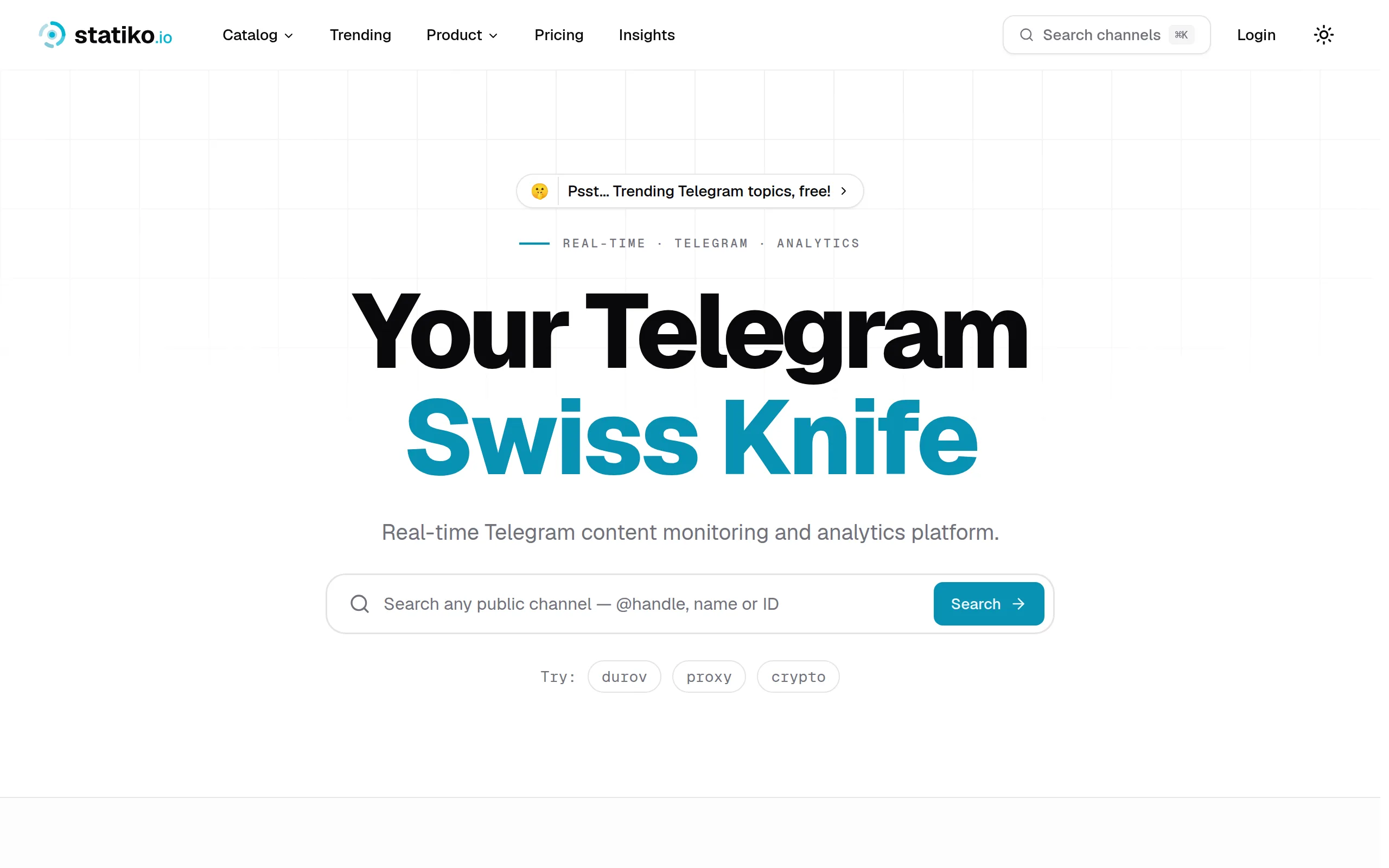
Statiko
Monitor any Telegram channel in real time - track posts, edits, deletions, and growth with AI recaps 📡
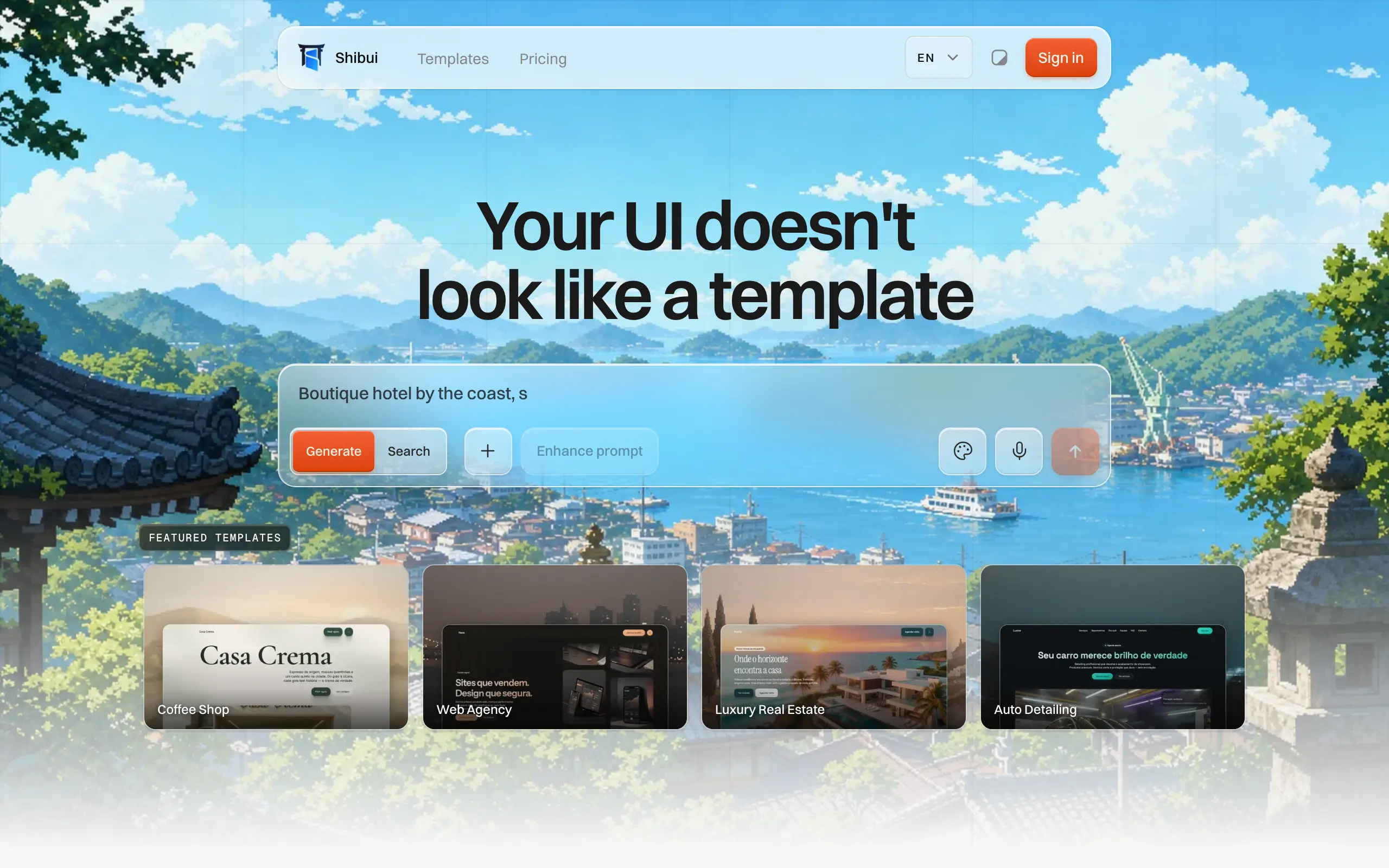
Shibui
AI website builder - describe your business, pick a niche template, edit by chatting, and publish instantly ✨

Pro Service
Find verified home service professionals, compare quotes, and pay securely through escrow - built for Brazilians across the US 🏠
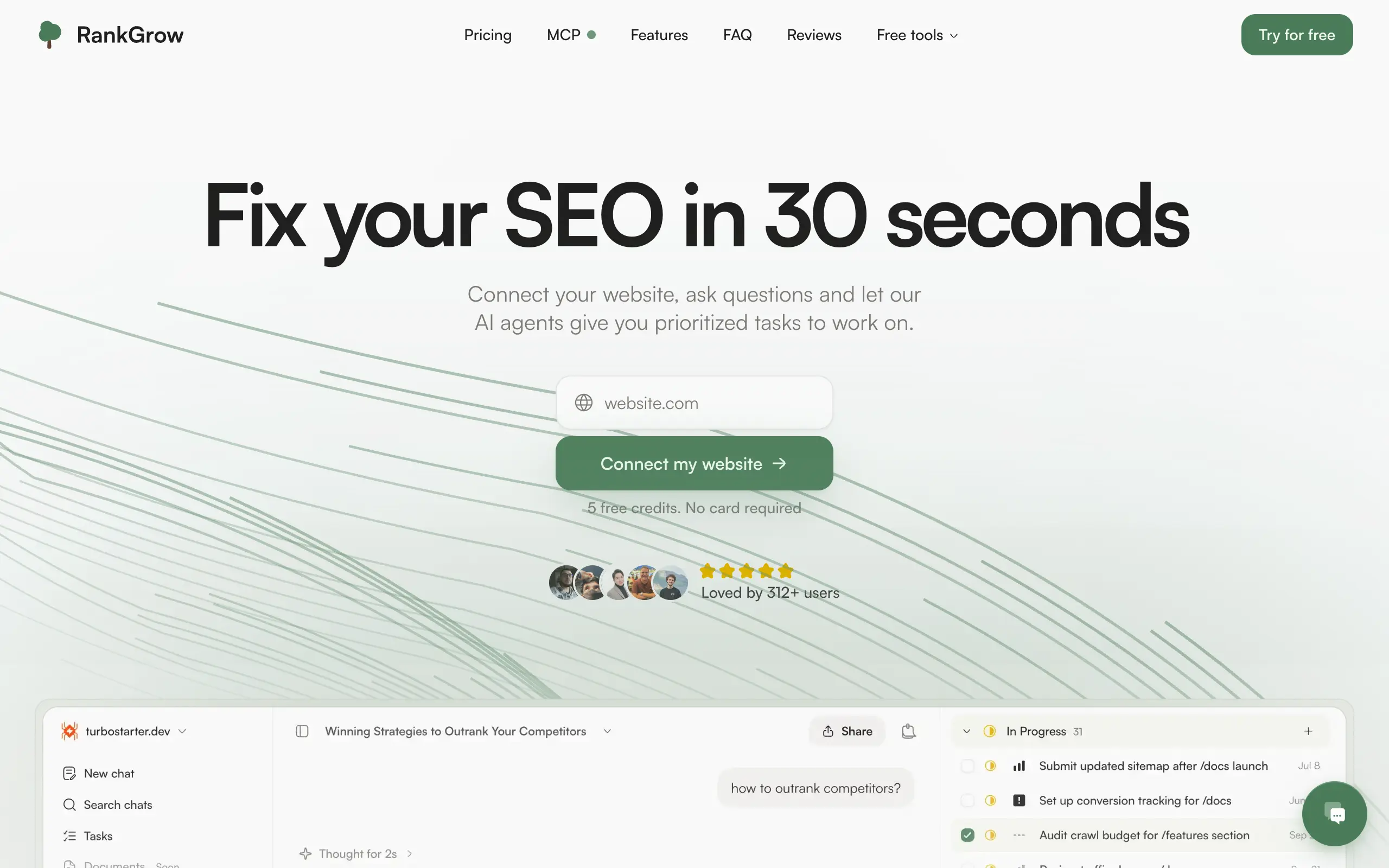
RankGrow
Fix your SEO with AI agents - connect Search Console, get prioritized tasks, and grow organic traffic 📈
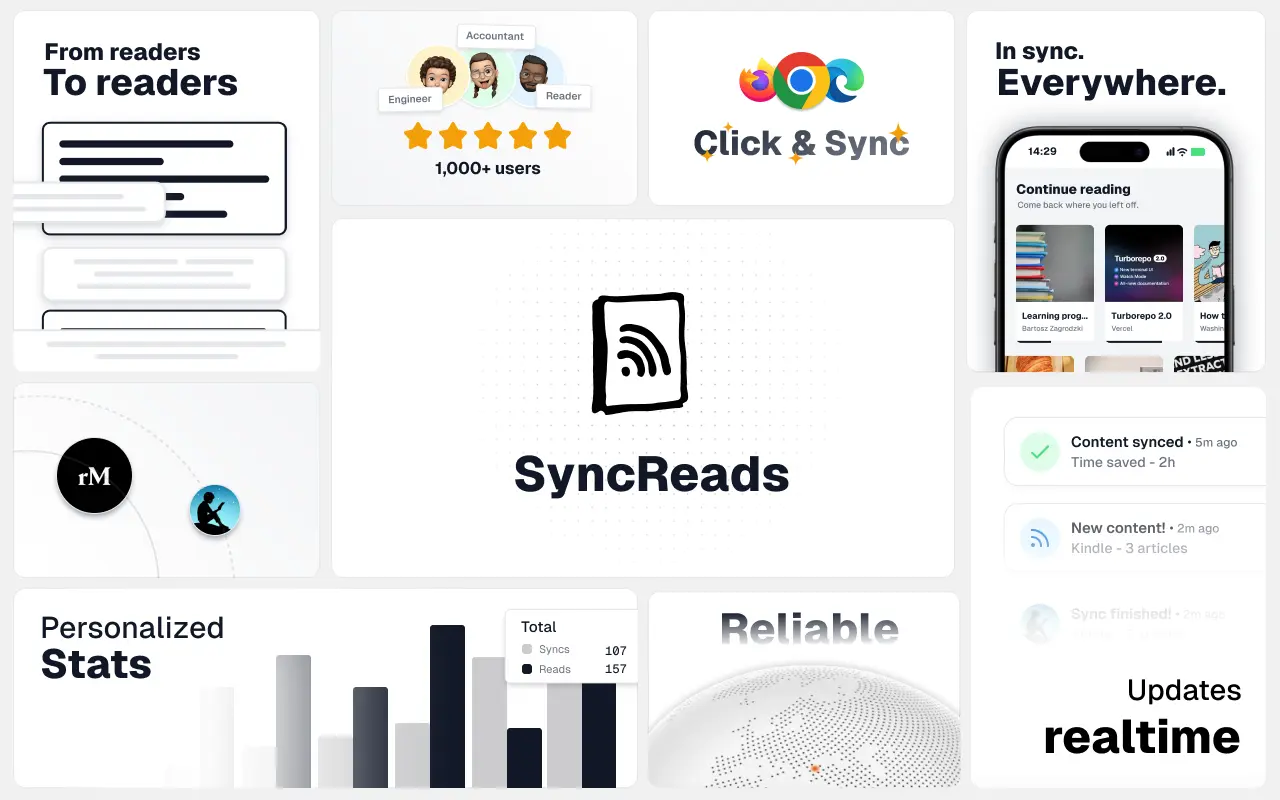
SyncReads
Sync your favorite content for distraction-free reading, save time and replace multiple apps. Anytime, anywhere 🔄
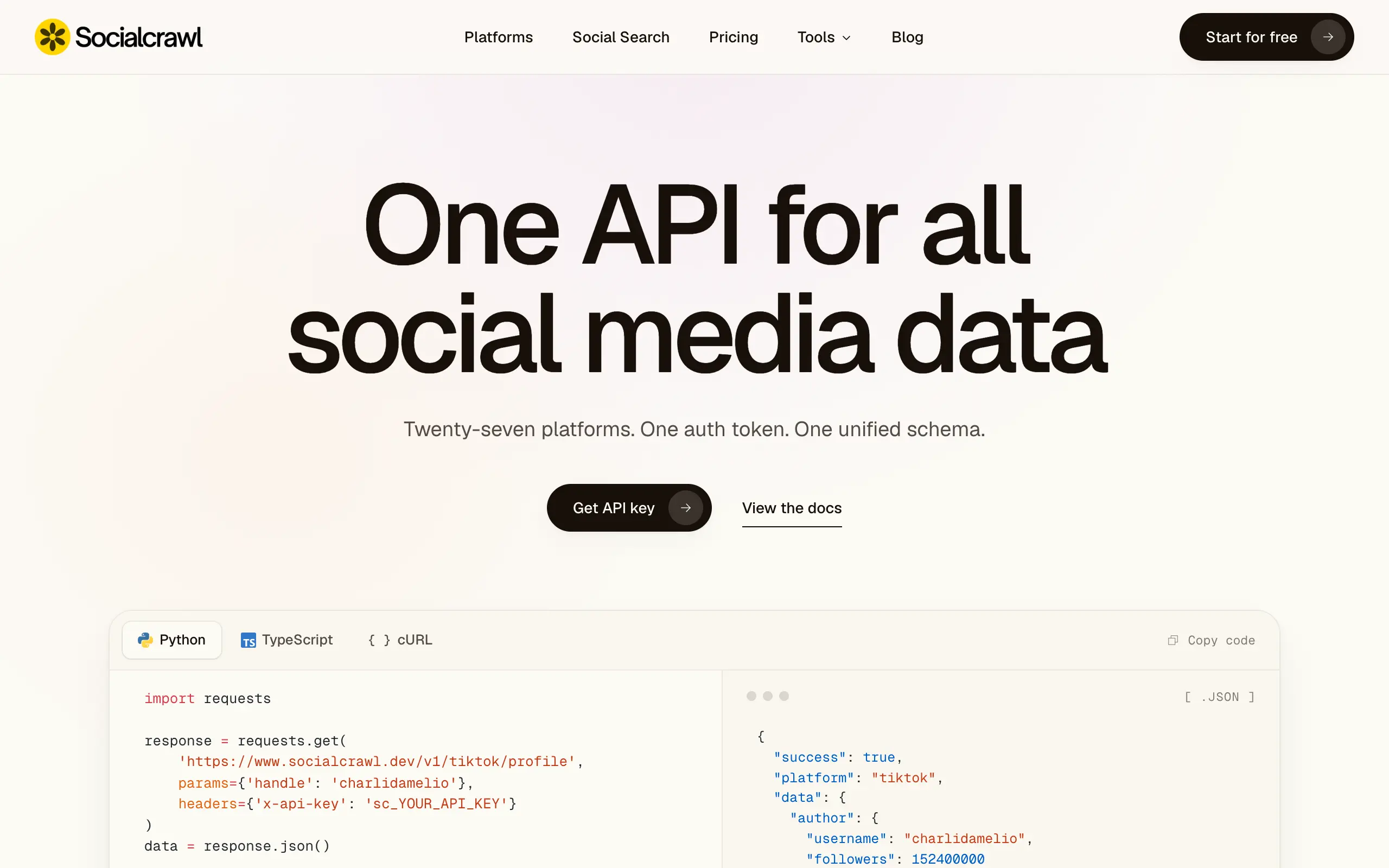
Socialcrawl
Get clean, structured data from 21 platforms like TikTok, Instagram, and YouTube with a single request 📊
Statiko
Monitor any Telegram channel in real time - track posts, edits, deletions, and growth with AI recaps 📡
Shibui
AI website builder - describe your business, pick a niche template, edit by chatting, and publish instantly ✨
Pro Service
Find verified home service professionals, compare quotes, and pay securely through escrow - built for Brazilians across the US 🏠
RankGrow
Fix your SEO with AI agents - connect Search Console, get prioritized tasks, and grow organic traffic 📈
SyncReads
Sync your favorite content for distraction-free reading, save time and replace multiple apps. Anytime, anywhere 🔄
Socialcrawl
Get clean, structured data from 21 platforms like TikTok, Instagram, and YouTube with a single request 📊
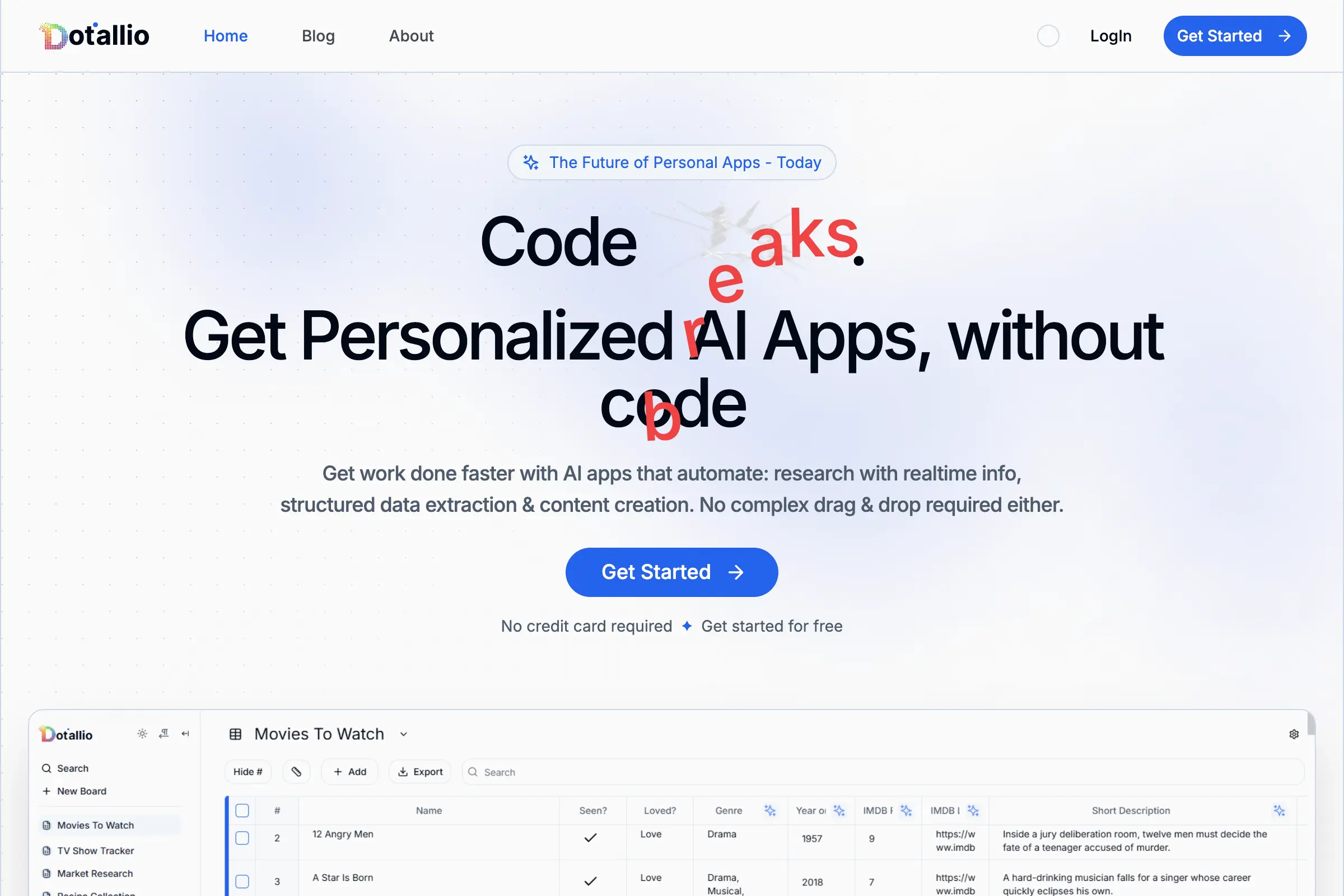
Dotallio
Personalized AI apps that automate research, data extraction, and content creation without code 🤖
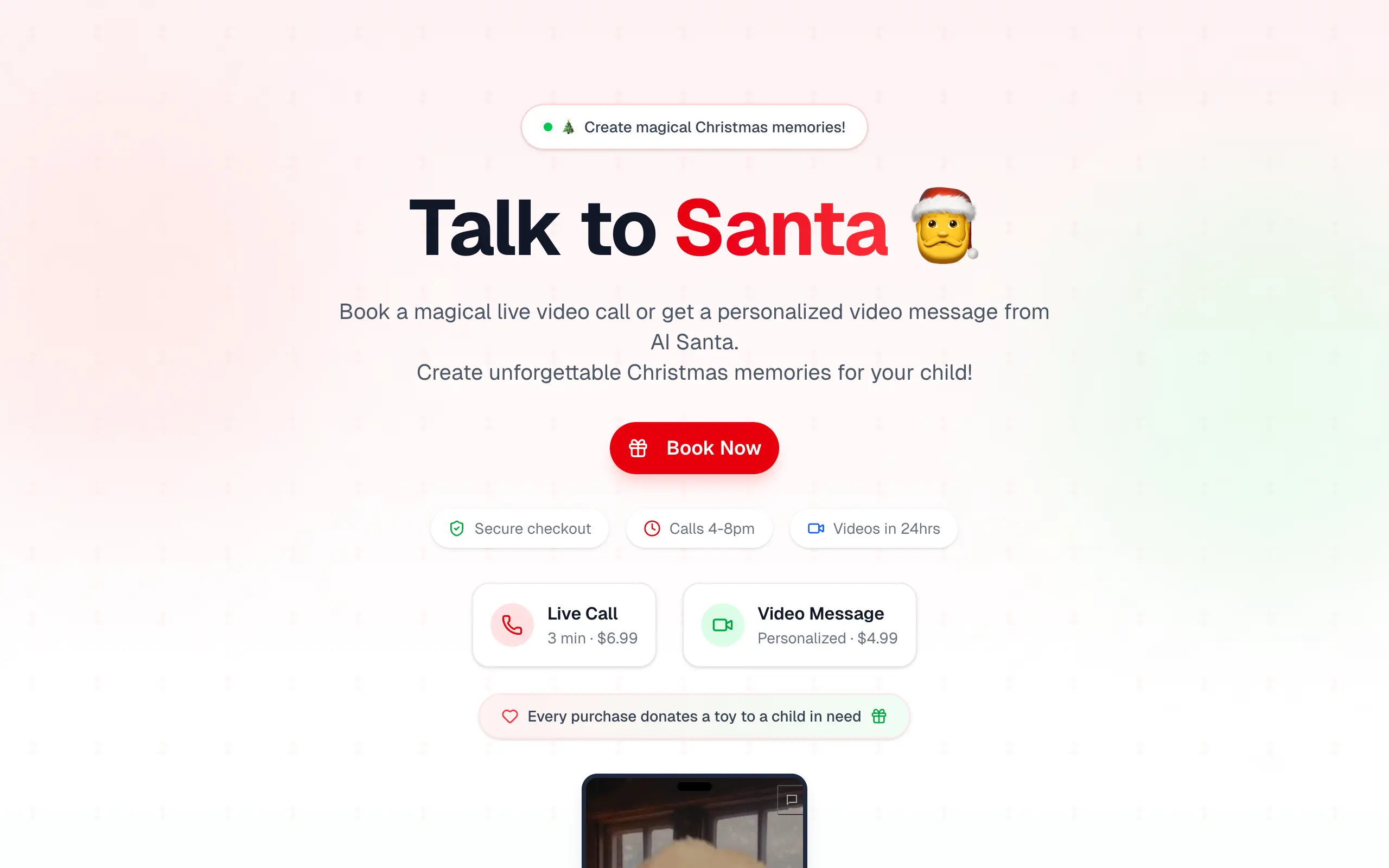
Talk to Santa
Enjoy a magical live video chat or receive a unique AI-generated video greeting from Santa Claus 🎅
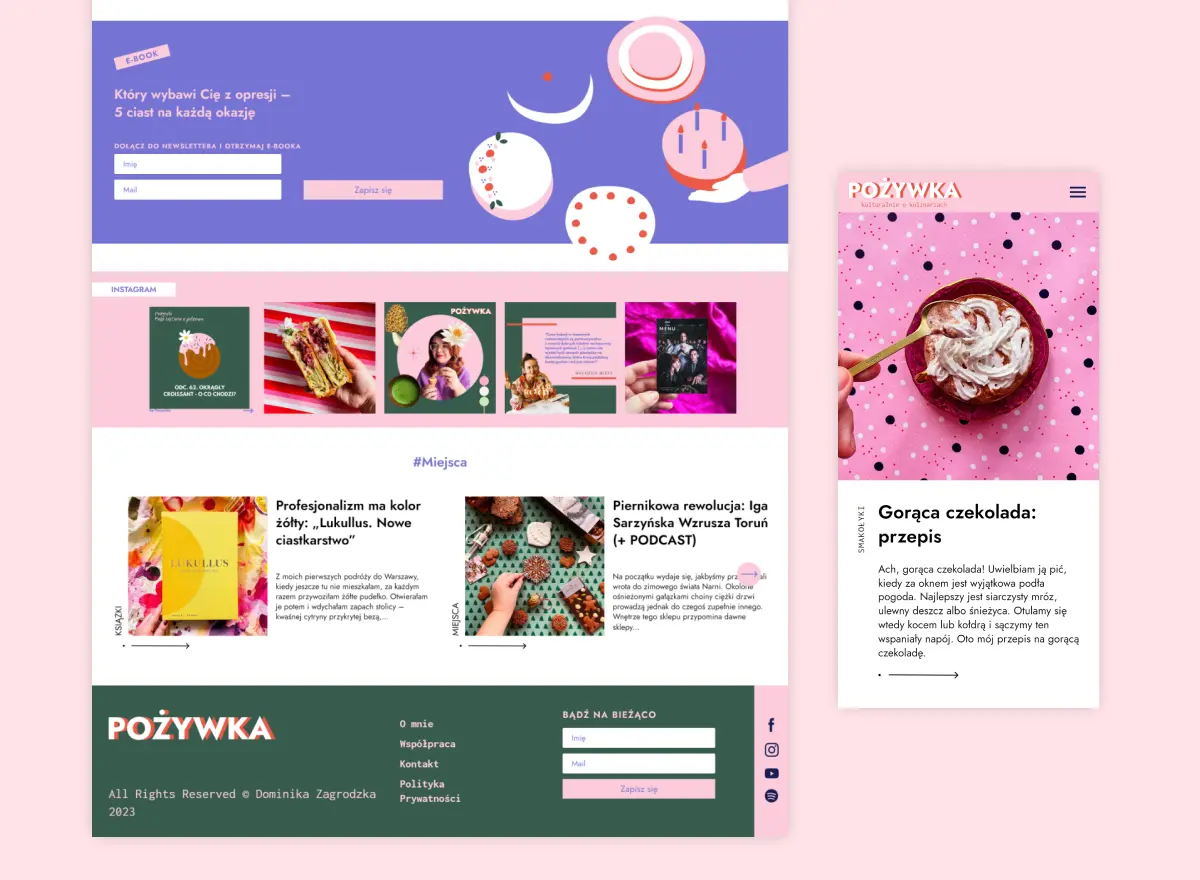
pozywka.pl
Scalable blog for food journalist, focused on performance and user experience 🌭
zagrodzki.me
Personal blog and portfolio of Bart Zagrodzki, where he shares his knowledge and work 💼
TurboStarter
Ship your startup everywhere. In minutes.
HTML to Markdown
Convert HTML to Markdown with ease, directly in your browser 📄
Dotallio
Personalized AI apps that automate research, data extraction, and content creation without code 🤖
Talk to Santa
Enjoy a magical live video chat or receive a unique AI-generated video greeting from Santa Claus 🎅
pozywka.pl
Scalable blog for food journalist, focused on performance and user experience 🌭
zagrodzki.me
Personal blog and portfolio of Bart Zagrodzki, where he shares his knowledge and work 💼
TurboStarter
Ship your startup everywhere. In minutes.
HTML to Markdown
Convert HTML to Markdown with ease, directly in your browser 📄
Omichat
Chat with 50+ AI models, including ChatGPT and Claude, in one place - switch models anytime without losing context 🤖
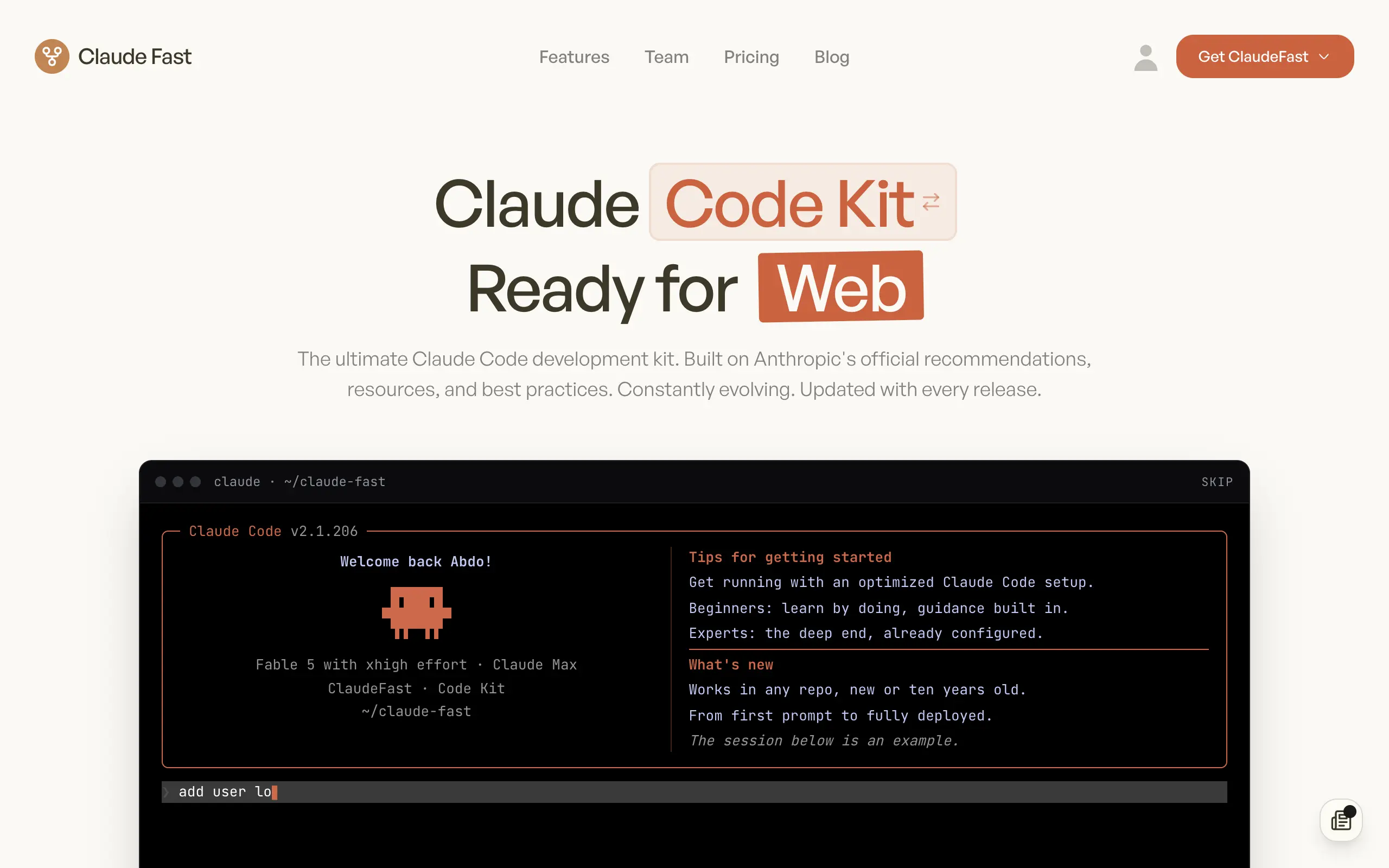
Claude Fast
Supercharge your Claude Code with 6x effective context window and specialized AI agents 🤖
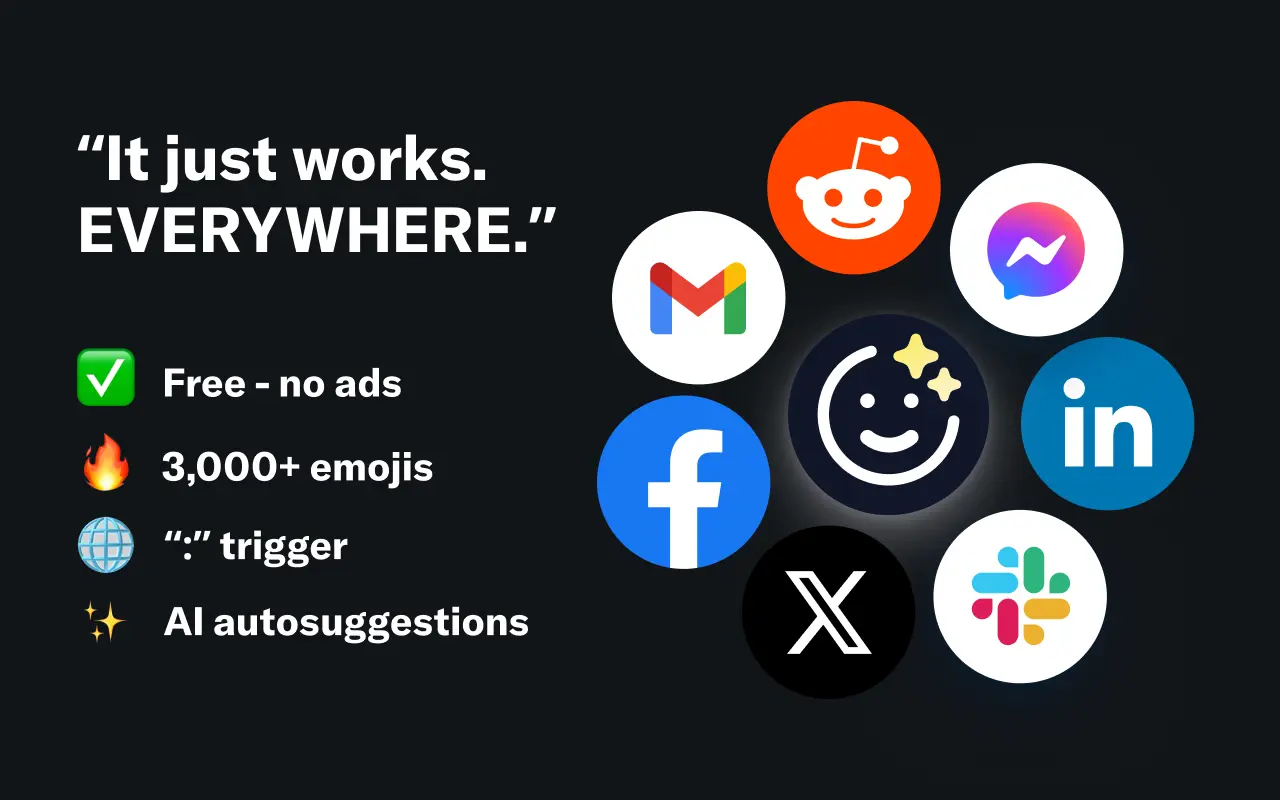
EmojAI
AI-powered emoji picker with smart, context-aware suggestions 🤖
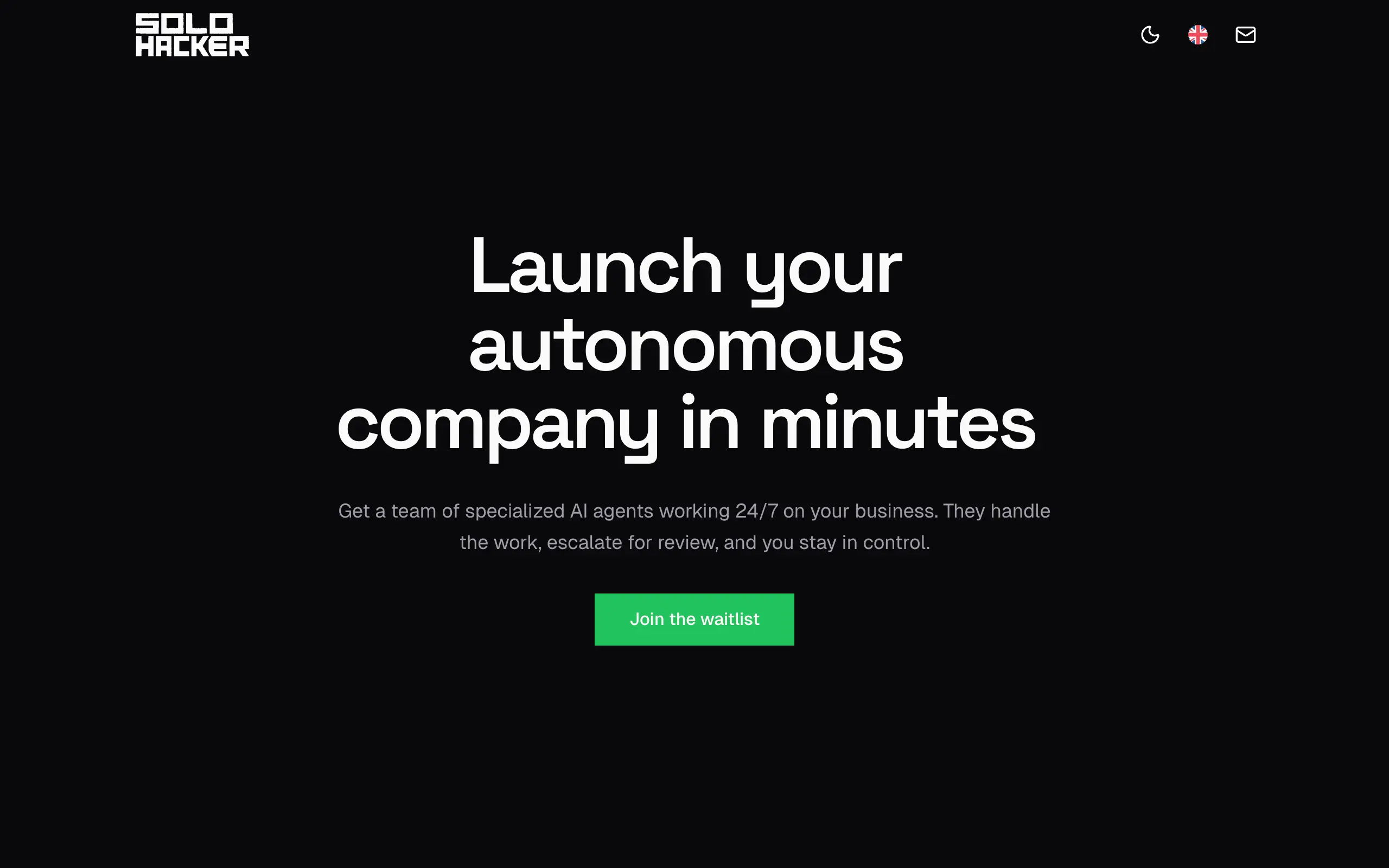
Solohacker
Autonomous company launcher - AI agents work 24/7, escalate what matters, and you stay in control 🤖
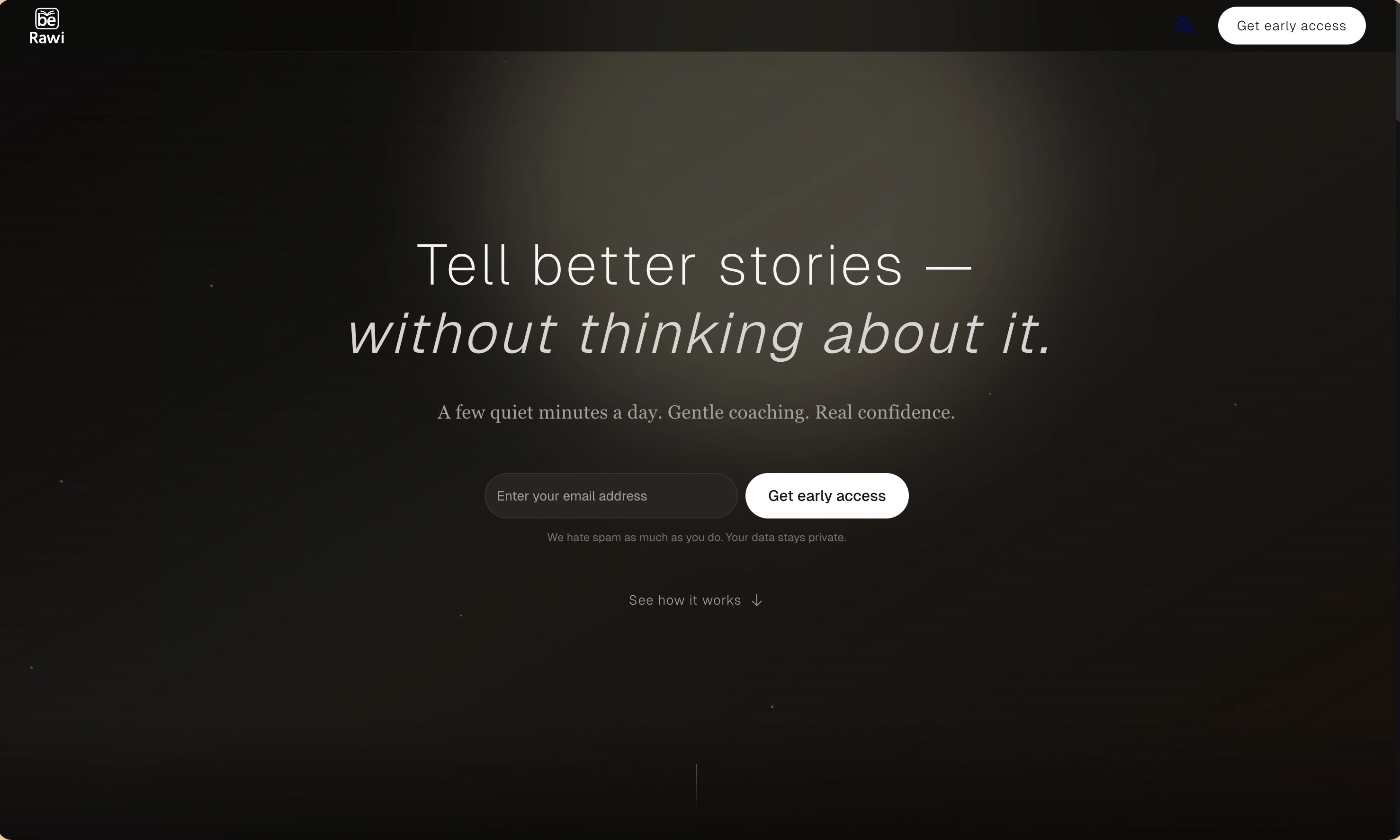
BeRawi: Storytelling Coach
Practice storytelling daily with instant feedback to sound clearer, more engaging, and confident 🎤
Omichat
Chat with 50+ AI models, including ChatGPT and Claude, in one place - switch models anytime without losing context 🤖
Claude Fast
Supercharge your Claude Code with 6x effective context window and specialized AI agents 🤖
EmojAI
AI-powered emoji picker with smart, context-aware suggestions 🤖
Solohacker
Autonomous company launcher - AI agents work 24/7, escalate what matters, and you stay in control 🤖
BeRawi: Storytelling Coach
Practice storytelling daily with instant feedback to sound clearer, more engaging, and confident 🎤

Connect with like-minded people
Join our community to get feedback, support, and grow together with 1,000+ builders on board, let's ship it!
Join usShip your startup everywhere. In minutes.
Don't burn tokens on setup and start building features on day one.