LoreSmith Studio
Build living game worlds with AI-generated quests, dialogue, and NPC memories that stay consistent with your characters and story rules.
LoreSmith Studio is an AI game world builder for teams that want to create quests, dialogue, characters, and persistent NPC memories without losing control of canon. Its opportunity is not simply generating more game writing. It is helping writers and designers build living, internally consistent worlds where every new piece of content respects established characters, factions, locations, lore, and narrative rules.
For indie studios, tabletop creators, visual novel teams, RPG developers, and interactive-fiction publishers, the hardest content problem is rarely finding a single good idea. It is maintaining continuity after hundreds of quests, thousands of dialogue lines, and dozens of branching player decisions. LoreSmith Studio addresses that challenge by turning a project’s narrative bible into a usable AI-assisted production system.
The core value proposition
LoreSmith Studio should position itself as a canon-aware AI narrative workspace: a place where game teams create content faster while preserving the logic, voice, and history of their worlds.
Why an AI game world builder is needed now
Modern games increasingly rely on large volumes of narrative content. Even comparatively small projects may include branching dialogue, companion relationships, codex entries, item descriptions, lore documents, quest objectives, barks, and environmental storytelling. As a world grows, every addition can introduce contradictions.
A writer may accidentally describe a character as distrustful of magic in one quest and enthusiastic about it in another. A quest generator may place an NPC in two regions at the same time. A dialogue draft can reveal information that the player has not discovered yet. These are not minor editorial errors. They damage player immersion and can create expensive rework late in production.
General-purpose AI writing tools can draft text quickly, but they are not designed to understand a specific game’s canon by default. They typically rely on a single prompt, a short document upload, or disconnected conversation history. That makes them useful for ideation but unreliable for long-running narrative production.
LoreSmith Studio can fill the gap between:
- Generic AI copy generation
- Static tools such as spreadsheets and wiki pages
- Full narrative design suites that may not provide AI-assisted canon retrieval
- Custom in-house writing pipelines that are expensive to build and maintain
The product’s central promise should be clear: generate game content from your world’s rules, not from a blank page.
Target audience for LoreSmith Studio
The ideal market is not every person who writes fiction. LoreSmith Studio is most valuable for creators who must manage structured, evolving lore across interactive experiences.
Indie game studios building narrative-heavy titles
Independent studios are a strong initial audience because they often have limited narrative staffing but ambitious RPG, adventure, simulation, survival, or strategy concepts. A small team may have one writer, one game designer, and several developers. Everyone contributes to content, but no one has enough time to manually audit every lore dependency.
These teams need an AI narrative tool that can:
- Draft quest variations from existing narrative rules
- Generate NPC dialogue in a defined voice
- Flag apparent conflicts with established lore
- Keep content organized by location, chapter, character, and faction
- Export structured data for implementation
The buyer may be a creative director, lead designer, narrative designer, or studio founder. The daily user is likely a narrative designer, writer, game master, or content designer.
Tabletop RPG creators and game masters
Tabletop role-playing game creators need a fast way to generate adventures while preserving continuity across campaigns. A game master running a long campaign has the same continuity issue as a game studio, but with less time and fewer formal tools.
LoreSmith Studio can serve this audience through campaign memory, session summaries, NPC relationship tracking, faction goals, rumor generation, and spoiler-aware content. This segment is highly engaged and can become an effective early-adopter community, although it may have lower average revenue per account than professional studios.
Visual novel and interactive fiction teams
Visual novels, dating simulations, choice-driven adventures, and interactive fiction require exceptional consistency in character voice and relationship states. One incorrect dialogue line can undermine a relationship arc that spans dozens of scenes.
For these users, the product should emphasize:
- Relationship-aware dialogue
- Branch-aware scene generation
- Character voice profiles
- Spoiler controls
- Scene and chapter continuity checks
Larger studios and outsourced narrative teams
Larger studios may become an enterprise segment after LoreSmith Studio has strong permissions, audit logs, security controls, and integrations. These organizations care about workflow governance as much as writing quality.
Their requirements often include:
- Role-based access control
- Project-level content policies
- Approval workflows
- Private model or bring-your-own-model options
- Export APIs and game engine integrations
- Clear data retention and intellectual property protections
The market gap in AI narrative design
The key market gap is persistent narrative intelligence. Many AI tools can generate a quest. Fewer can explain why that quest is compatible with a project’s existing world state.
A useful AI game world builder should understand several types of information at once:
- "World rules": magic systems, technology limits, social norms, geography, timeline constraints, and tone
- "Character facts": motivations, fears, relationships, occupation, speech patterns, secrets, and personal history
- "Narrative state": what the player knows, which quests are active, completed choices, faction reputation, and story chapter
- "Content rules": rating restrictions, localization guidance, banned themes, style rules, and terminology
- "Production metadata": owner, status, linked assets, implementation notes, and approval state
This is more complicated than attaching a long document to a chatbot. The system must retrieve the right facts, identify uncertainty, preserve provenance, and present generated content as a draft that a human can review.
The writer problem
Writers lose time searching wikis, reconciling notes, and rewriting content after continuity issues are found.
The designer problem
Designers need quests that support gameplay loops, pacing, rewards, player agency, and current world state.
The production problem
Studios need structured, reviewable content that can move from narrative draft to implementation without creating chaos.
A strong positioning statement would be:
LoreSmith Studio helps game teams generate canon-aware quests, dialogue, and NPC behavior from a living world model.
Core features for a canon-aware AI narrative platform
The first version of LoreSmith Studio should solve a narrow but high-value workflow well. Avoid trying to be a game engine, full writing app, asset manager, and AI model platform on day one.
World bible and lore graph
The foundation is a structured world bible. Users should be able to create and connect entities such as characters, factions, locations, items, events, rules, and quests.
Every entity needs both freeform and structured fields. For example, an NPC profile could include:
- Name, aliases, and pronouns
- Personality traits and speech style
- Role, faction, and location
- Public knowledge and private secrets
- Relationships with other entities
- Known timeline events
- Current goals and emotional state
- References to source documents
- Status such as active, deceased, missing, or unavailable
The product should represent these connections as a lore graph. A quest involving a royal spy should retrieve related faction history, the spy’s relationships, local political conflicts, and any existing player choices that matter.
This graph becomes a defensible data layer. Competitors can access similar language models, but they cannot easily replicate a studio’s organized, permissioned world context.
AI quest generator with constraints
Quest generation should not begin with a blank prompt box. It should use a guided workflow that captures the designer’s intent.
A quest brief can ask for:
- Quest type
- Intended player level or game chapter
- Location
- Involved characters
- Required gameplay activity
- Emotional tone
- Player choice requirements
- Reward category
- Story facts that must be revealed or protected
- Canon restrictions
The resulting output should include more than prose. It should create structured quest components:
- Quest premise
- Entry conditions
- Objectives
- Major beats
- NPC involvement
- Branches and outcomes
- Failure states
- Rewards
- Lore references
- Implementation notes
The most important usability feature is not “generate.” It is show your work. Writers should see which lore entries informed a draft and which assumptions the AI made.
Character voice and dialogue generation
Dialogue is where generic AI can feel particularly generic. LoreSmith Studio needs character voice controls that go beyond a few adjectives.
A robust character voice profile can include:
- Vocabulary complexity
- Sentence length and rhythm
- Common expressions
- Formality level
- Emotional tendencies
- Taboo phrases
- Cultural references
- Regional dialect guidance
- Relationships that influence tone
- Examples of approved dialogue
Dialogue generation should also respect the listener, location, scene goal, player knowledge, and story state. A guarded captain should not greet the player in the same way after a betrayal, a promotion, or the discovery of a family secret.
NPC memories and world state
Persistent NPC memory is the feature most likely to make LoreSmith Studio memorable. It should not mean storing every line of generated text forever. That approach becomes expensive, noisy, and difficult to reason about.
Instead, use a layered memory model:
Stable memories are long-term facts that should rarely change, such as an NPC's family history, ideology, profession, or core fear.
Episodic memories record important events, such as a player saving the NPC, stealing from the faction, or revealing a secret. They should include dates, confidence, and narrative impact.
Working context contains short-term scene facts, current objectives, nearby characters, and the player’s immediate conversation history.
A memory system should include confidence and visibility controls. A rumor heard by an NPC is not the same as a confirmed fact. A secret held by one character should not automatically become available to every other NPC.
This distinction is essential for narrative credibility. It enables a world where characters can misunderstand events, retain grudges, share incomplete information, and react according to what they plausibly know.
Continuity checker and contradiction detection
A continuity checker is a practical, high-retention feature. Before content is approved, LoreSmith Studio can assess whether it conflicts with known lore.
Useful checks include:
- Timeline conflicts
- Character location conflicts
- Death, injury, or availability conflicts
- Incorrect faction membership
- Relationship inconsistencies
- Tone or content-policy violations
- Premature spoiler disclosure
- Contradictory world rules
- Duplicate quest premises
- Unresolved placeholders
The system should not present every issue as a definitive error. AI inference can be wrong. Instead, categorize results by confidence:
- "High confidence conflict": directly contradicts an established, approved fact
- "Needs review": appears inconsistent but may reflect an intentional narrative development
- "Missing context": the AI could not verify a required fact
- "Suggestion": a possible improvement to tone, pacing, or clarity
Do not over-automate canon decisions
Continuity checking should support editorial judgment, not replace it. Narrative teams need the ability to override warnings and record why an exception is intentional.
Collaborative approvals and version history
Game narrative content changes constantly. Without versioning, an AI-assisted content tool can become another source of confusion.
Every key object should have version history, comments, ownership, status, and approval records. At minimum, users should be able to move work through statuses such as draft, in review, approved, implemented, and archived.
For professional teams, add:
- Mention notifications
- Change comparison
- Approval gates
- Content locks
- Reviewer assignments
- Restore points
- Audit history
These capabilities make LoreSmith Studio more trustworthy for studio workflows than a consumer chatbot.
Recommended tech stack for LoreSmith Studio
A modern SaaS stack should prioritize fast iteration, reliable multi-tenant data handling, AI observability, and structured content retrieval.
Frontend and product application
A practical frontend choice is React with Next.js. React supports a responsive, component-driven editing experience, while Next.js offers server-side capabilities, routing, and deployment flexibility for SaaS applications.
Use Tailwind CSS for design consistency and rapid UI development. The product will need complex interfaces, including a rich editor, entity graph, diff viewer, AI generation drawer, and review queue. A utility-first system makes it easier to maintain a coherent interface as the product evolves.
For rich text editing, consider a structured editor framework such as Tiptap. It is useful when content needs embedded links to lore entities, inline comments, variables, and exportable narrative data.
Database and world model
Use PostgreSQL as the source of truth. It is mature, reliable, and well-suited to relational data such as users, projects, entities, relations, permissions, drafts, approvals, and event history.
A hybrid data model is typically best:
- Relational tables for core entities, memberships, permissions, and workflows
- JSONB fields for flexible entity attributes
- A relationship table for lore graph edges
- Vector embeddings for semantic retrieval
- Event records for player state and NPC memory updates
pgvector can be a good early-stage option because it keeps vector search close to the primary database. This reduces architecture complexity and makes filtering by project, entity type, approval state, or permissions easier.
The trade-off is that dedicated vector databases may offer more specialized scaling options for extremely large retrieval workloads. For most early SaaS products, PostgreSQL plus pgvector is simpler to operate and sufficiently capable.
AI orchestration and retrieval
The AI layer should use retrieval-augmented generation, often abbreviated as RAG. In this architecture, LoreSmith Studio retrieves relevant approved world facts before asking a language model to generate text.
A high-quality generation pipeline should:
- Receive the user’s requested task and structured constraints.
- Retrieve canonical facts from the relevant project.
- Filter results by permissions, spoiler state, and approval status.
- Build a compact, traceable prompt.
- Generate structured output using a schema.
- Run continuity checks and policy checks.
- Store sources, model settings, and user edits for auditability.
Use schema validation to ensure that quest outputs contain expected fields. For example, a quest should not be saved as approved if it lacks objectives, referenced characters, or completion conditions.
type QuestDraft = {
  title: string
  premise: string
  objectives: string[]
  involvedCharacterIds: string[]
  loreSourceIds: string[]
  playerChoices: Array<{
    choice: string
    consequence: string
  }>
  continuityWarnings: string[]
}
Structured outputs are significantly easier to review, export, search, and integrate than a single long block of generated prose.
Authentication, billing, and observability
Use a mature authentication provider or a carefully designed authentication layer with support for organizations, roles, and secure sessions. Since creative work is sensitive intellectual property, access boundaries must be treated as a core product feature.
For payments, Stripe is a widely adopted option for subscriptions, usage-based billing, invoices, and tax-related workflows.
AI applications also need observability. Track generation latency, retrieval quality, model cost, output acceptance rates, and user edits. If a feature generates content that users always rewrite, it is not creating enough value.
For a faster production-ready foundation, TurboStarter can reduce the time required to assemble common SaaS essentials such as authentication, billing foundations, dashboards, and application structure.
Monetization strategy for an AI narrative SaaS
LoreSmith Studio should combine seat-based pricing with AI usage limits. This aligns revenue with team size while protecting margins when customers generate substantial volumes of content.
| Plan | Best for | Projects | AI usage | Key capability |
|---|---|---|---|---|
| Free | Solo creators | Limited | Monthly allowance | World bible and basic generation |
| Creator | Game masters and writers | Multiple | Higher allowance | NPC memories and exports |
| Studio | Indie teams | Shared workspaces | Included plus metered | Review workflows and collaboration |
| Enterprise | Larger studios | Custom | Contracted | Security, SSO, and custom integrations |
Potential monetization options include:
- Per-seat subscriptions for collaboration and governance features
- AI generation credits for variable model costs
- Premium model access for higher-quality or faster generations
- Paid game engine export connectors
- Private knowledge base and advanced permissions as enterprise features
- Professional onboarding for studios migrating legacy narrative bibles
- Template packs for genres such as fantasy RPGs, science fiction, cozy simulation, and mystery games
Avoid charging only by tokens. Most creative teams do not want to think in tokens. Package usage around understandable value, such as generated scenes, quest drafts, active projects, or monthly AI credits.
Competitive advantage and unique selling proposition
LoreSmith Studio’s strongest competitive advantage is not the underlying language model. Foundation models change quickly, and model quality alone is difficult to defend.
The defensible advantage is a workflow built around canonical narrative data, traceable retrieval, structured generation, and persistent state.
How LoreSmith Studio can stand apart
Generic AI chat tools are flexible but do not naturally provide project-level governance, reliable entity relationships, approval status, or source citations.
Traditional lore wikis are useful for documentation but often require users to manually search, interpret, and apply information during writing.
Narrative scripting tools are excellent for implementation but may not be optimized for AI-assisted ideation, knowledge retrieval, or relationship-aware generation.
LoreSmith Studio can connect these needs:
- A world bible that functions as structured production data
- AI content generation grounded in approved sources
- NPC memory that reflects evolving game state
- Continuity checks before content reaches implementation
- Collaborative reviews that preserve editorial control
- Exports that help narrative content move into the game pipeline
The USP should avoid exaggerated claims such as “perfect consistency.” A more credible message is:
Create more interactive content while keeping every quest, character, and conversation grounded in the world your team has approved.
Risks and mitigation strategies
AI narrative software handles sensitive data and subjective creative work. A successful product needs explicit safeguards.
Intellectual property and data privacy
Studios may hesitate to upload unpublished game lore, scripts, and character concepts. LoreSmith Studio must clearly explain data storage, retention, model-provider handling, and training policies.
Mitigation steps include:
- Make project data private by default
- Separate customer data by tenant
- Offer clear deletion controls
- Document whether customer content is used for model training
- Encrypt data in transit and at rest
- Provide enterprise data processing terms
- Add audit logs and access controls
For high-value customers, offer options that reduce external data exposure, such as approved model providers, regional processing choices where feasible, or bring-your-own-model support.
Hallucinations and false canon
AI can confidently invent details. That is especially dangerous in a lore management product because users may assume generated material is authoritative.
Mitigate this through source citations, confidence labels, structured validation, and an “unverified draft” status. The product should make it obvious that generated content becomes canon only after human approval.
Cost volatility
Language model costs can change, and heavy users may generate large amounts of content. Retrieval, long prompts, and repeated revisions can create margin pressure.
Manage this by:
- Summarizing older context
- Caching approved entity summaries
- Using smaller models for classification and checks
- Reserving premium models for final generation
- Enforcing project-level budgets
- Offering transparent usage analytics
Creative sameness
If every quest draft follows the same predictable patterns, users will lose trust in the product’s creative value.
Address this with controlled variation settings, genre templates, designer-defined constraints, multiple concept directions, and style profiles. Encourage the AI to propose alternatives rather than treating the first output as the final answer.
Overreliance on AI
The product should be designed as a co-creation tool. Teams still need writers and designers to set themes, judge quality, refine voice, and decide what becomes canon.
A strong onboarding flow should explicitly frame LoreSmith Studio as a production assistant, not an autonomous narrative director.
Go-to-market strategy for LoreSmith Studio
Start with a focused wedge: indie RPG and narrative-game teams with active projects. They have a real continuity pain point, are comfortable adopting new tools, and can provide detailed feedback.
An effective early marketing approach includes:
- Publish practical guides about game narrative continuity and AI quest design
- Share public templates for NPC profiles, faction bibles, and quest structures
- Build example worlds that demonstrate source-grounded generation
- Create short product videos showing a quest generated from linked lore
- Participate in game development communities and narrative design discussions
- Offer beta access to teams willing to provide workflow feedback
- Develop integrations after validating the core writing workflow
Content marketing should target search intent around terms such as:
- AI game world builder
- AI quest generator
- AI dialogue generator for games
- NPC memory system
- game lore management software
- narrative design tools
- RPG worldbuilding software
- game writing assistant
When publishing industry data, cite primary sources or established research organizations. For example, market-size claims, developer-survey findings, or AI adoption statistics should reference the original report and publication date rather than relying on unsourced summaries.
Actionable implementation roadmap
The fastest path is to build a focused minimum viable product around one repeatable job: helping a writer create a lore-consistent quest draft.
Phase one: validate the workflow
Build the smallest version that supports:
- User accounts and project workspaces
- Character, location, faction, and world-rule records
- Document upload or manual lore entry
- Basic entity linking
- Quest brief form
- Retrieval-grounded quest generation
- Source references in outputs
- Manual editing and export
Interview at least 10 to 20 potential users before expanding the feature set. Watch them work with real project material. Ask where they hesitate, what they verify, and whether the generated output saves time after revision.
Phase two: improve trust and collaboration
Once generation quality is useful, add the workflow features that make the tool dependable:
- Version history
- Comments and reviewer assignments
- Canon approval states
- Continuity warnings
- Character voice profiles
- Relationship tracking
- Project terminology controls
- Usage and cost monitoring
Phase three: build the living-world moat
After the core content workflow has traction, develop advanced NPC memories, event timelines, branch-aware state, game engine exports, and APIs. These features increase switching costs because customers will build richer world models inside the product.
Show a writer selecting a character, location, and story constraint; generating a structured quest; viewing the lore sources used; and receiving a continuity warning before approval. This demonstrates the entire product promise in a few minutes.
Avoid building a full game engine integration, multiplayer runtime NPC system, marketplace, or dozens of genre templates before validating that teams trust the lore-aware writing workflow.
Track the percentage of generated drafts that are edited and saved, the time from brief to approved draft, and weekly active projects. These measures are more meaningful than raw generation volume.
Final takeaway
LoreSmith Studio has a compelling SaaS opportunity because it targets a growing production problem: interactive worlds require more content, but more content creates more continuity risk. The product can win by making AI generation accountable to a project’s canon rather than treating every prompt as an isolated request.
The most valuable version of an AI game world builder is not one that writes the most text. It is one that helps creators make better decisions, preserve character integrity, reduce narrative rework, and confidently scale a world over time.
Build the initial product around source-grounded quest generation and a structured lore graph. Prove that users trust the output, then expand into NPC memory, collaborative approvals, continuity intelligence, and game-production integrations.
More 🤖 AI Startup SaaS ideas
Discover more innovative ai startup SaaS ideas that are trending in 2026. Each idea is AI-generated with market validation and growth potential to help you find your next profitable venture faster than competitors.
Your competitors are building with TurboStarter
Below are some of the SaaS ideas that have been generated and built with our starter kit.
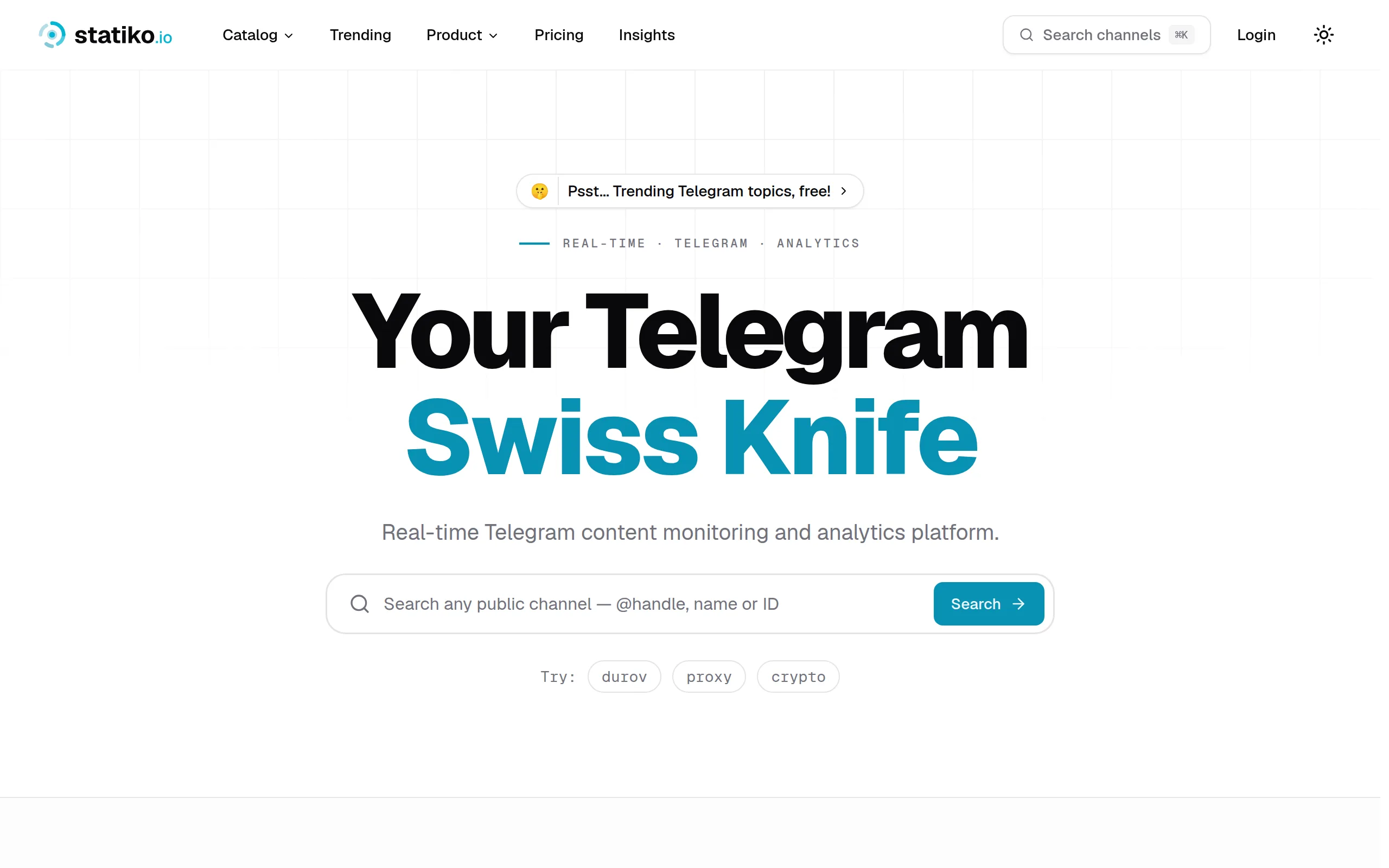
Statiko
Monitor any Telegram channel in real time - track posts, edits, deletions, and growth with AI recaps 📡

Shibui
AI website builder - describe your business, pick a niche template, edit by chatting, and publish instantly ✨

Pro Service
Find verified home service professionals, compare quotes, and pay securely through escrow - built for Brazilians across the US 🏠
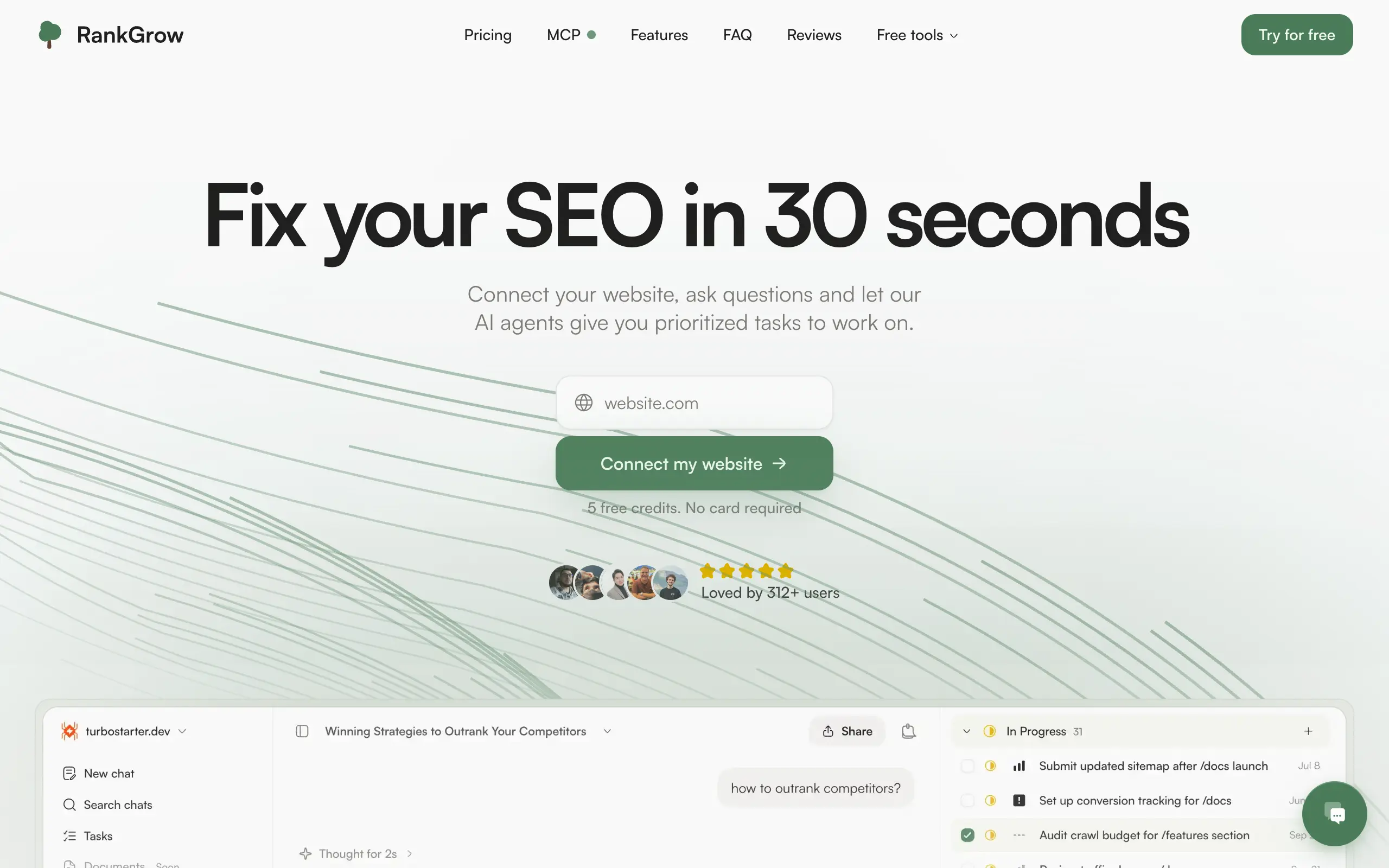
RankGrow
Fix your SEO with AI agents - connect Search Console, get prioritized tasks, and grow organic traffic 📈
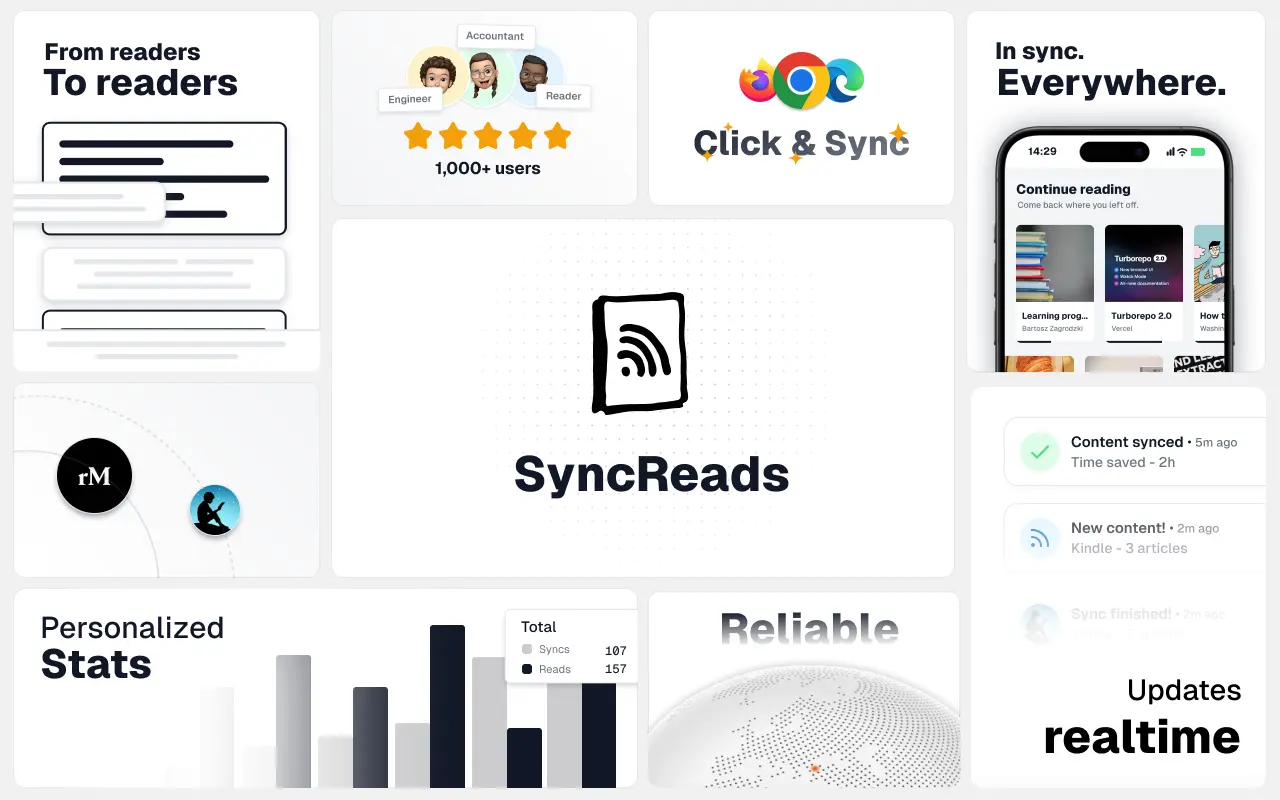
SyncReads
Sync your favorite content for distraction-free reading, save time and replace multiple apps. Anytime, anywhere 🔄
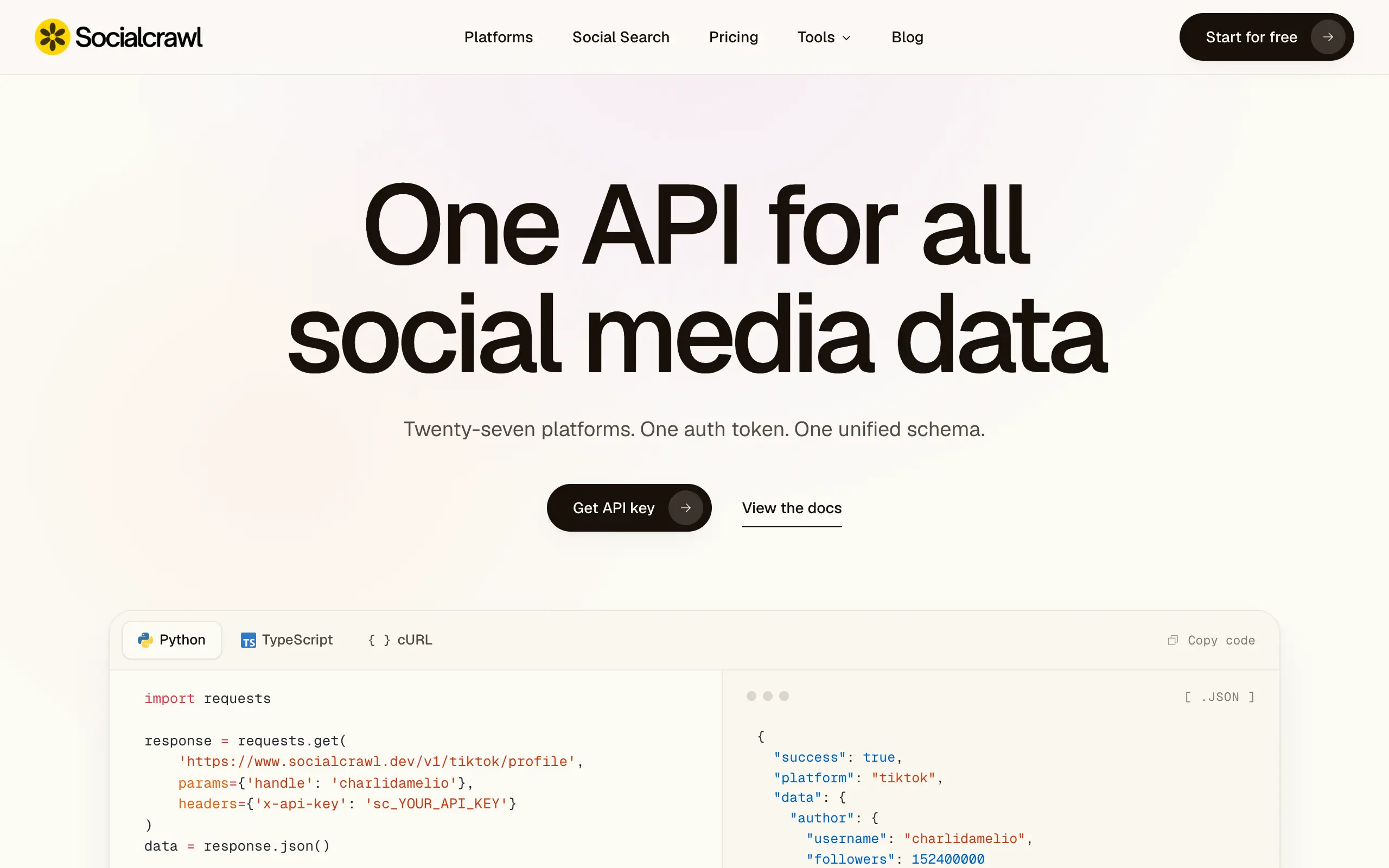
Socialcrawl
Get clean, structured data from 21 platforms like TikTok, Instagram, and YouTube with a single request 📊
Statiko
Monitor any Telegram channel in real time - track posts, edits, deletions, and growth with AI recaps 📡
Shibui
AI website builder - describe your business, pick a niche template, edit by chatting, and publish instantly ✨
Pro Service
Find verified home service professionals, compare quotes, and pay securely through escrow - built for Brazilians across the US 🏠
RankGrow
Fix your SEO with AI agents - connect Search Console, get prioritized tasks, and grow organic traffic 📈
SyncReads
Sync your favorite content for distraction-free reading, save time and replace multiple apps. Anytime, anywhere 🔄
Socialcrawl
Get clean, structured data from 21 platforms like TikTok, Instagram, and YouTube with a single request 📊
Statiko
Monitor any Telegram channel in real time - track posts, edits, deletions, and growth with AI recaps 📡
Shibui
AI website builder - describe your business, pick a niche template, edit by chatting, and publish instantly ✨
Pro Service
Find verified home service professionals, compare quotes, and pay securely through escrow - built for Brazilians across the US 🏠
RankGrow
Fix your SEO with AI agents - connect Search Console, get prioritized tasks, and grow organic traffic 📈
SyncReads
Sync your favorite content for distraction-free reading, save time and replace multiple apps. Anytime, anywhere 🔄
Socialcrawl
Get clean, structured data from 21 platforms like TikTok, Instagram, and YouTube with a single request 📊
Statiko
Monitor any Telegram channel in real time - track posts, edits, deletions, and growth with AI recaps 📡
Shibui
AI website builder - describe your business, pick a niche template, edit by chatting, and publish instantly ✨
Pro Service
Find verified home service professionals, compare quotes, and pay securely through escrow - built for Brazilians across the US 🏠
RankGrow
Fix your SEO with AI agents - connect Search Console, get prioritized tasks, and grow organic traffic 📈
SyncReads
Sync your favorite content for distraction-free reading, save time and replace multiple apps. Anytime, anywhere 🔄
Socialcrawl
Get clean, structured data from 21 platforms like TikTok, Instagram, and YouTube with a single request 📊
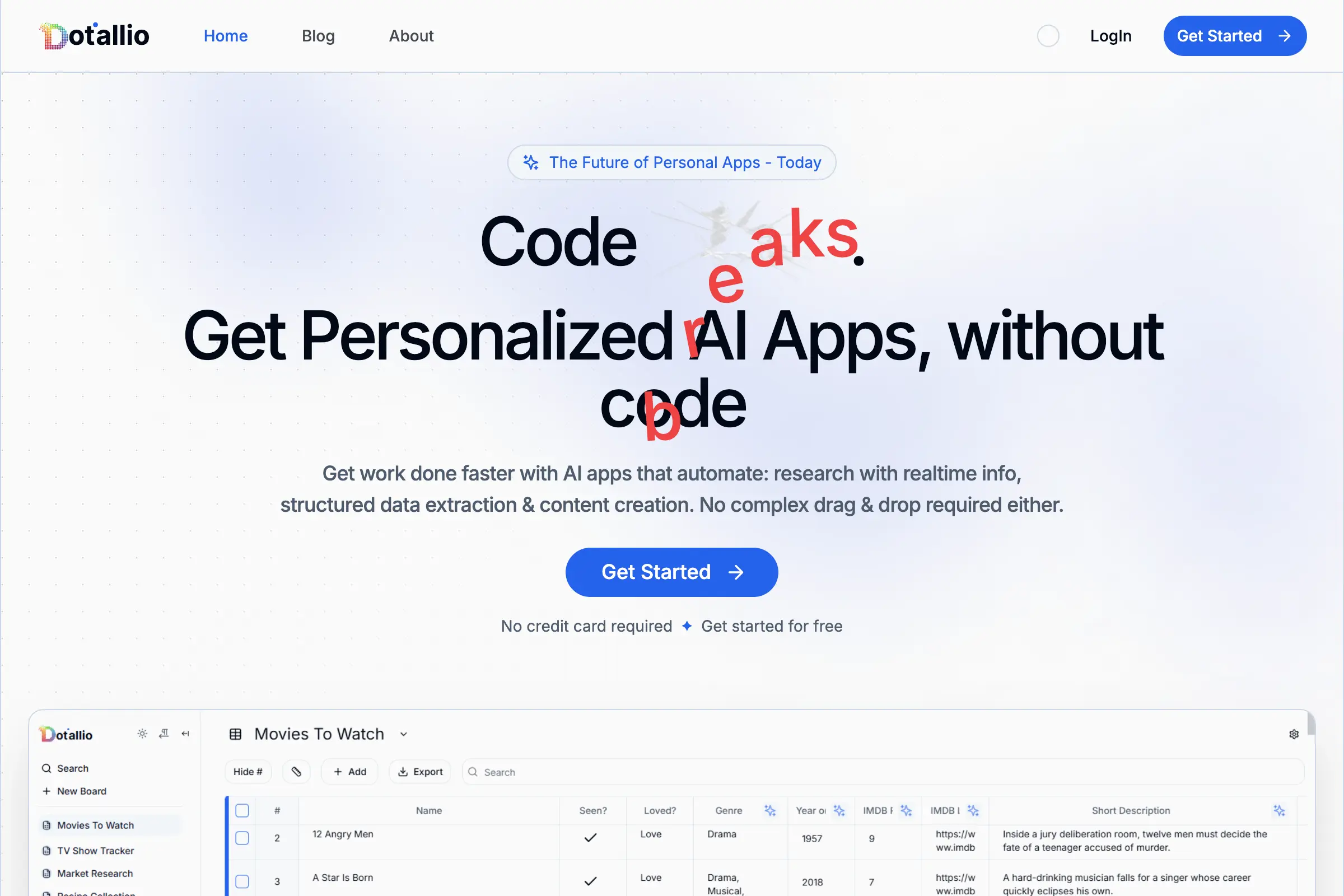
Dotallio
Personalized AI apps that automate research, data extraction, and content creation without code 🤖
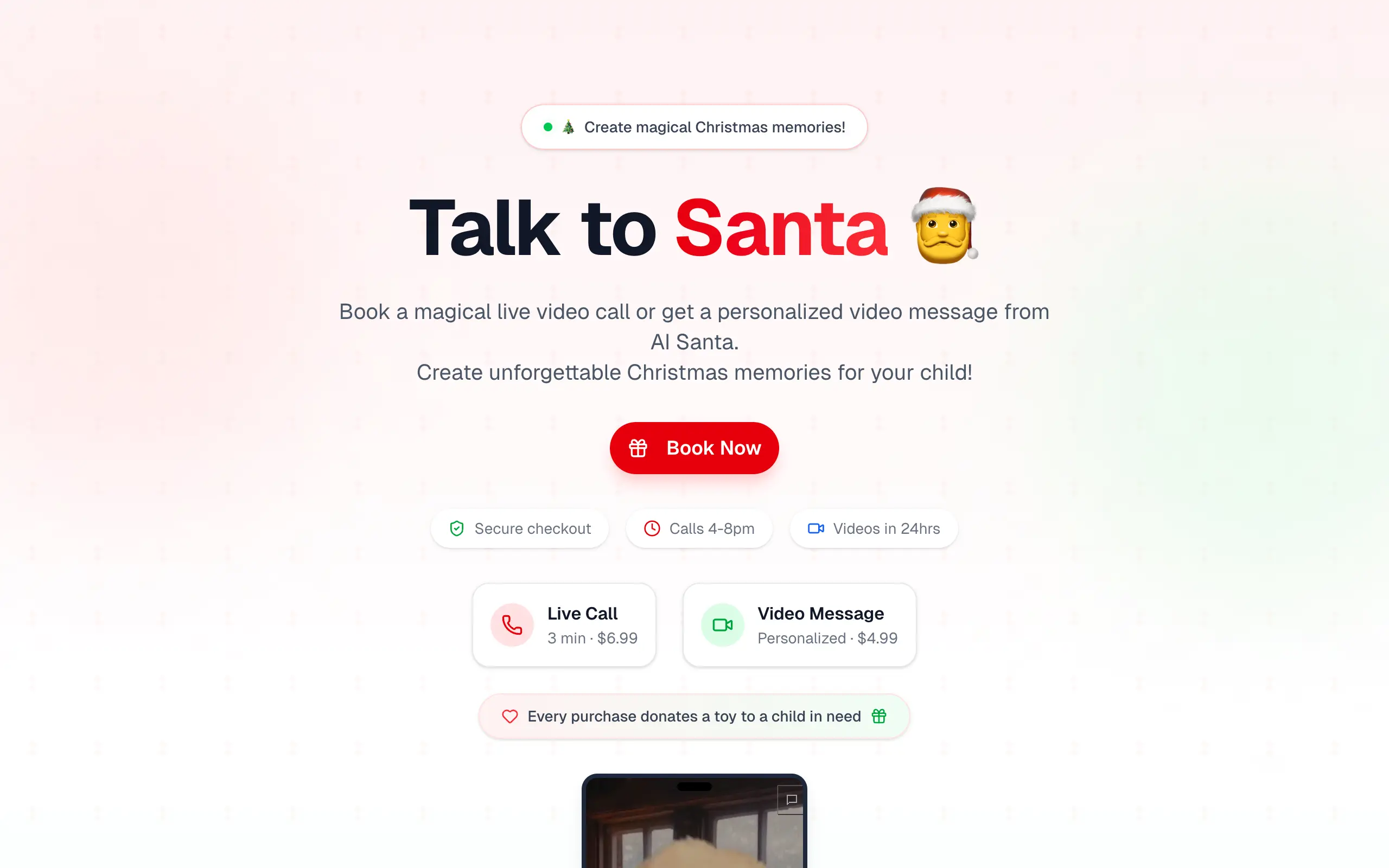
Talk to Santa
Enjoy a magical live video chat or receive a unique AI-generated video greeting from Santa Claus 🎅
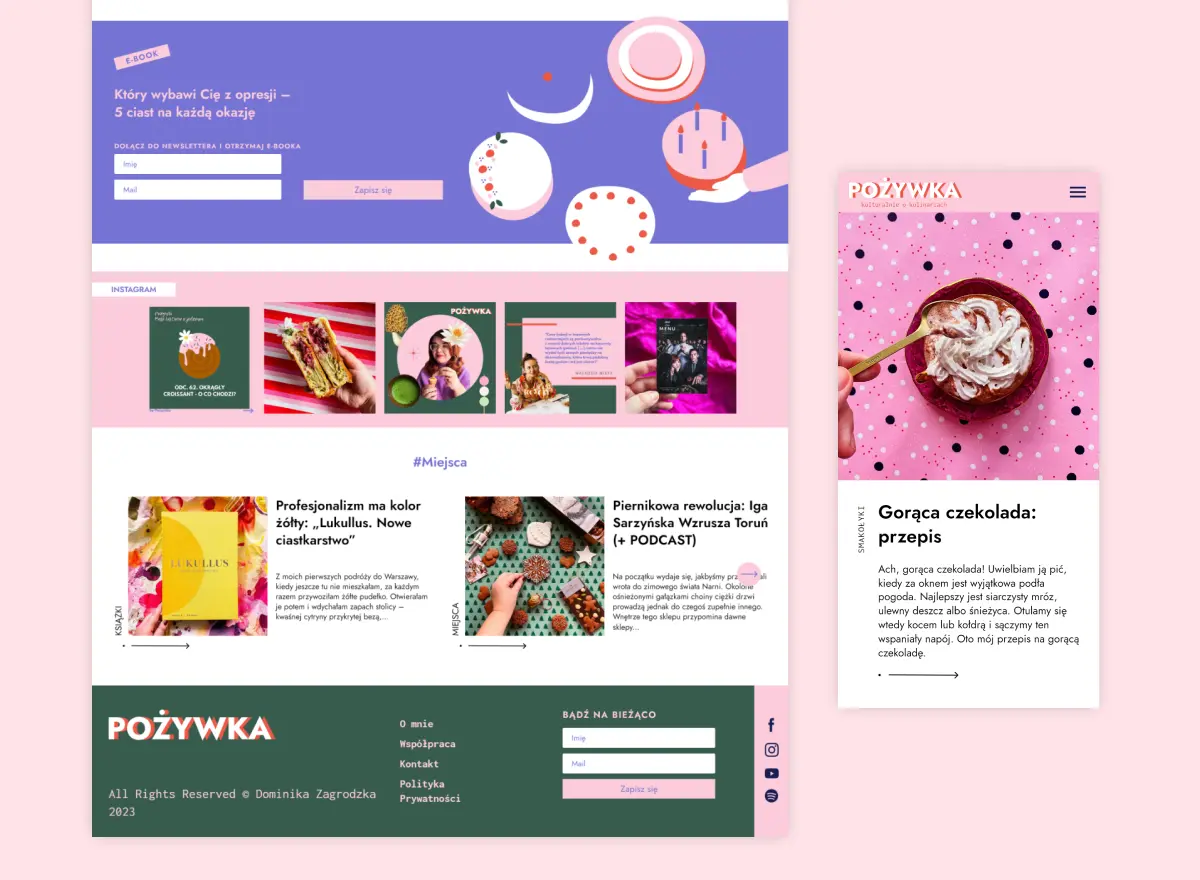
pozywka.pl
Scalable blog for food journalist, focused on performance and user experience 🌭
zagrodzki.me
Personal blog and portfolio of Bart Zagrodzki, where he shares his knowledge and work 💼
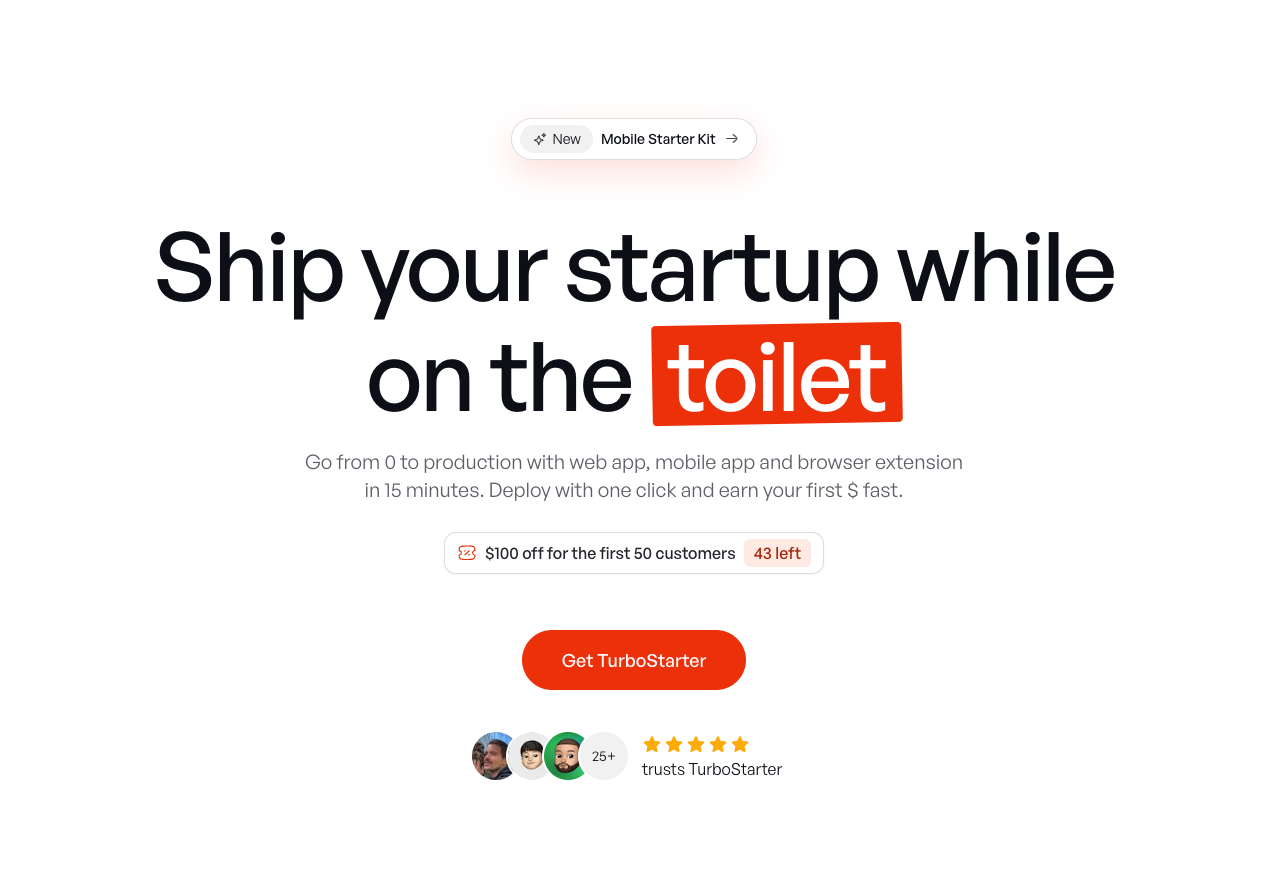
TurboStarter
Ship your startup everywhere. In minutes.
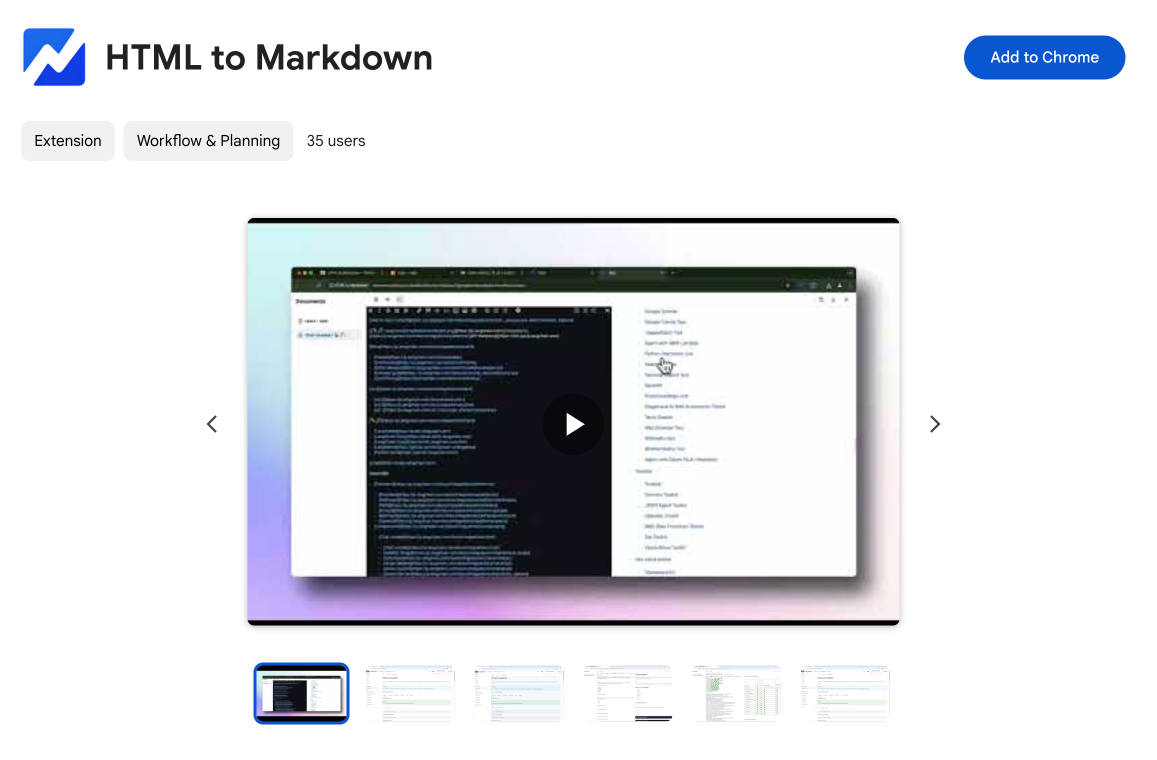
HTML to Markdown
Convert HTML to Markdown with ease, directly in your browser 📄
Dotallio
Personalized AI apps that automate research, data extraction, and content creation without code 🤖
Talk to Santa
Enjoy a magical live video chat or receive a unique AI-generated video greeting from Santa Claus 🎅
pozywka.pl
Scalable blog for food journalist, focused on performance and user experience 🌭
zagrodzki.me
Personal blog and portfolio of Bart Zagrodzki, where he shares his knowledge and work 💼
TurboStarter
Ship your startup everywhere. In minutes.
HTML to Markdown
Convert HTML to Markdown with ease, directly in your browser 📄
Dotallio
Personalized AI apps that automate research, data extraction, and content creation without code 🤖
Talk to Santa
Enjoy a magical live video chat or receive a unique AI-generated video greeting from Santa Claus 🎅
pozywka.pl
Scalable blog for food journalist, focused on performance and user experience 🌭
zagrodzki.me
Personal blog and portfolio of Bart Zagrodzki, where he shares his knowledge and work 💼
TurboStarter
Ship your startup everywhere. In minutes.
HTML to Markdown
Convert HTML to Markdown with ease, directly in your browser 📄
Dotallio
Personalized AI apps that automate research, data extraction, and content creation without code 🤖
Talk to Santa
Enjoy a magical live video chat or receive a unique AI-generated video greeting from Santa Claus 🎅
pozywka.pl
Scalable blog for food journalist, focused on performance and user experience 🌭
zagrodzki.me
Personal blog and portfolio of Bart Zagrodzki, where he shares his knowledge and work 💼
TurboStarter
Ship your startup everywhere. In minutes.
HTML to Markdown
Convert HTML to Markdown with ease, directly in your browser 📄
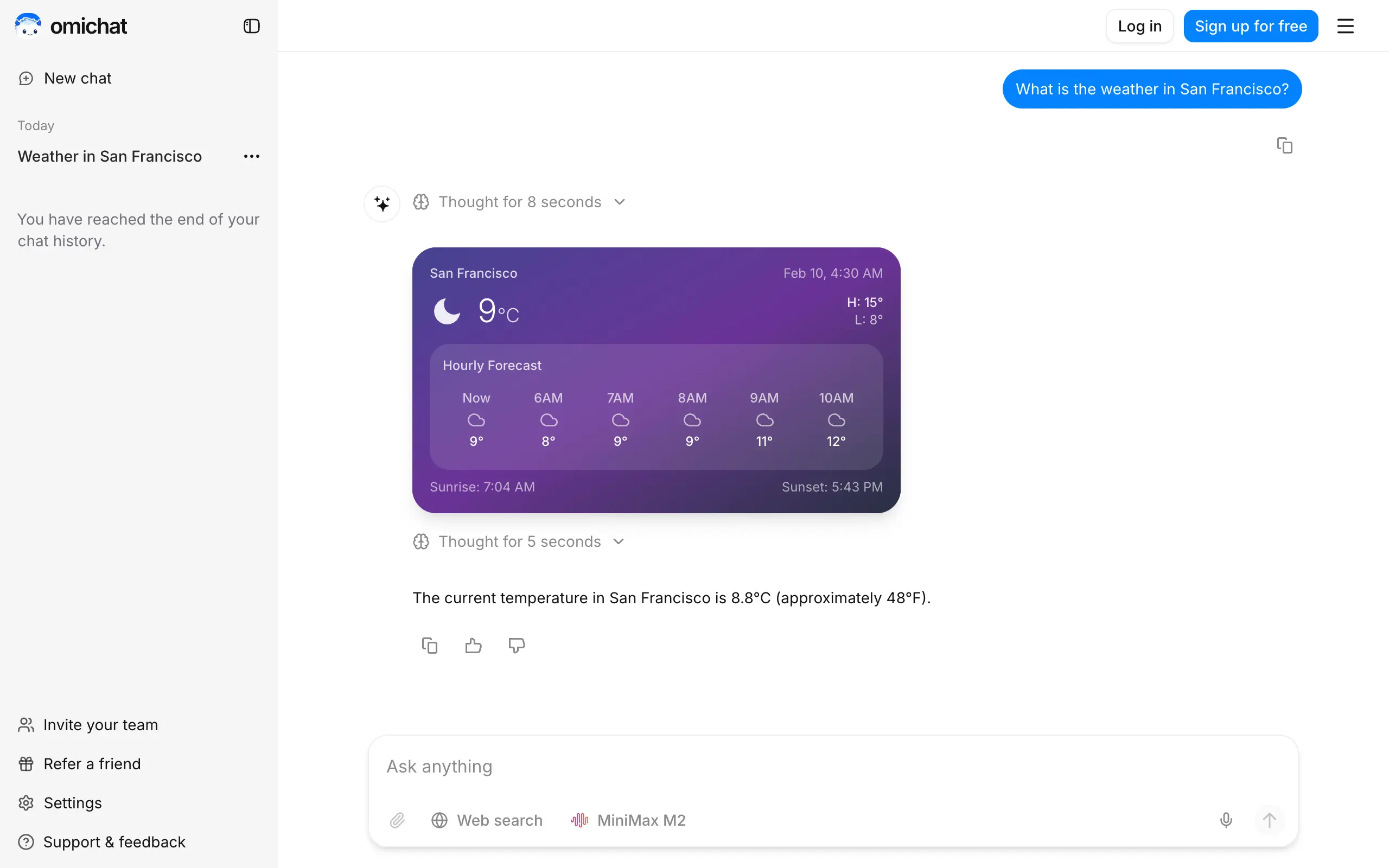
Omichat
Chat with 50+ AI models, including ChatGPT and Claude, in one place - switch models anytime without losing context 🤖
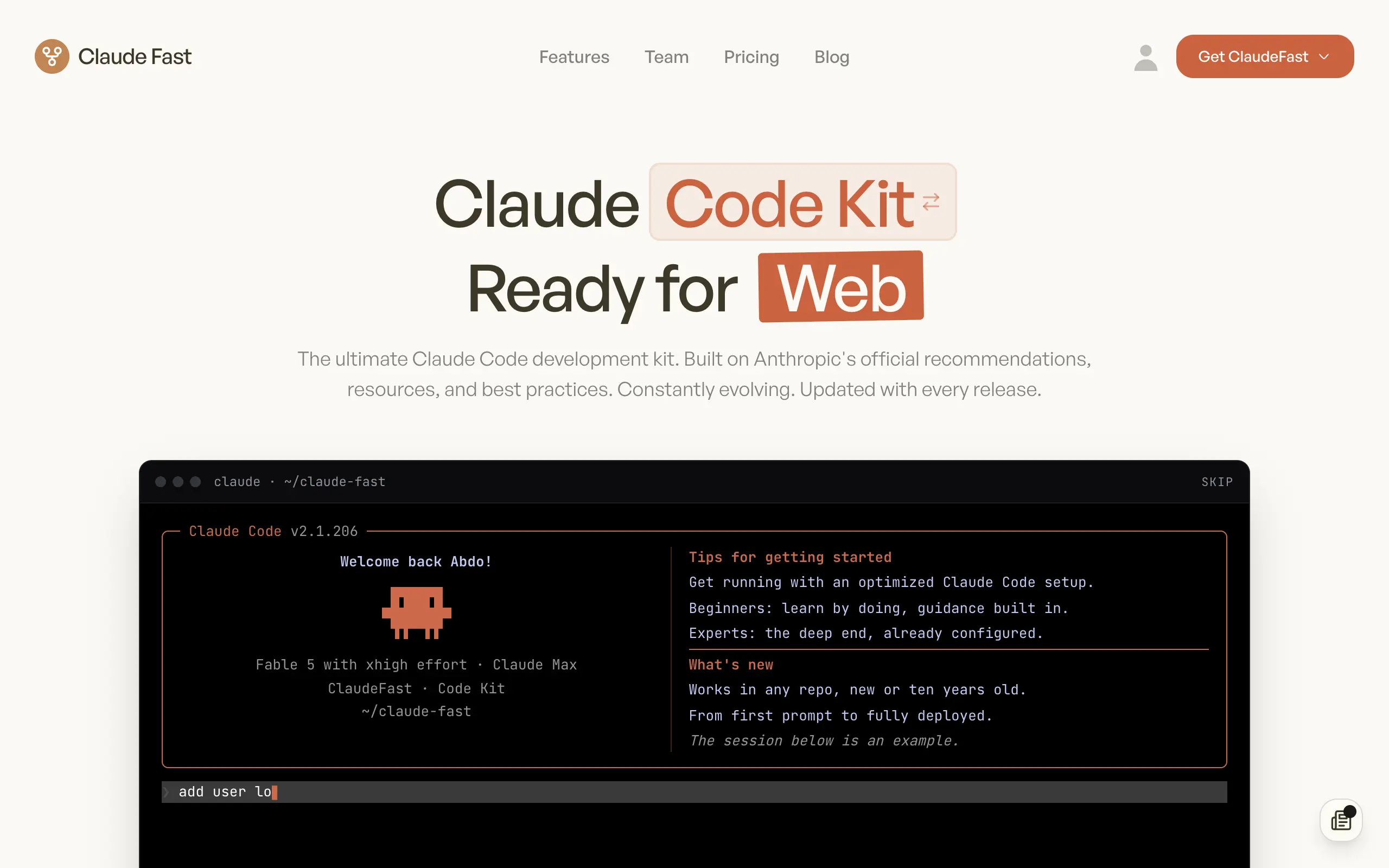
Claude Fast
Supercharge your Claude Code with 6x effective context window and specialized AI agents 🤖
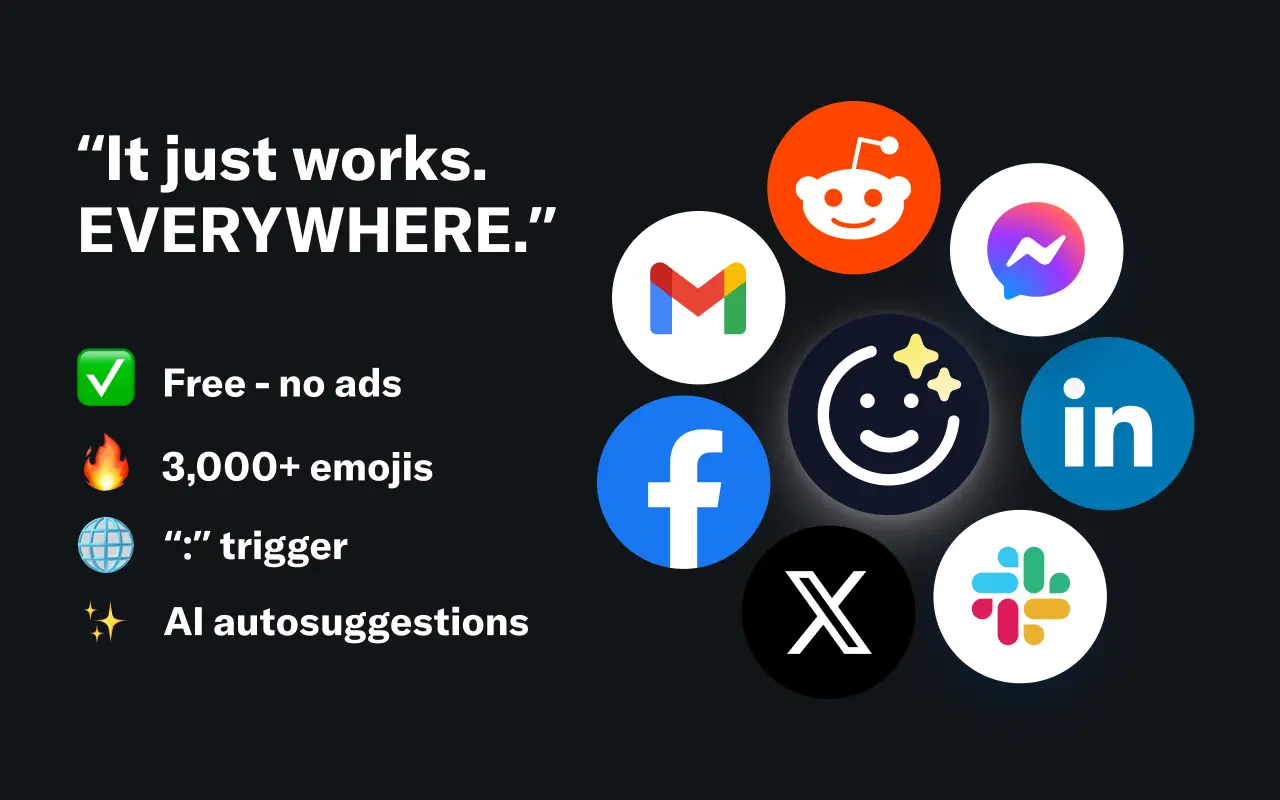
EmojAI
AI-powered emoji picker with smart, context-aware suggestions 🤖
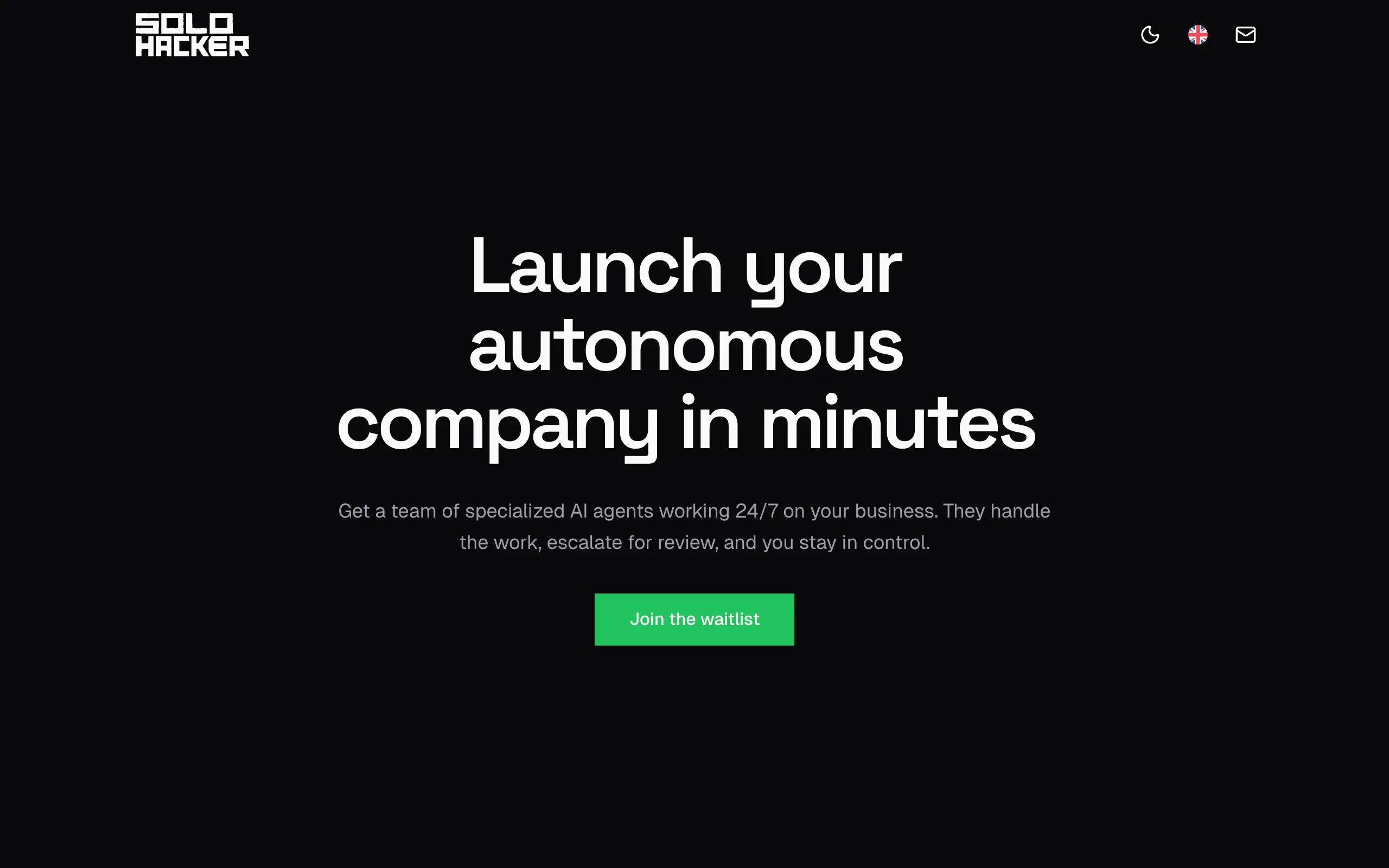
Solohacker
Autonomous company launcher - AI agents work 24/7, escalate what matters, and you stay in control 🤖
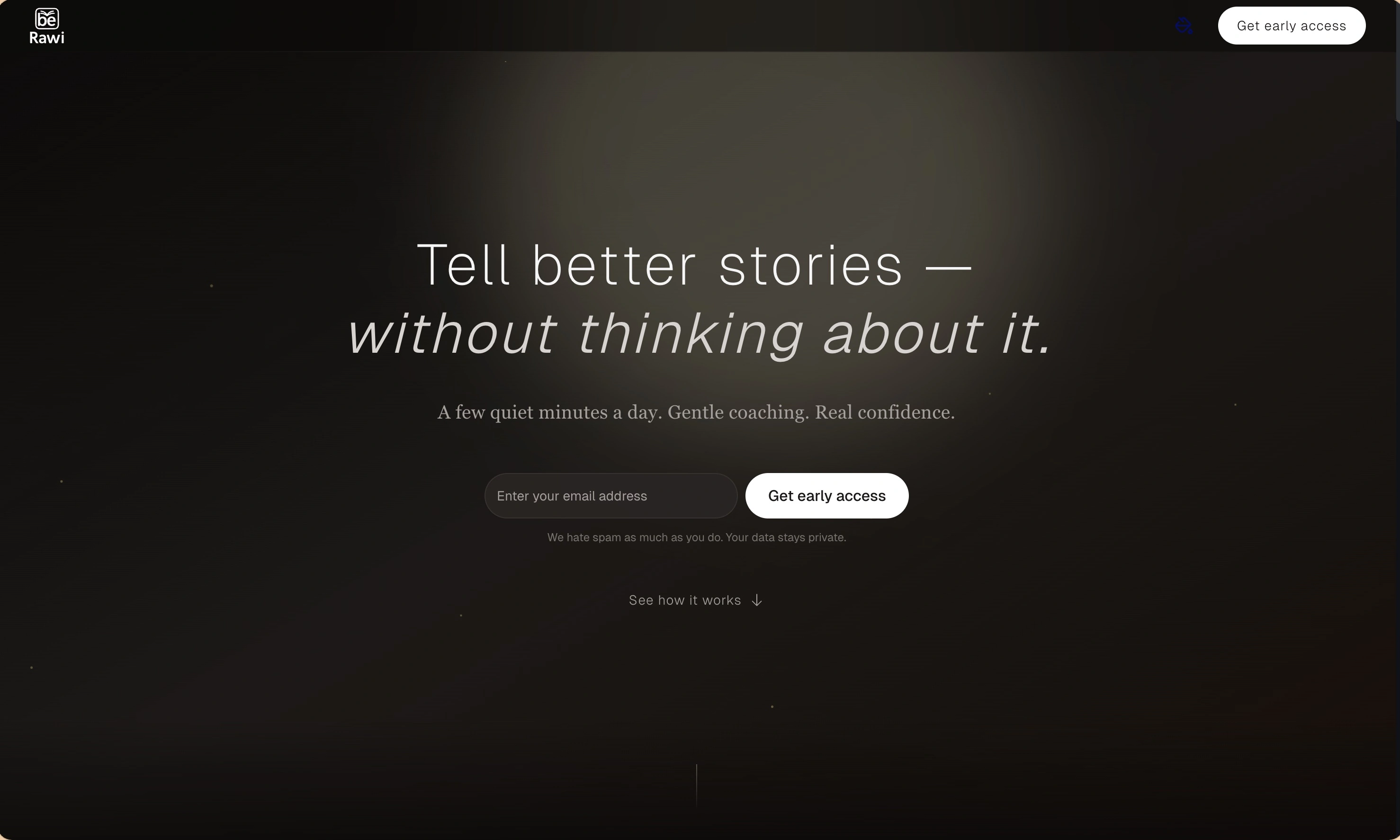
BeRawi: Storytelling Coach
Practice storytelling daily with instant feedback to sound clearer, more engaging, and confident 🎤
Omichat
Chat with 50+ AI models, including ChatGPT and Claude, in one place - switch models anytime without losing context 🤖
Claude Fast
Supercharge your Claude Code with 6x effective context window and specialized AI agents 🤖
EmojAI
AI-powered emoji picker with smart, context-aware suggestions 🤖
Solohacker
Autonomous company launcher - AI agents work 24/7, escalate what matters, and you stay in control 🤖
BeRawi: Storytelling Coach
Practice storytelling daily with instant feedback to sound clearer, more engaging, and confident 🎤
Omichat
Chat with 50+ AI models, including ChatGPT and Claude, in one place - switch models anytime without losing context 🤖
Claude Fast
Supercharge your Claude Code with 6x effective context window and specialized AI agents 🤖
EmojAI
AI-powered emoji picker with smart, context-aware suggestions 🤖
Solohacker
Autonomous company launcher - AI agents work 24/7, escalate what matters, and you stay in control 🤖
BeRawi: Storytelling Coach
Practice storytelling daily with instant feedback to sound clearer, more engaging, and confident 🎤
Omichat
Chat with 50+ AI models, including ChatGPT and Claude, in one place - switch models anytime without losing context 🤖
Claude Fast
Supercharge your Claude Code with 6x effective context window and specialized AI agents 🤖
EmojAI
AI-powered emoji picker with smart, context-aware suggestions 🤖
Solohacker
Autonomous company launcher - AI agents work 24/7, escalate what matters, and you stay in control 🤖
BeRawi: Storytelling Coach
Practice storytelling daily with instant feedback to sound clearer, more engaging, and confident 🎤

Connect with like-minded people
Join our community to get feedback, support, and grow together with 1,000+ builders on board, let's ship it!
Join usShip your startup everywhere. In minutes.
Don't burn tokens on setup and start building features on day one.