LottoGear AI
AI-based lucky draw app where product purchases equal ticket entries. Draws execute automatically when participant limits are met, optimizing marketing for brands.
slug: lottogear-ai description: AI-based lucky draw app where product purchases equal ticket entries. Draws execute automatically when participant limits are met, optimizing marketing for brands.
Understanding the user intent for LottoGear AI
Modern brands are constantly seeking innovative ways to boost engagement, drive purchases, and stand out in an increasingly competitive digital marketplace. Marketers and e-commerce managers are always on the lookout for tools that bridge the gap between traditional incentives and contemporary consumer expectations.
The concept behind LottoGear AI — where every product purchase becomes a ticket to a lucky draw, with AI automating and optimizing the entire process — is meant to directly address the following user intent and needs:
- For brands and stores: Finding new, compliant ways to incentivize buying behavior, gamify the customer journey, and automate post-purchase experiences.
- For marketers: Improving campaign ROI by integrating dynamic engagement mechanics.
- For consumers: Seamless, enjoyable, and potentially rewarding shopping experiences.
By focusing on these core intentions, LottoGear AI is uniquely positioned to redefine promotional strategies for e-commerce brands and D2C businesses.
Target audience analysis
Understanding exactly who will benefit from LottoGear AI is essential for designing the optimal product and go-to-market strategy.
Primary user segments
- E-commerce brands and direct-to-consumer (D2C) online stores: Particularly those looking to boost sales, foster repeat purchases, and build loyalty through gamification.
- Marketing agencies and consultants: Seeking a plug-and-play solution for client campaigns.
- Marketplace providers: Platforms (like Shopify or WooCommerce stores) wanting to offer integrated value-adds or promotional apps.
- Growth hackers and product managers: Interested in leveraging AI-powered draws without the heavy lift of custom development.
Key pain points addressed
- Weak engagement with conventional promotions or discounts.
- Difficulty tracking promotional ROI in traditional campaigns.
- Complexity or risk of running manual/in-house lucky draws (compliance, fairness, transparency).
- Desire for automated, scalable, and intelligent rewards mechanics.
Stat to consider
According to recent retail studies, gamified incentives such as lucky draws can increase customer engagement rates by up to 47%. Consider referencing [credible e-commerce research studies] for further reading.
Identifying the market opportunity and gaps
Current landscape
- Brands leverage discounts, loyalty points, or cash-backs: These are effective, but increasingly commoditized and may eat into margins.
- Manual giveaways are time-consuming and error-prone: Managing fair draws, tracking entries, and fulfilling rewards can introduce compliance and trust issues.
- Existing lucky draw platforms: Typically lack seamless e-commerce integration, automation, and modern AI features.
Gaps that LottoGear AI addresses
- AI-powered automation: Removes manual draw execution, increases transparency, and eliminates human error or bias.
- Automated participant eligibility: Purchase-based entries mean no user friction, and brands can effortlessly drive qualifying actions.
- Compliant and customizable draws: Set participant or time limits, ensuring legal and brand alignment across markets.
- Measurable impact: Integrates with analytics tools to provide real results, helping marketers and product managers evaluate campaign effectiveness.
- Enhanced user trust: Transparent, tamper-proof draw outcomes boost confidence for both brands and customers.
Core features of LottoGear AI and solution details
Let's break down the essential functionalities that position LottoGear AI as a cutting-edge AI-based lucky draw app for brands and marketers.
AI-driven winner selection
Uses transparent, auditable AI algorithms to randomly select winners, mitigating bias and ensuring fairness.
Automated ticket entry
Each qualifying purchase grants instant entry to the lucky draw. No extra steps for consumers, encouraging seamless participation.
Dynamic draw execution
Automated draws are triggered instantly when a pre-set participant limit is reached or based on a scheduled frequency.
Real-time analytics and A/B testing
Brands receive deep insights: entry rates, conversion uplift, engagement metrics, and can optimize campaigns using comparative A/B splits.
Additional standout features
- Multi-channel integration: Embeddable with Shopify, WooCommerce, Magento, and custom stores.
- Customizable rules: Brands can set eligibility criteria (minimum purchase, first-time buyers, etc.), prize pools, and notification templates.
- Automated notifications: Instantly inform winners via email/SMS/in-app messaging based on available integrations.
- Provable fairness: Provide brands and users with cryptographically verifiable result logs or third-party audit trails.
- Localization: Support for multi-language and regional compliance needs.
How LottoGear AI works (step-by-step)
Example business flow (code illustration)
// Example: Node.js pseudocode for auto-entry & AI-powered drawing
import { runDrawAI, notifyWinner } from "lottogear-sdk";

async function handlePurchase(customer, order) {
  if (order.total >= campaign.minSpend) {
    await campaign.addEntry(customer.id, order.id);
  }
  if (campaign.entryCount >= campaign.participantLimit) {
    const winner = await runDrawAI(campaign.id);
    await notifyWinner(winner);
    campaign.markDrawCompleted();
  }
}
Recommended tech stack for building LottoGear AI
Selecting the right technologies ensures scalability, reliability, and ease of integration with merchants’ existing systems.
Frontend
- React: Widely adopted for admin dashboards, embeddable widgets, and real-time interfaces.
- TailwindCSS: For rapid UI prototyping and customizable styling.
- Typescript: Ensures type safety across the codebase.
Backend
- Node.js: Excellent for scalable, event-driven APIs and real-time processing.
- Express: The industry standard for RESTful APIs in Node environments.
- Python (AI logic): Many production-grade, verifiable randomness algorithms (for draws) are easiest to implement and audit in Python.
- PostgreSQL: For robust, relational data storage (tickets, entries, campaign data).
AI & supporting libraries
- TensorFlow or PyTorch: If leveraging deeper AI analytics or prediction features (for campaign optimization, not just for draw randomness).
- Verifiable Random Functions (VRF): Proven libraries like Chainlink VRF for cryptographically fair draw outcomes.
Integration & compliance
- Webhooks and REST APIs: To talk to Shopify/WooCommerce/etc.
- OAuth2: Secure authentication and brand management.
- GDPR/CCPA compliance modules: Ensures user data privacy.
Trade-offs to consider
- Node.js vs Python backend: Node.js provides speed and JS ecosystem integration, but Python may be preferred for sophisticated AI and server-side fairness verification (can be used in a hybrid microservice architecture).
- Fully hosted vs embeddable widgets: Fully hosted dashboards are quicker to build, but embeddable JS widgets allow for non-intrusive, rapid merchant onboarding.
- Open-source VRF vs centralized algorithms: Open-source provides more trust but may require additional infrastructure and audits.
Resource
For campaign landing pages and MVP scaffolding, integrating with TurboStarter enables rapid deployment using production-grade boilerplates.
Monetization strategy options
LottoGear AI enables multiple sustainable revenue paths. Here are the most suitable for SaaS and e-commerce enablement:
1. Subscription-based pricing
Charge brands a monthly/annual fee for access to the app, with tiered plans based on:
- Number of active campaigns
- Number of entries/month
- Advanced analytics add-ons
- Multi-channel integrations
2. Transactional fees
Take a small fee per completed draw or per eligible ticket entry. This aligns revenue directly with value delivered.
3. White-label & enterprise licensing
Offer white-labeled versions for agencies or larger brands wanting deeper customization, expanded compliance, and branded experiences.
4. Marketplace revenue share
For integrations (e.g., Shopify, WooCommerce), leverage app store revenue sharing models.
5. Data-driven upsells
Premium features like AI-based campaign optimization, A/B testing insights, or custom analytics can be upsold to power users.
For most SaaS startups in this space, launching with a subscription-based plan delivers immediate recurring revenue while allowing scaling and experimentation with usage-based or transaction fees as adoption grows.
Potential risks and mitigation strategies
While LottoGear AI presents a compelling solution, understanding and planning for its risks is critical.
1. Legal and regulatory compliance
- Risk: Sweepstakes and lucky draws are subject to strict laws in many jurisdictions.
- Mitigation: Build modular compliance templates per geographic market, and provide opt-in/opt-out support for ineligible regions.
2. Perception of fairness and trust
- Risk: Perceived or real bias in winner selection can damage brand credibility.
- Mitigation: Use verifiable randomness protocols, public logs, and allow third-party audits.
3. Platform dependency
- Risk: Relying heavily on platforms like Shopify could expose LottoGear AI to policy changes.
- Mitigation: Expand integrations across multiple e-commerce engines and promote embeddable APIs.
4. Data privacy
- Risk: Handling customer data and purchase info brings GDPR, CCPA, and other privacy obligations.
- Mitigation: Encrypt sensitive data, build comprehensive consent management, and keep up-to-date with evolving regulations.
5. Technical scalability
- Risk: Spike events (e.g., viral campaign) could overwhelm the backend.
- Mitigation: Architect with horizontal scaling, queue-based processing, and proactive capacity monitoring.
| Legal Risk | Fairness | Platform Risk | Scalability | Privacy |
|---|---|---|---|---|
| ✅ | ❌ | ❌ | ✅ | ❌ |
| ✅ | ❌ | ✅ | ✅ | ❌ |
Competitive advantage of LottoGear AI
Why it stands out versus existing solutions
- True automation with AI: Unlike conventional plug-ins, LottoGear AI offers an end-to-end automated experience, removing manual admin and customer friction.
- Proven fairness: By leveraging cryptographically auditable AI (e.g., VRF), both brands and consumers can verify draw outcomes and build trust in campaigns.
- Seamless e-commerce integration: Purpose-built SDKs and embeddable widgets mean minimal technical lift for brands — any campaign can go live in hours, not weeks.
- Actionable analytics: Go beyond simple "entry counts" by giving marketers the ability to A/B test campaign variables and measure tangible sales uplifts in real time.
- Regulatory peace of mind: Dynamic compliance modules allow brands to confidently execute campaigns in multiple jurisdictions.
Unique selling proposition (USP) in summary
LottoGear AI is the only AI-based lucky draw SaaS that marries purchase-driven automation, provable fairness, and actionable growth analytics — all seamlessly embedded within your e-commerce stack.
Actionable implementation steps for your AI-based lucky draw app
Ready to bring this SaaS vision to reality? Here’s a recommended roadmap:
Pro Tip for Fast Iteration
Harness the deployment speed of TurboStarter to set up your campaign dashboards, landing pages, and onboarding flows in days, not weeks.
Conclusion: Is LottoGear AI your next SaaS growth engine?
By synthesizing AI-driven automation, fairness, and marketing ROI, LottoGear AI fills a growing gap in the world of commerce-led engagement. Its standout value is evident in its integrated, transparent, and growth-focused approach. With robust compliance tools, seamless integrations, and actionable analytics, LottoGear AI is uniquely equipped to power the next generation of incentivized e-commerce — positioning your SaaS business for sustainable differentiation and success.
Frequently asked questions (FAQ)
LottoGear AI enables region-specific compliance out-of-the-box, but brands should always consult local legal experts before launching global campaigns.
Most users can integrate LottoGear AI via embeddable widgets or platform app stores (e.g., Shopify) within minutes.
LottoGear AI relies on cryptographically secure, independently verifiable randomness sources (like Chainlink VRF), so results can’t be tampered with by anyone—including LottoGear or your brand.
Absolutely. You can tailor criteria, notification templates, prize pools, and even run A/B test variations on offers.
Initial integrations focus on major e-commerce stacks; support for additional platforms can rapidly expand based on demand.
More 🤖 AI Startup SaaS ideas
Discover more innovative ai startup SaaS ideas that are trending in 2026. Each idea is AI-generated with market validation and growth potential to help you find your next profitable venture faster than competitors.
Your competitors are building with TurboStarter
Below are some of the SaaS ideas that have been generated and built with our starter kit.

Statiko
Monitor any Telegram channel in real time - track posts, edits, deletions, and growth with AI recaps 📡

Shibui
AI website builder - describe your business, pick a niche template, edit by chatting, and publish instantly ✨

Pro Service
Find verified home service professionals, compare quotes, and pay securely through escrow - built for Brazilians across the US 🏠

RankGrow
Fix your SEO with AI agents - connect Search Console, get prioritized tasks, and grow organic traffic 📈

SyncReads
Sync your favorite content for distraction-free reading, save time and replace multiple apps. Anytime, anywhere 🔄
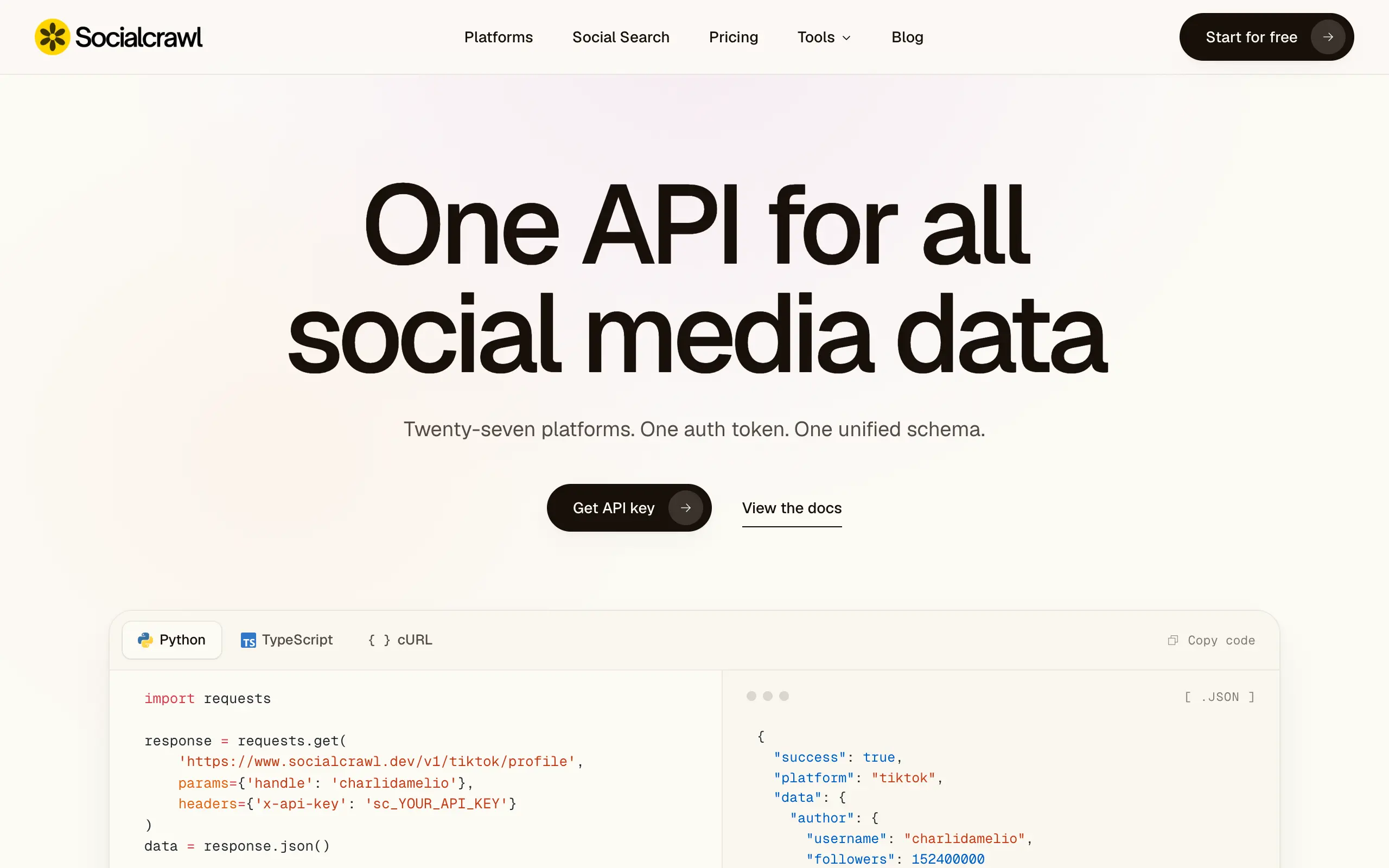
Socialcrawl
Get clean, structured data from 21 platforms like TikTok, Instagram, and YouTube with a single request 📊
Statiko
Monitor any Telegram channel in real time - track posts, edits, deletions, and growth with AI recaps 📡
Shibui
AI website builder - describe your business, pick a niche template, edit by chatting, and publish instantly ✨
Pro Service
Find verified home service professionals, compare quotes, and pay securely through escrow - built for Brazilians across the US 🏠
RankGrow
Fix your SEO with AI agents - connect Search Console, get prioritized tasks, and grow organic traffic 📈
SyncReads
Sync your favorite content for distraction-free reading, save time and replace multiple apps. Anytime, anywhere 🔄
Socialcrawl
Get clean, structured data from 21 platforms like TikTok, Instagram, and YouTube with a single request 📊
Statiko
Monitor any Telegram channel in real time - track posts, edits, deletions, and growth with AI recaps 📡
Shibui
AI website builder - describe your business, pick a niche template, edit by chatting, and publish instantly ✨
Pro Service
Find verified home service professionals, compare quotes, and pay securely through escrow - built for Brazilians across the US 🏠
RankGrow
Fix your SEO with AI agents - connect Search Console, get prioritized tasks, and grow organic traffic 📈
SyncReads
Sync your favorite content for distraction-free reading, save time and replace multiple apps. Anytime, anywhere 🔄
Socialcrawl
Get clean, structured data from 21 platforms like TikTok, Instagram, and YouTube with a single request 📊
Statiko
Monitor any Telegram channel in real time - track posts, edits, deletions, and growth with AI recaps 📡
Shibui
AI website builder - describe your business, pick a niche template, edit by chatting, and publish instantly ✨
Pro Service
Find verified home service professionals, compare quotes, and pay securely through escrow - built for Brazilians across the US 🏠
RankGrow
Fix your SEO with AI agents - connect Search Console, get prioritized tasks, and grow organic traffic 📈
SyncReads
Sync your favorite content for distraction-free reading, save time and replace multiple apps. Anytime, anywhere 🔄
Socialcrawl
Get clean, structured data from 21 platforms like TikTok, Instagram, and YouTube with a single request 📊
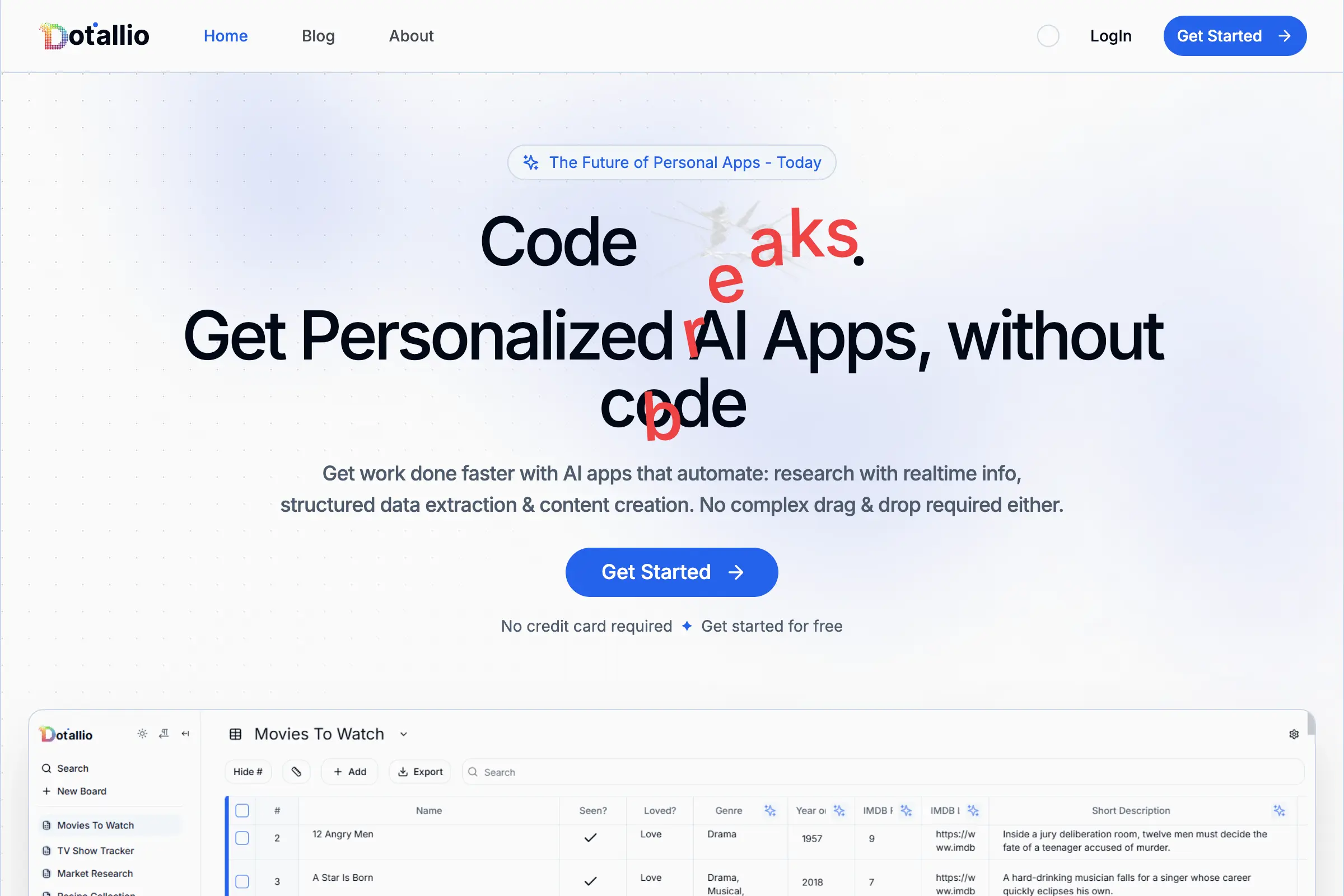
Dotallio
Personalized AI apps that automate research, data extraction, and content creation without code 🤖

Talk to Santa
Enjoy a magical live video chat or receive a unique AI-generated video greeting from Santa Claus 🎅

pozywka.pl
Scalable blog for food journalist, focused on performance and user experience 🌭
zagrodzki.me
Personal blog and portfolio of Bart Zagrodzki, where he shares his knowledge and work 💼
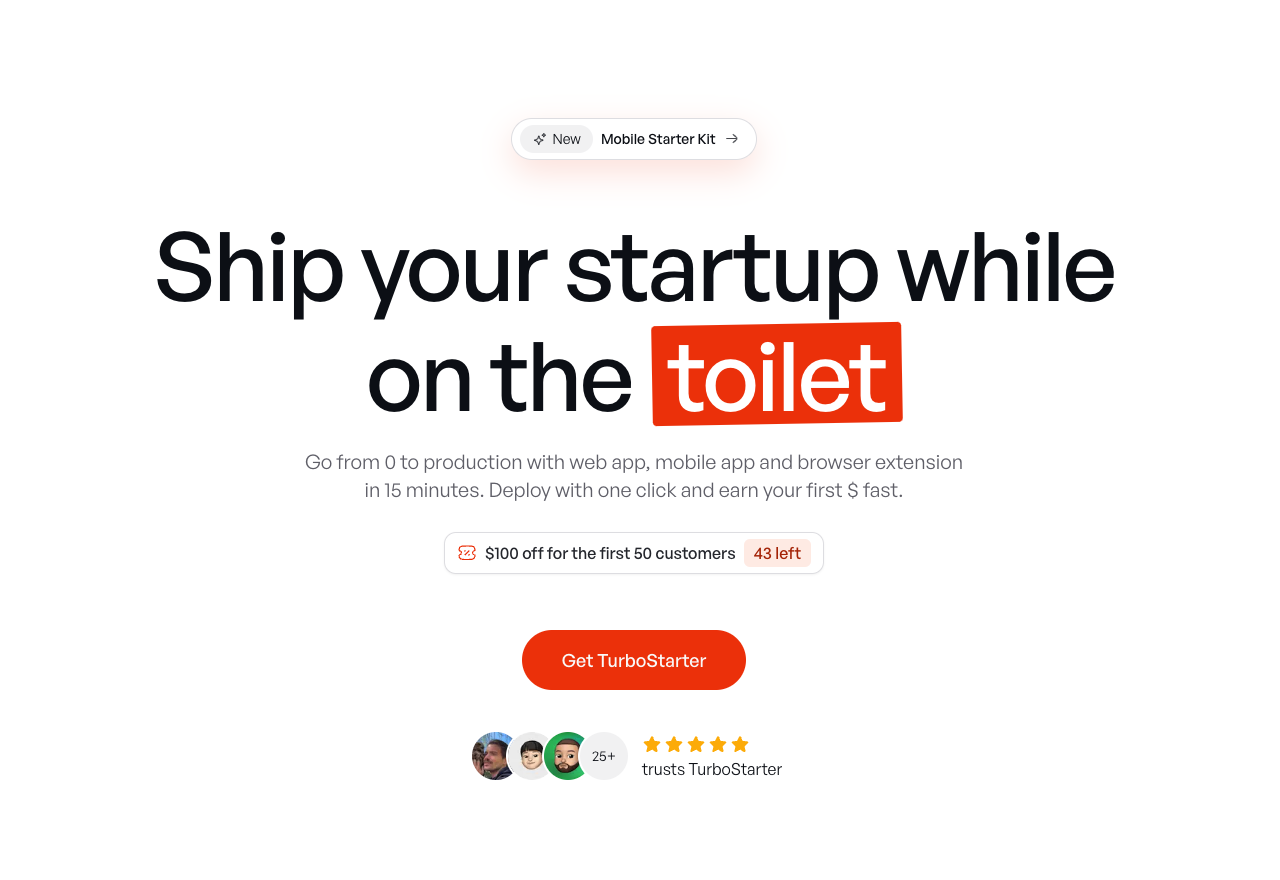
TurboStarter
Ship your startup everywhere. In minutes.
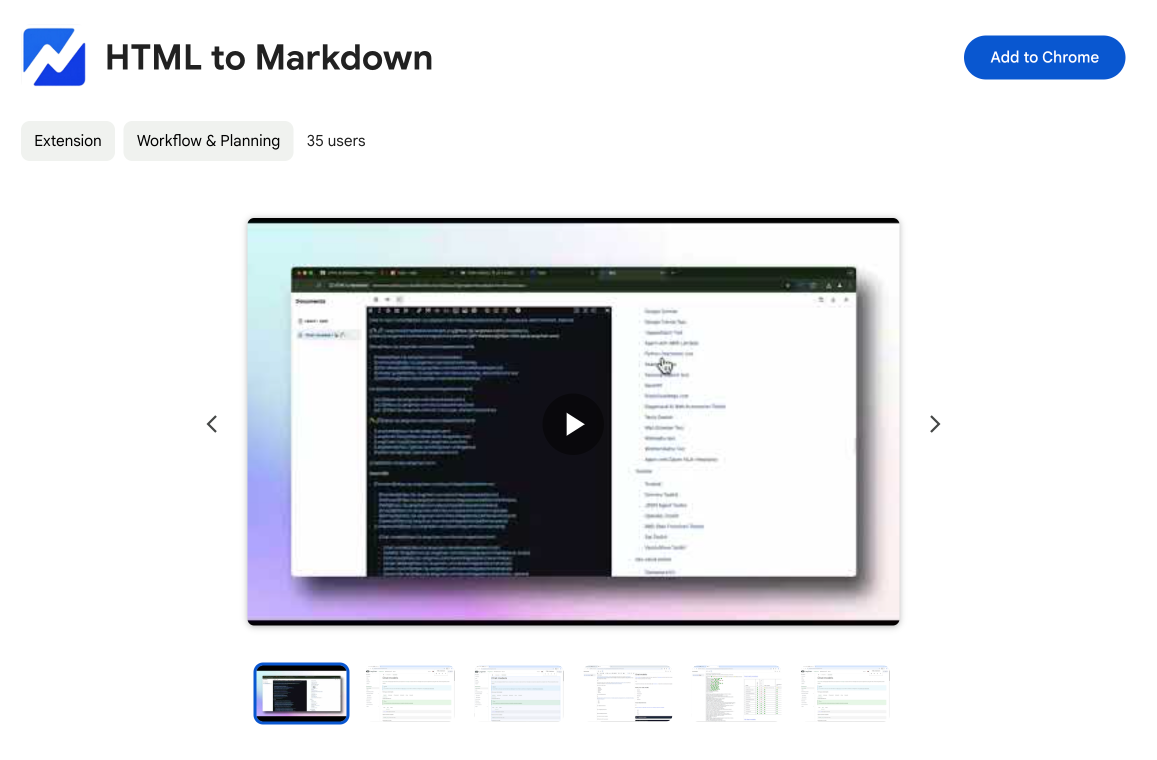
HTML to Markdown
Convert HTML to Markdown with ease, directly in your browser 📄
Dotallio
Personalized AI apps that automate research, data extraction, and content creation without code 🤖
Talk to Santa
Enjoy a magical live video chat or receive a unique AI-generated video greeting from Santa Claus 🎅
pozywka.pl
Scalable blog for food journalist, focused on performance and user experience 🌭
zagrodzki.me
Personal blog and portfolio of Bart Zagrodzki, where he shares his knowledge and work 💼
TurboStarter
Ship your startup everywhere. In minutes.
HTML to Markdown
Convert HTML to Markdown with ease, directly in your browser 📄
Dotallio
Personalized AI apps that automate research, data extraction, and content creation without code 🤖
Talk to Santa
Enjoy a magical live video chat or receive a unique AI-generated video greeting from Santa Claus 🎅
pozywka.pl
Scalable blog for food journalist, focused on performance and user experience 🌭
zagrodzki.me
Personal blog and portfolio of Bart Zagrodzki, where he shares his knowledge and work 💼
TurboStarter
Ship your startup everywhere. In minutes.
HTML to Markdown
Convert HTML to Markdown with ease, directly in your browser 📄
Dotallio
Personalized AI apps that automate research, data extraction, and content creation without code 🤖
Talk to Santa
Enjoy a magical live video chat or receive a unique AI-generated video greeting from Santa Claus 🎅
pozywka.pl
Scalable blog for food journalist, focused on performance and user experience 🌭
zagrodzki.me
Personal blog and portfolio of Bart Zagrodzki, where he shares his knowledge and work 💼
TurboStarter
Ship your startup everywhere. In minutes.
HTML to Markdown
Convert HTML to Markdown with ease, directly in your browser 📄
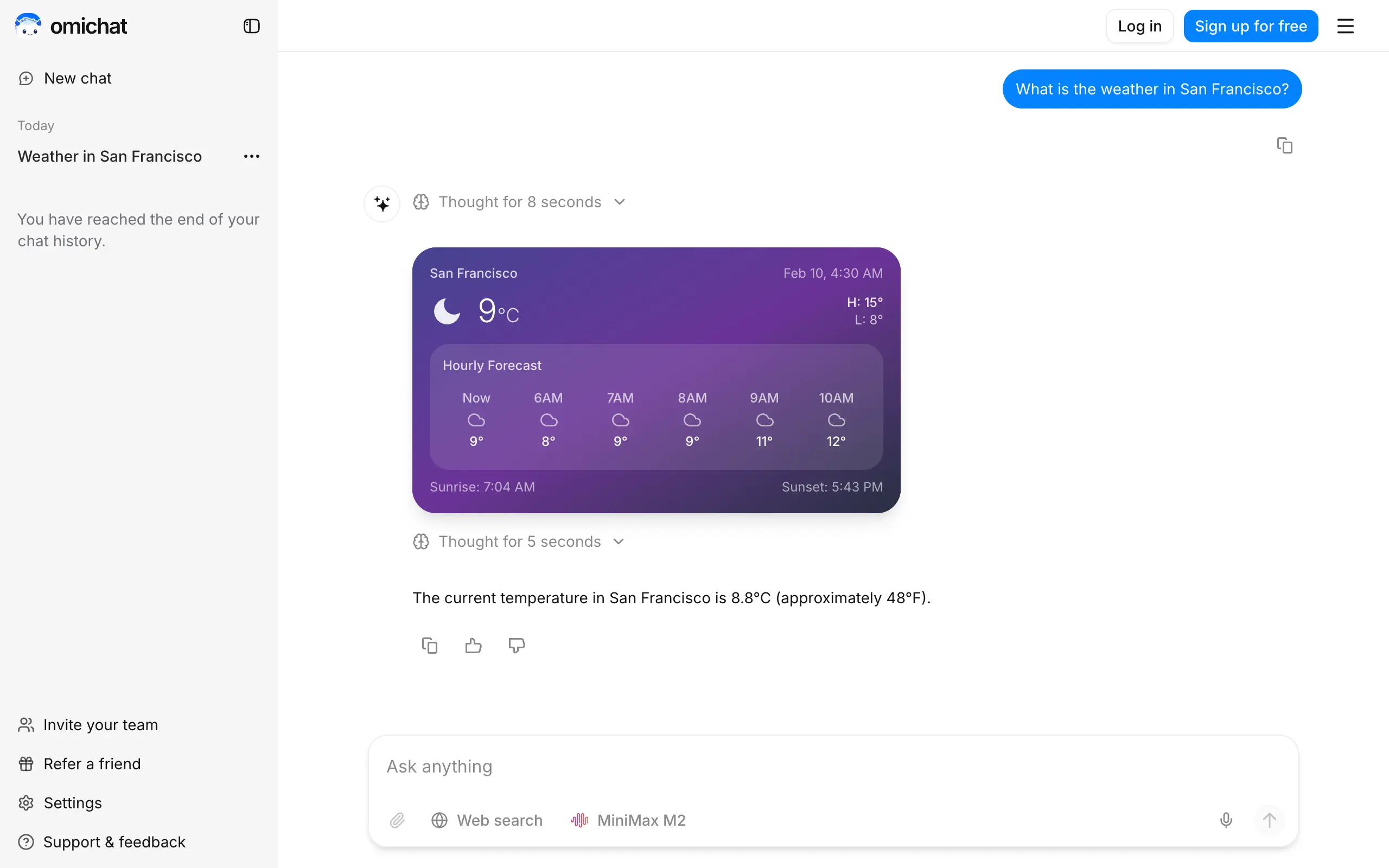
Omichat
Chat with 50+ AI models, including ChatGPT and Claude, in one place - switch models anytime without losing context 🤖
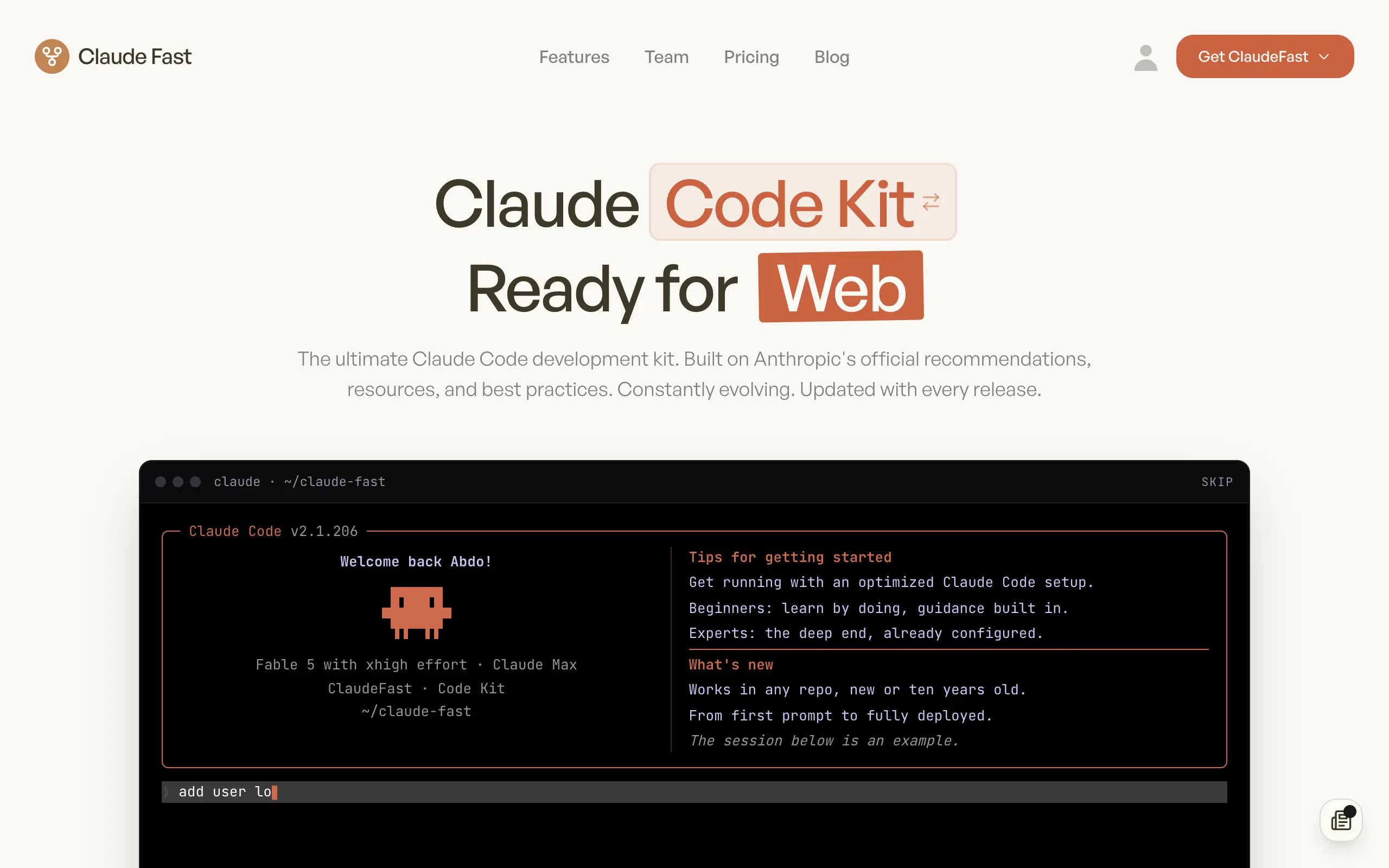
Claude Fast
Supercharge your Claude Code with 6x effective context window and specialized AI agents 🤖
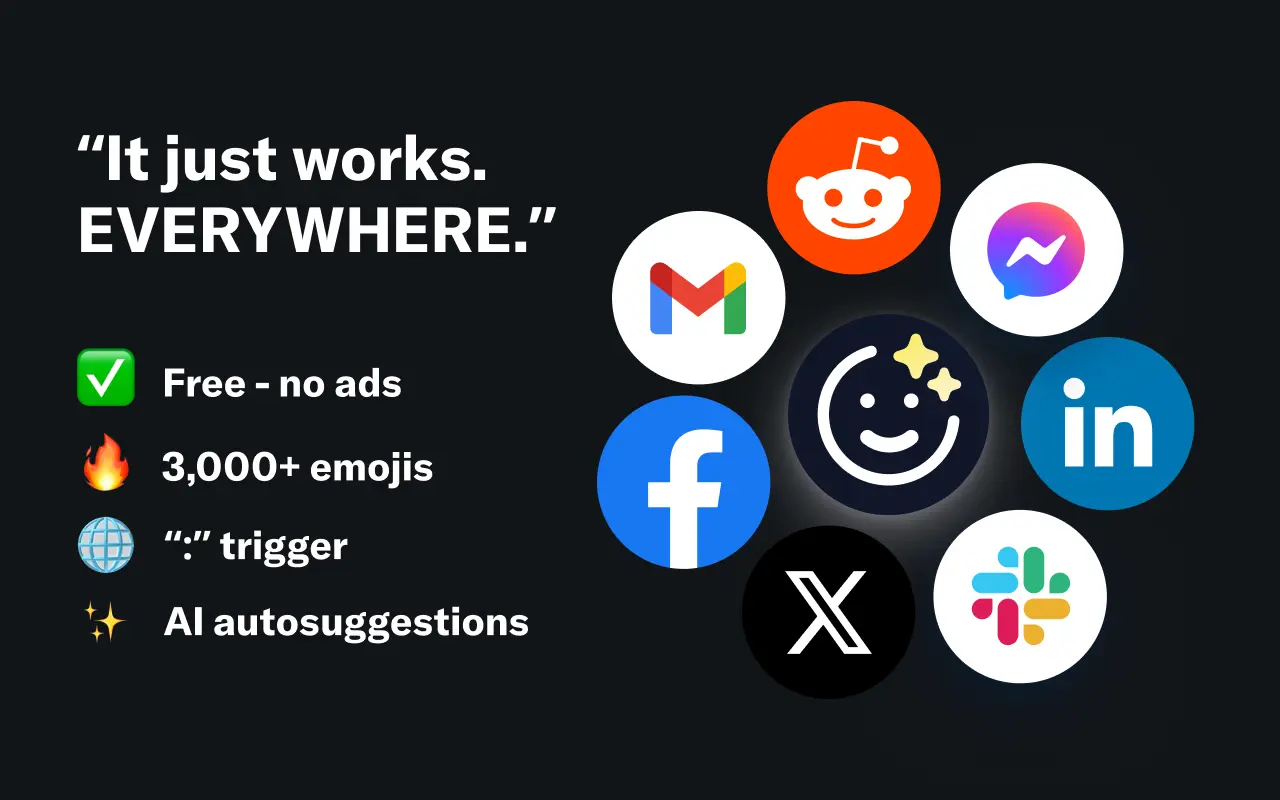
EmojAI
AI-powered emoji picker with smart, context-aware suggestions 🤖

Solohacker
Autonomous company launcher - AI agents work 24/7, escalate what matters, and you stay in control 🤖

BeRawi: Storytelling Coach
Practice storytelling daily with instant feedback to sound clearer, more engaging, and confident 🎤
Omichat
Chat with 50+ AI models, including ChatGPT and Claude, in one place - switch models anytime without losing context 🤖
Claude Fast
Supercharge your Claude Code with 6x effective context window and specialized AI agents 🤖
EmojAI
AI-powered emoji picker with smart, context-aware suggestions 🤖
Solohacker
Autonomous company launcher - AI agents work 24/7, escalate what matters, and you stay in control 🤖
BeRawi: Storytelling Coach
Practice storytelling daily with instant feedback to sound clearer, more engaging, and confident 🎤
Omichat
Chat with 50+ AI models, including ChatGPT and Claude, in one place - switch models anytime without losing context 🤖
Claude Fast
Supercharge your Claude Code with 6x effective context window and specialized AI agents 🤖
EmojAI
AI-powered emoji picker with smart, context-aware suggestions 🤖
Solohacker
Autonomous company launcher - AI agents work 24/7, escalate what matters, and you stay in control 🤖
BeRawi: Storytelling Coach
Practice storytelling daily with instant feedback to sound clearer, more engaging, and confident 🎤
Omichat
Chat with 50+ AI models, including ChatGPT and Claude, in one place - switch models anytime without losing context 🤖
Claude Fast
Supercharge your Claude Code with 6x effective context window and specialized AI agents 🤖
EmojAI
AI-powered emoji picker with smart, context-aware suggestions 🤖
Solohacker
Autonomous company launcher - AI agents work 24/7, escalate what matters, and you stay in control 🤖
BeRawi: Storytelling Coach
Practice storytelling daily with instant feedback to sound clearer, more engaging, and confident 🎤

Connect with like-minded people
Join our community to get feedback, support, and grow together with 1,000+ builders on board, let's ship it!
Join usShip your startup everywhere. In minutes.
Don't burn tokens on setup and start building features on day one.