MarginGuard AI
Tracks real-time SaaS unit economics, flags profit leaks, and suggests pricing or cost optimizations using AI-driven insights for founders and CFOs.
What is AI-powered profit margin tracking and why it matters now
In a market where margins are constantly under pressure—from rising supplier costs to unpredictable customer acquisition expenses—businesses can no longer rely on static spreadsheets or delayed financial reports to understand profitability. This is where AI-powered profit margin tracking tools like MarginGuard AI step in.
MarginGuard AI is designed to monitor, analyze, and protect profit margins in real time, identifying hidden costs, pricing inefficiencies, and operational leaks before they quietly erode profitability.
The primary keyword here is AI profit margin tracking software, and it reflects a growing demand: businesses want instant visibility into profitability, not retrospective accounting.
This shift is driven by several macro trends:
- Increasing complexity in pricing models (subscriptions, usage-based, discounts)
- Fragmented cost structures across tools, vendors, and teams
- Real-time decision-making requirements in competitive markets
- The rise of AI in financial analytics and forecasting
Traditional financial tools answer “what happened?” MarginGuard AI answers “what’s happening right now—and what will happen next?”
Who needs AI profit margin tracking the most
MarginGuard AI is not for everyone—and that’s a good thing. Its strength lies in serving businesses where margin volatility directly impacts growth and survival.
Primary target segments
1. SaaS companies with complex pricing
SaaS businesses often struggle with:
- Tiered pricing plans
- Usage-based billing
- Hidden infrastructure costs (e.g., APIs, cloud compute)
- Customer-specific discounts
MarginGuard AI helps identify:
- Which customers are actually unprofitable
- Which features are cost drivers
- Where pricing models are misaligned with usage
2. E-commerce and DTC brands
Margins in e-commerce are affected by:
- Shipping fluctuations
- Returns and refunds
- Advertising spend variability
- Supplier cost changes
AI margin tracking reveals:
- Real product-level profitability
- Ad spend inefficiencies
- Fulfillment cost leaks
3. Agencies and service businesses
Agencies often underestimate:
- Time costs
- Scope creep
- Underpriced retainers
MarginGuard AI detects:
- Unprofitable clients
- Over-serviced accounts
- Pricing gaps
4. Marketplaces and multi-vendor platforms
These businesses deal with:
- Commission structures
- Vendor payouts
- Dynamic pricing
They need real-time insight into:
- Transaction-level margins
- Vendor profitability trends
The hidden problem: why businesses lose margins without noticing
Most businesses believe they have a margin problem only when it's already too late. The real issue is invisible margin erosion.
Common sources of hidden margin loss
- Untracked operational costs (tools, APIs, support overhead)
- Discount creep across sales teams
- Inefficient pricing strategies
- Currency fluctuations
- Customer-specific exceptions
- Rising supplier costs without pricing adjustments
Key insight
By the time traditional reports highlight margin decline, the damage has already compounded over weeks or months.
MarginGuard AI flips this by:
- Continuously analyzing cost vs revenue streams
- Detecting anomalies in real time
- Providing proactive alerts before losses escalate
How MarginGuard AI works under the hood
At its core, MarginGuard AI combines:
- Financial data aggregation
- Real-time analytics
- Machine learning anomaly detection
- Predictive modeling
Data sources it integrates with
- Payment processors (Stripe, PayPal)
- Accounting tools (QuickBooks, Xero)
- CRM systems (HubSpot, Salesforce)
- Cloud infrastructure (AWS, GCP)
- Ad platforms (Google Ads, Meta)
Core AI capabilities
1. Real-time margin calculation
Unlike traditional systems, MarginGuard calculates:
- Per-product margin
- Per-customer margin
- Per-transaction margin
2. Anomaly detection
AI models identify:
- Sudden cost spikes
- Revenue inconsistencies
- Pricing anomalies
3. Predictive margin forecasting
Based on trends, the system can:
- Forecast margin decline
- Suggest pricing adjustments
- Highlight future risk areas
4. Cost attribution intelligence
Assigns hidden costs accurately to:
- Customers
- Products
- Channels
Core features that define MarginGuard AI
Real-time margin dashboard
- Live profitability metrics
- Visual breakdowns by segment
- Drill-down capabilities
AI-powered alerts
- “This product margin dropped 12% in 48 hours”
- “Customer X is now unprofitable”
- “Ad spend exceeded profitability threshold”
Pricing optimization engine
- Suggests price increases or adjustments
- Identifies underpriced segments
- Simulates pricing scenarios
Cost leak detection
- Flags unused tools or services
- Identifies inefficient resource usage
- Tracks recurring cost anomalies
Customer profitability scoring
- Ranks customers by profitability
- Highlights high-maintenance, low-value accounts
Scenario simulation
- “What happens if we increase price by 5%?”
- “What if ad spend increases 20%?”
Competitive landscape and differentiation
The space includes:
- Traditional accounting software
- BI tools like Tableau or Looker
- Financial planning tools
- Profit analytics startups
But none fully solve real-time, AI-driven margin protection.
Comparison snapshot
| Feature | MarginGuard AI | Accounting Tools | BI Tools | FP&A Software |
|---|---|---|---|---|
| Real-time margin tracking | ✅ | ❌ | ⚠️ | ❌ |
| AI anomaly detection | ✅ | ❌ | ⚠️ | ⚠️ |
| Pricing optimization | ✅ | ❌ | ❌ | ⚠️ |
| Customer-level profitability | ✅ | ❌ | ⚠️ | ✅ |
Unique selling proposition (USP)
MarginGuard AI stands out because it:
- Operates in real time, not retrospectively
- Focuses specifically on margin protection (not generic analytics)
- Uses AI to proactively identify issues—not just visualize data
- Bridges finance, operations, and pricing into one system
Market opportunity and timing
The AI financial analytics market is expanding rapidly, driven by:
- Increased adoption of AI in finance
- Demand for real-time decision-making tools
- Complexity of modern pricing and cost structures
According to industry reports (e.g., Gartner, McKinsey—recommended for citation), businesses are prioritizing:
- Predictive analytics
- Cost optimization tools
- Profitability intelligence platforms
Why now is the perfect time
- Cloud costs are rising → need for cost control
- SaaS pricing is evolving → need for dynamic pricing insights
- Economic uncertainty → focus on profitability over growth
MarginGuard AI aligns perfectly with this shift from growth-at-all-costs to sustainable profitability.
Recommended tech stack for building MarginGuard AI
Building a robust AI profit margin tracking system requires a scalable, real-time architecture.
Frontend
Why:
- Fast UI iteration
- Strong ecosystem
- Ideal for dashboards
Backend
- Node.js (Express or NestJS)
- Python (for AI/ML services)
Why:
- Node handles APIs efficiently
- Python excels in data science
Data layer
- PostgreSQL (structured financial data)
- ClickHouse (real-time analytics)
- Redis (caching)
AI/ML stack
- Python
- TensorFlow or PyTorch
- Scikit-learn for anomaly detection
Integrations
- Stripe API
- QuickBooks API
- AWS billing API
Infrastructure
- AWS or GCP
- Kubernetes for scaling
- Kafka for event streaming
Example architecture snippet
// Simplified margin calculation logic
function calculateMargin(revenue, cost) {
  if (revenue === 0) return 0;
  return ((revenue - cost) / revenue) * 100;
}
Faster MVP approach
Instead of building from scratch, you can accelerate development using TurboStarter, which provides a production-ready SaaS foundation with authentication, billing, and scalable architecture.
Monetization strategies
MarginGuard AI has multiple viable revenue models.
1. Subscription tiers
- Starter: Basic tracking
- Growth: AI insights + alerts
- Pro: Forecasting + integrations
2. Usage-based pricing
- Charge based on:
- Number of transactions
- Data volume
- API calls
3. Enterprise licensing
- Custom integrations
- Dedicated support
- Advanced analytics
4. Add-ons
- Advanced forecasting
- Pricing optimization engine
- Custom reporting
Pricing psychology insight
Since the tool directly impacts profitability, you can justify premium pricing by:
- Demonstrating ROI (“We saved you $X”)
- Highlighting cost leak prevention
Risks and challenges (and how to mitigate them)
1. Data integration complexity
Problem: Financial data is fragmented and messy.
Solution:
- Build robust ETL pipelines
- Offer plug-and-play integrations
2. Trust and accuracy concerns
Problem: Businesses won’t trust AI with financial decisions easily.
Solution:
- Provide transparent calculations
- Allow manual overrides
- Show audit trails
3. High switching costs
Problem: Companies already use multiple tools.
Solution:
- Position as a complementary layer
- Focus on insights, not replacement
4. AI model reliability
Problem: Poor predictions can harm credibility.
Solution:
- Start with rule-based systems
- Gradually introduce ML models
- Continuously retrain models
Growth strategy and go-to-market approach
Early traction channels
- Founder-led sales
- LinkedIn content (finance + SaaS audience)
- Product Hunt launch
Content marketing opportunities
Target SEO keywords like:
- AI profit margin tracking software
- how to track profit margins in real time
- pricing optimization tools
- detect hidden business costs
Partnerships
- Accounting firms
- SaaS consultants
- Financial advisors
Product-led growth
- Free margin audit tool
- Freemium dashboard
- ROI calculator
Implementation roadmap
Example user journey
A SaaS founder connects Stripe and AWS.
- Dashboard shows customer-level margins
- Alert: “Top 5 customers are unprofitable”
- Insight: High API usage cost
- Action: Adjust pricing tiers
Result: Margin improves by 18%
An e-commerce owner connects Shopify and ad accounts.
- Dashboard shows product profitability
- Alert: “Ad spend exceeds margin on Product X”
- Insight: Shipping cost spike
- Action: Adjust pricing + pause ads
Result: Stops loss within days
Future expansion opportunities
MarginGuard AI can evolve into:
- Full financial intelligence platform
- Automated pricing engine
- CFO-as-a-service tool
- AI-driven budgeting system
Why MarginGuard AI can win
The biggest opportunity lies in its positioning:
- Not accounting
- Not analytics
- Not forecasting
It is profit protection infrastructure
That’s a category with:
- High urgency
- Clear ROI
- Strong willingness to pay
Final thoughts and next steps
MarginGuard AI taps into a critical shift in how businesses operate: profitability is no longer optional—it’s strategic.
Companies don’t just want data. They want:
- Real-time insight
- Actionable intelligence
- Automated protection
That’s exactly what AI profit margin tracking software delivers.
If you’re building this product:
- Focus on clarity over complexity
- Deliver immediate value with real-time insights
- Earn trust through transparency
And most importantly—tie everything back to measurable financial impact.
Ready to build MarginGuard AI?
If you're serious about launching fast without reinventing the wheel, start with a proven SaaS foundation like TurboStarter.
It can significantly reduce development time so you can focus on what matters most: building a product that protects and grows business profitability.
More 🤖 AI Startup SaaS ideas
Discover more innovative ai startup SaaS ideas that are trending in 2026. Each idea is AI-generated with market validation and growth potential to help you find your next profitable venture faster than competitors.
Your competitors are building with TurboStarter
Below are some of the SaaS ideas that have been generated and built with our starter kit.

Statiko
Monitor any Telegram channel in real time - track posts, edits, deletions, and growth with AI recaps 📡

Shibui
AI website builder - describe your business, pick a niche template, edit by chatting, and publish instantly ✨

Pro Service
Find verified home service professionals, compare quotes, and pay securely through escrow - built for Brazilians across the US 🏠
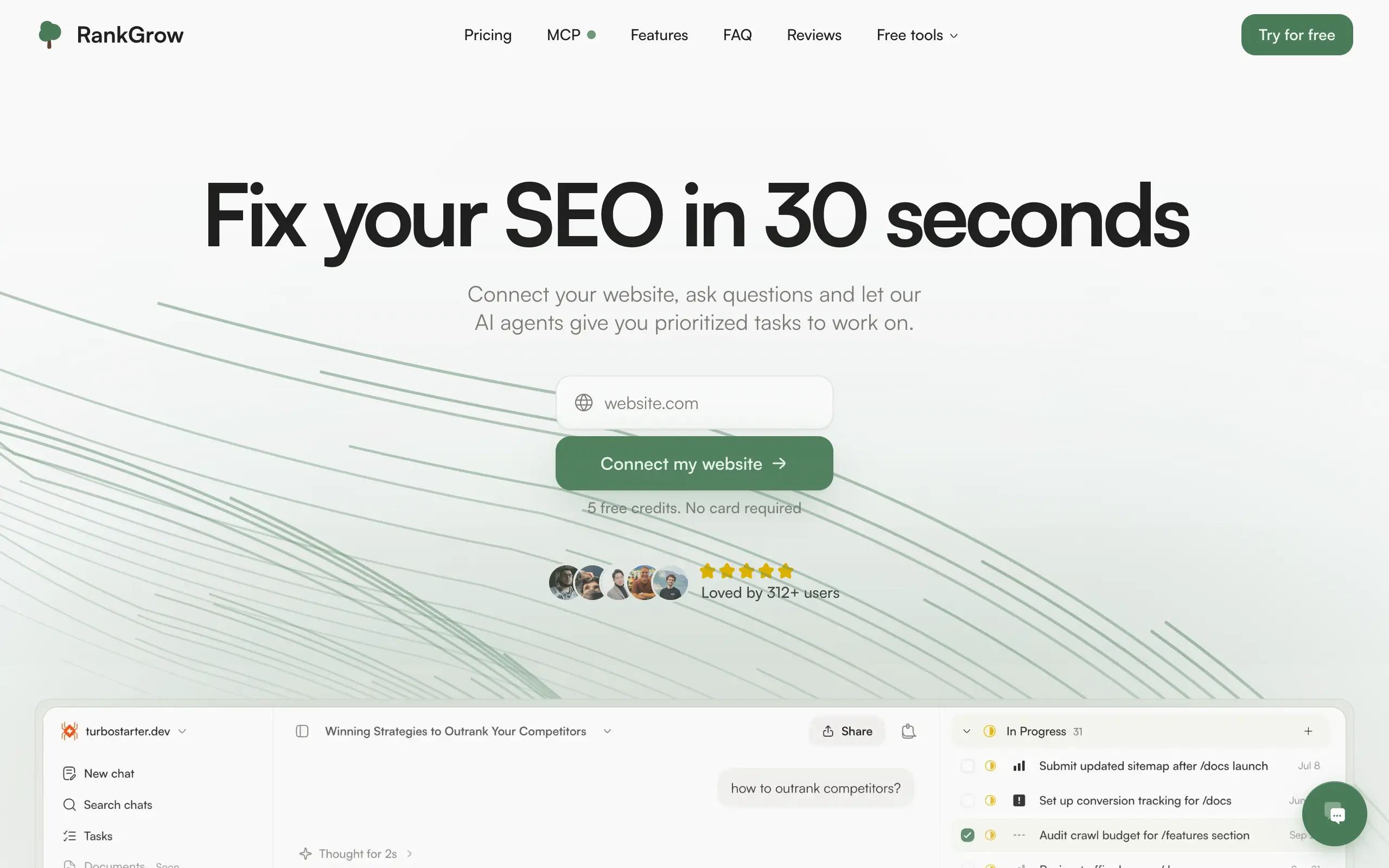
RankGrow
Fix your SEO with AI agents - connect Search Console, get prioritized tasks, and grow organic traffic 📈
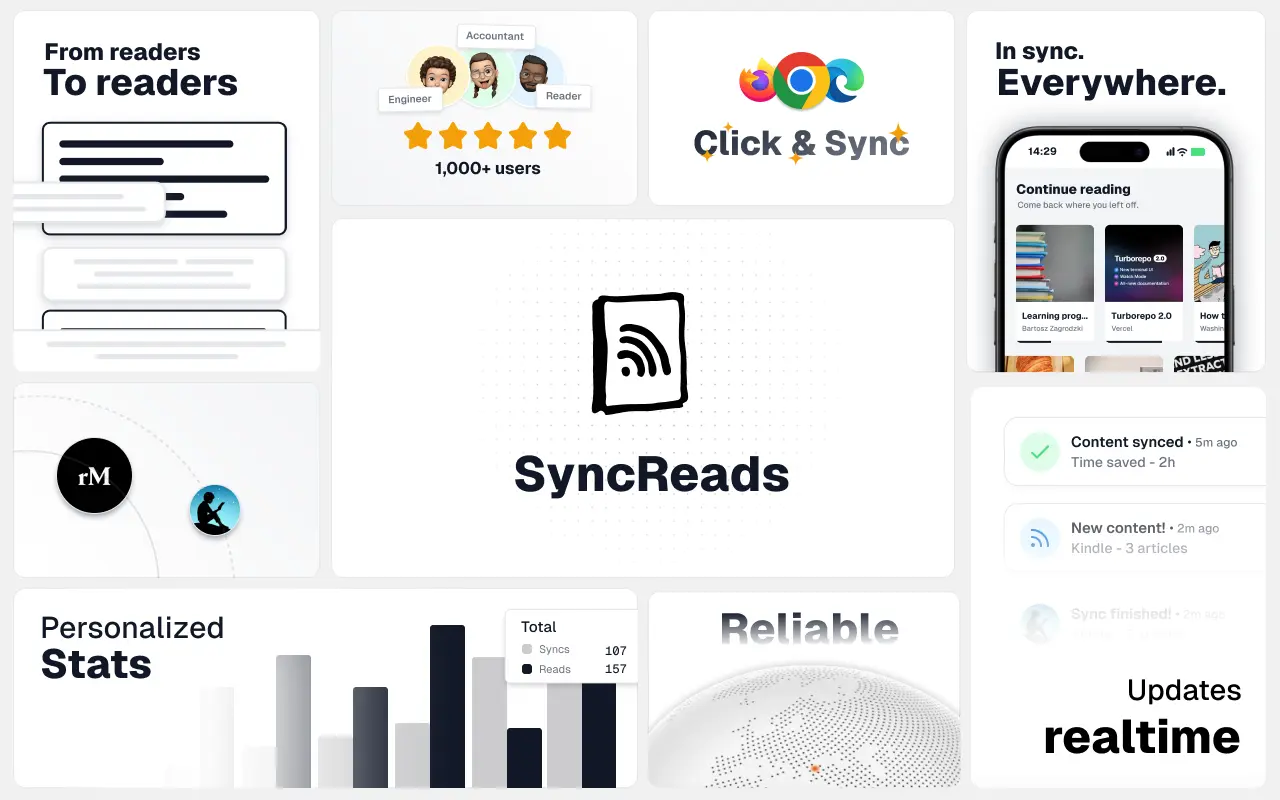
SyncReads
Sync your favorite content for distraction-free reading, save time and replace multiple apps. Anytime, anywhere 🔄
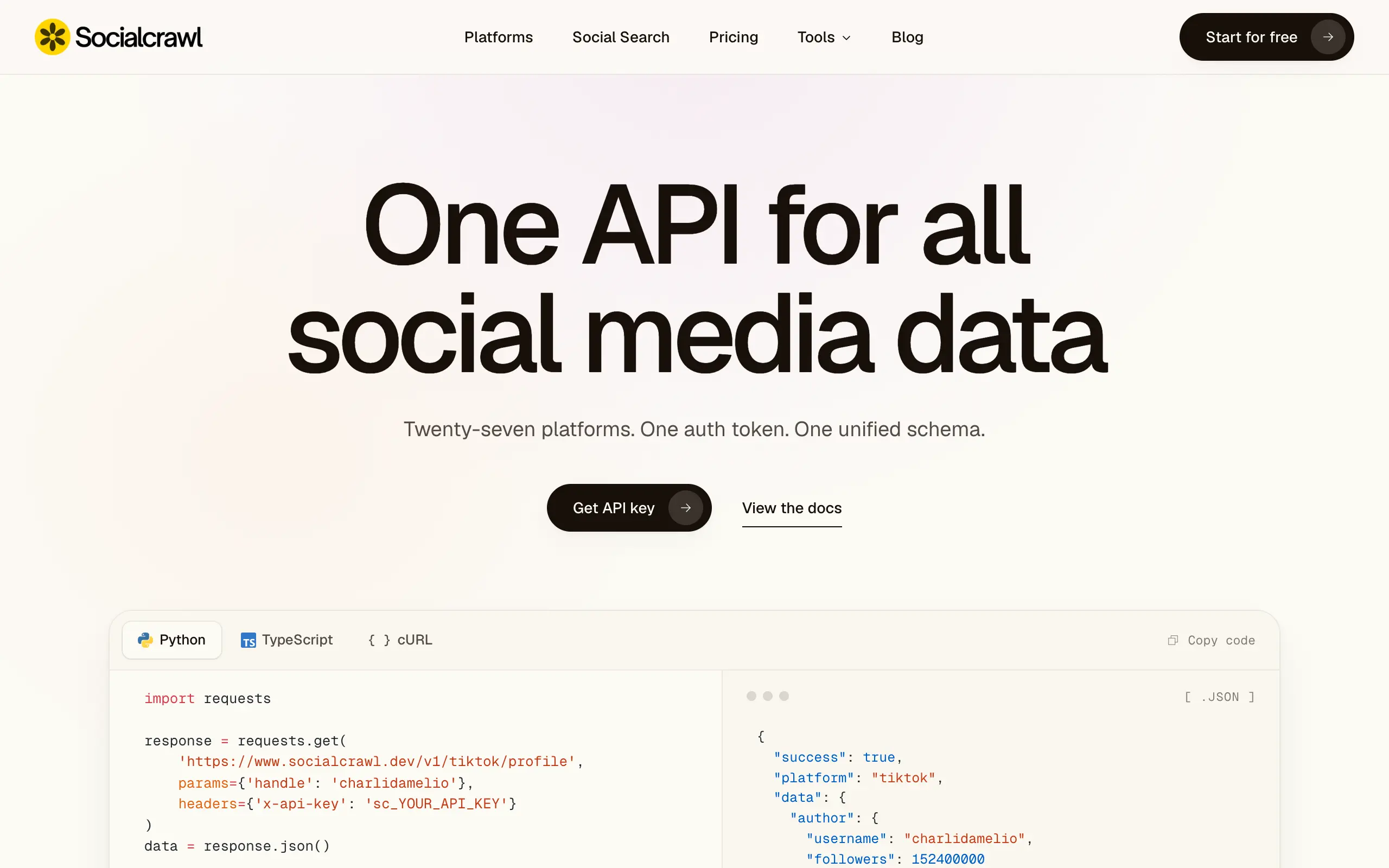
Socialcrawl
Get clean, structured data from 21 platforms like TikTok, Instagram, and YouTube with a single request 📊
Statiko
Monitor any Telegram channel in real time - track posts, edits, deletions, and growth with AI recaps 📡
Shibui
AI website builder - describe your business, pick a niche template, edit by chatting, and publish instantly ✨
Pro Service
Find verified home service professionals, compare quotes, and pay securely through escrow - built for Brazilians across the US 🏠
RankGrow
Fix your SEO with AI agents - connect Search Console, get prioritized tasks, and grow organic traffic 📈
SyncReads
Sync your favorite content for distraction-free reading, save time and replace multiple apps. Anytime, anywhere 🔄
Socialcrawl
Get clean, structured data from 21 platforms like TikTok, Instagram, and YouTube with a single request 📊
Statiko
Monitor any Telegram channel in real time - track posts, edits, deletions, and growth with AI recaps 📡
Shibui
AI website builder - describe your business, pick a niche template, edit by chatting, and publish instantly ✨
Pro Service
Find verified home service professionals, compare quotes, and pay securely through escrow - built for Brazilians across the US 🏠
RankGrow
Fix your SEO with AI agents - connect Search Console, get prioritized tasks, and grow organic traffic 📈
SyncReads
Sync your favorite content for distraction-free reading, save time and replace multiple apps. Anytime, anywhere 🔄
Socialcrawl
Get clean, structured data from 21 platforms like TikTok, Instagram, and YouTube with a single request 📊
Statiko
Monitor any Telegram channel in real time - track posts, edits, deletions, and growth with AI recaps 📡
Shibui
AI website builder - describe your business, pick a niche template, edit by chatting, and publish instantly ✨
Pro Service
Find verified home service professionals, compare quotes, and pay securely through escrow - built for Brazilians across the US 🏠
RankGrow
Fix your SEO with AI agents - connect Search Console, get prioritized tasks, and grow organic traffic 📈
SyncReads
Sync your favorite content for distraction-free reading, save time and replace multiple apps. Anytime, anywhere 🔄
Socialcrawl
Get clean, structured data from 21 platforms like TikTok, Instagram, and YouTube with a single request 📊
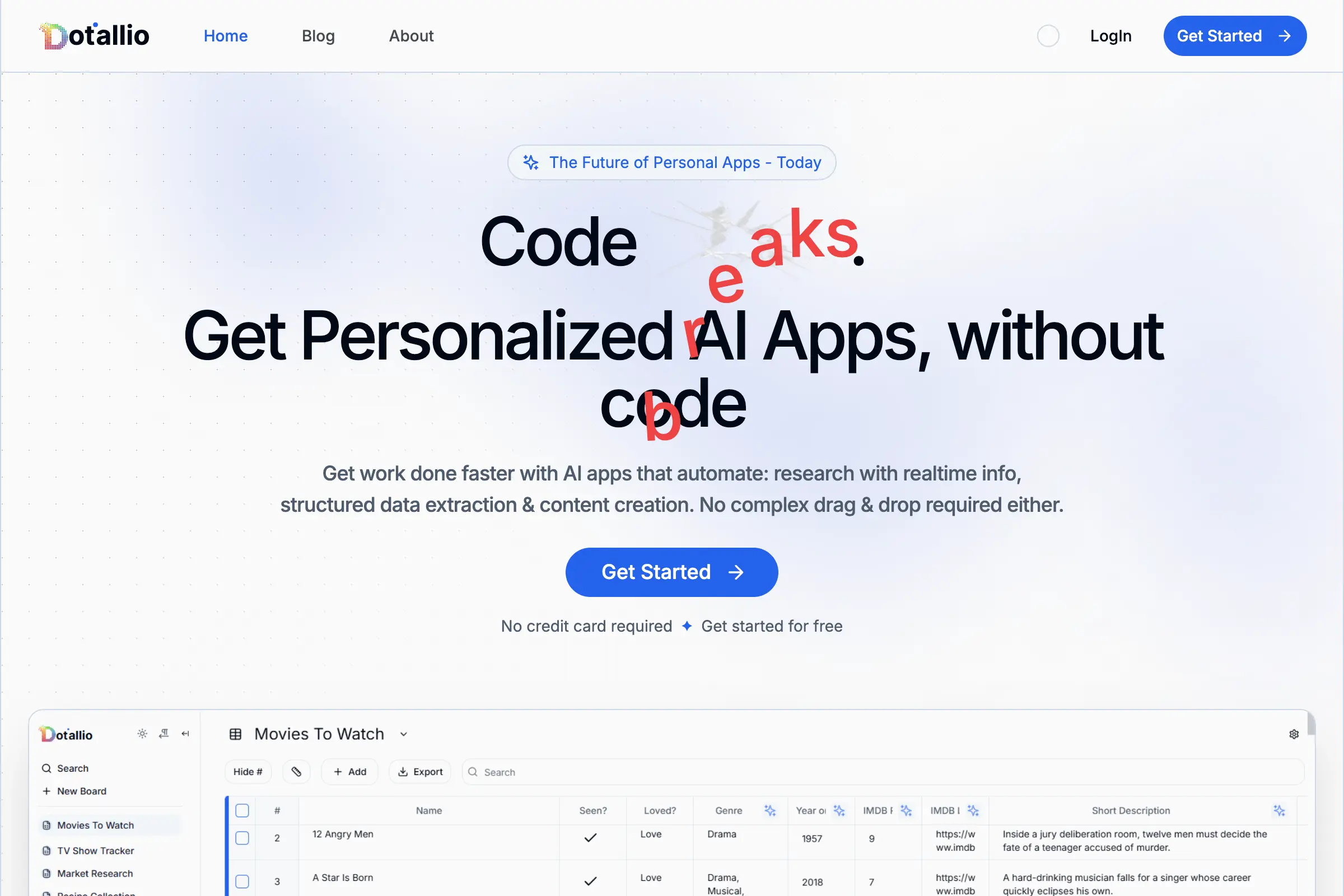
Dotallio
Personalized AI apps that automate research, data extraction, and content creation without code 🤖

Talk to Santa
Enjoy a magical live video chat or receive a unique AI-generated video greeting from Santa Claus 🎅

pozywka.pl
Scalable blog for food journalist, focused on performance and user experience 🌭
zagrodzki.me
Personal blog and portfolio of Bart Zagrodzki, where he shares his knowledge and work 💼
TurboStarter
Ship your startup everywhere. In minutes.
HTML to Markdown
Convert HTML to Markdown with ease, directly in your browser 📄
Dotallio
Personalized AI apps that automate research, data extraction, and content creation without code 🤖
Talk to Santa
Enjoy a magical live video chat or receive a unique AI-generated video greeting from Santa Claus 🎅
pozywka.pl
Scalable blog for food journalist, focused on performance and user experience 🌭
zagrodzki.me
Personal blog and portfolio of Bart Zagrodzki, where he shares his knowledge and work 💼
TurboStarter
Ship your startup everywhere. In minutes.
HTML to Markdown
Convert HTML to Markdown with ease, directly in your browser 📄
Dotallio
Personalized AI apps that automate research, data extraction, and content creation without code 🤖
Talk to Santa
Enjoy a magical live video chat or receive a unique AI-generated video greeting from Santa Claus 🎅
pozywka.pl
Scalable blog for food journalist, focused on performance and user experience 🌭
zagrodzki.me
Personal blog and portfolio of Bart Zagrodzki, where he shares his knowledge and work 💼
TurboStarter
Ship your startup everywhere. In minutes.
HTML to Markdown
Convert HTML to Markdown with ease, directly in your browser 📄
Dotallio
Personalized AI apps that automate research, data extraction, and content creation without code 🤖
Talk to Santa
Enjoy a magical live video chat or receive a unique AI-generated video greeting from Santa Claus 🎅
pozywka.pl
Scalable blog for food journalist, focused on performance and user experience 🌭
zagrodzki.me
Personal blog and portfolio of Bart Zagrodzki, where he shares his knowledge and work 💼
TurboStarter
Ship your startup everywhere. In minutes.
HTML to Markdown
Convert HTML to Markdown with ease, directly in your browser 📄
Omichat
Chat with 50+ AI models, including ChatGPT and Claude, in one place - switch models anytime without losing context 🤖
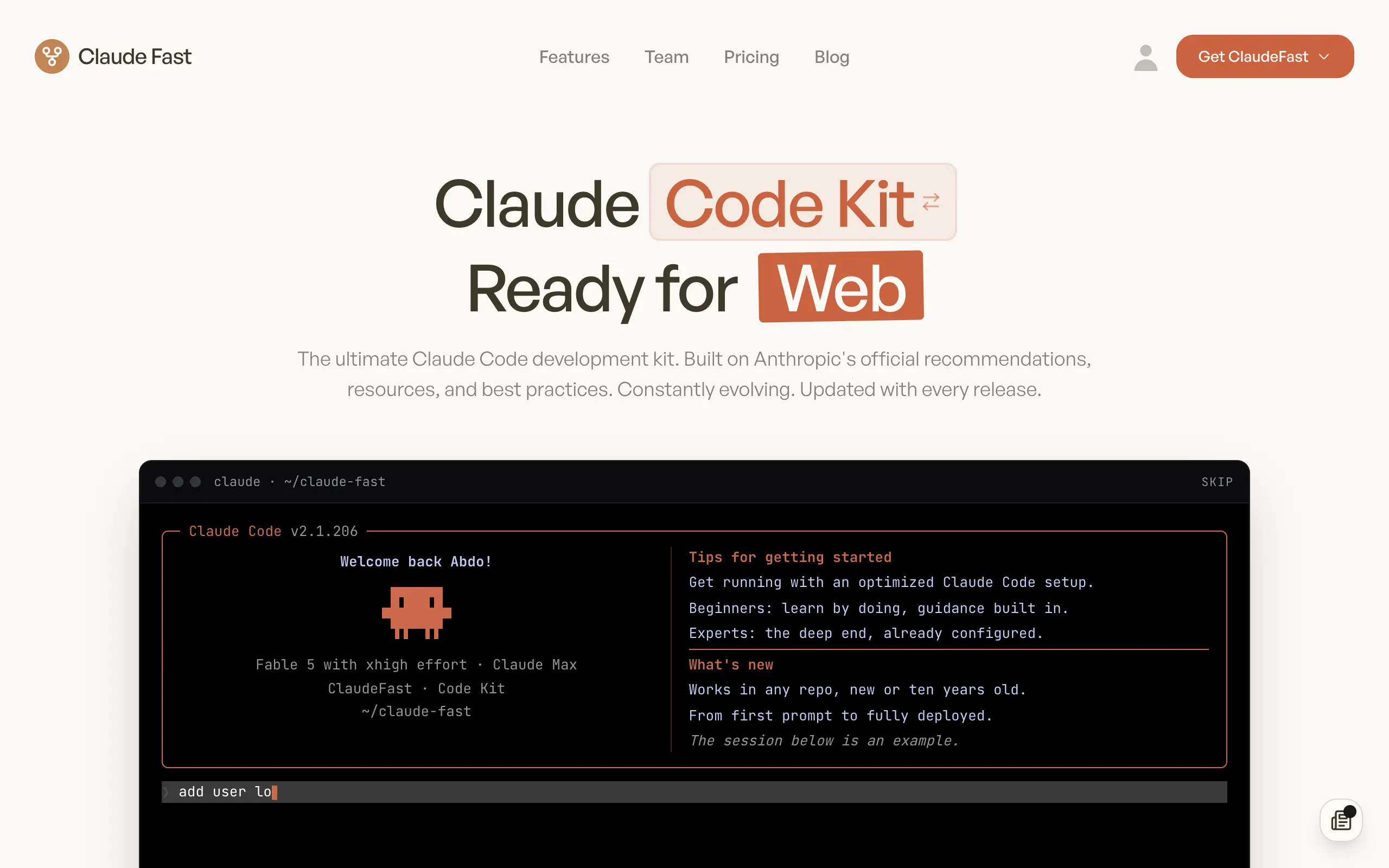
Claude Fast
Supercharge your Claude Code with 6x effective context window and specialized AI agents 🤖
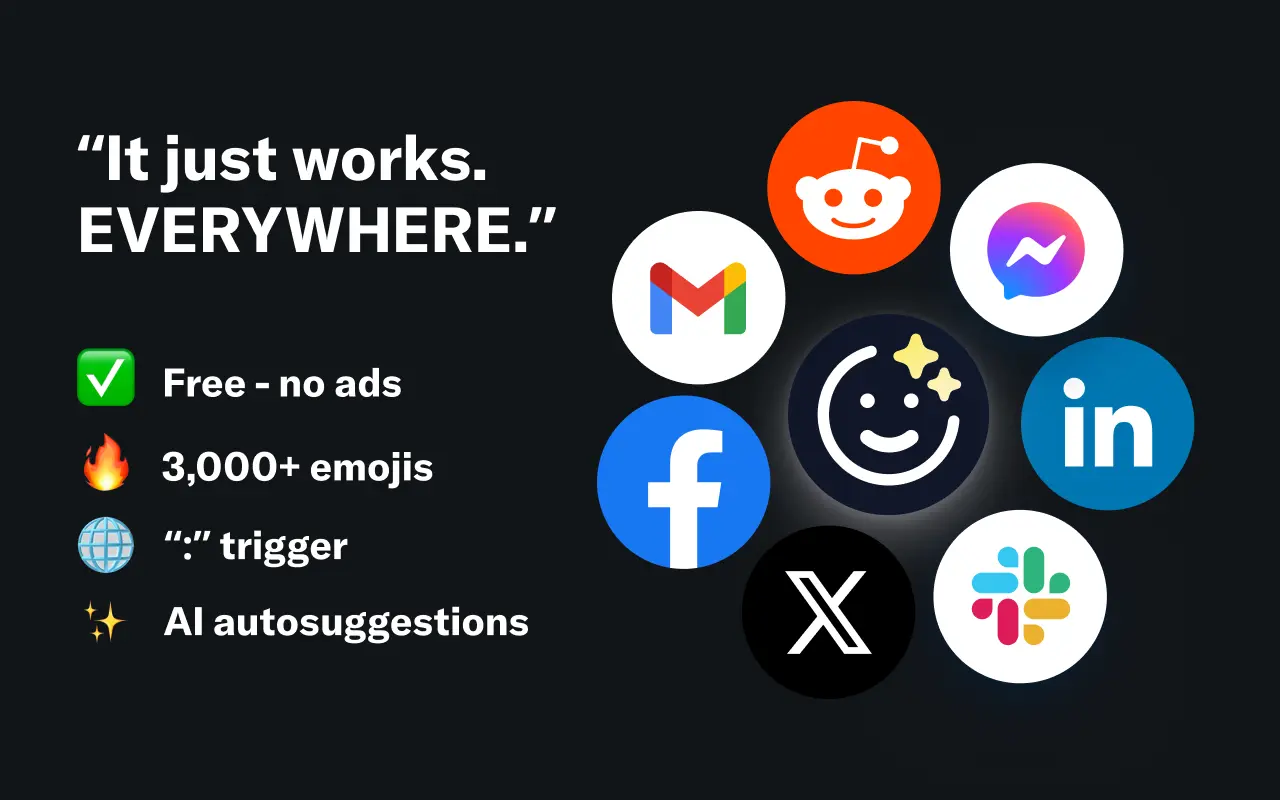
EmojAI
AI-powered emoji picker with smart, context-aware suggestions 🤖

Solohacker
Autonomous company launcher - AI agents work 24/7, escalate what matters, and you stay in control 🤖

BeRawi: Storytelling Coach
Practice storytelling daily with instant feedback to sound clearer, more engaging, and confident 🎤
Omichat
Chat with 50+ AI models, including ChatGPT and Claude, in one place - switch models anytime without losing context 🤖
Claude Fast
Supercharge your Claude Code with 6x effective context window and specialized AI agents 🤖
EmojAI
AI-powered emoji picker with smart, context-aware suggestions 🤖
Solohacker
Autonomous company launcher - AI agents work 24/7, escalate what matters, and you stay in control 🤖
BeRawi: Storytelling Coach
Practice storytelling daily with instant feedback to sound clearer, more engaging, and confident 🎤
Omichat
Chat with 50+ AI models, including ChatGPT and Claude, in one place - switch models anytime without losing context 🤖
Claude Fast
Supercharge your Claude Code with 6x effective context window and specialized AI agents 🤖
EmojAI
AI-powered emoji picker with smart, context-aware suggestions 🤖
Solohacker
Autonomous company launcher - AI agents work 24/7, escalate what matters, and you stay in control 🤖
BeRawi: Storytelling Coach
Practice storytelling daily with instant feedback to sound clearer, more engaging, and confident 🎤
Omichat
Chat with 50+ AI models, including ChatGPT and Claude, in one place - switch models anytime without losing context 🤖
Claude Fast
Supercharge your Claude Code with 6x effective context window and specialized AI agents 🤖
EmojAI
AI-powered emoji picker with smart, context-aware suggestions 🤖
Solohacker
Autonomous company launcher - AI agents work 24/7, escalate what matters, and you stay in control 🤖
BeRawi: Storytelling Coach
Practice storytelling daily with instant feedback to sound clearer, more engaging, and confident 🎤

Connect with like-minded people
Join our community to get feedback, support, and grow together with 1,000+ builders on board, let's ship it!
Join usShip your startup everywhere. In minutes.
Don't burn tokens on setup and start building features on day one.