MarketMind Signals
Real-time AI signal engine for Polymarket traders delivering probability mispricing alerts, event outcome forecasts, and automated position management.
The rise of AI-powered prediction market intelligence
Prediction markets like Polymarket have evolved from niche experiments into high-volume platforms where traders speculate on real-world events—elections, macroeconomic indicators, crypto outcomes, sports, geopolitics, and more. As liquidity grows, so does competition. Retail traders, quant hobbyists, and professional funds are all scanning the same markets for probability mispricing and edge.
This is where an AI-powered signal engine for prediction markets becomes transformative.
A platform like MarketMind Signals—a real-time AI signal engine for Polymarket traders—addresses a clear and urgent need:
- Identify mispriced probabilities before the market corrects.
- Forecast event outcomes using structured + unstructured data.
- Manage open positions with automation and risk controls.
- Deliver actionable insights—not raw data noise.
This article explores the full SaaS strategy behind building a product like MarketMind Signals: target audience, market gap, core features, tech stack, monetization, competitive positioning, risks, and implementation roadmap.
Understanding the target audience for an AI prediction market tool
To build a high-performing SaaS product in the AI trading space, clarity on user segments is essential.
1. Retail Polymarket traders
Profile:
- Active traders with $1K–$100K portfolios
- Often crypto-native
- Comfortable with dashboards and APIs
- Seeking alpha through information asymmetry
Pain points:
- Hard to detect true mispricing vs noise
- Emotional bias during breaking news
- Limited time for constant monitoring
- No structured risk management tools
Search intent:
- “Polymarket trading strategy”
- “How to find mispriced prediction markets”
- “AI trading signals for Polymarket”
- “Prediction market arbitrage”
MarketMind Signals directly satisfies this by offering real-time probability mispricing alerts and automated position logic.
2. Quant hobbyists and crypto-native analysts
Profile:
- Developers and data scientists
- Build models but lack complete data pipelines
- Want signal validation and automation
Pain points:
- Data ingestion complexity
- Event resolution modeling challenges
- Difficulty aggregating social + macro signals
They value:
- API access
- Transparent model logic
- Backtesting capability
- Exportable signals
3. Small trading desks & DAO treasuries
Profile:
- Crypto funds or DAOs experimenting with prediction markets
- Capital > $250K
- Interested in systematic edge
Pain points:
- Manual monitoring doesn’t scale
- Risk exposure across correlated events
- Compliance & reporting needs
They need:
- Portfolio-level risk dashboards
- Automated rebalancing
- Institutional-grade reporting
The market opportunity: inefficiencies in prediction markets
Prediction markets are theoretically efficient—but practically inefficient in the short to medium term.
Why?
- Information latency – News spreads unevenly.
- Emotional volatility – Political and macro events trigger irrational pricing.
- Liquidity fragmentation – Not all markets are equally liquid.
- Cognitive bias – Traders overweight recent headlines.
- Limited algorithmic participation – Compared to equities, quant infrastructure is early-stage.
This creates consistent opportunities for:
- Probability divergence from fundamental models
- Overreaction to social sentiment
- Arbitrage across related events
- Slow correction in niche markets
An AI signal engine designed specifically for Polymarket can:
- Continuously model “fair probability”
- Compare it to live market probability
- Trigger alerts when delta exceeds threshold
- Manage open positions based on expected value (EV)
This is the core gap MarketMind Signals fills.
Core features of MarketMind Signals
To rank and retain users, the platform must go beyond simple alerts.
Below is a strategic breakdown of essential and advanced features.
1. Real-time probability mispricing detection
The heart of the product.
How it works:
- Pull live Polymarket prices
- Convert market price → implied probability
- Run AI-based forecast model
- Compute expected value (EV)
- Trigger alert if EV > threshold
Signal logic example:
const marketProbability = 0.62;
const modelProbability = 0.71;

const expectedValue = (modelProbability - marketProbability);

if (expectedValue > 0.07) {
  triggerAlert("Mispricing detected: +9% edge");
}
This alone satisfies high-intent searchers looking for:
- “Probability mispricing tool”
- “Prediction market AI signals”
2. AI event outcome forecasting engine
This is the defensibility layer.
Data sources may include:
- Historical event resolution data
- News sentiment (NLP models)
- Social media trend velocity
- Macro indicators
- Polling data (for political events)
- On-chain metrics (crypto-related events)
Modern LLMs combined with structured statistical models can generate probability distributions, not just binary predictions.
Model architecture options:
- Gradient boosted trees for structured signals
- Transformer-based NLP for news & social
- Bayesian updating framework
- Ensemble stacking model
3. Automated position management
Signals without execution = friction.
MarketMind Signals should enable:
- Auto-entry rules
- Stop-loss triggers
- EV-based exit logic
- Volatility-adjusted position sizing
- Correlation-aware exposure control
Example:
- If EV drops below 2%, reduce position
- If news sentiment flips strongly negative, hedge
This elevates the product from “signal tool” to “decision engine.”
4. Portfolio-level analytics
Advanced traders demand overview.
Must include:
- Aggregate exposure by theme (elections, crypto, macro)
- Correlation heatmap
- EV-weighted expected return
- Risk-adjusted performance (Sharpe-style metric)
- Historical signal performance
5. Backtesting & simulation
This is critical for trust and E-E-A-T.
Allow users to:
- Replay past events
- Simulate strategy performance
- Adjust risk thresholds
- Compare strategy variants
Backtesting increases retention and credibility.
6. Custom alert engine
Provide flexibility:
- Telegram alerts
- Email alerts
- Discord bot
- Webhook API
- Push notifications
Advanced users can plug signals into their own automation stack.
Competitive landscape and differentiation
Current competitors fall into categories:
- Manual analytics dashboards
- Crypto trading signal bots
- General AI forecasting tools
- Custom quant solutions
Let’s compare.
| Feature | Generic dashboards | Crypto signal bots | Custom quant tools | MarketMind Signals |
|---|---|---|---|---|
| Real-time mispricing detection | ❌ | ❌ | ✅ | ✅ |
| AI probability forecasting | ❌ | ❌ | ✅ | ✅ |
| Automated position management | ❌ | ✅ | ✅ | ✅ |
| Prediction market specialization | ❌ | ❌ | ❌ | ✅ |
Unique selling proposition (USP):
A dedicated, AI-driven signal and automation engine built specifically for Polymarket inefficiencies—not generic trading signals.
Specialization = defensibility.
Recommended tech stack for building MarketMind Signals
A scalable AI trading SaaS needs robust architecture.
Frontend
Why?
- Fast UI iteration
- Server-side rendering for SEO
- Strong ecosystem
Backend
Options:
Best for:
- Real-time WebSocket processing
- Event-driven architecture
- Tight integration with frontend
Tech:
- Node.js
- Redis
- PostgreSQL
Best for:
- AI modeling
- Data pipelines
- Statistical forecasting
Tech:
- FastAPI
- PyTorch
- Pandas
Hybrid model recommended:
- Python for AI services
- Node.js for API gateway and real-time layer
AI & data infrastructure
- LLM APIs for NLP
- Vector database (e.g., Pinecone or self-hosted)
- Time-series database
- Cloud: AWS / GCP
- Stream processing: Kafka or Redis Streams
Trade-offs:
- Real-time processing increases infra cost.
- Model explainability vs black-box performance.
Authentication & billing
- Stripe for subscriptions
- OAuth + wallet integration
- Role-based access
Monetization strategy
A high-value AI signal product justifies premium pricing.
Tiered subscription model
Starter ($49–$99/month):
- Limited alerts
- Manual signal dashboard
Pro ($149–$299/month):
- Real-time alerts
- Portfolio analytics
- Backtesting
Elite ($499+/month):
- Automated execution
- API access
- Dedicated support
Alternative revenue streams
- Performance fee model (advanced)
- Institutional licensing
- API usage billing
- White-label solution
Risk factors and mitigation strategies
Regulatory risk
Prediction markets can face scrutiny.
Mitigation:
- Position product as analytics tool
- Avoid custody of funds
- Clear legal disclaimer
Model overfitting
AI models may perform well historically but fail live.
Mitigation:
- Walk-forward validation
- Cross-event testing
- Transparent performance metrics
Latency disadvantage
If alerts lag, edge disappears.
Mitigation:
- WebSocket ingestion
- In-memory computation
- Regional server distribution
Market efficiency increase
If too many users follow signals, edge decays.
Mitigation:
- Adaptive models
- Personalization
- Niche market focus
Building trust through E-E-A-T principles
To rank for “AI prediction market signals” and similar keywords, the product must demonstrate:
- Transparent methodology
- Published backtests
- Clear documentation
- Responsible trading guidelines
- Public performance metrics
Consider:
- Publishing research blog posts
- Explaining model logic at high level
- Sharing case studies
Trust = long-term retention.
Step-by-step implementation roadmap
For rapid SaaS deployment, frameworks like TurboStarter can accelerate the boilerplate layer—authentication, billing, dashboard scaffolding—so development focuses on the AI signal engine itself.
Go-to-market strategy
1. Community-driven growth
- Crypto Twitter
- Discord communities
- Polymarket subreddit
- Prediction market forums
2. Content marketing
High-intent SEO articles:
- “How to find mispriced prediction markets”
- “AI trading strategies for Polymarket”
- “Expected value in prediction markets explained”
3. Transparent case studies
Show:
- Signal vs market outcome
- EV captured
- Risk-adjusted returns
Future expansion opportunities
Once validated:
- Expand to other prediction markets
- Cross-market arbitrage engine
- AI-generated trade thesis summaries
- Institutional dashboard version
- Tokenized access model
Why MarketMind Signals can win
Three pillars:
- Specialization – Built exclusively for prediction markets.
- Automation – Moves beyond alerts into execution.
- AI defensibility – Continuously improving forecasting engine.
Prediction markets are still early-stage relative to equities and crypto. The infrastructure for algorithmic edge is immature—this is an asymmetric opportunity.
The winners will not be manual traders.
They will be data-driven, AI-augmented decision systems.
Final actionable blueprint
If you’re building MarketMind Signals:
- Start narrow: Polymarket only.
- Focus on one killer feature: mispricing alerts.
- Publish transparent backtests.
- Price premium.
- Build trust aggressively.
- Expand once edge is proven.
The demand for AI-powered prediction market signals is real. Traders are actively searching for tools that:
- Detect probability mispricing
- Forecast event outcomes
- Automate risk management
- Provide real-time alerts
Deliver those with reliability and transparency—and you don’t just build a SaaS product.
You build infrastructure for the future of prediction markets.
More 🤖 AI Startup SaaS ideas
Discover more innovative ai startup SaaS ideas that are trending in 2026. Each idea is AI-generated with market validation and growth potential to help you find your next profitable venture faster than competitors.
Your competitors are building with TurboStarter
Below are some of the SaaS ideas that have been generated and built with our starter kit.

Statiko
Monitor any Telegram channel in real time - track posts, edits, deletions, and growth with AI recaps 📡

Shibui
AI website builder - describe your business, pick a niche template, edit by chatting, and publish instantly ✨

Pro Service
Find verified home service professionals, compare quotes, and pay securely through escrow - built for Brazilians across the US 🏠

RankGrow
Fix your SEO with AI agents - connect Search Console, get prioritized tasks, and grow organic traffic 📈
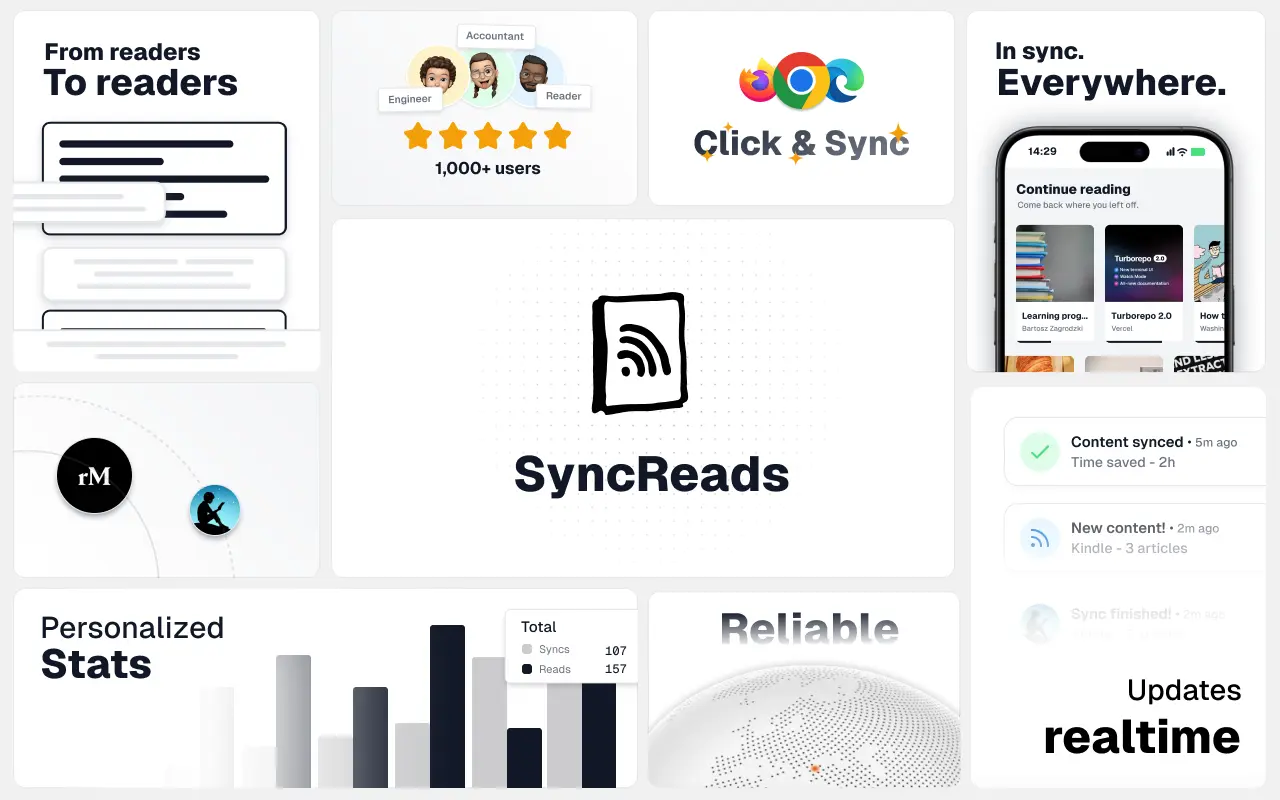
SyncReads
Sync your favorite content for distraction-free reading, save time and replace multiple apps. Anytime, anywhere 🔄
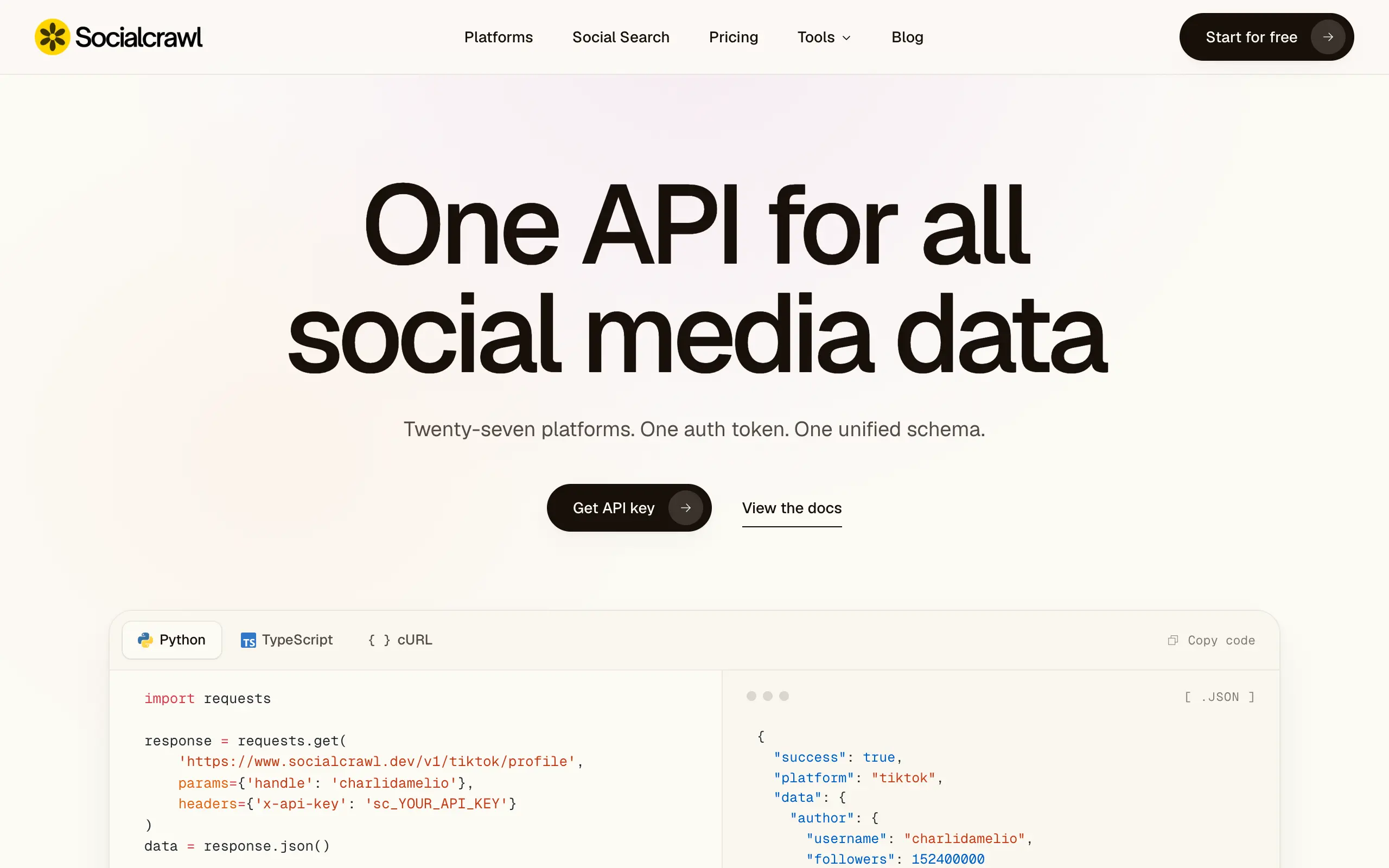
Socialcrawl
Get clean, structured data from 21 platforms like TikTok, Instagram, and YouTube with a single request 📊
Statiko
Monitor any Telegram channel in real time - track posts, edits, deletions, and growth with AI recaps 📡
Shibui
AI website builder - describe your business, pick a niche template, edit by chatting, and publish instantly ✨
Pro Service
Find verified home service professionals, compare quotes, and pay securely through escrow - built for Brazilians across the US 🏠
RankGrow
Fix your SEO with AI agents - connect Search Console, get prioritized tasks, and grow organic traffic 📈
SyncReads
Sync your favorite content for distraction-free reading, save time and replace multiple apps. Anytime, anywhere 🔄
Socialcrawl
Get clean, structured data from 21 platforms like TikTok, Instagram, and YouTube with a single request 📊
Statiko
Monitor any Telegram channel in real time - track posts, edits, deletions, and growth with AI recaps 📡
Shibui
AI website builder - describe your business, pick a niche template, edit by chatting, and publish instantly ✨
Pro Service
Find verified home service professionals, compare quotes, and pay securely through escrow - built for Brazilians across the US 🏠
RankGrow
Fix your SEO with AI agents - connect Search Console, get prioritized tasks, and grow organic traffic 📈
SyncReads
Sync your favorite content for distraction-free reading, save time and replace multiple apps. Anytime, anywhere 🔄
Socialcrawl
Get clean, structured data from 21 platforms like TikTok, Instagram, and YouTube with a single request 📊
Statiko
Monitor any Telegram channel in real time - track posts, edits, deletions, and growth with AI recaps 📡
Shibui
AI website builder - describe your business, pick a niche template, edit by chatting, and publish instantly ✨
Pro Service
Find verified home service professionals, compare quotes, and pay securely through escrow - built for Brazilians across the US 🏠
RankGrow
Fix your SEO with AI agents - connect Search Console, get prioritized tasks, and grow organic traffic 📈
SyncReads
Sync your favorite content for distraction-free reading, save time and replace multiple apps. Anytime, anywhere 🔄
Socialcrawl
Get clean, structured data from 21 platforms like TikTok, Instagram, and YouTube with a single request 📊
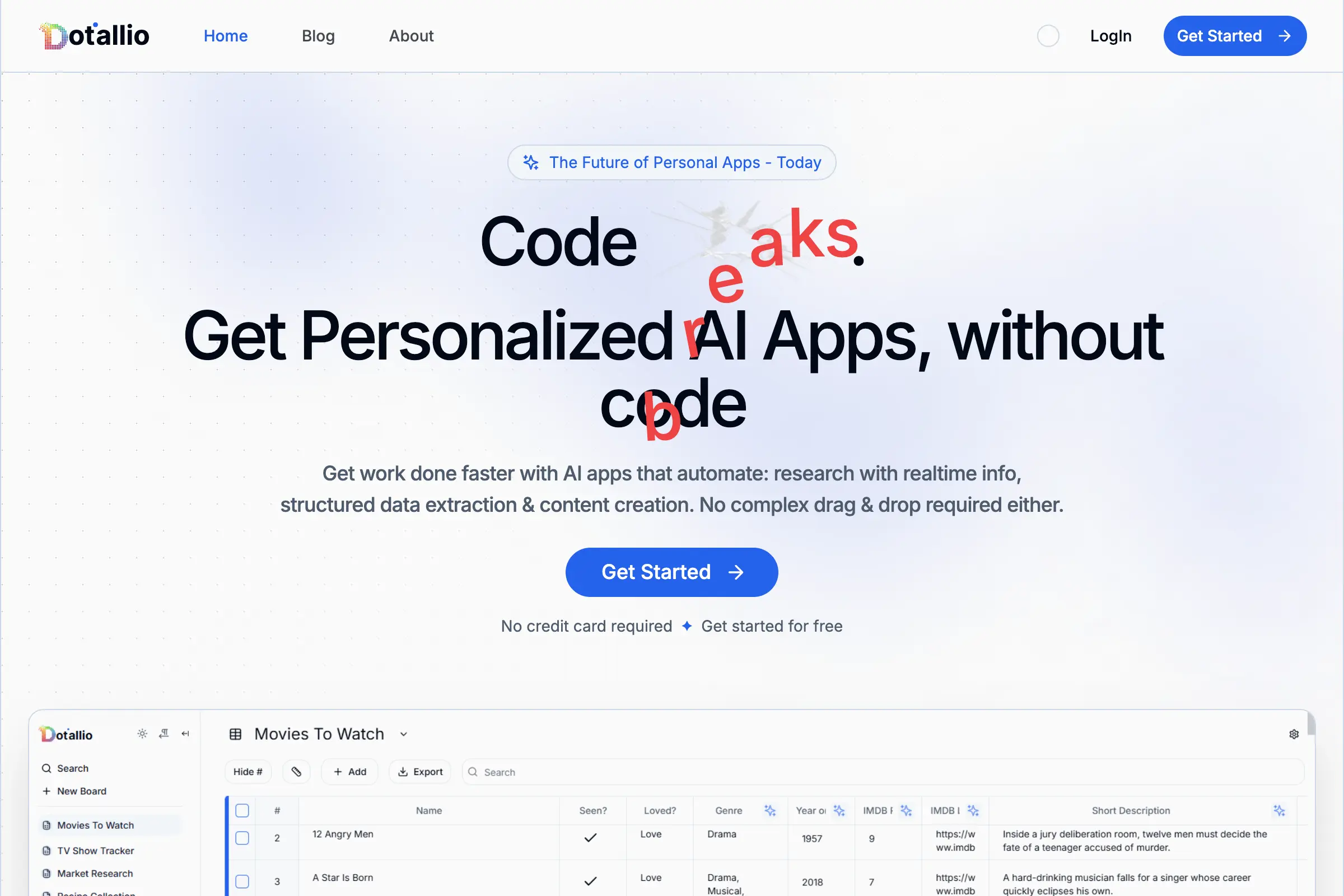
Dotallio
Personalized AI apps that automate research, data extraction, and content creation without code 🤖

Talk to Santa
Enjoy a magical live video chat or receive a unique AI-generated video greeting from Santa Claus 🎅

pozywka.pl
Scalable blog for food journalist, focused on performance and user experience 🌭
zagrodzki.me
Personal blog and portfolio of Bart Zagrodzki, where he shares his knowledge and work 💼
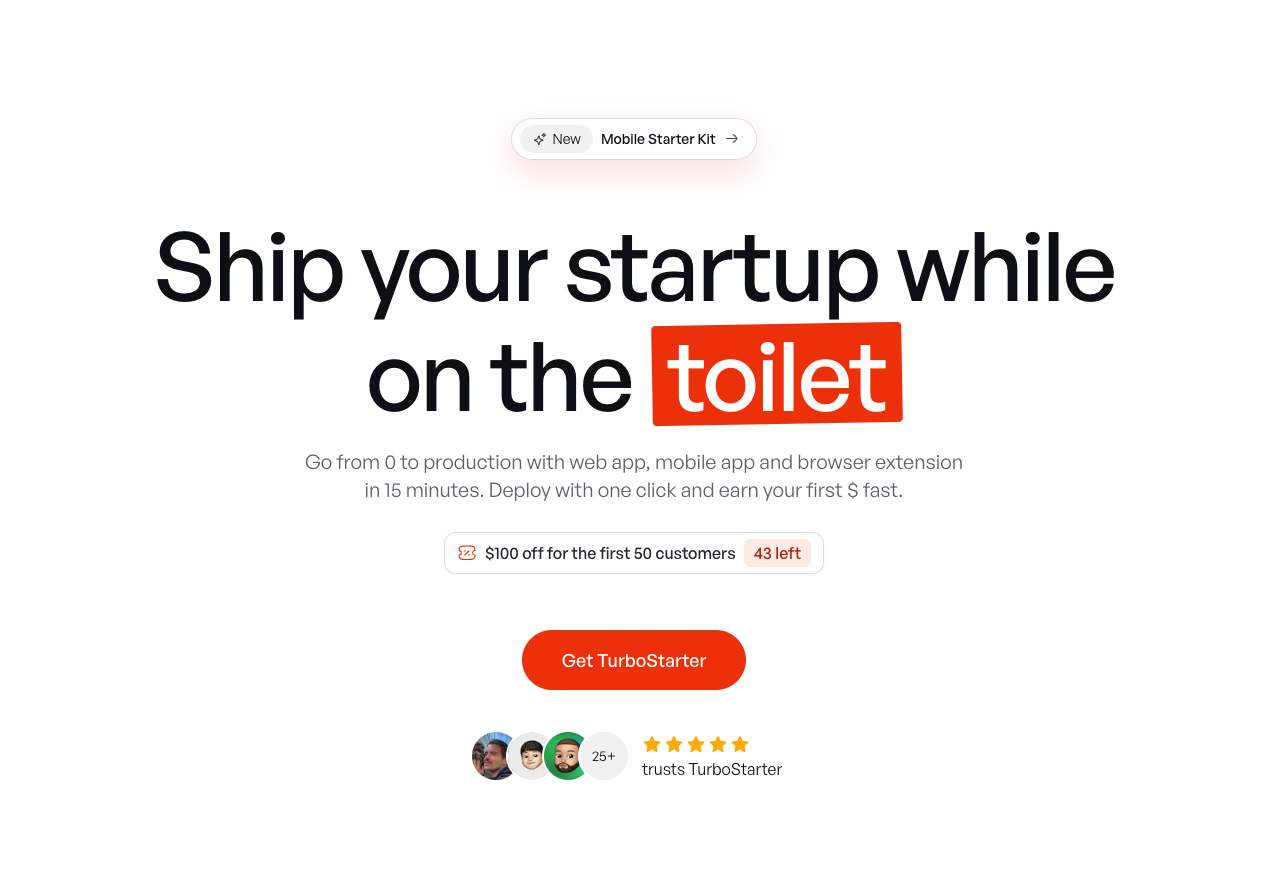
TurboStarter
Ship your startup everywhere. In minutes.
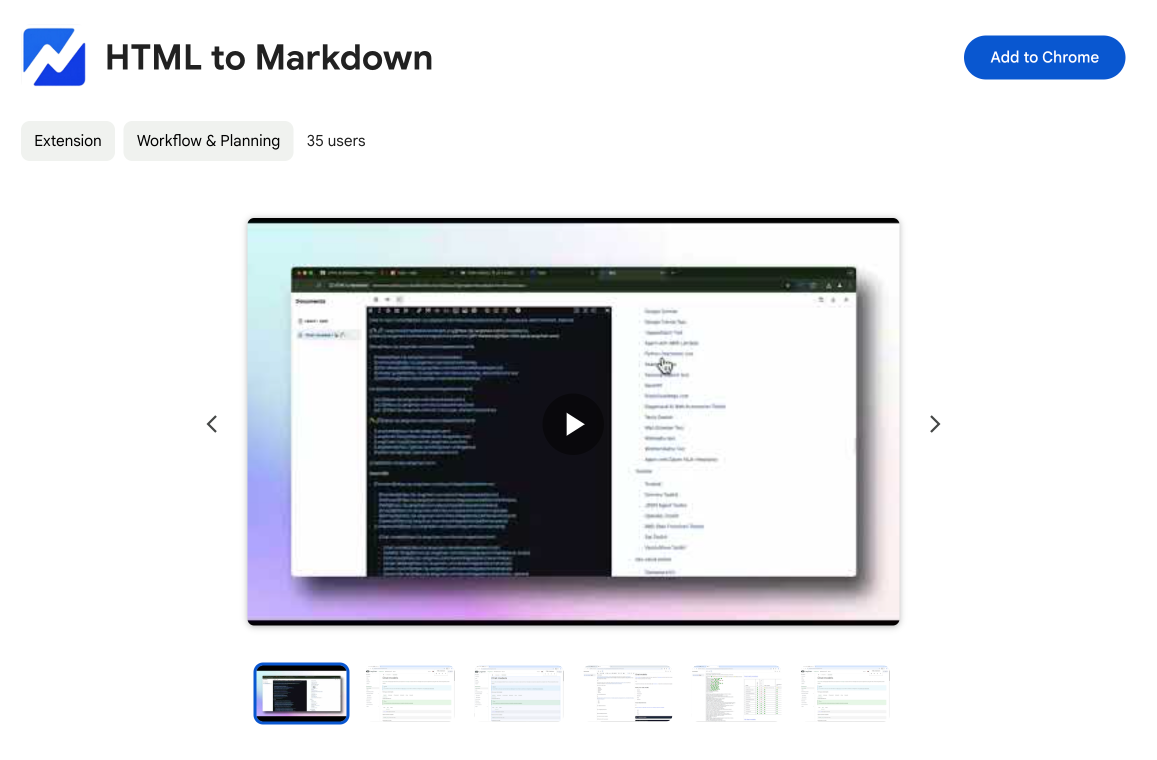
HTML to Markdown
Convert HTML to Markdown with ease, directly in your browser 📄
Dotallio
Personalized AI apps that automate research, data extraction, and content creation without code 🤖
Talk to Santa
Enjoy a magical live video chat or receive a unique AI-generated video greeting from Santa Claus 🎅
pozywka.pl
Scalable blog for food journalist, focused on performance and user experience 🌭
zagrodzki.me
Personal blog and portfolio of Bart Zagrodzki, where he shares his knowledge and work 💼
TurboStarter
Ship your startup everywhere. In minutes.
HTML to Markdown
Convert HTML to Markdown with ease, directly in your browser 📄
Dotallio
Personalized AI apps that automate research, data extraction, and content creation without code 🤖
Talk to Santa
Enjoy a magical live video chat or receive a unique AI-generated video greeting from Santa Claus 🎅
pozywka.pl
Scalable blog for food journalist, focused on performance and user experience 🌭
zagrodzki.me
Personal blog and portfolio of Bart Zagrodzki, where he shares his knowledge and work 💼
TurboStarter
Ship your startup everywhere. In minutes.
HTML to Markdown
Convert HTML to Markdown with ease, directly in your browser 📄
Dotallio
Personalized AI apps that automate research, data extraction, and content creation without code 🤖
Talk to Santa
Enjoy a magical live video chat or receive a unique AI-generated video greeting from Santa Claus 🎅
pozywka.pl
Scalable blog for food journalist, focused on performance and user experience 🌭
zagrodzki.me
Personal blog and portfolio of Bart Zagrodzki, where he shares his knowledge and work 💼
TurboStarter
Ship your startup everywhere. In minutes.
HTML to Markdown
Convert HTML to Markdown with ease, directly in your browser 📄
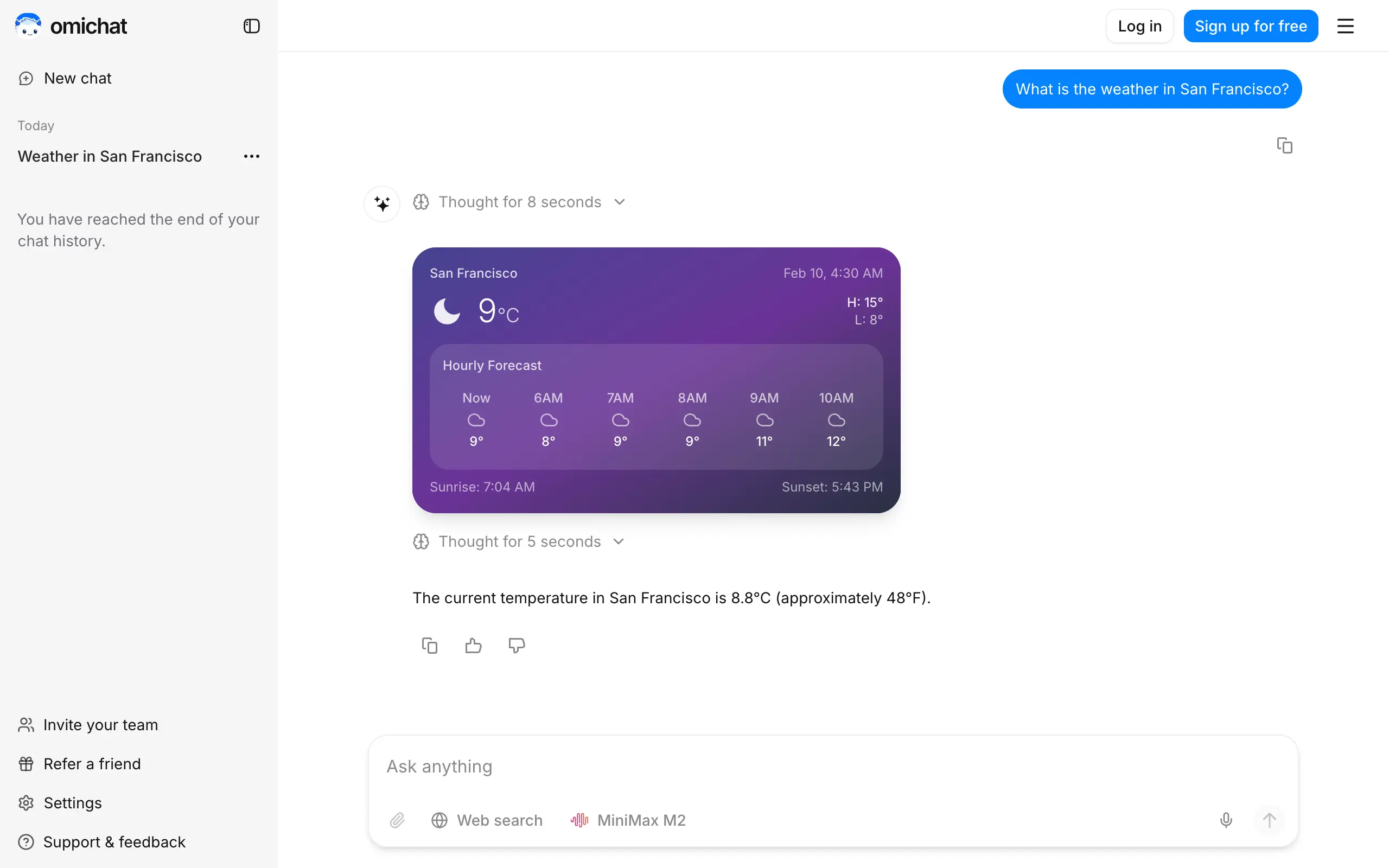
Omichat
Chat with 50+ AI models, including ChatGPT and Claude, in one place - switch models anytime without losing context 🤖
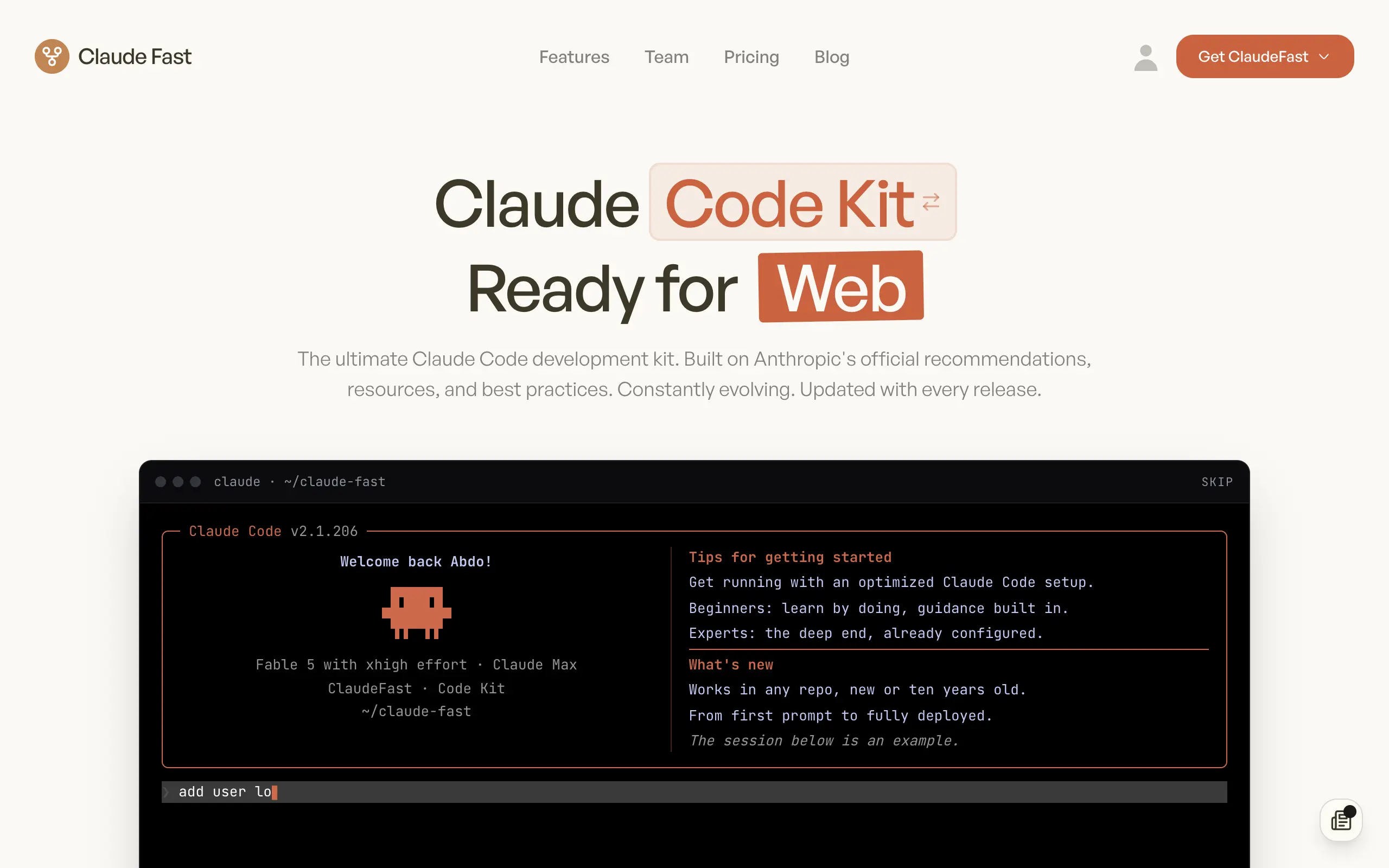
Claude Fast
Supercharge your Claude Code with 6x effective context window and specialized AI agents 🤖
EmojAI
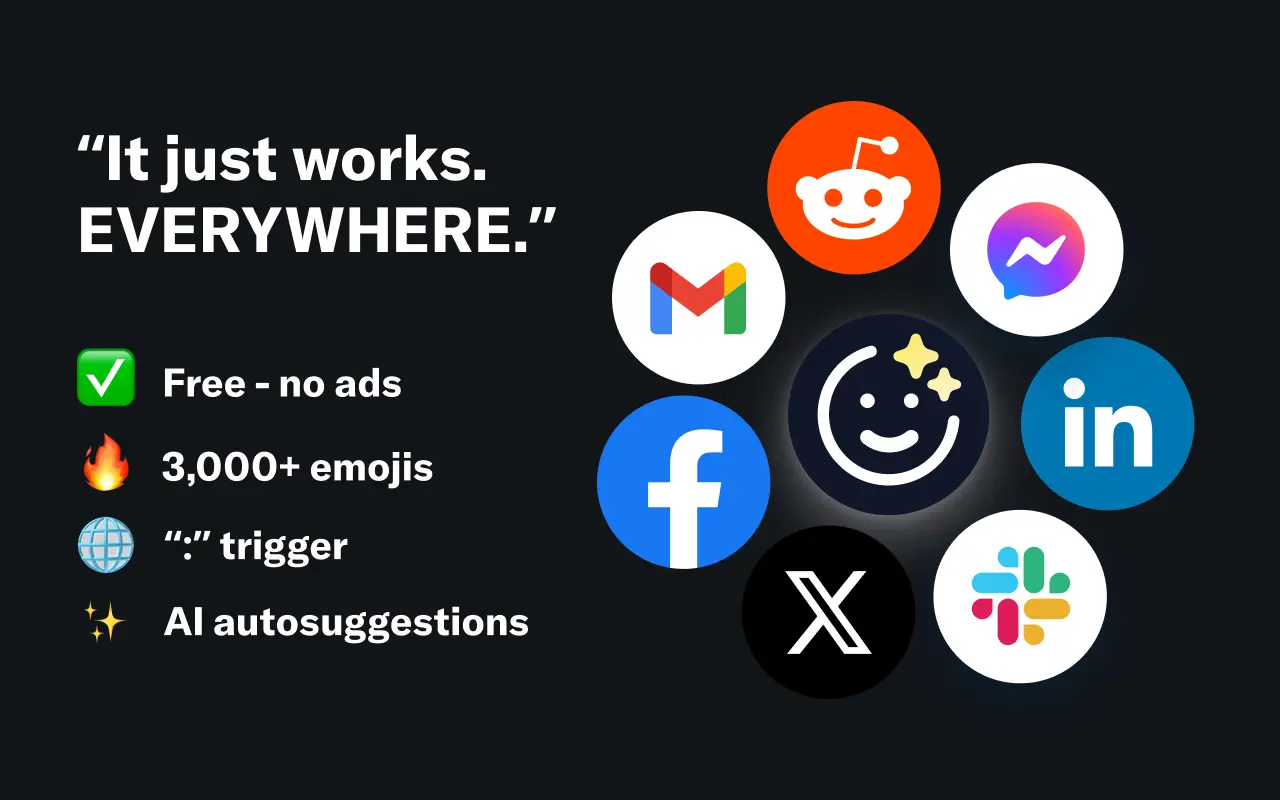
AI-powered emoji picker with smart, context-aware suggestions 🤖

Solohacker
Autonomous company launcher - AI agents work 24/7, escalate what matters, and you stay in control 🤖

BeRawi: Storytelling Coach
Practice storytelling daily with instant feedback to sound clearer, more engaging, and confident 🎤
Omichat
Chat with 50+ AI models, including ChatGPT and Claude, in one place - switch models anytime without losing context 🤖
Claude Fast
Supercharge your Claude Code with 6x effective context window and specialized AI agents 🤖
EmojAI
AI-powered emoji picker with smart, context-aware suggestions 🤖
Solohacker
Autonomous company launcher - AI agents work 24/7, escalate what matters, and you stay in control 🤖
BeRawi: Storytelling Coach
Practice storytelling daily with instant feedback to sound clearer, more engaging, and confident 🎤
Omichat
Chat with 50+ AI models, including ChatGPT and Claude, in one place - switch models anytime without losing context 🤖
Claude Fast
Supercharge your Claude Code with 6x effective context window and specialized AI agents 🤖
EmojAI
AI-powered emoji picker with smart, context-aware suggestions 🤖
Solohacker
Autonomous company launcher - AI agents work 24/7, escalate what matters, and you stay in control 🤖
BeRawi: Storytelling Coach
Practice storytelling daily with instant feedback to sound clearer, more engaging, and confident 🎤
Omichat
Chat with 50+ AI models, including ChatGPT and Claude, in one place - switch models anytime without losing context 🤖
Claude Fast
Supercharge your Claude Code with 6x effective context window and specialized AI agents 🤖
EmojAI
AI-powered emoji picker with smart, context-aware suggestions 🤖
Solohacker
Autonomous company launcher - AI agents work 24/7, escalate what matters, and you stay in control 🤖
BeRawi: Storytelling Coach
Practice storytelling daily with instant feedback to sound clearer, more engaging, and confident 🎤

Connect with like-minded people
Join our community to get feedback, support, and grow together with 1,000+ builders on board, let's ship it!
Join usShip your startup everywhere. In minutes.
Don't burn tokens on setup and start building features on day one.