MatchMind
Leverage AI to analyze your resume and preferences, matching you with best-fit job openings and auto-personalizing your applications for higher interview rates.
Understanding user search intent for AI-powered job matching
When users search for solutions related to AI job matching, resume analysis, or job application personalization, their intent is clear: they want actionable ways to increase interview rates and find better job fits fast. Many are job seekers frustrated by generic job boards, while others are tech-savvy professionals looking for smarter, automated ways to target ideal opportunities. By addressing these motivations directly, MatchMind positions itself as a practical, modern tool for anyone aiming to streamline and optimize the job search experience.
Who MatchMind serves: Deep dive into the target audience
Identifying the right users is essential for any SaaS, especially in the crowded recruitment tech space. Let’s break down the personas MatchMind is built for:
Primary audiences
- Active job seekers: Recent graduates, laid-off employees, and professionals looking for career advancement.
- Passive candidates: Those interested in exploring better opportunities without actively applying everywhere.
- Career changers: Individuals shifting fields, needing optimized, tailored applications to overcome experience gaps.
- Remote/flexible work seekers: Professionals prioritizing remote or hybrid roles who need customized search and application processes.
Secondary beneficiaries
- Recruiters and talent acquisition managers: Employers seeking a richer candidate pool may integrate with platforms like MatchMind for pre-vetted, high-fit applicants.
- Career coaches & résumé writers: These professionals can use MatchMind to offer value-added AI guidance for their clients.
Demographic highlights:
- Age: 21–45 (majority)
- Geography: Global, with a focus on English-speaking markets
- Industry: Tech, marketing, sales, design, consulting, and more
Pro tip
Job seekers with highly specialized backgrounds (e.g., data science or UX design) benefit most from AI-powered job matches and personalized cover letters, as these tools can highlight and contextualize niche skills to stand out in crowded fields.
Pinpointing the market opportunity and addressing the gap
What’s broken with traditional job search platforms?
Traditional job boards and recruitment portals focus on connecting volume—thousands of listings, millions of resumes. The problem? A non-personalized, scattershot approach to job matching yields low response rates and significant applicant fatigue. According to recent HR studies, candidates send out over 40 applications on average for each offer—yet most never hear back. Key pain points include:
- Irrelevant job matches due to weak keyword-based algorithms
- One-size-fits-all applications leading to resume black holes
- Time lost in endlessly tweaking resumes and cover letters
Where MatchMind disrupts
MatchMind leverages AI-powered resume analysis and deep personalization to flip this model:
- Contextual understanding: AI recognizes nuanced skills, experience, and preferences—far beyond keyword scanning.
- Dynamic adaptation: Application materials are automatically tailored to each job, reflecting specific company culture, role requirements, and industry language.
- Time-saving automation: The platform significantly reduces manual effort, enabling users to focus on high-value opportunities.
Recent trends fueling growth
- 72% of employers utilize automated tracking systems (ATS) that filter out generic resumes (Vervoe, 2023).
- AI-driven matching and personalization increase interview callback rates by up to 50% over manual applications (source: recommend citing LinkedIn’s “AI in Job Search” report).
Advances in natural language processing (NLP) and large language models (LLMs) have made deep context-resume analysis and humanlike personalization possible at scale.
Current competitors like LinkedIn Jobs, Indeed, and niche platforms offer generic matching and limited personalization, lacking truly automated, AI-crafted application materials.
Deep dive into core features and unique AI-powered solution
Essential MatchMind features
Let’s break down the suite of capabilities that make up the MatchMind platform:
1. AI resume analysis and parsing
- Ingests and interprets resume content, extracting hard and soft skills, achievements, and domain experience.
- Maps keywords to intent and context (not just frequency), identifying what truly differentiates the candidate.
2. Preference engine and user profiling
- Allows users to specify role type, industry, location, work style (remote/hybrid), preferred company culture, salary expectations, and unique motivators.
- Continuous learning: Adapts as users interact with matches and provide feedback.
3. Intelligent job matching
- Scrapes and pulls in job postings from multiple platforms.
- Uses semantic (LSI) matching to align openings not just with skills, but also with stated preferences and inferred fit.
4. Automated application personalization
- AI rewrites and tailors resumes and cover letters for each target job, reflecting role requirements, company values, and industry language.
- Guarantees higher ATS compatibility by optimizing format and keywords.
5. Metrics and tracking dashboard
- Provides real-time insights: application status, response rate, interview invitations, and optimization tips.
6. Privacy and data control
- Ensures user data is encrypted, never shared or sold without consent, and allows for custom privacy settings.
AI resume parsing
Deep analysis of skills, experience, and potential based on semantic content.
Smart job matching
Goes beyond simple keywords; considers cultural, industry, and personal fit.
Personalized applications
Dynamically tailors language and achievements for every job posting.
Applicant insights
Informs users when and why certain applications perform better—constantly optimizing.
How MatchMind stands apart
- Personalization at scale: Unlike existing platforms, every application is unique and optimally tailored.
- Continuous learning: The system evolves, becoming smarter with every user interaction.
- ATS optimization: Ensures application materials clear automated systems—one of the top reasons candidates are filtered out.
The recommended tech stack: Powering the MatchMind AI solution
Backend
- Python: Ideal for building robust, scalable AI pipelines and microservices; vast AI/ML library support.
- FastAPI: Modern, high-performance API with async support; optimal for real-time job matching and personalization tasks.
Trade-off: Python’s dynamism is great for rapid prototyping, but strict type-safety (offered by alternatives like Go) is somewhat reduced. However, speed of iteration and ML ecosystem outweigh this for AI-based applications.
AI/NLP engines
- OpenAI GPT models: For advanced resume parsing, semantic search, and natural language generation (rewriting resumes, cover letters).
- spaCy/NLTK: Additional NLP tasks, such as entity extraction and keyword-driven clustering.
- Vector search/embedding: Pinecone or FAISS for efficient similarity search and scalable recommendations.
Frontend
- React: Flexible component library and fast state management suitable for dynamic user dashboards/widgets.
- TailwindCSS: Rapidly build accessible, high-contrast UIs.
Database
- PostgreSQL: Rich relational features for structured data (users, jobs, app history).
- NoSQL supplement: MongoDB for unstructured or semi-structured AI outputs and logs.
Infrastructure & deployment
- Docker: For reproducible, containerized deployments.
- AWS or GCP: Managed hosting, scalable AI compute, job queueing, and storage.
| Stack | AI Features | Frontend UX | Performance | Scalability |
|---|---|---|---|---|
| ✅ | ❌ | ❌ | ✅ | ❌ |
| ✅ | ❌ | ✅ | ✅ | ❌ |
Monetization strategies for AI job search SaaS
Diverse pricing keeps revenue resilient. Consider mixing these strategies:
1. Freemium with paid pro features
- Free tier: Limited monthly applications, basic resume analysis, and general job matching.
- Pro tier: Unlimited applications, advanced personalization, analytics, and priority support.
- Custom plan: For recruiters/coaches—bulk analysis, white-label options, ATS integrations.
2. Credit-based microtransactions
- Users purchase application “boosts” or extra AI rewrites, paying only for added features on demand.
3. B2B partnerships and API licensing
- Offer AI resume parsing and matching engines as embeddable APIs to recruitment platforms and HR tech vendors.
4. Affiliate referral revenue
- Earn commissions from upskilling/certification sites when users complete profile-enhancing courses.
Potential risks and proven strategies for mitigation
Operating in the career-tech and AI space involves unique challenges. Here’s how to handle them:
1. Data privacy and security
- Risk: Sensitive user and employment data breaches can erode user trust.
- Mitigation: Encrypt all user data at rest and in transit; regular audits; explicit data ownership controls.
2. Resume/application authenticity
- Risk: Over-customization may misrepresent applicant skills, risking bad hires or reputational fallout.
- Mitigation: Implement guardrails—applications emphasize demonstrated skills, and offer warnings or preview summaries for user confirmation.
3. AI bias
- Risk: Machine learning models may inadvertently perpetuate job market biases (gender, education, etc.).
- Mitigation: Regularly review and update training datasets; enable user-side feedback loops; pursue ethical AI standards.
4. Over-reliance on automation
- Risk: Candidates may neglect manual networking/application approaches, missing out on non-standard opportunities.
- Mitigation: Provide guidance and insights about where MatchMind’s automation is most effective—encourage complementary networking actions.
Competitive analysis: What gives MatchMind the edge?
| Feature | MatchMind | LinkedIn Jobs | Traditional Portals | Resume Builders | Coach Marketplaces |
|---|---|---|---|---|---|
| AI-powered personalization | ✔️ | ❌ | ❌ | ❌ | ❌ |
| Contextual matching | ✔️ | Partial | ❌ | ❌ | ❌ |
| Automated application | ✔️ | ❌ | ❌ | ❌ | ❌ |
| Learning feedback loop | ✔️ | ❌ | ❌ | ❌ | ❌ |
| Privacy-first | ✔️ | ❌ | ❌ | ❌ | ❌ |
What truly makes MatchMind unique?
- End-to-end automation: From job discovery to personalized applications—no manual resume editing required.
- Deep context profiling: Understands not just skills, but motivators, preferences, and work style.
- Transparent AI: Empowers users by letting them preview and edit AI-generated content before submission.
- Continuous optimization: Learns from outcomes to increase success rates over time.
Did you know?
Candidates using resume-tailoring tools can see interview rates 2x–3x higher than with generic applications, according to independent job survey data (suggest citing a CareerBuilder study).
Step-by-step implementation guide for building an AI job matching SaaS
Here’s a practical roadmap for executives, developers, or founders looking to launch a platform like MatchMind.
Example: Basic AI-powered resume parsing prototype
# Python pseudocode for extracting key skills and experience from a resume
import spacy

nlp = spacy.load("en_core_web_sm")
resume_text = """Seasoned marketing strategist with 5+ years experience in digital advertising and team leadership..."""

doc = nlp(resume_text)
skills = []
for ent in doc.ents:
    if ent.label_ in ("SKILL", "EXPERIENCE"):
        skills.append(ent.text)
print(skills)
Future outlook: Industry trends and adoption
- Hybrid and remote work: Increasing demand for automated ways to filter and personalize remote job opportunities.
- AI everywhere: Candidates expect AI personalization as table stakes—early adopters gain a competitive edge.
- Privacy-first design: Users gravitate to SaaS platforms that prioritize data transparency and ethical AI use.
Industry momentum
The global AI recruitment market is projected to reach over $3bn by 2027 (suggest reference: Grand View Research), with personalized, automated job search solutions at the forefront of this shift.
Conclusion: Why MatchMind is your go-to for smarter job search
MatchMind isn’t just another job board—it’s a next-generation AI-powered platform that puts the user in control, saving time through automation and improving outcomes with deep personalization. It’s uniquely built for modern job seekers demanding more relevance, more interviews, and more insight.
Ready to transform your approach or build your own AI-powered career platform?
For even faster MVP development, consider using TurboStarter to accelerate your SaaS journey—and bring MatchMind’s vision to life with modern, robust frameworks.
More 🤖 AI Startup SaaS ideas
Discover more innovative ai startup SaaS ideas that are trending in 2026. Each idea is AI-generated with market validation and growth potential to help you find your next profitable venture faster than competitors.
Your competitors are building with TurboStarter
Below are some of the SaaS ideas that have been generated and built with our starter kit.
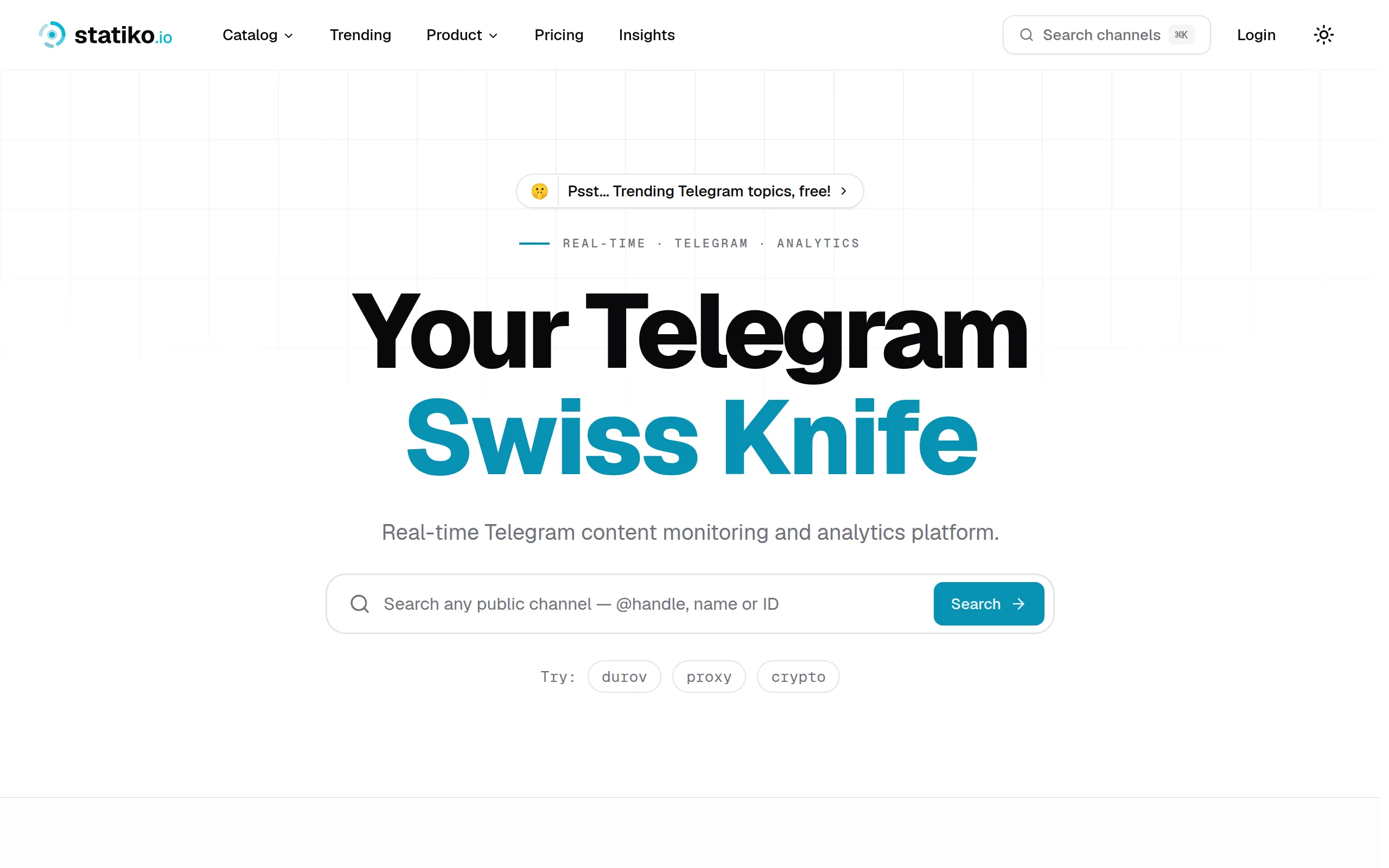
Statiko
Monitor any Telegram channel in real time - track posts, edits, deletions, and growth with AI recaps 📡

Shibui
AI website builder - describe your business, pick a niche template, edit by chatting, and publish instantly ✨

Pro Service
Find verified home service professionals, compare quotes, and pay securely through escrow - built for Brazilians across the US 🏠
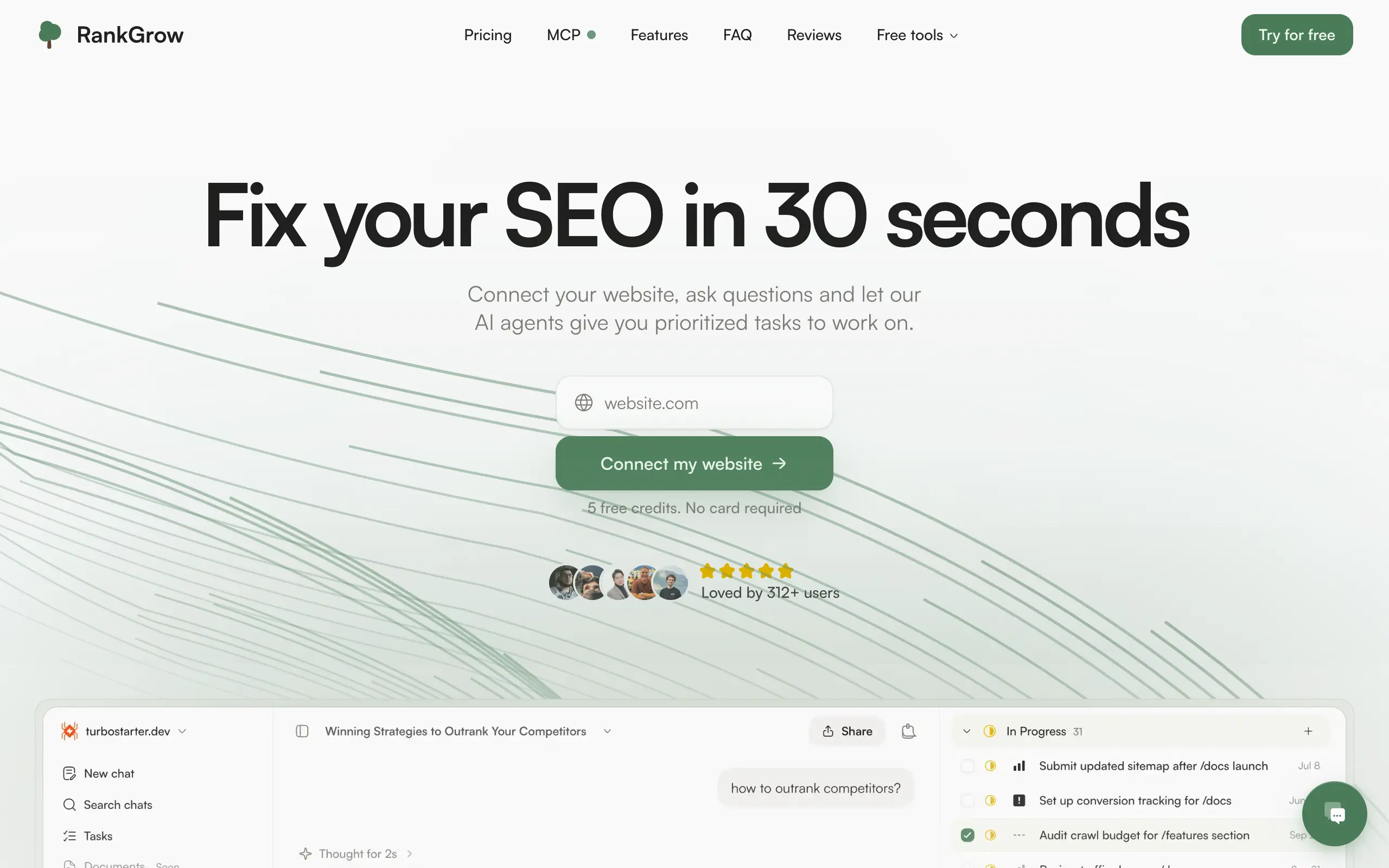
RankGrow
Fix your SEO with AI agents - connect Search Console, get prioritized tasks, and grow organic traffic 📈
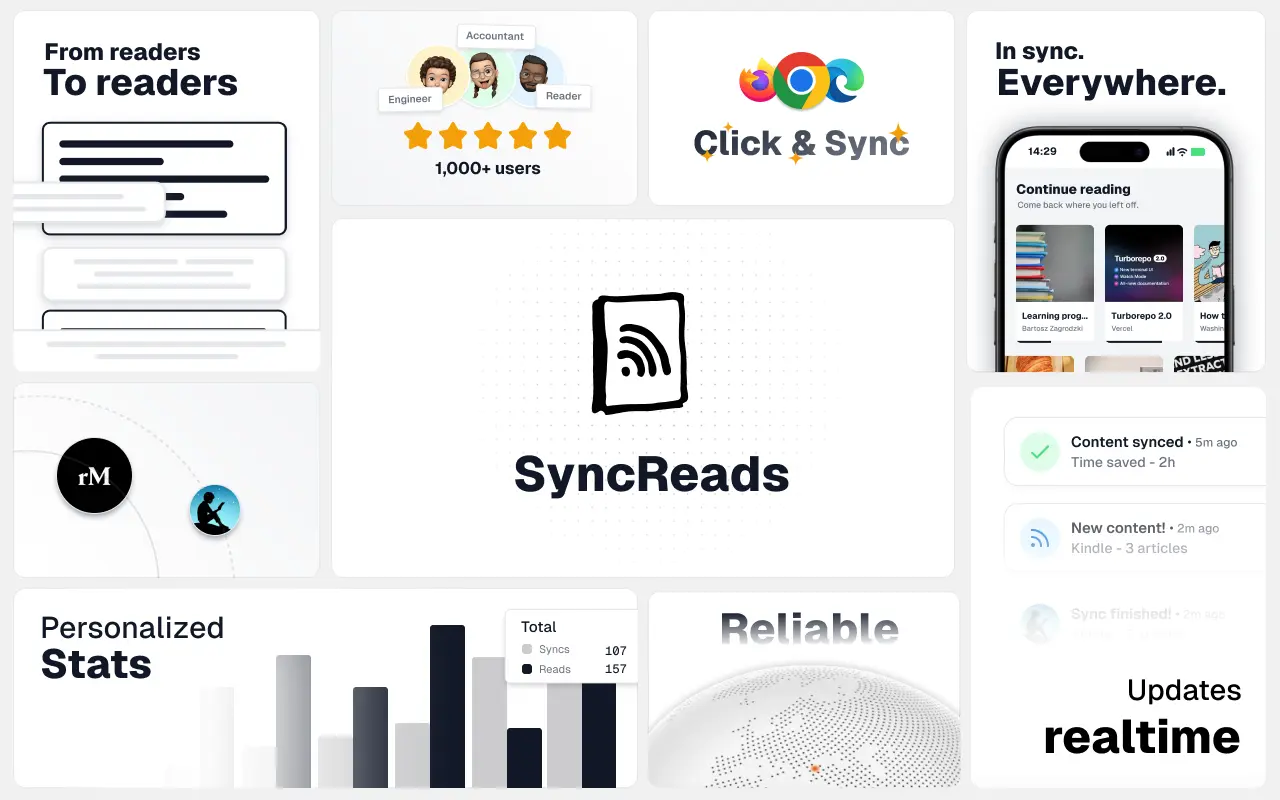
SyncReads
Sync your favorite content for distraction-free reading, save time and replace multiple apps. Anytime, anywhere 🔄
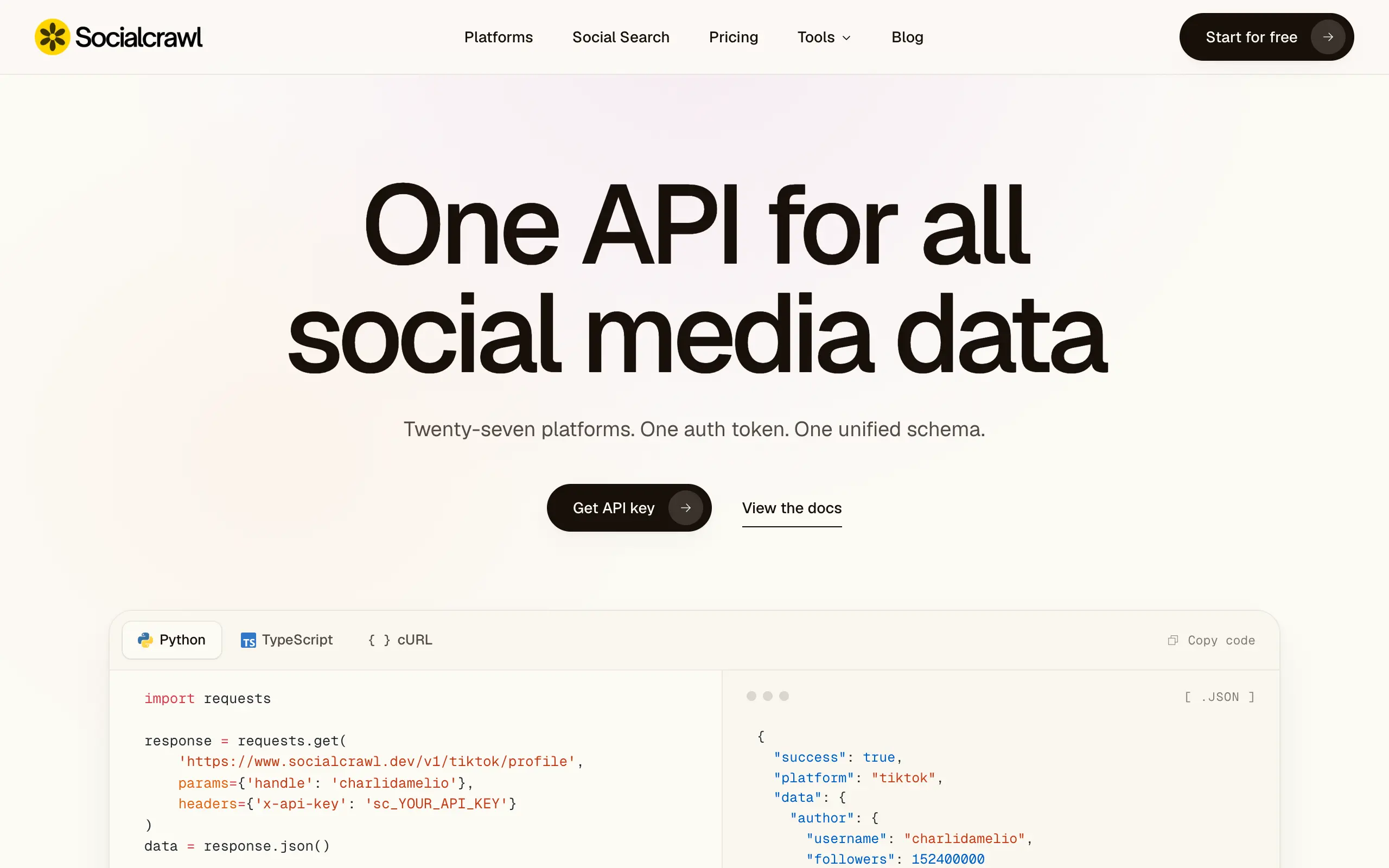
Socialcrawl
Get clean, structured data from 21 platforms like TikTok, Instagram, and YouTube with a single request 📊
Statiko
Monitor any Telegram channel in real time - track posts, edits, deletions, and growth with AI recaps 📡
Shibui
AI website builder - describe your business, pick a niche template, edit by chatting, and publish instantly ✨
Pro Service
Find verified home service professionals, compare quotes, and pay securely through escrow - built for Brazilians across the US 🏠
RankGrow
Fix your SEO with AI agents - connect Search Console, get prioritized tasks, and grow organic traffic 📈
SyncReads
Sync your favorite content for distraction-free reading, save time and replace multiple apps. Anytime, anywhere 🔄
Socialcrawl
Get clean, structured data from 21 platforms like TikTok, Instagram, and YouTube with a single request 📊
Statiko
Monitor any Telegram channel in real time - track posts, edits, deletions, and growth with AI recaps 📡
Shibui
AI website builder - describe your business, pick a niche template, edit by chatting, and publish instantly ✨
Pro Service
Find verified home service professionals, compare quotes, and pay securely through escrow - built for Brazilians across the US 🏠
RankGrow
Fix your SEO with AI agents - connect Search Console, get prioritized tasks, and grow organic traffic 📈
SyncReads
Sync your favorite content for distraction-free reading, save time and replace multiple apps. Anytime, anywhere 🔄
Socialcrawl
Get clean, structured data from 21 platforms like TikTok, Instagram, and YouTube with a single request 📊
Statiko
Monitor any Telegram channel in real time - track posts, edits, deletions, and growth with AI recaps 📡
Shibui
AI website builder - describe your business, pick a niche template, edit by chatting, and publish instantly ✨
Pro Service
Find verified home service professionals, compare quotes, and pay securely through escrow - built for Brazilians across the US 🏠
RankGrow
Fix your SEO with AI agents - connect Search Console, get prioritized tasks, and grow organic traffic 📈
SyncReads
Sync your favorite content for distraction-free reading, save time and replace multiple apps. Anytime, anywhere 🔄
Socialcrawl
Get clean, structured data from 21 platforms like TikTok, Instagram, and YouTube with a single request 📊
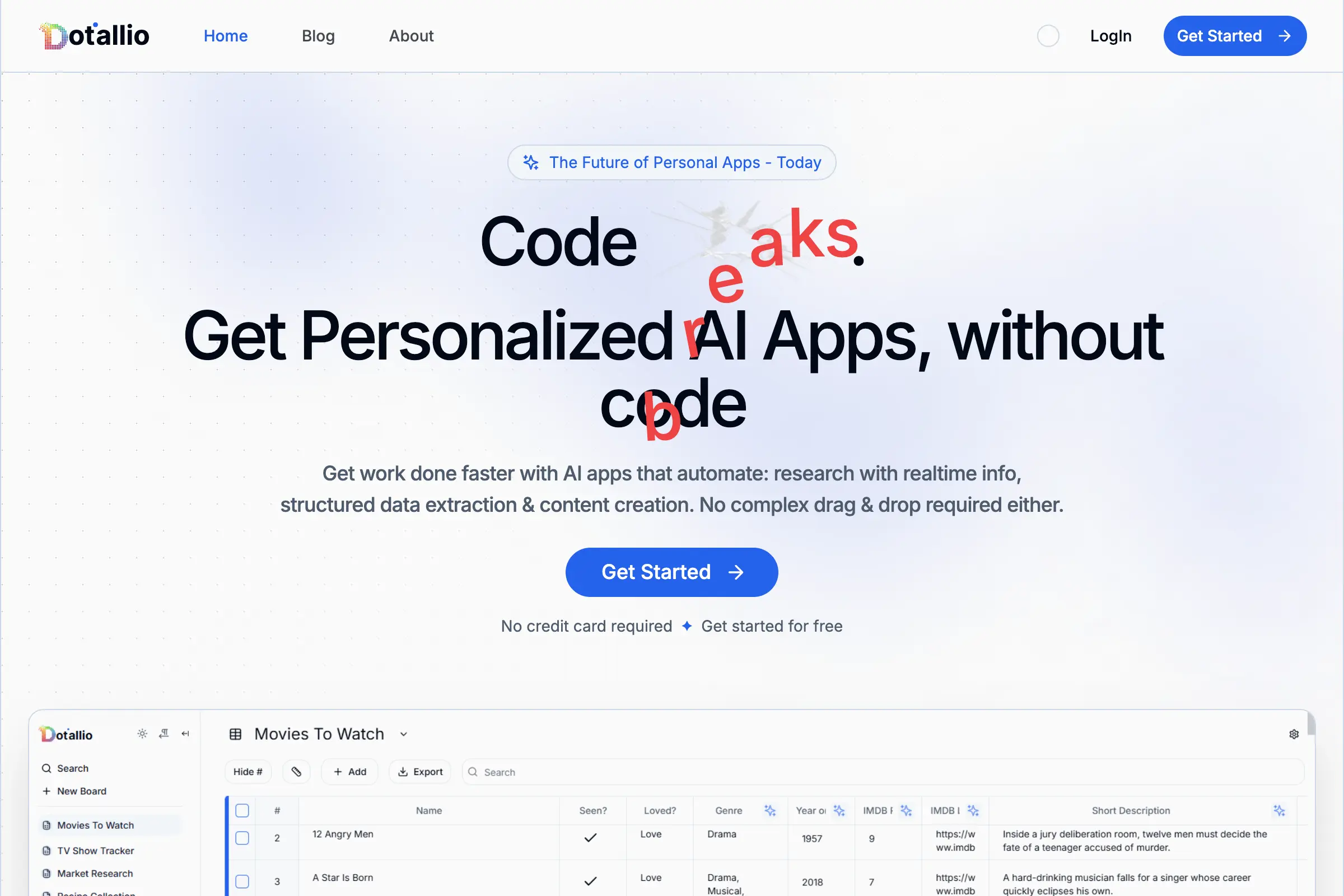
Dotallio
Personalized AI apps that automate research, data extraction, and content creation without code 🤖

Talk to Santa
Enjoy a magical live video chat or receive a unique AI-generated video greeting from Santa Claus 🎅
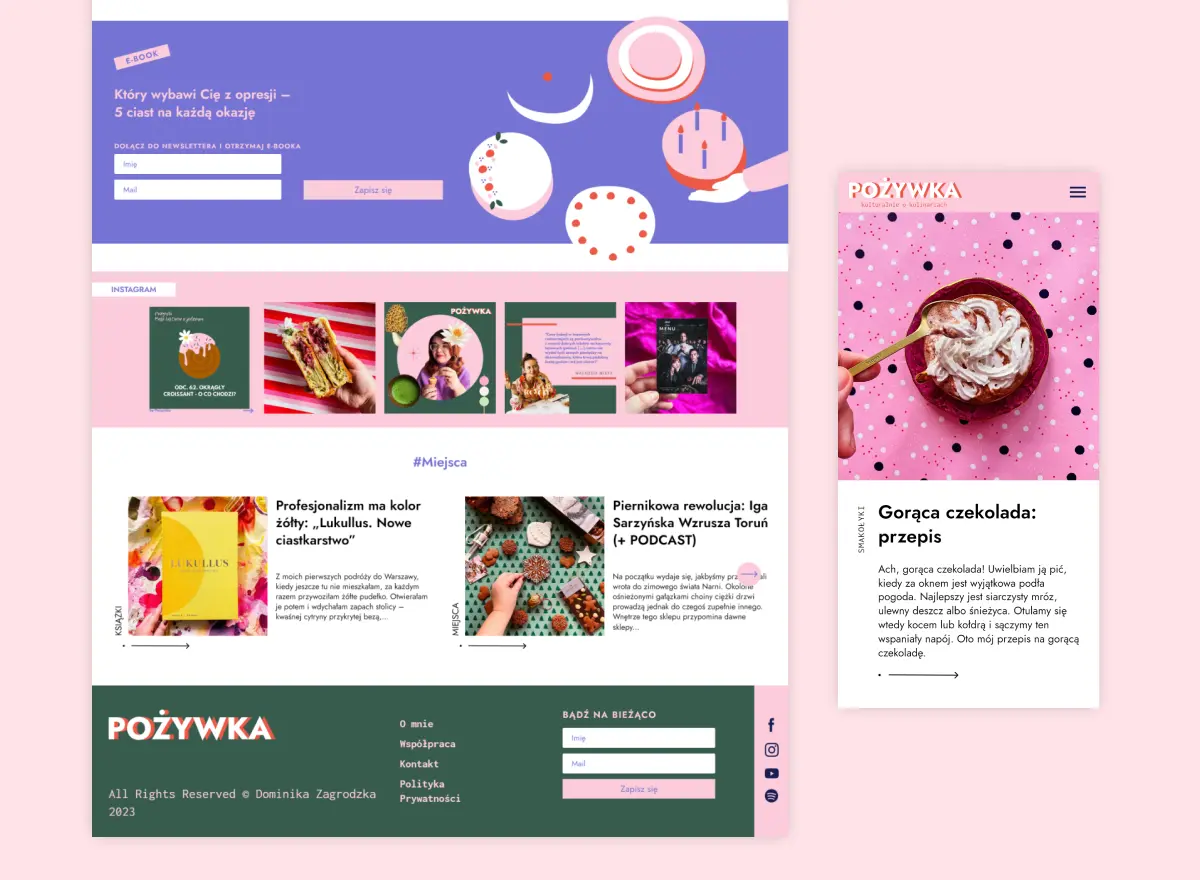
pozywka.pl
Scalable blog for food journalist, focused on performance and user experience 🌭
zagrodzki.me
Personal blog and portfolio of Bart Zagrodzki, where he shares his knowledge and work 💼
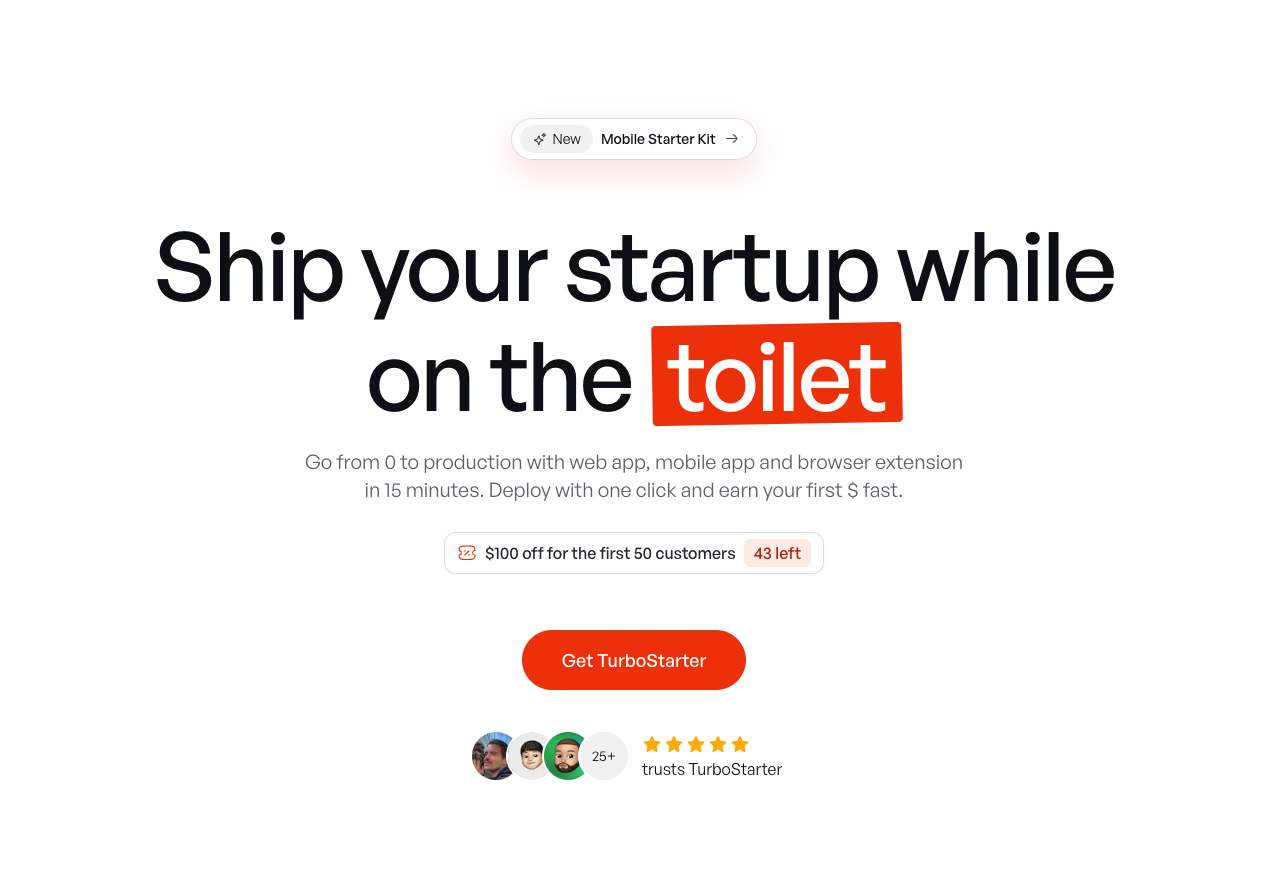
TurboStarter
Ship your startup everywhere. In minutes.
HTML to Markdown
Convert HTML to Markdown with ease, directly in your browser 📄
Dotallio
Personalized AI apps that automate research, data extraction, and content creation without code 🤖
Talk to Santa
Enjoy a magical live video chat or receive a unique AI-generated video greeting from Santa Claus 🎅
pozywka.pl
Scalable blog for food journalist, focused on performance and user experience 🌭
zagrodzki.me
Personal blog and portfolio of Bart Zagrodzki, where he shares his knowledge and work 💼
TurboStarter
Ship your startup everywhere. In minutes.
HTML to Markdown
Convert HTML to Markdown with ease, directly in your browser 📄
Dotallio
Personalized AI apps that automate research, data extraction, and content creation without code 🤖
Talk to Santa
Enjoy a magical live video chat or receive a unique AI-generated video greeting from Santa Claus 🎅
pozywka.pl
Scalable blog for food journalist, focused on performance and user experience 🌭
zagrodzki.me
Personal blog and portfolio of Bart Zagrodzki, where he shares his knowledge and work 💼
TurboStarter
Ship your startup everywhere. In minutes.
HTML to Markdown
Convert HTML to Markdown with ease, directly in your browser 📄
Dotallio
Personalized AI apps that automate research, data extraction, and content creation without code 🤖
Talk to Santa
Enjoy a magical live video chat or receive a unique AI-generated video greeting from Santa Claus 🎅
pozywka.pl
Scalable blog for food journalist, focused on performance and user experience 🌭
zagrodzki.me
Personal blog and portfolio of Bart Zagrodzki, where he shares his knowledge and work 💼
TurboStarter
Ship your startup everywhere. In minutes.
HTML to Markdown
Convert HTML to Markdown with ease, directly in your browser 📄
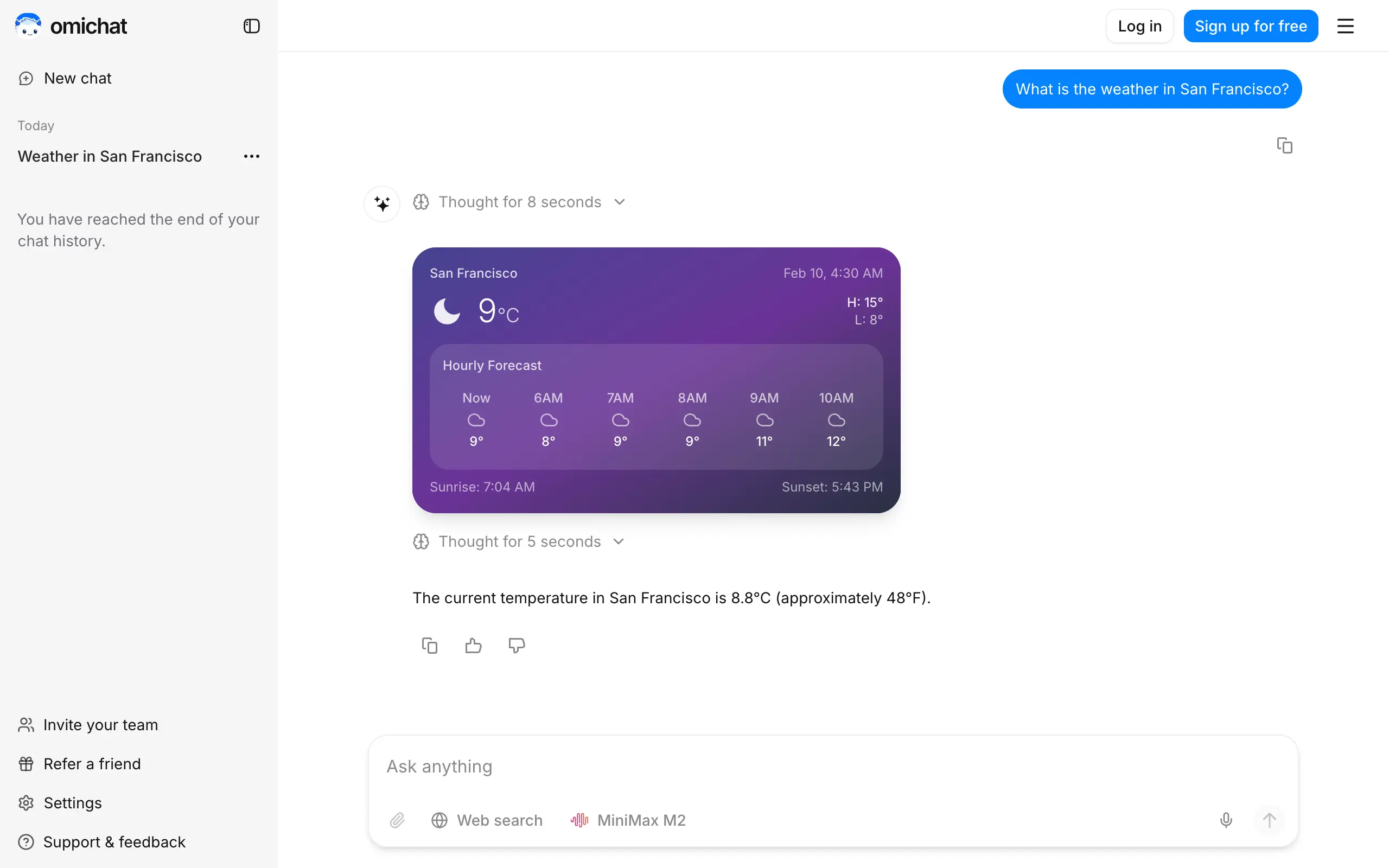
Omichat
Chat with 50+ AI models, including ChatGPT and Claude, in one place - switch models anytime without losing context 🤖
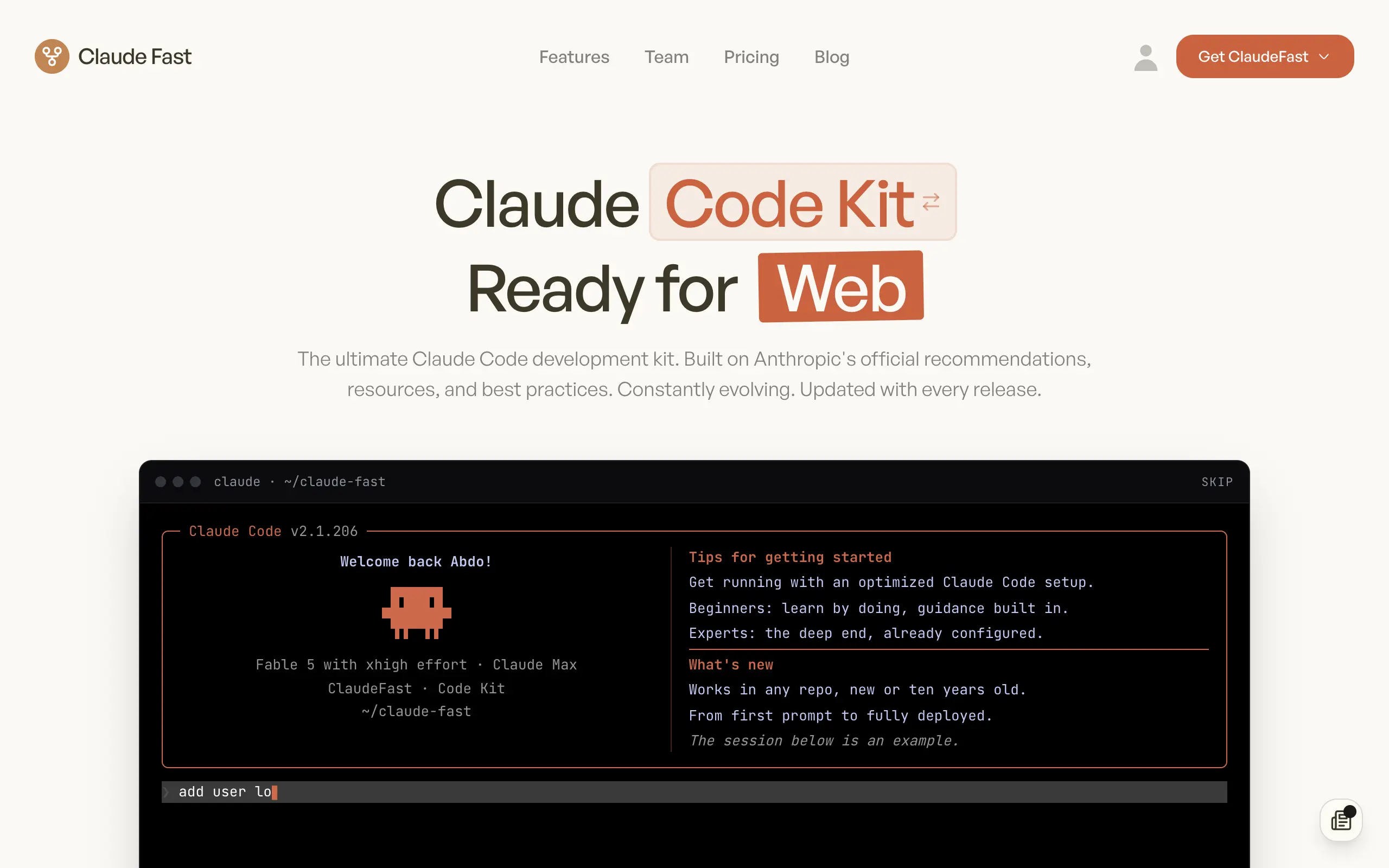
Claude Fast
Supercharge your Claude Code with 6x effective context window and specialized AI agents 🤖
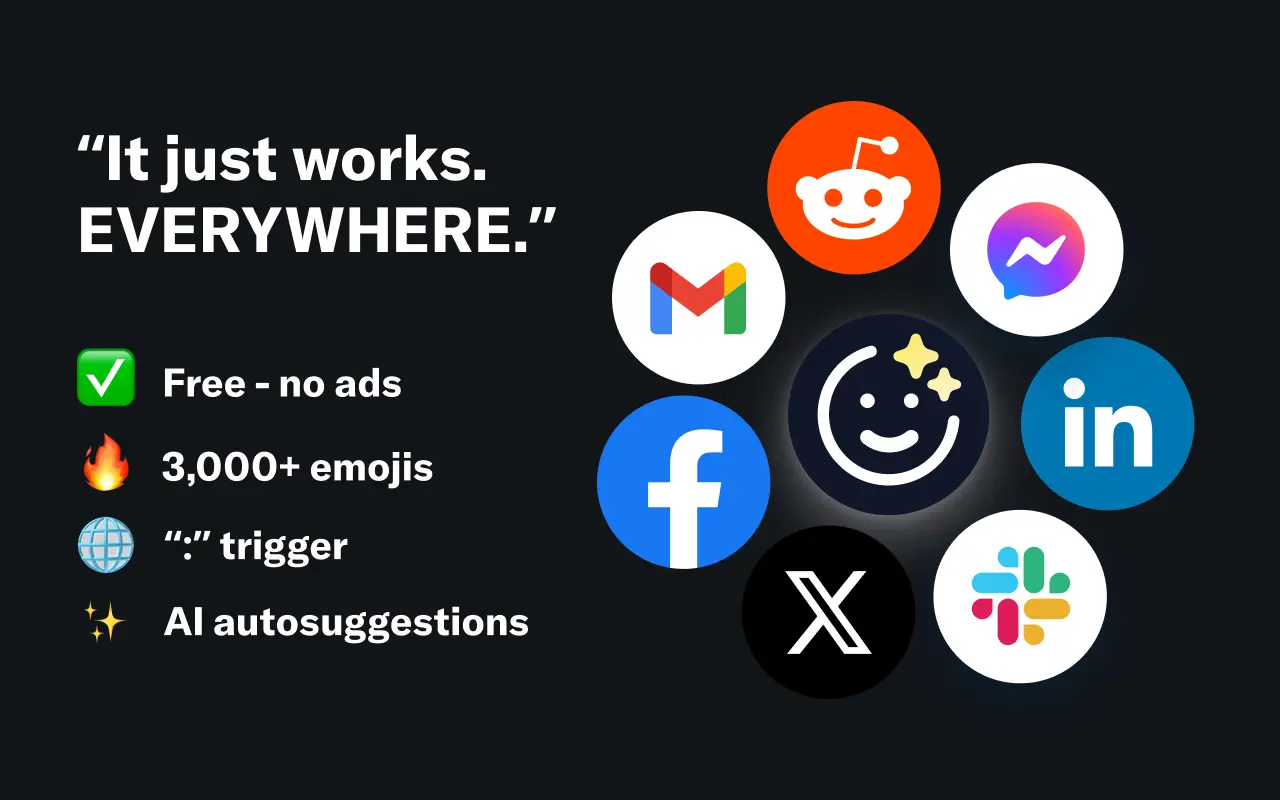
EmojAI
AI-powered emoji picker with smart, context-aware suggestions 🤖
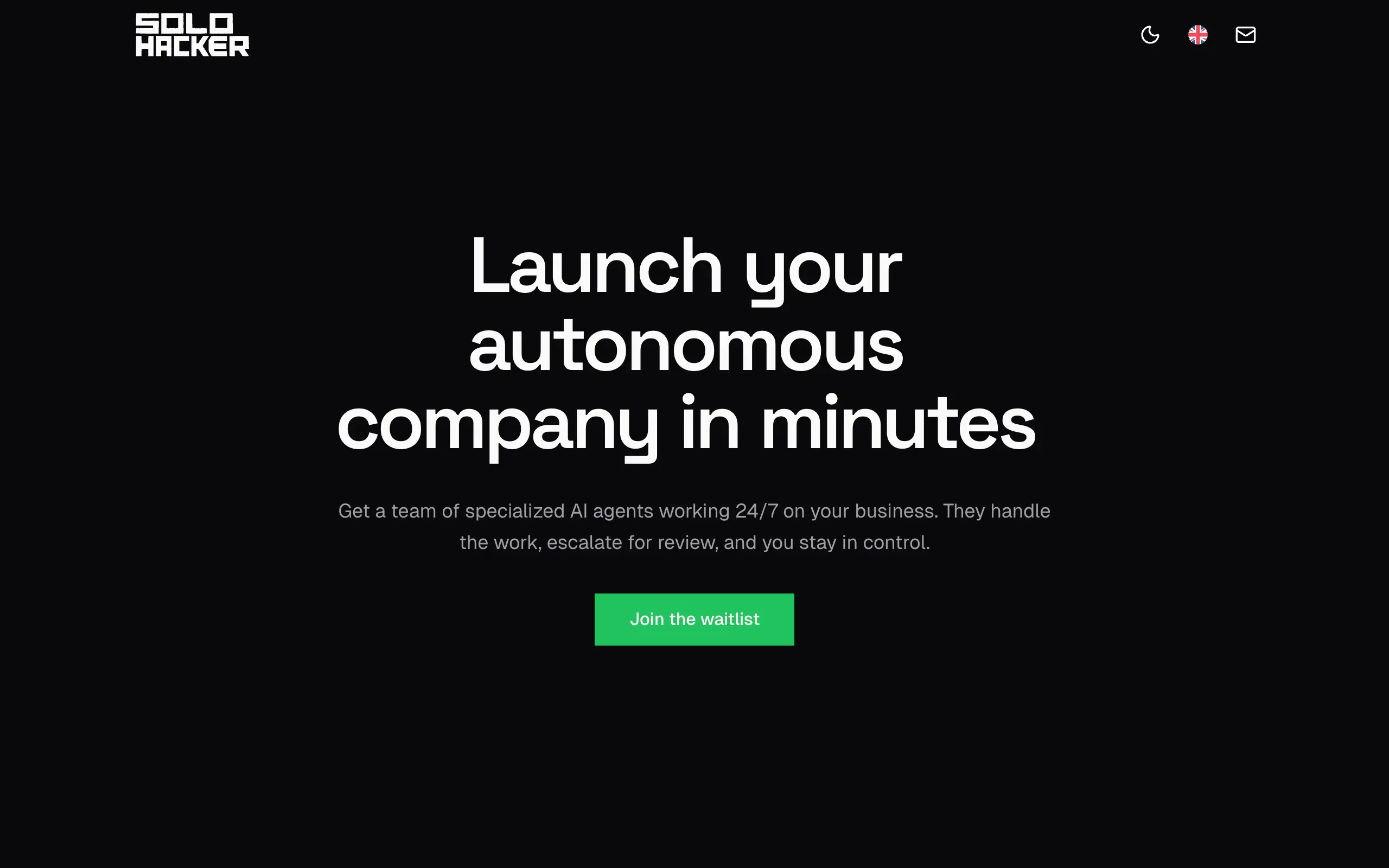
Solohacker
Autonomous company launcher - AI agents work 24/7, escalate what matters, and you stay in control 🤖
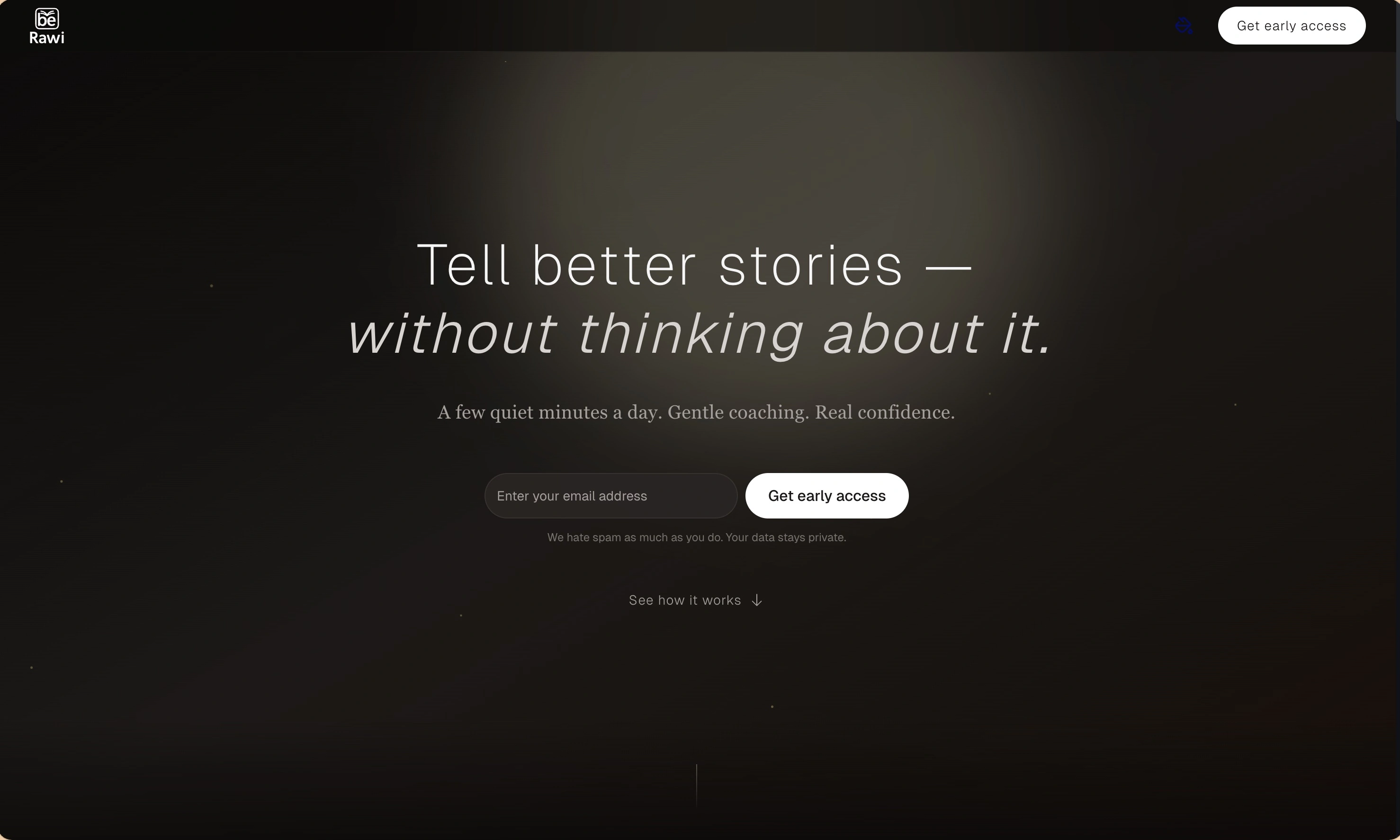
BeRawi: Storytelling Coach
Practice storytelling daily with instant feedback to sound clearer, more engaging, and confident 🎤
Omichat
Chat with 50+ AI models, including ChatGPT and Claude, in one place - switch models anytime without losing context 🤖
Claude Fast
Supercharge your Claude Code with 6x effective context window and specialized AI agents 🤖
EmojAI
AI-powered emoji picker with smart, context-aware suggestions 🤖
Solohacker
Autonomous company launcher - AI agents work 24/7, escalate what matters, and you stay in control 🤖
BeRawi: Storytelling Coach
Practice storytelling daily with instant feedback to sound clearer, more engaging, and confident 🎤
Omichat
Chat with 50+ AI models, including ChatGPT and Claude, in one place - switch models anytime without losing context 🤖
Claude Fast
Supercharge your Claude Code with 6x effective context window and specialized AI agents 🤖
EmojAI
AI-powered emoji picker with smart, context-aware suggestions 🤖
Solohacker
Autonomous company launcher - AI agents work 24/7, escalate what matters, and you stay in control 🤖
BeRawi: Storytelling Coach
Practice storytelling daily with instant feedback to sound clearer, more engaging, and confident 🎤
Omichat
Chat with 50+ AI models, including ChatGPT and Claude, in one place - switch models anytime without losing context 🤖
Claude Fast
Supercharge your Claude Code with 6x effective context window and specialized AI agents 🤖
EmojAI
AI-powered emoji picker with smart, context-aware suggestions 🤖
Solohacker
Autonomous company launcher - AI agents work 24/7, escalate what matters, and you stay in control 🤖
BeRawi: Storytelling Coach
Practice storytelling daily with instant feedback to sound clearer, more engaging, and confident 🎤

Connect with like-minded people
Join our community to get feedback, support, and grow together with 1,000+ builders on board, let's ship it!
Join usShip your startup everywhere. In minutes.
Don't burn tokens on setup and start building features on day one.