MaybeLater
AI captures passing ideas from text or voice, groups them by theme, and resurfaces the right one when timing matters.
Why an AI idea capture app solves a real productivity problem
Ideas rarely arrive when people are ready to organize them. A product insight might surface during a customer call, a startup concept may appear while commuting, or a useful reminder may arrive halfway through writing an email. Most people respond in one of three ways:
- They try to remember it and forget it.
- They put it in a generic notes app where it becomes difficult to find.
- They send themselves a message, create an unfinished task, or open another document.
The issue is not a lack of note-taking tools. It is the gap between capturing a thought quickly and finding that thought again when it becomes useful.
MaybeLater is an AI idea capture app designed around that gap. It captures passing ideas from text or voice, understands their meaning, groups them into themes, and resurfaces the right idea when timing matters. Rather than becoming another static repository of notes, it acts as an intelligent “future relevance” layer for personal and professional thinking.
This is a compelling SaaS opportunity because modern knowledge workers create more unstructured information than they can reliably review. They need less manual organization, not more. An AI-powered idea organizer can turn fleeting thoughts into useful, searchable, context-aware prompts without asking users to maintain folders, tags, or complex productivity systems.
Core product thesis
MaybeLater should not compete as a better notebook. It should compete as the system that helps people recover valuable ideas at the moment those ideas can influence a decision, project, conversation, or opportunity.
Who needs an AI idea capture app
The strongest target audience for MaybeLater is not “everyone with ideas.” That positioning is too broad and makes product messaging generic. The initial audience should include people who regularly generate, collect, and revisit ideas as part of their work.
Founders and startup operators
Founders constantly move between strategy, sales, hiring, product, fundraising, and customer support. Their best ideas often occur outside formal planning sessions.
They may capture thoughts such as:
- A feature request mentioned by multiple customers
- A potential partnership idea
- A marketing angle for an upcoming launch
- A process improvement for a recurring workflow
- A concern to revisit before making a hiring decision
For this audience, the value proposition is not simply “store your ideas.” It is “never lose a strategic thought because you were too busy to organize it.”
A founder may record a 20-second voice note after a customer call. MaybeLater can transcribe it, identify that it relates to onboarding friction, group it with similar observations, and surface it before the next product planning session.
Product managers and designers
Product teams collect feedback from customer interviews, analytics reviews, roadmap discussions, usability testing, and internal conversations. Important signals can become scattered across meeting notes, messaging tools, research repositories, and personal documents.
An AI idea organizer can help product managers recognize repeated patterns over time:
- Several customers struggled with the same workflow.
- Multiple ideas relate to a single activation issue.
- A concept aligns with a planned quarterly initiative.
- An old insight is suddenly relevant to a new feature request.
For product professionals, the most valuable feature is likely semantic clustering. They do not need another backlog tool; they need help turning fragmented observations into coherent product opportunities.
Creators, writers, and marketers
Writers and marketers often gather concepts continuously. Hooks, headlines, examples, audience questions, campaign angles, and story ideas may come from daily conversations and observations.
These users often suffer from “idea graveyards” inside notes apps. They collect hundreds of fragments but lack a system for resurfacing a relevant one when creating a newsletter, script, landing page, or social campaign.
MaybeLater can offer a creative memory system that recognizes concepts such as:
- “Content ideas about founder-led marketing”
- “Examples for an article about user onboarding”
- “Video hooks for remote-work managers”
- “Testimonials and customer language worth reusing”
Consultants, coaches, and client-service professionals
Consultants and agencies need to retain context across clients, engagements, meetings, and research. A captured thought might not matter now, but it could become highly valuable during a future proposal or review.
The product should let these users connect ideas to client accounts, projects, industries, or recurring topics while keeping the capture experience lightweight.
Knowledge workers with high meeting volume
Executives, researchers, analysts, sales leaders, and managers have a similar problem. They receive more insights than they can process. Their challenge is rarely generating notes; it is recognizing what deserves attention later.
Best early adopter
A busy founder, product leader, or creator who already captures thoughts frequently but struggles to retrieve them at the right moment.
Highest-value use case
Voice capture after meetings, calls, walks, or commutes, followed by AI organization and context-aware resurfacing.
Avoid initially
Users seeking a full project-management suite, collaborative document editor, or regulated enterprise knowledge platform.
The market gap: capture is easy, retrieval is broken
The productivity software market is crowded, but most products solve only part of the idea-management workflow.
Traditional note-taking products are good at collecting information. Task managers are good at tracking explicit commitments. Knowledge management tools can store extensive documentation. AI assistants can summarize content and answer questions.
However, a meaningful gap remains between these categories:
- Fast capture requires minimal friction.
- Automatic understanding requires semantic AI rather than manual filing.
- Future retrieval requires context, timing, and relevance.
- Useful resurfacing requires restraint so users are not overwhelmed by notifications.
Most existing workflows rely heavily on user discipline. A person must decide where a note belongs, assign a project, add tags, remember to review it, and recognize when it becomes relevant. That process breaks down under real-world conditions because ideas usually appear during busy, interrupted moments.
MaybeLater’s opportunity is to remove the organizational burden while preserving user control.
Why timing is the differentiator
A notes app can answer, “What did I write down?” MaybeLater should answer, “What did I write down that matters right now?”
That distinction gives the product a clearer category position: an AI-powered idea resurfacing tool rather than a generic note app.
Examples of useful timing signals include:
- A user opens a project related to a previously captured idea.
- A calendar event indicates an upcoming client meeting.
- A user is drafting content about a theme they have discussed before.
- Multiple new captures reinforce an older pattern.
- A user has not revisited a promising idea within a selected timeframe.
- A deadline or milestone creates a reason to revisit a related thought.
The product must be careful not to over-promise autonomous intelligence. Relevance is probabilistic. The interface should make it easy for users to confirm, dismiss, snooze, edit, or refine the AI’s suggestions.
MaybeLater’s unique value proposition
MaybeLater’s unique selling proposition is simple:
Capture any idea in seconds, let AI understand its theme, and receive it again when it is most likely to be useful.
This positioning is stronger than “AI notes” because it emphasizes an outcome. Users do not care whether their notes are merely organized. They care whether valuable ideas can influence real work.
A differentiated product experience can combine four capabilities:
- Instant multimodal capture through text, voice, browser, and mobile entry points
- AI-powered idea enrichment through transcription, summaries, entities, themes, and confidence scores
- Semantic grouping that builds evolving collections without requiring manual folders
- Context-aware resurfacing that brings back ideas based on projects, time, behavior, and user preferences
A practical example
Imagine a growth marketer records this voice note:
“We should test a landing page focused on reducing reporting time for operations teams. Three prospects used that phrase this week.”
MaybeLater could turn that into:
- A concise title such as “Test operations reporting-time landing page”
- A theme such as “Messaging and positioning”
- Entities such as “operations teams,” “landing page,” and “prospects”
- A linked cluster containing similar sales insights
- A suggested resurfacing trigger before the next campaign-planning session
The original voice recording remains available for trust and traceability. The AI-generated interpretation is useful, but it should never replace the source material without user visibility.
Core features for an AI-powered idea organizer
The product should begin with a narrow, high-quality workflow: capture, understand, group, and resurface. Every feature should reinforce that loop.
Frictionless text and voice capture
The capture surface should be available wherever users think of ideas. The first release can include:
- A responsive web capture box
- Mobile-friendly voice recording
- Fast text entry with optional context fields
- A browser extension for capturing ideas while researching
- Email forwarding for users who think in inbox workflows
- A share-sheet integration for mobile devices in a later release
Voice is especially important because it turns otherwise lost moments into useful inputs. A user walking between meetings is unlikely to create a structured note, but they may record a 15-second thought.
The interaction should be fast enough that it feels less demanding than opening a notes app and choosing a folder.
AI transcription and idea normalization
Raw voice and text captures are often messy. The AI layer can make them usable without changing the user’s underlying meaning.
Useful enrichment steps include:
- Speech-to-text transcription
- Removal of filler phrases while retaining the original recording
- A short title and summary
- Suggested themes and subthemes
- Entity extraction for people, companies, projects, and dates
- Detection of possible tasks, questions, hypotheses, and opportunities
- Confidence scores for each AI-generated label
Users should be able to switch between original and enriched views. This supports trust, especially for users who worry that AI summaries may lose nuance.
Theme clustering and semantic search
Manual folders create friction because users must predict future retrieval needs at capture time. MaybeLater should use embeddings and semantic similarity to group related ideas automatically.
For example, these separate entries may belong together even if they use different words:
- “Customers want to know what changed in a report.”
- “Need a way to explain dashboard updates.”
- “Potential feature: automated weekly change summary.”
A keyword search may miss that relationship. Semantic search and clustering can identify the shared topic of reporting visibility or change communication.
The interface should show clusters as understandable collections, not mysterious AI output. Users need the ability to rename themes, merge or split clusters, exclude an item, and pin important collections.
Smart resurfacing and reminder logic
Resurfacing is the defining feature, so it should be built around relevance rather than volume.
Potential resurfacing modes include:
- A daily or weekly “worth revisiting” digest
- A project-based idea feed
- Time-based reminders selected by the user
- Similar-idea prompts after a new capture
- Contextual prompts before calendar events
- A dormant-idea review for ideas that have not been assessed
- “Pattern detected” notifications when multiple ideas point to the same issue
The product should explain why something resurfaced. For example:
“Resurfaced because it is related to three recent ideas about customer onboarding.”
This transparency is important. It helps users judge whether the recommendation is useful and teaches them how the system works.
Feedback loops that improve relevance
The user’s behavior can improve the relevance model over time. Signals may include:
- Saved or pinned ideas
- Ideas dismissed as irrelevant
- Themes renamed by the user
- Suggested connections accepted or rejected
- Ideas converted into tasks or shared documents
- Resurfacing frequency preferences
- Explicit “show me more like this” controls
The system should not silently infer sensitive preferences from unrelated data. Users should be able to inspect and reset personalization controls.
| Capability | User problem solved | Initial priority | AI dependency | Trust requirement |
|---|---|---|---|---|
| Text and voice capture | Ideas are lost before recording | High | Moderate | High |
| Theme clustering | Notes become disorganized | High | High | High |
| Semantic search | Users cannot find old ideas | High | High | Medium |
| Calendar-aware resurfacing | Ideas return too late | Medium | High | Very high |
| Team workspaces | Insights stay siloed | Later | Moderate | Very high |
Recommended tech stack for MaybeLater
The ideal technical architecture should optimize for fast iteration, secure handling of user content, and high-quality retrieval. The first version does not need a complex autonomous-agent system. It needs dependable capture, accurate AI enrichment, and measurable resurfacing quality.
Application layer
A modern SaaS stack can use React and Next.js for the application experience. Next.js is a strong fit because it supports server rendering, route handling, API endpoints, authentication flows, and responsive web delivery within a single framework.
Tailwind CSS can accelerate consistent interface development, particularly for a product where capture speed and mobile usability matter more than elaborate visual effects.
Recommended application choices include:
- Next.js for the web application and backend-for-frontend layer
- TypeScript for safer application logic and AI response handling
- React for composable, interactive capture and review interfaces
- Tailwind CSS for fast, accessible UI implementation
- PostgreSQL for core relational data
- Prisma for database access and schema management
Data model and vector retrieval
PostgreSQL is well suited to core records such as users, workspaces, captures, themes, notifications, subscriptions, and permissions. For semantic retrieval, pgvector is a practical starting point because it keeps vector search close to the application database.
A simplified data model may include:
type Idea = {
  id: string
  userId: string
  source: "text" | "voice" | "browser" | "email"
  originalContent: string
  transcript?: string
  aiTitle?: string
  aiSummary?: string
  embedding?: number[]
  capturedAt: Date
  reviewStatus: "unread" | "saved" | "dismissed" | "actioned"
}

type Theme = {
  id: string
  userId: string
  name: string
  description?: string
  embedding?: number[]
  confidence: number
}

type ResurfacingEvent = {
  id: string
  ideaId: string
  reason: string
  score: number
  deliveredAt?: Date
  userResponse?: "opened" | "saved" | "dismissed" | "snoozed"
}
For an early-stage product, pgvector reduces operational complexity. A dedicated vector database can become useful when scale, filtering requirements, latency, or multi-tenant retrieval patterns require specialized infrastructure.
AI and transcription services
MaybeLater needs two distinct AI capabilities:
- Speech transcription for voice capture
- Language understanding and embeddings for classification, summaries, retrieval, and clustering
The system should use structured outputs where possible. Rather than accepting free-form AI responses, request validated fields such as title, summary, themes, entities, possible actions, and confidence values.
Key trade-offs include:
- More powerful models can improve semantic understanding but increase cost and latency.
- Smaller models may be sufficient for titles, labels, and basic summaries.
- Background processing is better for enrichment that does not need to block capture.
- User-visible AI results should include fallback states when confidence is low.
A queue-based architecture is important. The capture should save immediately, then background jobs can transcribe audio, generate embeddings, assign themes, and calculate resurfacing scores.
Authentication, billing, and analytics
For authentication, choose a provider that supports secure sessions, social login, email verification, and future workspace membership. Billing should support subscriptions, trials, usage limits, receipts, and tax-aware workflows.
Analytics should measure product value, not just traffic. The most important event is not “note created.” It is whether a resurfaced idea helped a user act.
Track metrics such as:
- Capture-to-review rate
- Percentage of AI themes accepted or edited
- Resurfacing open rate
- Resurfacing save or action rate
- Dismissal rate by notification type
- Weekly active capturers
- Time from capture to meaningful reuse
- Trial-to-paid conversion
Monetization strategies for MaybeLater
A freemium subscription model is the most natural starting point. The product becomes valuable as it accumulates a personal idea history, which creates retention through utility rather than lock-in alone.
Recommended pricing structure
A simple tier structure could look like this:
- Free plan with limited monthly captures, basic themes, and a weekly resurfacing digest
- Pro plan with unlimited captures, voice transcription, advanced semantic search, configurable resurfacing, and integrations
- Team plan with shared idea spaces, permissions, collaborative themes, administrative controls, and billing management
- Enterprise plan with security review, SSO, audit logs, retention controls, and custom data-processing terms
Avoid charging purely by number of notes. Users may avoid capturing valuable thoughts if they feel every capture has a marginal cost. A better limit is on advanced AI processing, transcription minutes, integrations, or high-frequency resurfacing.
Expansion revenue opportunities
Once the personal workflow is validated, MaybeLater can add carefully selected expansion paths:
- Shared workspace collections for product and customer-feedback teams
- CRM and project-management integrations
- Meeting capture and follow-up workflows
- Personal API or automation integrations
- Premium “idea brief” generation for clusters that show repeated demand
- Executive insight digests for team leaders
The product should avoid becoming a broad work-management platform too early. Its strength is intelligent idea retrieval, not replacing every tool in the modern SaaS stack.
Competitive advantage and positioning
MaybeLater will compete indirectly with note apps, AI assistants, voice memo tools, task managers, and personal knowledge management platforms. Its advantage depends on choosing a clear wedge.
The positioning difference
A useful competitive comparison is:
- Notes apps primarily help users store
- Task managers help users commit
- Document tools help teams collaborate
- Search tools help users retrieve on demand
- MaybeLater helps users remember at the right moment
That final category is where the product can create differentiation.
Defensibility beyond AI features
AI features alone are not a durable moat. Transcription, summarization, embeddings, and chat interfaces are increasingly accessible. MaybeLater’s defensibility should come from its system design and accumulated relevance signals.
Potential advantages include:
- A proprietary history of user feedback on what was useful when resurfaced
- A relevance model tuned for ideas rather than documents
- Low-friction capture habits that become part of a user’s daily routine
- Personalized theme relationships built over time
- Transparent controls that make users trust the system with their private thoughts
- Deep workflow integrations where contextual triggers are genuinely helpful
The company should focus on delivering a “magic moment” quickly. A user who captures an idea on Monday and receives it at exactly the right planning session on Friday understands the product’s value immediately.
Risks and mitigation strategies
An AI idea capture app handles personal and potentially sensitive information. Product quality and trust must be treated as core features, not legal afterthoughts.
Privacy and data security risks
Users may capture customer information, strategy discussions, health-related reminders, personal reflections, or confidential business plans. The platform needs clear privacy practices.
Mitigation should include:
- Encryption in transit and at rest
- Strict tenant isolation
- Granular export and deletion controls
- Clear explanation of AI processing and data retention
- No training on customer content without explicit consent
- Workspace-level permissions for team accounts
- Audit logs for higher-tier business plans
- A documented incident-response process
A launch-ready privacy policy and terms of service are essential, but the product experience also matters. Users should understand where their data goes and how they can remove it.
Poor AI recommendations
If resurfacing feels random, users will mute notifications or abandon the product. This is one of the biggest product risks.
Mitigation methods include:
- Start with fewer, higher-confidence suggestions.
- Explain each resurfacing decision.
- Give users easy feedback controls.
- Use digest-based delivery before interruptive notifications.
- Measure dismissals as seriously as opens.
- Let users choose themes, cadence, and contexts.
- Avoid assigning high-confidence labels when the model is uncertain.
Notification fatigue
A product designed to bring ideas back can easily become noisy. The goal is not maximum engagement; it is maximum useful recall.
A sensible default could be one daily digest, one weekly reflection, and optional context-triggered prompts. Users should be able to select a quiet mode, pause themes, or set a maximum number of resurfacing events per week.
Scope creep
The temptation will be to add tasks, documents, meetings, chat, team messaging, dashboards, and AI agents. This can dilute the product.
The product team should regularly ask:
Does this feature make capture easier, understanding better, or resurfacing more timely?
If the answer is no, it likely belongs on a later roadmap or in an integration.
Exclude full document editing, complex collaboration, custom automation builders, broad web clipping workflows, and autonomous agents that take actions without review. These features increase complexity before the core capture-to-resurfacing loop is proven.
Keep original content accessible, show why recommendations appear, label AI-generated fields clearly, let users edit or delete suggestions, and make privacy controls easy to find. Trust grows when the system is useful and explainable.
A strong signal is repeated weekly capture combined with users opening, saving, or acting on resurfaced ideas. That behavior shows the product is becoming part of a meaningful thinking workflow.
A practical MVP roadmap
The most effective launch plan is not to build every possible AI capability. It is to validate whether users value contextual recall enough to return regularly and pay.
Phase one: validate the capture loop
Build the smallest version that enables users to capture ideas and retrieve them semantically.
Phase two: validate resurfacing value
Once users reliably capture ideas, test whether resurfacing creates meaningful outcomes.
Build:
- Similar-idea suggestions
- Basic theme pages
- Weekly digests with a clear “why this resurfaced” explanation
- Save, dismiss, snooze, and action feedback
- A lightweight dashboard showing active themes
- Event analytics for every resurfacing interaction
The initial relevance algorithm does not need to be overly sophisticated. A transparent score can combine semantic similarity, recency, user activity, theme importance, and explicit deadlines.
Phase three: add contextual integrations
Only after the core workflow proves retention should MaybeLater connect to calendars, project tools, CRM systems, or collaboration platforms.
Prioritize integrations based on user research. For founders, calendar and email context may be most useful. For product teams, an integration with product planning or customer-feedback systems may matter more.
TurboStarter can help accelerate the SaaS foundation for a product like MaybeLater, allowing the team to focus development time on its differentiated capture, intelligence, and resurfacing workflows rather than rebuilding standard application infrastructure.
How to measure whether MaybeLater is working
The right metrics should reflect the product promise: ideas are captured, understood, and returned when they can create value.
Activation metrics
A newly registered user is activated when they experience the product’s core value, not merely when they complete onboarding.
Possible activation criteria include:
- Creating at least five captures in the first week
- Using voice capture at least once
- Viewing at least one AI-generated theme
- Opening a resurfaced idea
- Saving, sharing, or acting on a resurfaced idea
Retention metrics
Monitor weekly retention among users who captured at least one idea. Then compare retention between users who only capture ideas and users who interact with resurfacing.
If resurfacing does not improve retention, the timing or relevance model needs work.
Quality metrics
Track the quality of intelligence rather than treating AI output as inherently valuable:
- Theme acceptance rate
- Theme rename rate
- Search success rate
- Resurfacing open rate
- Resurfacing dismissal rate
- Action rate after resurfacing
- Reported false-positive rate
- Time saved or outcome generated, gathered through qualitative interviews
For credible public claims about productivity improvements, collect first-party customer research and clearly explain the methodology. If using market-size or industry statistics in marketing content, cite primary reports from recognized research firms, public filings, or official industry sources rather than relying on unsourced blog estimates.
Final implementation priorities
MaybeLater has a strong opportunity because it solves a common but under-served problem: people lose valuable ideas not because they fail to think of them, but because their tools fail to return those ideas at the right time.
The winning product will feel lightweight at capture time and surprisingly intelligent later. It will not force users to organize everything perfectly. Instead, it will earn trust by making useful connections, offering clear explanations, and respecting the privacy of personal thought.
The priority order should be:
- Build near-instant text and voice capture.
- Preserve original content while adding AI transcription and summaries.
- Create understandable semantic themes and high-quality search.
- Deliver a restrained weekly resurfacing experience.
- Measure whether resurfaced ideas lead to saves, actions, and repeat use.
- Add contextual triggers and integrations only after relevance is proven.
- Expand into collaborative workflows without losing the personal capture experience.
The central promise remains powerful and easy to understand: MaybeLater helps users capture an idea now and remember it when it matters most.
More 🤖 AI Startup SaaS ideas
Discover more innovative ai startup SaaS ideas that are trending in 2026. Each idea is AI-generated with market validation and growth potential to help you find your next profitable venture faster than competitors.
Your competitors are building with TurboStarter
Below are some of the SaaS ideas that have been generated and built with our starter kit.
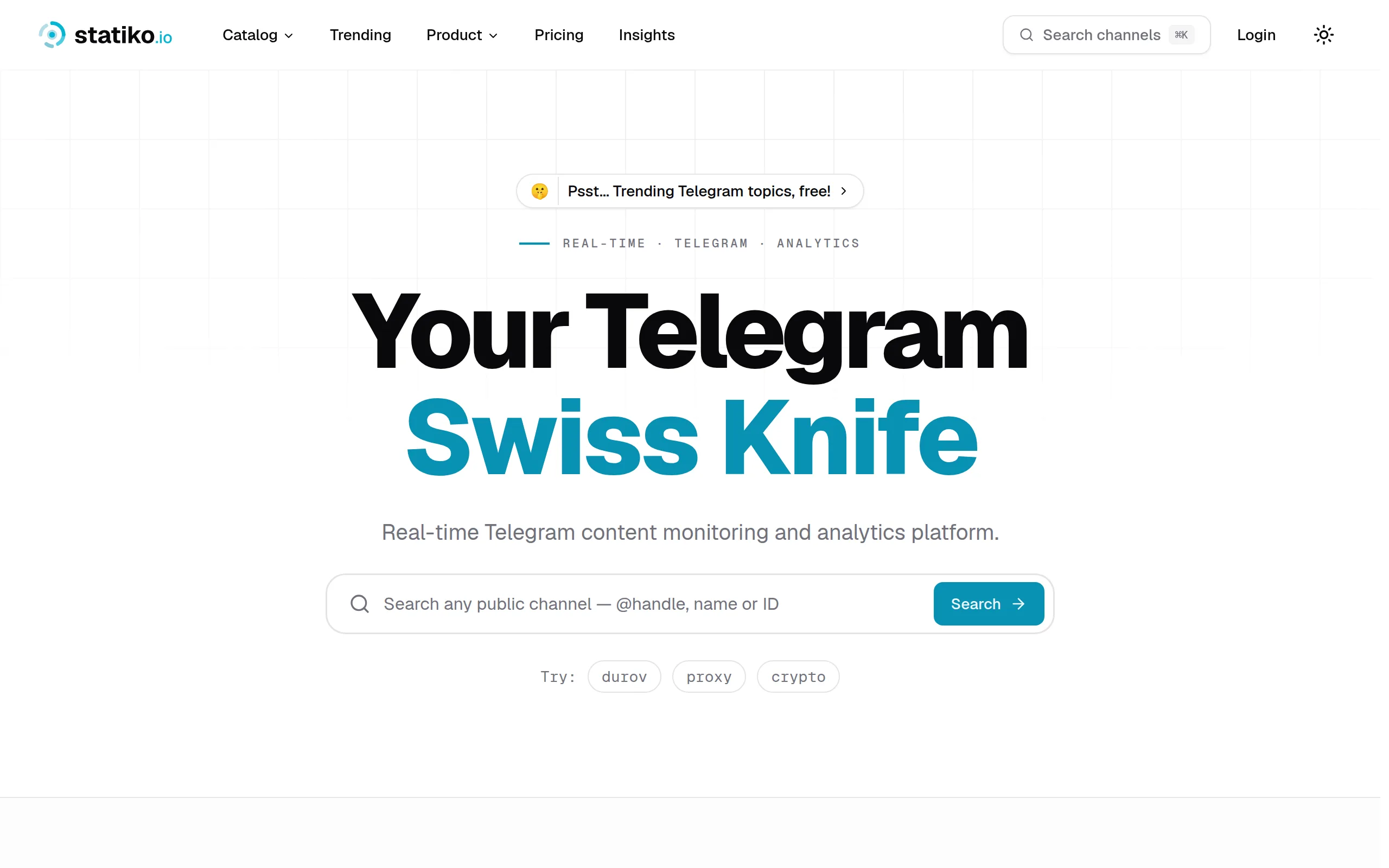
Statiko
Monitor any Telegram channel in real time - track posts, edits, deletions, and growth with AI recaps 📡

Shibui
AI website builder - describe your business, pick a niche template, edit by chatting, and publish instantly ✨

Pro Service
Find verified home service professionals, compare quotes, and pay securely through escrow - built for Brazilians across the US 🏠
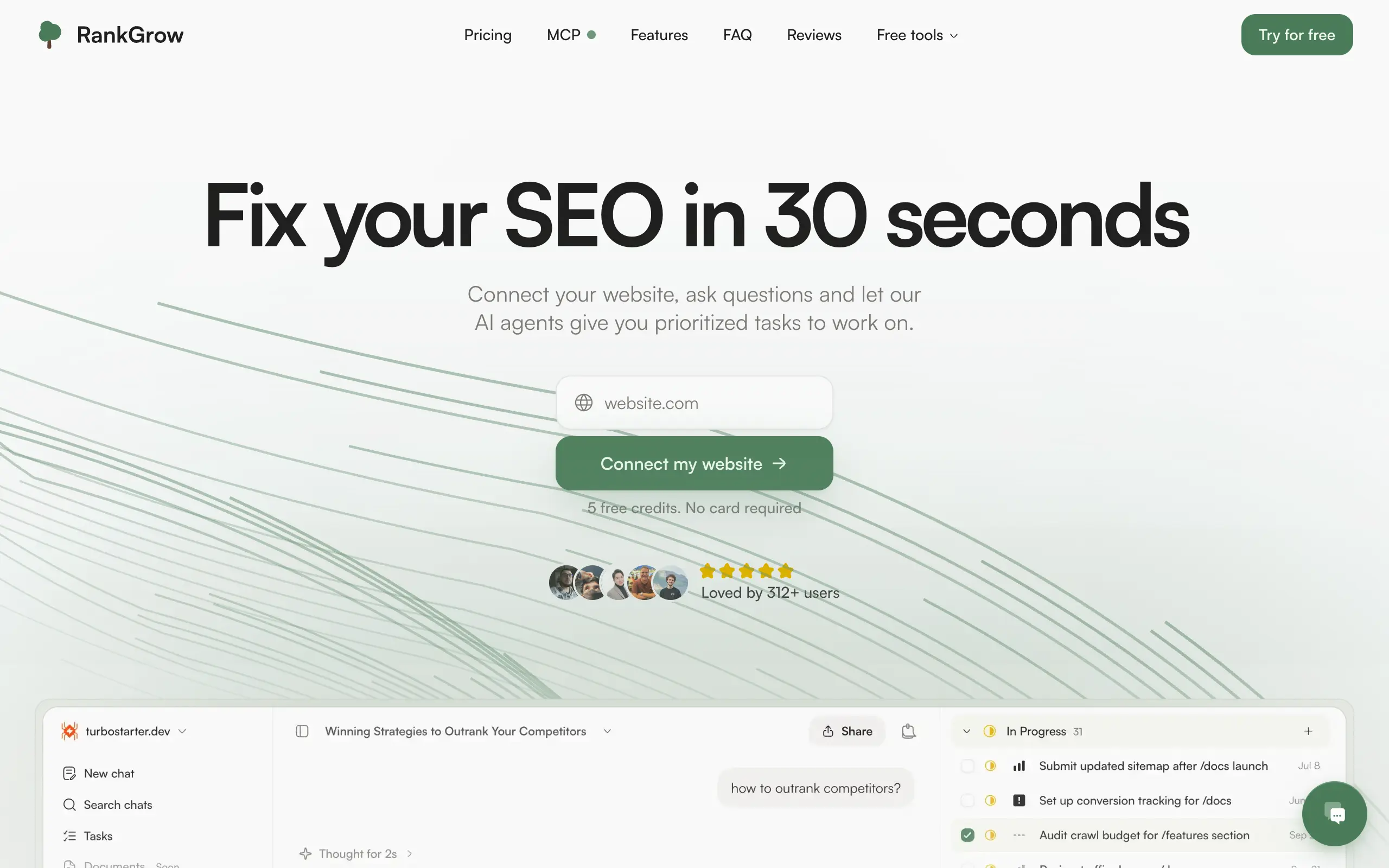
RankGrow
Fix your SEO with AI agents - connect Search Console, get prioritized tasks, and grow organic traffic 📈
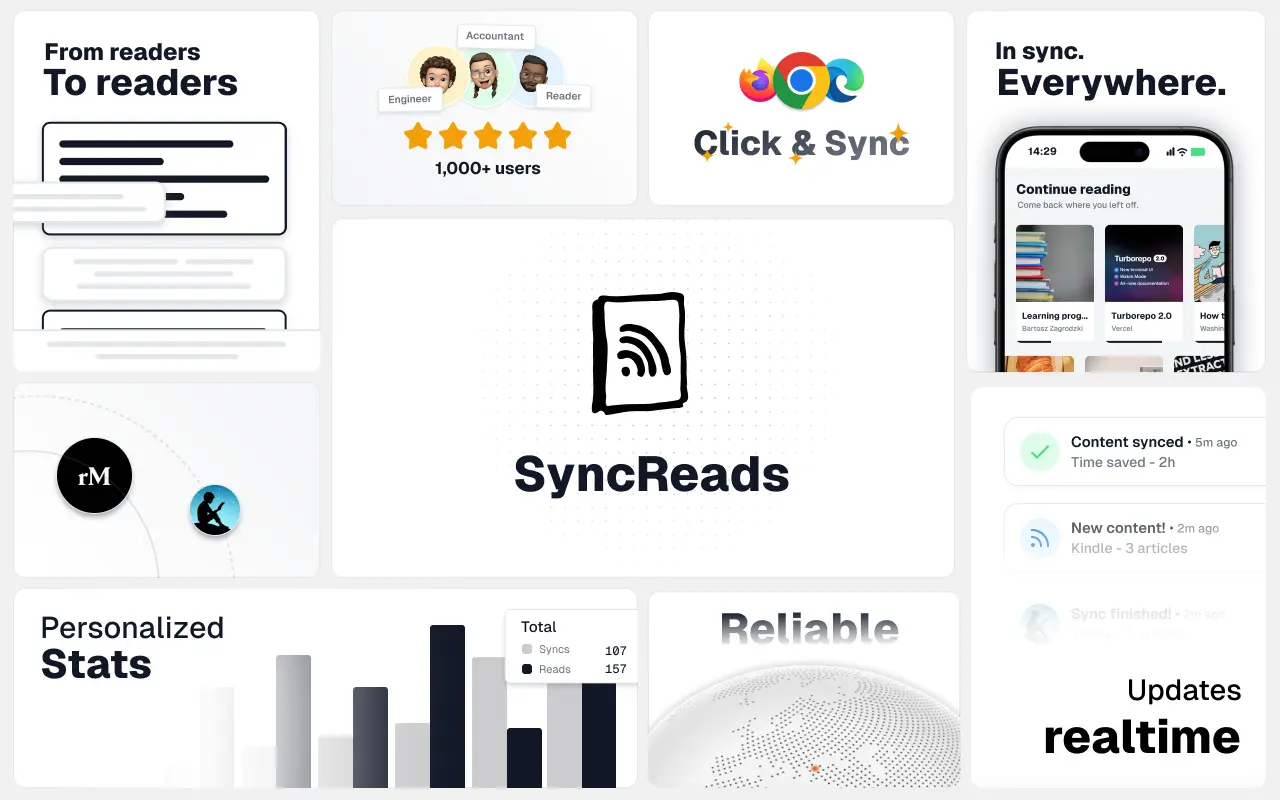
SyncReads
Sync your favorite content for distraction-free reading, save time and replace multiple apps. Anytime, anywhere 🔄
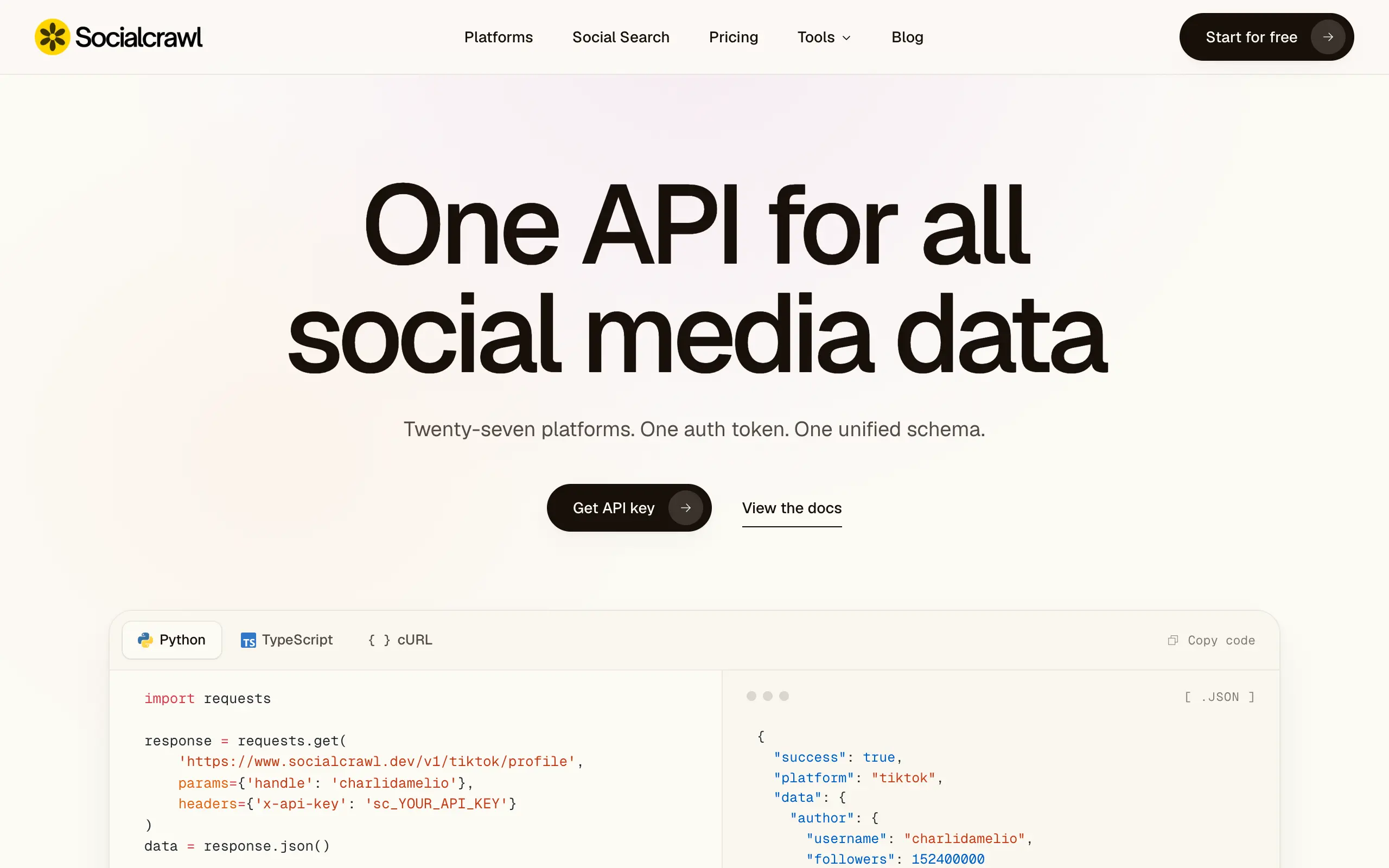
Socialcrawl
Get clean, structured data from 21 platforms like TikTok, Instagram, and YouTube with a single request 📊
Statiko
Monitor any Telegram channel in real time - track posts, edits, deletions, and growth with AI recaps 📡
Shibui
AI website builder - describe your business, pick a niche template, edit by chatting, and publish instantly ✨
Pro Service
Find verified home service professionals, compare quotes, and pay securely through escrow - built for Brazilians across the US 🏠
RankGrow
Fix your SEO with AI agents - connect Search Console, get prioritized tasks, and grow organic traffic 📈
SyncReads
Sync your favorite content for distraction-free reading, save time and replace multiple apps. Anytime, anywhere 🔄
Socialcrawl
Get clean, structured data from 21 platforms like TikTok, Instagram, and YouTube with a single request 📊
Statiko
Monitor any Telegram channel in real time - track posts, edits, deletions, and growth with AI recaps 📡
Shibui
AI website builder - describe your business, pick a niche template, edit by chatting, and publish instantly ✨
Pro Service
Find verified home service professionals, compare quotes, and pay securely through escrow - built for Brazilians across the US 🏠
RankGrow
Fix your SEO with AI agents - connect Search Console, get prioritized tasks, and grow organic traffic 📈
SyncReads
Sync your favorite content for distraction-free reading, save time and replace multiple apps. Anytime, anywhere 🔄
Socialcrawl
Get clean, structured data from 21 platforms like TikTok, Instagram, and YouTube with a single request 📊
Statiko
Monitor any Telegram channel in real time - track posts, edits, deletions, and growth with AI recaps 📡
Shibui
AI website builder - describe your business, pick a niche template, edit by chatting, and publish instantly ✨
Pro Service
Find verified home service professionals, compare quotes, and pay securely through escrow - built for Brazilians across the US 🏠
RankGrow
Fix your SEO with AI agents - connect Search Console, get prioritized tasks, and grow organic traffic 📈
SyncReads
Sync your favorite content for distraction-free reading, save time and replace multiple apps. Anytime, anywhere 🔄
Socialcrawl
Get clean, structured data from 21 platforms like TikTok, Instagram, and YouTube with a single request 📊
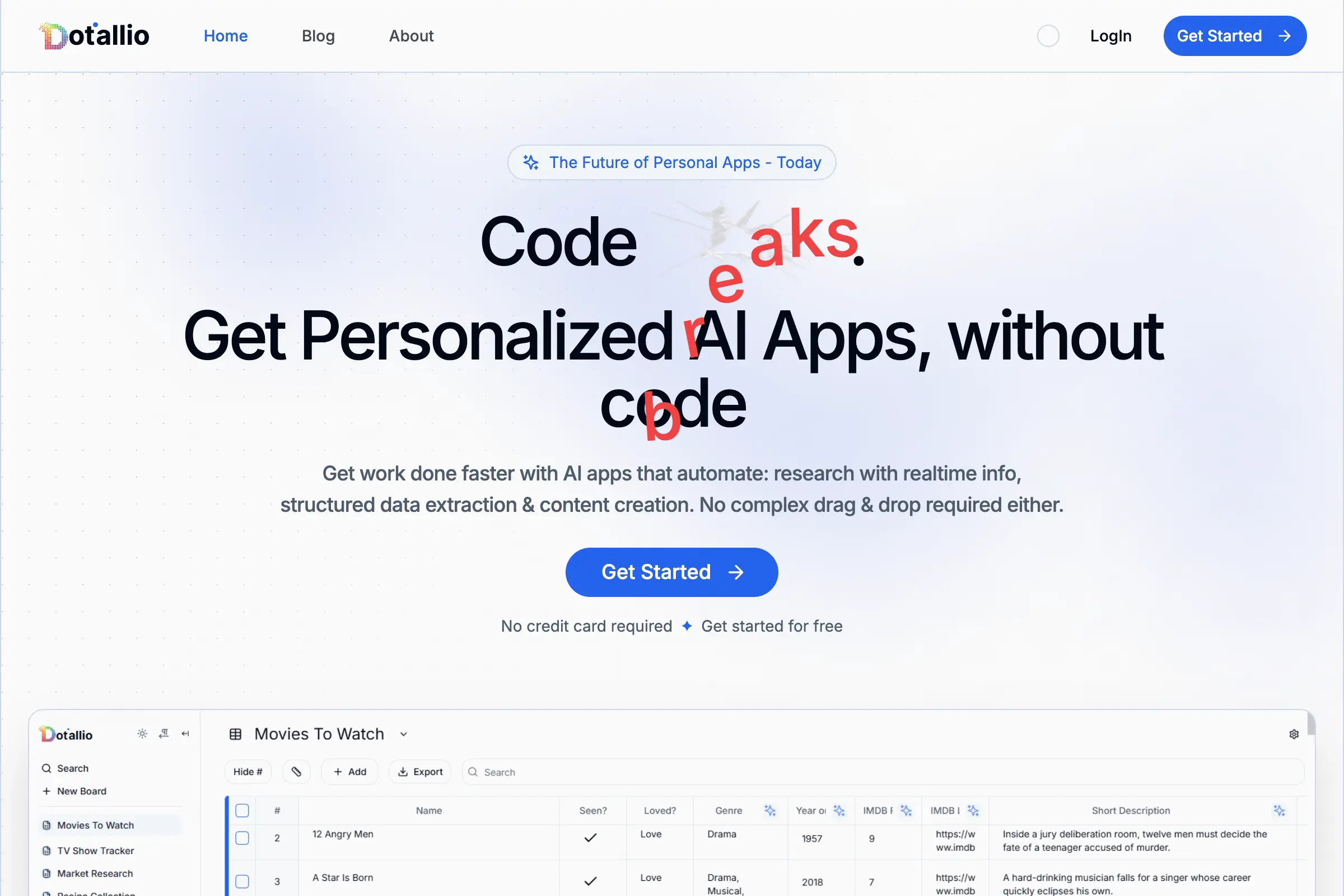
Dotallio
Personalized AI apps that automate research, data extraction, and content creation without code 🤖
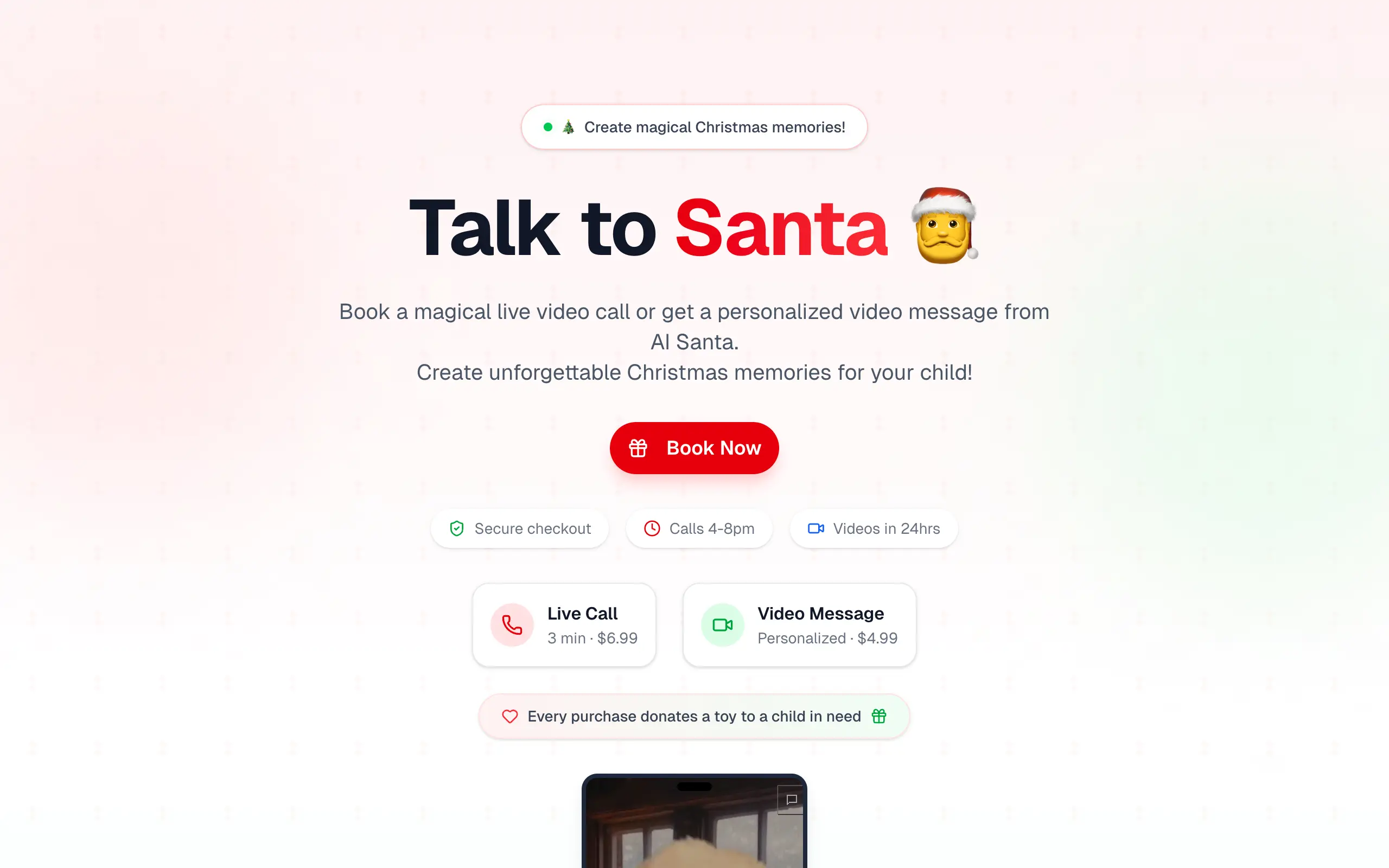
Talk to Santa
Enjoy a magical live video chat or receive a unique AI-generated video greeting from Santa Claus 🎅
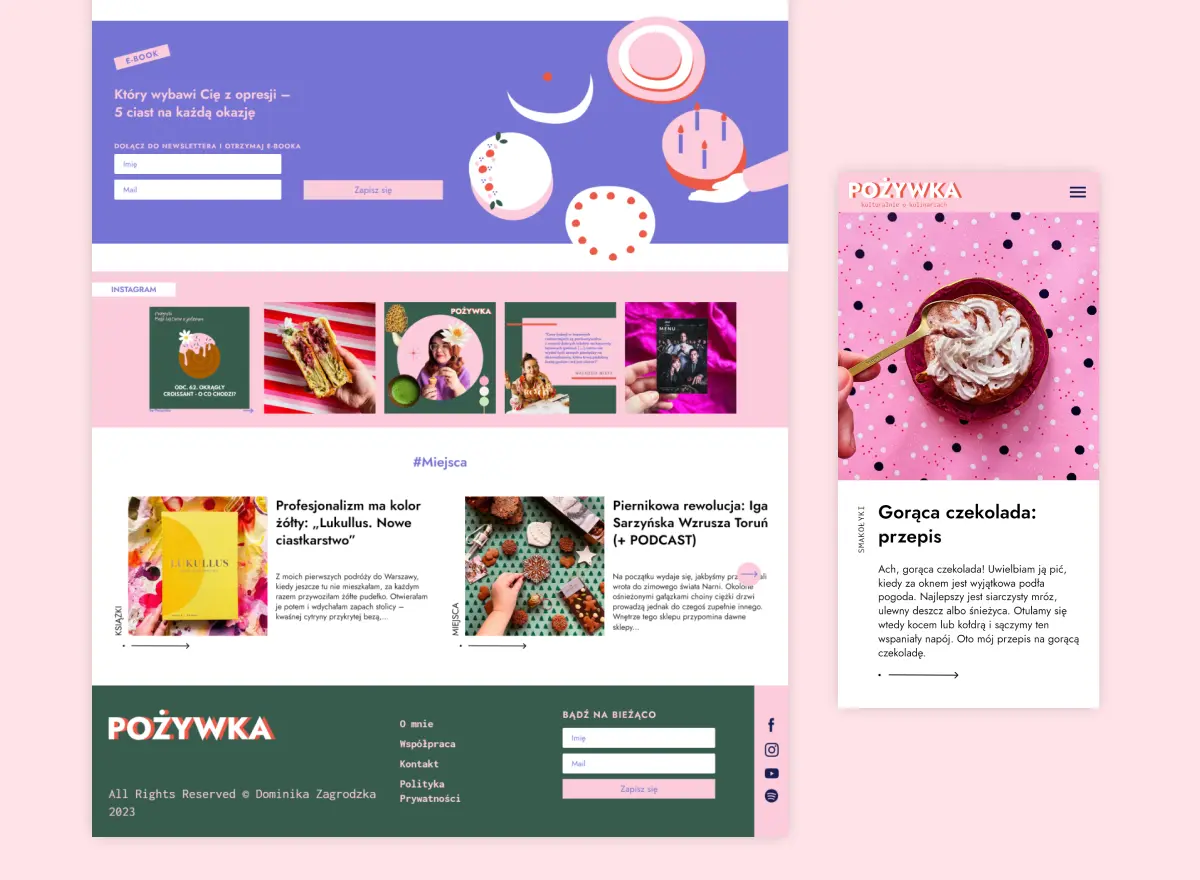
pozywka.pl
Scalable blog for food journalist, focused on performance and user experience 🌭
zagrodzki.me
Personal blog and portfolio of Bart Zagrodzki, where he shares his knowledge and work 💼
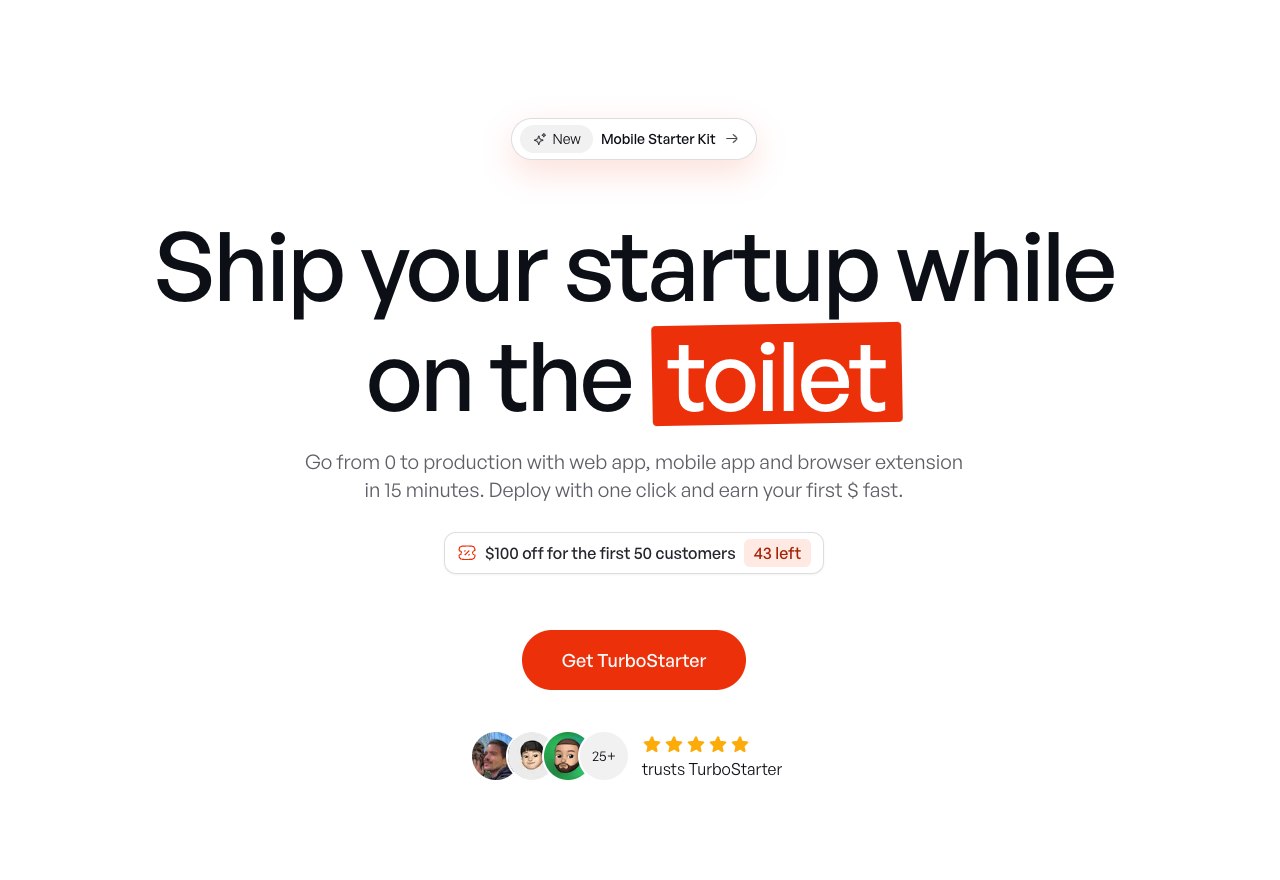
TurboStarter
Ship your startup everywhere. In minutes.
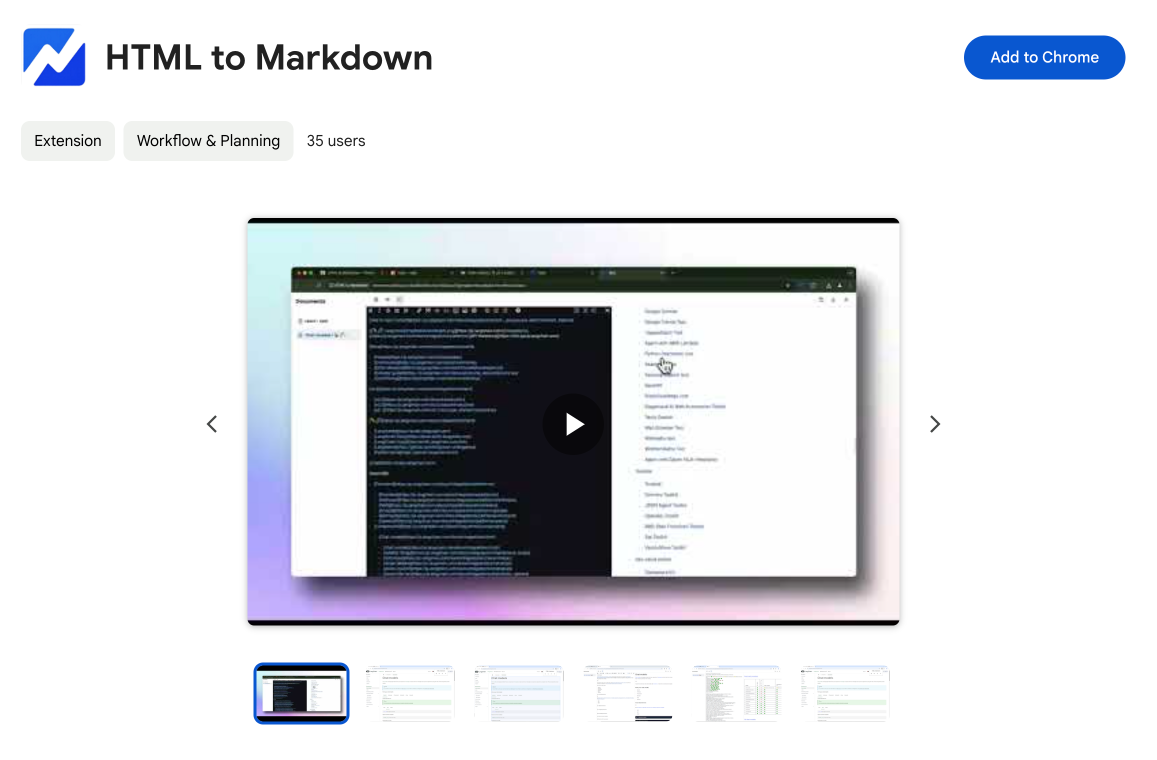
HTML to Markdown
Convert HTML to Markdown with ease, directly in your browser 📄
Dotallio
Personalized AI apps that automate research, data extraction, and content creation without code 🤖
Talk to Santa
Enjoy a magical live video chat or receive a unique AI-generated video greeting from Santa Claus 🎅
pozywka.pl
Scalable blog for food journalist, focused on performance and user experience 🌭
zagrodzki.me
Personal blog and portfolio of Bart Zagrodzki, where he shares his knowledge and work 💼
TurboStarter
Ship your startup everywhere. In minutes.
HTML to Markdown
Convert HTML to Markdown with ease, directly in your browser 📄
Dotallio
Personalized AI apps that automate research, data extraction, and content creation without code 🤖
Talk to Santa
Enjoy a magical live video chat or receive a unique AI-generated video greeting from Santa Claus 🎅
pozywka.pl
Scalable blog for food journalist, focused on performance and user experience 🌭
zagrodzki.me
Personal blog and portfolio of Bart Zagrodzki, where he shares his knowledge and work 💼
TurboStarter
Ship your startup everywhere. In minutes.
HTML to Markdown
Convert HTML to Markdown with ease, directly in your browser 📄
Dotallio
Personalized AI apps that automate research, data extraction, and content creation without code 🤖
Talk to Santa
Enjoy a magical live video chat or receive a unique AI-generated video greeting from Santa Claus 🎅
pozywka.pl
Scalable blog for food journalist, focused on performance and user experience 🌭
zagrodzki.me
Personal blog and portfolio of Bart Zagrodzki, where he shares his knowledge and work 💼
TurboStarter
Ship your startup everywhere. In minutes.
HTML to Markdown
Convert HTML to Markdown with ease, directly in your browser 📄
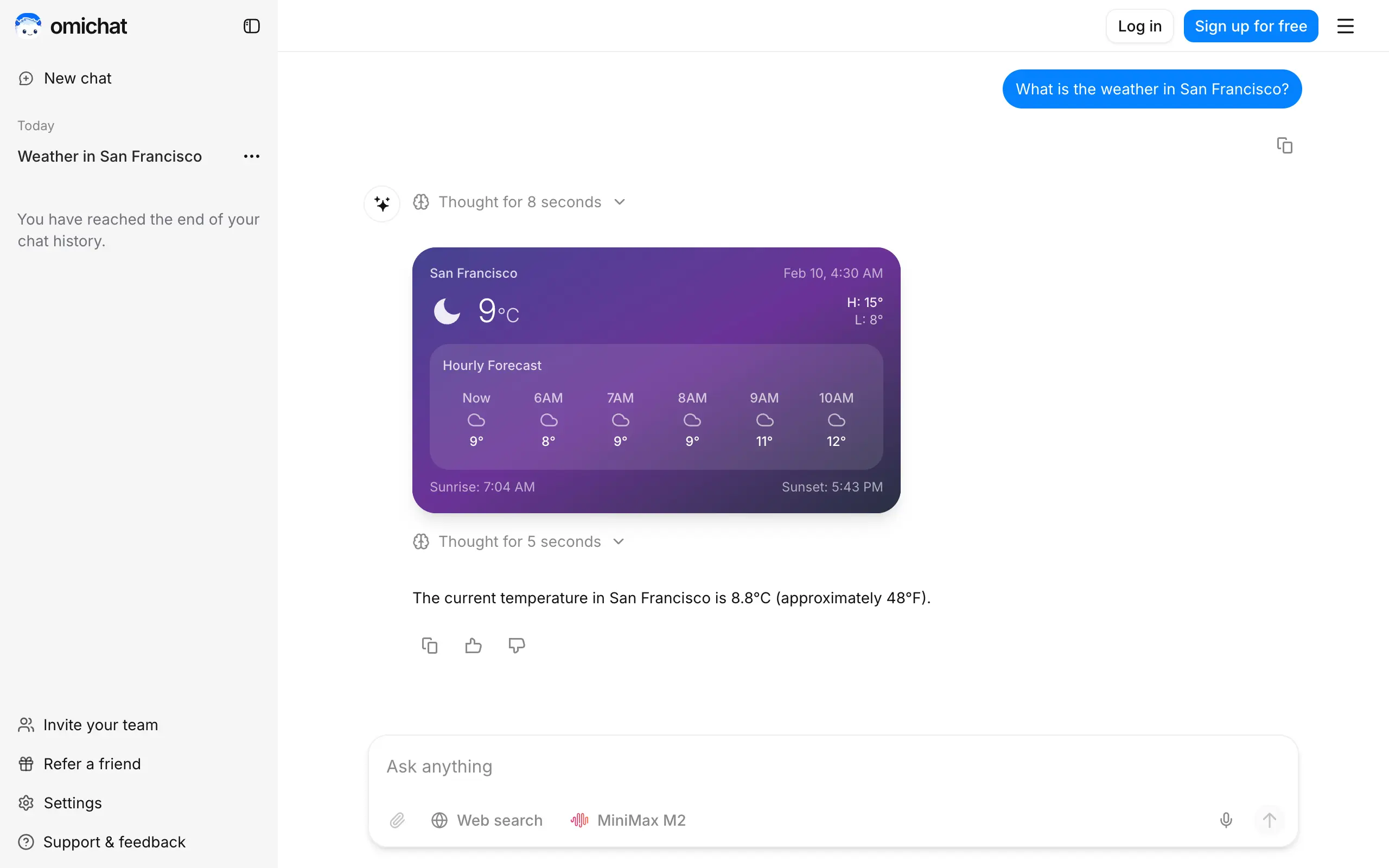
Omichat
Chat with 50+ AI models, including ChatGPT and Claude, in one place - switch models anytime without losing context 🤖
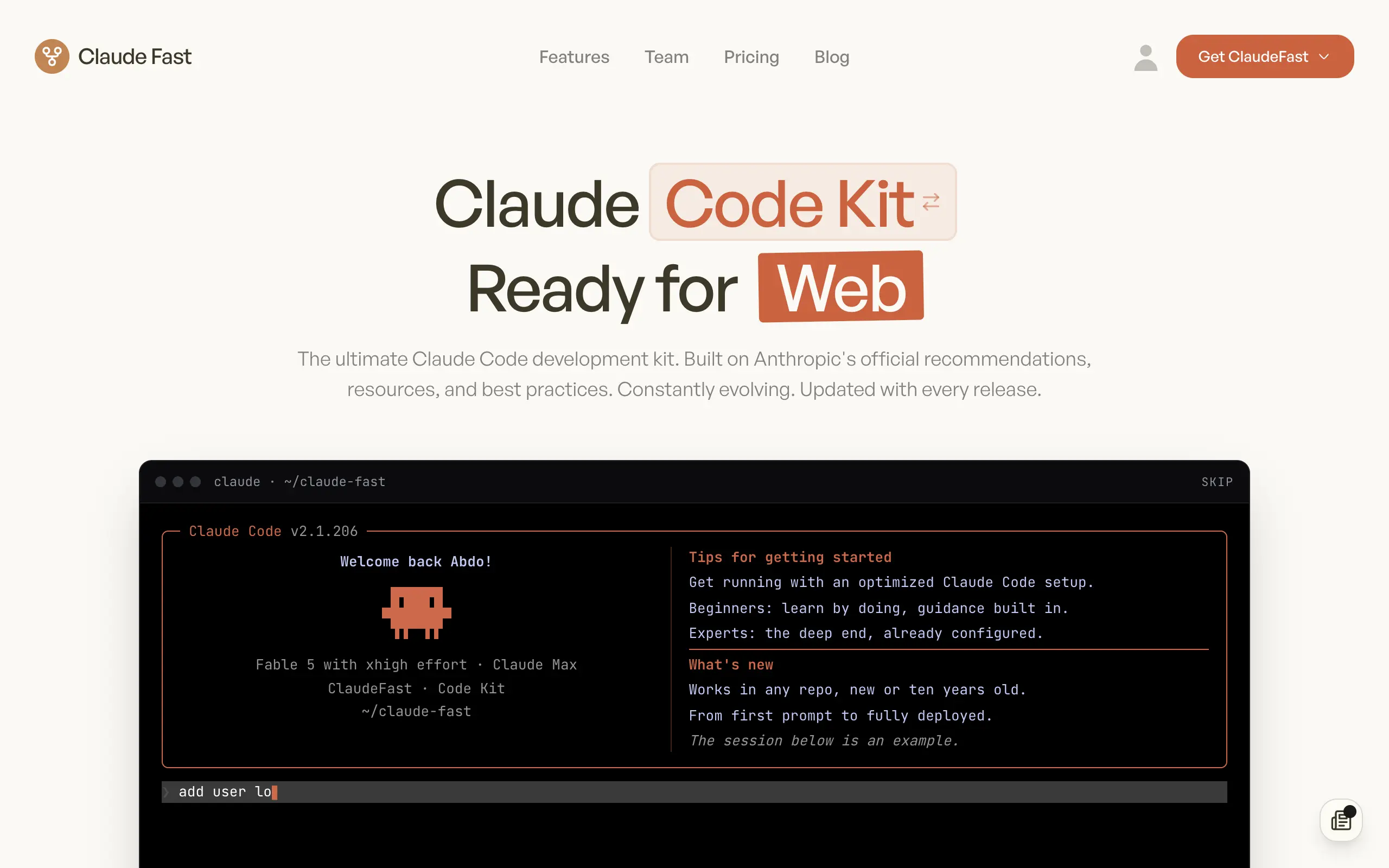
Claude Fast
Supercharge your Claude Code with 6x effective context window and specialized AI agents 🤖
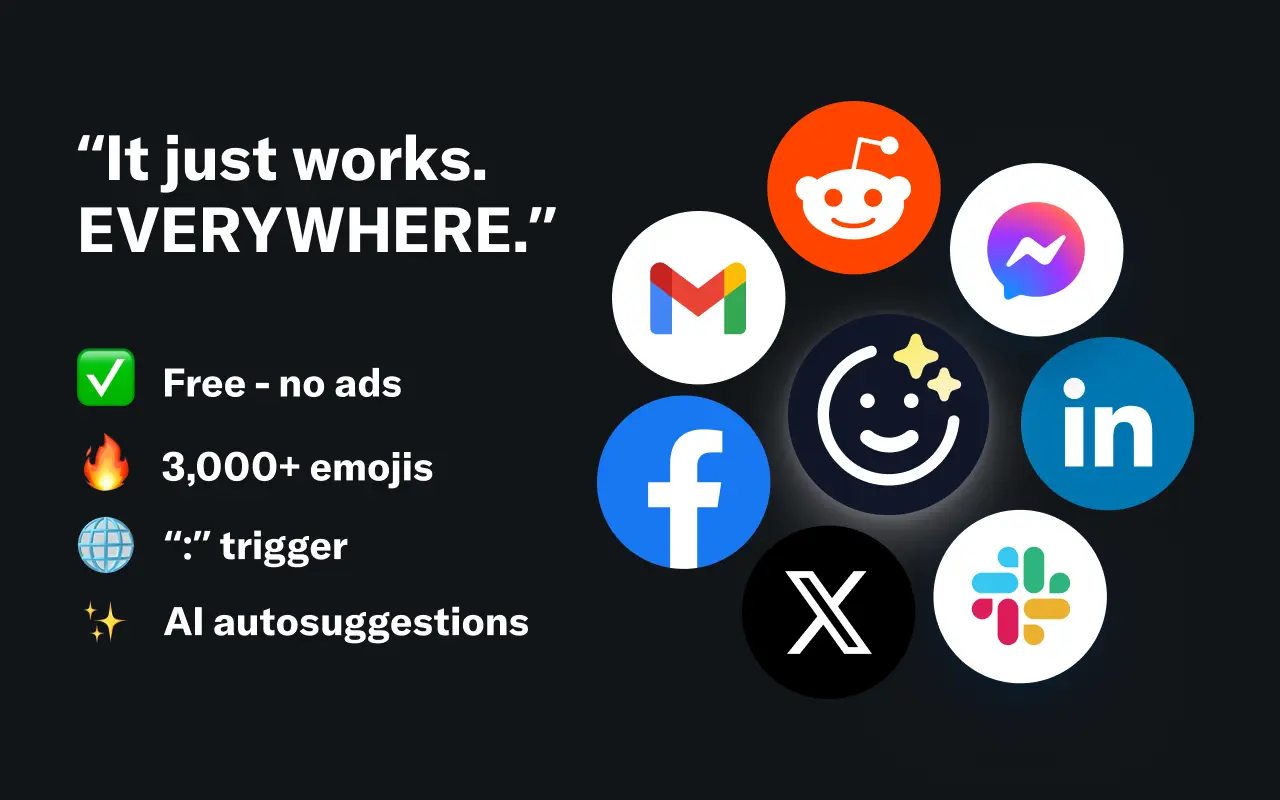
EmojAI
AI-powered emoji picker with smart, context-aware suggestions 🤖
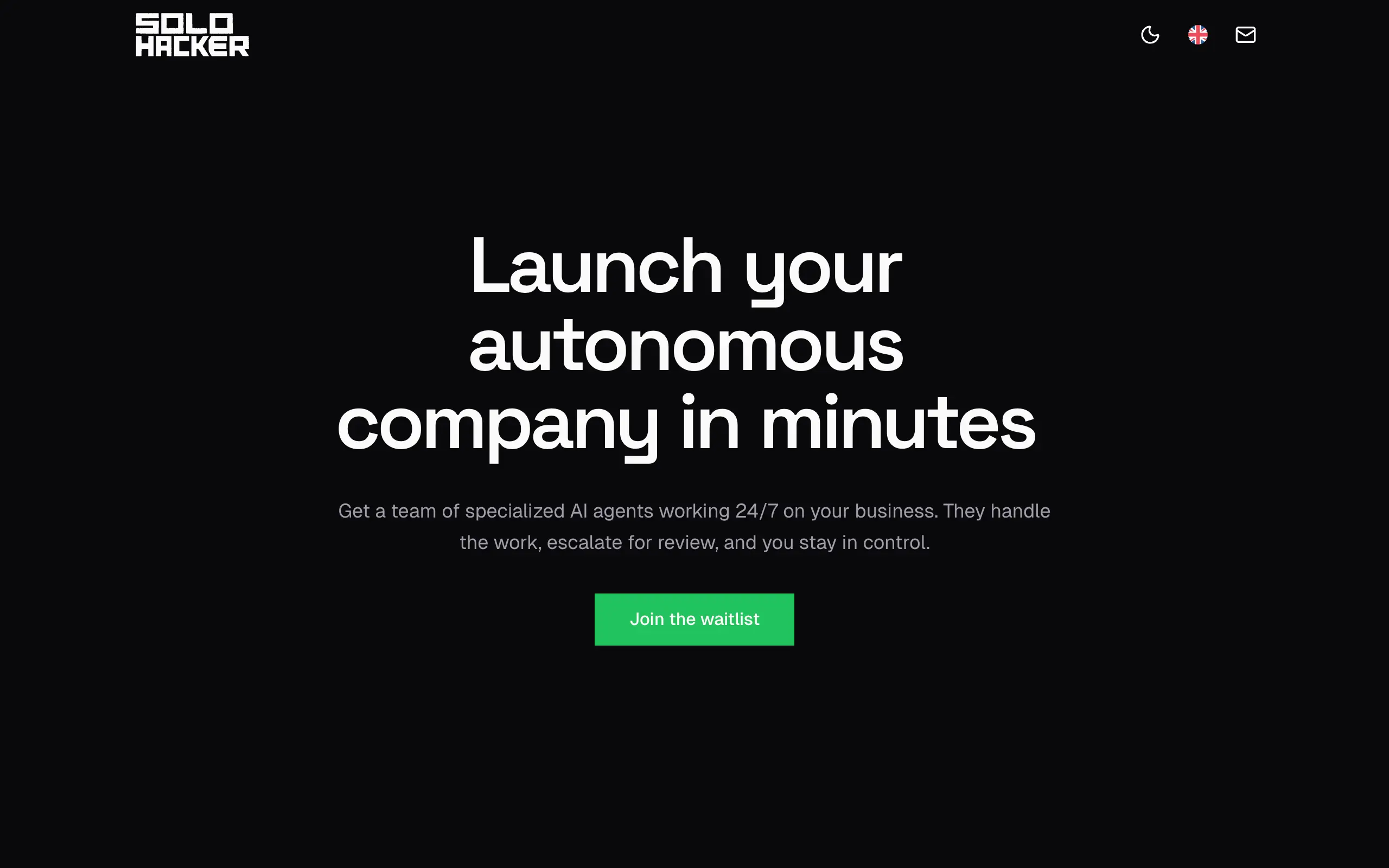
Solohacker
Autonomous company launcher - AI agents work 24/7, escalate what matters, and you stay in control 🤖
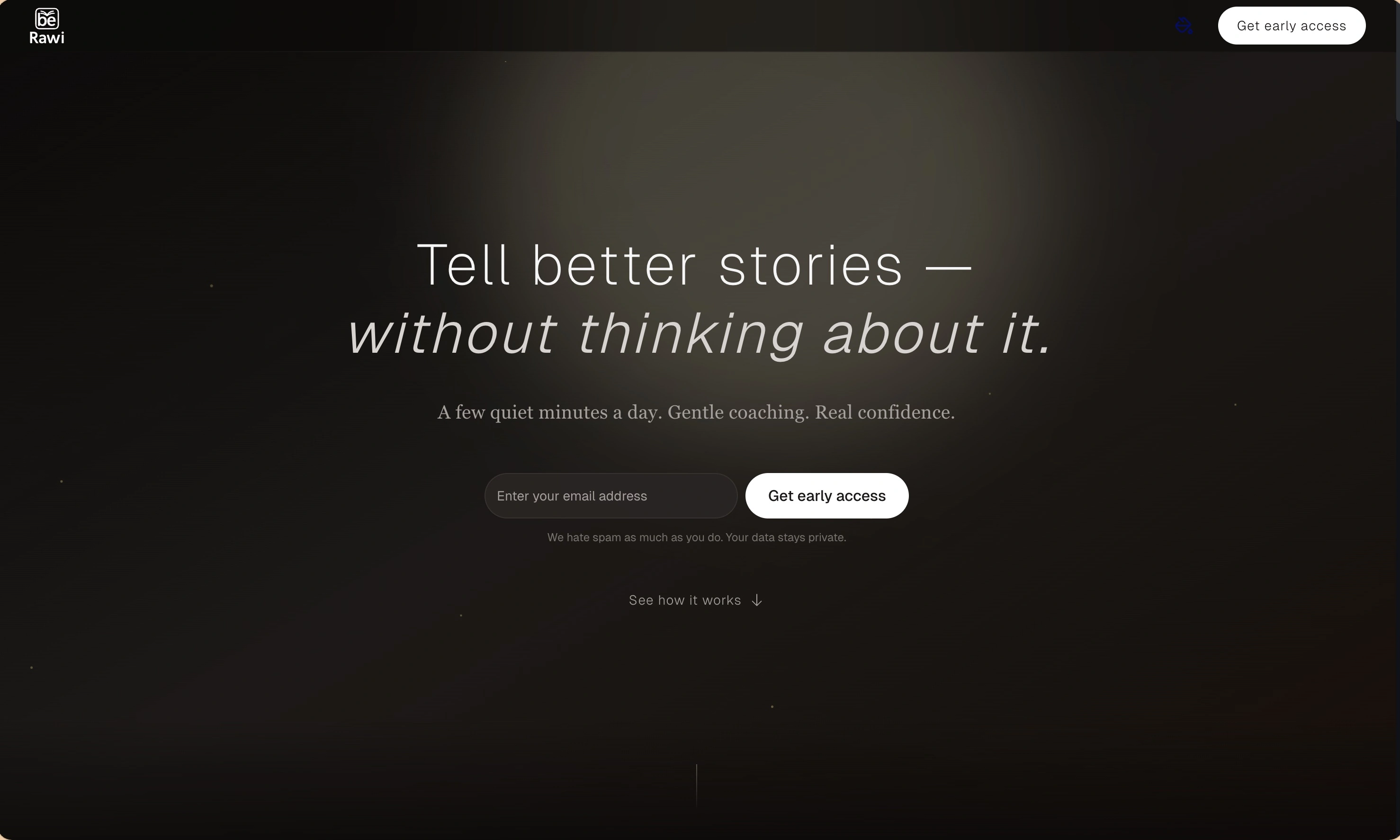
BeRawi: Storytelling Coach
Practice storytelling daily with instant feedback to sound clearer, more engaging, and confident 🎤
Omichat
Chat with 50+ AI models, including ChatGPT and Claude, in one place - switch models anytime without losing context 🤖
Claude Fast
Supercharge your Claude Code with 6x effective context window and specialized AI agents 🤖
EmojAI
AI-powered emoji picker with smart, context-aware suggestions 🤖
Solohacker
Autonomous company launcher - AI agents work 24/7, escalate what matters, and you stay in control 🤖
BeRawi: Storytelling Coach
Practice storytelling daily with instant feedback to sound clearer, more engaging, and confident 🎤
Omichat
Chat with 50+ AI models, including ChatGPT and Claude, in one place - switch models anytime without losing context 🤖
Claude Fast
Supercharge your Claude Code with 6x effective context window and specialized AI agents 🤖
EmojAI
AI-powered emoji picker with smart, context-aware suggestions 🤖
Solohacker
Autonomous company launcher - AI agents work 24/7, escalate what matters, and you stay in control 🤖
BeRawi: Storytelling Coach
Practice storytelling daily with instant feedback to sound clearer, more engaging, and confident 🎤
Omichat
Chat with 50+ AI models, including ChatGPT and Claude, in one place - switch models anytime without losing context 🤖
Claude Fast
Supercharge your Claude Code with 6x effective context window and specialized AI agents 🤖
EmojAI
AI-powered emoji picker with smart, context-aware suggestions 🤖
Solohacker
Autonomous company launcher - AI agents work 24/7, escalate what matters, and you stay in control 🤖
BeRawi: Storytelling Coach
Practice storytelling daily with instant feedback to sound clearer, more engaging, and confident 🎤

Connect with like-minded people
Join our community to get feedback, support, and grow together with 1,000+ builders on board, let's ship it!
Join usShip your startup everywhere. In minutes.
Don't burn tokens on setup and start building features on day one.