MechanicLab
Turn the game mechanics and cinematic moments you love into scoped coding challenges, starter plans, and portfolio projects—with no copied IP.
What is MechanicLab?
MechanicLab is an AI-powered platform that turns the design principles behind memorable game mechanics and cinematic moments into scoped coding challenges, starter plans, and portfolio projects. It helps developers learn by building interactive experiences inspired by ideas such as stealth, momentum, resource management, timing, and player choice—without copying a game’s characters, story, art, dialogue, or other protected creative work.
The product addresses a useful gap between two common learning options:
- Generic coding exercises teach syntax and problem-solving, but may not feel motivating or demonstrate a developer’s creative range.
- Building a complete game from scratch can be exciting, but it is easy for a learner to get stuck in open-ended scope, unfamiliar tooling, or a project that is too large to finish.
MechanicLab can bridge that gap. A user describes a mechanic or cinematic feeling they want to explore, chooses their skill level and preferred technology, and receives a feasible project plan. That plan can include requirements, milestones, implementation hints, testing ideas, and ways to present the finished work in a portfolio.
The central product promise is simple: turn game-inspired curiosity into a small, original, finishable coding project.
The user intent behind an AI coding challenge generator
People searching for game-inspired coding projects are often looking for more than an idea list. They want to know what to build, how to keep the work manageable, and how to make the result useful for learning or career development.
MechanicLab should serve several related search intents:
- Inspiration: “What coding project should I build?”
- Skill development: “How can I practice JavaScript, Unity, or game design?”
- Portfolio building: “How can I create a project that demonstrates my skills?”
- Project planning: “How do I break a game mechanic into implementable features?”
- Originality and IP awareness: “How can I make something inspired by a game without copying it?”
A good AI coding challenge generator should answer these questions with more than a one-sentence prompt. The output should be specific enough to start building, but bounded enough to finish. It should also make clear what the project is not: it is not an invitation to recreate a named game scene, reproduce a recognizable character, or reuse copyrighted assets.
That balance—creative inspiration plus practical scope—is the foundation of MechanicLab’s product experience.
Who MechanicLab should serve
MechanicLab has a broad potential audience, but the initial product will be stronger if it concentrates on a few user groups with clear needs.
Beginner developers
Beginners often know they want to build something interactive but have difficulty choosing an achievable first project. A concept like “make a stealth game” is too broad. A scoped challenge such as “build a top-down scene where a moving light changes the player’s visibility score” gives the learner a manageable starting point.
Useful beginner features include:
- Plain-language explanations of the mechanic
- A short list of prerequisites
- Small, ordered milestones
- Hints that explain concepts without immediately giving away the solution
- A definition of done, such as “the visibility meter changes when the player enters a light cone”
The experience should avoid assuming that every user knows game-development terminology. Terms such as state machine, collision detection, or procedural generation can be explained inline or linked to optional learning material.
Intermediate developers and portfolio builders
Intermediate developers may already know a programming language but need distinctive projects that show problem-solving, interaction design, and product judgment. They are a strong fit for projects that involve a small, polished mechanic rather than a large collection of features.
For this group, MechanicLab can provide:
- Framework-specific starter plans
- Optional stretch goals
- Testing and accessibility checklists
- Portfolio write-up prompts
- Suggestions for a short demo video or interactive web build
- Reflection questions about design trade-offs
A project becomes more portfolio-ready when the developer can explain why they chose a particular approach, what they tested, and what they would improve next. MechanicLab should help users capture those decisions as they build.
Educators and coding clubs
Teachers and workshop leaders need exercises that are engaging, teach a specific concept, and fit within a set amount of class time. MechanicLab could help them produce challenges for different skill levels or adapt one mechanic to multiple programming environments.
Potential education features include:
- Instructor-created challenge collections
- Time estimates and learning objectives
- Student-friendly rubrics
- Classroom sharing and assignment links
- Variants for individual or team work
- A teacher view for reviewing progress without exposing unnecessary student data
Education should not be the first and only market unless the team is prepared for its purchasing cycles, privacy expectations, and classroom support needs. It is a promising adjacent segment after the individual workflow is validated.
Indie developers and game-jam participants
Indie developers and game-jam teams may use MechanicLab to explore a mechanic before committing to a larger project. They need rapid concept exploration, but also need to avoid generic outputs that feel interchangeable.
For this audience, the platform can generate controlled variations: alter one constraint, resource, or feedback loop at a time. The user can compare prototypes and decide which direction merits more development.
The market opportunity and product gap
There are many ways to learn programming, find project ideas, and generate code. MechanicLab’s opportunity is not simply to produce more ideas. It is to connect inspiration, instructional structure, scope control, and original implementation in one workflow.
A useful market hypothesis is that learners are more likely to complete projects when the work is personally motivating and broken into clear milestones. That hypothesis should be tested rather than presented as a universal fact. The team can measure whether users who receive milestone-based plans start projects more often, complete more milestones, and return to build another project.
Why generic project prompts are not enough
A list of ideas can help someone get started, but it leaves important questions unanswered:
- What is the smallest playable or demonstrable version?
- What concepts does the project teach?
- What should be built first?
- What will count as completion?
- How can a learner make the result original?
- How can the project be adapted to their skill level and chosen tools?
MechanicLab can distinguish itself by answering those questions in every generated challenge.
Why a full AI coding assistant is not the right starting point
Trying to compete directly with general-purpose coding assistants would make the product difficult to position and expensive to differentiate. MechanicLab’s value is not “AI that writes code for every task.” Its value is a guided conversion from an abstract game-design idea to a well-scoped learning project.
The first version should focus on challenge quality and project completion, not autonomous code generation. Users can use their preferred editor and coding assistant while MechanicLab handles the educational structure, scoping, originality safeguards, and project presentation.
A measurable opportunity
The team should validate the market through behavior, not just positive reactions in interviews. Useful early measures include:
- The percentage of generated challenges that users save
- The percentage of saved plans that users start
- Milestone completion rates
- The share of users who publish or share a finished project
- Repeat challenge creation within 30 days
- User-reported clarity of scope and usefulness of hints
These measures help distinguish a product people find interesting from one that changes what they do.
How the core product should work
The ideal experience is a short guided flow that turns a broad interest into an actionable build plan.
1. Capture the inspiration without requiring a copied reference
Users can describe a mechanic or experience in their own words. For example:
- “I want to explore how limited visibility creates tension.”
- “I want a movement system where momentum matters.”
- “I want to build a resource loop that makes players choose between short-term and long-term rewards.”
- “I want to prototype a scene where timing affects the outcome.”
The interface can allow optional references for private context, but should encourage the user to describe the underlying design principle rather than request an exact recreation of a named scene or game.
2. Ask for the constraints that shape the project
Before generating a plan, MechanicLab should collect a few practical inputs:
- Skill level
- Preferred language or engine
- Available time
- Target format, such as web, desktop, or mobile
- Solo or team work
- Learning objective
- Whether the user wants a guided challenge or an open-ended brief
Avoid asking too many questions at once. A useful default is to ask only what changes the plan meaningfully, then provide editable assumptions.
3. Generate a scoped challenge
Each challenge should have a consistent structure:
- A short original concept
- The mechanic being explored
- Learning objectives
- Required features
- Optional stretch goals
- Suggested tools and prerequisites
- Milestones
- Acceptance criteria
- Testing ideas
- Originality guidance
- Portfolio presentation suggestions
The output should be concrete. “Make it fun” is not an acceptance criterion. “The player can collect three types of resource, and the interface updates after each collection” is testable.
4. Help the user move from plan to progress
A challenge plan is only the starting point. MechanicLab can help users break work into small tasks, record decisions, and ask for hints at the right level.
Hints should be staged:
- A conceptual nudge
- A more specific implementation direction
- A small pseudocode example
- Optional code for a narrow, clearly explained component
This approach supports learning more effectively than immediately producing a complete solution. Users should be able to choose how much help they want.
5. Turn completed work into a portfolio artifact
When a user finishes, MechanicLab can help them document the project. A portfolio summary might include the original problem, the mechanic explored, implementation decisions, tests performed, and lessons learned.
The platform can offer a checklist for a strong project page:
- What does the prototype demonstrate?
- What was the most important technical decision?
- What did the user test?
- What remains unfinished?
- How can another person try it?
This makes the product useful beyond the initial generation session.
Core features for the first product version
A practical minimum viable product should prove that users value guided, original project planning before the team invests in a large feature set.
Challenge generation with structured outputs
The generator should not return free-form prose alone. It should produce fields that can be saved, edited, and evaluated. Structured output also makes it easier to create consistent challenge cards and export project plans.
A simplified challenge object could look like this:
type Challenge = {
  title: string;
  concept: string;
  skillLevel: "beginner" | "intermediate" | "advanced";
  learningObjectives: string[];
  coreRequirements: string[];
  milestones: {
    title: string;
    acceptanceCriteria: string[];
  }[];
  stretchGoals: string[];
  originalityNotes: string[];
};
This format is intentionally modest. The team can add fields as real users reveal which information they need. Avoid building a large schema before testing whether people use the generated plans.
Scope and difficulty controls
Difficulty should change more than the label. A beginner version might reduce the number of interacting systems, explain unfamiliar terms, and include more explicit milestones. An advanced version might introduce performance constraints, additional edge cases, or a more complex data model.
Time estimates should be presented as ranges and qualified by assumptions. A one-hour estimate for an experienced developer may be unrealistic for a beginner. MechanicLab can improve estimates by observing completion data and asking users how long tasks took.
Originality and IP-aware guidance
MechanicLab’s “no copied IP” promise should be reflected in its product design, not left as a disclaimer. The generator should steer toward abstract mechanics and original expression.
A practical policy can instruct the system to avoid generating:
- Recognizable characters or character descriptions from existing works
- Recreated maps, levels, scenes, or distinctive visual layouts
- Existing dialogue, lyrics, story text, or music
- Requests to reproduce a specific game’s assets or signature presentation
- Prompts that are effectively “make this exact game, but with a small change”
Instead, the platform can offer a transformation. If a user asks for an exact copy, it can preserve the learning goal while changing the expression: “I can help you build an original visibility-based stealth prototype with a different setting, rules, and visual direction.”
This is product guidance, not legal advice. Copyright, trademark, and other rights vary by jurisdiction and circumstance. The team should have qualified counsel review its policies, terms, and user-facing claims.
Starter plans instead of oversized code dumps
A starter plan can include architecture suggestions, files to create, and the first milestone without generating an entire application. This keeps the experience educational and reduces the chance that users receive unreviewable code they cannot maintain.
For example, a momentum-based movement challenge could begin with:
- A player controller
- A movement state
- A simple acceleration and friction model
- A visual indicator for current speed
- A small test area with a slope or obstacle
The plan should explain why each part exists and how the user can verify it works.
Export and project sharing
Users should be able to save a challenge, export it as Markdown, and share a read-only version. These capabilities make the product useful in coding communities and classrooms without requiring MechanicLab to host every project.
A later version could support public challenge galleries, but user privacy and moderation should be established before public sharing becomes central.
Recommended technology stack
MechanicLab’s architecture should support fast product iteration, structured AI output, safe data handling, and dependable challenge quality. A lean web application is an appropriate starting point.
Frontend and application layer
A TypeScript web stack can support a responsive interface and shared types between the frontend and backend. React is a strong option for the interface, while a full-stack framework such as Next.js can provide routing, server-side rendering, and backend endpoints in one project.
The trade-off is that a full-stack framework can blur the boundary between user interface and business logic if the application is not organized carefully. Keep the challenge-generation service, policy checks, and persistence logic in distinct modules, even if they initially live in one codebase.
Database and authentication
A relational database is a good fit for user accounts, challenge records, saved plans, feedback, and subscription state. PostgreSQL is particularly useful when the product needs structured data and flexible querying. A managed platform can accelerate authentication and database setup, but the team should understand its pricing, backup, data-export, and vendor-dependency implications.
The initial data model might include:
- Users and preferences
- Generated challenges
- Prompt and model metadata
- Saved or shared projects
- Feedback and completion events
- Subscription entitlements
Do not store sensitive user data unless the product needs it. Establish retention and deletion practices early, especially if the platform later serves students or organizations.
AI orchestration and quality control
Use a model provider through a server-side service layer, rather than calling the provider directly from the browser. This protects secret keys and creates a stable boundary for prompt changes, provider changes, rate limits, and logging.
The generation pipeline can follow a predictable sequence:
- Validate and normalize the user’s request.
- Identify the mechanic and learning goal.
- Check for requests that need redirection.
- Generate a structured challenge.
- Validate required fields and scope.
- Apply originality and safety checks.
- Return the plan with editable assumptions.
A model response should not be treated as correct merely because it is fluent. Create a test set of prompts covering different skill levels, technologies, ambiguous requests, and requests to imitate protected work. Review outputs against a rubric for feasibility, clarity, educational value, and originality.
Security and execution boundaries
The first version should not run user-submitted code on the application server. Code execution introduces risks that are unnecessary for validating the core product. If a later version offers in-browser execution, use an appropriately isolated environment with resource limits and a security review.
Treat user prompts as untrusted input. Apply server-side authorization checks, protect API credentials, use rate limits, and limit the amount of user content sent to model providers. Consult the relevant security guidance for the chosen stack and document how data is handled.
Deployment and product analytics
Choose a deployment environment that supports the application’s framework and gives the team observable logs, error reporting, and straightforward rollback options. Product analytics should answer defined questions rather than collect events indiscriminately.
For example, track whether users:
- Complete challenge setup
- Save a generated plan
- Start a milestone
- Request a hint
- Mark a project complete
- Share or export a project
Avoid treating raw page views as proof of product value. The most useful metrics are connected to the user’s progress.
Monetization strategy options
MechanicLab can test multiple business models, but should begin with a simple offer that matches the product’s usage pattern.
Freemium for individual learners
A free tier can allow users to generate a limited number of challenges, save a small number of plans, and access core project-planning tools. A paid plan could add more generations, advanced customization, project history, exports, and portfolio support.
The pricing question is not only how much users will pay. It is also what outcome they are paying for. A subscription is easier to justify if the product supports ongoing learning, repeated project creation, and progress tracking—not just a one-time prompt.
Paid challenge packs
Curated packs can focus on a theme, skill, or technology, such as interactive web prototypes, beginner game loops, or physics-inspired projects. These can provide a tangible one-time purchase and serve users who do not want another subscription.
The challenge packs must be meaningfully curated. Simply placing AI-generated prompts behind a paywall is unlikely to create lasting differentiation.
Education and team plans
Schools, coding programs, and bootcamps may pay for instructor tools, shared challenge libraries, class assignments, and progress views. Team plans could support workshops or game jams.
This route requires careful attention to user privacy, administrative controls, accessibility, and support. The product should validate educator demand through pilots before building a complex classroom-management system.
Sponsorship and partnerships
A later model could involve sponsored learning paths or technology-specific challenges. Sponsorships should be clearly labeled, and the learning experience should remain useful even when a user does not adopt a sponsor’s product.
Regardless of model, avoid selling user project content or personal data. A trust-first product has a stronger foundation when its business model is easy to explain.
Competitive advantage and positioning
MechanicLab’s strongest position is not “AI for game development.” That framing is broad and could imply code generation, asset creation, or a full game engine. A more defensible description is:
An AI project planner for developers who want to learn by building original, game-inspired prototypes.
The competitive advantage can come from the combination of several capabilities:
- Mechanic-focused input: Users start with a design principle or feeling, not only a programming language.
- Scope control: Each idea becomes a project with milestones and a definition of done.
- Learning-oriented guidance: Hints and explanations support the developer’s growth rather than replacing it.
- Originality-aware generation: The platform guides users away from direct imitation and toward their own implementation.
- Portfolio outcomes: Finished projects are documented in a way that helps developers communicate their work.
The product’s moat will not be the underlying language model alone. Model access is increasingly available across software products. A more durable advantage may come from a high-quality challenge library, a tested taxonomy of mechanics and learning goals, user completion data, and a generation rubric that consistently produces useful projects.
A practical comparison with alternatives
| Alternative | What it does well | Where MechanicLab can differ |
|---|---|---|
| Generic AI assistant | Answers broad questions and can help with code | Focuses on structured, scoped learning challenges |
| Tutorial library | Provides planned instruction and examples | Adapts a project brief to the user’s interests and constraints |
| Coding challenge site | Offers defined exercises and assessment | Emphasizes creative prototypes and portfolio outcomes |
| Game engine templates | Provides a technical starting point | Helps choose and scope the project before implementation |
| Idea generator | Produces quick inspiration | Adds milestones, acceptance criteria, and originality guidance |
This comparison should be treated as positioning, not a claim that every competing product lacks these features. The team should periodically review the market and speak with users about the tools they already use.
Risks and ways to mitigate them
Low-quality or infeasible AI output
A generated challenge may be vague, technically incorrect, or too large for the stated time. Use structured output, validation rules, model evaluations, and user feedback. Include assumptions and allow users to regenerate or edit individual sections instead of restarting the whole plan.
Overreliance on named-game imitation
Users may ask for direct copies, and a model may produce recognizable elements even when the request is broad. Make the originality policy visible, test refusal and redirection behavior, and avoid presenting the product as a legal clearance tool. Get professional legal review of the platform’s policy and marketing language.
Weak retention after the novelty wears off
A user may enjoy generating a project plan but never build it. The product must help users act: milestone tracking, manageable scope, useful hints, and simple progress reminders may matter more than additional generation options. Measure project starts and completions, not only generated plans.
Competing against free tools
Users can already ask a general assistant for project ideas. MechanicLab needs to make the paid value clear through better structure, consistency, personalization, and finishability. If user research shows that people only need one idea once, a subscription may not be the right model. Consider paid packs or educator offerings instead.
Privacy and data handling
Users may paste personal information, proprietary project ideas, or school-related details into prompts. Explain what is stored, how it is used, and how to delete it. Minimize data collection and review the privacy requirements that apply to intended customer groups and regions.
Educational misuse
Some users may want complete solutions rather than learning support, while educators may need transparent ways to use AI-generated material. Provide adjustable hint levels and clear labels for generated content. Educators should be able to review and adapt challenge plans before assigning them.
How to validate the idea before building too much
The fastest way to test MechanicLab is to validate the challenge-planning workflow with real users before implementing a broad AI platform.
Start with interviews and a lightweight prototype. Ask developers to describe a project they wanted to build but did not finish. Find out what blocked them: idea selection, technical setup, unclear scope, lack of time, or uncertainty about how to present the result.
Then test whether a structured plan changes their behavior. Give participants a challenge brief with milestones, acceptance criteria, and originality guidance. Observe whether they understand what to do first and whether the challenge feels achievable.
Useful questions include:
- Did the plan help you choose a first task?
- Which part felt unclear or unnecessary?
- Did the project fit the time you had available?
- Did you need more technical guidance or more freedom?
- Would you use the finished project in a portfolio?
- What tool would you otherwise use for this task?
Do not ask only whether people “like” the idea. Ask them to complete a small task and describe what they would do next. Behavioral evidence is more informative than enthusiasm alone.
Actionable implementation steps
A focused build sequence can reduce risk and keep the product centered on its core promise.
Define the first user and outcome
Choose one initial audience, such as beginner web developers or intermediate portfolio builders. State the outcome in measurable terms, such as helping users produce and begin a feasible project plan within one session.
Create a challenge quality rubric
Define what a strong output must include: clear learning goals, realistic scope, ordered milestones, testable acceptance criteria, and original expression. Use the rubric to review both generated examples and user feedback.
Build a small, curated mechanic taxonomy
Start with a manageable set of concepts, such as visibility, timing, momentum, resource trade-offs, and branching decisions. For each, document possible learning objectives, scope variations, and common implementation challenges.
Prototype the planning flow
Create a simple interface that collects skill level, technology, time available, and the user’s inspiration. Generate a structured plan and let users edit and save it. Avoid adding code execution or a public community before validating the main workflow.
Test originality and feasibility
Build a set of evaluation prompts that include ordinary requests, ambiguous requests, and requests to recreate existing works. Review whether the product redirects problematic requests toward original mechanics and whether the resulting projects are achievable.
Measure progress, not just generation
Track whether users save plans, start milestones, request hints, and finish projects. Combine product analytics with interviews so the team understands why users continue or stop.
Add monetization after finding repeat value
Once users return to create multiple projects or educators reuse challenge plans, test paid features that directly support those behaviors. Keep the free experience useful enough to demonstrate the product’s value.
Teams that want to move from product idea to a launchable SaaS foundation can evaluate TurboStarter for accelerating common application setup. The key is to choose a foundation that frees the team to focus on challenge quality, user research, and the learning experience.
Keep the promise focused
MechanicLab does not need to generate an entire game to be valuable. A well-scoped challenge that a learner can understand, build, test, and present may create more value than a large, impressive-looking code dump.
The opportunity for MechanicLab
MechanicLab can occupy a distinctive place between coding education, AI-assisted planning, and game-inspired creativity. Its opportunity is to help people move from “I want to build something like this feeling” to “I know what I’m building first, how I’ll test it, and how I’ll make it my own.”
The most promising strategy is to begin with a narrow audience and a reliable challenge format. Make outputs consistently clear, feasible, and original. Learn whether users start and complete the projects—not merely whether they enjoy generating them. Then expand into classroom tools, curated challenge packs, community features, or deeper technical guidance based on observed demand.
If MechanicLab can repeatedly help developers finish small, original projects that teach real skills, it can build a meaningful advantage: not just more AI-generated ideas, but a better path from inspiration to demonstrated ability.
More 🤖 AI Startup SaaS ideas
Discover more innovative ai startup SaaS ideas that are trending in 2026. Each idea is AI-generated with market validation and growth potential to help you find your next profitable venture faster than competitors.
Your competitors are building with TurboStarter
Below are some of the SaaS ideas that have been generated and built with our starter kit.
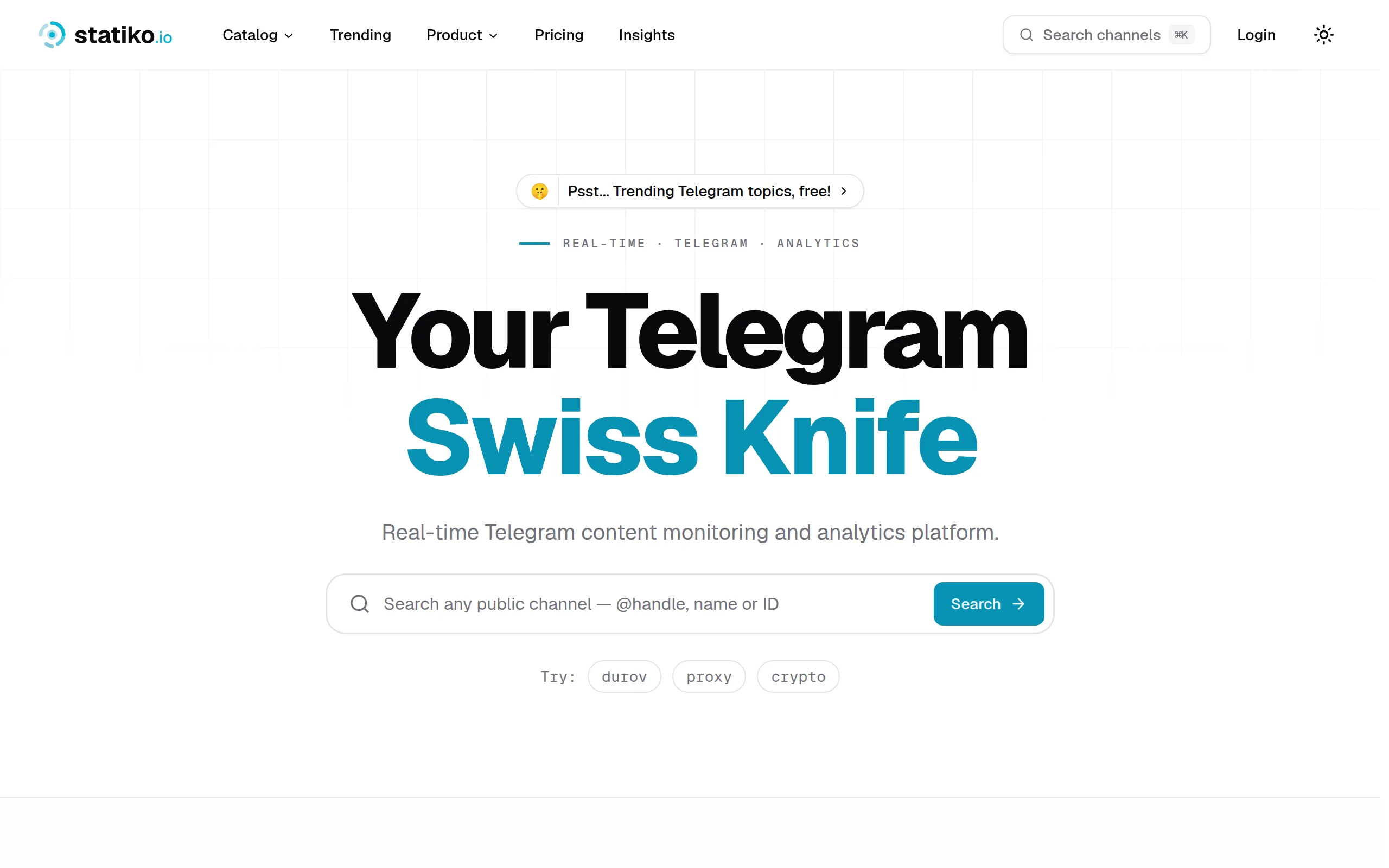
Statiko
Monitor any Telegram channel in real time - track posts, edits, deletions, and growth with AI recaps 📡

Shibui
AI website builder - describe your business, pick a niche template, edit by chatting, and publish instantly ✨

Pro Service
Find verified home service professionals, compare quotes, and pay securely through escrow - built for Brazilians across the US 🏠
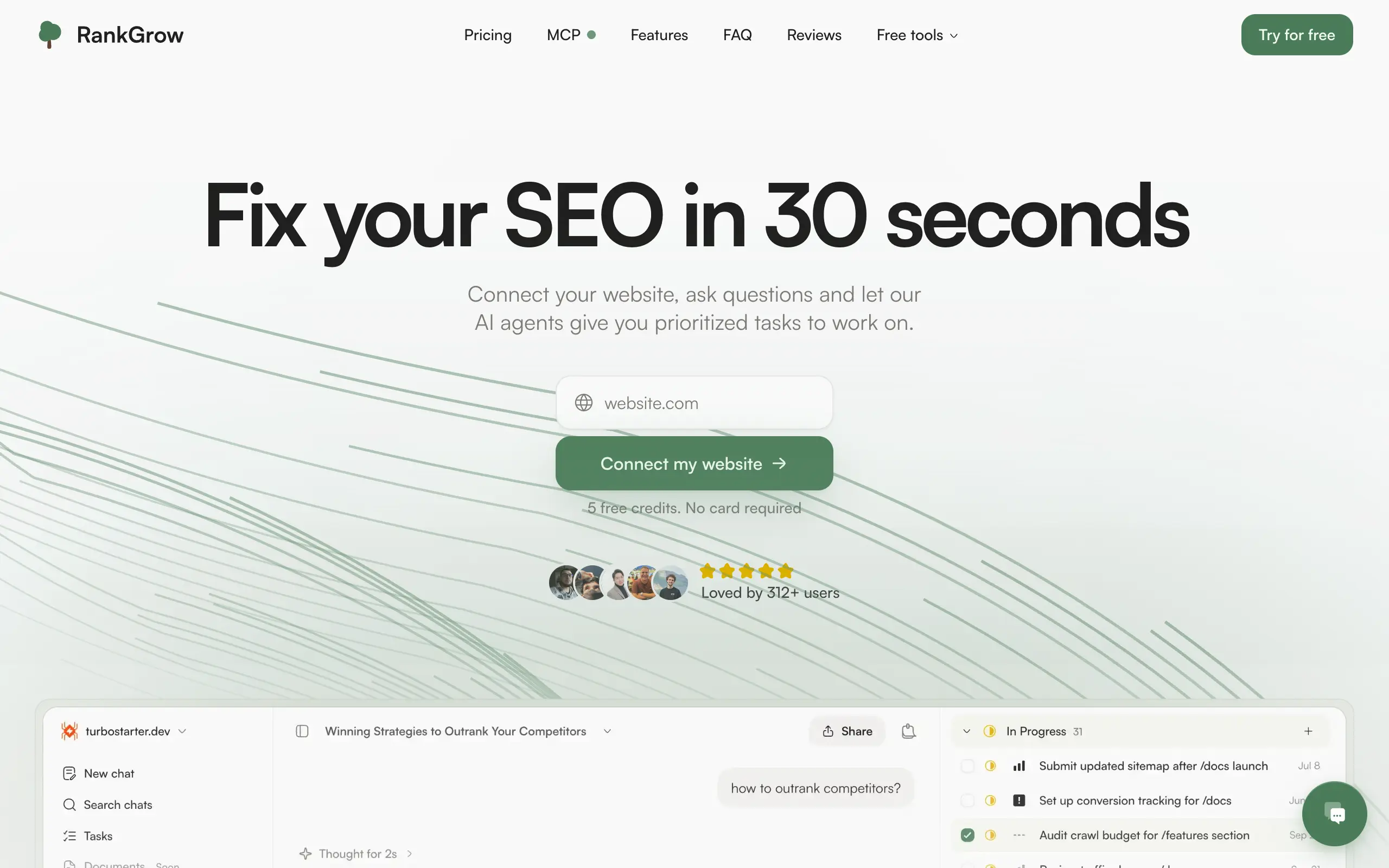
RankGrow
Fix your SEO with AI agents - connect Search Console, get prioritized tasks, and grow organic traffic 📈
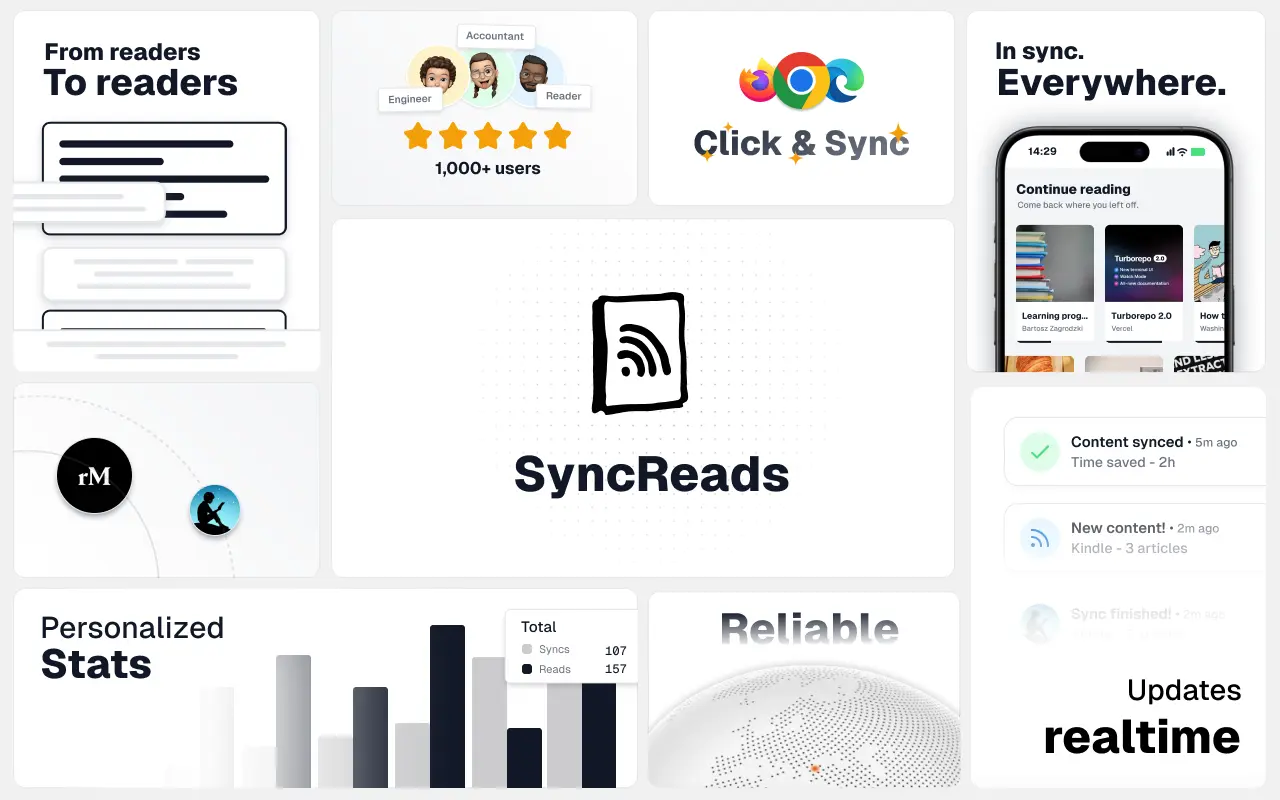
SyncReads
Sync your favorite content for distraction-free reading, save time and replace multiple apps. Anytime, anywhere 🔄
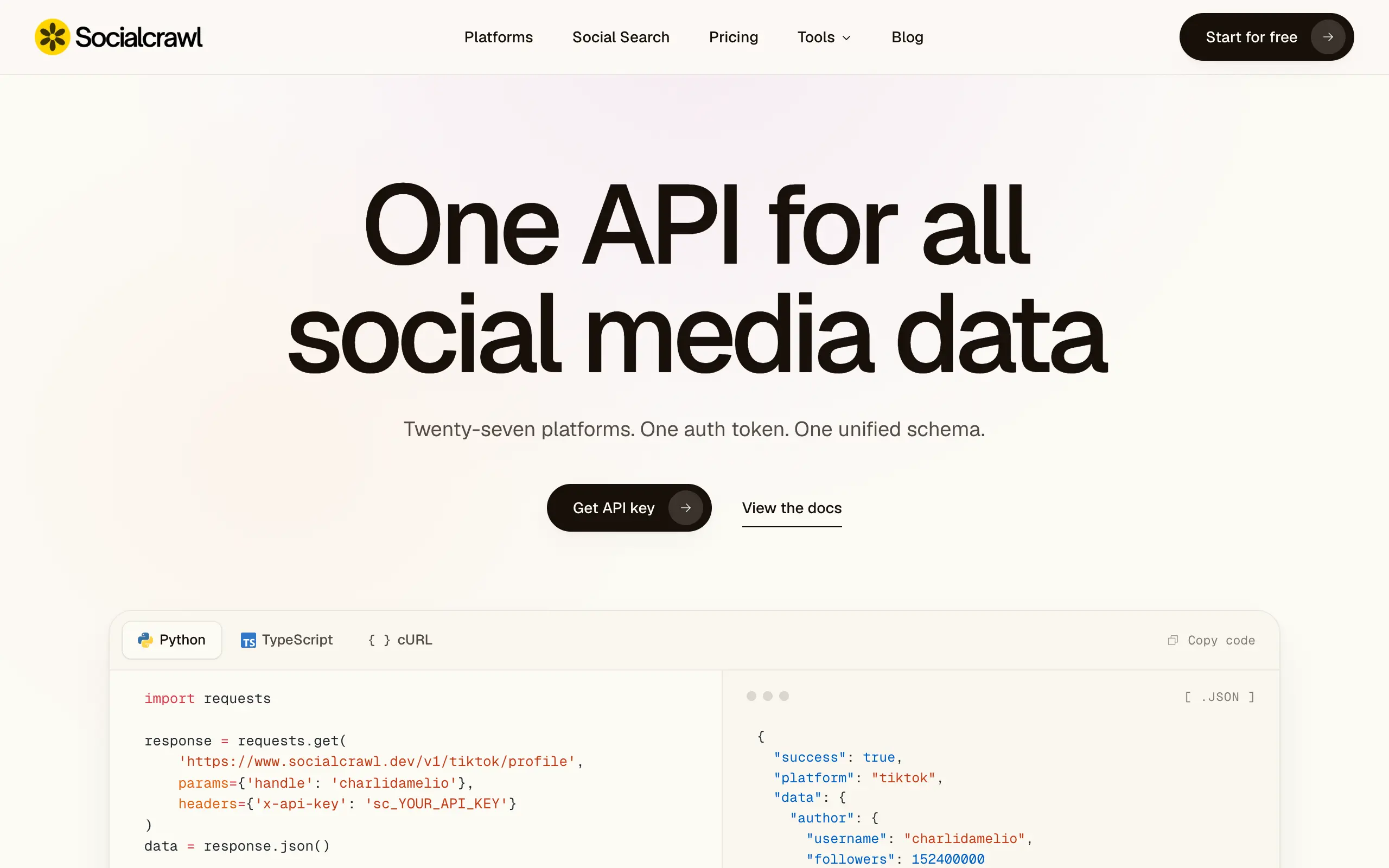
Socialcrawl
Get clean, structured data from 21 platforms like TikTok, Instagram, and YouTube with a single request 📊
Statiko
Monitor any Telegram channel in real time - track posts, edits, deletions, and growth with AI recaps 📡
Shibui
AI website builder - describe your business, pick a niche template, edit by chatting, and publish instantly ✨
Pro Service
Find verified home service professionals, compare quotes, and pay securely through escrow - built for Brazilians across the US 🏠
RankGrow
Fix your SEO with AI agents - connect Search Console, get prioritized tasks, and grow organic traffic 📈
SyncReads
Sync your favorite content for distraction-free reading, save time and replace multiple apps. Anytime, anywhere 🔄
Socialcrawl
Get clean, structured data from 21 platforms like TikTok, Instagram, and YouTube with a single request 📊
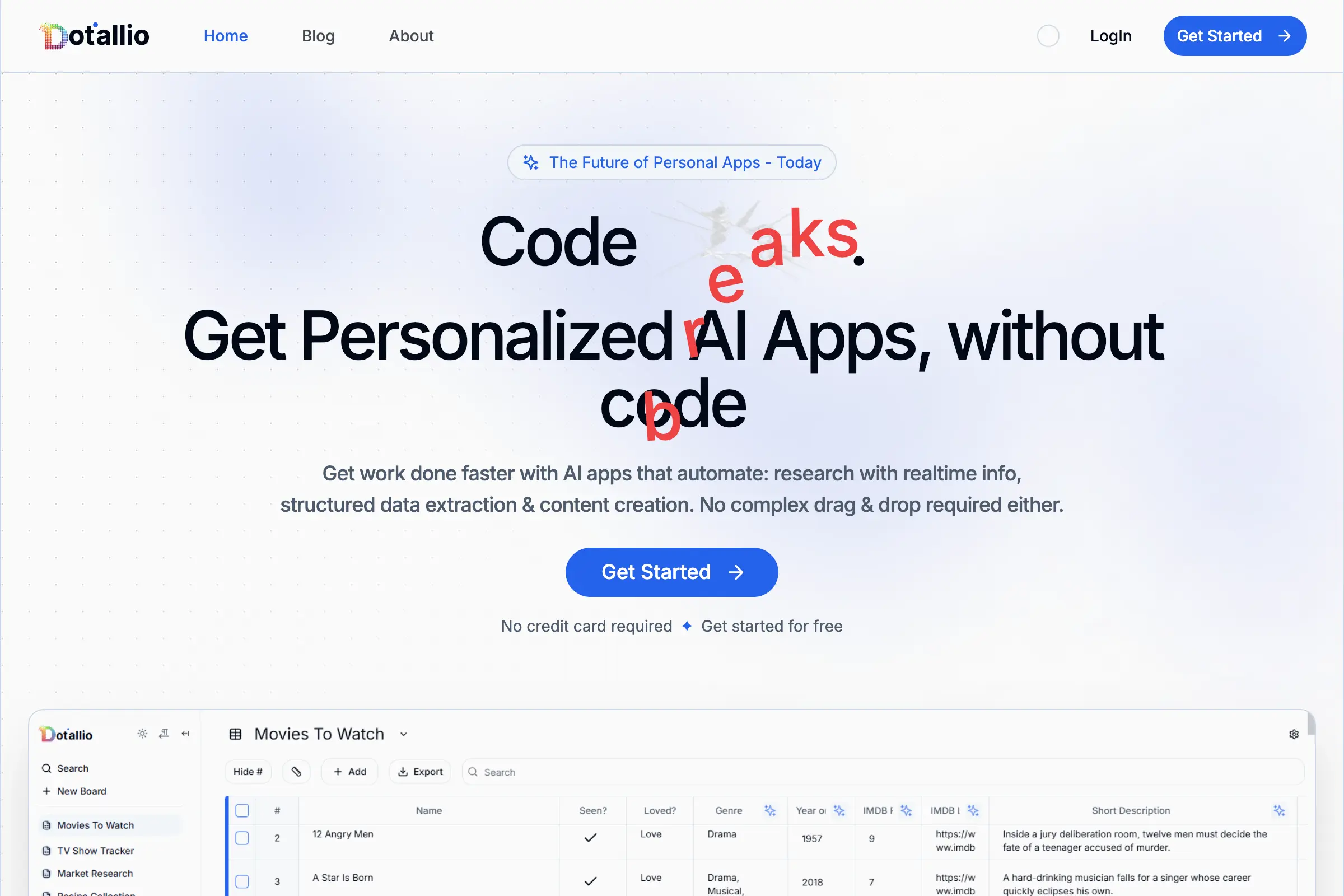
Dotallio
Personalized AI apps that automate research, data extraction, and content creation without code 🤖

Talk to Santa
Enjoy a magical live video chat or receive a unique AI-generated video greeting from Santa Claus 🎅
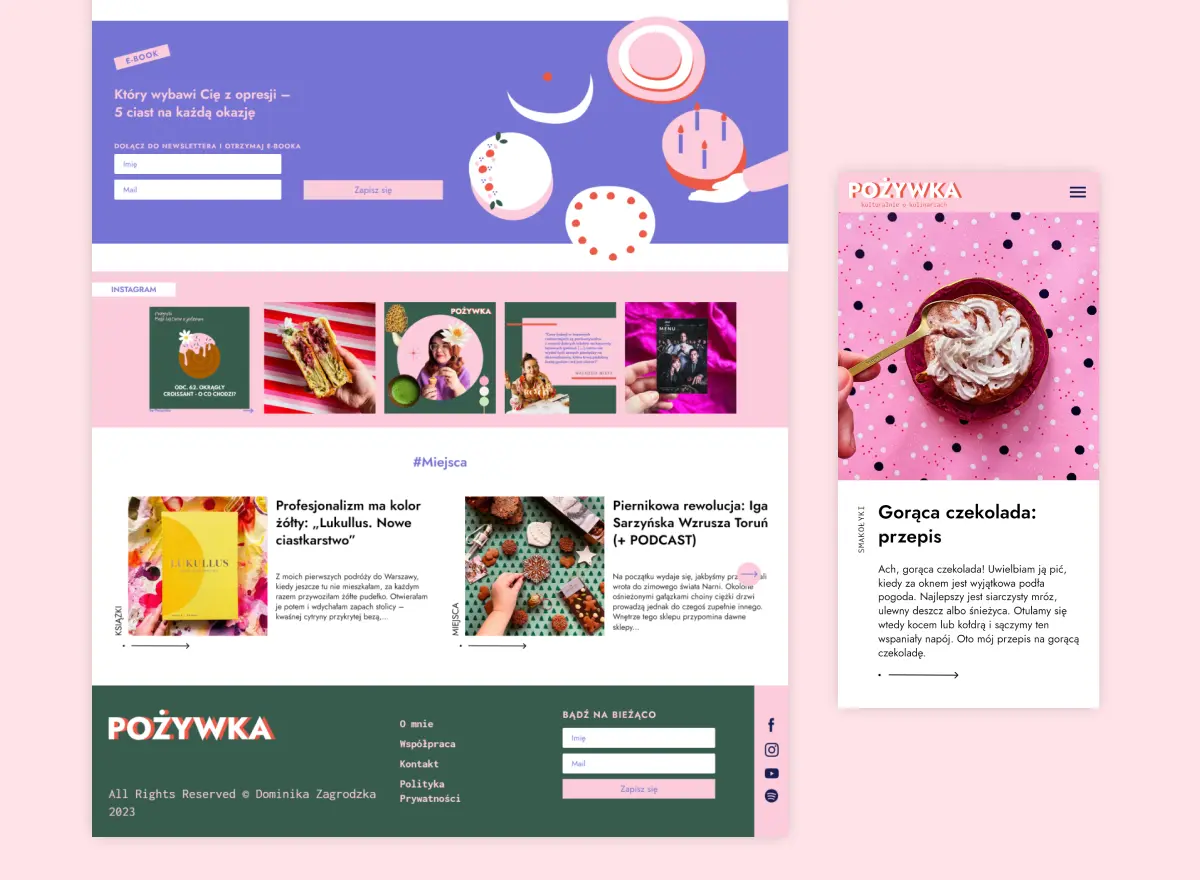
pozywka.pl
Scalable blog for food journalist, focused on performance and user experience 🌭
zagrodzki.me
Personal blog and portfolio of Bart Zagrodzki, where he shares his knowledge and work 💼
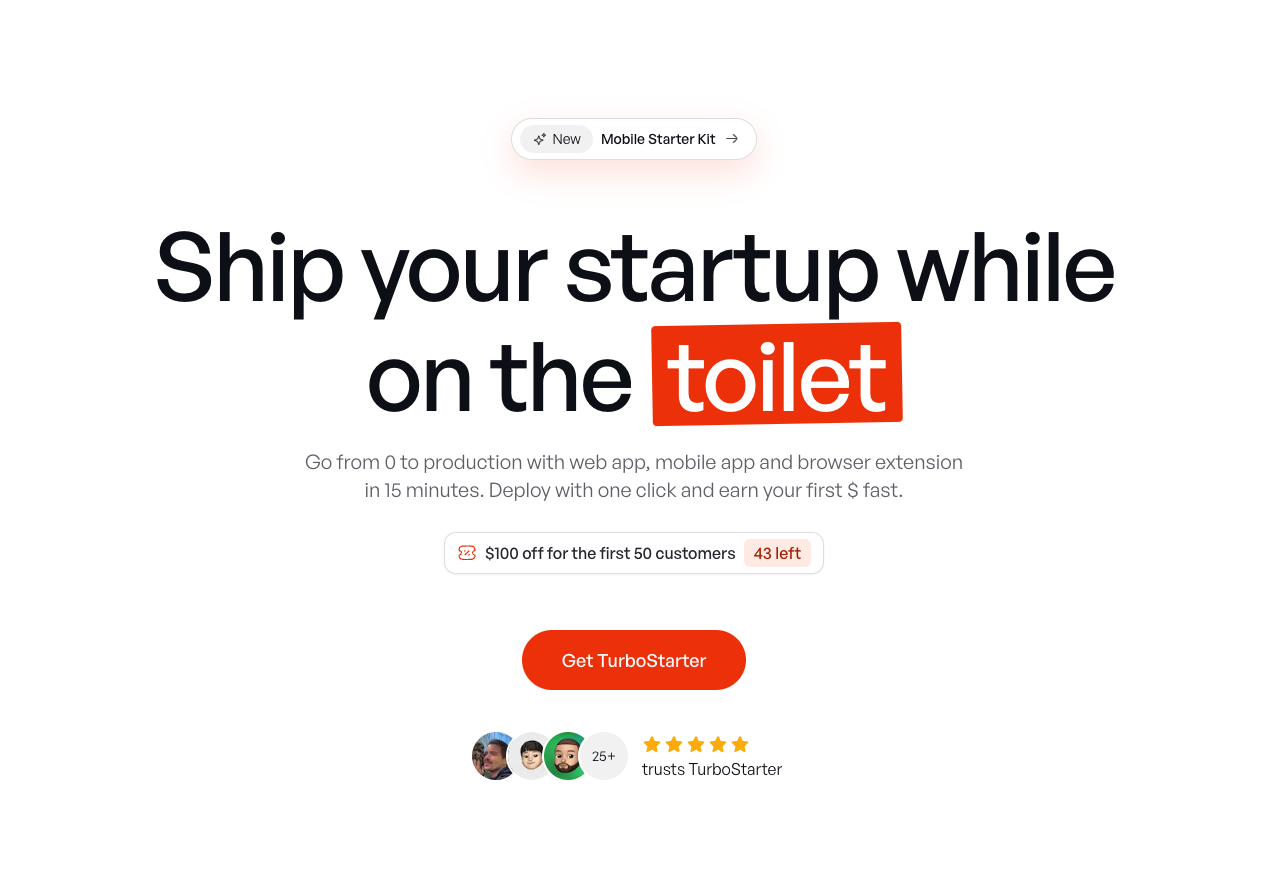
TurboStarter
Ship your startup everywhere. In minutes.
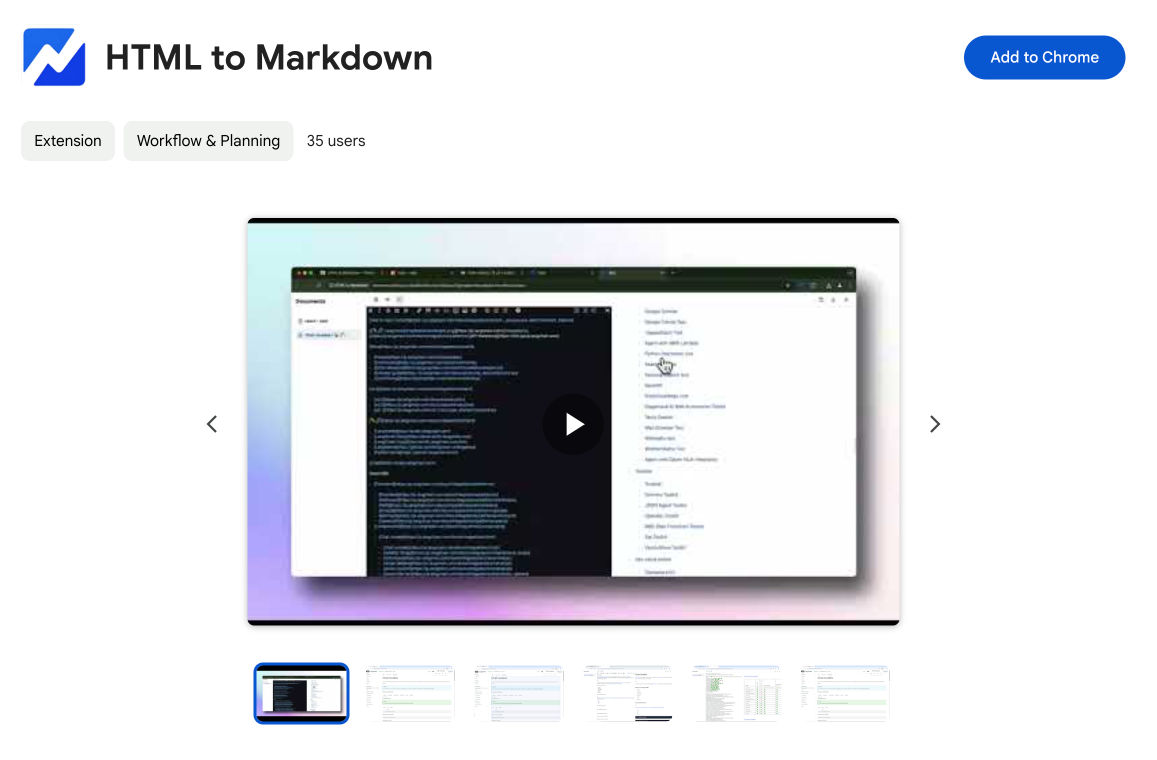
HTML to Markdown
Convert HTML to Markdown with ease, directly in your browser 📄
Dotallio
Personalized AI apps that automate research, data extraction, and content creation without code 🤖
Talk to Santa
Enjoy a magical live video chat or receive a unique AI-generated video greeting from Santa Claus 🎅
pozywka.pl
Scalable blog for food journalist, focused on performance and user experience 🌭
zagrodzki.me
Personal blog and portfolio of Bart Zagrodzki, where he shares his knowledge and work 💼
TurboStarter
Ship your startup everywhere. In minutes.
HTML to Markdown
Convert HTML to Markdown with ease, directly in your browser 📄
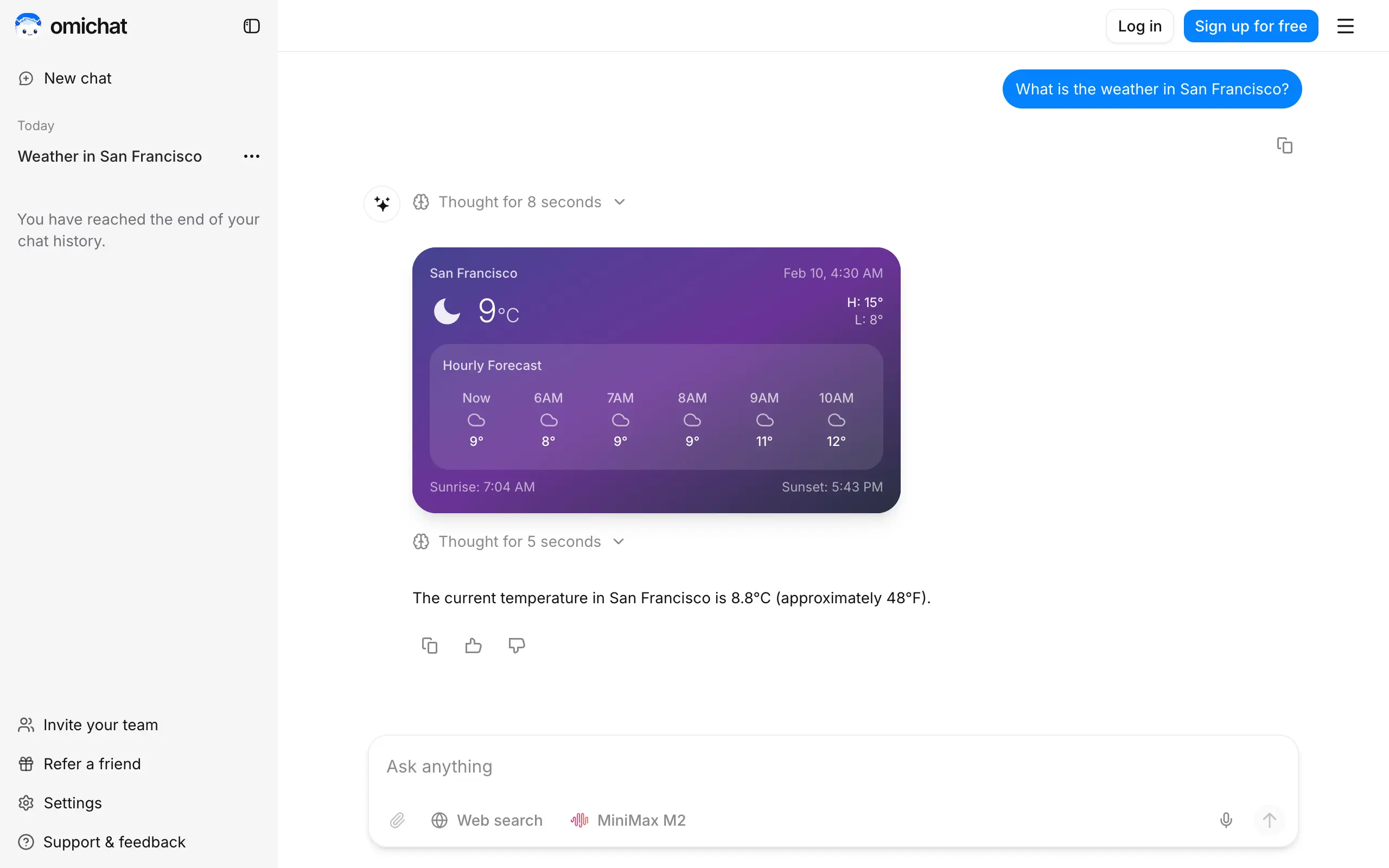
Omichat
Chat with 50+ AI models, including ChatGPT and Claude, in one place - switch models anytime without losing context 🤖
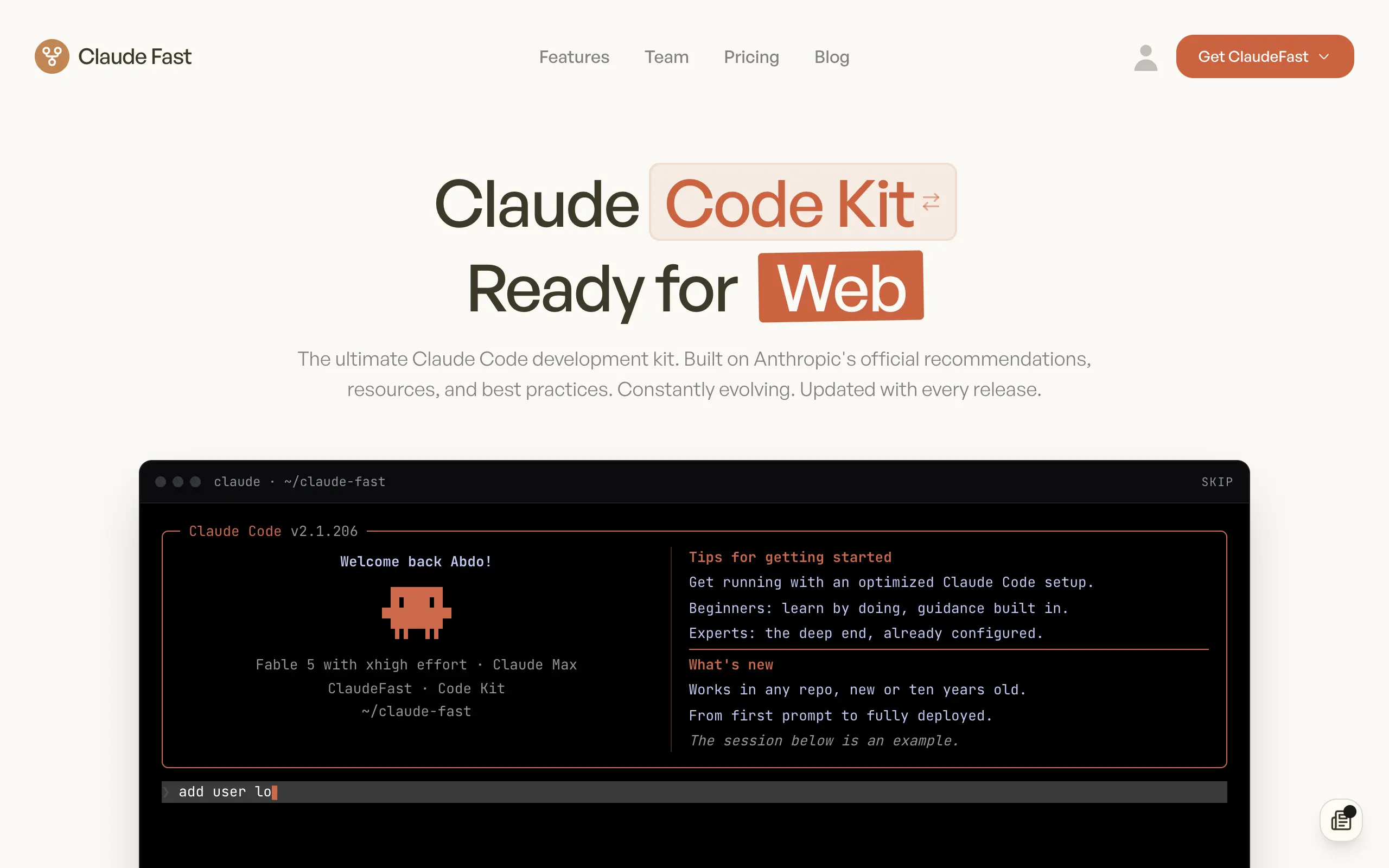
Claude Fast
Supercharge your Claude Code with 6x effective context window and specialized AI agents 🤖
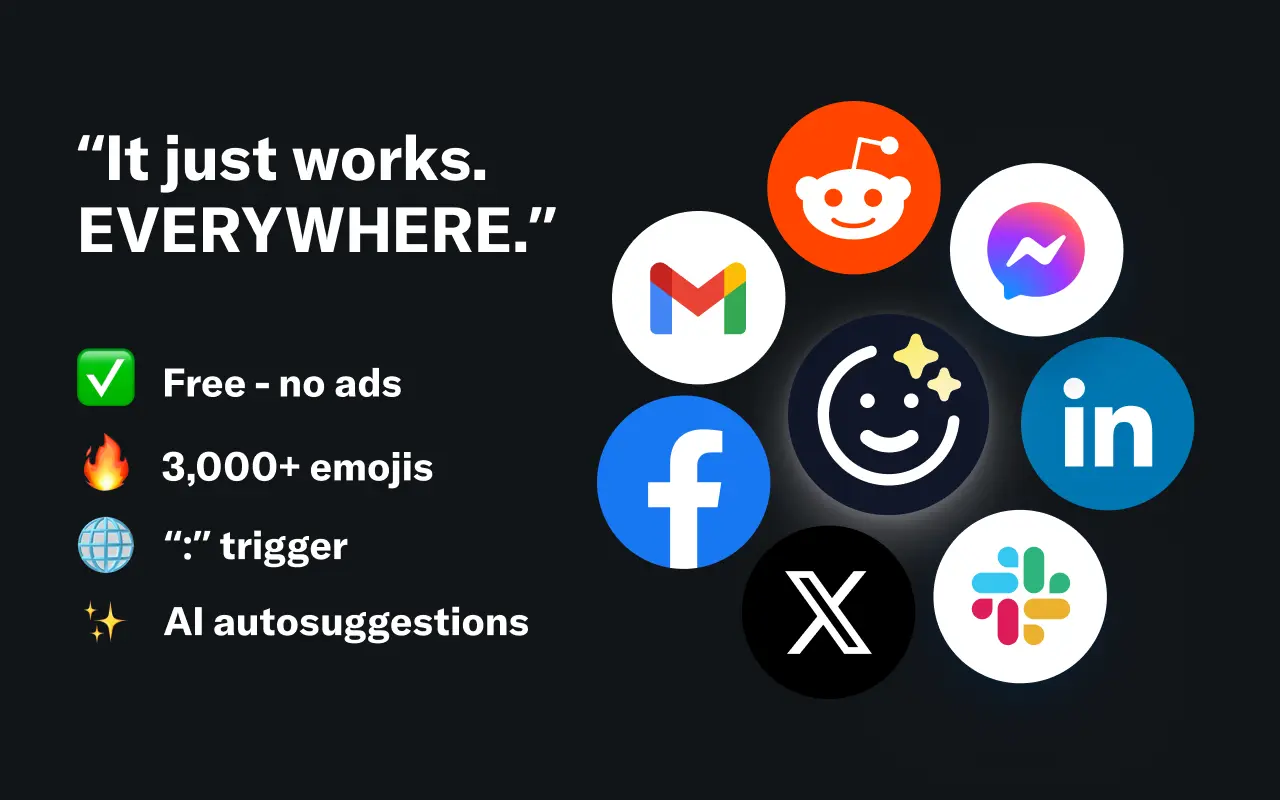
EmojAI
AI-powered emoji picker with smart, context-aware suggestions 🤖
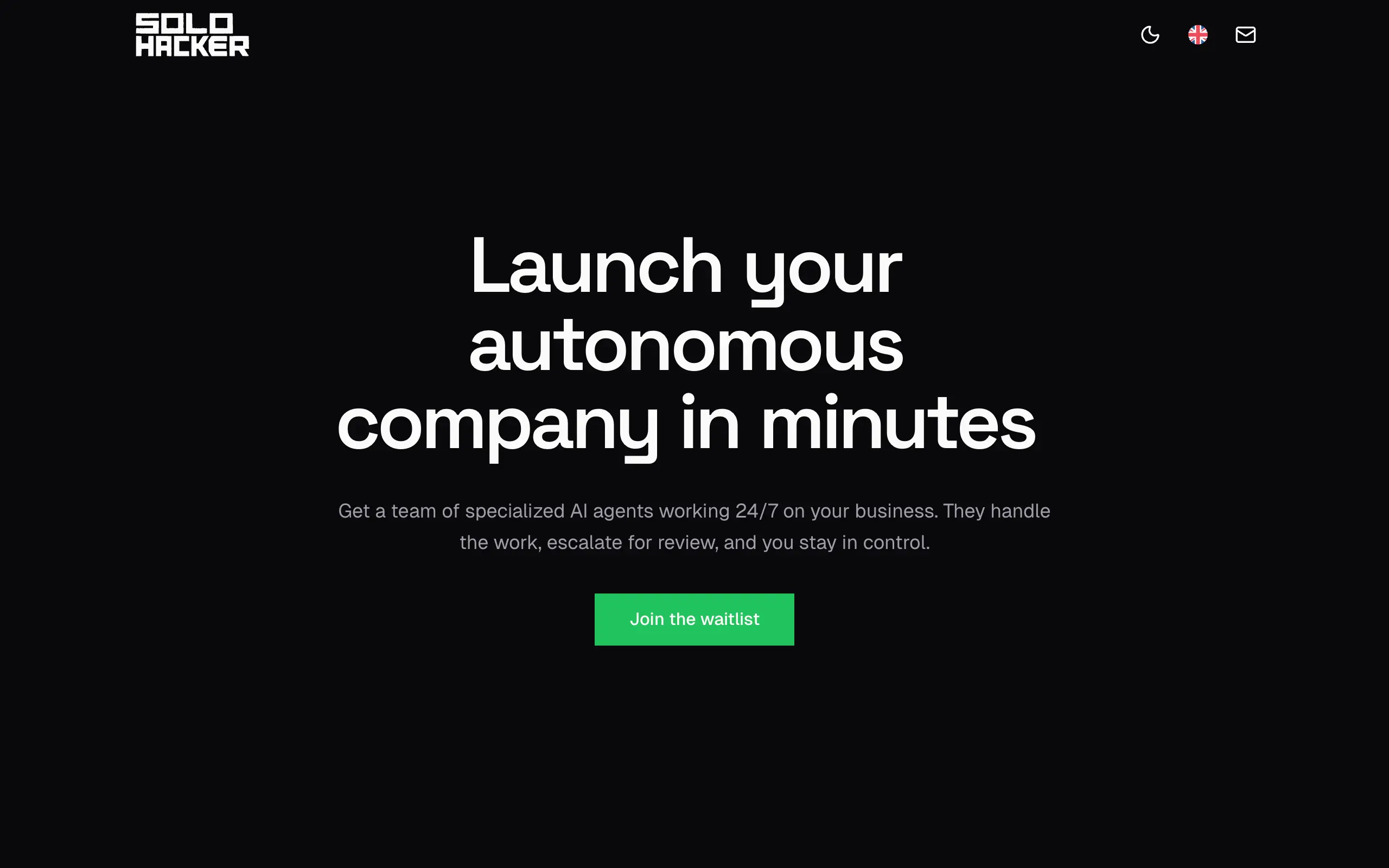
Solohacker
Autonomous company launcher - AI agents work 24/7, escalate what matters, and you stay in control 🤖
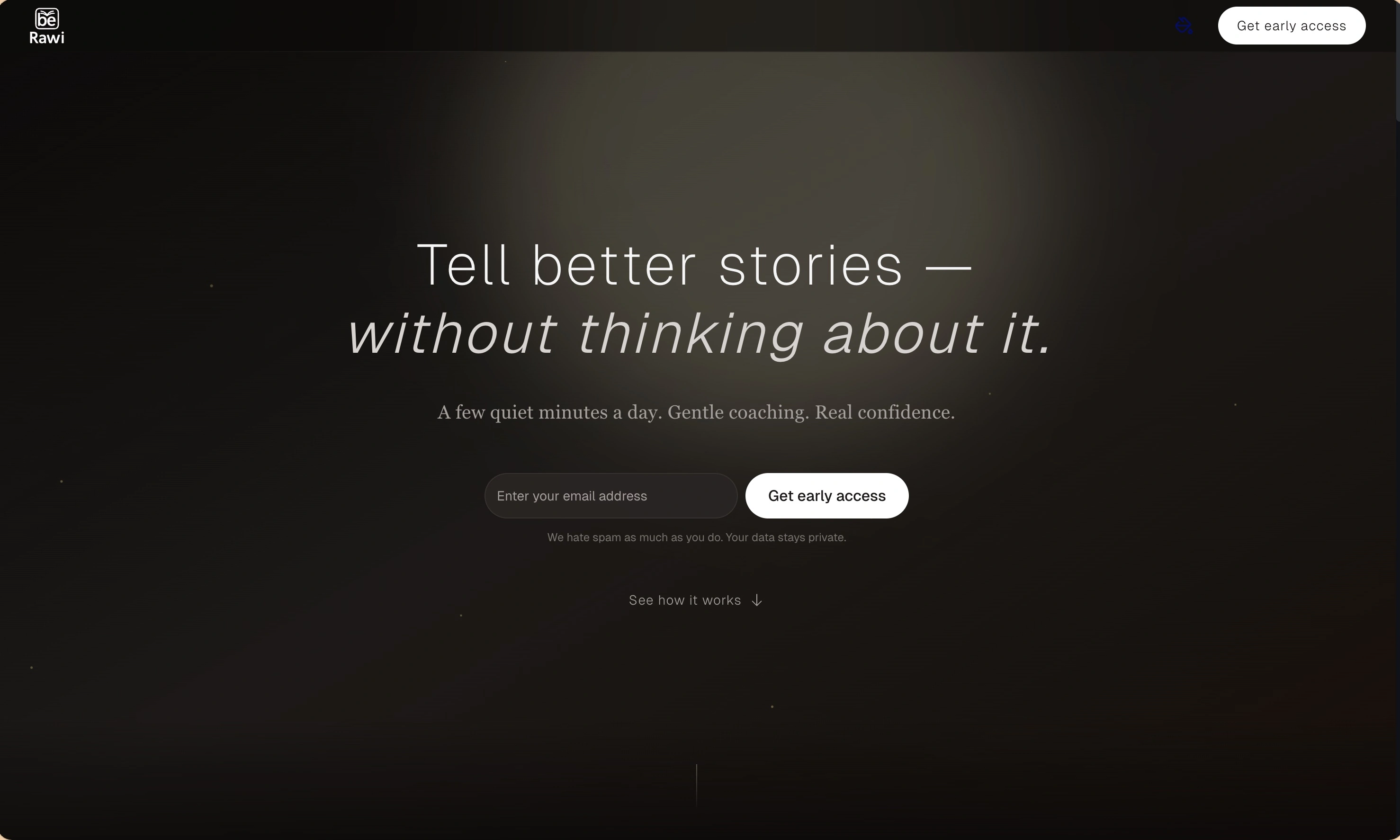
BeRawi: Storytelling Coach
Practice storytelling daily with instant feedback to sound clearer, more engaging, and confident 🎤
Omichat
Chat with 50+ AI models, including ChatGPT and Claude, in one place - switch models anytime without losing context 🤖
Claude Fast
Supercharge your Claude Code with 6x effective context window and specialized AI agents 🤖
EmojAI
AI-powered emoji picker with smart, context-aware suggestions 🤖
Solohacker
Autonomous company launcher - AI agents work 24/7, escalate what matters, and you stay in control 🤖
BeRawi: Storytelling Coach
Practice storytelling daily with instant feedback to sound clearer, more engaging, and confident 🎤

Connect with like-minded people
Join our community to get feedback, support, and grow together with 1,000+ builders on board, let's ship it!
Join usShip your startup everywhere. In minutes.
Don't burn tokens on setup and start building features on day one.