MediScan 3D
Transforms smartphone images into AI-analyzed 3D models, helping rural healthcare workers screen for common ailments with greater precision and clarity.
MediScan 3D offers a groundbreaking solution at the crossroads of artificial intelligence, 3D imaging, and telemedicine, specifically designed to aid rural healthcare workers. This in-depth guide explores MediScan 3D’s potential to revolutionize rural diagnostics, providing expert insights, market analysis, straightforward technical advice, and actionable next steps for anyone considering adoption or development in this space.
Understanding the target audience for MediScan 3D
MediScan 3D targets a highly specific yet underserved group: healthcare workers and clinics in rural or remote areas. Let’s break down the key personas and stakeholders relevant to this AI healthcare SaaS solution.
Who benefits the most?
- Rural healthcare workers: Nurses, doctors, and medical assistants that often lack access to advanced diagnostic equipment.
- Small and regional clinics: Facilities that rely on cost-effective, portable technology to bridge the healthcare quality gap.
- NGOs and global health organizations: Those running outreach programs focused on community health, infectious diseases, or primary care.
- Telemedicine providers: Operators wishing to enhance remote diagnostic accuracy for their patient base.
- Local governments and policymakers: Agencies aiming to improve health outcomes and equity across geographically dispersed populations.
User needs and search intent
When potential users search for “AI 3D medical screening solutions,” “rural health imaging tools,” or similar queries, their underlying intent can be grouped as:
- Inspiration: Seeking innovative, accessible diagnostic solutions.
- Validation: Confirming reliability, accuracy, and compatibility with local contexts.
- Technical details: Assessing ease of integration, AI robustness, and data security.
- Market fit: Evaluating whether MediScan 3D answers real rural health challenges.
- Implementation guidance: Demanding clear steps for adoption, usage, and scaling.
By addressing these intents, MediScan 3D positions itself as a directly relevant, transformative solution.
Market opportunity and gap analysis
Access to quality diagnostic imaging is one of the most persistent challenges in rural health worldwide. Traditional imaging equipment is expensive, immobile, and reliant on specialist technicians. MediScan 3D leverages ubiquitous smartphone devices and AI to democratize these capabilities.
Market trends powering adoption
- Smartphone penetration in emerging regions has surpassed 80%, providing a hardware base already in place.1
- Artificial intelligence in medical imaging is forecasted to grow at 30%+ CAGR, fueled by rapid advances in computer vision and data accessibility.2
- Demand for remote and scalable healthcare solutions has accelerated post-pandemic, with funding for rural health innovation at an all-time high.
Market validation
There's a proven willingness among governments and NGOs to rapidly adopt technologies offering measurable improvements in diagnostic reach and accuracy.
Competitive landscape
Incumbents focus on traditional hardware or limited-feature mobile apps. Most lack:
- 3D reconstruction capabilities from simple phone images.
- Robust AI analysis tailored for rural/developing world conditions.
- Seamless, privacy-centric cloud solutions for healthcare compliance.
Example comparison
| Mobile compatibility | 3D modeling | AI-assisted screening | Offline mode | Rural focus |
|---|---|---|---|---|
| ✅ | ❌ | ❌ | ✅ | ❌ |
| ✅ | ❌ | ✅ | ✅ | ❌ |
MediScan 3D fills these key gaps, offering unique value for its audience.
Key features and deep-dive on solution details
MediScan 3D blends robust AI with portable 3D imaging. Below are the core elements powering its differentiation and impact.
Smartphone image to 3D model pipeline
- Multi-angle photo capture: Guiding users to systematically photograph the region of interest (e.g., wound, skin, swelling) with simple on-screen prompts.
- Photogrammetry-based 3D reconstruction: Automatically fuses multiple 2D images into a detailed 3D model, even with varied ambient lighting.
- AI-powered anomaly detection: Embedded neural networks pre-trained on open-access datasets to flag abnormalities like lesions, edema, or growths.
- Step-by-step diagnosis support: Interactive tools help non-specialist workers document symptoms, compare findings, and escalate as appropriate.
Semantic keyword mapping
For optimal SEO and alignment with user queries, semantic keywords and related LSI (Latent Semantic Indexing) phrases naturally woven into this section include:
- 3D medical imaging AI
- AI-powered rural health screening
- Smartphone healthcare diagnostics
- Remote medical analysis
- Mobile 3D diagnosis tools
- Real-time health screening
User experience highlights
Fast onboarding
Simple tutorials and a clean user interface empower even first-time smartphone users.
Offline-first capture
Photo capture and model construction work locally; uploads sync automatically when connectivity resumes.
Secure, documented workflows
Encrypted cloud sync and clear consent flows ensure data privacy, meeting HIPAA/GDPR standards.
AI explainability
Visual overlays and plain-language findings foster trust and knowledge transfer to local clinicians.
Currently optimized for surface anomalies—skin infections, chronic wounds, swollen joints, rashes—but with potential to expand as training data grows.
No. MediScan 3D is an assistive diagnostic aid, helping frontline healthcare workers identify cases needing referral or treatment escalation.
Yes. Secure cloud links allow real-time sharing of models and notes with remote specialists.
Technology stack overview and trade-offs
Building a resilient, privacy-safe, and accessible AI healthcare SaaS for rural contexts requires thoughtful tech choices.
Recommended tech stack
-
Frontend (mobile app)
- React Native (cross-platform speed, wide support)
- Camera APIs (Expo Camera or native modules)
- Secure local storage for offline capture
-
Backend & cloud
- Node.js for lightweight APIs and AI orchestration
- TensorFlow Lite or ONNX Runtime for on-device AI inference
- AWS S3 or equivalent for HIPAA-compliant encrypted storage
- PostgreSQL for structured patient and image metadata
-
3D reconstruction & visualization
-
Security, compliance, and privacy
- End-to-end encryption (E2EE) for all image and patient data
- Built-in role-based access controls
- Automated audit logs for compliance
Trade-offs and considerations
- On-device vs cloud AI: On-device inference enables offline use and lower latency but may limit the complexity of models; cloud inference offers more power but requires connectivity.
- Photogrammetry libraries: Full-featured libraries may be resource-intensive. Consider progressive enhancement: lower-poly local recon with optional cloud upscaling.
// Example: Fetching 3D model after photo upload
const response = await fetch('/api/model-recon', {
  method: 'POST',
  body: formData // contains images & metadata
});
const modelUrl = await response.json();
show3DViewer(modelUrl);
Best practice tip
Wherever possible, use federated or privacy-preserving AI approaches to reduce data risk—essential in healthcare SaaS.
Monetization strategy options
While the core vision is social impact, MediScan 3D is designed for long-term sustainability and scalability.
Best-fit monetization models
- Subscription-based SaaS: Tiered pricing for clinics/NGOs, scaling with users, scans, and storage.
- Pay-per-use for advanced diagnostics: Offer basic screening free/low-cost; charge for detailed AI insights or exportable reports.
- White-labelling for governments and partners: Custom branding, deployment, and integration for national health campaigns.
- API licensing & integration fees: Enable EHR/telemedicine platforms to utilize the MediScan 3D pipeline.
- Grant partnerships & impact funding: Collaborate with nonprofits/foundations for broader reach; some features subsidized.
Additional monetization avenues
- Integration with remote specialist consult platforms (revenue-sharing)
- Data insights (anonymized, aggregated) for research partners—never selling identifiable data
Risks and mitigation strategies
Innovative healthcare AI faces real risks—technical, social, regulatory, and market-based.
Main risk areas
- AI model bias or diagnostic inaccuracy: Diverse, representative training data is critical.
- Data security/privacy breach: Rigorous end-to-end encryption and compliance reduce liability.
- User adoption barriers: Comprehensive onboarding, offline mode, and local language support are essential.
- Regulatory hurdles: Stay aligned with all relevant health tech regulations (e.g., HIPAA, GDPR, local health ministry rules).
- Device compatibility/networks: Test with commonly used rural devices and fluctuating cellular connectivity.
Risk mitigation overview
Competitive advantage and unique selling proposition
MediScan 3D stands out in the intersection of AI, mobile-first healthcare, and accessibility. Here’s why:
- 3D modeling exclusively from smartphones, removing need for custom hardware.
- Offline-first architecture with sync-on-connection, essential for remote areas.
- AI explainability and “teachable” tools, helping uplift local practitioner capacity.
- Compliance-ready by design, embracing E2EE and full traceability.
- Fits into both clinical workflows and outreach contexts, facilitating both tracking and one-off screenings.
- Powered and validated by field feedback, not just lab settings.
Put simply: MediScan 3D democratizes advanced diagnostics for the world’s most underserved regions—a unique, scalable approach that competitors simply do not match.
Actionable implementation steps
Interested organizations, teams, or developers can move from idea to impact using these steps:
Conclusion: MediScan 3D as a catalyst for rural health transformation
AI-powered 3D medical imaging is no longer a futuristic dream—it’s a tangible, life-improving solution. TurboStarter makes it easier than ever to prototype, iterate, and deploy transformative SaaS like MediScan 3D.
In closing, MediScan 3D demonstrates not just technical ingenuity, but a powerful commitment to health equity. Its blend of accessible imaging, advanced AI, and thoughtful compliance means rural healthcare now has a credible path to world-class diagnostics.
Whether you are an innovator, a policymaker, or a medical leader, this is the moment to champion accessible, AI-powered screening for all. Put MediScan 3D to work in your community—and accelerate a healthier, more just future.
Footnotes
More 🤖 AI Startup SaaS ideas
Discover more innovative ai startup SaaS ideas that are trending in 2026. Each idea is AI-generated with market validation and growth potential to help you find your next profitable venture faster than competitors.
Your competitors are building with TurboStarter
Below are some of the SaaS ideas that have been generated and built with our starter kit.
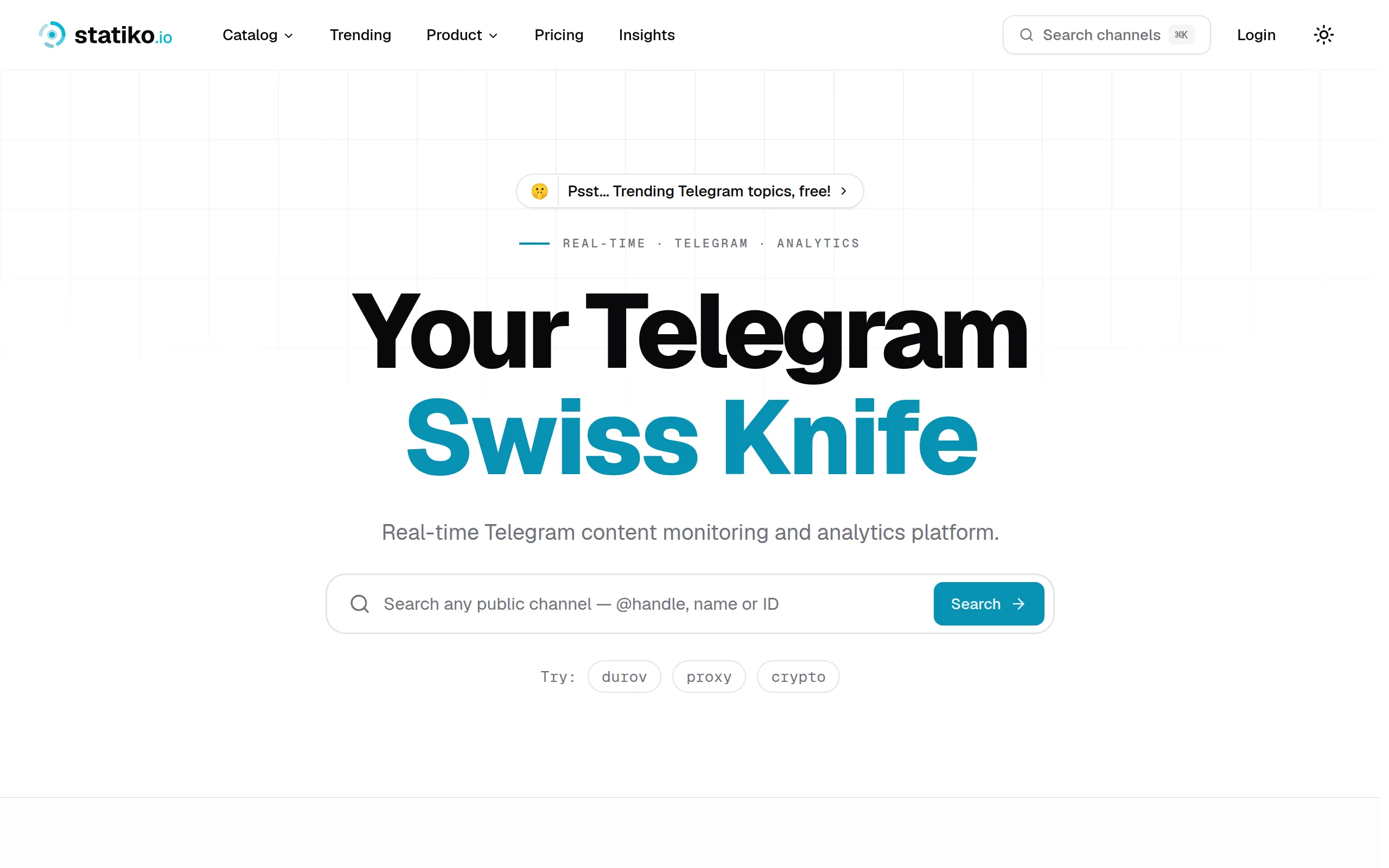
Statiko
Monitor any Telegram channel in real time - track posts, edits, deletions, and growth with AI recaps 📡

Shibui
AI website builder - describe your business, pick a niche template, edit by chatting, and publish instantly ✨
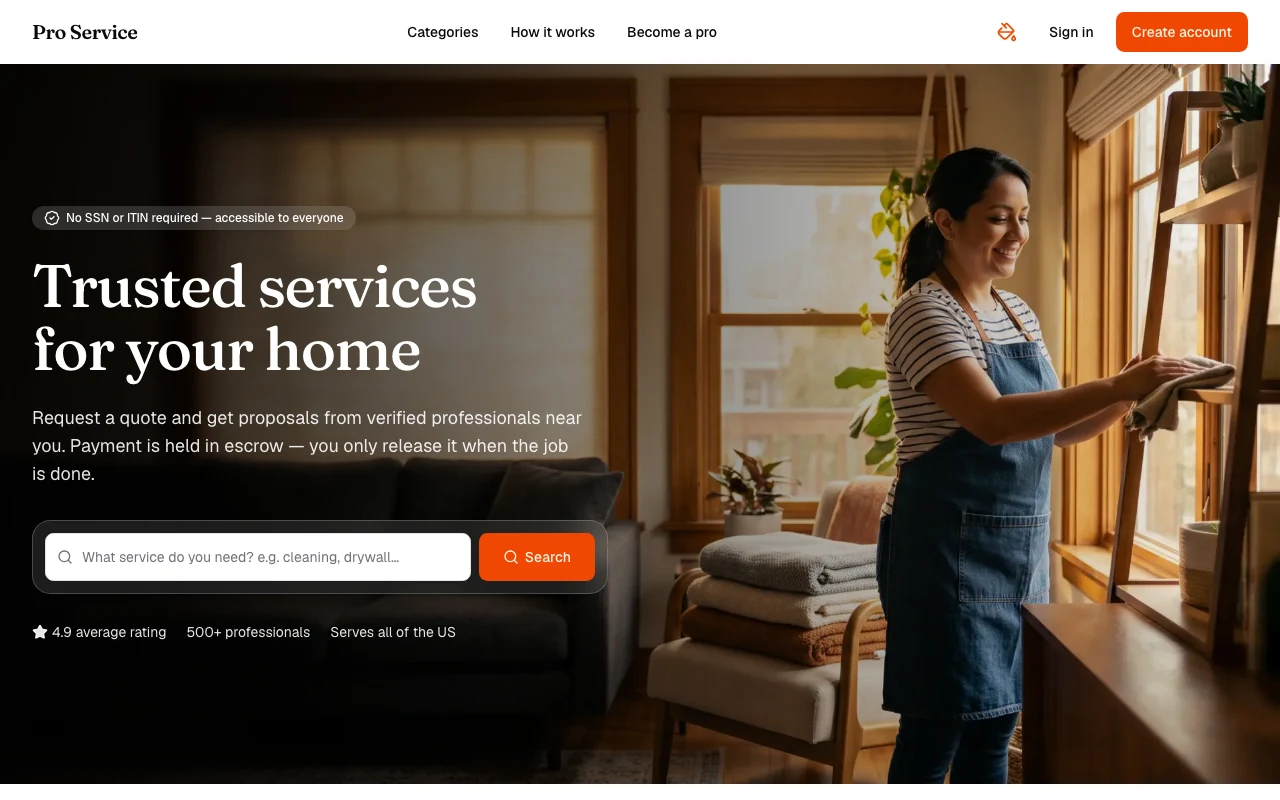
Pro Service
Find verified home service professionals, compare quotes, and pay securely through escrow - built for Brazilians across the US 🏠
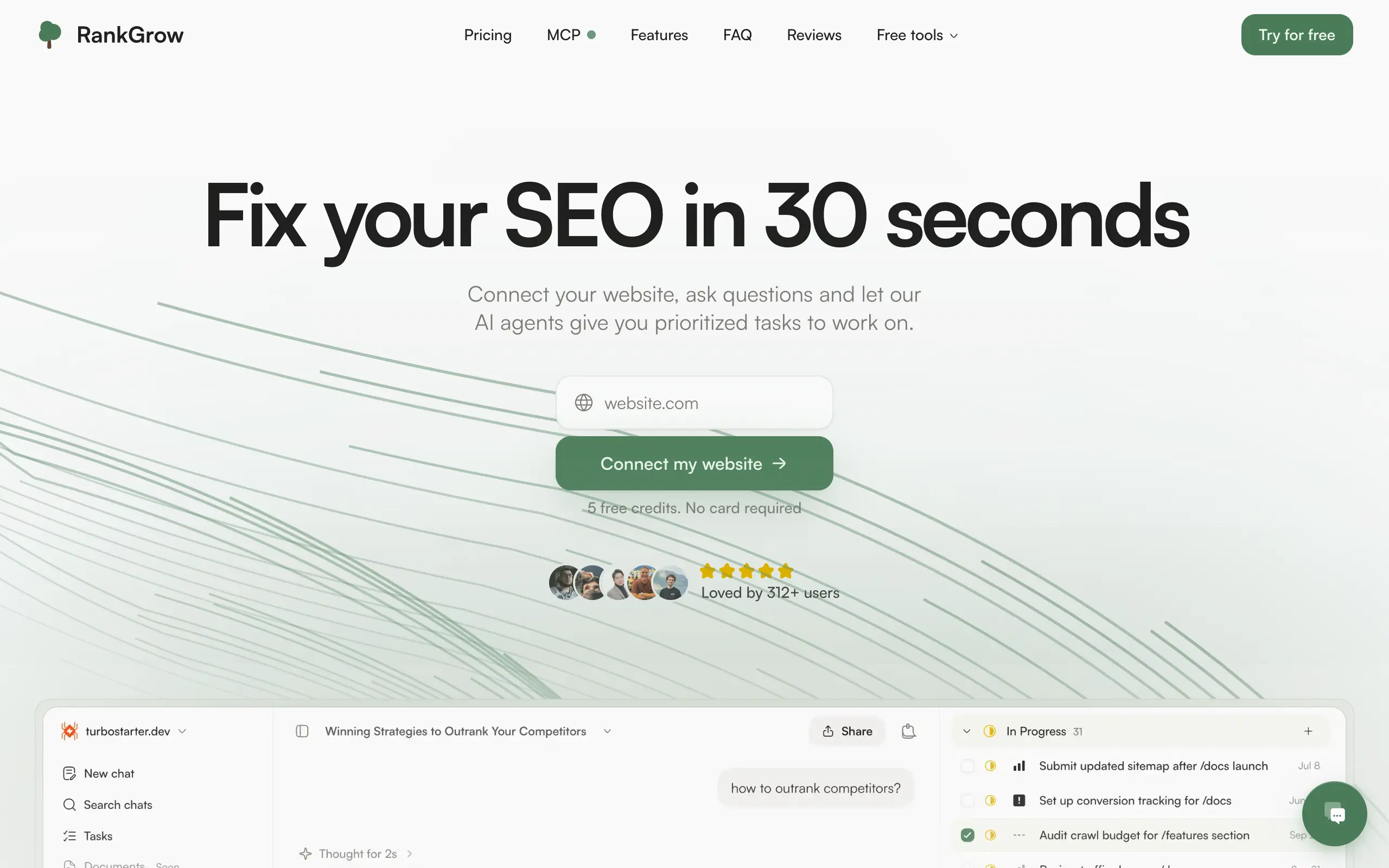
RankGrow
Fix your SEO with AI agents - connect Search Console, get prioritized tasks, and grow organic traffic 📈
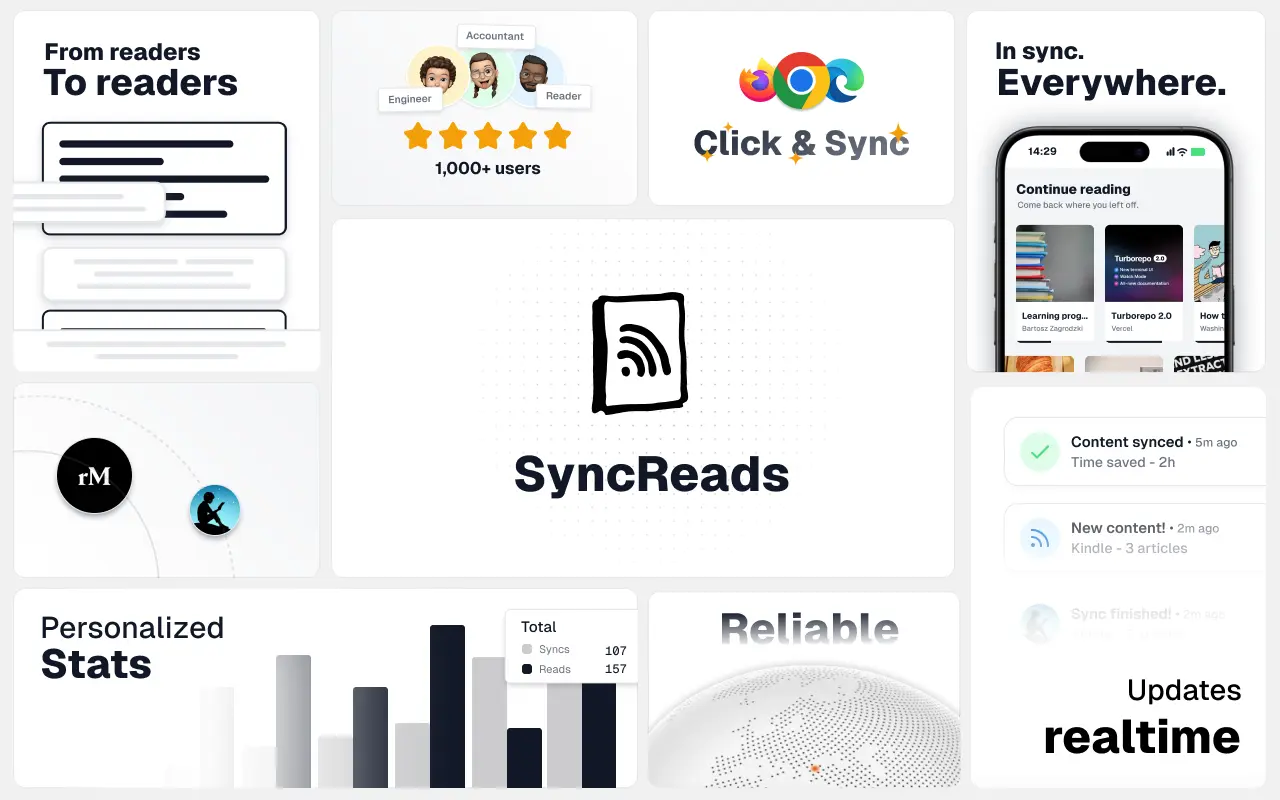
SyncReads
Sync your favorite content for distraction-free reading, save time and replace multiple apps. Anytime, anywhere 🔄
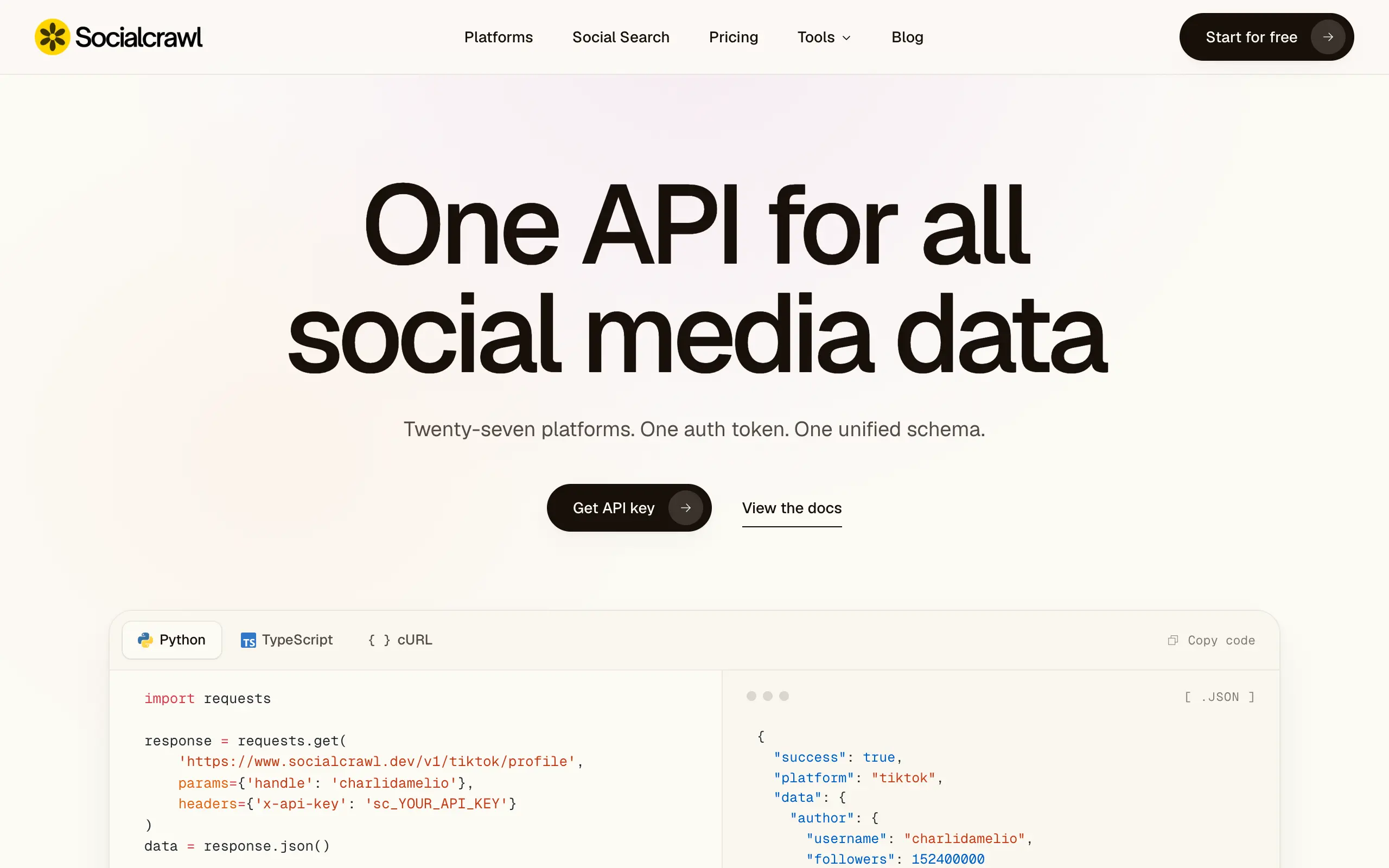
Socialcrawl
Get clean, structured data from 21 platforms like TikTok, Instagram, and YouTube with a single request 📊
Statiko
Monitor any Telegram channel in real time - track posts, edits, deletions, and growth with AI recaps 📡
Shibui
AI website builder - describe your business, pick a niche template, edit by chatting, and publish instantly ✨
Pro Service
Find verified home service professionals, compare quotes, and pay securely through escrow - built for Brazilians across the US 🏠
RankGrow
Fix your SEO with AI agents - connect Search Console, get prioritized tasks, and grow organic traffic 📈
SyncReads
Sync your favorite content for distraction-free reading, save time and replace multiple apps. Anytime, anywhere 🔄
Socialcrawl
Get clean, structured data from 21 platforms like TikTok, Instagram, and YouTube with a single request 📊
Statiko
Monitor any Telegram channel in real time - track posts, edits, deletions, and growth with AI recaps 📡
Shibui
AI website builder - describe your business, pick a niche template, edit by chatting, and publish instantly ✨
Pro Service
Find verified home service professionals, compare quotes, and pay securely through escrow - built for Brazilians across the US 🏠
RankGrow
Fix your SEO with AI agents - connect Search Console, get prioritized tasks, and grow organic traffic 📈
SyncReads
Sync your favorite content for distraction-free reading, save time and replace multiple apps. Anytime, anywhere 🔄
Socialcrawl
Get clean, structured data from 21 platforms like TikTok, Instagram, and YouTube with a single request 📊
Statiko
Monitor any Telegram channel in real time - track posts, edits, deletions, and growth with AI recaps 📡
Shibui
AI website builder - describe your business, pick a niche template, edit by chatting, and publish instantly ✨
Pro Service
Find verified home service professionals, compare quotes, and pay securely through escrow - built for Brazilians across the US 🏠
RankGrow
Fix your SEO with AI agents - connect Search Console, get prioritized tasks, and grow organic traffic 📈
SyncReads
Sync your favorite content for distraction-free reading, save time and replace multiple apps. Anytime, anywhere 🔄
Socialcrawl
Get clean, structured data from 21 platforms like TikTok, Instagram, and YouTube with a single request 📊
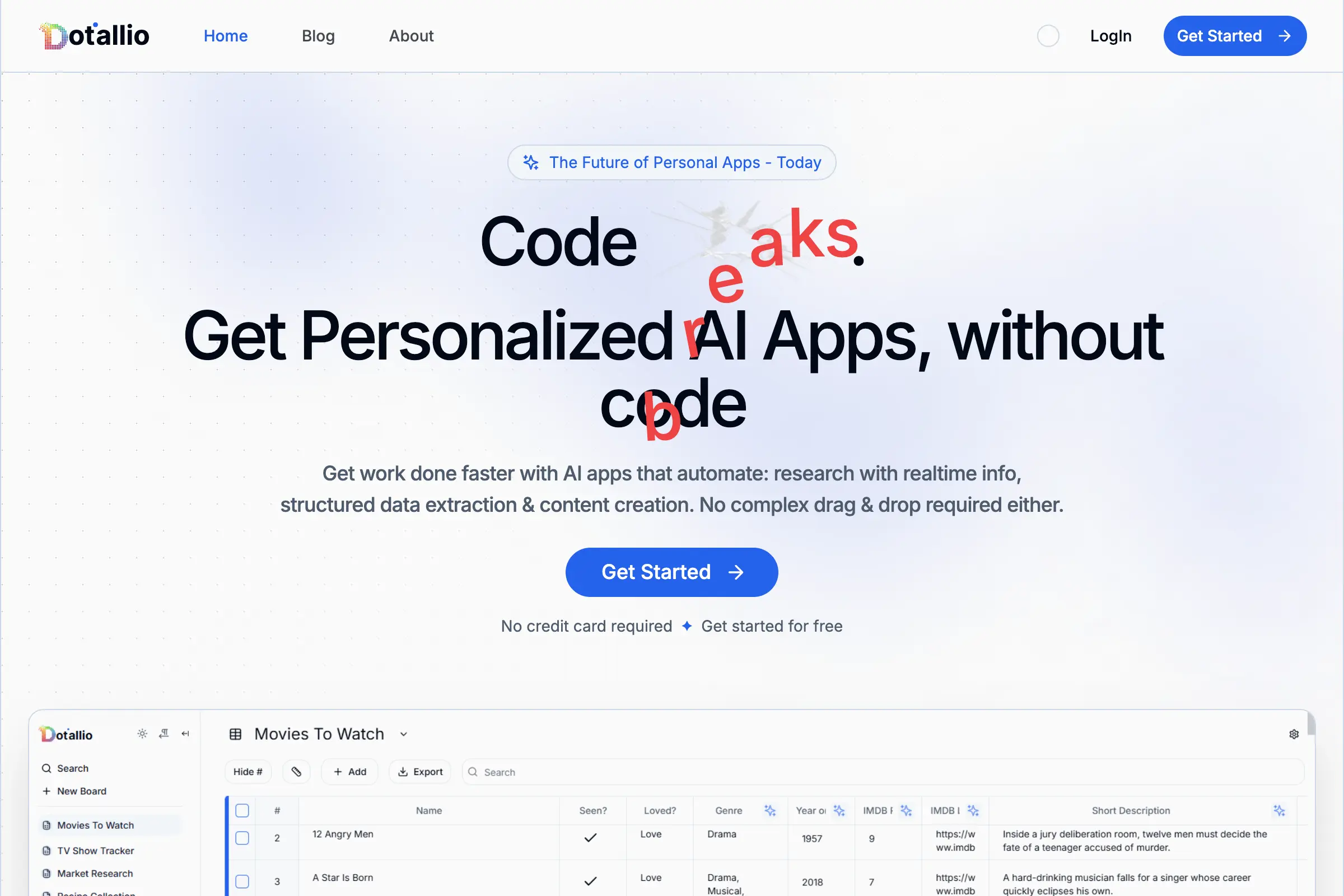
Dotallio
Personalized AI apps that automate research, data extraction, and content creation without code 🤖
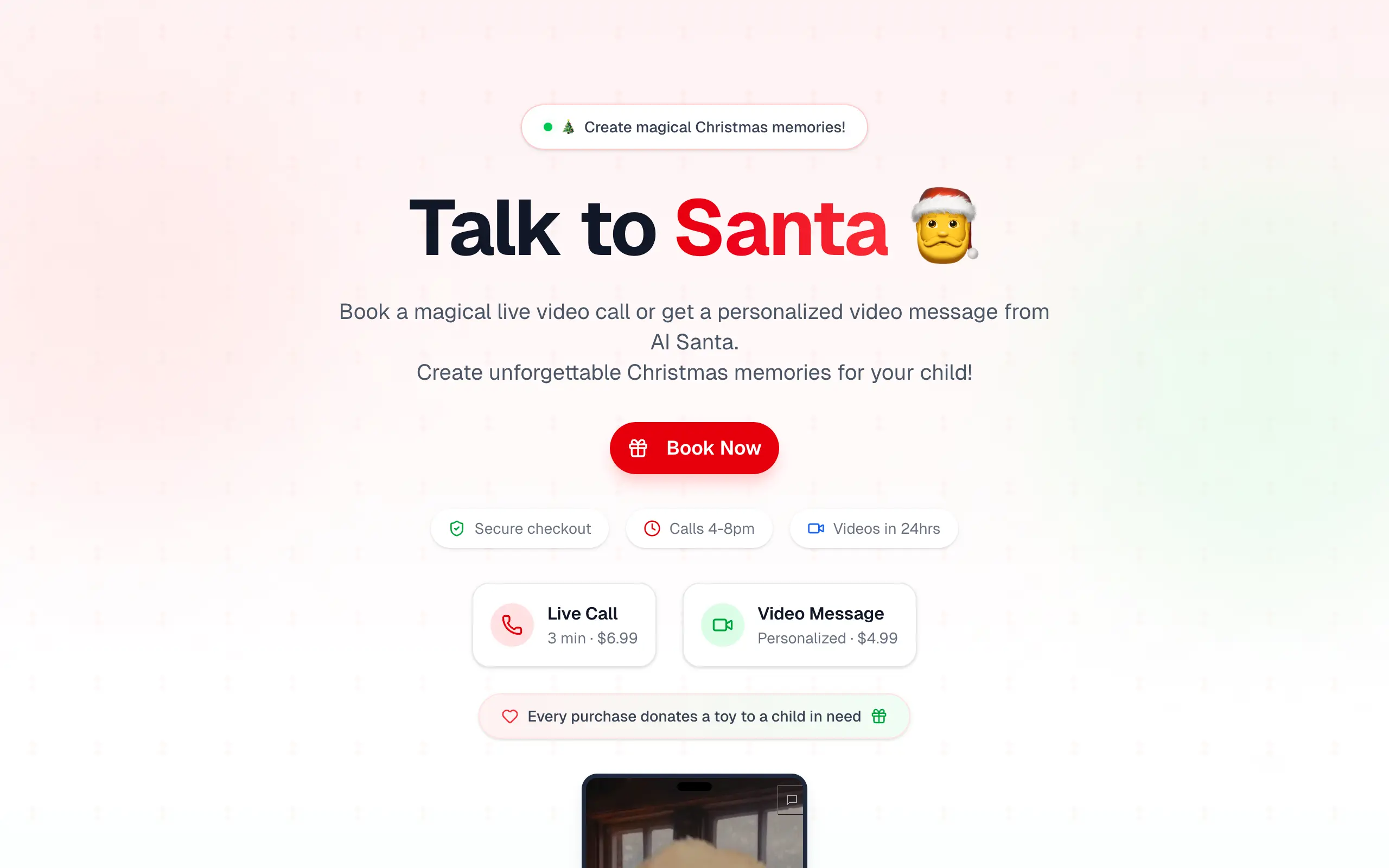
Talk to Santa
Enjoy a magical live video chat or receive a unique AI-generated video greeting from Santa Claus 🎅
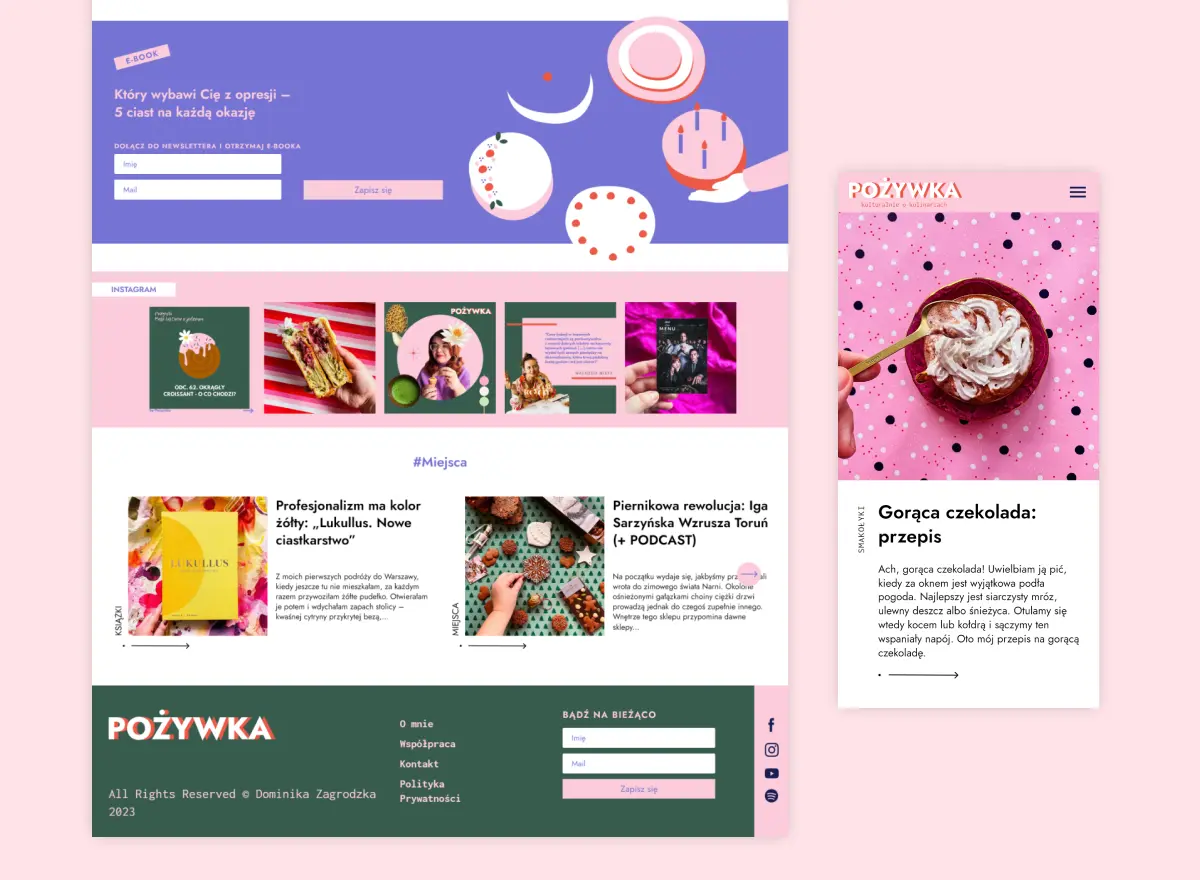
pozywka.pl
Scalable blog for food journalist, focused on performance and user experience 🌭
zagrodzki.me
Personal blog and portfolio of Bart Zagrodzki, where he shares his knowledge and work 💼
TurboStarter
Ship your startup everywhere. In minutes.
HTML to Markdown
Convert HTML to Markdown with ease, directly in your browser 📄
Dotallio
Personalized AI apps that automate research, data extraction, and content creation without code 🤖
Talk to Santa
Enjoy a magical live video chat or receive a unique AI-generated video greeting from Santa Claus 🎅
pozywka.pl
Scalable blog for food journalist, focused on performance and user experience 🌭
zagrodzki.me
Personal blog and portfolio of Bart Zagrodzki, where he shares his knowledge and work 💼
TurboStarter
Ship your startup everywhere. In minutes.
HTML to Markdown
Convert HTML to Markdown with ease, directly in your browser 📄
Dotallio
Personalized AI apps that automate research, data extraction, and content creation without code 🤖
Talk to Santa
Enjoy a magical live video chat or receive a unique AI-generated video greeting from Santa Claus 🎅
pozywka.pl
Scalable blog for food journalist, focused on performance and user experience 🌭
zagrodzki.me
Personal blog and portfolio of Bart Zagrodzki, where he shares his knowledge and work 💼
TurboStarter
Ship your startup everywhere. In minutes.
HTML to Markdown
Convert HTML to Markdown with ease, directly in your browser 📄
Dotallio
Personalized AI apps that automate research, data extraction, and content creation without code 🤖
Talk to Santa
Enjoy a magical live video chat or receive a unique AI-generated video greeting from Santa Claus 🎅
pozywka.pl
Scalable blog for food journalist, focused on performance and user experience 🌭
zagrodzki.me
Personal blog and portfolio of Bart Zagrodzki, where he shares his knowledge and work 💼
TurboStarter
Ship your startup everywhere. In minutes.
HTML to Markdown
Convert HTML to Markdown with ease, directly in your browser 📄
Omichat
Chat with 50+ AI models, including ChatGPT and Claude, in one place - switch models anytime without losing context 🤖
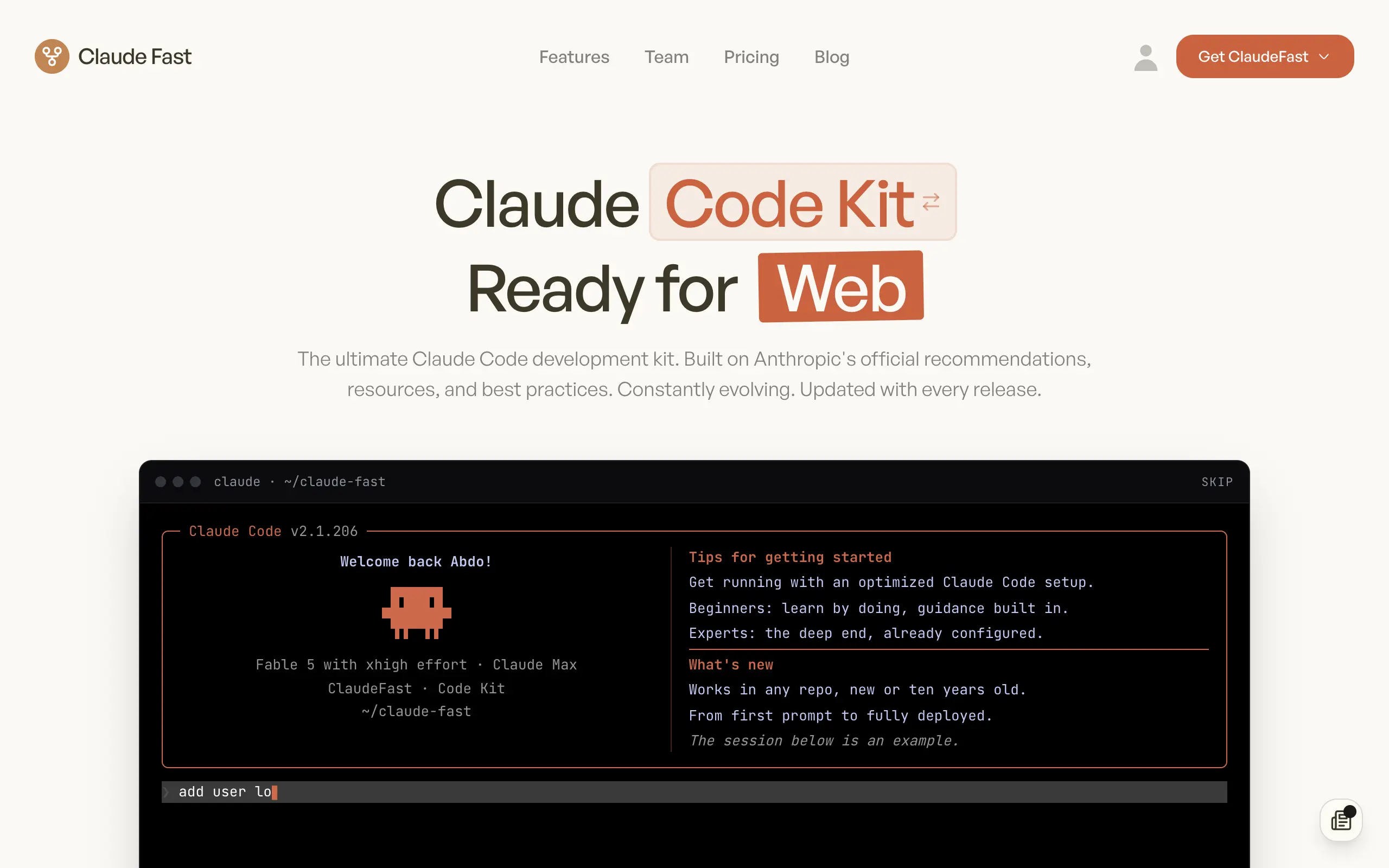
Claude Fast
Supercharge your Claude Code with 6x effective context window and specialized AI agents 🤖
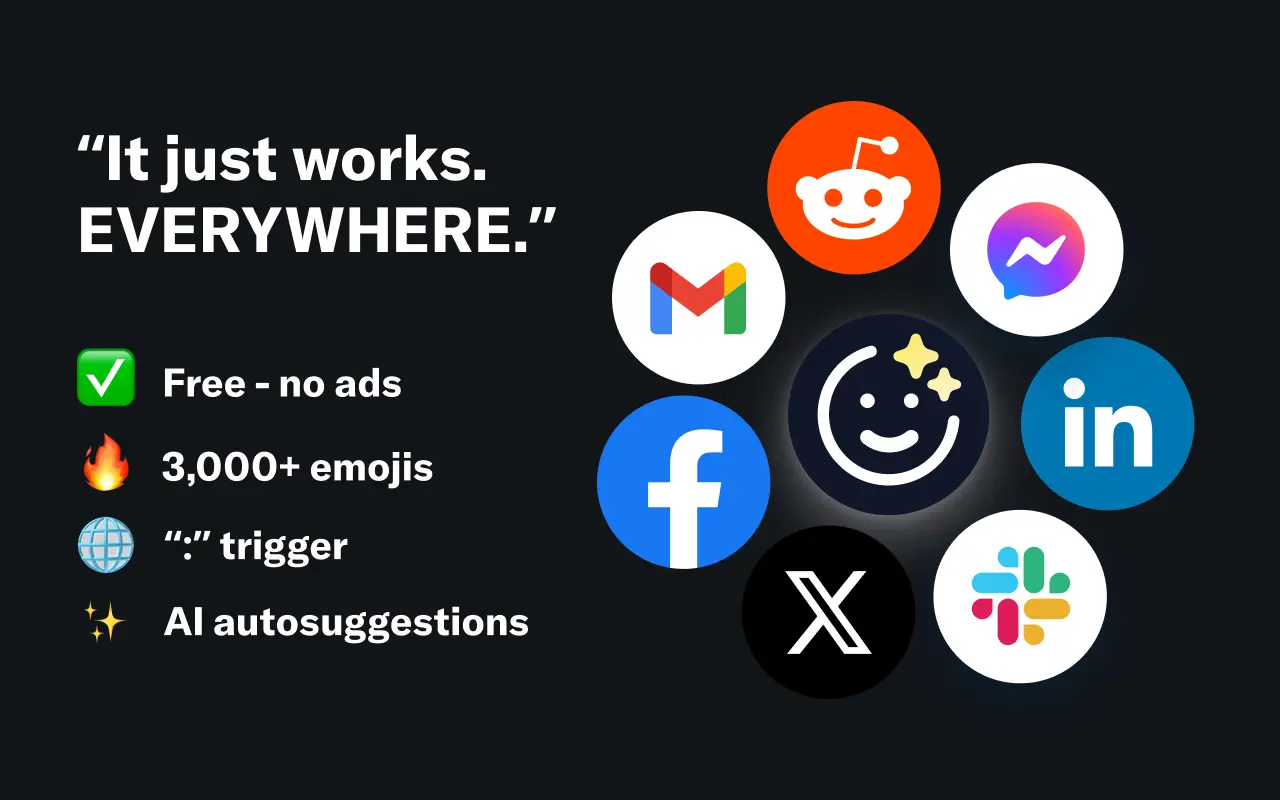
EmojAI
AI-powered emoji picker with smart, context-aware suggestions 🤖
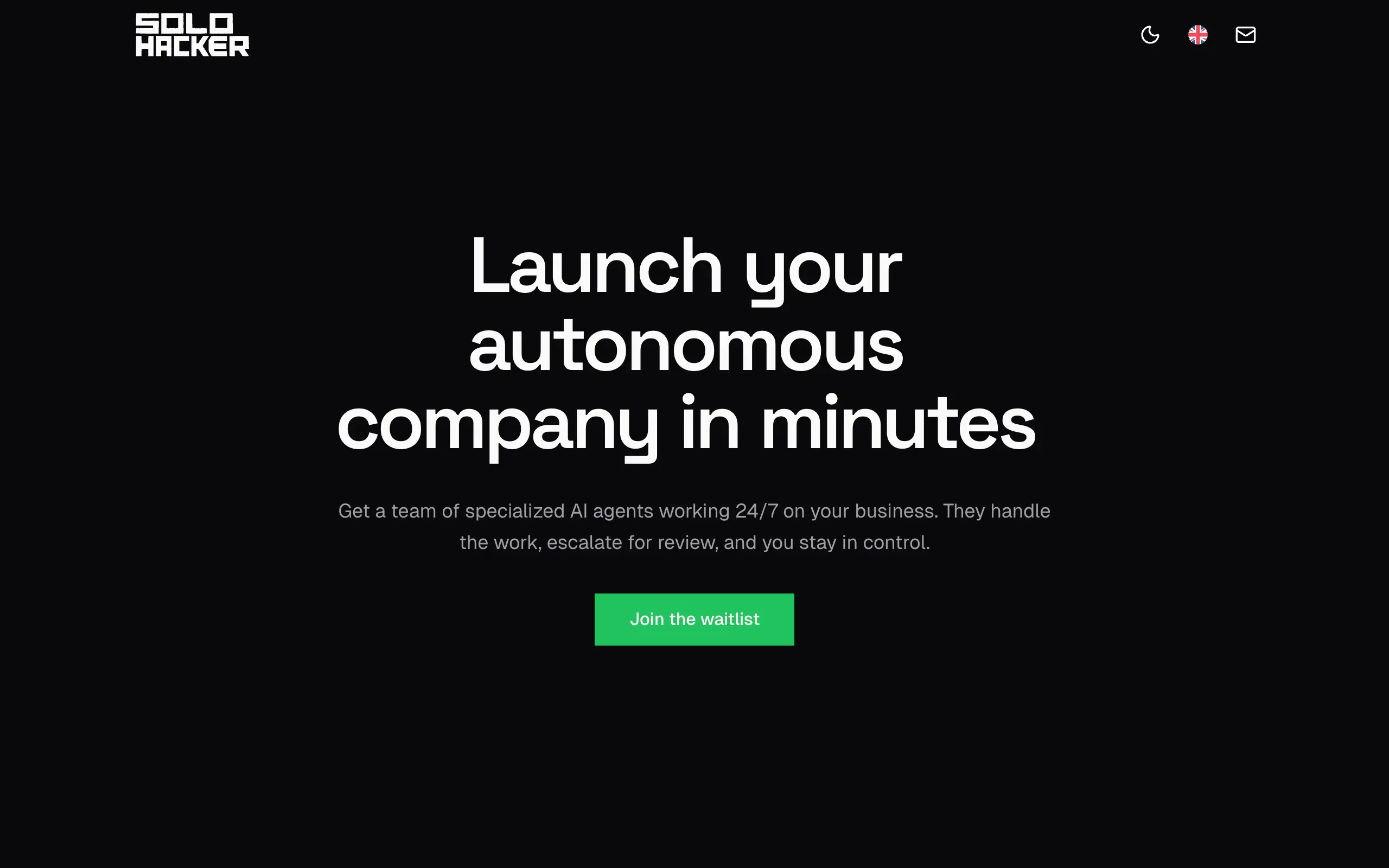
Solohacker
Autonomous company launcher - AI agents work 24/7, escalate what matters, and you stay in control 🤖
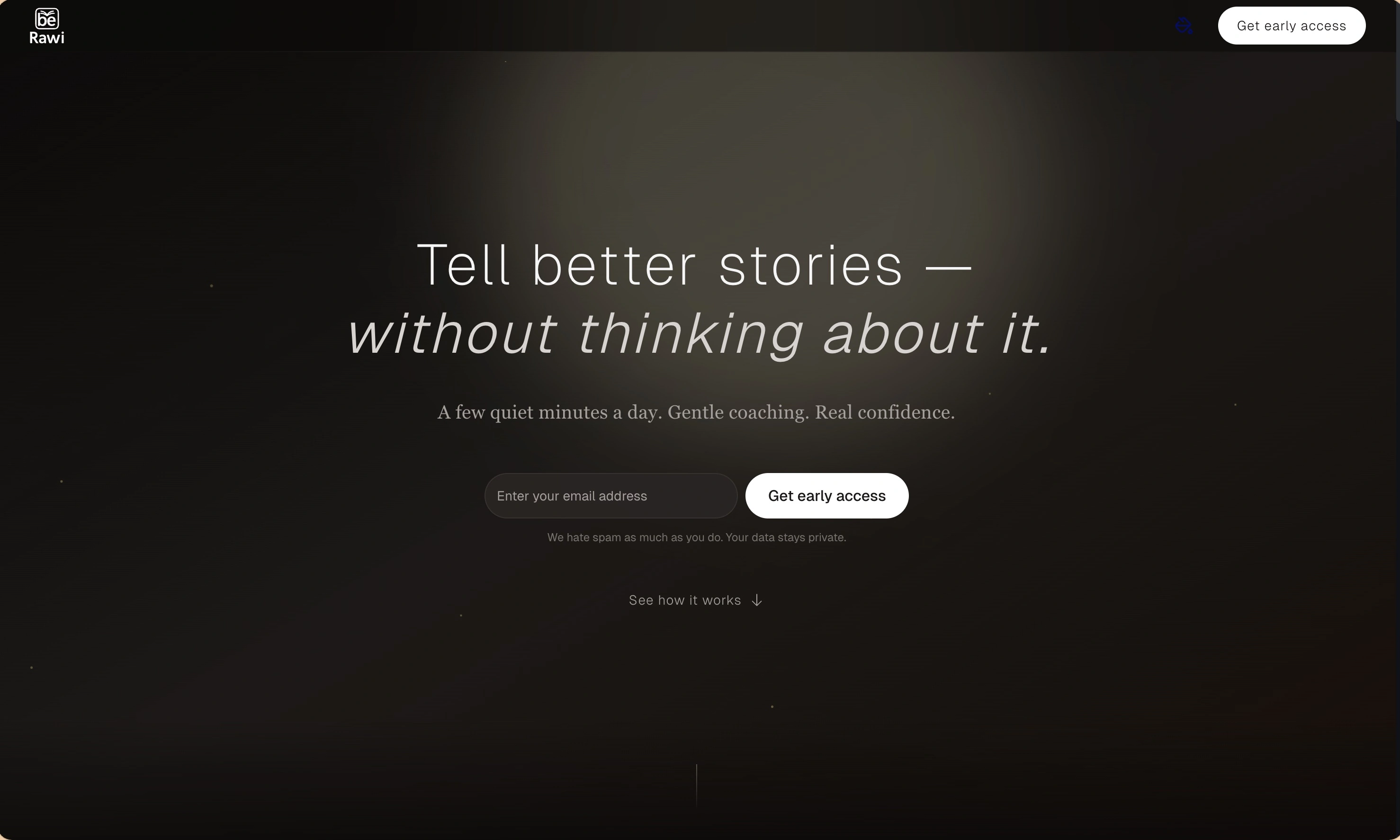
BeRawi: Storytelling Coach
Practice storytelling daily with instant feedback to sound clearer, more engaging, and confident 🎤
Omichat
Chat with 50+ AI models, including ChatGPT and Claude, in one place - switch models anytime without losing context 🤖
Claude Fast
Supercharge your Claude Code with 6x effective context window and specialized AI agents 🤖
EmojAI
AI-powered emoji picker with smart, context-aware suggestions 🤖
Solohacker
Autonomous company launcher - AI agents work 24/7, escalate what matters, and you stay in control 🤖
BeRawi: Storytelling Coach
Practice storytelling daily with instant feedback to sound clearer, more engaging, and confident 🎤
Omichat
Chat with 50+ AI models, including ChatGPT and Claude, in one place - switch models anytime without losing context 🤖
Claude Fast
Supercharge your Claude Code with 6x effective context window and specialized AI agents 🤖
EmojAI
AI-powered emoji picker with smart, context-aware suggestions 🤖
Solohacker
Autonomous company launcher - AI agents work 24/7, escalate what matters, and you stay in control 🤖
BeRawi: Storytelling Coach
Practice storytelling daily with instant feedback to sound clearer, more engaging, and confident 🎤
Omichat
Chat with 50+ AI models, including ChatGPT and Claude, in one place - switch models anytime without losing context 🤖
Claude Fast
Supercharge your Claude Code with 6x effective context window and specialized AI agents 🤖
EmojAI
AI-powered emoji picker with smart, context-aware suggestions 🤖
Solohacker
Autonomous company launcher - AI agents work 24/7, escalate what matters, and you stay in control 🤖
BeRawi: Storytelling Coach
Practice storytelling daily with instant feedback to sound clearer, more engaging, and confident 🎤

Connect with like-minded people
Join our community to get feedback, support, and grow together with 1,000+ builders on board, let's ship it!
Join usShip your startup everywhere. In minutes.
Don't burn tokens on setup and start building features on day one.