MedMind Mentor
AI-powered mental health companion tailored for med students, offering stress tracking, personalized coping strategies, and burnout prevention resources.
MedMind Mentor is an AI-powered mental health companion designed specifically for medical students. This comprehensive guide explores the market need, core features, technology stack, monetization strategies, and actionable steps to bring this SaaS solution to life. If you're considering building or investing in a mental health SaaS for med students, this article will provide the expert insights and practical details you need.
Understanding the target audience: medical students and their mental health needs
Medical students are among the most stressed and vulnerable populations in higher education. The intense academic workload, high expectations, and emotionally taxing clinical experiences contribute to elevated rates of anxiety, depression, and burnout. According to recent studies, up to 30% of medical students experience depression, and over 50% report symptoms of burnout (see: JAMA Network).
Key pain points for med students:
- Chronic stress and anxiety due to academic pressure
- Lack of time for self-care and mental health support
- Stigma around seeking help for mental health issues
- Difficulty accessing personalized coping resources
- Fear of burnout impacting academic and career prospects
User intent:
Prospective users are searching for practical, accessible, and stigma-free tools to manage stress, track their mental health, and receive actionable strategies tailored to their unique challenges as med students.
Identifying the market opportunity and gaps
The mental health SaaS market is growing rapidly, with increased awareness and demand for digital wellness solutions. However, most existing platforms are generic, lacking the specificity and contextual understanding required for medical students.
Current market gaps:
- Lack of tailored solutions: Most mental health apps are not designed for the unique stressors of medical education.
- Limited AI personalization: Few platforms leverage AI to deliver truly individualized coping strategies.
- Insufficient burnout prevention: Proactive burnout detection and prevention resources are rare.
- Stigma and privacy concerns: Students often avoid institutional resources due to confidentiality worries.
Why MedMind Mentor stands out:
- Hyper-focused on the med student journey
- AI-driven, adaptive support based on real-time data
- Emphasis on privacy, anonymity, and non-judgmental guidance
- Proactive burnout risk assessment and intervention
Core features and solution details
MedMind Mentor’s feature set is designed to address the most pressing needs of medical students, leveraging AI for maximum personalization and impact.
1. AI-powered stress tracking
- Continuous monitoring via self-reported check-ins and optional wearable integration
- Natural language processing (NLP) to analyze journal entries and detect stress patterns
- Visual dashboards to help students understand their stress trends over time
2. Personalized coping strategies
- AI recommends evidence-based coping techniques (mindfulness, breathing exercises, time management tips) tailored to the user’s stress profile
- Dynamic adjustment of recommendations based on user feedback and engagement
- Integration with med school schedules to suggest contextually relevant strategies (e.g., exam periods, clinical rotations)
3. Burnout prevention resources
- Early warning system using AI to flag signs of burnout risk
- Access to curated articles, videos, and peer stories about managing burnout
- Step-by-step burnout recovery plans and checklists
4. Confidential, stigma-free support
- Anonymous mode for users concerned about privacy
- In-app journaling and mood tracking with optional sharing to trusted mentors or counselors
- AI-powered chat companion for real-time, empathetic conversations
5. Progress tracking and motivation
- Gamified achievements and streaks to encourage consistent self-care
- Personalized progress reports and positive reinforcement
AI-driven personalization
Delivers coping strategies and resources tailored to each user's unique stressors and schedule.
Burnout risk detection
Proactively identifies early signs of burnout and offers targeted interventions.
Confidential support
Ensures privacy and anonymity, reducing stigma and encouraging help-seeking.
Recommended tech stack for MedMind Mentor
Choosing the right technology stack is crucial for building a scalable, secure, and user-friendly AI SaaS platform. Here’s a breakdown of recommended tools and their trade-offs:
Frontend
- React: Modern, component-based UI development; large ecosystem and community support.
- TailwindCSS: Utility-first CSS framework for rapid, consistent styling.
- TypeScript: Adds type safety and improves code maintainability.
Backend
- Node.js: Efficient, event-driven server-side JavaScript; ideal for real-time features.
- Express: Minimalist web framework for building RESTful APIs.
- Python (for AI modules): Leverage libraries like TensorFlow or PyTorch for NLP and predictive analytics.
AI & Data
- OpenAI GPT or similar LLMs: For empathetic chat and NLP-based stress analysis.
- Custom ML models: For burnout risk prediction and personalized recommendations.
- PostgreSQL: Reliable, scalable relational database for user data and journaling.
- Redis: For caching and real-time session management.
Integrations
- OAuth 2.0: Secure authentication (Google, university SSO).
- Wearable APIs: Optional integration with devices like Fitbit or Apple Health for stress data.
Hosting & DevOps
- Vercel or AWS: Scalable cloud hosting.
- Docker: Containerization for consistent deployment.
- CI/CD pipelines: Automated testing and deployment.
While no-code tools can accelerate MVP development, they often lack the flexibility and scalability required for advanced AI features and strict privacy requirements.
Given med students' on-the-go lifestyles, a responsive web app is essential, but a native mobile app can further boost engagement and retention.
Monetization strategy options
A sustainable SaaS business model is key to long-term impact. Here are proven monetization strategies for MedMind Mentor:
1. Freemium model
- Free tier: Basic stress tracking, journaling, and limited AI chat.
- Premium tier: Advanced AI features, burnout risk detection, personalized plans, and exclusive resources.
2. Institutional licensing
- Partner with medical schools and universities to offer MedMind Mentor as a campus-wide wellness solution.
- Bulk licensing or per-student pricing.
3. Individual subscriptions
- Monthly or annual plans for students who want premium features independently.
4. Partnerships and sponsorships
- Collaborate with mental health organizations, wellness brands, or insurance providers for sponsored content or resource integration.
5. Data-driven insights (with consent)
- Offer anonymized, aggregated mental health trend reports to institutions (never individual data), supporting research and wellness initiatives.
Potential risks and mitigation strategies
Building an AI-powered mental health SaaS for med students comes with unique challenges. Here’s how to address them:
| Risk | Impact | Likelihood | Mitigation | Status |
|---|---|---|---|---|
| Data privacy breach | High | Medium | End-to-end encryption, strict access controls, regular audits | Ongoing |
| AI bias or inaccuracy | Medium | Medium | Continuous model evaluation, diverse training data, human-in-the-loop review | Ongoing |
| Low user engagement | Medium | High | Gamification, push notifications, user feedback loops | Planned |
| Regulatory compliance | High | Low | HIPAA/GDPR compliance, legal review | Ongoing |
Ethical AI in mental health
Always be transparent about AI limitations. MedMind Mentor should clearly state that it is not a substitute for professional medical advice or emergency support.
Competitive advantage analysis
To succeed in the crowded mental health SaaS space, MedMind Mentor must offer clear, defensible advantages:
Unique selling propositions (USPs)
- Hyper-personalization: AI adapts to each med student’s unique stressors, schedule, and learning environment.
- Burnout prevention focus: Proactive, not just reactive—identifies and addresses burnout risk before it escalates.
- Privacy-first design: Anonymous mode and robust encryption build trust and reduce stigma.
- Academic integration: Syncs with med school calendars and milestones for context-aware support.
- Community and peer support: Optional, moderated forums for sharing experiences and advice.
How MedMind Mentor compares to alternatives
- AI-driven, med student-specific support
- Proactive burnout detection
- Anonymous, stigma-free experience
- Academic calendar integration
- Gamified motivation
- One-size-fits-all content
- Limited personalization
- No academic context
- Often lacks burnout focus
- Generic engagement features
- Human counselors, but limited availability
- Potential stigma and privacy concerns
- Not always proactive
- May lack digital engagement tools
- Often reactive, not preventive
Actionable implementation steps
Ready to bring MedMind Mentor to life? Here’s a step-by-step roadmap:
Conclusion: why MedMind Mentor is the future of med student mental health
MedMind Mentor addresses a critical, underserved need in the mental health SaaS landscape. By combining AI-powered personalization, proactive burnout prevention, and a privacy-first approach, it empowers medical students to take control of their well-being—confidentially and effectively.
Key takeaways:
- The mental health crisis among med students is real and urgent.
- Existing solutions are too generic or stigmatized to drive real change.
- MedMind Mentor’s AI-driven, student-centric approach offers a unique, scalable solution.
- With the right tech stack, ethical safeguards, and user engagement strategies, this SaaS can make a measurable impact.
For founders, developers, or investors seeking to build or support a high-impact, future-proof SaaS, MedMind Mentor is a compelling opportunity.
Further resources
- TurboStarter – Accelerate your SaaS MVP development with best-in-class tools and templates.
- React – Official documentation for building modern UIs.
- TailwindCSS – Utility-first CSS framework.
- JAMA Network – Research on med student mental health.
- For statistics and best practices, reference leading sources such as the American Medical Association, World Health Organization, and peer-reviewed journals.
Frequently asked questions
No. MedMind Mentor is a supportive tool, not a substitute for professional mental health care. It can complement therapy but should not be relied upon in crisis situations.
The platform uses end-to-end encryption, anonymous mode, and strict data access controls. No personal data is shared without explicit consent.
Yes, institutional partnerships can enable calendar sync, SSO, and custom resource integration.
More 🤖 AI Startup SaaS ideas
Discover more innovative ai startup SaaS ideas that are trending in 2026. Each idea is AI-generated with market validation and growth potential to help you find your next profitable venture faster than competitors.
Your competitors are building with TurboStarter
Below are some of the SaaS ideas that have been generated and built with our starter kit.
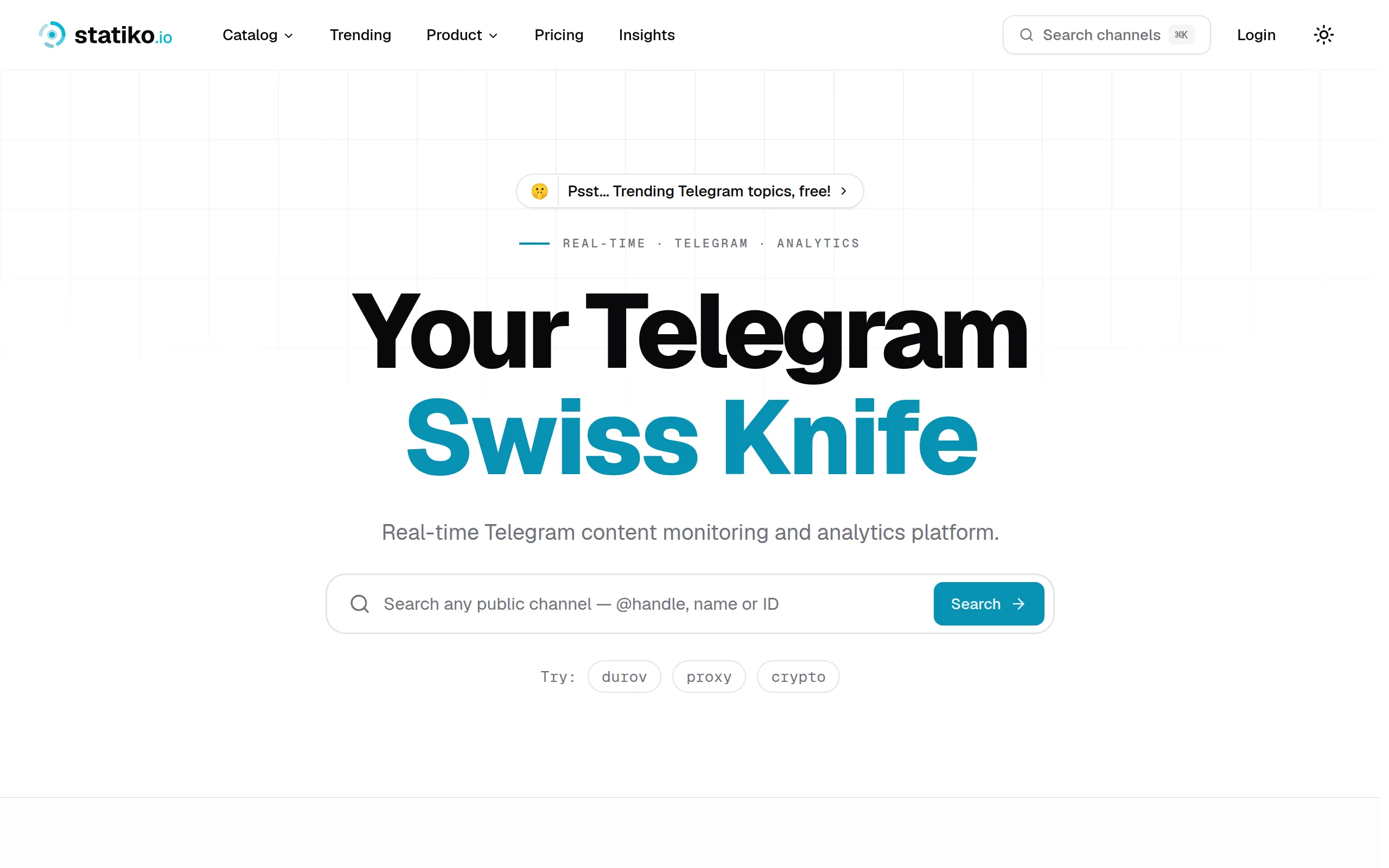
Statiko
Monitor any Telegram channel in real time - track posts, edits, deletions, and growth with AI recaps 📡
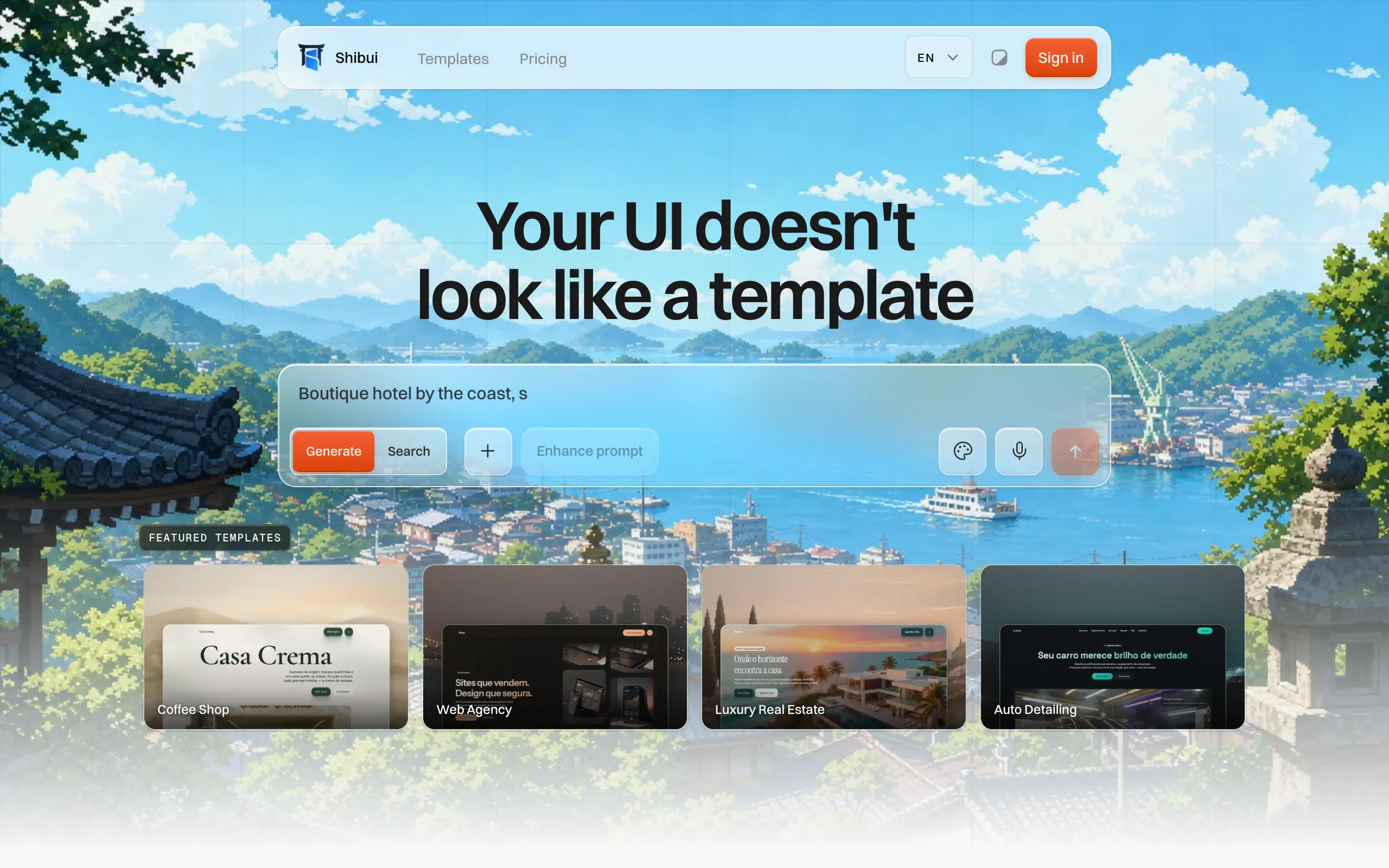
Shibui
AI website builder - describe your business, pick a niche template, edit by chatting, and publish instantly ✨
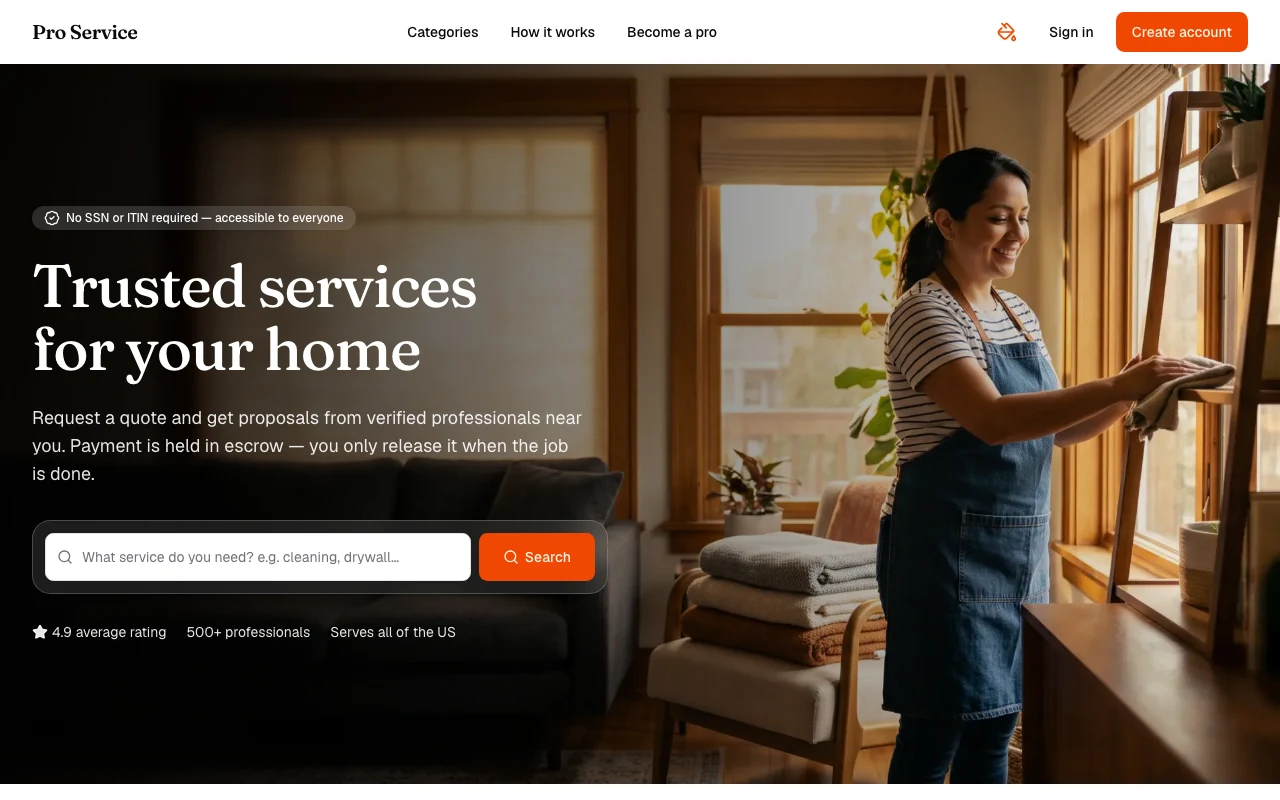
Pro Service
Find verified home service professionals, compare quotes, and pay securely through escrow - built for Brazilians across the US 🏠
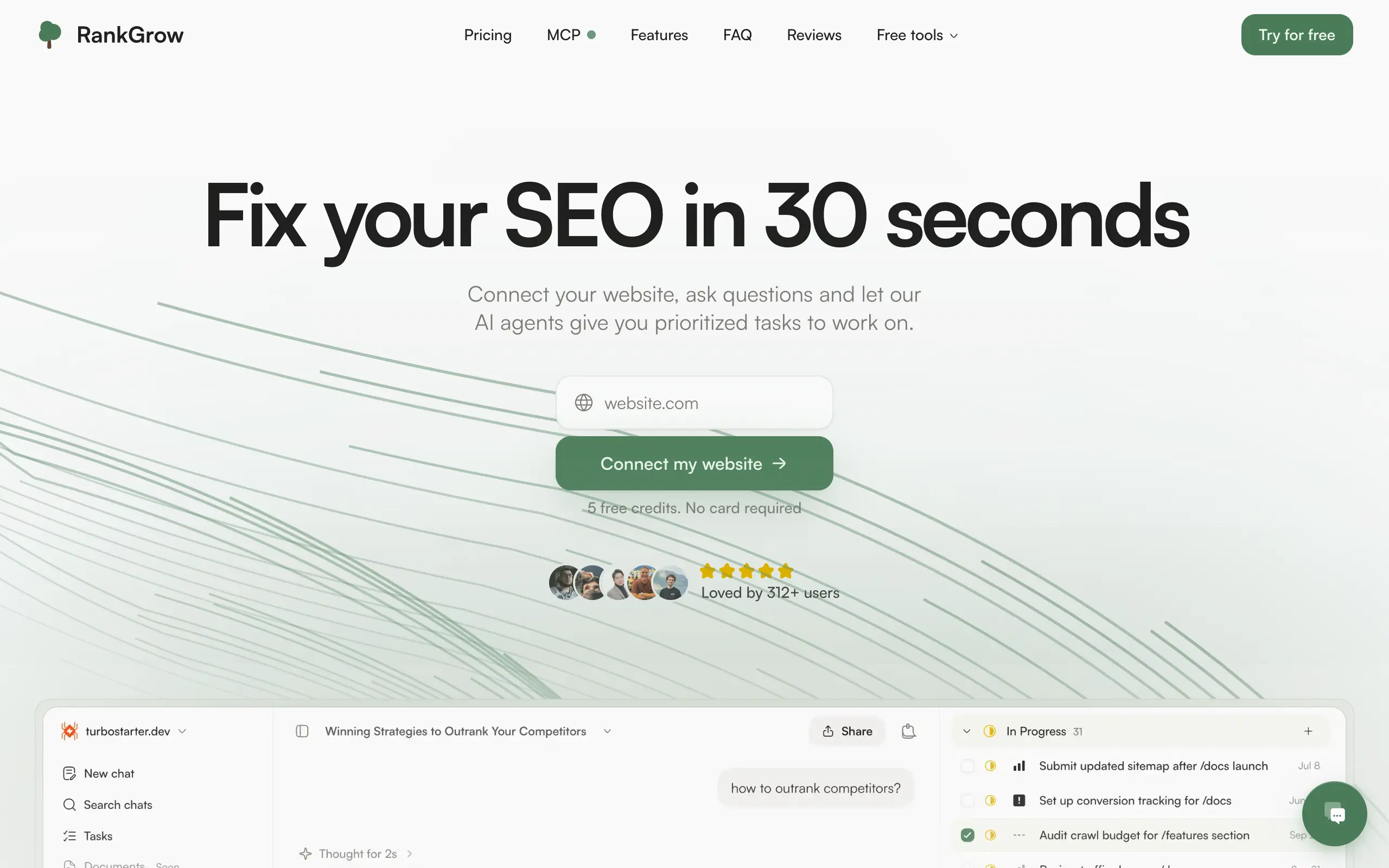
RankGrow
Fix your SEO with AI agents - connect Search Console, get prioritized tasks, and grow organic traffic 📈
SyncReads
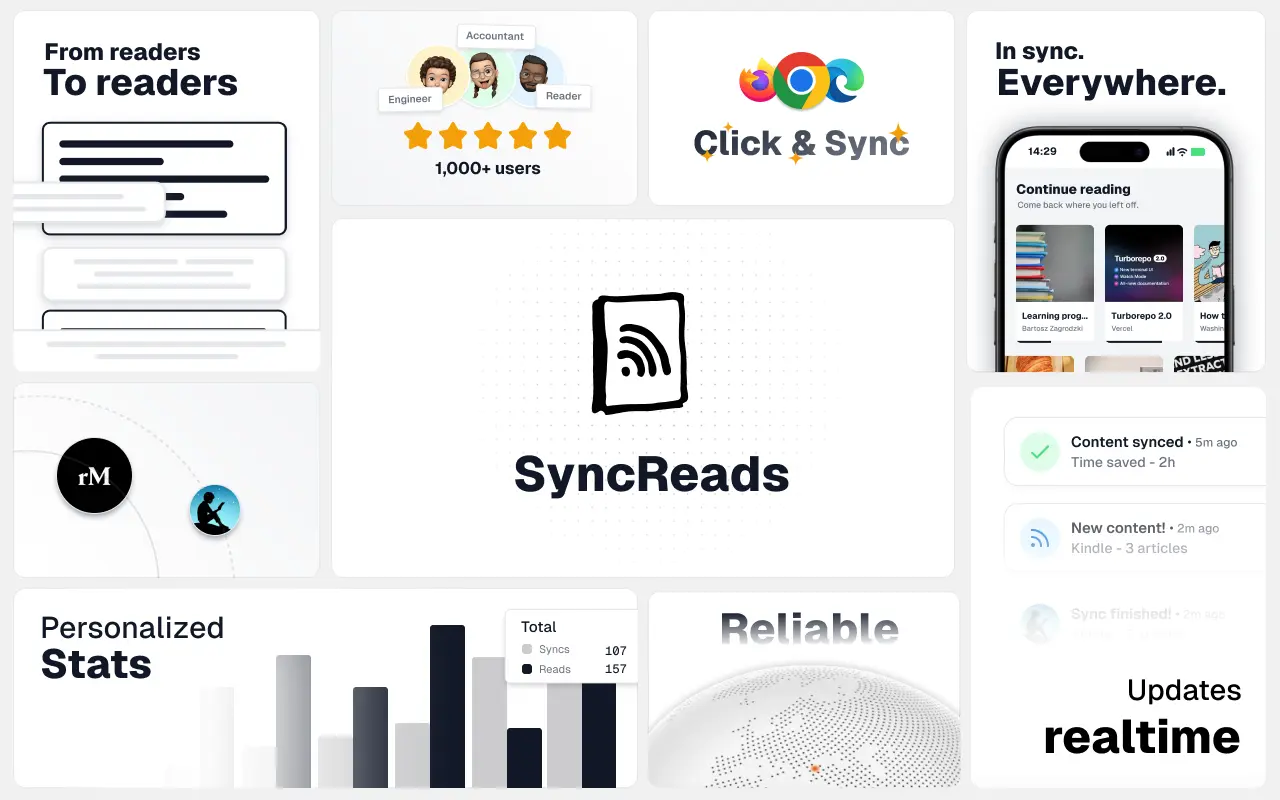
Sync your favorite content for distraction-free reading, save time and replace multiple apps. Anytime, anywhere 🔄
Socialcrawl
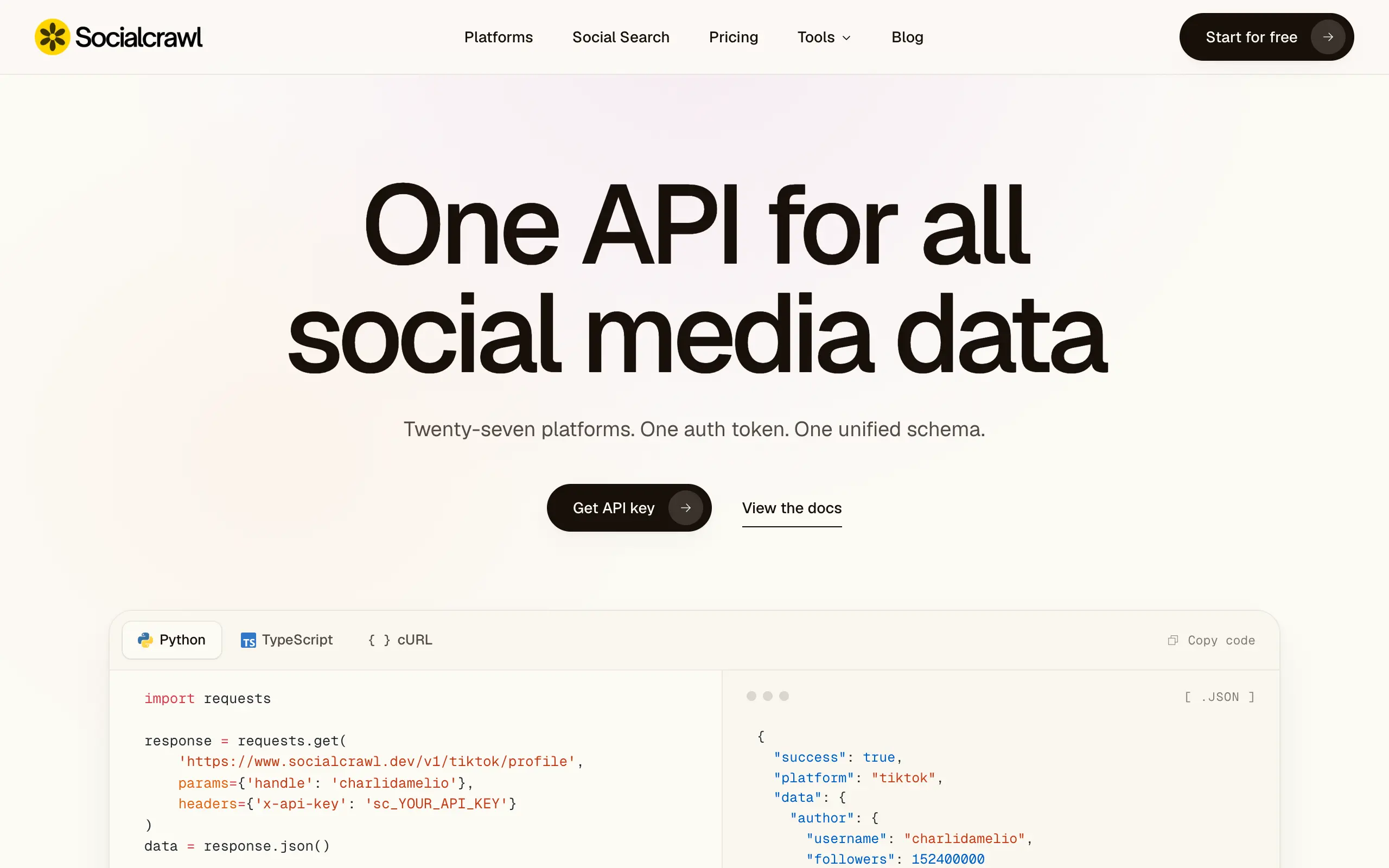
Get clean, structured data from 21 platforms like TikTok, Instagram, and YouTube with a single request 📊
Statiko
Monitor any Telegram channel in real time - track posts, edits, deletions, and growth with AI recaps 📡
Shibui
AI website builder - describe your business, pick a niche template, edit by chatting, and publish instantly ✨
Pro Service
Find verified home service professionals, compare quotes, and pay securely through escrow - built for Brazilians across the US 🏠
RankGrow
Fix your SEO with AI agents - connect Search Console, get prioritized tasks, and grow organic traffic 📈
SyncReads
Sync your favorite content for distraction-free reading, save time and replace multiple apps. Anytime, anywhere 🔄
Socialcrawl
Get clean, structured data from 21 platforms like TikTok, Instagram, and YouTube with a single request 📊
Statiko
Monitor any Telegram channel in real time - track posts, edits, deletions, and growth with AI recaps 📡
Shibui
AI website builder - describe your business, pick a niche template, edit by chatting, and publish instantly ✨
Pro Service
Find verified home service professionals, compare quotes, and pay securely through escrow - built for Brazilians across the US 🏠
RankGrow
Fix your SEO with AI agents - connect Search Console, get prioritized tasks, and grow organic traffic 📈
SyncReads
Sync your favorite content for distraction-free reading, save time and replace multiple apps. Anytime, anywhere 🔄
Socialcrawl
Get clean, structured data from 21 platforms like TikTok, Instagram, and YouTube with a single request 📊
Statiko
Monitor any Telegram channel in real time - track posts, edits, deletions, and growth with AI recaps 📡
Shibui
AI website builder - describe your business, pick a niche template, edit by chatting, and publish instantly ✨
Pro Service
Find verified home service professionals, compare quotes, and pay securely through escrow - built for Brazilians across the US 🏠
RankGrow
Fix your SEO with AI agents - connect Search Console, get prioritized tasks, and grow organic traffic 📈
SyncReads
Sync your favorite content for distraction-free reading, save time and replace multiple apps. Anytime, anywhere 🔄
Socialcrawl
Get clean, structured data from 21 platforms like TikTok, Instagram, and YouTube with a single request 📊
Dotallio
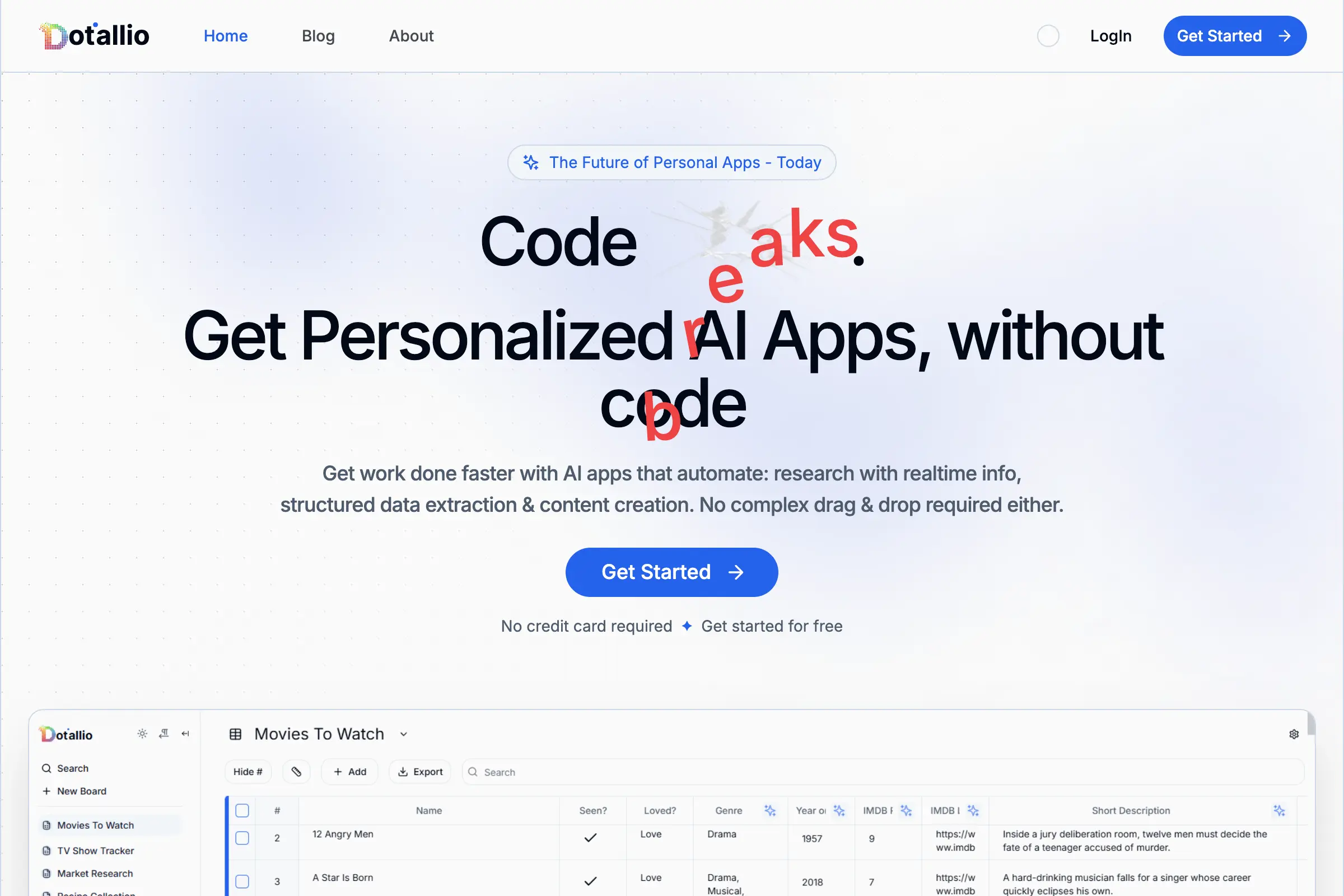
Personalized AI apps that automate research, data extraction, and content creation without code 🤖
Talk to Santa
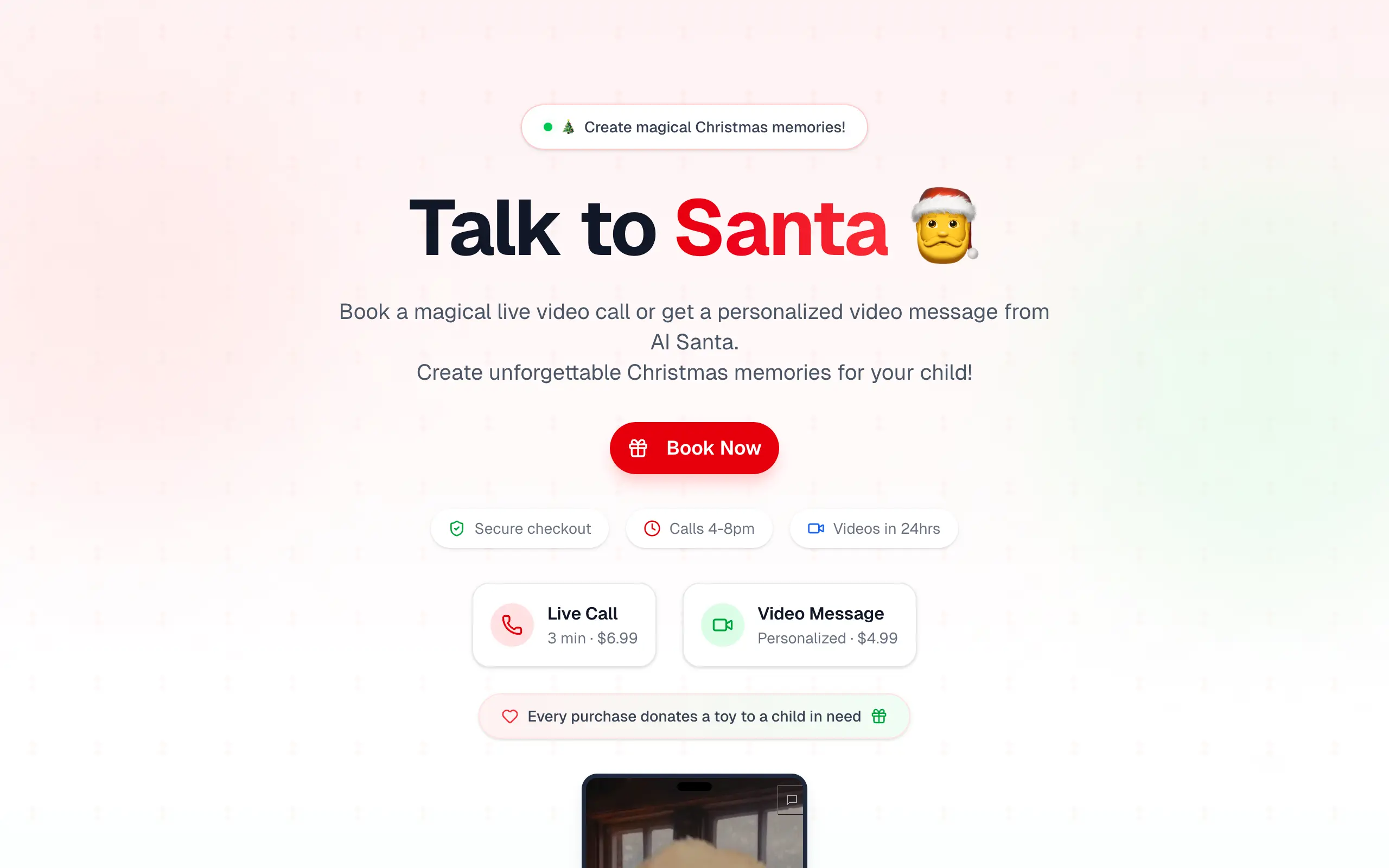
Enjoy a magical live video chat or receive a unique AI-generated video greeting from Santa Claus 🎅
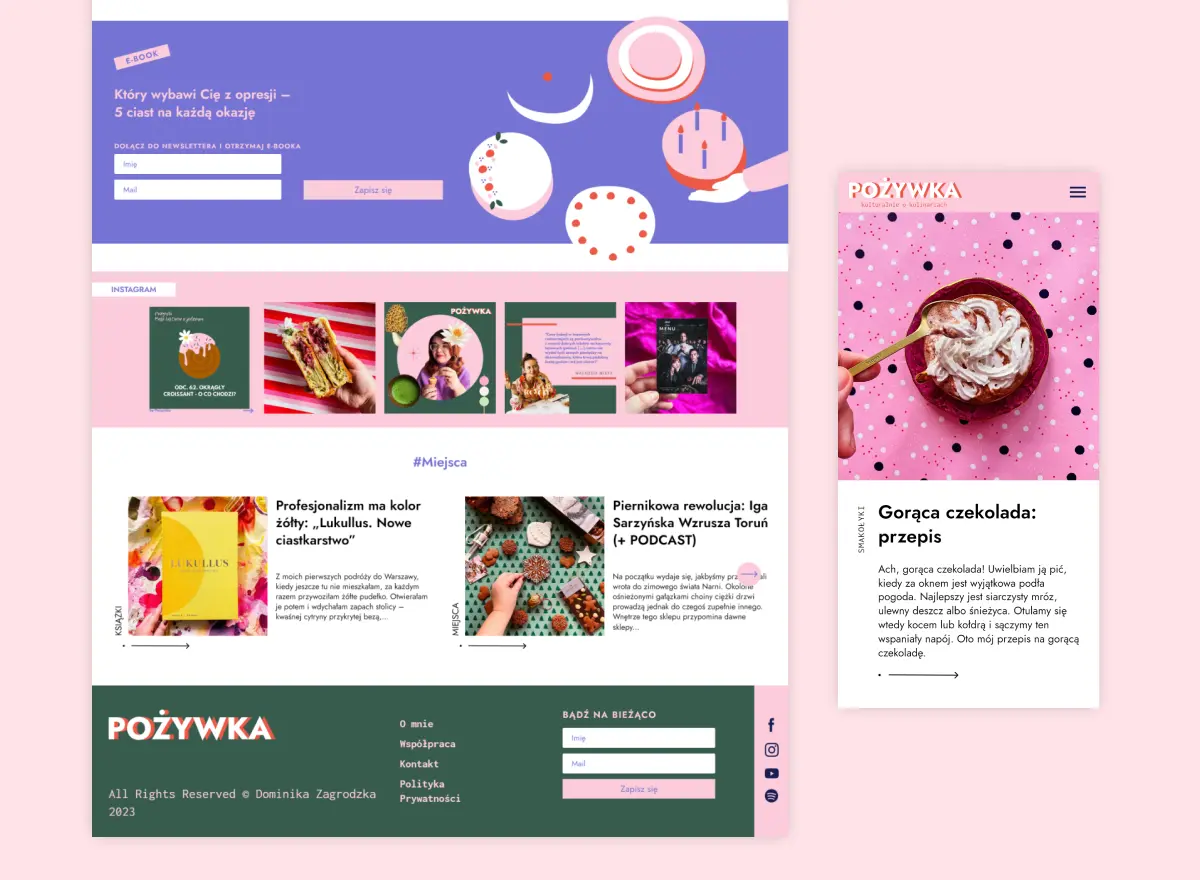
pozywka.pl
Scalable blog for food journalist, focused on performance and user experience 🌭
zagrodzki.me
Personal blog and portfolio of Bart Zagrodzki, where he shares his knowledge and work 💼
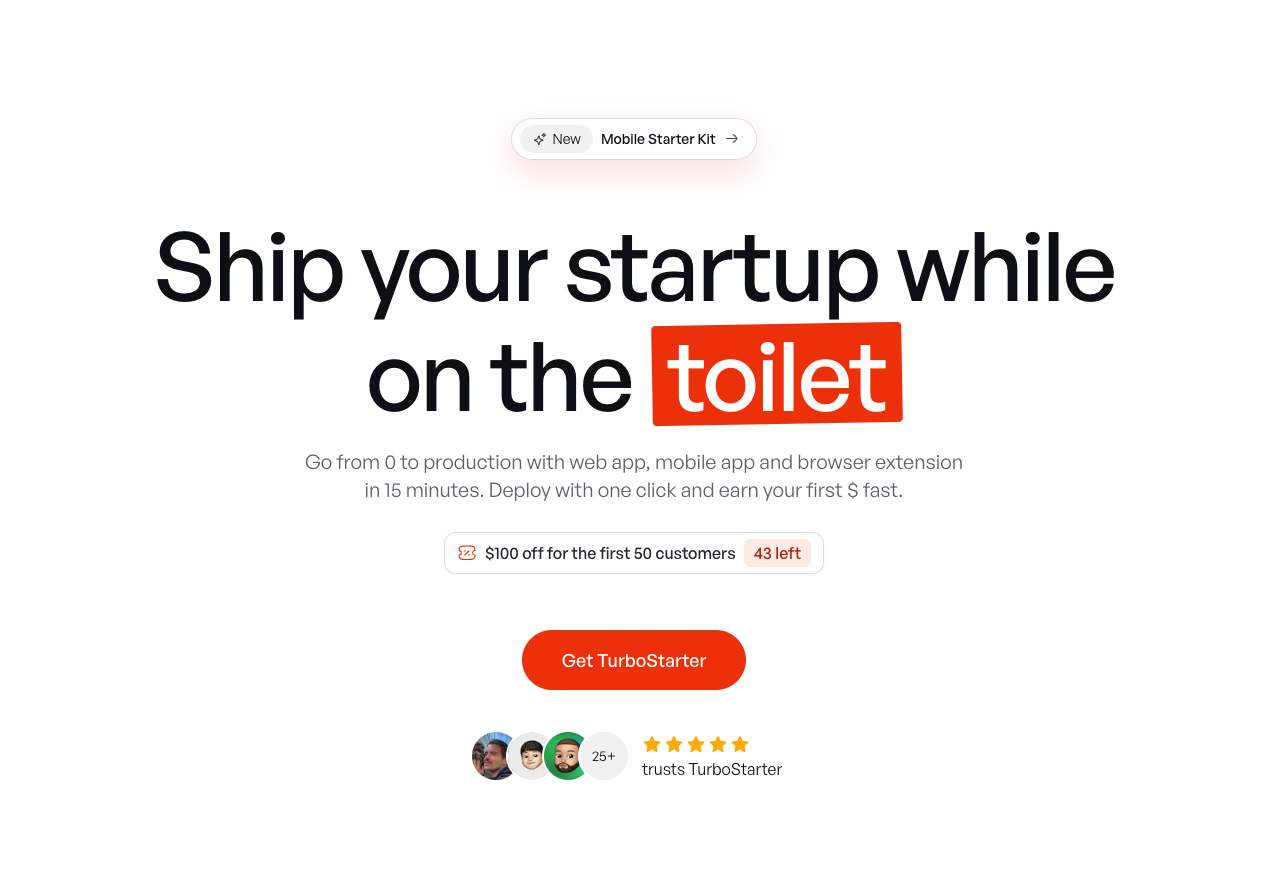
TurboStarter
Ship your startup everywhere. In minutes.
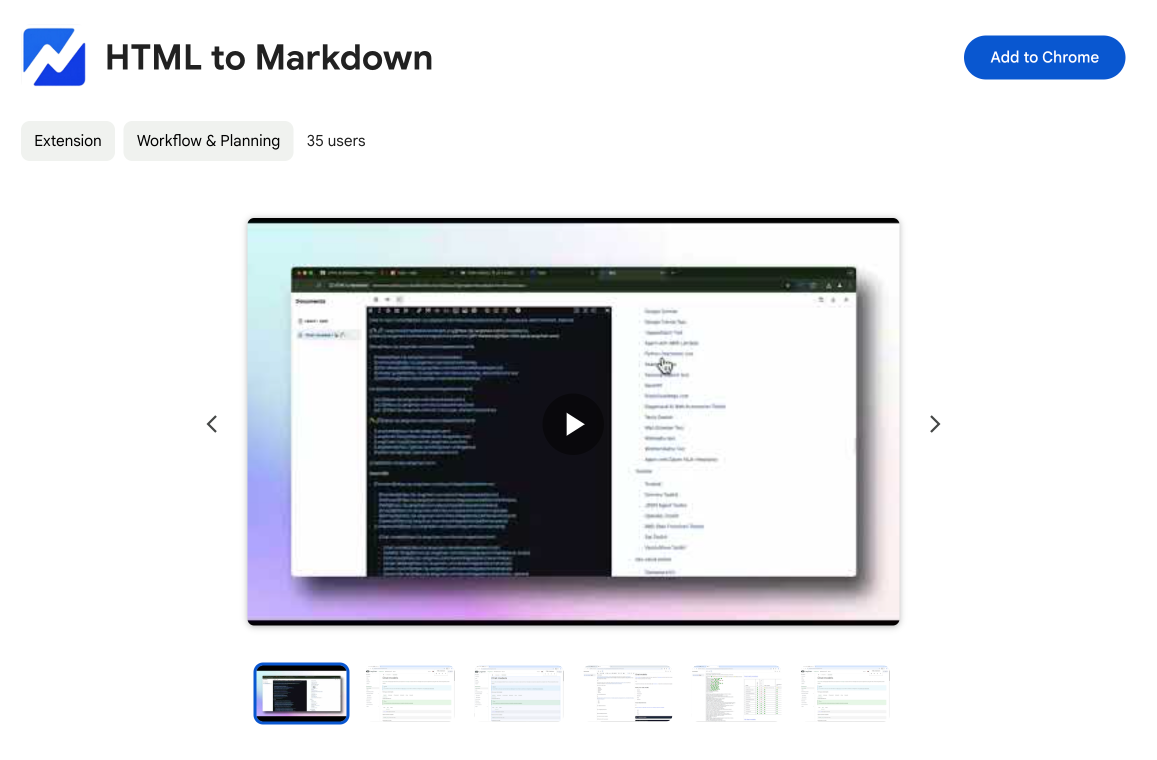
HTML to Markdown
Convert HTML to Markdown with ease, directly in your browser 📄
Dotallio
Personalized AI apps that automate research, data extraction, and content creation without code 🤖
Talk to Santa
Enjoy a magical live video chat or receive a unique AI-generated video greeting from Santa Claus 🎅
pozywka.pl
Scalable blog for food journalist, focused on performance and user experience 🌭
zagrodzki.me
Personal blog and portfolio of Bart Zagrodzki, where he shares his knowledge and work 💼
TurboStarter
Ship your startup everywhere. In minutes.
HTML to Markdown
Convert HTML to Markdown with ease, directly in your browser 📄
Dotallio
Personalized AI apps that automate research, data extraction, and content creation without code 🤖
Talk to Santa
Enjoy a magical live video chat or receive a unique AI-generated video greeting from Santa Claus 🎅
pozywka.pl
Scalable blog for food journalist, focused on performance and user experience 🌭
zagrodzki.me
Personal blog and portfolio of Bart Zagrodzki, where he shares his knowledge and work 💼
TurboStarter
Ship your startup everywhere. In minutes.
HTML to Markdown
Convert HTML to Markdown with ease, directly in your browser 📄
Dotallio
Personalized AI apps that automate research, data extraction, and content creation without code 🤖
Talk to Santa
Enjoy a magical live video chat or receive a unique AI-generated video greeting from Santa Claus 🎅
pozywka.pl
Scalable blog for food journalist, focused on performance and user experience 🌭
zagrodzki.me
Personal blog and portfolio of Bart Zagrodzki, where he shares his knowledge and work 💼
TurboStarter
Ship your startup everywhere. In minutes.
HTML to Markdown
Convert HTML to Markdown with ease, directly in your browser 📄
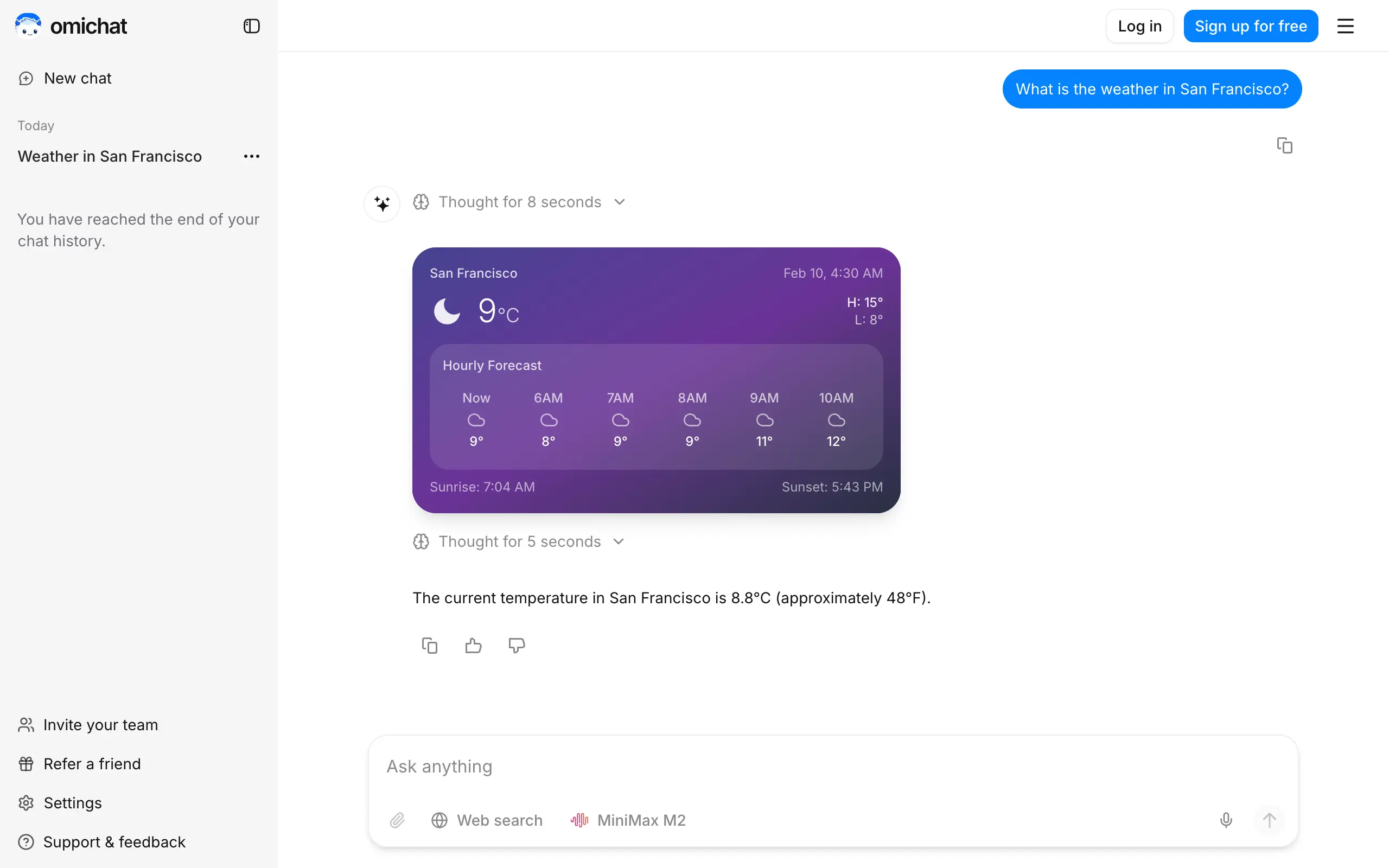
Omichat
Chat with 50+ AI models, including ChatGPT and Claude, in one place - switch models anytime without losing context 🤖
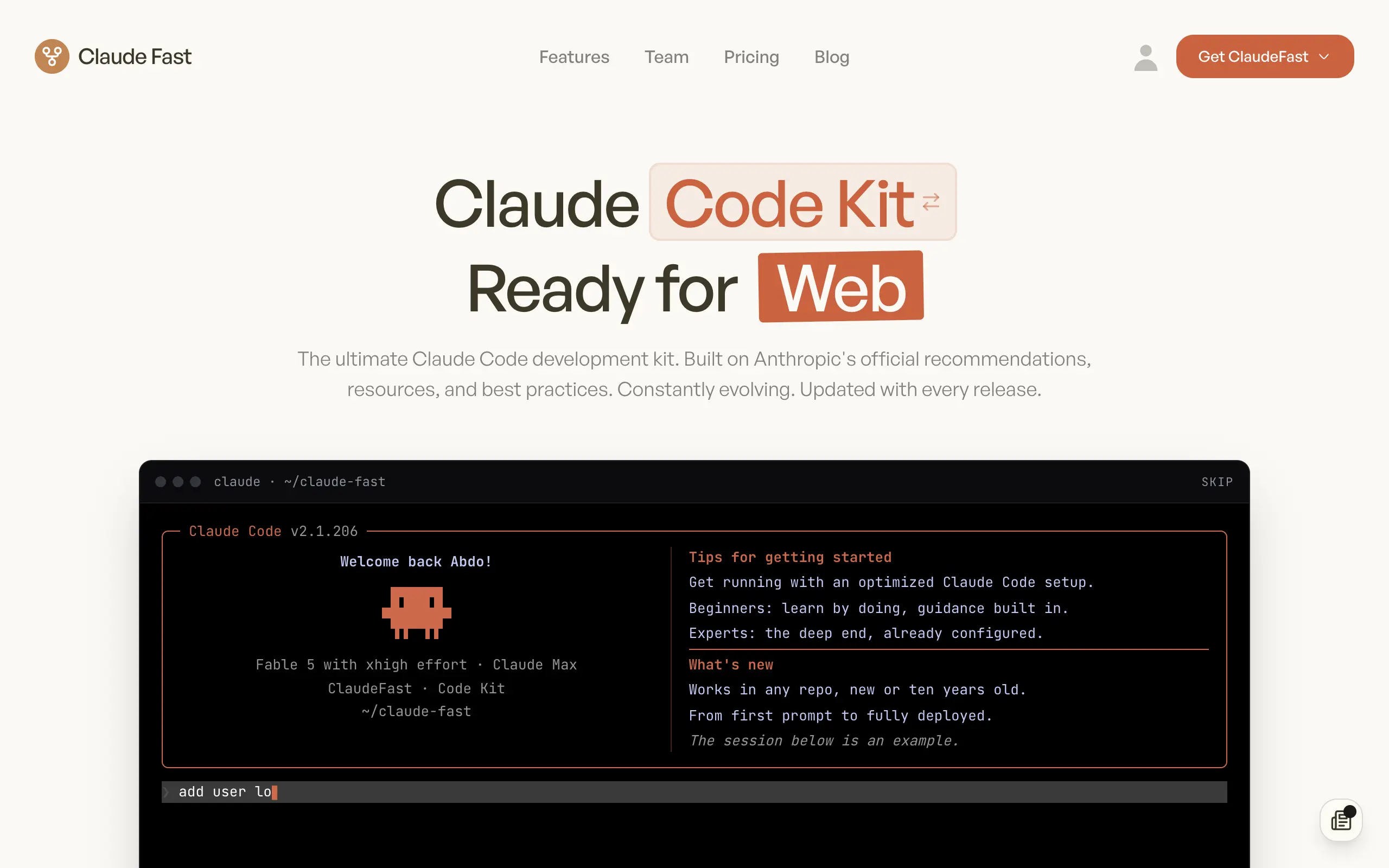
Claude Fast
Supercharge your Claude Code with 6x effective context window and specialized AI agents 🤖
EmojAI
AI-powered emoji picker with smart, context-aware suggestions 🤖
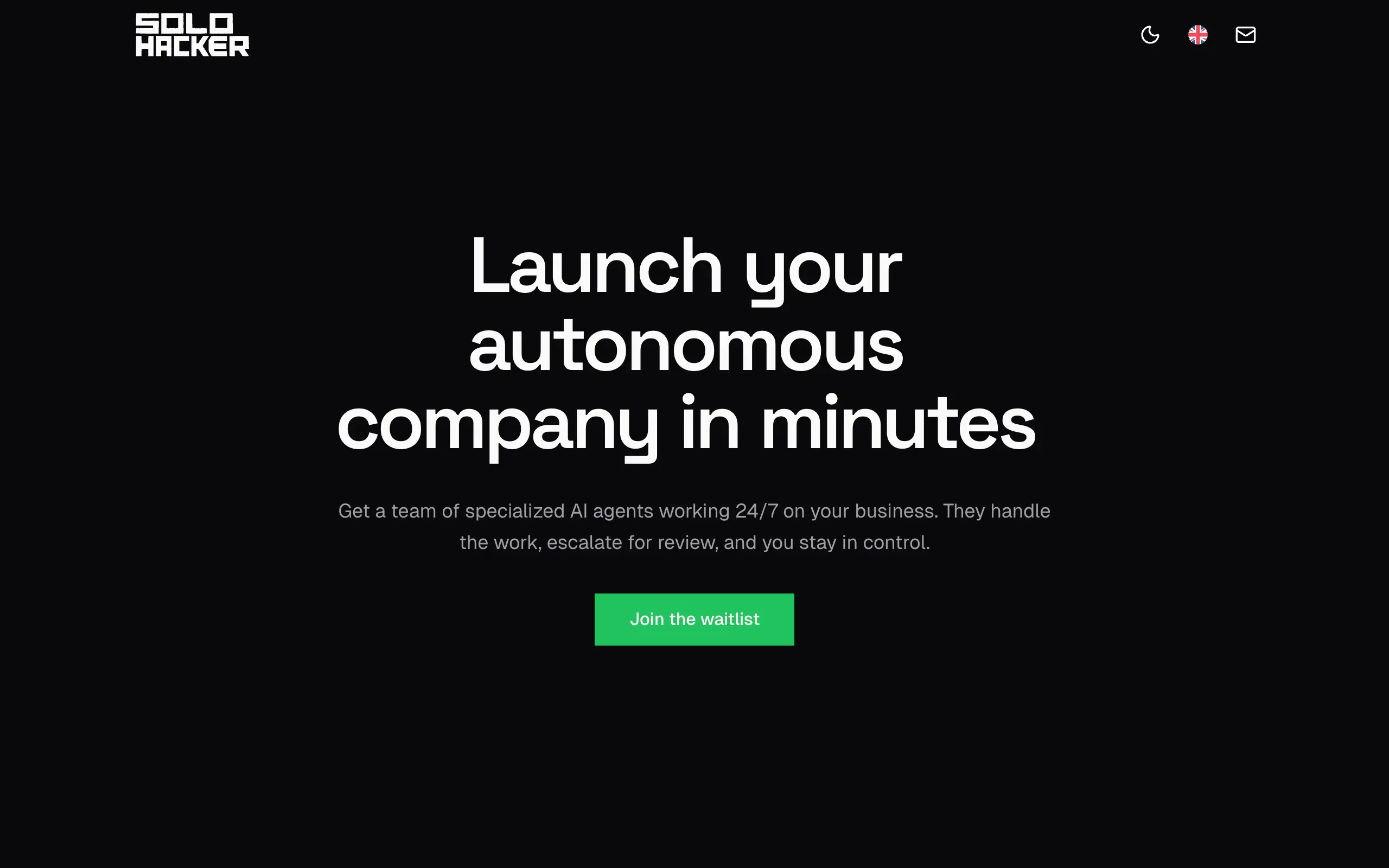
Solohacker
Autonomous company launcher - AI agents work 24/7, escalate what matters, and you stay in control 🤖
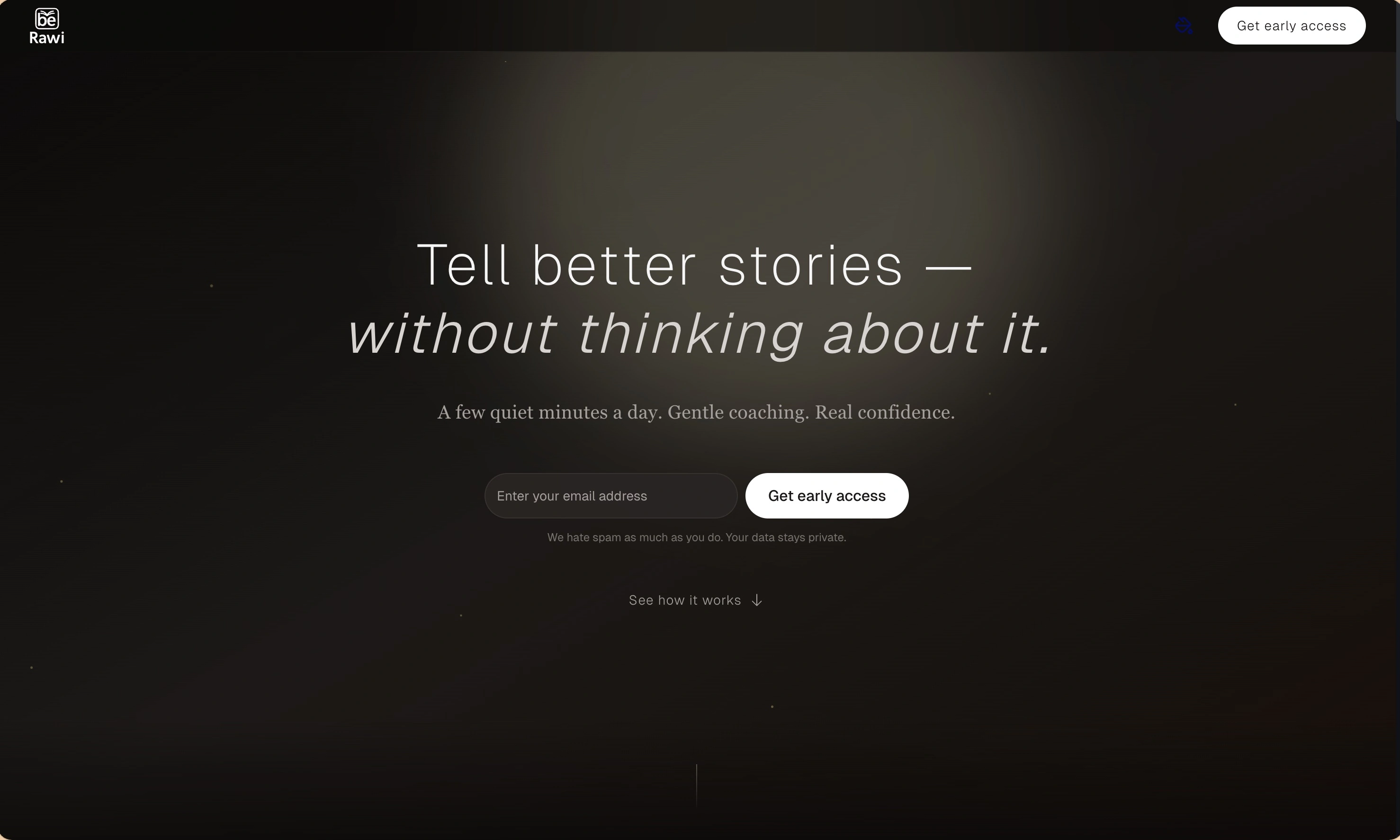
BeRawi: Storytelling Coach
Practice storytelling daily with instant feedback to sound clearer, more engaging, and confident 🎤
Omichat
Chat with 50+ AI models, including ChatGPT and Claude, in one place - switch models anytime without losing context 🤖
Claude Fast
Supercharge your Claude Code with 6x effective context window and specialized AI agents 🤖
EmojAI
AI-powered emoji picker with smart, context-aware suggestions 🤖
Solohacker
Autonomous company launcher - AI agents work 24/7, escalate what matters, and you stay in control 🤖
BeRawi: Storytelling Coach
Practice storytelling daily with instant feedback to sound clearer, more engaging, and confident 🎤
Omichat
Chat with 50+ AI models, including ChatGPT and Claude, in one place - switch models anytime without losing context 🤖
Claude Fast
Supercharge your Claude Code with 6x effective context window and specialized AI agents 🤖
EmojAI
AI-powered emoji picker with smart, context-aware suggestions 🤖
Solohacker
Autonomous company launcher - AI agents work 24/7, escalate what matters, and you stay in control 🤖
BeRawi: Storytelling Coach
Practice storytelling daily with instant feedback to sound clearer, more engaging, and confident 🎤
Omichat
Chat with 50+ AI models, including ChatGPT and Claude, in one place - switch models anytime without losing context 🤖
Claude Fast
Supercharge your Claude Code with 6x effective context window and specialized AI agents 🤖
EmojAI
AI-powered emoji picker with smart, context-aware suggestions 🤖
Solohacker
Autonomous company launcher - AI agents work 24/7, escalate what matters, and you stay in control 🤖
BeRawi: Storytelling Coach
Practice storytelling daily with instant feedback to sound clearer, more engaging, and confident 🎤

Connect with like-minded people
Join our community to get feedback, support, and grow together with 1,000+ builders on board, let's ship it!
Join usShip your startup everywhere. In minutes.
Don't burn tokens on setup and start building features on day one.