MeetingMinder
Smart meeting assistant that transcribes, summarizes, and auto-generates actionable tasks from virtual meetings, integrating seamlessly with major calendar platforms.
Understanding the Target Audience
Meeting productivity is a critical challenge for many professionals. The solution described here is designed for busy executives, remote teams, department heads, and project managers who need to spend less time processing information and more time driving results. This AI-powered tool analyzes meeting content in real time and provides actionable insights such as summaries, action items, and follow-up reminders. Key target segments include:
- Enterprise-level organizations seeking to streamline internal communications.
- SMBs and startups eager to optimize meeting durations and outcomes.
- Remote and hybrid teams needing clear accountability and structured follow-ups.
- Consultants and freelancers who often work with dispersed stakeholders and require efficient meeting wrap-ups.
These professionals appreciate tools that reduce post-meeting overhead and enhance decision-making by emphasizing clarity and actionable next steps.
Market Opportunity & Strategic Positioning
The market for meeting productivity solutions is expanding rapidly, driven by the rising prevalence of remote work and the increasing reliance on asynchronous communication. Companies are investing in technologies that ensure every minute spent in meetings produces tangible outcomes. This creates a significant market opportunity for a tool that enhances meeting productivity through real-time data analysis.
Market Drivers
- Remote Work Boom: With the shift to remote and hybrid work, the need for efficient online meeting tools has surged.
- Digital Transformation: Organizations are embracing AI and automation to improve workflow and reduce operational costs.
- Data Overload: In today’s meeting culture, it is easy for critical points to be lost in conversation. A system that summarizes and highlights action items adds immediate value.
- Integration Needs: Businesses prefer solutions that integrate seamlessly with existing video conferencing platforms like Zoom, Microsoft Teams, and Google Meet.
The competitive landscape is highly fragmented—with various the explicit focus on productivity tools—but this solution distinguishes itself through real-time analysis and highly actionable insights. Firms looking to gain an edge in daily communication processes will find this tool a game-changer.
Robust Tech Stack & Integration Approach
To achieve fast and reliable performance, implementing this solution requires a modern tech stack, robust integration capabilities, and a focus on real-time performance. Here’s a brief look at the components that power the solution:
- Frontend: A lightweight framework built with React or Next.js to ensure a seamless, interactive UI.
- Backend: Node.js and Express provide a resilient server environment that can handle real-time data processing.
- Machine Learning: Python-based models utilizing libraries like TensorFlow or PyTorch drive the AI-based content analysis.
- Real-Time Streaming: WebSocket-based communication offers low latency, ensuring that every spoken word is analyzed on the fly.
- Database: A scalable solution like PostgreSQL or Firebase that holds historical meeting data, enabling future analysis and enhanced recommendations.
- Integrations: APIs enable seamless connections with popular video conferencing ecosystems such as Zoom, Microsoft Teams, Google Meet, and other collaboration tools.
For developers, this modern tech stack can be implemented rapidly using available resources like TurboStarter, which provides a starter kit for web, mobile, and browser extension projects. Here’s a quick example to demonstrate integrating a simple logging function:
const logMeetingSummary = (summary: string): void => {
  console.log("Meeting Summary:", summary);
}
Using this function as a starting point can lay the groundwork for more complex event tracking and review systems, ensuring that every developed feature passes through a consistent, testable pipeline.
Monetization Model & Revenue Streams
Developing and maintaining an innovative meeting productivity solution requires a sustainable monetization strategy. Several potential revenue models can be integrated to maximize both short-term and long-term income:
-
Subscription-Based Pricing: Charge a recurring monthly or annual fee based on different tiers of usage. For instance:
- Basic for startups and small teams
- Professional for mid-sized organizations
- Enterprise level with custom integration and support
-
Freemium Model: Provide a basic version for free which includes core features like AI-generated summaries, while advanced functionalities (detailed analytics, extended sentiment analysis, custom integration points) are locked behind a paywall.
-
Usage-Based Pricing: Instead of a fixed fee, charge based on the number of meetings processed or minutes analyzed. This model aligns cost directly with usage, making it attractive for businesses with fluctuating meeting volumes.
-
API Access Fees: Offer external developers the ability to integrate the meeting analysis engine into their products via an API with a corresponding fee structure.
-
White Label Licensing: Organizations might also be offered a white-label version of the solution that blends with their internal brand, opening additional streams from licensing fees.
The multi-faceted monetization approach helps ensure stability by capturing value across different customer segments, while also incentivizing continuous innovation.
Overcoming Risks and Implementation Considerations
Every venture has inherent risks, and launching a meeting productivity tool with advanced AI capabilities is no exception. Early identification and mitigation strategies are essential. Some key risks include:
- Data Privacy: Handling sensitive meeting data requires strict data governance policies, and compliance with global regulations such as GDPR or CCPA. Ensuring data encryption and robust access controls is non-negotiable.
- Integration Complexity: Integrating with multiple video conferencing platforms can present challenges. The solution must be scalable and flexible enough to smoothly handle updates from third-party services.
- Model Accuracy: The AI model needs to interpret diverse accents, jargon, and languages, which may introduce inaccuracies. Ongoing model training and refinements based on user feedback are critical.
- User Adoption: Shifting user behavior can resist new technologies. Ensuring that the interface is intuitive and offers immediate perceived benefits is vital for widespread adoption.
To address these risks, consider these best practices:
- Rigorous Testing: Implement a comprehensive testing strategy that covers integration points, real-time data processing, and compliance-related scenarios.
- Iterative Improvements: Gather usage data and feedback frequently, and iterate over both UX and backend performance.
- Security Audits: Regularly schedule third-party security audits to identify vulnerabilities early and maintain user trust.
Ensure that end-to-end encryption is implemented, and consider anonymizing sensitive parts of the meeting data to comply with international data protection standards.
Develop a robust system using continuous integration to verify compatibility with all integrated platforms on every build.
Competitive Advantages & Unique Selling Propositions
In a crowded marketplace, offering a clear, defined set of advantages is crucial for market penetration and user adoption. The proposed solution stands out because:
- Real-Time AI Analysis: Unlike many post-meeting review tools, this solution processes discussions in real time, ensuring that key insights and action items are available immediately.
- Deep Integration: By seamlessly connecting with the most popular conferencing platforms, users can rely on the solution without needing to change their existing workflows.
- Actionable Insights: The use of intelligent algorithms to separate urgent tasks from general notes means that every meeting concludes with clarity and direction.
- Customization & Scalability: The tool is built to be highly customizable, allowing organizations to tailor it to their specific workflow requirements. This includes customizable templates for meeting formats and output reports.
- Ease of Use: An intuitive design that minimizes learning curves while maximizing productivity is a cornerstone of this solution. The balance between powerful analysis and user-friendliness is what sets it apart.
Feature highlight
Real-time AI-driven analysis that provides immediate meeting summaries and action items, revolutionizing how busy professionals manage their time.
This competitive edge is supported not just by the technology itself, but also by the proactive customer support model and the commitment to continuous improvement. By understanding customer pain points and iterating based on user feedback, the solution evolves alongside its market.
Technical Development & Integration Acceleration
From a development perspective, an agile, iterative approach is vital. Leveraging industry-standard frameworks and tools can dramatically accelerate the development timeline while ensuring quality. Notably, the use of TurboStarter can serve as a catalyst in rapidly deploying robust web, mobile, or browser extension versions of the solution. This starter kit provides essential boilerplate code and design patterns, allowing developers to concentrate on the core functionalities of meeting analysis.
Code Sample: Meeting Data Logger
Below is a simple code snippet illustrating an initial approach to logging meeting data. This serves as a foundation for further expansion into real-time analytics.
const processMeetingData = (data: string): void => {
  // Log the incoming raw meeting data for analysis
  console.log("Processing meeting data:", data);
}
Developers can build upon this foundation, integrating further processing algorithms and enhancing user interfaces to display real-time results.
The frontend is built using a modern reactive framework ensuring that user interactions are smooth and responsive even as data loads in real time.
The backend architecture ensures that every piece of processed data is securely managed. Microservices can be deployed to handle specific tasks like meeting summarization, action item extraction, and notification service.
Monetization, Pricing Tiers, and Value Propositions
Another cornerstone of this solution is a well-thought-out monetization strategy that provides flexibility and value to varied customer segments. Let’s explore further details:
-
Subscription Tiers: Market segments can be served by offering different levels of service.
- Basic Tier: Includes AI-generated meeting summaries and action reminders through simple integrations.
- Professional Tier: Offers advanced analytics, behavioral insights, and extended integrations with major conferencing platforms.
- Enterprise Tier: Delivers custom integrations, priority support, and possibly on-premise deployment options for organizations with heightened security requirements.
-
Usage Metrics: Implement analytics that track meeting duration, frequency, and performance. These metrics feed into a usage-based billing system where customers pay for what they actually use.
-
Additional Services: Offer consulting and customization services. This can include tailoring the AI models for industry-specific jargon (e.g., legal, medical, tech) or creating custom dashboards specifically for insights.
Pro Tip
Always consider integrating user feedback loops early into the product. This results in rapidly iterating features based on real-world needs and significantly improves customer satisfaction.
By aligning pricing with tangible outcomes—such as reduced meeting times and increased productivity—users can clearly see the ROI, driving continued growth and adoption for the tool.
Addressing Potential Risks and Mitigating Challenges
While the solution offers numerous benefits, it is wise to remain mindful of certain risks during implementation and sustained usage. Addressing these risks proactively can ensure long-term success:
- Security & Compliance: Meeting data can be highly sensitive. Utilizing best practices in encryption, continuous monitoring, and regular audits will help mitigate potential data breaches or compliance issues.
- Model Bias & Accuracy: As with any AI-driven tool, there's a risk of inaccuracies or bias in the data interpretation. Regular training sessions with diverse datasets and having human oversight in critical processes is essential.
- Dependency on Third-Party APIs: Since the system integrates with multiple external conferencing platforms, any changes or disruptions in those APIs could have a cascading effect. Keeping a robust error-handling strategy and maintaining relationships with these service providers can alleviate these risks.
- Scalability Issues: As usage grows, it’s imperative that the system scales accordingly. This means accounting for increased load in both data processing and storage capabilities.
These risks, while significant, can be effectively managed through strategic planning, appropriate resource allocation, and using modern cloud computing environments that offer scalability and resilience.
Develop a roadmap that includes regular updates and feature enhancements based on user analytics and evolving market needs.
Implement load balancing and failover mechanisms to ensure consistent performance even during unexpected traffic spikes.
Competitive Advantages & Strategic Differentiators
In an increasingly competitive market, having clear points of differentiation can drive customer adoption and lock in market share. Key competitive advantages include:
- Differentiated AI Capability: The ability to process audio data in real time sets this solution apart from many competitors that rely on post-meeting transcription and analysis.
- Seamless Integration: Built to work with all major conferencing platforms, it provides flexibility and convenience to users who do not need to change their communication practices.
- Actionable Outcomes: Beyond merely summarizing the discussion, the solution provides concrete action points and reminders, ensuring that nothing important falls through the cracks.
- User Experience: With a focus on short, digestible reports and intuitive UI design, the product minimizes the learning curve while maximizing productivity gains.
- Feedback-Driven Iteration: Continuous enhancement based on user feedback allows this tool to rapidly adapt to the emerging trends and requirements of modern business environments.
By pairing these advantages with robust support and tailor-made customization options, the solution can secure a formidable position in the market. Businesses will not only see improvements in meeting efficiency but also in overall team productivity and collaboration.
Conclusion & Implementation Steps
To wrap up, the proposed solution sets a new benchmark for meeting productivity with its real-time content analysis and actionable insights. It targets an audience that values efficiency, delivers on a significant market opportunity, and uses a modern tech stack suited for rapid scaling. The monetization strategy is designed to cater to a variety of enterprise needs while balancing recurring revenue and usage-based income. Although risks exist—ranging from data privacy to integration and scalability issues—these can all be effectively managed with comprehensive planning and agile iteration.
The recommended implementation steps are as follows:
By following these steps, the solution can move swiftly from concept to market, ensuring that the value proposition is well-communicated and that the product delivers on its promise of enhanced meeting productivity.
This robust approach, supported by strategic monetization, proactive risk management, and continuous feature iteration, provides a comprehensive blueprint for success. Embrace these steps with a clear focus on user needs, and transform ordinary meetings into highly productive sessions that drive actionable outcomes and sustainable growth.
More 🤖 AI Startup SaaS ideas
Discover more innovative ai startup SaaS ideas that are trending in 2026. Each idea is AI-generated with market validation and growth potential to help you find your next profitable venture faster than competitors.
Your competitors are building with TurboStarter
Below are some of the SaaS ideas that have been generated and built with our starter kit.

Statiko
Monitor any Telegram channel in real time - track posts, edits, deletions, and growth with AI recaps 📡

Shibui
AI website builder - describe your business, pick a niche template, edit by chatting, and publish instantly ✨

Pro Service
Find verified home service professionals, compare quotes, and pay securely through escrow - built for Brazilians across the US 🏠
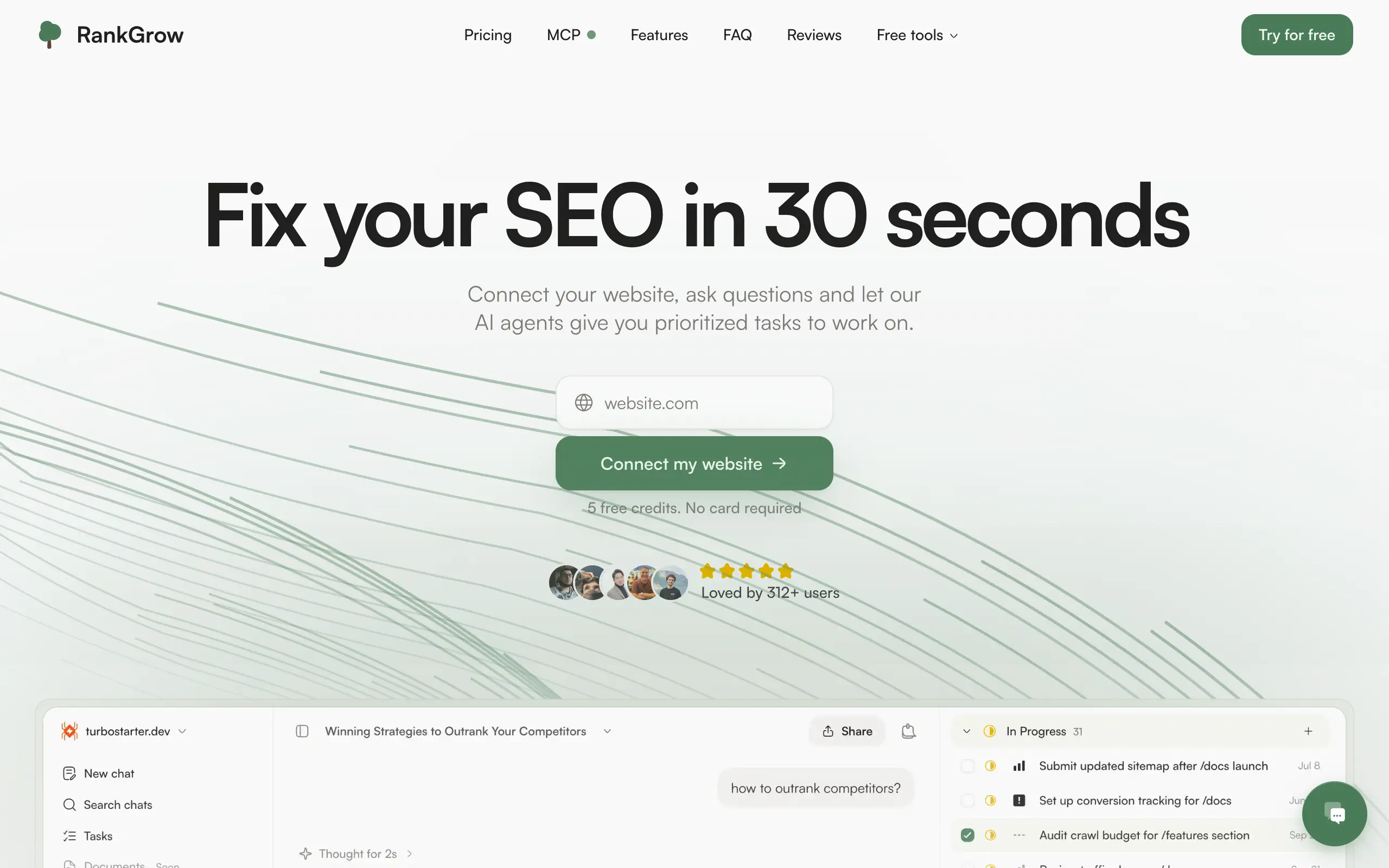
RankGrow
Fix your SEO with AI agents - connect Search Console, get prioritized tasks, and grow organic traffic 📈
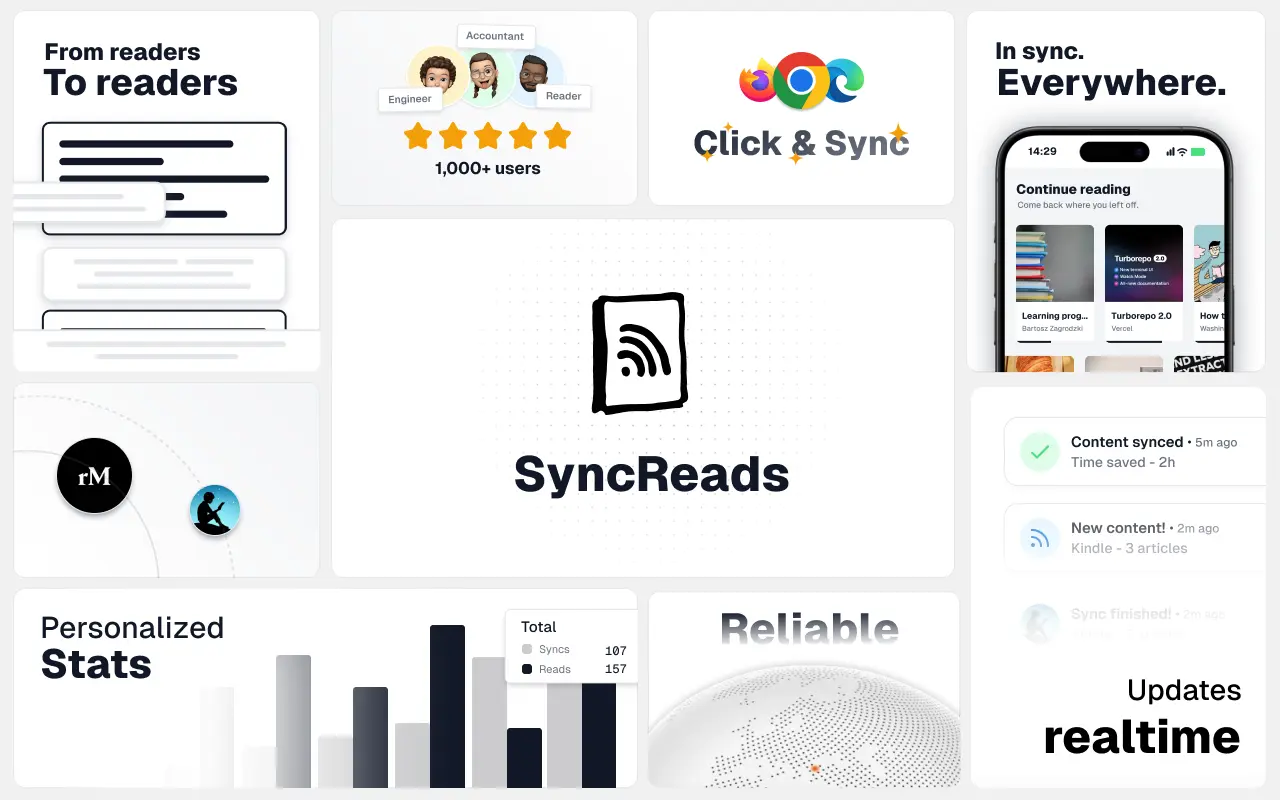
SyncReads
Sync your favorite content for distraction-free reading, save time and replace multiple apps. Anytime, anywhere 🔄
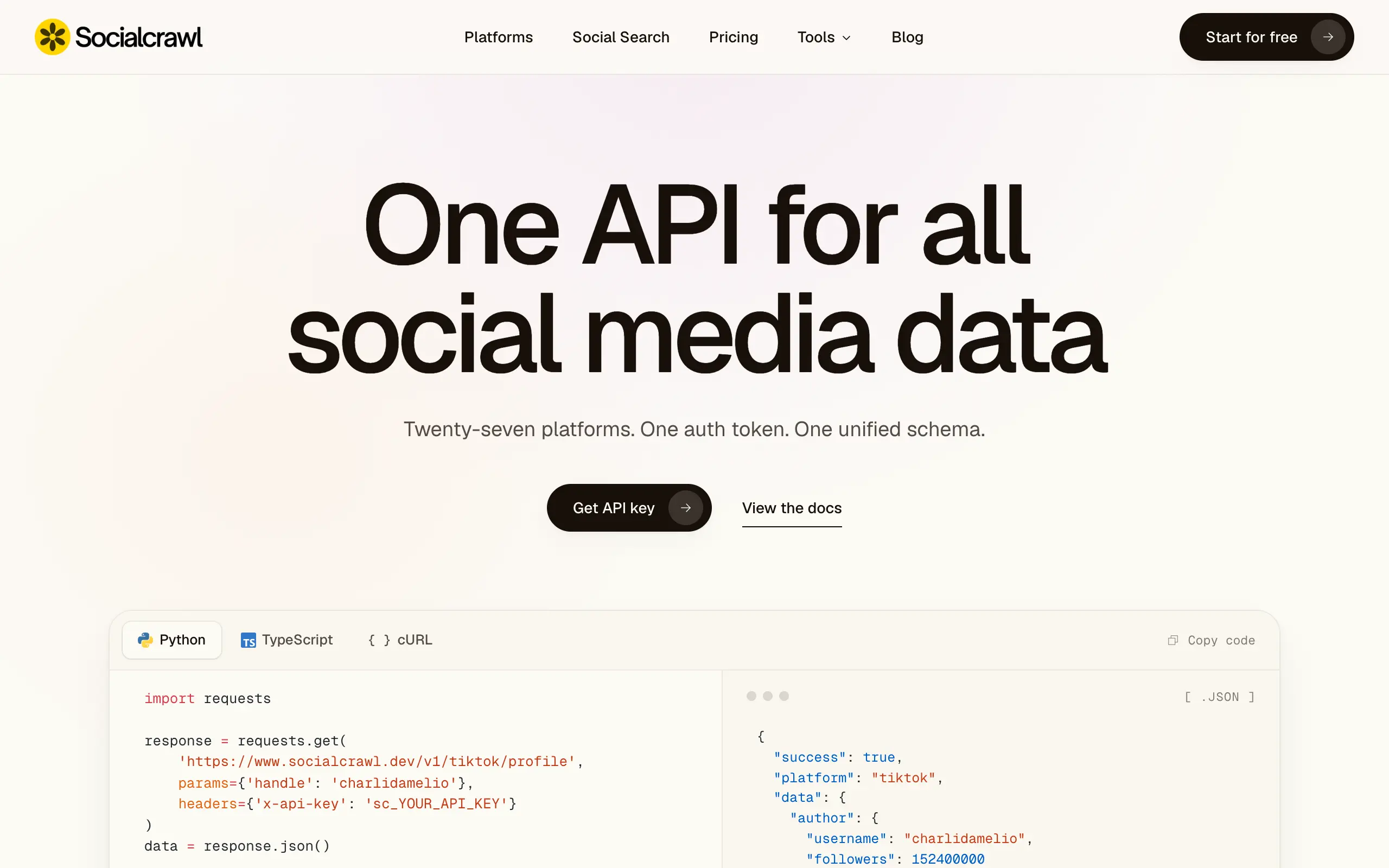
Socialcrawl
Get clean, structured data from 21 platforms like TikTok, Instagram, and YouTube with a single request 📊
Statiko
Monitor any Telegram channel in real time - track posts, edits, deletions, and growth with AI recaps 📡
Shibui
AI website builder - describe your business, pick a niche template, edit by chatting, and publish instantly ✨
Pro Service
Find verified home service professionals, compare quotes, and pay securely through escrow - built for Brazilians across the US 🏠
RankGrow
Fix your SEO with AI agents - connect Search Console, get prioritized tasks, and grow organic traffic 📈
SyncReads
Sync your favorite content for distraction-free reading, save time and replace multiple apps. Anytime, anywhere 🔄
Socialcrawl
Get clean, structured data from 21 platforms like TikTok, Instagram, and YouTube with a single request 📊
Statiko
Monitor any Telegram channel in real time - track posts, edits, deletions, and growth with AI recaps 📡
Shibui
AI website builder - describe your business, pick a niche template, edit by chatting, and publish instantly ✨
Pro Service
Find verified home service professionals, compare quotes, and pay securely through escrow - built for Brazilians across the US 🏠
RankGrow
Fix your SEO with AI agents - connect Search Console, get prioritized tasks, and grow organic traffic 📈
SyncReads
Sync your favorite content for distraction-free reading, save time and replace multiple apps. Anytime, anywhere 🔄
Socialcrawl
Get clean, structured data from 21 platforms like TikTok, Instagram, and YouTube with a single request 📊
Statiko
Monitor any Telegram channel in real time - track posts, edits, deletions, and growth with AI recaps 📡
Shibui
AI website builder - describe your business, pick a niche template, edit by chatting, and publish instantly ✨
Pro Service
Find verified home service professionals, compare quotes, and pay securely through escrow - built for Brazilians across the US 🏠
RankGrow
Fix your SEO with AI agents - connect Search Console, get prioritized tasks, and grow organic traffic 📈
SyncReads
Sync your favorite content for distraction-free reading, save time and replace multiple apps. Anytime, anywhere 🔄
Socialcrawl
Get clean, structured data from 21 platforms like TikTok, Instagram, and YouTube with a single request 📊
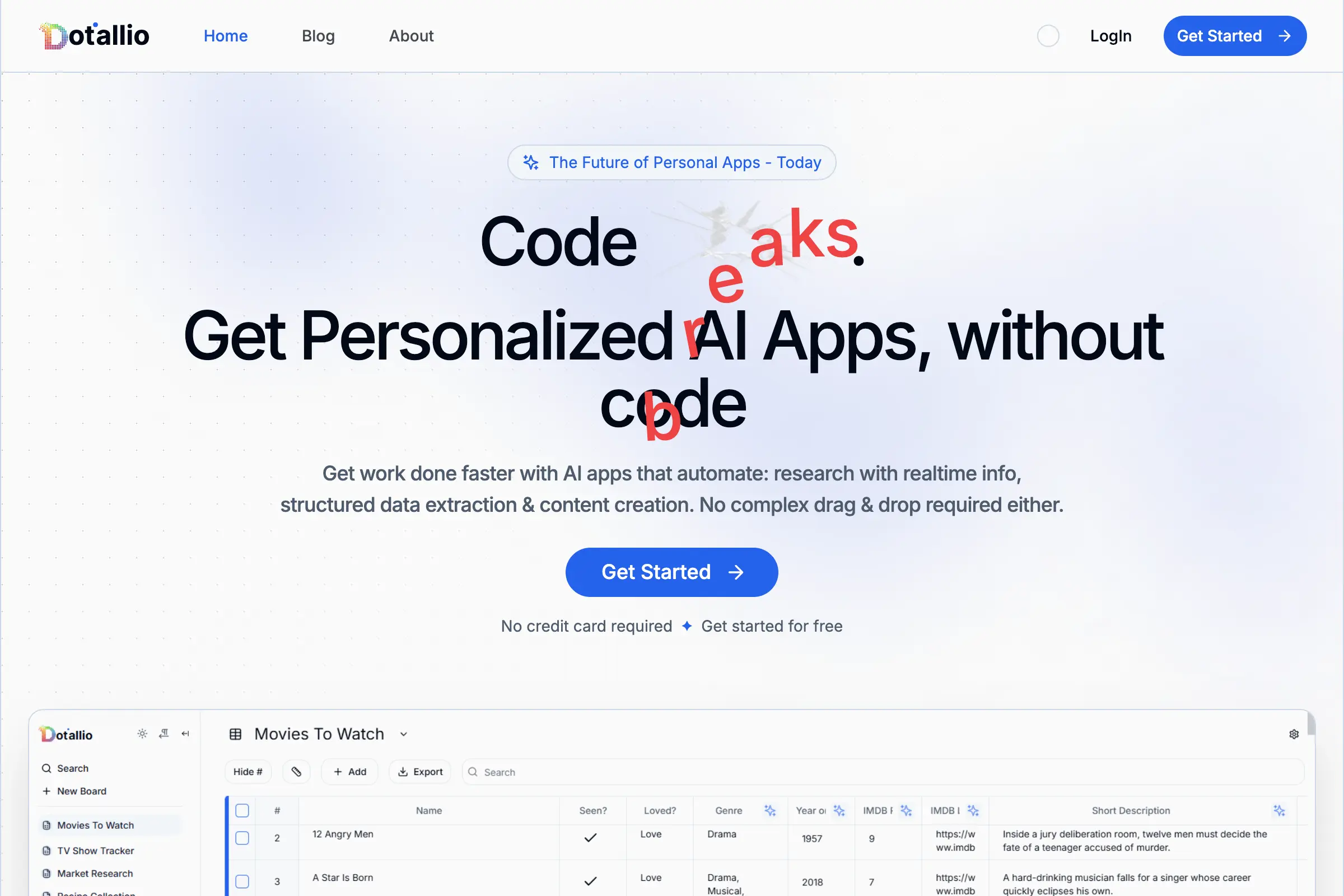
Dotallio
Personalized AI apps that automate research, data extraction, and content creation without code 🤖

Talk to Santa
Enjoy a magical live video chat or receive a unique AI-generated video greeting from Santa Claus 🎅
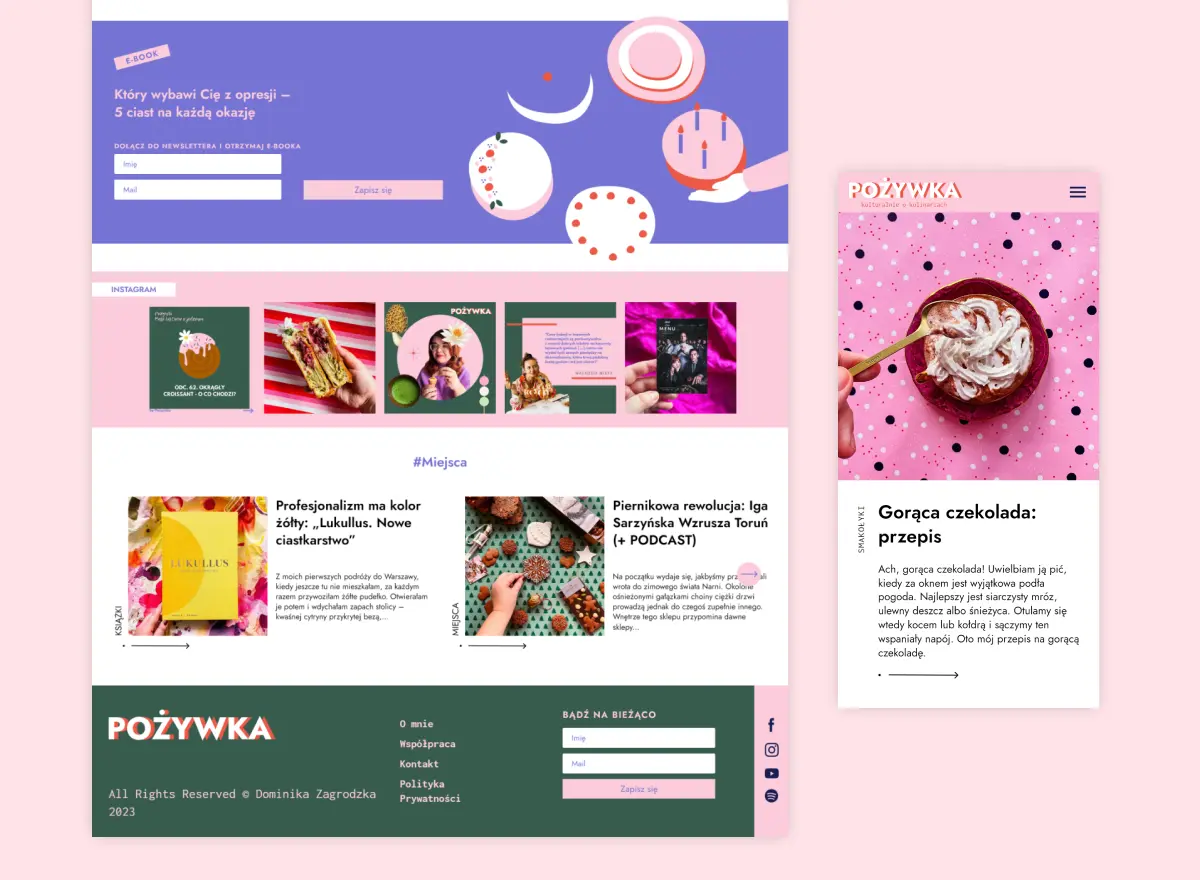
pozywka.pl
Scalable blog for food journalist, focused on performance and user experience 🌭
zagrodzki.me
Personal blog and portfolio of Bart Zagrodzki, where he shares his knowledge and work 💼
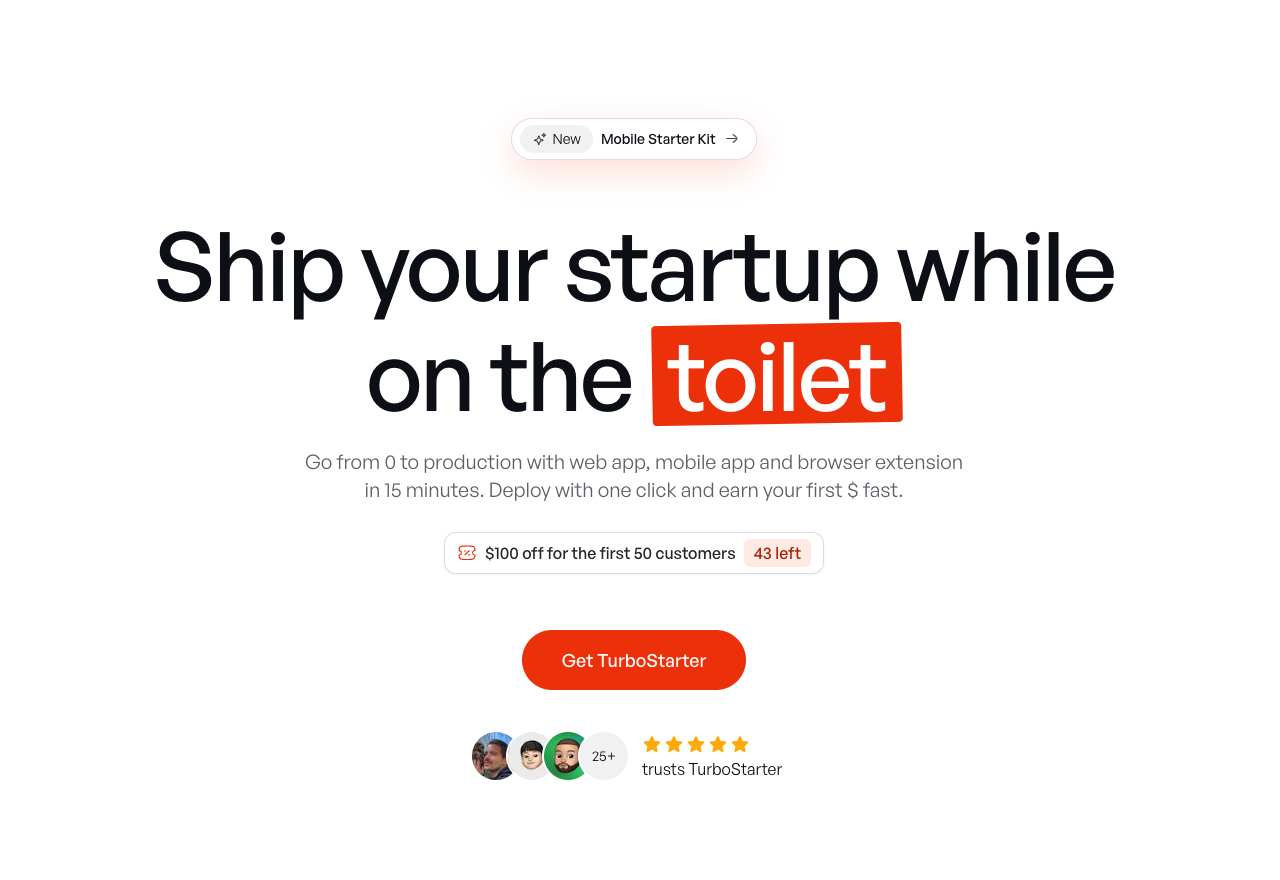
TurboStarter
Ship your startup everywhere. In minutes.
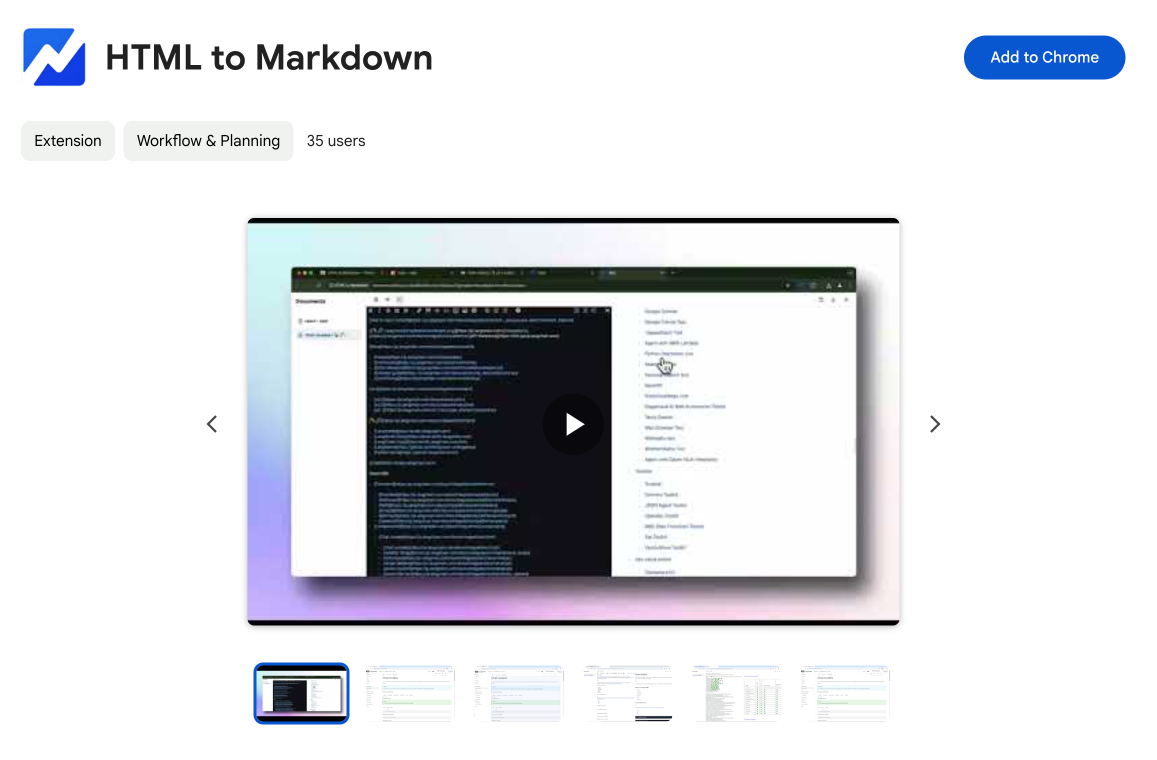
HTML to Markdown
Convert HTML to Markdown with ease, directly in your browser 📄
Dotallio
Personalized AI apps that automate research, data extraction, and content creation without code 🤖
Talk to Santa
Enjoy a magical live video chat or receive a unique AI-generated video greeting from Santa Claus 🎅
pozywka.pl
Scalable blog for food journalist, focused on performance and user experience 🌭
zagrodzki.me
Personal blog and portfolio of Bart Zagrodzki, where he shares his knowledge and work 💼
TurboStarter
Ship your startup everywhere. In minutes.
HTML to Markdown
Convert HTML to Markdown with ease, directly in your browser 📄
Dotallio
Personalized AI apps that automate research, data extraction, and content creation without code 🤖
Talk to Santa
Enjoy a magical live video chat or receive a unique AI-generated video greeting from Santa Claus 🎅
pozywka.pl
Scalable blog for food journalist, focused on performance and user experience 🌭
zagrodzki.me
Personal blog and portfolio of Bart Zagrodzki, where he shares his knowledge and work 💼
TurboStarter
Ship your startup everywhere. In minutes.
HTML to Markdown
Convert HTML to Markdown with ease, directly in your browser 📄
Dotallio
Personalized AI apps that automate research, data extraction, and content creation without code 🤖
Talk to Santa
Enjoy a magical live video chat or receive a unique AI-generated video greeting from Santa Claus 🎅
pozywka.pl
Scalable blog for food journalist, focused on performance and user experience 🌭
zagrodzki.me
Personal blog and portfolio of Bart Zagrodzki, where he shares his knowledge and work 💼
TurboStarter
Ship your startup everywhere. In minutes.
HTML to Markdown
Convert HTML to Markdown with ease, directly in your browser 📄
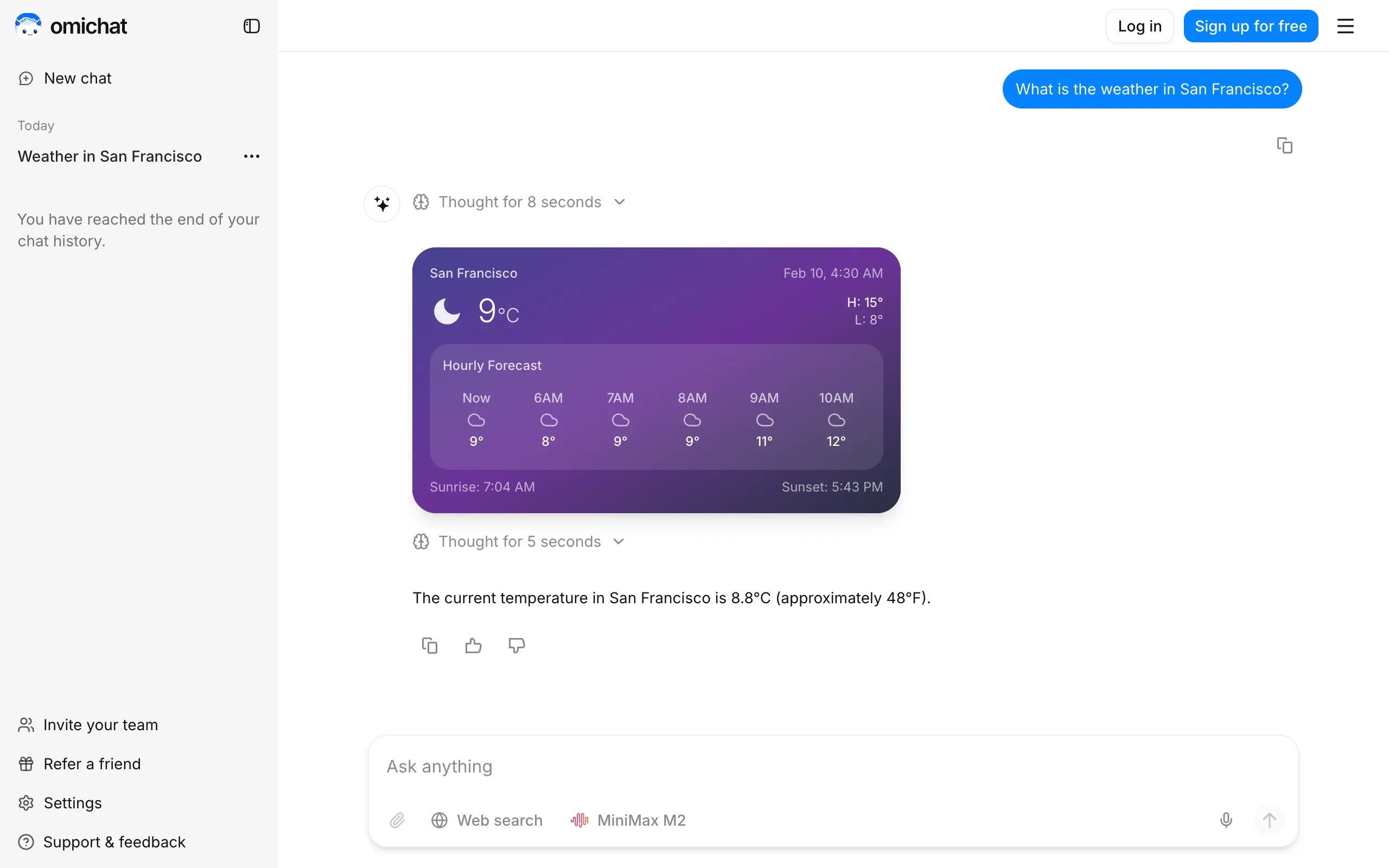
Omichat
Chat with 50+ AI models, including ChatGPT and Claude, in one place - switch models anytime without losing context 🤖
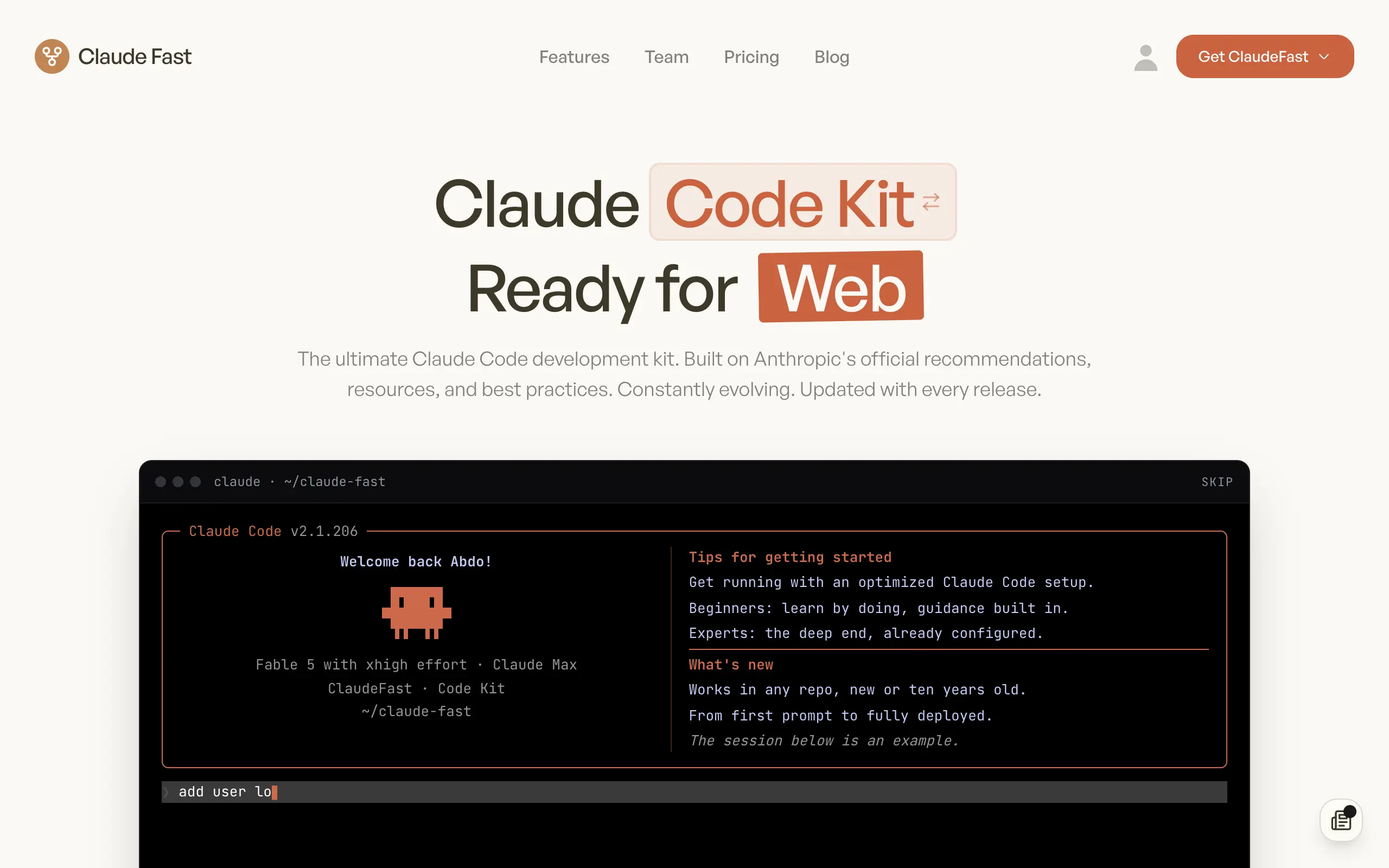
Claude Fast
Supercharge your Claude Code with 6x effective context window and specialized AI agents 🤖
EmojAI
AI-powered emoji picker with smart, context-aware suggestions 🤖
Solohacker
Autonomous company launcher - AI agents work 24/7, escalate what matters, and you stay in control 🤖

BeRawi: Storytelling Coach
Practice storytelling daily with instant feedback to sound clearer, more engaging, and confident 🎤
Omichat
Chat with 50+ AI models, including ChatGPT and Claude, in one place - switch models anytime without losing context 🤖
Claude Fast
Supercharge your Claude Code with 6x effective context window and specialized AI agents 🤖
EmojAI
AI-powered emoji picker with smart, context-aware suggestions 🤖
Solohacker
Autonomous company launcher - AI agents work 24/7, escalate what matters, and you stay in control 🤖
BeRawi: Storytelling Coach
Practice storytelling daily with instant feedback to sound clearer, more engaging, and confident 🎤
Omichat
Chat with 50+ AI models, including ChatGPT and Claude, in one place - switch models anytime without losing context 🤖
Claude Fast
Supercharge your Claude Code with 6x effective context window and specialized AI agents 🤖
EmojAI
AI-powered emoji picker with smart, context-aware suggestions 🤖
Solohacker
Autonomous company launcher - AI agents work 24/7, escalate what matters, and you stay in control 🤖
BeRawi: Storytelling Coach
Practice storytelling daily with instant feedback to sound clearer, more engaging, and confident 🎤
Omichat
Chat with 50+ AI models, including ChatGPT and Claude, in one place - switch models anytime without losing context 🤖
Claude Fast
Supercharge your Claude Code with 6x effective context window and specialized AI agents 🤖
EmojAI
AI-powered emoji picker with smart, context-aware suggestions 🤖
Solohacker
Autonomous company launcher - AI agents work 24/7, escalate what matters, and you stay in control 🤖
BeRawi: Storytelling Coach
Practice storytelling daily with instant feedback to sound clearer, more engaging, and confident 🎤

Connect with like-minded people
Join our community to get feedback, support, and grow together with 1,000+ builders on board, let's ship it!
Join usShip your startup everywhere. In minutes.
Don't burn tokens on setup and start building features on day one.