MessMind
An AI hostel mess companion that predicts crowd levels, collects anonymous meal feedback, and reduces food waste through smarter demand insights.
Why AI hostel mess management software is a timely SaaS opportunity
Hostel dining is an operational problem hiding in plain sight. Every day, mess managers must decide how much food to prepare before they know who will show up, what students will eat, whether a menu item will be accepted, or whether an event, exam, rainstorm, holiday, or timetable change will alter attendance.
The result is predictable:
- Overproduction creates food waste and inflated ingredient costs.
- Underproduction creates long queues, dissatisfied residents, and emergency cooking.
- Manual registers and informal feedback channels provide incomplete information.
- Students often complain in group chats, but mess teams receive little structured, actionable insight.
- Administrators struggle to demonstrate measurable improvements in food quality, waste reduction, and resident satisfaction.
MessMind is an AI hostel mess companion designed to solve this gap. It predicts crowd levels, gathers anonymous meal feedback, and turns daily dining behavior into smarter demand insights. Rather than replacing the mess staff, the product helps them make better operational decisions before food is cooked.
The strongest positioning is not “another campus feedback app.” MessMind should be positioned as AI hostel mess management software for demand forecasting, meal feedback, queue reduction, and food waste control.
That positioning speaks to the people who control budgets and operations while still serving the people who experience the mess every day: students.
The central value proposition
MessMind helps hostel mess teams prepare the right amount of food, at the right time, for the people most likely to dine.
The hostel mess problem MessMind should solve
A hostel mess operates under uncertainty. Unlike a restaurant, it may have a fixed resident population but highly variable attendance. Students skip meals, order delivery, leave campus for weekends, attend classes at different times, fast, travel home, or avoid specific menu items.
A mess manager may know that 800 students live in a hostel, but that does not mean 800 students will attend lunch. The usable question is much more specific:
How many students are likely to arrive during each meal window, and what quantity of each dish should the kitchen prepare?
Traditional approaches rarely answer that question reliably. Most hostels depend on staff intuition, attendance sheets, broad historical averages, or a fixed cooking quantity. These methods can work when demand is stable, but demand in student housing is rarely stable.
MessMind can transform disconnected daily signals into an operational forecast. Useful signals can include:
- Historical meal attendance by weekday and meal period
- Hostel occupancy and student check-in patterns
- Academic calendar events
- Semester breaks and long weekends
- Campus events and sports fixtures
- Weather conditions where relevant
- Menu category and popularity
- Meal feedback trends
- Early RSVP or “I’m eating” intent signals
- Previous waste quantities
- Delivery and takeaway preference patterns
The product does not need perfect prediction to create value. Even a modest improvement in demand planning can reduce waste, improve service speed, and help kitchens avoid avoidable last-minute cooking.
Target audience for an AI hostel mess companion
MessMind has a multi-sided customer base. The end users, economic buyers, and operational champions are different people, so the product must speak differently to each group.
Primary economic buyers
The most likely paying customers are institutions and operators responsible for dining budgets.
- Private universities with residential campuses
- Engineering colleges and medical colleges
- Hostel chains and student housing operators
- Boarding schools with dining facilities
- Coaching institutes with residential accommodation
- Corporate training campuses
- Managed accommodation providers
- Facility management companies running institutional kitchens
These buyers care about operational efficiency, resident satisfaction, compliance, vendor management, and reputational risk. They need dashboards, reports, cost visibility, and evidence that the platform produces tangible outcomes.
Daily operational users
The people who use MessMind most frequently should have low-friction workflows.
- Mess managers
- Kitchen supervisors
- Caterer operations teams
- Food production planners
- Hostel wardens
- Facility administrators
- Student dining committee members
For this audience, the software must be simpler than a spreadsheet. A forecast that requires ten manual inputs each day will fail. A daily screen that says “expected lunch attendance: 612 to 680” and highlights likely high-demand dishes is useful.
Student participants
Students are not always the buyers, but their participation determines data quality. They need a clear reason to engage.
Students may use MessMind to:
- View the daily menu
- Check likely crowd levels before walking to the mess
- Submit anonymous meal ratings
- Flag hygiene, quality, or availability issues
- Vote on menu preferences
- Receive notification updates for special meals
- Report when food runs out
- See whether feedback led to visible changes
The student experience should be lightweight, mobile-first, and respectful of privacy. If students believe feedback could be traced back to them, they may avoid honest responses.
Decision-making matrix
| Audience | Core pain | MessMind value | Success signal | Buying influence |
|---|---|---|---|---|
| Mess manager | Uncertain demand | Daily crowd forecast | Less emergency cooking | High |
| Administrator | Waste and complaints | Reports and trends | Lower cost per meal | Very high |
| Student | Queues and poor quality | Menu and anonymous feedback | Better dining experience | Medium |
| Caterer | Production planning | Demand insights | Predictable preparation | High |
Market gap in hostel food waste management
There are many products for restaurant point-of-sale systems, food delivery, employee cafeteria management, and general survey collection. However, these tools do not directly solve the operational realities of a hostel mess.
A restaurant POS system measures transactions, but many hostel meals are prepaid or included in accommodation fees. A generic survey product collects feedback, but it does not connect responses to menu performance, predicted attendance, food preparation quantity, or waste. A QR attendance tool can count entries, but it cannot tell a kitchen team what to prepare tomorrow.
This creates a meaningful product gap for hostel food waste management software that combines three jobs in one workflow:
- Predict expected attendance before meal service.
- Capture structured experience data after service.
- Help teams adjust preparation quantities and menus over time.
The opportunity is especially compelling where institutions operate high-volume kitchens and have recurring meal schedules. Every meal becomes another data point. Over a semester, this creates a valuable dataset around attendance, preferences, waste, seasonal patterns, and menu acceptance.
Why timing matters now
Several trends make MessMind more practical than it would have been a few years ago.
- AI forecasting models are easier to deploy through managed cloud platforms.
- QR-based participation is familiar to students.
- Institutions are under greater pressure to document sustainability initiatives.
- Food inflation makes overproduction more financially visible.
- Mobile-first SaaS products are easier for campus teams to adopt.
- Anonymous digital feedback is more useful than paper suggestion boxes.
- Modern analytics tools make it feasible to give each hostel a separate operational view.
For market validation, the MessMind team should cite trusted sources such as United Nations Environment Programme food waste research, government higher-education statistics, and institutional sustainability reports. Rather than using broad claims without evidence, publish pilot-specific metrics such as “meal waste reduced by 14% over eight weeks” only when measured through a documented baseline and methodology.
How MessMind works as AI hostel mess management software
The core product should translate uncertainty into practical daily recommendations. It should never overwhelm a kitchen manager with machine-learning terminology.
The interface needs to answer practical questions:
- How crowded will breakfast, lunch, and dinner be?
- When will the peak arrive?
- How much should we prepare?
- Which dishes are likely to be unpopular?
- Did yesterday’s preparation exceed actual demand?
- Are complaints rising around a specific meal, dish, or location?
- What action should the manager take tomorrow?
Crowd prediction and demand forecasting
The flagship capability is meal demand forecasting. MessMind can forecast dining volume at several levels:
- Meal level, such as breakfast, lunch, snacks, and dinner
- Time-slot level, such as 12:30 PM to 1:00 PM
- Hostel block level for campuses with multiple messes
- Menu-item level for high-cost dishes or special meals
- Day-level and weekly-level demand planning
A useful prediction is not simply one number. It should include a range and a confidence level. For example, a manager may see:
Lunch attendance is expected to be between 540 and 610 students, with peak arrival between 1:05 PM and 1:35 PM.
That recommendation is much more operationally useful than a vague statement that lunch will be busy.
Forecasting can begin with simple models. For early pilots, a weighted historical average by weekday, meal type, menu category, and calendar context may outperform a complex model trained on sparse data. As data accumulates, the platform can add gradient-boosting models, time-series approaches, or ensemble forecasts.
The key principle is simple: start with explainable predictions, then improve accuracy with data.
Anonymous meal feedback
Feedback collection should be fast enough to complete in seconds. A student should not need to create a long-form complaint just to rate lunch.
A post-meal prompt can ask:
- How was the meal overall?
- Was the food quantity sufficient?
- How was the taste?
- How was the hygiene?
- Was the menu item available?
- Would you choose this dish again?
An optional text box can capture qualitative context. The platform can use AI-assisted categorization to group feedback into themes such as taste, temperature, hygiene, quantity, variety, service speed, and staff behavior.
To protect trust, anonymous feedback must be genuinely anonymous at the reporting layer. MessMind should avoid showing staff raw data that could identify a respondent through a timestamp, room number, or an unusually narrow filter.
Food waste tracking and smarter preparation
The waste module should not require expensive equipment in its first version. A mess can start with a simple daily workflow:
- Record prepared quantity by meal or dish.
- Record estimated leftovers after service.
- Record plate waste where operationally feasible.
- Add special conditions, such as a festival or low attendance.
- Compare the result with the forecast and actual attendance.
The system can then identify recurring patterns. If rice is consistently overproduced on Saturday dinner while a particular curry runs out on Wednesday lunch, the manager receives a data-backed recommendation.
Over time, MessMind can support more advanced workflows such as weighing bins, integrating smart scales, importing kitchen inventory data, or connecting with access-control systems.
Queue and crowd visibility
Students care about queues because a long lunch queue can consume most of a short academic break. MessMind can create estimated crowd labels such as:
- Low crowd
- Moderate crowd
- High crowd
- Peak expected soon
A simple student-facing indicator may be enough in the first version. Later, live crowd estimates can be improved with entry counts, QR scans, Wi-Fi density signals where privacy policies allow, or staff updates.
The product should be careful not to make promises it cannot meet. “Estimated crowd level” is safer and more trustworthy than claiming live occupancy without a reliable real-time sensor.
Core features for a strong MessMind MVP
A focused MVP is more valuable than a broad platform with weak adoption. The first release should prioritize the smallest set of features that can prove operational ROI.
Daily forecast dashboard
Show expected attendance, crowd windows, confidence range, and preparation recommendations for each meal.
Student menu and feedback
Give residents a QR-accessible menu, quick rating flow, and optional anonymous issue reporting.
Waste log
Track prepared quantity, leftovers, plate waste estimates, and notes about unusual conditions.
Operations analytics
Show trend lines for attendance, satisfaction, menu performance, waste, and forecast accuracy.
Essential MVP requirements
- Role-based access for administrators, managers, staff, and students
- Multi-hostel or multi-mess support
- Daily menu publishing
- QR-code access to the student web app
- Anonymous feedback configuration
- Manual attendance input and optional CSV import
- Forecast versus actual attendance tracking
- Basic food waste logs
- Weekly reporting
- Exportable reports for management review
- Notification support for menu updates and service announcements
- Audit history for operational edits
Features to defer until product-market fit
Avoid building every possible integration before validating whether mess teams will use the core workflow.
- Smart hardware integrations
- Full inventory management
- Advanced procurement automation
- Deep ERP integrations
- Computer vision for tray analysis
- Public student social feeds
- Complex reward systems
- Fully automated menu creation
These can become expansion modules once MessMind has demonstrated repeatable adoption and measurable savings.
Recommended technology stack for MessMind
MessMind needs a stack that supports rapid iteration, secure multi-tenancy, analytics, and future AI workflows. A web-first application is usually the best starting point because students can access it through a QR code without installing an app.
Frontend and product experience
Use React with Next.js for the application layer. This combination supports server rendering, route handling, API endpoints, and a fast path to a polished dashboard.
For styling, Tailwind CSS is a practical choice because it enables consistent responsive UI development without maintaining a large custom stylesheet. For dashboards and forms, prioritize accessibility, large tap targets, and clear data visualization over decorative complexity.
A progressive web app approach is ideal for student access. It keeps onboarding friction low while allowing an app-like experience on mobile devices.
Backend, database, and authentication
A strong early-stage architecture can include:
- PostgreSQL for structured operational data
- Prisma for type-safe database access
- Supabase for managed Postgres, authentication, storage, and real-time features
- Auth.js if a custom authentication layer is preferred
- Stripe for subscription billing in markets where it fits the payment model
PostgreSQL is especially suitable because MessMind data is relational. Institutions contain hostels, hostels contain messes, messes contain meal schedules, and meals contain forecasts, attendance, feedback, and waste records.
A multi-tenant schema must be planned from day one. Every operational record should be scoped to an organization and, where relevant, a campus, hostel, and mess.
AI and forecasting layer
For early AI functionality, use a hybrid approach.
- Start with deterministic business rules and historical averages.
- Add Python forecasting services as data volume grows.
- Keep model outputs explainable in the user interface.
- Store forecast inputs, predictions, and actual results for evaluation.
- Monitor forecast error by meal, site, and calendar scenario.
Python is well suited to data processing and forecasting. The product team can use libraries such as pandas and scikit-learn, while avoiding an unnecessary machine-learning platform during the MVP stage.
Generative AI can assist with feedback summarization, issue categorization, and report drafting. However, it should not be responsible for critical operational numbers without validation. Quantitative forecasts should come from tested forecasting pipelines, not a conversational model.
Architecture trade-offs
Use a Next.js application with Supabase, manual data entry, QR-linked feedback, and scheduled forecast jobs. This minimizes infrastructure overhead and is appropriate for validating a pilot with one to five institutions.
Separate analytics and forecasting workloads from the transactional application as usage grows. Introduce a job queue, warehouse-friendly event tracking, tenant-level access controls, and model monitoring before onboarding dozens of campuses.
Do not begin with microservices, custom Kubernetes infrastructure, or a hardware-heavy setup. Operational adoption is the first risk, not cloud scaling.
For founders who want a production-oriented SaaS foundation rather than assembling authentication, billing, dashboard patterns, and deployment workflows from scratch, TurboStarter can shorten the path to a validated product.
Monetization strategy for MessMind
The best pricing model should align with the customer’s measurable value. Because food service volume differs widely by institution, a flat consumer-style plan may leave revenue on the table for large campuses while being too expensive for smaller hostels.
Recommended B2B SaaS pricing model
A tiered annual subscription is likely the most practical approach.
- "Starter": one hostel or one mess, core feedback, menu publishing, and basic reporting.
- "Growth": multiple messes, demand forecasting, waste tracking, role-based access, and scheduled reports.
- "Enterprise": multi-campus reporting, integrations, custom data retention, SLA commitments, onboarding, and dedicated support.
Price can be based on one of these units:
- Per active resident per month
- Per mess location per month
- Per campus per year
- A platform fee plus usage-based resident bands
For Indian educational institutions, annual invoicing and a pilot-to-contract sales motion may be more realistic than self-serve monthly billing. Procurement cycles can be slow, so a paid pilot with clearly defined success metrics is often easier to approve than a large long-term commitment.
Additional revenue opportunities
- Implementation and data migration fees
- Managed onboarding for caterers
- White-label student portal licensing
- Hardware integration fees
- Sustainability reporting add-ons
- Procurement forecasting modules
- API access for large institutions
- Premium analytics for university leadership
The most credible commercial conversation should focus on avoidable waste, operational control, and student experience. Do not sell AI as a novelty. Sell a measurable improvement in dining operations.
Competitive advantage and MessMind’s unique selling proposition
MessMind can stand out by connecting signals that are usually isolated.
A generic feedback platform can show complaints. A generic attendance system can count entries. A spreadsheet can record leftovers. But MessMind’s competitive advantage is the ability to connect these inputs into a daily decision loop:
Predict demand, prepare intelligently, collect feedback, measure the result, and improve tomorrow’s plan.
That is the product’s durable USP.
Defensible advantages to build
- Domain-specific forecasting for hostel meal patterns
- Historical dataset linking menu, attendance, feedback, and waste
- Workflow design tailored to mess managers rather than office teams
- Anonymous student feedback with actionable categorization
- Institution-level reporting for sustainability and operations leaders
- Multi-location benchmarking for hostel chains
- Localized menu support and regional meal patterns
- Strong onboarding playbooks for institutional kitchens
The moat will not come from having an AI feature alone. Forecasting technology is increasingly accessible. The defensible asset is a trusted, clean, domain-specific dataset combined with embedded daily workflows.
Risks and mitigation for an AI hostel mess platform
Every SaaS idea in institutional operations has execution risks. Addressing them early improves product credibility and makes pilots easier to sell.
Data quality risk
Forecasts are only as useful as the data feeding them. If attendance and waste logs are inconsistent, the model will be unreliable.
Mitigation includes:
- Start with simple data requirements.
- Use defaults when fields are missing.
- Build quick-entry mobile workflows for staff.
- Show data completeness indicators.
- Compare forecasts against actuals each day.
- Reward consistent operational reporting with useful reports.
Low student participation risk
Students may ignore another campus app.
Mitigation includes:
- Make participation possible through a QR code.
- Keep ratings to one or two taps.
- Show daily menus and crowd estimates as immediate value.
- Communicate visible actions taken from feedback.
- Avoid excessive notifications.
- Consider opt-in incentives only after validating that they do not distort responses.
Privacy and trust risk
Anonymous feedback can lose credibility if students suspect monitoring.
Mitigation includes:
- Publish a clear privacy policy.
- Minimize personal data collection.
- Separate identity information from feedback data where possible.
- Aggregate small groups to prevent re-identification.
- Limit staff access by role.
- Define retention periods for sensitive data.
- Obtain institutional legal review before using Wi-Fi or access-control data.
Change management risk
Kitchen teams may see software as extra administrative work.
Mitigation includes:
- Design the manager dashboard around daily decisions.
- Use local language support where appropriate.
- Train one operational champion per site.
- Begin with one meal period or one hostel.
- Share early wins in weekly review meetings.
- Reduce manual work wherever integrations are available.
Sales cycle risk
Universities and hostel operators can have lengthy approval processes.
Mitigation includes:
- Offer a time-bound pilot.
- Provide a simple ROI framework.
- Secure a mess manager champion before approaching leadership.
- Create procurement-ready security and privacy documentation.
- Maintain a case-study format that shows baseline, intervention, and results.
A single hostel mess with stable meal schedules, a cooperative manager, and enough daily volume to measure waste is ideal. Avoid launching first in a highly fragmented campus with multiple vendors and no operational owner.
No. Biometric data can create privacy and integration barriers. Start with manual counts, QR entry, existing access logs, or aggregated attendance data. Add deeper integrations only when the institution has a clear legal and operational basis.
Yes. Early pilots can use estimated leftover bands or simple kitchen logs. Precise weighing improves measurement quality, but it should not block initial adoption.
Actionable implementation roadmap
The fastest route to validation is not building every planned feature. It is proving that MessMind can improve one operational decision for one real mess.
Define a pilot success scorecard with baseline attendance, estimated waste, complaints, queue perception, and current preparation practices.
Interview at least 10 mess managers, caterer supervisors, wardens, and student representatives to map their daily workflow and identify data already available.
Build the MVP around menu publishing, anonymous feedback, manual actual-attendance logging, daily forecasts, and a simple waste tracker.
Run a four-to-eight-week pilot with one institution. Review predictions daily and conduct a weekly operations review with the manager.
Measure outcomes against the baseline. Focus on forecast accuracy, waste trend, satisfaction trend, staff time saved, and repeat usage.
Turn validated results into a case study, refine onboarding, and sell the next institutions using a repeatable pilot package.
A practical MVP data model might look like this:
type MealService = {
  organizationId: string;
  messId: string;
  serviceDate: string;
  mealType: "breakfast" | "lunch" | "dinner";
  predictedAttendance: number;
  lowerBound: number;
  upperBound: number;
  actualAttendance?: number;
  preparedQuantityKg?: number;
  leftoverQuantityKg?: number;
};

type MealFeedback = {
  mealServiceId: string;
  overallRating: number;
  tasteRating?: number;
  hygieneRating?: number;
  quantitySufficient?: boolean;
  anonymousComment?: string;
};
The most important product metric is not total sign-ups. It is whether mess teams consistently use the forecast before preparation and whether the forecast leads to a better operational outcome.
Final perspective on building MessMind
MessMind addresses a real operational inefficiency in student dining: kitchens make high-volume production decisions with incomplete demand information. By combining crowd prediction, anonymous meal feedback, and food waste intelligence, the platform can help institutions create a more responsive and sustainable mess experience.
The winning version of MessMind will be operationally practical, privacy-conscious, and focused on measurable results. It should make a mess manager’s day easier in under a minute, not introduce another complicated dashboard to maintain.
Start with one meal, one hostel, and one measurable goal. If MessMind can reliably help a kitchen prepare closer to actual demand while giving students a credible voice, it has a strong foundation for becoming essential AI hostel mess management software.
More 🤖 AI Startup SaaS ideas
Discover more innovative ai startup SaaS ideas that are trending in 2026. Each idea is AI-generated with market validation and growth potential to help you find your next profitable venture faster than competitors.
Your competitors are building with TurboStarter
Below are some of the SaaS ideas that have been generated and built with our starter kit.
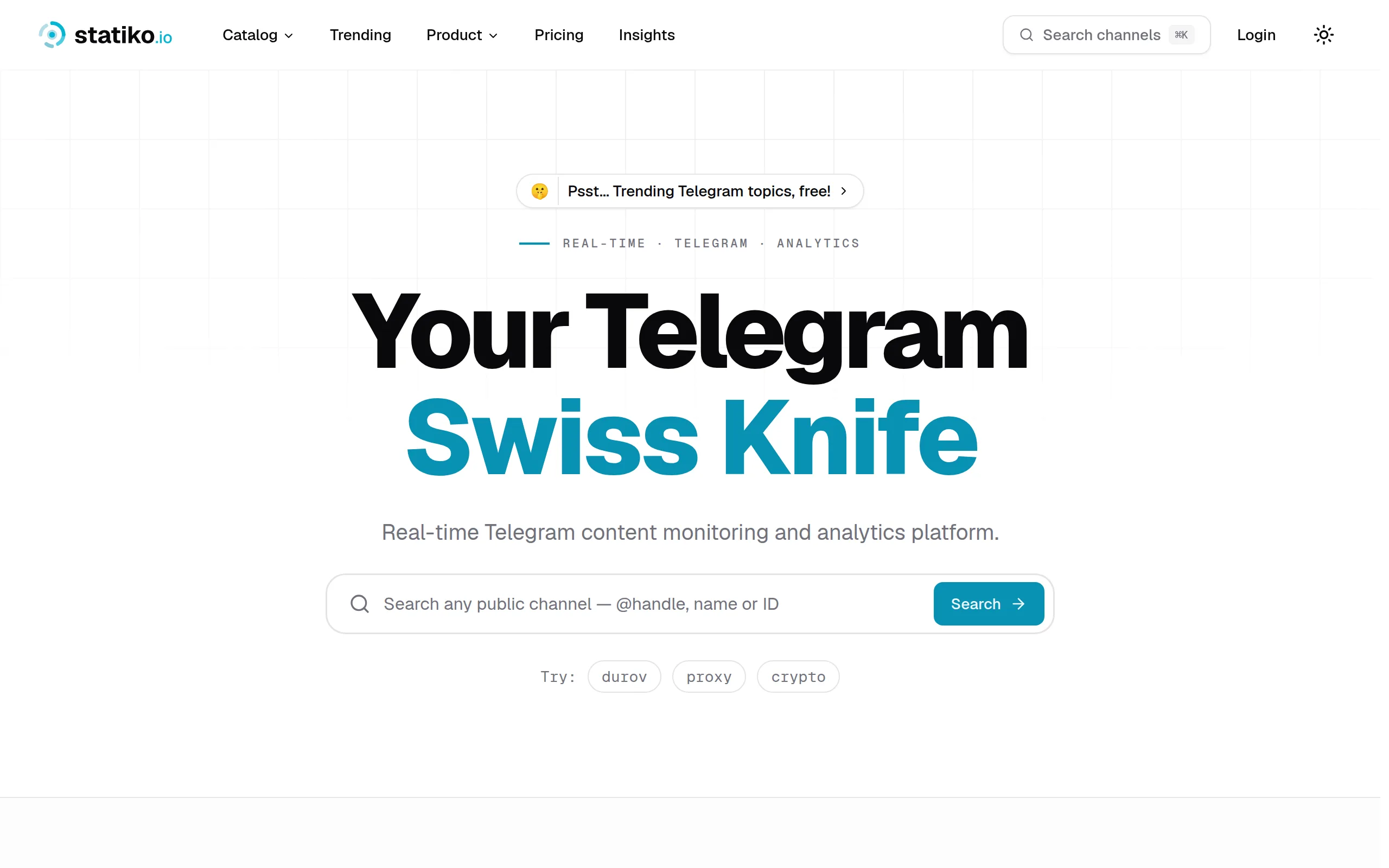
Statiko
Monitor any Telegram channel in real time - track posts, edits, deletions, and growth with AI recaps 📡

Shibui
AI website builder - describe your business, pick a niche template, edit by chatting, and publish instantly ✨

Pro Service
Find verified home service professionals, compare quotes, and pay securely through escrow - built for Brazilians across the US 🏠
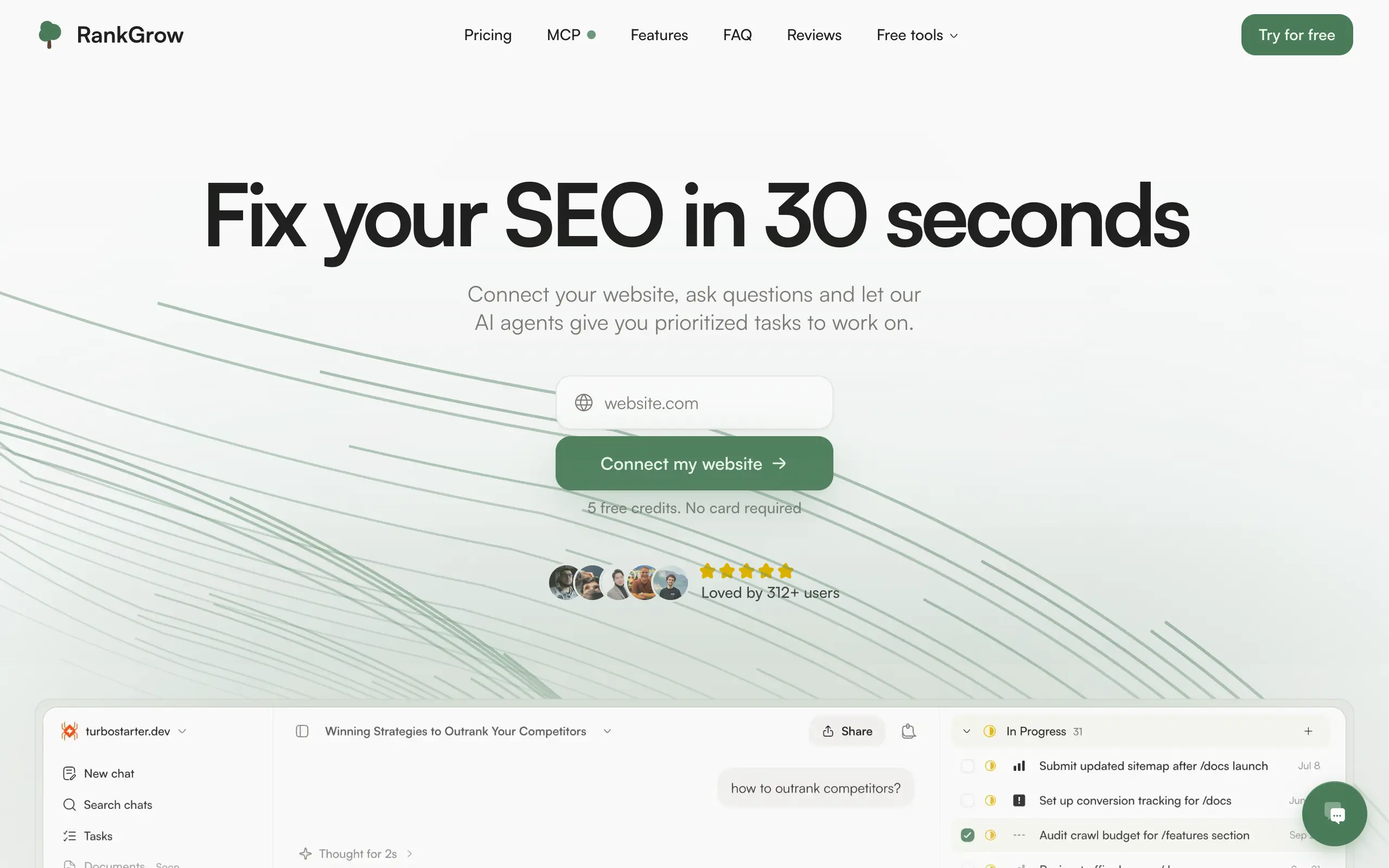
RankGrow
Fix your SEO with AI agents - connect Search Console, get prioritized tasks, and grow organic traffic 📈
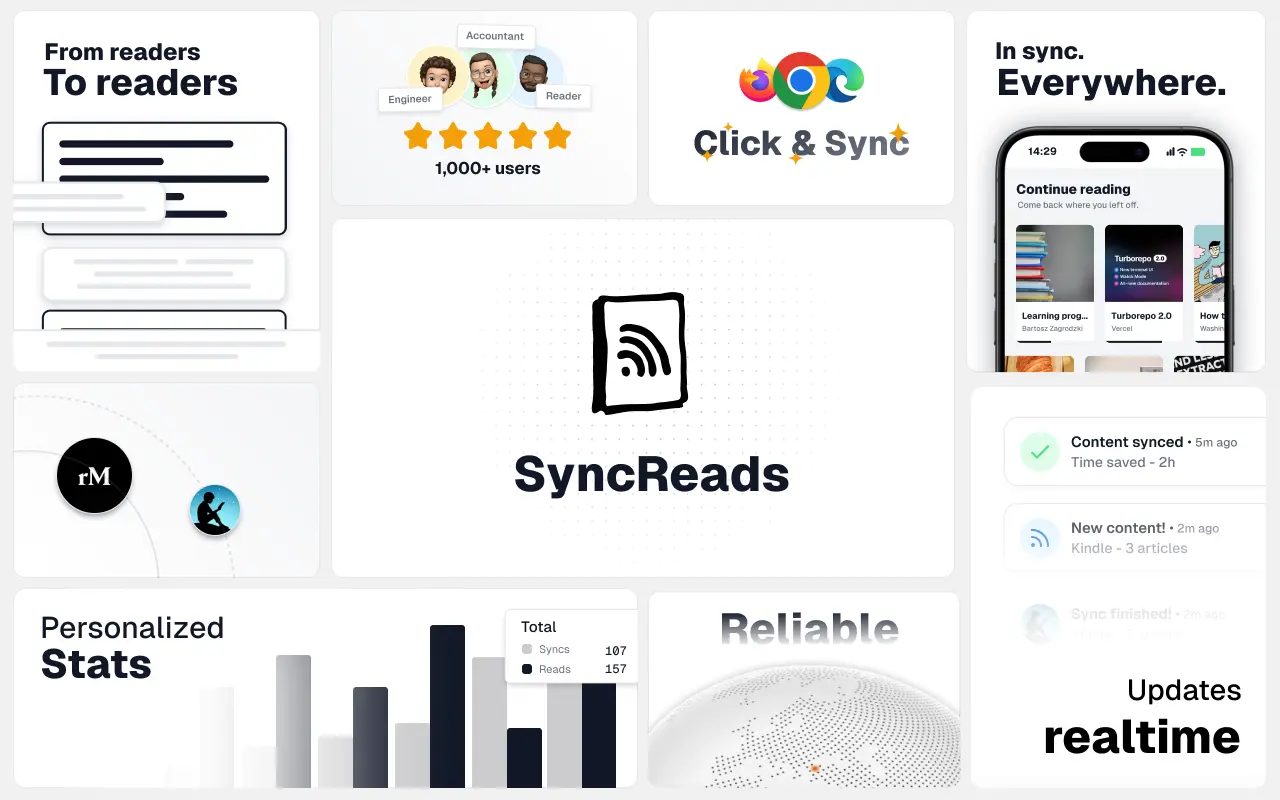
SyncReads
Sync your favorite content for distraction-free reading, save time and replace multiple apps. Anytime, anywhere 🔄
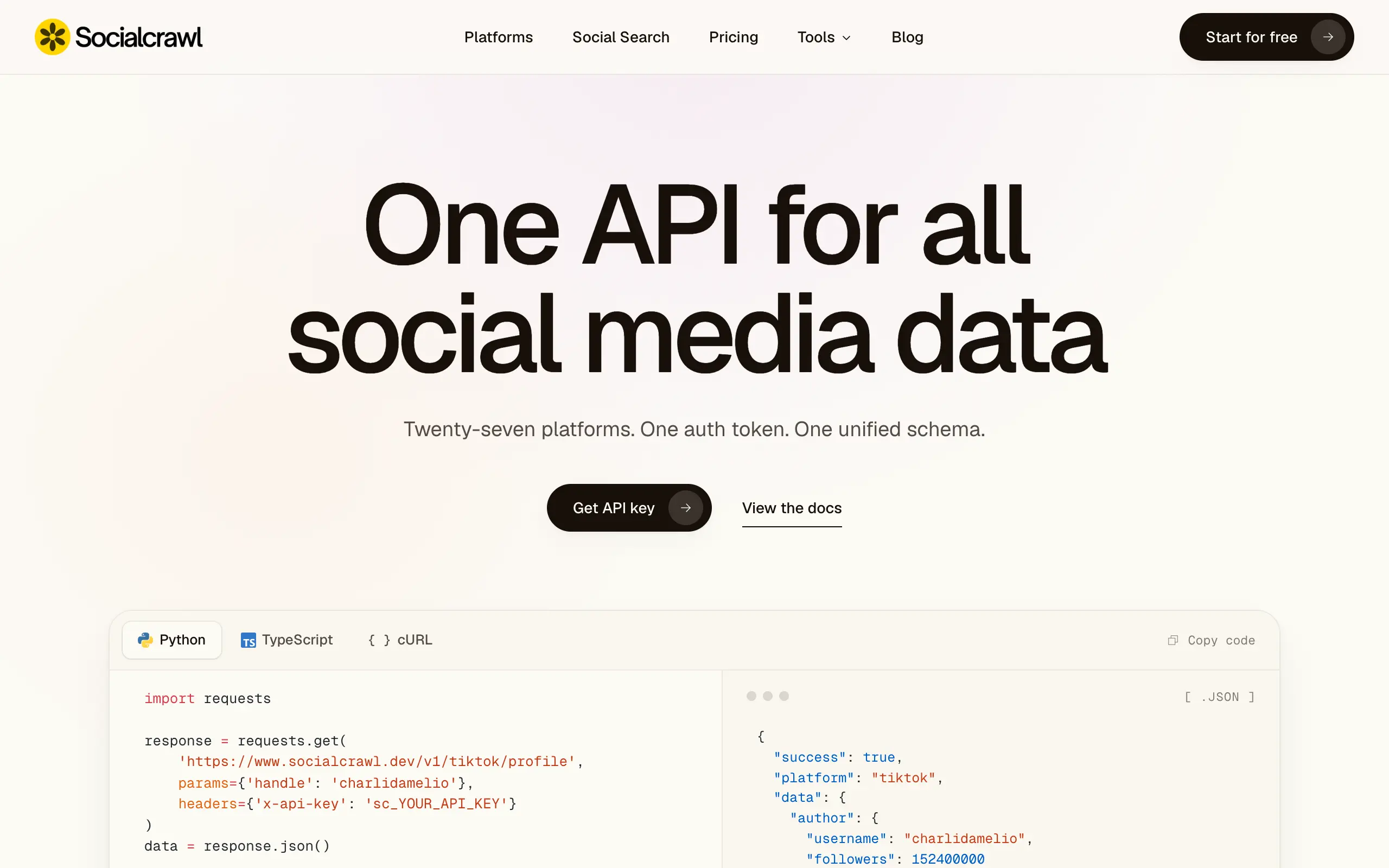
Socialcrawl
Get clean, structured data from 21 platforms like TikTok, Instagram, and YouTube with a single request 📊
Statiko
Monitor any Telegram channel in real time - track posts, edits, deletions, and growth with AI recaps 📡
Shibui
AI website builder - describe your business, pick a niche template, edit by chatting, and publish instantly ✨
Pro Service
Find verified home service professionals, compare quotes, and pay securely through escrow - built for Brazilians across the US 🏠
RankGrow
Fix your SEO with AI agents - connect Search Console, get prioritized tasks, and grow organic traffic 📈
SyncReads
Sync your favorite content for distraction-free reading, save time and replace multiple apps. Anytime, anywhere 🔄
Socialcrawl
Get clean, structured data from 21 platforms like TikTok, Instagram, and YouTube with a single request 📊
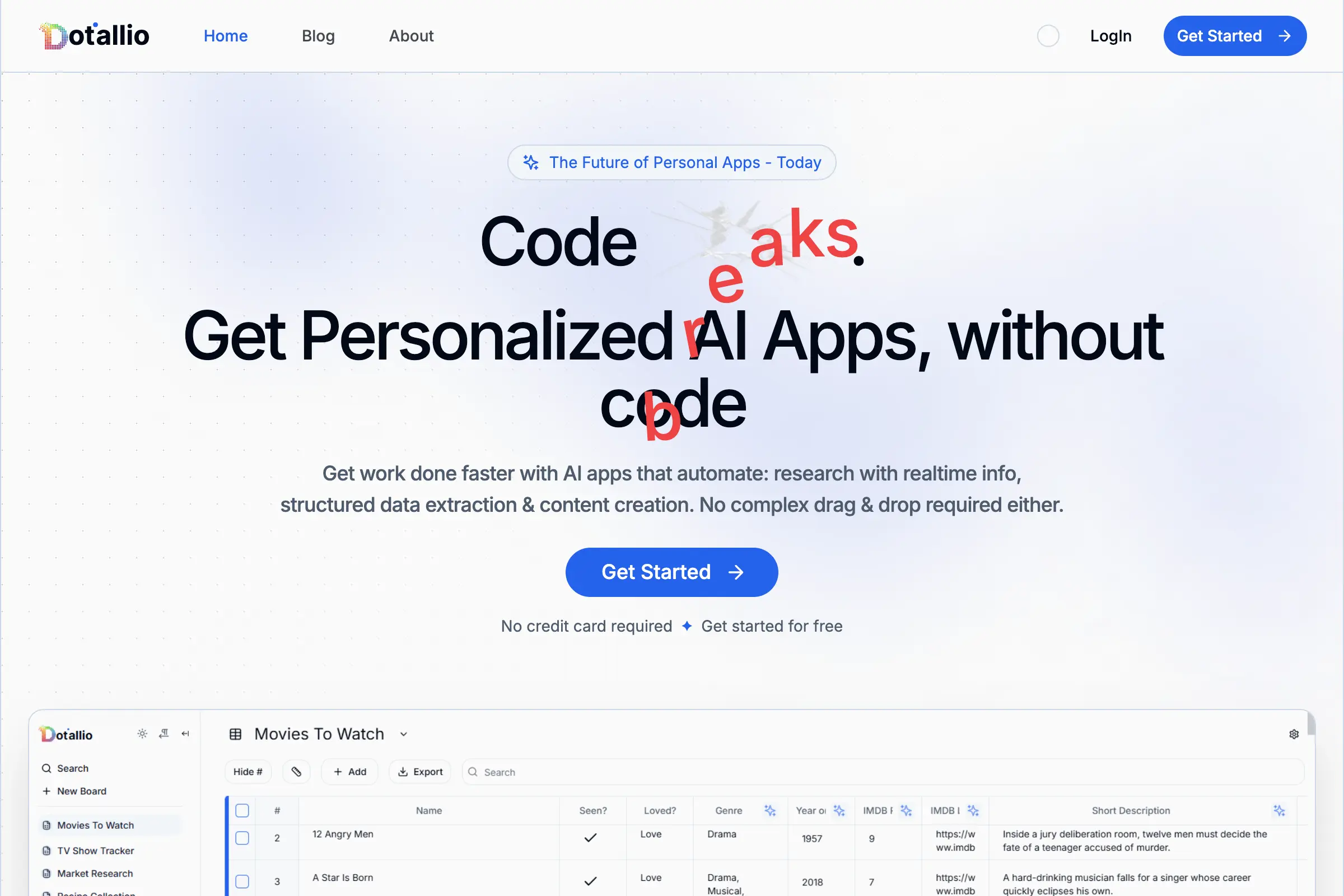
Dotallio
Personalized AI apps that automate research, data extraction, and content creation without code 🤖
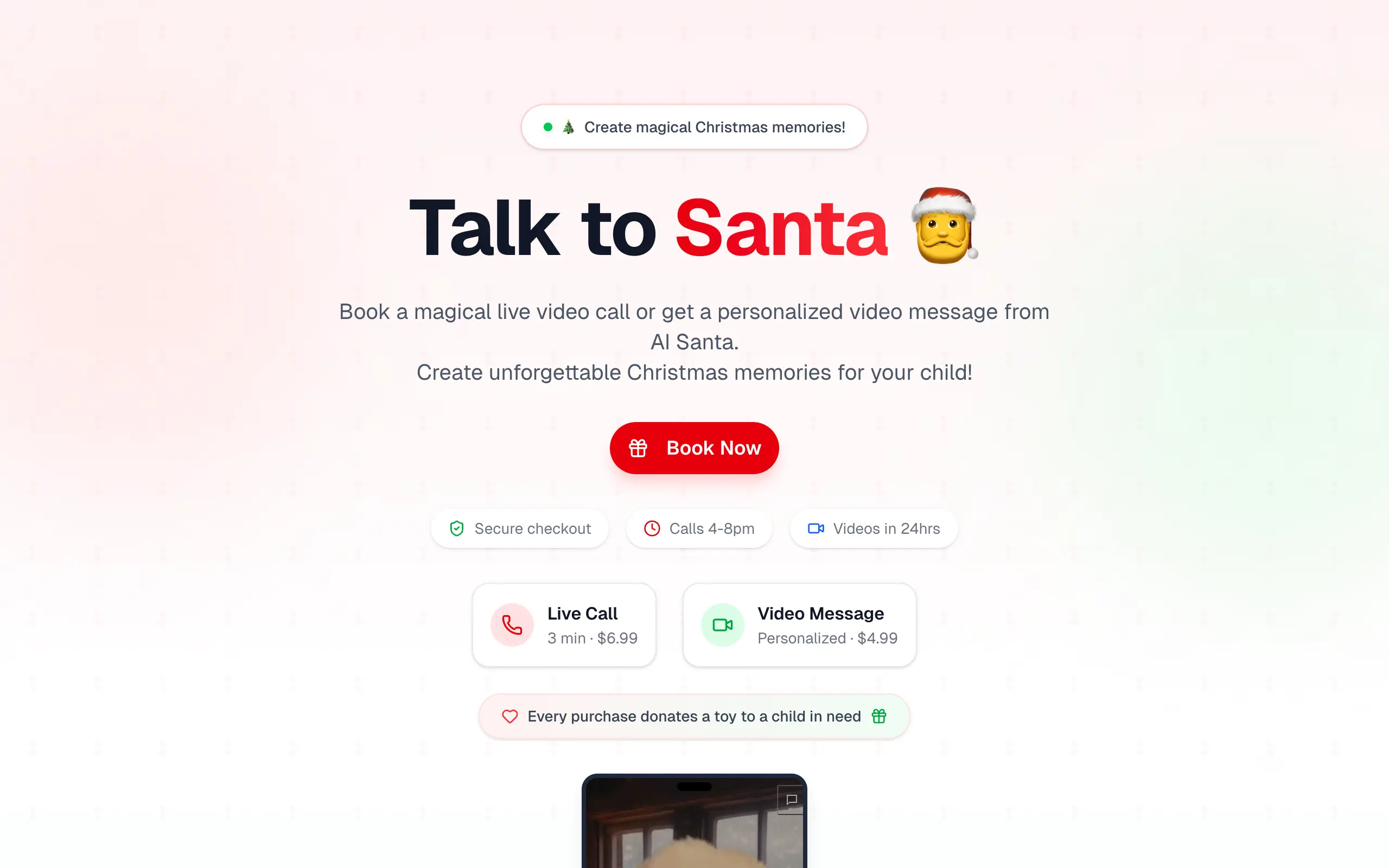
Talk to Santa
Enjoy a magical live video chat or receive a unique AI-generated video greeting from Santa Claus 🎅
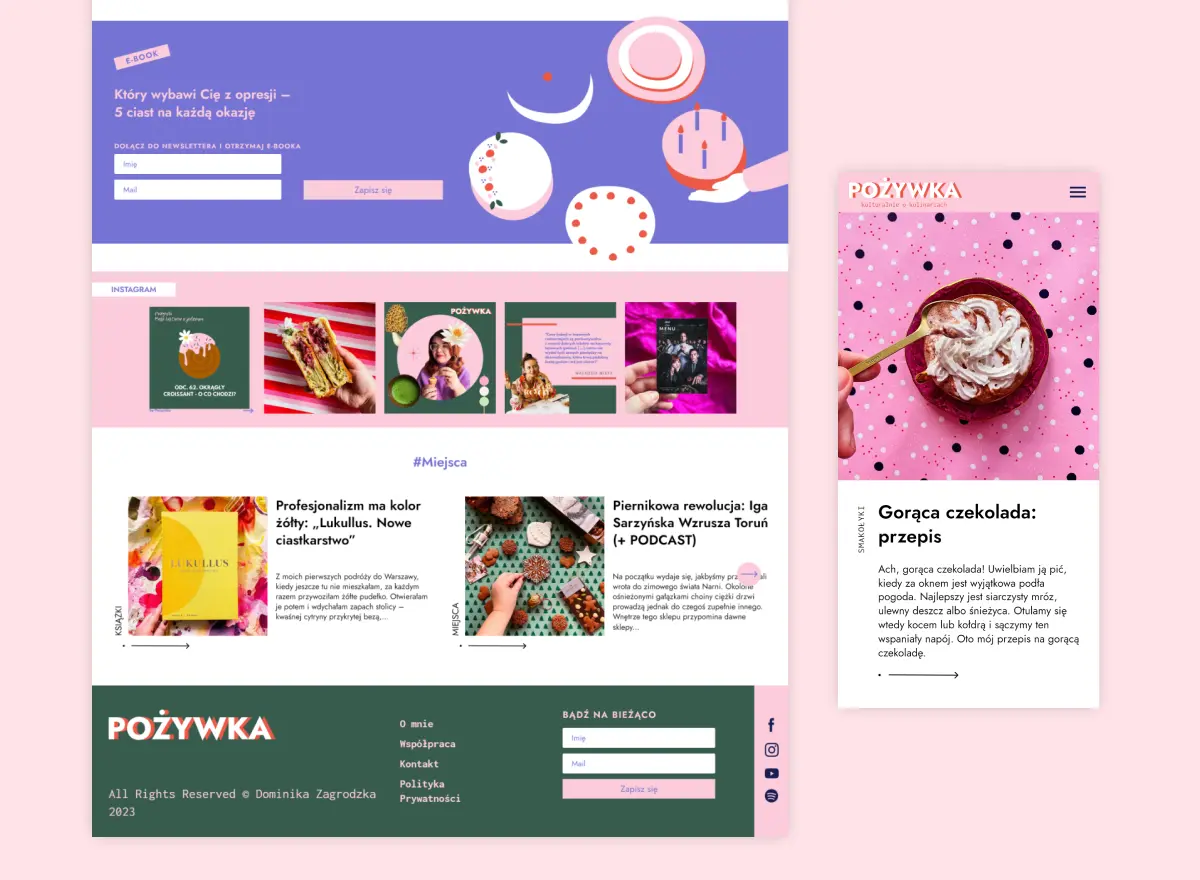
pozywka.pl
Scalable blog for food journalist, focused on performance and user experience 🌭
zagrodzki.me
Personal blog and portfolio of Bart Zagrodzki, where he shares his knowledge and work 💼
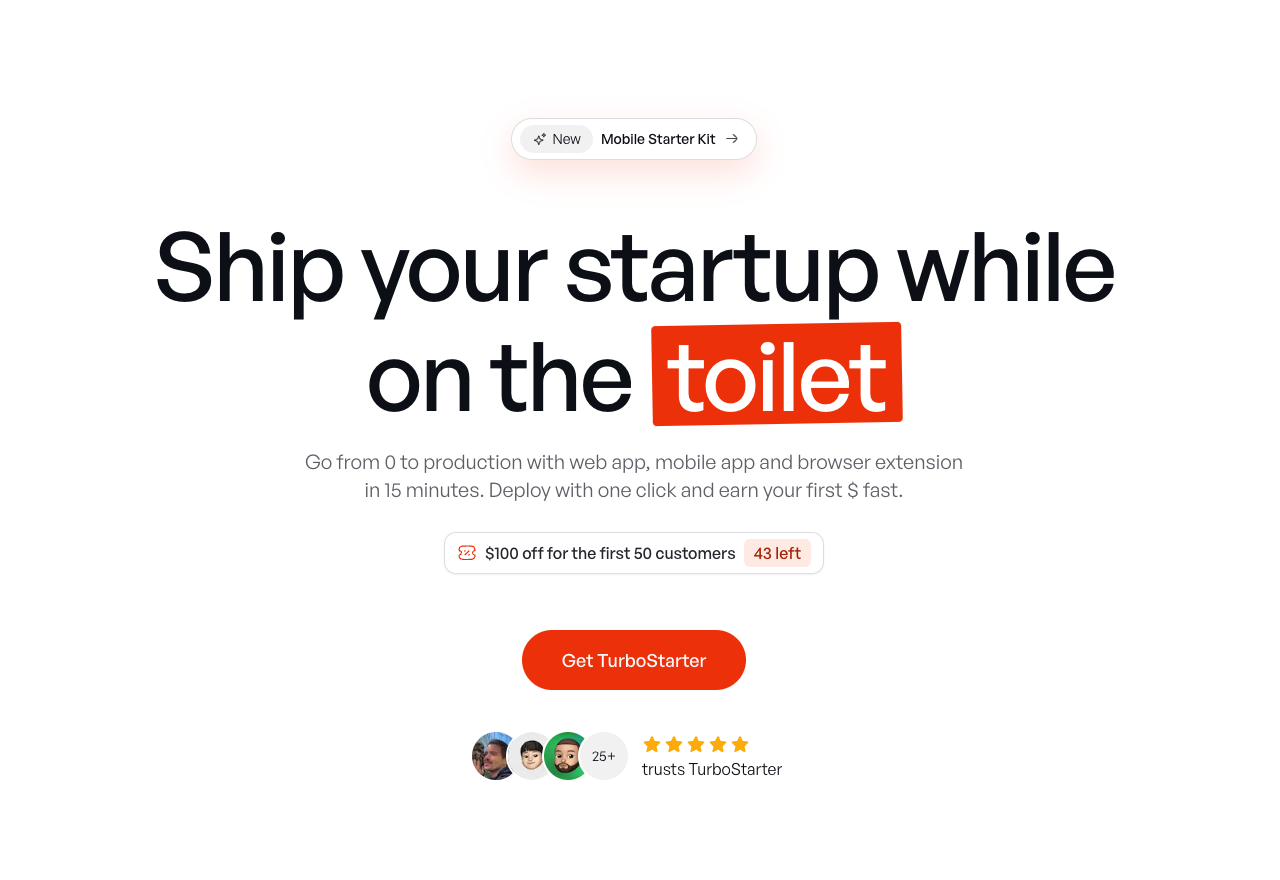
TurboStarter
Ship your startup everywhere. In minutes.
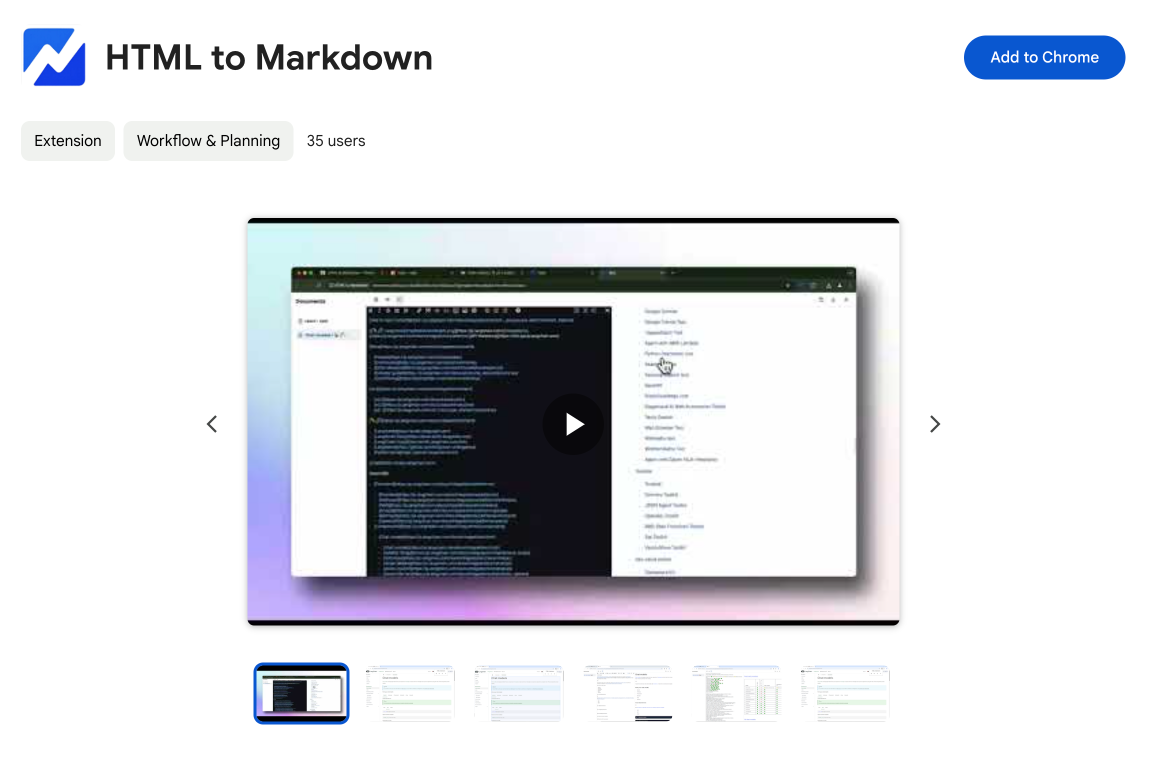
HTML to Markdown
Convert HTML to Markdown with ease, directly in your browser 📄
Dotallio
Personalized AI apps that automate research, data extraction, and content creation without code 🤖
Talk to Santa
Enjoy a magical live video chat or receive a unique AI-generated video greeting from Santa Claus 🎅
pozywka.pl
Scalable blog for food journalist, focused on performance and user experience 🌭
zagrodzki.me
Personal blog and portfolio of Bart Zagrodzki, where he shares his knowledge and work 💼
TurboStarter
Ship your startup everywhere. In minutes.
HTML to Markdown
Convert HTML to Markdown with ease, directly in your browser 📄
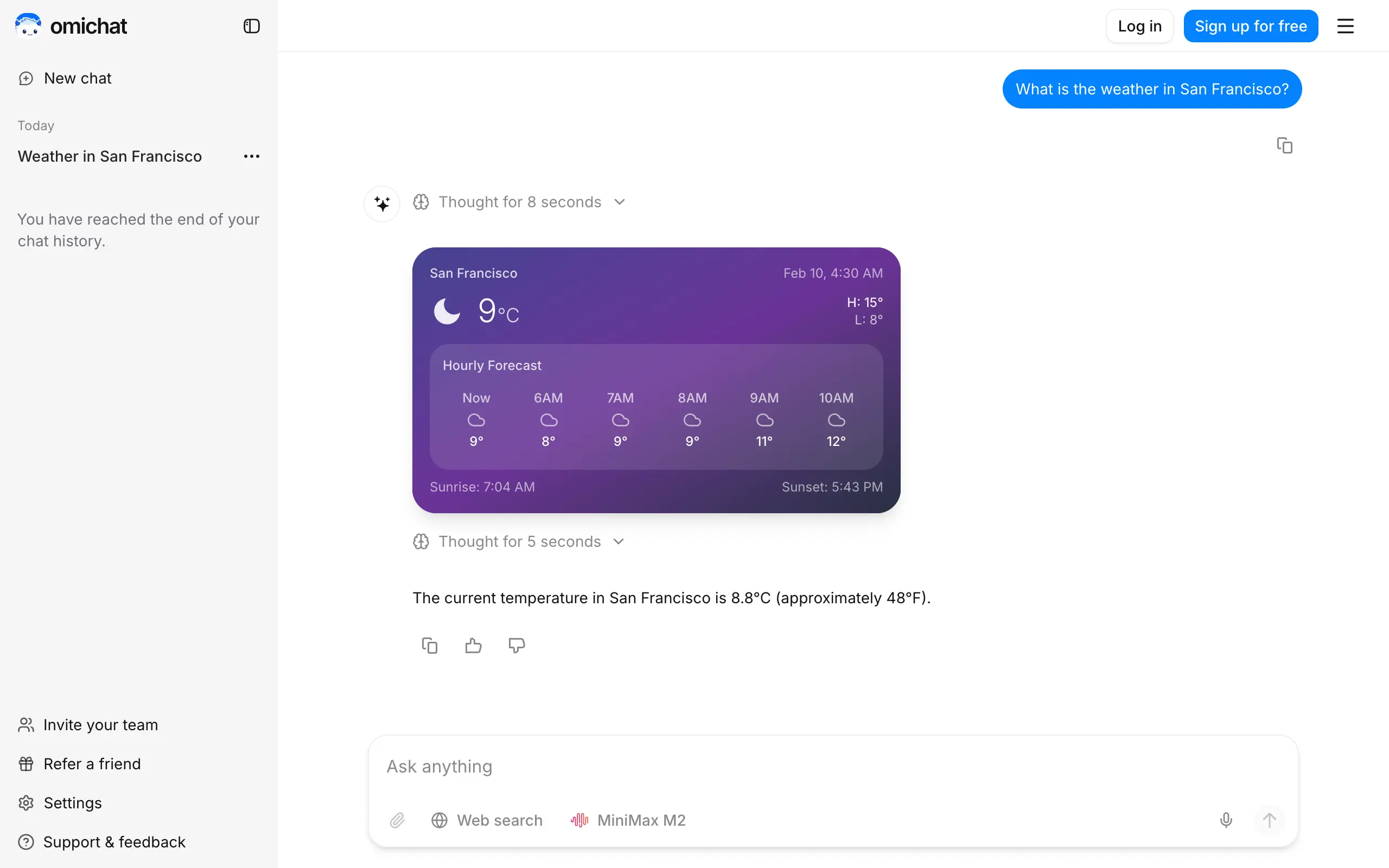
Omichat
Chat with 50+ AI models, including ChatGPT and Claude, in one place - switch models anytime without losing context 🤖
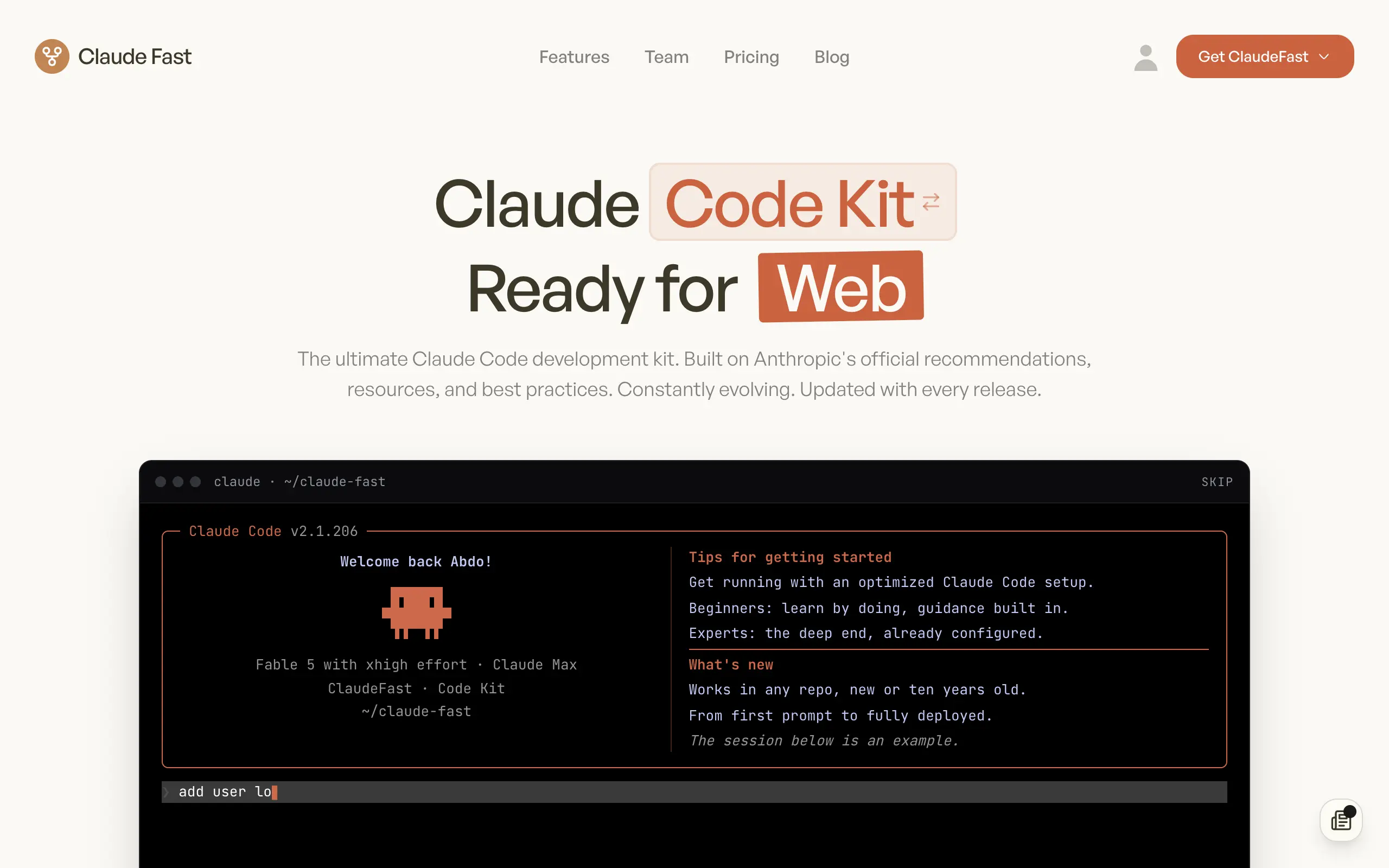
Claude Fast
Supercharge your Claude Code with 6x effective context window and specialized AI agents 🤖
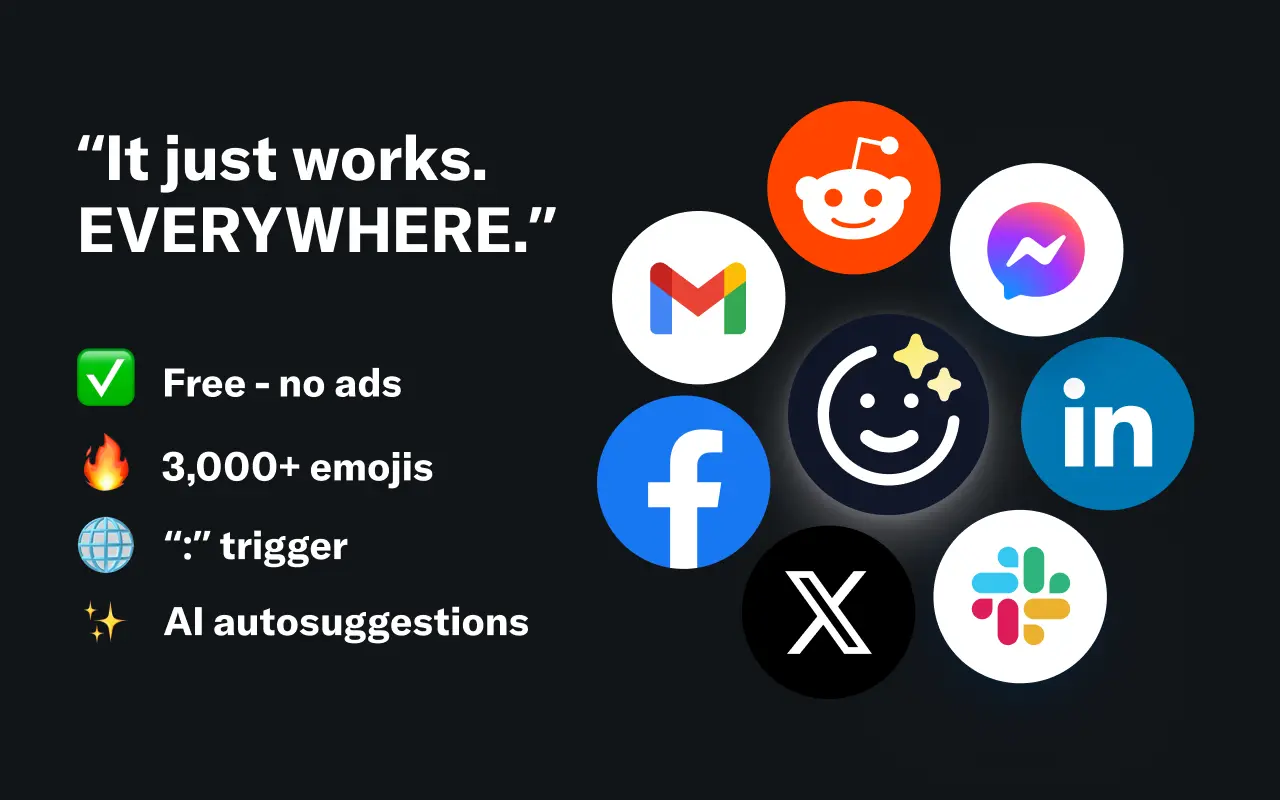
EmojAI
AI-powered emoji picker with smart, context-aware suggestions 🤖
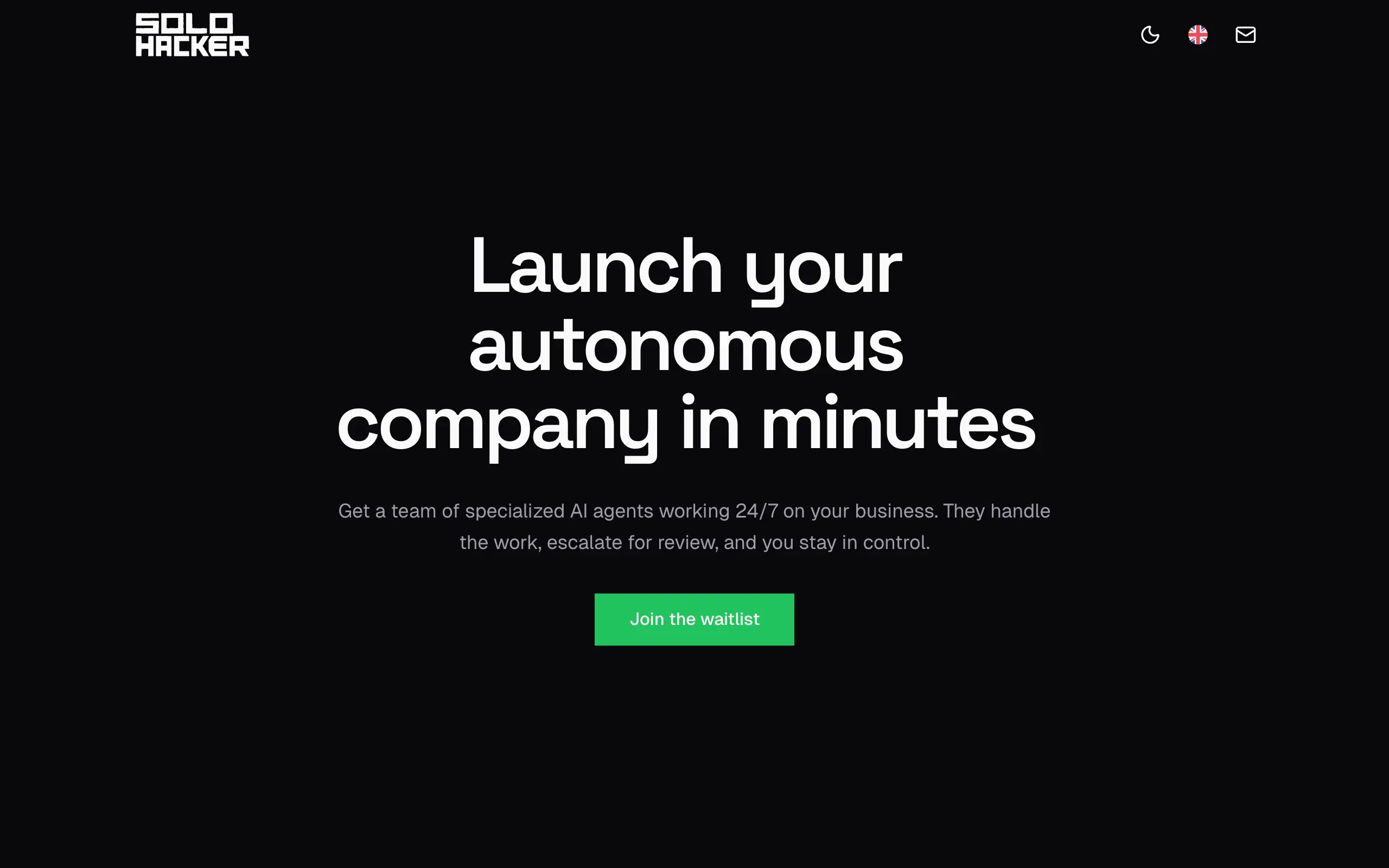
Solohacker
Autonomous company launcher - AI agents work 24/7, escalate what matters, and you stay in control 🤖
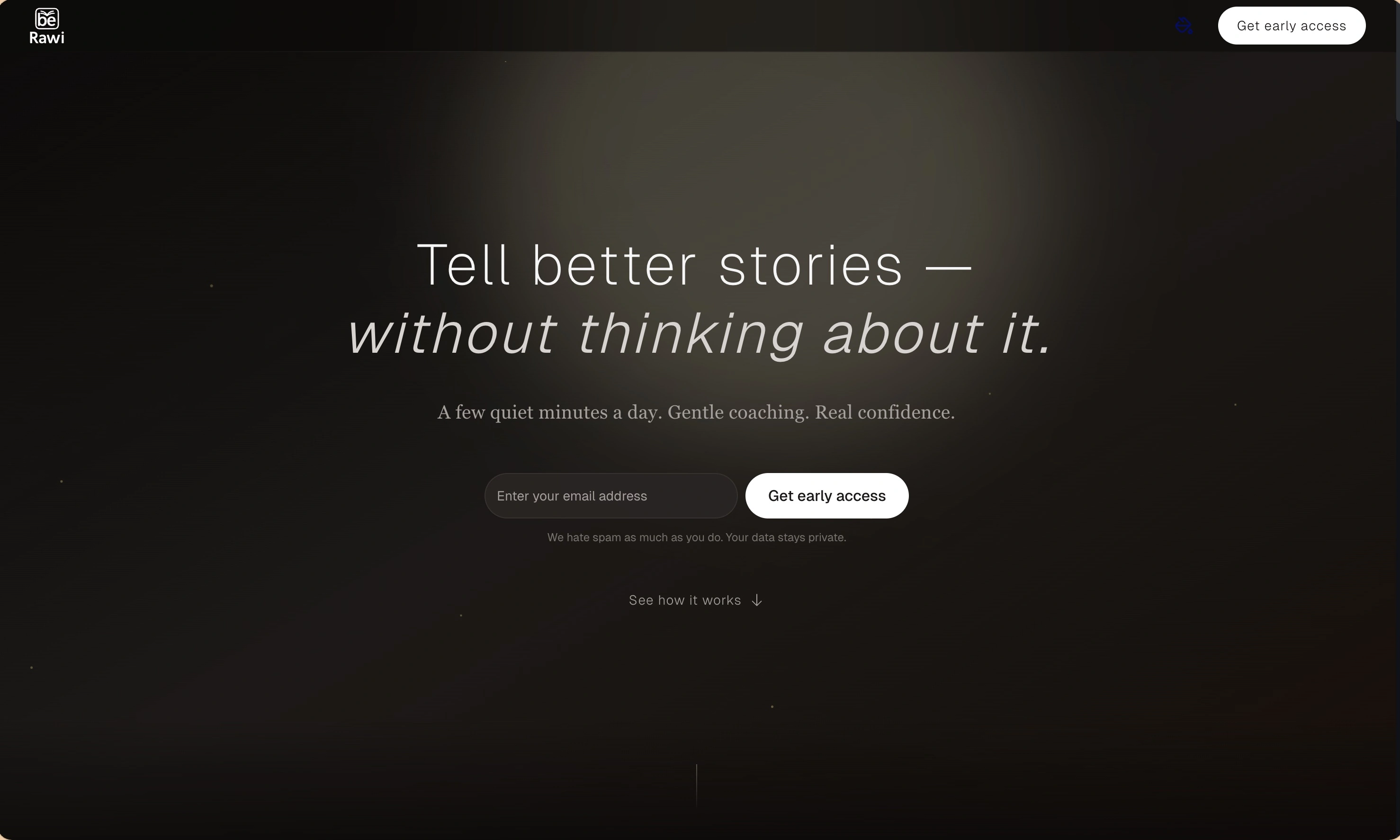
BeRawi: Storytelling Coach
Practice storytelling daily with instant feedback to sound clearer, more engaging, and confident 🎤
Omichat
Chat with 50+ AI models, including ChatGPT and Claude, in one place - switch models anytime without losing context 🤖
Claude Fast
Supercharge your Claude Code with 6x effective context window and specialized AI agents 🤖
EmojAI
AI-powered emoji picker with smart, context-aware suggestions 🤖
Solohacker
Autonomous company launcher - AI agents work 24/7, escalate what matters, and you stay in control 🤖
BeRawi: Storytelling Coach
Practice storytelling daily with instant feedback to sound clearer, more engaging, and confident 🎤

Connect with like-minded people
Join our community to get feedback, support, and grow together with 1,000+ builders on board, let's ship it!
Join usShip your startup everywhere. In minutes.
Don't burn tokens on setup and start building features on day one.