MessMind
AI meal planner for hostel students that predicts mess menus, tracks nutrition, and suggests affordable alternatives near campus.
Why an AI meal planner for hostel students is a timely SaaS opportunity
Hostel life creates a nutrition problem that is both common and underserved. Students often depend on fixed mess menus, inconsistent meal timings, limited food variety, tight budgets, and nearby street-food options of uncertain nutritional value. They may know they are eating poorly, but they rarely have a practical system for deciding what to eat next.
MessMind is an AI meal planner for hostel students designed to solve that daily decision problem. It predicts mess menus, helps students track nutrition, and recommends affordable alternatives near campus when the available food does not match their dietary needs, goals, or budget.
The product is especially relevant for campuses such as Banasthali Vidyapith, where residential student communities have structured food systems but individual nutritional needs vary significantly. A student trying to gain healthy weight, manage PCOS symptoms, eat vegetarian protein, reduce frequent junk-food consumption, or simply avoid skipping meals needs more than a generic calorie-tracking app.
They need a meal planning assistant that understands the reality of a hostel mess.
The primary SEO keyword for this concept is AI meal planner for hostel students. Related semantic keywords include:
- Hostel meal planner
- Mess menu predictor
- Student nutrition tracker
- Affordable food recommendations near campus
- College meal planning app
- AI nutrition assistant for students
- Mess food calorie tracker
- Hostel diet planner
- Campus food discovery app
- Budget meal planner for college students
Unlike conventional health apps, MessMind does not assume users can cook their meals, buy expensive supplements, or follow a rigid meal-prep routine. Its value comes from making the best possible choice within the options students actually have.
The core product insight
Most students do not need another app that tells them to eat grilled chicken, quinoa, and avocados. They need an app that says, “Tonight’s mess dinner is likely to be roti, dal, and mixed vegetables. Add curd or a nearby paneer roll to reach your protein target within ₹80.”
The hostel nutrition problem MessMind can solve
The core challenge is not that hostel students lack access to food entirely. The challenge is that they lack visibility, personalization, and decision support.
Mess food is typically planned centrally. Students may learn the menu through notice boards, WhatsApp groups, word of mouth, or after arriving at the dining hall. Menus can change without notice, portion sizes vary, and nutritional information is almost never available.
At the same time, students have highly individual needs:
- First-year students may struggle to adapt to mess food and meal schedules.
- Athletes may need higher protein and calorie intake.
- Students with anemia concerns may want iron-rich meal suggestions.
- Vegetarian students may find it difficult to consistently meet protein targets.
- Students managing weight may rely too heavily on packaged snacks and sugary drinks.
- Students with dietary restrictions may need alternatives when the mess menu is unsuitable.
- Budget-conscious students need recommendations that are realistic rather than aspirational.
A traditional calorie tracker requires users to manually search and log every food item. That process is tedious when foods are regional, mixed dishes, or prepared by a mess kitchen. Generic meal planners also fail because they recommend recipes and ingredients students cannot prepare or store in a hostel room.
MessMind can bridge this gap by treating the mess menu as the primary food environment, not as an exception.
The gap in current student wellness tools
There are several categories of products students may currently use, but none fully addresses the hostel context.
| Solution category | What it does well | Where it falls short | MessMind opportunity | Student value |
|---|---|---|---|---|
| Calorie trackers | Detailed food logging | High manual effort and weak local-food context | Pre-fill likely mess meals | Faster tracking |
| Recipe planners | Personalized nutrition plans | Assume users can cook and shop | Plan around available mess food | More practical choices |
| Food delivery apps | Local restaurant discovery | Optimize convenience, not nutrition or budget | Rank alternatives by health, price, and distance | Smarter spending |
| Campus groups | Fast peer information sharing | Unstructured and unreliable data | Convert reports into menu intelligence | Predictable planning |
The market gap is particularly clear in India, where a large residential student population eats from institutional messes but has limited access to nutrition education or personalized dietary support. Any market-size claim should be supported by current enrollment, higher-education, and consumer-health data from credible sources such as government education datasets, university reports, and recognized research firms.
Target audience for an AI meal planner for hostel students
MessMind should not try to serve every health-conscious consumer from day one. Its initial audience should be narrowly focused on students living in hostels with recurring mess menus and a dense network of affordable food options nearby.
Primary users: hostel students aged 17 to 25
The initial ideal customer profile includes students who:
- Live in a university hostel or paying guest accommodation.
- Eat most meals from a campus mess or canteen.
- Have a limited monthly food budget.
- Use smartphones daily and are comfortable with WhatsApp-style interactions.
- Care about energy, fitness, weight, skin health, digestion, or academic performance.
- Frequently ask peers where to find affordable food near campus.
- Feel frustrated by unpredictable mess quality or repetitive menus.
The strongest early adopters are likely to be students with a clear motivation to improve their diet. This can include gym-goers, athletes, students recovering from illness, students tracking weight, and students who want vegetarian protein options.
Secondary users: campus communities and institutions
After validating direct student demand, MessMind can expand to institutional buyers and partners:
- Hostel wardens and residence-life teams
- University wellness centers
- Campus mess committees
- Dietitians serving student populations
- College sports departments
- Nearby restaurants and cloud kitchens
- Student communities running health or fitness clubs
Institutions may value anonymized nutrition insights, meal satisfaction trends, and feedback patterns that help improve menus. However, this must be approached carefully. Students should never feel that their food data is being used for surveillance or disciplinary purposes.
User jobs to be done
The best product positioning comes from understanding the practical jobs users hire MessMind to do.
Decide what to eat
Help students make a good choice when today’s mess menu is limited or unappealing.
Stay within budget
Suggest affordable food alternatives without encouraging unnecessary delivery spending.
Meet nutrition goals
Turn broad goals such as more protein or better energy into realistic hostel-friendly actions.
Avoid decision fatigue
Provide a clear next-best meal recommendation rather than overwhelming users with nutrition data.
A useful product promise could be: “Know what is in the mess, what it means for your goals, and what to eat instead when it is not enough.”
How MessMind should work
MessMind should combine structured campus data, student reports, nutrition data, and AI-generated guidance. The key is to make the experience feel simple even when the underlying system is sophisticated.
Menu prediction and mess menu tracking
The first major feature is a predicted menu view for breakfast, lunch, snacks, and dinner. Depending on the campus, MessMind can gather this information through several methods:
- Official weekly menu uploads by mess administrators.
- Student-submitted menu photos or updates.
- OCR extraction from printed menu boards.
- Recurring-menu pattern analysis.
- Community confirmations when the final menu differs from the prediction.
The product should clearly distinguish between official, community-confirmed, and predicted menus. Transparency matters because students will quickly lose trust if predictions are presented as facts.
For example, a menu card might show:
- “Status”: Community-confirmed
- “Confidence”: High
- “Meal”: Dal, rice, seasonal vegetable, roti, salad
- “Likely nutrition”: Moderate carbohydrate, low-to-moderate protein
- “Quick improvement”: Add curd, milk, roasted chana, or a nearby protein-rich option
Personalized nutrition guidance
The second pillar is a lightweight nutrition profile. During onboarding, MessMind can ask for:
- Dietary preference
- Food allergies or restrictions
- Fitness objective
- Activity level
- Typical meal schedule
- Monthly outside-food budget
- Foods the student avoids
- Whether they have access to a refrigerator, kettle, or basic food storage
The app should avoid presenting itself as a medical diagnosis tool. It can provide educational suggestions and encourage users with medical conditions to consult a qualified clinician or dietitian.
Instead of asking students to count every gram, MessMind can provide understandable outputs:
- “Your lunch likely had adequate carbohydrates but limited protein.”
- “You are close to your daily fiber target if you choose fruit during evening snacks.”
- “Tonight’s mess meal is filling but may be low in vegetables.”
- “A ₹30 add-on could improve today’s protein balance.”
This is where the AI layer should deliver genuine value. Large language models can translate nutrition data into natural, culturally familiar, budget-aware advice. The recommendation engine should remain grounded in verified food data and campus-specific options rather than relying on unconstrained generative output.
Affordable alternatives near campus
The third pillar is a local alternative engine. If the mess meal does not fit a user’s needs, MessMind should recommend nearby options ranked by:
- Price
- Walking distance
- Estimated protein and calorie contribution
- Dietary compatibility
- User ratings
- Food hygiene signals where available
- Time of day and outlet availability
- Current nutrition gap
For a vegetarian student who has eaten a low-protein lunch, the app might recommend:
- A glass of milk and roasted chana from a local shop.
- Curd with fruit from a nearby vendor.
- Paneer-based options under a set budget.
- Soy chunks or sprouts when available.
- A mess-friendly snack the student can keep in their room.
The product should not default to restaurant meals for every recommendation. A major competitive advantage is recognizing that the healthiest affordable alternative may be a simple grocery item rather than a costly café order.
A practical daily recommendation flow
MessMind shows the predicted breakfast and lunch menu, flags likely nutritional gaps, and offers a low-cost preparation suggestion for the day.
The student sees a quick recommendation based on their goal, such as choosing extra dal, adding salad, or planning a protein snack later.
If the day’s meals were nutritionally weak, MessMind suggests nearby, affordable alternatives based on location, opening hours, and remaining budget.
The student receives a simple trend summary covering meal consistency, estimated protein intake, spending, skipped meals, and actionable improvements.
Core features for an MVP
A focused minimum viable product is essential. It is easy to overbuild a nutrition app, especially when AI capabilities make many features technically possible. MessMind should initially prioritize habits and data loops that prove students will return.
Essential MVP features
- Campus and hostel selection during onboarding
- Daily mess menu display with source labels
- Student menu submission and confirmation workflow
- Simple nutrition estimates for common Indian dishes
- Goal selection for energy, weight management, protein, and balanced eating
- Daily personalized meal suggestions
- Nearby food alternatives with approximate price and category
- Budget tracker for outside-food purchases
- Meal feedback such as “ate it,” “skipped it,” or “menu changed”
- Basic notifications for upcoming meals and useful alternatives
- Privacy controls and account deletion
Features to delay until product-market fit
The following can be valuable later, but they should not delay launch:
- Photo-based calorie estimation
- Full macro tracking at ingredient level
- Wearable integrations
- Marketplace ordering
- Clinical diet plans
- Social leaderboards
- Institution-wide analytics dashboards
- Multiple-city restaurant coverage
- Deep gamification systems
A practical rule is to launch only features that improve one of three outcomes: better daily decisions, higher retention, or more accurate menu data.
Recommended tech stack for MessMind
MessMind needs a stack that supports rapid iteration, mobile-first user experience, AI workflows, location-aware recommendations, and secure handling of personal preferences.
Frontend and product interface
For a web-first MVP, React with Next.js is a strong choice. Next.js provides server-side rendering, routing, API capabilities, and a mature ecosystem for building fast consumer SaaS products.
Tailwind CSS is suitable for a responsive interface because it enables rapid design iteration across mobile layouts. Since students will likely use MessMind from phones, the product should be designed mobile-first rather than simply made responsive after a desktop design is complete.
For a native app later, React Native can help reuse JavaScript and TypeScript knowledge while providing app-store distribution and push-notification capabilities.
Backend, database, and authentication
A relational database is a good fit because the product involves structured relationships among campuses, messes, menus, dishes, users, goals, local vendors, and feedback records.
PostgreSQL is a reliable foundation for this workload. It supports structured data, geospatial extensions, robust querying, and mature tooling.
A managed backend platform such as Supabase can accelerate early development with authentication, PostgreSQL, storage, row-level security, and real-time updates. The trade-off is some platform dependency, but the speed advantage is compelling for an early SaaS team.
AI and recommendation architecture
The AI layer should be designed as a set of constrained workflows rather than one unrestricted chatbot.
A reliable architecture includes:
- A structured food and nutrition database.
- A menu parser that maps dish names to normalized food entities.
- A deterministic nutrition calculation layer.
- A rules engine for budget, dietary restrictions, and location.
- A language model that explains recommendations clearly.
- Human-review tools for ambiguous dishes and menu mappings.
This architecture reduces hallucinations. The model should not invent calorie counts, claim medical certainty, or recommend unavailable restaurants.
For structured output, use a schema-driven approach. Every recommendation should have fields such as food item, estimated cost, confidence, dietary suitability, reason, and source status.
type FoodRecommendation = {
  title: string
  estimatedCostInr: number
  distanceMeters?: number
  nutritionReason: string
  dietaryTags: string[]
  confidence: "low" | "medium" | "high"
  source: "mess" | "campus_vendor" | "student_essential"
}
Maps and local discovery trade-offs
Location-based recommendations require careful vendor-data strategy. Map providers can help with place discovery, distance, and directions, but their data may not include menu pricing, student-specific affordability, or diet suitability.
The best approach is likely hybrid:
- Use map data for place location and directions.
- Build a campus-specific vendor database.
- Let verified student contributors update prices and availability.
- Display update dates for price-sensitive information.
- Reward accurate contributors with non-monetary recognition or premium access.
Monetization strategies for MessMind
The monetization model must respect student budgets. A product that saves students money should not become another expensive subscription.
Freemium subscription model
A free tier can include:
- Daily menu viewing
- Basic nutrition estimates
- One goal profile
- Limited alternative recommendations
- Community menu updates
A paid student plan can include:
- Personalized weekly nutrition plans
- Advanced budget tracking
- More detailed nutrient insights
- Unlimited AI meal questions
- Dietary preference filters
- Saved affordable food lists
- Trend reports and habit nudges
Pricing should be tested locally. A low monthly price, semester plan, or annual student discount may work better than a high recurring subscription.
Campus partnerships
Universities, hostel operators, and mess contractors may pay for tools that improve meal communication and student satisfaction. A B2B offering could include:
- Digital menu publishing
- Menu feedback analytics
- Anonymous satisfaction trends
- Dietary preference insights
- Demand forecasting signals
- Student wellness campaign tools
The important trade-off is trust. The student app should remain useful even if no institution partnership exists, and data-sharing boundaries must be explicit.
Local vendor partnerships
Nearby food vendors may pay for promoted placement, but recommendations must remain trustworthy. Sponsored results should be clearly labeled and should never override dietary, budget, or safety relevance.
A better model is a verified campus partner program where vendors can maintain menus, price ranges, hours, and dietary labels. MessMind can charge for premium profiles or performance-based leads once it has meaningful student usage.
Competitive advantage and USP
MessMind’s strongest differentiator is not simply “AI.” Many products can add a conversational interface. The durable advantage is a campus-specific nutrition intelligence layer built around real mess menus, real student budgets, and nearby food alternatives.
The MessMind USP
MessMind helps hostel students eat better without requiring them to cook, spend more, or manually track every meal.
This positioning is powerful because it addresses the practical constraints ignored by generic wellness products.
The competitive moat can deepen through:
- Historical mess-menu data by hostel and campus
- Menu prediction accuracy over time
- A normalized database of regional mess dishes
- Student-verified vendor prices and availability
- Behavioral data about what students actually choose
- Personalized recommendation quality
- Trust-based campus communities
The product should avoid claiming that it can precisely measure every calorie in institutional food. Its value is not laboratory-grade nutritional accuracy. Its value is better decisions under real-world uncertainty.
Trust is a product feature
MessMind should show estimated ranges, confidence levels, source labels, and update dates. Students will trust an honest “estimated 12–18g protein” more than a falsely precise number.
Risks and mitigation strategies
Building a campus-focused food SaaS has meaningful risks. Addressing them early improves the odds of sustainable growth.
Menu data quality risk
Menus may change, contributors may submit incorrect information, and food names may vary across regions.
Mitigation approaches include:
- Show official, confirmed, and predicted status separately.
- Add timestamps to every menu update.
- Require multiple confirmations for community-submitted changes.
- Give users a one-tap way to report inaccuracies.
- Use campus moderators during early launches.
- Store dish aliases and regional naming variations.
Nutrition accuracy risk
Mess portions, recipes, and oil use vary. Overconfident calorie and macro estimates can undermine trust.
Mitigation approaches include:
- Present ranges instead of false precision.
- Base estimates on standard recipes and serving assumptions.
- Let users select portion size where practical.
- Include a disclaimer that guidance is educational, not medical advice.
- Consult registered dietitians when designing health-related content.
- Maintain an auditable food-data source policy.
Privacy risk
Dietary habits, health preferences, location, and spending patterns can be sensitive data.
Mitigation approaches include:
- Collect only data necessary for recommendations.
- Make location access optional.
- Use clear consent language.
- Encrypt sensitive data in transit and at rest.
- Provide account export and deletion options.
- Avoid sharing identifiable student data with colleges or vendors.
- Conduct periodic security reviews as the product scales.
Retention risk
Students may try the app once but stop using it if it requires too much logging.
Mitigation approaches include:
- Make the daily experience useful in under 30 seconds.
- Pre-populate likely meal options.
- Use reminders sparingly and contextually.
- Reward quick feedback that improves campus data.
- Deliver weekly insights that feel personally relevant.
- Focus on one helpful recommendation instead of a dashboard full of charts.
Marketplace quality risk
Local vendor recommendations can become outdated, overly commercial, or low quality.
Mitigation approaches include:
- Show the last verified date.
- Allow students to flag closed outlets and incorrect prices.
- Separate organic and sponsored results visually.
- Use quality thresholds before featuring vendors.
- Start with a small curated list around each campus.
Go-to-market strategy for Banasthali and similar campuses
MessMind should launch campus by campus rather than attempting nationwide coverage immediately. A dense, trusted local network is more valuable than shallow presence across hundreds of institutions.
Launch with one hostel community
Start with a specific campus cluster, such as Banasthali hostel students, and solve the menu-information problem exceptionally well.
Early acquisition channels can include:
- Student WhatsApp and Telegram groups
- Hostel representatives
- Campus fitness communities
- Student ambassadors
- Wellness and sports clubs
- QR codes near mess notice boards
- Referral campaigns tied to menu contributions
- Short-form social content about hostel nutrition hacks
The initial message should not lead with complex AI terminology. Students care about outcomes:
- “What is in the mess today?”
- “Is this enough protein?”
- “What can I eat nearby under ₹100?”
- “How can I stop skipping breakfast?”
- “What should I add to mess food for better energy?”
Build a contribution loop
The growth loop should reward students for making the product more useful.
This loop is more defensible than relying solely on paid acquisition. Every active campus can become more accurate and more useful over time.
Actionable implementation roadmap
A disciplined roadmap can help MessMind validate demand before investing heavily in advanced AI or multi-campus expansion.
Phase one: validate the problem
Interview at least 25 to 40 hostel students across different dietary preferences and goals. Ask about recent meals, skipped meals, outside-food spending, mess frustrations, and how they currently decide what to eat.
Do not ask only whether they “would use” an app. Ask for evidence of behavior:
- What did they eat yesterday?
- How did they know the mess menu?
- How much did they spend outside the mess this week?
- What foods do they struggle to find?
- Have they tried calorie trackers or fitness apps?
- Why did they stop using them?
Create a simple landing page describing MessMind’s value proposition and collect waitlist sign-ups by campus.
Phase two: build a concierge MVP
Before automation, test the core experience manually with a small group.
For one campus, publish daily menu information through a lightweight web app or even a controlled community channel. Send personalized recommendations based on student goals. Track which suggestions students find useful.
The goal is to learn:
- Whether students care more about menu prediction or nutrition.
- Which food alternatives are genuinely affordable.
- How accurate nutrition estimates need to be.
- Whether users return daily.
- Which notifications create engagement rather than annoyance.
Phase three: build the product foundation
Develop the first app with:
- Authentication and campus selection
- Daily menu feed
- Menu confirmation workflow
- Food database and dish normalization
- Goal-based recommendations
- Basic nearby alternative listings
- Analytics events for activation and retention
- Privacy and deletion controls
Building from a robust SaaS foundation can reduce setup time for authentication, billing, database patterns, and deployment. TurboStarter can be useful for teams that want to accelerate the initial product infrastructure while focusing engineering effort on MessMind’s unique menu intelligence and recommendation logic.
Phase four: measure product-market fit
Track product metrics by campus cohort:
- Daily active users
- Weekly retention
- Menu-view frequency
- Menu confirmation rate
- Recommendation click-through rate
- Reported recommendation usefulness
- Number of successful meal logs
- Outside-food budget engagement
- Referral rate
- Prediction accuracy
The most important metric may be weekly retained users who view menus and act on at least one recommendation. This is stronger than raw sign-ups because it captures recurring utility.
Phase five: expand carefully
Once one campus demonstrates strong retention and data quality, replicate the playbook at similar residential universities. Create a repeatable campus-launch kit with:
- Menu source setup
- Student ambassador recruitment
- Local vendor onboarding
- Nutrition database localization
- Community moderation guidelines
- Privacy communication templates
- Initial growth campaign assets
Final takeaway
MessMind has the potential to become more than a meal tracker. It can become the everyday food decision system for hostel students who need healthier, affordable, and realistic guidance.
The opportunity exists because current nutrition tools are designed for users who can cook, shop freely, and log everything. Hostel students live under different constraints. Their food choices are shaped by mess schedules, fixed menus, local vendors, limited budgets, and social routines.
An AI meal planner for hostel students wins when it understands those constraints better than generic health apps do. By combining mess menu prediction, transparent nutrition estimates, budget-aware alternatives, and campus-specific data, MessMind can offer a genuinely useful daily habit rather than another wellness app students abandon after a week.
The best next step is simple: launch in one hostel community, make the menu information reliable, and learn exactly which recommendations students use when they are hungry, busy, and deciding what to eat next.
More 🤖 AI Startup SaaS ideas
Discover more innovative ai startup SaaS ideas that are trending in 2026. Each idea is AI-generated with market validation and growth potential to help you find your next profitable venture faster than competitors.
Your competitors are building with TurboStarter
Below are some of the SaaS ideas that have been generated and built with our starter kit.
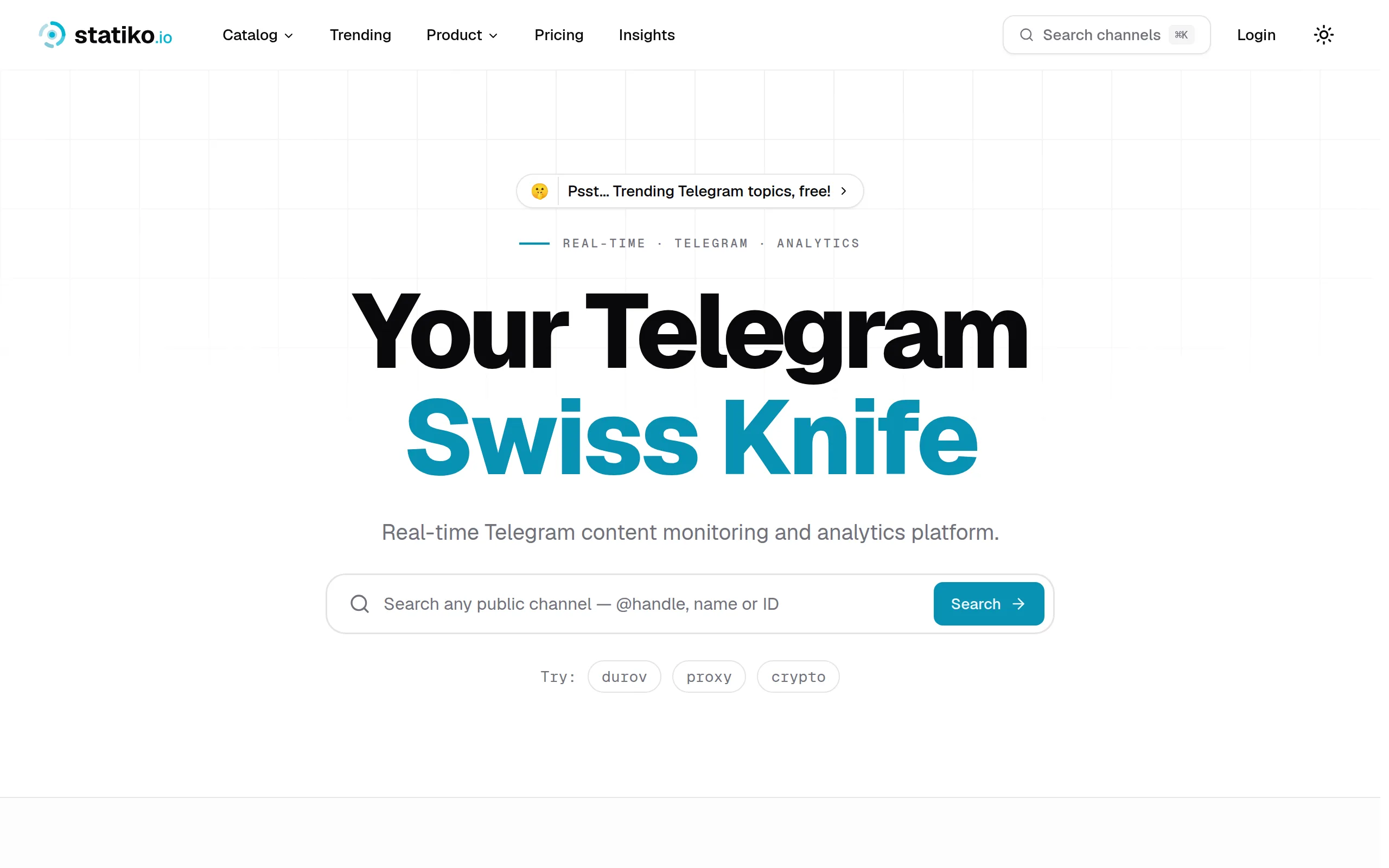
Statiko
Monitor any Telegram channel in real time - track posts, edits, deletions, and growth with AI recaps 📡

Shibui
AI website builder - describe your business, pick a niche template, edit by chatting, and publish instantly ✨
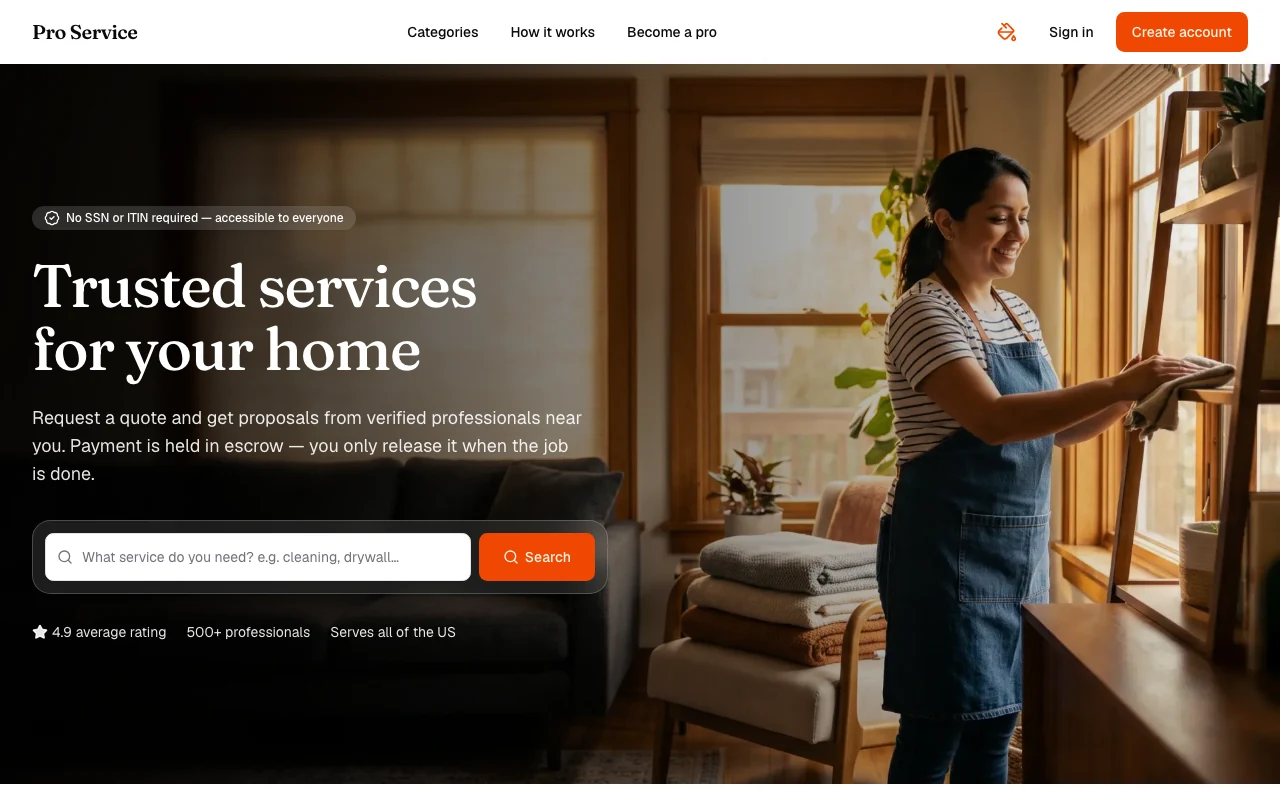
Pro Service
Find verified home service professionals, compare quotes, and pay securely through escrow - built for Brazilians across the US 🏠
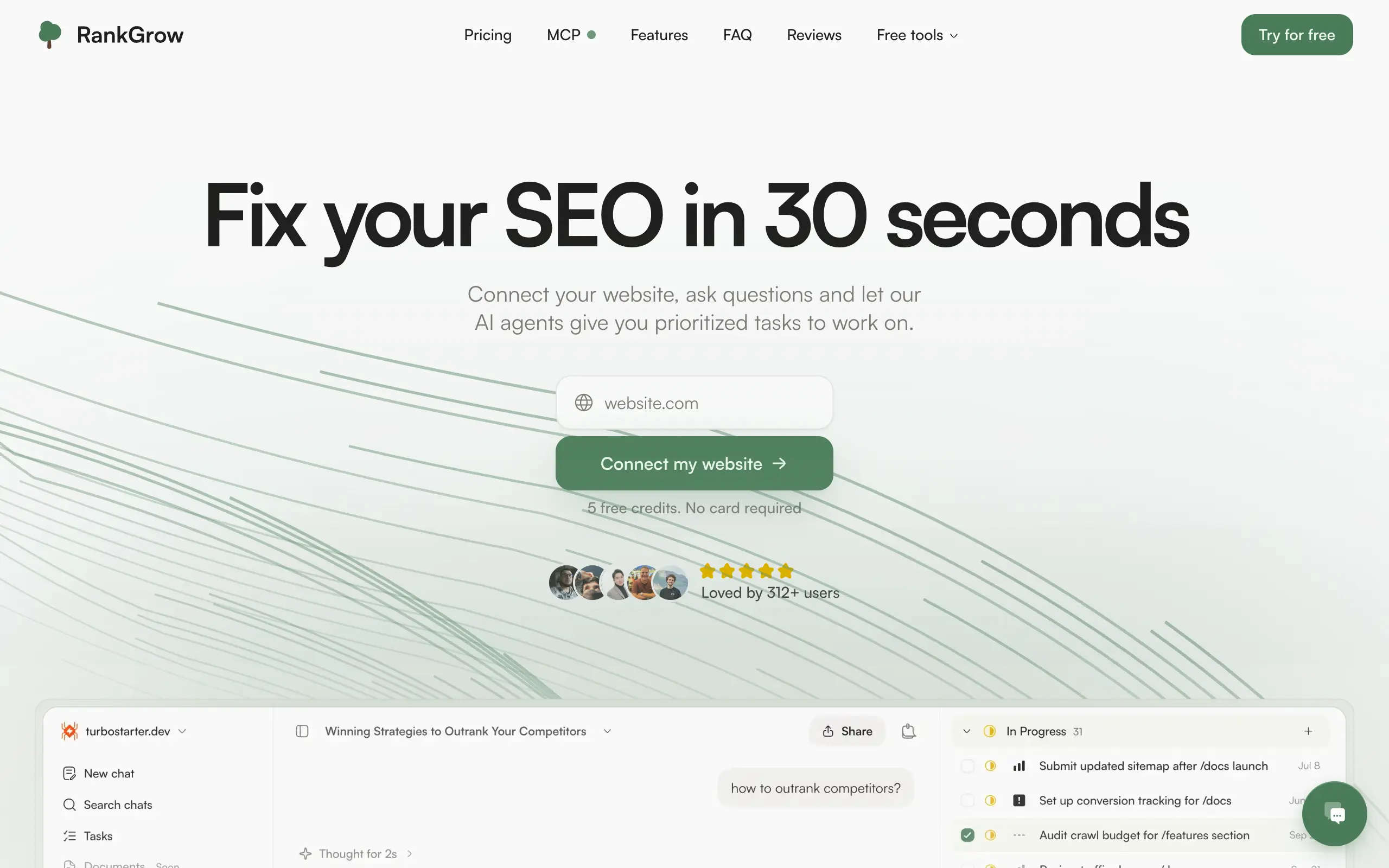
RankGrow
Fix your SEO with AI agents - connect Search Console, get prioritized tasks, and grow organic traffic 📈
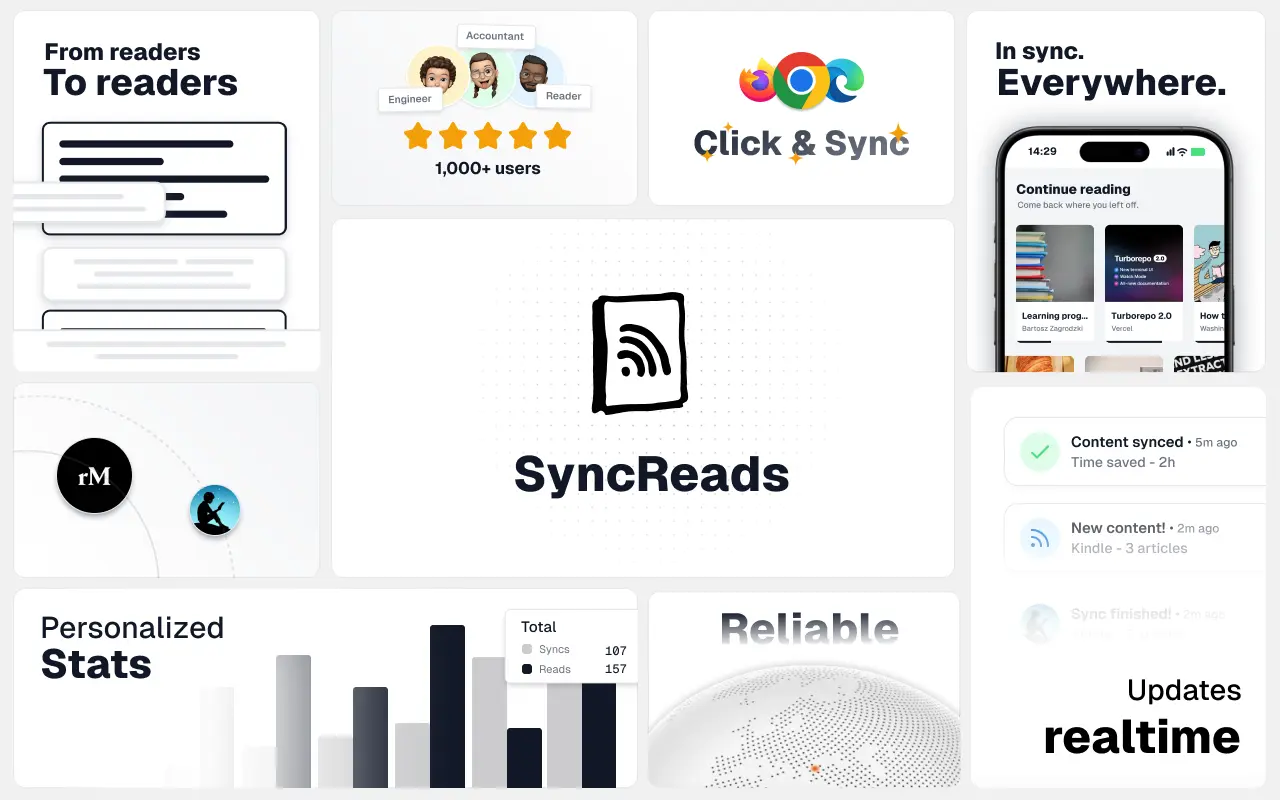
SyncReads
Sync your favorite content for distraction-free reading, save time and replace multiple apps. Anytime, anywhere 🔄
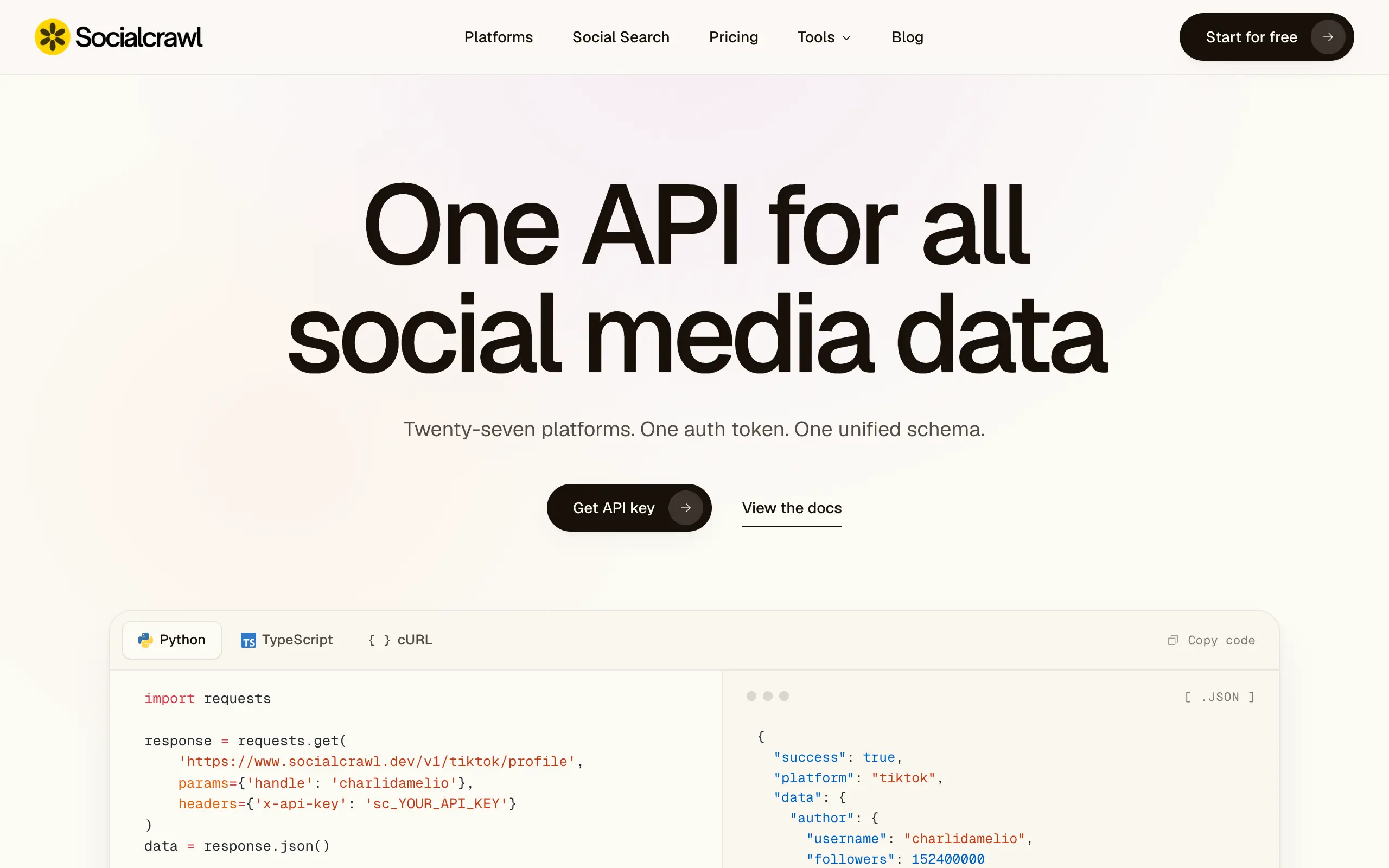
Socialcrawl
Get clean, structured data from 21 platforms like TikTok, Instagram, and YouTube with a single request 📊
Statiko
Monitor any Telegram channel in real time - track posts, edits, deletions, and growth with AI recaps 📡
Shibui
AI website builder - describe your business, pick a niche template, edit by chatting, and publish instantly ✨
Pro Service
Find verified home service professionals, compare quotes, and pay securely through escrow - built for Brazilians across the US 🏠
RankGrow
Fix your SEO with AI agents - connect Search Console, get prioritized tasks, and grow organic traffic 📈
SyncReads
Sync your favorite content for distraction-free reading, save time and replace multiple apps. Anytime, anywhere 🔄
Socialcrawl
Get clean, structured data from 21 platforms like TikTok, Instagram, and YouTube with a single request 📊
Statiko
Monitor any Telegram channel in real time - track posts, edits, deletions, and growth with AI recaps 📡
Shibui
AI website builder - describe your business, pick a niche template, edit by chatting, and publish instantly ✨
Pro Service
Find verified home service professionals, compare quotes, and pay securely through escrow - built for Brazilians across the US 🏠
RankGrow
Fix your SEO with AI agents - connect Search Console, get prioritized tasks, and grow organic traffic 📈
SyncReads
Sync your favorite content for distraction-free reading, save time and replace multiple apps. Anytime, anywhere 🔄
Socialcrawl
Get clean, structured data from 21 platforms like TikTok, Instagram, and YouTube with a single request 📊
Statiko
Monitor any Telegram channel in real time - track posts, edits, deletions, and growth with AI recaps 📡
Shibui
AI website builder - describe your business, pick a niche template, edit by chatting, and publish instantly ✨
Pro Service
Find verified home service professionals, compare quotes, and pay securely through escrow - built for Brazilians across the US 🏠
RankGrow
Fix your SEO with AI agents - connect Search Console, get prioritized tasks, and grow organic traffic 📈
SyncReads
Sync your favorite content for distraction-free reading, save time and replace multiple apps. Anytime, anywhere 🔄
Socialcrawl
Get clean, structured data from 21 platforms like TikTok, Instagram, and YouTube with a single request 📊
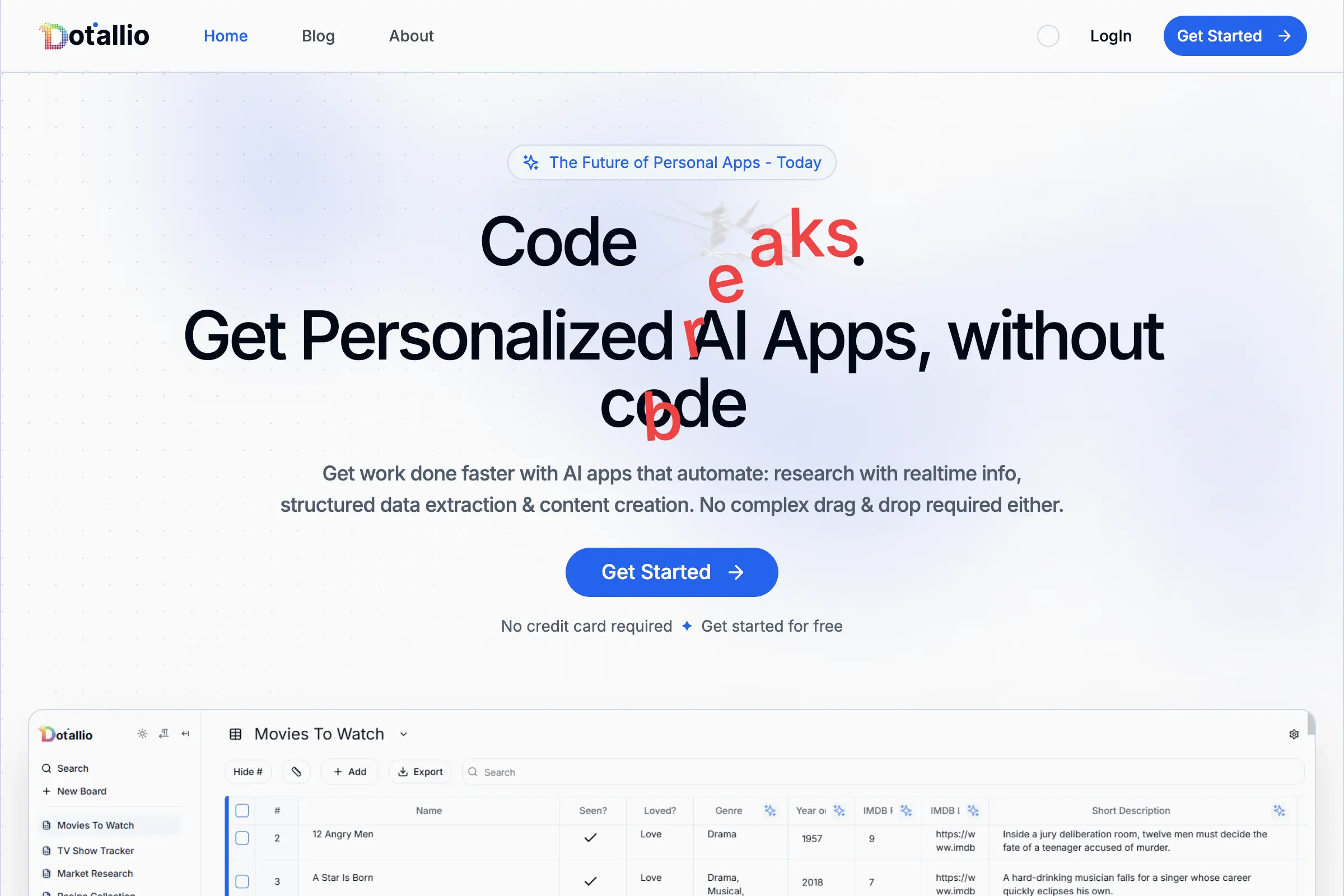
Dotallio
Personalized AI apps that automate research, data extraction, and content creation without code 🤖
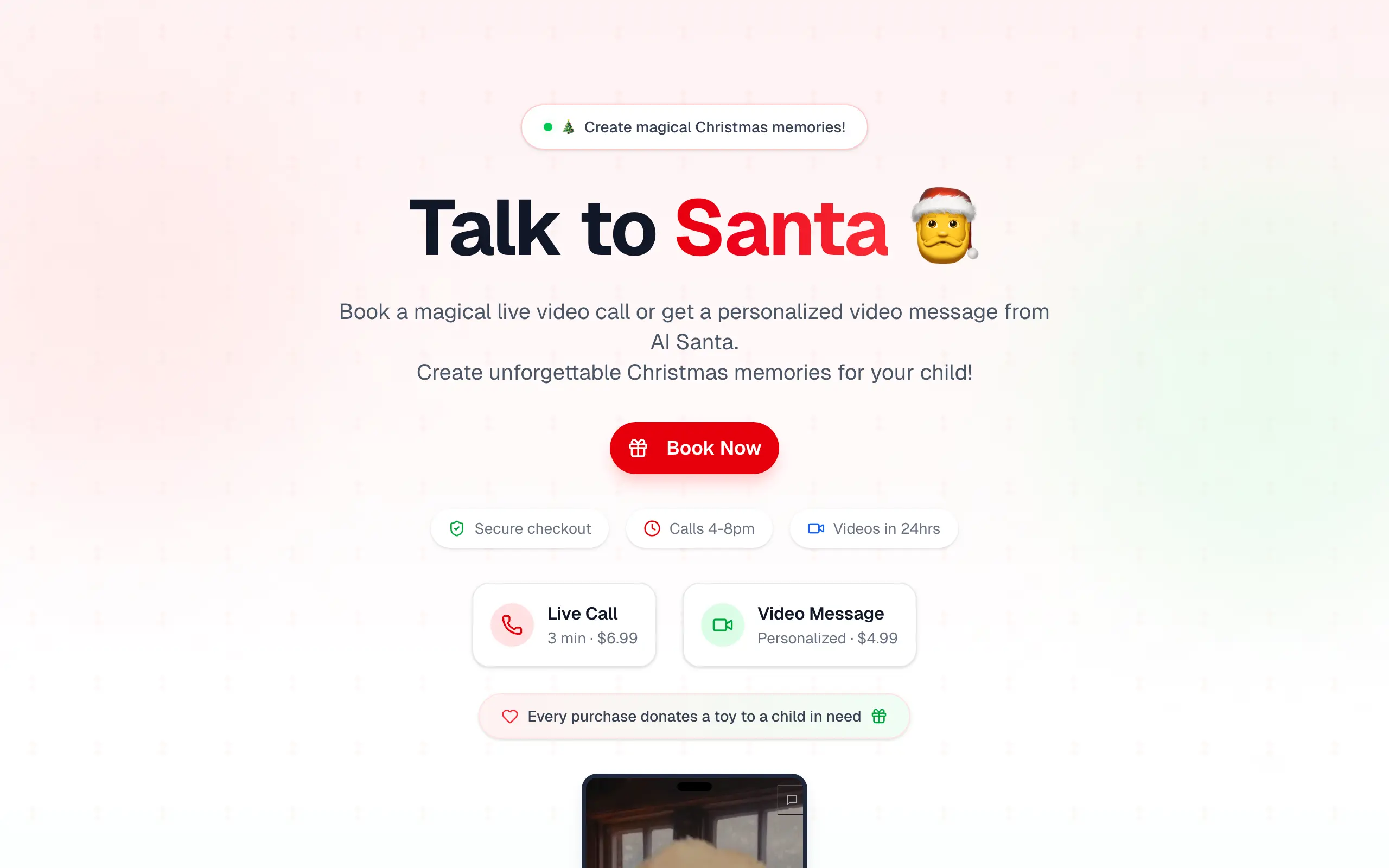
Talk to Santa
Enjoy a magical live video chat or receive a unique AI-generated video greeting from Santa Claus 🎅
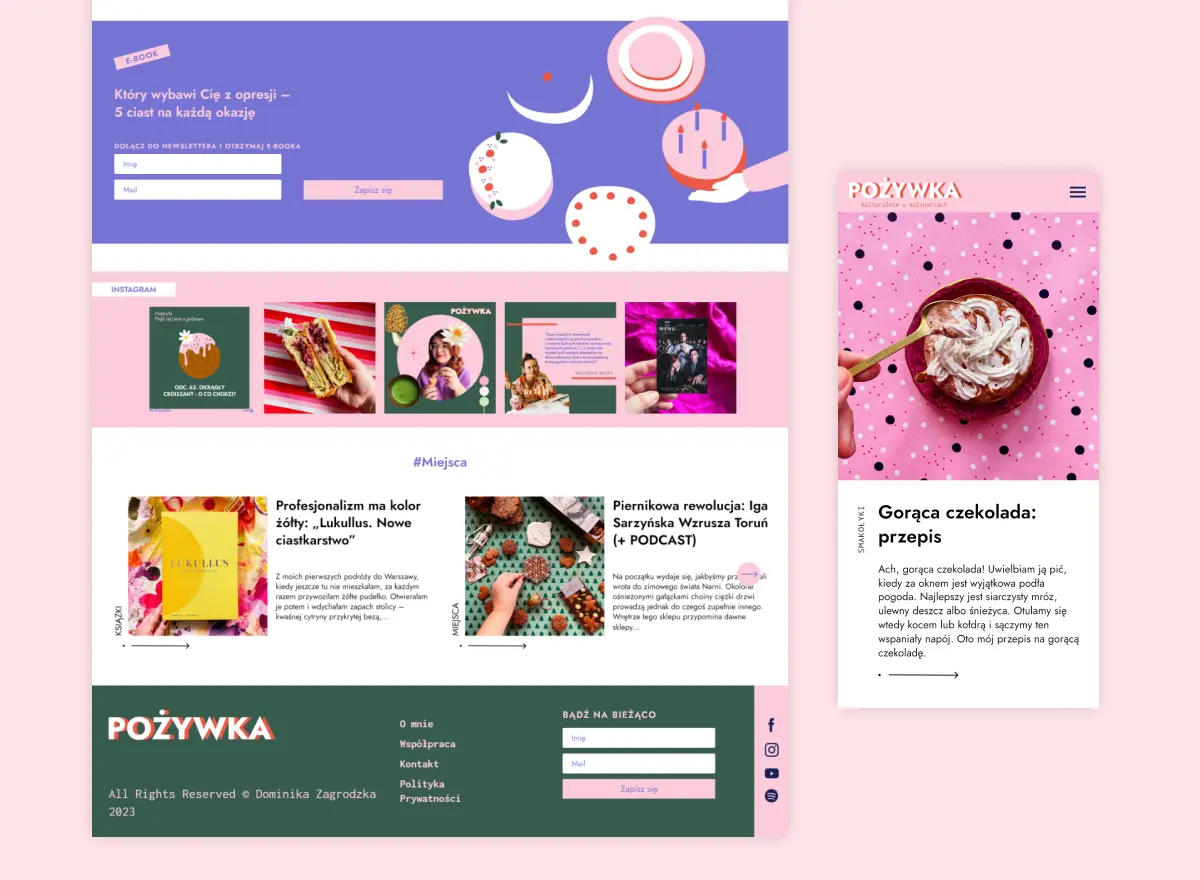
pozywka.pl
Scalable blog for food journalist, focused on performance and user experience 🌭
zagrodzki.me
Personal blog and portfolio of Bart Zagrodzki, where he shares his knowledge and work 💼
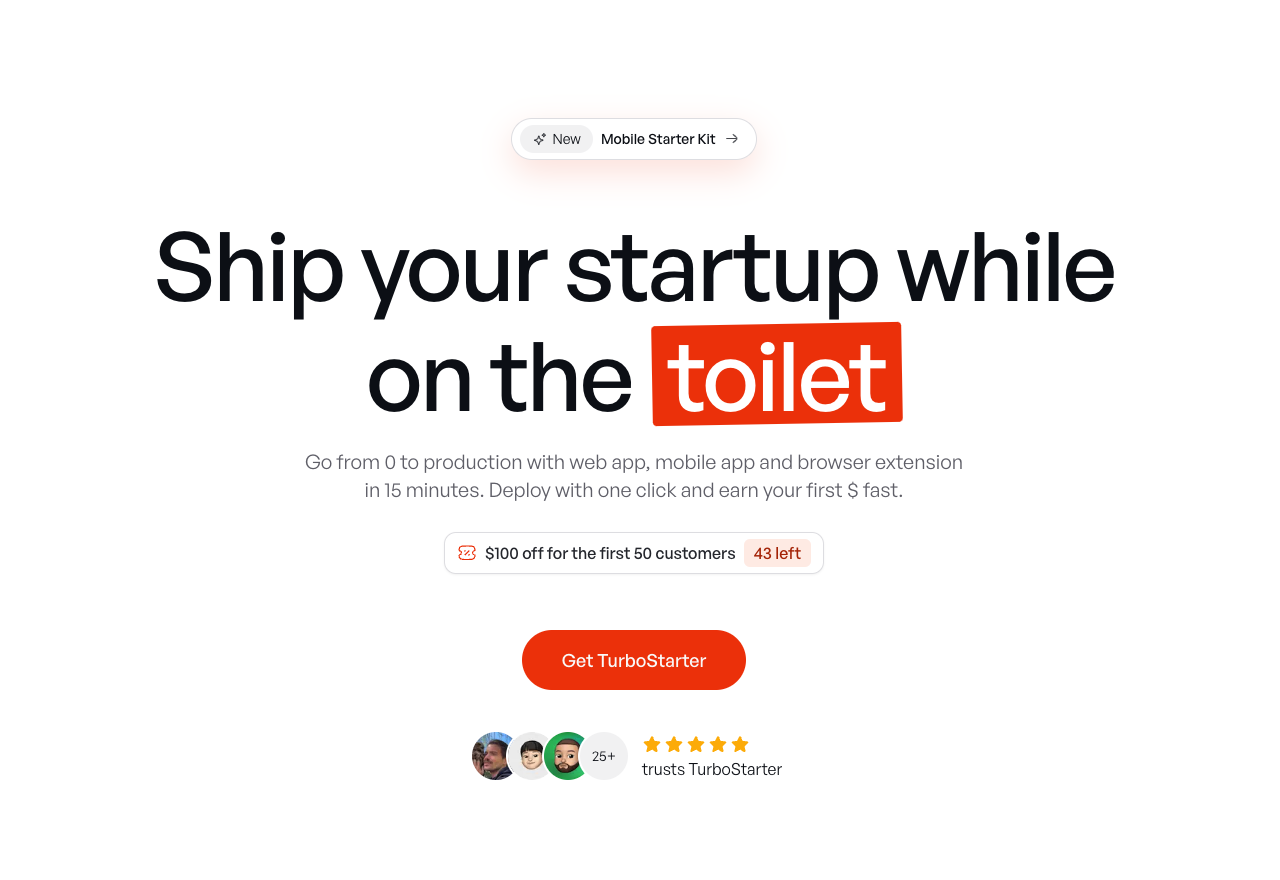
TurboStarter
Ship your startup everywhere. In minutes.
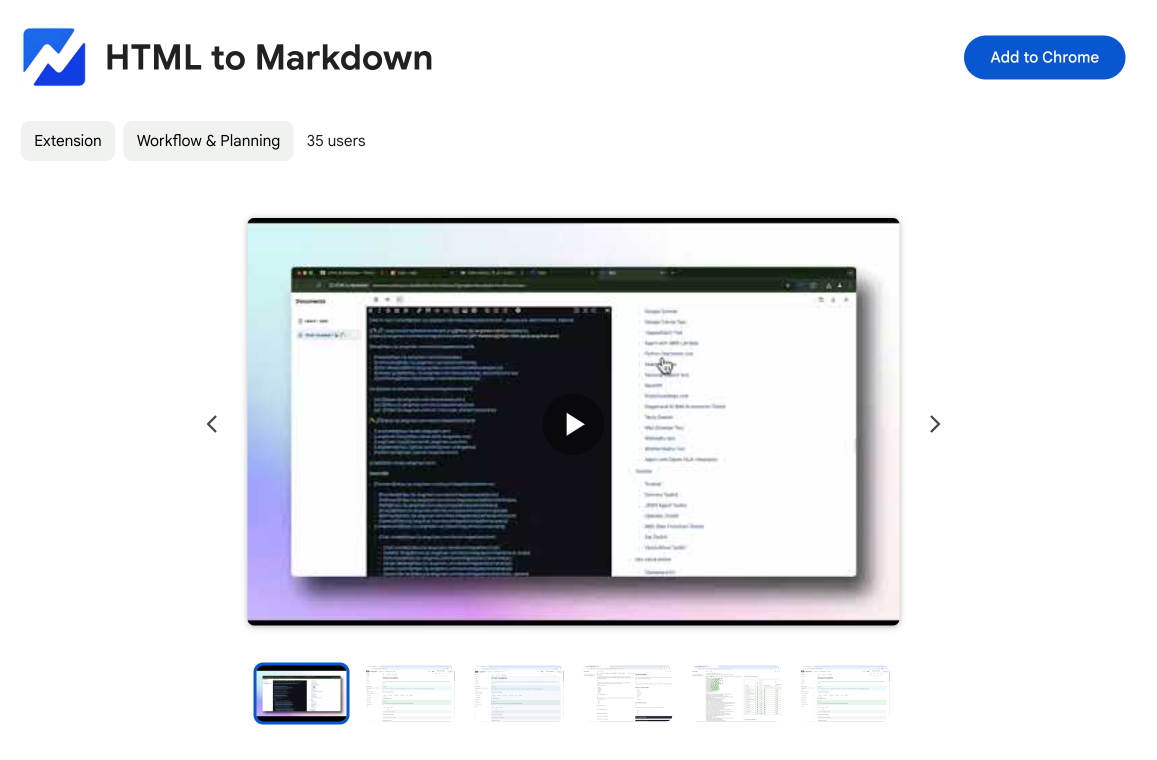
HTML to Markdown
Convert HTML to Markdown with ease, directly in your browser 📄
Dotallio
Personalized AI apps that automate research, data extraction, and content creation without code 🤖
Talk to Santa
Enjoy a magical live video chat or receive a unique AI-generated video greeting from Santa Claus 🎅
pozywka.pl
Scalable blog for food journalist, focused on performance and user experience 🌭
zagrodzki.me
Personal blog and portfolio of Bart Zagrodzki, where he shares his knowledge and work 💼
TurboStarter
Ship your startup everywhere. In minutes.
HTML to Markdown
Convert HTML to Markdown with ease, directly in your browser 📄
Dotallio
Personalized AI apps that automate research, data extraction, and content creation without code 🤖
Talk to Santa
Enjoy a magical live video chat or receive a unique AI-generated video greeting from Santa Claus 🎅
pozywka.pl
Scalable blog for food journalist, focused on performance and user experience 🌭
zagrodzki.me
Personal blog and portfolio of Bart Zagrodzki, where he shares his knowledge and work 💼
TurboStarter
Ship your startup everywhere. In minutes.
HTML to Markdown
Convert HTML to Markdown with ease, directly in your browser 📄
Dotallio
Personalized AI apps that automate research, data extraction, and content creation without code 🤖
Talk to Santa
Enjoy a magical live video chat or receive a unique AI-generated video greeting from Santa Claus 🎅
pozywka.pl
Scalable blog for food journalist, focused on performance and user experience 🌭
zagrodzki.me
Personal blog and portfolio of Bart Zagrodzki, where he shares his knowledge and work 💼
TurboStarter
Ship your startup everywhere. In minutes.
HTML to Markdown
Convert HTML to Markdown with ease, directly in your browser 📄
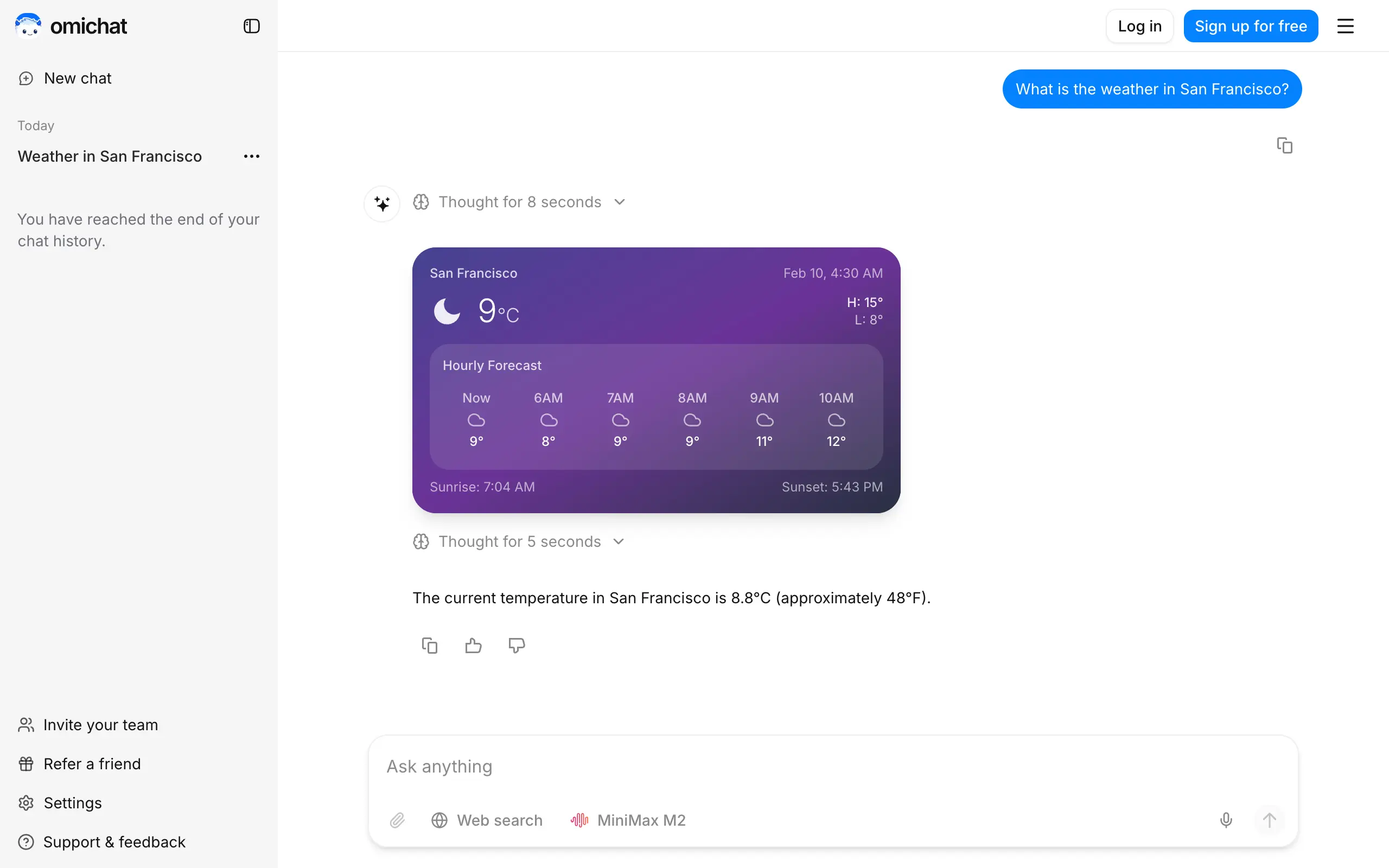
Omichat
Chat with 50+ AI models, including ChatGPT and Claude, in one place - switch models anytime without losing context 🤖
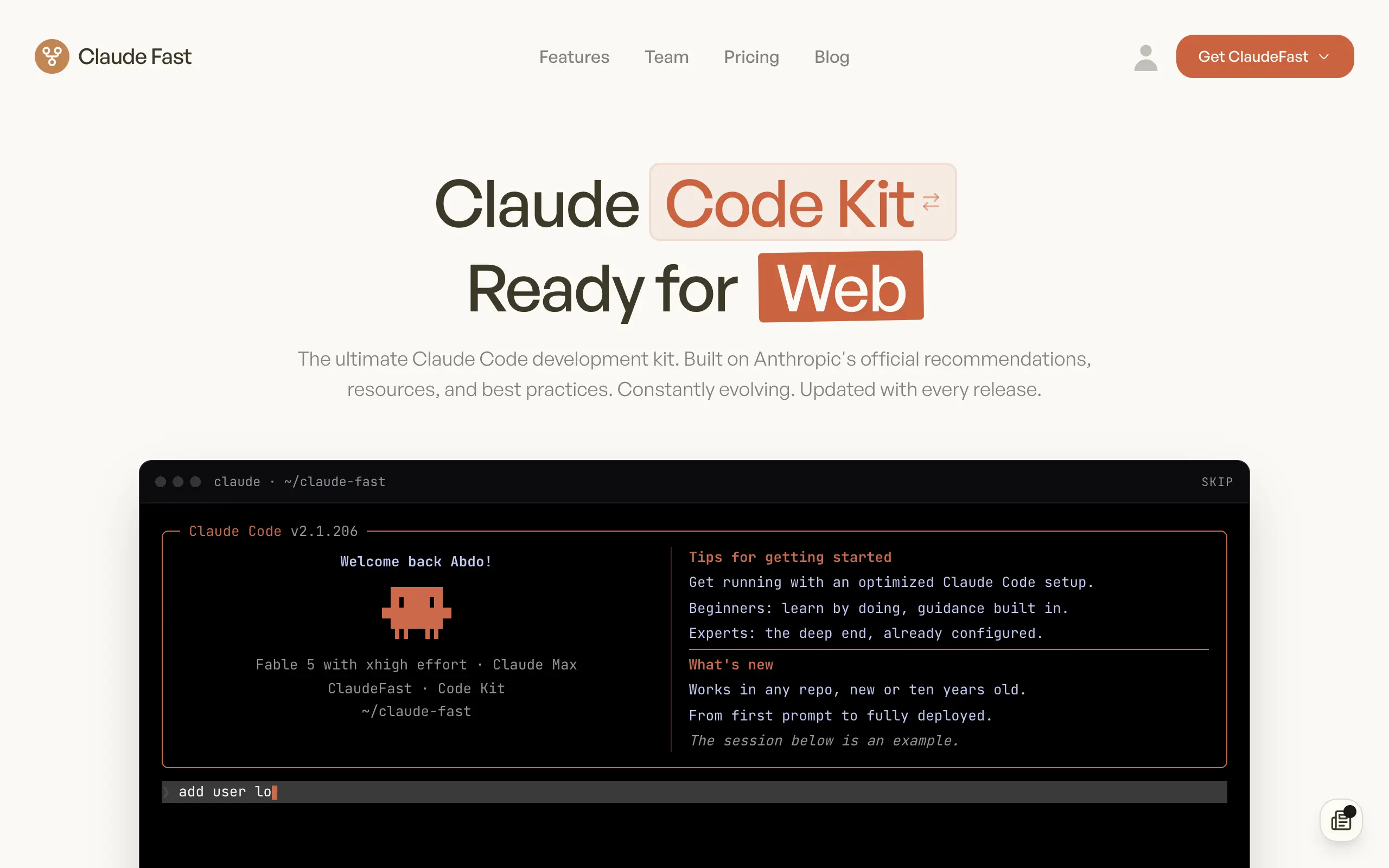
Claude Fast
Supercharge your Claude Code with 6x effective context window and specialized AI agents 🤖
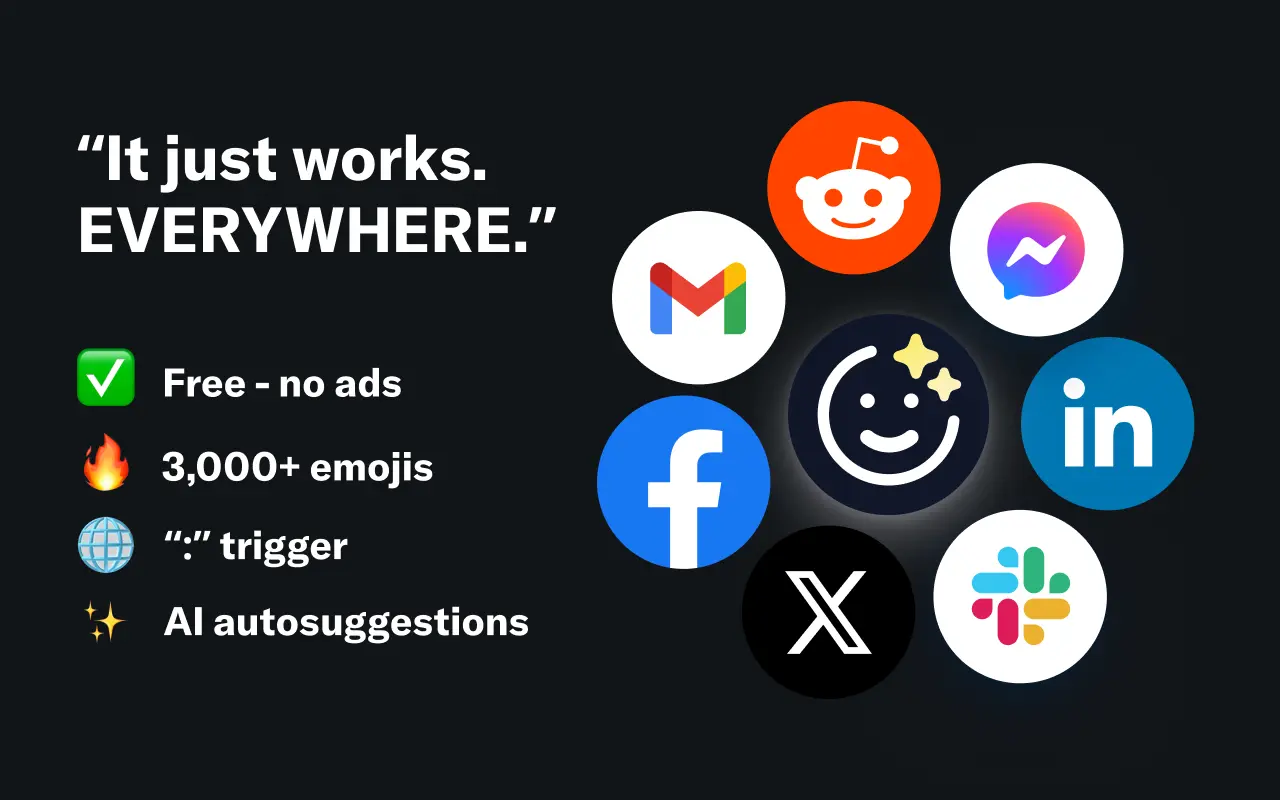
EmojAI
AI-powered emoji picker with smart, context-aware suggestions 🤖
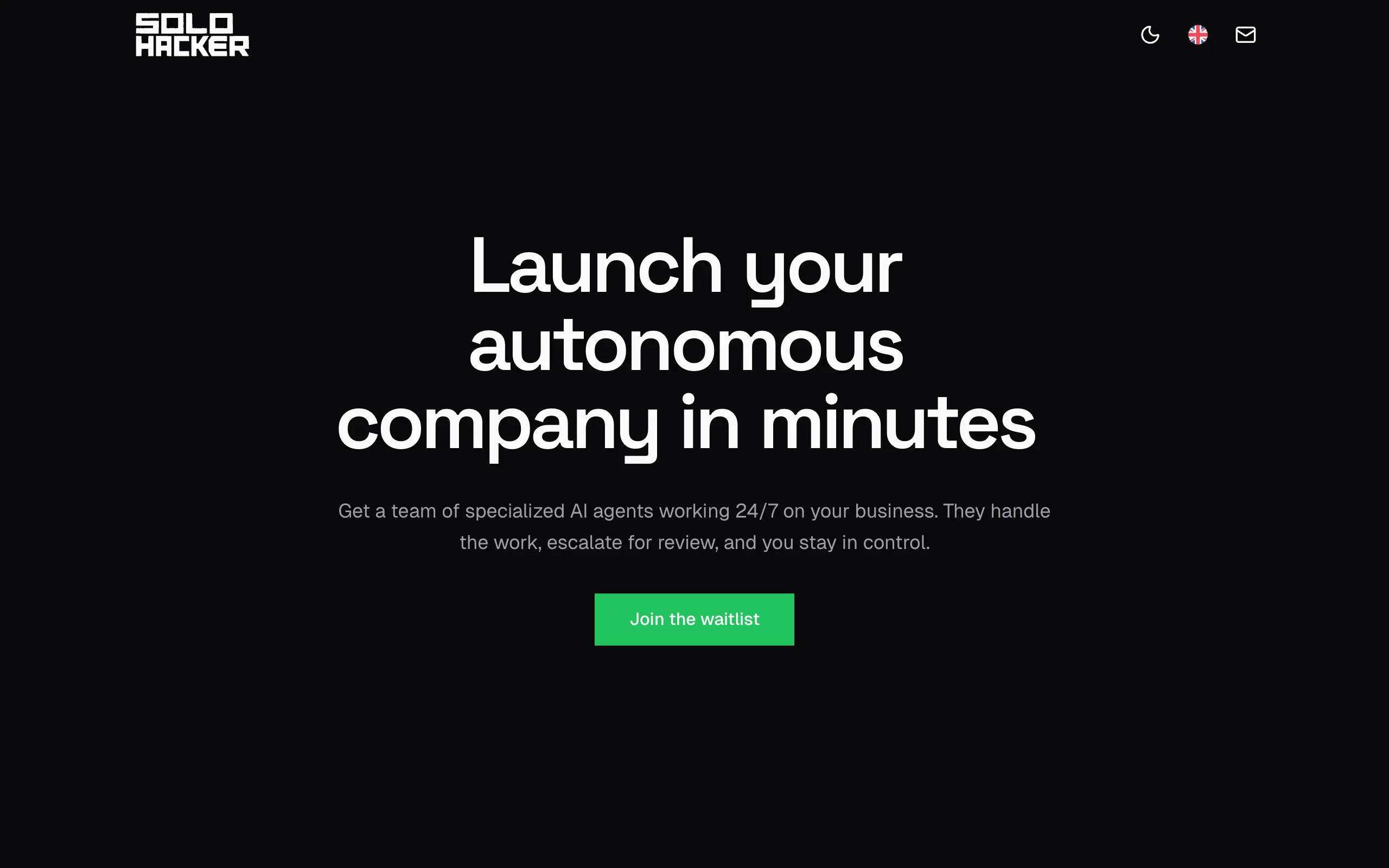
Solohacker
Autonomous company launcher - AI agents work 24/7, escalate what matters, and you stay in control 🤖
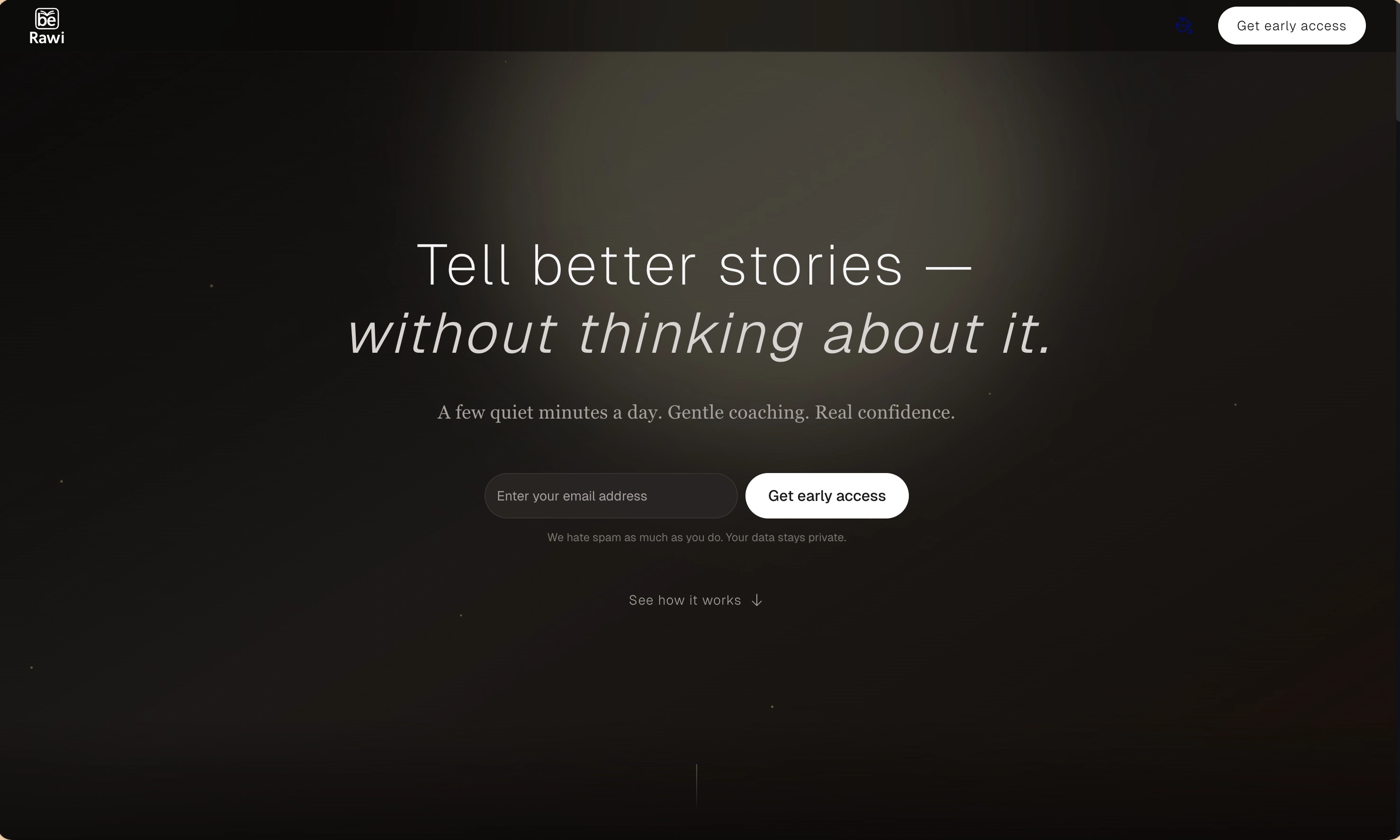
BeRawi: Storytelling Coach
Practice storytelling daily with instant feedback to sound clearer, more engaging, and confident 🎤
Omichat
Chat with 50+ AI models, including ChatGPT and Claude, in one place - switch models anytime without losing context 🤖
Claude Fast
Supercharge your Claude Code with 6x effective context window and specialized AI agents 🤖
EmojAI
AI-powered emoji picker with smart, context-aware suggestions 🤖
Solohacker
Autonomous company launcher - AI agents work 24/7, escalate what matters, and you stay in control 🤖
BeRawi: Storytelling Coach
Practice storytelling daily with instant feedback to sound clearer, more engaging, and confident 🎤
Omichat
Chat with 50+ AI models, including ChatGPT and Claude, in one place - switch models anytime without losing context 🤖
Claude Fast
Supercharge your Claude Code with 6x effective context window and specialized AI agents 🤖
EmojAI
AI-powered emoji picker with smart, context-aware suggestions 🤖
Solohacker
Autonomous company launcher - AI agents work 24/7, escalate what matters, and you stay in control 🤖
BeRawi: Storytelling Coach
Practice storytelling daily with instant feedback to sound clearer, more engaging, and confident 🎤
Omichat
Chat with 50+ AI models, including ChatGPT and Claude, in one place - switch models anytime without losing context 🤖
Claude Fast
Supercharge your Claude Code with 6x effective context window and specialized AI agents 🤖
EmojAI
AI-powered emoji picker with smart, context-aware suggestions 🤖
Solohacker
Autonomous company launcher - AI agents work 24/7, escalate what matters, and you stay in control 🤖
BeRawi: Storytelling Coach
Practice storytelling daily with instant feedback to sound clearer, more engaging, and confident 🎤

Connect with like-minded people
Join our community to get feedback, support, and grow together with 1,000+ builders on board, let's ship it!
Join usShip your startup everywhere. In minutes.
Don't burn tokens on setup and start building features on day one.