MetaMind Coach
AI-powered gaming coach that analyzes your matches, detects mistakes, and delivers personalized drills to rank up faster in competitive titles.
The rise of AI-powered gaming coaching in competitive esports
Competitive gaming has evolved from a hobby into a global industry worth billions. Titles like Valorant, League of Legends, Counter-Strike 2, Dota 2, Apex Legends, and Fortnite attract millions of daily players and massive esports audiences. With ranking systems, seasonal ladders, and professional aspirations, players are constantly looking for ways to improve.
Yet most players plateau.
They grind ranked matches, watch YouTube guides, and occasionally review their own gameplay—but they lack structured feedback and personalized training. That’s where an AI-powered gaming coach like MetaMind Coach enters the market.
MetaMind Coach is designed to analyze your matches, detect mistakes, and deliver personalized drills to help you rank up faster. In this in-depth guide, we’ll explore:
- The market opportunity for AI gaming coaching platforms
- The target audience and user intent
- Core features and AI architecture
- Competitive landscape and differentiation
- Monetization strategy
- Recommended tech stack
- Risks and mitigation
- Step-by-step implementation roadmap
If you’re validating or building a product like MetaMind Coach, this guide will give you a comprehensive blueprint.
Understanding the target audience for an AI gaming coach
To build a successful AI gaming coach, you must deeply understand user psychology, skill distribution, and motivation drivers.
Primary audience segments
Ranked grinders (Gold–Diamond tier)
Players stuck in mid-tier ranks seeking structured improvement and personalized feedback.
Aspiring semi-pro players
Highly competitive players who want detailed analytics similar to professional coaching.
Content-driven learners
Players who consume YouTube and Twitch content but lack actionable, game-specific feedback.
Pain points across segments
-
Lack of actionable feedback
Players don’t know why they lost fights. -
Cognitive overload during matches
Real-time awareness is limited. Post-match reflection is poor. -
No structured training plan
They practice randomly rather than targeting weaknesses. -
High cost of human coaching
Professional coaching can cost $50–$150 per session. -
Difficulty analyzing replays efficiently
Reviewing a 40-minute match manually is time-consuming.
Search intent analysis
Users searching for:
- “How to rank up in Valorant fast”
- “AI gaming coach”
- “Best way to improve aim”
- “League of Legends replay analyzer”
- “How to stop losing ranked games”
They are typically looking for:
- Tactical insights
- Mistake detection
- Training routines
- Performance analytics
- Personalized feedback
MetaMind Coach directly satisfies this intent by combining AI match analysis with structured improvement plans.
Market opportunity in AI esports coaching
The gaming industry continues to grow globally. According to publicly available industry reports (e.g., Newzoo Global Games Market Report), competitive gaming participation and esports viewership have steadily increased over the past decade.
Key trends driving opportunity:
- 📈 Increasing competitiveness in ranked ladders
- 🎮 Data-rich APIs and replay systems
- 🤖 Advancements in AI and machine learning
- 🧠 Growing interest in performance optimization
Gap in the current market
Most improvement tools fall into three categories:
| Category | Example | Limitation |
|---|---|---|
| Static guides | YouTube tutorials | Not personalized |
| Stats trackers | Match history apps | Data without insight |
| Human coaching | 1-on-1 sessions | Expensive, not scalable |
There is a clear gap for:
An affordable, scalable, AI-powered gaming coach that combines analytics + behavioral insights + personalized drills.
Core features of MetaMind Coach
To deliver real value, MetaMind Coach must go beyond surface-level statistics.
1. AI match analysis engine
This is the heart of the platform.
It should analyze:
- Player positioning
- Death causes
- Economy management
- Ability usage timing
- Crosshair placement
- Map control patterns
- Reaction times (where available)
Using machine learning models trained on:
- High-elo match data
- Professional match data
- Historical performance trends
2. Mistake detection and categorization
Instead of generic stats, users need:
- “You peeked without utility 7 times.”
- “You died within 3 seconds of using your dash 5 times.”
- “Your CS drops significantly after minute 12.”
These should be categorized into:
- Mechanical mistakes
- Tactical errors
- Decision-making flaws
- Psychological tendencies (tilt patterns, aggression spikes)
3. Personalized training drills
The AI should convert mistakes into drills:
Examples:
- Aim lab integration tasks
- Crosshair placement drills
- Scenario-based decision simulations
- Short in-game objectives (e.g., “Use utility before peeking 10 rounds in a row”)
4. Progress tracking dashboard
A clean analytics interface should include:
- Rank progression
- Mistake frequency trends
- Mechanical improvement metrics
- Confidence score
- Heatmaps
5. AI conversational coach
A GPT-powered conversational layer can:
- Answer match-specific questions
- Provide mindset coaching
- Explain macro strategies
Example:
const feedback = await aiCoach.analyzeMatch({
  deaths: 12,
  flashUsage: 3,
  entryAttempts: 9
});

console.log(feedback.summary);
This turns raw data into human-readable insight.
Recommended AI architecture
Data ingestion layer
- Game APIs (where available)
- Replay file parsing
- Computer vision (if analyzing VODs)
Model layers
- Event detection model
- Behavior classification model
- Performance scoring model
- Drill recommendation engine
Storage
- Match logs (structured)
- Vector database for player embedding
- Historical performance baselines
Recommended tech stack for MetaMind Coach
Building an AI-powered gaming coach requires careful tech decisions.
Frontend
- React or Next.js for dynamic dashboards
- TailwindCSS for scalable UI
- Recharts or D3.js for analytics
Backend
- Node.js (Express or Fastify)
- Python microservices for ML
- Redis for caching
- PostgreSQL for relational data
AI & ML
- PyTorch or TensorFlow
- OpenAI API for conversational coaching
- Vector database (e.g., Pinecone)
Infrastructure
- AWS or GCP
- S3 for replay storage
- Kubernetes for scaling
Scalability tip
Replay processing is compute-heavy. Consider asynchronous processing pipelines to prevent bottlenecks.
Competitive landscape analysis
Current competitors include:
- Stat tracking apps
- Aim trainers
- Coaching marketplaces
- Team analytics platforms
Let’s compare positioning:
| Feature | Stats Trackers | Aim Trainers | Human Coaches | MetaMind Coach |
|---|---|---|---|---|
| Match Analysis | ✅ | ❌ | ✅ | ✅ |
| Personalized Drills | ❌ | ✅ | ✅ | ✅ |
| Affordable | ✅ | ✅ | ❌ | ✅ |
| Scalable Feedback | ❌ | ❌ | ❌ | ✅ |
Unique selling proposition (USP)
MetaMind Coach uniquely combines:
- AI match analytics
- Automated mistake detection
- Personalized drill generation
- Conversational coaching
All in one ecosystem.
Monetization strategy for AI gaming coach SaaS
A freemium SaaS model is ideal.
Tiered subscription model
Free Tier
- Limited match analysis per week
- Basic stats
Pro Tier ($9–$19/month)
- Unlimited match reviews
- Advanced mistake breakdown
- Drill recommendations
Elite Tier ($29–$49/month)
- Deep tactical insights
- Team coordination analytics
- Priority AI processing
Additional revenue streams
- Team plans for amateur orgs
- Affiliate partnerships with gaming gear brands
- White-label API for esports academies
- Performance-based coaching packages
Risks and mitigation strategies
1. Game API restrictions
Risk: Limited access to replay data.
Mitigation: Develop computer vision VOD analysis fallback.
2. Over-reliance on AI accuracy
Risk: Incorrect feedback reduces trust.
Mitigation:
- Continuous model retraining
- Confidence scoring
- Human expert validation loop
3. High infrastructure costs
Risk: GPU processing expenses.
Mitigation:
- Optimize batch processing
- Charge based on usage tiers
4. Player skepticism
Many gamers distrust AI advice.
Trust-building is critical
Publish transparent methodology and show improvement case studies to build authority.
Building authority and E-E-A-T in gaming analytics
To rank organically for keywords like:
- AI gaming coach
- Best way to rank up fast
- Valorant replay analyzer
- League of Legends improvement tool
You must:
- Publish case studies
- Include gameplay breakdown examples
- Feature testimonials
- Collaborate with esports coaches
- Share educational blog content
Authority in this niche is earned through demonstrated results.
Go-to-market strategy
Phase 1: Niche domination
Start with one game (e.g., Valorant).
Why?
- Strong ranked culture
- Clear mechanical metrics
- API ecosystem
Phase 2: Influencer validation
- Partner with mid-tier Twitch streamers
- Provide free access for review
- Offer affiliate commission
Phase 3: Community growth
- Discord server
- Improvement challenges
- Public leaderboard
Gamers thrive in competitive communities.
Step-by-step implementation roadmap
To accelerate development, consider using a SaaS boilerplate like TurboStarter, which provides authentication, payments, and scalable architecture out of the box.
Long-term expansion opportunities
- AI-powered team strategy builder
- Tournament scouting analytics
- Mental performance coaching modules
- Mobile companion app
- VR training simulations
The ultimate vision?
Become the Duolingo of competitive gaming improvement.
Future trends in AI gaming performance analysis
Looking ahead:
- Real-time AI coaching overlays
- Biometric integration (heart rate, stress)
- Predictive rank modeling
- AI-generated scrim simulations
As AI models become more multimodal, combining gameplay data + voice comms + biometrics will unlock unprecedented performance insights.
Why MetaMind Coach can win
MetaMind Coach sits at the intersection of:
- AI
- Performance analytics
- Gaming psychology
- SaaS scalability
It solves a universal gamer problem:
“I’m stuck. I don’t know what I’m doing wrong.”
By transforming raw match data into structured, personalized training, it creates a continuous improvement loop.
Gamers don’t just want stats.
They want transformation.
Final implementation checklist
Before launching:
- ✅ Ensure model accuracy > 80% for mistake detection
- ✅ Build intuitive UX
- ✅ Offer tangible first-win improvement
- ✅ Secure scalable infrastructure
- ✅ Publish authority-building content
Once these are in place, MetaMind Coach can become a category-defining AI-powered gaming coach platform.
Ready to build your AI gaming coach?
If you’re serious about launching MetaMind Coach or a similar AI SaaS, focus on:
- Clear user pain points
- Real measurable outcomes
- Structured feedback loops
- Sustainable monetization
Build for improvement, not just analytics.
Then execute relentlessly.
More 🤖 AI Startup SaaS ideas
Discover more innovative ai startup SaaS ideas that are trending in 2026. Each idea is AI-generated with market validation and growth potential to help you find your next profitable venture faster than competitors.
Your competitors are building with TurboStarter
Below are some of the SaaS ideas that have been generated and built with our starter kit.
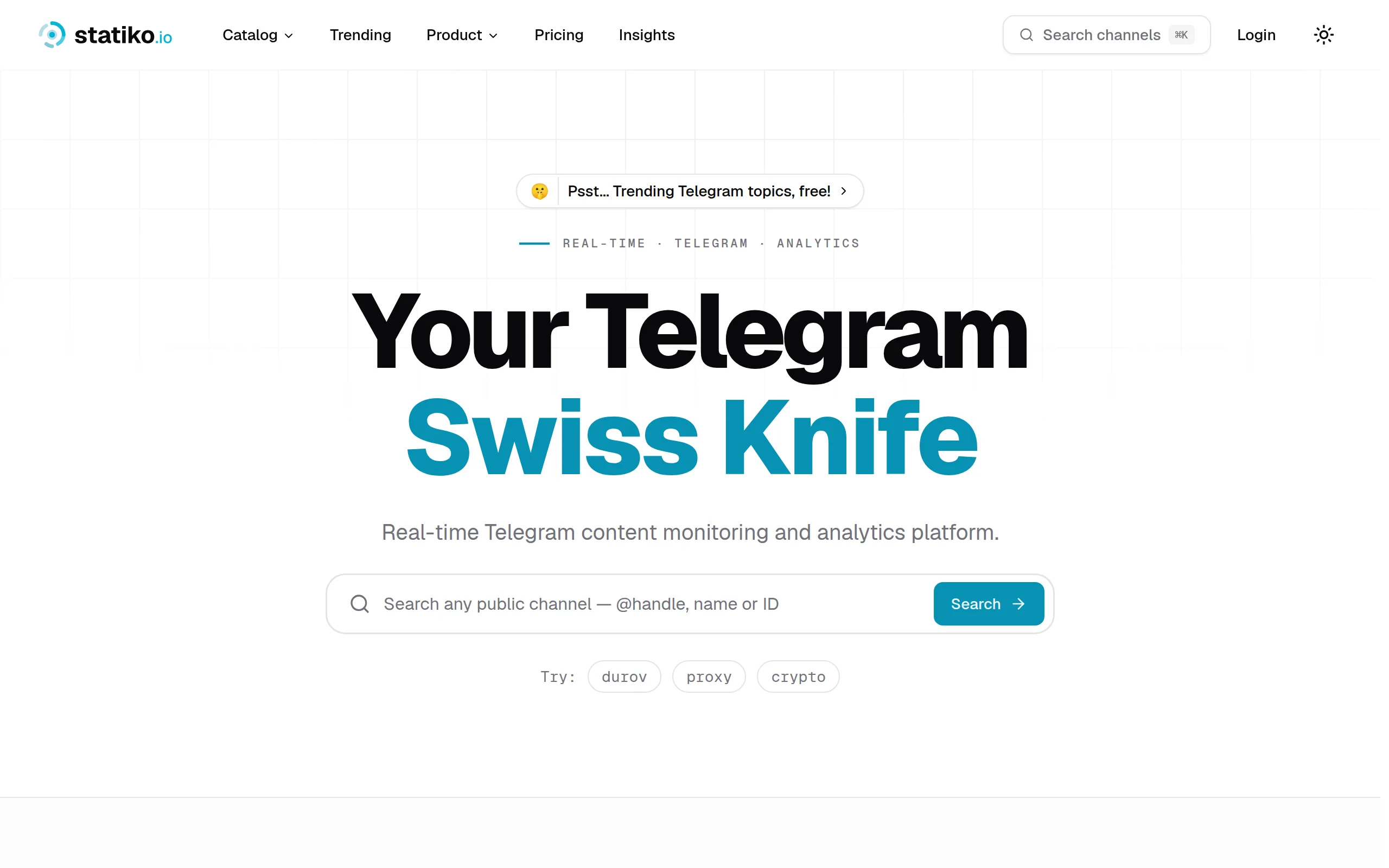
Statiko
Monitor any Telegram channel in real time - track posts, edits, deletions, and growth with AI recaps 📡

Shibui
AI website builder - describe your business, pick a niche template, edit by chatting, and publish instantly ✨

Pro Service
Find verified home service professionals, compare quotes, and pay securely through escrow - built for Brazilians across the US 🏠
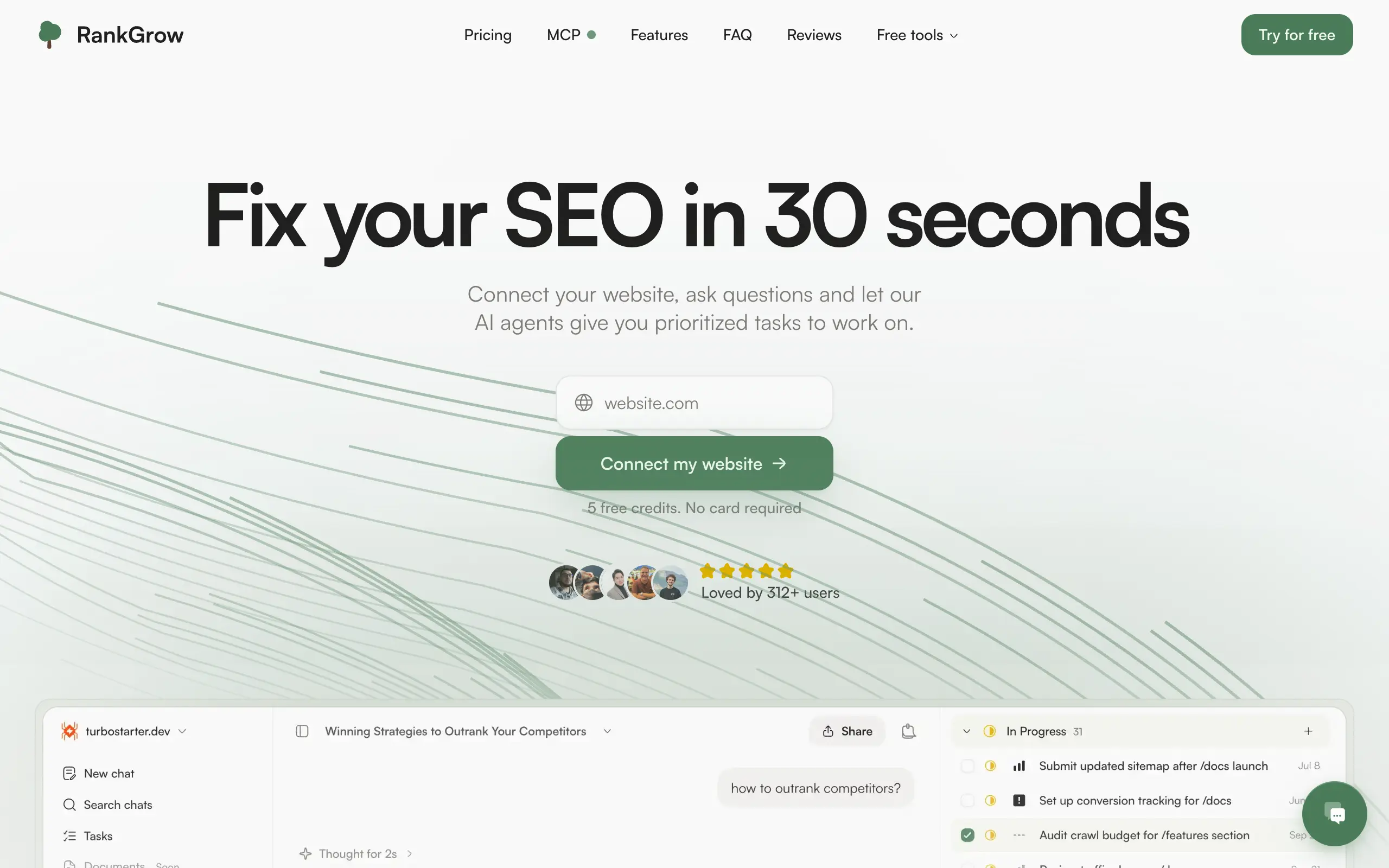
RankGrow
Fix your SEO with AI agents - connect Search Console, get prioritized tasks, and grow organic traffic 📈
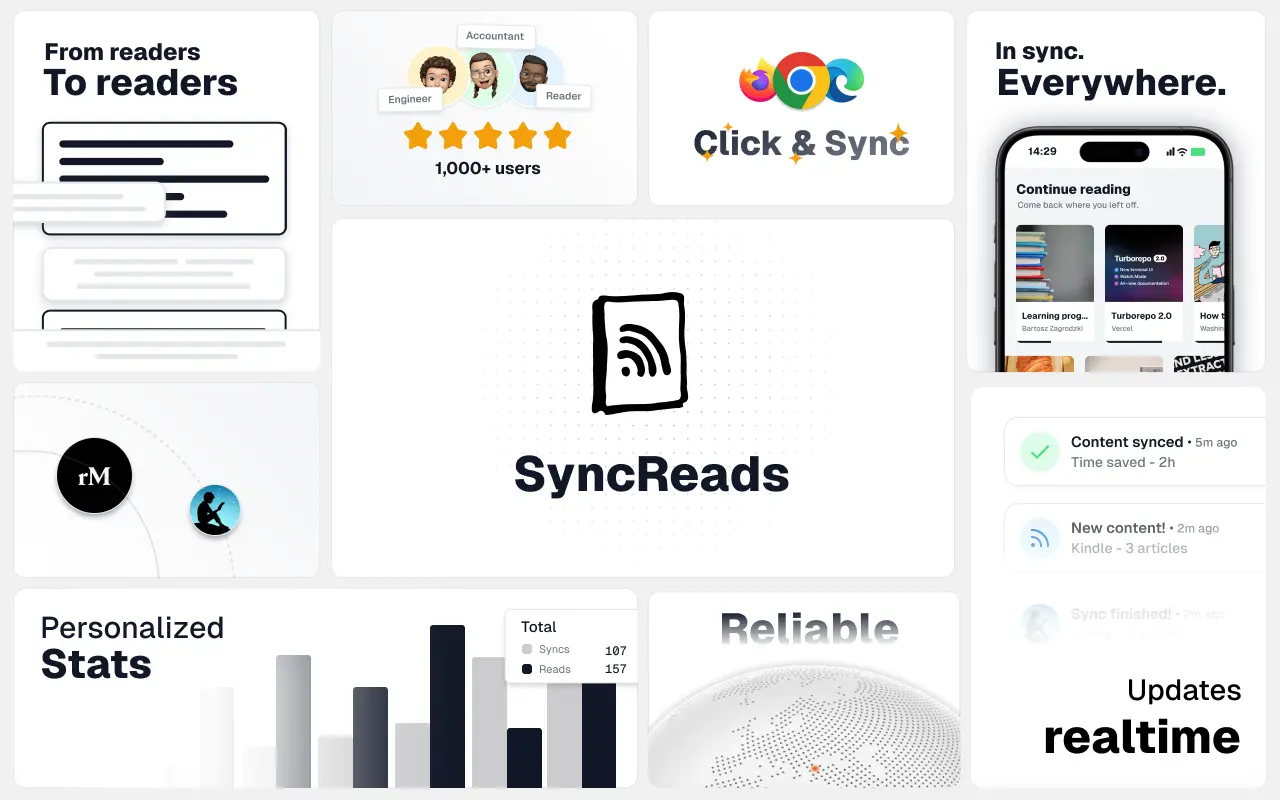
SyncReads
Sync your favorite content for distraction-free reading, save time and replace multiple apps. Anytime, anywhere 🔄
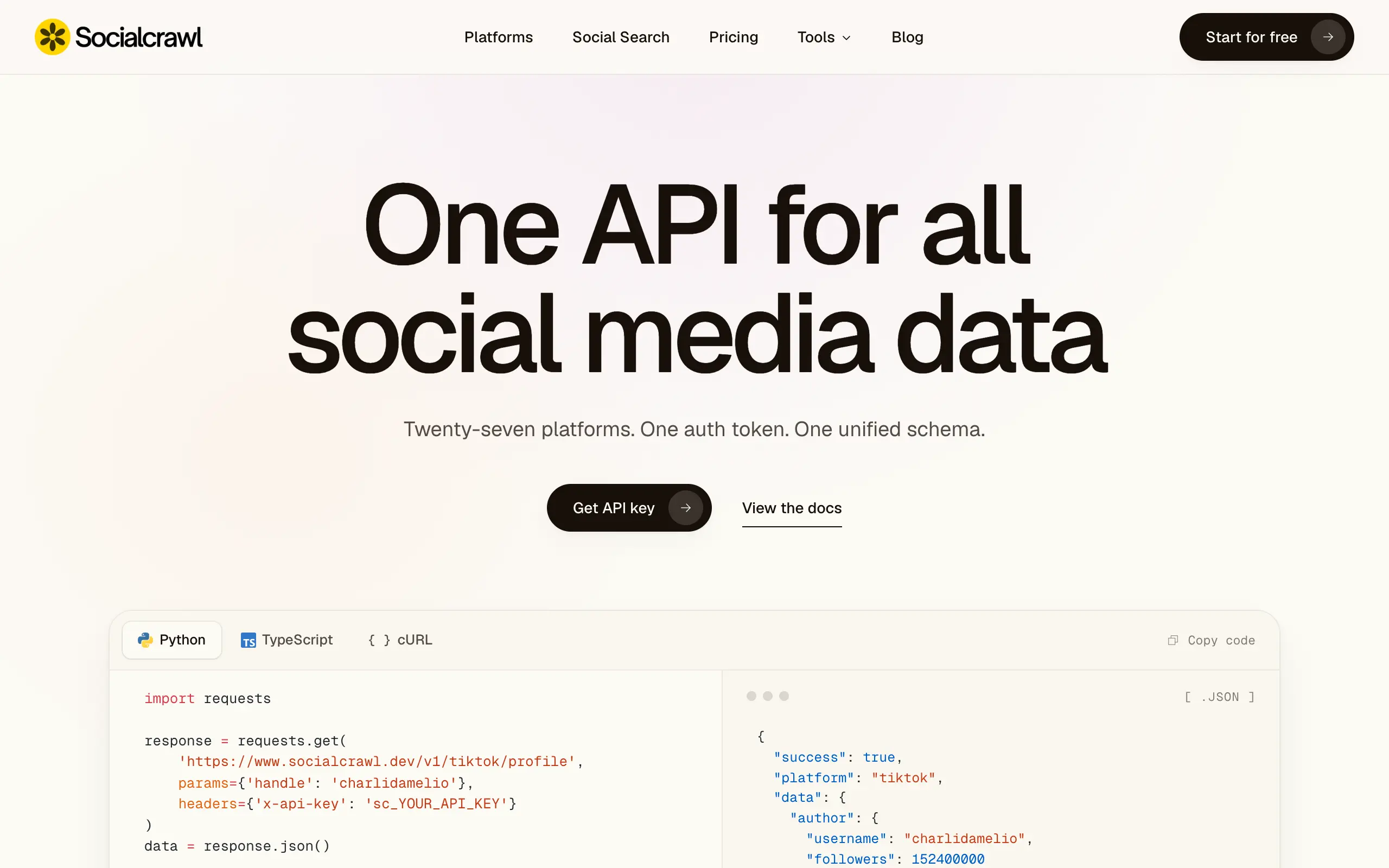
Socialcrawl
Get clean, structured data from 21 platforms like TikTok, Instagram, and YouTube with a single request 📊
Statiko
Monitor any Telegram channel in real time - track posts, edits, deletions, and growth with AI recaps 📡
Shibui
AI website builder - describe your business, pick a niche template, edit by chatting, and publish instantly ✨
Pro Service
Find verified home service professionals, compare quotes, and pay securely through escrow - built for Brazilians across the US 🏠
RankGrow
Fix your SEO with AI agents - connect Search Console, get prioritized tasks, and grow organic traffic 📈
SyncReads
Sync your favorite content for distraction-free reading, save time and replace multiple apps. Anytime, anywhere 🔄
Socialcrawl
Get clean, structured data from 21 platforms like TikTok, Instagram, and YouTube with a single request 📊
Statiko
Monitor any Telegram channel in real time - track posts, edits, deletions, and growth with AI recaps 📡
Shibui
AI website builder - describe your business, pick a niche template, edit by chatting, and publish instantly ✨
Pro Service
Find verified home service professionals, compare quotes, and pay securely through escrow - built for Brazilians across the US 🏠
RankGrow
Fix your SEO with AI agents - connect Search Console, get prioritized tasks, and grow organic traffic 📈
SyncReads
Sync your favorite content for distraction-free reading, save time and replace multiple apps. Anytime, anywhere 🔄
Socialcrawl
Get clean, structured data from 21 platforms like TikTok, Instagram, and YouTube with a single request 📊
Statiko
Monitor any Telegram channel in real time - track posts, edits, deletions, and growth with AI recaps 📡
Shibui
AI website builder - describe your business, pick a niche template, edit by chatting, and publish instantly ✨
Pro Service
Find verified home service professionals, compare quotes, and pay securely through escrow - built for Brazilians across the US 🏠
RankGrow
Fix your SEO with AI agents - connect Search Console, get prioritized tasks, and grow organic traffic 📈
SyncReads
Sync your favorite content for distraction-free reading, save time and replace multiple apps. Anytime, anywhere 🔄
Socialcrawl
Get clean, structured data from 21 platforms like TikTok, Instagram, and YouTube with a single request 📊
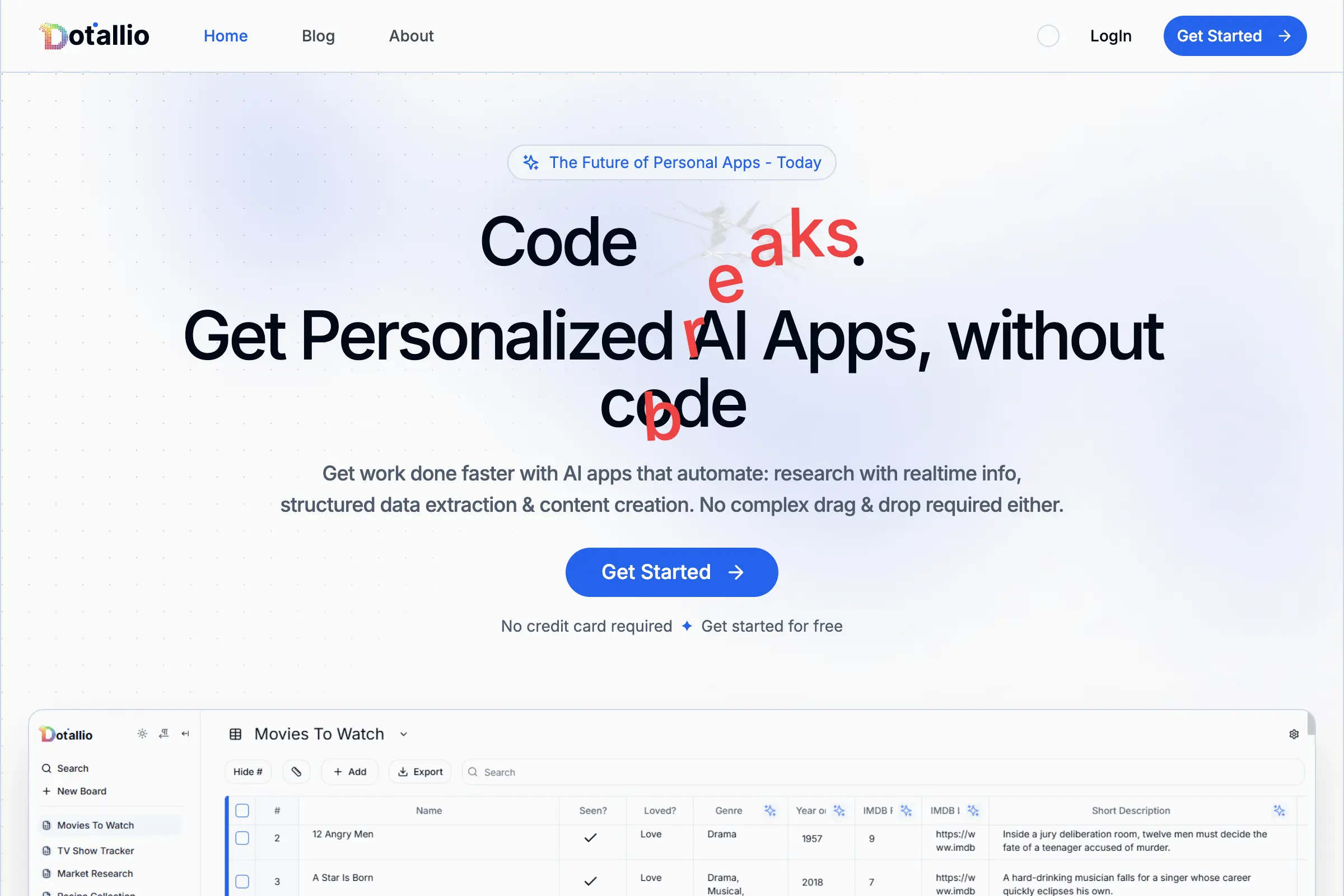
Dotallio
Personalized AI apps that automate research, data extraction, and content creation without code 🤖
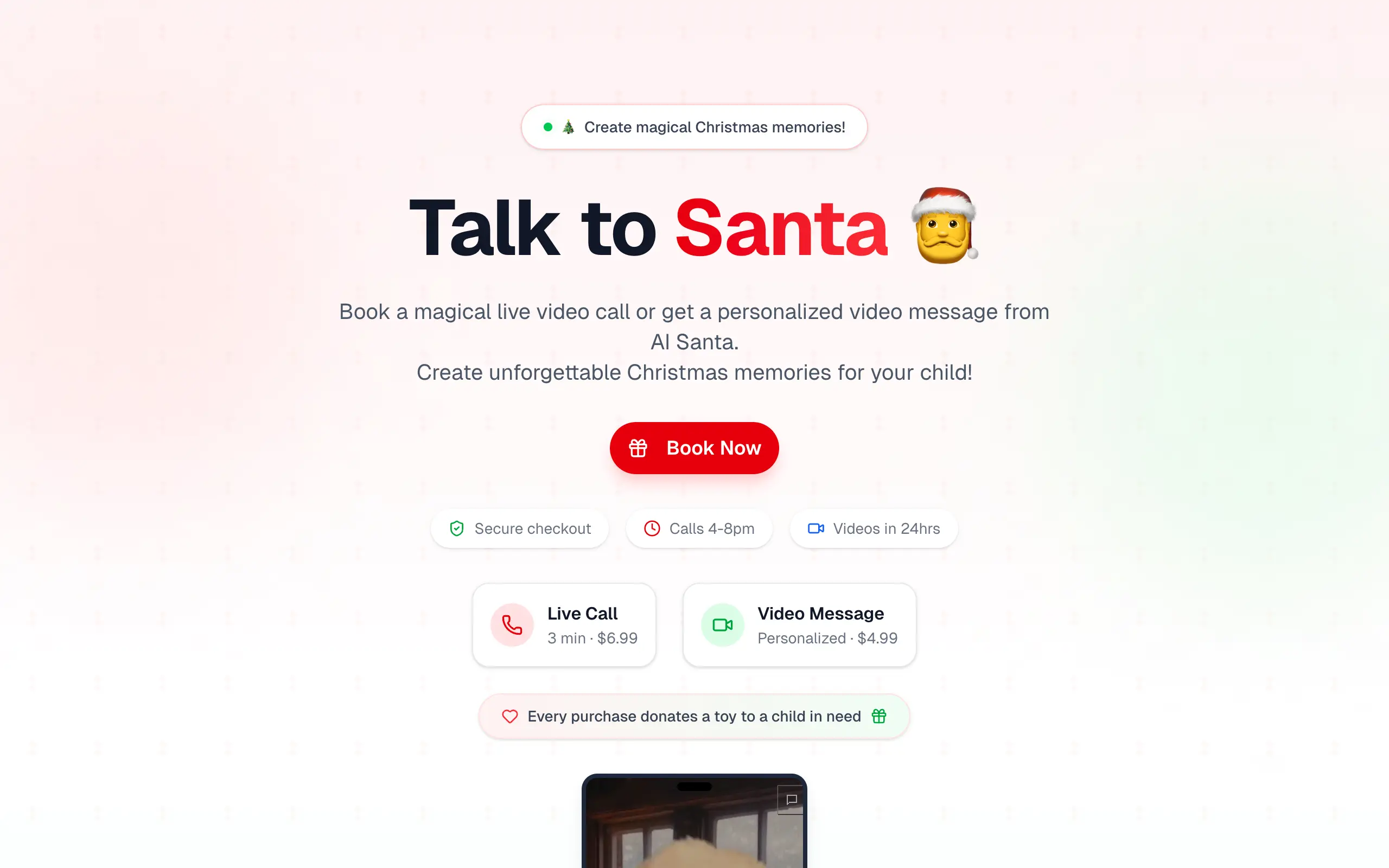
Talk to Santa
Enjoy a magical live video chat or receive a unique AI-generated video greeting from Santa Claus 🎅
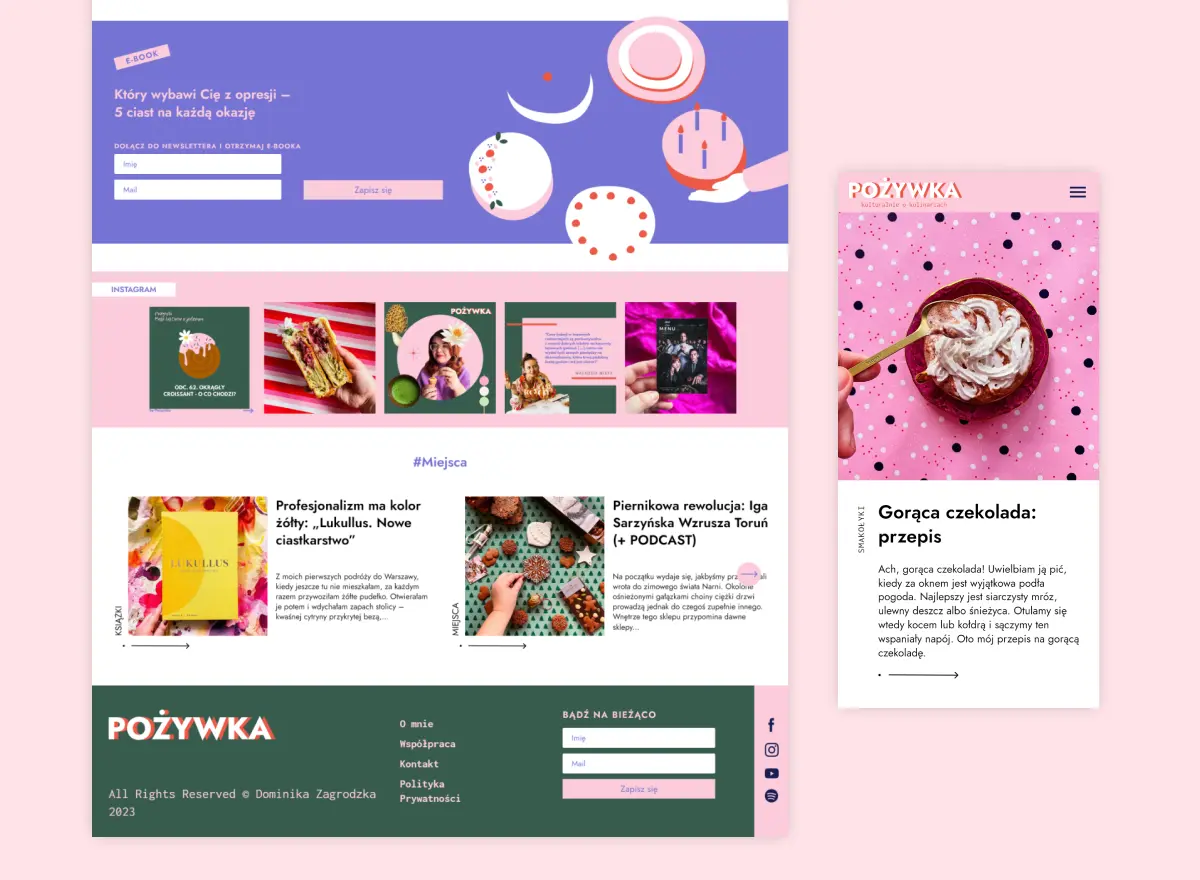
pozywka.pl
Scalable blog for food journalist, focused on performance and user experience 🌭
zagrodzki.me
Personal blog and portfolio of Bart Zagrodzki, where he shares his knowledge and work 💼
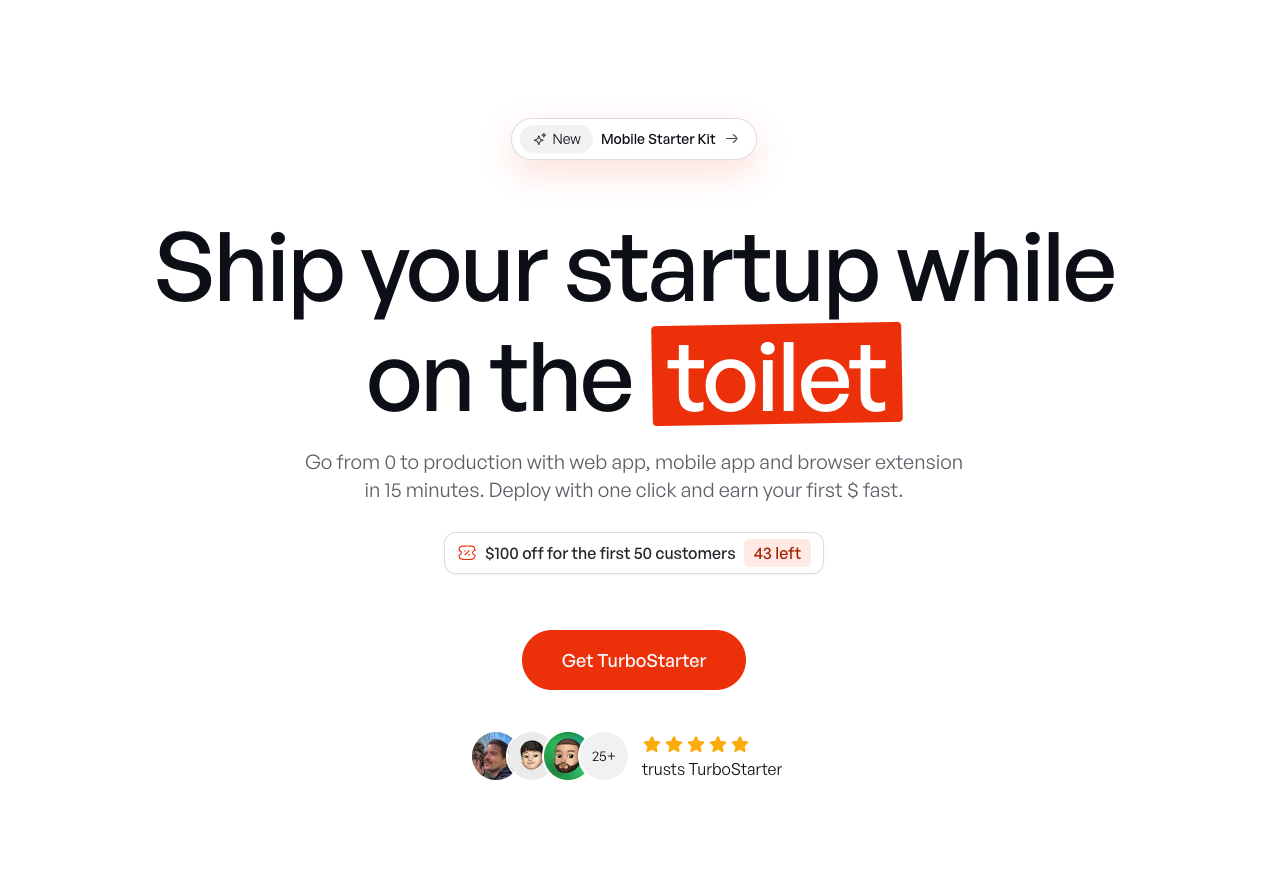
TurboStarter
Ship your startup everywhere. In minutes.
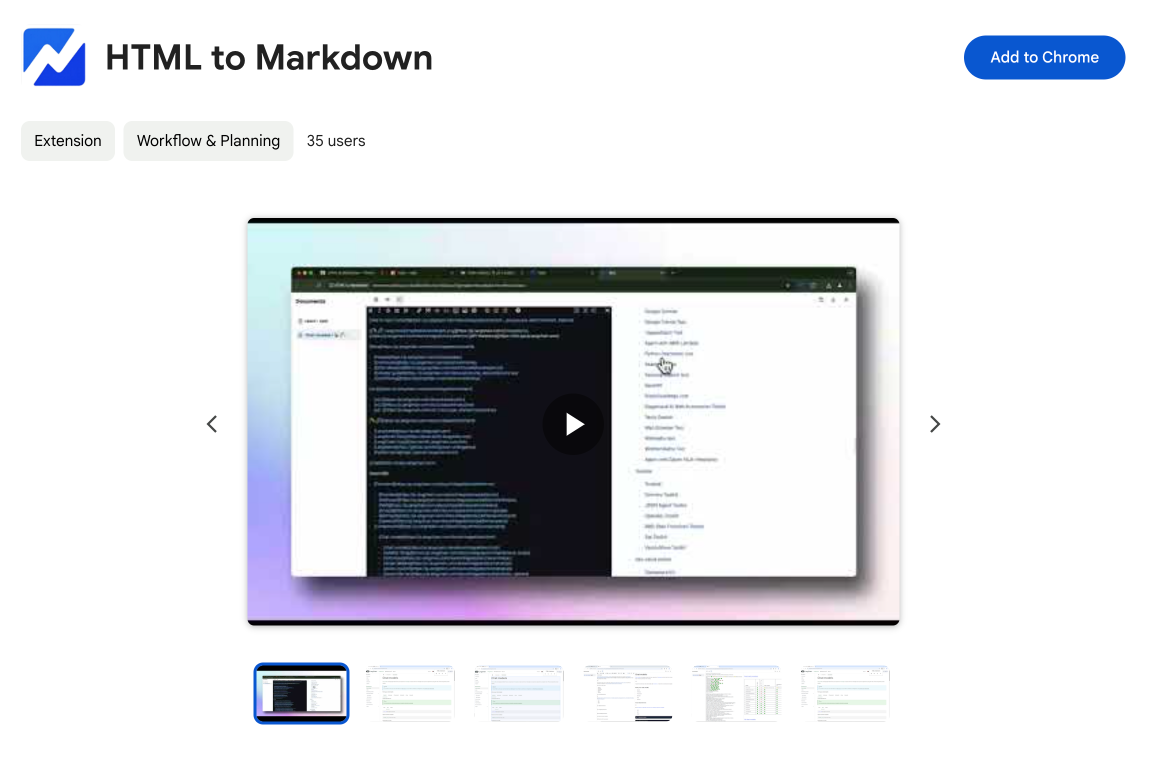
HTML to Markdown
Convert HTML to Markdown with ease, directly in your browser 📄
Dotallio
Personalized AI apps that automate research, data extraction, and content creation without code 🤖
Talk to Santa
Enjoy a magical live video chat or receive a unique AI-generated video greeting from Santa Claus 🎅
pozywka.pl
Scalable blog for food journalist, focused on performance and user experience 🌭
zagrodzki.me
Personal blog and portfolio of Bart Zagrodzki, where he shares his knowledge and work 💼
TurboStarter
Ship your startup everywhere. In minutes.
HTML to Markdown
Convert HTML to Markdown with ease, directly in your browser 📄
Dotallio
Personalized AI apps that automate research, data extraction, and content creation without code 🤖
Talk to Santa
Enjoy a magical live video chat or receive a unique AI-generated video greeting from Santa Claus 🎅
pozywka.pl
Scalable blog for food journalist, focused on performance and user experience 🌭
zagrodzki.me
Personal blog and portfolio of Bart Zagrodzki, where he shares his knowledge and work 💼
TurboStarter
Ship your startup everywhere. In minutes.
HTML to Markdown
Convert HTML to Markdown with ease, directly in your browser 📄
Dotallio
Personalized AI apps that automate research, data extraction, and content creation without code 🤖
Talk to Santa
Enjoy a magical live video chat or receive a unique AI-generated video greeting from Santa Claus 🎅
pozywka.pl
Scalable blog for food journalist, focused on performance and user experience 🌭
zagrodzki.me
Personal blog and portfolio of Bart Zagrodzki, where he shares his knowledge and work 💼
TurboStarter
Ship your startup everywhere. In minutes.
HTML to Markdown
Convert HTML to Markdown with ease, directly in your browser 📄
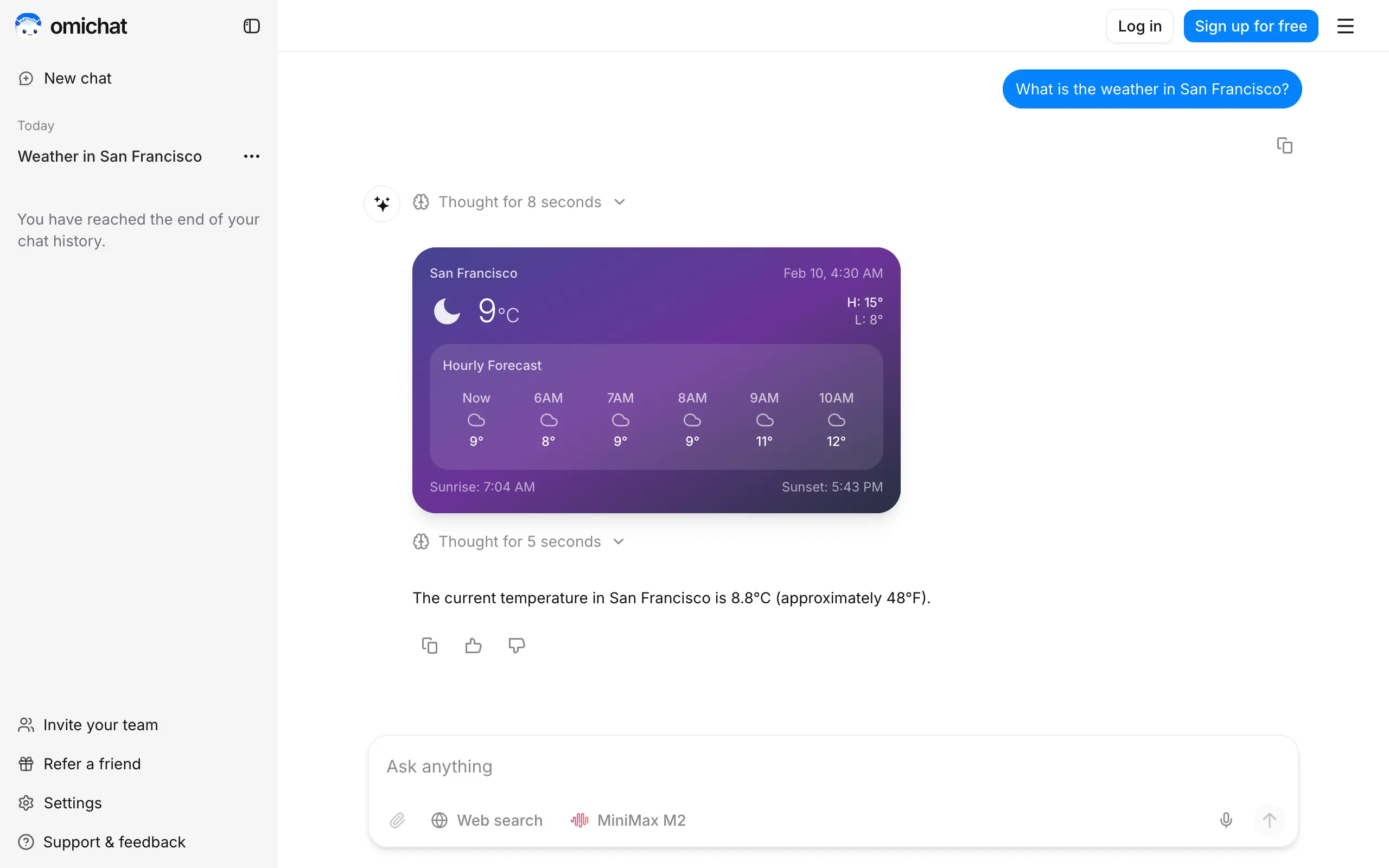
Omichat
Chat with 50+ AI models, including ChatGPT and Claude, in one place - switch models anytime without losing context 🤖
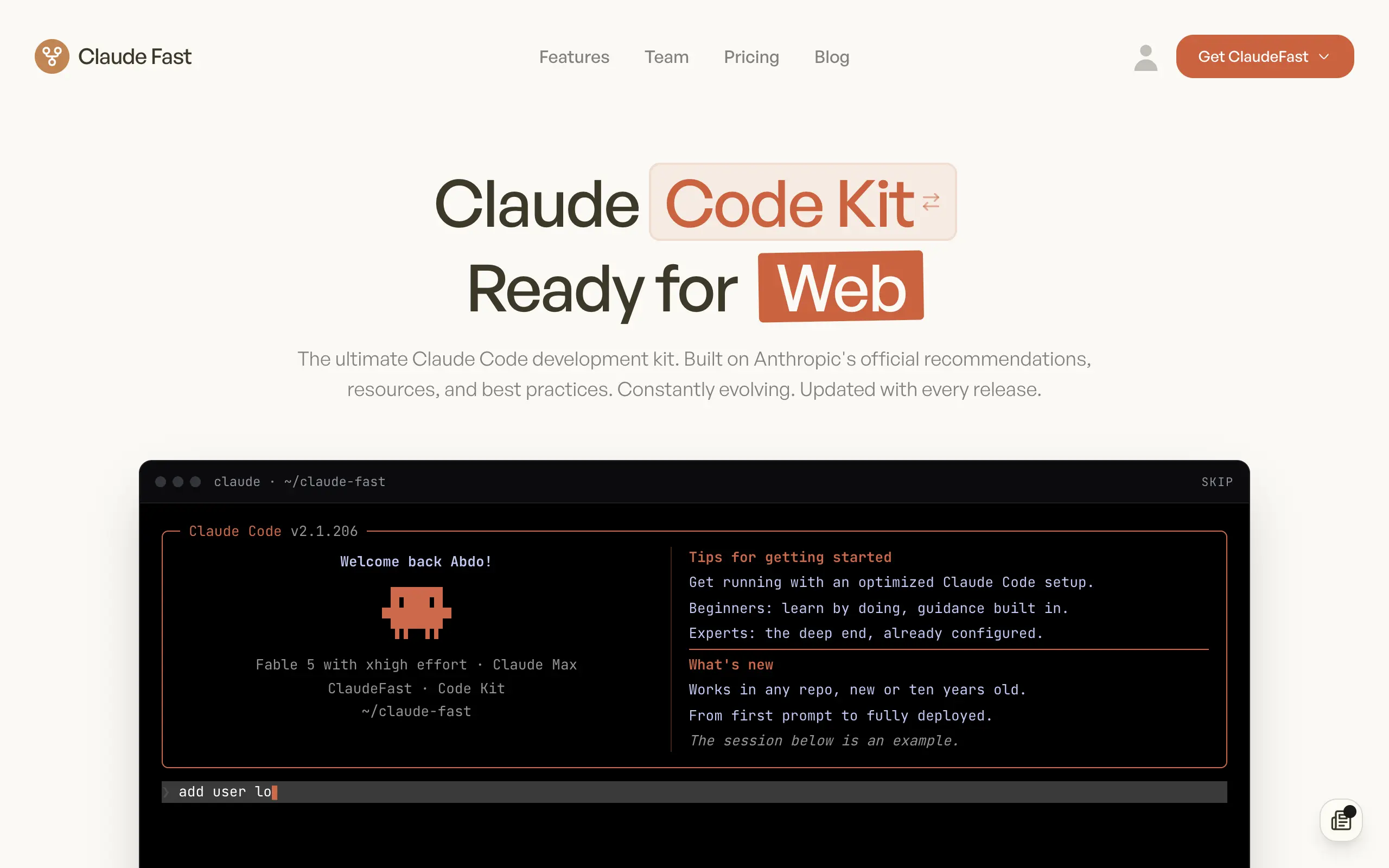
Claude Fast
Supercharge your Claude Code with 6x effective context window and specialized AI agents 🤖
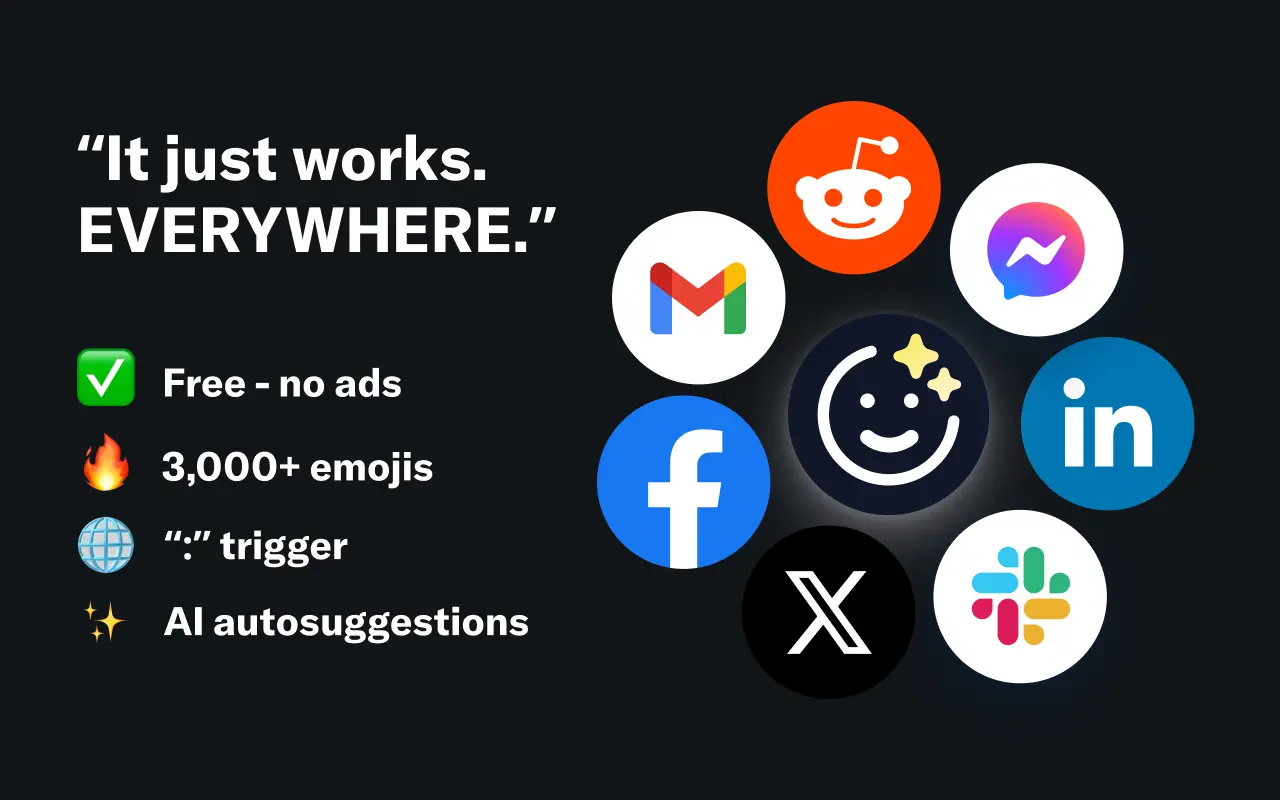
EmojAI
AI-powered emoji picker with smart, context-aware suggestions 🤖
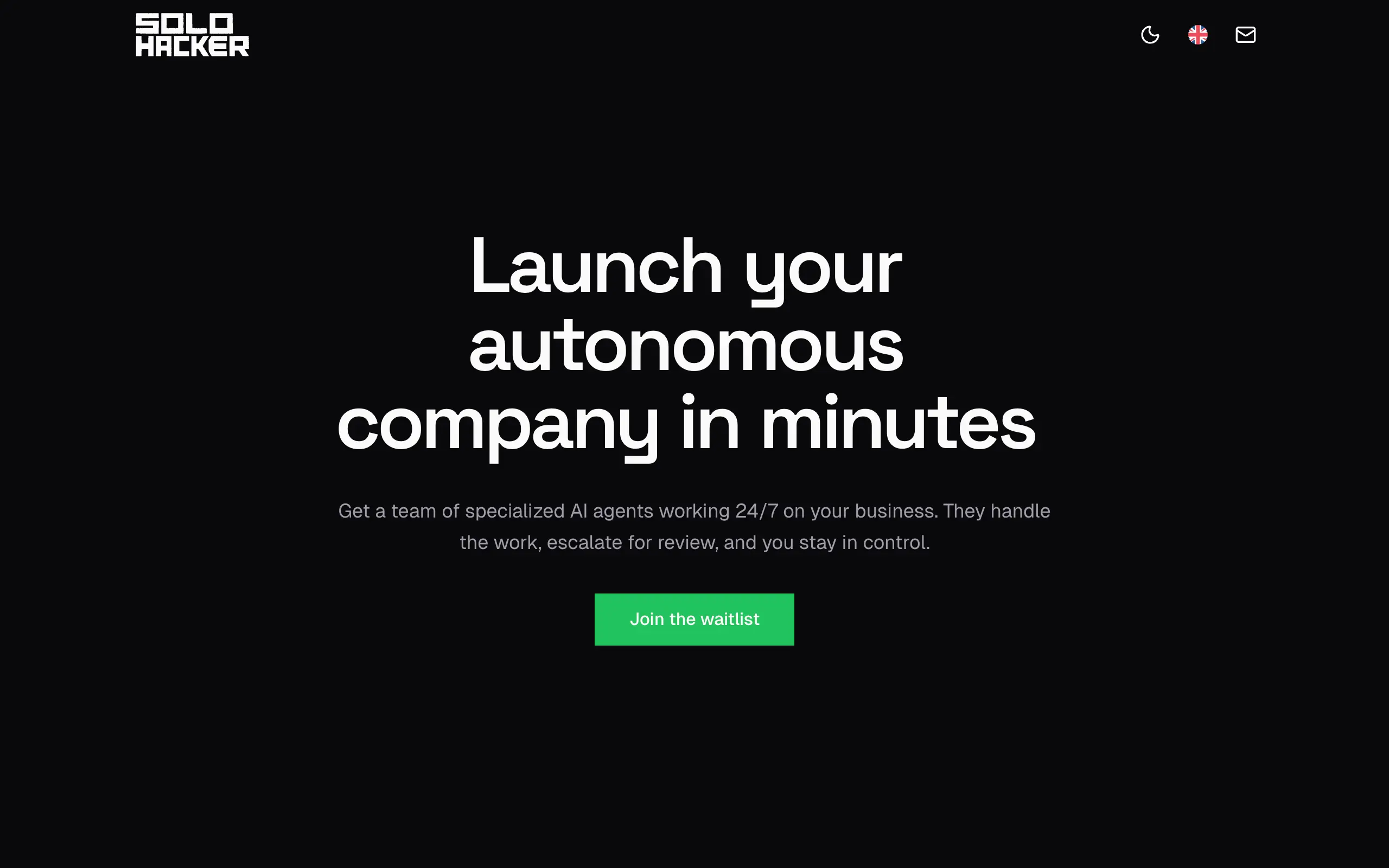
Solohacker
Autonomous company launcher - AI agents work 24/7, escalate what matters, and you stay in control 🤖
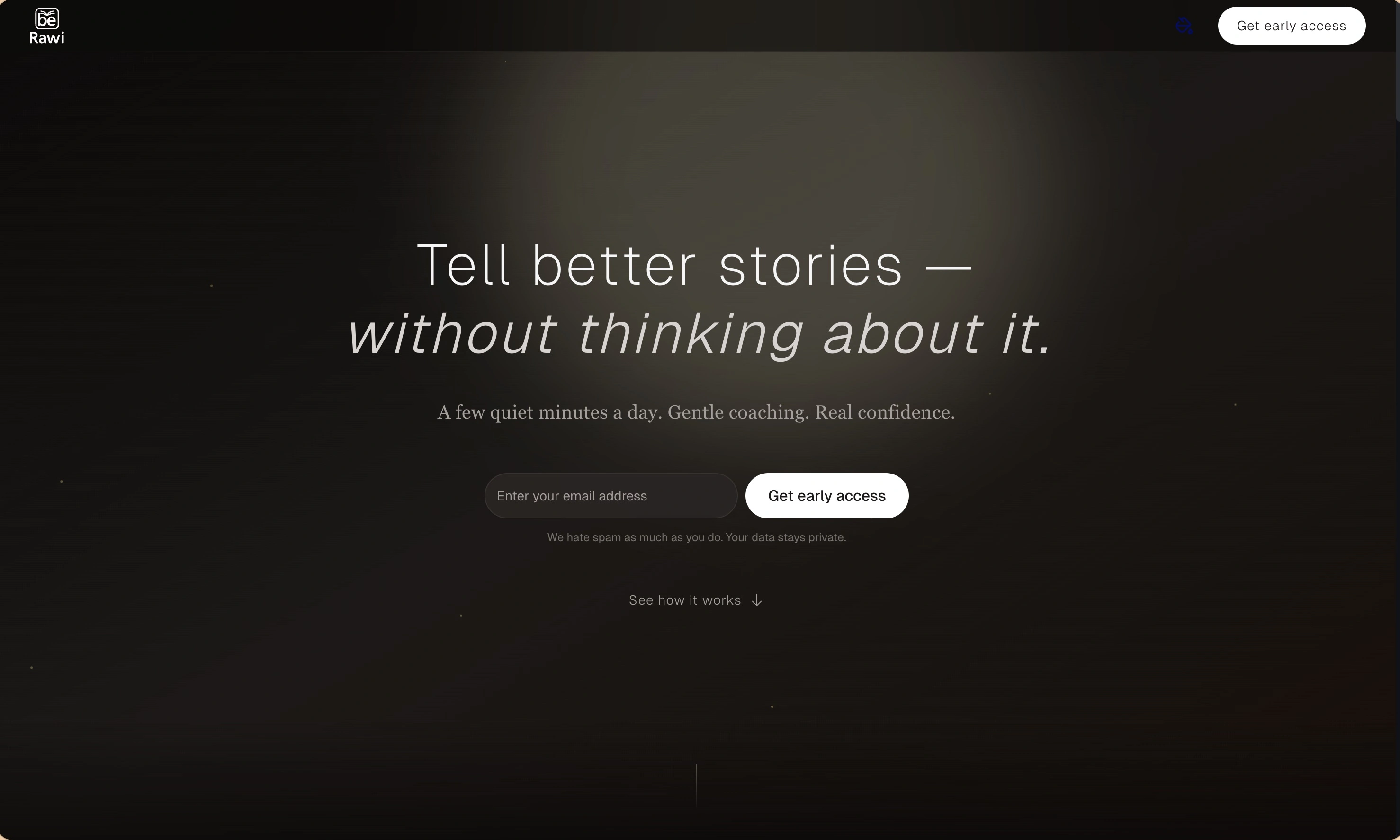
BeRawi: Storytelling Coach
Practice storytelling daily with instant feedback to sound clearer, more engaging, and confident 🎤
Omichat
Chat with 50+ AI models, including ChatGPT and Claude, in one place - switch models anytime without losing context 🤖
Claude Fast
Supercharge your Claude Code with 6x effective context window and specialized AI agents 🤖
EmojAI
AI-powered emoji picker with smart, context-aware suggestions 🤖
Solohacker
Autonomous company launcher - AI agents work 24/7, escalate what matters, and you stay in control 🤖
BeRawi: Storytelling Coach
Practice storytelling daily with instant feedback to sound clearer, more engaging, and confident 🎤
Omichat
Chat with 50+ AI models, including ChatGPT and Claude, in one place - switch models anytime without losing context 🤖
Claude Fast
Supercharge your Claude Code with 6x effective context window and specialized AI agents 🤖
EmojAI
AI-powered emoji picker with smart, context-aware suggestions 🤖
Solohacker
Autonomous company launcher - AI agents work 24/7, escalate what matters, and you stay in control 🤖
BeRawi: Storytelling Coach
Practice storytelling daily with instant feedback to sound clearer, more engaging, and confident 🎤
Omichat
Chat with 50+ AI models, including ChatGPT and Claude, in one place - switch models anytime without losing context 🤖
Claude Fast
Supercharge your Claude Code with 6x effective context window and specialized AI agents 🤖
EmojAI
AI-powered emoji picker with smart, context-aware suggestions 🤖
Solohacker
Autonomous company launcher - AI agents work 24/7, escalate what matters, and you stay in control 🤖
BeRawi: Storytelling Coach
Practice storytelling daily with instant feedback to sound clearer, more engaging, and confident 🎤

Connect with like-minded people
Join our community to get feedback, support, and grow together with 1,000+ builders on board, let's ship it!
Join usShip your startup everywhere. In minutes.
Don't burn tokens on setup and start building features on day one.