MicroSaaS Scout
AI engine that scans Reddit, GitHub issues, and niche forums to surface validated micro-SaaS ideas with demand and revenue estimates.
The new standard for AI-powered micro-SaaS idea validation
The rise of indie hackers, solopreneurs, and AI builders has created unprecedented demand for validated micro-SaaS ideas. While launching software has never been easier, finding a real problem worth solving remains the hardest part.
That’s where an AI engine that scans Reddit, GitHub issues, and niche forums to surface validated micro-SaaS ideas with demand and revenue estimates becomes transformative.
This article explores the full strategic, technical, and business blueprint behind building and scaling a platform like MicroSaaS Scout—an AI-powered micro-SaaS idea discovery engine. We’ll analyze:
- Market demand and opportunity
- Target audience psychology
- Core features and differentiation
- Technical architecture and trade-offs
- Monetization strategy
- Competitive positioning
- Risk mitigation
- Implementation roadmap
If you’re evaluating whether to build an AI SaaS idea validation platform—or how to do it right—this is your deep dive.
Why the market desperately needs validated micro-SaaS ideas
The problem: Idea overwhelm + validation paralysis
Entrepreneurs today face three core problems:
- Too many ideas, not enough validation
- Signal buried under noise
- No reliable demand estimation
People search:
- “Profitable micro-SaaS ideas”
- “How to validate SaaS ideas”
- “SaaS ideas from Reddit”
- “Find problems to solve”
The demand is clear. But manually combing Reddit, GitHub issues, Discord communities, and forums is:
- Time-consuming
- Biased by algorithmic feeds
- Inconsistent
- Impossible to scale
An AI system that automatically extracts real pain signals from user conversations solves this.
The rise of micro-SaaS and solo founders
Several macro-trends make this opportunity compelling:
- AI-assisted coding tools reduce development time
- No-code platforms enable faster MVPs
- Subscription-based tools remain sticky revenue models
- Indie hackers are building in public
According to various industry reports (e.g., public SaaS funding analyses and bootstrapped founder surveys), the number of solo founders building profitable niche tools has grown significantly since 2020.
However, most still fail at one stage:
They build before validating demand.
MicroSaaS Scout directly addresses this bottleneck.
Target audience analysis: Who needs MicroSaaS Scout?
Understanding user intent is critical for SEO and product positioning.
Primary audience segments
Indie Hackers
Solo founders looking for validated micro-SaaS opportunities with real pain points.
Technical Builders
Developers who can build quickly but struggle identifying profitable ideas.
Startup Studios
Teams needing structured idea pipelines backed by data.
Product Managers
Professionals exploring side projects with reduced risk.
Psychological drivers
These users want:
- ✅ Reduced risk
- ✅ Faster validation
- ✅ Market-backed confidence
- ✅ Revenue potential estimates
- ✅ Actionable insight
They are not just browsing. They are ready to build.
Market opportunity and gap analysis
Current solutions
Let’s evaluate the landscape.
Competitive landscape
Most idea platforms fall into one of three categories:
- Curated idea lists
- Community-shared idea forums
- Generic trend analysis tools
None provide:
- Automated real-time scraping
- Cross-platform pain signal aggregation
- Revenue estimation modeling
- Problem clustering via AI
Competitive comparison
| Feature | Idea Lists | Forums | Trend Tools | MicroSaaS Scout |
|---|---|---|---|---|
| Live data scraping | ❌ | ❌ | ❌ | ✅ |
| AI clustering | ❌ | ❌ | ❌ | ✅ |
| Revenue estimates | ❌ | ❌ | ❌ | ✅ |
| Problem validation scoring | ❌ | ❌ | ❌ | ✅ |
The gap
There is no dominant platform offering:
- Automated idea discovery
- Quantified validation
- Demand-to-revenue modeling
- Cross-source signal triangulation
This is a strong greenfield opportunity.
Core features of an AI micro-SaaS idea discovery engine
To rank and convert, your product must go beyond scraping.
1. Multi-source data ingestion engine
Sources:
- Reddit (subreddits with problem discussions)
- GitHub Issues (open issues with feature gaps)
- Indie forums
- StackOverflow questions
- Niche communities
Key capabilities:
- Keyword clustering
- Sentiment detection
- Frequency tracking
- Time-based trend analysis
2. AI problem extraction
Using NLP models to detect:
- Explicit pain statements
- Repeated unmet needs
- Frustration intensity
- Willingness to pay signals
Example pattern detection:
if (
  text.includes("I would pay") ||
  text.includes("why doesn't this exist") ||
  sentimentScore < -0.6
) {
  markAsHighOpportunity();
}
3. Validation scoring system
Each idea can receive a composite score:
- Mention frequency (30%)
- Sentiment intensity (20%)
- Recurrence over time (20%)
- Competitive density (15%)
- Monetization likelihood (15%)
This transforms vague ideas into structured opportunities.
4. Revenue estimation engine
Revenue modeling could include:
- Estimated addressable niche size
- Comparable SaaS pricing benchmarks
- Conversion assumptions (1–5%)
- Subscription revenue modeling
Formula example:
Estimated Revenue = (Audience Size × Conversion Rate) × Average PriceEven conservative modeling increases perceived value dramatically.
5. Idea clustering and vertical categorization
Organize ideas into:
- Developer tools
- Creator tools
- B2B niche SaaS
- Automation tools
- AI micro-tools
Clustering improves UX and SEO via long-tail keywords.
Recommended tech stack (with trade-offs)
Building an AI SaaS idea engine requires scalable architecture.
Frontend
Why?
- SSR improves SEO
- Fast iteration
- Modern UI performance
Backend
Options:
Best for full-stack JavaScript teams.
Pros:
- Unified language
- Good for real-time scraping
Cons: - Less mature ML ecosystem
Best for heavy AI workloads.
Pros:
- Strong NLP libraries
- Better ML ecosystem
Cons: - Requires frontend/backend split
AI Layer
- LLM API for problem extraction
- Embeddings for clustering
- Vector database (e.g., Pinecone or open-source alternatives)
Database
- PostgreSQL for structured data
- Vector database for semantic similarity
Infrastructure
- Serverless ingestion workers
- Scheduled scraping jobs
- Queue-based processing
Faster launch path
To reduce development time, consider scaffolding with a production-ready SaaS starter kit like TurboStarter, which handles authentication, billing, and dashboard boilerplate.
Monetization strategies for MicroSaaS Scout
1. Subscription tiers
Starter ($29/month)
- Limited idea access
- Weekly updates
Pro ($79/month)
- Full database
- Revenue estimates
- Trend tracking
Studio ($199/month)
- API access
- Export capabilities
- Team features
2. Idea marketplace upsell
Allow:
- Purchasing “deep dive” reports
- Buying validated vertical bundles
3. API-as-a-service
Developers can:
- Query idea clusters
- Pull trend signals
- Integrate with their tools
This expands B2B revenue.
Competitive advantage and defensibility
1. Data moat
Over time, you accumulate:
- Historical pain data
- Trend trajectories
- Validated clusters
This becomes proprietary.
2. AI refinement loop
The more users:
- Save ideas
- Build from ideas
- Provide feedback
The better your validation scoring becomes.
3. SEO flywheel
Each idea page can rank for:
- “SaaS idea for X”
- “Tool for X problem”
- “Reddit SaaS idea about X”
Long-tail SEO becomes a massive acquisition channel.
Risks and mitigation strategies
Mitigation: Implement caching, diversify data sources, comply strictly with API policies, and consider user-provided sources.
Mitigation: Add human-in-the-loop moderation and user feedback loops.
Mitigation: Focus on data depth, UX, and proprietary scoring models.
Mitigation: Clearly state assumptions and present ranges, not fixed predictions.
Transparency builds trust and aligns with E-E-A-T principles.
SEO strategy for organic growth
Target keywords
Primary keyword:
- AI micro-SaaS idea generator
Secondary keywords:
- Micro-SaaS ideas from Reddit
- SaaS idea validation tool
- Profitable micro-SaaS ideas
- SaaS opportunity finder
Content strategy
- Individual idea landing pages
- “Top 10 validated micro-SaaS ideas this month”
- Niche-specific idea collections
- Case studies of successful builds
Authority building
- Publish transparent methodology
- Share validation scoring framework
- Release data reports quarterly
Implementation roadmap
Phase 1: MVP
Keep scope tight:
- Single source
- Basic scoring
- Simple dashboard
Phase 2: Differentiation
Add:
- Cross-platform validation
- Revenue estimates
- Trend history graphs
Phase 3: Platformization
- API
- Idea marketplace
- Community feedback loops
Why this idea has strong long-term potential
AI is accelerating software creation. But idea validation remains human-limited.
MicroSaaS Scout bridges:
- Human pain signals
- AI analysis
- Revenue modeling
It reduces entrepreneurial uncertainty.
That’s powerful.
Final actionable checklist
If you want to build this:
- Define your validation scoring framework
- Build one data ingestion pipeline
- Create structured idea pages optimized for SEO
- Add transparent revenue estimation logic
- Launch early and refine scoring with feedback
Closing thoughts
An AI-powered micro-SaaS idea validation engine isn’t just another idea list. It’s an infrastructure layer for the next generation of builders.
By combining:
- Real-world pain signals
- AI clustering
- Revenue modeling
- Transparent validation scoring
You create a product that reduces risk, increases confidence, and accelerates execution.
In a world where building software is easy but choosing what to build is hard, MicroSaaS Scout becomes indispensable.
The opportunity is real. The demand exists. The differentiation is achievable.
Now it’s about execution.
More 🤖 AI Startup SaaS ideas
Discover more innovative ai startup SaaS ideas that are trending in 2026. Each idea is AI-generated with market validation and growth potential to help you find your next profitable venture faster than competitors.
Your competitors are building with TurboStarter
Below are some of the SaaS ideas that have been generated and built with our starter kit.

Statiko
Monitor any Telegram channel in real time - track posts, edits, deletions, and growth with AI recaps 📡

Shibui
AI website builder - describe your business, pick a niche template, edit by chatting, and publish instantly ✨

Pro Service
Find verified home service professionals, compare quotes, and pay securely through escrow - built for Brazilians across the US 🏠
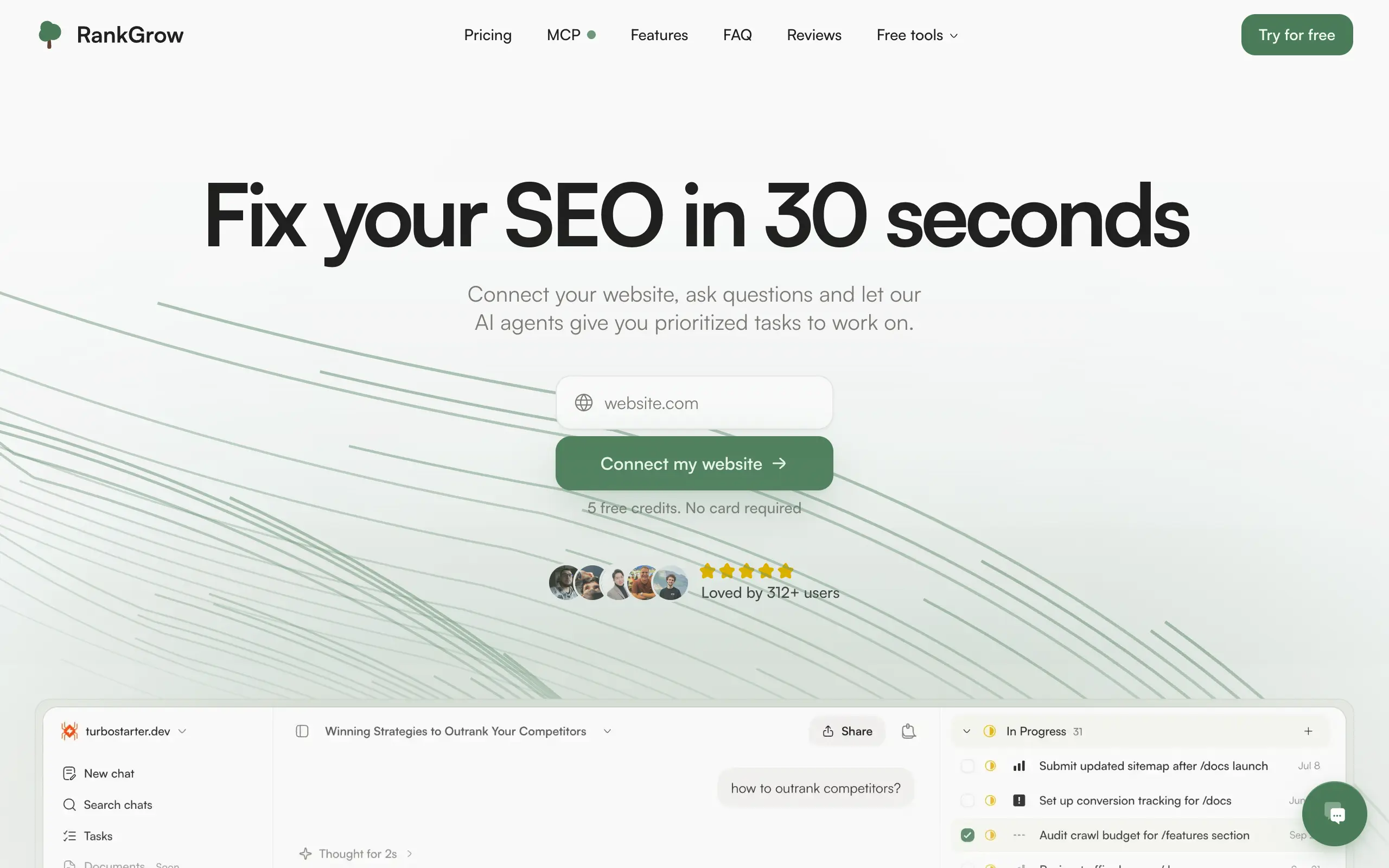
RankGrow
Fix your SEO with AI agents - connect Search Console, get prioritized tasks, and grow organic traffic 📈
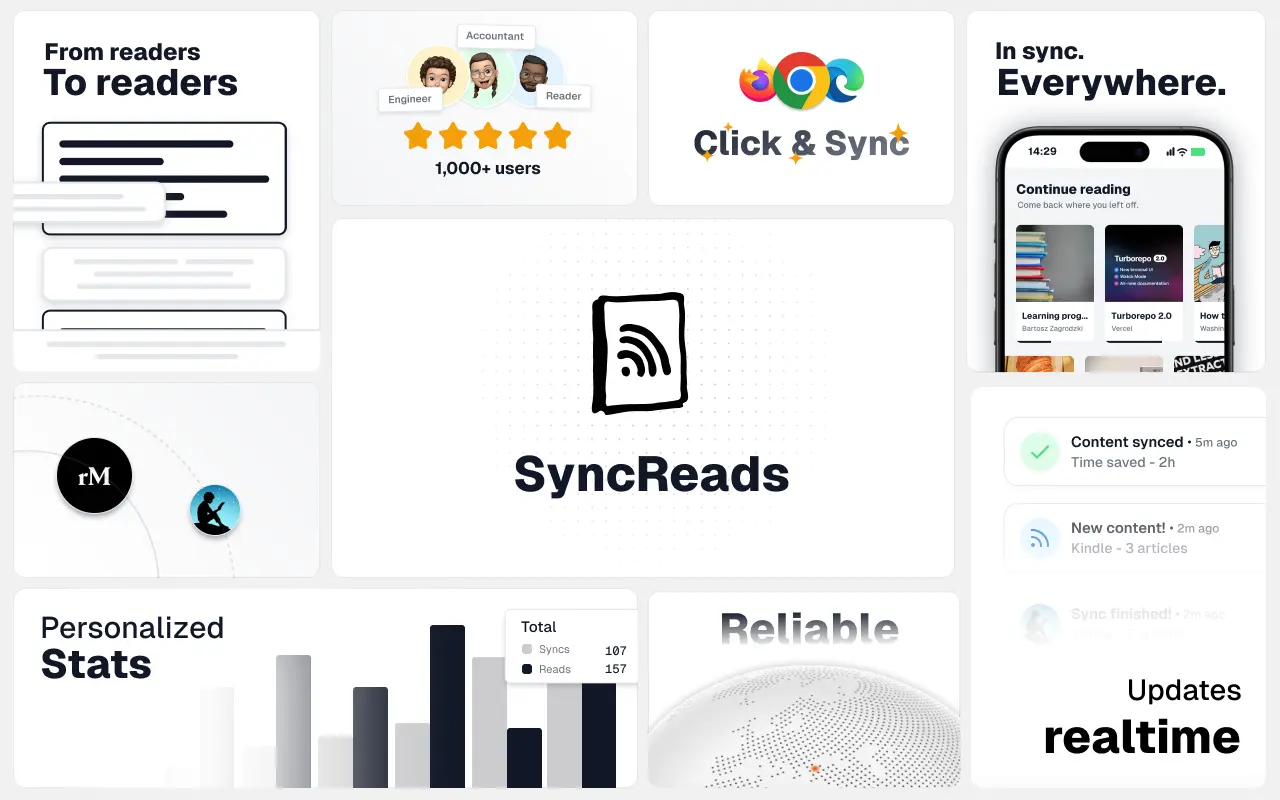
SyncReads
Sync your favorite content for distraction-free reading, save time and replace multiple apps. Anytime, anywhere 🔄
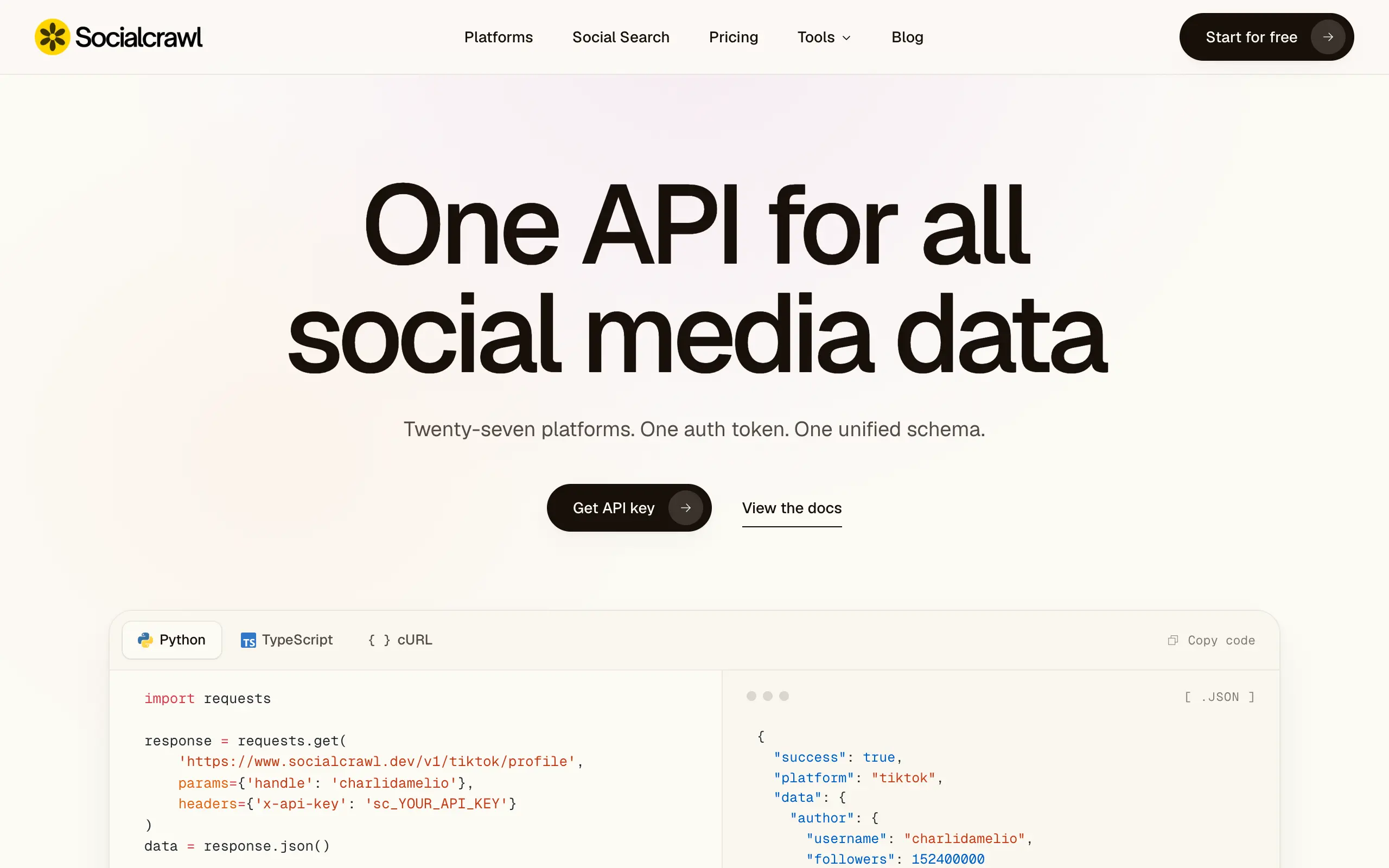
Socialcrawl
Get clean, structured data from 21 platforms like TikTok, Instagram, and YouTube with a single request 📊
Statiko
Monitor any Telegram channel in real time - track posts, edits, deletions, and growth with AI recaps 📡
Shibui
AI website builder - describe your business, pick a niche template, edit by chatting, and publish instantly ✨
Pro Service
Find verified home service professionals, compare quotes, and pay securely through escrow - built for Brazilians across the US 🏠
RankGrow
Fix your SEO with AI agents - connect Search Console, get prioritized tasks, and grow organic traffic 📈
SyncReads
Sync your favorite content for distraction-free reading, save time and replace multiple apps. Anytime, anywhere 🔄
Socialcrawl
Get clean, structured data from 21 platforms like TikTok, Instagram, and YouTube with a single request 📊
Statiko
Monitor any Telegram channel in real time - track posts, edits, deletions, and growth with AI recaps 📡
Shibui
AI website builder - describe your business, pick a niche template, edit by chatting, and publish instantly ✨
Pro Service
Find verified home service professionals, compare quotes, and pay securely through escrow - built for Brazilians across the US 🏠
RankGrow
Fix your SEO with AI agents - connect Search Console, get prioritized tasks, and grow organic traffic 📈
SyncReads
Sync your favorite content for distraction-free reading, save time and replace multiple apps. Anytime, anywhere 🔄
Socialcrawl
Get clean, structured data from 21 platforms like TikTok, Instagram, and YouTube with a single request 📊
Statiko
Monitor any Telegram channel in real time - track posts, edits, deletions, and growth with AI recaps 📡
Shibui
AI website builder - describe your business, pick a niche template, edit by chatting, and publish instantly ✨
Pro Service
Find verified home service professionals, compare quotes, and pay securely through escrow - built for Brazilians across the US 🏠
RankGrow
Fix your SEO with AI agents - connect Search Console, get prioritized tasks, and grow organic traffic 📈
SyncReads
Sync your favorite content for distraction-free reading, save time and replace multiple apps. Anytime, anywhere 🔄
Socialcrawl
Get clean, structured data from 21 platforms like TikTok, Instagram, and YouTube with a single request 📊
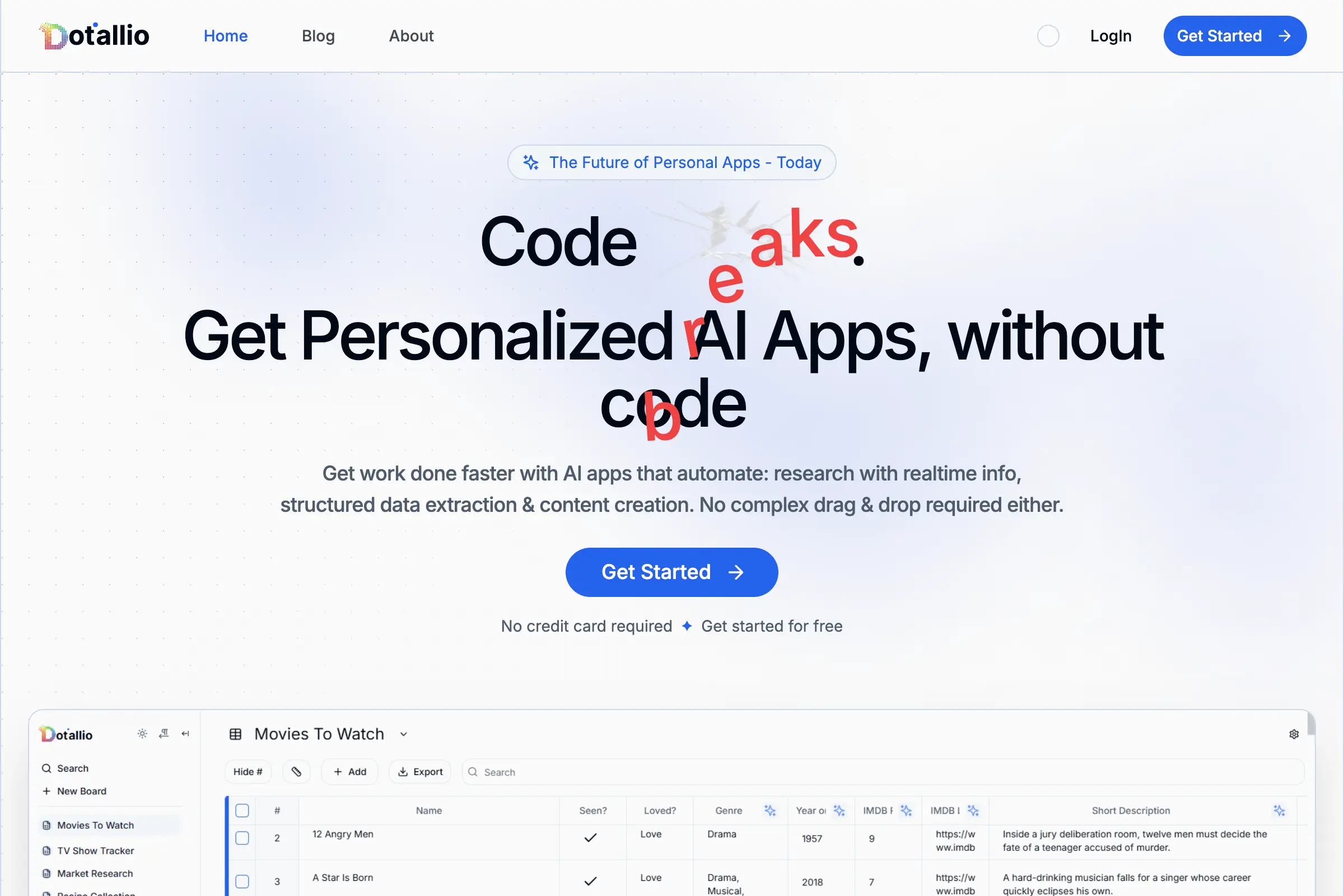
Dotallio
Personalized AI apps that automate research, data extraction, and content creation without code 🤖

Talk to Santa
Enjoy a magical live video chat or receive a unique AI-generated video greeting from Santa Claus 🎅

pozywka.pl
Scalable blog for food journalist, focused on performance and user experience 🌭
zagrodzki.me
Personal blog and portfolio of Bart Zagrodzki, where he shares his knowledge and work 💼
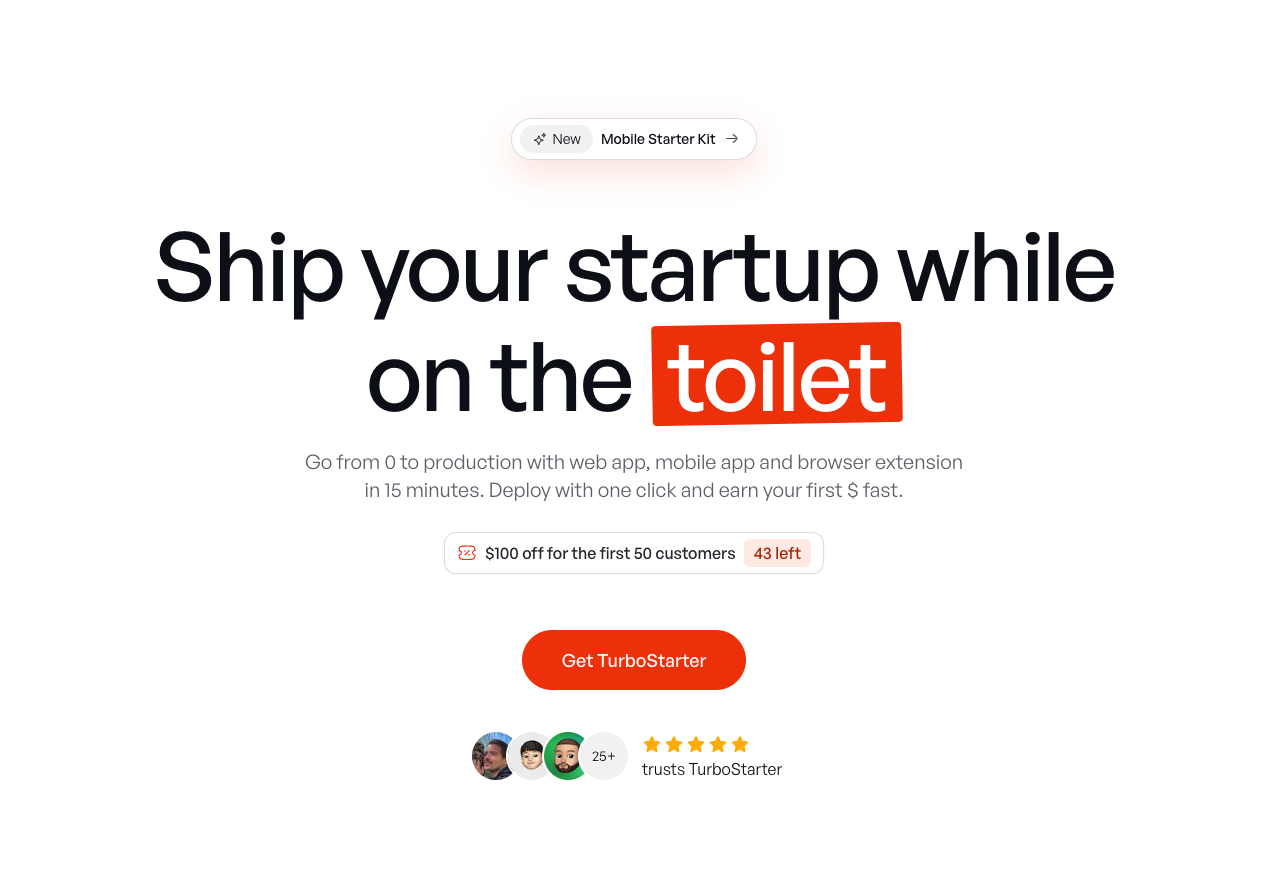
TurboStarter
Ship your startup everywhere. In minutes.
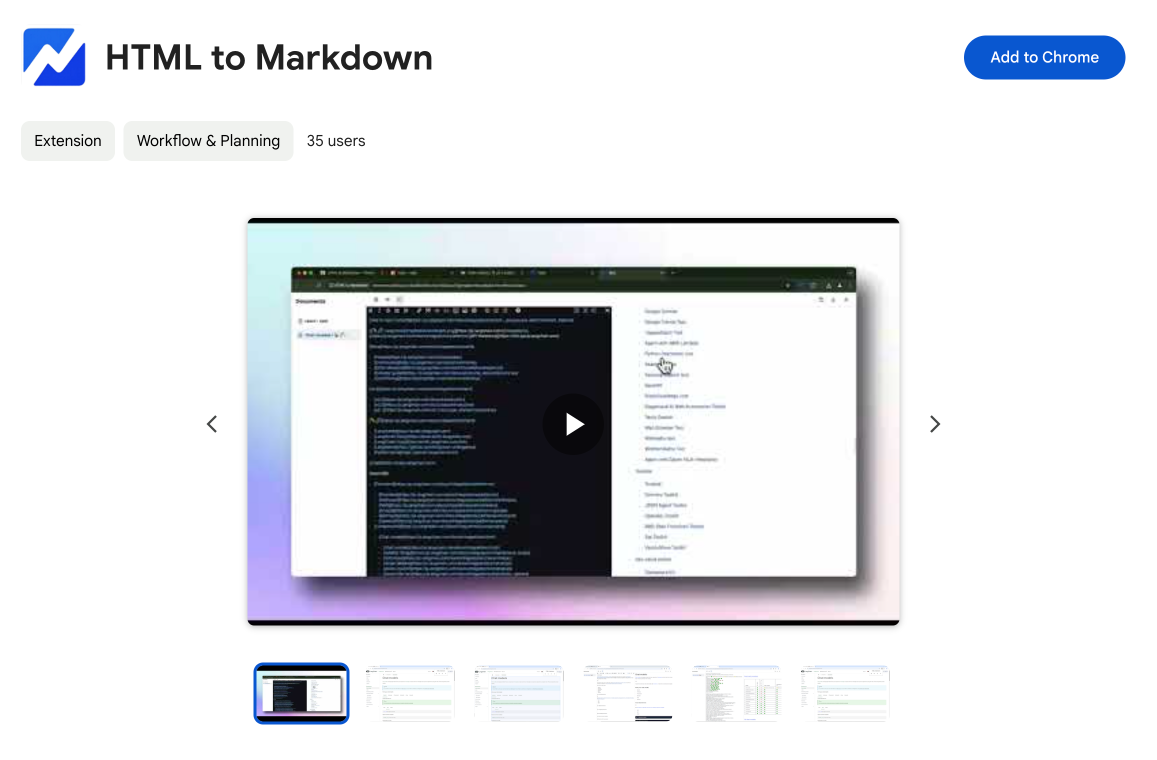
HTML to Markdown
Convert HTML to Markdown with ease, directly in your browser 📄
Dotallio
Personalized AI apps that automate research, data extraction, and content creation without code 🤖
Talk to Santa
Enjoy a magical live video chat or receive a unique AI-generated video greeting from Santa Claus 🎅
pozywka.pl
Scalable blog for food journalist, focused on performance and user experience 🌭
zagrodzki.me
Personal blog and portfolio of Bart Zagrodzki, where he shares his knowledge and work 💼
TurboStarter
Ship your startup everywhere. In minutes.
HTML to Markdown
Convert HTML to Markdown with ease, directly in your browser 📄
Dotallio
Personalized AI apps that automate research, data extraction, and content creation without code 🤖
Talk to Santa
Enjoy a magical live video chat or receive a unique AI-generated video greeting from Santa Claus 🎅
pozywka.pl
Scalable blog for food journalist, focused on performance and user experience 🌭
zagrodzki.me
Personal blog and portfolio of Bart Zagrodzki, where he shares his knowledge and work 💼
TurboStarter
Ship your startup everywhere. In minutes.
HTML to Markdown
Convert HTML to Markdown with ease, directly in your browser 📄
Dotallio
Personalized AI apps that automate research, data extraction, and content creation without code 🤖
Talk to Santa
Enjoy a magical live video chat or receive a unique AI-generated video greeting from Santa Claus 🎅
pozywka.pl
Scalable blog for food journalist, focused on performance and user experience 🌭
zagrodzki.me
Personal blog and portfolio of Bart Zagrodzki, where he shares his knowledge and work 💼
TurboStarter
Ship your startup everywhere. In minutes.
HTML to Markdown
Convert HTML to Markdown with ease, directly in your browser 📄
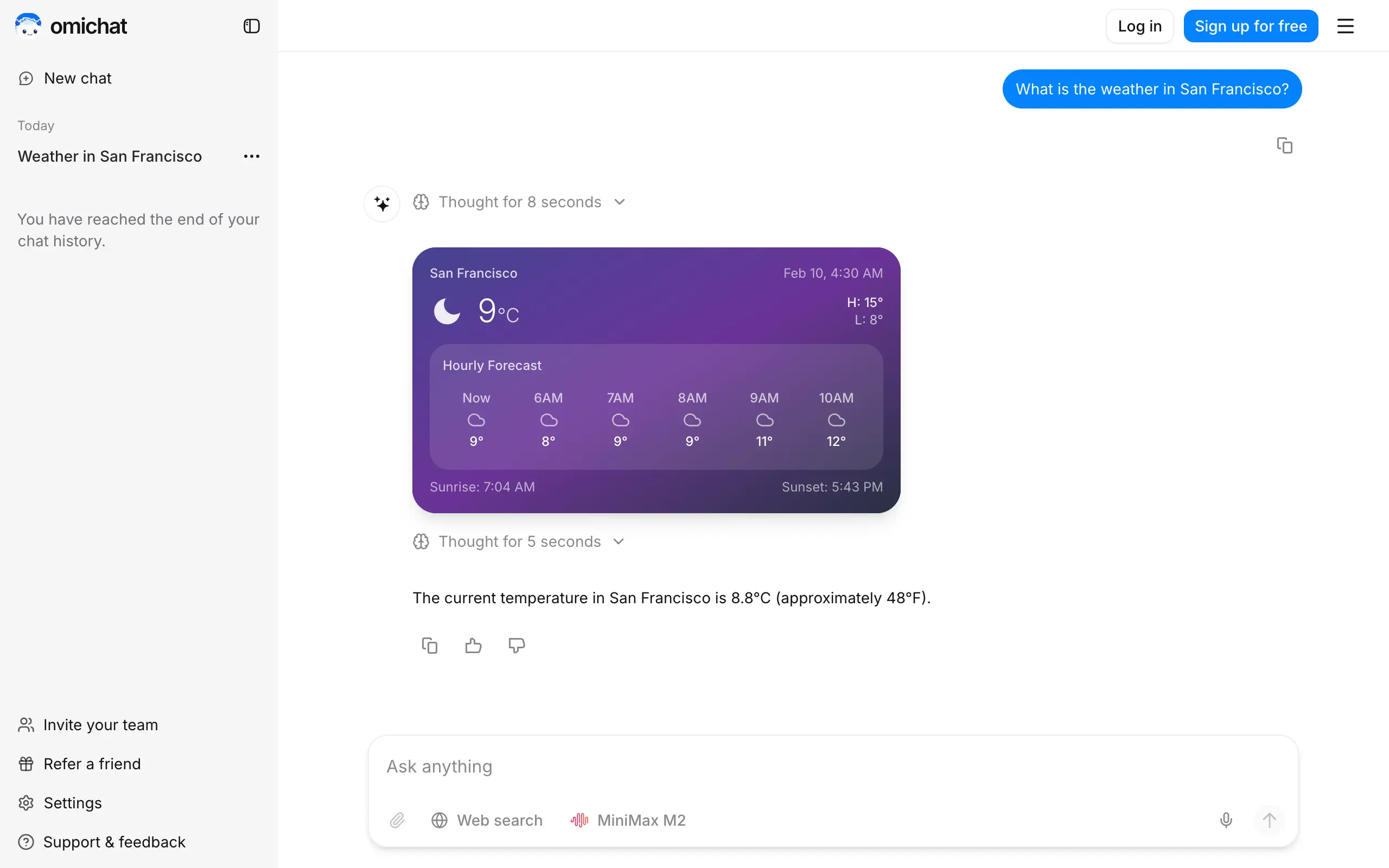
Omichat
Chat with 50+ AI models, including ChatGPT and Claude, in one place - switch models anytime without losing context 🤖
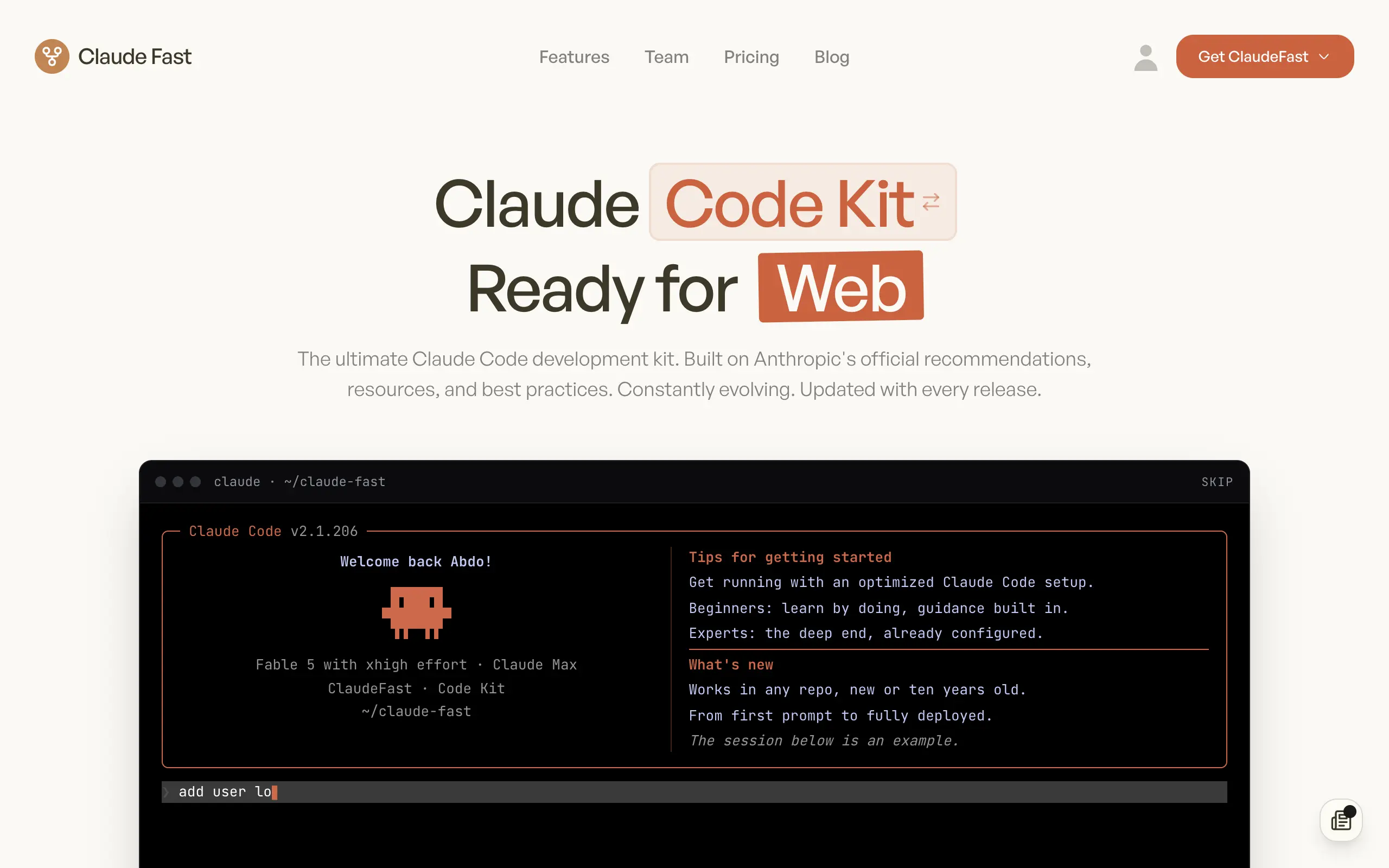
Claude Fast
Supercharge your Claude Code with 6x effective context window and specialized AI agents 🤖
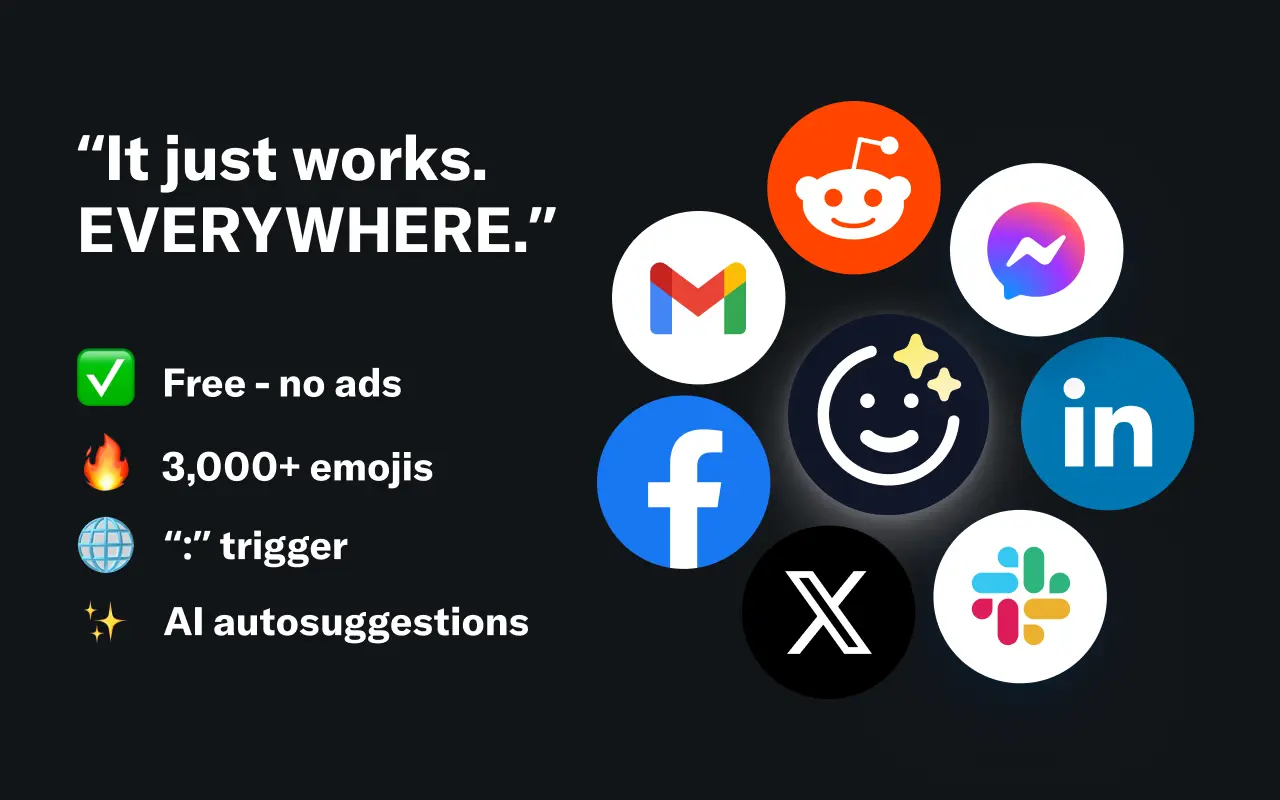
EmojAI
AI-powered emoji picker with smart, context-aware suggestions 🤖
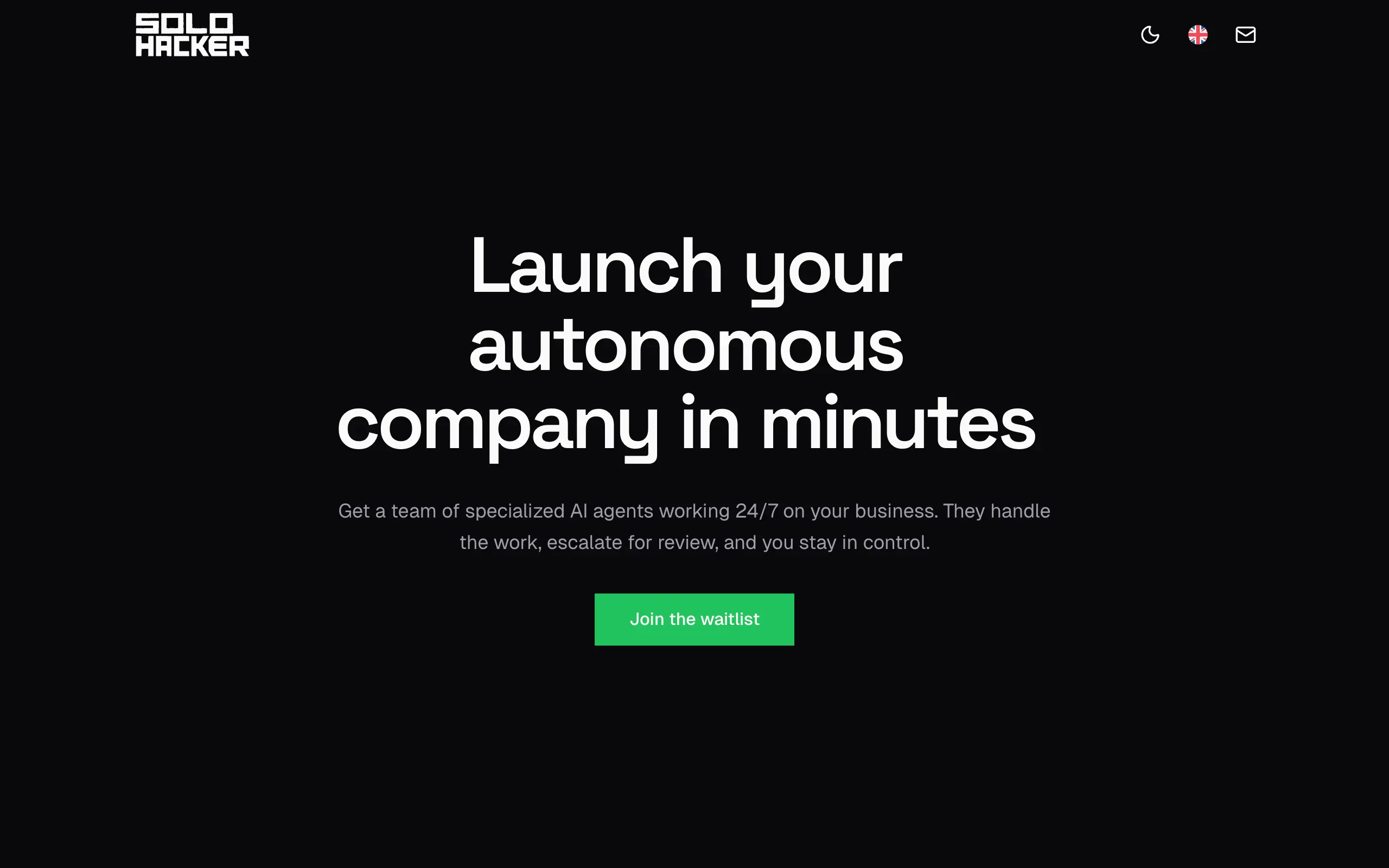
Solohacker
Autonomous company launcher - AI agents work 24/7, escalate what matters, and you stay in control 🤖
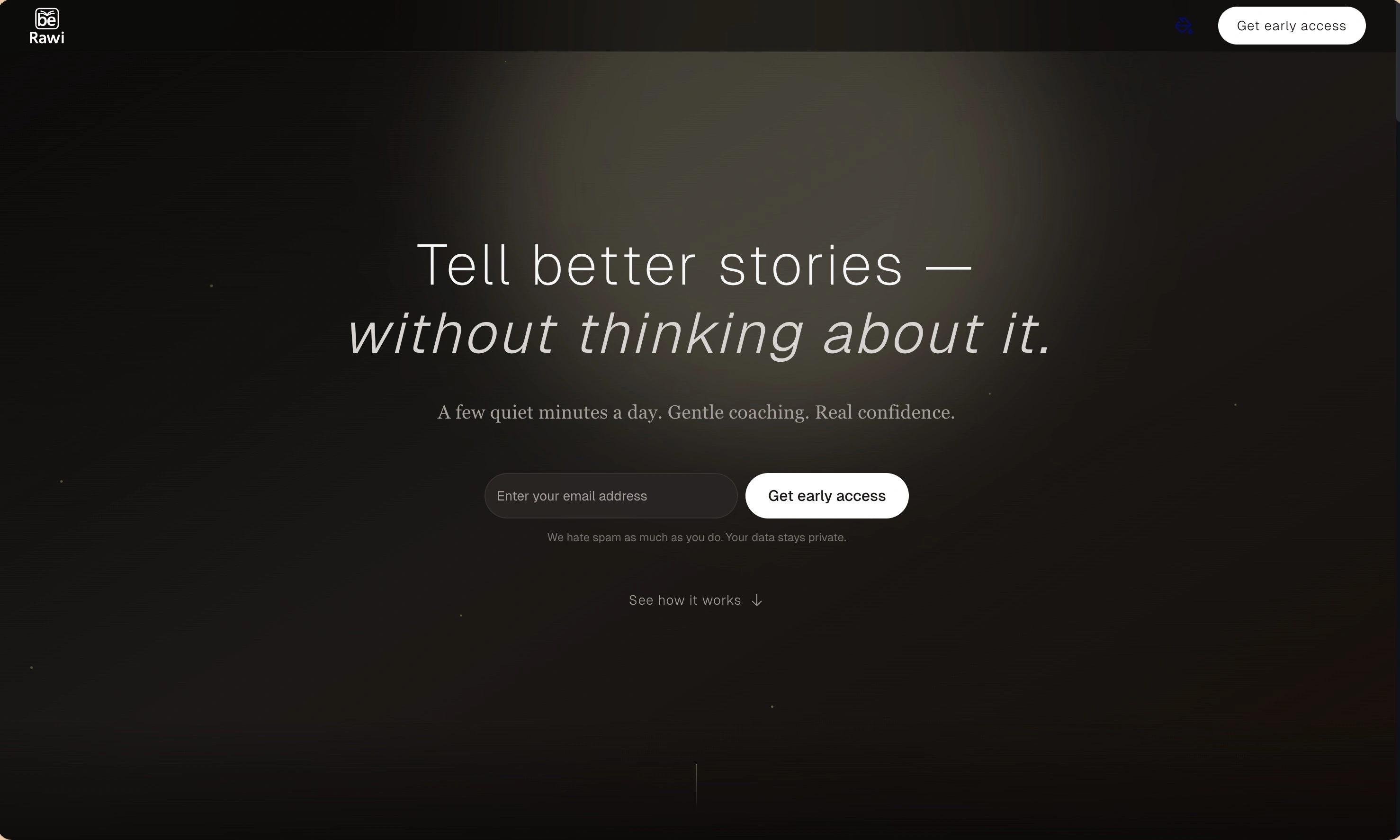
BeRawi: Storytelling Coach
Practice storytelling daily with instant feedback to sound clearer, more engaging, and confident 🎤
Omichat
Chat with 50+ AI models, including ChatGPT and Claude, in one place - switch models anytime without losing context 🤖
Claude Fast
Supercharge your Claude Code with 6x effective context window and specialized AI agents 🤖
EmojAI
AI-powered emoji picker with smart, context-aware suggestions 🤖
Solohacker
Autonomous company launcher - AI agents work 24/7, escalate what matters, and you stay in control 🤖
BeRawi: Storytelling Coach
Practice storytelling daily with instant feedback to sound clearer, more engaging, and confident 🎤
Omichat
Chat with 50+ AI models, including ChatGPT and Claude, in one place - switch models anytime without losing context 🤖
Claude Fast
Supercharge your Claude Code with 6x effective context window and specialized AI agents 🤖
EmojAI
AI-powered emoji picker with smart, context-aware suggestions 🤖
Solohacker
Autonomous company launcher - AI agents work 24/7, escalate what matters, and you stay in control 🤖
BeRawi: Storytelling Coach
Practice storytelling daily with instant feedback to sound clearer, more engaging, and confident 🎤
Omichat
Chat with 50+ AI models, including ChatGPT and Claude, in one place - switch models anytime without losing context 🤖
Claude Fast
Supercharge your Claude Code with 6x effective context window and specialized AI agents 🤖
EmojAI
AI-powered emoji picker with smart, context-aware suggestions 🤖
Solohacker
Autonomous company launcher - AI agents work 24/7, escalate what matters, and you stay in control 🤖
BeRawi: Storytelling Coach
Practice storytelling daily with instant feedback to sound clearer, more engaging, and confident 🎤

Connect with like-minded people
Join our community to get feedback, support, and grow together with 1,000+ builders on board, let's ship it!
Join usShip your startup everywhere. In minutes.
Don't burn tokens on setup and start building features on day one.