MicroSaaS Validator
Test your SaaS idea instantly with AI-generated landing pages, ads, and fake door validation to measure real demand before building.
Why AI-powered MicroSaaS validation is the missing step in modern product building
Launching a MicroSaaS used to require months of development before you knew whether anyone actually wanted your product. Today, founders expect faster feedback loops, data-driven decisions, and AI-assisted research. That’s where an AI-powered MicroSaaS validator becomes transformative.
A platform like MicroSaaS Validator leverages artificial intelligence to deliver:
- ✅ AI-driven demand scoring
- ✅ Competition density analysis
- ✅ Revenue potential forecasting
- ✅ Instant market risk insights
Instead of guessing whether your SaaS idea is viable, you validate it in minutes using structured data and predictive models.
This article explores the market opportunity, core features, technical architecture, monetization strategies, competitive positioning, and step-by-step implementation roadmap for building a high-impact AI validation platform in 2026.
The rising demand for MicroSaaS validation tools
The MicroSaaS boom
The MicroSaaS movement has exploded due to:
- Low-code and no-code tools
- Affordable cloud infrastructure
- Global remote work adoption
- Indie hacking communities
- AI development acceleration
Developers can now build niche SaaS products with minimal overhead. However, this has created a new problem:
Idea saturation.
Thousands of founders are building similar tools, often without validating real demand.
The core pain point
Most aspiring founders ask:
- Is there real search demand?
- Is the market too competitive?
- Can I realistically generate $1k–$10k MRR?
- How long would it take to reach profitability?
- Is this niche underserved?
Currently, validation involves:
- Google Trends
- Keyword research tools
- Reddit scraping
- Competitor research
- Manual TAM calculations
- Guesswork
This fragmented workflow creates friction and bias.
An AI-driven MicroSaaS validator solves this by centralizing validation into one predictive system.
Target audience analysis
Understanding the ideal user is critical for positioning and feature design.
Primary audience
Indie Hackers
Solo builders looking to validate side projects quickly without hiring analysts.
Bootstrapped founders
Entrepreneurs who need data-backed decisions before investing development time.
No-code creators
Makers using platforms like Webflow or Bubble who want quick validation insights.
SaaS agencies
Agencies validating productized service ideas before client delivery.
Secondary audience
- Product managers exploring internal tools
- Startup accelerators
- Micro VC firms scouting early-stage SaaS ideas
- Tech influencers testing market hypotheses
User intent breakdown
When users search for terms like:
- “How to validate a SaaS idea”
- “MicroSaaS ideas 2026”
- “AI SaaS idea validation tool”
- “Check SaaS market demand”
Their intent is usually:
- Risk reduction
- Speed
- Data-backed decision making
- Revenue predictability
Your product must directly address these motivations.
Market opportunity and gap analysis
Current alternatives
Founders currently rely on:
- Keyword tools
- SEO platforms
- Market research reports
- Reddit/X manual research
- Spreadsheet modeling
But these tools:
- Don’t combine demand + competition + revenue potential
- Require expertise to interpret
- Lack predictive forecasting
- Aren’t tailored for MicroSaaS specifically
The market gap
There is no dominant platform dedicated specifically to:
AI-driven validation for low-barrier SaaS ideas in under 5 minutes.
This is the niche.
Why now? (Industry trends)
- AI APIs have matured.
- LLM-based summarization reduces research time.
- Data pipelines are more affordable.
- Founders expect AI copilots in every workflow.
According to public industry reports (e.g., McKinsey AI adoption studies), AI usage in business workflows continues to grow annually — signaling strong adoption readiness.
Core features of MicroSaaS Validator
A compelling AI validation platform needs clear pillars.
1. AI-powered demand scoring
This feature aggregates:
- Search volume
- Trend growth rate
- Social chatter velocity
- Forum discussions
- Product Hunt mentions
- Job postings related to the niche
Then it produces a demand score (0–100).
Example logic:
function calculateDemandScore(data) {
  const weightedScore =
    data.searchVolume * 0.4 +
    data.trendGrowth * 0.25 +
    data.socialMentions * 0.2 +
    data.forumActivity * 0.15;

  return Math.min(100, Math.round(weightedScore));
}
The AI layer then:
- Summarizes sentiment
- Detects recurring pain points
- Flags emerging keywords
2. Competition density analysis
Instead of just listing competitors, the system should:
- Analyze domain authority
- Estimate traffic strength
- Identify funding signals
- Evaluate pricing positioning
- Detect market fragmentation
Users receive a competition density score:
- Low
- Medium
- High
- Oversaturated
Pro Tip
MicroSaaS founders don’t need zero competition. They need fragmented competition with poor UX or high pricing.
3. Revenue potential forecasting
This is the differentiator.
Revenue estimation could combine:
- Market size estimation
- Estimated conversion rate ranges
- Typical SaaS ARPU benchmarks
- Niche pricing standards
- Estimated CAC vs LTV modeling
Output example:
- Conservative scenario: $2,400 MRR
- Realistic scenario: $6,800 MRR
- Optimistic scenario: $18,000 MRR
The goal is not perfect accuracy — but directional clarity.
4. Risk analysis engine
AI detects:
- Regulatory barriers
- API dependency risks
- High churn niches
- Platform dependency (e.g., Shopify app risk)
- Seasonal volatility
Users see:
- 🔴 High risk
- 🟡 Moderate risk
- 🟢 Low risk
5. Idea improvement suggestions
Instead of saying “bad idea,” the AI should recommend:
- Narrower niche targeting
- Alternative ICP
- Feature differentiation
- Pricing angle changes
This transforms the tool from evaluator to co-founder.
Feature comparison snapshot
| Feature | Keyword Tools | SEO Platforms | Manual Research | MicroSaaS Validator |
|---|---|---|---|---|
| Demand Score | ✅ | ✅ | ❌ | ✅ AI weighted |
| Competition Density | ❌ | Partial | ❌ | ✅ Structured |
| Revenue Forecast | ❌ | ❌ | ❌ | ✅ Predictive |
| AI Suggestions | ❌ | ❌ | ❌ | ✅ |
Recommended tech stack (with trade-offs)
Building an AI SaaS validator requires careful architecture decisions.
Frontend
Why?
- Fast development
- SEO optimization
- SSR support
- Scalable component system
Trade-off:
- Requires JS ecosystem familiarity
Backend
Options:
- Strong TypeScript synergy
- Real-time capability
- Unified stack
Best for founders comfortable in JS.
- Strong AI ecosystem
- Data science libraries
- Easier ML prototyping
Best for AI-heavy pipelines.
AI Layer
- LLM APIs
- Embedding search
- Vector databases
Use AI for:
- Summarization
- Insight extraction
- Risk detection
- Idea refinement
Data sources
- Search APIs
- Social media APIs
- SERP scraping
- Public company databases
Ensure compliance with terms of service.
Infrastructure
- Serverless (e.g., Vercel)
- Scalable database (PostgreSQL)
- Caching layer for performance
- Queue system for heavy analysis jobs
Monetization strategy options
MicroSaaS Validator fits a SaaS pricing model perfectly.
1. Freemium model
- 3 free validations per month
- Paid unlimited plans
2. Tiered subscription
- Starter: $19/month
- Pro: $49/month
- Agency: $99/month
3. Credit-based system
Users buy validation credits.
4. Accelerator partnerships
Offer bulk access to startup incubators.
Competitive advantage and differentiation
To win, the product must:
- Focus exclusively on MicroSaaS
- Provide actionable revenue projections
- Deliver results in under 5 minutes
- Offer AI refinement suggestions
- Be beginner-friendly
Your USP:
“From idea to validation score in 3 minutes.”
Speed + intelligence = differentiation.
Potential risks and mitigation strategies
Risk 1: Data inaccuracy
Mitigation:
- Combine multiple data sources
- Provide transparency on scoring
- Show confidence levels
Risk 2: Overreliance on AI outputs
Mitigation:
- Add human-readable reasoning
- Provide source breakdowns
Risk 3: Legal scraping issues
Mitigation:
- Use compliant APIs
- Avoid scraping protected platforms
Risk 4: Commoditization
Mitigation:
- Build community
- Add historical tracking
- Offer saved idea portfolios
Implementation roadmap
Go-to-market strategy
- Launch on Product Hunt
- Partner with indie hacker communities
- SEO targeting “validate SaaS idea”
- Build content around MicroSaaS education
- Offer free weekly idea score newsletter
Why this SaaS has strong long-term potential
- Every year, more people build SaaS.
- AI reduces development cost.
- More builders = more idea validation demand.
- The tool becomes part of the product ideation workflow.
Eventually, this platform can expand into:
- AI idea generation
- Landing page validation
- Pre-launch email testing
- Competitive monitoring
Final thoughts and next steps
MicroSaaS Validator sits at the intersection of:
- AI
- SaaS entrepreneurship
- Data analytics
- Indie hacking
It reduces risk, increases confidence, and accelerates innovation.
The opportunity is clear:
Founders don’t need more ideas. They need better validation.
If you’re building this platform, focus on:
- Trustworthy scoring
- Transparent logic
- Fast UX
- Actionable insights
When executed well, this can become the default tool for validating MicroSaaS ideas worldwide.
Build faster with the right foundation
Instead of spending months building authentication, billing, dashboards, and infrastructure from scratch, consider using a production-ready SaaS starter kit like TurboStarter.
It helps you:
- Launch faster
- Focus on AI logic
- Scale securely
- Reduce technical debt
If executed strategically, MicroSaaS Validator can become the essential first step in every founder’s product journey — transforming uncertainty into informed action within minutes.
More 🤖 AI Startup SaaS ideas
Discover more innovative ai startup SaaS ideas that are trending in 2026. Each idea is AI-generated with market validation and growth potential to help you find your next profitable venture faster than competitors.
Your competitors are building with TurboStarter
Below are some of the SaaS ideas that have been generated and built with our starter kit.

Statiko
Monitor any Telegram channel in real time - track posts, edits, deletions, and growth with AI recaps 📡

Shibui
AI website builder - describe your business, pick a niche template, edit by chatting, and publish instantly ✨

Pro Service
Find verified home service professionals, compare quotes, and pay securely through escrow - built for Brazilians across the US 🏠
RankGrow
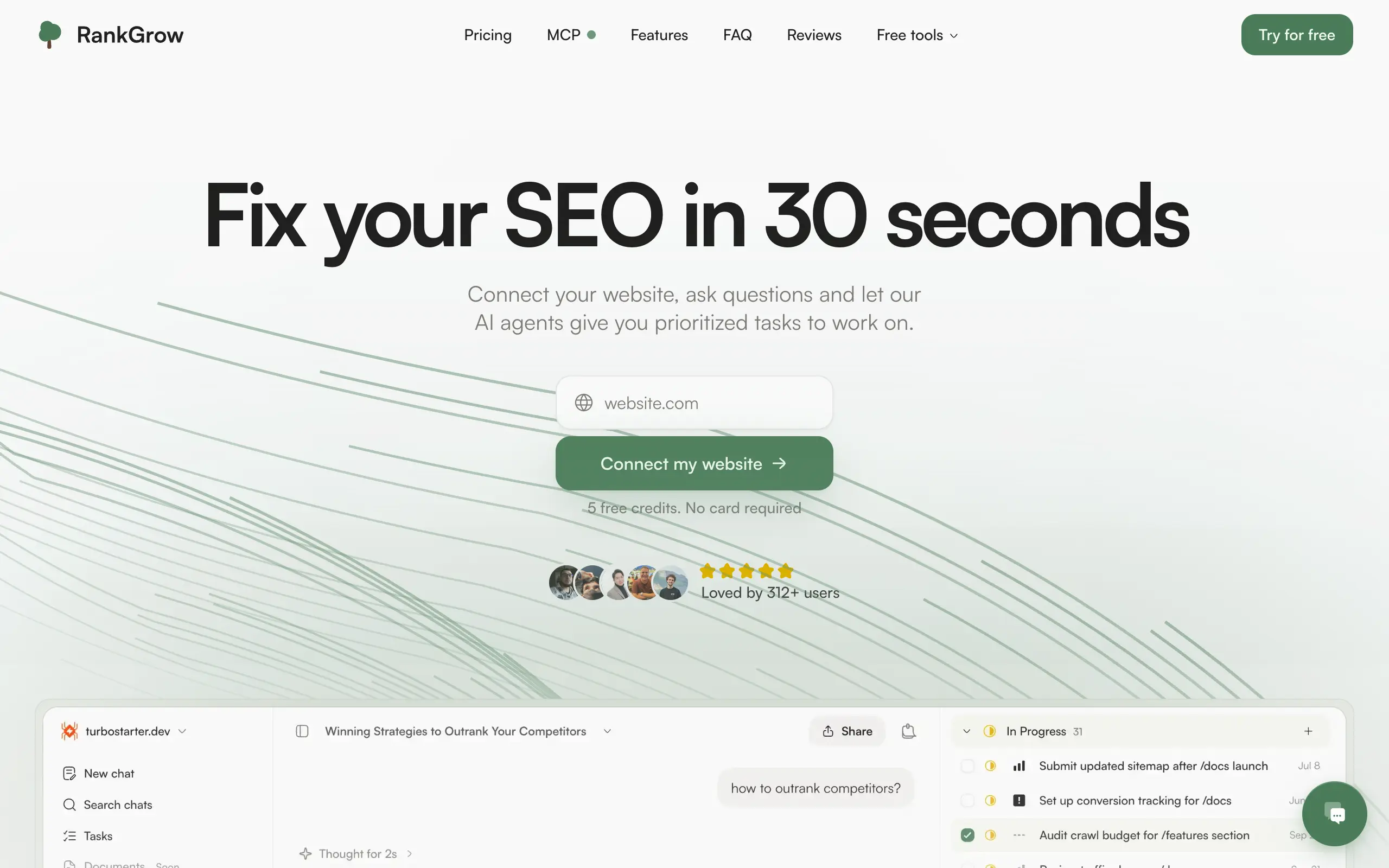
Fix your SEO with AI agents - connect Search Console, get prioritized tasks, and grow organic traffic 📈
SyncReads
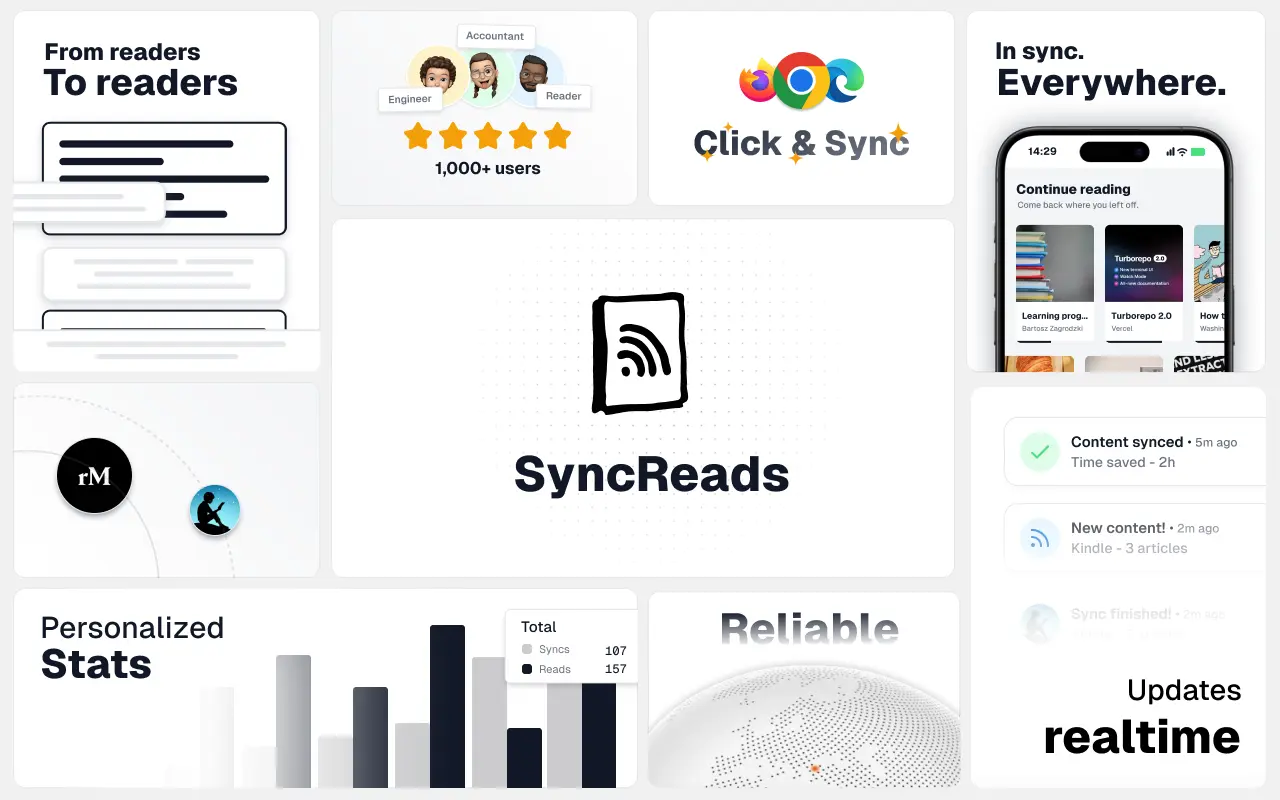
Sync your favorite content for distraction-free reading, save time and replace multiple apps. Anytime, anywhere 🔄
Socialcrawl
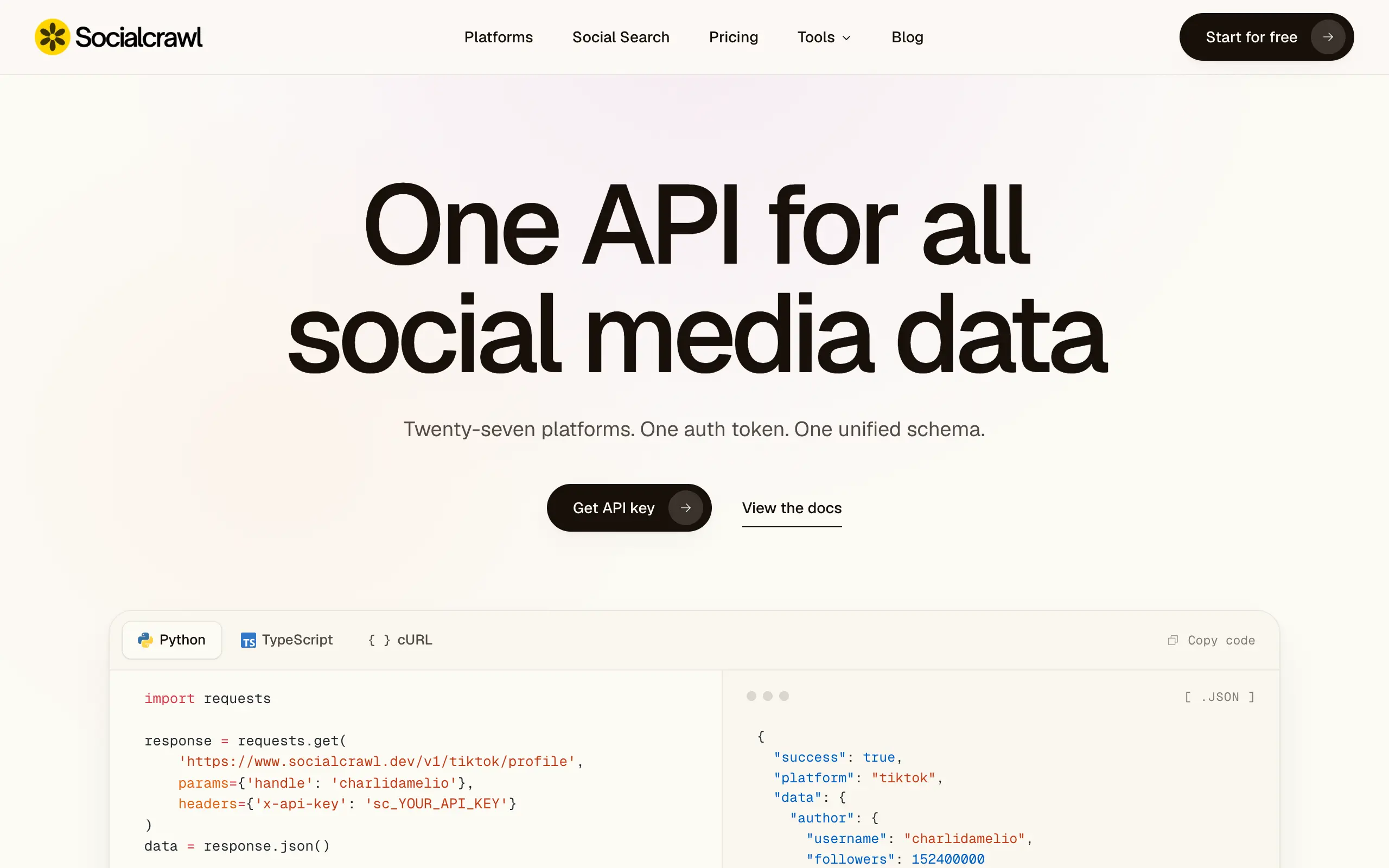
Get clean, structured data from 21 platforms like TikTok, Instagram, and YouTube with a single request 📊
Statiko
Monitor any Telegram channel in real time - track posts, edits, deletions, and growth with AI recaps 📡
Shibui
AI website builder - describe your business, pick a niche template, edit by chatting, and publish instantly ✨
Pro Service
Find verified home service professionals, compare quotes, and pay securely through escrow - built for Brazilians across the US 🏠
RankGrow
Fix your SEO with AI agents - connect Search Console, get prioritized tasks, and grow organic traffic 📈
SyncReads
Sync your favorite content for distraction-free reading, save time and replace multiple apps. Anytime, anywhere 🔄
Socialcrawl
Get clean, structured data from 21 platforms like TikTok, Instagram, and YouTube with a single request 📊
Statiko
Monitor any Telegram channel in real time - track posts, edits, deletions, and growth with AI recaps 📡
Shibui
AI website builder - describe your business, pick a niche template, edit by chatting, and publish instantly ✨
Pro Service
Find verified home service professionals, compare quotes, and pay securely through escrow - built for Brazilians across the US 🏠
RankGrow
Fix your SEO with AI agents - connect Search Console, get prioritized tasks, and grow organic traffic 📈
SyncReads
Sync your favorite content for distraction-free reading, save time and replace multiple apps. Anytime, anywhere 🔄
Socialcrawl
Get clean, structured data from 21 platforms like TikTok, Instagram, and YouTube with a single request 📊
Statiko
Monitor any Telegram channel in real time - track posts, edits, deletions, and growth with AI recaps 📡
Shibui
AI website builder - describe your business, pick a niche template, edit by chatting, and publish instantly ✨
Pro Service
Find verified home service professionals, compare quotes, and pay securely through escrow - built for Brazilians across the US 🏠
RankGrow
Fix your SEO with AI agents - connect Search Console, get prioritized tasks, and grow organic traffic 📈
SyncReads
Sync your favorite content for distraction-free reading, save time and replace multiple apps. Anytime, anywhere 🔄
Socialcrawl
Get clean, structured data from 21 platforms like TikTok, Instagram, and YouTube with a single request 📊
Dotallio
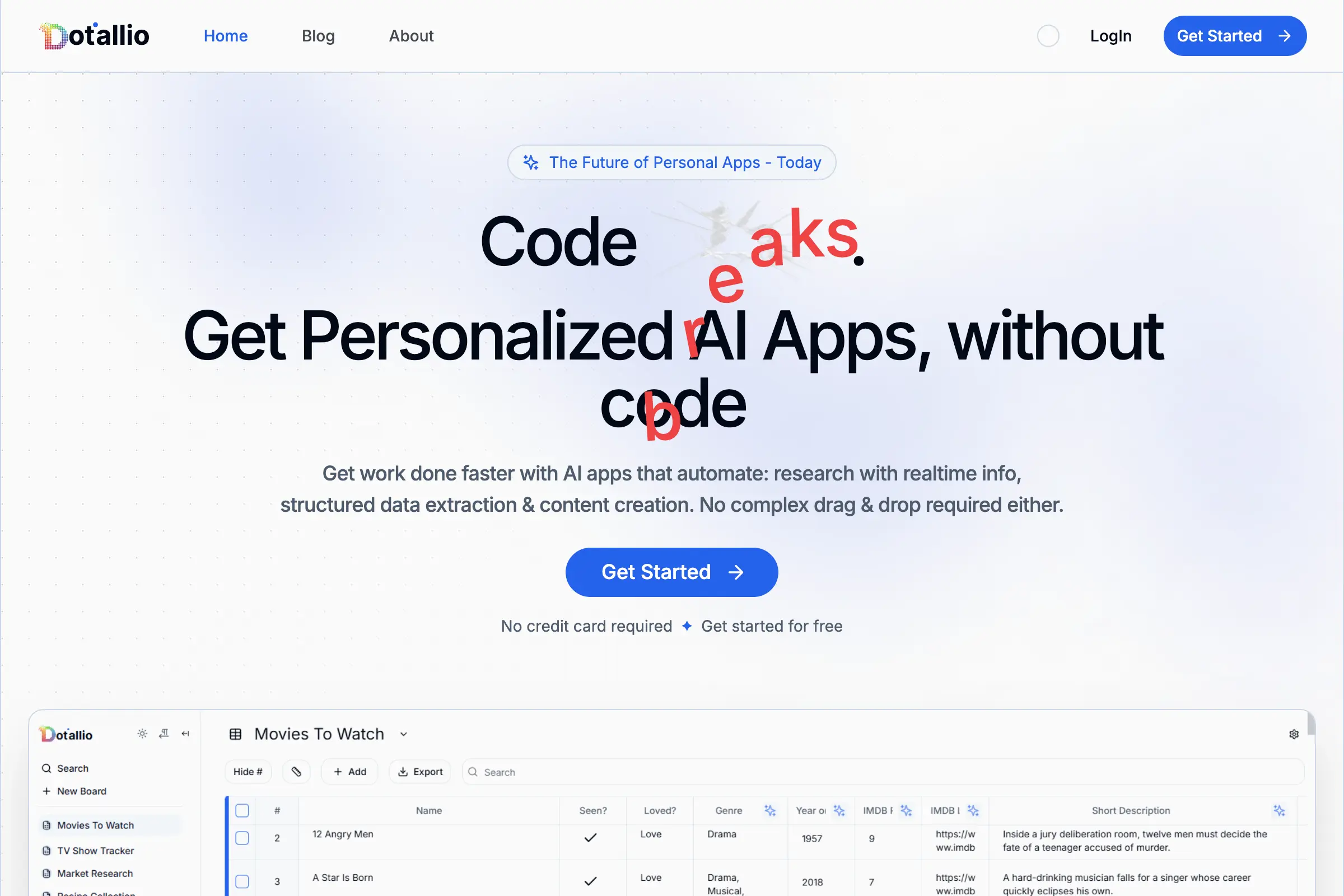
Personalized AI apps that automate research, data extraction, and content creation without code 🤖

Talk to Santa
Enjoy a magical live video chat or receive a unique AI-generated video greeting from Santa Claus 🎅

pozywka.pl
Scalable blog for food journalist, focused on performance and user experience 🌭
zagrodzki.me
Personal blog and portfolio of Bart Zagrodzki, where he shares his knowledge and work 💼
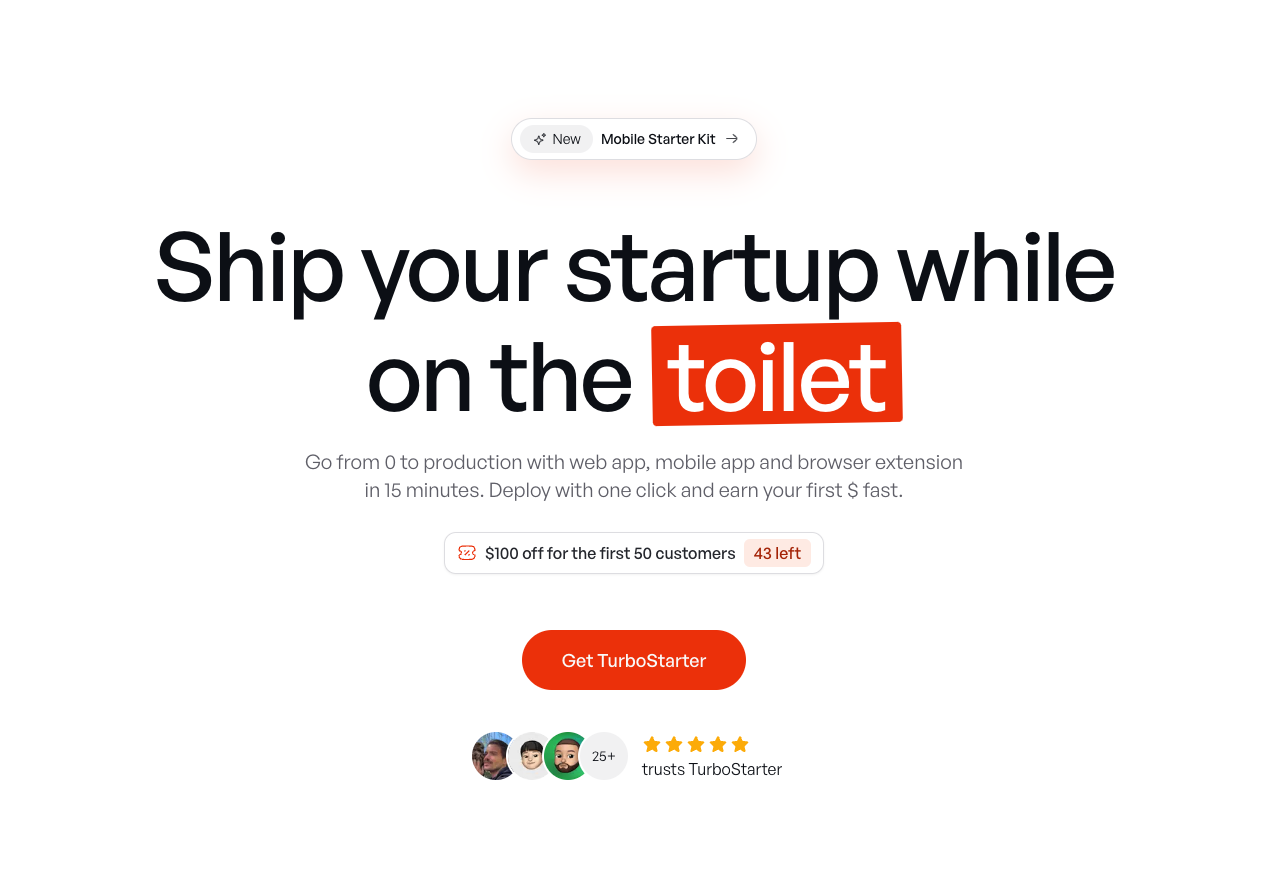
TurboStarter
Ship your startup everywhere. In minutes.
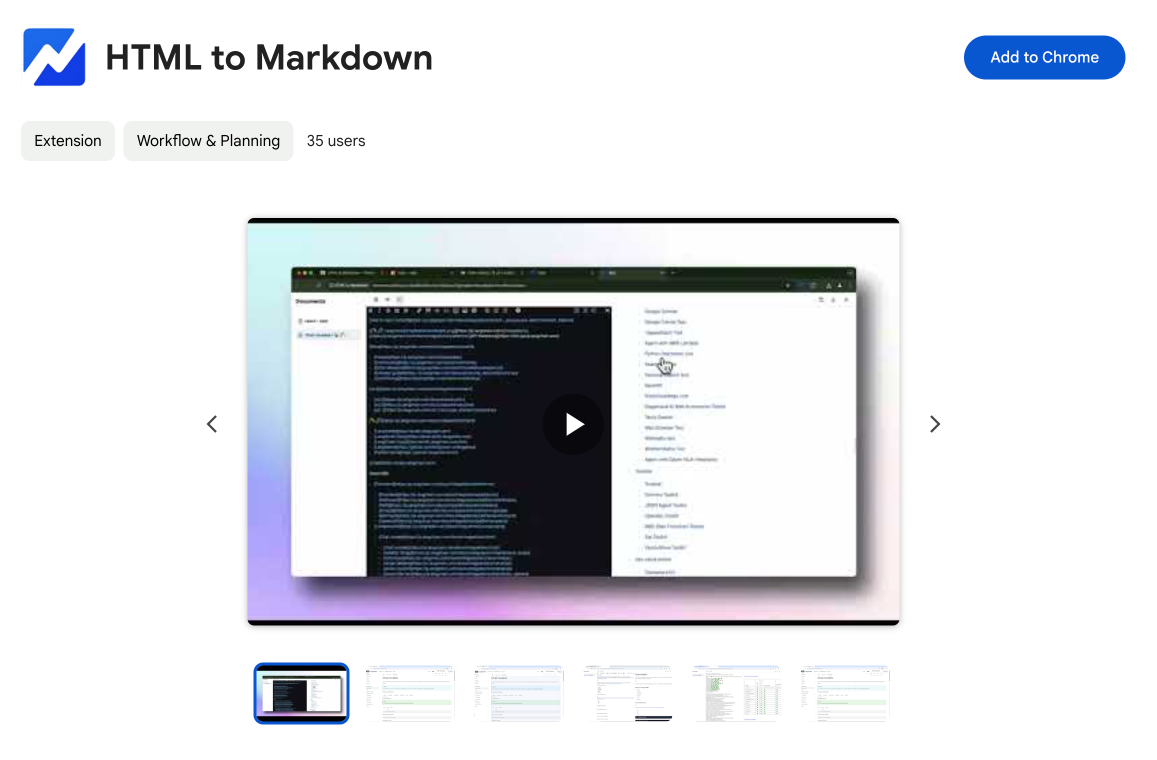
HTML to Markdown
Convert HTML to Markdown with ease, directly in your browser 📄
Dotallio
Personalized AI apps that automate research, data extraction, and content creation without code 🤖
Talk to Santa
Enjoy a magical live video chat or receive a unique AI-generated video greeting from Santa Claus 🎅
pozywka.pl
Scalable blog for food journalist, focused on performance and user experience 🌭
zagrodzki.me
Personal blog and portfolio of Bart Zagrodzki, where he shares his knowledge and work 💼
TurboStarter
Ship your startup everywhere. In minutes.
HTML to Markdown
Convert HTML to Markdown with ease, directly in your browser 📄
Dotallio
Personalized AI apps that automate research, data extraction, and content creation without code 🤖
Talk to Santa
Enjoy a magical live video chat or receive a unique AI-generated video greeting from Santa Claus 🎅
pozywka.pl
Scalable blog for food journalist, focused on performance and user experience 🌭
zagrodzki.me
Personal blog and portfolio of Bart Zagrodzki, where he shares his knowledge and work 💼
TurboStarter
Ship your startup everywhere. In minutes.
HTML to Markdown
Convert HTML to Markdown with ease, directly in your browser 📄
Dotallio
Personalized AI apps that automate research, data extraction, and content creation without code 🤖
Talk to Santa
Enjoy a magical live video chat or receive a unique AI-generated video greeting from Santa Claus 🎅
pozywka.pl
Scalable blog for food journalist, focused on performance and user experience 🌭
zagrodzki.me
Personal blog and portfolio of Bart Zagrodzki, where he shares his knowledge and work 💼
TurboStarter
Ship your startup everywhere. In minutes.
HTML to Markdown
Convert HTML to Markdown with ease, directly in your browser 📄
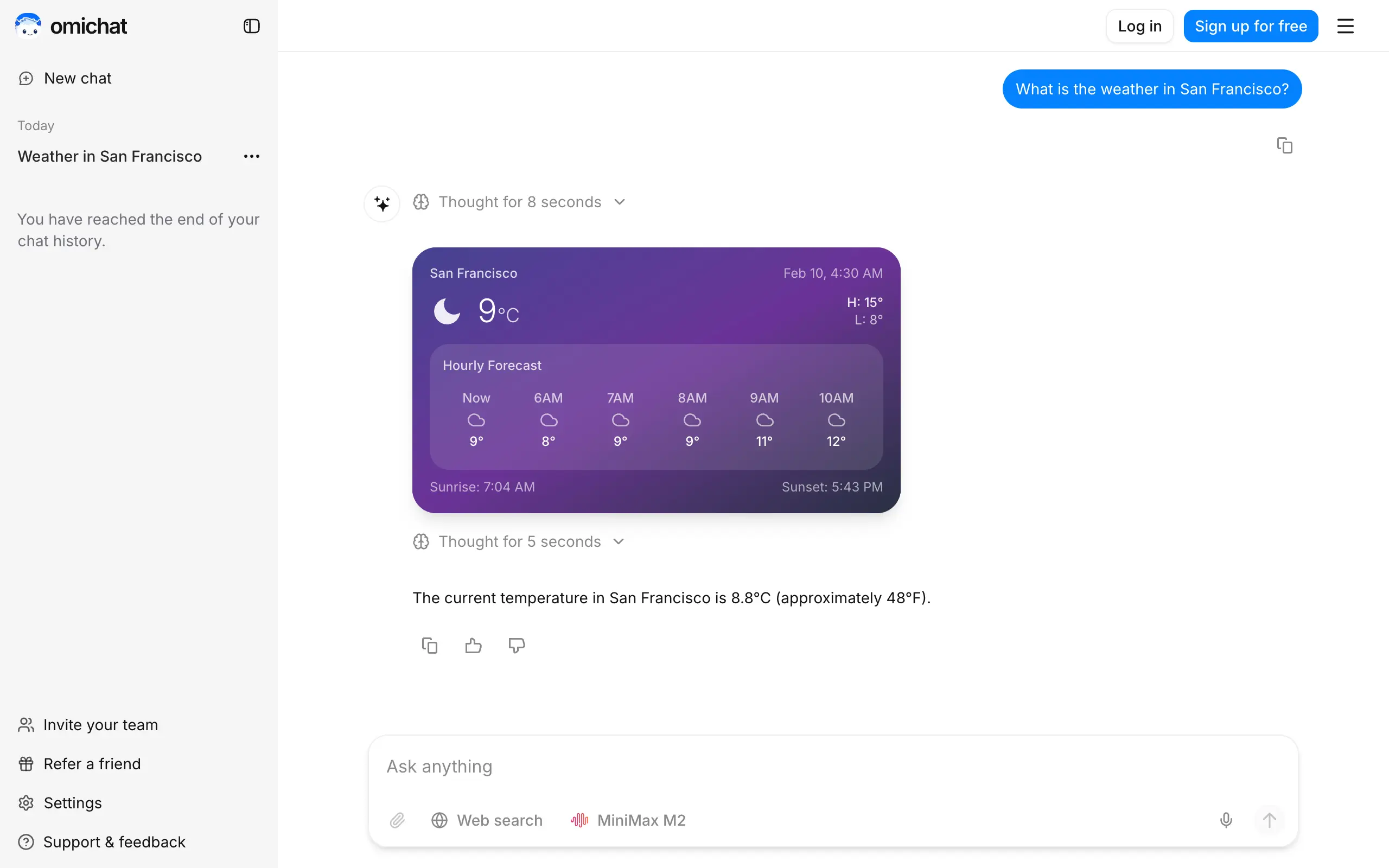
Omichat
Chat with 50+ AI models, including ChatGPT and Claude, in one place - switch models anytime without losing context 🤖
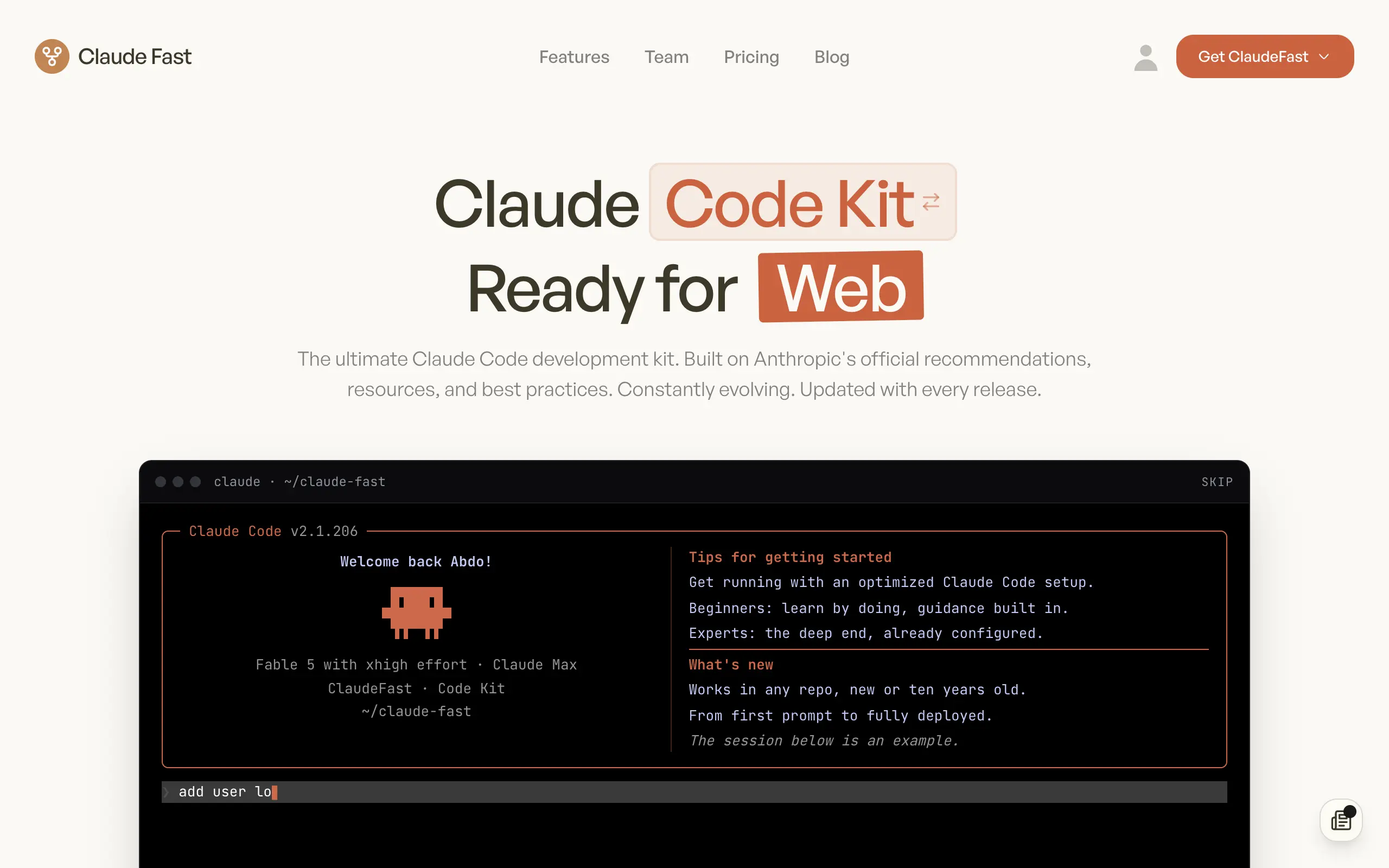
Claude Fast
Supercharge your Claude Code with 6x effective context window and specialized AI agents 🤖
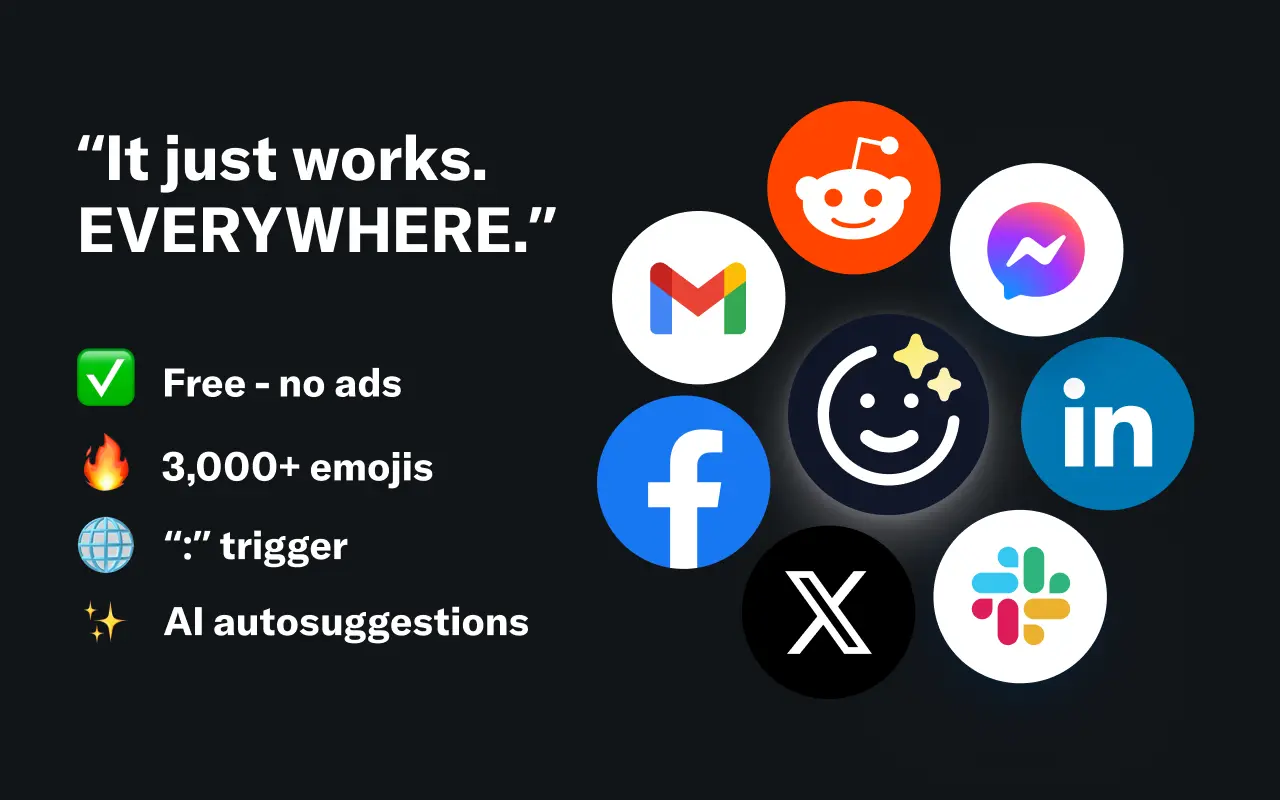
EmojAI
AI-powered emoji picker with smart, context-aware suggestions 🤖
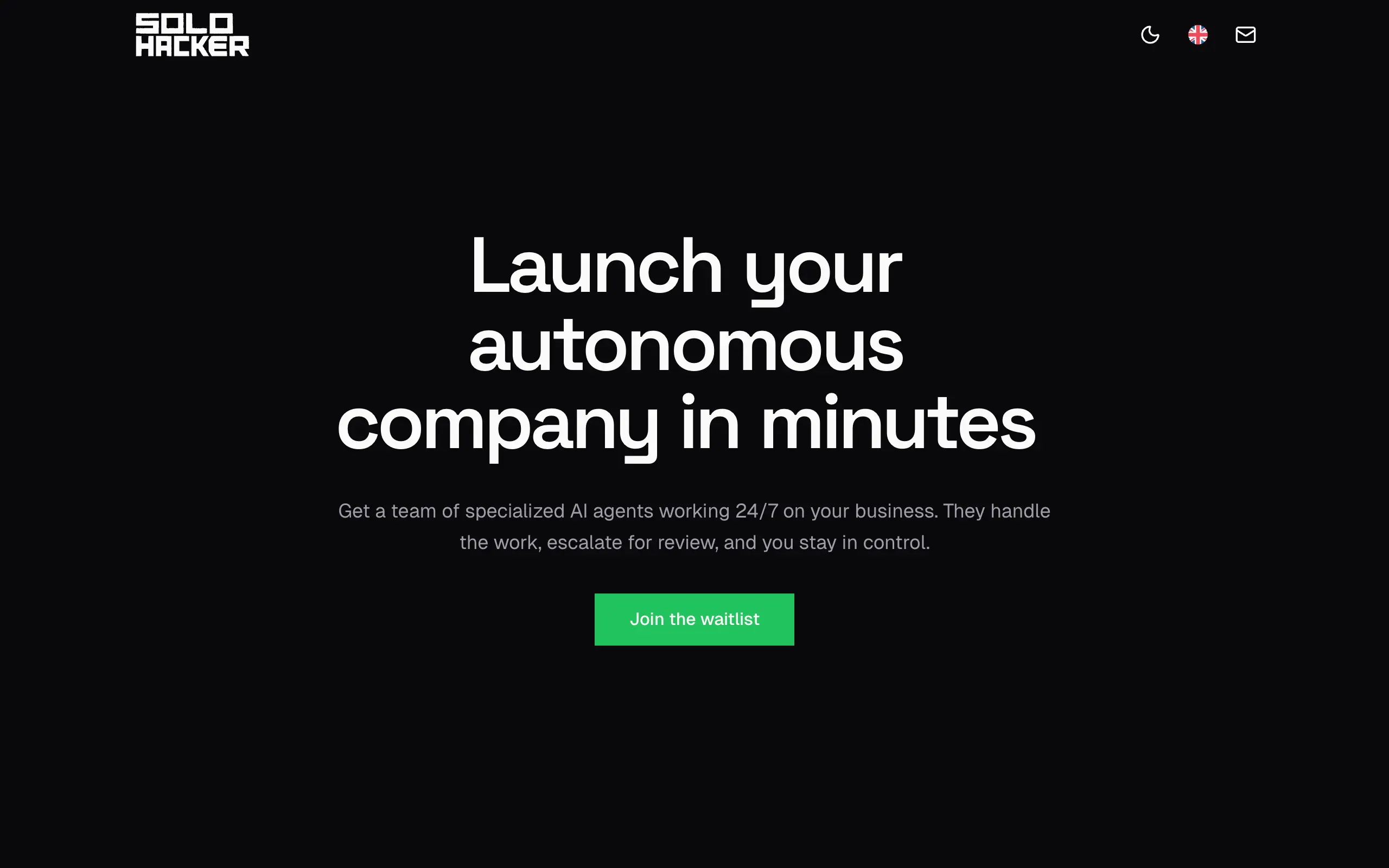
Solohacker
Autonomous company launcher - AI agents work 24/7, escalate what matters, and you stay in control 🤖
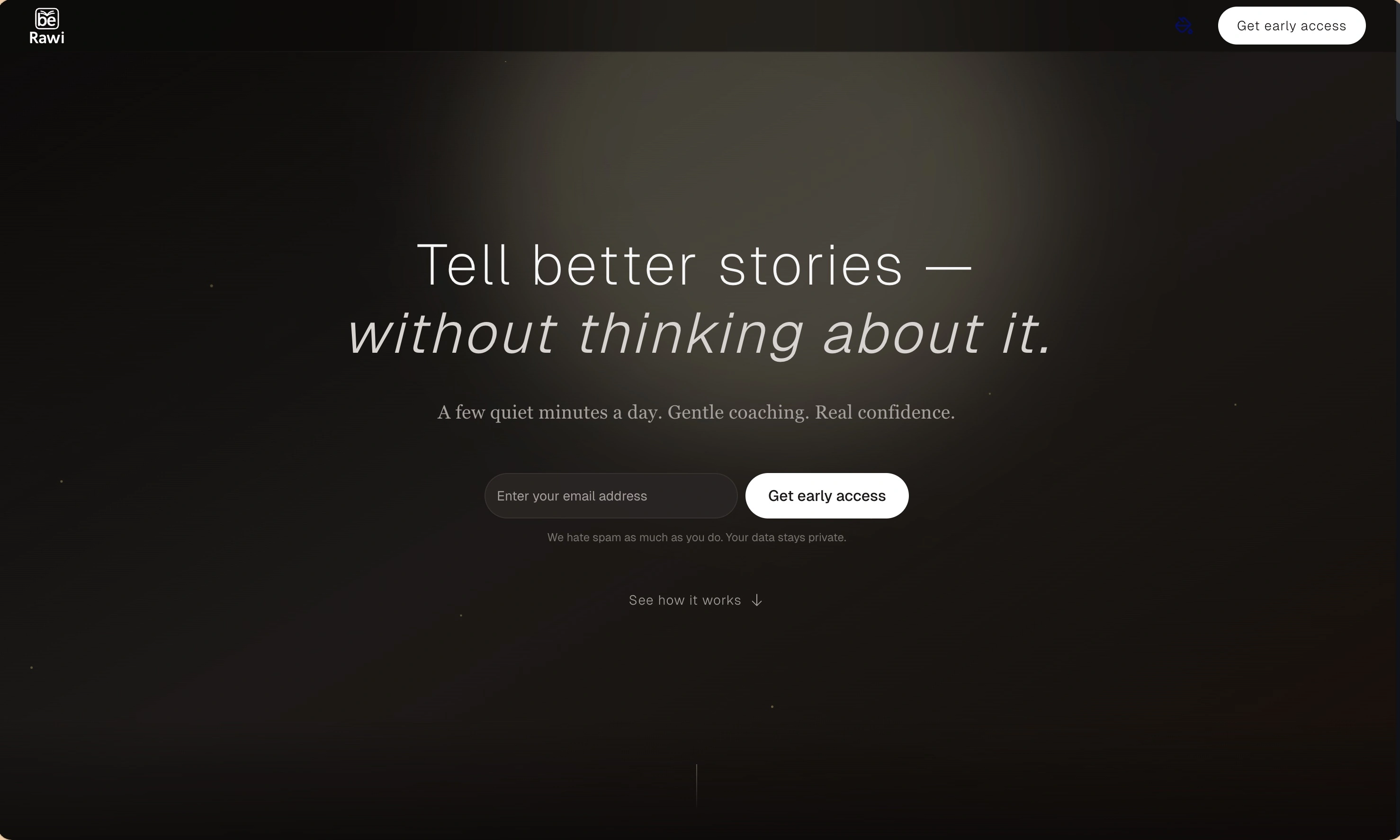
BeRawi: Storytelling Coach
Practice storytelling daily with instant feedback to sound clearer, more engaging, and confident 🎤
Omichat
Chat with 50+ AI models, including ChatGPT and Claude, in one place - switch models anytime without losing context 🤖
Claude Fast
Supercharge your Claude Code with 6x effective context window and specialized AI agents 🤖
EmojAI
AI-powered emoji picker with smart, context-aware suggestions 🤖
Solohacker
Autonomous company launcher - AI agents work 24/7, escalate what matters, and you stay in control 🤖
BeRawi: Storytelling Coach
Practice storytelling daily with instant feedback to sound clearer, more engaging, and confident 🎤
Omichat
Chat with 50+ AI models, including ChatGPT and Claude, in one place - switch models anytime without losing context 🤖
Claude Fast
Supercharge your Claude Code with 6x effective context window and specialized AI agents 🤖
EmojAI
AI-powered emoji picker with smart, context-aware suggestions 🤖
Solohacker
Autonomous company launcher - AI agents work 24/7, escalate what matters, and you stay in control 🤖
BeRawi: Storytelling Coach
Practice storytelling daily with instant feedback to sound clearer, more engaging, and confident 🎤
Omichat
Chat with 50+ AI models, including ChatGPT and Claude, in one place - switch models anytime without losing context 🤖
Claude Fast
Supercharge your Claude Code with 6x effective context window and specialized AI agents 🤖
EmojAI
AI-powered emoji picker with smart, context-aware suggestions 🤖
Solohacker
Autonomous company launcher - AI agents work 24/7, escalate what matters, and you stay in control 🤖
BeRawi: Storytelling Coach
Practice storytelling daily with instant feedback to sound clearer, more engaging, and confident 🎤

Connect with like-minded people
Join our community to get feedback, support, and grow together with 1,000+ builders on board, let's ship it!
Join usShip your startup everywhere. In minutes.
Don't burn tokens on setup and start building features on day one.