MindFlow AI
An AI thought partner that listens as you think out loud, organizes ideas into visual mental models, and helps you unlock deeper insights in real time.
The future of thinking out loud with an AI thought partner
In a world flooded with information, the real bottleneck isn’t access to ideas — it’s making sense of them. Founders brainstorm in voice notes. Students talk through complex topics. Creators think out loud on walks. Executives sketch half-formed strategies in meetings.
Yet most tools treat thinking as a static act: you either type into a blank document or manually draw diagrams.
MindFlow AI introduces a new category: an AI thought partner that listens as you think out loud, structures your ideas into visual mental models, and surfaces deeper insights in real time.
This article explores:
- The market opportunity for AI-powered cognitive tools
- The target audience and core user problems
- Product architecture and feature design
- Recommended tech stack and trade-offs
- Monetization models and growth strategy
- Competitive landscape and differentiation
- Risks and mitigation strategies
- A step-by-step roadmap to launch
If you’re validating this SaaS idea or preparing to build it, this guide provides a complete, expert-level breakdown.
The problem: thinking is messy, tools are rigid
Human cognition is nonlinear. We:
- Jump between ideas
- Circle back to earlier thoughts
- Discover insights mid-sentence
- Think spatially and verbally at once
Traditional productivity tools don’t support this.
Current workflows are fragmented
A typical knowledge worker might:
- Record voice notes
- Transcribe them
- Copy into Notion
- Create a mind map manually
- Extract action items
- Rewrite into strategy documents
This is friction-heavy and cognitively draining.
The rise of “thinking tools”
There’s growing interest in:
- Second-brain systems
- Mind mapping software
- AI note assistants
- Knowledge graphs
- Voice-first productivity apps
But no dominant solution combines:
- Real-time listening
- Dynamic visual modeling
- AI-powered reasoning
- Continuous conversational refinement
That’s the opportunity.
What is MindFlow AI?
MindFlow AI is an AI thought partner that:
- Listens as users think out loud
- Transcribes speech in real time
- Structures ideas into visual mental models
- Identifies themes, contradictions, and insights
- Suggests new angles and questions
- Converts thoughts into actionable frameworks
Instead of writing to a tool, users think with it.
Target audience analysis
Understanding user intent is critical for product-market fit. The primary users fall into five high-value segments.
1. Founders and entrepreneurs
Pain points:
- Strategy overload
- Isolated thinking
- Difficulty clarifying ideas
- Decision fatigue
They need:
- Rapid idea structuring
- Scenario exploration
- Assumption testing
- Vision mapping
MindFlow AI acts as a strategic sounding board.
2. Knowledge workers and consultants
Professionals who think for a living:
- Strategy consultants
- Product managers
- Analysts
- Researchers
They require:
- Concept mapping
- Hypothesis clustering
- Client brief organization
- Decision trees
Visual reasoning + AI insight creates leverage.
3. Students and lifelong learners
Students struggle with:
- Complex topic synthesis
- Essay planning
- Study structure
- Understanding abstract systems
An AI thought partner that converts verbal thinking into mental models dramatically improves comprehension.
4. Creators and writers
Writers often:
- Talk through ideas
- Explore narrative arcs
- Brainstorm themes
- Work through creative blocks
MindFlow AI can transform raw verbal brainstorming into structured outlines.
5. Neurodivergent thinkers
Many people with ADHD or nonlinear thinking styles:
- Think faster than they can type
- Struggle with linear documentation
- Prefer voice-based cognition
A voice-first AI visualizer becomes a cognitive amplifier.
Market opportunity and trends
AI-native productivity is accelerating
According to publicly reported AI adoption trends (e.g., McKinsey and industry research), generative AI adoption in knowledge work has grown significantly since 2023.
Key trends:
- Voice interfaces becoming mainstream
- AI copilots embedded in workflows
- Visual knowledge graphs gaining popularity
- Shift from “tools” to “intelligent collaborators”
MindFlow AI aligns with all four.
The gap in the current market
Existing categories include:
- Voice transcription tools
- Mind mapping software
- AI chatbots
- Note-taking apps
But none combine real-time listening + visual cognition + structured insight.
This creates a blue ocean opportunity: AI-powered cognitive augmentation.
Core features of MindFlow AI
Below is a structured breakdown of the MVP and advanced capabilities.
Real-time voice transcription
- Continuous speech recognition
- Speaker detection (optional)
- Timestamped thought segments
- Editable transcript
Accuracy and latency are critical.
Dynamic mental model generation
As the user speaks, the system:
- Identifies concepts
- Groups related ideas
- Detects hierarchies
- Creates nodes and connections
Visual outputs may include:
- Mind maps
- Flowcharts
- Causal diagrams
- Concept graphs
AI insight engine
Beyond organizing ideas, MindFlow AI should:
- Highlight contradictions
- Identify missing assumptions
- Suggest alternative angles
- Ask clarifying questions
This transforms it from a note-taker into a thought partner.
Multi-view visualization
Hierarchical branching of ideas. Ideal for brainstorming and conceptual exploration.
Converts thoughts into SWOT, OKRs, or decision trees automatically.
Transforms spoken thoughts into structured outlines with thesis, arguments, and examples.
Action extraction
From conversation to execution:
- Task detection
- Timeline suggestions
- Goal clustering
- Export to productivity tools
Continuous refinement loop
Users can say:
- “Expand this idea.”
- “What am I missing?”
- “Challenge this assumption.”
The system updates the mental model dynamically.
Competitive landscape
Here’s how MindFlow AI compares conceptually:
| Feature | Voice apps | Mind maps | AI chatbots | MindFlow AI | Note apps |
|---|---|---|---|---|---|
| Real-time listening | ✅ | ❌ | ❌ | ✅ | ❌ |
| Auto visual models | ❌ | ✅ | ❌ | ✅ | ❌ |
| Insight suggestions | ❌ | ❌ | ✅ | ✅ | ❌ |
| Voice-native UX | ✅ | ❌ | ❌ | ✅ | ❌ |
MindFlow AI’s competitive advantage lies in integrating these features natively, not stitching them together.
Technical architecture and recommended tech stack
Building an AI thought partner requires careful infrastructure decisions.
Frontend
- React for dynamic UI
- TailwindCSS for rapid styling
- Canvas-based visualization (e.g., D3.js or custom graph engine)
- WebRTC for microphone streaming
Backend
- Node.js or Python (FastAPI)
- Real-time streaming architecture
- WebSockets for live updates
AI layer
- Speech-to-text model (e.g., Whisper-class models)
- Large language model for reasoning
- Graph-structuring engine
- Embeddings for semantic clustering
Example architecture snippet
// Simplified conceptual flow

const streamAudio = async () => {
  const transcript = await speechToText(audioStream);
  const concepts = await extractConcepts(transcript);
  const graph = await buildMentalModel(concepts);
  updateVisualization(graph);
};
Data storage
- Graph database (Neo4j or similar) for idea relationships
- PostgreSQL for user data
- Object storage for audio files
Trade-offs to consider
Real-time improves user experience but increases infrastructure complexity and cost.
Larger LLMs produce better insights but increase inference costs.
Client-side reduces server load but limits computational depth.
Monetization strategy
Monetization should reflect value amplification, not raw usage.
Tiered SaaS pricing
- Free tier (limited minutes/month)
- Pro ($20–$40/month)
- Teams ($60–$120/user/month)
- Enterprise (custom pricing)
Usage-based hybrid
Charge based on:
- AI processing minutes
- Advanced insight analysis
- Storage of mental models
High-value add-ons
- Team collaboration mode
- Private model hosting
- Custom mental model templates
- API access
Growth strategy
1. Founder-first adoption
Launch targeting:
- Indie hackers
- Startup founders
- Twitter/X builders
- LinkedIn thought leaders
2. Viral loops
When users share:
- Public mental models
- Strategy maps
- Brainstorm outputs
Branding should appear subtly.
3. Educational partnerships
Partner with:
- Universities
- Online course creators
- Study communities
Potential risks and mitigation
Risk 1: High AI costs
Mitigation:
- Smart caching
- Model selection tiers
- Summarization compression
Risk 2: Privacy concerns
Voice data is sensitive.
Mitigation:
- End-to-end encryption
- Transparent data policies
- Optional local processing
- SOC 2 roadmap
Risk 3: Over-reliance on novelty
If it’s “cool but not essential,” churn increases.
Mitigation:
- Deep workflow integrations
- Clear ROI positioning
- Outcome-driven messaging
Unique selling proposition (USP)
MindFlow AI is not:
- A chatbot
- A transcription app
- A static mind map tool
It is a real-time cognitive amplifier.
Its differentiation lies in:
- Listening as you think
- Structuring as you speak
- Challenging as you explore
- Visualizing as you reason
This makes it fundamentally different from existing productivity software.
Implementation roadmap
Here’s a practical execution path.
Building efficiently with the right foundation
Instead of building authentication, payments, and dashboards from scratch, use a production-ready SaaS foundation like TurboStarter.
This allows you to focus on:
- AI differentiation
- Mental model visualization
- Insight engine development
And not boilerplate infrastructure.
Long-term vision: the cognitive operating system
The real opportunity extends beyond note-taking.
MindFlow AI could evolve into:
- A personal strategy archive
- A lifelong idea graph
- A decision history tracker
- A cognitive pattern analyzer
Imagine:
- Reviewing how your thinking evolved over years
- Identifying recurring blind spots
- Detecting growth patterns
- Mapping intellectual evolution
That’s defensible and deeply sticky.
Why MindFlow AI can win
The timing is right because:
- Voice interfaces are normalized
- AI reasoning models are powerful enough
- Knowledge work complexity is increasing
- Users want leverage, not more tools
The product sits at the intersection of:
- AI
- Productivity
- Visualization
- Cognitive science
And that intersection is largely uncontested.
Final thoughts
MindFlow AI represents a shift from productivity tools to cognitive companions.
Instead of documenting finished ideas, it helps shape them.
Instead of reacting to prompts, it co-creates structure.
Instead of storing notes, it builds mental models.
For founders, creators, students, and thinkers, this is more than convenience — it’s cognitive leverage.
And in the AI era, leverage compounds.
More 🤖 AI Startup SaaS ideas
Discover more innovative ai startup SaaS ideas that are trending in 2026. Each idea is AI-generated with market validation and growth potential to help you find your next profitable venture faster than competitors.
Your competitors are building with TurboStarter
Below are some of the SaaS ideas that have been generated and built with our starter kit.

Statiko
Monitor any Telegram channel in real time - track posts, edits, deletions, and growth with AI recaps 📡

Shibui
AI website builder - describe your business, pick a niche template, edit by chatting, and publish instantly ✨

Pro Service
Find verified home service professionals, compare quotes, and pay securely through escrow - built for Brazilians across the US 🏠
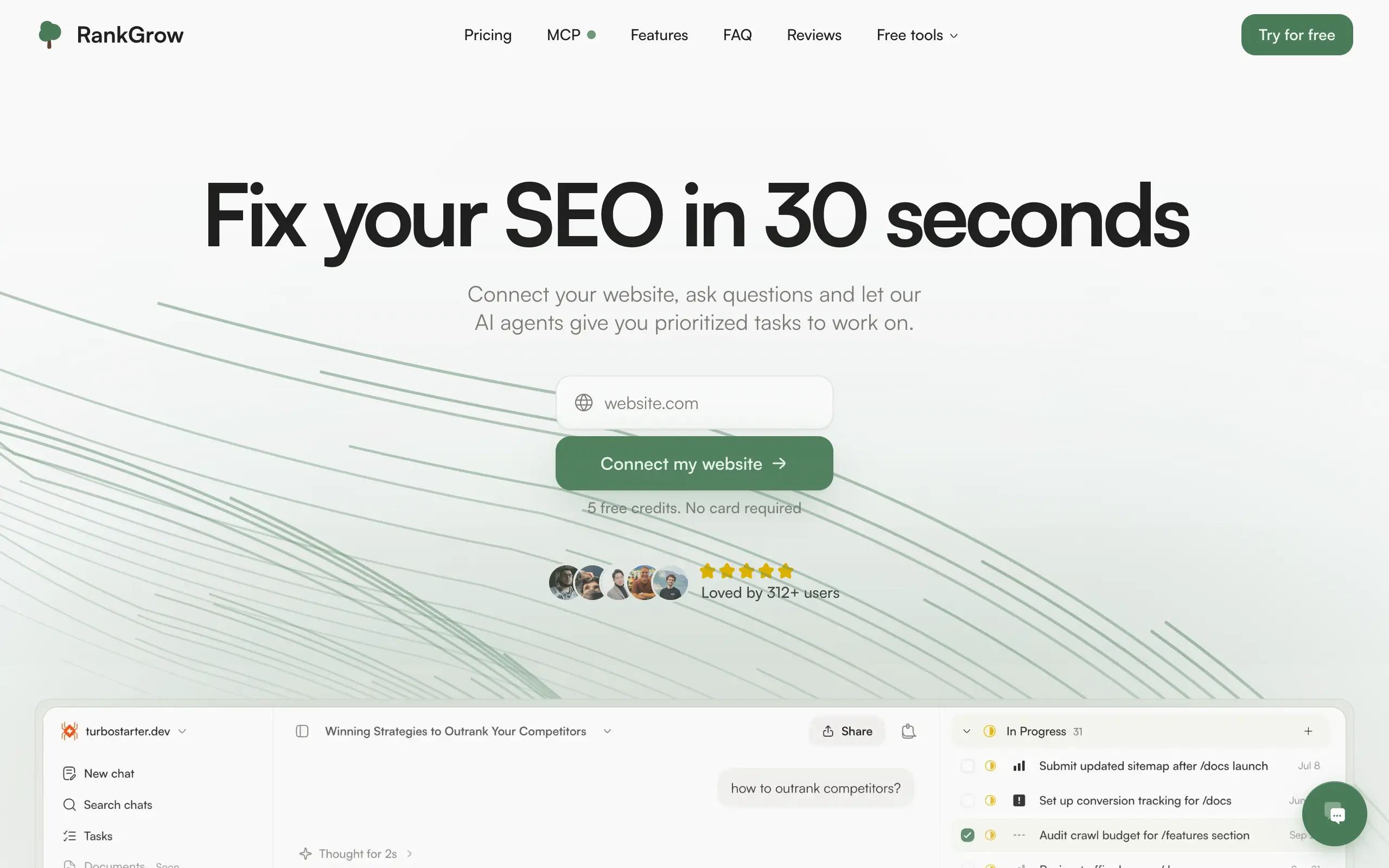
RankGrow
Fix your SEO with AI agents - connect Search Console, get prioritized tasks, and grow organic traffic 📈
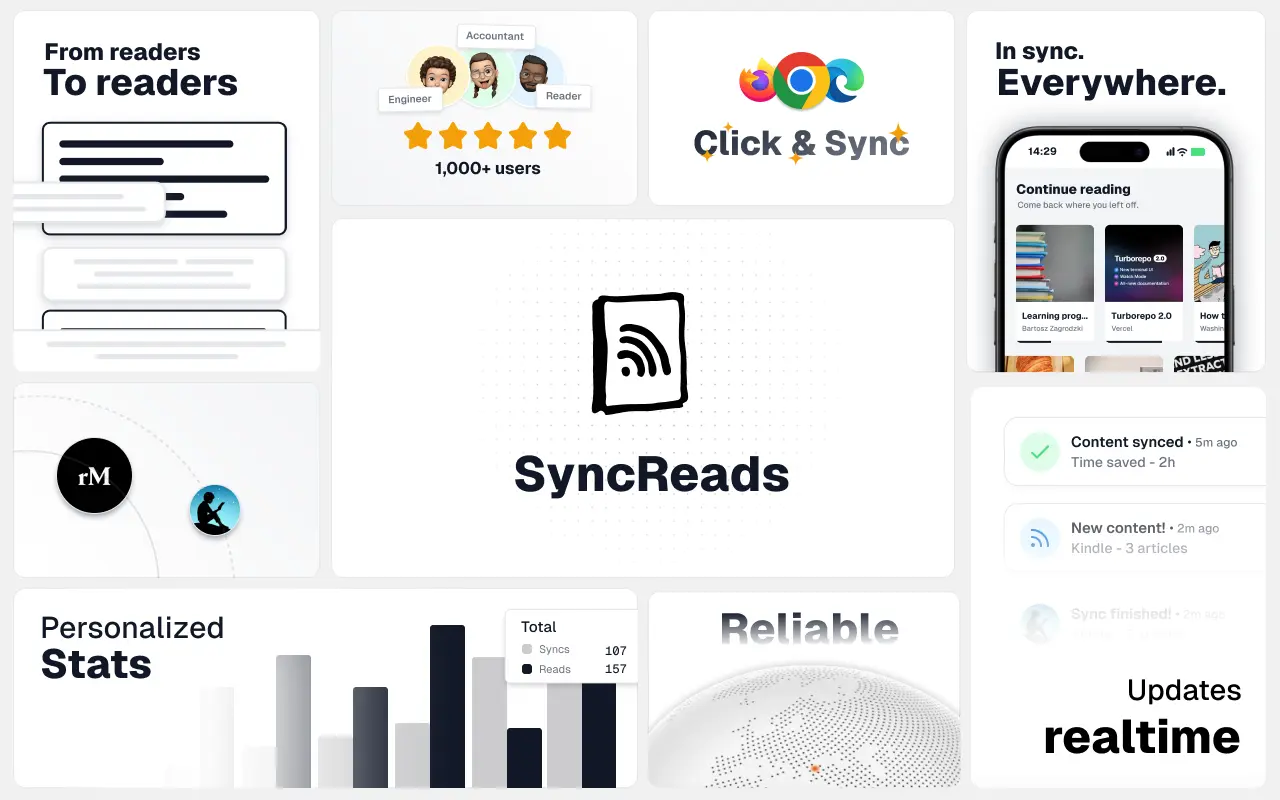
SyncReads
Sync your favorite content for distraction-free reading, save time and replace multiple apps. Anytime, anywhere 🔄
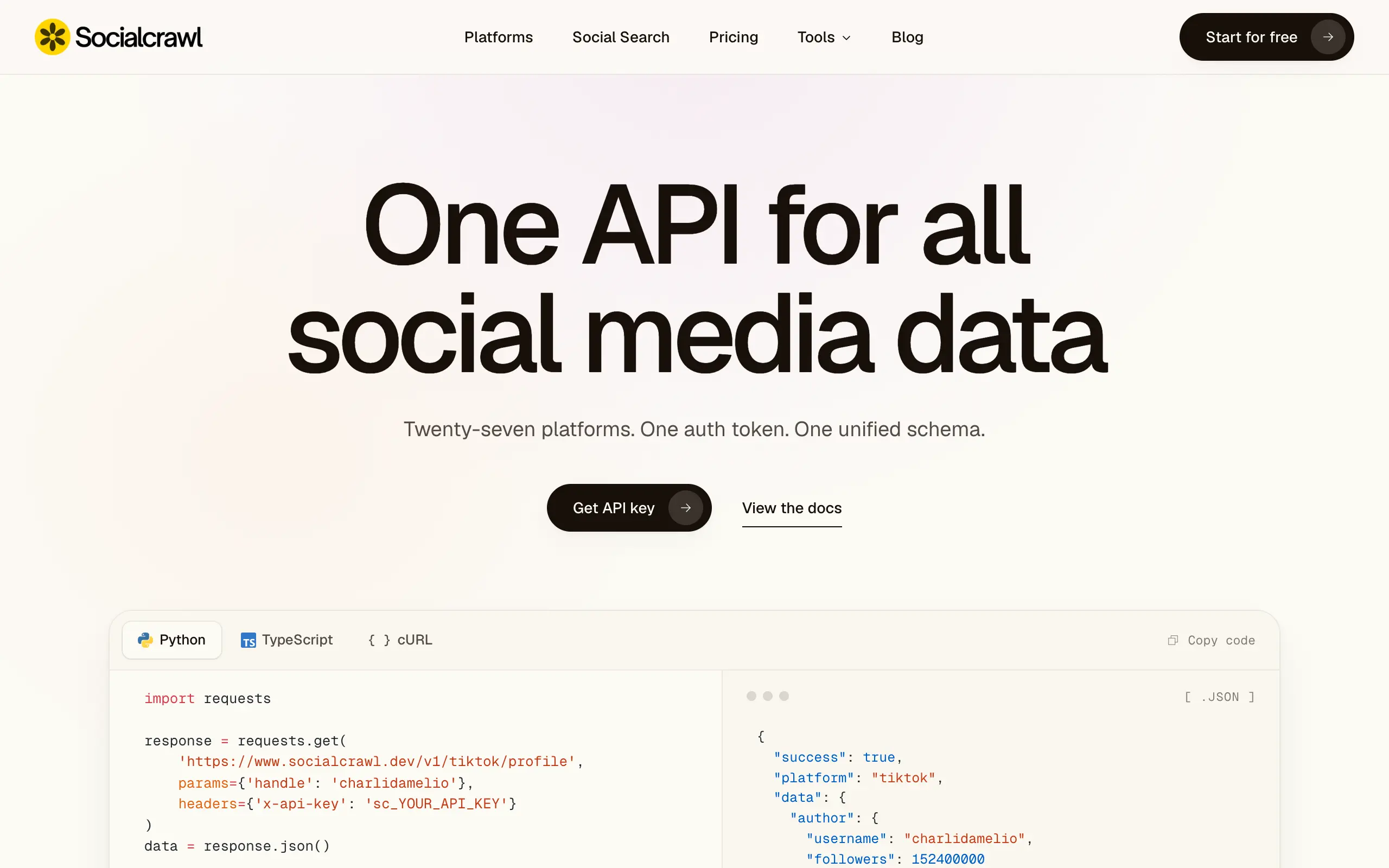
Socialcrawl
Get clean, structured data from 21 platforms like TikTok, Instagram, and YouTube with a single request 📊
Statiko
Monitor any Telegram channel in real time - track posts, edits, deletions, and growth with AI recaps 📡
Shibui
AI website builder - describe your business, pick a niche template, edit by chatting, and publish instantly ✨
Pro Service
Find verified home service professionals, compare quotes, and pay securely through escrow - built for Brazilians across the US 🏠
RankGrow
Fix your SEO with AI agents - connect Search Console, get prioritized tasks, and grow organic traffic 📈
SyncReads
Sync your favorite content for distraction-free reading, save time and replace multiple apps. Anytime, anywhere 🔄
Socialcrawl
Get clean, structured data from 21 platforms like TikTok, Instagram, and YouTube with a single request 📊
Statiko
Monitor any Telegram channel in real time - track posts, edits, deletions, and growth with AI recaps 📡
Shibui
AI website builder - describe your business, pick a niche template, edit by chatting, and publish instantly ✨
Pro Service
Find verified home service professionals, compare quotes, and pay securely through escrow - built for Brazilians across the US 🏠
RankGrow
Fix your SEO with AI agents - connect Search Console, get prioritized tasks, and grow organic traffic 📈
SyncReads
Sync your favorite content for distraction-free reading, save time and replace multiple apps. Anytime, anywhere 🔄
Socialcrawl
Get clean, structured data from 21 platforms like TikTok, Instagram, and YouTube with a single request 📊
Statiko
Monitor any Telegram channel in real time - track posts, edits, deletions, and growth with AI recaps 📡
Shibui
AI website builder - describe your business, pick a niche template, edit by chatting, and publish instantly ✨
Pro Service
Find verified home service professionals, compare quotes, and pay securely through escrow - built for Brazilians across the US 🏠
RankGrow
Fix your SEO with AI agents - connect Search Console, get prioritized tasks, and grow organic traffic 📈
SyncReads
Sync your favorite content for distraction-free reading, save time and replace multiple apps. Anytime, anywhere 🔄
Socialcrawl
Get clean, structured data from 21 platforms like TikTok, Instagram, and YouTube with a single request 📊
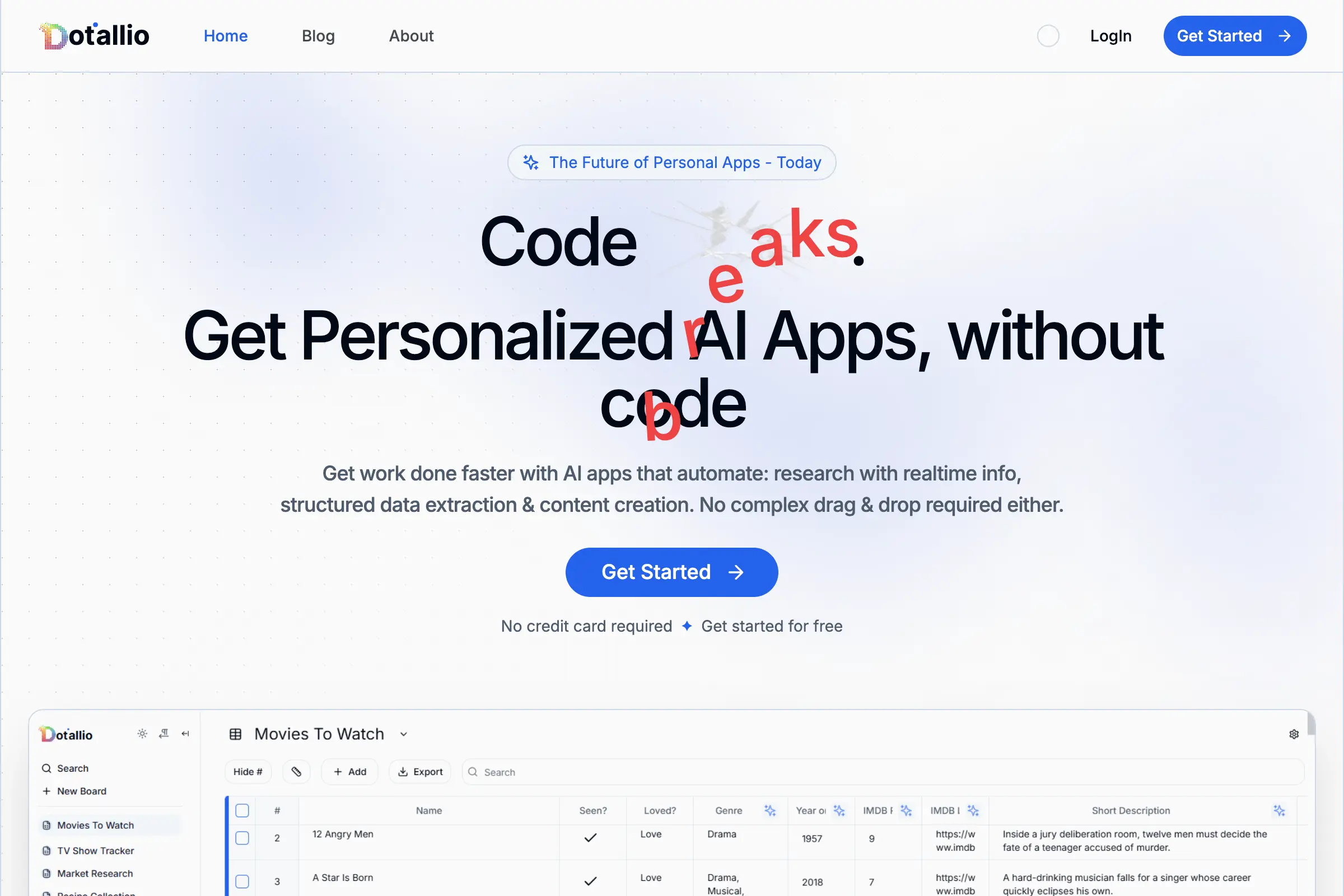
Dotallio
Personalized AI apps that automate research, data extraction, and content creation without code 🤖

Talk to Santa
Enjoy a magical live video chat or receive a unique AI-generated video greeting from Santa Claus 🎅
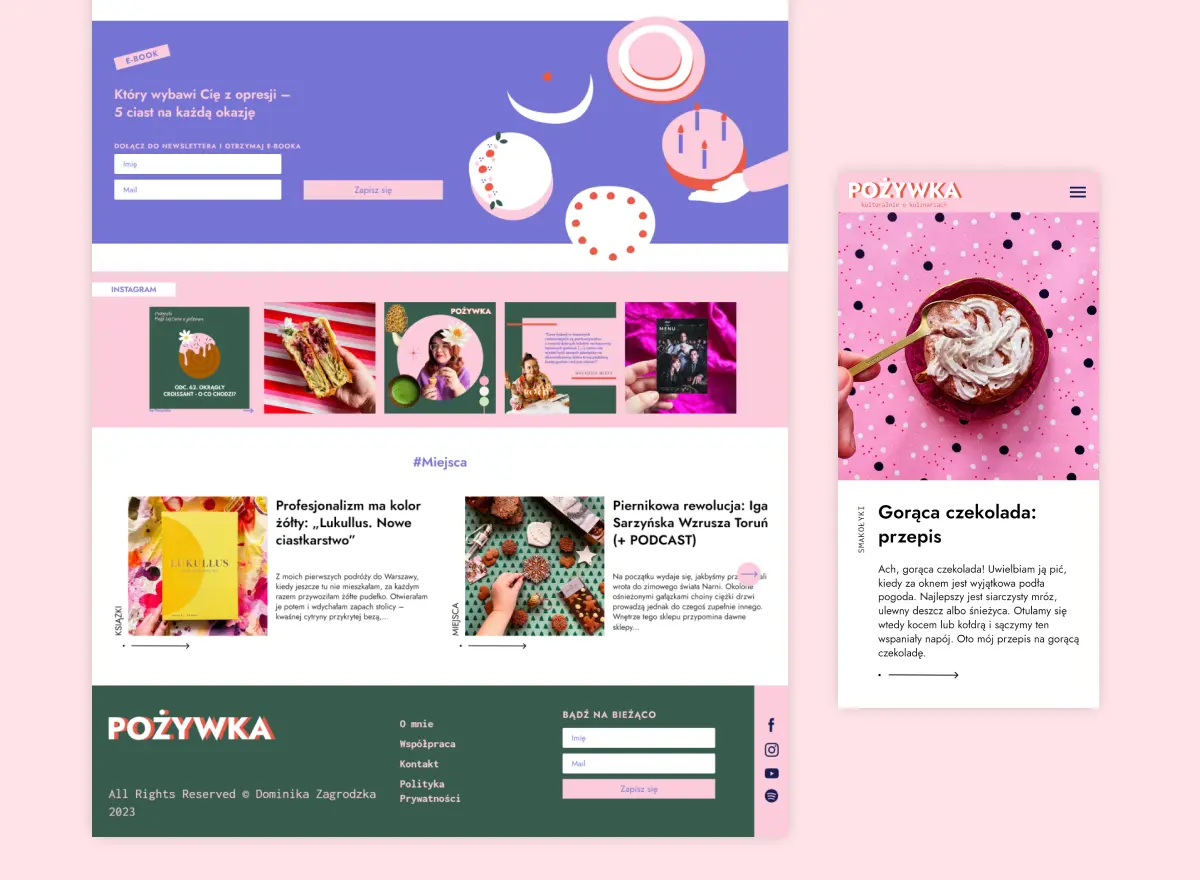
pozywka.pl
Scalable blog for food journalist, focused on performance and user experience 🌭
zagrodzki.me
Personal blog and portfolio of Bart Zagrodzki, where he shares his knowledge and work 💼
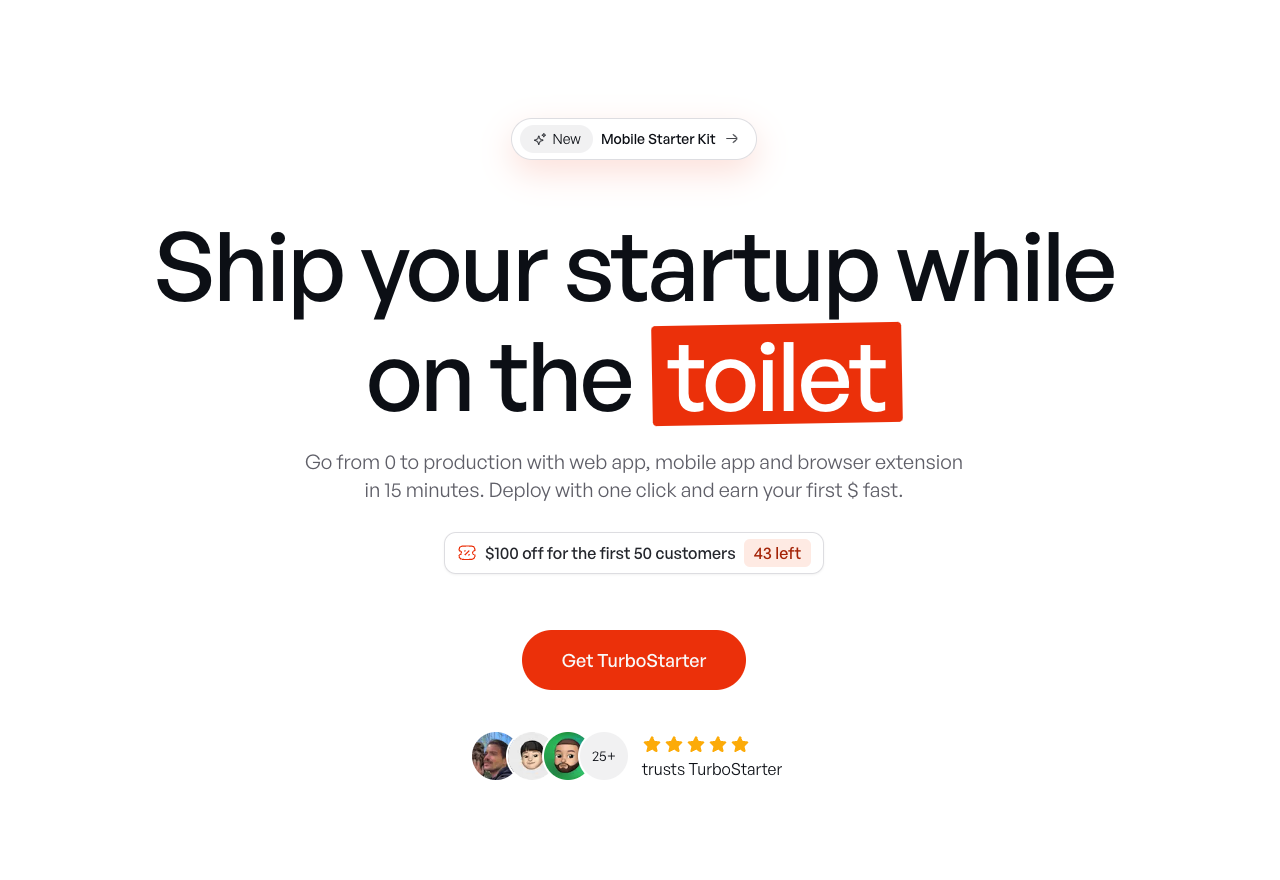
TurboStarter
Ship your startup everywhere. In minutes.
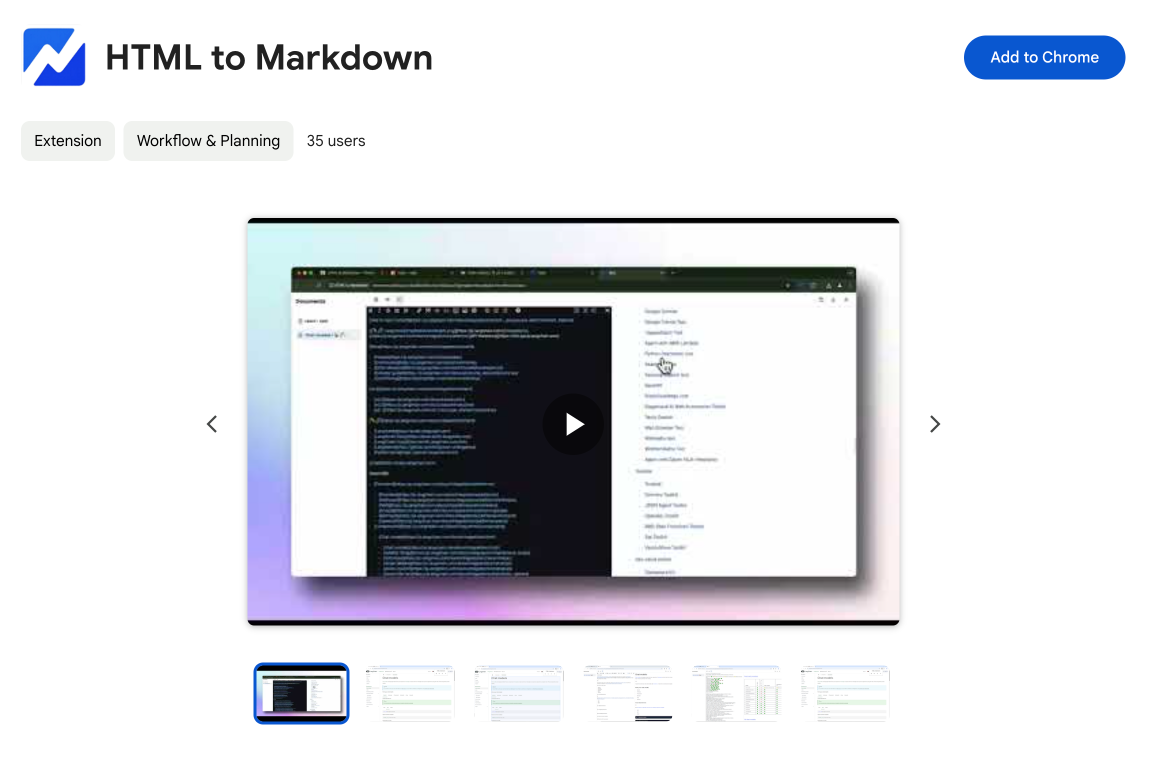
HTML to Markdown
Convert HTML to Markdown with ease, directly in your browser 📄
Dotallio
Personalized AI apps that automate research, data extraction, and content creation without code 🤖
Talk to Santa
Enjoy a magical live video chat or receive a unique AI-generated video greeting from Santa Claus 🎅
pozywka.pl
Scalable blog for food journalist, focused on performance and user experience 🌭
zagrodzki.me
Personal blog and portfolio of Bart Zagrodzki, where he shares his knowledge and work 💼
TurboStarter
Ship your startup everywhere. In minutes.
HTML to Markdown
Convert HTML to Markdown with ease, directly in your browser 📄
Dotallio
Personalized AI apps that automate research, data extraction, and content creation without code 🤖
Talk to Santa
Enjoy a magical live video chat or receive a unique AI-generated video greeting from Santa Claus 🎅
pozywka.pl
Scalable blog for food journalist, focused on performance and user experience 🌭
zagrodzki.me
Personal blog and portfolio of Bart Zagrodzki, where he shares his knowledge and work 💼
TurboStarter
Ship your startup everywhere. In minutes.
HTML to Markdown
Convert HTML to Markdown with ease, directly in your browser 📄
Dotallio
Personalized AI apps that automate research, data extraction, and content creation without code 🤖
Talk to Santa
Enjoy a magical live video chat or receive a unique AI-generated video greeting from Santa Claus 🎅
pozywka.pl
Scalable blog for food journalist, focused on performance and user experience 🌭
zagrodzki.me
Personal blog and portfolio of Bart Zagrodzki, where he shares his knowledge and work 💼
TurboStarter
Ship your startup everywhere. In minutes.
HTML to Markdown
Convert HTML to Markdown with ease, directly in your browser 📄
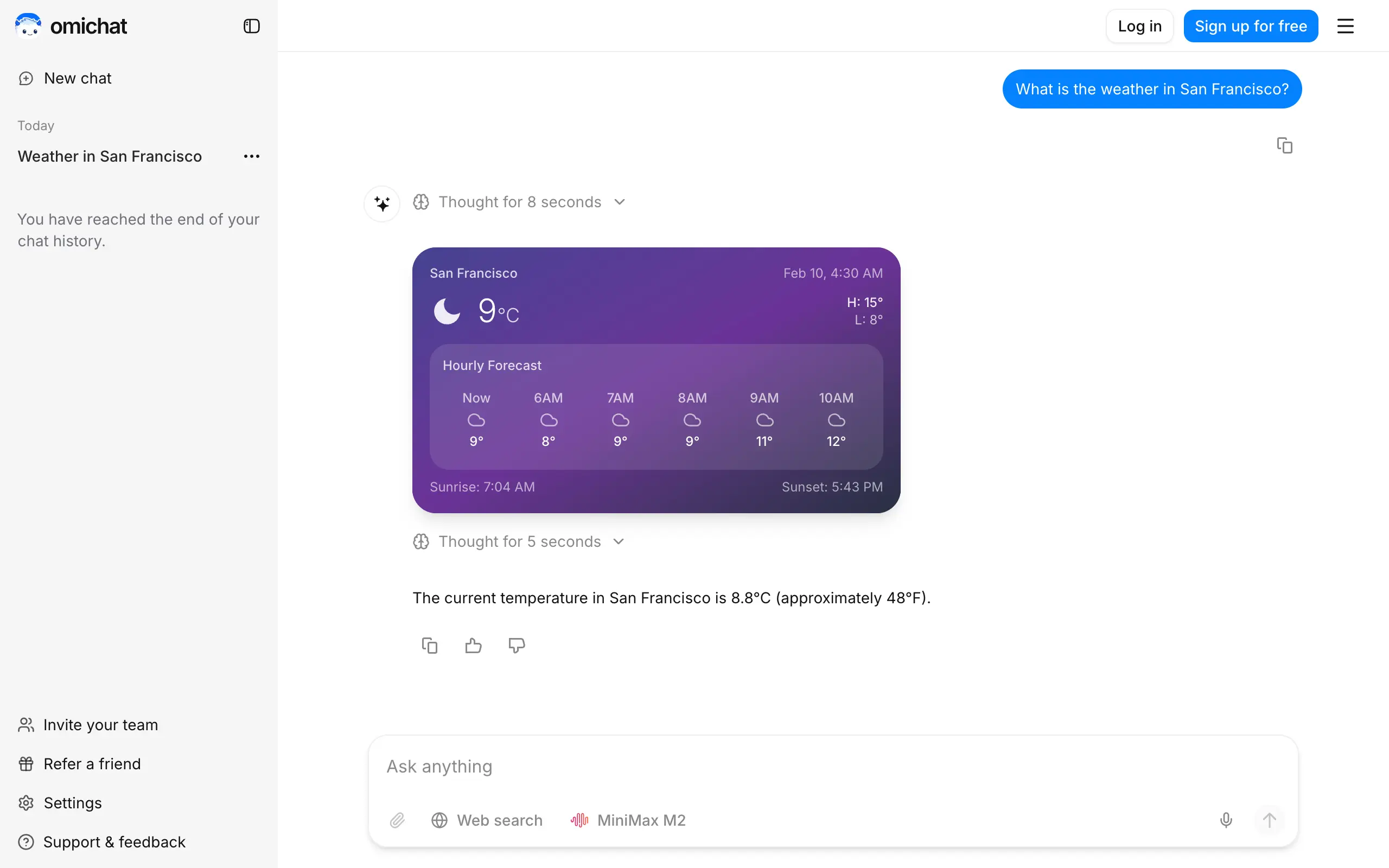
Omichat
Chat with 50+ AI models, including ChatGPT and Claude, in one place - switch models anytime without losing context 🤖
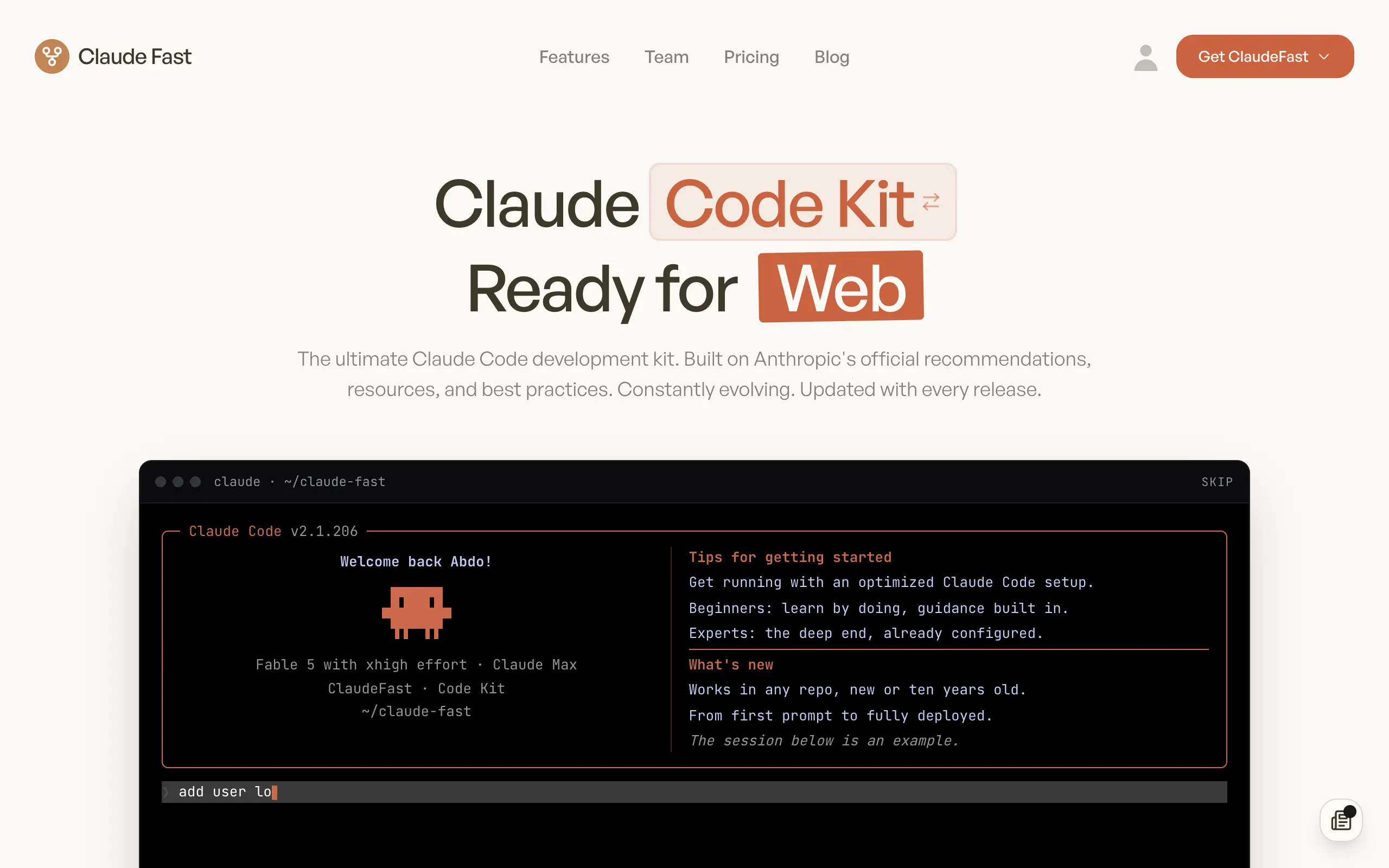
Claude Fast
Supercharge your Claude Code with 6x effective context window and specialized AI agents 🤖
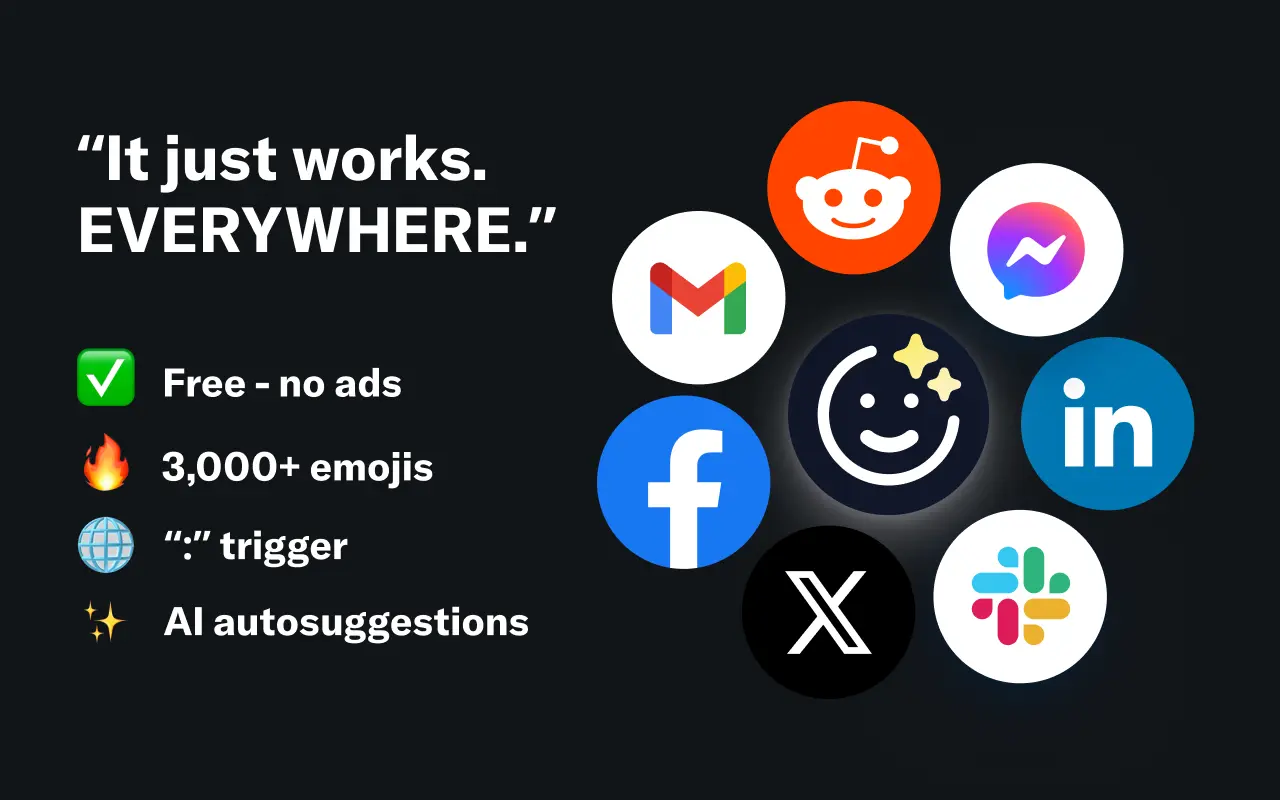
EmojAI
AI-powered emoji picker with smart, context-aware suggestions 🤖
Solohacker
Autonomous company launcher - AI agents work 24/7, escalate what matters, and you stay in control 🤖
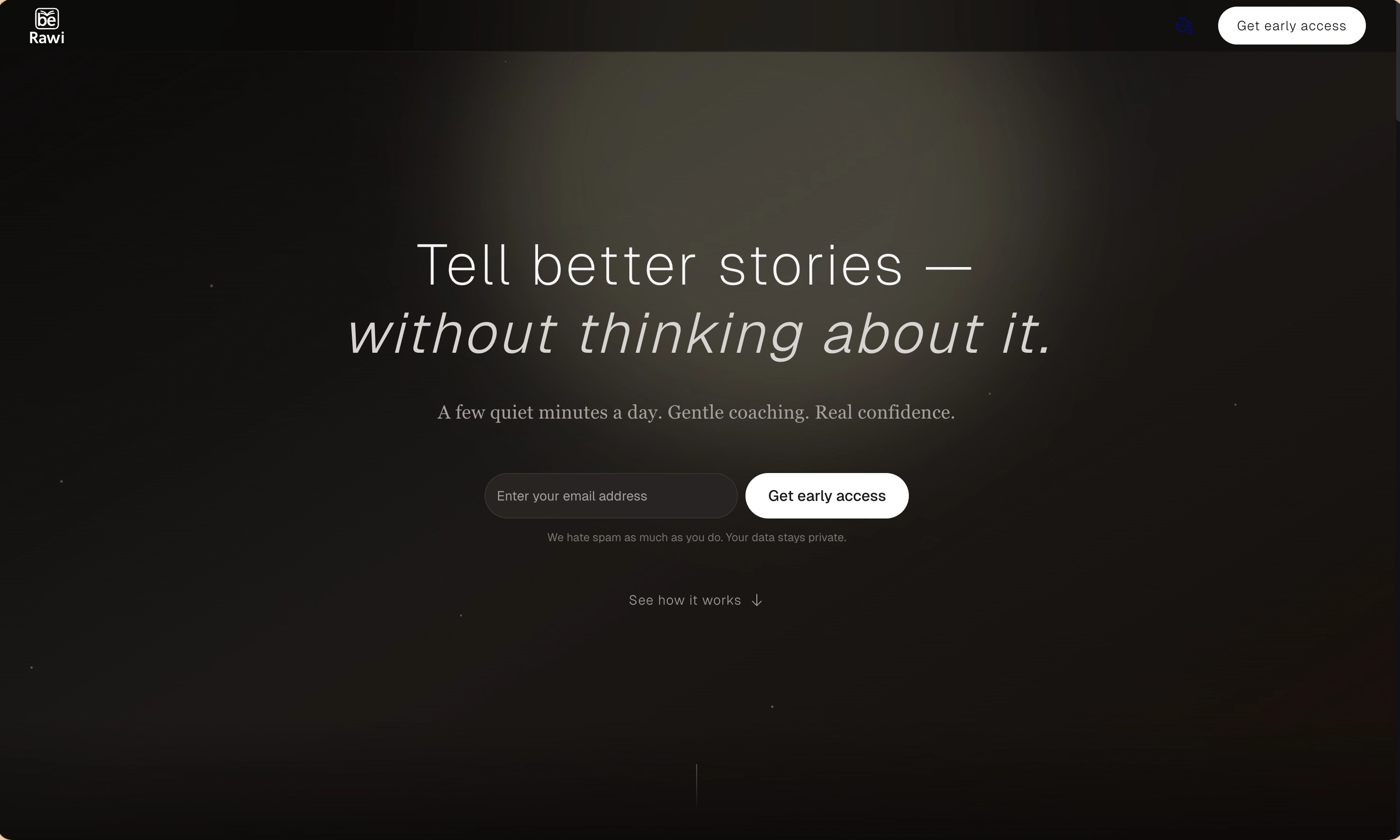
BeRawi: Storytelling Coach
Practice storytelling daily with instant feedback to sound clearer, more engaging, and confident 🎤
Omichat
Chat with 50+ AI models, including ChatGPT and Claude, in one place - switch models anytime without losing context 🤖
Claude Fast
Supercharge your Claude Code with 6x effective context window and specialized AI agents 🤖
EmojAI
AI-powered emoji picker with smart, context-aware suggestions 🤖
Solohacker
Autonomous company launcher - AI agents work 24/7, escalate what matters, and you stay in control 🤖
BeRawi: Storytelling Coach
Practice storytelling daily with instant feedback to sound clearer, more engaging, and confident 🎤
Omichat
Chat with 50+ AI models, including ChatGPT and Claude, in one place - switch models anytime without losing context 🤖
Claude Fast
Supercharge your Claude Code with 6x effective context window and specialized AI agents 🤖
EmojAI
AI-powered emoji picker with smart, context-aware suggestions 🤖
Solohacker
Autonomous company launcher - AI agents work 24/7, escalate what matters, and you stay in control 🤖
BeRawi: Storytelling Coach
Practice storytelling daily with instant feedback to sound clearer, more engaging, and confident 🎤
Omichat
Chat with 50+ AI models, including ChatGPT and Claude, in one place - switch models anytime without losing context 🤖
Claude Fast
Supercharge your Claude Code with 6x effective context window and specialized AI agents 🤖
EmojAI
AI-powered emoji picker with smart, context-aware suggestions 🤖
Solohacker
Autonomous company launcher - AI agents work 24/7, escalate what matters, and you stay in control 🤖
BeRawi: Storytelling Coach
Practice storytelling daily with instant feedback to sound clearer, more engaging, and confident 🎤

Connect with like-minded people
Join our community to get feedback, support, and grow together with 1,000+ builders on board, let's ship it!
Join usShip your startup everywhere. In minutes.
Don't burn tokens on setup and start building features on day one.