MindScope AI
MindScope AI provides psychologists with real-time session analysis, sentiment tracking, and personalized therapy insights to enhance client outcomes and engagement.
Understanding the need for MindScope AI in modern psychology
The landscape of mental health care is evolving rapidly, with clinicians and psychologists striving to provide more effective, engaging, and outcome-oriented therapy. In this context, AI-powered platforms like MindScope AI are reshaping the typical therapy session. By delivering real-time session analysis, sentiment tracking, and actionable therapy insights, MindScope AI empowers psychologists to refine their techniques and individualize care for each patient.
But how exactly does MindScope AI address core industry pain points, and where does it fit in the broader digital health ecosystem? Let’s delve into a deep analysis tailored for founders, practitioners, and technologists evaluating the real-world potential of this solution.
Who benefits from MindScope AI? Target audience analysis
Understanding and segmenting the target userbase is essential for sustainable SaaS growth and high adoption. MindScope AI is designed primarily for:
-
Licensed psychologists and therapists
Focused on delivering one-to-one or group therapy, these professionals want tools that improve therapeutic outcomes and client engagement. -
Counseling centers and clinics
Institutions seeking scalable and consistent quality assurance across practitioners and sessions. -
Researchers and academics in mental health
Interested in AI-driven therapy data for research, measurement-based care, and outcome improvement studies. -
Telemedicine and digital therapy providers
Companies delivering remote mental health support, needing advanced session analytics to optimize practitioner performance.
Why this matters:
These segments face unique but overlapping challenges: session documentation, subjective progress measurement, and engagement tracking. MindScope AI’s feature set directly addresses these pain points, making it highly relevant in a crowded market.
Identifying the market gap and opportunity
The broader context: digital transformation in mental health
With the global mental health software market expected to reach USD 4.58 billion by 2027, demand for digital tools in therapy is surging. Yet, common issues prevail:
- Manual session note-taking is time-consuming and error-prone.
- Progress tracking often relies on subjective, inconsistent metrics.
- Client engagement can be difficult to quantify or act upon in real time.
Where MindScope AI fits in:
By leveraging AI to analyze session transcripts, track sentiment dynamics, and suggest tailored interventions, MindScope AI closes the loop between session delivery, measurement, and outcome optimization—without adding to practitioners’ administrative burden.
MindScope AI’s core features: transforming therapy with advanced AI
To address search intent for “MindScope AI features” and related queries, let’s break down the real value MindScope AI delivers:
Real-time session analysis
- Automatic transcription: Converts spoken sessions into searchable text with high accuracy.
- Contextual tagging: Identifies themes, interventions, and patterns (e.g., cognitive distortions, emotional triggers) as the session unfolds.
- On-demand summaries: Generates brief overviews and key moments for fast review before follow-up sessions.
Sentiment tracking and language analysis
- Emotion recognition: Analyzes tone, language, and pacing to track shifts in mood and emotional engagement.
- Longitudinal sentiment graphs: Visualizes changes in patient mood and therapist interventions across sessions, supporting measurement-based care.
Personalized therapy insights
- Customizable suggestions: Proposes next-step interventions drawn from evidence-based frameworks (e.g., CBT, DBT), tailored to each client’s journey.
- Goal tracking: Allows practitioners to set, review, and update therapy goals collaboratively with clients.
- Risk alerts: Proactively flags signs of acute distress or potential harm, supporting clinical decision-making and safety.
Integration and workflow
- EHR compatibility: Syncs with popular Electronic Health Record (EHR) systems to autofill session notes and minimize data duplication.
- Seamless telehealth: Embeds directly into telehealth platforms, supporting both in-person and virtual therapy delivery.
A unique selling proposition: what makes MindScope AI stand out?
Today's market is crowded with generic session note tools and a few basic analytics add-ons. MindScope AI moves beyond:
-
Depth of AI-driven insights.
Proprietary NLP models specifically trained on psychotherapy data, providing nuanced, context-aware recommendations. -
Usability for clinicians.
An interface that integrates natively into practitioners’ workflows, minimizing learning time and administrative friction. -
Real-time recommendations.
Not just passive analytics, but actionable, in-session suggestions to drive better patient results. -
Focus on evidence-based practice.
Insights and suggestions map directly to established therapy models, supporting clinical rigor. -
Privacy and compliance by design.
Built around HIPAA and GDPR requirements to safeguard patient confidentiality at every step.
MindScope AI’s proprietary NLP models are trained on a curated, de-identified dataset of clinical therapy interactions, enabling language and sentiment analysis that is far more attuned to the nuances of psychological practice compared to general consumer NLP tools. This sector-specific focus improves accuracy and relevance, providing truly personalized clinical support.
Immediate analytics and recommendations during a session allow clinicians to adjust their responses on the fly, better detect engagement drops, and intervene with more precision—boosting both effectiveness and client trust.
Core technology stack for MindScope AI: balancing performance and compliance
Choosing the right tech stack is critical to enable real-time analysis, secure data handling, and seamless integrations.
Recommended base stack
- Frontend: Built with React for dynamic, interactive dashboards.
- UI/UX: Styled with TailwindCSS for rapid, consistent interfaces tailored to clinician workflows.
- Backend: Node.js + TypeScript for scalable, maintainable APIs.
- AI and ML: Python-based NLP frameworks (e.g., spaCy, PyTorch, TensorFlow) for text and sentiment analysis.
- Speech-to-text: Google Speech-to-Text or AssemblyAI APIs, selected for healthcare-grade accuracy and support for HIPAA compliance.
- Database: PostgreSQL for structured data; MongoDB if flexibility is needed for storing session transcript blobs.
- Cloud infrastructure: Deploy on AWS (with HIPAA-eligible services) or GCP for robust security and compliance.
- Authentication & Access: Auth0 or Okta for secure, scalable identity management.
Tech stack trade-offs
- ✅ More advanced AI model support and ecosystem
- ❌ More complex integration between Python (AI) and JS (frontend/backend)
- ✅ Unified language runtime for API, microservices, and UI
- ❌ Slightly less mature AI ecosystem; critical AI workloads may still need Python microservices
Monetization strategy: building a sustainable SaaS business
A strong monetization plan aligns with the target market and the B2B health SaaS sales cycle.
Subscription model
- Per-practitioner monthly/annual license: Typical for solo clinicians or small practices.
- Clinic/enterprise tier: Custom pricing for mid-to-large group practices, with features like EHR integration and priority support.
Add-on revenue streams
- Premium AI modules: Charge extra for advanced analytics (e.g., risk prediction, deep patient profiling).
- API licensing: Allow other telehealth platforms or EHR vendors to purchase access to MindScope AI’s analysis engines.
- White-labeled solutions: Adapt MindScope AI for healthcare organizations under their own brand.
Optional usage-based elements
- Transcription minutes or analysis volume caps: For high-utilization customers, metered billing can drive significant ARR.
Industry trends and relevance for MindScope AI
Staying ahead in the mental health tech space requires awareness of current trends and clinical best practices:
- Measurement-based care is becoming the gold standard in outpatient therapy [reference: APA measurement-based care guidelines].
- AI adoption in healthcare is growing, but trust in AI tools hinges on transparency, explainability, and proven privacy protections [see: NIH AI in Healthcare].
- Telehealth normalization post-pandemic makes digital-first solutions like MindScope AI increasingly attractive for providers and clients alike.
- Increasing regulatory scrutiny (HIPAA, GDPR) means clinics will only consider platforms with robust, well-documented compliance frameworks.
Potential risks and mitigation strategies
Bringing an AI SaaS to healthcare requires thoughtful management of unique risks:
Data privacy & HIPAA/GDPR
Ensure all data is encrypted at rest/in transit, employ role-based access, and conduct regular third-party audits.
Clinician adoption barriers
Offer training, intuitive UI, and seamless EHR/telehealth integrations to minimize workflow disruptions.
AI explainability
Surface model rationale (why a risk or suggestion was flagged) to build clinical trust and support regulatory needs.
False positives / negatives
Continuously validate models with diverse clinical data and provide fallback options for manual review.
Mitigating bias in AI models
Periodic retraining on demographically diverse and de-identified datasets is essential to minimize bias and ensure recommendations are equitable across populations. Encourage third-party audits for fairness.
MindScope AI vs alternative solutions: a comparative view
It’s important to contextualize MindScope AI’s value against both direct competitors and workaround solutions like manual note-taking.
| MindScope AI | Manual notes | Generic EHR add-on | Other therapy AI tools | Telehealth platforms |
|---|---|---|---|---|
| ✅ | ❌ | ❌ | ✅ | ❌ |
| ✅ | ❌ | ✅ | ✅ | ❌ |
Key differentiators:
- Full-spectrum, actionable analytics rather than static session notes.
- Clinician-focused features (sentiment tracking, recommendations) built natively.
- Compliance and privacy at the core of the SaaS platform.
Actionable implementation steps: how to bring MindScope AI to market
Transforming the idea into a real SaaS product involves strategic, actionable steps. Here’s an expert roadmap:
Validate with industry experts:
Conduct discovery interviews with target psychologists and clinics to further refine pain points, feature desirability, and workflow integration needs.
Develop MVP (Minimum Viable Product):
Focus initially on robust transcription, basic session analysis, and sentiment tracking. Use TurboStarter to accelerate frontend and backend scaffolding.
Build proprietary NLP models:
Invest in clinical data partnerships and consult academic researchers to develop models specifically tuned to therapy use cases.
Integrate with existing systems:
Develop EHR interoperability and telehealth platform plugins to maximize adoption and fit.
Pilot and secure compliance:
Run pilots with diverse clinics, gathering real-world data and feedback. Simultaneously pursue HIPAA and GDPR attestation.
Iterate, launch, and scale:
Incorporate pilot feedback to improve UX, accuracy, and feature set prior to broad launch. Focus go-to-market on clinician communities and telehealth partners.
Conclusion: MindScope AI’s promise in the AI therapy landscape
MindScope AI addresses a universal pain point in psychological care: turning session complexity into clear, actionable, and measurable insights—without adding to clinicians’ workload or risking privacy. By blending specialized AI models with an intuitive, therapist-first interface and industry-leading compliance, MindScope AI stands out as the go-to platform for outcome-driven, future-ready therapy practices.
As AI becomes integral to healthcare, platforms like MindScope AI will define the standard for empathy-augmented, data-powered care. Founders and technologists who understand both clinician workflow realities and the unique risks of health data are well-positioned to capture this immense opportunity.
Interested in technically accelerating your MVP or healthcare SaaS? Discover how TurboStarter can fast-track your development, letting you focus on delivering value to clinicians and patients alike.
More 🤖 AI Startup SaaS ideas
Discover more innovative ai startup SaaS ideas that are trending in 2026. Each idea is AI-generated with market validation and growth potential to help you find your next profitable venture faster than competitors.
Your competitors are building with TurboStarter
Below are some of the SaaS ideas that have been generated and built with our starter kit.
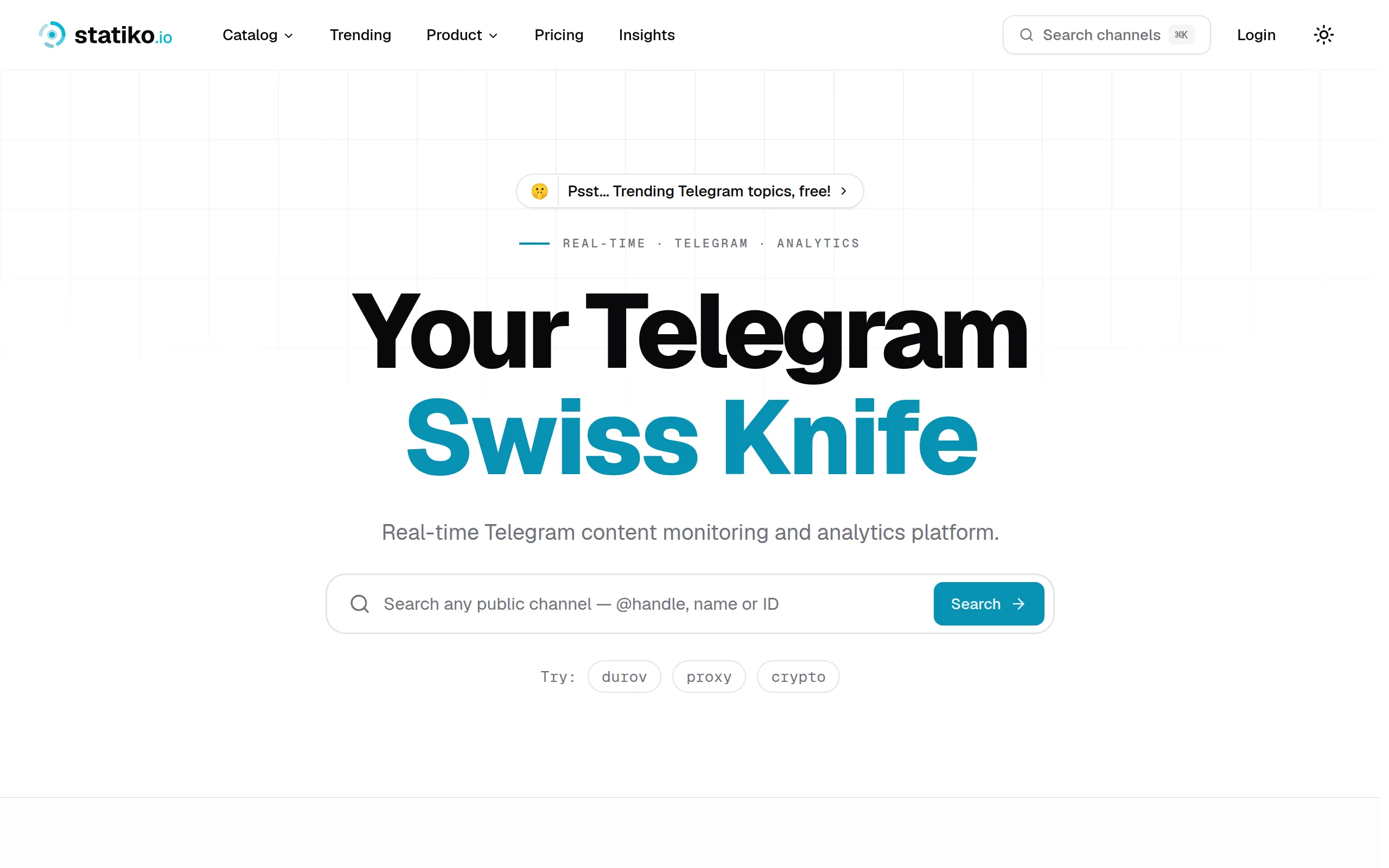
Statiko
Monitor any Telegram channel in real time - track posts, edits, deletions, and growth with AI recaps 📡

Shibui
AI website builder - describe your business, pick a niche template, edit by chatting, and publish instantly ✨

Pro Service
Find verified home service professionals, compare quotes, and pay securely through escrow - built for Brazilians across the US 🏠
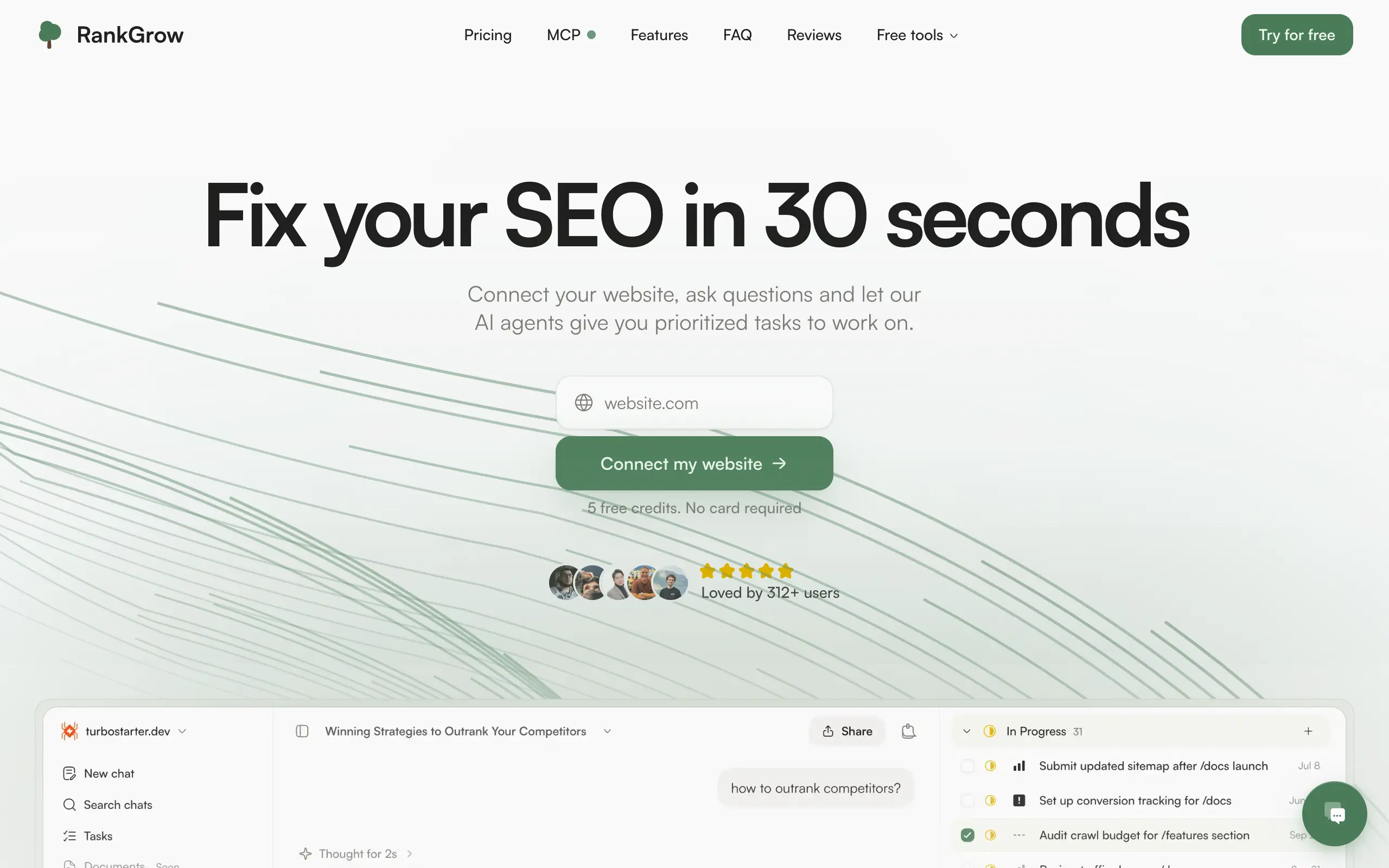
RankGrow
Fix your SEO with AI agents - connect Search Console, get prioritized tasks, and grow organic traffic 📈
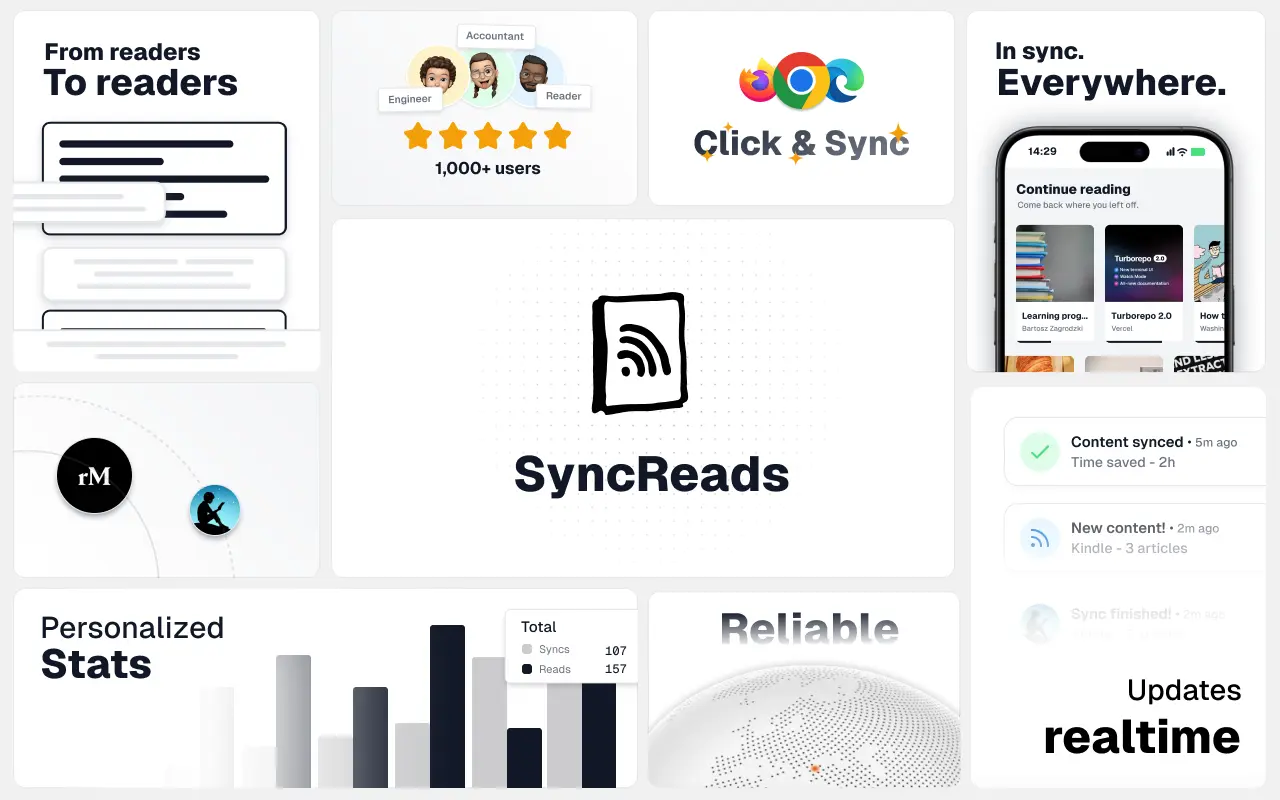
SyncReads
Sync your favorite content for distraction-free reading, save time and replace multiple apps. Anytime, anywhere 🔄
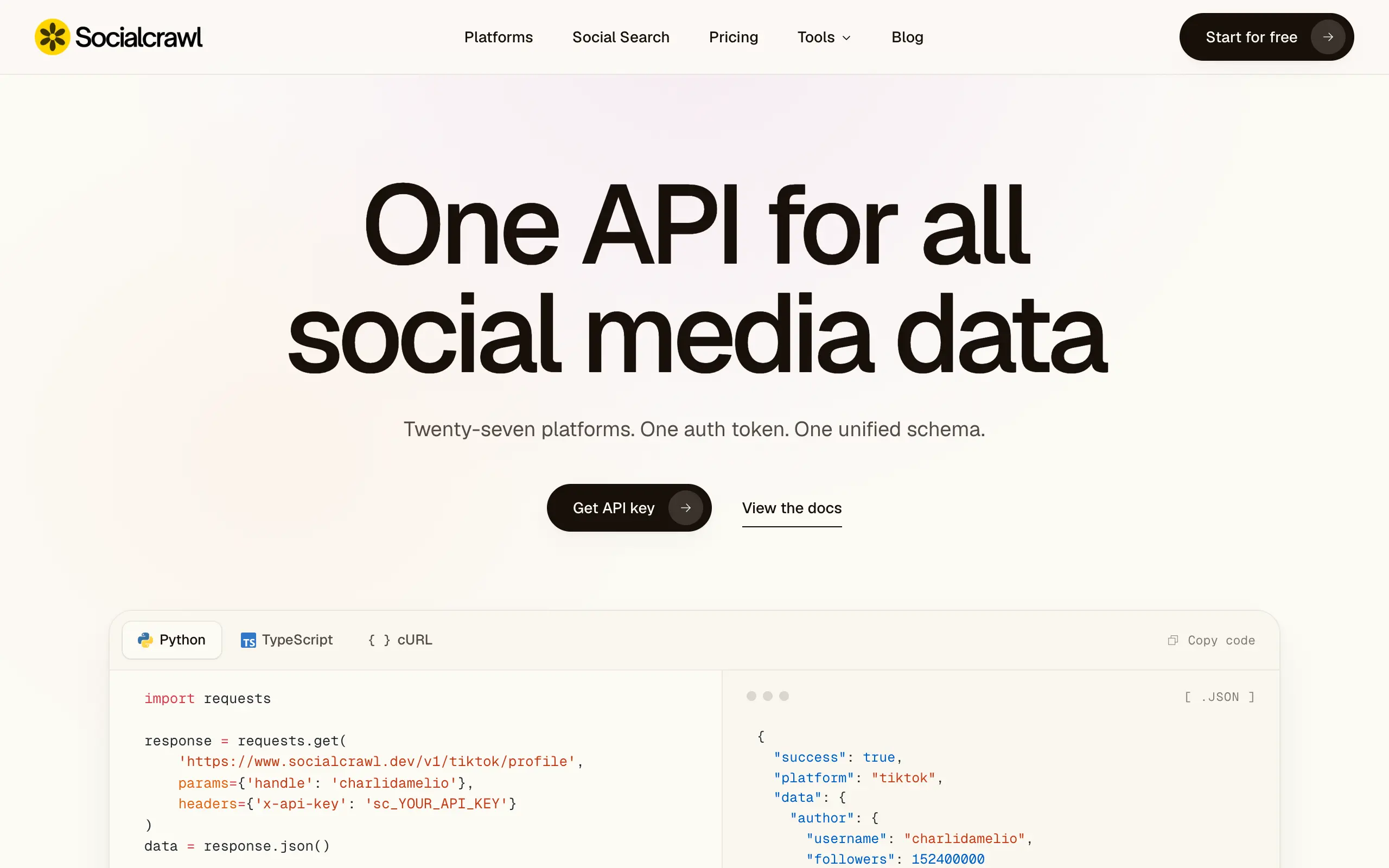
Socialcrawl
Get clean, structured data from 21 platforms like TikTok, Instagram, and YouTube with a single request 📊
Statiko
Monitor any Telegram channel in real time - track posts, edits, deletions, and growth with AI recaps 📡
Shibui
AI website builder - describe your business, pick a niche template, edit by chatting, and publish instantly ✨
Pro Service
Find verified home service professionals, compare quotes, and pay securely through escrow - built for Brazilians across the US 🏠
RankGrow
Fix your SEO with AI agents - connect Search Console, get prioritized tasks, and grow organic traffic 📈
SyncReads
Sync your favorite content for distraction-free reading, save time and replace multiple apps. Anytime, anywhere 🔄
Socialcrawl
Get clean, structured data from 21 platforms like TikTok, Instagram, and YouTube with a single request 📊
Statiko
Monitor any Telegram channel in real time - track posts, edits, deletions, and growth with AI recaps 📡
Shibui
AI website builder - describe your business, pick a niche template, edit by chatting, and publish instantly ✨
Pro Service
Find verified home service professionals, compare quotes, and pay securely through escrow - built for Brazilians across the US 🏠
RankGrow
Fix your SEO with AI agents - connect Search Console, get prioritized tasks, and grow organic traffic 📈
SyncReads
Sync your favorite content for distraction-free reading, save time and replace multiple apps. Anytime, anywhere 🔄
Socialcrawl
Get clean, structured data from 21 platforms like TikTok, Instagram, and YouTube with a single request 📊
Statiko
Monitor any Telegram channel in real time - track posts, edits, deletions, and growth with AI recaps 📡
Shibui
AI website builder - describe your business, pick a niche template, edit by chatting, and publish instantly ✨
Pro Service
Find verified home service professionals, compare quotes, and pay securely through escrow - built for Brazilians across the US 🏠
RankGrow
Fix your SEO with AI agents - connect Search Console, get prioritized tasks, and grow organic traffic 📈
SyncReads
Sync your favorite content for distraction-free reading, save time and replace multiple apps. Anytime, anywhere 🔄
Socialcrawl
Get clean, structured data from 21 platforms like TikTok, Instagram, and YouTube with a single request 📊
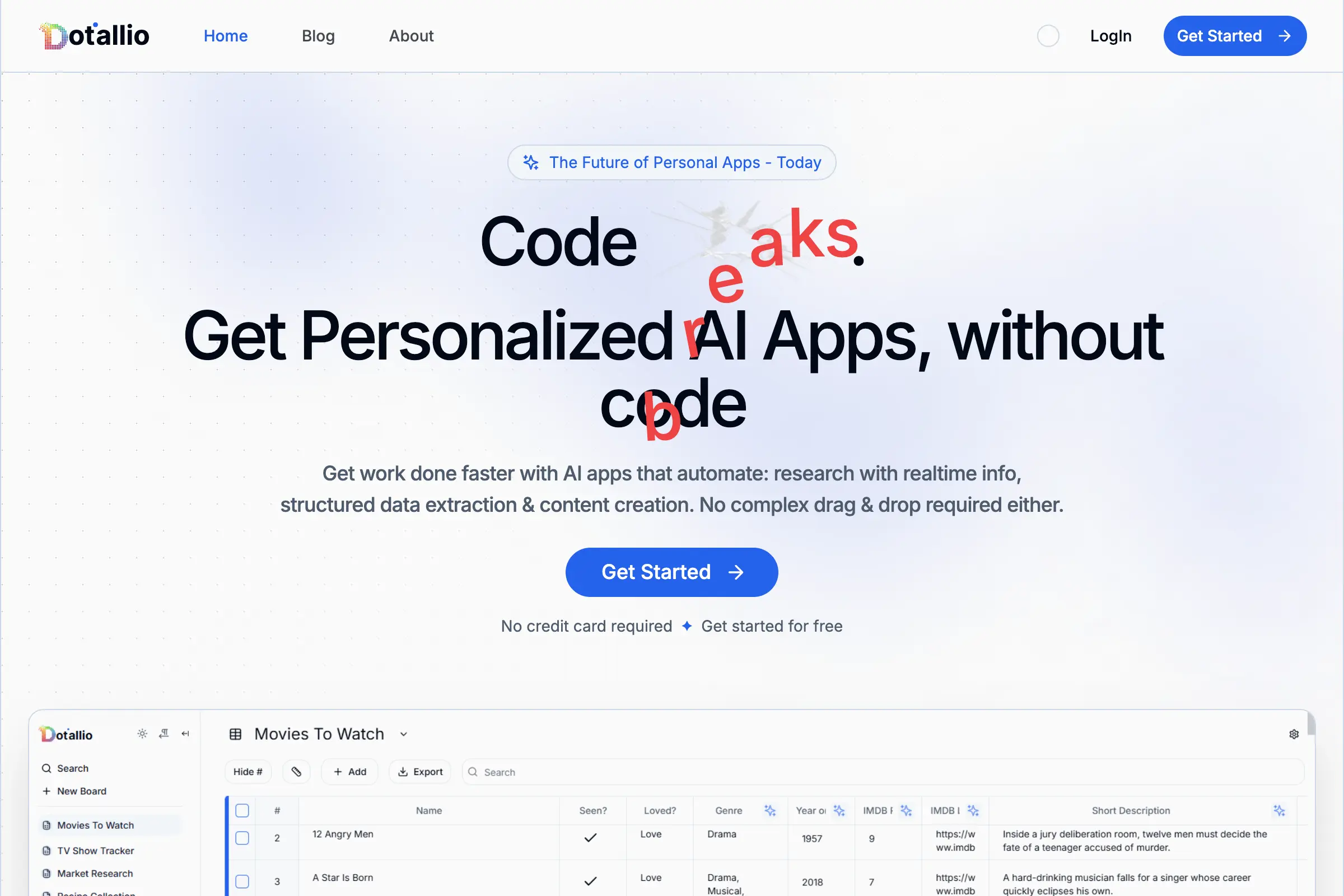
Dotallio
Personalized AI apps that automate research, data extraction, and content creation without code 🤖
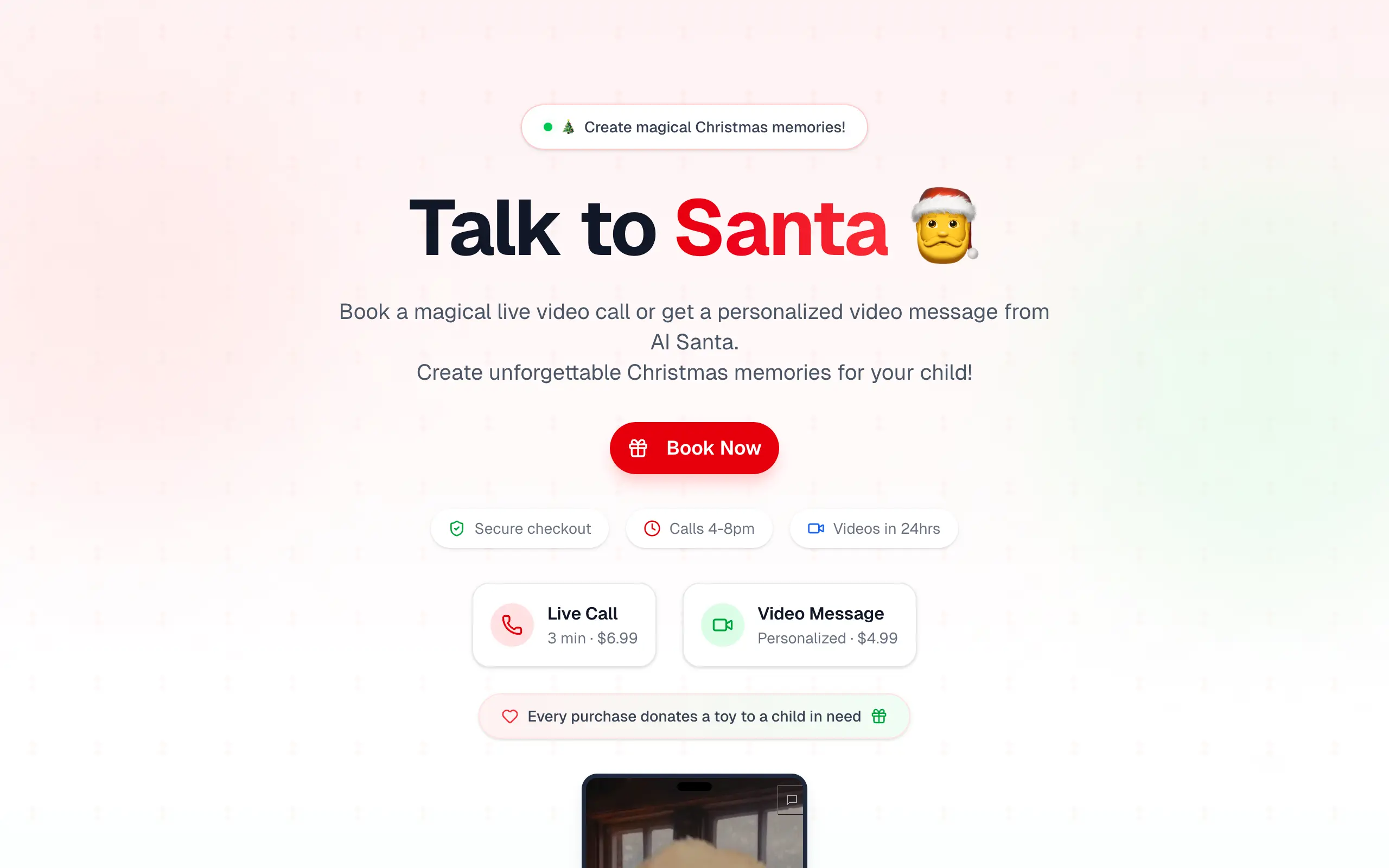
Talk to Santa
Enjoy a magical live video chat or receive a unique AI-generated video greeting from Santa Claus 🎅
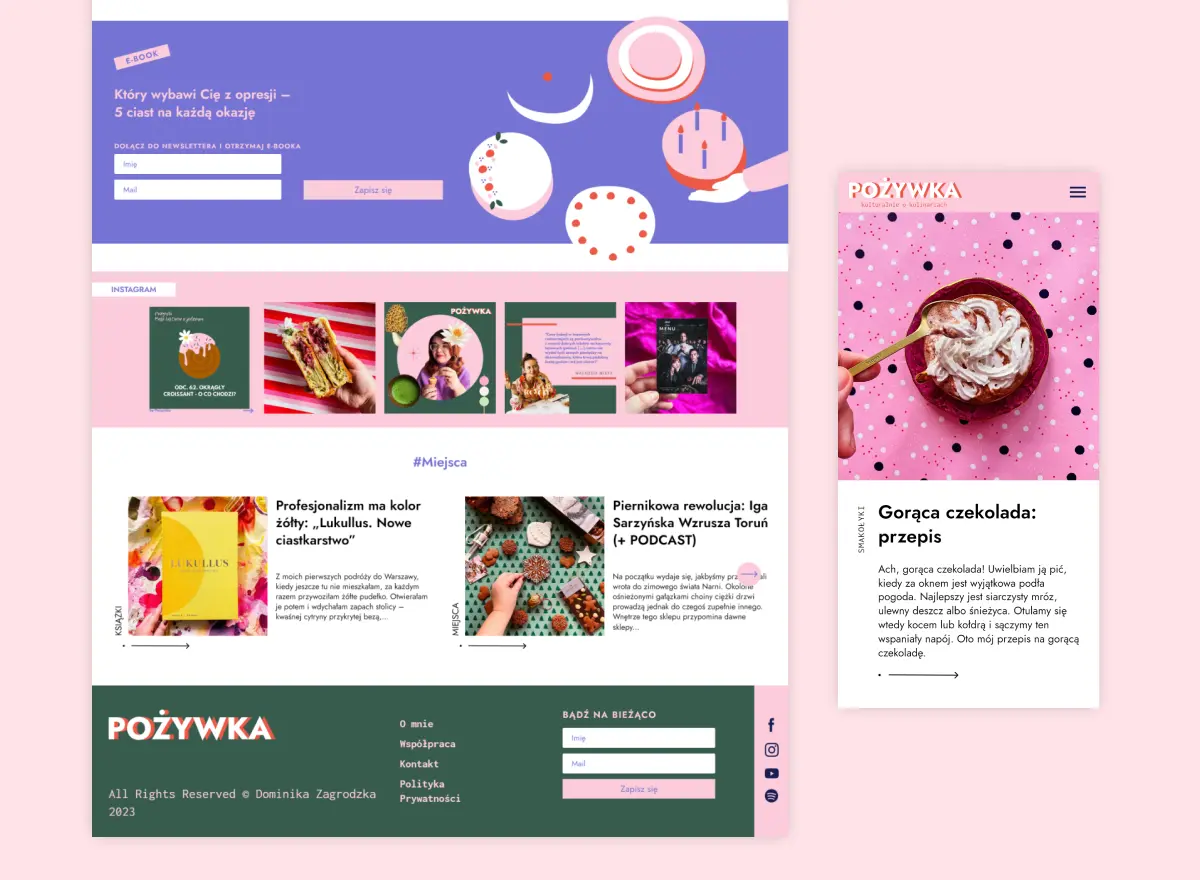
pozywka.pl
Scalable blog for food journalist, focused on performance and user experience 🌭
zagrodzki.me
Personal blog and portfolio of Bart Zagrodzki, where he shares his knowledge and work 💼
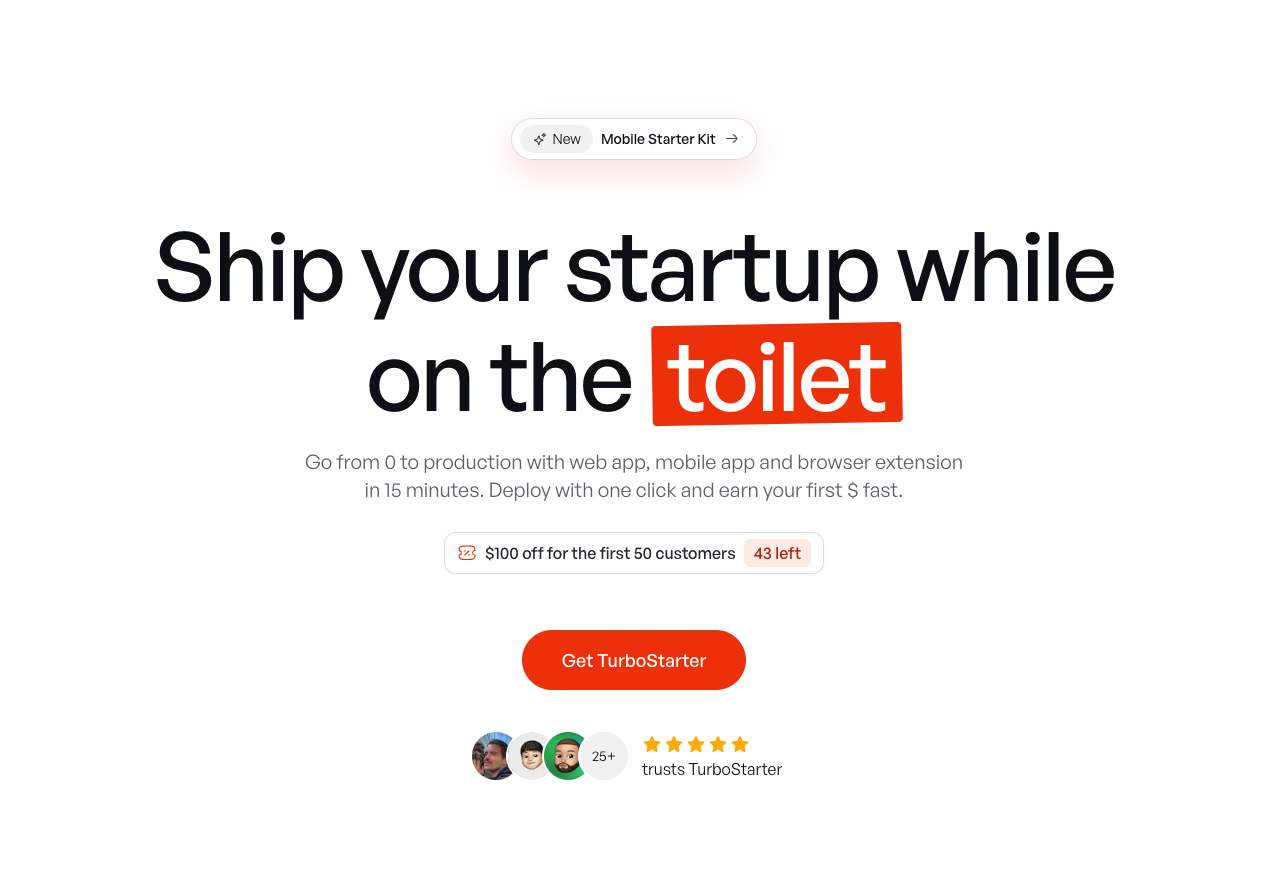
TurboStarter
Ship your startup everywhere. In minutes.
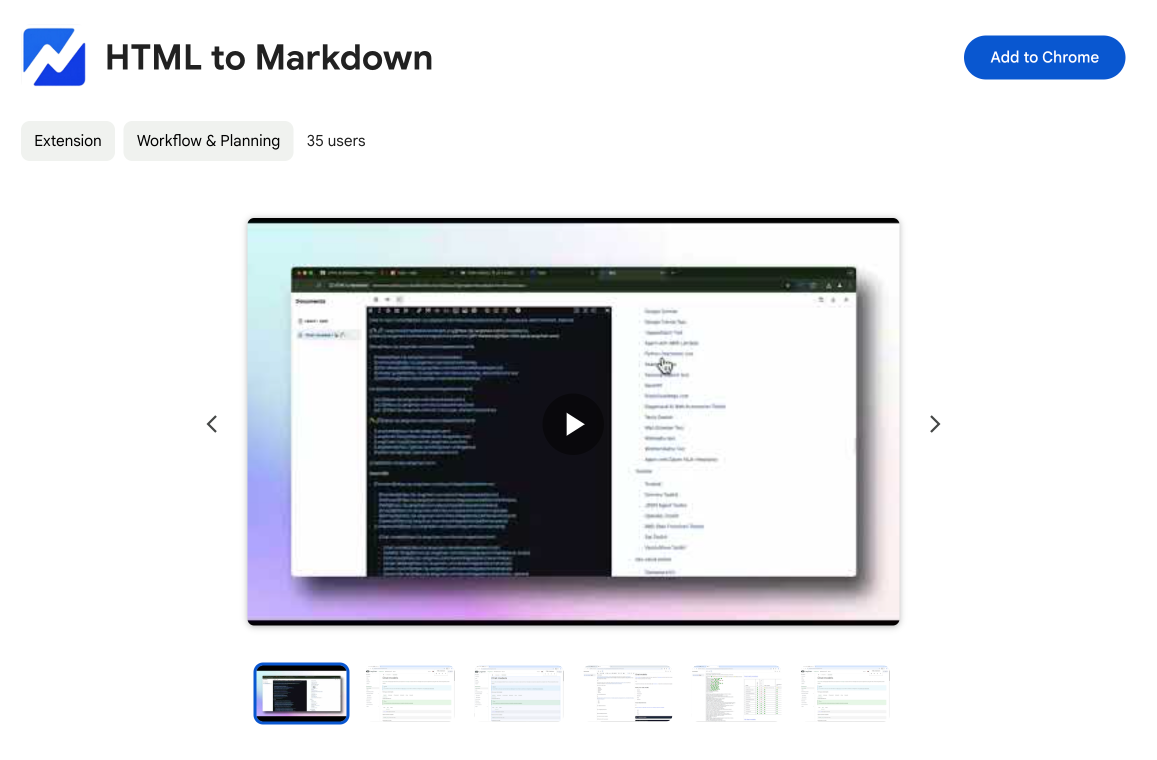
HTML to Markdown
Convert HTML to Markdown with ease, directly in your browser 📄
Dotallio
Personalized AI apps that automate research, data extraction, and content creation without code 🤖
Talk to Santa
Enjoy a magical live video chat or receive a unique AI-generated video greeting from Santa Claus 🎅
pozywka.pl
Scalable blog for food journalist, focused on performance and user experience 🌭
zagrodzki.me
Personal blog and portfolio of Bart Zagrodzki, where he shares his knowledge and work 💼
TurboStarter
Ship your startup everywhere. In minutes.
HTML to Markdown
Convert HTML to Markdown with ease, directly in your browser 📄
Dotallio
Personalized AI apps that automate research, data extraction, and content creation without code 🤖
Talk to Santa
Enjoy a magical live video chat or receive a unique AI-generated video greeting from Santa Claus 🎅
pozywka.pl
Scalable blog for food journalist, focused on performance and user experience 🌭
zagrodzki.me
Personal blog and portfolio of Bart Zagrodzki, where he shares his knowledge and work 💼
TurboStarter
Ship your startup everywhere. In minutes.
HTML to Markdown
Convert HTML to Markdown with ease, directly in your browser 📄
Dotallio
Personalized AI apps that automate research, data extraction, and content creation without code 🤖
Talk to Santa
Enjoy a magical live video chat or receive a unique AI-generated video greeting from Santa Claus 🎅
pozywka.pl
Scalable blog for food journalist, focused on performance and user experience 🌭
zagrodzki.me
Personal blog and portfolio of Bart Zagrodzki, where he shares his knowledge and work 💼
TurboStarter
Ship your startup everywhere. In minutes.
HTML to Markdown
Convert HTML to Markdown with ease, directly in your browser 📄
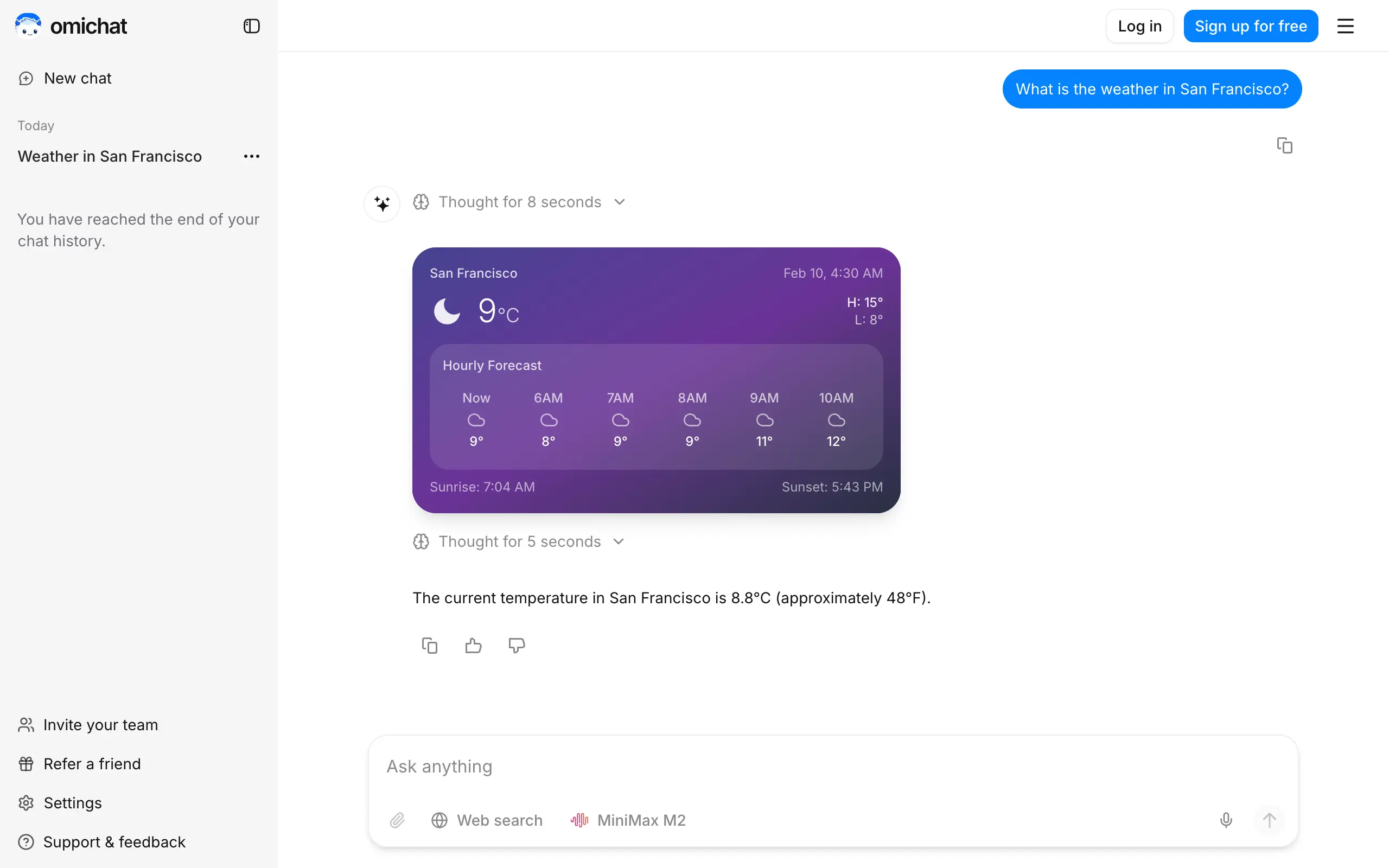
Omichat
Chat with 50+ AI models, including ChatGPT and Claude, in one place - switch models anytime without losing context 🤖
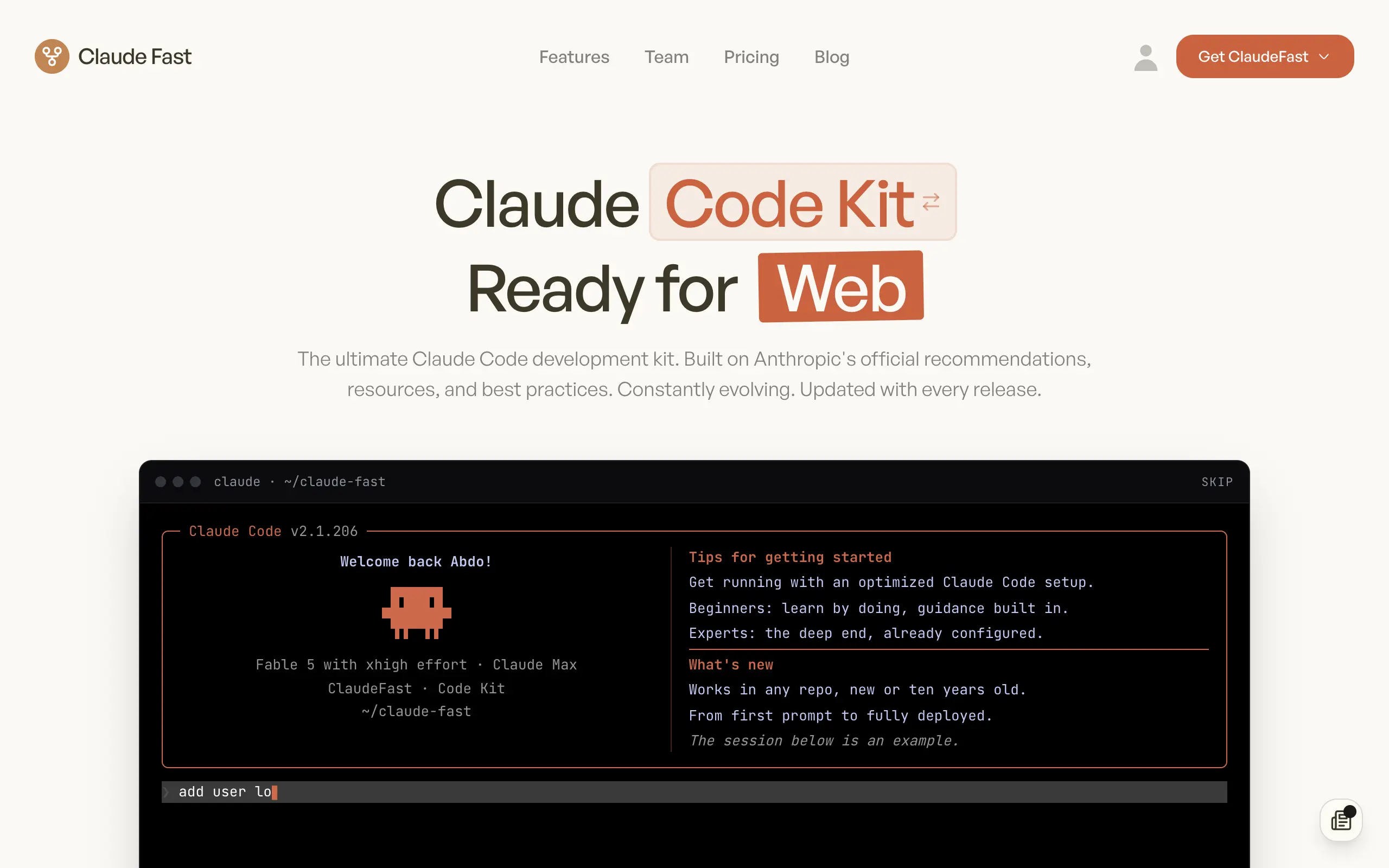
Claude Fast
Supercharge your Claude Code with 6x effective context window and specialized AI agents 🤖
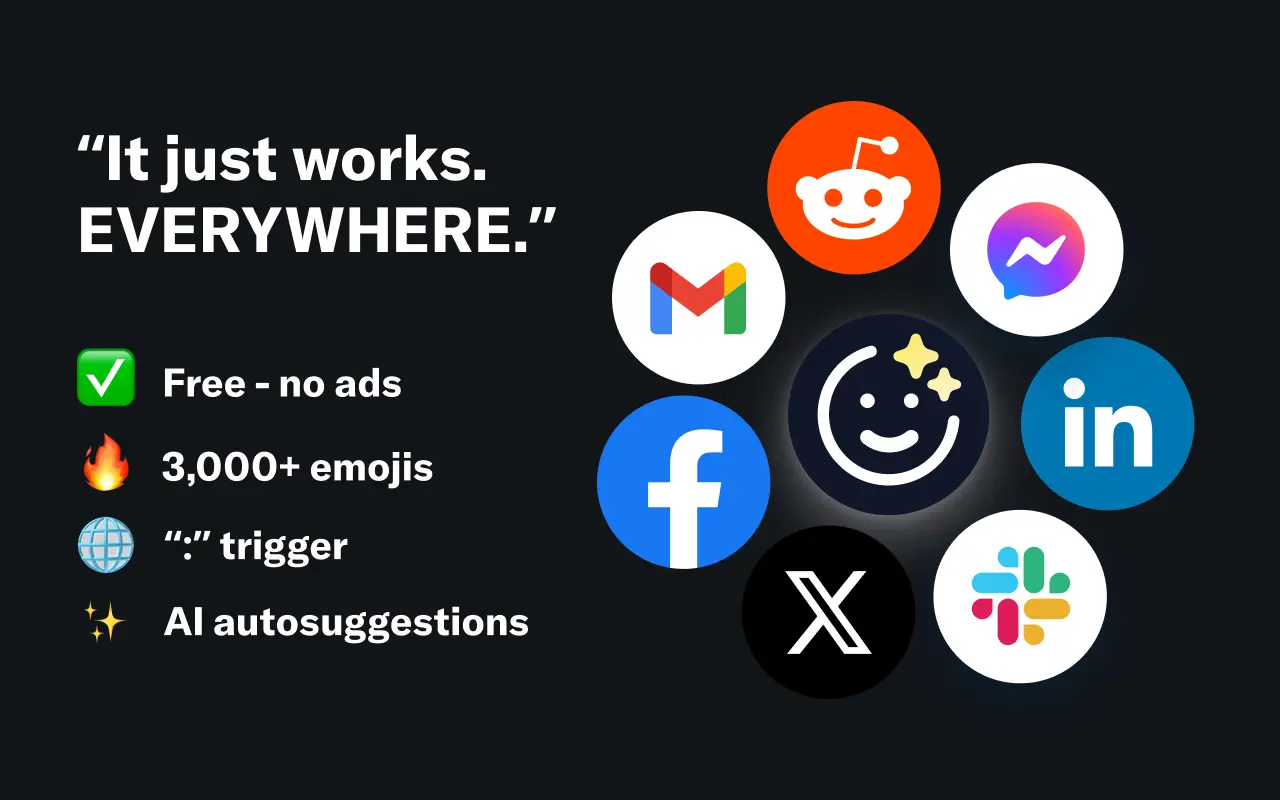
EmojAI
AI-powered emoji picker with smart, context-aware suggestions 🤖
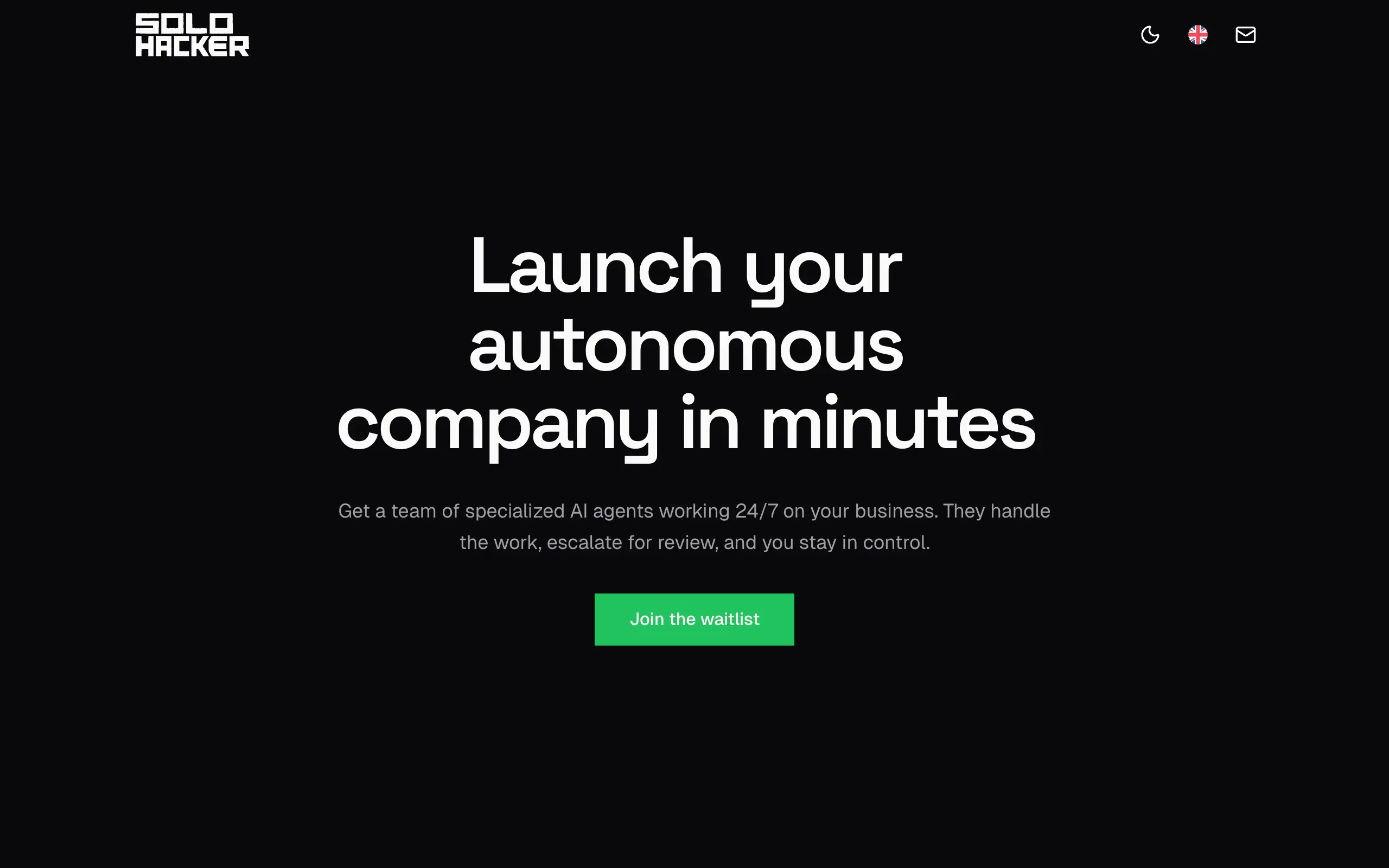
Solohacker
Autonomous company launcher - AI agents work 24/7, escalate what matters, and you stay in control 🤖
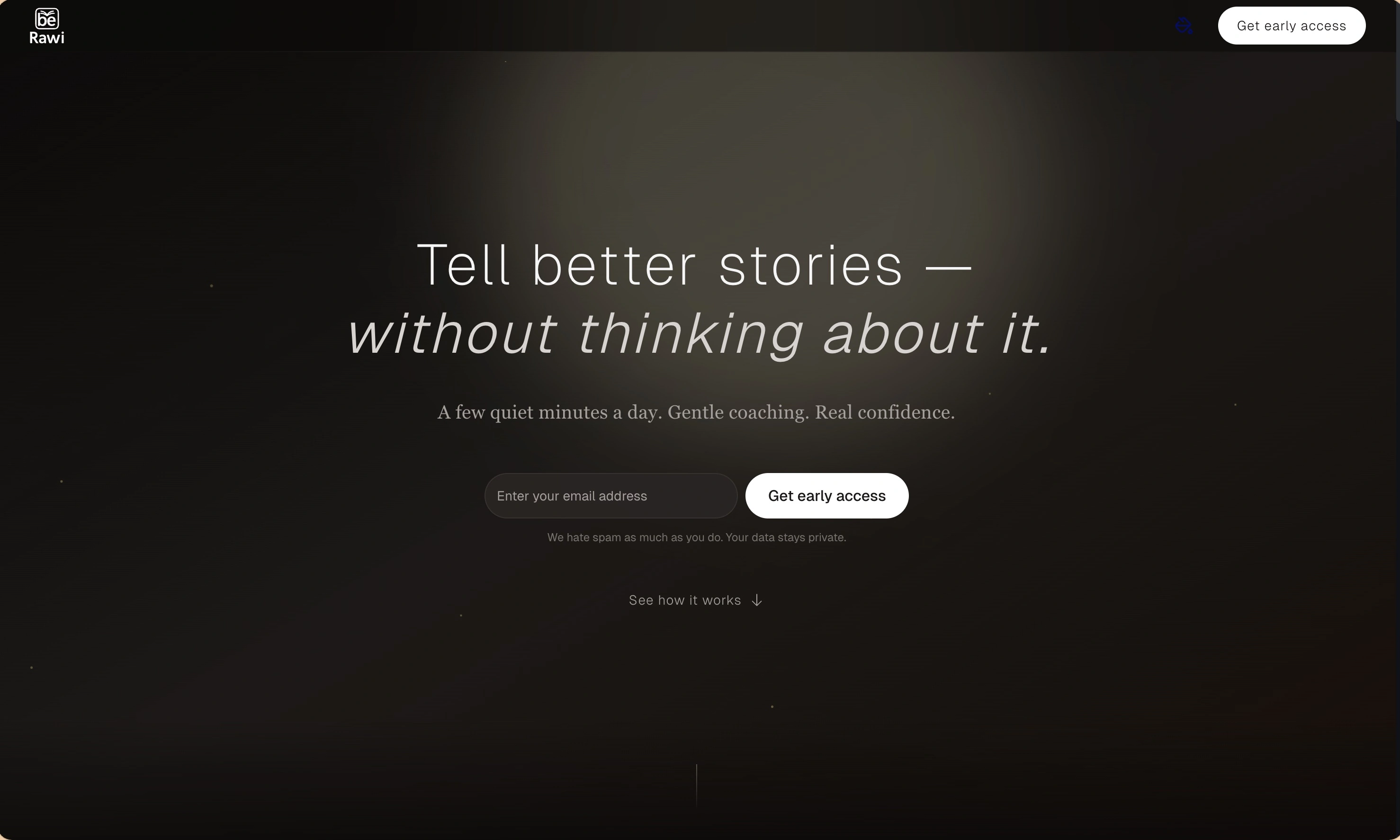
BeRawi: Storytelling Coach
Practice storytelling daily with instant feedback to sound clearer, more engaging, and confident 🎤
Omichat
Chat with 50+ AI models, including ChatGPT and Claude, in one place - switch models anytime without losing context 🤖
Claude Fast
Supercharge your Claude Code with 6x effective context window and specialized AI agents 🤖
EmojAI
AI-powered emoji picker with smart, context-aware suggestions 🤖
Solohacker
Autonomous company launcher - AI agents work 24/7, escalate what matters, and you stay in control 🤖
BeRawi: Storytelling Coach
Practice storytelling daily with instant feedback to sound clearer, more engaging, and confident 🎤
Omichat
Chat with 50+ AI models, including ChatGPT and Claude, in one place - switch models anytime without losing context 🤖
Claude Fast
Supercharge your Claude Code with 6x effective context window and specialized AI agents 🤖
EmojAI
AI-powered emoji picker with smart, context-aware suggestions 🤖
Solohacker
Autonomous company launcher - AI agents work 24/7, escalate what matters, and you stay in control 🤖
BeRawi: Storytelling Coach
Practice storytelling daily with instant feedback to sound clearer, more engaging, and confident 🎤
Omichat
Chat with 50+ AI models, including ChatGPT and Claude, in one place - switch models anytime without losing context 🤖
Claude Fast
Supercharge your Claude Code with 6x effective context window and specialized AI agents 🤖
EmojAI
AI-powered emoji picker with smart, context-aware suggestions 🤖
Solohacker
Autonomous company launcher - AI agents work 24/7, escalate what matters, and you stay in control 🤖
BeRawi: Storytelling Coach
Practice storytelling daily with instant feedback to sound clearer, more engaging, and confident 🎤

Connect with like-minded people
Join our community to get feedback, support, and grow together with 1,000+ builders on board, let's ship it!
Join usShip your startup everywhere. In minutes.
Don't burn tokens on setup and start building features on day one.