MiniSaaS Mentor
An AI co-founder that suggests app ideas, validates them with market signals, and generates MVP roadmaps tailored to solo young builders.
The rise of AI co-founders for solo builders
The explosion of indie hacking, no-code tools, and AI-powered development has created a new kind of founder: the solo builder. These are developers, designers, and ambitious beginners launching micro-products—often called mini SaaS—without teams, funding, or traditional support systems.
But there’s a bottleneck.
Most aspiring builders struggle not with coding—but with:
- Choosing the right idea
- Validating demand
- Prioritizing features
- Avoiding wasted time on dead projects
This is where an AI co-founder like MiniSaaS Mentor becomes incredibly powerful.
MiniSaaS Mentor is not just another idea generator. It’s a decision engine for building profitable micro-products, combining AI with real-world signals to guide users from idea to MVP.
This article breaks down the full opportunity, product strategy, and execution plan behind building such a SaaS.
What is MiniSaaS Mentor?
MiniSaaS Mentor is an AI-powered product strategist designed specifically for:
- Indie hackers
- Student developers
- Bootstrapped founders
- First-time SaaS builders
It helps users:
- Discover profitable app ideas
- Validate them using real market signals
- Generate tailored MVP roadmaps
- Prioritize features and timelines
- Avoid common startup mistakes
Unlike generic AI tools, it focuses narrowly on mini SaaS execution, making it far more actionable.
Understanding user intent and target audience
Who is this for?
MiniSaaS Mentor targets a very specific and growing segment:
1. Beginner developers
- Know basic coding but lack product direction
- Overwhelmed by too many ideas
- Need structured guidance
2. Indie hackers
- Already building projects
- Want faster validation cycles
- Care about monetization early
3. Students and young builders
- Limited resources
- Want to build portfolio projects that actually make money
4. No-code / low-code creators
- Using tools like Webflow, Bubble, or Supabase
- Need ideas tailored to their capabilities
Core user pain points
Users searching for tools like MiniSaaS Mentor typically want:
- “What should I build?”
- “Is this idea worth it?”
- “How do I validate my SaaS idea?”
- “What features should I build first?”
- “How do I launch fast?”
These are high-intent, problem-aware users, making this a strong SEO and product opportunity.
Market opportunity and gap analysis
Why this market is booming
Several macro trends are converging:
- AI-assisted coding (e.g., GitHub Copilot, ChatGPT)
- Rise of micro-SaaS businesses
- Growth of platforms like Product Hunt and Indie Hackers
- Increased interest in passive income and digital products
According to publicly available reports (e.g., Statista, McKinsey), AI adoption in software development is rapidly accelerating, and the number of solo founders is growing year over year.
Existing solutions (and their limitations)
Let’s examine current tools:
| Feature | ChatGPT | Notion AI | Startup Idea Generators | MiniSaaS Mentor |
|---|---|---|---|---|
| Idea generation | ✅ | ✅ | ✅ | ✅ |
| Market validation | ❌ | ❌ | ❌ | ✅ |
| MVP roadmap | ⚠️ | ❌ | ❌ | ✅ |
| Audience targeting | ❌ | ❌ | ❌ | ✅ |
| Execution guidance | ⚠️ | ❌ | ❌ | ✅ |
The key gap
Most tools:
- Generate ideas without validation
- Provide generic advice
- Lack actionable execution plans
MiniSaaS Mentor fills this gap by combining:
- AI reasoning
- Market signal analysis
- Personalized roadmaps
Core features and product breakdown
1. AI idea generator with constraints
Instead of random ideas, users input:
- Skills (e.g., React, Python)
- Interests (e.g., fitness, finance)
- Time availability
- Revenue goals
The system generates realistic, buildable ideas.
2. Market validation engine
This is the differentiator.
MiniSaaS Mentor can analyze:
- Search trends (e.g., Google Trends)
- Reddit discussions
- Product Hunt launches
- Existing competitors
It outputs:
- Demand score
- Competition level
- Monetization potential
Why this matters
Most founders fail because they skip validation. Automating this step dramatically increases success probability.
3. MVP roadmap generator
Each idea comes with:
- Feature prioritization
- Timeline (e.g., 7-day MVP plan)
- Tech stack recommendations
- Launch checklist
Example structure:
4. Tech stack recommendations
MiniSaaS Mentor suggests stacks like:
- React for frontend
- Next.js for full-stack apps
- TailwindCSS for UI
- Supabase or Firebase for backend
It also explains trade-offs:
- Speed vs scalability
- Simplicity vs flexibility
5. Monetization strategy builder
For each idea, users get:
- Pricing model suggestions
- Freemium vs paid analysis
- Estimated revenue scenarios
6. Competitor breakdown
The AI identifies:
- Existing tools
- Their weaknesses
- Opportunities to differentiate
Recommended tech stack (with trade-offs)
Frontend
- React + Next.js
- Pros: Fast development, SEO-friendly
- Cons: Slight learning curve for beginners
Backend
- Node.js or serverless functions
- Pros: Scalable, flexible
- Cons: Requires architecture decisions
AI layer
- OpenAI API or similar LLM providers
- Pros: Powerful reasoning
- Cons: Cost management needed
Data sources
- APIs for trends and scraping (careful with legality and rate limits)
Example architecture
// Example: generating an idea using OpenAI
const generateIdea = async (userInput) => {
  const response = await fetch("/api/ai", {
    method: "POST",
    body: JSON.stringify({
      prompt: `Generate a SaaS idea for: ${userInput.skills}`
    })
  });

  return response.json();
};
Monetization strategies
1. Subscription model (primary)
- Free tier: limited ideas + basic validation
- Paid tier ($10–$30/month):
- Unlimited ideas
- Advanced validation
- Full MVP roadmaps
2. One-time purchase
- “Idea packs” or “roadmap bundles”
- Good for beginners
3. Upsells
- Personalized mentoring reports
- AI-generated landing pages
- Code scaffolding
4. Affiliate revenue
Recommend tools like:
- Hosting platforms
- No-code builders
- Dev tools
Competitive advantage (USP)
MiniSaaS Mentor stands out because it:
- Focuses specifically on mini SaaS builders
- Combines idea + validation + execution
- Provides actionable outputs, not just inspiration
Actionable insights
Not just ideas, but step-by-step execution plans.
Validation-first approach
Ensures ideas are grounded in real demand.
Built for speed
Helps users go from idea to MVP in days, not months.
Potential risks and mitigation
Risk 1: AI hallucinations
AI may generate inaccurate market insights.
Mitigation:
- Use structured data sources
- Show confidence scores
- Allow user verification
Risk 2: Over-reliance on automation
Users may blindly follow suggestions.
Mitigation:
- Include educational explanations
- Encourage critical thinking
Risk 3: Competition from general AI tools
ChatGPT and others could replicate features.
Mitigation:
- Focus on niche specialization
- Build proprietary datasets
- Create strong UX
Risk 4: Data sourcing limitations
Scraping or API limits can restrict validation accuracy.
Mitigation:
- Use multiple data sources
- Cache insights
- Offer transparency
SEO strategy for MiniSaaS Mentor
Primary keyword
- AI SaaS idea generator
Secondary keywords
- validate SaaS ideas
- micro SaaS ideas
- AI startup idea generator
- SaaS MVP roadmap
- indie hacker tools
Content strategy
Create blog posts like:
- “How to validate a SaaS idea in 2026”
- “Top micro SaaS ideas that make money”
- “AI tools for indie hackers”
Programmatic SEO
Generate pages for:
- “SaaS ideas for [skill]”
- “Startup ideas for [industry]”
Implementation roadmap
Phase 1: MVP (2–4 weeks)
Phase 2: Validation engine
- Integrate real data sources
- Improve scoring accuracy
- Add competitor insights
Phase 3: Roadmap generator
- Add structured outputs
- Include timelines and tech stacks
Phase 4: Monetization
- Add subscription system
- Launch paid tiers
Phase 5: Growth
- SEO content
- Product Hunt launch
- Indie hacker communities
Go-to-market strategy
Early traction channels
- Twitter/X (indie hacker audience)
- Reddit (r/startups, r/indiehackers)
- Product Hunt
Viral loop
Each generated idea could include:
- Shareable summaries
- Public idea pages
Community building
- Discord or Slack group
- Weekly idea drops
Example user journey
A beginner enters skills (HTML, CSS) → gets simple SaaS ideas → follows roadmap → builds first product in 7 days.
An indie hacker validates an idea → discovers low competition niche → launches MVP → starts generating revenue.
Why now is the perfect time to build this
- AI tools are mainstream
- Solo building is trending
- SaaS barriers are lower than ever
Yet the decision-making layer is missing.
MiniSaaS Mentor fills that gap.
Actionable steps to build MiniSaaS Mentor
Final thoughts
MiniSaaS Mentor isn’t just another AI tool—it’s a force multiplier for builders.
By combining:
- Idea generation
- Market validation
- Execution planning
…it transforms scattered ambition into focused action.
The biggest opportunity lies not in building more tools—but in helping people build the right things.
Bonus: build faster with the right foundation
If you’re serious about launching quickly, starting from scratch is a mistake.
Using a structured starter kit like TurboStarter can save weeks of setup by giving you:
- Authentication
- Payments
- UI components
- Scalable architecture
This lets you focus on what actually matters: your product logic and differentiation.
Frequently asked questions
Yes—because it adds structure, validation, and execution planning. ChatGPT is powerful but generic; MiniSaaS Mentor is specialized.
Absolutely. The product is designed specifically for beginners and solo builders with limited experience.
It depends on data sources, but combining multiple signals significantly improves reliability over guesswork.
It targets a fast-growing niche, solves a clear problem, and provides ongoing value—ideal for subscription models.
More 🤖 AI Startup SaaS ideas
Discover more innovative ai startup SaaS ideas that are trending in 2026. Each idea is AI-generated with market validation and growth potential to help you find your next profitable venture faster than competitors.
Your competitors are building with TurboStarter
Below are some of the SaaS ideas that have been generated and built with our starter kit.
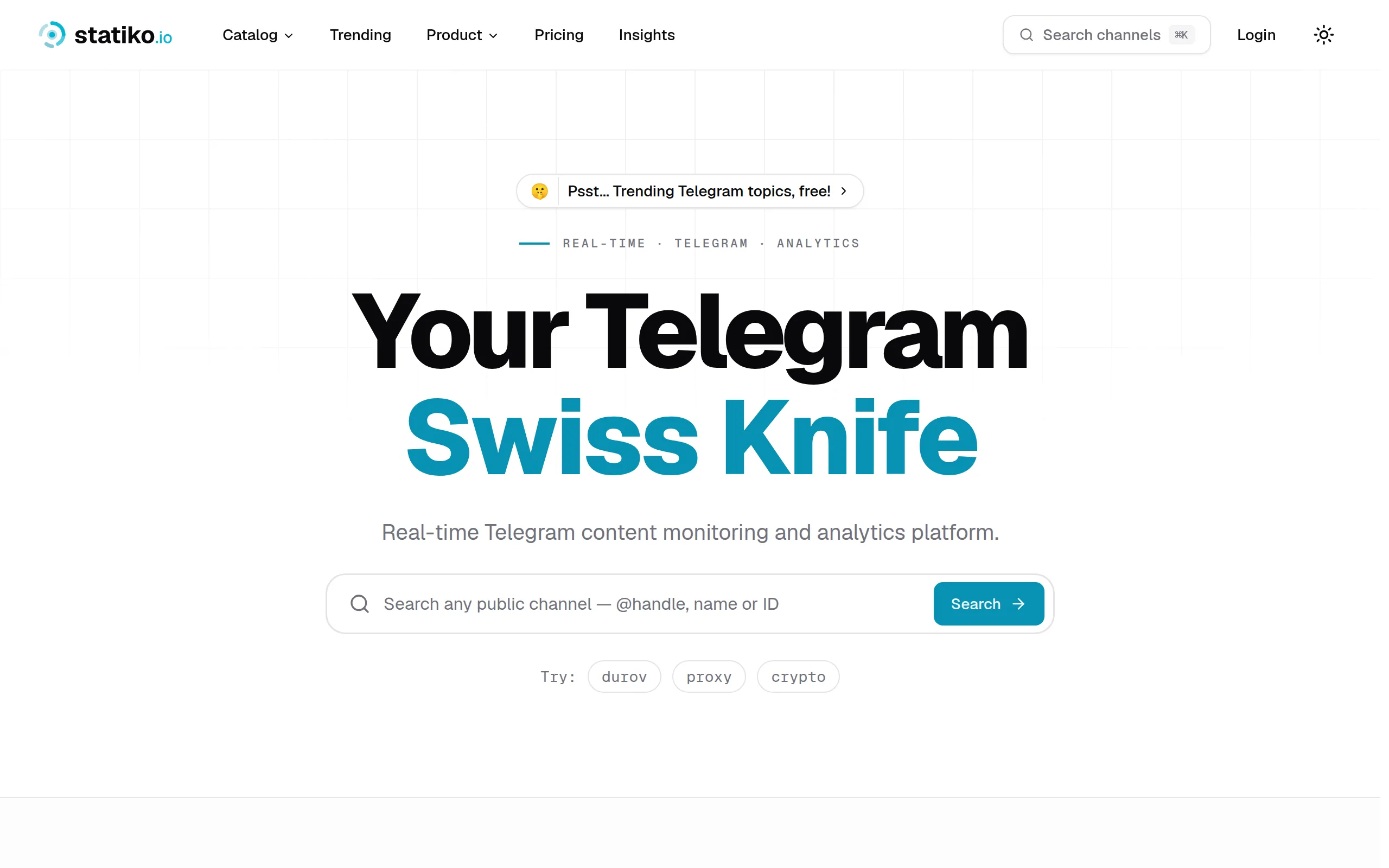
Statiko
Monitor any Telegram channel in real time - track posts, edits, deletions, and growth with AI recaps 📡

Shibui
AI website builder - describe your business, pick a niche template, edit by chatting, and publish instantly ✨

Pro Service
Find verified home service professionals, compare quotes, and pay securely through escrow - built for Brazilians across the US 🏠
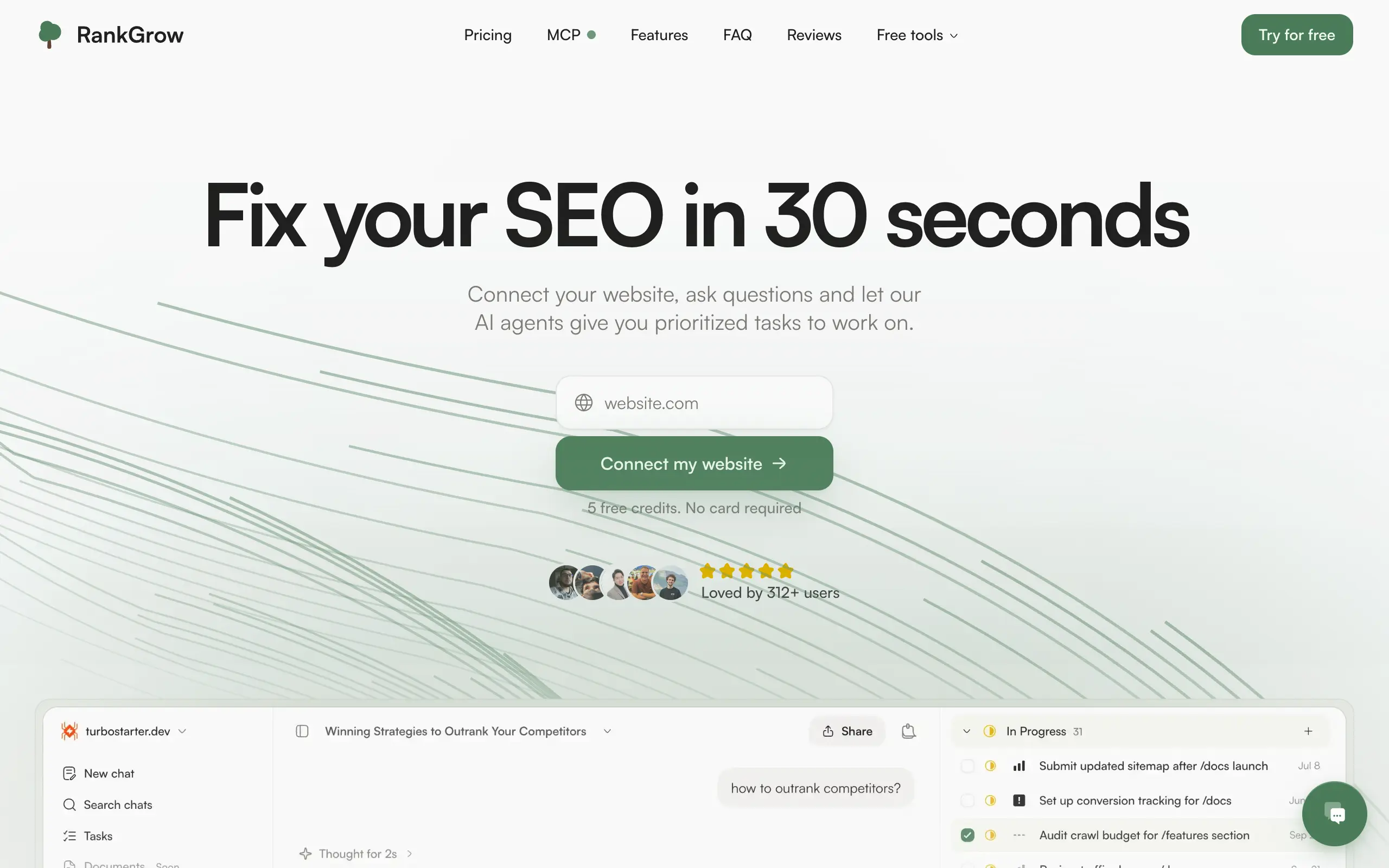
RankGrow
Fix your SEO with AI agents - connect Search Console, get prioritized tasks, and grow organic traffic 📈
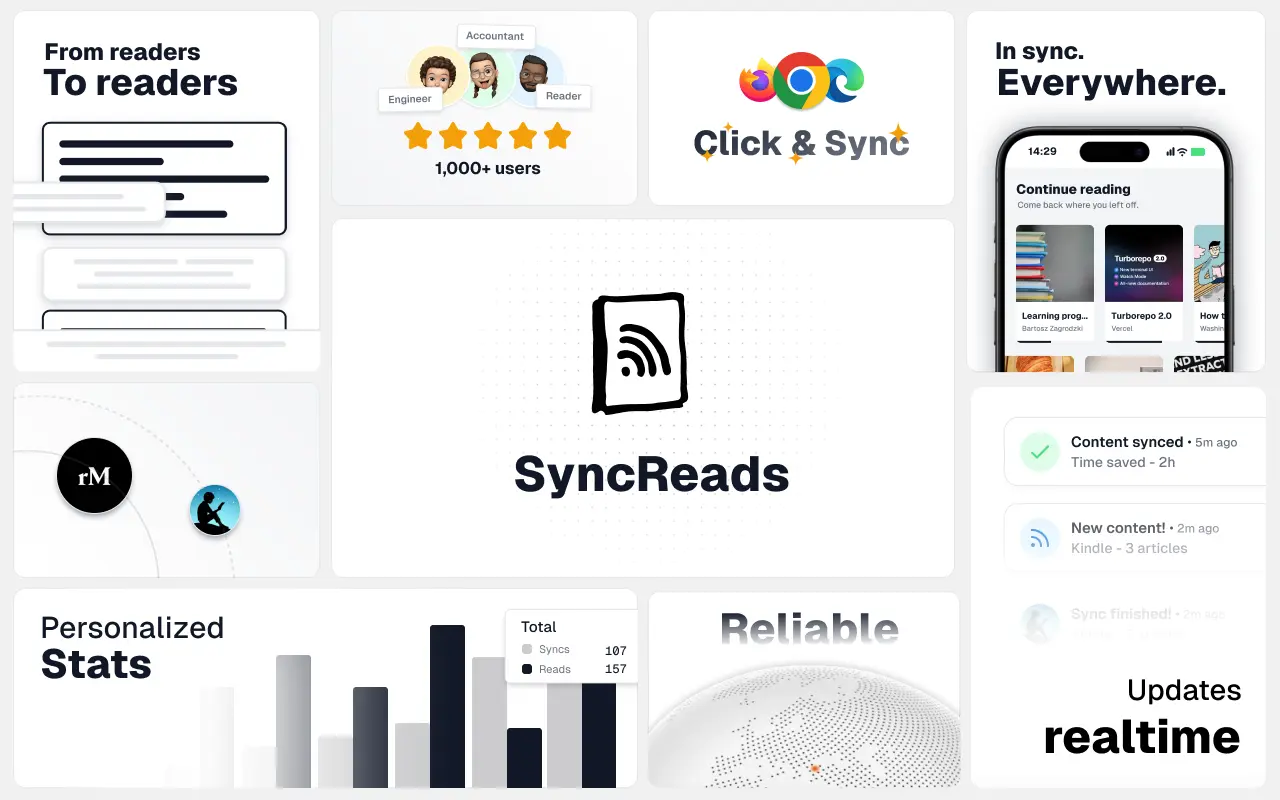
SyncReads
Sync your favorite content for distraction-free reading, save time and replace multiple apps. Anytime, anywhere 🔄
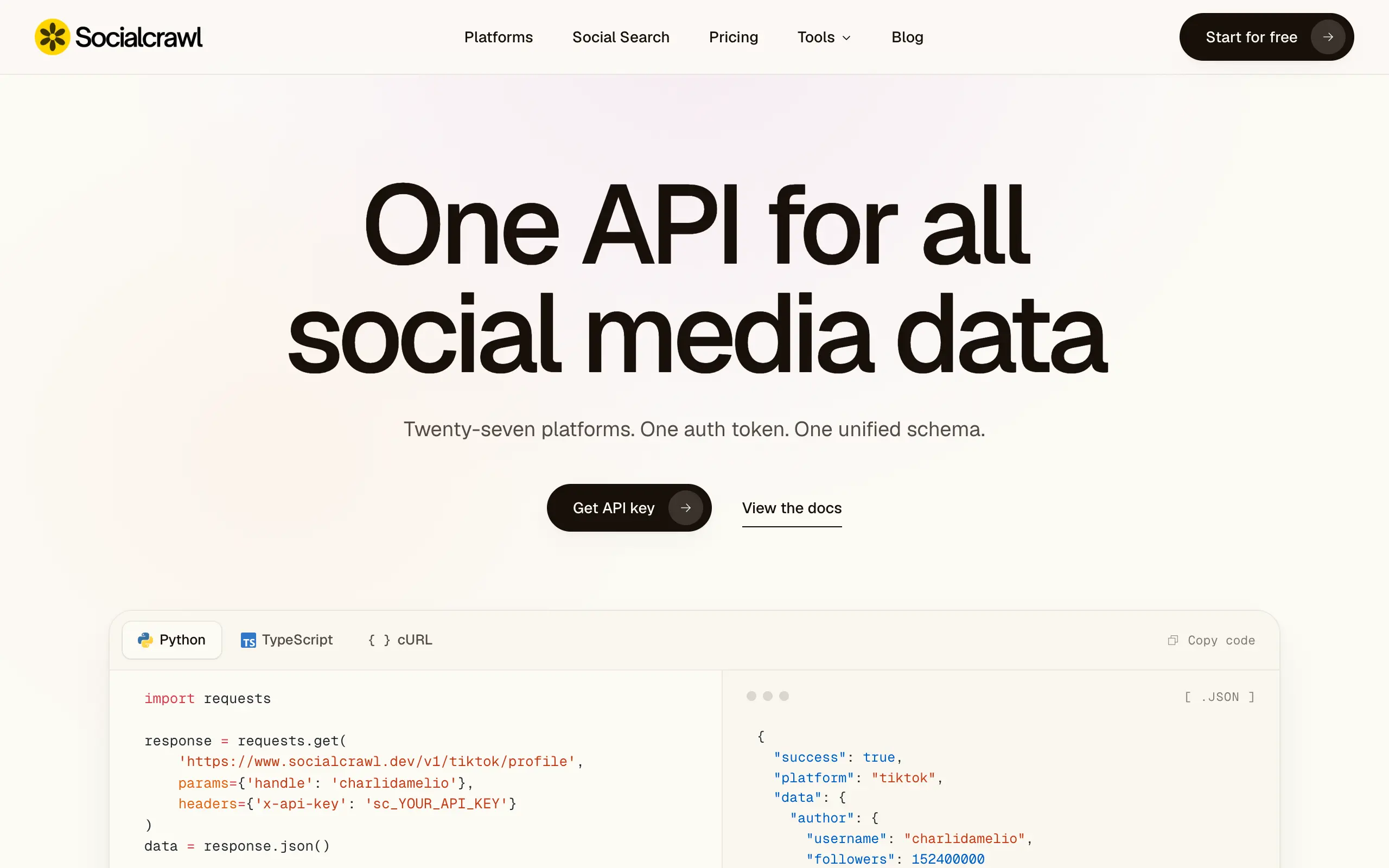
Socialcrawl
Get clean, structured data from 21 platforms like TikTok, Instagram, and YouTube with a single request 📊
Statiko
Monitor any Telegram channel in real time - track posts, edits, deletions, and growth with AI recaps 📡
Shibui
AI website builder - describe your business, pick a niche template, edit by chatting, and publish instantly ✨
Pro Service
Find verified home service professionals, compare quotes, and pay securely through escrow - built for Brazilians across the US 🏠
RankGrow
Fix your SEO with AI agents - connect Search Console, get prioritized tasks, and grow organic traffic 📈
SyncReads
Sync your favorite content for distraction-free reading, save time and replace multiple apps. Anytime, anywhere 🔄
Socialcrawl
Get clean, structured data from 21 platforms like TikTok, Instagram, and YouTube with a single request 📊
Statiko
Monitor any Telegram channel in real time - track posts, edits, deletions, and growth with AI recaps 📡
Shibui
AI website builder - describe your business, pick a niche template, edit by chatting, and publish instantly ✨
Pro Service
Find verified home service professionals, compare quotes, and pay securely through escrow - built for Brazilians across the US 🏠
RankGrow
Fix your SEO with AI agents - connect Search Console, get prioritized tasks, and grow organic traffic 📈
SyncReads
Sync your favorite content for distraction-free reading, save time and replace multiple apps. Anytime, anywhere 🔄
Socialcrawl
Get clean, structured data from 21 platforms like TikTok, Instagram, and YouTube with a single request 📊
Statiko
Monitor any Telegram channel in real time - track posts, edits, deletions, and growth with AI recaps 📡
Shibui
AI website builder - describe your business, pick a niche template, edit by chatting, and publish instantly ✨
Pro Service
Find verified home service professionals, compare quotes, and pay securely through escrow - built for Brazilians across the US 🏠
RankGrow
Fix your SEO with AI agents - connect Search Console, get prioritized tasks, and grow organic traffic 📈
SyncReads
Sync your favorite content for distraction-free reading, save time and replace multiple apps. Anytime, anywhere 🔄
Socialcrawl
Get clean, structured data from 21 platforms like TikTok, Instagram, and YouTube with a single request 📊
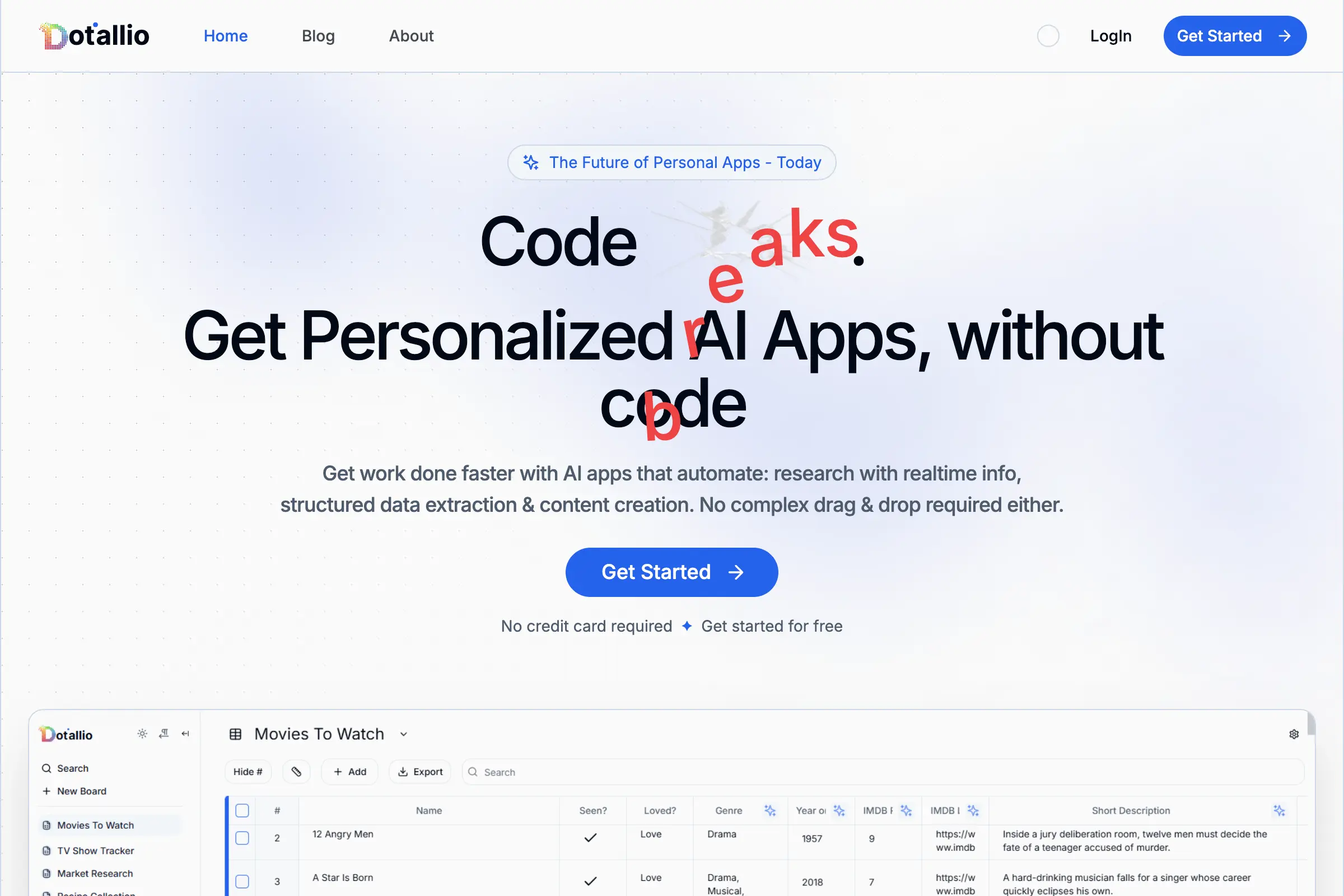
Dotallio
Personalized AI apps that automate research, data extraction, and content creation without code 🤖

Talk to Santa
Enjoy a magical live video chat or receive a unique AI-generated video greeting from Santa Claus 🎅

pozywka.pl
Scalable blog for food journalist, focused on performance and user experience 🌭
zagrodzki.me
Personal blog and portfolio of Bart Zagrodzki, where he shares his knowledge and work 💼
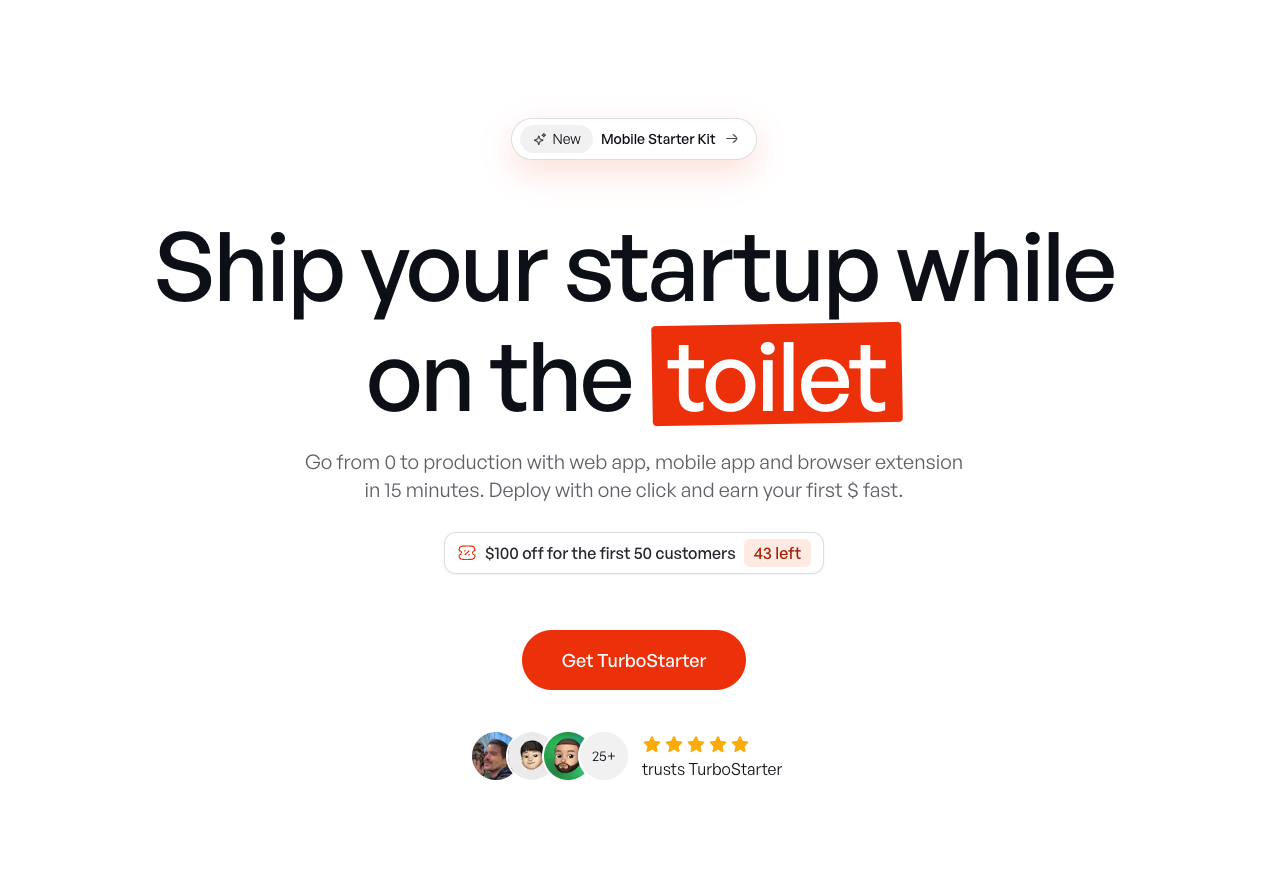
TurboStarter
Ship your startup everywhere. In minutes.
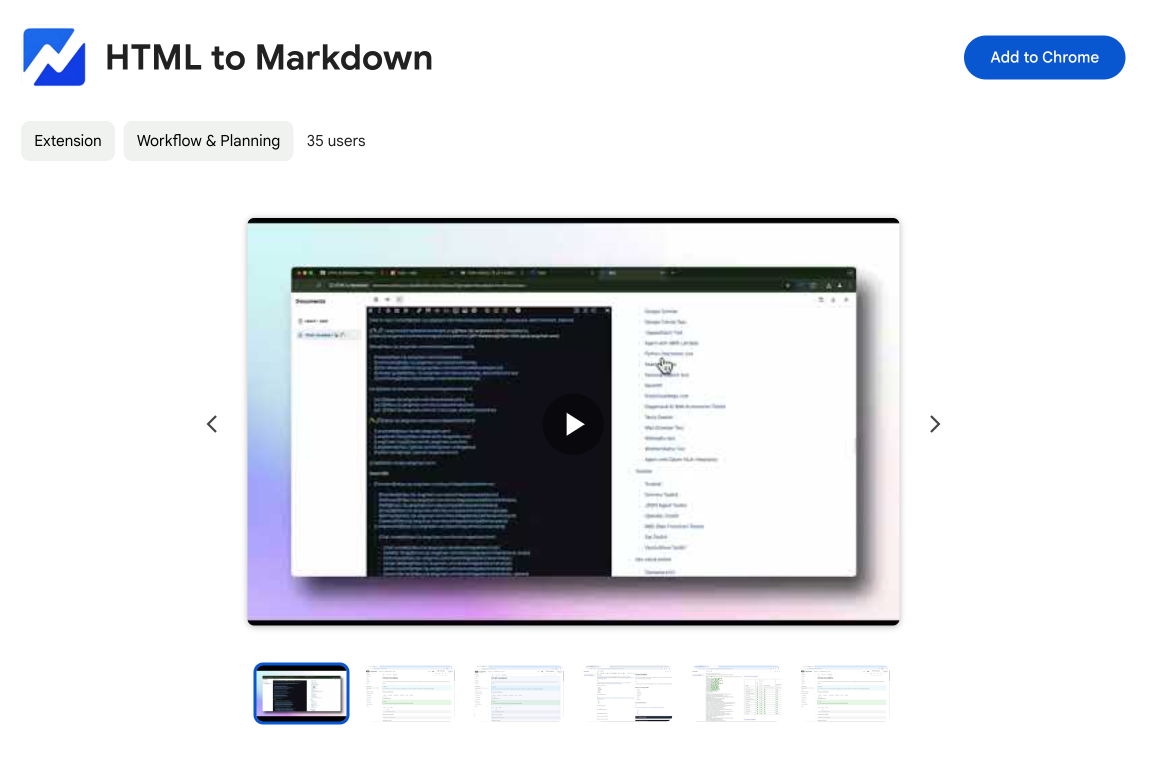
HTML to Markdown
Convert HTML to Markdown with ease, directly in your browser 📄
Dotallio
Personalized AI apps that automate research, data extraction, and content creation without code 🤖
Talk to Santa
Enjoy a magical live video chat or receive a unique AI-generated video greeting from Santa Claus 🎅
pozywka.pl
Scalable blog for food journalist, focused on performance and user experience 🌭
zagrodzki.me
Personal blog and portfolio of Bart Zagrodzki, where he shares his knowledge and work 💼
TurboStarter
Ship your startup everywhere. In minutes.
HTML to Markdown
Convert HTML to Markdown with ease, directly in your browser 📄
Dotallio
Personalized AI apps that automate research, data extraction, and content creation without code 🤖
Talk to Santa
Enjoy a magical live video chat or receive a unique AI-generated video greeting from Santa Claus 🎅
pozywka.pl
Scalable blog for food journalist, focused on performance and user experience 🌭
zagrodzki.me
Personal blog and portfolio of Bart Zagrodzki, where he shares his knowledge and work 💼
TurboStarter
Ship your startup everywhere. In minutes.
HTML to Markdown
Convert HTML to Markdown with ease, directly in your browser 📄
Dotallio
Personalized AI apps that automate research, data extraction, and content creation without code 🤖
Talk to Santa
Enjoy a magical live video chat or receive a unique AI-generated video greeting from Santa Claus 🎅
pozywka.pl
Scalable blog for food journalist, focused on performance and user experience 🌭
zagrodzki.me
Personal blog and portfolio of Bart Zagrodzki, where he shares his knowledge and work 💼
TurboStarter
Ship your startup everywhere. In minutes.
HTML to Markdown
Convert HTML to Markdown with ease, directly in your browser 📄
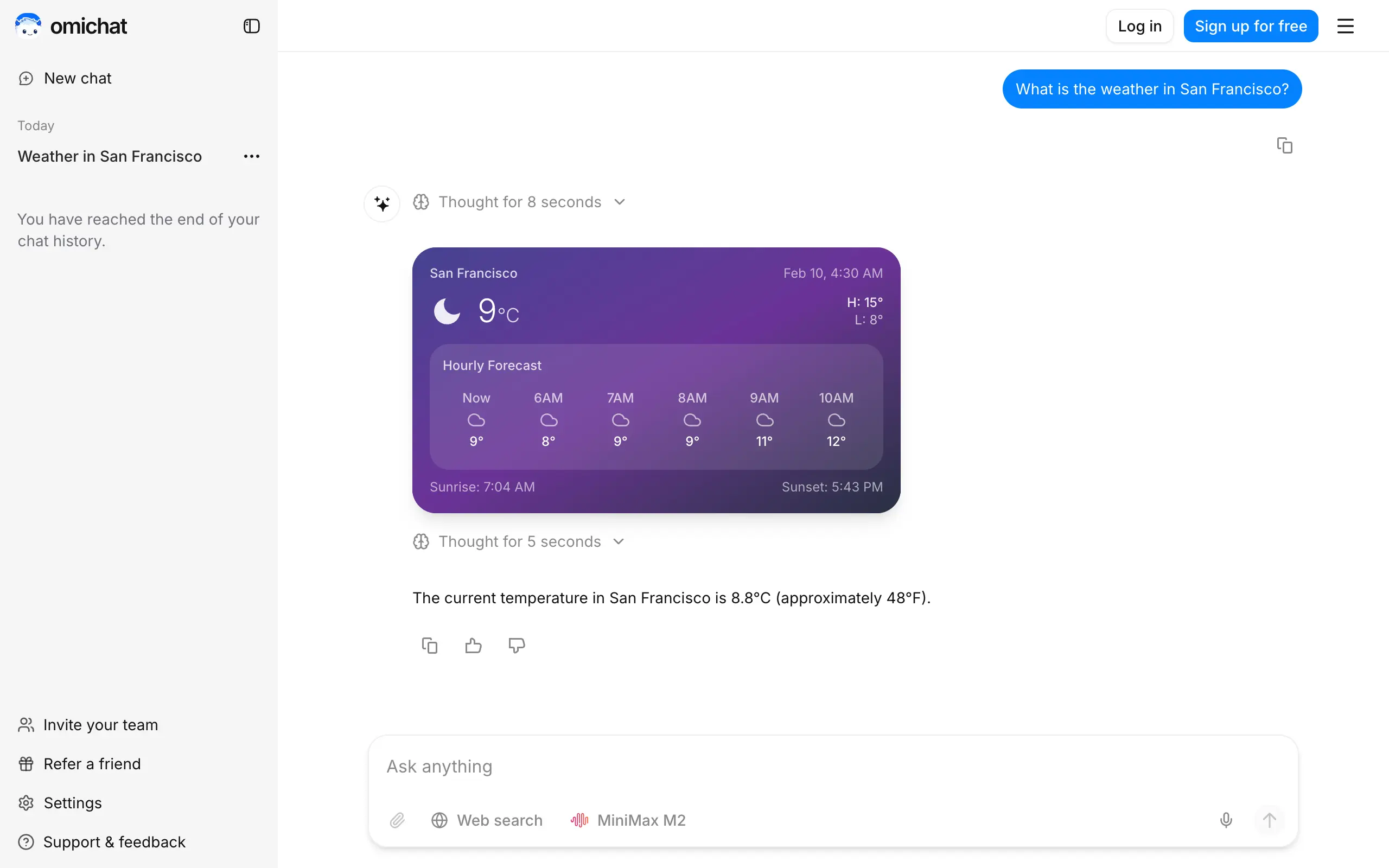
Omichat
Chat with 50+ AI models, including ChatGPT and Claude, in one place - switch models anytime without losing context 🤖
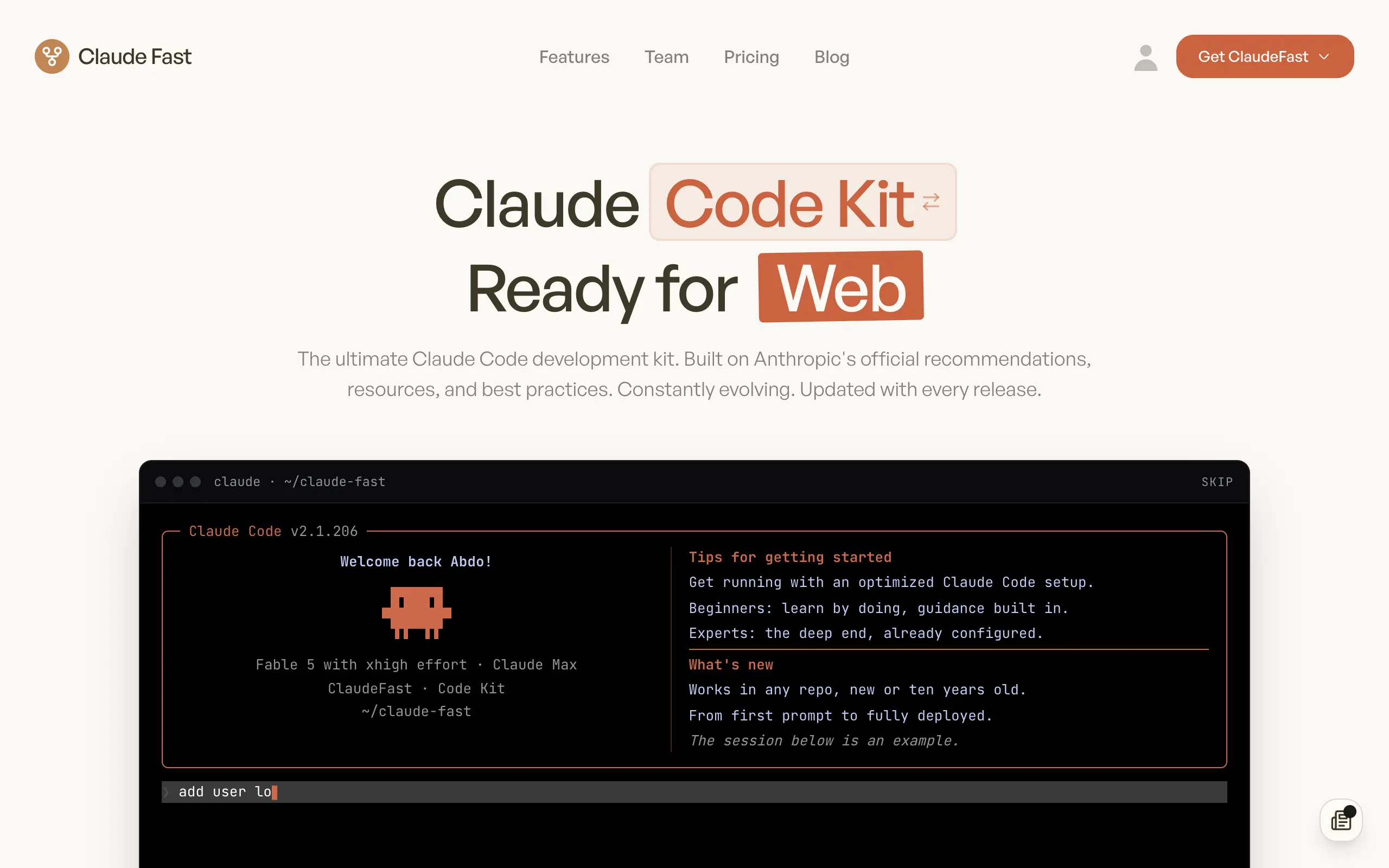
Claude Fast
Supercharge your Claude Code with 6x effective context window and specialized AI agents 🤖
EmojAI
AI-powered emoji picker with smart, context-aware suggestions 🤖
Solohacker
Autonomous company launcher - AI agents work 24/7, escalate what matters, and you stay in control 🤖
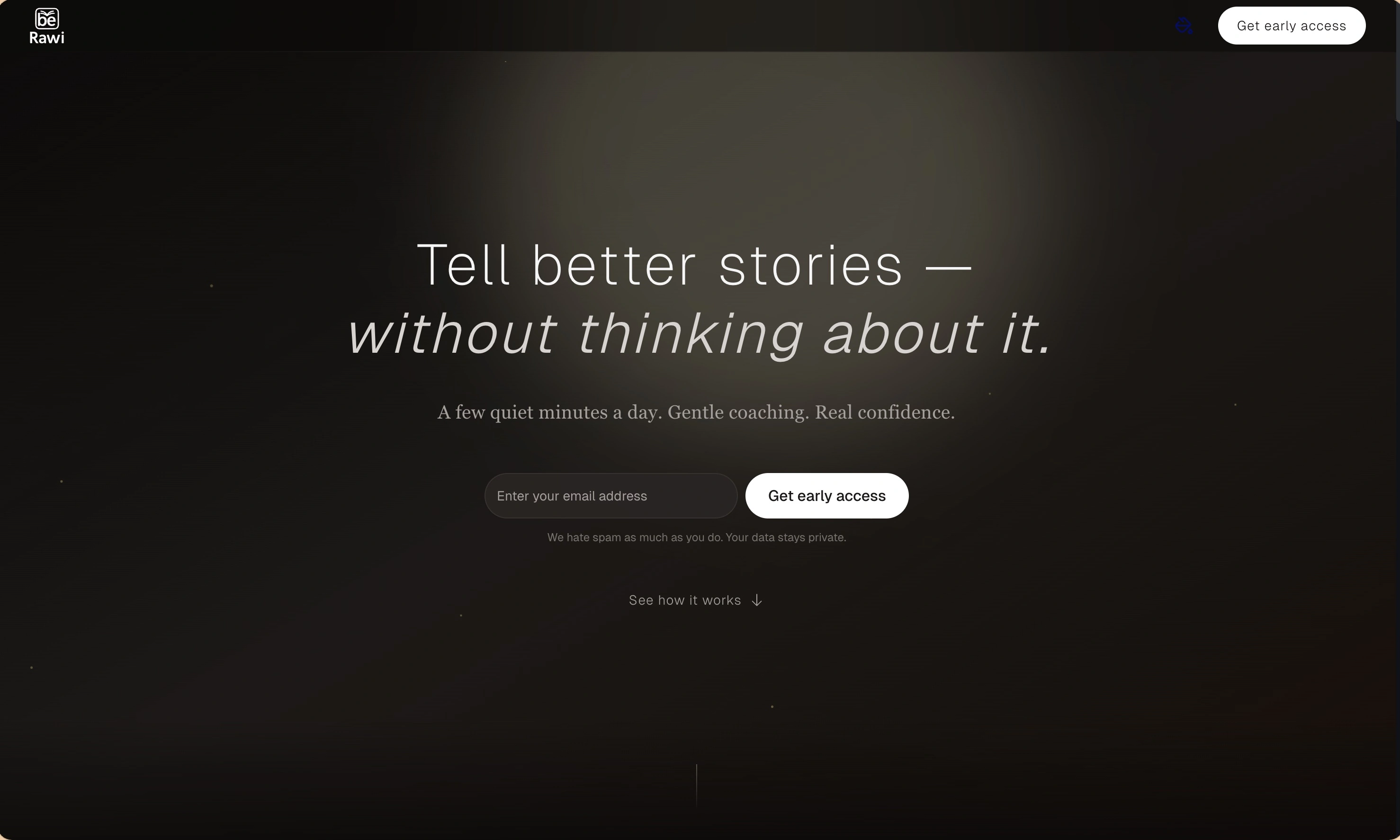
BeRawi: Storytelling Coach
Practice storytelling daily with instant feedback to sound clearer, more engaging, and confident 🎤
Omichat
Chat with 50+ AI models, including ChatGPT and Claude, in one place - switch models anytime without losing context 🤖
Claude Fast
Supercharge your Claude Code with 6x effective context window and specialized AI agents 🤖
EmojAI
AI-powered emoji picker with smart, context-aware suggestions 🤖
Solohacker
Autonomous company launcher - AI agents work 24/7, escalate what matters, and you stay in control 🤖
BeRawi: Storytelling Coach
Practice storytelling daily with instant feedback to sound clearer, more engaging, and confident 🎤
Omichat
Chat with 50+ AI models, including ChatGPT and Claude, in one place - switch models anytime without losing context 🤖
Claude Fast
Supercharge your Claude Code with 6x effective context window and specialized AI agents 🤖
EmojAI
AI-powered emoji picker with smart, context-aware suggestions 🤖
Solohacker
Autonomous company launcher - AI agents work 24/7, escalate what matters, and you stay in control 🤖
BeRawi: Storytelling Coach
Practice storytelling daily with instant feedback to sound clearer, more engaging, and confident 🎤
Omichat
Chat with 50+ AI models, including ChatGPT and Claude, in one place - switch models anytime without losing context 🤖
Claude Fast
Supercharge your Claude Code with 6x effective context window and specialized AI agents 🤖
EmojAI
AI-powered emoji picker with smart, context-aware suggestions 🤖
Solohacker
Autonomous company launcher - AI agents work 24/7, escalate what matters, and you stay in control 🤖
BeRawi: Storytelling Coach
Practice storytelling daily with instant feedback to sound clearer, more engaging, and confident 🎤

Connect with like-minded people
Join our community to get feedback, support, and grow together with 1,000+ builders on board, let's ship it!
Join usShip your startup everywhere. In minutes.
Don't burn tokens on setup and start building features on day one.