MistakeMap
Students upload practice work and get an AI-powered map of misconceptions, targeted explanations, and similar problems to master weak concepts.
Students do not usually need more generic practice. They need to understand why they made a mistake, which underlying concept caused it, and what to practice next. That distinction creates a meaningful opportunity for an AI education product such as MistakeMap.
MistakeMap is an AI-powered misconception mapping platform where students upload completed practice work and receive a visual map of errors, targeted explanations, and similar practice problems. Instead of treating every incorrect answer as an isolated event, the product identifies recurring knowledge gaps across topics, question types, and reasoning patterns.
The strongest version of this product is not simply an “AI homework helper.” It is a learning diagnostics layer that helps students, tutors, teachers, and parents make better decisions about what to study next.
The core product insight
A wrong answer is not the problem. The misconception, missing prerequisite, flawed strategy, or careless process that produced it is the problem. MistakeMap should turn raw mistakes into an actionable learning plan.
Why AI misconception mapping is a strong SaaS opportunity
The education technology market is crowded with flashcard apps, video libraries, tutoring marketplaces, AI chatbots, and test-preparation platforms. Yet many products still rely on one-directional learning flows.
A student watches a lesson, completes practice questions, receives a score, and moves on. The score reveals that something went wrong, but it rarely provides a structured explanation of:
- Which concept is actually weak
- Whether the problem is conceptual or procedural
- Which prerequisite knowledge is missing
- Whether the same error appears in multiple topics
- What kind of practice would fix the issue efficiently
- When the student has genuinely mastered the concept
This is the market gap MistakeMap can fill.
An AI misconception mapping platform can sit between assessment and instruction. It can convert worksheets, homework assignments, mock exams, handwritten solutions, and tutoring notes into a usable record of learning gaps.
For example, a student may answer several algebra questions incorrectly. A traditional system may report “3 of 10 incorrect.” MistakeMap should identify whether the student struggles with:
- Distributing negative signs
- Combining unlike terms
- Solving multi-step equations
- Translating word problems into equations
- Checking answers after substitution
- Rushing through arithmetic despite understanding the concept
Those are entirely different learning problems. Each should produce a different recommendation.
The target audience for MistakeMap
MistakeMap can serve several audiences, but the initial product should focus on one high-frequency, high-urgency use case. Trying to solve every educational workflow at launch can dilute the product and make AI feedback less reliable.
Primary audience: independent secondary and college students
The most direct initial audience is students preparing for high-stakes academic outcomes, including:
- High school students studying math, science, English, or standardized test material
- College students in foundational courses such as calculus, chemistry, statistics, accounting, or economics
- Test-prep learners preparing for exams such as the SAT, ACT, GRE, GMAT, LSAT, MCAT, or professional certification tests
- Adult learners refreshing quantitative or technical skills
These users have a clear pain point. They complete large amounts of practice, but they often do not know how to prioritize revision. A mistake map gives them a focused next step rather than another vague instruction to “review the chapter.”
The strongest early wedge is likely math and quantitative exam preparation. Mathematical work is especially well suited to structured misconception analysis because answers often include steps, symbols, and recognizable error patterns.
Secondary audience: tutors and independent educators
Tutors are a high-value customer segment because they repeatedly diagnose student errors manually. Before every session, a tutor may need to review homework, identify patterns, and decide what to teach next.
MistakeMap can help a tutor:
- Review submitted work before a lesson
- Identify concepts shared across several students
- Generate targeted remediation exercises
- Track whether past misconceptions reappear
- Produce parent-friendly progress summaries
- Spend more session time teaching rather than sorting papers
A tutor-facing workflow also creates a practical distribution advantage. One tutor can introduce MistakeMap to many students, reducing the cost of acquisition compared with a purely direct-to-student model.
Tertiary audience: parents and learning coaches
Parents often want to support academic progress but lack the subject-matter context to interpret a worksheet or test score. A parent dashboard should not expose overly technical diagnostic detail. It should provide simple, useful answers:
- What is the student currently working on?
- Which skills need the most attention?
- Is progress improving over time?
- What should the student do this week?
- When might outside tutoring be useful?
This segment is most valuable once MistakeMap has demonstrated accurate, trustworthy feedback for students.
Future audience: schools and institutions
Schools can become a larger revenue channel, but they should not be the first market. Institutional sales require stronger privacy controls, teacher workflows, integration support, evidence of efficacy, and longer procurement cycles.
A school-ready product could eventually support formative assessment, intervention planning, tutoring programs, and differentiated instruction. However, the first version should prove that the student-level misconception map is valuable before adding district-wide complexity.
Students
Need a clear study plan after practice instead of a confusing list of wrong answers.
Tutors
Need faster diagnostic insight and a way to demonstrate measurable progress.
Parents
Need understandable academic progress signals without becoming subject experts.
The learning gap MistakeMap should solve
The central problem is not a shortage of content. Students have access to more explanations, videos, quizzes, and AI chat tools than ever. The real issue is diagnosis.
Most learning tools answer questions such as:
- What should I learn?
- Can I practice this topic?
- Can someone explain this answer?
- Can I ask an AI tutor a question?
MistakeMap should answer a more valuable question:
What is the smallest set of underlying concepts I need to master to stop repeating this category of mistake?
This distinction creates the product’s unique selling proposition.
From incorrect answers to misconception clusters
A misconception map should group mistakes into meaningful clusters. A cluster is more useful than a list of individual wrong answers because it reveals recurring patterns.
For a biology student, one cluster might be “confusing mitosis and meiosis.” For a chemistry student, it could be “incorrect mole-to-mass conversions.” For an English learner, it might be “weak evidence-to-claim reasoning in analytical essays.”
Each cluster should include:
- A plain-language misconception label
- Confidence level for the diagnosis
- Evidence from multiple uploaded attempts
- A short explanation of the underlying concept
- The likely cause of the error
- Recommended practice or review material
- A mastery signal based on later performance
The platform must avoid presenting uncertain AI inferences as facts. If MistakeMap has low confidence, it should say so clearly and ask the student for more work samples or a short clarification.
The difference between mistakes and misconceptions
Not every wrong answer indicates the same kind of issue. A strong product taxonomy should distinguish at least five categories:
-
Conceptual misunderstanding
The student does not understand the principle itself. -
Procedural error
The student knows the concept but applies the steps in the wrong order. -
Prerequisite gap
The visible error comes from an earlier skill that has not been mastered. -
Careless execution error
The student understands the method but makes a transcription, arithmetic, or reading mistake. -
Strategy selection problem
The student understands several methods but does not know which approach fits the question.
This classification matters because a student who misreads a question does not need the same intervention as a student who lacks the underlying theory.
How the MistakeMap product experience should work
The best user experience is a short loop that transforms practice into informed next actions.
Step one: upload practice work
Students should be able to upload:
- Photos of handwritten worksheets
- PDF practice tests
- Screenshots from online platforms
- Typed responses
- Teacher feedback
- Tutor notes
- Question-and-answer exports from supported sources
The upload flow should make it easy to label the work by subject, exam, chapter, and date. Labels improve downstream analysis and give users more useful trend views.
For handwritten work, the product needs reliable optical character recognition and image processing. However, the interface should let students correct extracted text or math expressions when OCR is uncertain.
Step two: analyze solutions and reasoning
MistakeMap should not evaluate only final answers. It should inspect intermediate reasoning wherever possible.
For math, that means recognizing steps such as:
- Rearranging equations
- Applying formulas
- Simplifying expressions
- Selecting variables
- Substituting values
- Checking units
For writing, it could inspect thesis clarity, evidence quality, structural logic, grammar patterns, and citation issues. For science, it can analyze assumptions, unit conversions, formula choice, and interpretation of experimental results.
The analysis engine should combine:
- OCR and document parsing
- Subject-specific question classification
- Large language model reasoning
- Deterministic validation rules
- A curated misconception taxonomy
- Retrieval from verified instructional content
- Human-review escalation for low-confidence scenarios
Step three: generate a visual misconception map
The signature experience should be the map itself. It can use a concept graph that shows relationships between skills.
For example, “solving linear equations” may connect to:
- Combining like terms
- Distributive property
- Inverse operations
- Fractions and decimals
- Translating word problems
A student who repeatedly misses questions in several connected nodes can see that the problem is not random. The visual format gives meaning to performance data and helps users prioritize.
| Product output | What the student sees | Learning value | Business value | Priority |
|---|---|---|---|---|
| Misconception cluster | A recurring error pattern | Clearer diagnosis | High retention driver | High |
| Targeted explanation | A short concept repair lesson | Immediate remediation | Improves trust | High |
| Similar practice | Adaptive follow-up questions | Mastery through repetition | Supports subscription usage | High |
| Progress trend | Concept mastery over time | Motivation and planning | Supports upgrades | Medium |
Step four: deliver targeted explanations
Generic explanations are easy to generate and difficult to trust. MistakeMap should make each explanation specific to the learner’s actual work.
A useful explanation format includes:
- The exact step where reasoning diverged
- Why that step is incorrect
- The correct mental model
- A worked example with different values
- One quick check question
- A recommendation for what to practice next
The product should avoid simply revealing a correct answer. Students need a chance to repair the reasoning themselves.
Step five: validate mastery with similar problems
The recommendation engine should present similar but not identical problems. Reusing the same numbers or superficial wording may create false confidence.
A good similar-problem system varies:
- Surface wording
- Numerical values
- Contextual framing
- Difficulty level
- Distractor patterns
- Required reasoning path
The student should be able to say whether a practice problem was too easy, too difficult, unclear, or irrelevant. This feedback helps improve recommendation quality over time.
Students should see a focused map, a short explanation, and the next best practice action. Avoid overwhelming them with analytics that do not change what they should do today.
Tutors should see error evidence, confidence levels, recent uploads, recurring misconceptions, and suggested lesson priorities for each learner.
Parents should see plain-language progress summaries, weekly recommendations, and clear indicators of whether the learner is improving in priority areas.
Core features for an MVP of the AI misconception mapping platform
A successful first release should solve one complete workflow exceptionally well. For MistakeMap, that workflow is likely upload, diagnose, explain, practice, and track.
Essential MVP capabilities
The MVP should include the following features:
- Secure account creation and student profile setup
- Subject and topic selection
- Image and PDF upload support
- OCR with manual correction controls
- AI-based question and answer extraction
- Error classification using a limited taxonomy
- A misconception map with 5 to 15 core concepts
- Personalized explanations tied to the submitted work
- AI-generated or curated similar practice questions
- Answer checking and follow-up feedback
- Basic mastery tracking
- A student history page for prior uploads
- Privacy controls and deletion options
Initially, the platform should support a narrow subject set. Algebra is a particularly strong starting point because it has predictable skill dependencies, abundant practice formats, and obvious recurring misconceptions.
High-value features for the next release
Once the core loop works, MistakeMap can add:
- Multi-page test analysis
- Tutor dashboards
- Class or cohort insights
- Spaced-repetition review reminders
- Voice explanations
- Teacher-created skill maps
- Curriculum alignment
- Rubric-based writing feedback
- Study plan generation
- Integrations with learning management systems
- Exportable progress reports
- Collaborative review sessions
Avoid feature sprawl
Do not launch with every school subject, every exam, and every stakeholder dashboard. Diagnostic accuracy in one focused learning domain is more valuable than broad but unreliable support.
Recommended tech stack for MistakeMap
MistakeMap needs a modern web stack, strong document processing, reliable AI orchestration, and privacy-conscious data handling. The best architecture will depend on the expected volume of uploads, accuracy requirements, and whether generated practice content must be reviewed.
Application layer
A practical SaaS foundation can use Next.js with React. This combination supports a responsive student interface, server-side rendering where appropriate, API routes, and a mature ecosystem.
For the UI layer, Tailwind CSS is a strong fit because it makes it easier to build consistent dashboards, upload states, accessible forms, and responsive learning views without excessive custom CSS.
TypeScript should be used from the beginning. Educational diagnostics involves structured data such as concept IDs, assessment attempts, evidence snippets, confidence scores, and mastery states. Type safety reduces errors in these high-value workflows.
Data and authentication layer
A relational database such as PostgreSQL is well suited to MistakeMap. The product will need durable relationships among users, uploads, extracted questions, concepts, mistake clusters, recommendations, and attempts.
A possible data model includes:
type MisconceptionCluster = {
  id: string;
  studentId: string;
  subject: "algebra" | "geometry" | "chemistry";
  conceptId: string;
  label: string;
  category: "conceptual" | "procedural" | "prerequisite" | "careless" | "strategy";
  confidenceScore: number;
  evidenceCount: number;
  masteryStatus: "new" | "practicing" | "improving" | "mastered";
  lastObservedAt: Date;
};
Use secure authentication, role-based access controls, and separate permissions for students, tutors, parents, and administrators. In an education product, privacy cannot be treated as a later enhancement.
AI and retrieval architecture
The AI system should not rely on a single prompt that receives an image and returns educational advice. That approach is difficult to test, hard to audit, and vulnerable to hallucinations.
A more reliable pipeline includes:
- Document ingestion and image preprocessing
- OCR and math-expression extraction
- Question segmentation
- Subject and skill classification
- Student-work comparison against expected reasoning
- Misconception taxonomy matching
- Confidence scoring
- Retrieval of verified explanations and practice templates
- Generated student-facing feedback
- Quality checks before display
For retrieval, a vector database can help find relevant explanations and practice templates. However, the source content should be curated, licensed where necessary, and versioned. Retrieval quality directly affects educational trust.
Trade-offs to consider
- General-purpose language models are flexible and fast to prototype, but they may produce inconsistent reasoning without structured validation.
- Rule-based evaluation is predictable for narrow math tasks, but it is expensive to expand across subjects and question types.
- Vision models simplify handwritten input processing, but accuracy can vary with image quality and notation.
- Generated practice problems scale content production, but they require safeguards against ambiguous questions and incorrect answer keys.
- Third-party AI APIs reduce initial development time, but they create cost, latency, and data-governance dependencies.
For an MVP, combine AI interpretation with deterministic checks wherever possible. In mathematics, verify generated answers programmatically before showing a question to a student.
A production-ready starter kit such as TurboStarter can accelerate the foundational SaaS work, including authentication, billing patterns, dashboards, and deployment structure. This lets the team devote more time to the diagnostic engine that actually differentiates MistakeMap.
Building trust in AI-generated learning feedback
Trust is a product feature, not a marketing claim. Students may rely on MistakeMap to make decisions about study time, exams, and tutoring. That means the platform must communicate uncertainty and provide explainable feedback.
Design principles for trustworthy educational AI
MistakeMap should follow several principles:
- Show evidence from the student’s work
- Explain why a diagnosis was made
- Use confidence levels internally and selectively in the interface
- Allow students to disagree with a diagnosis
- Offer a way to correct incorrectly extracted text
- Avoid claiming certainty when evidence is limited
- Clearly distinguish AI suggestions from teacher feedback
- Review generated practice content before broad reuse
- Log model outputs for quality analysis and incident investigation
If a student’s handwriting is unclear, the platform should ask for confirmation rather than inventing an interpretation. If the model cannot confidently identify an error pattern, it should state that additional examples are needed.
Privacy and compliance considerations
Education data deserves conservative handling. MistakeMap should minimize data collection, make retention settings understandable, and allow users to delete their uploaded work.
Important operating practices include:
- Encrypting data in transit and at rest
- Limiting access to student work by role
- Separating production and test data
- Redacting sensitive information from debugging tools
- Maintaining an audit trail for administrative access
- Publishing clear privacy terms
- Supporting parental consent workflows when applicable
- Reviewing education privacy obligations in every target market
Before selling to schools, consult qualified legal counsel about applicable student privacy requirements. For market credibility, consider referencing authoritative policy resources from government education agencies and recognized privacy organizations rather than making unsupported compliance claims.
Monetization strategies for MistakeMap
The product has several viable revenue paths. The best initial model depends on who receives the clearest recurring value.
Freemium subscription for students
A free plan can let users upload a limited number of assignments each month and view high-level mistake categories. The paid plan can unlock deeper analysis, unlimited or higher upload limits, personalized practice, mastery history, and detailed study plans.
A possible structure is:
- Free plan with one or two diagnostic uploads monthly
- Student plan with regular uploads and adaptive practice
- Exam-prep plan with a focused curriculum map and mock-test analysis
- Family plan with multiple learner profiles
- Premium plan with tutor review or expert feedback add-ons
The key metric is not merely upload count. It is whether students return after receiving a diagnosis to complete recommended practice and check mastery.
Tutor and coaching subscriptions
Tutors may pay more than students because MistakeMap can save time and strengthen their service delivery. Pricing can be based on active student seats, analysis volume, or a monthly professional plan.
Tutor-focused features can justify a higher price point:
- Student roster management
- Pre-session diagnostic reports
- Shared assignments
- White-labeled progress reports
- Notes attached to misconception clusters
- Collaborative practice plans
- Parent update templates
Institutional licensing
Schools, tutoring centers, and test-prep organizations can purchase annual licenses. This model has higher contract value but demands stronger reporting, security, onboarding, and support.
Do not pursue enterprise pricing before the product can demonstrate:
- Reliable diagnostic accuracy
- Clear usage patterns
- Teacher or tutor time savings
- Strong data governance
- Evidence that students complete remediation activities
Competitive advantage and positioning
MistakeMap should not position itself as a generic AI tutor. That category is broad, noisy, and easy for competitors to copy at a surface level.
The competitive advantage comes from owning the feedback loop between practice, diagnosis, remediation, and verified improvement.
MistakeMap’s defensible positioning
MistakeMap can stand out through five strategic advantages:
-
Evidence-based diagnosis
Feedback is linked to actual student work rather than a generic chat conversation. -
Longitudinal misconception memory
The platform remembers patterns across assignments and identifies repeat errors over time. -
Concept dependency maps
Students see prerequisite relationships, not just disconnected topic labels. -
Targeted remediation
The next practice activity is selected because of the detected error pattern. -
Mastery validation
The system checks whether the misconception has been resolved with new, varied problems.
This creates a compounding data asset. As students submit more work and complete follow-up practice, MistakeMap can improve its understanding of which interventions work for which error categories.
An answer checker identifies whether a response is correct. A misconception map identifies likely causes, connects errors to prerequisite skills, recommends remediation, and tracks whether the learner improves after practice.
It should not be marketed as a replacement. The strongest role is as a diagnostic and practice companion that gives teachers and tutors better evidence for human instruction.
Start with one structured, high-demand domain such as algebra or standardized-test math. Expand only after accuracy, engagement, and remediation outcomes are consistently strong.
Risks and mitigation strategies
Every AI education SaaS product faces practical, technical, and ethical risks. Identifying them early improves both product quality and investor readiness.
Risk: inaccurate diagnostic feedback
A poor explanation can confuse a student or reinforce a false belief.
Mitigation
- Start with a narrow curriculum scope
- Use expert-reviewed misconception taxonomies
- Validate outputs with deterministic checks
- Show evidence and uncertainty
- Build correction and feedback controls
- Route edge cases to human review where feasible
Risk: poor handwriting and document extraction
Handwritten work varies widely in quality. Mathematical notation can be especially difficult to parse.
Mitigation
- Provide photo-taking guidance during upload
- Automatically detect blurry or low-contrast images
- Highlight uncertain extracted text for confirmation
- Support typed input as a fallback
- Begin with clean worksheets and digital exports if necessary
Risk: students use the product to get answers without learning
If MistakeMap becomes an answer generator, it undermines its own educational value.
Mitigation
- Focus on explanation and guided correction
- Delay full solution reveal where appropriate
- Require an attempt before providing detailed hints
- Use similar follow-up questions to validate understanding
- Reward mastery progress rather than answer consumption
Risk: high AI inference costs
Image analysis, OCR, retrieval, and long-context reasoning can become expensive when students upload multi-page tests.
Mitigation
- Use tiered analysis depth by plan
- Cache parsed documents and reusable concept explanations
- Apply cheap classification before expensive model calls
- Batch document processing where user experience allows
- Set upload and page limits for lower tiers
- Track cost per completed remediation loop, not just cost per request
Risk: weak retention after the first diagnosis
Students may find the initial map interesting but fail to return.
Mitigation
- Make the next action extremely clear
- Send useful review reminders based on open misconceptions
- Show visible progress toward mastery
- Create short practice sessions that fit daily habits
- Add milestones for exam dates and study goals
- Ensure the product delivers value within the first upload
Go-to-market strategy for MistakeMap
The initial marketing message should be simple and outcome-oriented:
Upload your practice work, find the concepts behind your mistakes, and know exactly what to study next.
Avoid leading with technical AI language. Students buy clarity, confidence, and better outcomes. Tutors buy saved time and better diagnostics.
Early acquisition channels
Potential early channels include:
- Search content around common student questions
- Short-form video demonstrations of mistake analysis
- Partnerships with independent tutors
- Test-prep communities
- Student ambassadors
- Parent education newsletters
- Study-focused online communities
- SEO content for specific concept gaps such as algebra mistakes or SAT math error analysis
High-intent SEO pages can target searches such as:
- “Why do I keep making algebra mistakes”
- “How to analyze practice test mistakes”
- “How to find weak areas in math”
- “AI study planner based on mistakes”
- “How to improve after a practice exam”
- “Math misconception checker”
- “Personalized practice problems for weak topics”
Each page should include actionable educational advice, not just a sales pitch. This builds authority and earns trust with students and educators.
Metrics that matter
Track metrics connected to learning value and business health:
- Upload-to-analysis completion rate
- Percentage of users who begin recommended practice
- Practice completion rate
- Repeat upload rate
- Time to first useful insight
- Misconception resolution rate
- Weekly active learners
- Tutor seat retention
- Cost per diagnostic workflow
- Free-to-paid conversion rate
- Student-reported usefulness of explanations
For credibility, MistakeMap should eventually conduct outcome studies with clear methodology. If publishing claims about score improvement or time savings, cite independently verifiable research or document the study design, sample size, timeframe, and limitations.
A practical implementation roadmap
The fastest path is not to build a fully autonomous education platform. It is to validate one useful diagnostic loop with real learners.
The MVP success criterion should be behavioral, not cosmetic. A successful early user should upload work, understand a previously unclear weakness, complete targeted practice, and return with another assignment because the result was genuinely useful.
Final takeaway
MistakeMap has the potential to become more than another AI study tool. Its strongest opportunity is to become the diagnostic intelligence layer for independent learning.
The product wins when it transforms a frustrating experience — getting questions wrong — into a clear path forward. Students should leave each session knowing what happened, why it happened, what to do next, and how to prove they have improved.
By focusing first on accurate misconception detection, evidence-based explanations, targeted practice, and measurable mastery, MistakeMap can build a differentiated AI education SaaS product with value for students, tutors, parents, and eventually institutions.
More 🤖 AI Startup SaaS ideas
Discover more innovative ai startup SaaS ideas that are trending in 2026. Each idea is AI-generated with market validation and growth potential to help you find your next profitable venture faster than competitors.
Your competitors are building with TurboStarter
Below are some of the SaaS ideas that have been generated and built with our starter kit.
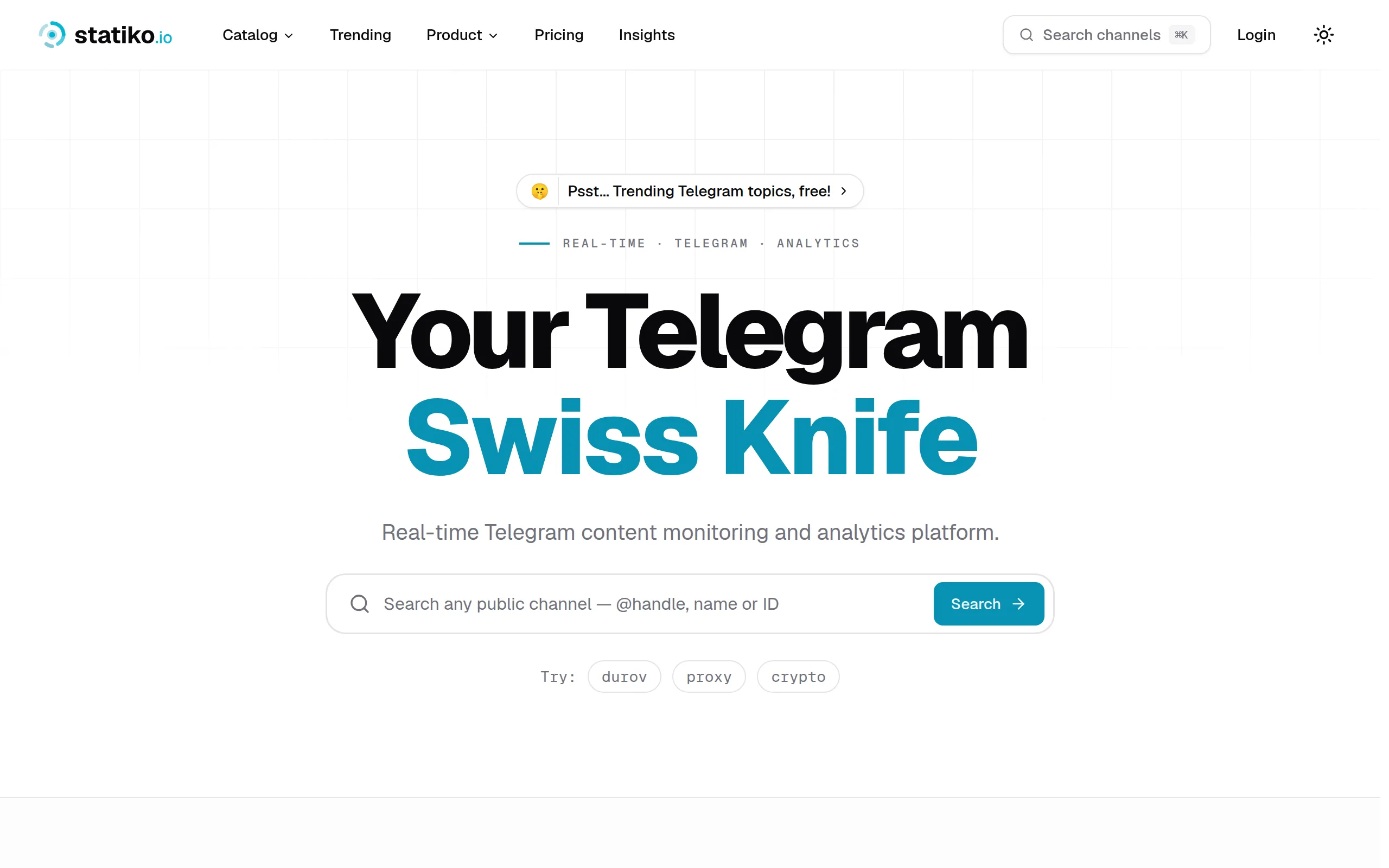
Statiko
Monitor any Telegram channel in real time - track posts, edits, deletions, and growth with AI recaps 📡

Shibui
AI website builder - describe your business, pick a niche template, edit by chatting, and publish instantly ✨

Pro Service
Find verified home service professionals, compare quotes, and pay securely through escrow - built for Brazilians across the US 🏠
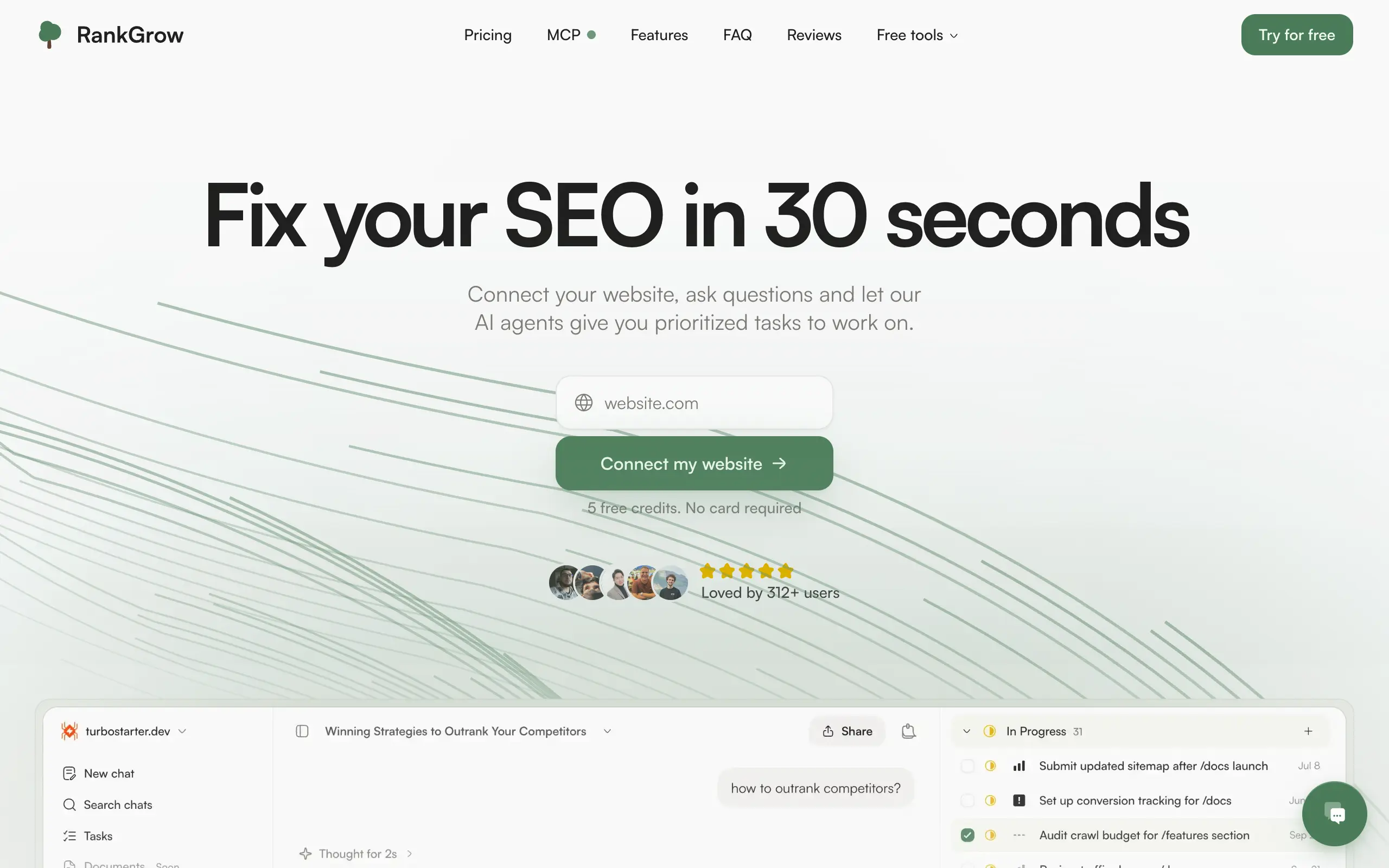
RankGrow
Fix your SEO with AI agents - connect Search Console, get prioritized tasks, and grow organic traffic 📈
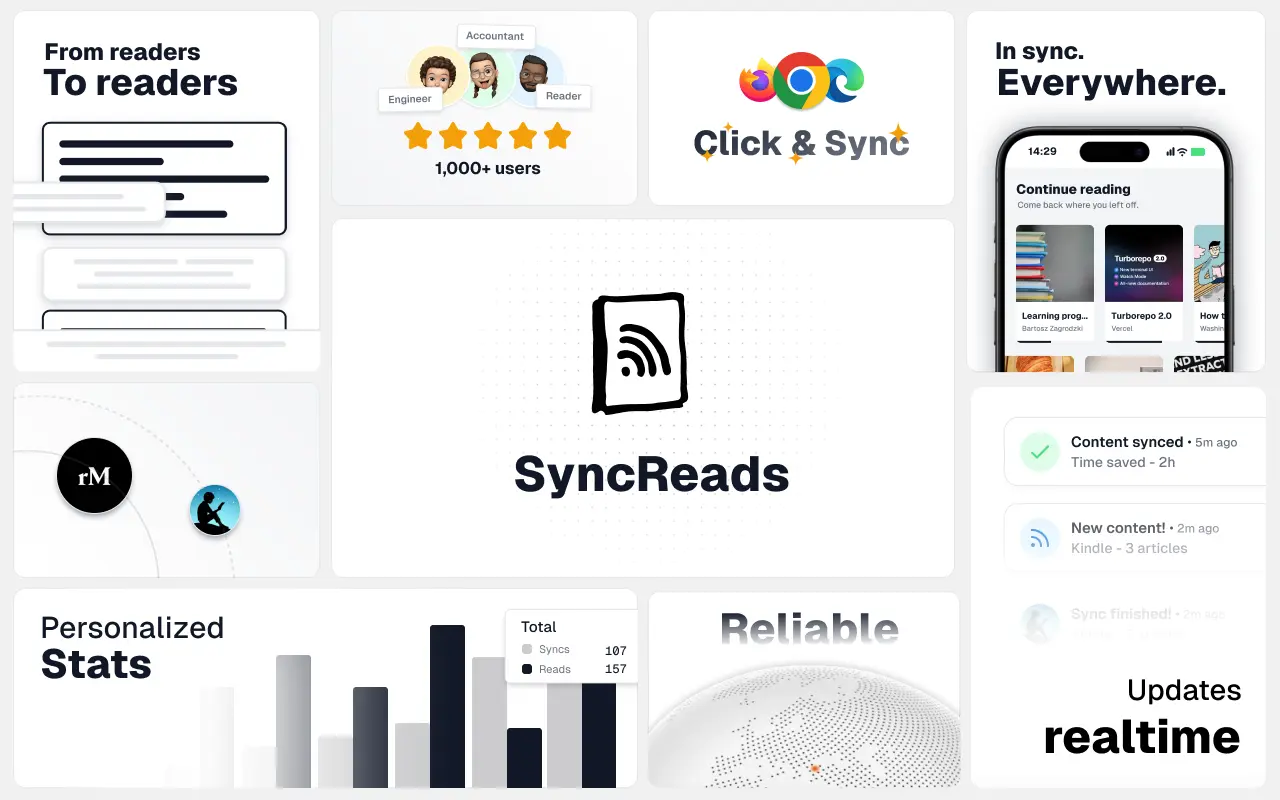
SyncReads
Sync your favorite content for distraction-free reading, save time and replace multiple apps. Anytime, anywhere 🔄
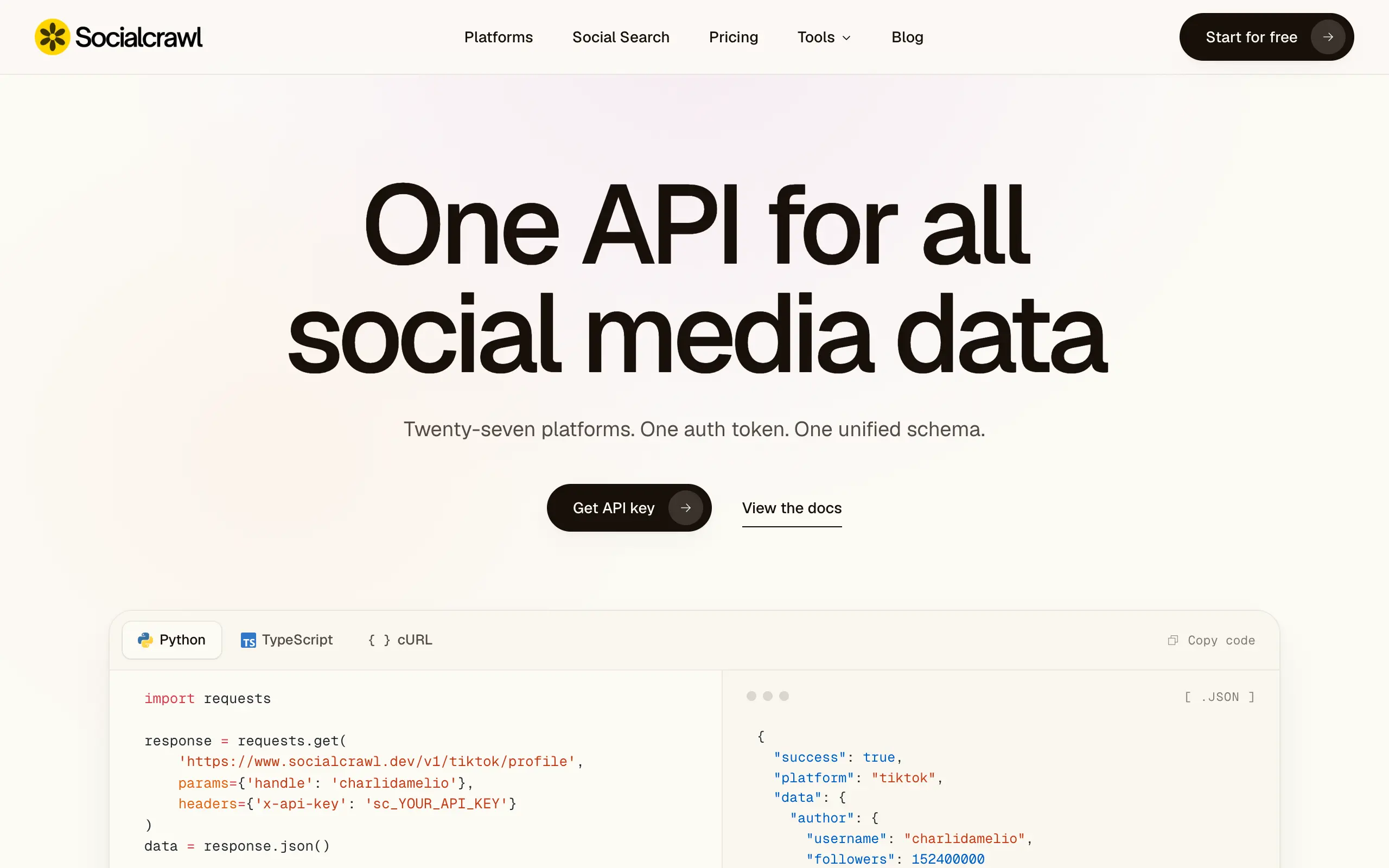
Socialcrawl
Get clean, structured data from 21 platforms like TikTok, Instagram, and YouTube with a single request 📊
Statiko
Monitor any Telegram channel in real time - track posts, edits, deletions, and growth with AI recaps 📡
Shibui
AI website builder - describe your business, pick a niche template, edit by chatting, and publish instantly ✨
Pro Service
Find verified home service professionals, compare quotes, and pay securely through escrow - built for Brazilians across the US 🏠
RankGrow
Fix your SEO with AI agents - connect Search Console, get prioritized tasks, and grow organic traffic 📈
SyncReads
Sync your favorite content for distraction-free reading, save time and replace multiple apps. Anytime, anywhere 🔄
Socialcrawl
Get clean, structured data from 21 platforms like TikTok, Instagram, and YouTube with a single request 📊
Statiko
Monitor any Telegram channel in real time - track posts, edits, deletions, and growth with AI recaps 📡
Shibui
AI website builder - describe your business, pick a niche template, edit by chatting, and publish instantly ✨
Pro Service
Find verified home service professionals, compare quotes, and pay securely through escrow - built for Brazilians across the US 🏠
RankGrow
Fix your SEO with AI agents - connect Search Console, get prioritized tasks, and grow organic traffic 📈
SyncReads
Sync your favorite content for distraction-free reading, save time and replace multiple apps. Anytime, anywhere 🔄
Socialcrawl
Get clean, structured data from 21 platforms like TikTok, Instagram, and YouTube with a single request 📊
Statiko
Monitor any Telegram channel in real time - track posts, edits, deletions, and growth with AI recaps 📡
Shibui
AI website builder - describe your business, pick a niche template, edit by chatting, and publish instantly ✨
Pro Service
Find verified home service professionals, compare quotes, and pay securely through escrow - built for Brazilians across the US 🏠
RankGrow
Fix your SEO with AI agents - connect Search Console, get prioritized tasks, and grow organic traffic 📈
SyncReads
Sync your favorite content for distraction-free reading, save time and replace multiple apps. Anytime, anywhere 🔄
Socialcrawl
Get clean, structured data from 21 platforms like TikTok, Instagram, and YouTube with a single request 📊
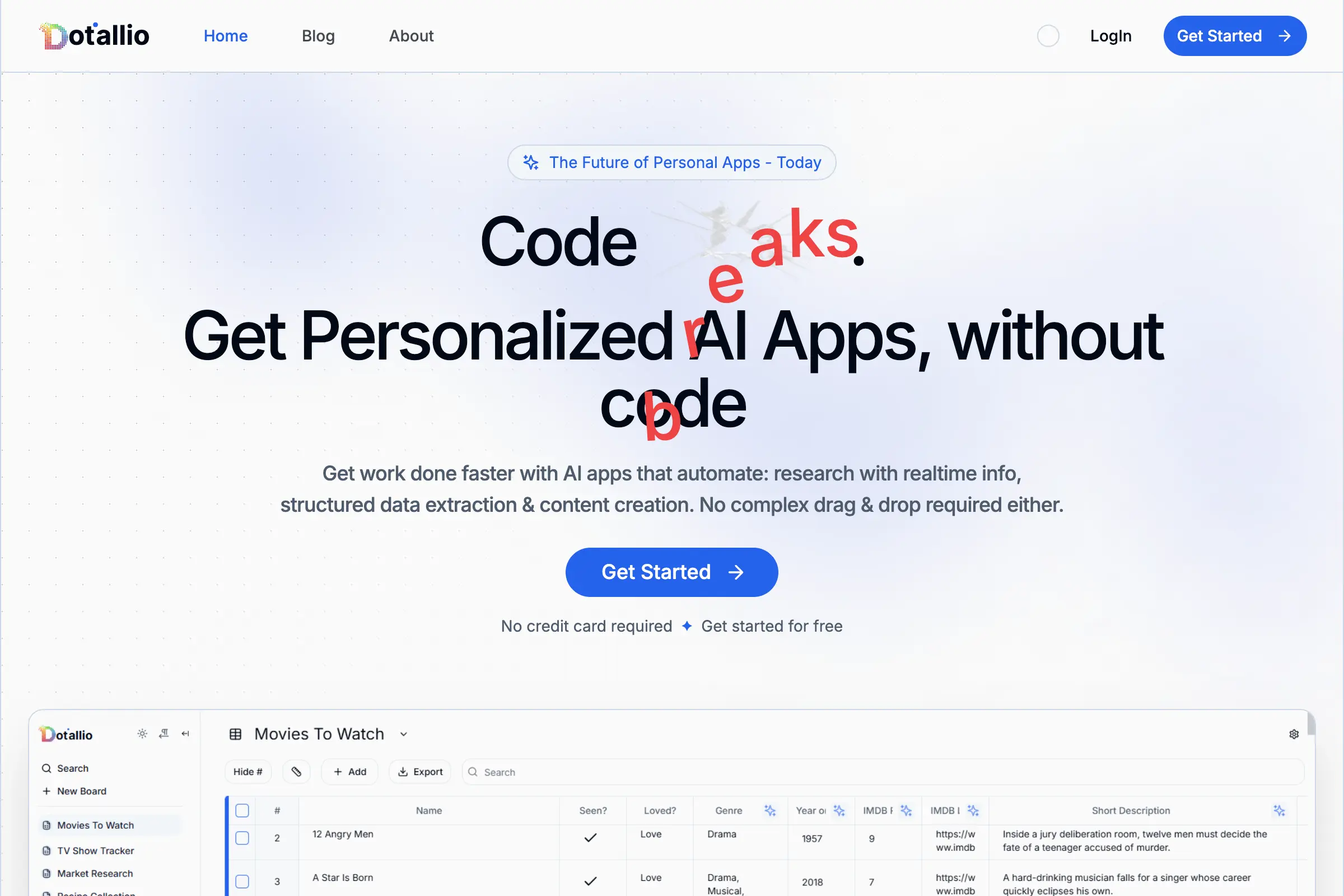
Dotallio
Personalized AI apps that automate research, data extraction, and content creation without code 🤖
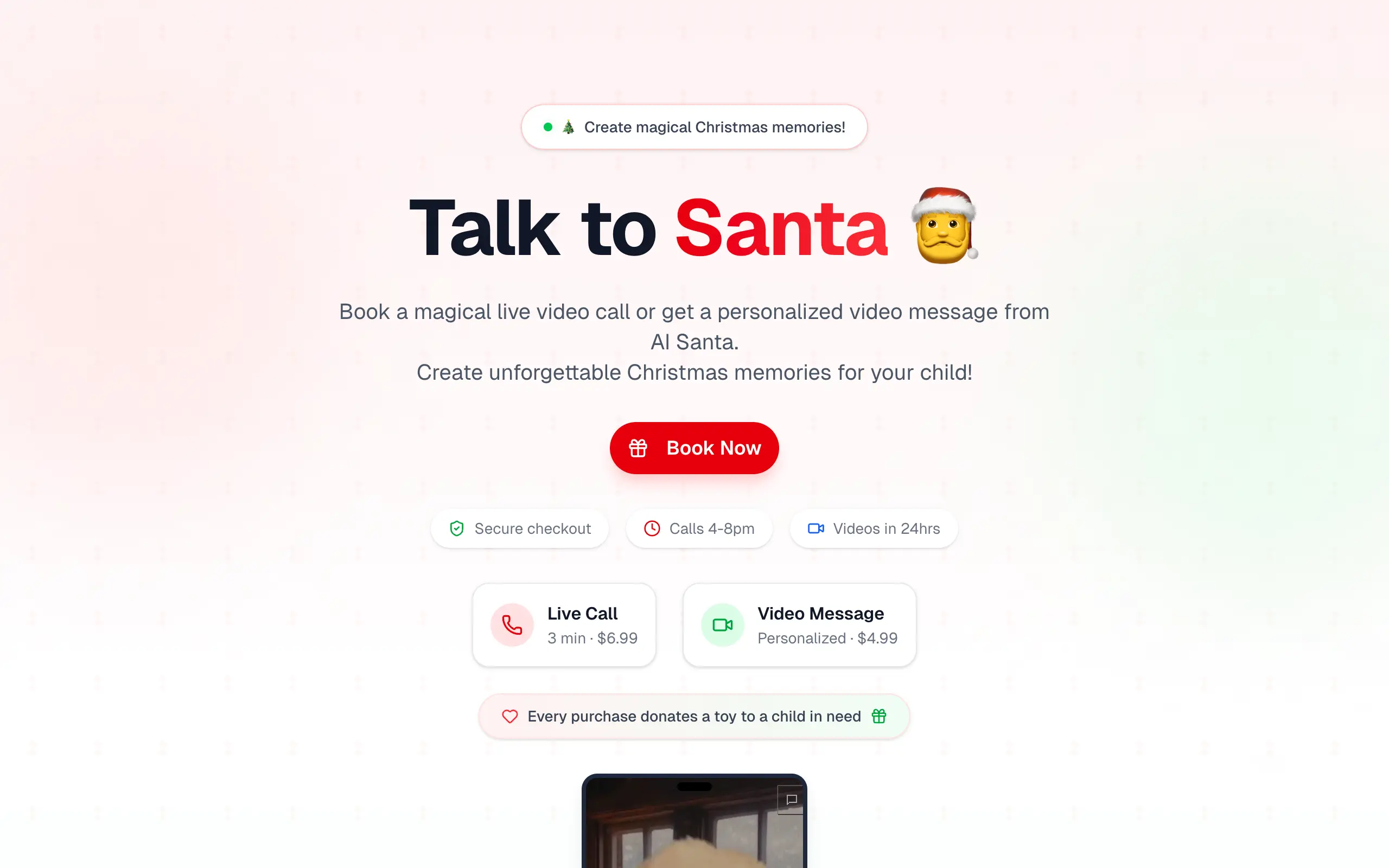
Talk to Santa
Enjoy a magical live video chat or receive a unique AI-generated video greeting from Santa Claus 🎅
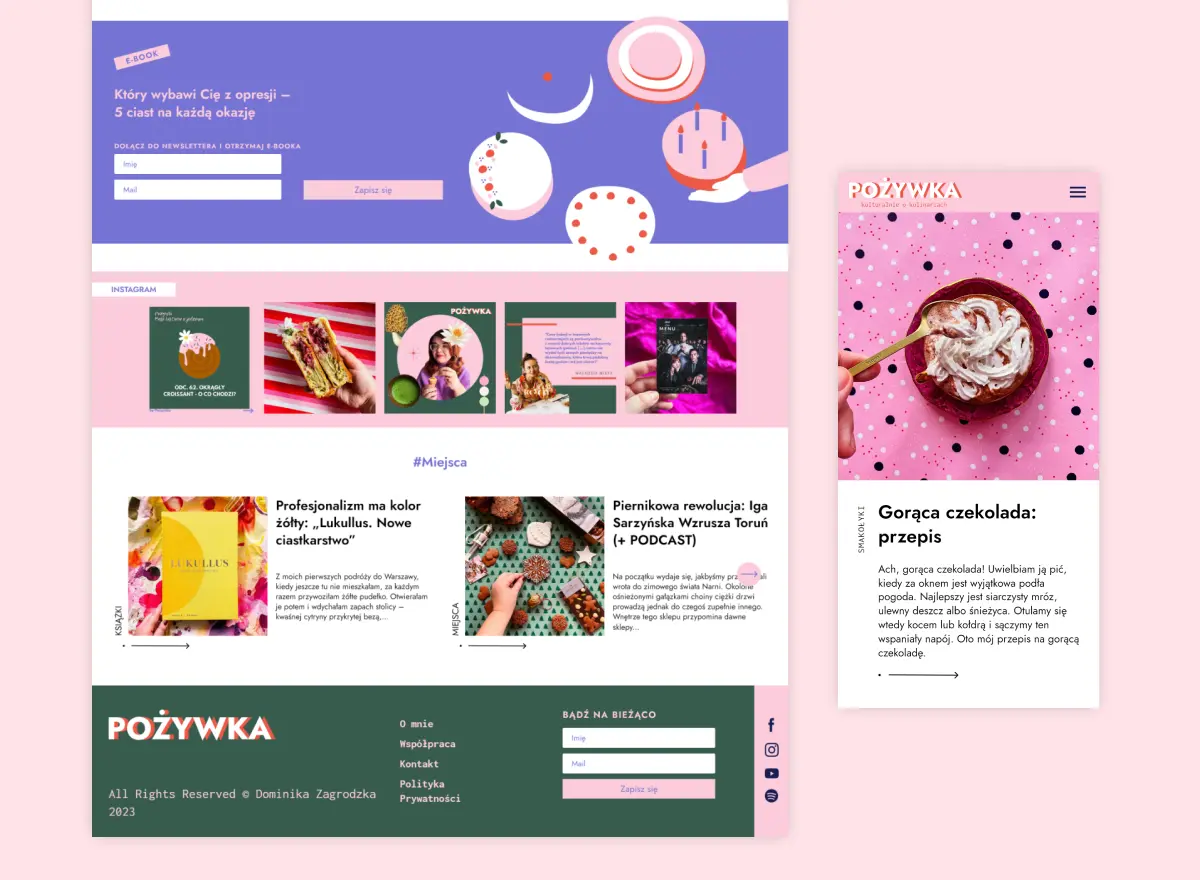
pozywka.pl
Scalable blog for food journalist, focused on performance and user experience 🌭
zagrodzki.me
Personal blog and portfolio of Bart Zagrodzki, where he shares his knowledge and work 💼
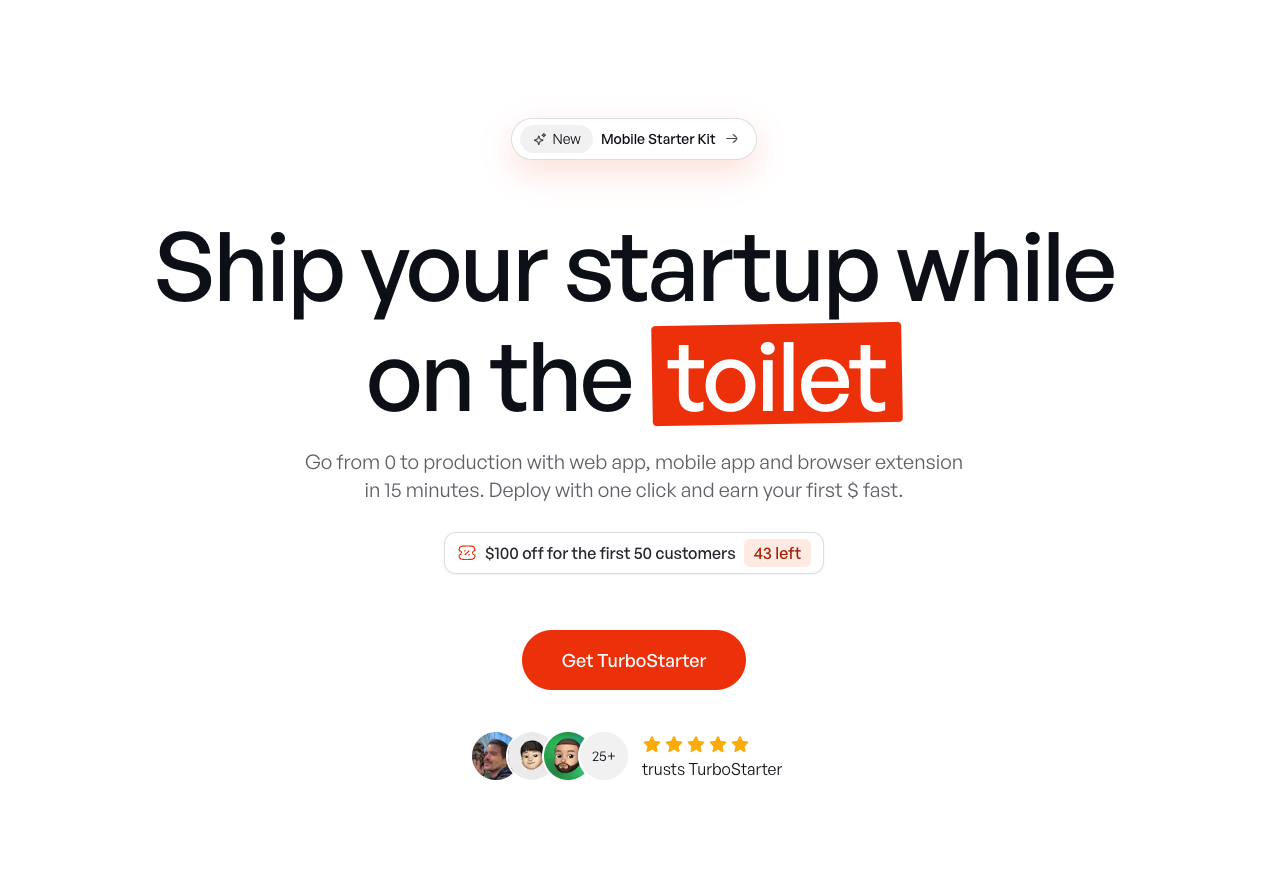
TurboStarter
Ship your startup everywhere. In minutes.
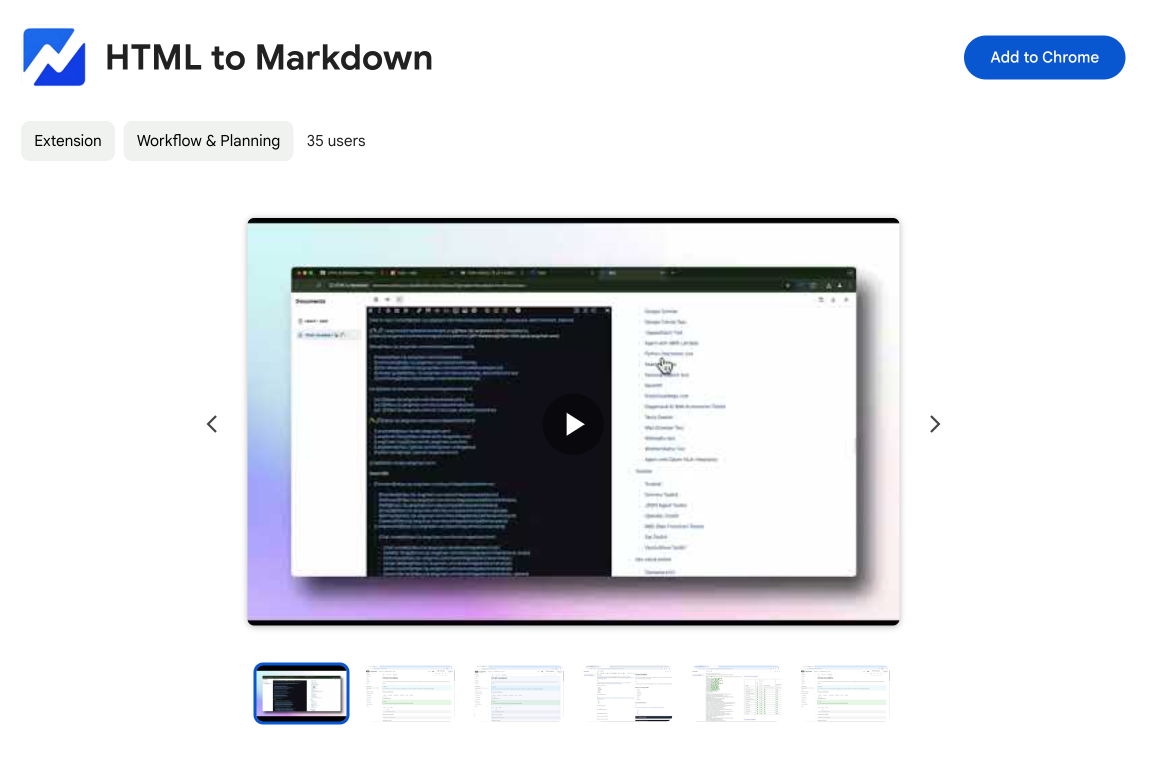
HTML to Markdown
Convert HTML to Markdown with ease, directly in your browser 📄
Dotallio
Personalized AI apps that automate research, data extraction, and content creation without code 🤖
Talk to Santa
Enjoy a magical live video chat or receive a unique AI-generated video greeting from Santa Claus 🎅
pozywka.pl
Scalable blog for food journalist, focused on performance and user experience 🌭
zagrodzki.me
Personal blog and portfolio of Bart Zagrodzki, where he shares his knowledge and work 💼
TurboStarter
Ship your startup everywhere. In minutes.
HTML to Markdown
Convert HTML to Markdown with ease, directly in your browser 📄
Dotallio
Personalized AI apps that automate research, data extraction, and content creation without code 🤖
Talk to Santa
Enjoy a magical live video chat or receive a unique AI-generated video greeting from Santa Claus 🎅
pozywka.pl
Scalable blog for food journalist, focused on performance and user experience 🌭
zagrodzki.me
Personal blog and portfolio of Bart Zagrodzki, where he shares his knowledge and work 💼
TurboStarter
Ship your startup everywhere. In minutes.
HTML to Markdown
Convert HTML to Markdown with ease, directly in your browser 📄
Dotallio
Personalized AI apps that automate research, data extraction, and content creation without code 🤖
Talk to Santa
Enjoy a magical live video chat or receive a unique AI-generated video greeting from Santa Claus 🎅
pozywka.pl
Scalable blog for food journalist, focused on performance and user experience 🌭
zagrodzki.me
Personal blog and portfolio of Bart Zagrodzki, where he shares his knowledge and work 💼
TurboStarter
Ship your startup everywhere. In minutes.
HTML to Markdown
Convert HTML to Markdown with ease, directly in your browser 📄
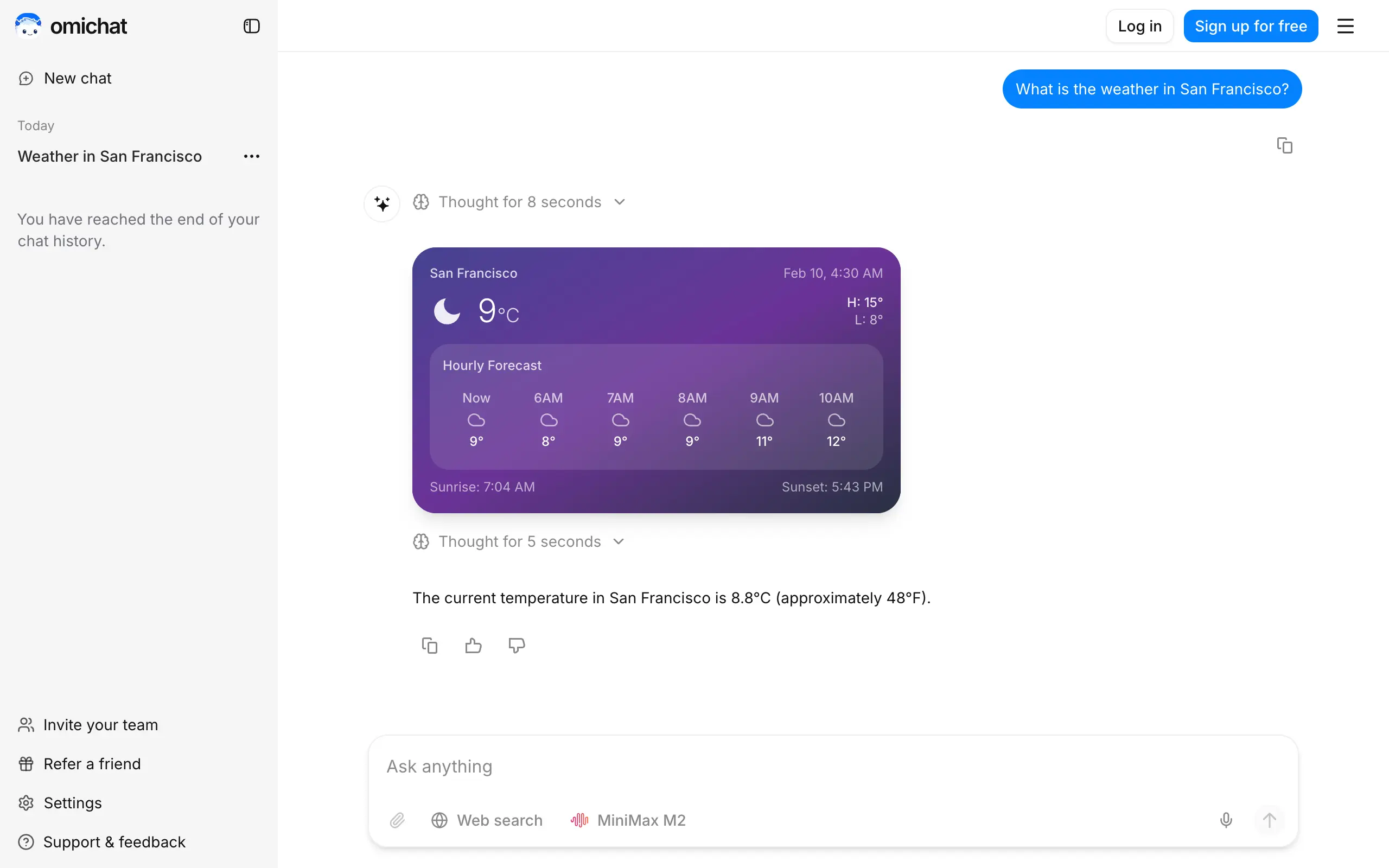
Omichat
Chat with 50+ AI models, including ChatGPT and Claude, in one place - switch models anytime without losing context 🤖
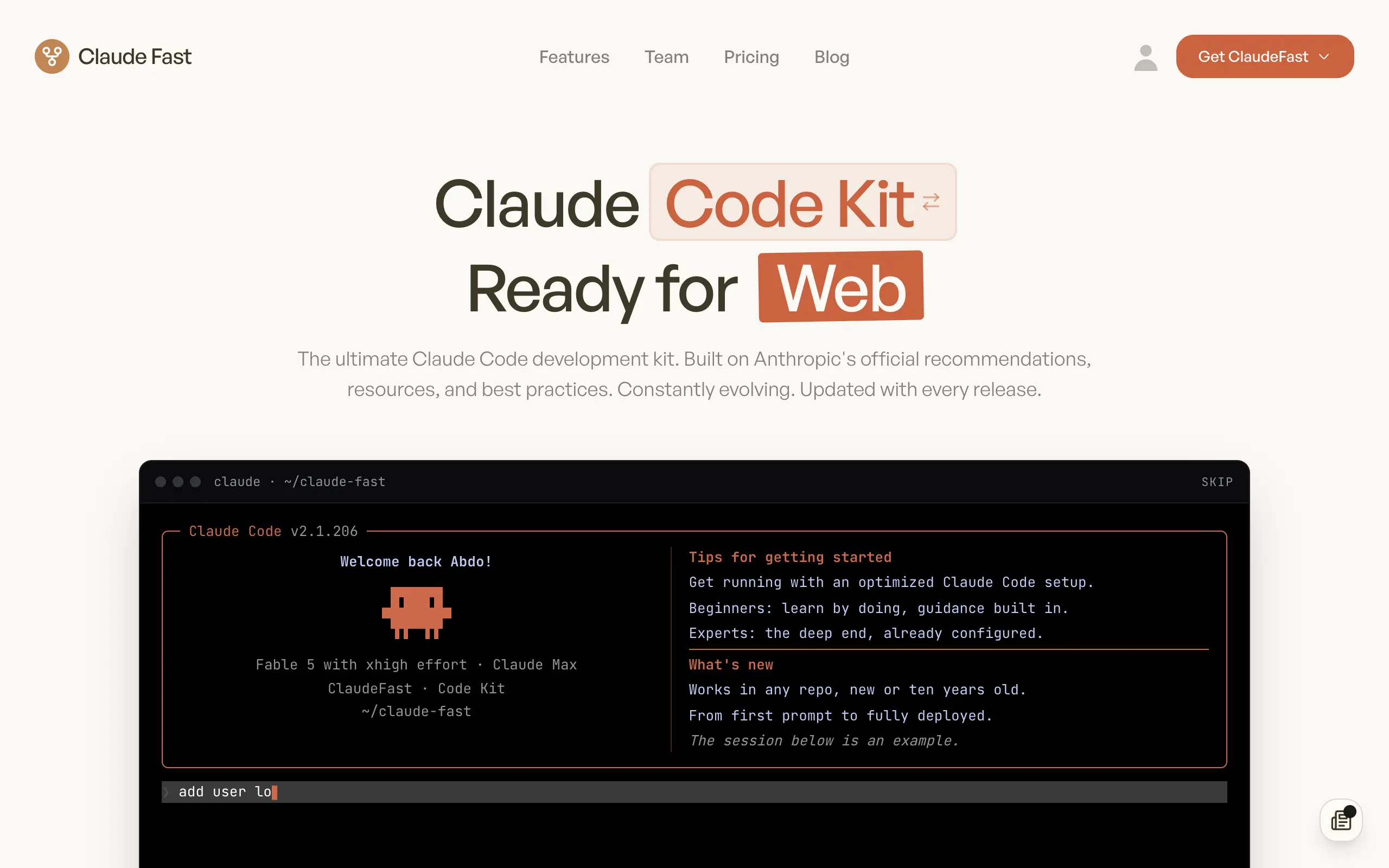
Claude Fast
Supercharge your Claude Code with 6x effective context window and specialized AI agents 🤖
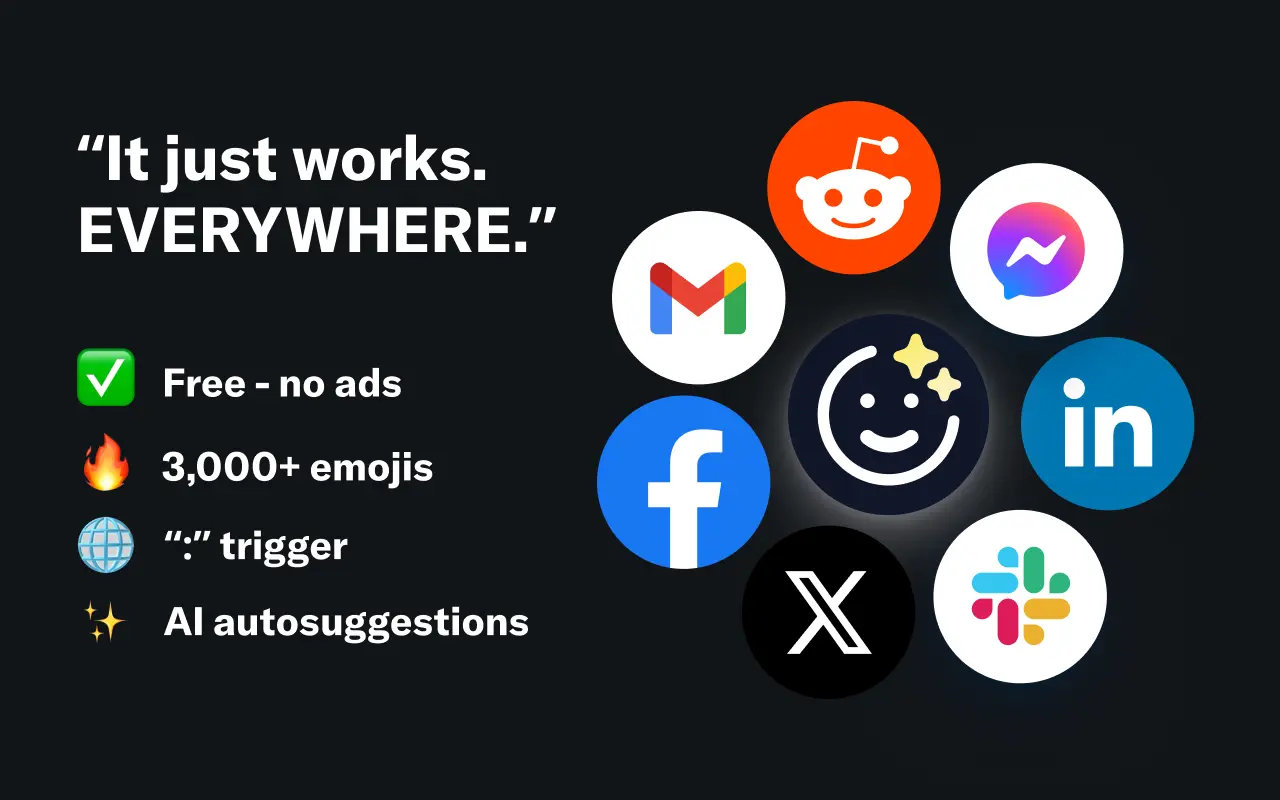
EmojAI
AI-powered emoji picker with smart, context-aware suggestions 🤖
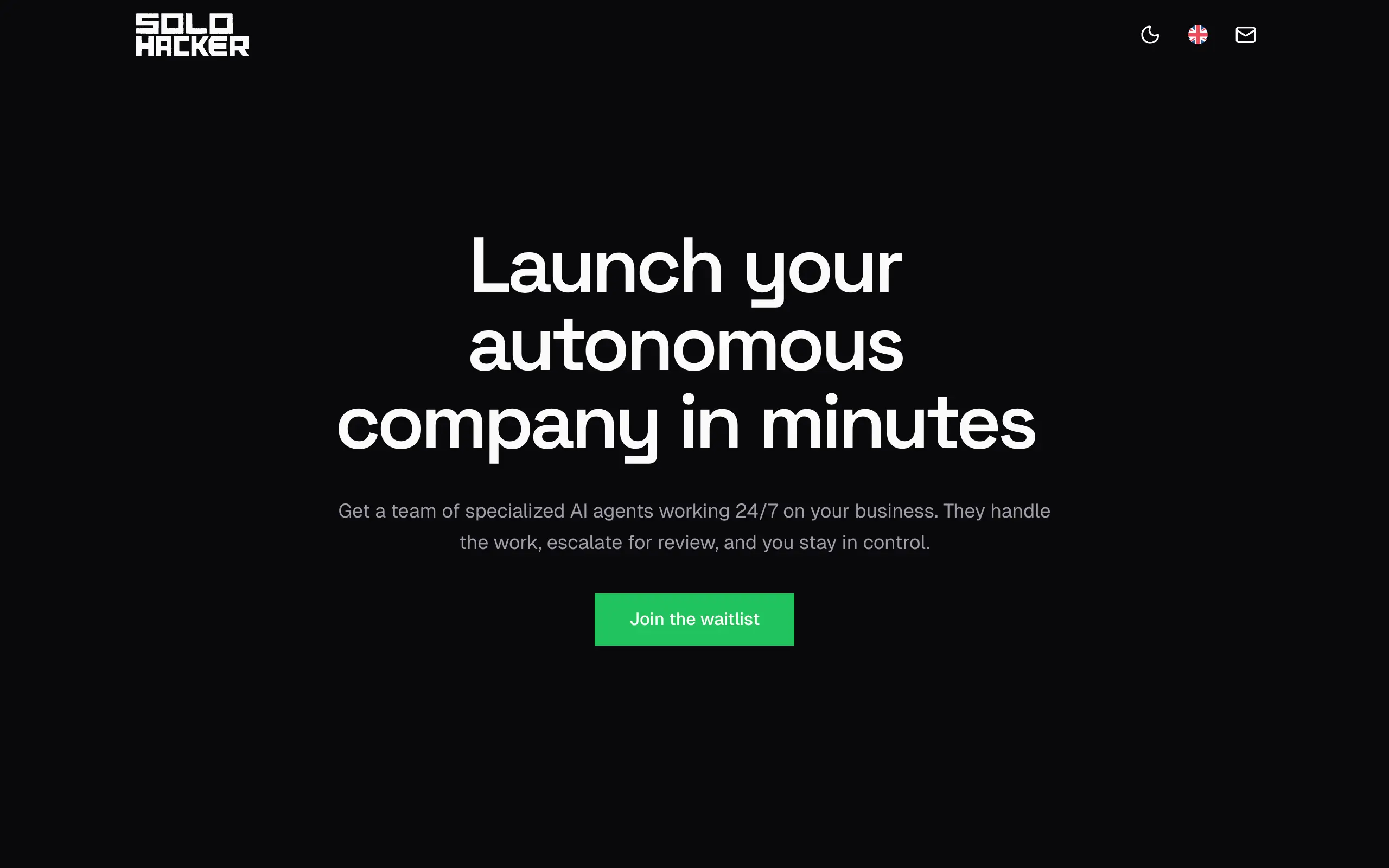
Solohacker
Autonomous company launcher - AI agents work 24/7, escalate what matters, and you stay in control 🤖
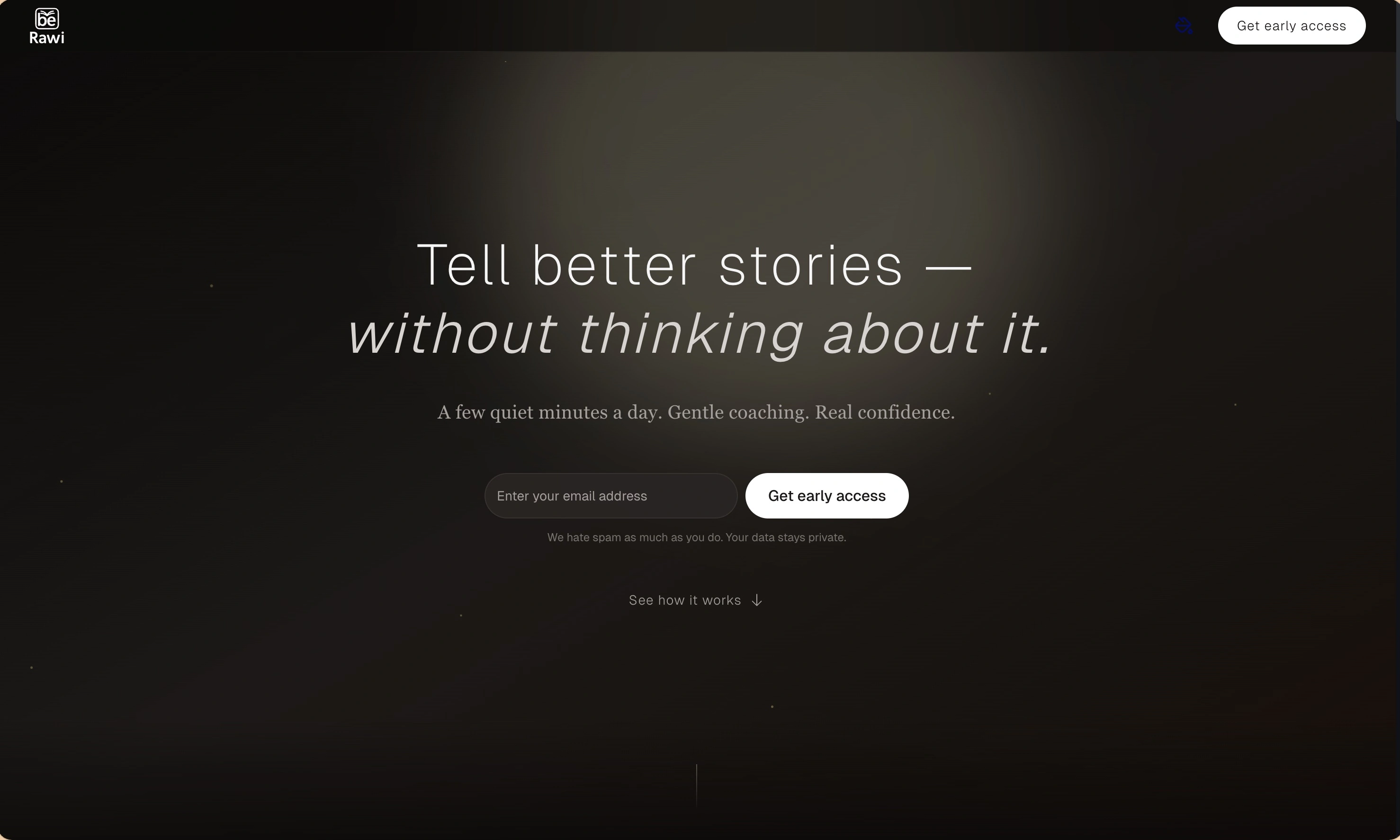
BeRawi: Storytelling Coach
Practice storytelling daily with instant feedback to sound clearer, more engaging, and confident 🎤
Omichat
Chat with 50+ AI models, including ChatGPT and Claude, in one place - switch models anytime without losing context 🤖
Claude Fast
Supercharge your Claude Code with 6x effective context window and specialized AI agents 🤖
EmojAI
AI-powered emoji picker with smart, context-aware suggestions 🤖
Solohacker
Autonomous company launcher - AI agents work 24/7, escalate what matters, and you stay in control 🤖
BeRawi: Storytelling Coach
Practice storytelling daily with instant feedback to sound clearer, more engaging, and confident 🎤
Omichat
Chat with 50+ AI models, including ChatGPT and Claude, in one place - switch models anytime without losing context 🤖
Claude Fast
Supercharge your Claude Code with 6x effective context window and specialized AI agents 🤖
EmojAI
AI-powered emoji picker with smart, context-aware suggestions 🤖
Solohacker
Autonomous company launcher - AI agents work 24/7, escalate what matters, and you stay in control 🤖
BeRawi: Storytelling Coach
Practice storytelling daily with instant feedback to sound clearer, more engaging, and confident 🎤
Omichat
Chat with 50+ AI models, including ChatGPT and Claude, in one place - switch models anytime without losing context 🤖
Claude Fast
Supercharge your Claude Code with 6x effective context window and specialized AI agents 🤖
EmojAI
AI-powered emoji picker with smart, context-aware suggestions 🤖
Solohacker
Autonomous company launcher - AI agents work 24/7, escalate what matters, and you stay in control 🤖
BeRawi: Storytelling Coach
Practice storytelling daily with instant feedback to sound clearer, more engaging, and confident 🎤

Connect with like-minded people
Join our community to get feedback, support, and grow together with 1,000+ builders on board, let's ship it!
Join usShip your startup everywhere. In minutes.
Don't burn tokens on setup and start building features on day one.