MockflowAI
Instantly transform hand-drawn sketches or wireframes into production-ready React or Vue components using AI. Accelerate frontend development and prototyping.
Understanding the user need for MockflowAI
The surge in web development and rapid prototyping has dramatically increased the demand for tools that can bridge the gap between concept and production. MockflowAI addresses the specific user intent of automating the transformation of hand-drawn sketches or wireframes into maintainable React or Vue components using AI. This is a massive leap for frontend developers, designers, product managers, UX/UI teams, and agencies needing to move quickly from ideation to implementation without laboriously re-coding wireframes.
Primary keyword:
- mockflowai
Related (LSI) keywords:
- AI wireframe to code
- wireframe to React components
- sketch to Vue code
- rapid UI prototyping
- frontend automation
- UI component generator
- AI design-to-code
- convert wireframes to code
What users search for
Common user questions and intents addressed by MockflowAI include:
- Can I turn hand-drawn sketches into working code automatically?
- How do I accelerate frontend development from design to production?
- What’s the fastest way to generate React or Vue components from wireframes?
- Is there an AI that generates code from UI mockups?
By tapping directly into these queries, MockflowAI serves a validated and growing demand within the SaaS and software development ecosystem.
Target audience analysis
Understanding your market is crucial for creating a successful SaaS product. Here’s who benefits most from MockflowAI:
Primary audiences
- Frontend developers: Looking to reduce repetitive code translation tasks and focus on value-added logic and features.
- Product designers & UI/UX teams: Wanting to rapidly test ideas and demonstrate clickable prototypes without full handoff delays.
- Agencies & consultancies: Needing to deliver quick PoCs (proof of concepts) and MVPs to clients.
- Startups: Wanting to minimize development time on early iterations, saving resources for iteration and validation.
- Educators & students: Benefiting from immediate feedback on hand-drawn UI concepts by seeing actual code.
Audience pain points
- Slow translation of wireframes to production-ready code
- Risk of interpretation errors between design and engineering
- High cost and time associated with prototyping
- Fragmented workflows between design and development
- Steep learning curve in transforming static designs into dynamic components
MockflowAI directly mitigates these pains through speed, automation, and accuracy, greatly accelerating time to market.
Identifying the market opportunity and gap
Despite significant advancements in design tools (Figma, Sketch, et al.), a seamless flow from sketch or wireframe to production code is still lacking. Existing offerings, such as Figma-to-code plugins, focus mainly on digital wireframes — effectively excluding preliminary pencil-and-paper ideation (a mainstay for many designers and teams).
Key opportunity: MockflowAI closes this gap by leveraging AI to interpret non-digital, hand-drawn wireframes, elevating early-stage sketches directly into ready-to-use React or Vue components.
Why this matters
- Designers and developers spend a reported 30%-50% of early project time on repetitive translation tasks.
- AI-powered design-to-code could reduce these efforts to minutes, drastically reducing costs and errors.
Industry insight
A recent survey found that ~65% of development teams reported significant delays in moving from design concepts to coded UI, underscoring the value of AI-powered automation.
Core features & solution details
How MockflowAI works
MockflowAI sits at the intersection of AI-driven computer vision and intelligent code generation, providing a streamlined workflow for UI creation:
- Sketch/Wireframe Upload: Accepts images or scans of hand-drawn wireframes.
- AI analysis: Uses ML models to recognize UI elements (buttons, text inputs, dividers, cards, etc.) and their layouts.
- Code generation: Translates the recognized elements into highly readable, editable React or Vue component code.
- Component customization: Offers an interface for users to tweak properties, styles, and structure before exporting.
- Export options: Generate production-ready code in modern JavaScript (or TypeScript), compatible with frontend frameworks/libraries.
Feature set breakdown
AI-powered sketch recognition
Leverages state-of-the-art computer vision models to detect and map UI elements in hand-drawn sketches or wireframes.
React & Vue code generation
Instantly convert recognized layouts into functional React or Vue components, supporting hooks, state, and props where applicable.
Intuitive UI editor
Lets users fine-tune the generated UI hierarchy, properties, and styles before exporting their final components.
Component library integration
Supports popular UI libraries like Material UI or Vuetify, as well as plain CSS, offering flexibility for different dev stacks.
Version control & export options
Download code directly or integrate with GitHub for seamless handoff and collaboration.
Recommended tech stack and trade-offs
Core technologies
- Frontend: React or Vue.js (for in-browser previews and customization UI)
- Backend/API: Node.js + Express (scalable APIs for AI services)
- AI/ML: TensorFlow or PyTorch (for training and inference of sketch recognition models)
- OCR/Computer Vision: OpenCV, Tesseract (for image analysis, extracting text and drawing elements)
- Cloud infrastructure: AWS Lambda, S3, or Google Cloud Functions and Google Cloud Vision AI
- Authentication & user management: Auth0 or Firebase Auth
Why these choices?
- React & Vue are leaders in frontend dev, and most teams already use them, maximizing adoption.
- Using established AI frameworks accelerates model development and leverages wide community support.
- Serverless and cloud functions offer scalable, cost-effective inference without over-provisioning.
- Security and privacy: Integrations with Auth0/Firebase ensure secure data handling for user-generated content.
Trade-offs
- Accuracy of AI models: May require iterative improvement and user feedback loops to match the variability in hand-drawn sketches.
- Processing speed: AI inference and image analysis can be compute-intensive; optimizing for speed vs. cost will be key.
- Framework coverage: Launching with React and Vue offers the broadest reach but adds complexity in code generation logic.
- React for component rendering and internal logic
- TypeScript for type safety
- Material UI or TailwindCSS (TailwindCSS) for example styling
- Backend: Node.js + Express
- AI services: Hosted Python microservices via RESTful APIs
- Vue.js for component rendering
- TypeScript or JavaScript
- Vuetify for style layer
- Node.js + Express for backend
- Same AI/ML backend, exposing Vue-specific component templates
Monetization strategy options
The SaaS and AI tooling market rewards clear value delivery, so diverse monetization approaches can be effective. Here's a breakdown:
| Pricing model | Pros | Cons | Ideal users | Scalability |
|---|---|---|---|---|
| Subscription (Freemium) | ✅ Predictable revenue; Low barrier of entry; Trial-driven | ❌ Need compelling reasons to upgrade | Solo devs, SMBs, agencies | ✅ |
| Pay-per-export | ✅ Aligned with usage; Great for infrequent users | ❌ Less predictable revenue | Freelancers, educators | ✅ |
| Enterprise licensing | ✅ Higher ARPU; White label/Bulk use | ❌ Longer sales cycle | Medium/large businesses, agencies | ✅ |
| API access | ✅ Monetize integration use cases; Dev tool partners | ❌ Higher support/resources needed | Tool vendors, platforms | ✅ |
Best Practice: Launch with a freemium model—allow free sketch-to-code conversions with limits, then unlock premium features (advanced customization, bulk export, version control, integrations) via subscription.
Potential risks and mitigation strategies
No innovation comes without challenges. Being aware is key to planning robustly.
Hand-drawn sketches are highly variable in style and complexity. Initial AI/ML models may misclassify or miss elements, especially in low-quality scans.
Mitigation: Continuous improvement via real-world user feedback, active learning loops, and a "review before export" feature to let users quickly edit/correct.
Sketch uploads are sensitive IP. Users may be concerned about the storage and usage of their proprietary designs.
Mitigation: Offer strict privacy controls, encrypted uploads, RTL deletion, and transparent privacy policy. Consider on-premise enterprise deployments for large customers.
Both React and Vue evolve rapidly, which could lead to generated code becoming out of date.
Mitigation: Regularly update code templates, enlist community feedback, and provide version selection options.
Models trained on limited or biased datasets may favor certain UI patterns or ignore accessibility.
Mitigation: Diversify training data, incorporate best practices for accessible code generation (a11y), and build assistive prompts into the UI layer.
Established tools (Figma plugins, design-to-code solutions) could quickly adapt similar features.
Mitigation: Double down on the unique sketch recognition angle, optimize developer experience, and integrate deeply with popular workflows (GitHub, CI/CD pipelines).
Competitive advantage analysis
Unique selling propositions (USPs) for MockflowAI
- Direct sketch-to-code: Unlike most tools limited to digital designs, MockflowAI uniquely interprets hand-drawn UI wireframes.
- AI-trained for custom UIs: With active learning, the model improves via user corrections, outperforming static rule-based systems.
- Framework flexibility: Out-of-the-box support for both React and Vue, covering more developer use cases, plus extensibility for other frameworks.
- Integrated customization workflow: Built-in UI editor lets users adjust before exporting, eliminating frustration with "black box" outputs.
- Market speed: AI accelerates what takes hours of manual work to mere minutes, shrinking prototype cycles dramatically.
Comparing to alternatives
This end-to-end flow not only saves time but also reduces human error and iteration friction, making it a compelling upgrade.
Actionable implementation steps
Ready to translate the concept into a working MVP for MockflowAI? Here’s a recommended roadmap:
Research & requirements
- Validate target audience with interviews and surveys.
- Collect diverse sketch/wireframe samples for initial training.
- Define initial feature scope and design workflow wireframes.
AI model development
- Train/test prototype computer vision models on recognizing UI elements in various sketch formats.
- Integrate OCR for text extraction.
- Develop feedback loop for correcting/learning from mistakes.
Web app development
- Build frontend with React or Vue, focusing on simplicity and clarity.
- Create a pipeline for uploading and previewing sketches.
- Code export module to output clean, maintainable components.
Cloud infrastructure setup
- Deploy AI inference as scalable microservices (using AWS/GCP/Azure).
- Secure uploads, enable user authentication, and provide privacy controls.
MVP Launch & user testing
- Invite early adopters for closed beta access.
- Gather feedback, iterate quickly.
- Publish demo projects and integrate with TurboStarter for faster deployments.
Growth
- Add customization features, improve AI accuracy.
- Roll out monetization options and API access.
- Expand framework support based on user demand.
Final thoughts: Why MockflowAI leads the future of design-to-code
MockflowAI stands at a pivotal intersection where AI, design, and code generation converge in truly useful ways. By offering instant, accurate conversion of hand-drawn wireframes into production-ready React and Vue components, it delivers on the real-world search intent of developers and designers alike: faster, more accurate, and more enjoyable UI prototyping with dramatically reduced manual toil.
Key takeaways:
- Closes a major workflow gap left by traditional design and prototyping tools.
- Empowers developers and designers to focus on innovation instead of repetition.
- Leverages AI advancements responsibly and efficiently, benefitting from the latest industry trends.
- Backed by actionable implementation plan and flexible monetization for sustainable growth.
MockflowAI is uniquely positioned to define the new standard in AI-driven frontend workflows—accelerating everything from MVP creation to enterprise-scale delivery.
For readers looking to jumpstart their own SaaS project inspired by innovative tools like MockflowAI, consider leveraging TurboStarter to accelerate your development and deployment journey.
More 🤖 AI Startup SaaS ideas
Discover more innovative ai startup SaaS ideas that are trending in 2026. Each idea is AI-generated with market validation and growth potential to help you find your next profitable venture faster than competitors.
Your competitors are building with TurboStarter
Below are some of the SaaS ideas that have been generated and built with our starter kit.
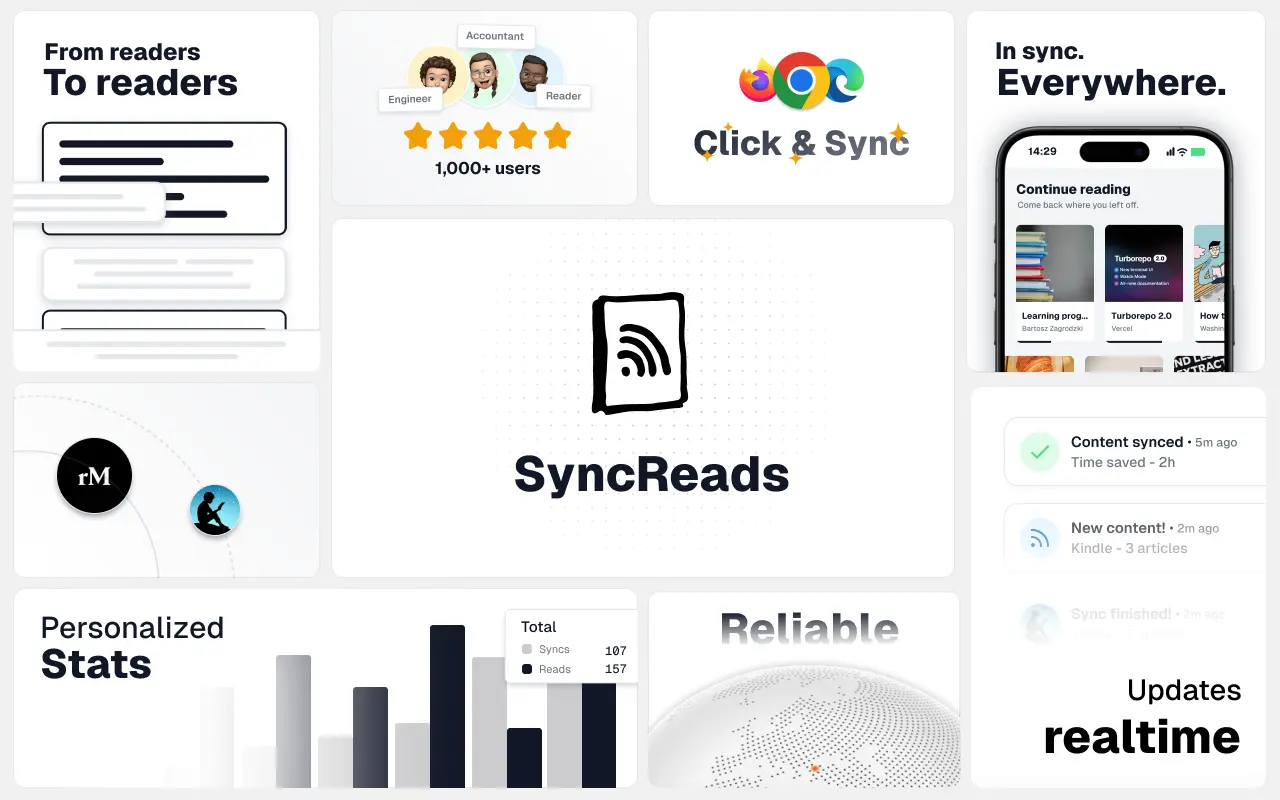
SyncReads
Sync your favorite content for distraction-free reading, save time and replace multiple apps. Anytime, anywhere 🔄
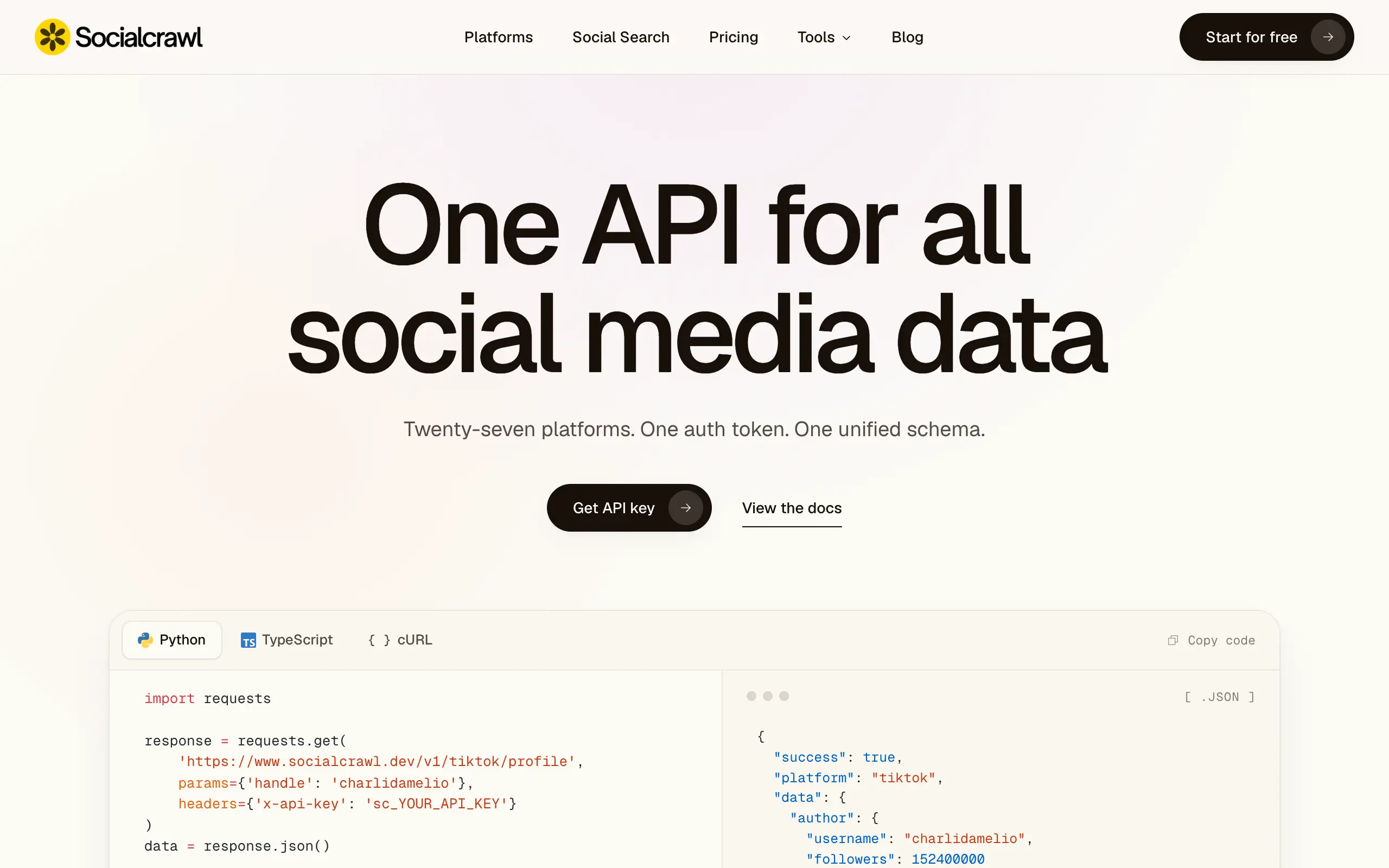
Socialcrawl
Get clean, structured data from 21 platforms like TikTok, Instagram, and YouTube with a single request 📊
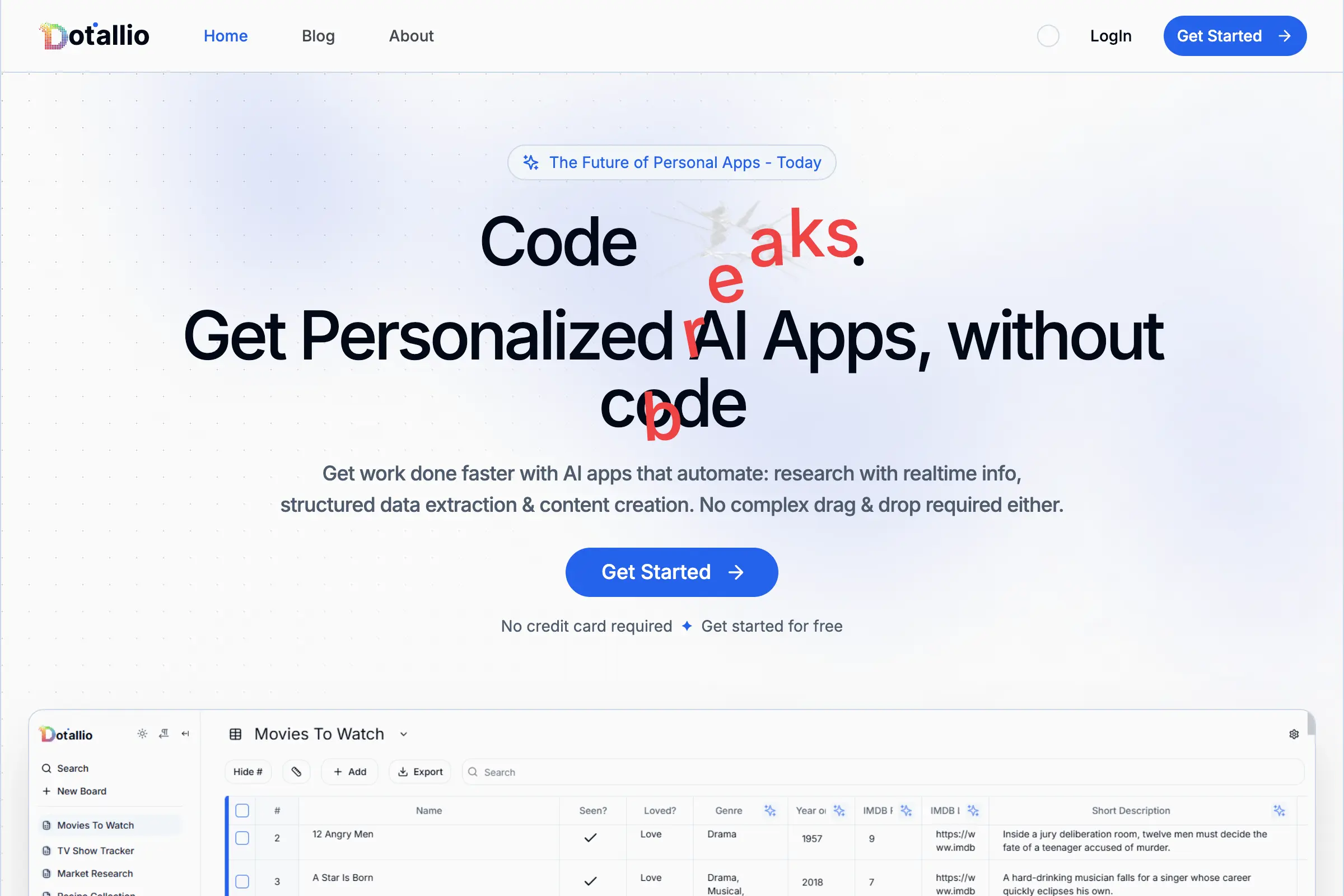
Dotallio
Personalized AI apps that automate research, data extraction, and content creation without code 🤖

Talk to Santa
Enjoy a magical live video chat or receive a unique AI-generated video greeting from Santa Claus 🎅
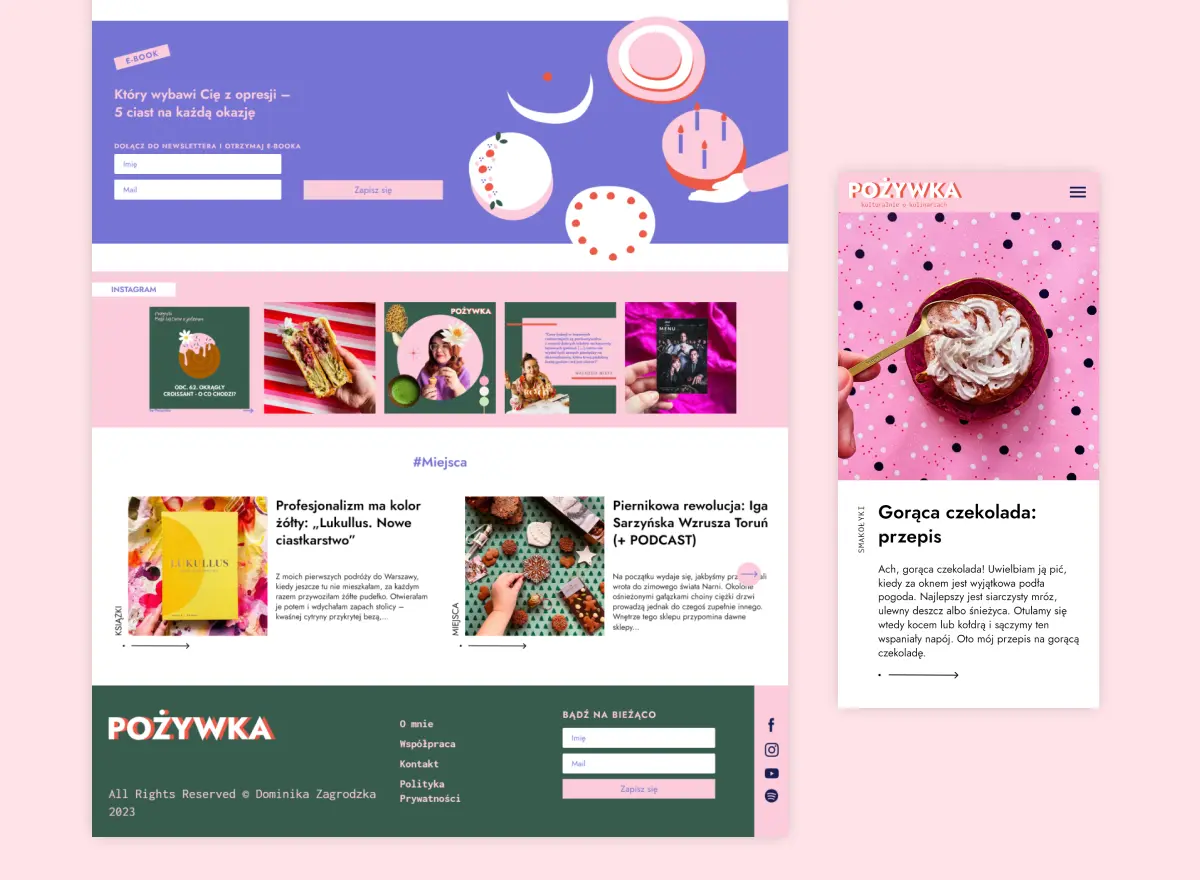
pozywka.pl
Scalable blog for food journalist, focused on performance and user experience 🌭
SyncReads
Sync your favorite content for distraction-free reading, save time and replace multiple apps. Anytime, anywhere 🔄
Socialcrawl
Get clean, structured data from 21 platforms like TikTok, Instagram, and YouTube with a single request 📊
Dotallio
Personalized AI apps that automate research, data extraction, and content creation without code 🤖
Talk to Santa
Enjoy a magical live video chat or receive a unique AI-generated video greeting from Santa Claus 🎅
pozywka.pl
Scalable blog for food journalist, focused on performance and user experience 🌭
SyncReads
Sync your favorite content for distraction-free reading, save time and replace multiple apps. Anytime, anywhere 🔄
Socialcrawl
Get clean, structured data from 21 platforms like TikTok, Instagram, and YouTube with a single request 📊
Dotallio
Personalized AI apps that automate research, data extraction, and content creation without code 🤖
Talk to Santa
Enjoy a magical live video chat or receive a unique AI-generated video greeting from Santa Claus 🎅
pozywka.pl
Scalable blog for food journalist, focused on performance and user experience 🌭
SyncReads
Sync your favorite content for distraction-free reading, save time and replace multiple apps. Anytime, anywhere 🔄
Socialcrawl
Get clean, structured data from 21 platforms like TikTok, Instagram, and YouTube with a single request 📊
Dotallio
Personalized AI apps that automate research, data extraction, and content creation without code 🤖
Talk to Santa
Enjoy a magical live video chat or receive a unique AI-generated video greeting from Santa Claus 🎅
pozywka.pl
Scalable blog for food journalist, focused on performance and user experience 🌭
zagrodzki.me
Personal blog and portfolio of Bart Zagrodzki, where he share his knowledge and work 💼
TurboStarter
Ship your startup everywhere. In minutes.
HTML to Markdown
Convert HTML to Markdown with ease, directly in your browser 📄
Omichat
Chat with 50+ AI models, including ChatGPT and Claude, in one place - switch models anytime without losing context 🤖
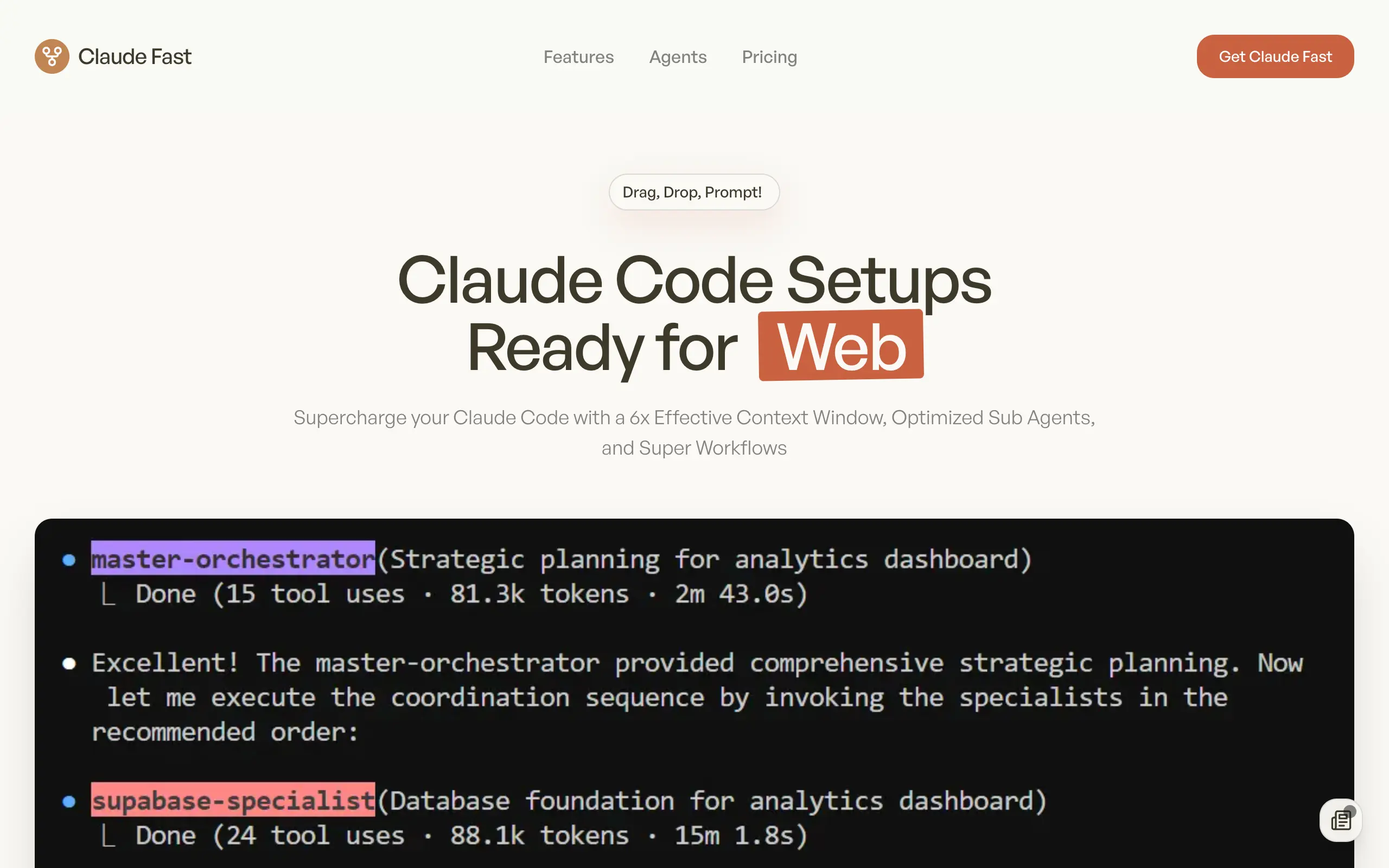
Claude Fast
Supercharge your Claude Code with 6x effective context window and specialized AI agents 🤖
zagrodzki.me
Personal blog and portfolio of Bart Zagrodzki, where he share his knowledge and work 💼
TurboStarter
Ship your startup everywhere. In minutes.
HTML to Markdown
Convert HTML to Markdown with ease, directly in your browser 📄
Omichat
Chat with 50+ AI models, including ChatGPT and Claude, in one place - switch models anytime without losing context 🤖
Claude Fast
Supercharge your Claude Code with 6x effective context window and specialized AI agents 🤖
zagrodzki.me
Personal blog and portfolio of Bart Zagrodzki, where he share his knowledge and work 💼
TurboStarter
Ship your startup everywhere. In minutes.
HTML to Markdown
Convert HTML to Markdown with ease, directly in your browser 📄
Omichat
Chat with 50+ AI models, including ChatGPT and Claude, in one place - switch models anytime without losing context 🤖
Claude Fast
Supercharge your Claude Code with 6x effective context window and specialized AI agents 🤖
zagrodzki.me
Personal blog and portfolio of Bart Zagrodzki, where he share his knowledge and work 💼
TurboStarter
Ship your startup everywhere. In minutes.
HTML to Markdown
Convert HTML to Markdown with ease, directly in your browser 📄
Omichat
Chat with 50+ AI models, including ChatGPT and Claude, in one place - switch models anytime without losing context 🤖
Claude Fast
Supercharge your Claude Code with 6x effective context window and specialized AI agents 🤖
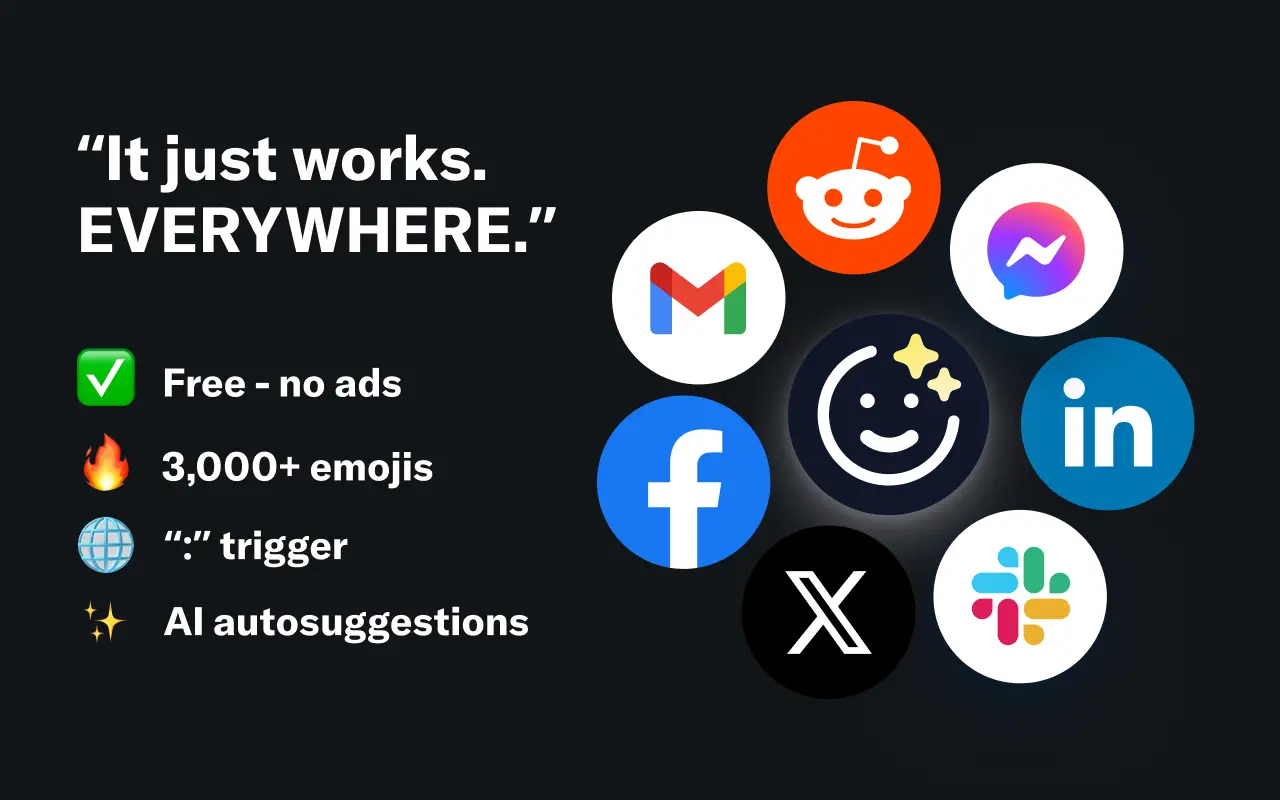
EmojAI
AI-powered emoji picker with smart, context-aware suggestions 🤖
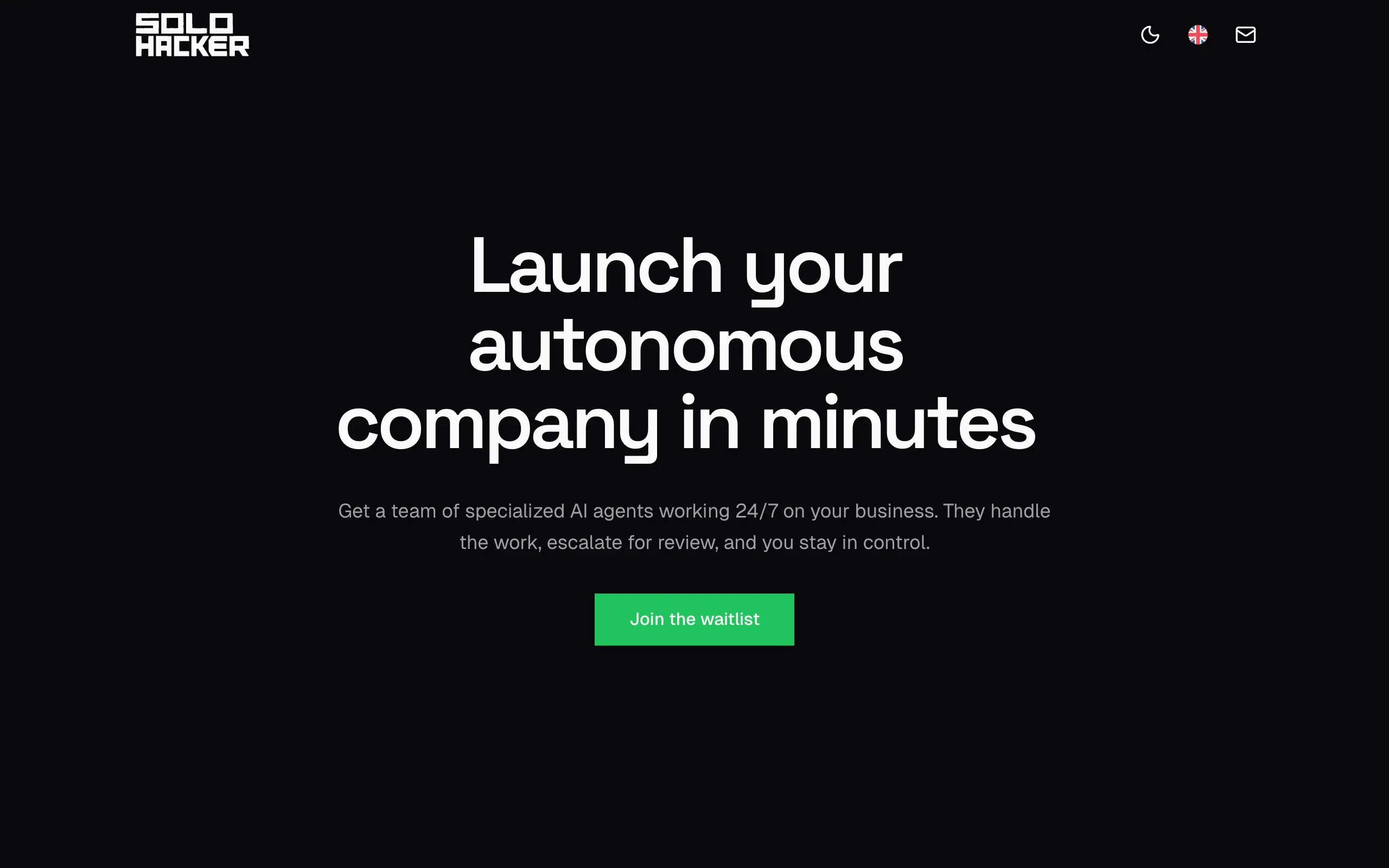
Solohacker
Autonomous company launcher—AI agents work 24/7, escalate what matters, and you stay in control 🤖
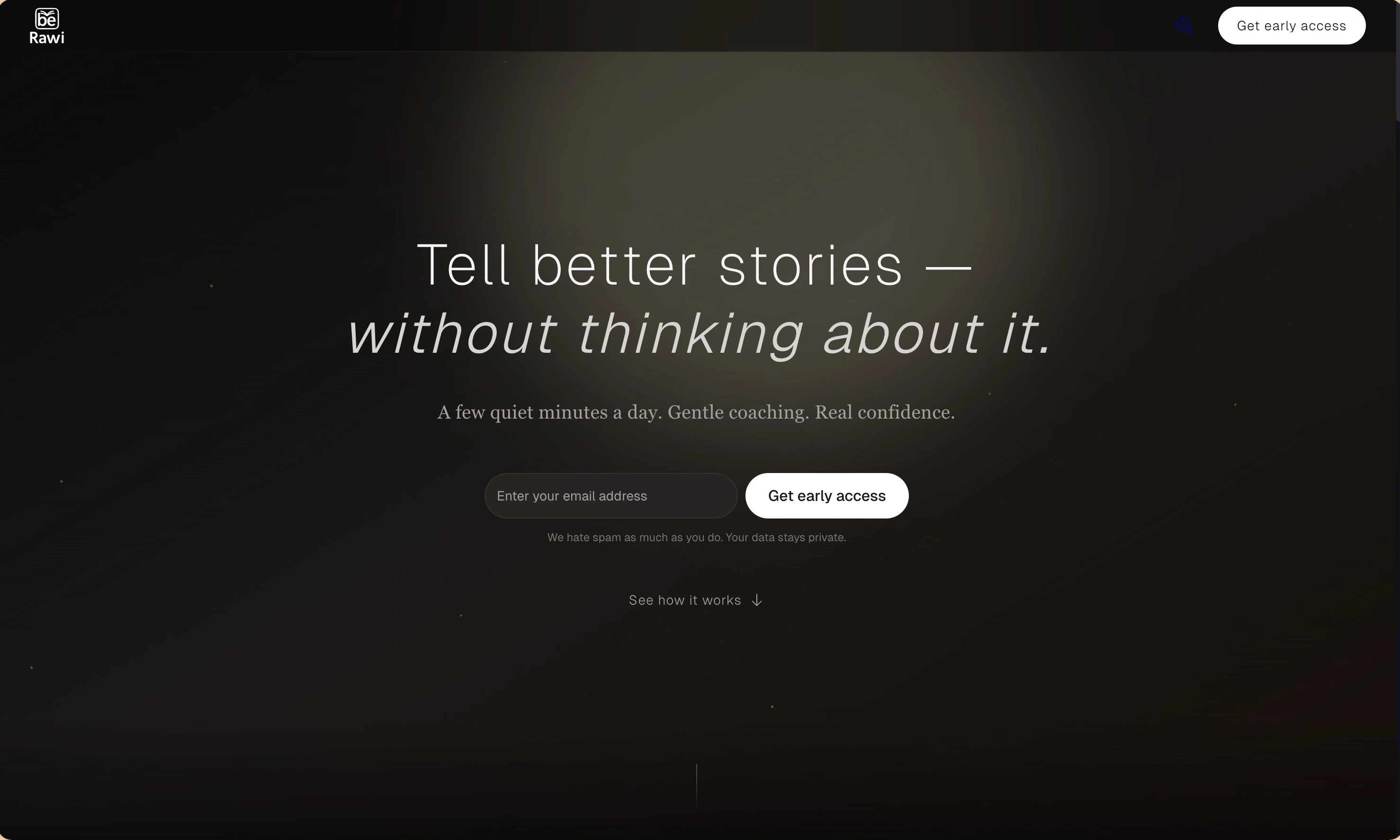
BeRawi: Storytelling Coach
Practice storytelling daily with instant feedback to sound clearer, more engaging, and confident 🎤
EmojAI
AI-powered emoji picker with smart, context-aware suggestions 🤖
Solohacker
Autonomous company launcher—AI agents work 24/7, escalate what matters, and you stay in control 🤖
BeRawi: Storytelling Coach
Practice storytelling daily with instant feedback to sound clearer, more engaging, and confident 🎤
EmojAI
AI-powered emoji picker with smart, context-aware suggestions 🤖
Solohacker
Autonomous company launcher—AI agents work 24/7, escalate what matters, and you stay in control 🤖
BeRawi: Storytelling Coach
Practice storytelling daily with instant feedback to sound clearer, more engaging, and confident 🎤
EmojAI
AI-powered emoji picker with smart, context-aware suggestions 🤖
Solohacker
Autonomous company launcher—AI agents work 24/7, escalate what matters, and you stay in control 🤖
BeRawi: Storytelling Coach
Practice storytelling daily with instant feedback to sound clearer, more engaging, and confident 🎤

Connect with like-minded people
Join our community to get feedback, support, and grow together with 600+ builders on board, let's ship it!
Join usShip your startup everywhere. In minutes.
Skip the complex setups and start building features on day one.