Model2App
Turn AI models into production-ready apps with generated backend, frontend, and API code, plus guided video courses for each stack.
Turning AI models into production-ready applications: why this problem matters now
The rapid acceleration of AI capabilities has created a paradox. On one hand, models have never been more powerful or accessible. On the other, the gap between building an AI model and shipping a real, scalable application has never been wider. Many teams can train or fine-tune models, but far fewer can confidently deploy them into secure, maintainable, production-grade software.
This is exactly the problem Model2App is designed to solve.
Model2App is an AI SaaS platform that transforms trained AI models into full production-ready applications, complete with backend services, frontend interfaces, APIs, and guided video courses tailored to each technology stack. The primary keyword for this article—AI model to app platform—captures the core intent: helping founders, developers, and teams move from experimentation to real-world deployment.
This guide is written for readers searching for:
- How to turn AI models into real applications
- Best platforms to deploy AI models as SaaS products
- AI app generation tools with backend and frontend code
- Productionizing machine learning models efficiently
Throughout this article, we’ll break down the market opportunity, target users, core features, technical architecture, monetization strategies, and competitive advantages of Model2App—while providing actionable steps to implement or validate the idea.
Who Model2App is built for: target audience analysis
Understanding the target audience is critical to both product success and SEO alignment. Model2App sits at the intersection of AI, software engineering, and education.
Primary user segments
1. Indie hackers and solo founders
These users often:
- Build or fine-tune AI models using existing APIs or open-source frameworks
- Struggle with backend architecture, authentication, and deployment
- Want to ship fast without hiring a full engineering team
Core pain point: They can build a model, but not a full app.
2. Startup teams and early-stage companies
These teams typically:
- Have technical founders but limited bandwidth
- Need to validate AI-driven products quickly
- Care deeply about maintainability and scalability
Core pain point: Too much time spent on infrastructure instead of product-market fit.
3. ML engineers transitioning to product roles
Many ML engineers:
- Excel at training models
- Lack experience in frontend frameworks or DevOps
- Want to showcase end-to-end AI products
Core pain point: Missing product engineering skills limit career growth.
4. Educators and learners
This includes:
- Bootcamp students
- University researchers
- Self-taught AI developers
Core pain point: Tutorials explain models, not real-world deployment.
High intent audience
Users searching for ways to deploy AI models already have a problem they are actively trying to solve.
Strong willingness to pay
Saving weeks or months of development time makes Model2App an easy ROI decision.
Growing market
AI adoption continues to expand across startups, enterprises, and education.
Market opportunity: the gap between AI demos and real products
The current landscape
Most AI tooling today focuses on one of three areas:
- Model training and experimentation (e.g., notebooks, AutoML tools)
- Inference APIs (hosted models or endpoints)
- Low-code app builders (often generic and not AI-native)
What’s missing is a full-stack AI application generation layer that bridges these worlds.
Why this gap exists
-
AI tooling evolved faster than software tooling
Many AI tools prioritize research velocity over production readiness. -
Deployment is inherently complex Production AI apps require:
- Backend services
- Authentication and authorization
- Scalable APIs
- Frontend UX
- Monitoring and logging
-
Education is fragmented Developers often learn:
- ML in isolation
- Web development separately
- DevOps last (or never)
Model2App directly addresses all three problems by combining code generation with guided learning.
What Model2App actually does: core features explained
1. AI model to app code generation
At its core, Model2App converts an existing AI model into a working application stack.
Generated components typically include:
- Backend service (model inference, routing, business logic)
- REST or GraphQL API
- Frontend application (dashboard, input forms, results view)
- Authentication and environment configuration
This approach aligns strongly with the search intent behind queries like “how to deploy AI models as apps”.
2. Stack-specific output (not generic boilerplate)
Instead of one-size-fits-all templates, Model2App supports multiple technology stacks, each with tailored best practices.
Example stacks:
- React + Node.js
- Next.js + API routes
- Python FastAPI backends
- Modern CSS frameworks
This is critical for trust and adoption. Developers want code they can understand, extend, and maintain.
3. Guided video courses per stack
One of Model2App’s most defensible features is education layered on top of automation.
Each generated app comes with:
- Stack-specific walkthrough videos
- Architecture explanations
- Deployment guides
- Best practices and pitfalls
Why this matters
Code generation alone creates dependency. Education creates confidence, retention, and long-term users.
4. Production-minded defaults
Unlike many AI app builders, Model2App is designed with production in mind:
- Clear folder structures
- Environment variable handling
- API documentation
- Separation of concerns
This directly supports E-E-A-T by signaling engineering maturity.
Competitive landscape: how Model2App compares
To understand the competitive advantage, let’s compare Model2App against common alternatives.
| Feature | No-code builders | AI notebooks | Generic templates | Model2App | Custom dev teams |
|---|---|---|---|---|---|
| Production-ready code | ❌ | ❌ | ✅ | ✅ | ✅ |
| AI-first architecture | ❌ | ✅ | ❌ | ✅ | ✅ |
| Learning resources included | ❌ | ❌ | ❌ | ✅ | ❌ |
| Speed to market | ✅ | ❌ | ✅ | ✅ | ❌ |
Key differentiator
Model2App uniquely combines:
- Automated full-stack generation
- AI-native architecture
- Stack-specific education
This trifecta is difficult to replicate and creates strong defensibility.
Recommended tech stack and architectural considerations
While Model2App is stack-agnostic at the product level, recommending proven technologies builds trust.
Frontend
- React for component-driven UI
- Next.js for routing and SSR
- TailwindCSS for rapid styling
Trade-off:
Tailwind increases speed but requires familiarity with utility-first CSS.
Backend
- Node.js or Python-based services
- FastAPI for Python inference APIs
- REST-first architecture for simplicity
Trade-off:
Node excels at real-time workloads; Python shines for ML-heavy pipelines.
Deployment and infrastructure
- Containerized services (Docker)
- Environment-based configuration
- Scalable API patterns
Model2App doesn’t replace DevOps—but it dramatically lowers the barrier to entry.
Monetization strategies for Model2App
A strong SaaS idea needs flexible revenue streams.
1. Subscription-based pricing
Offer tiers such as:
- Free (limited models or stacks)
- Pro (full code generation)
- Team (collaboration and advanced stacks)
This aligns well with recurring developer usage.
2. Pay-per-project or export
Some users prefer:
- One-time payment per generated app
- Downloadable code bundles
This works especially well for indie hackers.
3. Education upsells
The guided video courses unlock additional value:
- Advanced deployment modules
- Enterprise architecture patterns
- Security best practices
4. Enterprise licensing
For companies deploying multiple internal AI tools:
- Custom stacks
- Dedicated support
- On-prem or private cloud options
Risks and how to mitigate them
Risk 1: Generated code quality concerns
Mitigation:
- Transparent architecture
- Editable, human-readable code
- Clear documentation
Risk 2: Over-reliance on automation
Mitigation:
- Emphasize education
- Teach users how the code works
- Encourage customization
Risk 3: Rapidly changing AI ecosystem
Mitigation:
- Modular code generation
- Frequent stack updates
- Community feedback loops
Yes, provided the platform offers customizable stacks, security best practices, and deployment flexibility.
No. Model2App accelerates engineers and empowers non-experts—it doesn’t eliminate the need for technical judgment.
Implementation roadmap: how to bring Model2App to life
This phased approach reduces risk while building authority and trust.
Why Model2App is a strong SaaS opportunity
Model2App succeeds because it:
- Aligns perfectly with real user pain
- Targets a fast-growing AI deployment market
- Combines automation with education
- Produces tangible, production-ready output
For founders exploring AI SaaS ideas, this concept pairs exceptionally well with proven launch frameworks like TurboStarter, which can accelerate go-to-market execution.
Final thoughts: from model to meaningful product
The future of AI isn’t in better demos—it’s in better products. Tools like Model2App empower developers and founders to move beyond experimentation and into real-world impact.
By solving the hardest part of AI adoption—production deployment—Model2App positions itself as an essential layer in the modern AI stack.
If you’re serious about turning AI models into real applications, this is exactly the kind of platform the market is ready for.
More 🤖 AI Startup SaaS ideas
Discover more innovative ai startup SaaS ideas that are trending in 2026. Each idea is AI-generated with market validation and growth potential to help you find your next profitable venture faster than competitors.
Your competitors are building with TurboStarter
Below are some of the SaaS ideas that have been generated and built with our starter kit.
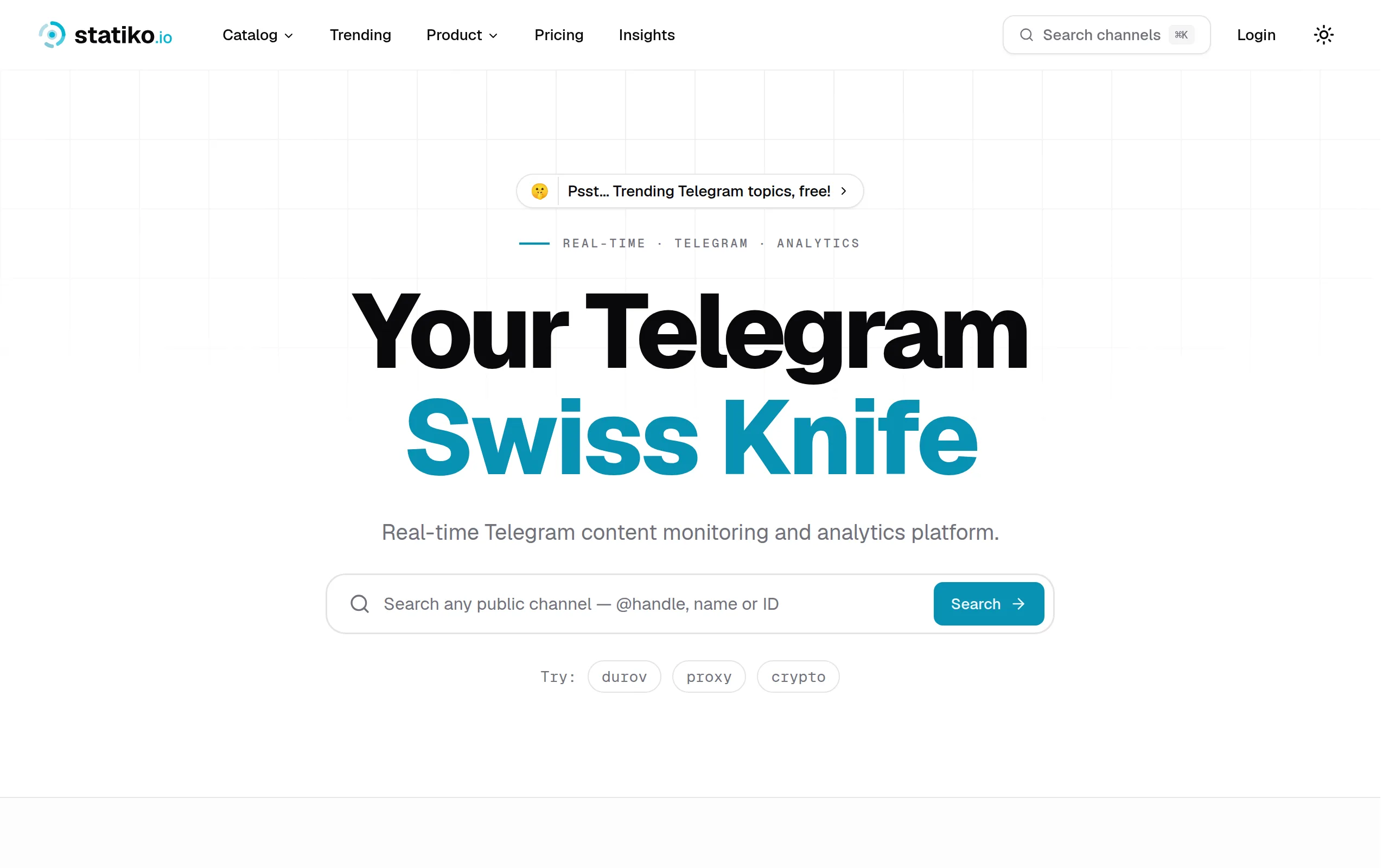
Statiko
Monitor any Telegram channel in real time - track posts, edits, deletions, and growth with AI recaps 📡

Shibui
AI website builder - describe your business, pick a niche template, edit by chatting, and publish instantly ✨

Pro Service
Find verified home service professionals, compare quotes, and pay securely through escrow - built for Brazilians across the US 🏠
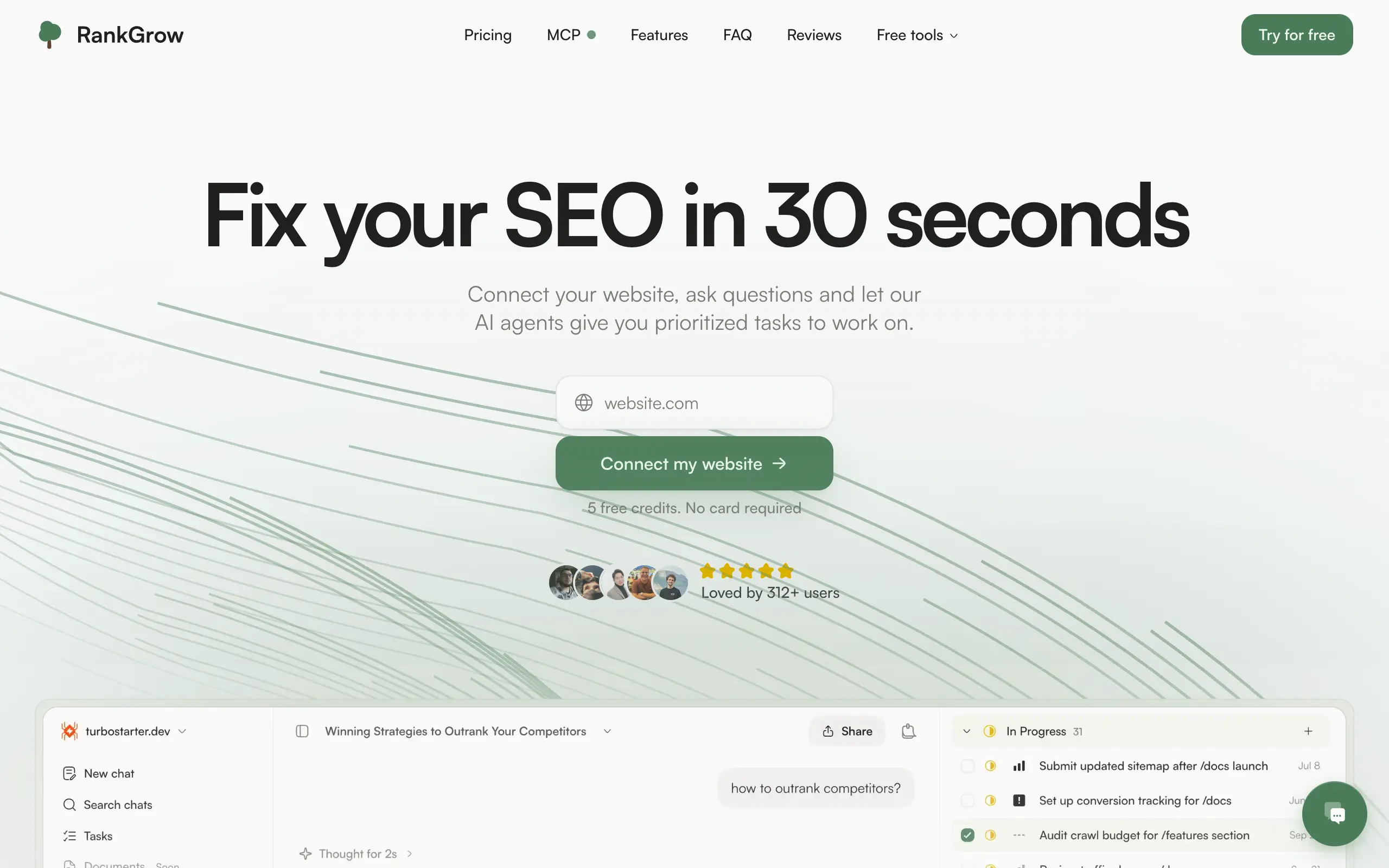
RankGrow
Fix your SEO with AI agents - connect Search Console, get prioritized tasks, and grow organic traffic 📈
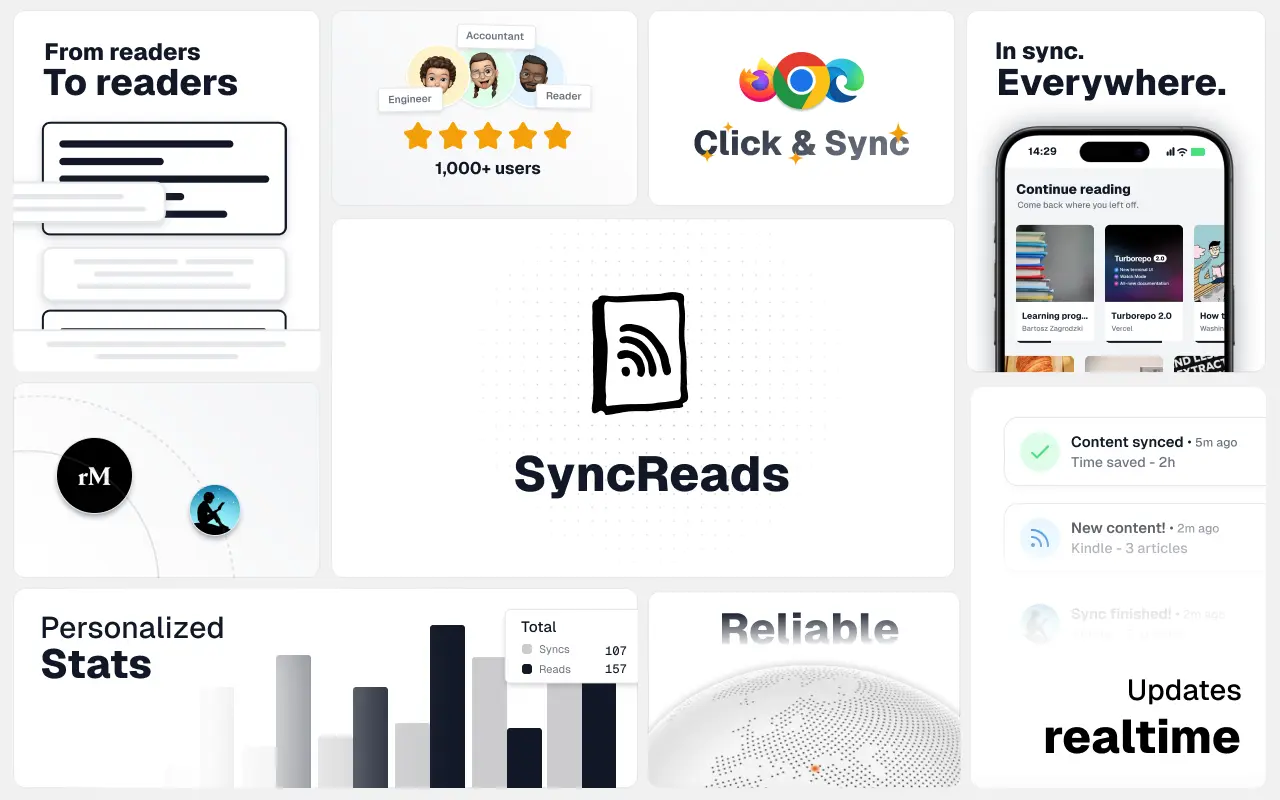
SyncReads
Sync your favorite content for distraction-free reading, save time and replace multiple apps. Anytime, anywhere 🔄
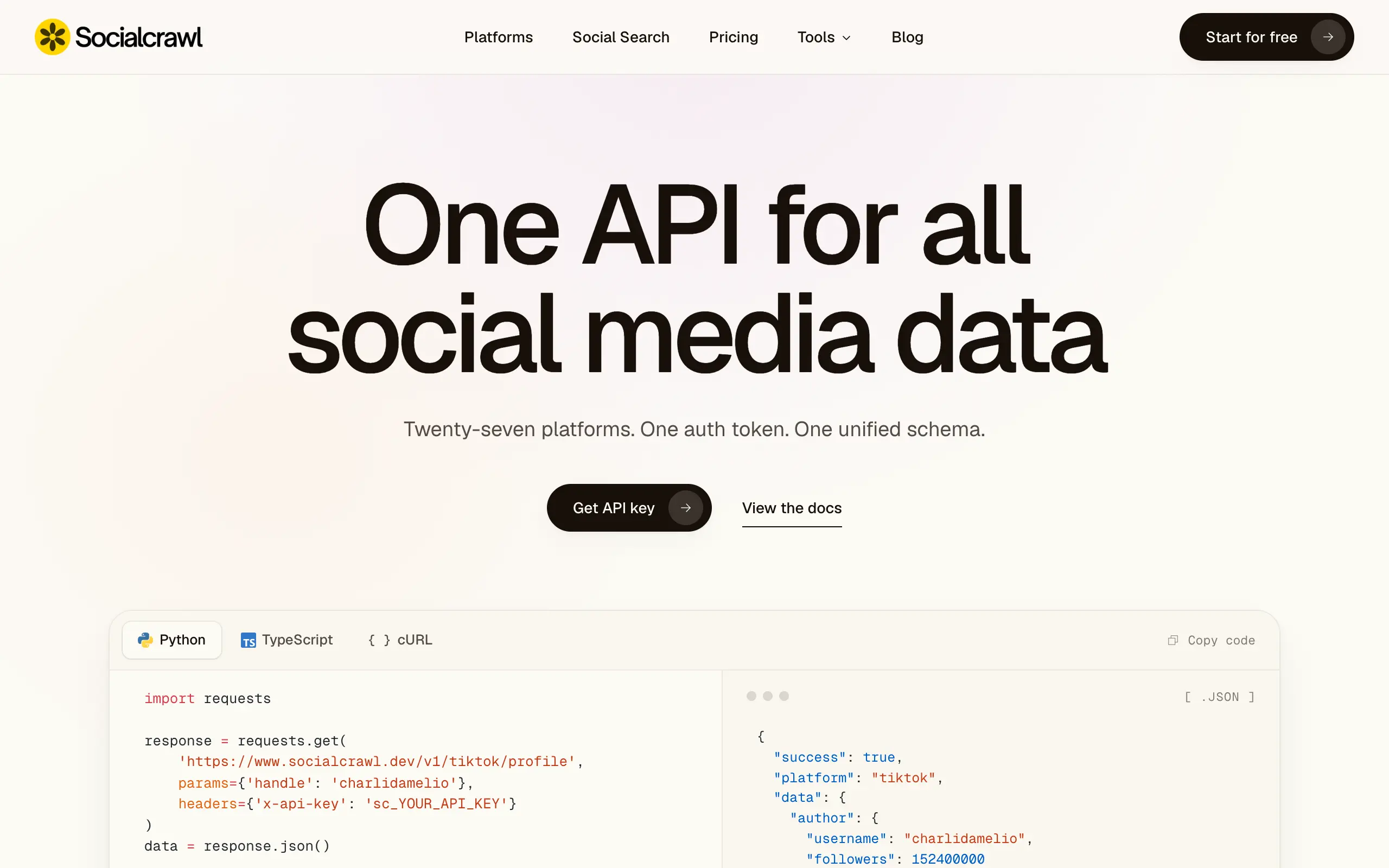
Socialcrawl
Get clean, structured data from 21 platforms like TikTok, Instagram, and YouTube with a single request 📊
Statiko
Monitor any Telegram channel in real time - track posts, edits, deletions, and growth with AI recaps 📡
Shibui
AI website builder - describe your business, pick a niche template, edit by chatting, and publish instantly ✨
Pro Service
Find verified home service professionals, compare quotes, and pay securely through escrow - built for Brazilians across the US 🏠
RankGrow
Fix your SEO with AI agents - connect Search Console, get prioritized tasks, and grow organic traffic 📈
SyncReads
Sync your favorite content for distraction-free reading, save time and replace multiple apps. Anytime, anywhere 🔄
Socialcrawl
Get clean, structured data from 21 platforms like TikTok, Instagram, and YouTube with a single request 📊
Statiko
Monitor any Telegram channel in real time - track posts, edits, deletions, and growth with AI recaps 📡
Shibui
AI website builder - describe your business, pick a niche template, edit by chatting, and publish instantly ✨
Pro Service
Find verified home service professionals, compare quotes, and pay securely through escrow - built for Brazilians across the US 🏠
RankGrow
Fix your SEO with AI agents - connect Search Console, get prioritized tasks, and grow organic traffic 📈
SyncReads
Sync your favorite content for distraction-free reading, save time and replace multiple apps. Anytime, anywhere 🔄
Socialcrawl
Get clean, structured data from 21 platforms like TikTok, Instagram, and YouTube with a single request 📊
Statiko
Monitor any Telegram channel in real time - track posts, edits, deletions, and growth with AI recaps 📡
Shibui
AI website builder - describe your business, pick a niche template, edit by chatting, and publish instantly ✨
Pro Service
Find verified home service professionals, compare quotes, and pay securely through escrow - built for Brazilians across the US 🏠
RankGrow
Fix your SEO with AI agents - connect Search Console, get prioritized tasks, and grow organic traffic 📈
SyncReads
Sync your favorite content for distraction-free reading, save time and replace multiple apps. Anytime, anywhere 🔄
Socialcrawl
Get clean, structured data from 21 platforms like TikTok, Instagram, and YouTube with a single request 📊
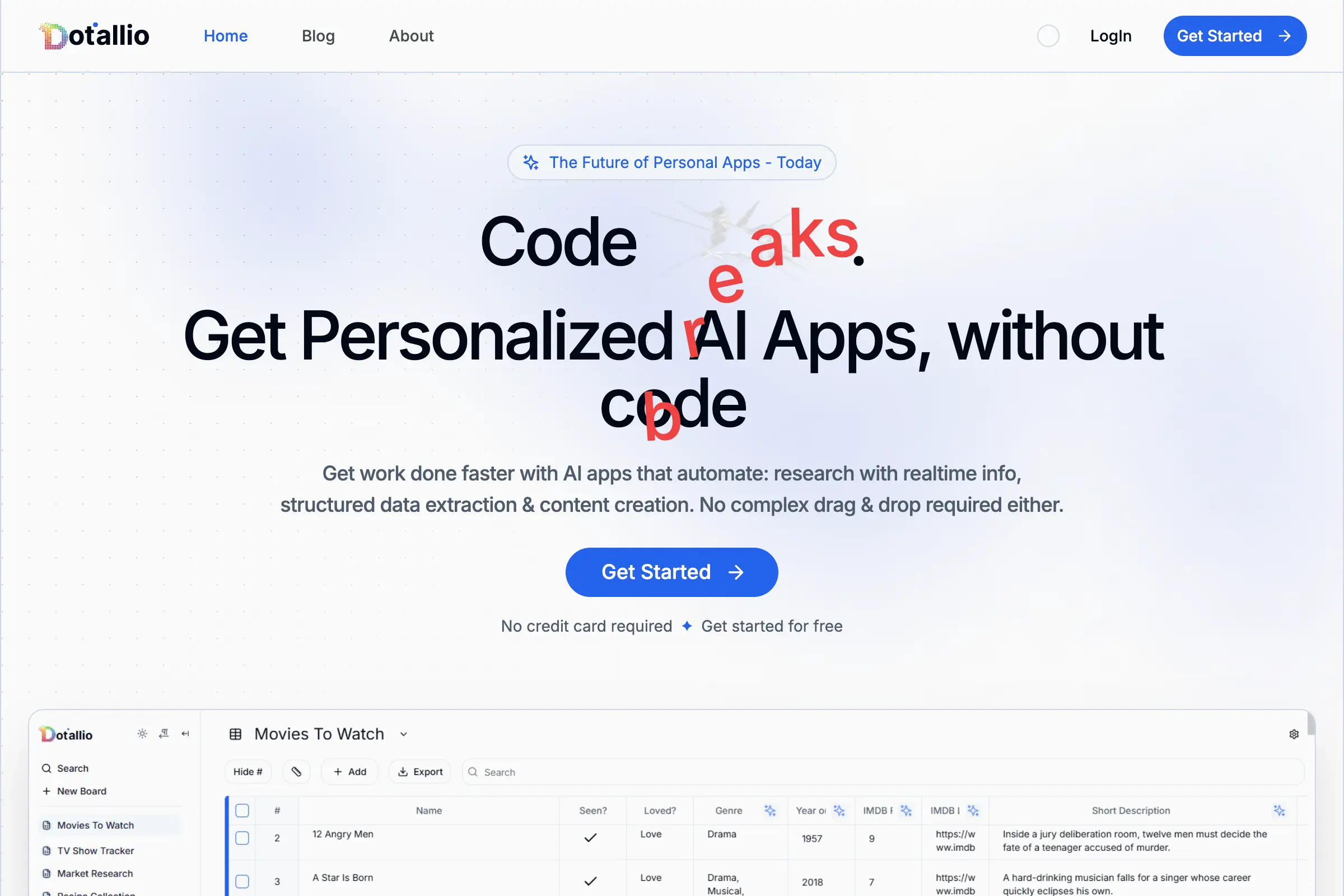
Dotallio
Personalized AI apps that automate research, data extraction, and content creation without code 🤖

Talk to Santa
Enjoy a magical live video chat or receive a unique AI-generated video greeting from Santa Claus 🎅

pozywka.pl
Scalable blog for food journalist, focused on performance and user experience 🌭
zagrodzki.me
Personal blog and portfolio of Bart Zagrodzki, where he shares his knowledge and work 💼
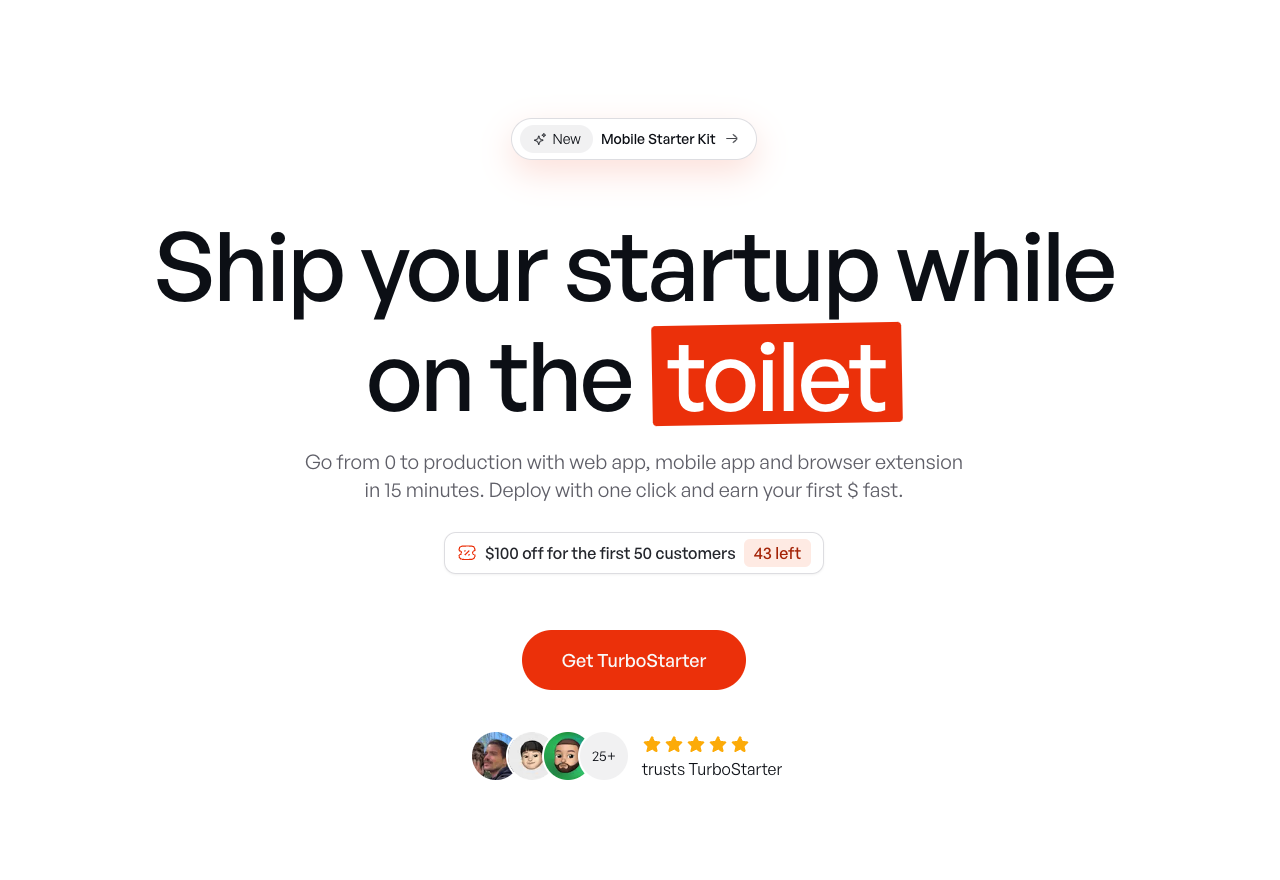
TurboStarter
Ship your startup everywhere. In minutes.
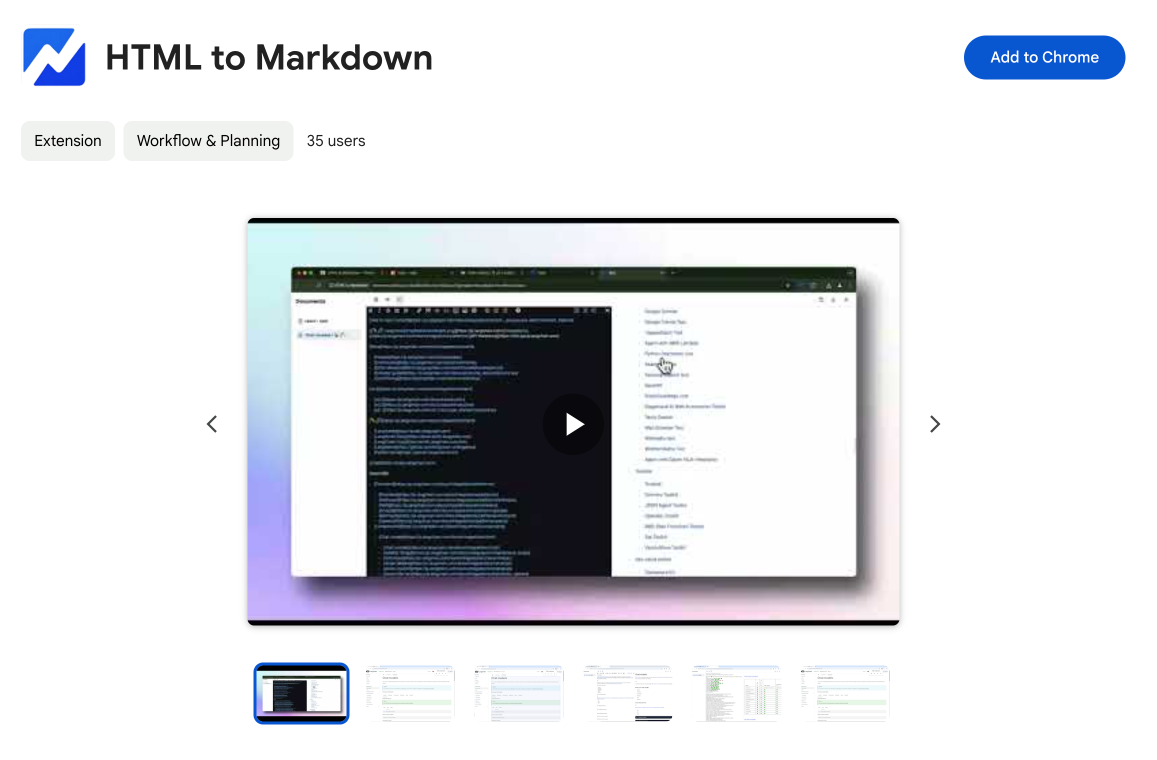
HTML to Markdown
Convert HTML to Markdown with ease, directly in your browser 📄
Dotallio
Personalized AI apps that automate research, data extraction, and content creation without code 🤖
Talk to Santa
Enjoy a magical live video chat or receive a unique AI-generated video greeting from Santa Claus 🎅
pozywka.pl
Scalable blog for food journalist, focused on performance and user experience 🌭
zagrodzki.me
Personal blog and portfolio of Bart Zagrodzki, where he shares his knowledge and work 💼
TurboStarter
Ship your startup everywhere. In minutes.
HTML to Markdown
Convert HTML to Markdown with ease, directly in your browser 📄
Dotallio
Personalized AI apps that automate research, data extraction, and content creation without code 🤖
Talk to Santa
Enjoy a magical live video chat or receive a unique AI-generated video greeting from Santa Claus 🎅
pozywka.pl
Scalable blog for food journalist, focused on performance and user experience 🌭
zagrodzki.me
Personal blog and portfolio of Bart Zagrodzki, where he shares his knowledge and work 💼
TurboStarter
Ship your startup everywhere. In minutes.
HTML to Markdown
Convert HTML to Markdown with ease, directly in your browser 📄
Dotallio
Personalized AI apps that automate research, data extraction, and content creation without code 🤖
Talk to Santa
Enjoy a magical live video chat or receive a unique AI-generated video greeting from Santa Claus 🎅
pozywka.pl
Scalable blog for food journalist, focused on performance and user experience 🌭
zagrodzki.me
Personal blog and portfolio of Bart Zagrodzki, where he shares his knowledge and work 💼
TurboStarter
Ship your startup everywhere. In minutes.
HTML to Markdown
Convert HTML to Markdown with ease, directly in your browser 📄
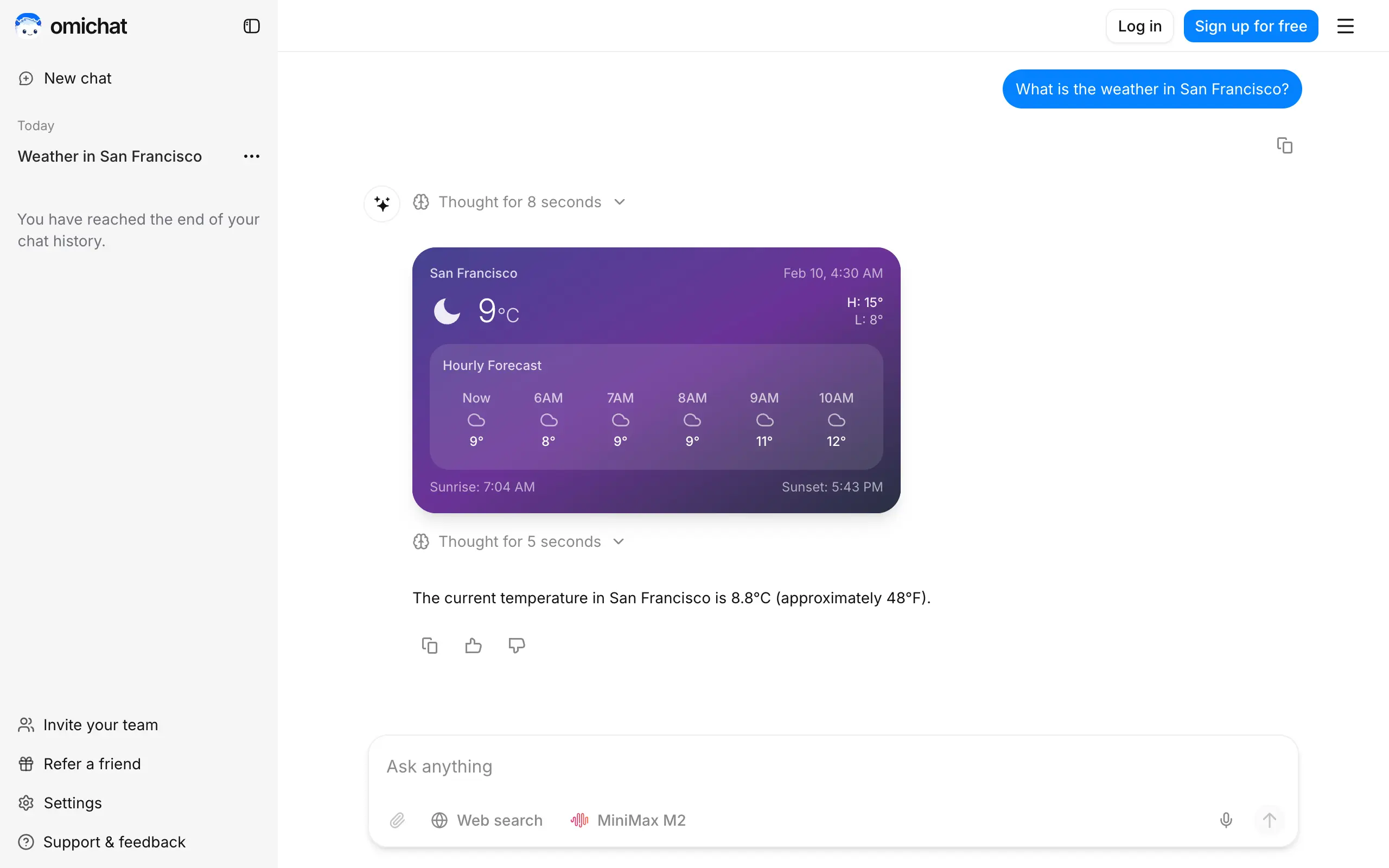
Omichat
Chat with 50+ AI models, including ChatGPT and Claude, in one place - switch models anytime without losing context 🤖
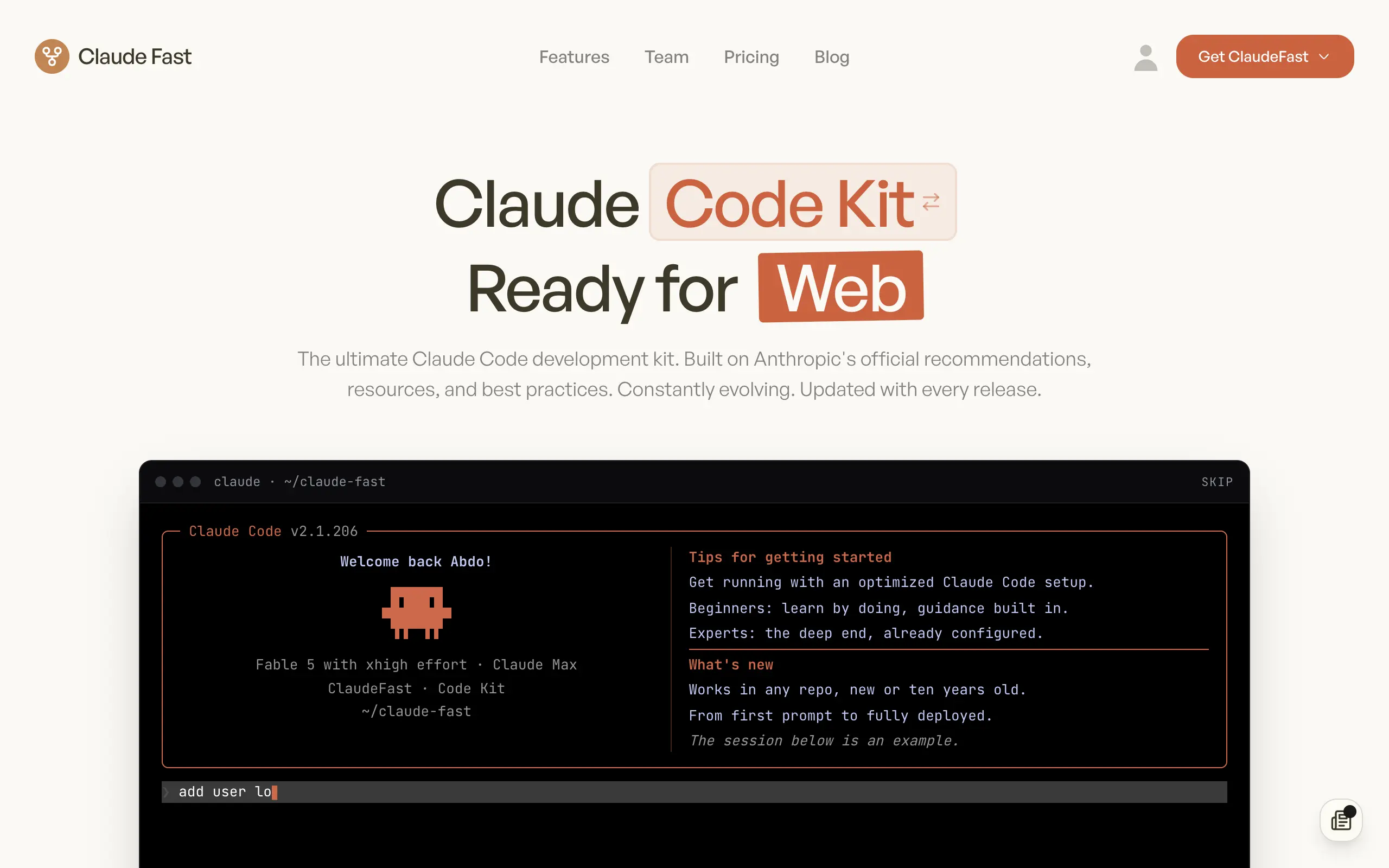
Claude Fast
Supercharge your Claude Code with 6x effective context window and specialized AI agents 🤖
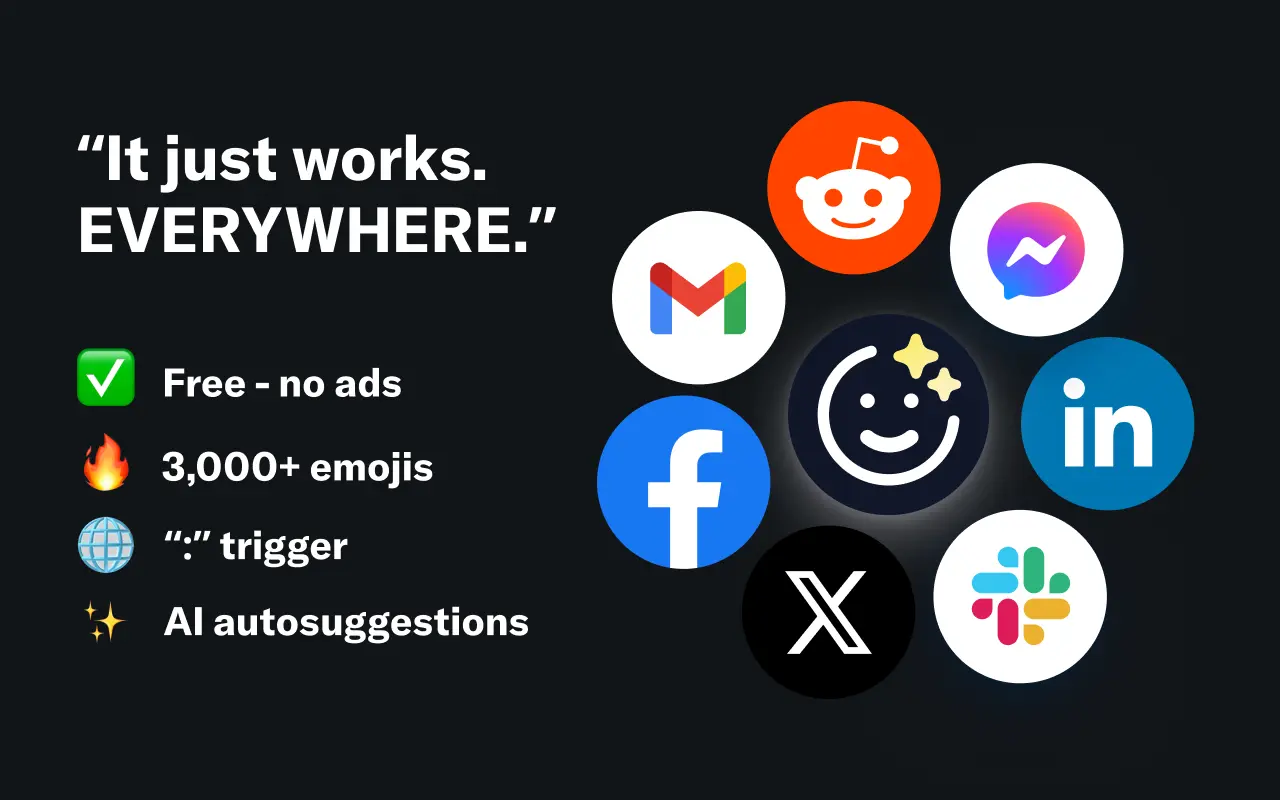
EmojAI
AI-powered emoji picker with smart, context-aware suggestions 🤖
Solohacker
Autonomous company launcher - AI agents work 24/7, escalate what matters, and you stay in control 🤖
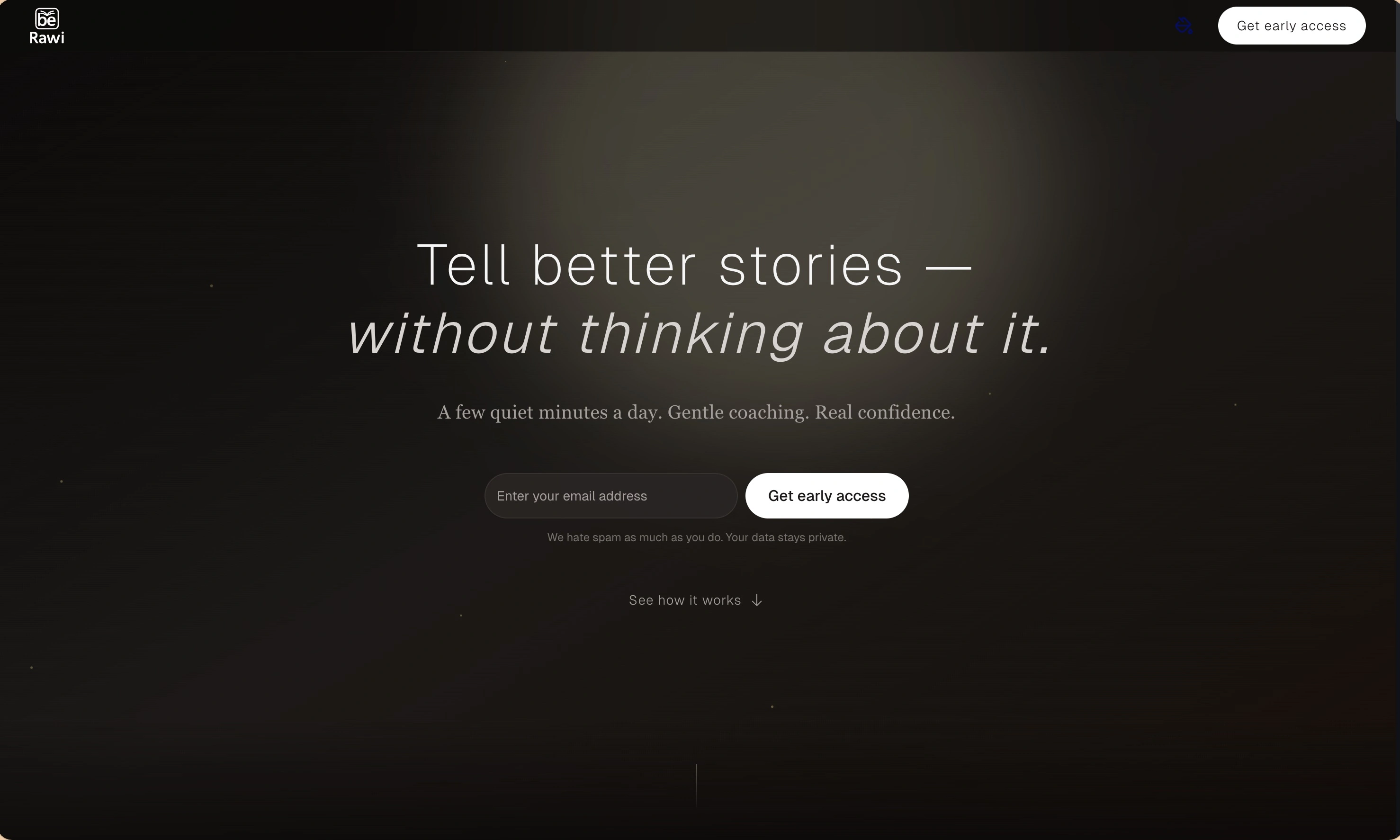
BeRawi: Storytelling Coach
Practice storytelling daily with instant feedback to sound clearer, more engaging, and confident 🎤
Omichat
Chat with 50+ AI models, including ChatGPT and Claude, in one place - switch models anytime without losing context 🤖
Claude Fast
Supercharge your Claude Code with 6x effective context window and specialized AI agents 🤖
EmojAI
AI-powered emoji picker with smart, context-aware suggestions 🤖
Solohacker
Autonomous company launcher - AI agents work 24/7, escalate what matters, and you stay in control 🤖
BeRawi: Storytelling Coach
Practice storytelling daily with instant feedback to sound clearer, more engaging, and confident 🎤
Omichat
Chat with 50+ AI models, including ChatGPT and Claude, in one place - switch models anytime without losing context 🤖
Claude Fast
Supercharge your Claude Code with 6x effective context window and specialized AI agents 🤖
EmojAI
AI-powered emoji picker with smart, context-aware suggestions 🤖
Solohacker
Autonomous company launcher - AI agents work 24/7, escalate what matters, and you stay in control 🤖
BeRawi: Storytelling Coach
Practice storytelling daily with instant feedback to sound clearer, more engaging, and confident 🎤
Omichat
Chat with 50+ AI models, including ChatGPT and Claude, in one place - switch models anytime without losing context 🤖
Claude Fast
Supercharge your Claude Code with 6x effective context window and specialized AI agents 🤖
EmojAI
AI-powered emoji picker with smart, context-aware suggestions 🤖
Solohacker
Autonomous company launcher - AI agents work 24/7, escalate what matters, and you stay in control 🤖
BeRawi: Storytelling Coach
Practice storytelling daily with instant feedback to sound clearer, more engaging, and confident 🎤

Connect with like-minded people
Join our community to get feedback, support, and grow together with 1,000+ builders on board, let's ship it!
Join usShip your startup everywhere. In minutes.
Don't burn tokens on setup and start building features on day one.