ModelForge
Turn raw thoughts into structured mental models instantly. ModelForge helps creators clarify thinking, spot blind spots, and expand ideas with AI guidance.
Why structured thinking is the ultimate competitive advantage
In a world saturated with information, the real differentiator isn’t access to knowledge — it’s clarity of thought. Founders, creators, researchers, and operators are constantly generating ideas. But raw ideas are messy. They’re fragmented, biased, and often incomplete.
This is where an AI mental model tool like ModelForge becomes transformative.
ModelForge turns raw thoughts into structured mental models instantly. Instead of staring at a blank page or juggling half-formed insights in your head, you can:
- Clarify assumptions
- Surface hidden blind spots
- Expand reasoning paths
- Strengthen decision-making
- Transform vague ideas into structured frameworks
This article explores the full business, product, and technical opportunity behind ModelForge — including target audience, market gap, core features, tech stack, monetization strategy, competitive advantage, and implementation roadmap.
The growing demand for AI-powered thinking tools
The AI productivity space is exploding. Tools like ChatGPT, Notion AI, and Perplexity have proven that professionals are willing to use AI for thinking assistance — not just automation.
But here’s the gap:
Most AI tools generate content.
Very few structure thinking.
There is a significant difference between:
- “Write a blog post about X”
- “Help me structure my thinking around X”
Structured thinking tools sit at the intersection of:
- AI assistants
- Knowledge management systems
- Mental model frameworks
- Decision-support tools
As knowledge work becomes more complex, professionals need tools that help them:
- Navigate uncertainty
- Reduce cognitive bias
- Analyze trade-offs
- Model second-order consequences
- Think in systems, not fragments
ModelForge directly addresses this demand by acting as an AI-powered cognitive scaffold.
Understanding the target audience
To build a successful AI SaaS like ModelForge, clarity about the ideal customer profile (ICP) is critical.
Primary audience segments
1. Founders and startup operators
They constantly face:
- High-stakes decisions
- Incomplete information
- Strategic ambiguity
- Resource constraints
Use cases:
- Business model analysis
- Risk mapping
- Market expansion planning
- Pricing strategy evaluation
- Investor pitch refinement
2. Creators and thought leaders
Creators struggle with:
- Idea expansion
- Content structure
- Intellectual clarity
- Differentiation
Use cases:
- Newsletter topic modeling
- Framework building
- Book outlining
- Argument stress-testing
- Thought experiment simulation
3. Product managers and strategists
PMs live in trade-offs.
Use cases:
- Feature prioritization models
- Stakeholder impact mapping
- Risk vs reward frameworks
- Competitive positioning analysis
4. Researchers and students
They need:
- Logical structure
- Argument clarity
- Hypothesis validation
- Concept mapping
The market gap ModelForge fills
Most AI tools focus on output generation.
Few focus on structured reasoning.
Let’s examine the competitive landscape.
| Capability | ChatGPT | Notion AI | Mind Mapping Tools | ModelForge |
|---|---|---|---|---|
| Idea expansion | ✅ | ✅ | ❌ | ✅ |
| Mental model structuring | ⚠️ Basic | ❌ | ❌ | ✅ Core feature |
| Blind spot detection | ⚠️ Prompt dependent | ❌ | ❌ | ✅ Automated |
| Decision trade-off modeling | ⚠️ Manual | ❌ | ❌ | ✅ Structured flow |
The key insight
General AI tools respond to prompts.
ModelForge guides thinking.
This positioning transforms it from “another AI tool” into a cognitive infrastructure platform.
Core product vision: AI-guided mental model generation
ModelForge’s core functionality should revolve around structured reasoning frameworks.
1. Instant mental model builder
User inputs:
“I’m considering launching a niche SaaS for local gyms. Not sure if it’s viable.”
ModelForge outputs:
- Market forces analysis
- Competitive landscape model
- Cost structure framework
- Risk map
- Assumption breakdown
- Potential second-order effects
All structured visually and logically.
2. Blind spot detection engine
This is where ModelForge can differentiate strongly.
AI can:
- Identify hidden assumptions
- Flag cognitive biases
- Suggest counterarguments
- Simulate alternative viewpoints
Example:
Blind spot example
User assumes local gyms are tech-averse.
ModelForge highlights: “Recent industry surveys show increasing SaaS adoption among small fitness businesses. Consider verifying this assumption.”
3. Multi-model thinking expansion
Users can apply known mental models:
- First principles thinking
- Second-order consequences
- Inversion
- Systems thinking
- SWOT
- Porter’s Five Forces
- Expected value analysis
Using structured tabs:
Break the idea into irreducible truths and rebuild from fundamentals.
Ask: “How could this fail catastrophically?” Identify vulnerabilities.
Map downstream consequences of initial decisions.
This creates depth, not just output.
4. Visual model output
Instead of long text responses:
- Node graphs
- Structured outlines
- Interactive branches
- Collapsible reasoning trees
This increases retention and usability.
5. Idea evolution tracking
Version control for thinking.
Users can:
- Compare model versions
- Track decision evolution
- Document assumption changes
- Export structured frameworks
This is powerful for founders and researchers.
Technical architecture for ModelForge
Building a scalable AI SaaS requires careful technical planning.
Frontend stack
- React for UI logic
- TailwindCSS for rapid UI styling
- Graph visualization library (e.g., React Flow)
- State management (Zustand or Redux)
Trade-offs:
- React offers flexibility and ecosystem maturity
- Tailwind speeds design iteration but requires design discipline
Backend stack
- Node.js or Bun runtime
- PostgreSQL for structured data
- Redis for caching AI responses
- OpenAI or Anthropic API for LLM processing
- Vector database (e.g., Pinecone or Weaviate) for semantic retrieval
AI architecture considerations
Key challenges:
- Prompt consistency
- Response structuring
- Hallucination mitigation
- Output formatting
You may implement a structured prompt template:
const generateMentalModelPrompt = (idea: string) => `
You are a strategic thinking assistant.
Convert the following idea into:
1. Core assumptions
2. Risks
3. Opportunities
4. Second-order effects
5. Blind spots

Idea:
${idea}

Output in structured JSON.
`;
Returning structured JSON allows deterministic UI rendering.
Monetization strategy for an AI mental model SaaS
A successful SaaS must balance accessibility with premium value.
1. Freemium model
Free tier:
- Limited model generations per month
- Basic mental models
- No export
Pro tier ($15–$29/month):
- Unlimited model generation
- Advanced model types
- Blind spot detection
- Export to PDF / Markdown
- Version history
2. Team plan
For startups and product teams:
- Shared workspaces
- Collaborative modeling
- Commenting
- Decision logs
Pricing: $49–$99/month per team.
3. Enterprise tier
- API access
- Internal knowledge integration
- Custom model templates
- Compliance features
4. Usage-based AI billing
AI cost can fluctuate. Options:
- Token-based soft caps
- Fair usage policy
- AI credit bundles
Be transparent about pricing to build trust.
Competitive advantage and differentiation
ModelForge’s moat lies in specialization.
1. Not a chatbot — a thinking system
This is crucial branding.
Instead of:
“Ask anything.”
Position as:
“Structure your thinking.”
2. Structured output as default
Chat tools rely on user prompting skill.
ModelForge embeds structure automatically.
3. Mental model library
Curated, expert-validated models:
- Decision theory
- Economics
- Psychology
- Game theory
- Strategy
This builds authority and E-E-A-T.
4. Cognitive bias detection layer
Few AI tools actively detect:
- Confirmation bias
- Survivorship bias
- Availability heuristic
ModelForge can.
That’s a major differentiator.
Risks and mitigation strategies
No SaaS is without risk.
Risk 1: AI hallucinations
Mitigation:
- Structured prompts
- Confidence scoring
- Source citation suggestions
- Optional web verification layer
Risk 2: Over-reliance on AI
Users may blindly trust outputs.
Mitigation:
- Add friction
- Encourage critical review
- Highlight uncertainty zones
Risk 3: Competition from general AI platforms
Mitigation:
- Deep specialization
- Superior UX
- Domain-specific model packs
- Community-driven templates
Risk 4: High AI costs
Mitigation:
- Caching
- Efficient token use
- Hybrid smaller models for basic tasks
SEO opportunity for ModelForge
Primary keyword cluster:
- AI mental model tool
- structured thinking AI
- mental model generator
- AI decision-making assistant
- cognitive bias detection AI
Content marketing ideas:
- “Top 25 mental models every founder should know”
- “How to use second-order thinking in business”
- “Avoid cognitive bias in startup decisions”
- “AI tools for strategic thinking”
Each blog post can integrate ModelForge organically.
Implementation roadmap
Building ModelForge efficiently requires staged execution.
Leveraging existing SaaS infrastructure
Instead of building everything from scratch, use proven SaaS boilerplates like TurboStarter to accelerate:
- Authentication
- Subscription billing
- Dashboard layout
- Role-based access
- SaaS analytics
This dramatically reduces time-to-market.
Go-to-market strategy
Phase 1: Founder-first positioning
Target:
- Indie hackers
- Bootstrapped founders
- Startup Twitter / LinkedIn audience
Offer:
- Free structured thinking tool
- Public shareable models
Phase 2: Creator amplification
Encourage creators to:
- Share their model breakdowns
- Publish thinking maps
- Embed models in newsletters
Phase 3: Product and strategy teams
Position as:
“Your internal decision modeling platform.”
Long-term expansion vision
ModelForge can evolve into:
- Personal cognitive operating system
- Knowledge graph integration tool
- Decision intelligence platform
- AI co-strategist
Future features:
- Memory of past decisions
- Predictive scenario modeling
- Integration with Notion, Slack, Linear
- API for third-party apps
Why ModelForge has strong product-market potential
We are entering an era where:
- Information overload is extreme
- AI output is commoditized
- Clear thinking is rare
The winners won’t just generate more content.
They will think better.
ModelForge aligns with a powerful psychological need:
- Clarity
- Confidence
- Reduced uncertainty
- Better decisions
And that is timeless demand.
Action plan to build ModelForge
- Define core ICP: founders first.
- Build structured prompt architecture.
- Output clean JSON for visual rendering.
- Design intuitive reasoning tree UI.
- Ship MVP within 6–8 weeks.
- Gather feedback aggressively.
- Refine blind spot detection engine.
- Launch paid Pro tier.
Final thoughts
AI has made content abundant.
But structured thinking is still scarce.
ModelForge stands at a powerful intersection:
- AI intelligence
- Cognitive psychology
- Decision science
- Visual knowledge systems
By focusing on structured mental model generation, blind spot detection, and guided reasoning frameworks, ModelForge can carve out a defensible niche in the crowded AI SaaS landscape.
The future of productivity isn’t faster typing.
It’s better thinking.
And tools that amplify human reasoning — rather than replace it — will define the next generation of AI platforms.
More 🤖 AI Startup SaaS ideas
Discover more innovative ai startup SaaS ideas that are trending in 2026. Each idea is AI-generated with market validation and growth potential to help you find your next profitable venture faster than competitors.
Your competitors are building with TurboStarter
Below are some of the SaaS ideas that have been generated and built with our starter kit.

Statiko
Monitor any Telegram channel in real time - track posts, edits, deletions, and growth with AI recaps 📡

Shibui
AI website builder - describe your business, pick a niche template, edit by chatting, and publish instantly ✨

Pro Service
Find verified home service professionals, compare quotes, and pay securely through escrow - built for Brazilians across the US 🏠
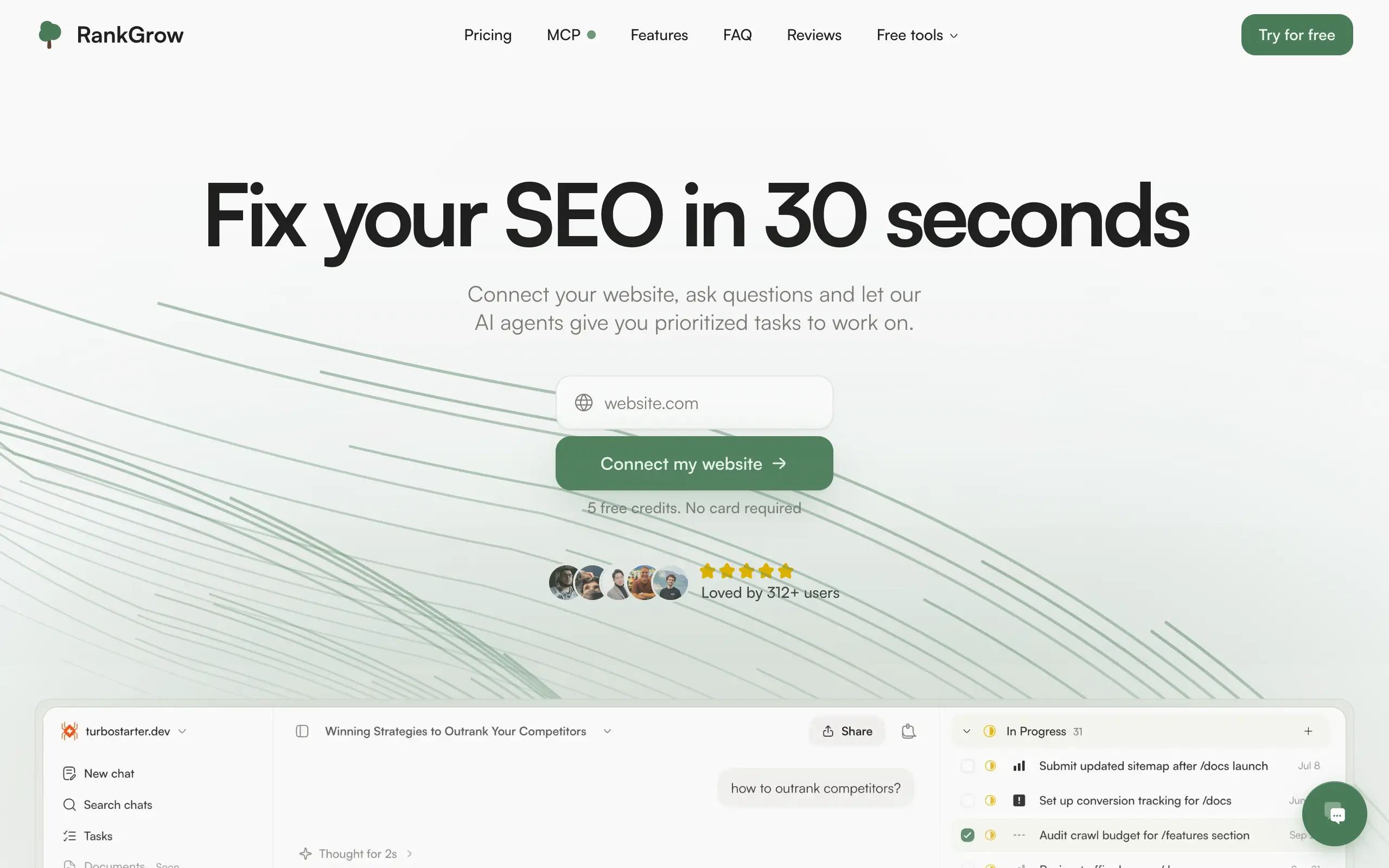
RankGrow
Fix your SEO with AI agents - connect Search Console, get prioritized tasks, and grow organic traffic 📈
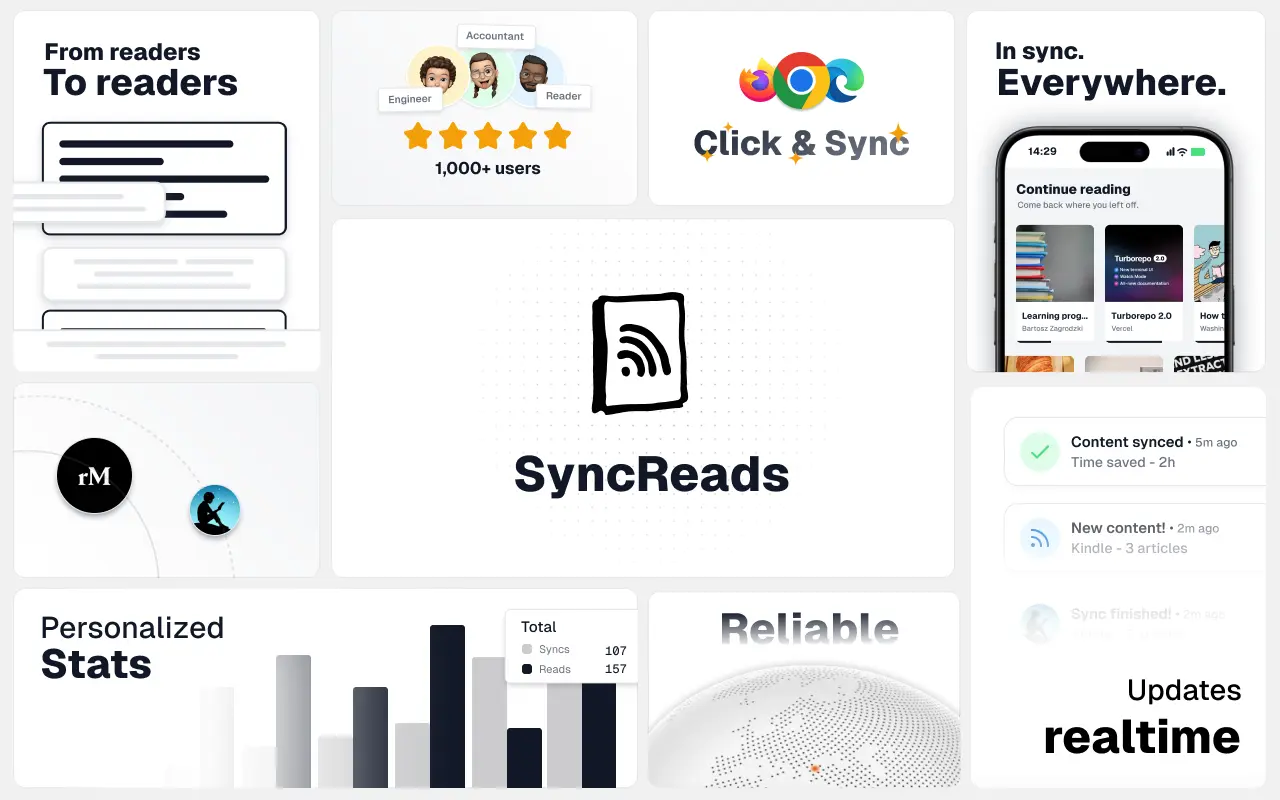
SyncReads
Sync your favorite content for distraction-free reading, save time and replace multiple apps. Anytime, anywhere 🔄
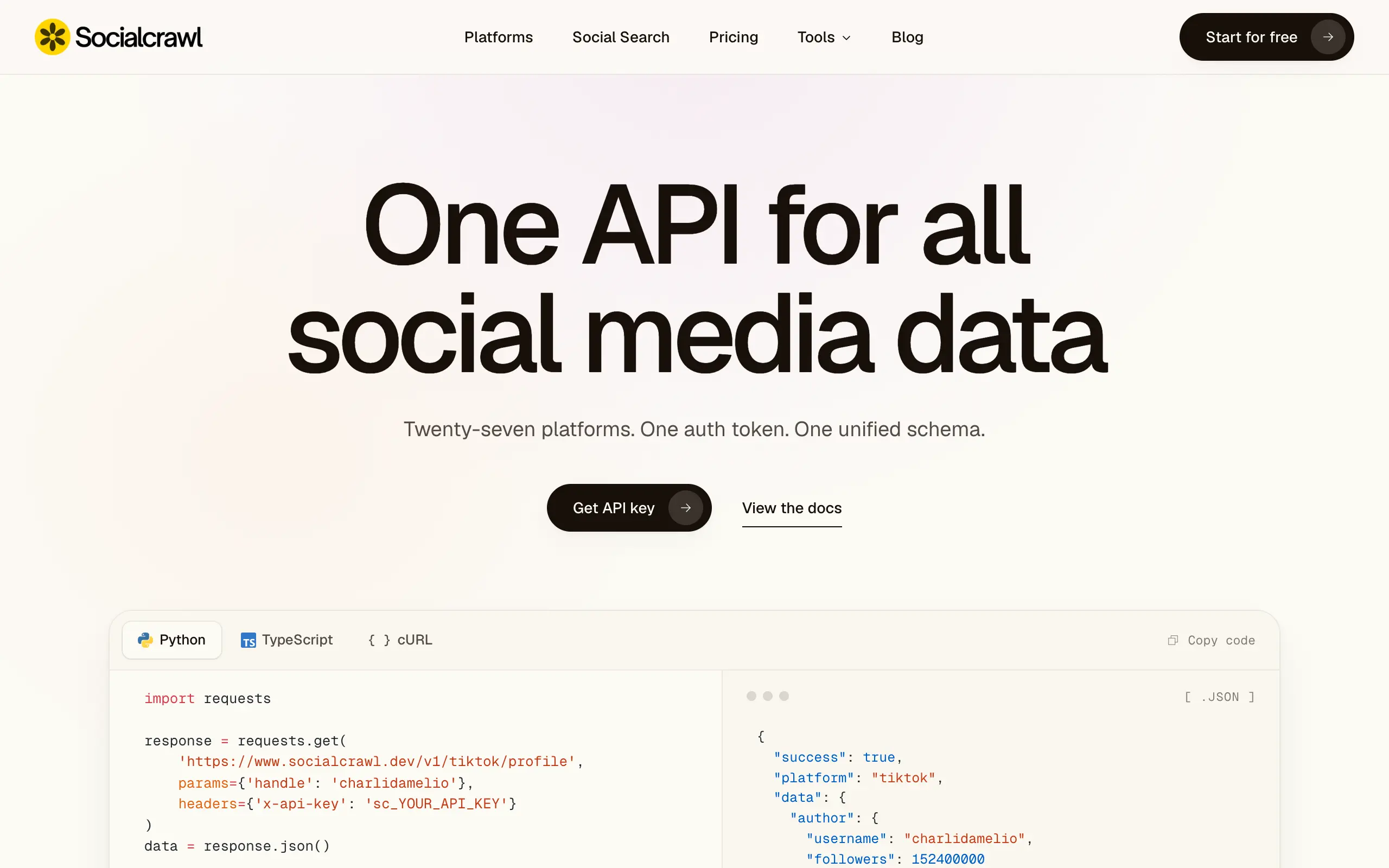
Socialcrawl
Get clean, structured data from 21 platforms like TikTok, Instagram, and YouTube with a single request 📊
Statiko
Monitor any Telegram channel in real time - track posts, edits, deletions, and growth with AI recaps 📡
Shibui
AI website builder - describe your business, pick a niche template, edit by chatting, and publish instantly ✨
Pro Service
Find verified home service professionals, compare quotes, and pay securely through escrow - built for Brazilians across the US 🏠
RankGrow
Fix your SEO with AI agents - connect Search Console, get prioritized tasks, and grow organic traffic 📈
SyncReads
Sync your favorite content for distraction-free reading, save time and replace multiple apps. Anytime, anywhere 🔄
Socialcrawl
Get clean, structured data from 21 platforms like TikTok, Instagram, and YouTube with a single request 📊
Statiko
Monitor any Telegram channel in real time - track posts, edits, deletions, and growth with AI recaps 📡
Shibui
AI website builder - describe your business, pick a niche template, edit by chatting, and publish instantly ✨
Pro Service
Find verified home service professionals, compare quotes, and pay securely through escrow - built for Brazilians across the US 🏠
RankGrow
Fix your SEO with AI agents - connect Search Console, get prioritized tasks, and grow organic traffic 📈
SyncReads
Sync your favorite content for distraction-free reading, save time and replace multiple apps. Anytime, anywhere 🔄
Socialcrawl
Get clean, structured data from 21 platforms like TikTok, Instagram, and YouTube with a single request 📊
Statiko
Monitor any Telegram channel in real time - track posts, edits, deletions, and growth with AI recaps 📡
Shibui
AI website builder - describe your business, pick a niche template, edit by chatting, and publish instantly ✨
Pro Service
Find verified home service professionals, compare quotes, and pay securely through escrow - built for Brazilians across the US 🏠
RankGrow
Fix your SEO with AI agents - connect Search Console, get prioritized tasks, and grow organic traffic 📈
SyncReads
Sync your favorite content for distraction-free reading, save time and replace multiple apps. Anytime, anywhere 🔄
Socialcrawl
Get clean, structured data from 21 platforms like TikTok, Instagram, and YouTube with a single request 📊
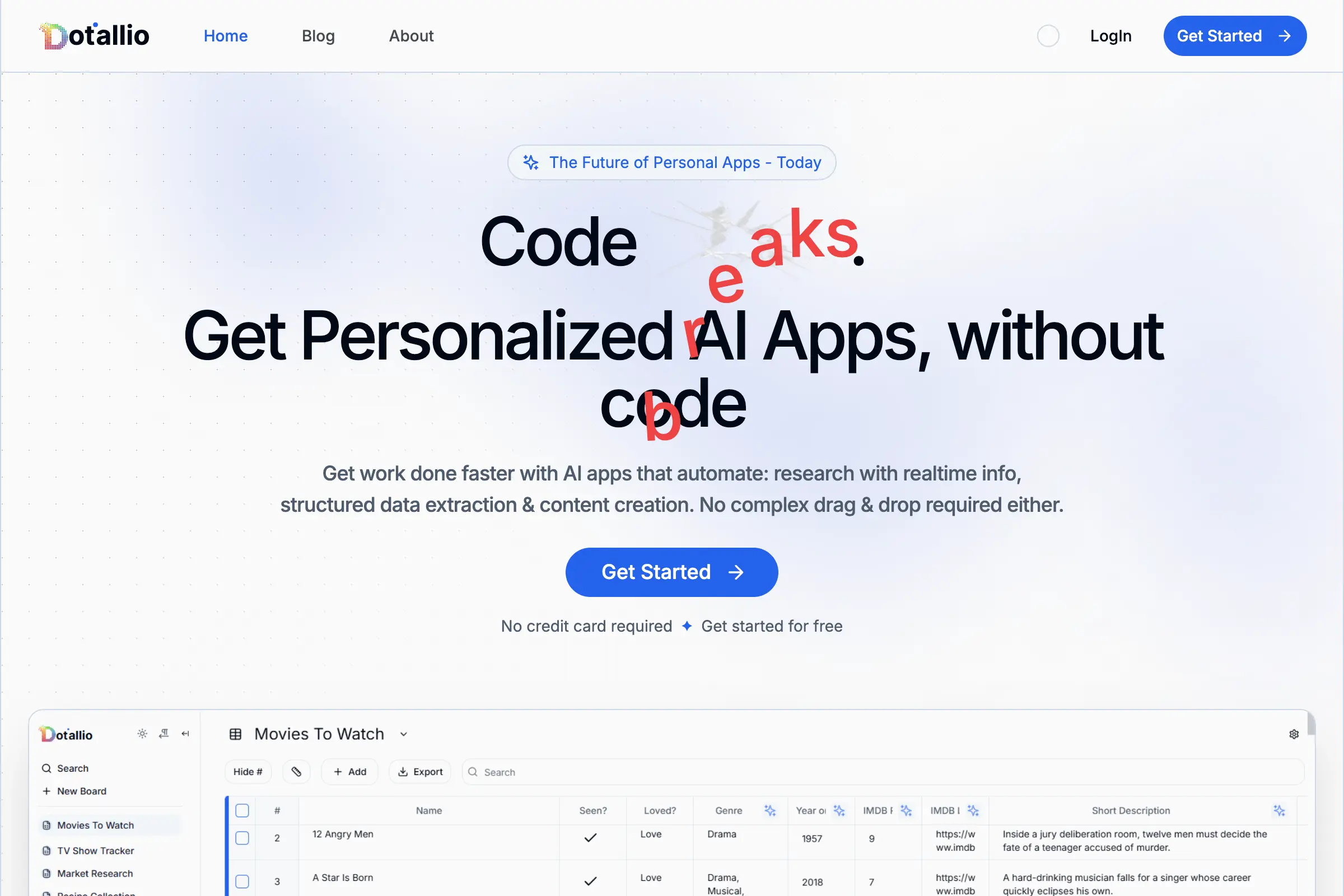
Dotallio
Personalized AI apps that automate research, data extraction, and content creation without code 🤖

Talk to Santa
Enjoy a magical live video chat or receive a unique AI-generated video greeting from Santa Claus 🎅
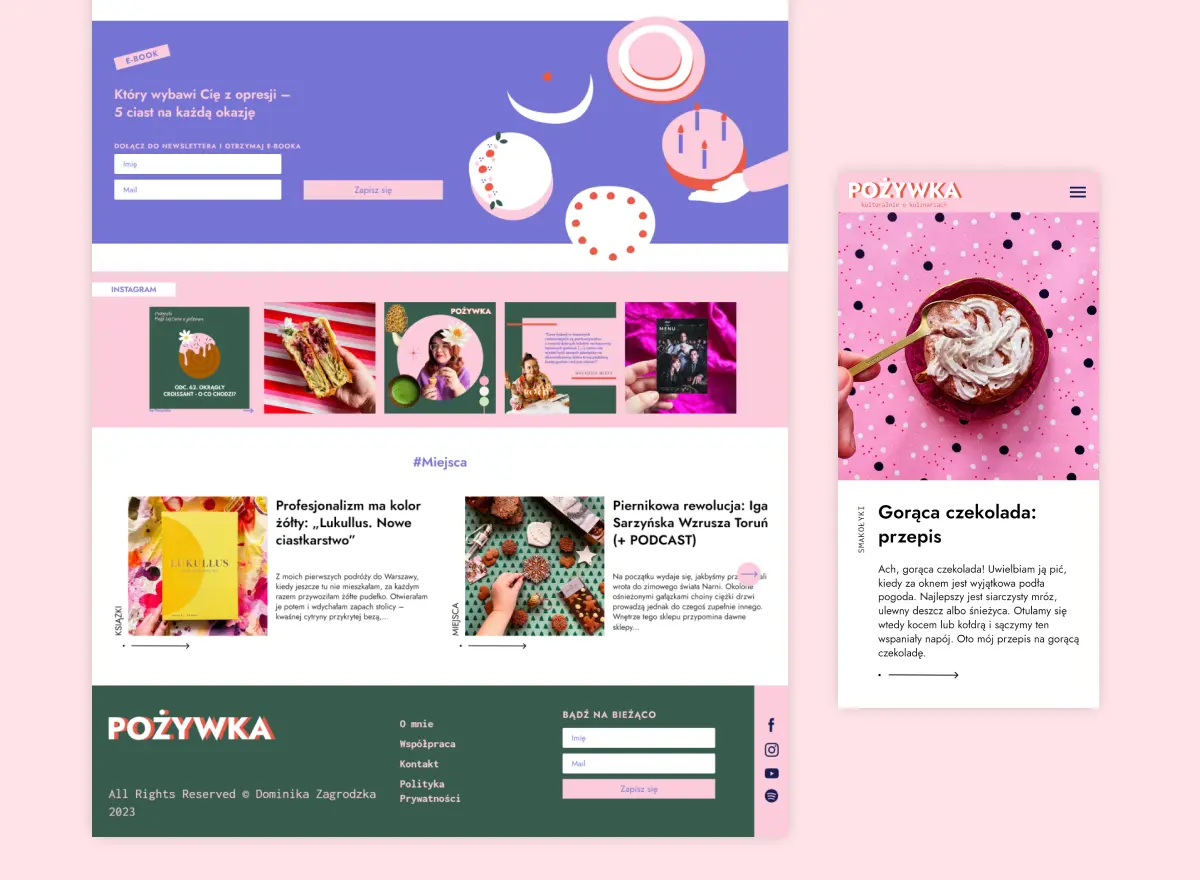
pozywka.pl
Scalable blog for food journalist, focused on performance and user experience 🌭
zagrodzki.me
Personal blog and portfolio of Bart Zagrodzki, where he shares his knowledge and work 💼
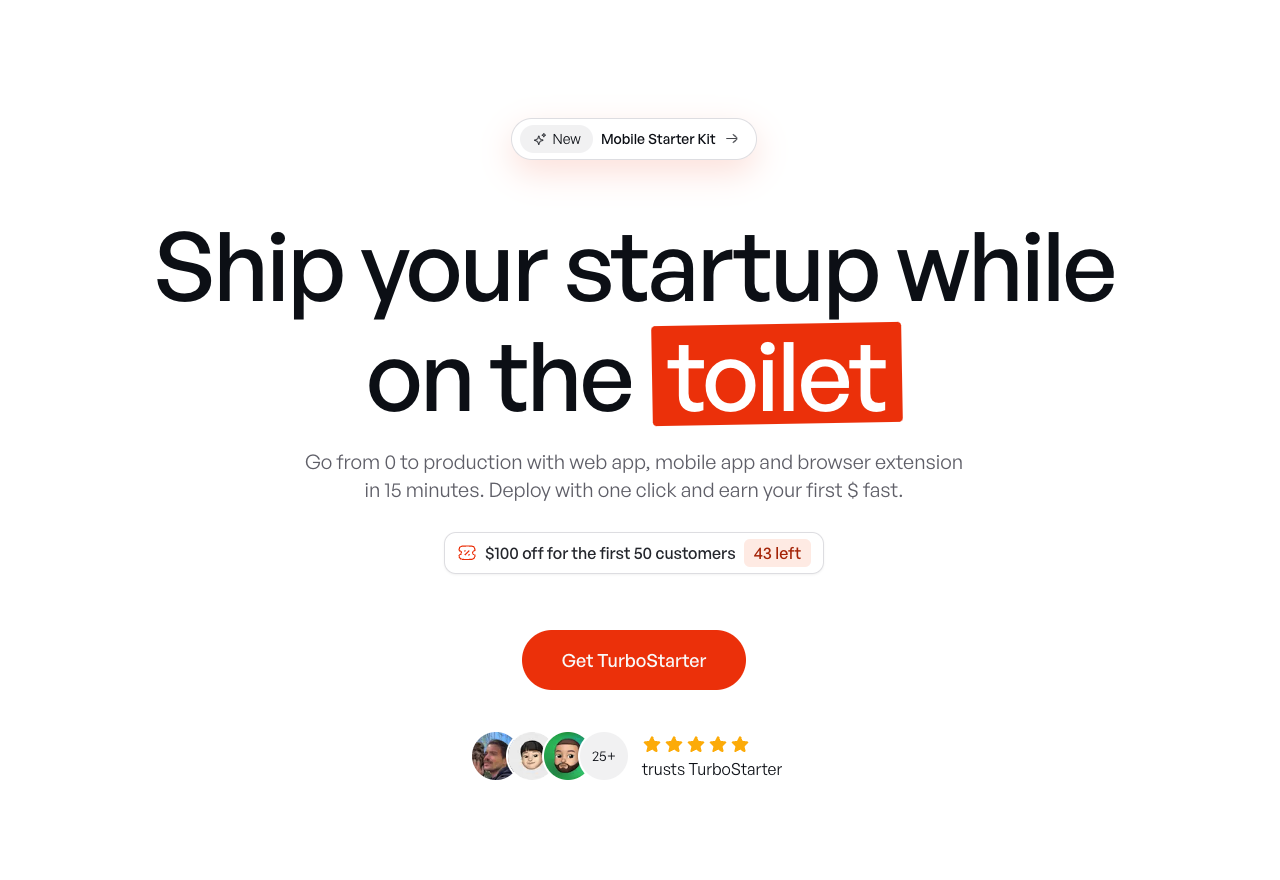
TurboStarter
Ship your startup everywhere. In minutes.
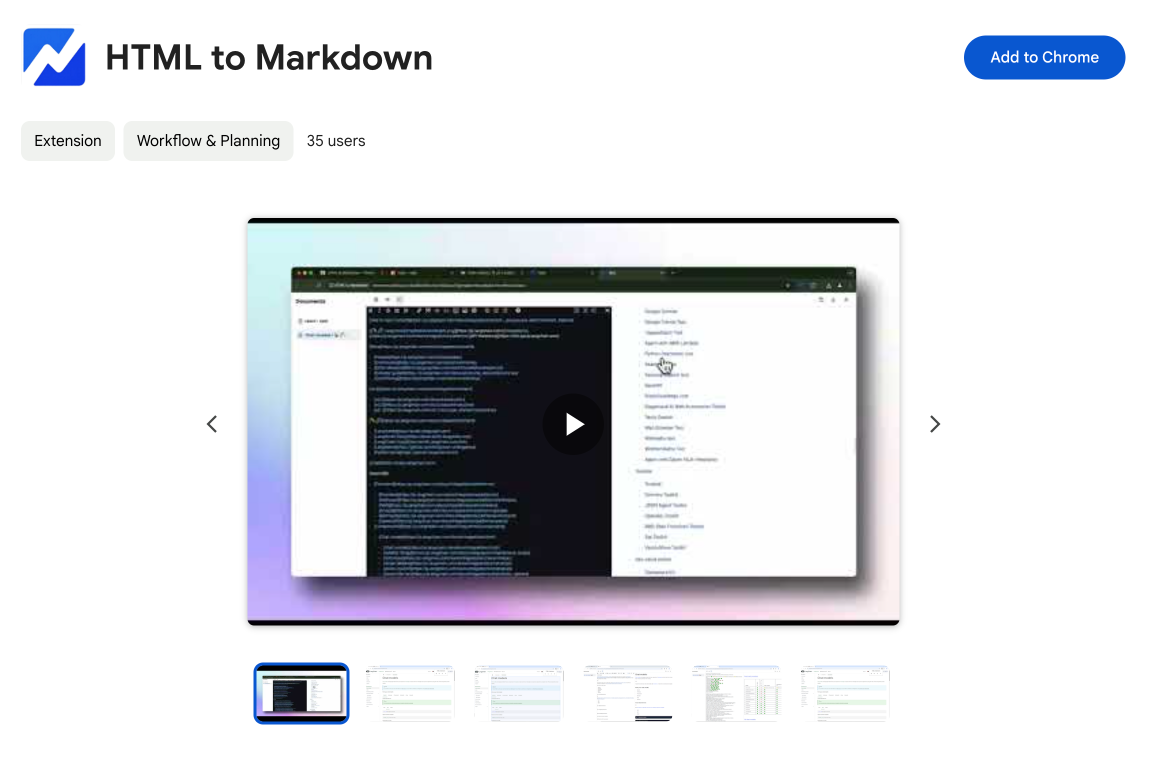
HTML to Markdown
Convert HTML to Markdown with ease, directly in your browser 📄
Dotallio
Personalized AI apps that automate research, data extraction, and content creation without code 🤖
Talk to Santa
Enjoy a magical live video chat or receive a unique AI-generated video greeting from Santa Claus 🎅
pozywka.pl
Scalable blog for food journalist, focused on performance and user experience 🌭
zagrodzki.me
Personal blog and portfolio of Bart Zagrodzki, where he shares his knowledge and work 💼
TurboStarter
Ship your startup everywhere. In minutes.
HTML to Markdown
Convert HTML to Markdown with ease, directly in your browser 📄
Dotallio
Personalized AI apps that automate research, data extraction, and content creation without code 🤖
Talk to Santa
Enjoy a magical live video chat or receive a unique AI-generated video greeting from Santa Claus 🎅
pozywka.pl
Scalable blog for food journalist, focused on performance and user experience 🌭
zagrodzki.me
Personal blog and portfolio of Bart Zagrodzki, where he shares his knowledge and work 💼
TurboStarter
Ship your startup everywhere. In minutes.
HTML to Markdown
Convert HTML to Markdown with ease, directly in your browser 📄
Dotallio
Personalized AI apps that automate research, data extraction, and content creation without code 🤖
Talk to Santa
Enjoy a magical live video chat or receive a unique AI-generated video greeting from Santa Claus 🎅
pozywka.pl
Scalable blog for food journalist, focused on performance and user experience 🌭
zagrodzki.me
Personal blog and portfolio of Bart Zagrodzki, where he shares his knowledge and work 💼
TurboStarter
Ship your startup everywhere. In minutes.
HTML to Markdown
Convert HTML to Markdown with ease, directly in your browser 📄
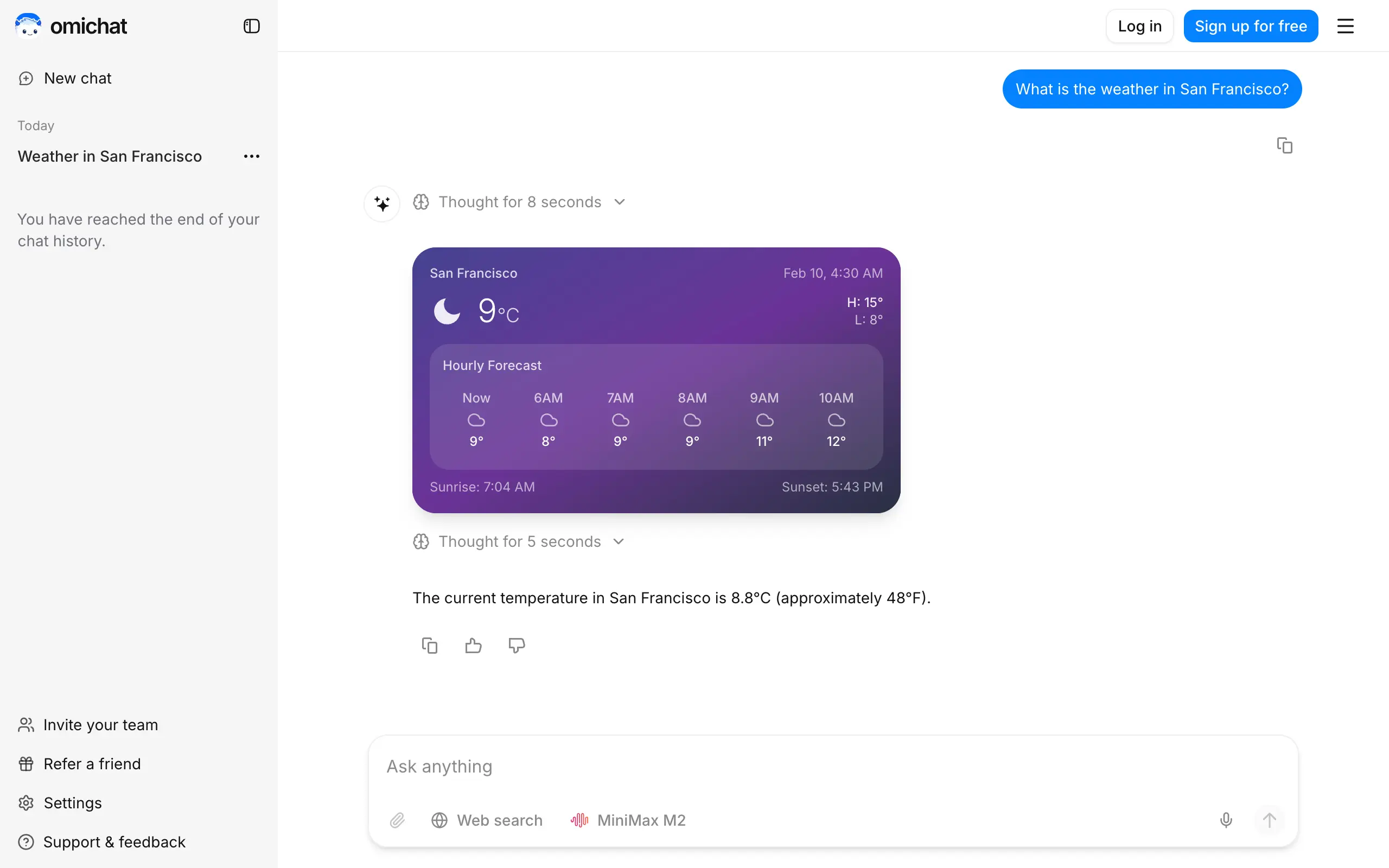
Omichat
Chat with 50+ AI models, including ChatGPT and Claude, in one place - switch models anytime without losing context 🤖
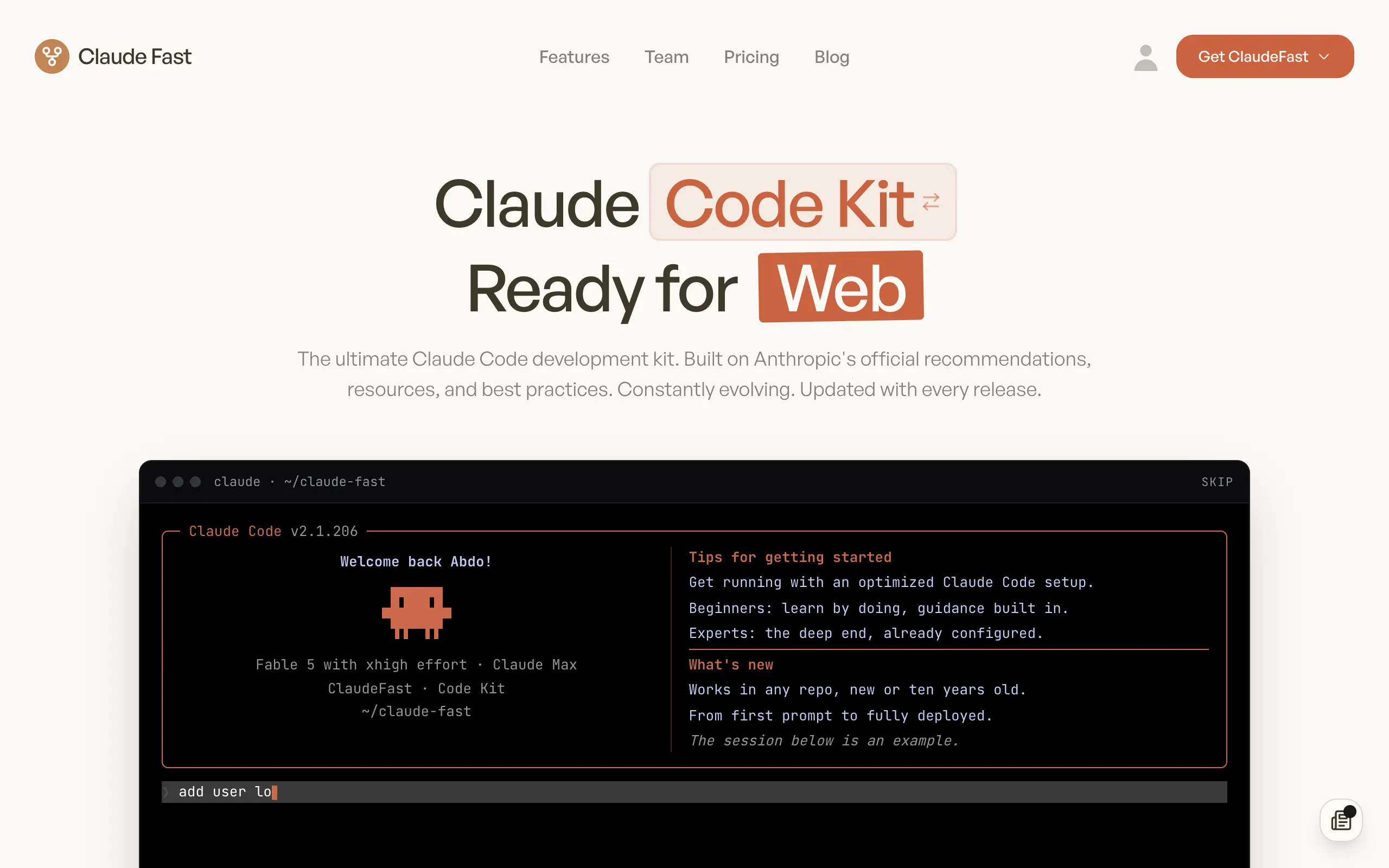
Claude Fast
Supercharge your Claude Code with 6x effective context window and specialized AI agents 🤖
EmojAI
AI-powered emoji picker with smart, context-aware suggestions 🤖
Solohacker
Autonomous company launcher - AI agents work 24/7, escalate what matters, and you stay in control 🤖
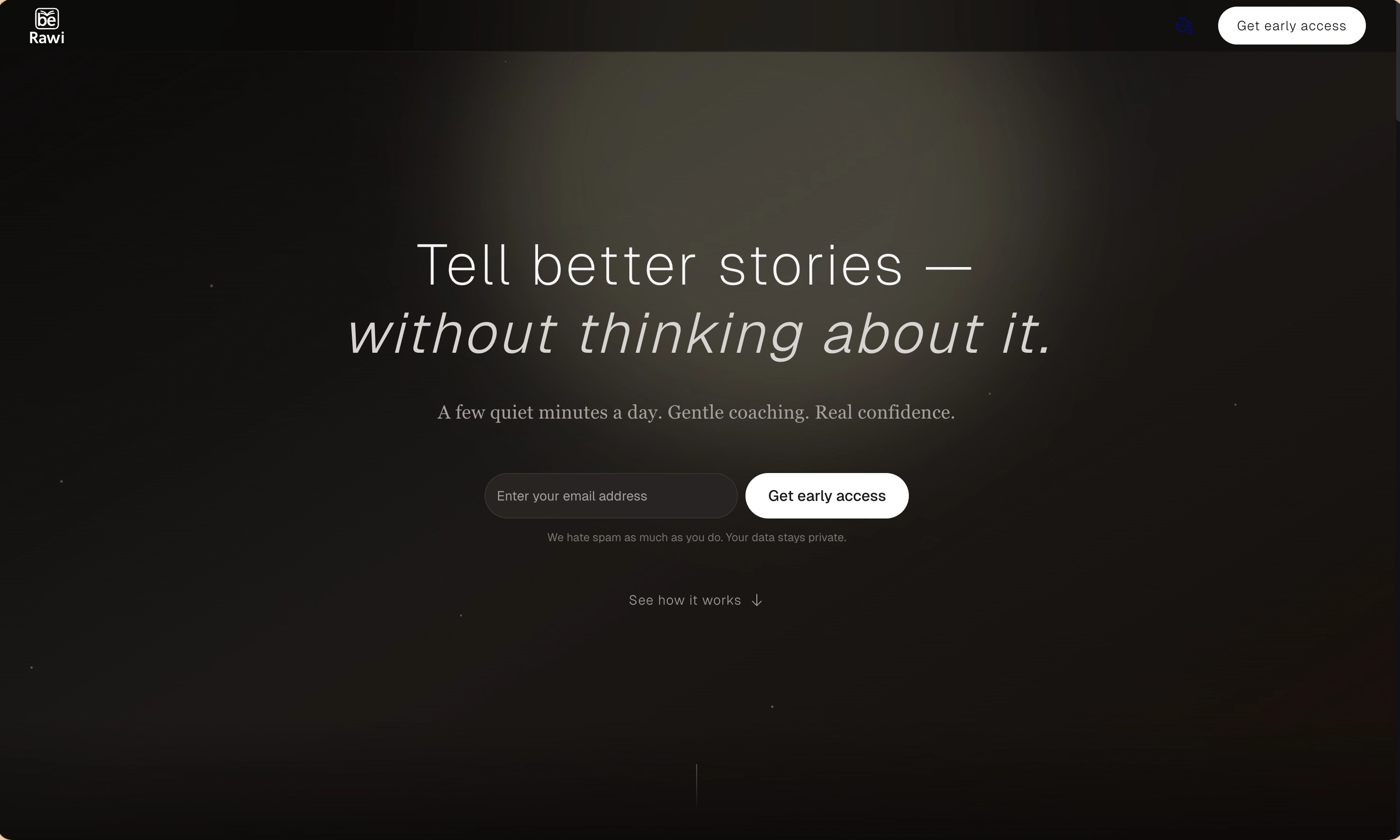
BeRawi: Storytelling Coach
Practice storytelling daily with instant feedback to sound clearer, more engaging, and confident 🎤
Omichat
Chat with 50+ AI models, including ChatGPT and Claude, in one place - switch models anytime without losing context 🤖
Claude Fast
Supercharge your Claude Code with 6x effective context window and specialized AI agents 🤖
EmojAI
AI-powered emoji picker with smart, context-aware suggestions 🤖
Solohacker
Autonomous company launcher - AI agents work 24/7, escalate what matters, and you stay in control 🤖
BeRawi: Storytelling Coach
Practice storytelling daily with instant feedback to sound clearer, more engaging, and confident 🎤
Omichat
Chat with 50+ AI models, including ChatGPT and Claude, in one place - switch models anytime without losing context 🤖
Claude Fast
Supercharge your Claude Code with 6x effective context window and specialized AI agents 🤖
EmojAI
AI-powered emoji picker with smart, context-aware suggestions 🤖
Solohacker
Autonomous company launcher - AI agents work 24/7, escalate what matters, and you stay in control 🤖
BeRawi: Storytelling Coach
Practice storytelling daily with instant feedback to sound clearer, more engaging, and confident 🎤
Omichat
Chat with 50+ AI models, including ChatGPT and Claude, in one place - switch models anytime without losing context 🤖
Claude Fast
Supercharge your Claude Code with 6x effective context window and specialized AI agents 🤖
EmojAI
AI-powered emoji picker with smart, context-aware suggestions 🤖
Solohacker
Autonomous company launcher - AI agents work 24/7, escalate what matters, and you stay in control 🤖
BeRawi: Storytelling Coach
Practice storytelling daily with instant feedback to sound clearer, more engaging, and confident 🎤

Connect with like-minded people
Join our community to get feedback, support, and grow together with 1,000+ builders on board, let's ship it!
Join usShip your startup everywhere. In minutes.
Don't burn tokens on setup and start building features on day one.