ModelGuard Monitor
Real-time AI model monitoring platform that detects drift, bias, and performance drops, sending actionable alerts to ML and data teams before issues escalate.
The new standard for real-time AI model monitoring
AI systems are no longer experimental side projects. They power credit scoring, fraud detection, healthcare diagnostics, recommendation engines, and generative applications embedded into daily workflows. As adoption accelerates, one reality becomes impossible to ignore:
Machine learning models degrade over time.
Data shifts. User behavior evolves. Edge cases accumulate. Regulatory scrutiny increases. And small performance drops can quietly compound into massive financial, reputational, or legal damage.
This is where a platform like ModelGuard Monitor becomes mission-critical. As a real-time AI model monitoring platform that detects drift, bias, and performance drops—and sends actionable alerts before issues escalate—it directly addresses one of the most urgent problems in modern AI operations (MLOps).
This article provides an expert-level breakdown of:
- The target audience and their pain points
- The market gap in AI model monitoring
- Core features and architecture design
- Recommended tech stack and trade-offs
- Monetization strategy
- Competitive positioning
- Risks and mitigation strategies
- A practical roadmap to implementation
If you’re evaluating this idea for validation, building, or scaling—this is your deep dive.
Why AI model monitoring is no longer optional
The hidden cost of model drift
Machine learning models are trained on historical data. But production environments are dynamic. When the real-world data distribution changes, models degrade. This phenomenon is known as data drift and concept drift.
There are three common drift types:
- Data drift – Input feature distributions change.
- Prediction drift – Output predictions shift unexpectedly.
- Concept drift – Relationship between input and output changes.
Without real-time monitoring:
- Fraud detection models miss new attack patterns.
- Credit scoring models become biased.
- Recommendation engines lose personalization accuracy.
- LLM-powered systems hallucinate more frequently.
According to industry research from organizations like Gartner and McKinsey (cite latest reports), enterprises report that over 60% of ML models degrade significantly within months of deployment. Yet many companies still rely on manual checks or delayed analytics dashboards.
This is the opportunity.
Target audience analysis
Understanding the buyer and user personas is critical for product-market fit.
Primary users
1. ML engineers
- Need automated performance tracking
- Want alerting when metrics degrade
- Require model version comparisons
2. Data scientists
- Need insight into feature distributions
- Want to detect bias or fairness issues
- Need debugging visibility into predictions
3. MLOps engineers
- Need pipeline integration
- Require CI/CD integration for models
- Want scalable observability infrastructure
4. AI platform teams
- Manage multiple models across teams
- Need centralized governance
- Require compliance-ready audit trails
Economic buyers
- VP of Engineering
- Head of Data
- Chief AI Officer
- CTO
Their concerns are different:
- Regulatory compliance
- Revenue risk from degraded models
- Operational efficiency
- Governance and auditability
Market opportunity and gap
The current landscape
The AI observability space includes:
- Open-source tools (e.g., Prometheus for infra metrics)
- Model monitoring add-ons in cloud platforms
- Enterprise MLOps suites
- Fairness-focused niche tools
However, many existing solutions suffer from:
- High implementation complexity
- Poor real-time alerting
- Limited bias detection
- Lack of LLM-specific monitoring
- Infrastructure-heavy deployment requirements
The gap
There is room for:
- A real-time-first AI model monitoring platform
- Plug-and-play SDK integration
- Unified monitoring for traditional ML + LLMs
- Actionable alerts (not just dashboards)
- Compliance-ready reporting
Why now?
Several macro trends increase urgency:
- Explosion of generative AI applications
- Regulatory frameworks like the EU AI Act
- Increased focus on AI bias and fairness
- AI-driven decision-making in high-stakes industries
The market timing is strong.
Core features of ModelGuard Monitor
Below is a strategic breakdown of features required to dominate the AI model monitoring category.
Drift detection engine
Detect data, prediction, and concept drift in real time using statistical and ML-based techniques.
Bias and fairness monitoring
Continuously measure fairness metrics across protected attributes and segments.
Performance tracking
Monitor accuracy, precision, recall, latency, and custom KPIs.
Real-time alerting
Send actionable alerts via Slack, email, or webhook before damage spreads.
Root cause diagnostics
Explain why metrics degraded with feature-level analysis.
1. Real-time data drift detection
Key capabilities:
- Feature distribution comparison
- Statistical distance metrics (KS test, PSI, KL divergence)
- Rolling window monitoring
- Threshold configuration
Example pseudocode for drift detection:
import { calculatePSI } from "./drift";

const psi = calculatePSI(trainingDistribution, liveDistribution);

if (psi > 0.2) {
  sendAlert("High data drift detected on feature: credit_score");
}
Advanced versions can include:
- Multivariate drift detection
- Embedding drift for LLMs
- Online monitoring pipelines
2. Bias and fairness monitoring
AI bias is no longer optional to monitor—it's regulatory risk.
Core fairness metrics:
- Demographic parity
- Equal opportunity
- Disparate impact ratio
- False positive/negative parity
ModelGuard Monitor should:
- Allow tagging of sensitive attributes
- Segment predictions by cohort
- Generate compliance-ready bias reports
3. Performance monitoring
Standard metrics vary by task:
- Classification: Accuracy, F1, ROC-AUC
- Regression: RMSE, MAE
- LLMs: Hallucination rate, toxicity, output similarity drift
Crucially, the system must support:
- Delayed ground truth reconciliation
- Shadow deployments
- A/B comparison between model versions
4. Intelligent alerting system
Dashboards don’t prevent disasters. Alerts do.
Alerts should be:
- Threshold-based
- Anomaly-detection-based
- Context-rich
- Actionable (include feature impact analysis)
Example alert:
“Model v3.2 has experienced a 12% drop in recall over the last 6 hours. Primary contributors: feature distribution shift in transaction_amount.”
5. Explainability layer
Combine monitoring with explainability:
- SHAP integration
- Feature importance drift
- Segment-level degradation analysis
This elevates the platform from monitoring tool → diagnostic system.
Technical architecture and recommended tech stack
Backend infrastructure
| Component | Recommended Technology |
|---|---|
| API layer | Node.js or FastAPI |
| Data processing | Python (NumPy, SciPy, Pandas) |
| Stream ingestion | Apache Kafka |
| Storage | PostgreSQL + object storage |
| Analytics engine | Spark or Flink (for scale) |
Frontend
- React
- TailwindCSS
- Recharts or D3 for visualization
Why this stack?
Python dominates ML tooling.
Kafka enables real-time data streaming.
React + TailwindCSS allows scalable UI development.
Trade-offs to consider
- Serverless backend
- Managed streaming services
- Faster go-to-market
- Lower infrastructure overhead
- Dedicated Kafka clusters
- On-prem deployment option
- Multi-region redundancy
- SOC 2 and ISO compliance architecture
Competitive landscape analysis
Below is a simplified positioning comparison:
| Feature | Basic dashboards | Cloud-native tools | Open-source | ModelGuard Monitor |
|---|---|---|---|---|
| Real-time drift alerts | ❌ | ✅ | ❌ | ✅ |
| Bias monitoring | ❌ | ⚠️ Limited | ✅ | ✅ |
| LLM monitoring | ❌ | ⚠️ Emerging | ❌ | ✅ |
| Actionable diagnostics | ❌ | ⚠️ Partial | ❌ | ✅ |
Unique selling proposition (USP)
ModelGuard Monitor stands out by combining:
- Real-time monitoring
- Bias + fairness compliance
- LLM observability
- Actionable root cause analysis
- Plug-and-play SDK integration
Most tools specialize in one or two. Very few unify all.
Monetization strategy
Pricing model options
-
Usage-based pricing
- Charged per monitored prediction volume
- Scales naturally with customers
-
Tiered subscription
- Starter (limited models)
- Growth (team-based features)
- Enterprise (compliance + SLA)
-
Hybrid
- Base subscription + usage overage
Enterprise add-ons
- On-prem deployment
- Advanced compliance modules
- Custom SLA
- Dedicated support
Risks and mitigation
Key execution risks
AI monitoring platforms require high trust and technical credibility. Without strong reliability, customers churn quickly.
Risk 1: Complex integration
Mitigation:
Provide SDKs in Python, JavaScript, and Java.
Risk 2: High data processing costs
Mitigation:
Use sampling strategies and tiered retention policies.
Risk 3: Competitive pressure
Mitigation:
Focus on real-time + LLM niche before expanding.
Risk 4: Regulatory complexity
Mitigation:
Build compliance reporting modules early.
Implementation roadmap
Go-to-market strategy
Phase 1: Developer-led adoption
- Publish open-source SDK
- Write technical blog content
- Share benchmarks
Phase 2: Compliance positioning
- Target fintech and healthtech
- Publish bias monitoring whitepapers
- Highlight AI governance capabilities
Phase 3: Enterprise expansion
- Offer on-prem solutions
- SOC 2 certification
- Strategic partnerships
Why this idea has long-term defensibility
AI adoption is accelerating, not slowing. The more models deployed, the greater the monitoring need.
Defensibility factors:
- Data network effects
- Alert intelligence training
- Compliance expertise
- Integration ecosystem
Monitoring is not a feature—it becomes infrastructure.
Actionable next steps to build ModelGuard Monitor
If you're serious about building:
- Validate with 10 ML engineers.
- Build a minimal drift detection SDK.
- Launch landing page + waitlist.
- Offer pilot to 3 AI startups.
- Iterate based on real production feedback.
- Add bias module.
- Expand to LLMs.
To accelerate development and reduce boilerplate setup, consider using a production-ready SaaS starter framework like TurboStarter, which helps you focus on core monitoring logic instead of authentication, billing, and infrastructure scaffolding.
Final thoughts
ModelGuard Monitor addresses one of the most critical and underappreciated risks in modern AI systems: silent degradation.
By combining:
- Real-time AI model monitoring
- Drift detection
- Bias analysis
- Performance tracking
- Actionable alerting
It positions itself at the intersection of MLOps, AI governance, and observability.
As AI systems become core business infrastructure, monitoring platforms like this move from optional tooling to mandatory safety layers.
The opportunity is not small. It is foundational.
More 🤖 AI Startup SaaS ideas
Discover more innovative ai startup SaaS ideas that are trending in 2026. Each idea is AI-generated with market validation and growth potential to help you find your next profitable venture faster than competitors.
Your competitors are building with TurboStarter
Below are some of the SaaS ideas that have been generated and built with our starter kit.

Statiko
Monitor any Telegram channel in real time - track posts, edits, deletions, and growth with AI recaps 📡

Shibui
AI website builder - describe your business, pick a niche template, edit by chatting, and publish instantly ✨

Pro Service
Find verified home service professionals, compare quotes, and pay securely through escrow - built for Brazilians across the US 🏠
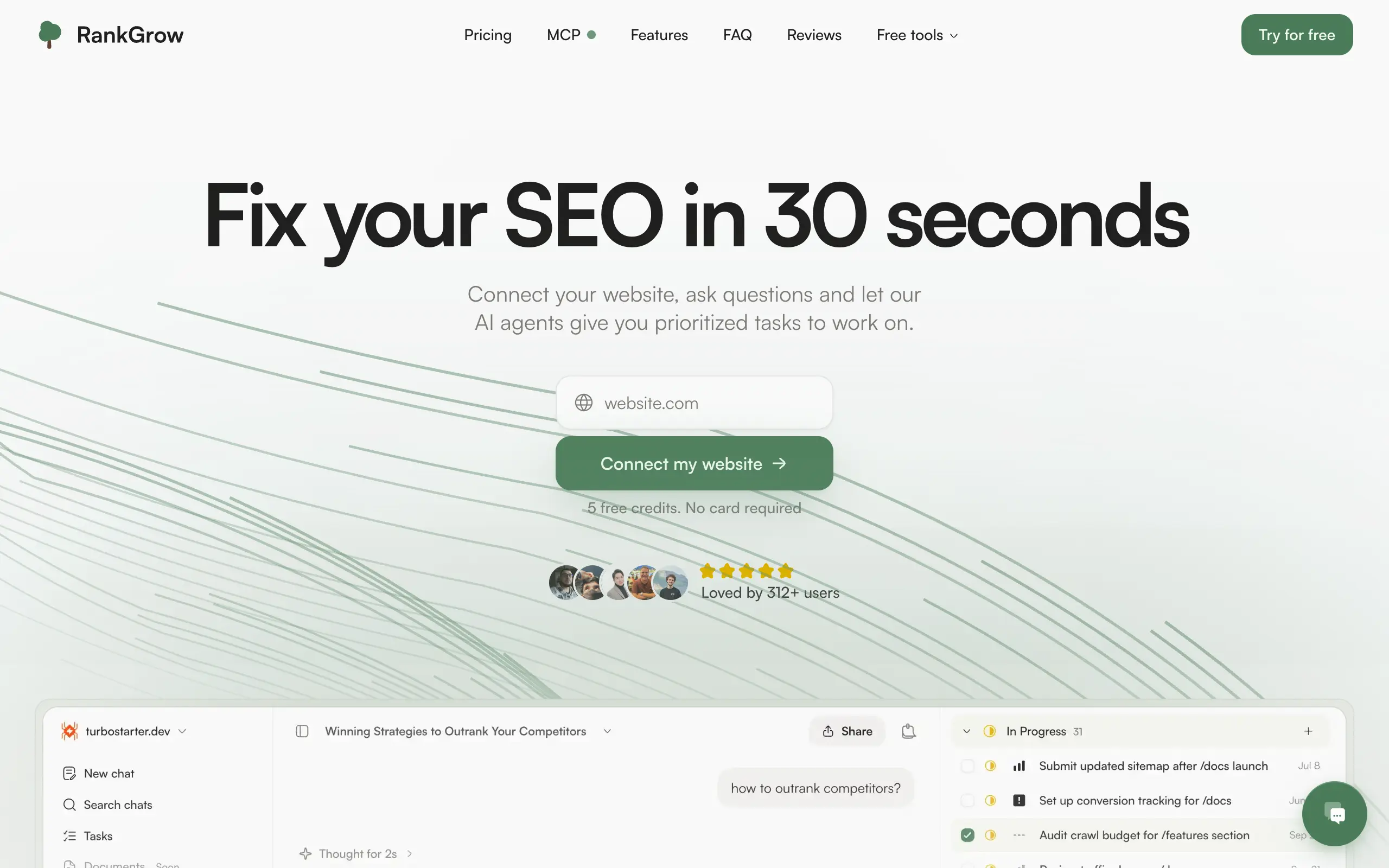
RankGrow
Fix your SEO with AI agents - connect Search Console, get prioritized tasks, and grow organic traffic 📈
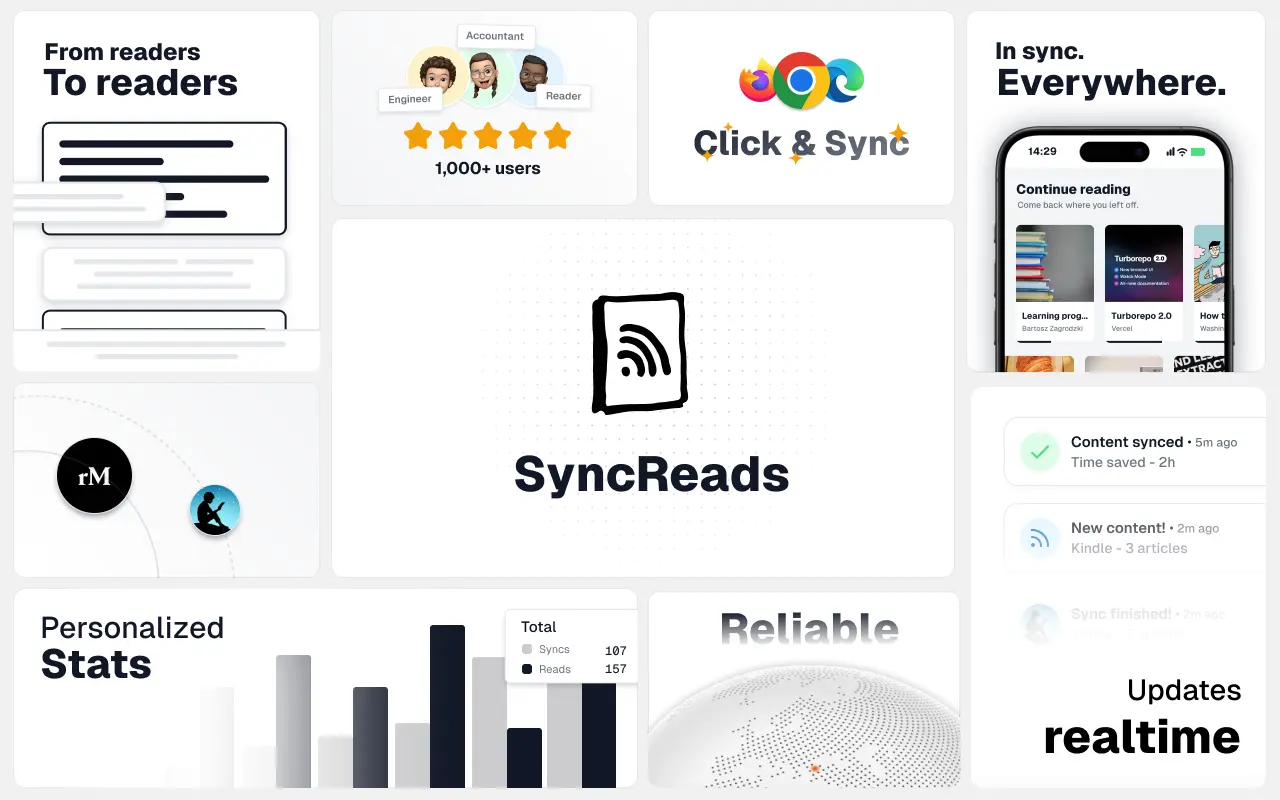
SyncReads
Sync your favorite content for distraction-free reading, save time and replace multiple apps. Anytime, anywhere 🔄
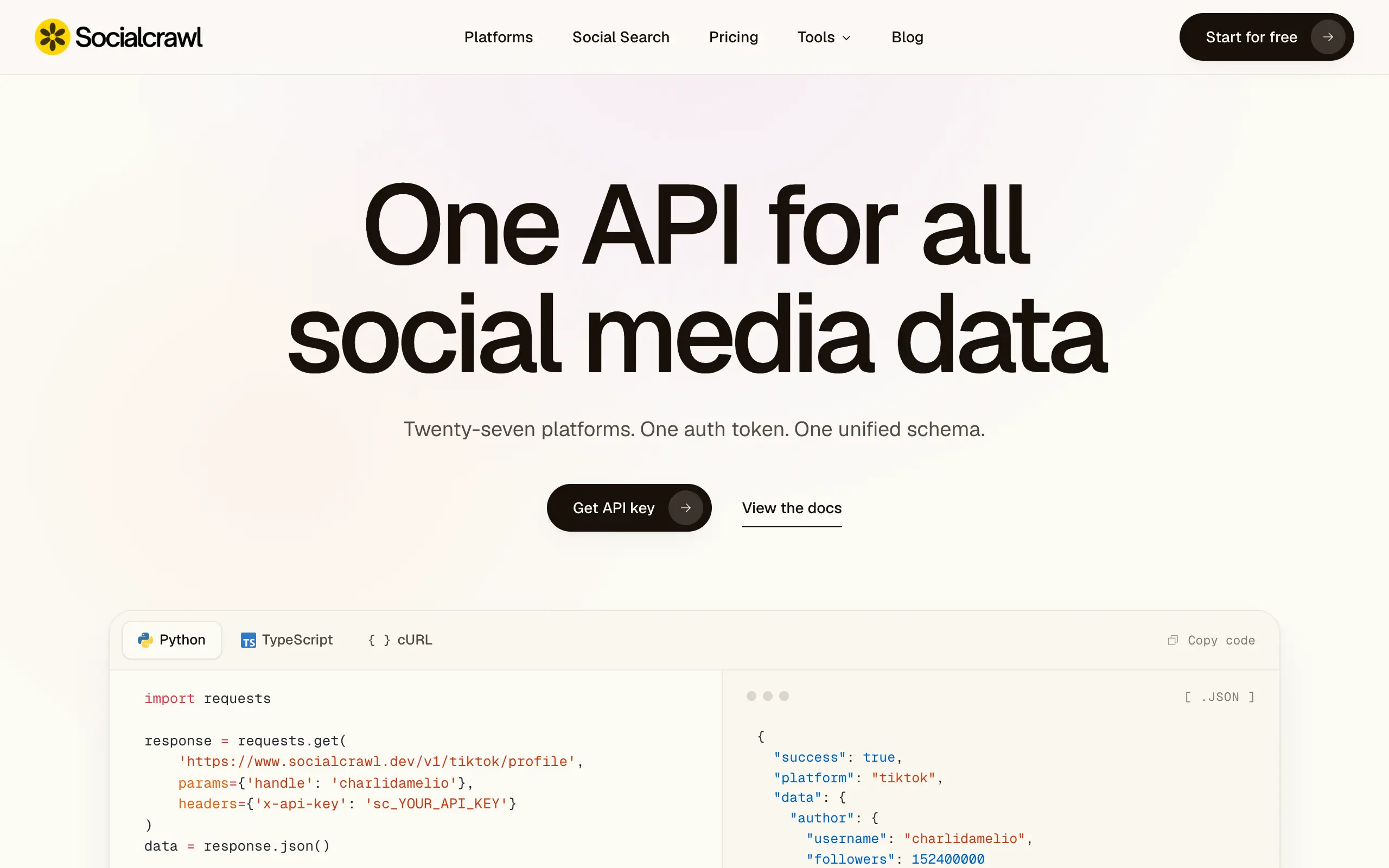
Socialcrawl
Get clean, structured data from 21 platforms like TikTok, Instagram, and YouTube with a single request 📊
Statiko
Monitor any Telegram channel in real time - track posts, edits, deletions, and growth with AI recaps 📡
Shibui
AI website builder - describe your business, pick a niche template, edit by chatting, and publish instantly ✨
Pro Service
Find verified home service professionals, compare quotes, and pay securely through escrow - built for Brazilians across the US 🏠
RankGrow
Fix your SEO with AI agents - connect Search Console, get prioritized tasks, and grow organic traffic 📈
SyncReads
Sync your favorite content for distraction-free reading, save time and replace multiple apps. Anytime, anywhere 🔄
Socialcrawl
Get clean, structured data from 21 platforms like TikTok, Instagram, and YouTube with a single request 📊
Statiko
Monitor any Telegram channel in real time - track posts, edits, deletions, and growth with AI recaps 📡
Shibui
AI website builder - describe your business, pick a niche template, edit by chatting, and publish instantly ✨
Pro Service
Find verified home service professionals, compare quotes, and pay securely through escrow - built for Brazilians across the US 🏠
RankGrow
Fix your SEO with AI agents - connect Search Console, get prioritized tasks, and grow organic traffic 📈
SyncReads
Sync your favorite content for distraction-free reading, save time and replace multiple apps. Anytime, anywhere 🔄
Socialcrawl
Get clean, structured data from 21 platforms like TikTok, Instagram, and YouTube with a single request 📊
Statiko
Monitor any Telegram channel in real time - track posts, edits, deletions, and growth with AI recaps 📡
Shibui
AI website builder - describe your business, pick a niche template, edit by chatting, and publish instantly ✨
Pro Service
Find verified home service professionals, compare quotes, and pay securely through escrow - built for Brazilians across the US 🏠
RankGrow
Fix your SEO with AI agents - connect Search Console, get prioritized tasks, and grow organic traffic 📈
SyncReads
Sync your favorite content for distraction-free reading, save time and replace multiple apps. Anytime, anywhere 🔄
Socialcrawl
Get clean, structured data from 21 platforms like TikTok, Instagram, and YouTube with a single request 📊
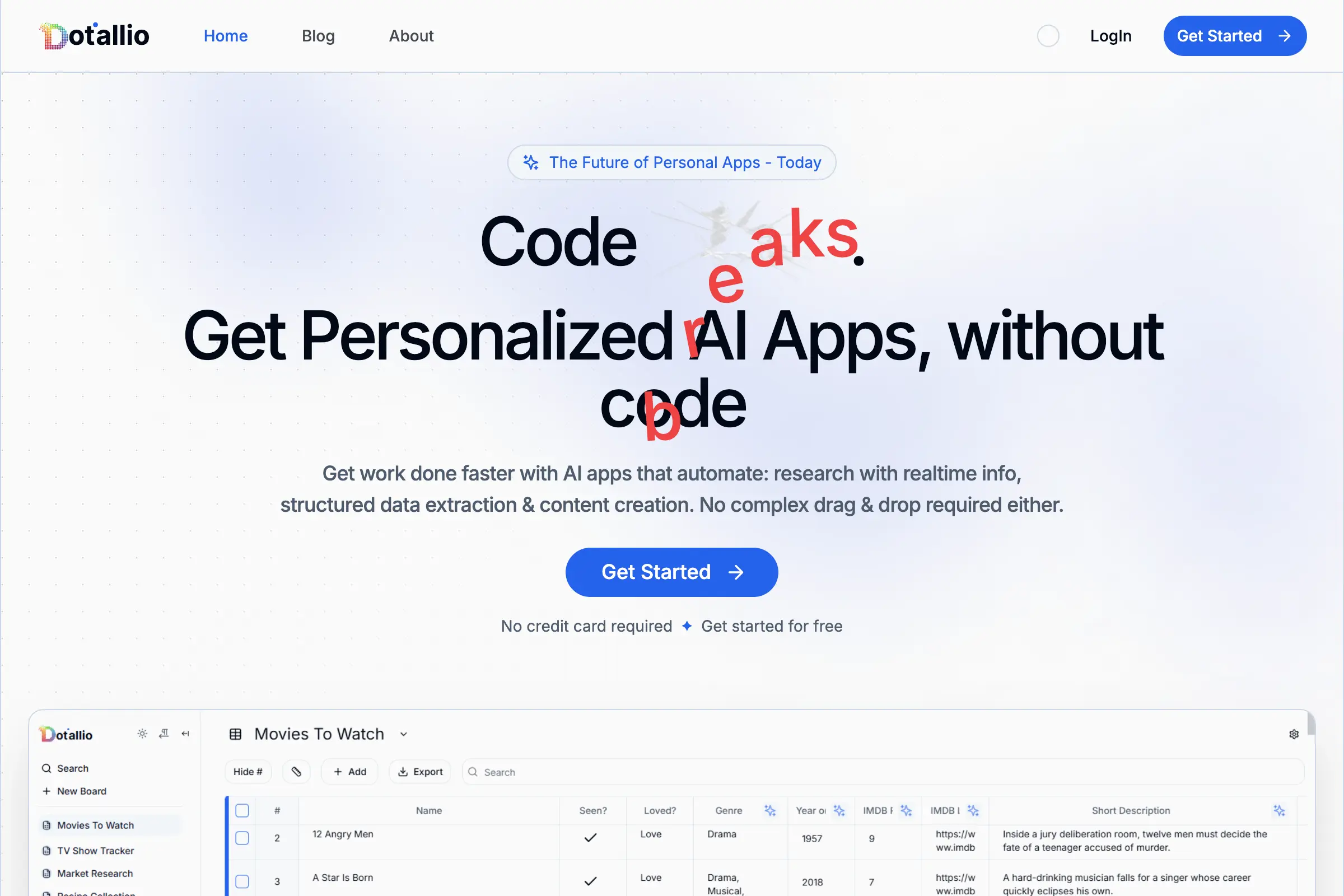
Dotallio
Personalized AI apps that automate research, data extraction, and content creation without code 🤖

Talk to Santa
Enjoy a magical live video chat or receive a unique AI-generated video greeting from Santa Claus 🎅

pozywka.pl
Scalable blog for food journalist, focused on performance and user experience 🌭
zagrodzki.me
Personal blog and portfolio of Bart Zagrodzki, where he shares his knowledge and work 💼
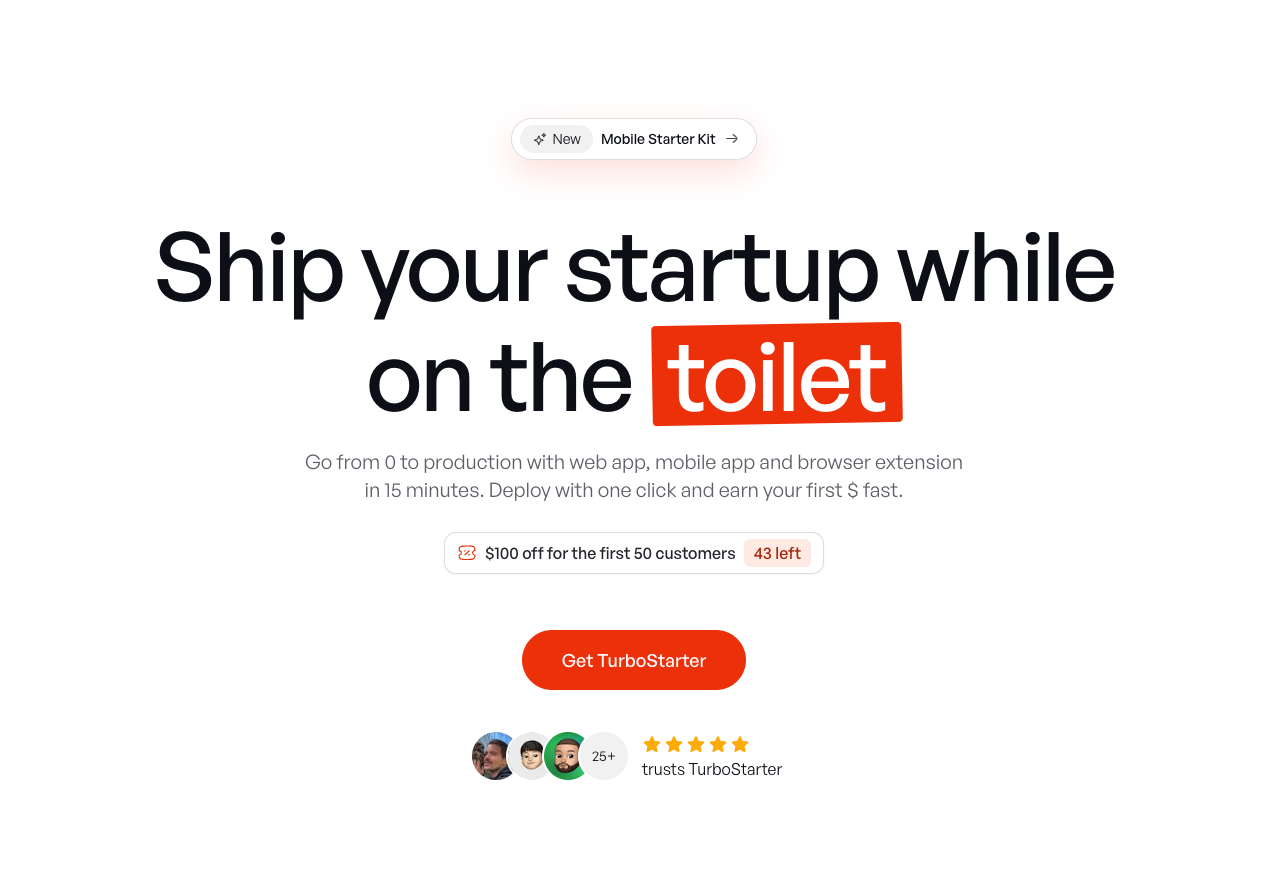
TurboStarter
Ship your startup everywhere. In minutes.
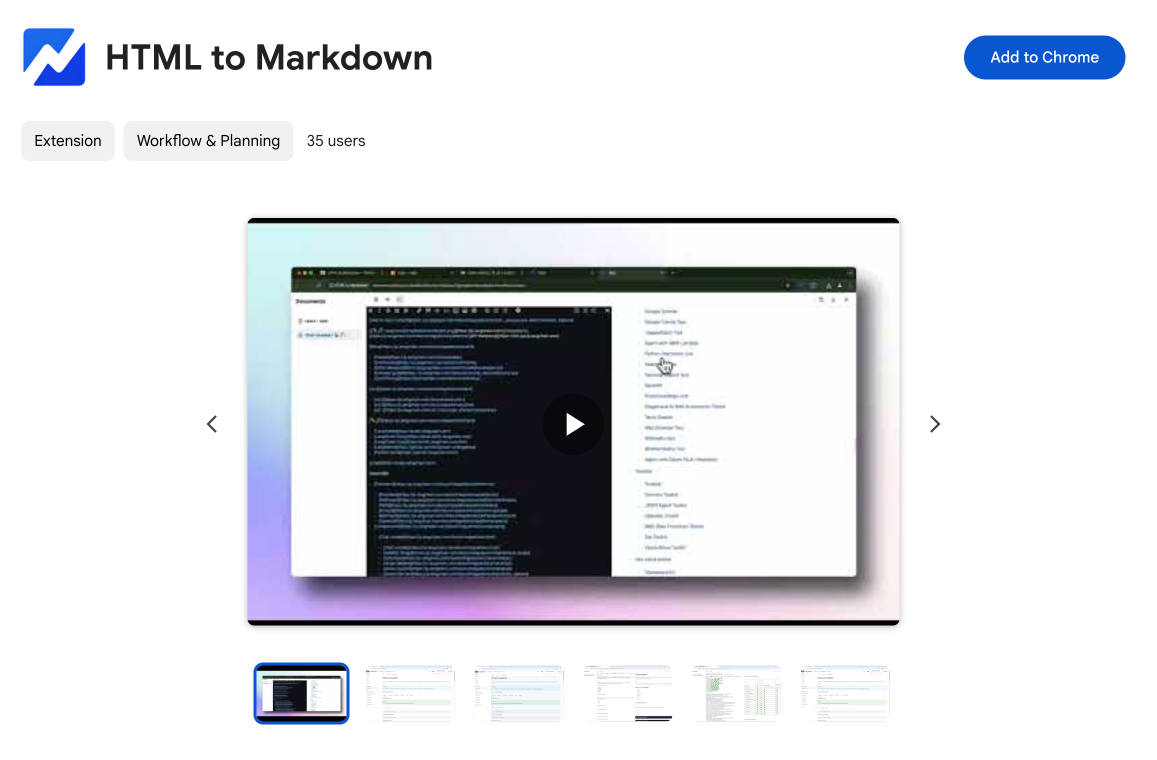
HTML to Markdown
Convert HTML to Markdown with ease, directly in your browser 📄
Dotallio
Personalized AI apps that automate research, data extraction, and content creation without code 🤖
Talk to Santa
Enjoy a magical live video chat or receive a unique AI-generated video greeting from Santa Claus 🎅
pozywka.pl
Scalable blog for food journalist, focused on performance and user experience 🌭
zagrodzki.me
Personal blog and portfolio of Bart Zagrodzki, where he shares his knowledge and work 💼
TurboStarter
Ship your startup everywhere. In minutes.
HTML to Markdown
Convert HTML to Markdown with ease, directly in your browser 📄
Dotallio
Personalized AI apps that automate research, data extraction, and content creation without code 🤖
Talk to Santa
Enjoy a magical live video chat or receive a unique AI-generated video greeting from Santa Claus 🎅
pozywka.pl
Scalable blog for food journalist, focused on performance and user experience 🌭
zagrodzki.me
Personal blog and portfolio of Bart Zagrodzki, where he shares his knowledge and work 💼
TurboStarter
Ship your startup everywhere. In minutes.
HTML to Markdown
Convert HTML to Markdown with ease, directly in your browser 📄
Dotallio
Personalized AI apps that automate research, data extraction, and content creation without code 🤖
Talk to Santa
Enjoy a magical live video chat or receive a unique AI-generated video greeting from Santa Claus 🎅
pozywka.pl
Scalable blog for food journalist, focused on performance and user experience 🌭
zagrodzki.me
Personal blog and portfolio of Bart Zagrodzki, where he shares his knowledge and work 💼
TurboStarter
Ship your startup everywhere. In minutes.
HTML to Markdown
Convert HTML to Markdown with ease, directly in your browser 📄
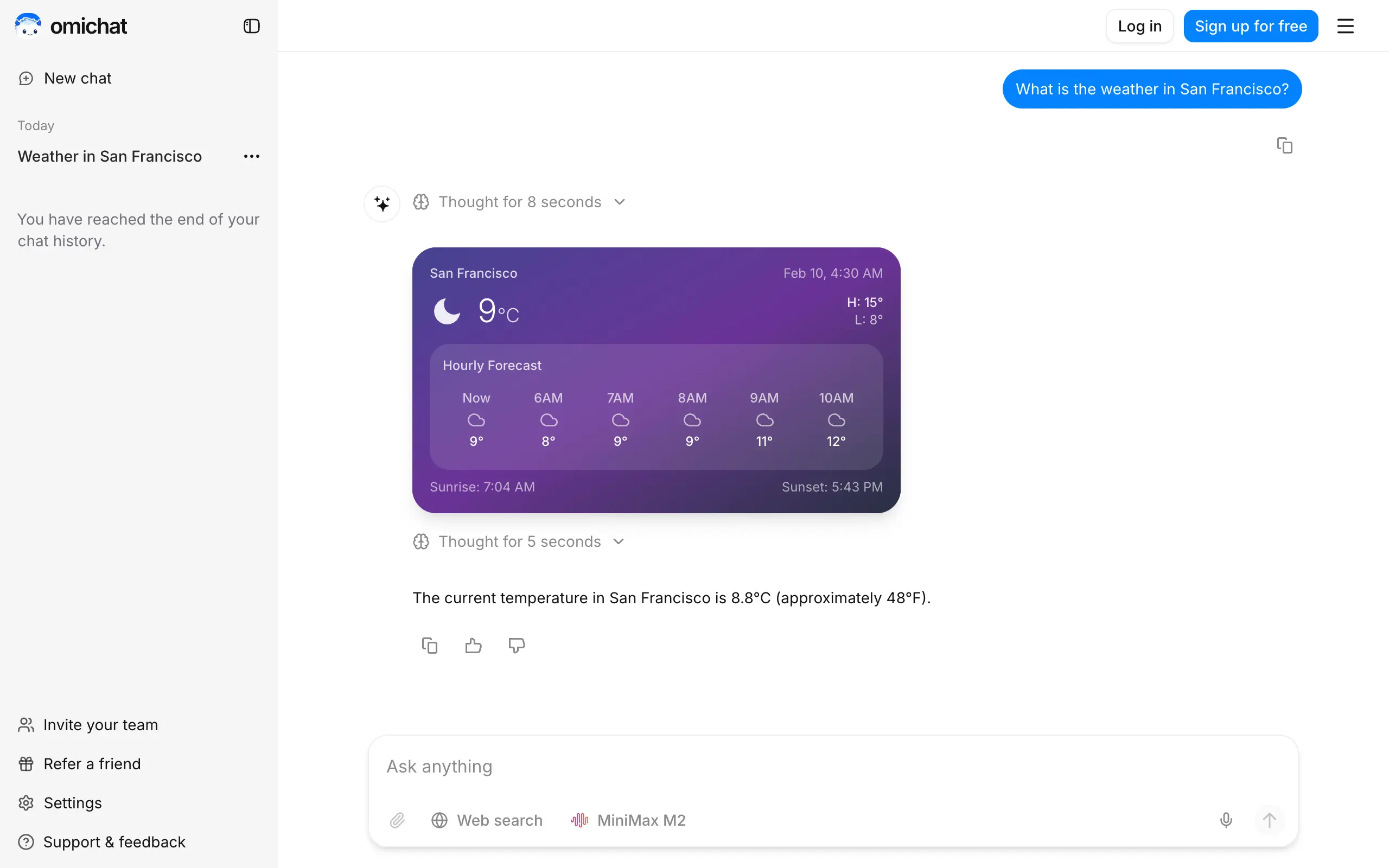
Omichat
Chat with 50+ AI models, including ChatGPT and Claude, in one place - switch models anytime without losing context 🤖
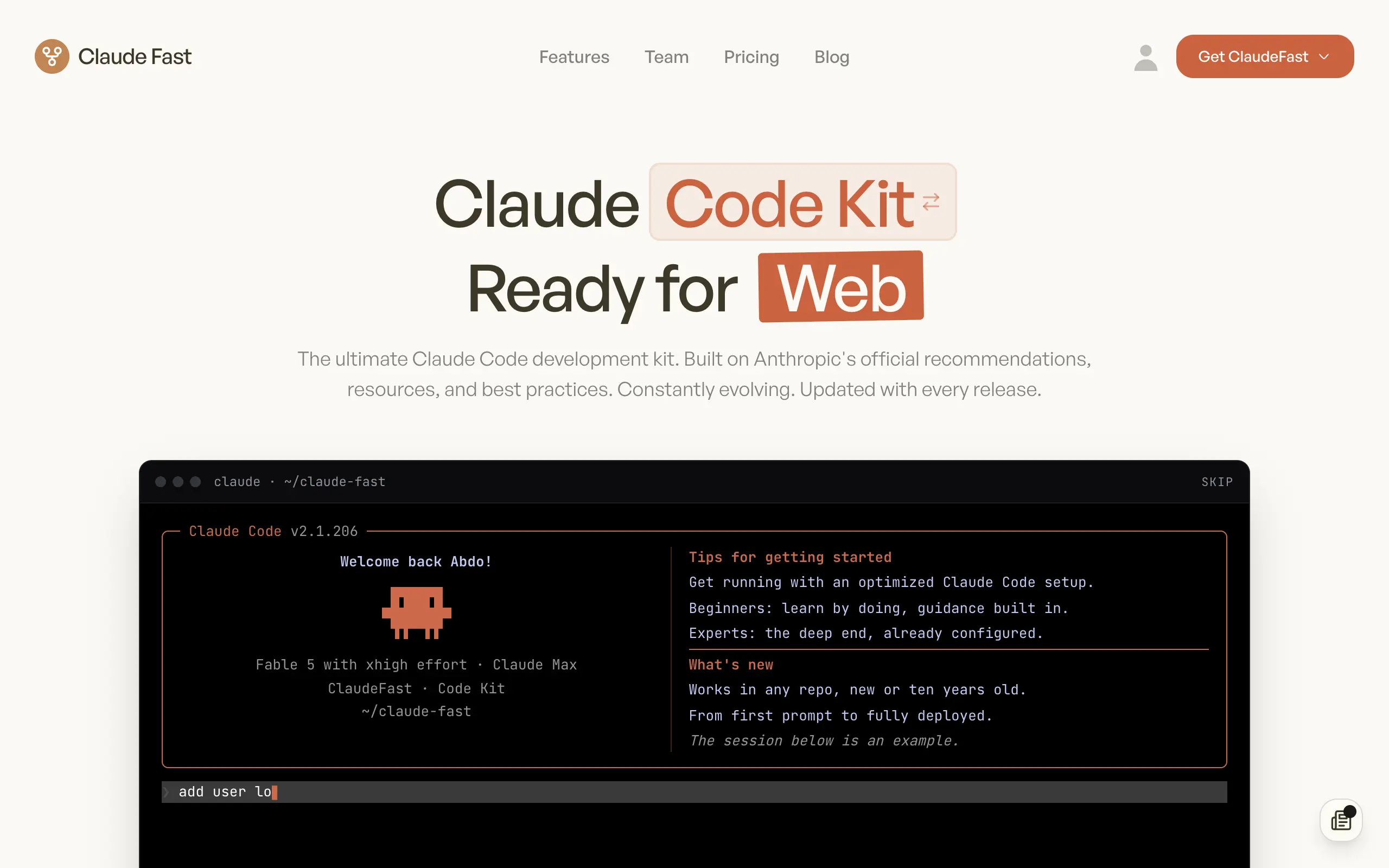
Claude Fast
Supercharge your Claude Code with 6x effective context window and specialized AI agents 🤖
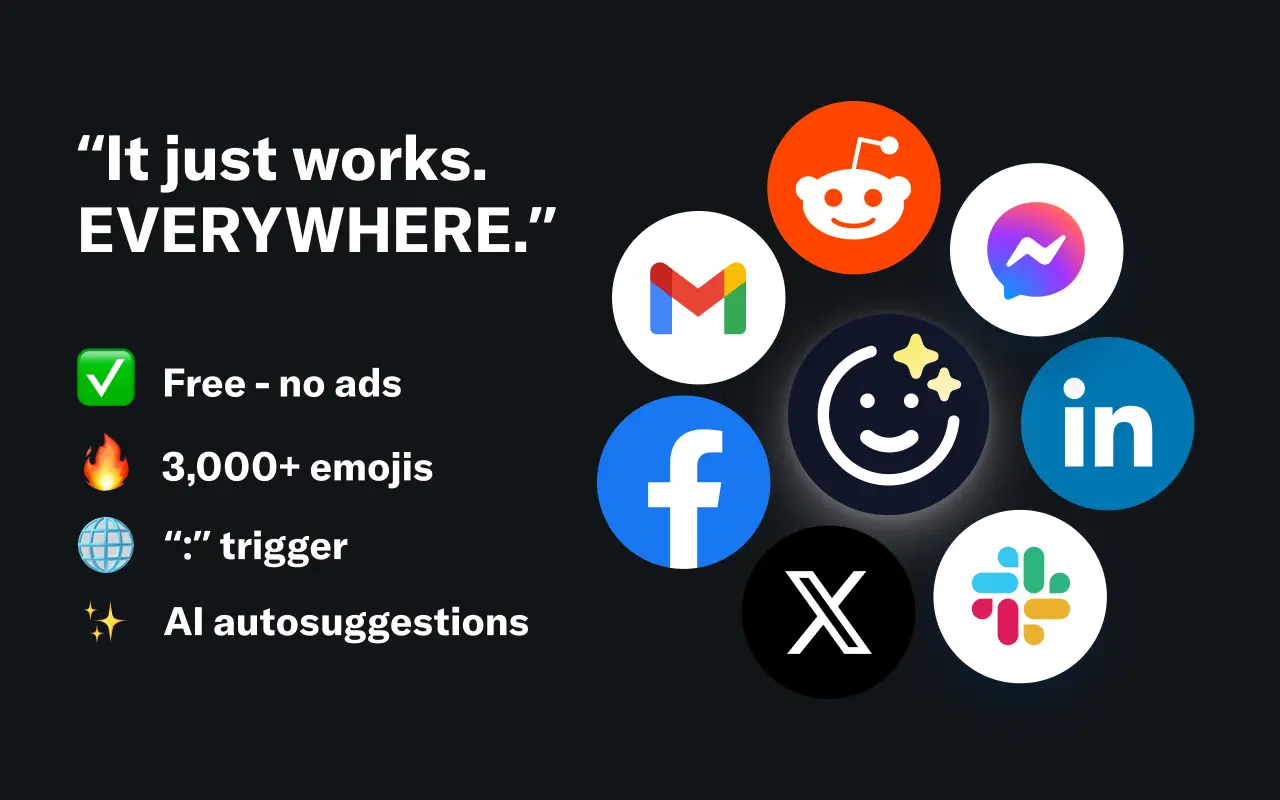
EmojAI
AI-powered emoji picker with smart, context-aware suggestions 🤖
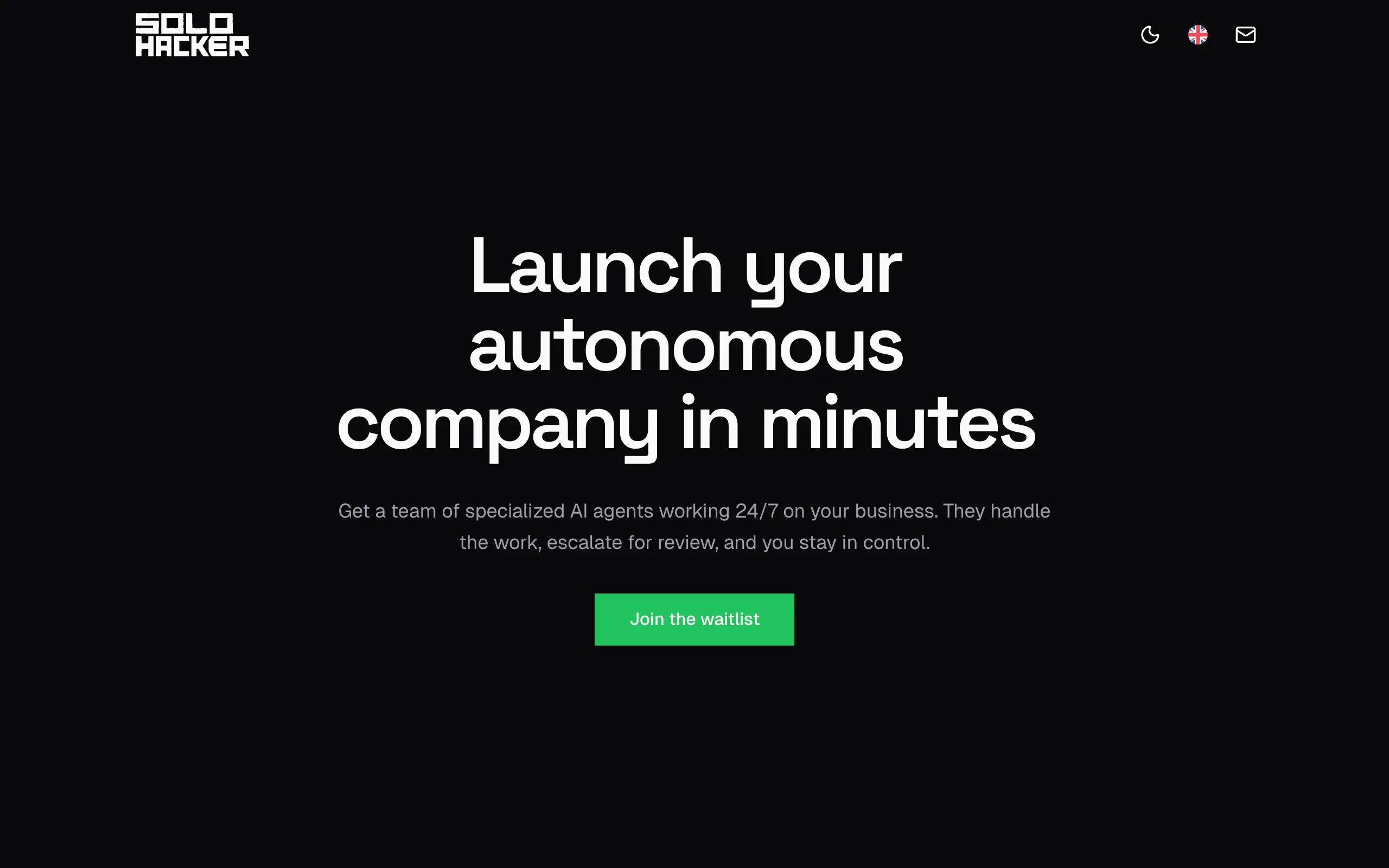
Solohacker
Autonomous company launcher - AI agents work 24/7, escalate what matters, and you stay in control 🤖
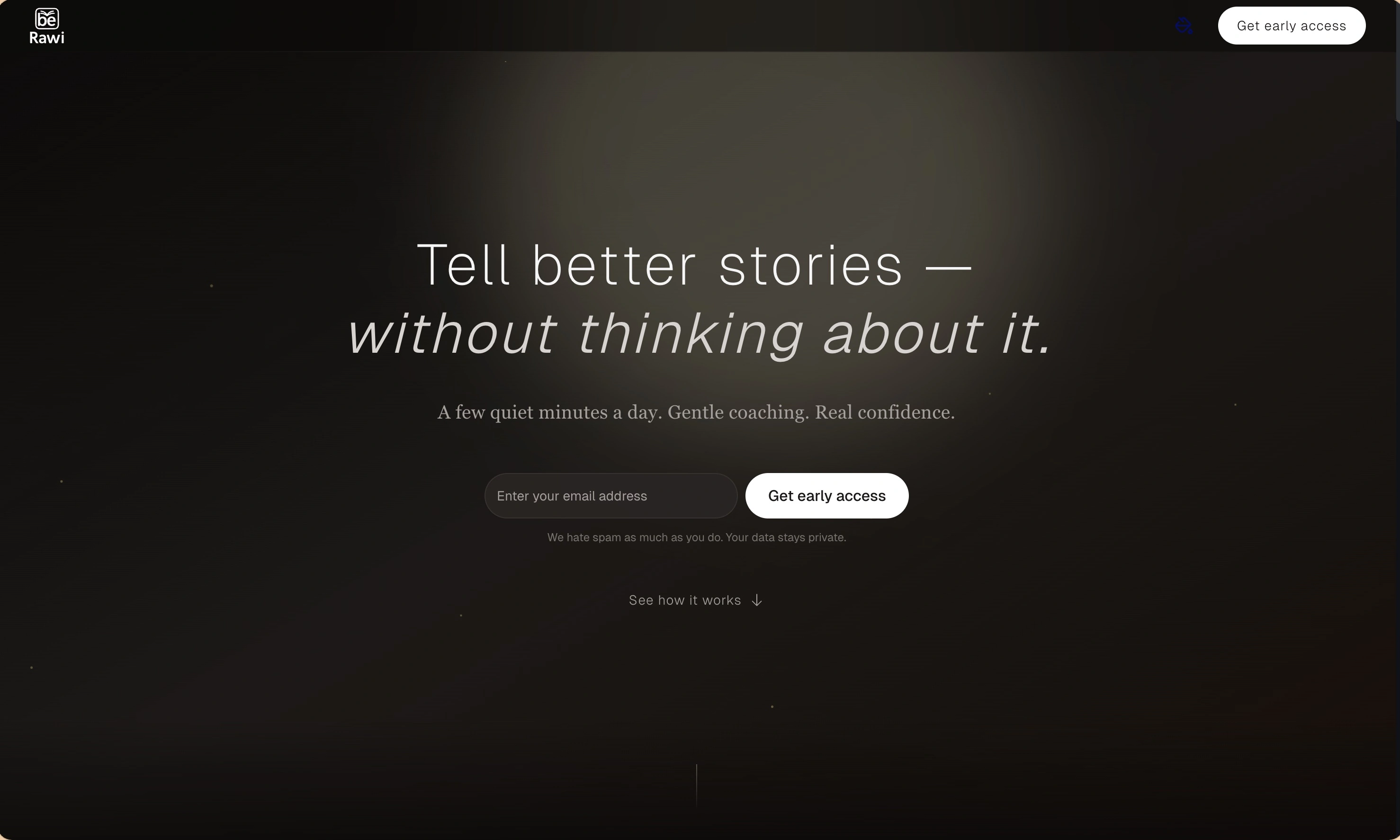
BeRawi: Storytelling Coach
Practice storytelling daily with instant feedback to sound clearer, more engaging, and confident 🎤
Omichat
Chat with 50+ AI models, including ChatGPT and Claude, in one place - switch models anytime without losing context 🤖
Claude Fast
Supercharge your Claude Code with 6x effective context window and specialized AI agents 🤖
EmojAI
AI-powered emoji picker with smart, context-aware suggestions 🤖
Solohacker
Autonomous company launcher - AI agents work 24/7, escalate what matters, and you stay in control 🤖
BeRawi: Storytelling Coach
Practice storytelling daily with instant feedback to sound clearer, more engaging, and confident 🎤
Omichat
Chat with 50+ AI models, including ChatGPT and Claude, in one place - switch models anytime without losing context 🤖
Claude Fast
Supercharge your Claude Code with 6x effective context window and specialized AI agents 🤖
EmojAI
AI-powered emoji picker with smart, context-aware suggestions 🤖
Solohacker
Autonomous company launcher - AI agents work 24/7, escalate what matters, and you stay in control 🤖
BeRawi: Storytelling Coach
Practice storytelling daily with instant feedback to sound clearer, more engaging, and confident 🎤
Omichat
Chat with 50+ AI models, including ChatGPT and Claude, in one place - switch models anytime without losing context 🤖
Claude Fast
Supercharge your Claude Code with 6x effective context window and specialized AI agents 🤖
EmojAI
AI-powered emoji picker with smart, context-aware suggestions 🤖
Solohacker
Autonomous company launcher - AI agents work 24/7, escalate what matters, and you stay in control 🤖
BeRawi: Storytelling Coach
Practice storytelling daily with instant feedback to sound clearer, more engaging, and confident 🎤

Connect with like-minded people
Join our community to get feedback, support, and grow together with 1,000+ builders on board, let's ship it!
Join usShip your startup everywhere. In minutes.
Don't burn tokens on setup and start building features on day one.