MonetizeMap
An AI monetization assistant that analyzes a creator’s content and audience to suggest the best income streams, offers, and pricing.
Understanding the problem MonetizeMap solves for modern creators
The creator economy has matured rapidly, but monetization remains one of its most confusing and unevenly distributed challenges. Millions of creators publish consistently on platforms like YouTube, TikTok, Instagram, podcasts, blogs, and newsletters, yet only a small percentage turn their audience into sustainable income. The gap isn’t effort or creativity — it’s strategy.
Creators struggle with questions like:
- What monetization model fits my audience size and demographics?
- Should I launch a course, sell sponsorships, create a membership, or focus on affiliates?
- Am I underpricing (or overpricing) my offers?
- How do I diversify revenue without burning out my audience?
MonetizeMap is an AI monetization assistant designed to answer those questions with clarity and data-driven insight. By analyzing a creator’s content, audience signals, and engagement patterns, MonetizeMap recommends the best income streams, offers, and pricing strategies for that specific creator — not generic advice.
This article explores MonetizeMap from a SaaS and market perspective, covering the opportunity, target audience, features, technology stack, monetization models, risks, and actionable implementation steps. If you’re validating, building, or investing in an AI-powered creator monetization platform, this guide is designed to give you a complete strategic blueprint.
Who MonetizeMap is for (target audience analysis)
Primary audience: independent creators and solopreneurs
The core users of MonetizeMap are independent digital creators who already produce content but feel uncertain about monetization strategy. This includes:
- YouTubers and streamers (1k–500k subscribers)
- TikTok and Instagram creators
- Newsletter writers on platforms like Substack or Beehiiv
- Podcasters and bloggers
- Indie educators and coaches
These creators usually share three traits:
- They have audience traction (views, subscribers, or engagement).
- They lack pricing and monetization expertise.
- They want predictable, diversified income, not one-off brand deals.
Their search intent is primarily validation and strategy — they are not asking “how do I make money online?” but rather “what is the smartest way for me to monetize what I already have?”
Secondary audience: agencies and creator managers
A strong secondary segment includes:
- Talent managers
- Creator agencies
- Growth consultants
For these users, MonetizeMap acts as a decision-support tool, helping them justify monetization strategies with data rather than gut instinct.
Why this audience matters
Creators increasingly expect tools that are personalized, AI-driven, and outcome-focused. Generic monetization advice no longer converts.
Market opportunity in the AI monetization space
The creator economy is large — but inefficient
The creator economy is estimated to be worth tens of billions of dollars annually, yet income distribution is heavily skewed. Most creators earn little to nothing, while a small minority captures the majority of revenue.
This inefficiency creates a massive opportunity for tools that:
- Improve creator monetization success rates
- Reduce trial-and-error
- Help creators diversify income safely
Existing tools focus on distribution (social schedulers), production (editing, AI writing), or analytics (views, clicks). Very few focus on monetization intelligence.
Where MonetizeMap fits
MonetizeMap sits at the intersection of:
- AI content analysis
- Audience segmentation
- Pricing psychology
- Creator business strategy
Instead of telling creators what worked for others, it answers:
“What monetization strategy is most likely to work for you, right now?”
That positioning creates a defensible niche.
Core features of MonetizeMap and how they work
AI-powered content and audience analysis
MonetizeMap ingests creator inputs such as:
- Content samples (videos, posts, newsletters)
- Platform metrics (followers, views, engagement)
- Niche and topic focus
- Audience demographics (if available)
Using AI models, it identifies patterns such as:
- Audience intent (education, entertainment, inspiration)
- Buying readiness
- Trust signals
- Content-to-offer alignment
This analysis forms the foundation of all recommendations.
Monetization strategy recommendations
Based on analysis, MonetizeMap suggests:
- Best-fit income streams, such as:
- Digital products
- Courses or cohorts
- Memberships
- Sponsorships
- Affiliates
- Coaching or consulting
- Prioritization order (what to launch first vs later)
- Revenue diversification roadmap
Instead of overwhelming creators with options, the AI narrows focus to the top 2–3 monetization paths most likely to succeed.
Pricing and offer optimization
Pricing is one of the hardest challenges for creators. MonetizeMap helps by:
- Suggesting pricing ranges based on:
- Audience size and engagement
- Niche benchmarks
- Perceived value
- Recommending:
- Entry-level offers
- Upsells and bundles
- Long-term LTV strategies
This turns vague ideas into executable offers.
Actionable insights and next steps
Each recommendation is paired with:
- Clear reasoning (“why this fits your audience”)
- Practical next steps
- Risk warnings (e.g., audience fatigue, misalignment)
This keeps the platform from feeling like a black box.
Why MonetizeMap is different from existing tools
Competitive landscape overview
Let’s compare MonetizeMap to other common creator tools:
| Tool type | Audience analysis | Monetization strategy | Pricing guidance | Personalization |
|---|---|---|---|---|
| Analytics dashboards | ✅ | ❌ | ❌ | ❌ |
| Course platforms | ❌ | ✅ | ❌ | ❌ |
| MonetizeMap | ✅ | ✅ | ✅ | ✅ |
Unique selling proposition (USP)
MonetizeMap’s USP is personalized monetization intelligence.
It doesn’t replace platforms like Gumroad or Patreon — it tells creators what to build and how to price it before they invest time and money.
This positioning avoids direct competition with infrastructure tools and instead complements them.
Recommended technology stack for MonetizeMap
Frontend
- React for component-driven UI
React - TailwindCSS for rapid, consistent styling
TailwindCSS
These choices enable fast iteration and clean UX — critical for creator-facing tools.
Backend and AI layer
- Node.js or serverless functions for API handling
- AI model integration via OpenAI or similar LLM providers
- Vector databases for content embeddings (e.g., for semantic analysis)
Data considerations and trade-offs
- Pros: Rich personalization, defensible insights
- Cons: Requires careful handling of user data and transparency
Trust is critical
Creators must clearly understand what data is analyzed and how it’s used. Transparent explanations improve adoption.
Monetization strategies for MonetizeMap as a SaaS
Subscription-based pricing
The most natural model:
- Free tier with limited analysis
- Paid tiers unlocking:
- Deeper insights
- Multiple platforms
- Ongoing strategy updates
Usage-based or creator tiers
Alternative pricing based on:
- Audience size
- Revenue level
- Number of brands or clients (for agencies)
Enterprise and agency plans
Higher-priced plans for:
- Talent managers
- Creator agencies
- Accelerator programs
This creates strong expansion revenue.
Potential risks and how to mitigate them
Over-reliance on AI recommendations
Risk: Creators blindly follow advice without context.
Mitigation:
Explain reasoning behind every recommendation and encourage human judgment.
Generic outputs
Risk: Insights feel templated.
Mitigation:
Continuously fine-tune prompts and models with real creator data.
Trust and credibility
Risk: Creators doubt accuracy.
Mitigation:
- Show benchmarks
- Use case studies
- Position AI as an assistant, not a guru
How MonetizeMap builds long-term competitive advantage
- Data moat from creator monetization outcomes
- Positioning as a strategy layer, not a tool replacement
- Strong word-of-mouth potential in creator communities
- Expansion into forecasting and revenue simulation
Once creators trust MonetizeMap’s recommendations, switching costs become psychological and strategic, not just technical.
Implementation roadmap for building MonetizeMap
For founders looking to accelerate development and validation, using a launch-focused platform like TurboStarter can significantly reduce time-to-market while maintaining quality.
Final thoughts: why MonetizeMap is timely and valuable
MonetizeMap addresses a real, painful gap in the creator economy: knowing how to monetize effectively without guesswork. As creators become more professional and AI adoption accelerates, tools that combine intelligence, personalization, and trust will define the next generation of creator SaaS.
By focusing on strategic insight rather than infrastructure, MonetizeMap positions itself as a high-value assistant that grows alongside its users’ income.
If executed well, MonetizeMap isn’t just another AI tool — it becomes the monetization brain behind thousands of creator businesses.
More 🤖 AI Startup SaaS ideas
Discover more innovative ai startup SaaS ideas that are trending in 2026. Each idea is AI-generated with market validation and growth potential to help you find your next profitable venture faster than competitors.
Your competitors are building with TurboStarter
Below are some of the SaaS ideas that have been generated and built with our starter kit.
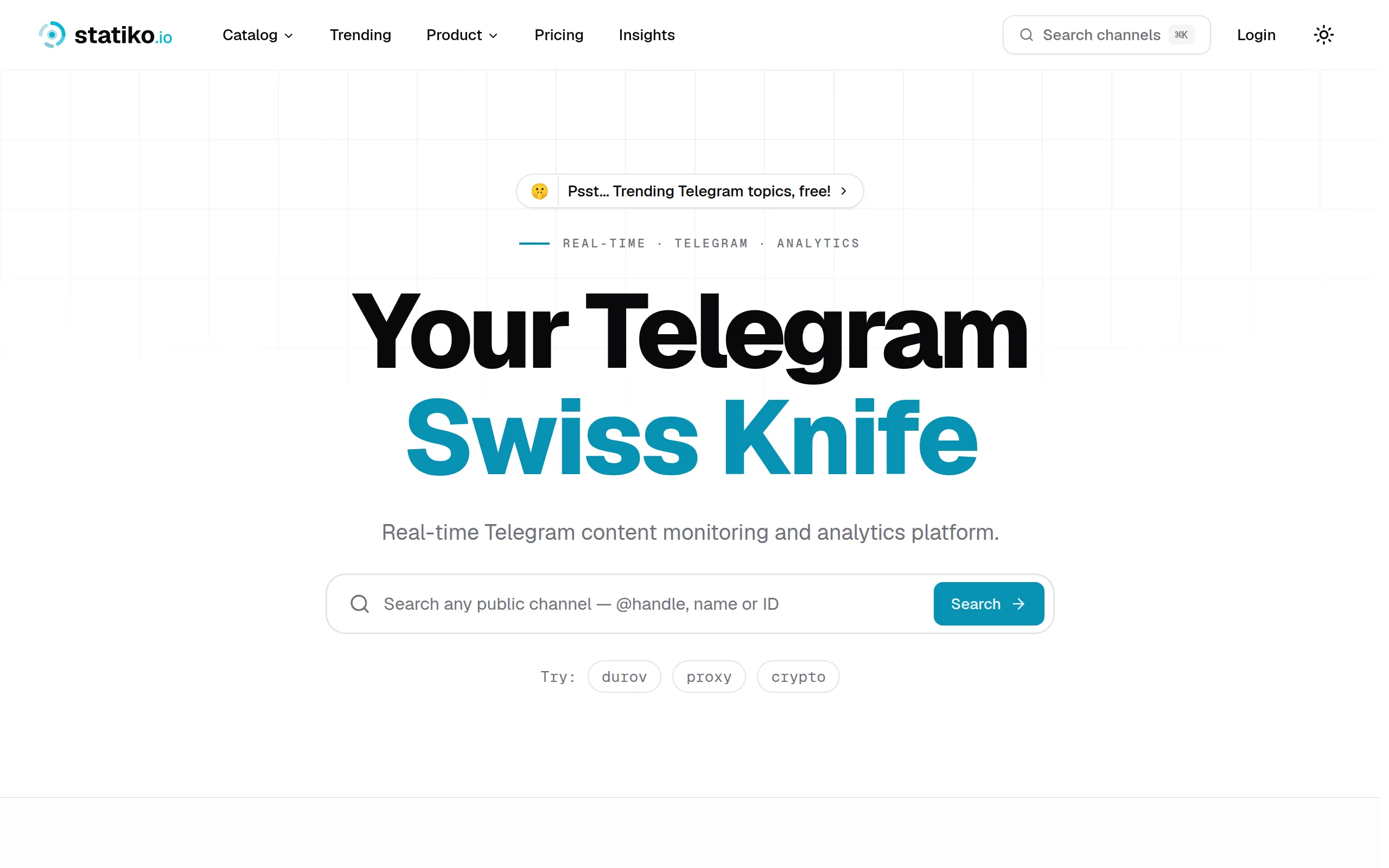
Statiko
Monitor any Telegram channel in real time - track posts, edits, deletions, and growth with AI recaps 📡

Shibui
AI website builder - describe your business, pick a niche template, edit by chatting, and publish instantly ✨

Pro Service
Find verified home service professionals, compare quotes, and pay securely through escrow - built for Brazilians across the US 🏠
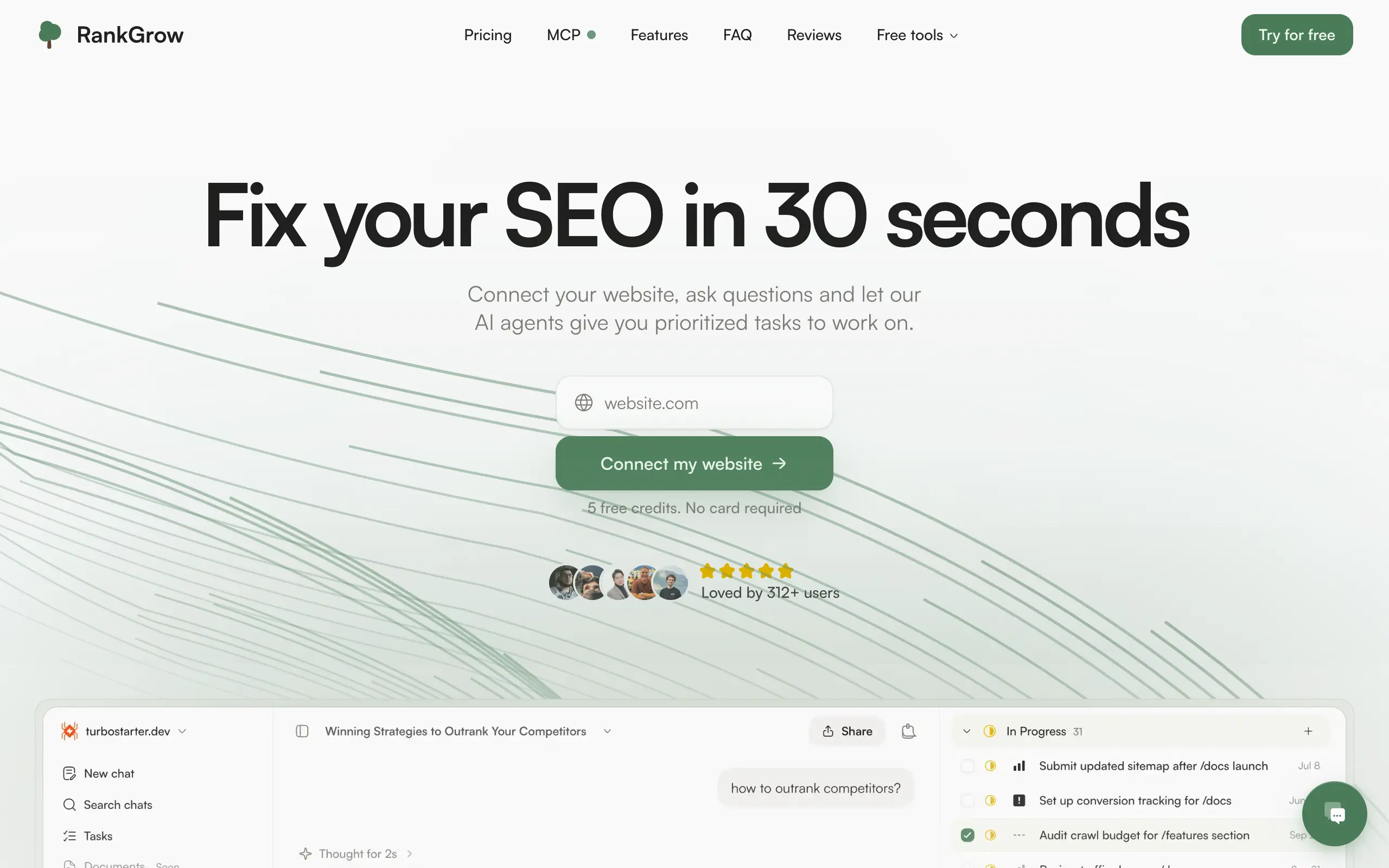
RankGrow
Fix your SEO with AI agents - connect Search Console, get prioritized tasks, and grow organic traffic 📈
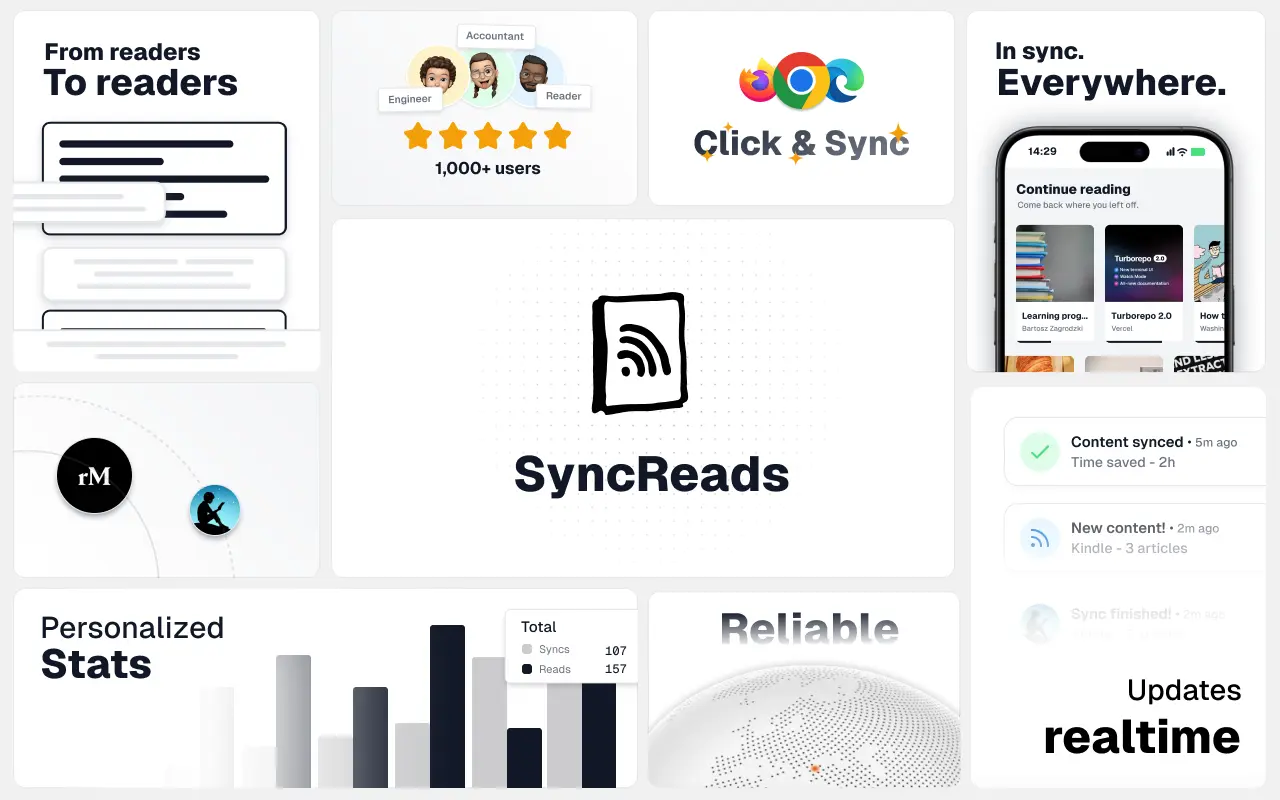
SyncReads
Sync your favorite content for distraction-free reading, save time and replace multiple apps. Anytime, anywhere 🔄
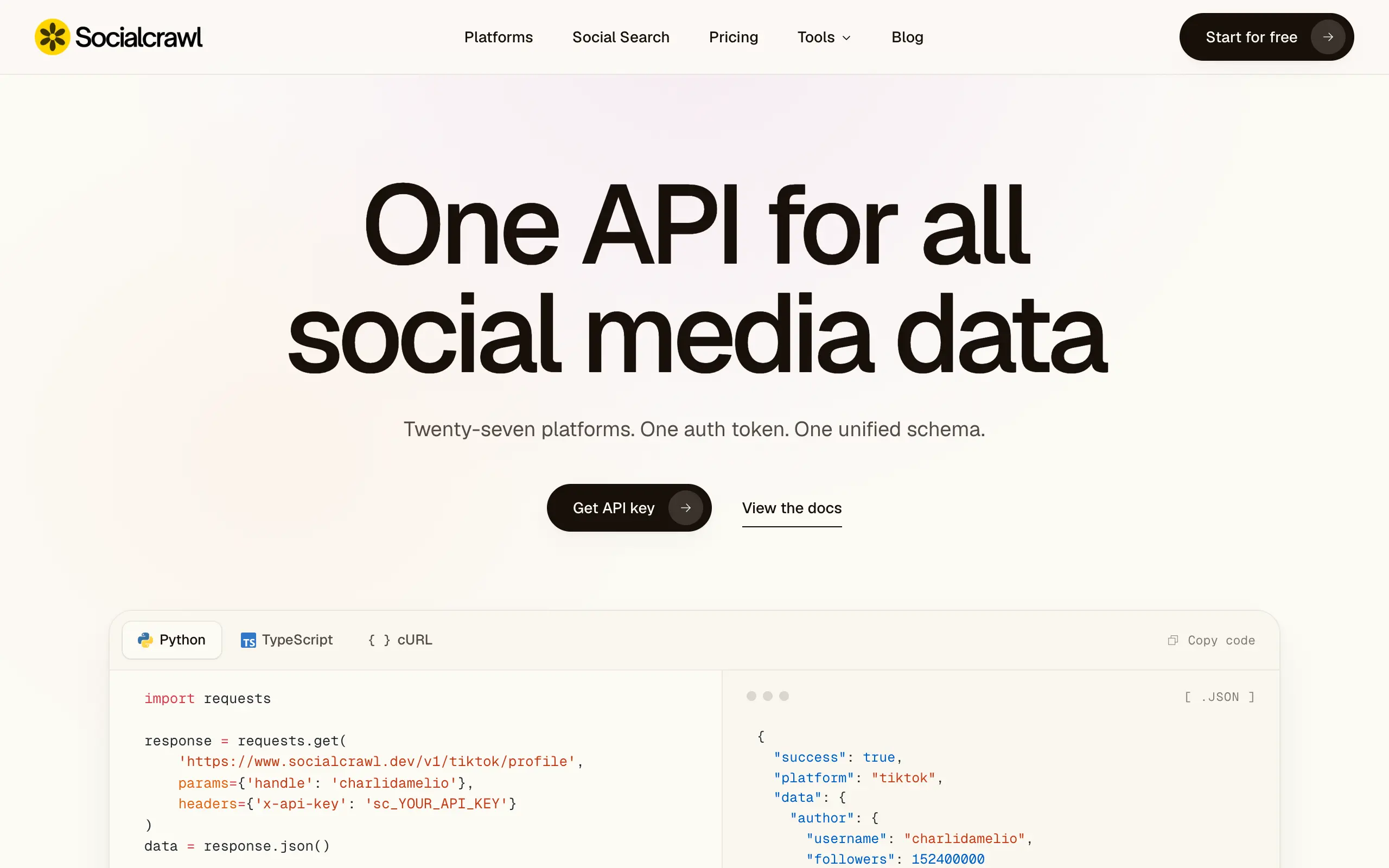
Socialcrawl
Get clean, structured data from 21 platforms like TikTok, Instagram, and YouTube with a single request 📊
Statiko
Monitor any Telegram channel in real time - track posts, edits, deletions, and growth with AI recaps 📡
Shibui
AI website builder - describe your business, pick a niche template, edit by chatting, and publish instantly ✨
Pro Service
Find verified home service professionals, compare quotes, and pay securely through escrow - built for Brazilians across the US 🏠
RankGrow
Fix your SEO with AI agents - connect Search Console, get prioritized tasks, and grow organic traffic 📈
SyncReads
Sync your favorite content for distraction-free reading, save time and replace multiple apps. Anytime, anywhere 🔄
Socialcrawl
Get clean, structured data from 21 platforms like TikTok, Instagram, and YouTube with a single request 📊
Statiko
Monitor any Telegram channel in real time - track posts, edits, deletions, and growth with AI recaps 📡
Shibui
AI website builder - describe your business, pick a niche template, edit by chatting, and publish instantly ✨
Pro Service
Find verified home service professionals, compare quotes, and pay securely through escrow - built for Brazilians across the US 🏠
RankGrow
Fix your SEO with AI agents - connect Search Console, get prioritized tasks, and grow organic traffic 📈
SyncReads
Sync your favorite content for distraction-free reading, save time and replace multiple apps. Anytime, anywhere 🔄
Socialcrawl
Get clean, structured data from 21 platforms like TikTok, Instagram, and YouTube with a single request 📊
Statiko
Monitor any Telegram channel in real time - track posts, edits, deletions, and growth with AI recaps 📡
Shibui
AI website builder - describe your business, pick a niche template, edit by chatting, and publish instantly ✨
Pro Service
Find verified home service professionals, compare quotes, and pay securely through escrow - built for Brazilians across the US 🏠
RankGrow
Fix your SEO with AI agents - connect Search Console, get prioritized tasks, and grow organic traffic 📈
SyncReads
Sync your favorite content for distraction-free reading, save time and replace multiple apps. Anytime, anywhere 🔄
Socialcrawl
Get clean, structured data from 21 platforms like TikTok, Instagram, and YouTube with a single request 📊
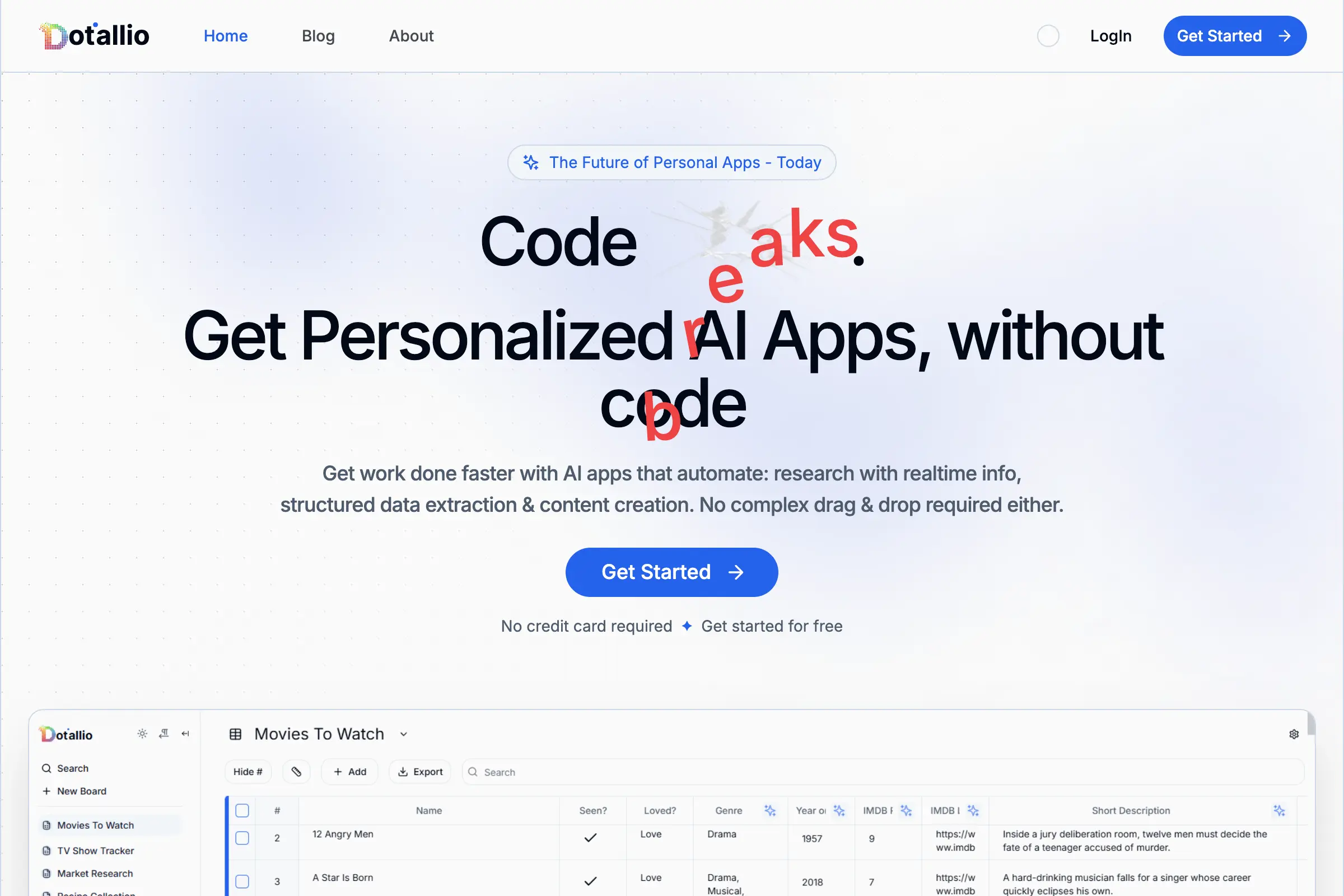
Dotallio
Personalized AI apps that automate research, data extraction, and content creation without code 🤖

Talk to Santa
Enjoy a magical live video chat or receive a unique AI-generated video greeting from Santa Claus 🎅

pozywka.pl
Scalable blog for food journalist, focused on performance and user experience 🌭
zagrodzki.me
Personal blog and portfolio of Bart Zagrodzki, where he shares his knowledge and work 💼
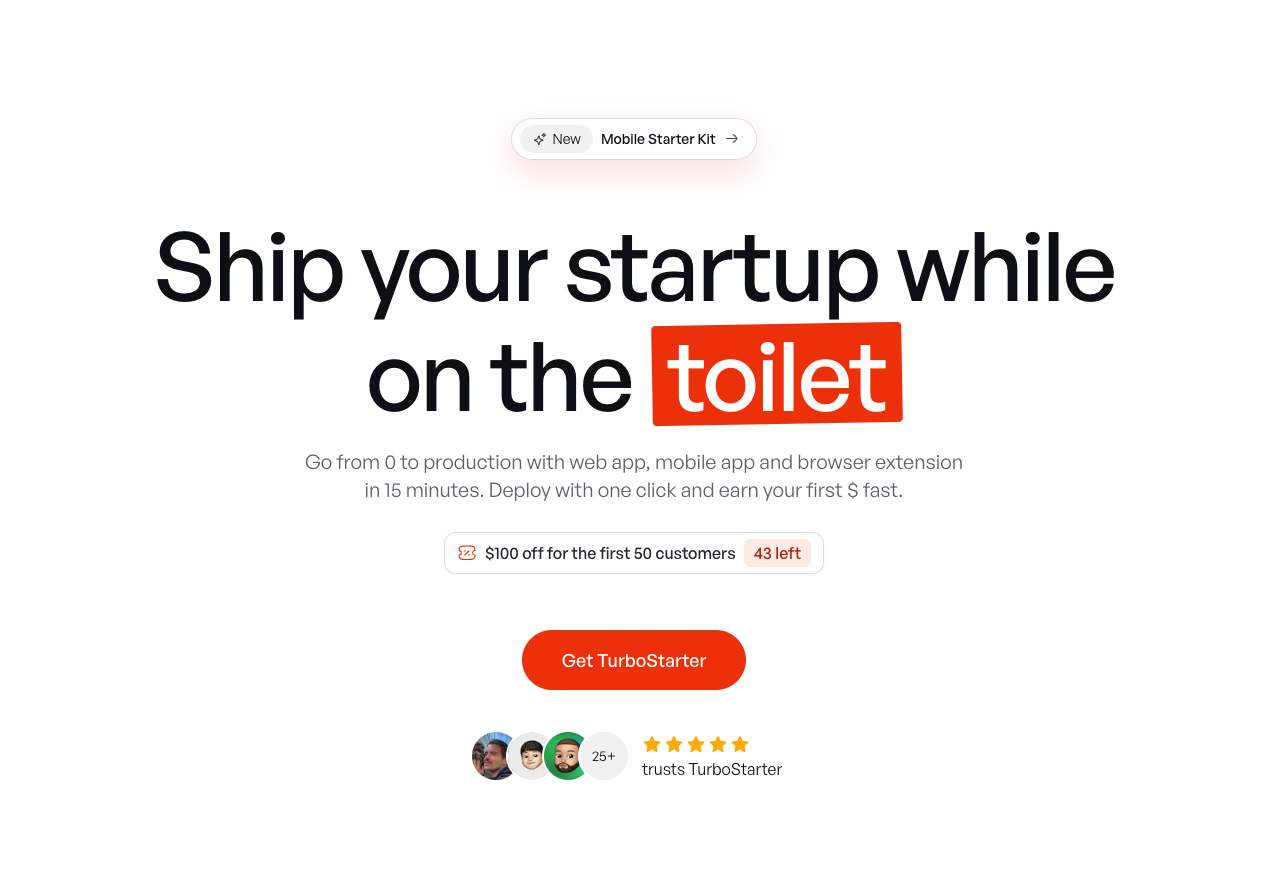
TurboStarter
Ship your startup everywhere. In minutes.
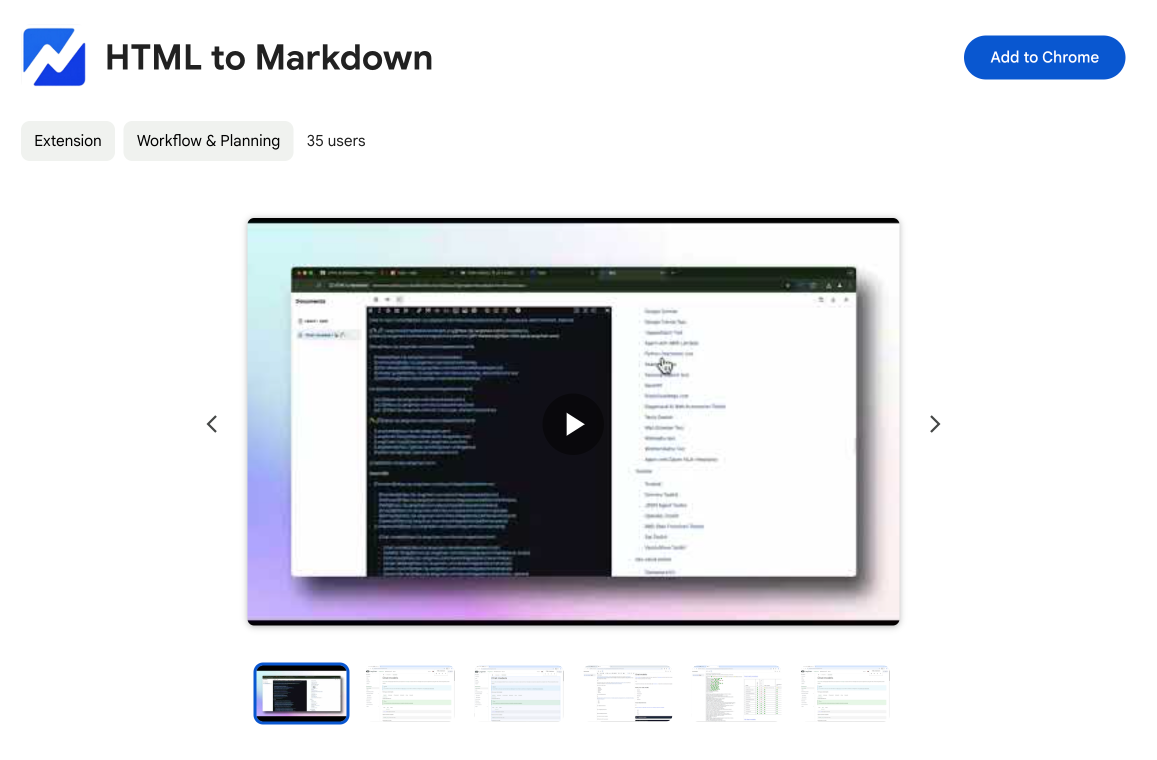
HTML to Markdown
Convert HTML to Markdown with ease, directly in your browser 📄
Dotallio
Personalized AI apps that automate research, data extraction, and content creation without code 🤖
Talk to Santa
Enjoy a magical live video chat or receive a unique AI-generated video greeting from Santa Claus 🎅
pozywka.pl
Scalable blog for food journalist, focused on performance and user experience 🌭
zagrodzki.me
Personal blog and portfolio of Bart Zagrodzki, where he shares his knowledge and work 💼
TurboStarter
Ship your startup everywhere. In minutes.
HTML to Markdown
Convert HTML to Markdown with ease, directly in your browser 📄
Dotallio
Personalized AI apps that automate research, data extraction, and content creation without code 🤖
Talk to Santa
Enjoy a magical live video chat or receive a unique AI-generated video greeting from Santa Claus 🎅
pozywka.pl
Scalable blog for food journalist, focused on performance and user experience 🌭
zagrodzki.me
Personal blog and portfolio of Bart Zagrodzki, where he shares his knowledge and work 💼
TurboStarter
Ship your startup everywhere. In minutes.
HTML to Markdown
Convert HTML to Markdown with ease, directly in your browser 📄
Dotallio
Personalized AI apps that automate research, data extraction, and content creation without code 🤖
Talk to Santa
Enjoy a magical live video chat or receive a unique AI-generated video greeting from Santa Claus 🎅
pozywka.pl
Scalable blog for food journalist, focused on performance and user experience 🌭
zagrodzki.me
Personal blog and portfolio of Bart Zagrodzki, where he shares his knowledge and work 💼
TurboStarter
Ship your startup everywhere. In minutes.
HTML to Markdown
Convert HTML to Markdown with ease, directly in your browser 📄
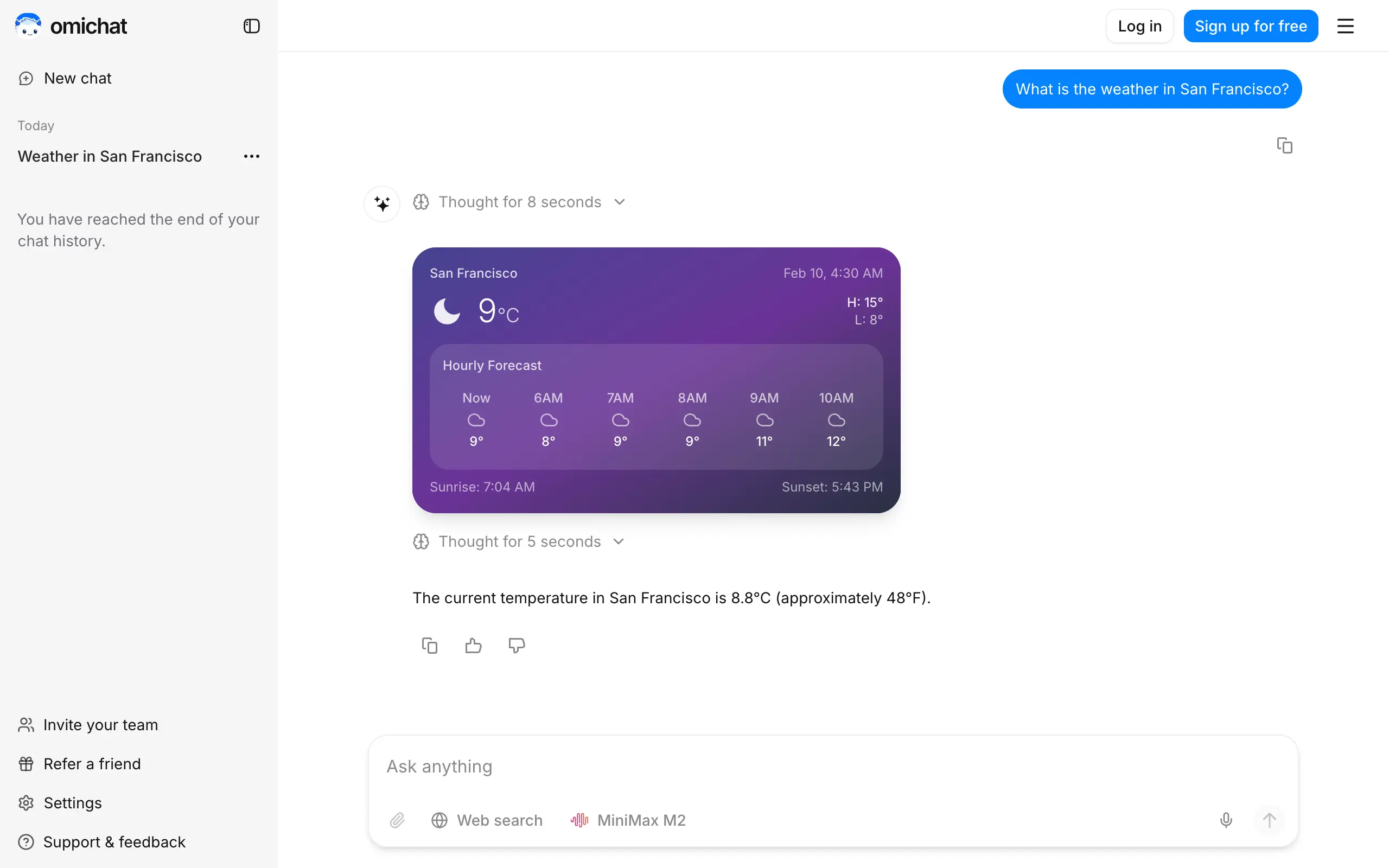
Omichat
Chat with 50+ AI models, including ChatGPT and Claude, in one place - switch models anytime without losing context 🤖
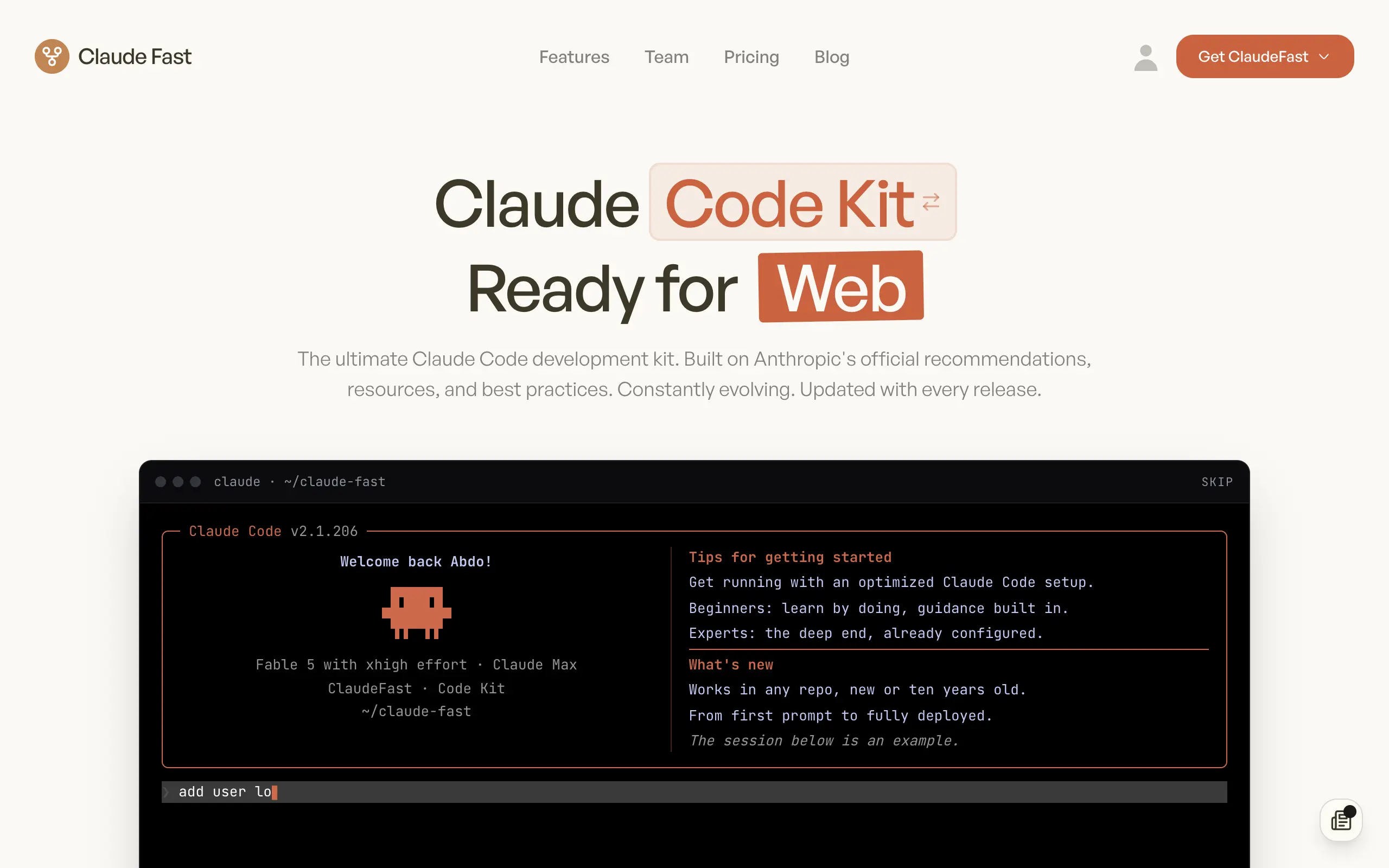
Claude Fast
Supercharge your Claude Code with 6x effective context window and specialized AI agents 🤖
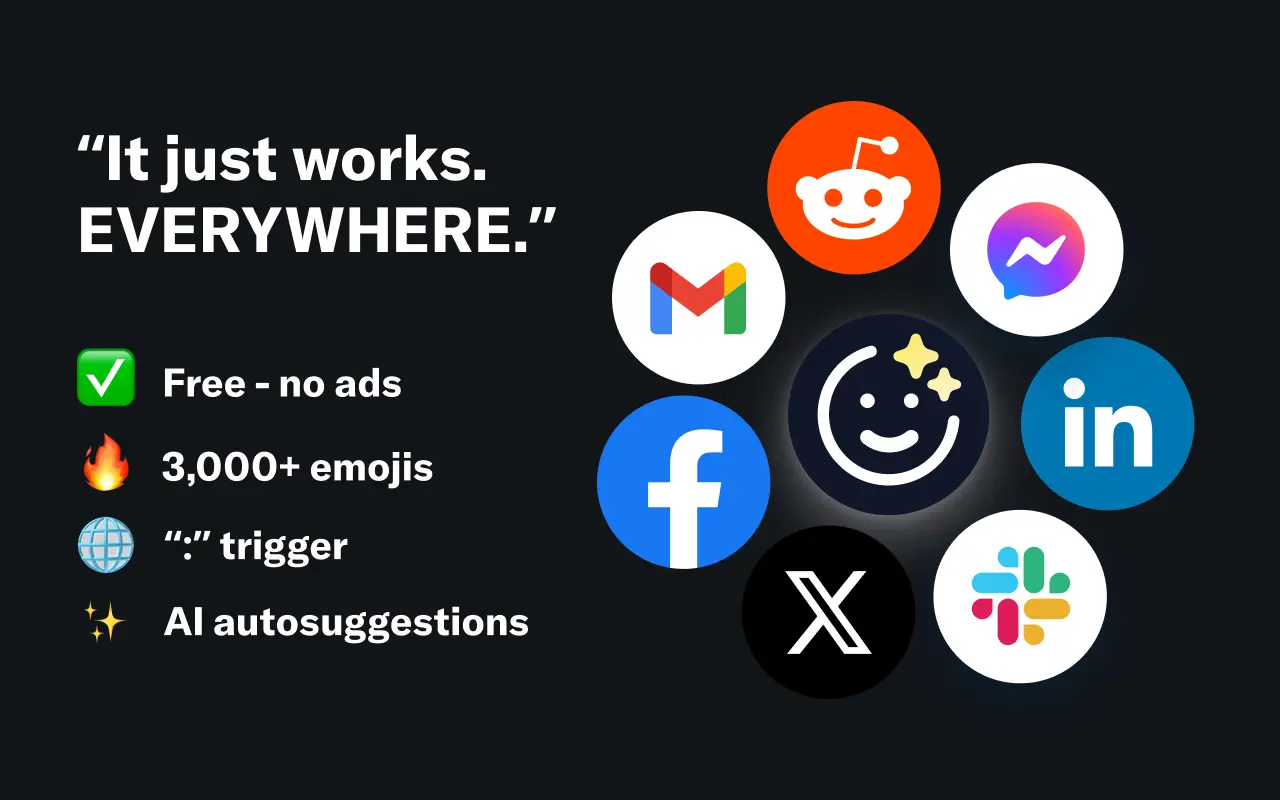
EmojAI
AI-powered emoji picker with smart, context-aware suggestions 🤖
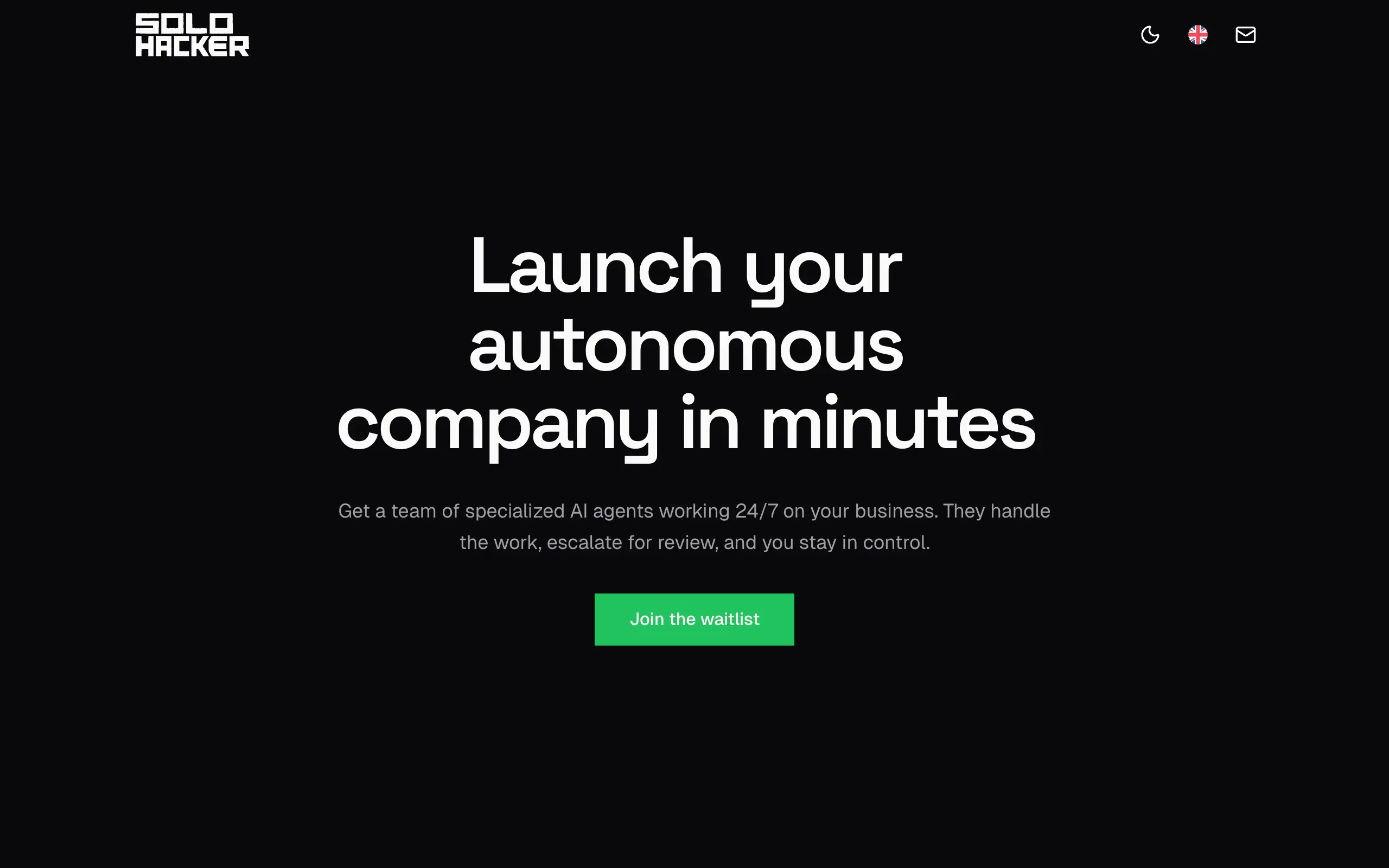
Solohacker
Autonomous company launcher - AI agents work 24/7, escalate what matters, and you stay in control 🤖
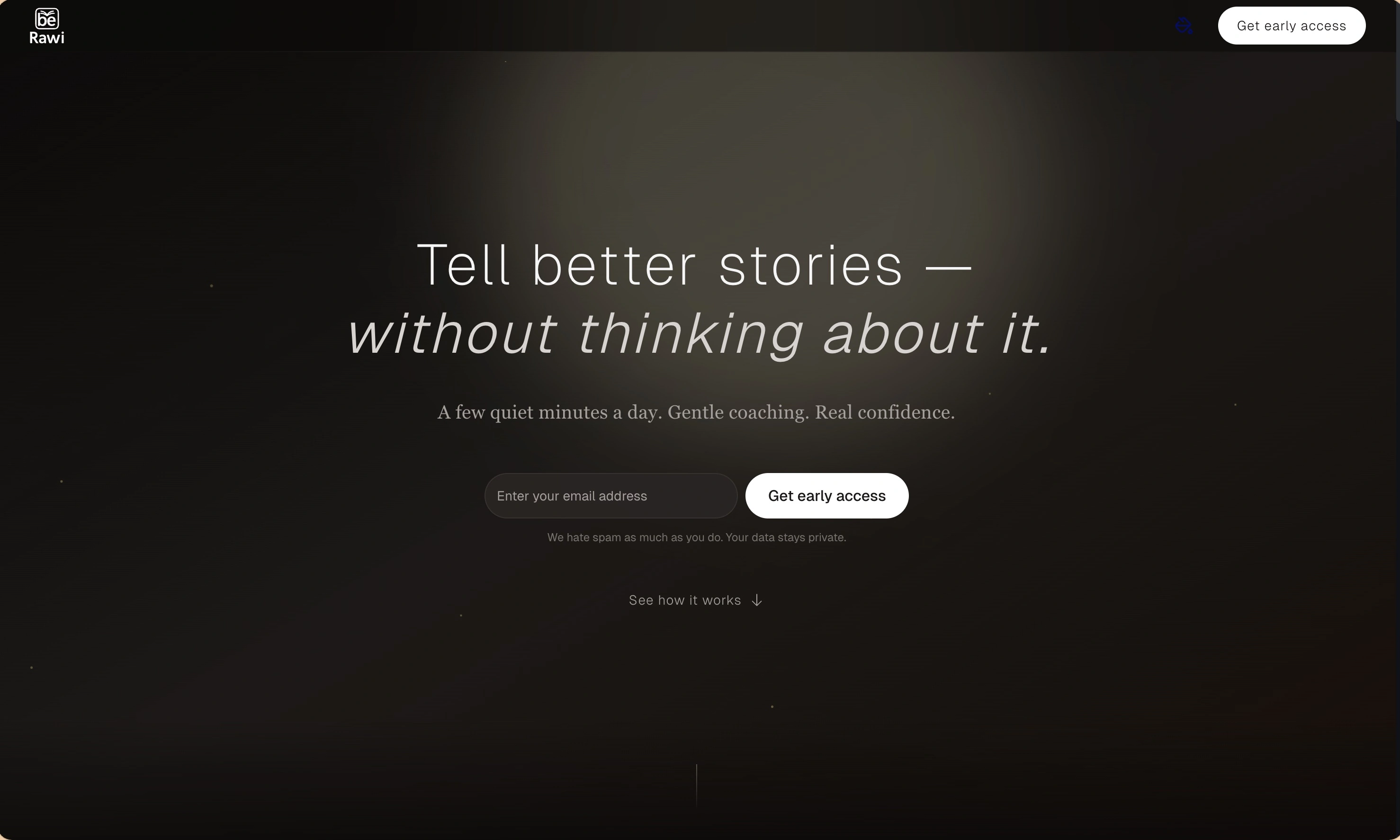
BeRawi: Storytelling Coach
Practice storytelling daily with instant feedback to sound clearer, more engaging, and confident 🎤
Omichat
Chat with 50+ AI models, including ChatGPT and Claude, in one place - switch models anytime without losing context 🤖
Claude Fast
Supercharge your Claude Code with 6x effective context window and specialized AI agents 🤖
EmojAI
AI-powered emoji picker with smart, context-aware suggestions 🤖
Solohacker
Autonomous company launcher - AI agents work 24/7, escalate what matters, and you stay in control 🤖
BeRawi: Storytelling Coach
Practice storytelling daily with instant feedback to sound clearer, more engaging, and confident 🎤
Omichat
Chat with 50+ AI models, including ChatGPT and Claude, in one place - switch models anytime without losing context 🤖
Claude Fast
Supercharge your Claude Code with 6x effective context window and specialized AI agents 🤖
EmojAI
AI-powered emoji picker with smart, context-aware suggestions 🤖
Solohacker
Autonomous company launcher - AI agents work 24/7, escalate what matters, and you stay in control 🤖
BeRawi: Storytelling Coach
Practice storytelling daily with instant feedback to sound clearer, more engaging, and confident 🎤
Omichat
Chat with 50+ AI models, including ChatGPT and Claude, in one place - switch models anytime without losing context 🤖
Claude Fast
Supercharge your Claude Code with 6x effective context window and specialized AI agents 🤖
EmojAI
AI-powered emoji picker with smart, context-aware suggestions 🤖
Solohacker
Autonomous company launcher - AI agents work 24/7, escalate what matters, and you stay in control 🤖
BeRawi: Storytelling Coach
Practice storytelling daily with instant feedback to sound clearer, more engaging, and confident 🎤

Connect with like-minded people
Join our community to get feedback, support, and grow together with 1,000+ builders on board, let's ship it!
Join usShip your startup everywhere. In minutes.
Don't burn tokens on setup and start building features on day one.