NanoNote AI
Smart note summarizer that turns class notes into concise, shareable insights. Earn by selling or sharing summaries with peers. Designed for tech-savvy students.
NanoNote AI is an innovative SaaS platform designed to revolutionize how students interact with their class notes. By leveraging advanced artificial intelligence, NanoNote AI transforms lengthy, unstructured notes into concise, shareable summaries—empowering students to learn more efficiently and even monetize their insights. In this comprehensive guide, we’ll explore the market need, core features, technical considerations, monetization strategies, and actionable steps to bring NanoNote AI to life.
Understanding the target audience for NanoNote AI
A deep understanding of the target audience is crucial for the success of any SaaS product, especially in the competitive edtech landscape.
Who are the primary users?
- Tech-savvy students: Primarily high school, college, and university students who are comfortable with digital tools and seek ways to optimize their study routines.
- Study group leaders: Students who often take the initiative to organize, summarize, and share notes within their peer groups.
- Tutors and teaching assistants: Individuals who create study materials and summaries for their students.
- Lifelong learners: Professionals or autodidacts enrolled in online courses (MOOCs) who need efficient ways to digest large volumes of information.
What are their pain points?
- Information overload: Students often struggle to distill key points from voluminous class notes.
- Time constraints: Balancing coursework, extracurriculars, and personal life leaves little time for manual summarization.
- Collaboration challenges: Sharing and standardizing notes within groups can be inconsistent and inefficient.
- Monetization barriers: Students who create high-quality summaries lack a streamlined way to share or sell their work.
User intent and search behavior
When searching for solutions like NanoNote AI, users typically look for:
- Automated note summarization tools
- AI-powered study aids
- Ways to share or sell study notes
- Apps to improve study efficiency
Tip for founders
Conducting user interviews and surveys within student communities can further validate these pain points and refine feature priorities.
Identifying the market opportunity and gaps
The edtech sector is booming, with AI-driven tools gaining rapid adoption. However, there are still significant gaps that NanoNote AI is uniquely positioned to fill.
Market trends and data
- The global edtech market is projected to reach $404 billion by 2025, with AI-powered learning tools being a major growth driver.
- Students increasingly rely on digital note-taking apps, but most lack advanced summarization or sharing features.
- Peer-to-peer learning and knowledge marketplaces (e.g., Course Hero, StudySoup) are popular, but often lack real-time AI summarization.
Key market gaps
- Lack of intelligent summarization: Most note apps focus on storage and organization, not on distilling insights.
- Limited monetization options: Few platforms allow students to earn from their study materials.
- Fragmented sharing: Sharing notes is often manual and lacks standardization or quality control.
Competitive landscape
NanoNote AI competes with:
- Traditional note-taking apps (e.g., Evernote, OneNote)
- Study marketplaces (e.g., Course Hero, StudySoup)
- AI summarization tools (e.g., SMMRY, Scholarcy)
However, none combine all three: AI-powered summarization, seamless sharing, and built-in monetization.
| AI Summarization | Note Storage | Monetization | Collaboration | Student Focus |
|---|---|---|---|---|
| ✅ | ❌ | ❌ | ✅ | ❌ |
| ✅ | ❌ | ✅ | ✅ | ❌ |
Core features and solution details
NanoNote AI’s value proposition lies in its seamless blend of AI, collaboration, and monetization. Here’s a breakdown of the essential features:
1. AI-powered note summarization
- Natural language processing (NLP): Utilizes state-of-the-art models (e.g., GPT-4, BERT) to extract key points and generate concise summaries.
- Customizable summary length: Users can choose between ultra-short, medium, or detailed summaries.
- Highlight extraction: Automatically identifies and highlights important concepts, definitions, and formulas.
2. Shareable insights and collaboration
- One-click sharing: Instantly share summaries with classmates or study groups via unique links or within the platform.
- Collaboration tools: Allow group editing, commenting, and upvoting of the best summaries.
- Version control: Track changes and revert to previous versions if needed.
3. Monetization and marketplace
- Sell summaries: Users can list their high-quality summaries for sale, setting their own prices.
- Peer review and ratings: Buyers can rate and review summaries, ensuring quality and trust.
- Revenue dashboard: Track earnings, sales, and popular topics.
4. Integrations and accessibility
- Import from popular note apps: Seamless integration with Google Docs, Notion, Evernote, and more.
- Mobile-first design: Optimized for smartphones and tablets.
- Accessibility features: Support for screen readers and dyslexia-friendly fonts.
5. Security and privacy
- End-to-end encryption: Protects user data and intellectual property.
- Granular sharing controls: Users decide who can view, edit, or purchase their summaries.
AI Summarization
Turn lengthy notes into concise, actionable insights in seconds.
Monetization
Earn by selling or sharing your best summaries with peers.
Collaboration
Work together, comment, and upvote the most helpful summaries.
Integrations
Import notes from your favorite apps and devices.
Recommended tech stack for NanoNote AI
Choosing the right technology stack is critical for scalability, performance, and rapid development. Here’s a recommended stack for building NanoNote AI, with trade-offs considered.
Frontend
- React (reactjs.org): Modern, component-based UI development. Large ecosystem and community support.
- Next.js (nextjs.org): Server-side rendering for SEO, fast performance, and easy API integration.
- Tailwind CSS (tailwindcss.com): Utility-first CSS framework for rapid, responsive design.
Backend
- Node.js (nodejs.org): Non-blocking, event-driven server environment, ideal for real-time features.
- Express.js (expressjs.com): Minimalist web framework for building RESTful APIs.
AI and NLP
- OpenAI GPT-4 API (openai.com): For advanced summarization and natural language understanding.
- spaCy (spacy.io): Open-source NLP library for custom text processing.
- Hugging Face Transformers (huggingface.co): Access to a wide range of pre-trained language models.
Database
- PostgreSQL (postgresql.org): Reliable, scalable relational database for user data and transactions.
- Redis (redis.io): In-memory caching for fast retrieval of popular summaries.
File storage
- Amazon S3 (aws.amazon.com/s3): Secure, scalable storage for user-uploaded notes and summaries.
Authentication and payments
- Auth0 (auth0.com): Secure, scalable authentication and authorization.
- Stripe (stripe.com): Industry-standard payment processing for marketplace transactions.
Deployment and DevOps
- Vercel (vercel.com): Seamless deployment for Next.js apps.
- Docker (docker.com): Containerization for consistent environments.
Rapid prototyping
For founders looking to accelerate development, TurboStarter offers pre-built SaaS templates, authentication, and payment integrations—ideal for quickly validating the NanoNote AI concept.
Tech stack trade-offs
While using managed services (like OpenAI or Auth0) speeds up development, it can increase long-term costs and introduce vendor lock-in. Open-source alternatives (e.g., Hugging Face, Keycloak) offer more control but require more setup and maintenance.
Monetization strategy options
NanoNote AI’s business model can be diversified to maximize revenue and user engagement.
1. Marketplace commissions
- Take a percentage (e.g., 10-20%) of each summary sale.
- Pros: Scales with user activity; aligns incentives.
- Cons: Requires critical mass of buyers and sellers.
2. Freemium model
- Free tier: Basic summarization and sharing.
- Premium tier: Advanced features (e.g., longer summaries, analytics, priority support).
- Pros: Lowers barrier to entry; encourages upgrades.
- Cons: Must balance free vs. paid features to avoid cannibalization.
3. Subscription plans
- Monthly/annual subscriptions for unlimited summarization, exclusive content, or ad-free experience.
- Pros: Predictable recurring revenue.
- Cons: Requires strong value proposition to justify ongoing cost.
4. Institutional partnerships
- Sell site licenses to schools, universities, or tutoring centers.
- Pros: Large contracts, brand credibility.
- Cons: Longer sales cycles, need for customization.
5. Advertising (optional)
- Contextual ads for free users.
- Pros: Monetizes non-paying users.
- Cons: Can detract from user experience.
NanoNote AI can automatically deduct a small percentage from each transaction, transferring the remainder to the seller’s account via Stripe.
Consider making advanced AI models, detailed analytics, and priority support part of the paid tier.
Potential risks and mitigation strategies
Launching an AI-powered edtech platform comes with unique challenges. Here’s how to address them:
1. Quality control
- Risk: Low-quality or inaccurate summaries could erode trust.
- Mitigation: Implement peer reviews, ratings, and AI-based content validation.
2. Academic integrity
- Risk: Summaries could be misused for plagiarism or cheating.
- Mitigation: Partner with institutions to set guidelines; use plagiarism detection tools.
3. Data privacy
- Risk: Sensitive notes may contain personal or proprietary information.
- Mitigation: Use end-to-end encryption, strict access controls, and transparent privacy policies.
4. AI limitations
- Risk: AI-generated summaries may miss context or nuance.
- Mitigation: Allow manual editing, user feedback, and continuous model improvement.
5. Marketplace liquidity
- Risk: Not enough buyers or sellers at launch.
- Mitigation: Seed the marketplace with high-quality content, offer incentives for early adopters.
Competitive advantage and unique selling proposition
NanoNote AI stands out in a crowded market by combining three powerful elements:
- AI-driven summarization: Instantly distill complex notes into actionable insights, saving students hours of manual work.
- Peer-to-peer marketplace: Empower students to monetize their knowledge, creating a virtuous cycle of quality and engagement.
- Seamless collaboration: Built-in tools for sharing, editing, and rating summaries foster a vibrant learning community.
Unlike generic note-taking apps or static study marketplaces, NanoNote AI is purpose-built for the modern, tech-savvy student who values efficiency, collaboration, and entrepreneurship.
Actionable implementation steps
Ready to bring NanoNote AI to life? Here’s a step-by-step roadmap:
For founders seeking to accelerate development, TurboStarter provides ready-made SaaS infrastructure, including authentication, payments, and user management—allowing you to focus on building unique AI features and marketplace logic.
Conclusion: Why NanoNote AI is the future of student productivity
NanoNote AI addresses a real, growing need among students for smarter, faster, and more collaborative ways to process information. By combining cutting-edge AI summarization, a peer-driven marketplace, and robust collaboration tools, it offers a unique value proposition that stands out in the edtech landscape.
Whether you’re a founder, developer, or educator, now is the perfect time to capitalize on the intersection of AI and education. With a clear roadmap, the right tech stack, and a focus on user needs, NanoNote AI can become the go-to platform for turning class notes into valuable, shareable insights.
Frequently asked questions
Yes, the AI models can be fine-tuned for various subjects, from STEM to humanities. However, complex diagrams or highly technical content may require manual review.
Through a combination of AI validation, peer reviews, and user ratings, the platform maintains high standards for all shared or sold summaries.
Absolutely. The platform is designed with a mobile-first approach for seamless access on smartphones and tablets.
Start by validating your idea, defining your MVP, and leveraging tools like TurboStarter for rapid prototyping and deployment.
By focusing on user needs, leveraging the latest AI advancements, and building a vibrant marketplace, NanoNote AI is poised to transform how students learn, collaborate, and succeed.
More 🤖 AI Startup SaaS ideas
Discover more innovative ai startup SaaS ideas that are trending in 2026. Each idea is AI-generated with market validation and growth potential to help you find your next profitable venture faster than competitors.
Your competitors are building with TurboStarter
Below are some of the SaaS ideas that have been generated and built with our starter kit.
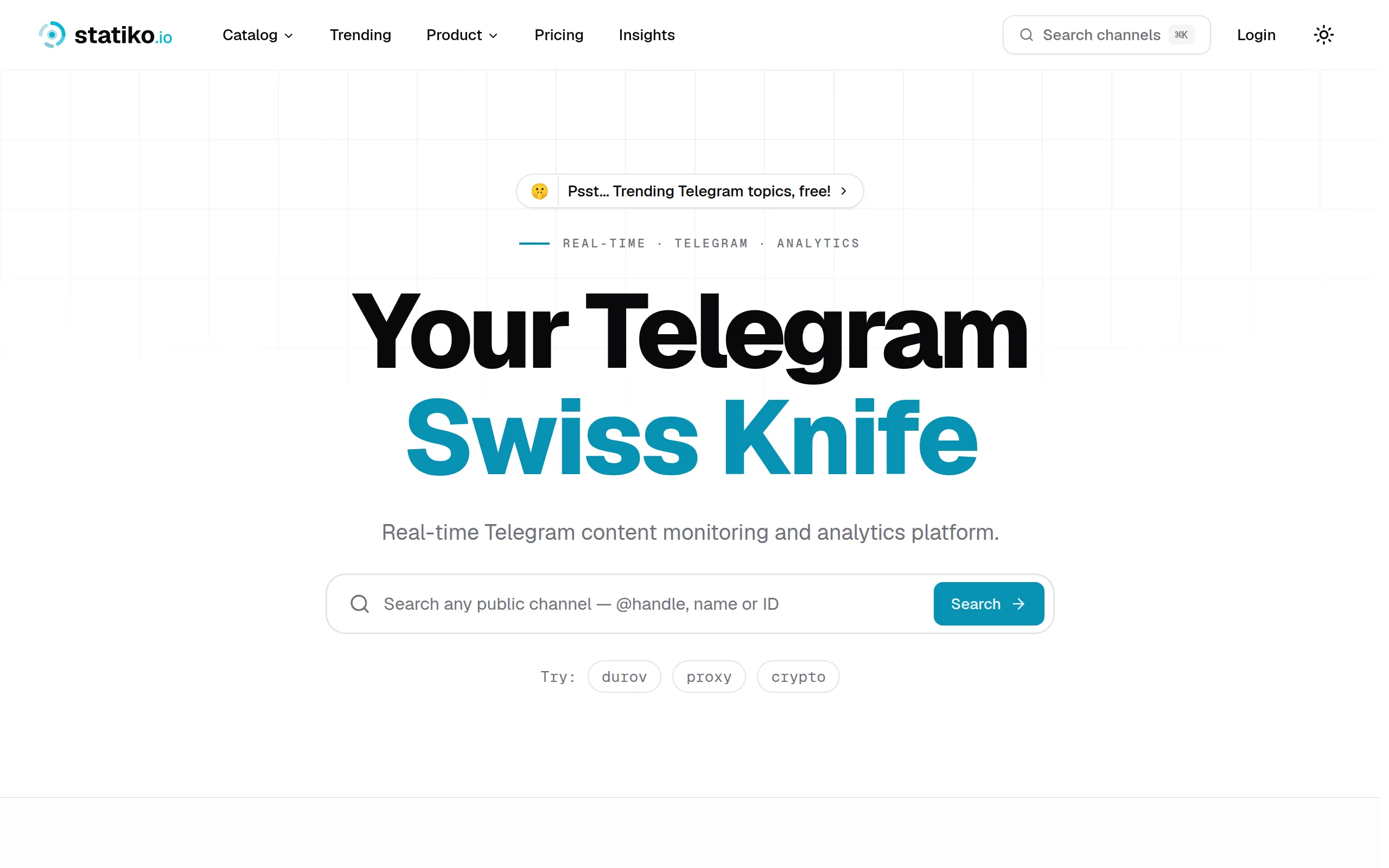
Statiko
Monitor any Telegram channel in real time - track posts, edits, deletions, and growth with AI recaps 📡

Shibui
AI website builder - describe your business, pick a niche template, edit by chatting, and publish instantly ✨

Pro Service
Find verified home service professionals, compare quotes, and pay securely through escrow - built for Brazilians across the US 🏠
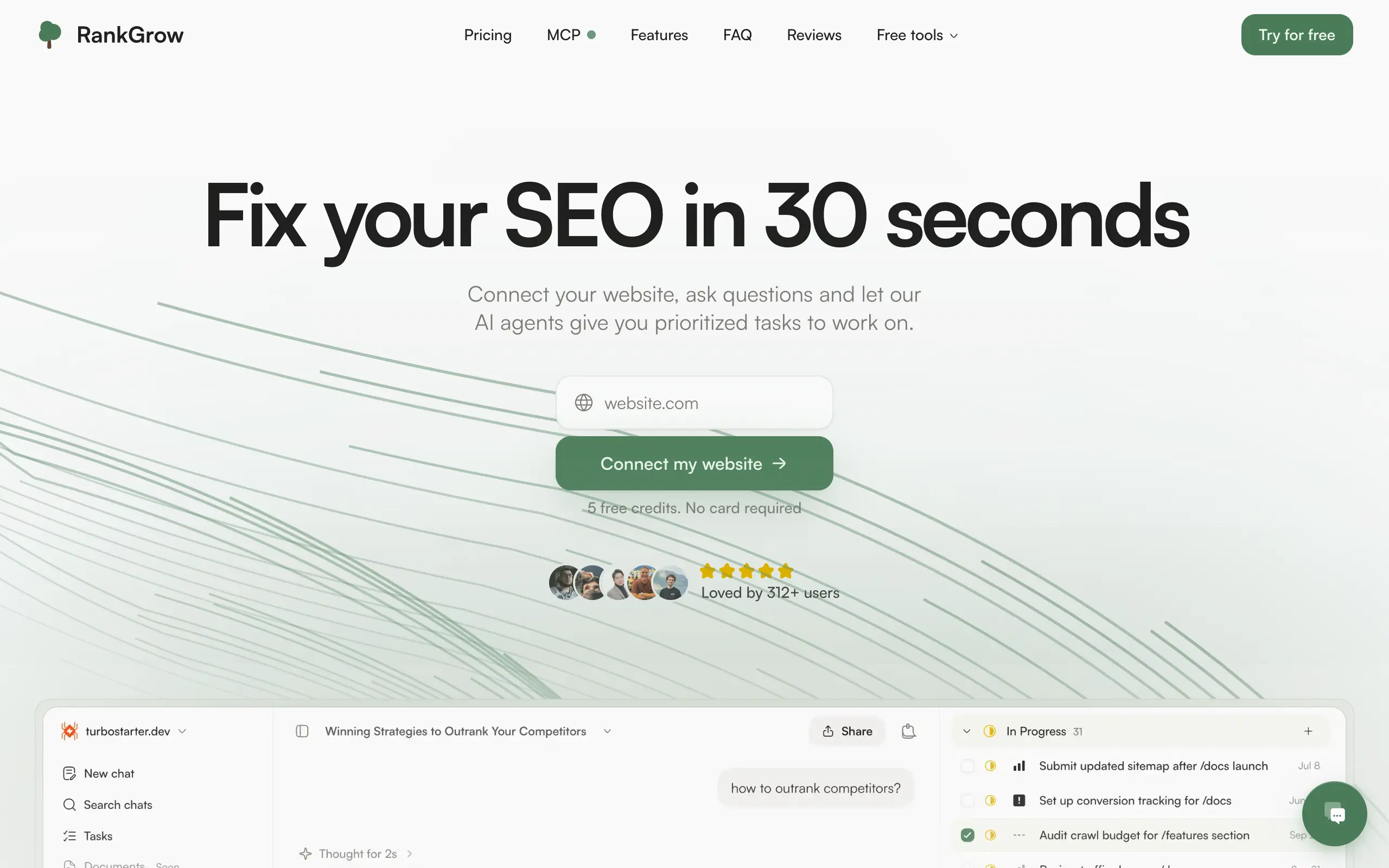
RankGrow
Fix your SEO with AI agents - connect Search Console, get prioritized tasks, and grow organic traffic 📈
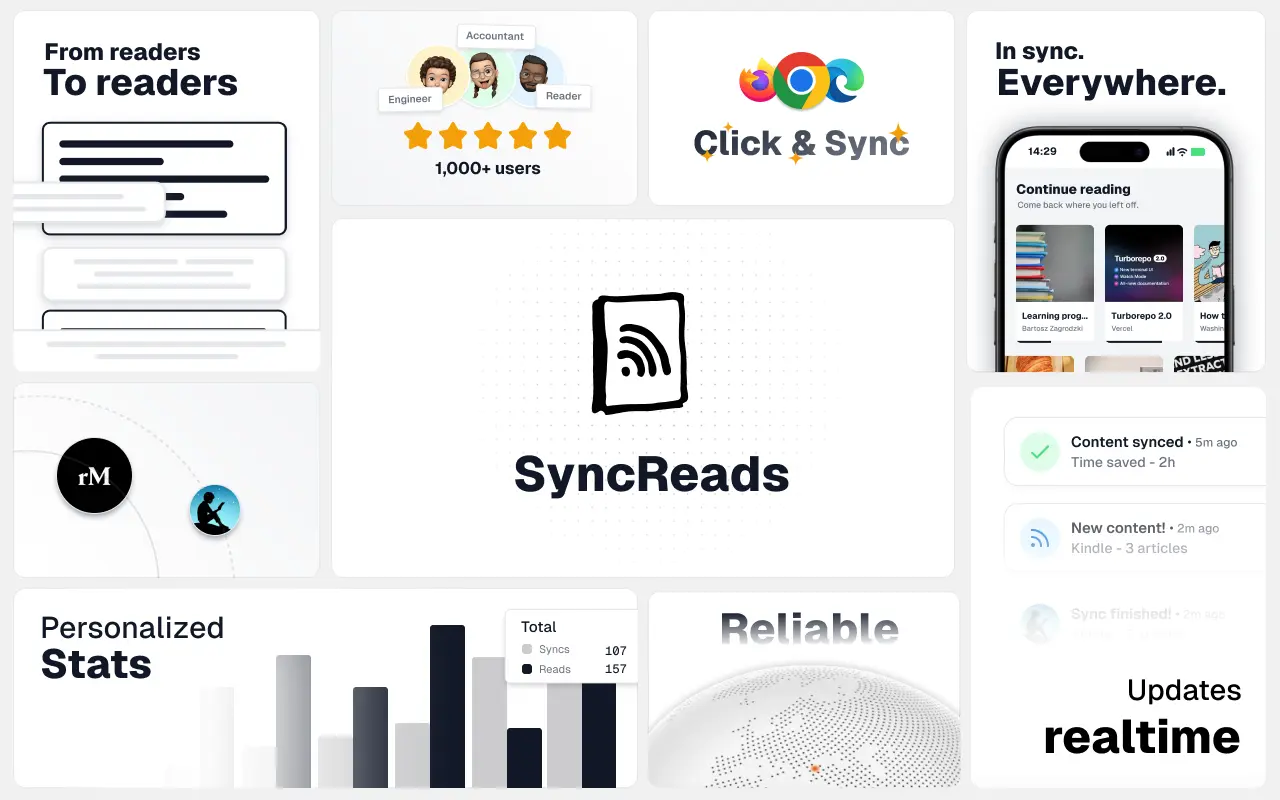
SyncReads
Sync your favorite content for distraction-free reading, save time and replace multiple apps. Anytime, anywhere 🔄
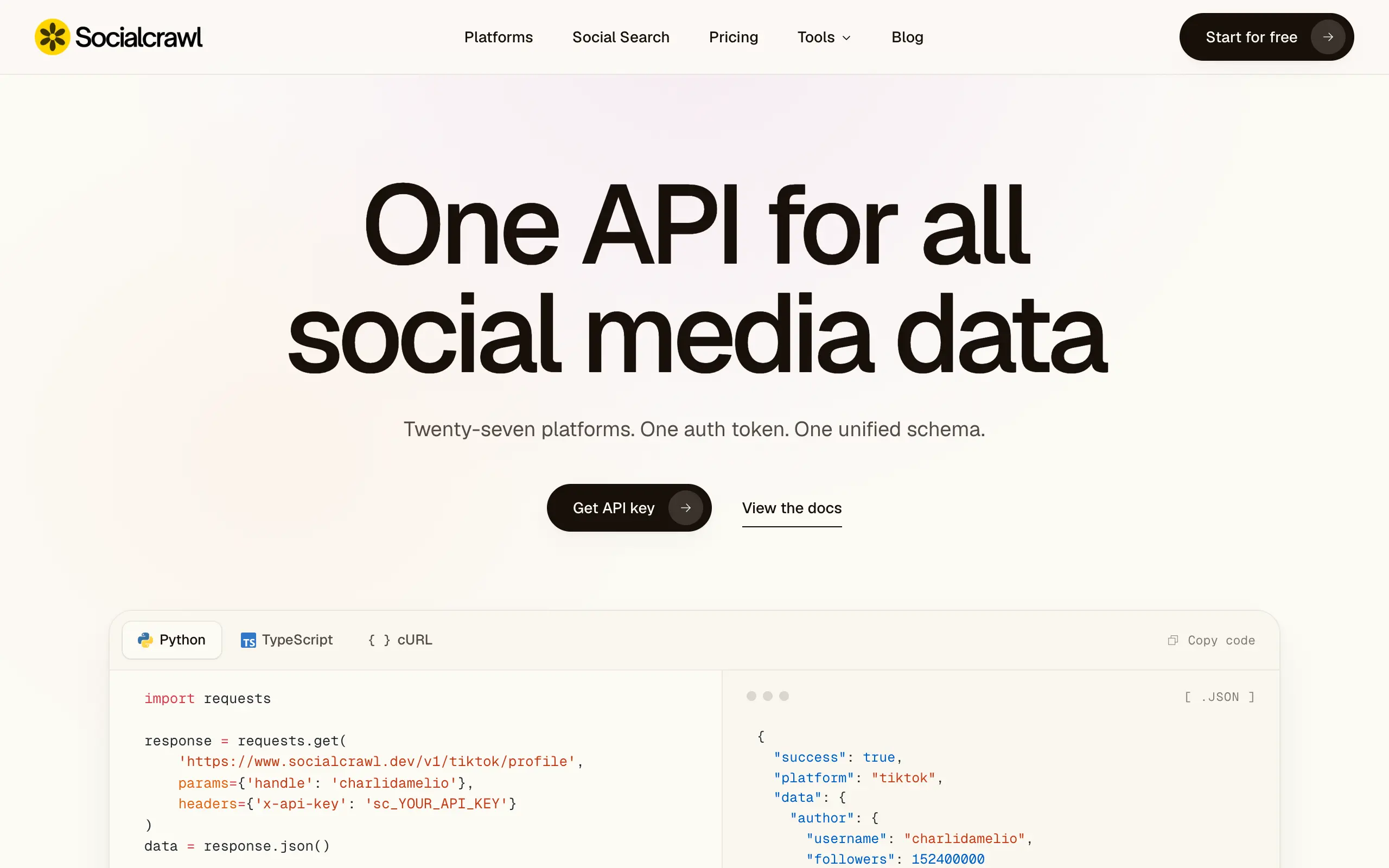
Socialcrawl
Get clean, structured data from 21 platforms like TikTok, Instagram, and YouTube with a single request 📊
Statiko
Monitor any Telegram channel in real time - track posts, edits, deletions, and growth with AI recaps 📡
Shibui
AI website builder - describe your business, pick a niche template, edit by chatting, and publish instantly ✨
Pro Service
Find verified home service professionals, compare quotes, and pay securely through escrow - built for Brazilians across the US 🏠
RankGrow
Fix your SEO with AI agents - connect Search Console, get prioritized tasks, and grow organic traffic 📈
SyncReads
Sync your favorite content for distraction-free reading, save time and replace multiple apps. Anytime, anywhere 🔄
Socialcrawl
Get clean, structured data from 21 platforms like TikTok, Instagram, and YouTube with a single request 📊
Statiko
Monitor any Telegram channel in real time - track posts, edits, deletions, and growth with AI recaps 📡
Shibui
AI website builder - describe your business, pick a niche template, edit by chatting, and publish instantly ✨
Pro Service
Find verified home service professionals, compare quotes, and pay securely through escrow - built for Brazilians across the US 🏠
RankGrow
Fix your SEO with AI agents - connect Search Console, get prioritized tasks, and grow organic traffic 📈
SyncReads
Sync your favorite content for distraction-free reading, save time and replace multiple apps. Anytime, anywhere 🔄
Socialcrawl
Get clean, structured data from 21 platforms like TikTok, Instagram, and YouTube with a single request 📊
Statiko
Monitor any Telegram channel in real time - track posts, edits, deletions, and growth with AI recaps 📡
Shibui
AI website builder - describe your business, pick a niche template, edit by chatting, and publish instantly ✨
Pro Service
Find verified home service professionals, compare quotes, and pay securely through escrow - built for Brazilians across the US 🏠
RankGrow
Fix your SEO with AI agents - connect Search Console, get prioritized tasks, and grow organic traffic 📈
SyncReads
Sync your favorite content for distraction-free reading, save time and replace multiple apps. Anytime, anywhere 🔄
Socialcrawl
Get clean, structured data from 21 platforms like TikTok, Instagram, and YouTube with a single request 📊
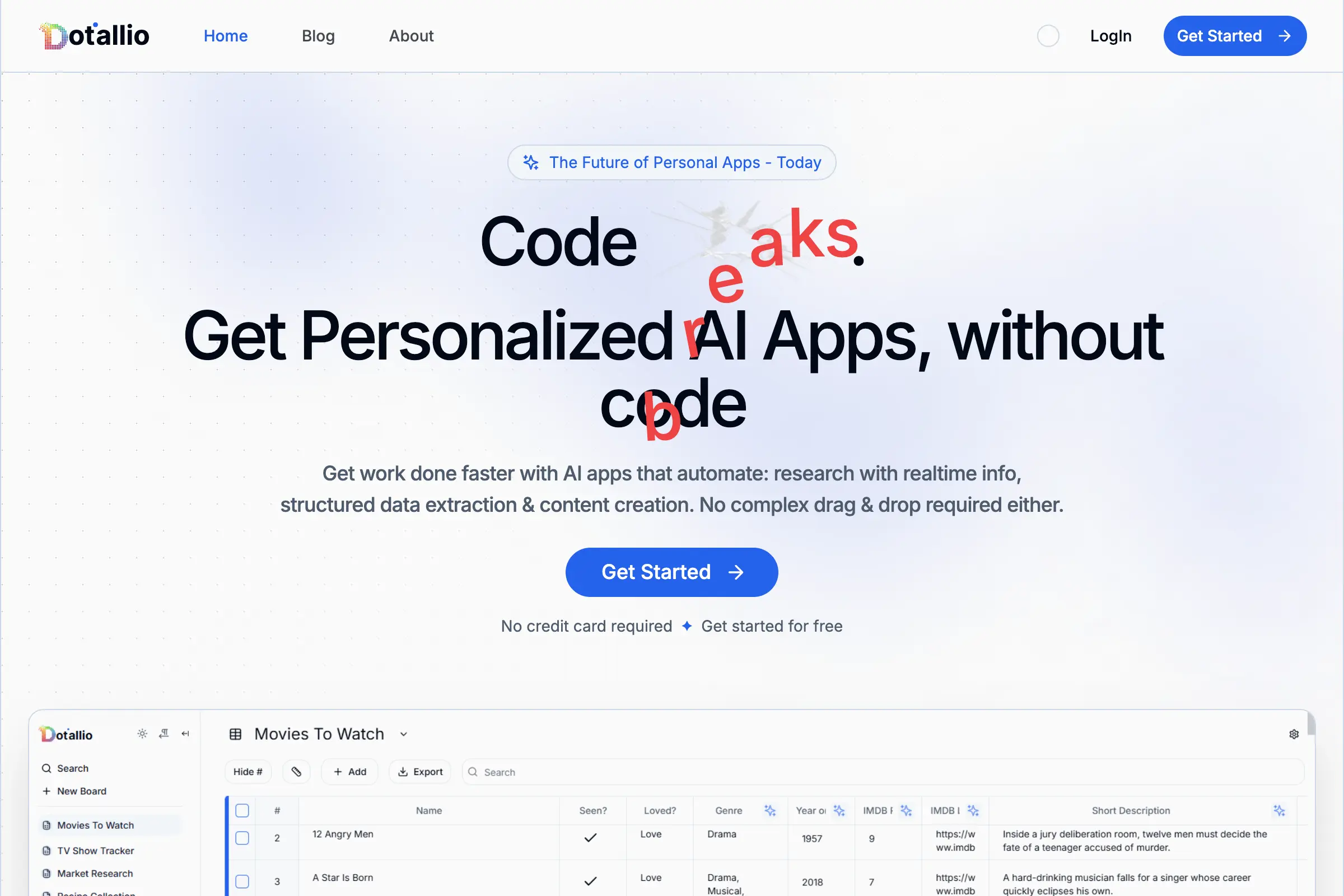
Dotallio
Personalized AI apps that automate research, data extraction, and content creation without code 🤖
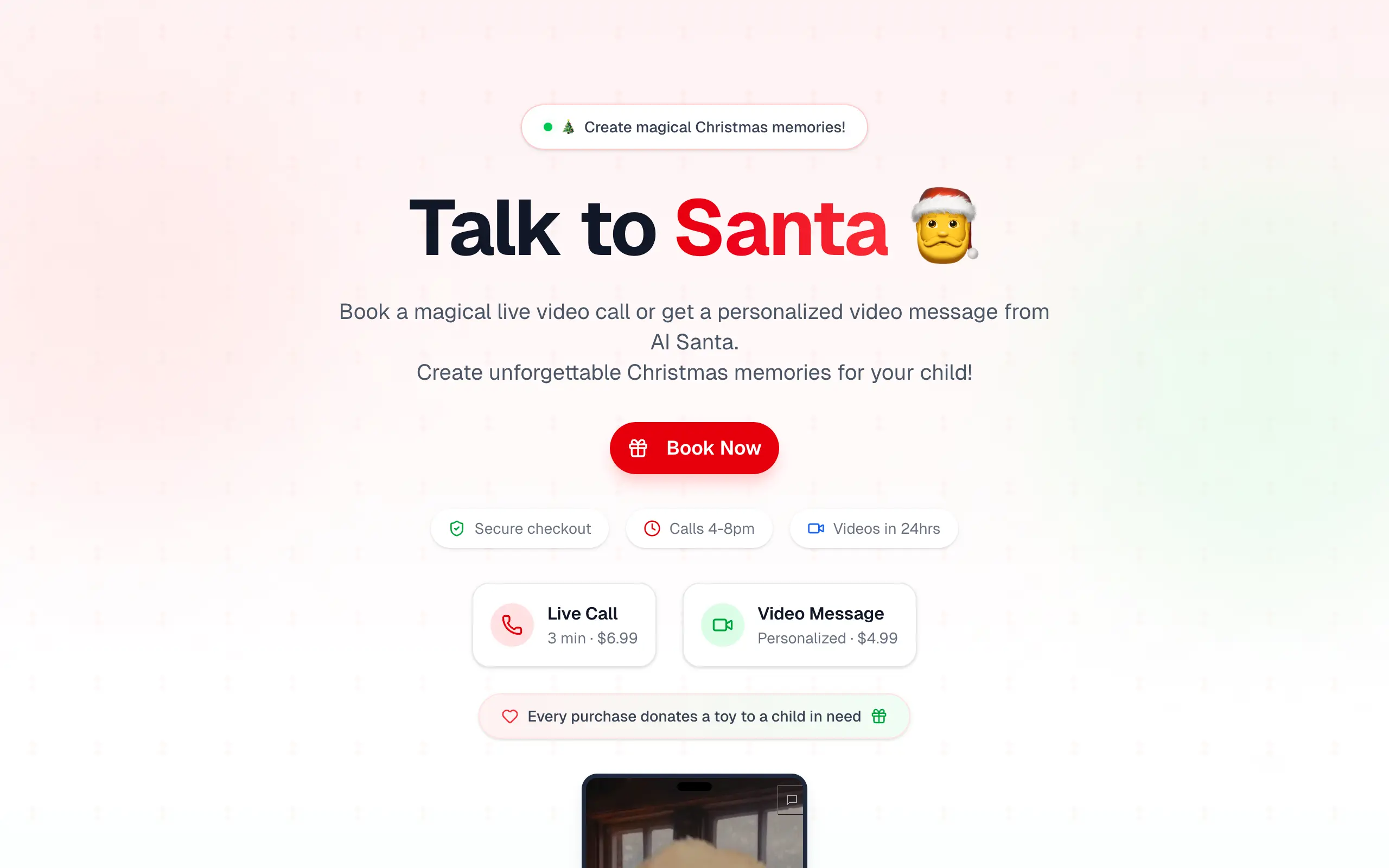
Talk to Santa
Enjoy a magical live video chat or receive a unique AI-generated video greeting from Santa Claus 🎅

pozywka.pl
Scalable blog for food journalist, focused on performance and user experience 🌭
zagrodzki.me
Personal blog and portfolio of Bart Zagrodzki, where he shares his knowledge and work 💼
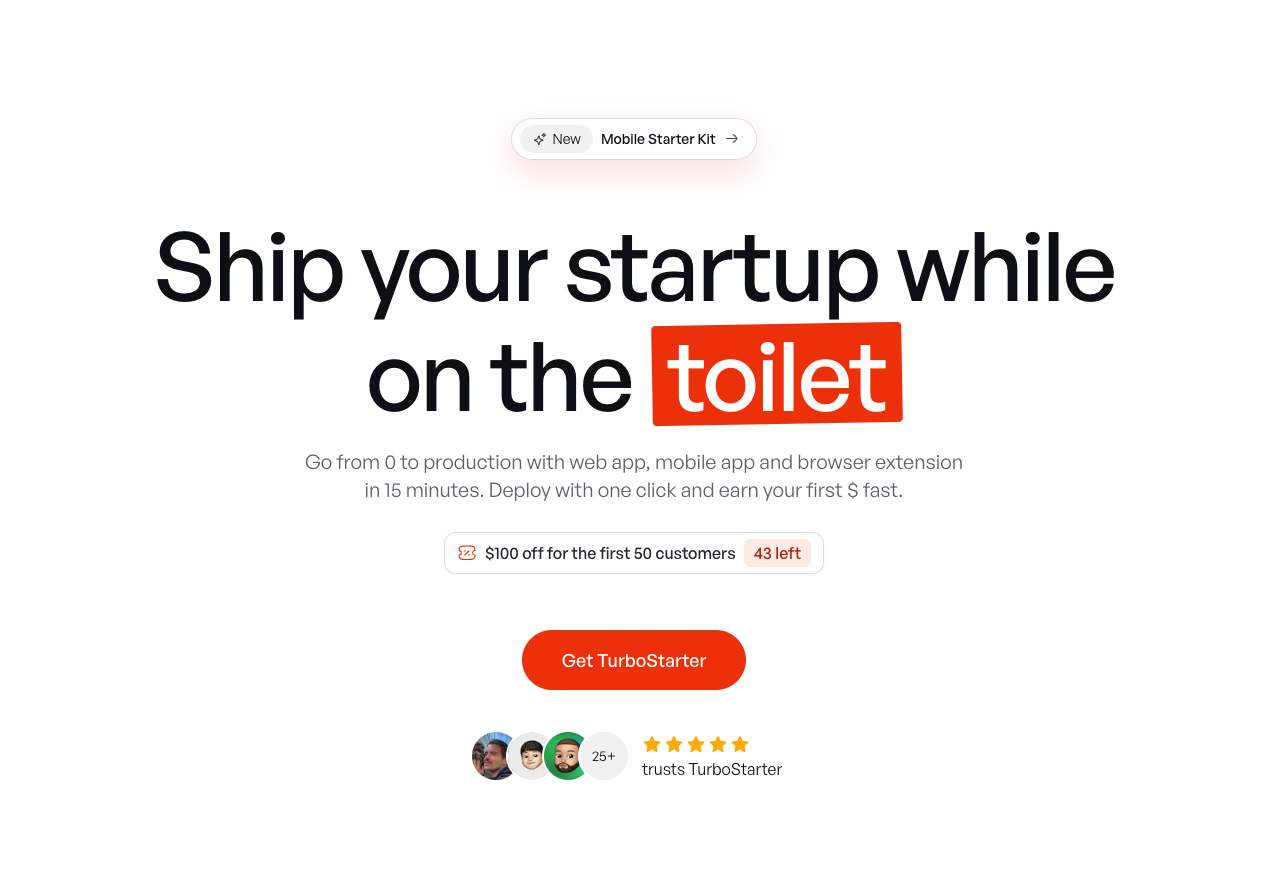
TurboStarter
Ship your startup everywhere. In minutes.
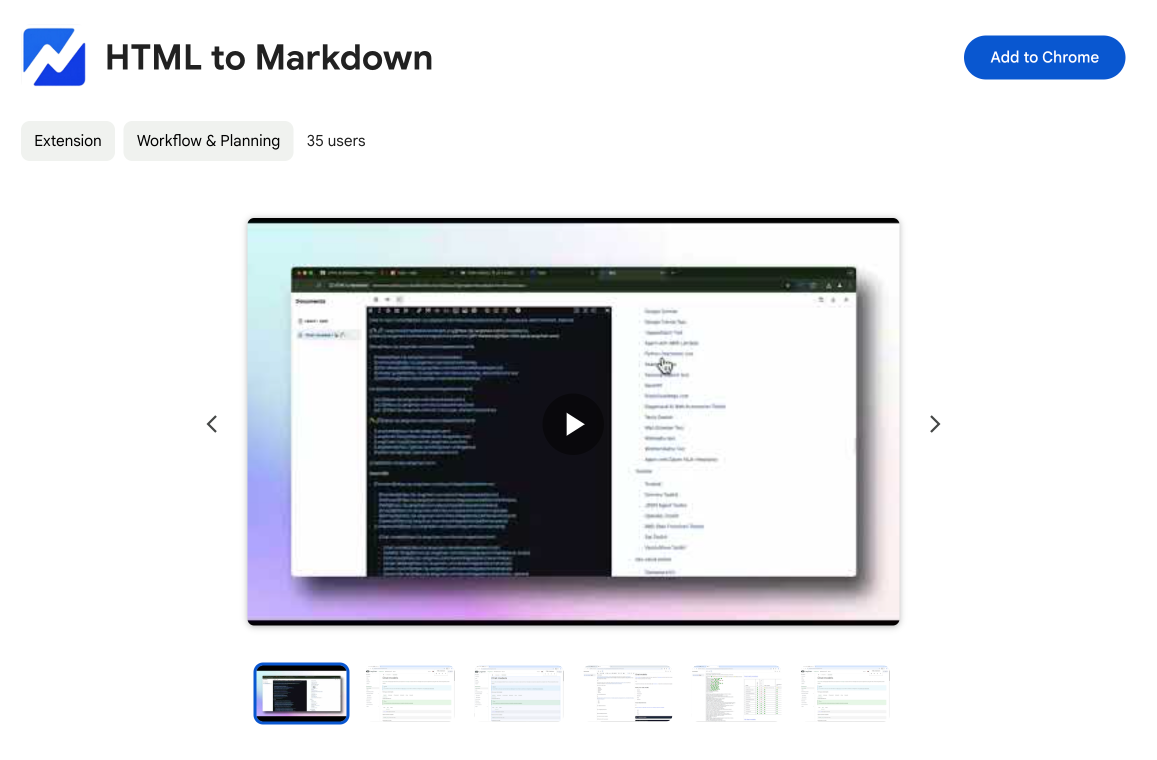
HTML to Markdown
Convert HTML to Markdown with ease, directly in your browser 📄
Dotallio
Personalized AI apps that automate research, data extraction, and content creation without code 🤖
Talk to Santa
Enjoy a magical live video chat or receive a unique AI-generated video greeting from Santa Claus 🎅
pozywka.pl
Scalable blog for food journalist, focused on performance and user experience 🌭
zagrodzki.me
Personal blog and portfolio of Bart Zagrodzki, where he shares his knowledge and work 💼
TurboStarter
Ship your startup everywhere. In minutes.
HTML to Markdown
Convert HTML to Markdown with ease, directly in your browser 📄
Dotallio
Personalized AI apps that automate research, data extraction, and content creation without code 🤖
Talk to Santa
Enjoy a magical live video chat or receive a unique AI-generated video greeting from Santa Claus 🎅
pozywka.pl
Scalable blog for food journalist, focused on performance and user experience 🌭
zagrodzki.me
Personal blog and portfolio of Bart Zagrodzki, where he shares his knowledge and work 💼
TurboStarter
Ship your startup everywhere. In minutes.
HTML to Markdown
Convert HTML to Markdown with ease, directly in your browser 📄
Dotallio
Personalized AI apps that automate research, data extraction, and content creation without code 🤖
Talk to Santa
Enjoy a magical live video chat or receive a unique AI-generated video greeting from Santa Claus 🎅
pozywka.pl
Scalable blog for food journalist, focused on performance and user experience 🌭
zagrodzki.me
Personal blog and portfolio of Bart Zagrodzki, where he shares his knowledge and work 💼
TurboStarter
Ship your startup everywhere. In minutes.
HTML to Markdown
Convert HTML to Markdown with ease, directly in your browser 📄
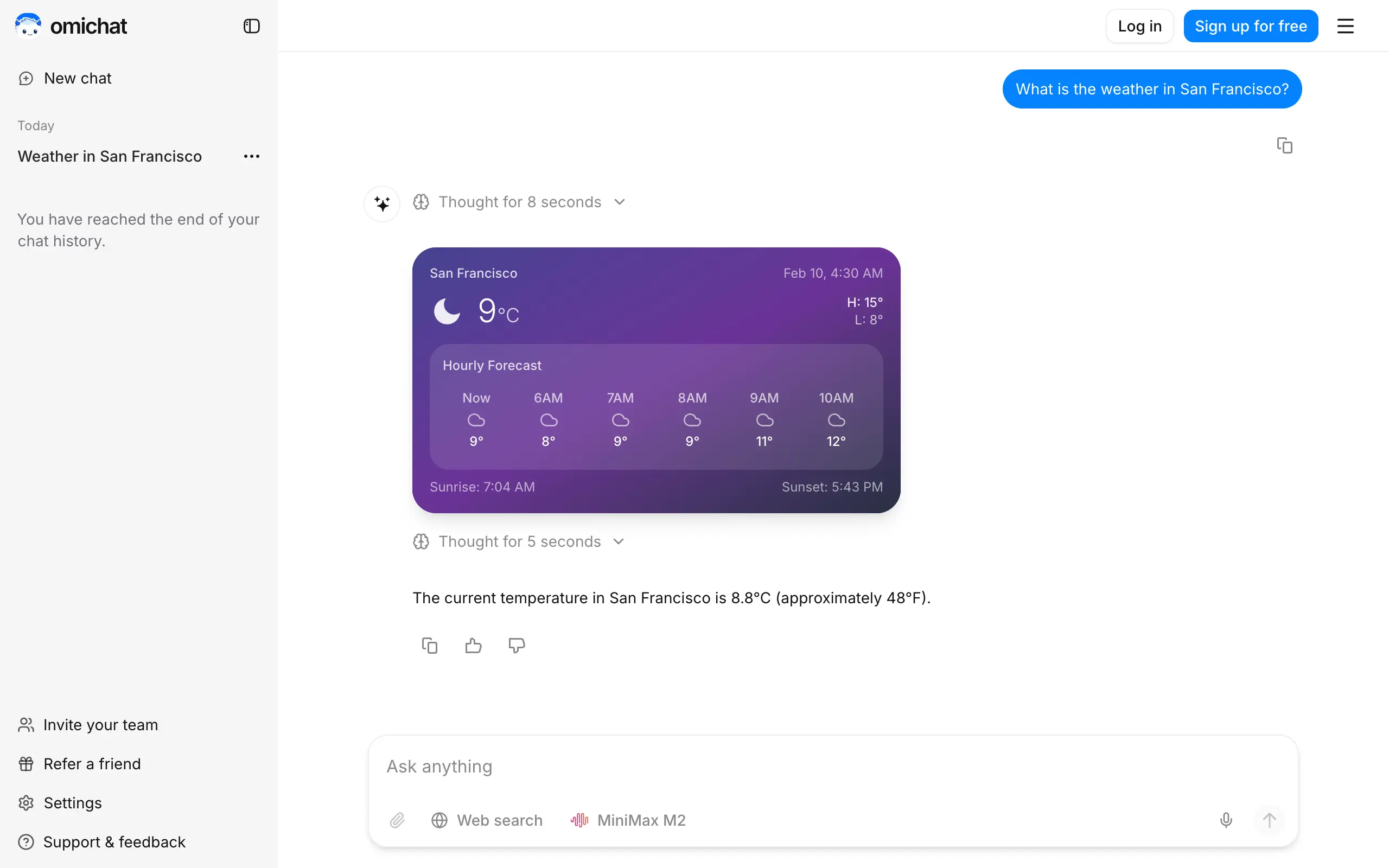
Omichat
Chat with 50+ AI models, including ChatGPT and Claude, in one place - switch models anytime without losing context 🤖
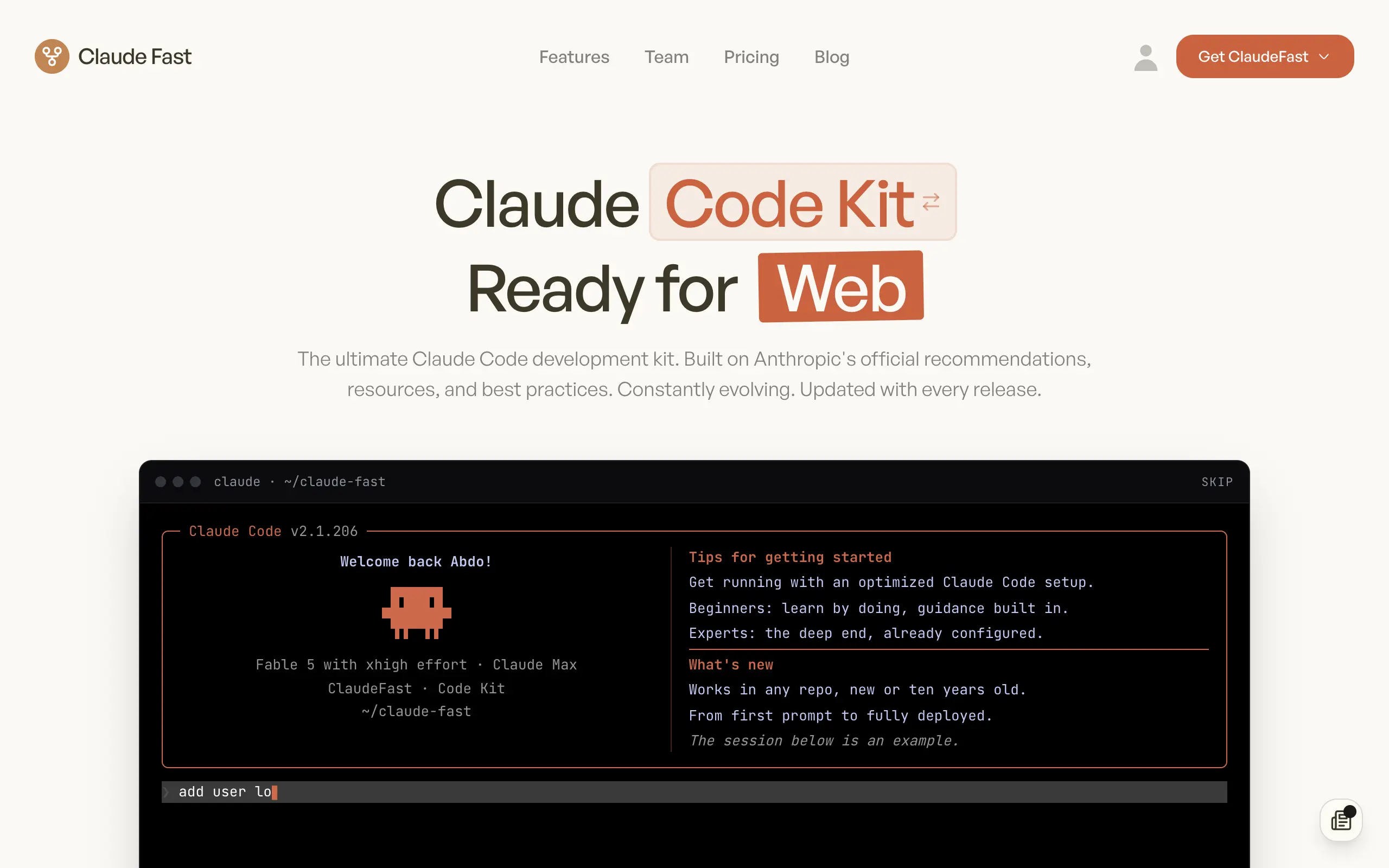
Claude Fast
Supercharge your Claude Code with 6x effective context window and specialized AI agents 🤖
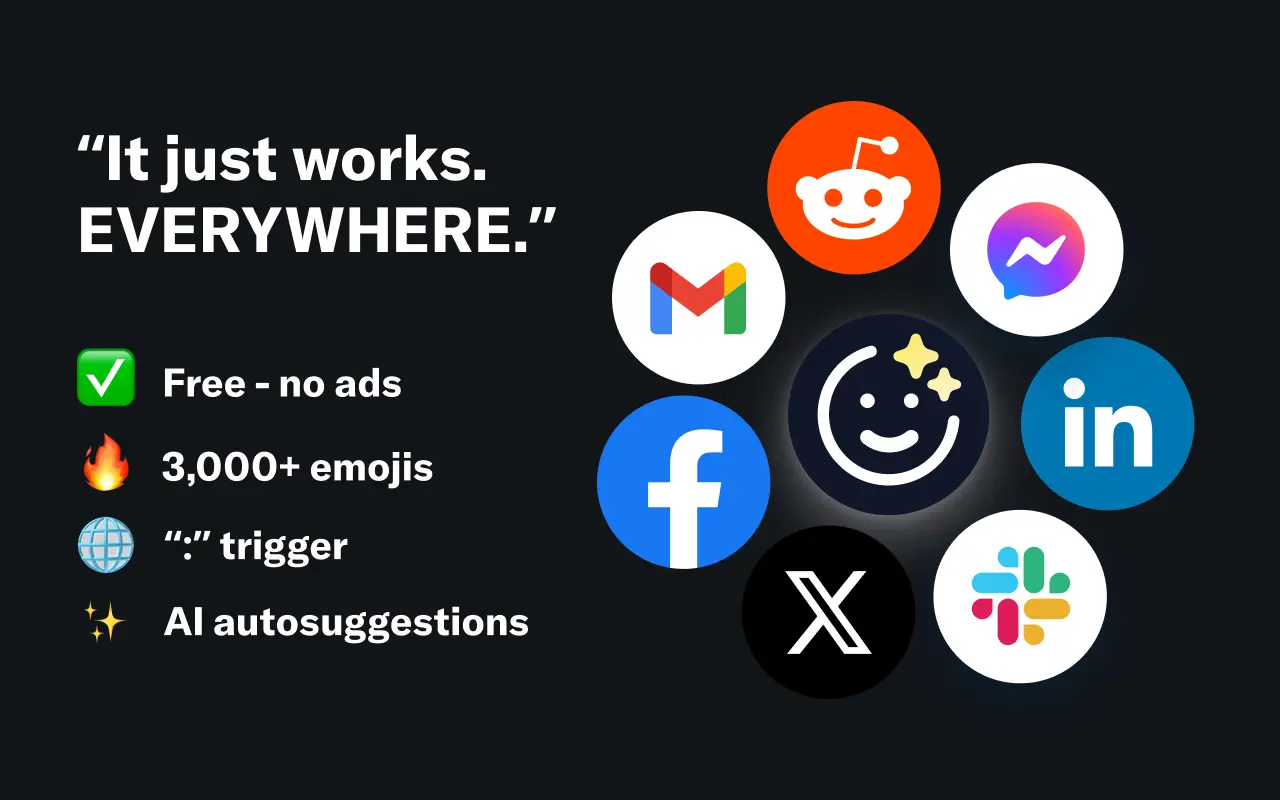
EmojAI
AI-powered emoji picker with smart, context-aware suggestions 🤖
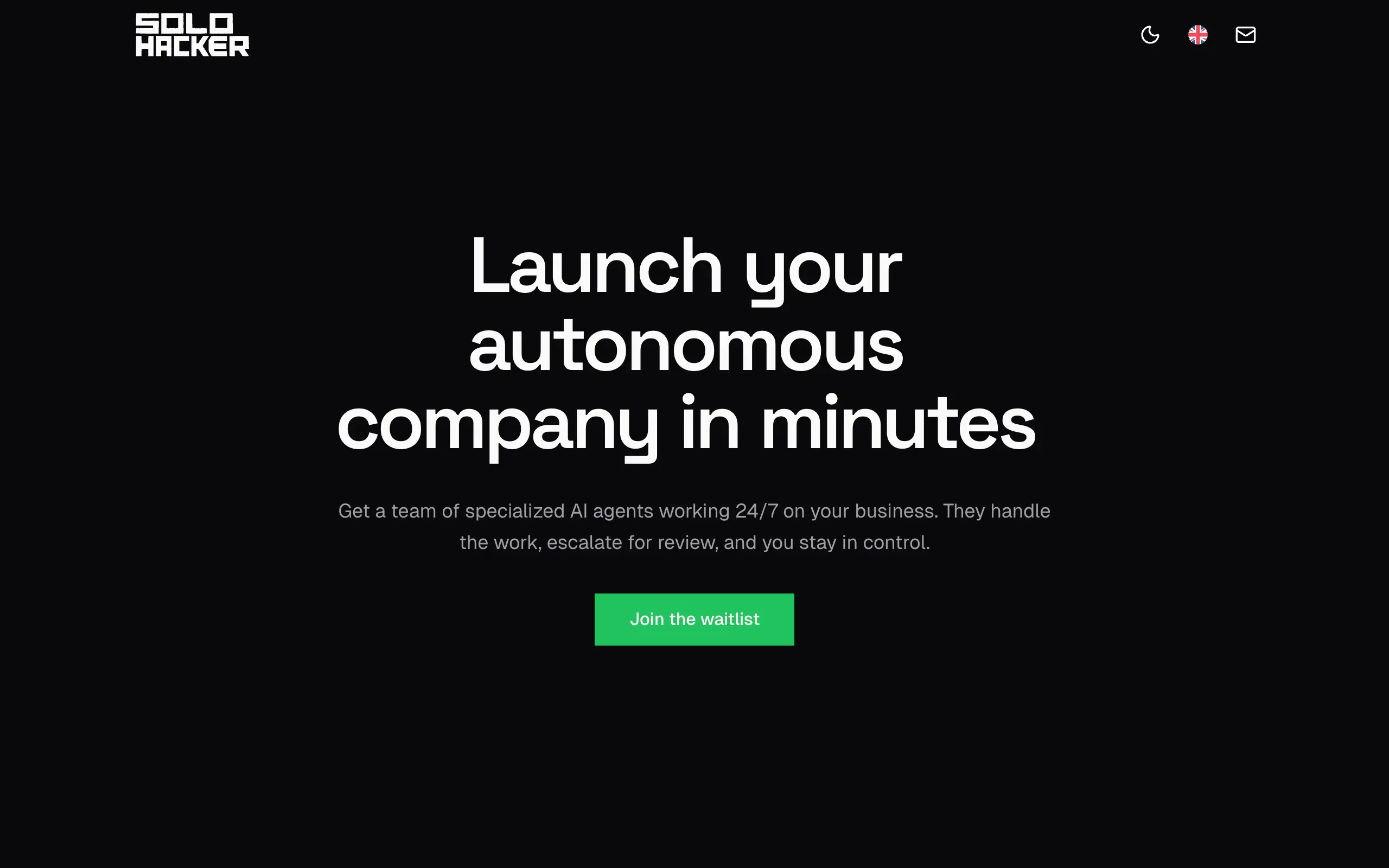
Solohacker
Autonomous company launcher - AI agents work 24/7, escalate what matters, and you stay in control 🤖
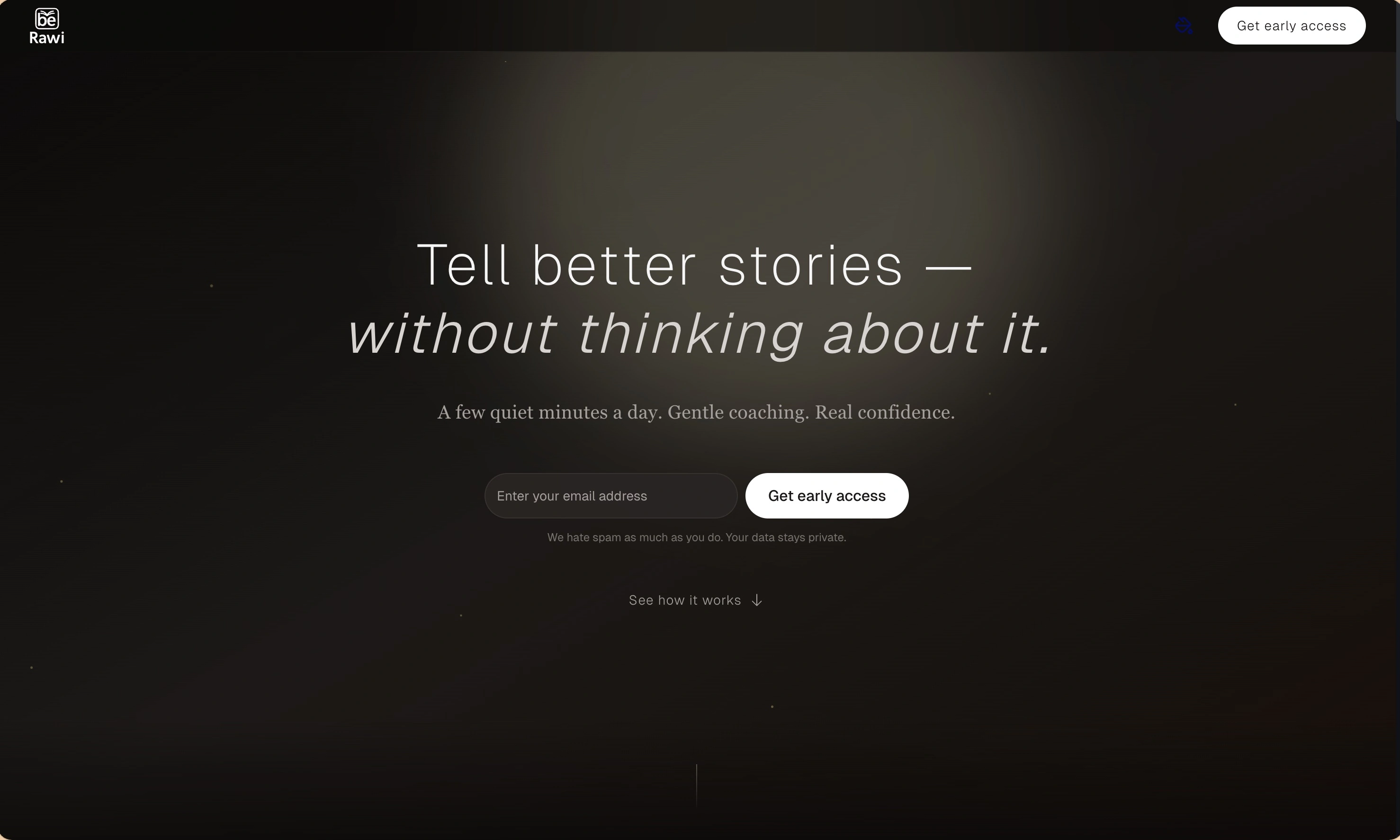
BeRawi: Storytelling Coach
Practice storytelling daily with instant feedback to sound clearer, more engaging, and confident 🎤
Omichat
Chat with 50+ AI models, including ChatGPT and Claude, in one place - switch models anytime without losing context 🤖
Claude Fast
Supercharge your Claude Code with 6x effective context window and specialized AI agents 🤖
EmojAI
AI-powered emoji picker with smart, context-aware suggestions 🤖
Solohacker
Autonomous company launcher - AI agents work 24/7, escalate what matters, and you stay in control 🤖
BeRawi: Storytelling Coach
Practice storytelling daily with instant feedback to sound clearer, more engaging, and confident 🎤
Omichat
Chat with 50+ AI models, including ChatGPT and Claude, in one place - switch models anytime without losing context 🤖
Claude Fast
Supercharge your Claude Code with 6x effective context window and specialized AI agents 🤖
EmojAI
AI-powered emoji picker with smart, context-aware suggestions 🤖
Solohacker
Autonomous company launcher - AI agents work 24/7, escalate what matters, and you stay in control 🤖
BeRawi: Storytelling Coach
Practice storytelling daily with instant feedback to sound clearer, more engaging, and confident 🎤
Omichat
Chat with 50+ AI models, including ChatGPT and Claude, in one place - switch models anytime without losing context 🤖
Claude Fast
Supercharge your Claude Code with 6x effective context window and specialized AI agents 🤖
EmojAI
AI-powered emoji picker with smart, context-aware suggestions 🤖
Solohacker
Autonomous company launcher - AI agents work 24/7, escalate what matters, and you stay in control 🤖
BeRawi: Storytelling Coach
Practice storytelling daily with instant feedback to sound clearer, more engaging, and confident 🎤

Connect with like-minded people
Join our community to get feedback, support, and grow together with 1,000+ builders on board, let's ship it!
Join usShip your startup everywhere. In minutes.
Don't burn tokens on setup and start building features on day one.