NavbatFlow
AI booking assistant for clinics and service businesses, replying in Uzbek or Russian and following up on every inquiry. Fill empty slots and turn more leads into revenue.
What NavbatFlow is and why it matters
NavbatFlow is an AI booking assistant for clinics and service businesses. It responds to incoming inquiries in Uzbek or Russian, helps people book appointments, and follows up when a potential customer goes quiet. Its central promise is straightforward: help businesses respond more consistently, fill available appointment slots, and turn more inquiries into revenue.
The idea addresses a gap between two common business needs. Customers want fast, clear answers and a convenient way to book. Business owners want more appointments without adding a full-time receptionist or manually monitoring every communication channel. NavbatFlow can connect those needs by handling routine conversations while keeping staff in control of decisions that require human judgment.
This is more than a chatbot that answers frequently asked questions. A useful AI booking assistant must understand what a customer wants, check real availability, collect the information needed for a booking, confirm the appointment, and follow up appropriately. If it cannot complete an action, it should make a clear handoff to a person rather than invent an answer.
The product opportunity is particularly interesting for businesses serving customers in Uzbek and Russian. Language support can be a differentiator, but it is not enough by itself. NavbatFlow’s stronger positioning is a localized, workflow-oriented booking assistant that can communicate naturally in the customer’s language and help businesses manage the entire journey from first inquiry to confirmed appointment.
The problem NavbatFlow solves
Many clinics and appointment-based businesses receive inquiries when staff are busy with customers, away from the phone, or outside business hours. A missed message can mean more than a delayed response: the customer may contact another provider, forget to follow up, or decide that booking is too difficult.
Manual appointment handling also creates operational friction. Staff may need to answer the same questions repeatedly, check calendars, request missing details, confirm bookings, and remind customers about upcoming visits. These tasks are important, but they can distract people from higher-value service work.
NavbatFlow can address several related problems:
- Slow or inconsistent responses: inquiries may not receive a timely answer, especially during busy periods.
- Lost leads: customers who do not book immediately may not receive a helpful follow-up.
- Language friction: a customer may prefer Uzbek or Russian, while the business’s existing materials or staff workflows favor one language.
- Scheduling complexity: staff may need to check availability across providers, locations, services, and appointment lengths.
- No-shows and cancellations: customers may forget appointments, while businesses may struggle to refill a suddenly open slot.
- Limited visibility: owners may not know how many inquiries become bookings or where prospects abandon the process.
An AI assistant does not automatically solve each problem. It needs access to accurate business information and scheduling rules, and it must be designed to handle uncertainty safely. NavbatFlow should be judged by completed workflows and business outcomes, not by how many conversations it can generate.
Who should use NavbatFlow?
A strong initial product should focus on a specific customer profile rather than trying to serve every appointment-based business at once. Clinics are a promising starting point because they commonly manage multiple services, providers, appointment durations, and customer questions. However, the product should distinguish between administrative scheduling and clinical advice.
Independent clinics and multi-provider practices
A small or midsize clinic may have a receptionist who handles calls, messages, and in-person visitors at the same time. NavbatFlow could answer routine administrative questions, collect appointment preferences, explain how to prepare for a visit using clinic-approved information, and offer available time slots.
For this audience, reliability matters more than conversational novelty. The assistant must not give a diagnosis, recommend treatment, or claim that an appointment is confirmed before the scheduling system records it. It should clearly route medical questions and urgent concerns to the clinic’s established human process.
Dental practices and diagnostic centers
These businesses often have appointment-based services with varying durations, equipment requirements, or provider availability. A booking assistant can help gather the information needed to direct a customer to the right service and identify a suitable time.
The business must define which information can be requested through chat and how it should be protected. NavbatFlow should collect only what is necessary for scheduling and avoid encouraging people to share sensitive details in a channel that is not approved for that purpose.
Beauty, wellness, and personal care businesses
Salons, spas, and wellness providers may benefit from handling service questions, appointment requests, rescheduling, and reminders. These businesses can be useful early adopters because many booking workflows are repeatable and can be tested without introducing the same clinical safety considerations as healthcare.
NavbatFlow could help customers compare service durations, select a preferred staff member, and find an appointment that fits the business’s rules. The assistant should avoid promising a particular outcome from a service unless the business has explicitly approved that language.
Other appointment-based services
The product could later support tutoring centers, repair services, consultants, and other businesses that rely on scheduled appointments. Each segment introduces different requirements, such as travel time, service areas, deposits, or resource availability.
A sensible launch strategy is to serve one or two closely related segments first. That makes it easier to create accurate templates, test common workflows, and learn which features are broadly useful before expanding.
Market opportunity and the gap NavbatFlow can target
NavbatFlow operates where several established software categories overlap:
- Appointment scheduling software manages calendars and bookings.
- Customer relationship management tools track leads and customer interactions.
- Messaging platforms help businesses communicate with customers.
- AI chatbots answer questions or automate basic support.
- Marketing automation tools send reminders and follow-up messages.
Businesses may already use one or more of these systems, but the customer journey can still feel disconnected. A chatbot might answer a question without checking the calendar. A scheduling tool might show availability but fail to follow up with someone who did not finish booking. A messaging tool might store conversations without making it easy to measure which ones became appointments.
That creates an opportunity for a product that connects conversation, scheduling, follow-up, and outcome tracking. NavbatFlow’s potential gap is not simply “AI for bookings.” It is the practical coordination of those steps in a localized, easy-to-operate workflow.
The opportunity should be validated rather than assumed. Before investing heavily in integrations or advanced AI, the team should learn:
- Which communication channels generate the most appointment inquiries?
- How do businesses currently record availability and bookings?
- What questions do customers ask before they are ready to book?
- Which inquiries are most often missed or abandoned?
- How frequently do businesses want to follow up, and through which channel?
- What systems are already in place, and which integrations are essential?
- What would make an owner trust an automated assistant with customer conversations?
Customer interviews, workflow observation, and a small paid pilot can provide stronger evidence than broad market estimates. If a market-size figure is used in investor or marketing materials, it should be supported by a named, credible source and clearly defined geography, business segment, and measurement period.
How NavbatFlow should work
The product should feel simple to the customer and controllable to the business. A typical workflow might look like this:
- A customer contacts a business through an enabled messaging channel.
- NavbatFlow identifies the language and the customer’s intent.
- It answers from business-approved information or asks a short clarifying question.
- If the customer wants an appointment, the assistant checks current availability.
- It presents suitable options and collects only the required booking details.
- It creates the booking in the source-of-truth calendar or scheduling system.
- It sends a confirmation and, where appropriate, a reminder.
- If the customer does not book, the system follows up according to the business’s rules.
- Staff can review the conversation, intervene, or take over at any point.
A crucial product principle is that the assistant should never imply a booking is complete until the booking system confirms it. If an integration is temporarily unavailable, the assistant should say that it cannot confirm the appointment yet and offer a human handoff or a request for follow-up.
Bilingual communication that feels natural
Supporting Uzbek and Russian requires more than translating a fixed set of English chatbot replies. Customers may use different scripts, mix languages, write informally, or switch languages during a conversation. NavbatFlow should be tested with real examples from the target market, including common spelling variations and short, ambiguous messages.
Businesses should be able to review their service descriptions, policies, and approved responses in each supported language. The assistant should use those materials as its source of truth rather than generating unverified claims. When it cannot confidently interpret a request, it should ask a concise clarifying question or offer a human handoff.
A helpful language experience should also let a customer change languages without restarting the conversation. The business dashboard should make it easy to edit and approve the information the assistant uses in both Uzbek and Russian.
Scheduling and calendar management
Scheduling is the core operational requirement. NavbatFlow needs to understand more than whether a time appears open on a calendar. Depending on the business, it may need to account for:
- Service duration and setup or cleanup time.
- Provider-specific availability.
- Location and room or equipment availability.
- Business hours, holidays, and blocked periods.
- Booking lead times and cancellation windows.
- Customer preferences and required appointment details.
- Existing bookings and temporary calendar conflicts.
The system should use a clearly defined source of truth for availability. If businesses use different calendar systems, integrations should be introduced in a deliberate order based on customer demand. A dependable integration with one commonly used scheduling setup is often more valuable at launch than many incomplete connections.
Follow-up and filling empty slots
Follow-up is one of NavbatFlow’s strongest potential differentiators. The assistant can remind a customer who asked about a service but did not book, provided the business has an appropriate basis to contact that person and the customer’s communication preferences are respected.
Follow-up should be useful rather than persistent. Businesses should control timing, message content, channel, and when automation stops. The product should also make it easy to opt out or hand a conversation to staff.
To help fill empty slots, NavbatFlow could support a cancellation workflow that identifies customers who have expressed interest in an earlier appointment. It should only offer a slot when availability is confirmed and should avoid sending messages to people who have not agreed to receive them.
Core features for an effective AI booking assistant
A focused first release should prioritize features that support a complete, measurable booking journey.
Essential features for a minimum viable product
- Multilingual conversation handling: understand and reply in Uzbek or Russian, with the ability to switch languages.
- Business knowledge configuration: let owners add services, policies, opening hours, location details, and approved answers.
- Appointment discovery: understand the customer’s service and scheduling preferences.
- Live availability checks: show only valid slots from the connected calendar or booking system.
- Booking creation and confirmation: create a real appointment and confirm it only after success.
- Human handoff: let staff take over when a request is sensitive, ambiguous, or unsupported.
- Configurable follow-up: support a small number of transparent, business-controlled follow-up rules.
- Conversation history: show what the customer asked, what the assistant answered, and what action it took.
- Basic performance reporting: measure inquiries, bookings, missed opportunities, handoffs, and response time.
- Privacy and access controls: limit who can see conversations and administrative settings.
Features to add after validating demand
Once the core workflow is reliable, NavbatFlow could add:
- Rescheduling and cancellation flows.
- Appointment reminders and confirmation requests.
- Waitlists and cancellation-slot offers.
- Deposits or payment links, if appropriate for the segment.
- Multiple locations, staff members, and business accounts.
- Campaigns for customers who have explicitly agreed to receive them.
- More granular analytics by service, channel, or location.
- Integration with customer relationship management and business software.
- Staff notifications for conversations that need attention.
Avoid building every possible feature before the first pilot. Each integration and workflow increases testing requirements. Start with the smallest product that can take an inquiry through to a confirmed booking and then prove that it saves time or improves booking outcomes.
Competitive advantage and unique selling proposition
NavbatFlow’s USP should be specific enough for a business owner to understand quickly:
A bilingual AI booking assistant that responds in Uzbek or Russian, checks real availability, and follows up on inquiries to help clinics and service businesses convert more conversations into confirmed appointments.
This position has several potential advantages:
- Localized communication: the experience is designed for the languages and message patterns customers use, rather than treating localization as a final translation step.
- End-to-end booking workflows: the product connects the first question to a real appointment and subsequent follow-up.
- Business control: owners can configure approved information, escalation rules, and follow-up behavior.
- Operational visibility: reporting can show what happened to inquiries, not just how many messages were sent.
- Focused usability: a simpler setup for appointment-based businesses may be more approachable than a broad enterprise automation platform.
These advantages need to be demonstrated in practice. Competitors may already offer multilingual support, scheduling integrations, or automated messaging. A competitive analysis should compare real product capabilities and workflows rather than relying on broad category labels.
| Capability | Basic chatbot | Scheduling tool | Messaging automation | NavbatFlow opportunity |
|---|---|---|---|---|
| Answer routine questions | Often | Sometimes | Sometimes | Use approved business information |
| Check live availability | Rarely | Usually | Depends on integration | Connect conversation to real slots |
| Create a confirmed booking | Not usually | Usually | Depends on integration | Confirm only after successful creation |
| Follow up with an unbooked inquiry | Sometimes | Rarely | Often | Tie follow-up to booking intent |
| Support Uzbek and Russian workflows | Varies | Varies | Varies | Make localization a core product decision |
| Show inquiry-to-booking outcomes | Rarely | Sometimes | Sometimes | Measure conversion across the workflow |
Recommended technology stack
The best technology stack is one that supports reliable integrations, fast iteration, secure data handling, and a maintainable product. There is no single correct stack; the right choice depends on team experience, channel requirements, and the systems customers already use.
Application and interface
A web dashboard can help business owners configure services, review conversations, manage rules, and see performance. React is a widely used library for building interactive user interfaces. A team that prefers a full-stack framework can evaluate Next.js, while a utility-first styling approach can use Tailwind CSS.
The trade-off is not simply technical. A richer dashboard can make the product more powerful but also increase setup complexity. Early screens should prioritize the tasks owners perform most often: connecting a calendar, approving business information, reviewing conversations, and taking over a conversation.
Backend and data storage
A backend service should handle business rules, booking workflows, channel events, and integrations. A relational database such as PostgreSQL is a sensible option for structured records such as businesses, services, staff, appointments, and conversation states. The team should design data access so one business cannot read another business’s records.
The application should distinguish operational data from conversational content. For example, a booking record may need a service, time, and contact reference, while a message transcript may have different access and retention requirements. Store only what is needed, and define retention and deletion behavior early.
AI and conversation orchestration
Use a language model for understanding intent and producing natural responses, but keep important business actions under deterministic application control. The model can help identify that a person wants to reschedule; it should not independently invent available times or create an appointment without validated input.
A safe pattern is:
- Classify the request and extract relevant details.
- Validate those details against business rules.
- Call the scheduling integration through controlled application logic.
- Verify the result.
- Generate a customer-facing response based on the verified outcome.
The assistant should have explicit limits for medical or other sensitive requests. In a clinic context, scheduling assistance must remain distinct from clinical advice. If the request is outside the approved scope, the system should explain that it cannot help with that question and provide the business’s human contact route.
Messaging and integrations
Channel support should follow customer evidence. Before choosing integrations, interview target businesses about where inquiries arrive and how they currently manage them. Possible channels and calendars have different technical rules, costs, and approval processes, so the team should verify current documentation and platform policies before implementation.
Build integrations behind clear interfaces so the product can add or replace providers without rewriting booking logic. Use webhooks or scheduled synchronization only when the underlying system supports them reliably. Include monitoring for failed events, duplicate bookings, stale availability, and authentication errors.
Product foundations and launch speed
Building a SaaS product involves more than the application interface. The team also needs authentication, billing, onboarding, user roles, and deployment workflows. For teams looking to reduce the amount of foundational SaaS work, TurboStarter may be worth evaluating as a starting point. A starter kit can accelerate common infrastructure, but it does not replace product validation, security review, or integration testing.
Whichever stack the team selects, prioritize:
- Role-based access and tenant isolation.
- Secure secret management for third-party integrations.
- Audit trails for booking changes and administrative actions.
- Error monitoring and alerts for failed workflows.
- Automated tests for scheduling conflicts and confirmation states.
- Backups and a documented recovery process.
Monetization strategy options
NavbatFlow’s pricing should align with the value businesses receive and remain understandable to non-technical buyers. A few pricing models are worth testing.
Subscription tiers
A monthly subscription is a natural starting point for a product that provides ongoing availability, communication, and reporting. Tiers could vary by the number of locations, staff members, conversations, channels, or supported workflows.
The benefit is predictable revenue. The risk is that a conversation-based limit may feel confusing or penalize a business during a busy month. Pricing should be tied to an understandable unit and clearly explain what happens when a customer reaches a limit.
Setup fee plus subscription
Some businesses may need help configuring services, importing business information, connecting calendars, and reviewing approved messages. A one-time onboarding fee can pay for this work and encourage a successful launch.
This approach can work well for an early-stage product, but it may limit scalability if every account requires extensive manual setup. Over time, onboarding should become more self-serve, with paid implementation support reserved for complex accounts.
Usage-based pricing
A usage-based component can align costs with activity, such as the volume of conversations or completed bookings. It can be fair for businesses with seasonal demand, but it may make monthly bills unpredictable. If testing this model, provide clear usage visibility and avoid surprise charges.
Premium workflow add-ons
Advanced analytics, multi-location management, additional channels, or specialized integrations could become paid add-ons. These should be introduced only after customers demonstrate that they need them and understand the value.
For an initial launch, a simple subscription with transparent limits is usually easier to explain than a complex mix of per-message, per-seat, and per-booking fees. Price discovery should include willingness-to-pay interviews and real purchase tests, not just hypothetical survey responses.
Risks and how to mitigate them
Incorrect or overconfident answers
An AI assistant can misunderstand a request or produce an unsupported answer. NavbatFlow should ground responses in business-approved information, restrict the assistant from making unsupported claims, and use clear fallback language when information is missing.
For high-impact actions, validate facts in code. Availability, pricing, and booking status should come from authoritative systems, not model-generated text.
Scheduling errors and double bookings
A booking assistant that creates a conflict can damage trust quickly. Use atomic booking operations where supported, recheck availability before committing, and handle concurrent requests. The user interface should show whether a booking is confirmed, pending, or failed rather than treating all three states alike.
Sensitive information and privacy
Clinics may process sensitive information, and requirements vary by jurisdiction, data type, and operating model. NavbatFlow should collect the minimum information needed for scheduling, restrict access, encrypt data in transit and at rest where supported, and define retention and deletion policies.
Before selling to healthcare providers, obtain qualified legal and security guidance on applicable privacy, data-protection, and communications requirements. Do not assume that a general-purpose messaging workflow is suitable for sensitive clinical information.
Poor localization
Literal translation can produce awkward or misleading replies. Test the assistant with native speakers and real customer scenarios. Give business owners a way to approve localized service information, and track when customers switch languages, ask for clarification, or request a person.
Channel or integration changes
Messaging and scheduling platforms may change their APIs, access requirements, or commercial terms. Reduce dependency risk by isolating integrations, monitoring errors, and documenting fallback processes. Do not promise a channel or integration until it has been tested under realistic conditions.
Low adoption by staff
Staff may distrust automation if it hides conversations or creates extra cleanup work. Involve receptionists and managers in pilot design. Make handoff immediate, show the assistant’s actions clearly, and let staff correct business information without needing technical support.
Weak unit economics
AI usage, messaging fees, onboarding, and support can make low-priced accounts unprofitable. Track the cost to serve each customer segment, including human setup and support time. Establish pricing and usage limits that reflect real operating costs while remaining predictable for customers.
Metrics that show whether NavbatFlow is working
A useful dashboard should measure business outcomes as well as product activity. Start with a small set of metrics that can be interpreted consistently.
- First-response time: how long an inquiry waits before receiving a response.
- Inquiry-to-booking conversion: the share of eligible inquiries that become confirmed appointments.
- Booking completion rate: the share of conversations that begin a booking flow and successfully complete it.
- Human handoff rate: how often the assistant needs staff intervention, segmented by reason.
- Follow-up conversion: how many eligible, unanswered or incomplete inquiries book after a follow-up.
- Booking error rate: failed, duplicated, or incorrectly confirmed appointments.
- Customer and staff satisfaction: feedback on clarity, convenience, and confidence in the workflow.
- Retention and expansion: whether businesses continue using NavbatFlow and add staff, locations, or workflows.
Interpret these metrics carefully. A lower handoff rate is not automatically better if staff intervention is necessary for safe or high-quality service. Likewise, more messages sent do not necessarily indicate more revenue. Pair quantitative reporting with conversation reviews and interviews.
A practical implementation roadmap
The most effective way to build NavbatFlow is to test the riskiest assumptions early: whether businesses will trust the assistant, whether the scheduling workflow can be integrated reliably, and whether multilingual follow-up improves outcomes.
Interview target businesses
Speak with clinic managers, receptionists, and owners of service businesses. Ask them to walk through recent inquiries, booking failures, staff workload, and current tools. Focus on actual behavior rather than asking whether they like the idea of AI.
Choose a narrow launch segment
Select one segment with repeated workflows and accessible pilot customers. Define the services, channels, and booking rules the initial product will support. Avoid adding complex workflows until the first segment is working reliably.
Map the booking process
Document the journey from first message to confirmed appointment. Include language changes, unclear requests, unavailable times, cancellations, human handoffs, and integration failures. Decide which actions the assistant may take and which require staff approval.
Build a controlled MVP
Create business setup, approved knowledge, conversation handling, one dependable scheduling connection, booking confirmation, human handoff, and basic reporting. Make the system’s booking state visible to both staff and customers.
Test with real conversations
Run simulated and supervised tests using realistic Uzbek and Russian messages. Include spelling variations, ambiguous requests, unsupported questions, calendar conflicts, and temporary service failures. Have native speakers review response quality.
Launch a paid pilot
Work with a small number of businesses and agree on a measurable pilot period. Track response time, confirmed bookings, booking errors, handoff quality, staff workload, and customer feedback. A paid pilot can help distinguish genuine demand from polite interest.
Improve onboarding and reliability
Use pilot feedback to remove setup friction, improve fallback responses, and strengthen calendar handling. Fix reliability issues before expanding to more channels or customer segments.
Expand based on evidence
Add features and integrations when customers repeatedly request them and the business case is clear. Expand from the initial segment to adjacent service businesses only when the product can support their workflows without compromising quality.
A useful launch principle
Treat every automated booking as a transaction that must be verified. Natural conversation builds comfort, but accurate availability, clear confirmation, and easy human handoff build trust.
Final assessment
NavbatFlow addresses a real operational challenge: businesses can lose appointment opportunities when inquiries are missed, answered slowly, or left without follow-up. Its strongest product opportunity is to bring multilingual conversation, live scheduling, and responsible follow-up into one practical workflow.
The clearest competitive advantage is not simply the use of AI. It is the combination of Uzbek and Russian communication, verified booking actions, business-controlled automation, and visibility into what happens to each inquiry. That positioning can help NavbatFlow stand apart from a generic chatbot or a calendar tool that does not manage the conversation around the booking.
Success will depend on disciplined execution. Start with one customer segment, integrate with a dependable source of availability, define clear boundaries for the AI, and prove the product’s value in real business workflows. Measure confirmed appointments and staff confidence—not only message volume. If pilot customers see fewer missed inquiries, smoother booking, and manageable setup, NavbatFlow will have a stronger foundation for expanding into new channels and service categories.
More 🤖 AI Startup SaaS ideas
Discover more innovative ai startup SaaS ideas that are trending in 2026. Each idea is AI-generated with market validation and growth potential to help you find your next profitable venture faster than competitors.
Your competitors are building with TurboStarter
Below are some of the SaaS ideas that have been generated and built with our starter kit.
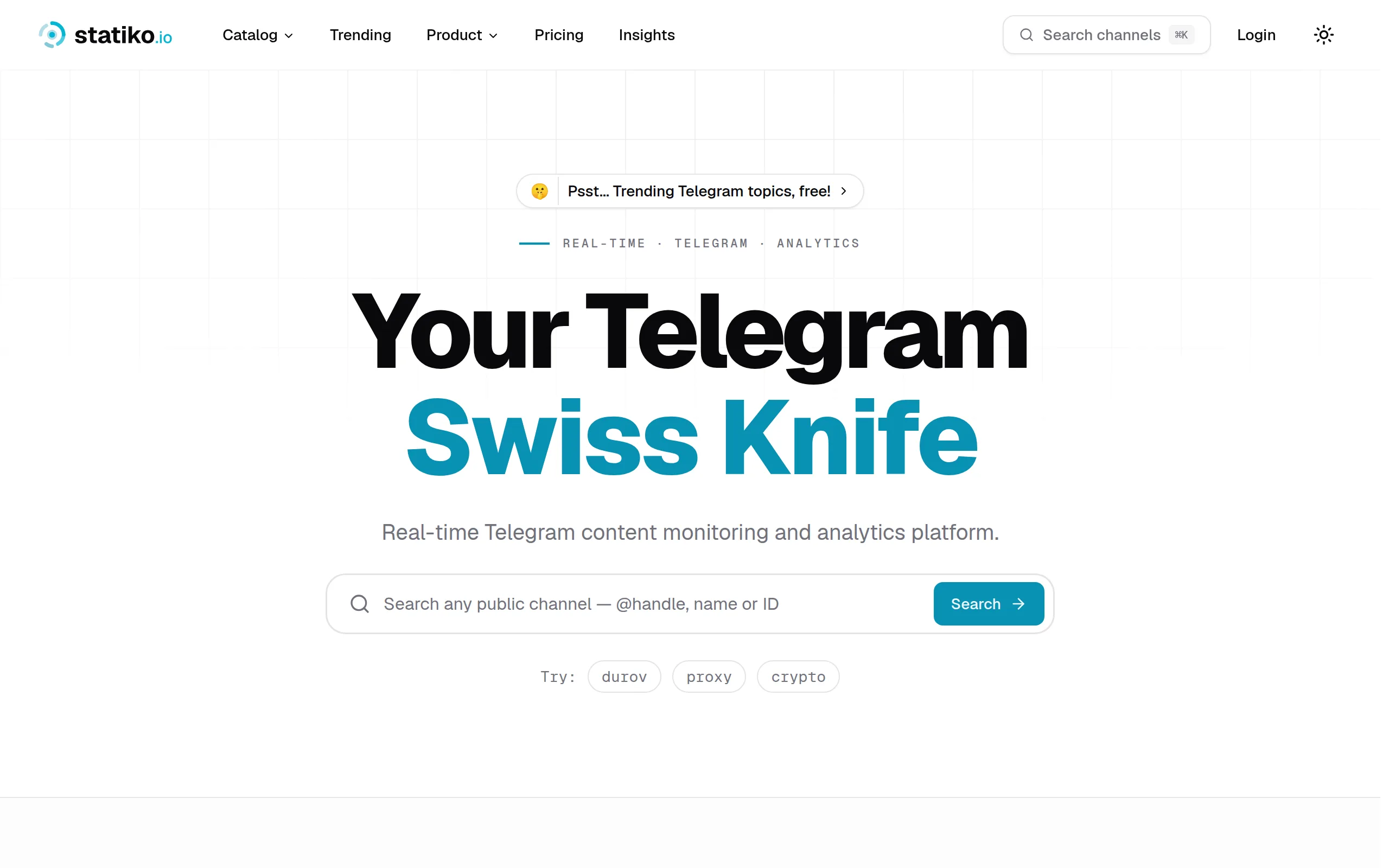
Statiko
Monitor any Telegram channel in real time - track posts, edits, deletions, and growth with AI recaps 📡
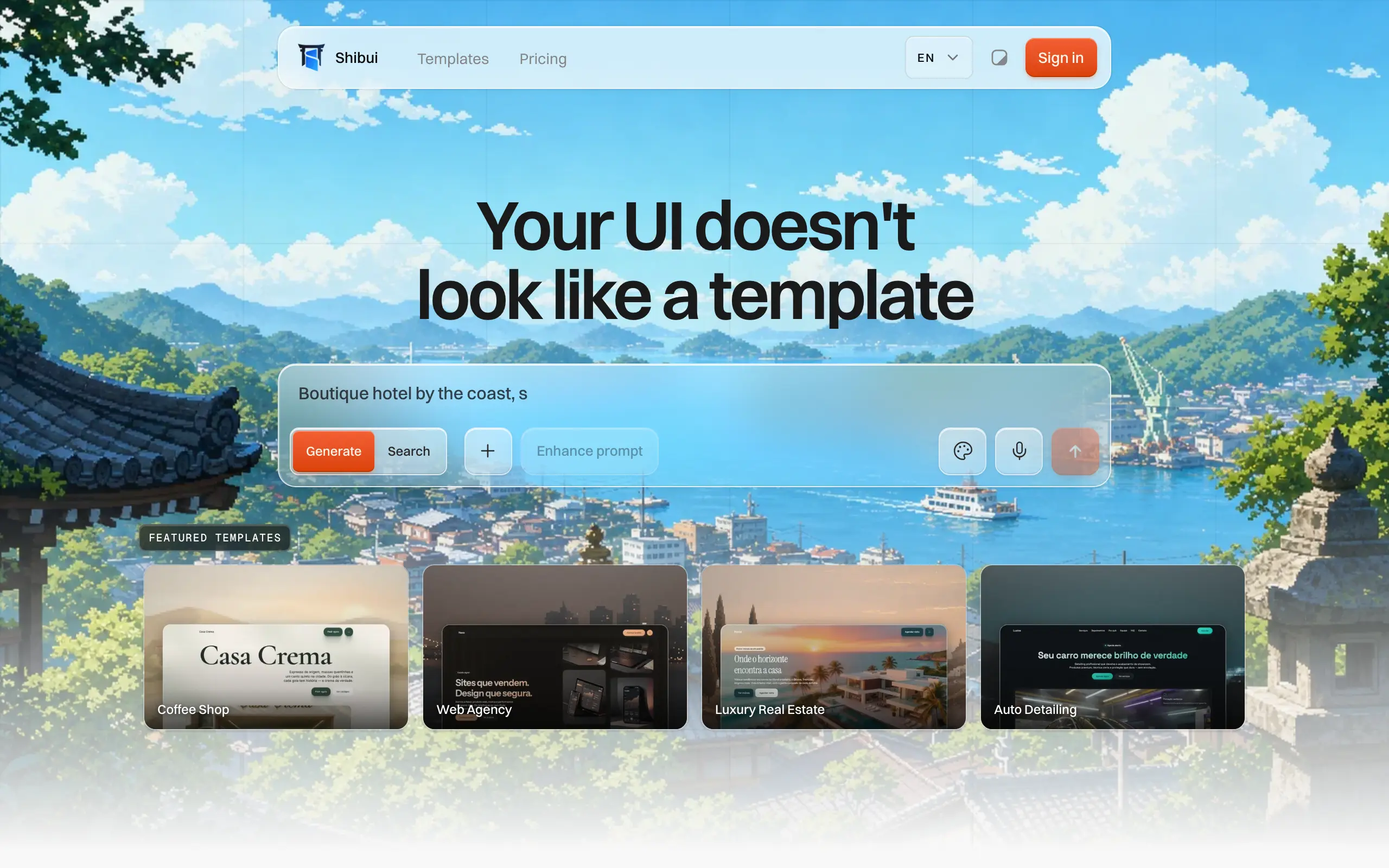
Shibui
AI website builder - describe your business, pick a niche template, edit by chatting, and publish instantly ✨
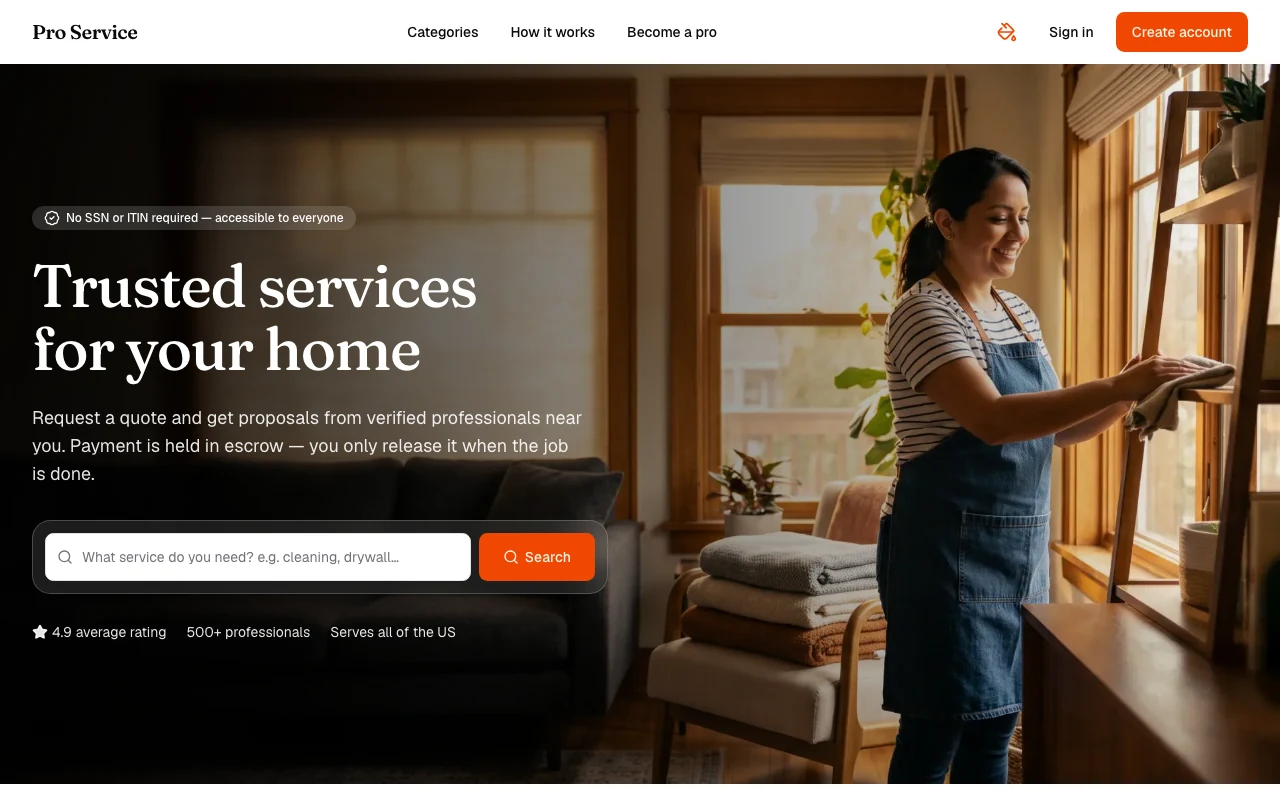
Pro Service
Find verified home service professionals, compare quotes, and pay securely through escrow - built for Brazilians across the US 🏠
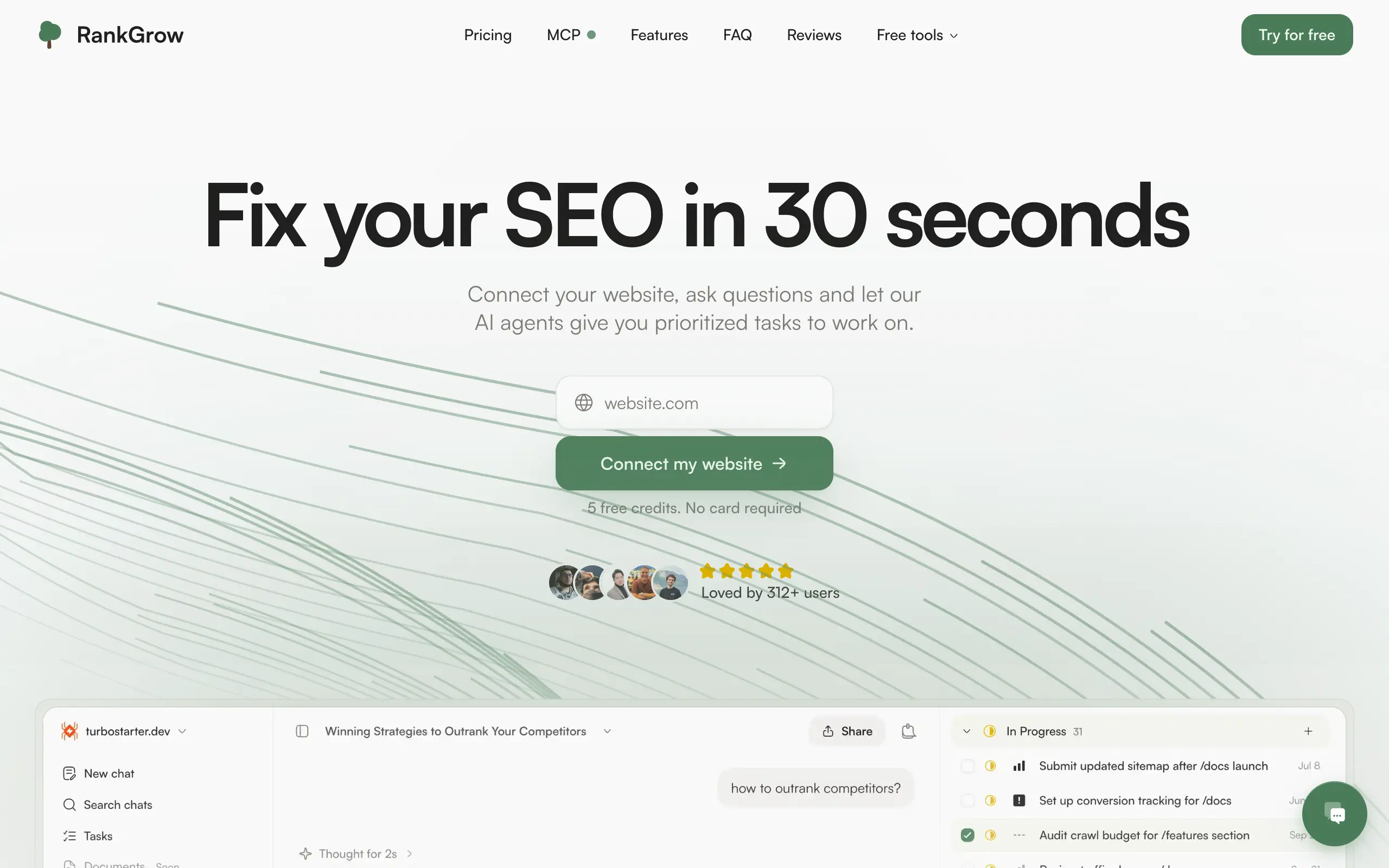
RankGrow
Fix your SEO with AI agents - connect Search Console, get prioritized tasks, and grow organic traffic 📈
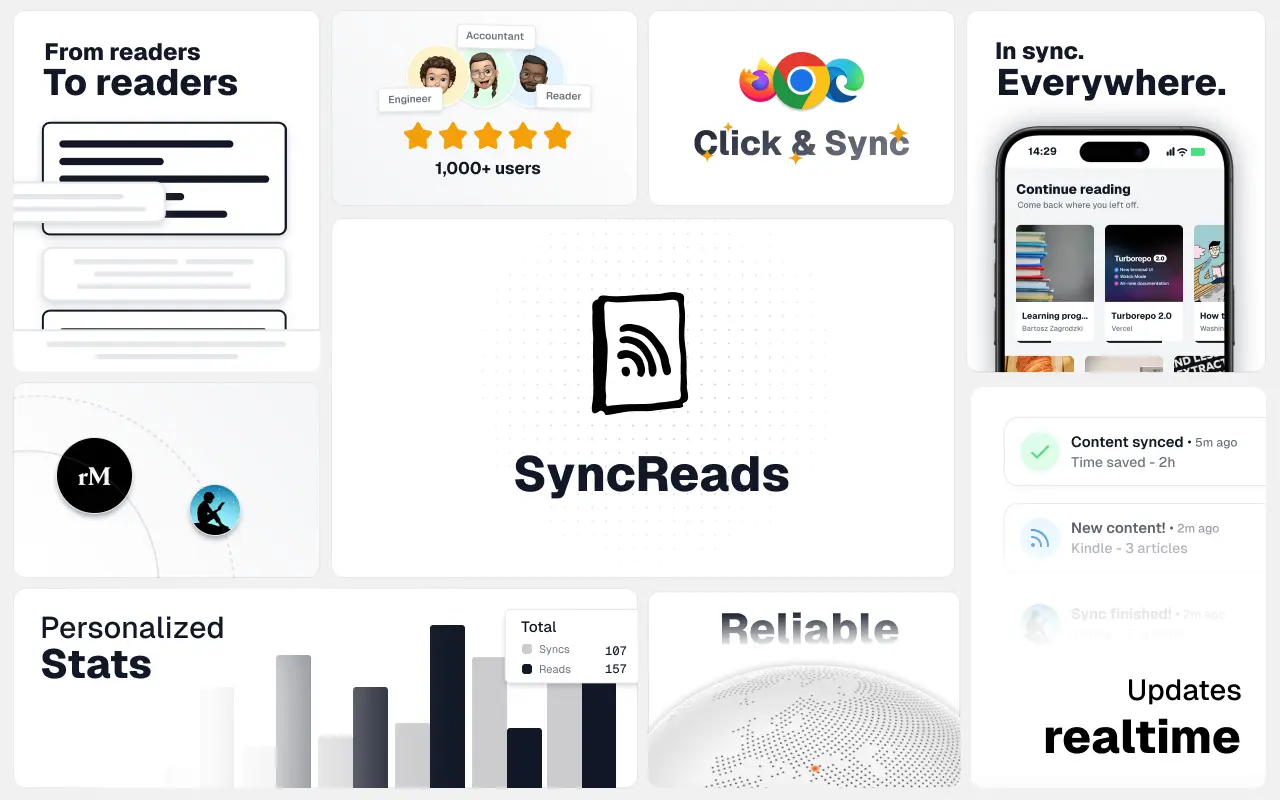
SyncReads
Sync your favorite content for distraction-free reading, save time and replace multiple apps. Anytime, anywhere 🔄
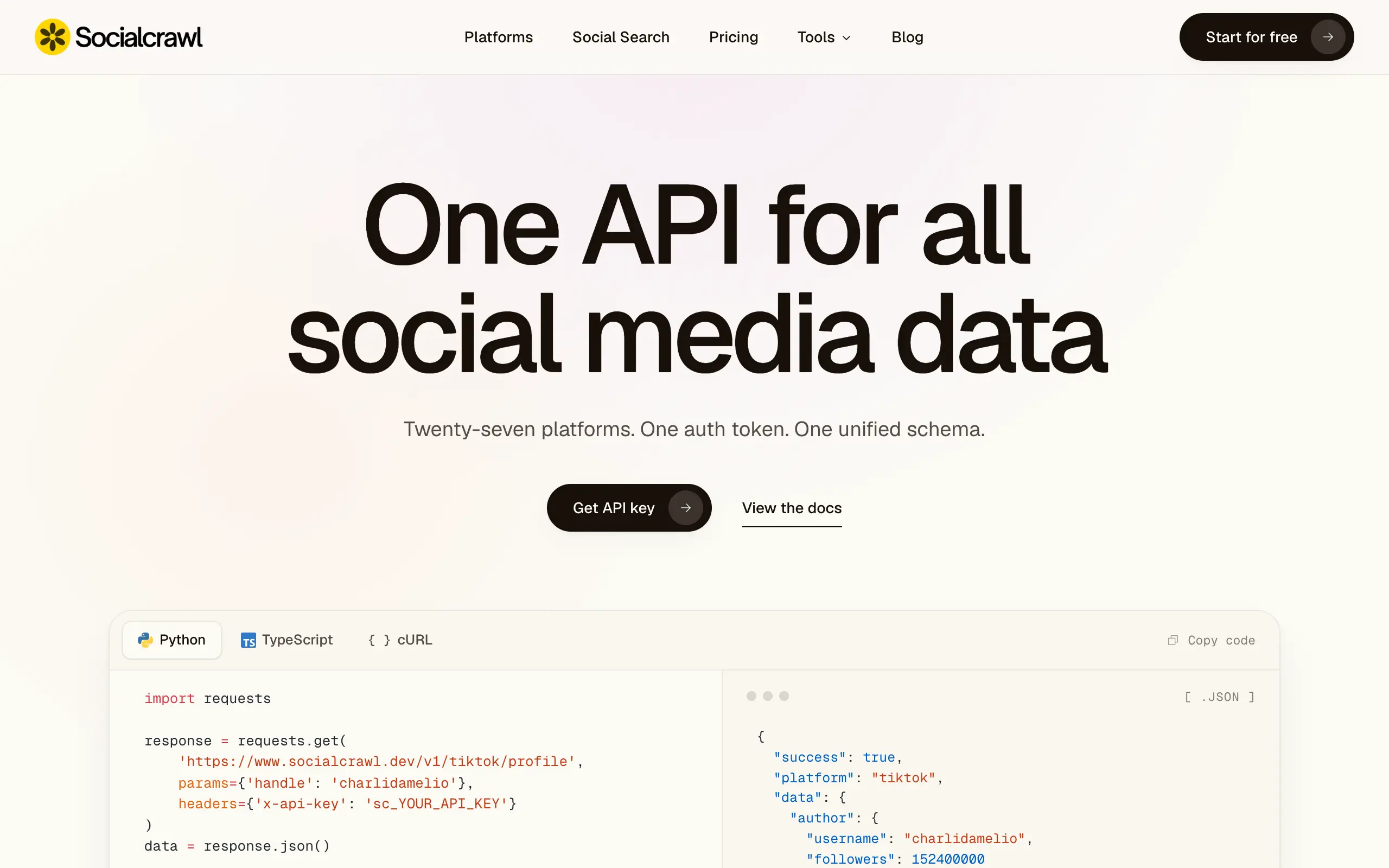
Socialcrawl
Get clean, structured data from 21 platforms like TikTok, Instagram, and YouTube with a single request 📊
Statiko
Monitor any Telegram channel in real time - track posts, edits, deletions, and growth with AI recaps 📡
Shibui
AI website builder - describe your business, pick a niche template, edit by chatting, and publish instantly ✨
Pro Service
Find verified home service professionals, compare quotes, and pay securely through escrow - built for Brazilians across the US 🏠
RankGrow
Fix your SEO with AI agents - connect Search Console, get prioritized tasks, and grow organic traffic 📈
SyncReads
Sync your favorite content for distraction-free reading, save time and replace multiple apps. Anytime, anywhere 🔄
Socialcrawl
Get clean, structured data from 21 platforms like TikTok, Instagram, and YouTube with a single request 📊
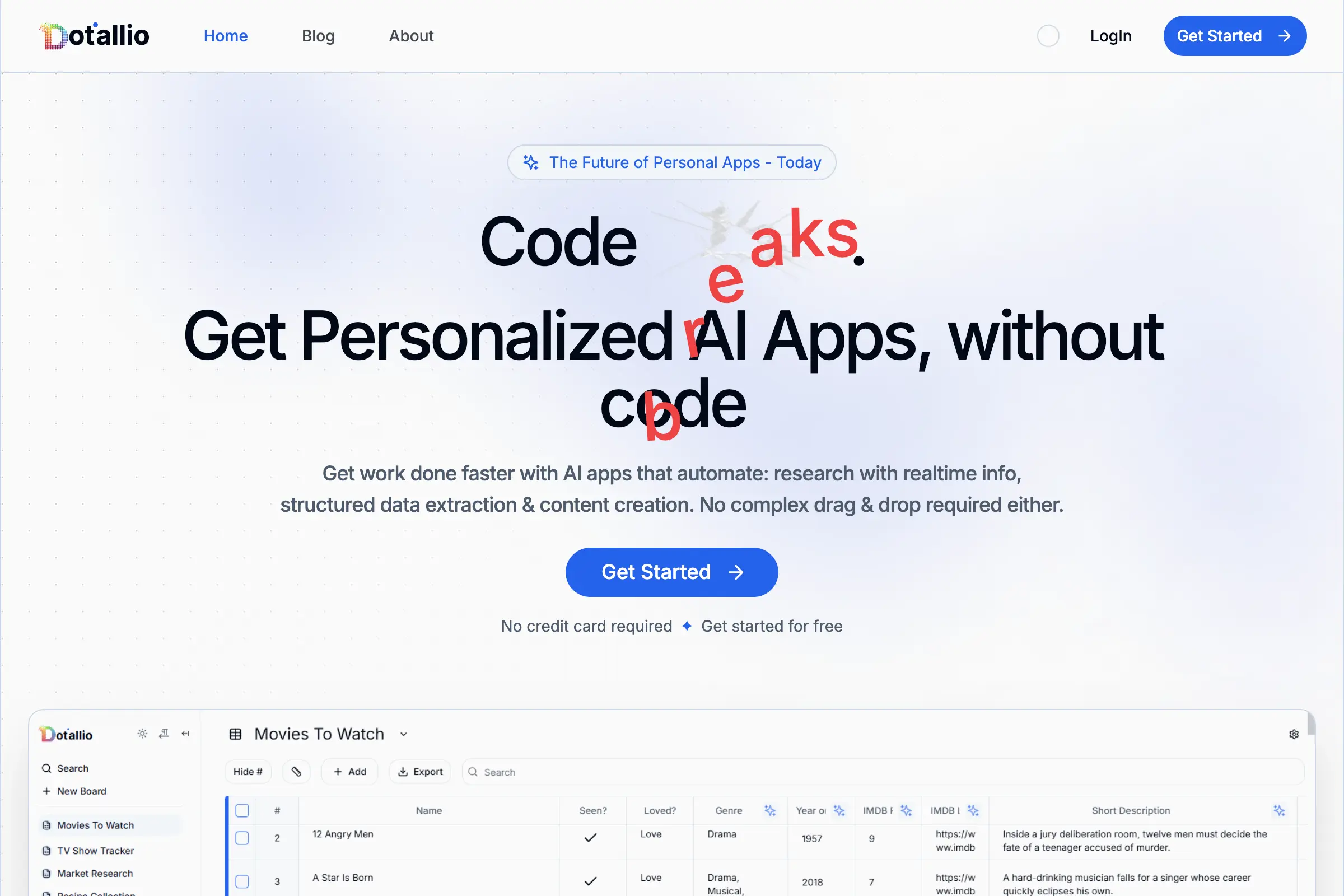
Dotallio
Personalized AI apps that automate research, data extraction, and content creation without code 🤖
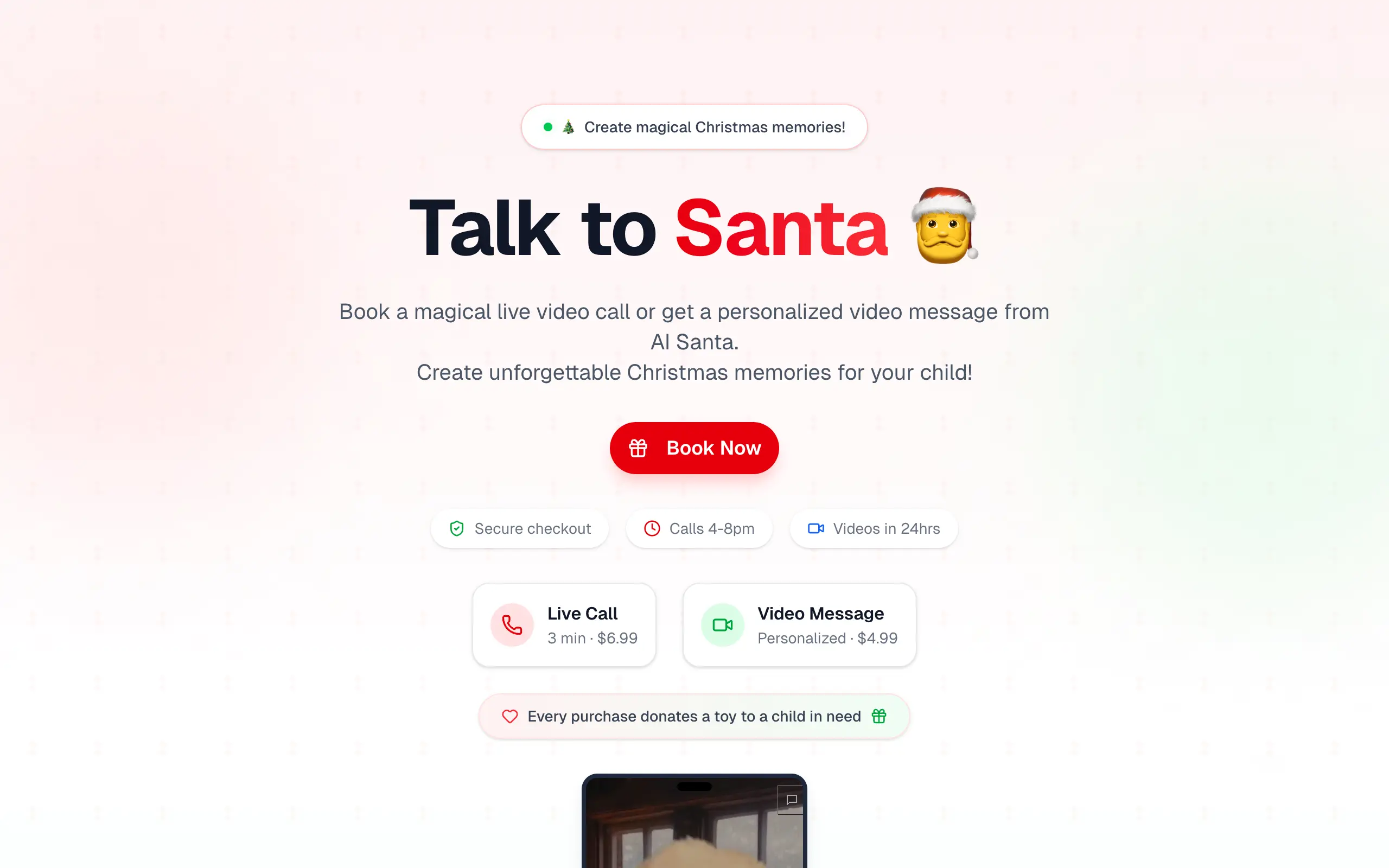
Talk to Santa
Enjoy a magical live video chat or receive a unique AI-generated video greeting from Santa Claus 🎅
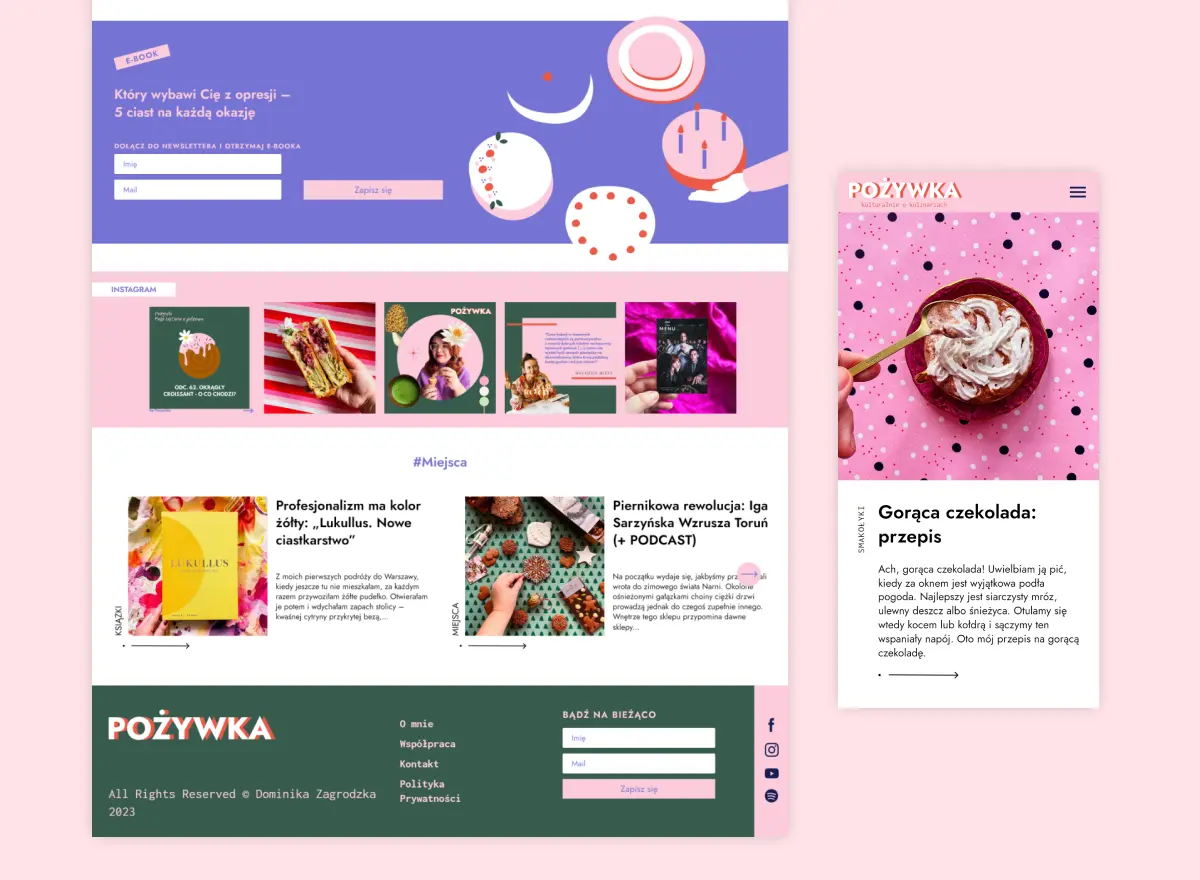
pozywka.pl
Scalable blog for food journalist, focused on performance and user experience 🌭
zagrodzki.me
Personal blog and portfolio of Bart Zagrodzki, where he shares his knowledge and work 💼
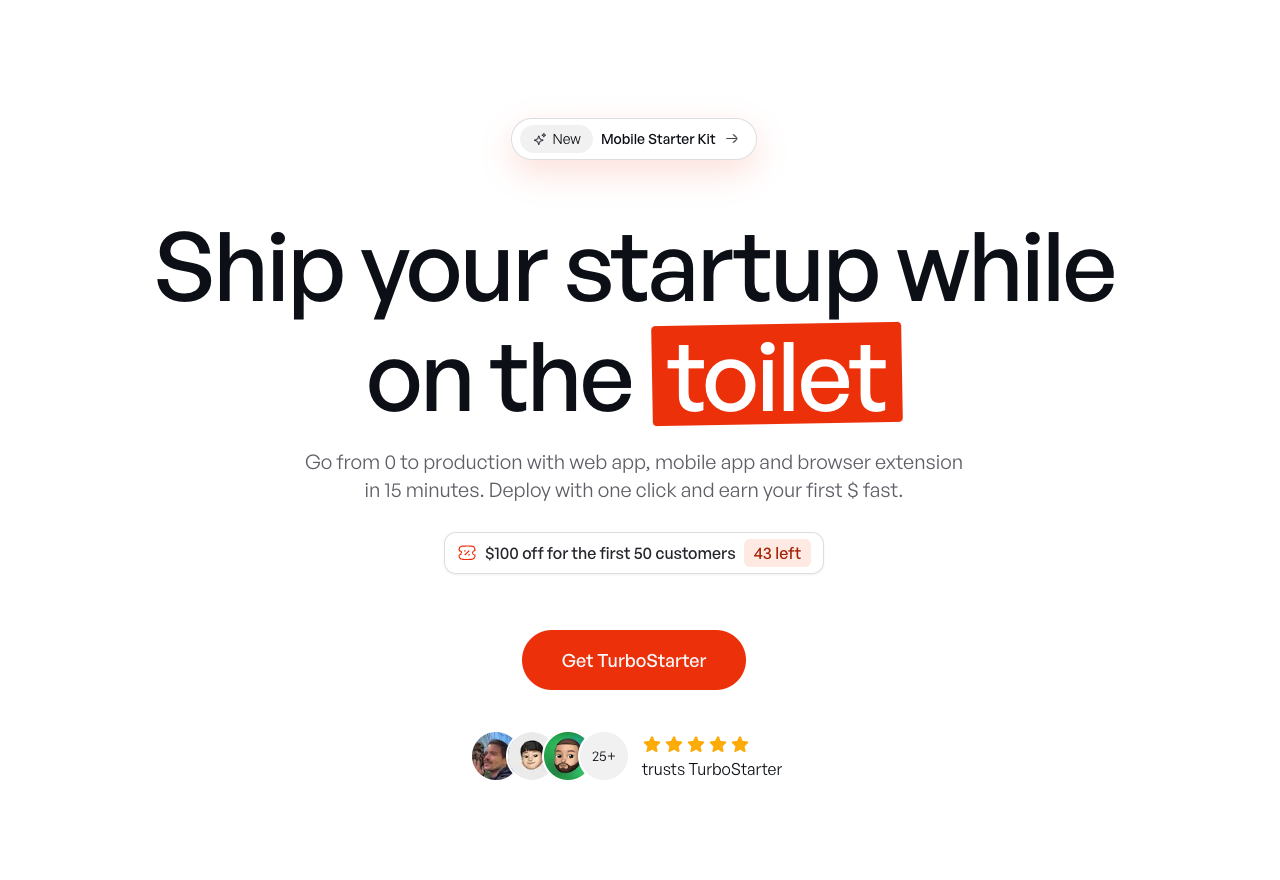
TurboStarter
Ship your startup everywhere. In minutes.
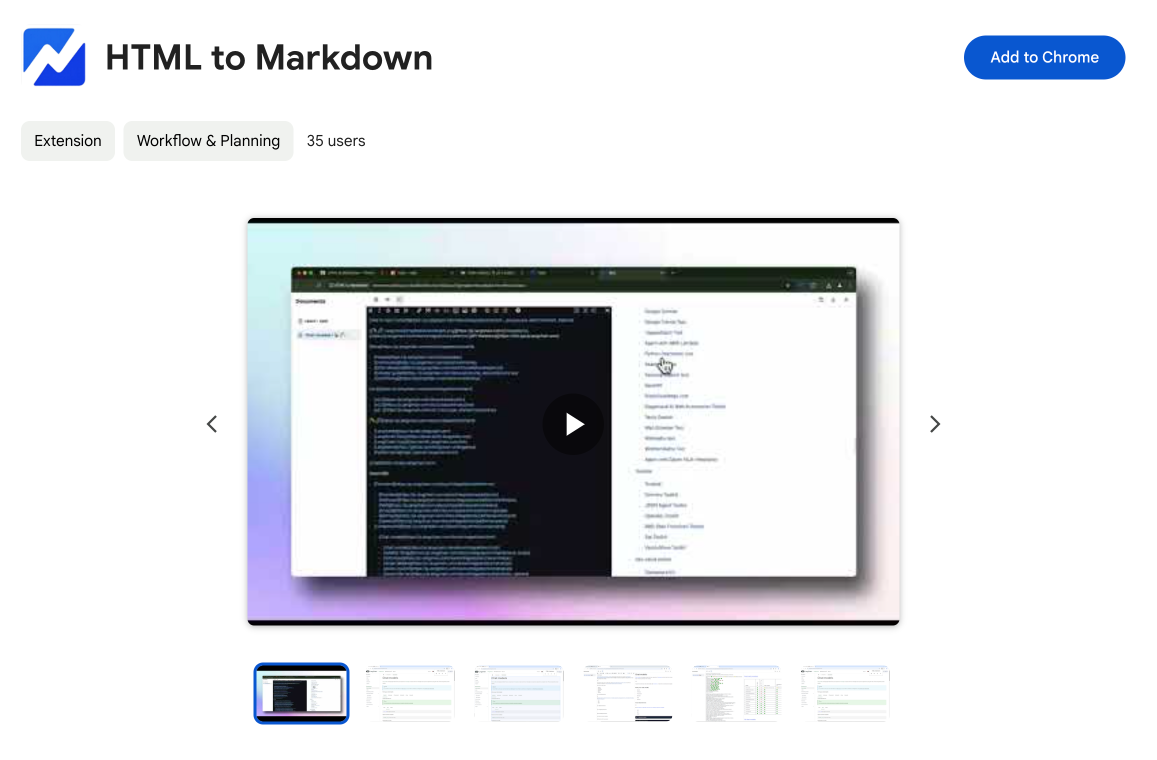
HTML to Markdown
Convert HTML to Markdown with ease, directly in your browser 📄
Dotallio
Personalized AI apps that automate research, data extraction, and content creation without code 🤖
Talk to Santa
Enjoy a magical live video chat or receive a unique AI-generated video greeting from Santa Claus 🎅
pozywka.pl
Scalable blog for food journalist, focused on performance and user experience 🌭
zagrodzki.me
Personal blog and portfolio of Bart Zagrodzki, where he shares his knowledge and work 💼
TurboStarter
Ship your startup everywhere. In minutes.
HTML to Markdown
Convert HTML to Markdown with ease, directly in your browser 📄
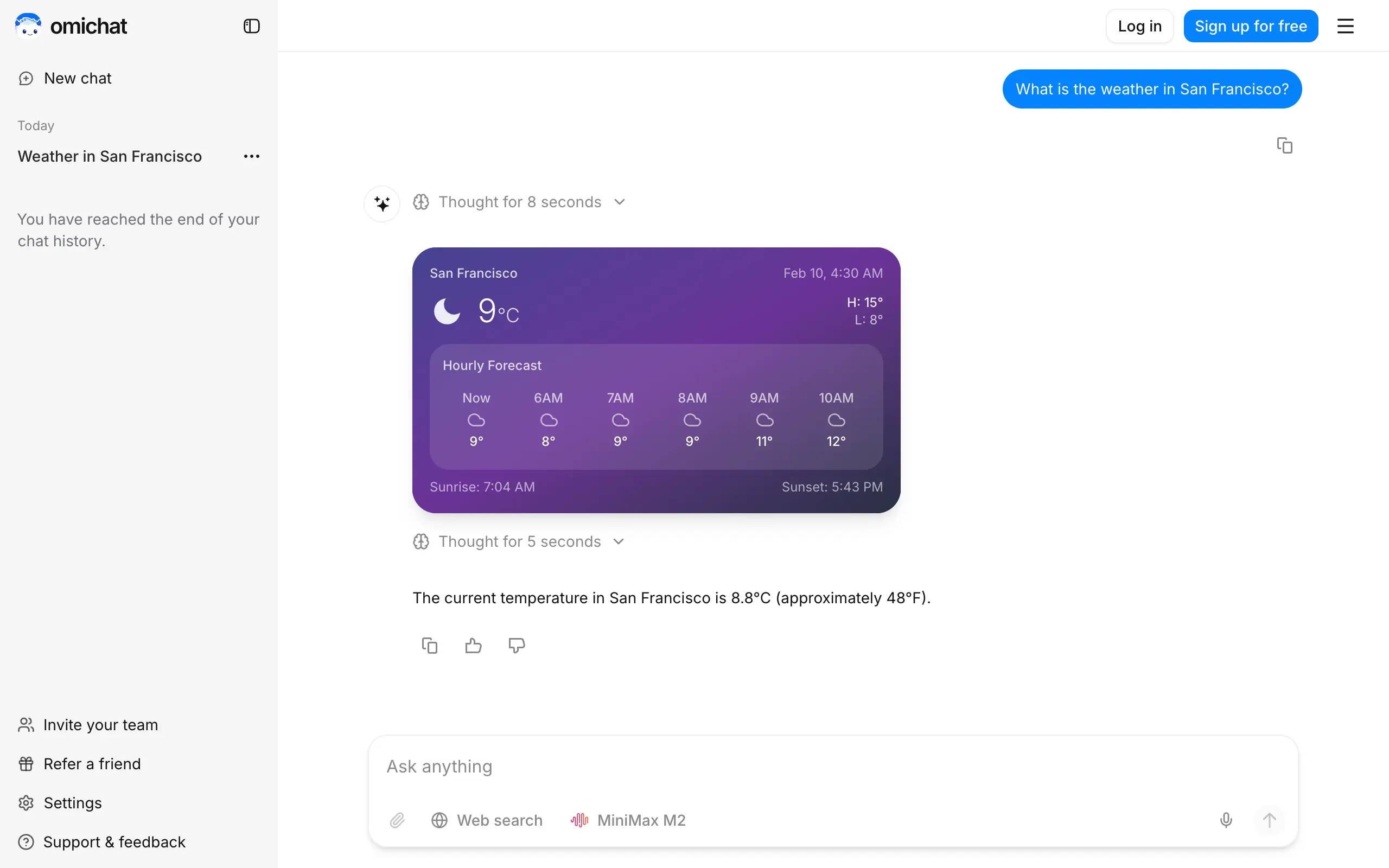
Omichat
Chat with 50+ AI models, including ChatGPT and Claude, in one place - switch models anytime without losing context 🤖
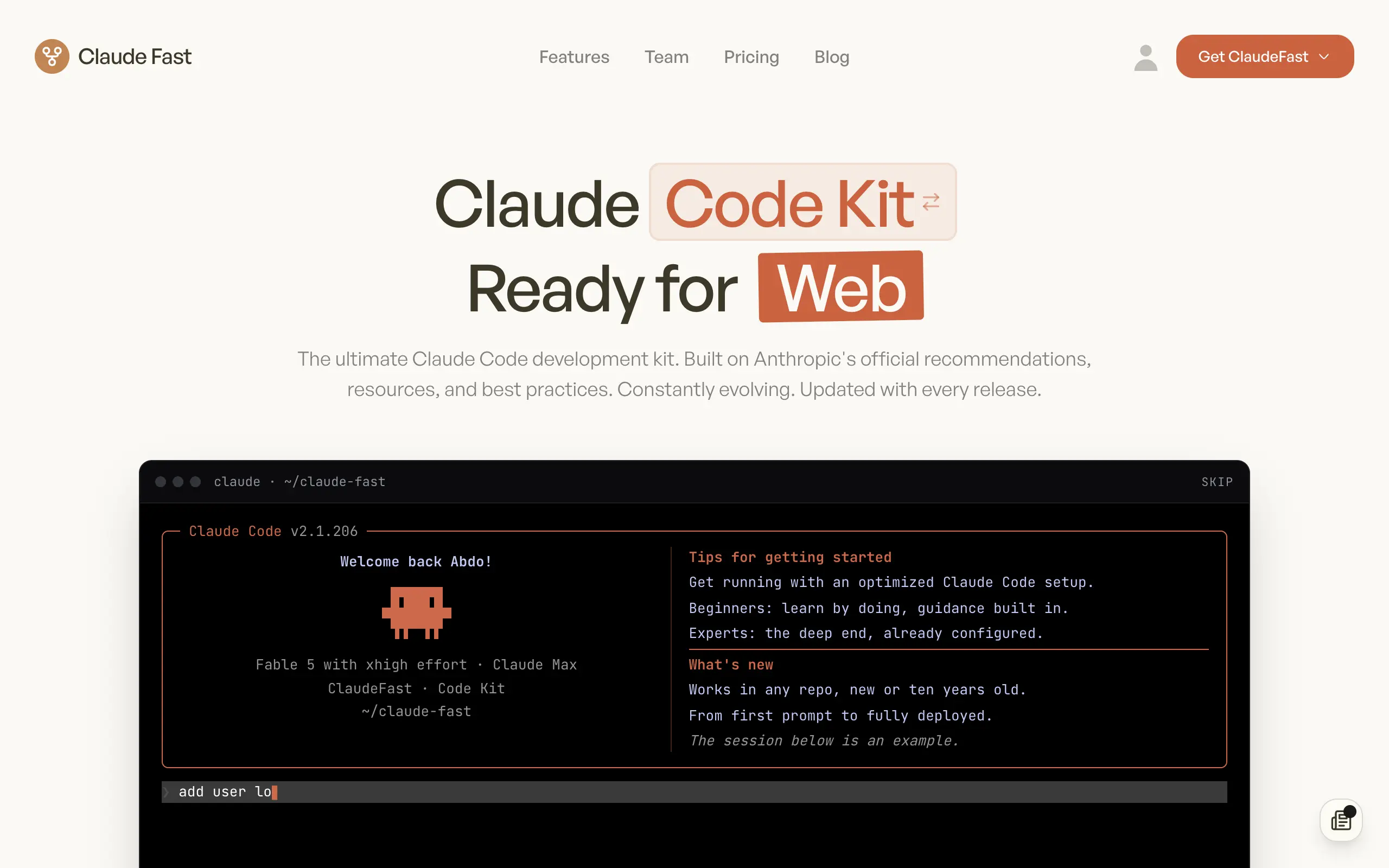
Claude Fast
Supercharge your Claude Code with 6x effective context window and specialized AI agents 🤖
EmojAI
AI-powered emoji picker with smart, context-aware suggestions 🤖
Solohacker
Autonomous company launcher - AI agents work 24/7, escalate what matters, and you stay in control 🤖
BeRawi: Storytelling Coach
Practice storytelling daily with instant feedback to sound clearer, more engaging, and confident 🎤
Omichat
Chat with 50+ AI models, including ChatGPT and Claude, in one place - switch models anytime without losing context 🤖
Claude Fast
Supercharge your Claude Code with 6x effective context window and specialized AI agents 🤖
EmojAI
AI-powered emoji picker with smart, context-aware suggestions 🤖
Solohacker
Autonomous company launcher - AI agents work 24/7, escalate what matters, and you stay in control 🤖
BeRawi: Storytelling Coach
Practice storytelling daily with instant feedback to sound clearer, more engaging, and confident 🎤

Connect with like-minded people
Join our community to get feedback, support, and grow together with 1,000+ builders on board, let's ship it!
Join usShip your startup everywhere. In minutes.
Don't burn tokens on setup and start building features on day one.