Neighborly
An AI platform that helps neighbors and local communities organize help, share resources, and coordinate acts of kindness effortlessly.
The rise of AI-powered community platforms
Local communities are the backbone of society. Yet in an increasingly digital and fragmented world, neighbors often live side-by-side without truly connecting. While social networks promise connection, they typically optimize for engagement—not real-world cooperation, mutual aid, or acts of kindness.
This is where an AI-powered community platform like Neighborly creates meaningful impact.
Neighborly is designed to help neighbors organize help, share resources, and coordinate acts of kindness effortlessly. It combines artificial intelligence with local trust networks to transform fragmented neighborhoods into supportive, responsive micro-communities.
In this in-depth guide, we’ll explore:
- The market opportunity for AI community platforms
- The target audience and user intent behind local coordination tools
- Core features and how AI enhances neighborhood collaboration
- Recommended tech stack and architecture
- Monetization strategies
- Competitive positioning
- Risks and mitigation strategies
- Step-by-step implementation roadmap
If you're evaluating this idea for validation, investment, or development, this article gives you the strategic and technical blueprint.
Why the world needs an AI neighbor coordination platform
The loneliness and coordination gap
Modern neighborhoods face three major challenges:
- Social isolation — Especially among elderly residents and remote workers
- Underutilized resources — Tools, skills, spare time, and expertise go unused
- Coordination friction — Helping others requires manual outreach and effort
Even existing community apps often suffer from:
- Low engagement
- Toxic comment threads
- Poor prioritization of real needs
- No intelligent matching between needs and helpers
An AI platform can solve these by introducing:
- Smart request routing
- Priority scoring
- Automated matching
- Kindness recommendations
- Trust-based moderation
This moves beyond a digital notice board into a proactive local support engine.
Market opportunity for AI neighborhood platforms
Growing demand for local connection
Several macro trends support this opportunity:
- Remote work expansion (post-2020 shift)
- Rising interest in hyperlocal resilience
- Growth of the sharing economy
- Increased focus on mental health and belonging
According to global urbanization reports (suggest citing UN Urbanization Prospects), cities are becoming denser—yet people feel more disconnected. There is strong behavioral demand for structured, low-friction neighbor interaction.
Gaps in current solutions
Existing platforms typically fall into one of three categories:
- Social feeds (discussion-first)
- Marketplace platforms (transaction-first)
- Volunteer coordination apps (organization-first)
Few combine:
- AI-based matching
- Micro-community trust scoring
- Real-world action orchestration
This is Neighborly’s positioning advantage.
Target audience analysis
A successful AI community platform must deeply understand its user segments.
Primary users
1. Suburban families
- Need childcare swaps
- Borrow tools
- Coordinate local safety
- Organize events
2. Elderly residents
- Need help with errands
- Seek companionship
- Require accessible communication tools
3. Remote workers
- Want local connection
- Offer flexible time for volunteering
- Seek co-working or social gatherings
4. Apartment communities
- Shared infrastructure
- Lost-and-found coordination
- Group purchasing power
Secondary stakeholders
- HOAs
- Property managers
- City councils
- Religious organizations
- Community nonprofits
These stakeholders can drive adoption at scale.
User intent behind “neighbor help apps”
Users searching for a solution like Neighborly typically want:
- “How to ask neighbors for help”
- “Best neighborhood apps”
- “Community sharing platform”
- “How to organize local volunteering”
- “Tool sharing app near me”
Their intent is:
✅ Reduce friction
✅ Build trust
✅ Coordinate easily
✅ Feel safe
Neighborly must directly solve these emotional and functional needs.
Core features of Neighborly (AI-first approach)
1. Intelligent help request system
Instead of posting to a feed, users submit structured requests:
- Category (errand, childcare, tools, emotional support)
- Urgency level
- Time window
- Privacy level
AI then:
- Matches relevant neighbors
- Prioritizes based on urgency
- Notifies likely responders
This reduces noise and increases action.
2. AI matching engine
Using behavioral signals and preferences:
- Skill tags
- Past activity
- Availability patterns
- Distance radius
The AI ranks likely helpers.
Example pseudo-logic:
function matchHelpers(request, neighbors) {
  return neighbors
    .filter(n => n.skills.includes(request.category))
    .map(n => ({
      ...n,
      score: calculateTrust(n) + proximityScore(n, request) + availabilityScore(n)
    }))
    .sort((a, b) => b.score - a.score)
}
3. Smart kindness recommendations
AI can proactively suggest:
- “3 neighbors recently needed grocery help”
- “5 unused tools in your radius”
- “Elderly resident hasn’t received help this month”
This turns passive browsing into active contribution.
4. Resource sharing marketplace
Not transactional like eBay. Instead:
- Borrow lawnmowers
- Share ladders
- Lend books
- Offer skill exchange
Built-in:
- Scheduling
- Return reminders
- Damage reporting
5. Trust & safety layer
Trust is everything in a local platform.
Key mechanisms:
- Verified addresses
- Community vouching
- Tiered trust levels
- AI toxicity detection
- Reputation scoring
6. Event & micro-volunteer coordination
Features include:
- Neighborhood cleanups
- Potlucks
- Emergency response groups
- Skill workshops
AI helps:
- Predict turnout
- Optimize time
- Suggest ideal dates
Competitive landscape analysis
| Platform | AI Matching | Resource Sharing | Trust Scoring | Kindness Automation |
|---|---|---|---|---|
| Traditional Social Feed | ❌ | ❌ | ❌ | ❌ |
| Marketplace Apps | ❌ | ✅ | Limited | ❌ |
| Volunteer Platforms | Limited | ❌ | ✅ | ❌ |
| Neighborly | ✅ | ✅ | ✅ | ✅ |
Neighborly’s differentiation lies in AI-powered coordination + trust-centric design.
Recommended tech stack
Building an AI SaaS platform requires scalability and modularity.
Frontend
- React
- TailwindCSS
- Real-time updates (WebSockets)
Backend
- Node.js or Go
- PostgreSQL (relational trust graph)
- Redis (real-time matching queue)
AI Layer
- LLM API for intent parsing
- Vector database for similarity matching
- ML-based trust scoring
Infrastructure
- AWS or GCP
- Serverless for scaling
- Geo-based data segmentation
AI architecture overview
Matching engine
- Embedding-based similarity scoring
- Urgency weighting
- Geographic proximity scoring
- Historical reliability weighting
Trust engine
- Reputation accumulation
- Negative signal detection
- Behavioral anomaly detection
- Community endorsements
Monetization strategy options
1. Freemium model
Free:
- Basic help requests
- Resource sharing
- Limited AI suggestions
Premium:
- Advanced matching
- Priority requests
- Extended radius
- HOA dashboards
2. B2B2C community licensing
Sell to:
- Property managers
- Residential complexes
- Gated communities
- Universities
Monthly per-unit pricing model.
3. Local partnerships
Revenue from:
- Local service providers
- Insurance companies
- Home maintenance services
Contextual, non-intrusive sponsorships.
4. Community fund pooling
Optional:
- Micro-donations
- Emergency funds
- Neighborhood improvement campaigns
Transaction fee monetization.
Risks and mitigation strategies
Risk 1: Low engagement
Mitigation:
- AI nudges
- Gamified kindness streaks
- Welcome onboarding flows
Risk 2: Safety incidents
Mitigation:
- Identity verification
- Insurance partnerships
- Secure in-app messaging
Risk 3: Toxic behavior
Mitigation:
- AI moderation
- Community flagging
- Reputation penalties
Risk 4: Cold start problem
Mitigation:
- Start with micro-communities (100–500 households)
- Partner with HOAs
- Launch geographically dense pilots
Unique selling proposition (USP)
Neighborly is not:
- Just another social feed
- Just a borrowing app
- Just a volunteer platform
It is:
An AI-driven kindness orchestration engine for real-world communities.
Key differentiators:
- Structured help system (not open feed chaos)
- Proactive AI suggestions
- Embedded trust layer
- Real-world action focus
Step-by-step implementation roadmap
MVP feature prioritization
Must-have
Help requests, AI matching, trust scoring, notifications
Phase 2
Resource sharing marketplace, event coordination
Phase 3
Predictive kindness suggestions, B2B dashboards
Go-to-market strategy
Phase 1: Hyperlocal pilots
- Partner with 2–3 residential communities
- Offer free premium access
- Collect testimonials
Phase 2: Authority positioning
Publish:
- Community resilience reports
- Local impact metrics
- Case studies
Phase 3: Scalable growth
- Referral loops
- HOA partnerships
- City council collaborations
Why now is the right time
AI is mature enough to:
- Parse intent accurately
- Match users intelligently
- Detect toxicity
- Score trust behaviorally
Simultaneously, society is seeking:
- Local resilience
- Human connection
- Safer digital spaces
This convergence creates ideal timing for Neighborly.
Building Neighborly efficiently
If you're building an AI SaaS like Neighborly, speed and architecture matter.
Using a production-ready SaaS foundation such as TurboStarter accelerates:
- Authentication
- Payments
- Team management
- Admin dashboards
- Scalable architecture
This allows you to focus on the core differentiator: AI-powered community coordination.
Final thoughts
Neighborly sits at the intersection of:
- AI automation
- Community resilience
- Trust technology
- Sharing economy
Its strength lies in solving a real-world, emotionally meaningful problem: making it easier for neighbors to help each other.
With the right execution, thoughtful trust design, and hyperlocal growth strategy, Neighborly could redefine what a neighborhood app truly means.
The opportunity is not just technological—it’s societal.
More 🤖 AI Startup SaaS ideas
Discover more innovative ai startup SaaS ideas that are trending in 2026. Each idea is AI-generated with market validation and growth potential to help you find your next profitable venture faster than competitors.
Your competitors are building with TurboStarter
Below are some of the SaaS ideas that have been generated and built with our starter kit.
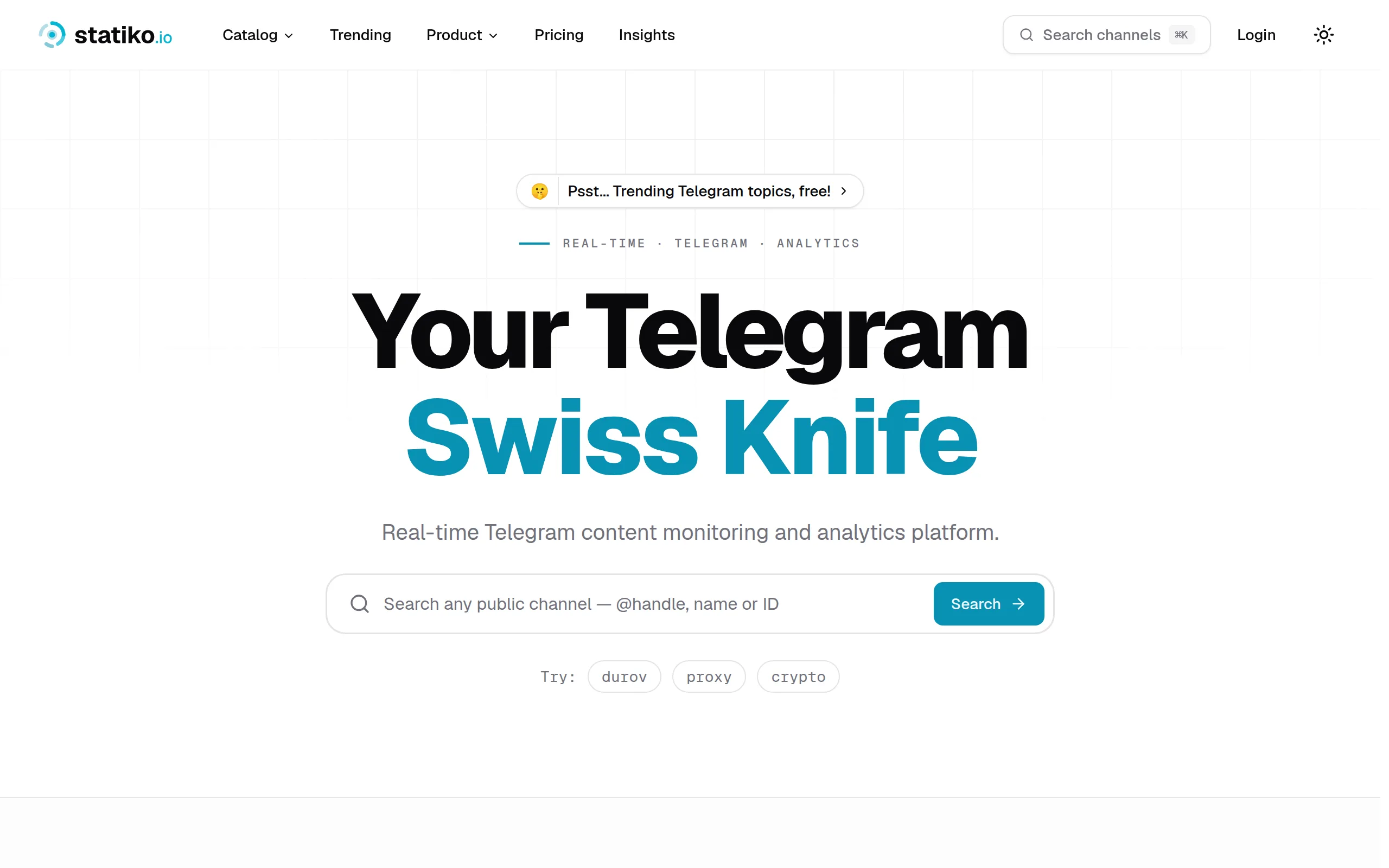
Statiko
Monitor any Telegram channel in real time - track posts, edits, deletions, and growth with AI recaps 📡

Shibui
AI website builder - describe your business, pick a niche template, edit by chatting, and publish instantly ✨

Pro Service
Find verified home service professionals, compare quotes, and pay securely through escrow - built for Brazilians across the US 🏠
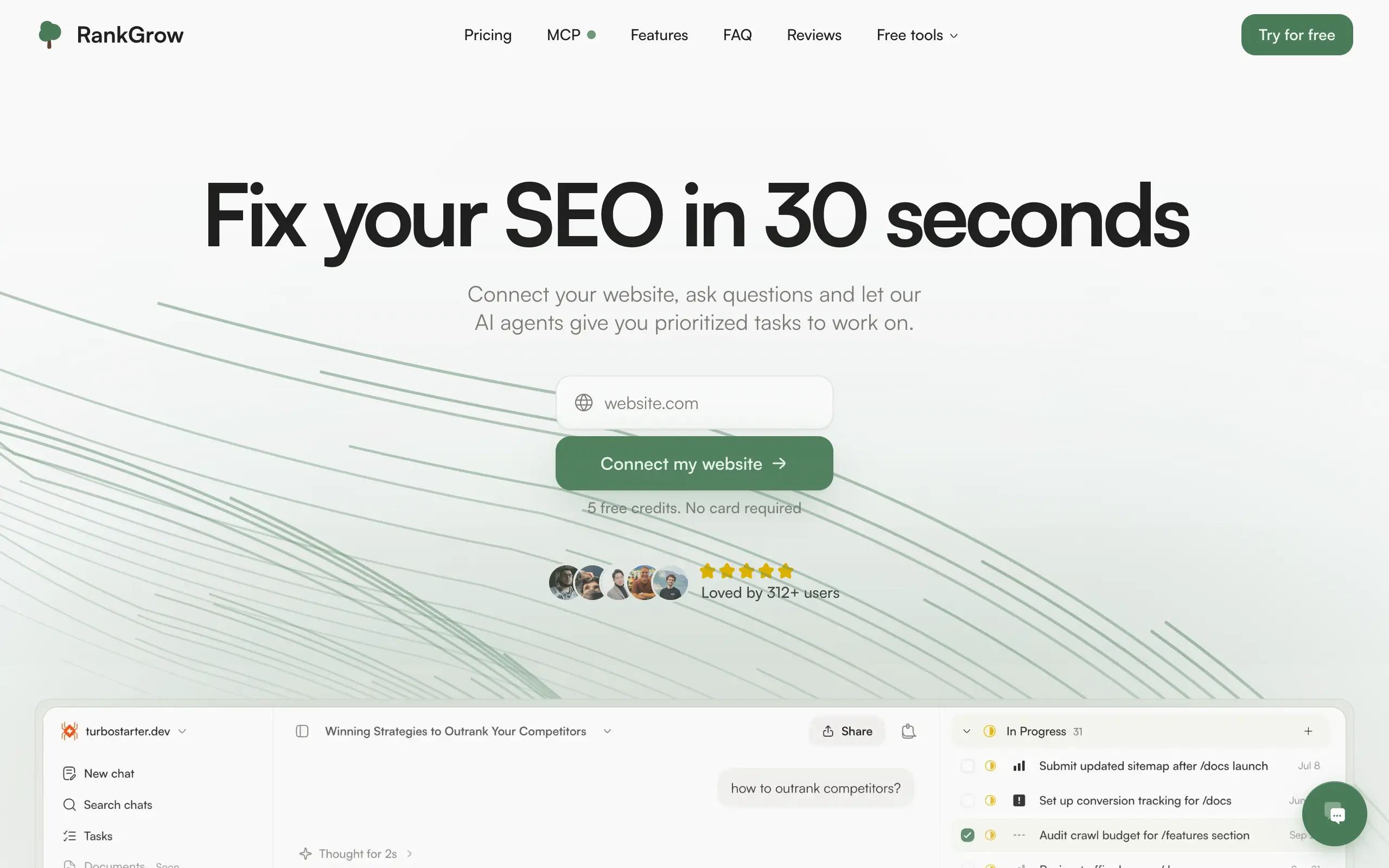
RankGrow
Fix your SEO with AI agents - connect Search Console, get prioritized tasks, and grow organic traffic 📈
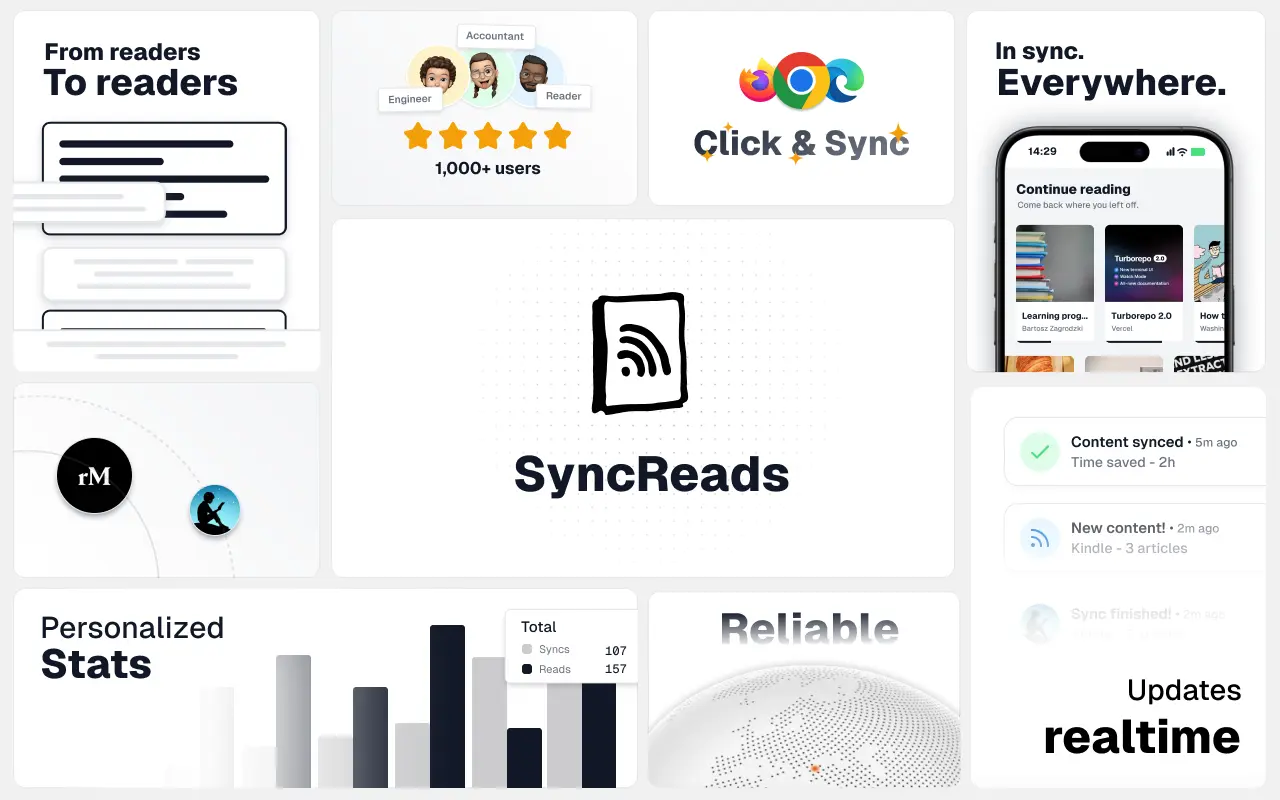
SyncReads
Sync your favorite content for distraction-free reading, save time and replace multiple apps. Anytime, anywhere 🔄
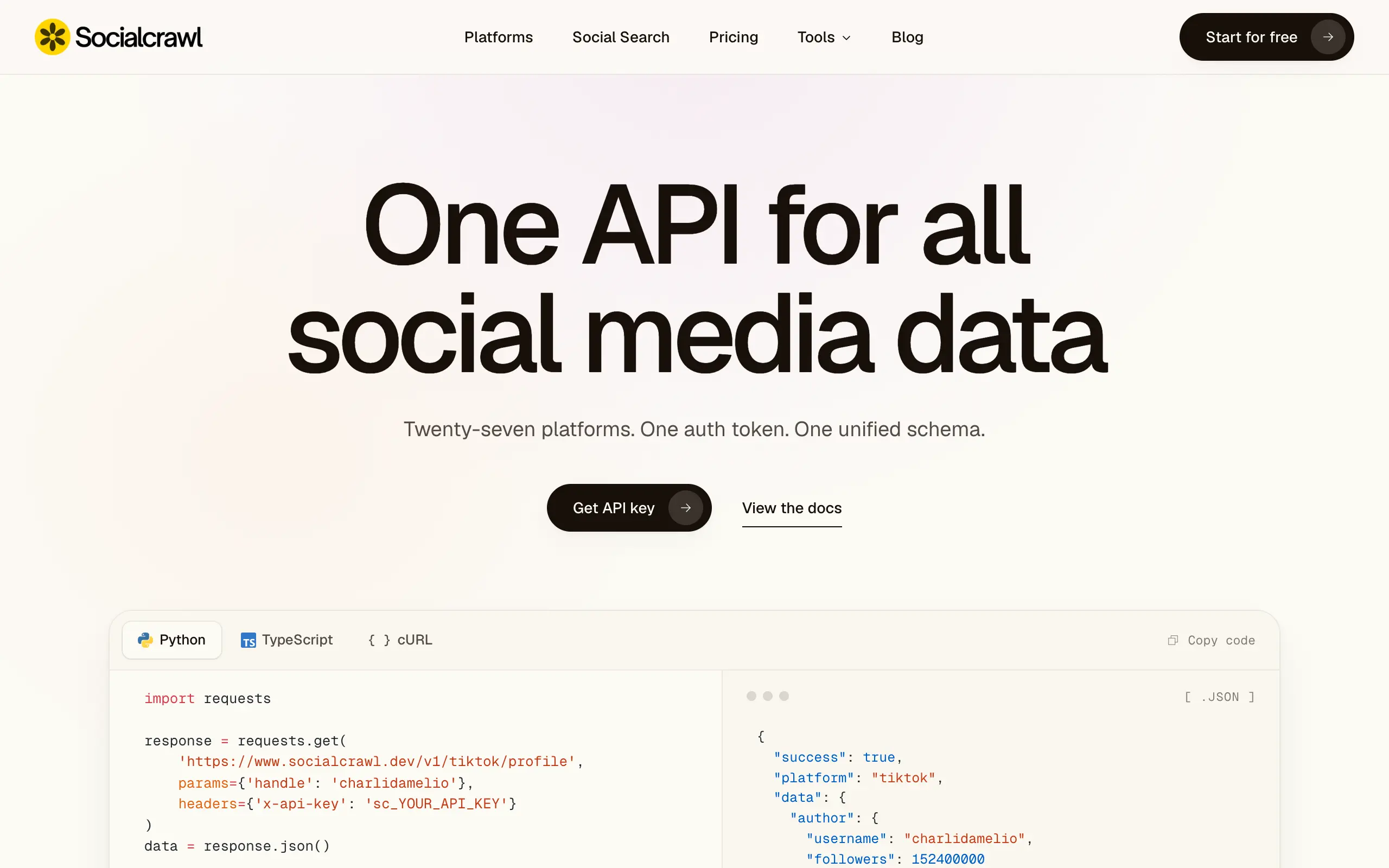
Socialcrawl
Get clean, structured data from 21 platforms like TikTok, Instagram, and YouTube with a single request 📊
Statiko
Monitor any Telegram channel in real time - track posts, edits, deletions, and growth with AI recaps 📡
Shibui
AI website builder - describe your business, pick a niche template, edit by chatting, and publish instantly ✨
Pro Service
Find verified home service professionals, compare quotes, and pay securely through escrow - built for Brazilians across the US 🏠
RankGrow
Fix your SEO with AI agents - connect Search Console, get prioritized tasks, and grow organic traffic 📈
SyncReads
Sync your favorite content for distraction-free reading, save time and replace multiple apps. Anytime, anywhere 🔄
Socialcrawl
Get clean, structured data from 21 platforms like TikTok, Instagram, and YouTube with a single request 📊
Statiko
Monitor any Telegram channel in real time - track posts, edits, deletions, and growth with AI recaps 📡
Shibui
AI website builder - describe your business, pick a niche template, edit by chatting, and publish instantly ✨
Pro Service
Find verified home service professionals, compare quotes, and pay securely through escrow - built for Brazilians across the US 🏠
RankGrow
Fix your SEO with AI agents - connect Search Console, get prioritized tasks, and grow organic traffic 📈
SyncReads
Sync your favorite content for distraction-free reading, save time and replace multiple apps. Anytime, anywhere 🔄
Socialcrawl
Get clean, structured data from 21 platforms like TikTok, Instagram, and YouTube with a single request 📊
Statiko
Monitor any Telegram channel in real time - track posts, edits, deletions, and growth with AI recaps 📡
Shibui
AI website builder - describe your business, pick a niche template, edit by chatting, and publish instantly ✨
Pro Service
Find verified home service professionals, compare quotes, and pay securely through escrow - built for Brazilians across the US 🏠
RankGrow
Fix your SEO with AI agents - connect Search Console, get prioritized tasks, and grow organic traffic 📈
SyncReads
Sync your favorite content for distraction-free reading, save time and replace multiple apps. Anytime, anywhere 🔄
Socialcrawl
Get clean, structured data from 21 platforms like TikTok, Instagram, and YouTube with a single request 📊
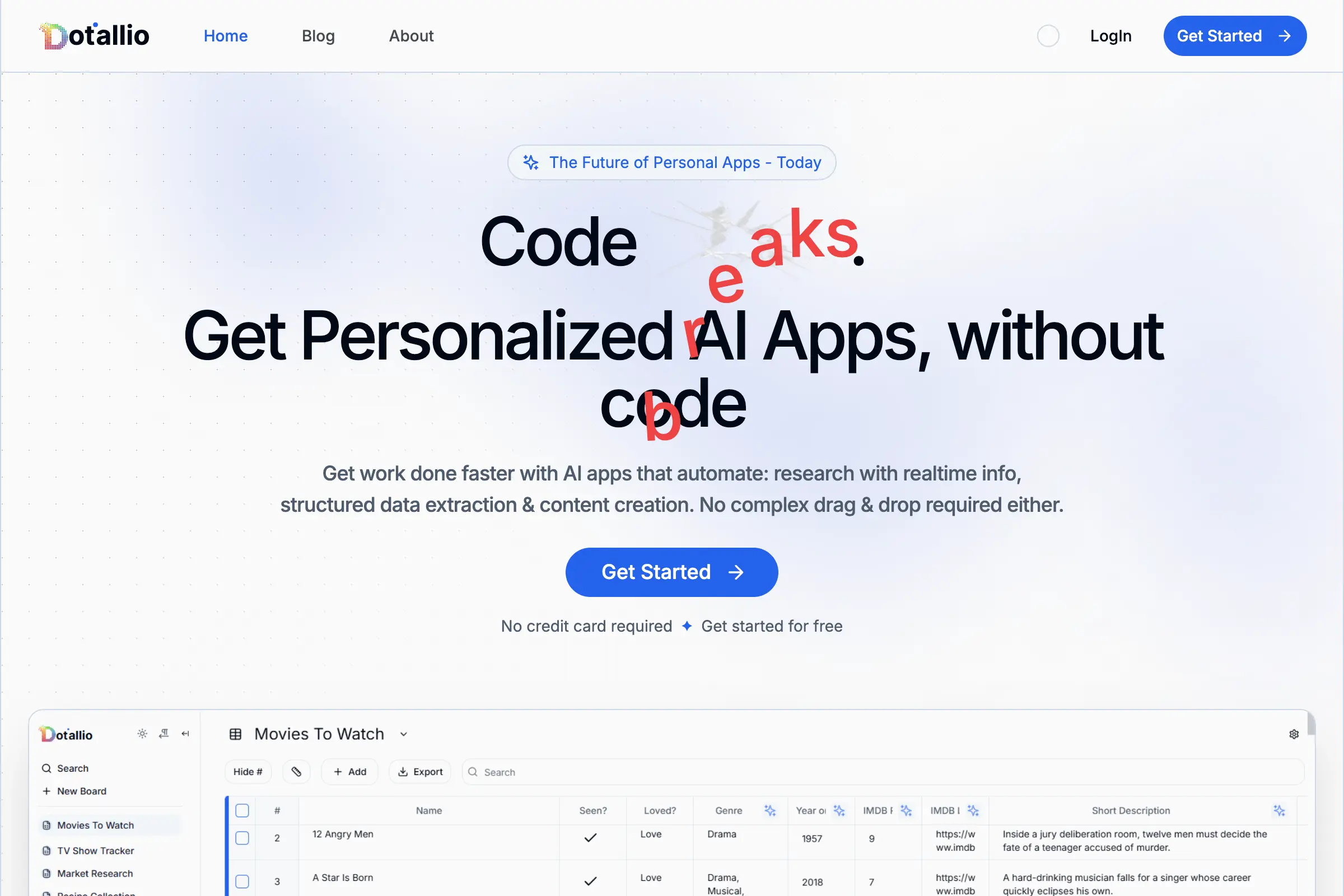
Dotallio
Personalized AI apps that automate research, data extraction, and content creation without code 🤖
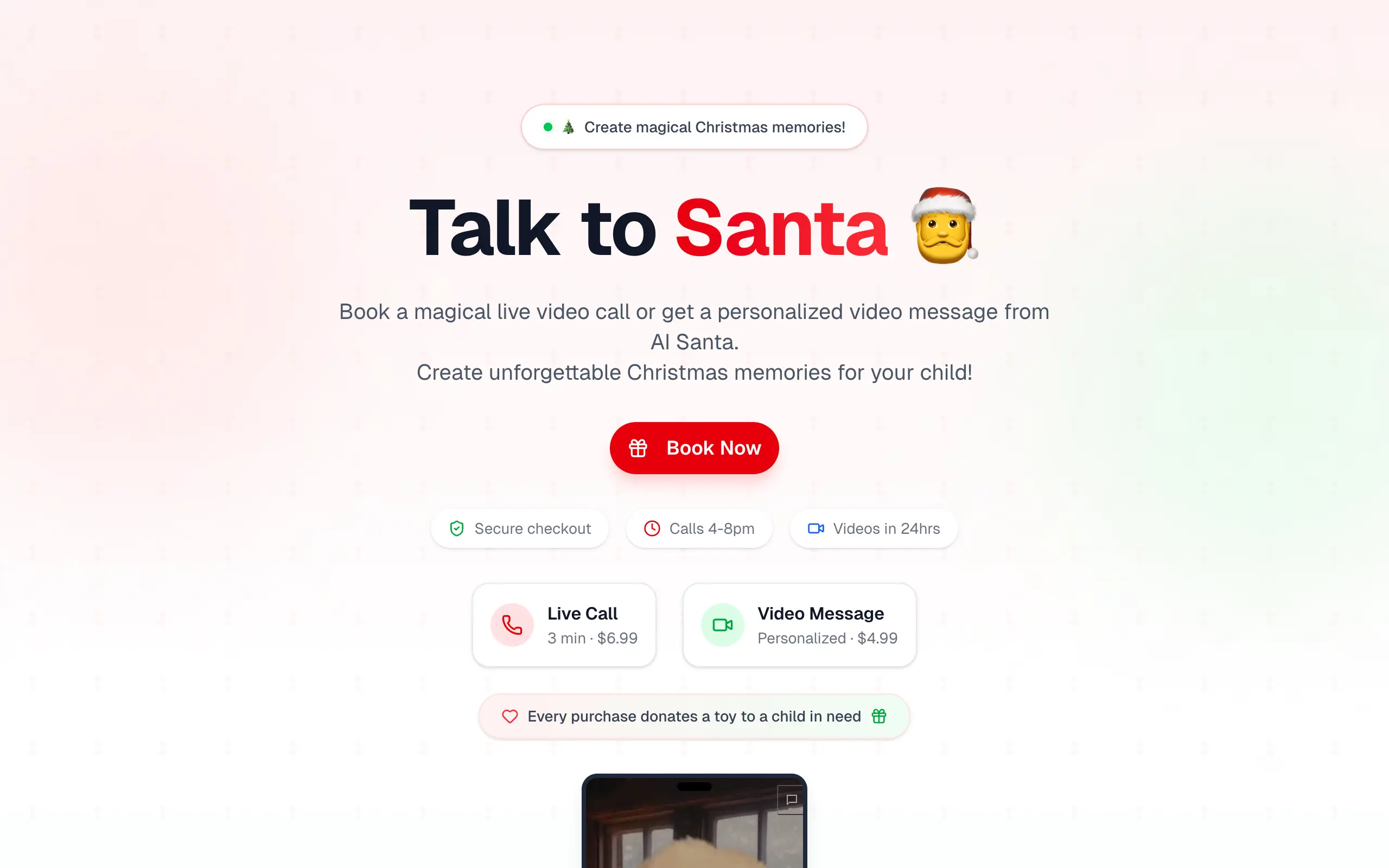
Talk to Santa
Enjoy a magical live video chat or receive a unique AI-generated video greeting from Santa Claus 🎅

pozywka.pl
Scalable blog for food journalist, focused on performance and user experience 🌭
zagrodzki.me
Personal blog and portfolio of Bart Zagrodzki, where he shares his knowledge and work 💼
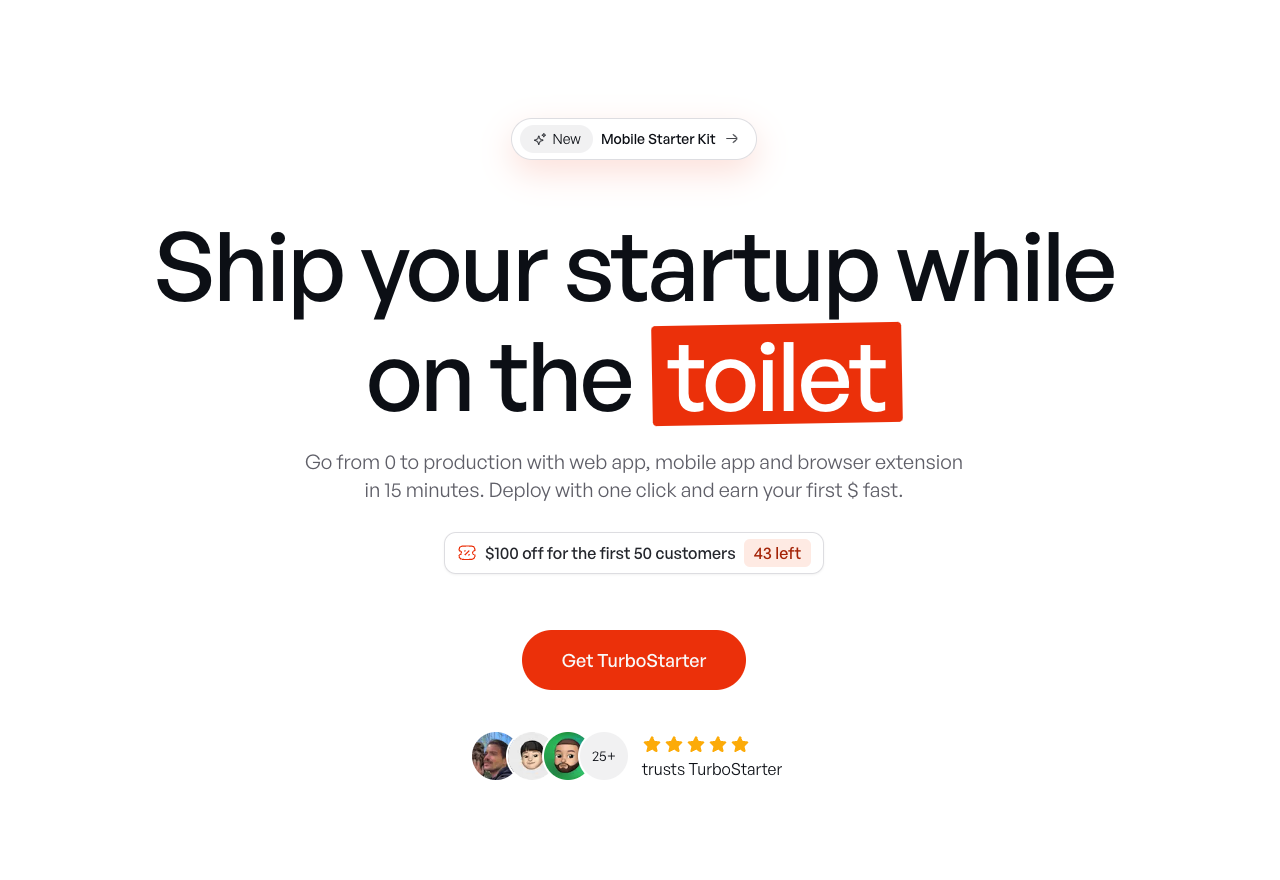
TurboStarter
Ship your startup everywhere. In minutes.
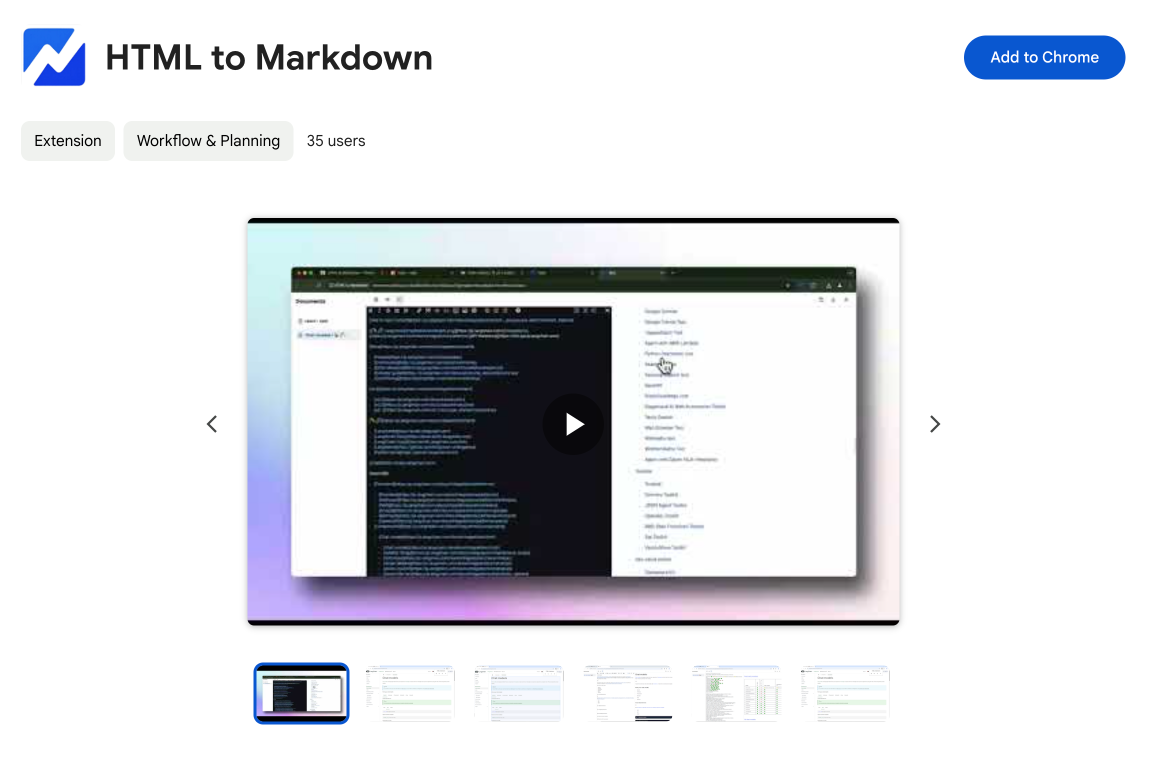
HTML to Markdown
Convert HTML to Markdown with ease, directly in your browser 📄
Dotallio
Personalized AI apps that automate research, data extraction, and content creation without code 🤖
Talk to Santa
Enjoy a magical live video chat or receive a unique AI-generated video greeting from Santa Claus 🎅
pozywka.pl
Scalable blog for food journalist, focused on performance and user experience 🌭
zagrodzki.me
Personal blog and portfolio of Bart Zagrodzki, where he shares his knowledge and work 💼
TurboStarter
Ship your startup everywhere. In minutes.
HTML to Markdown
Convert HTML to Markdown with ease, directly in your browser 📄
Dotallio
Personalized AI apps that automate research, data extraction, and content creation without code 🤖
Talk to Santa
Enjoy a magical live video chat or receive a unique AI-generated video greeting from Santa Claus 🎅
pozywka.pl
Scalable blog for food journalist, focused on performance and user experience 🌭
zagrodzki.me
Personal blog and portfolio of Bart Zagrodzki, where he shares his knowledge and work 💼
TurboStarter
Ship your startup everywhere. In minutes.
HTML to Markdown
Convert HTML to Markdown with ease, directly in your browser 📄
Dotallio
Personalized AI apps that automate research, data extraction, and content creation without code 🤖
Talk to Santa
Enjoy a magical live video chat or receive a unique AI-generated video greeting from Santa Claus 🎅
pozywka.pl
Scalable blog for food journalist, focused on performance and user experience 🌭
zagrodzki.me
Personal blog and portfolio of Bart Zagrodzki, where he shares his knowledge and work 💼
TurboStarter
Ship your startup everywhere. In minutes.
HTML to Markdown
Convert HTML to Markdown with ease, directly in your browser 📄
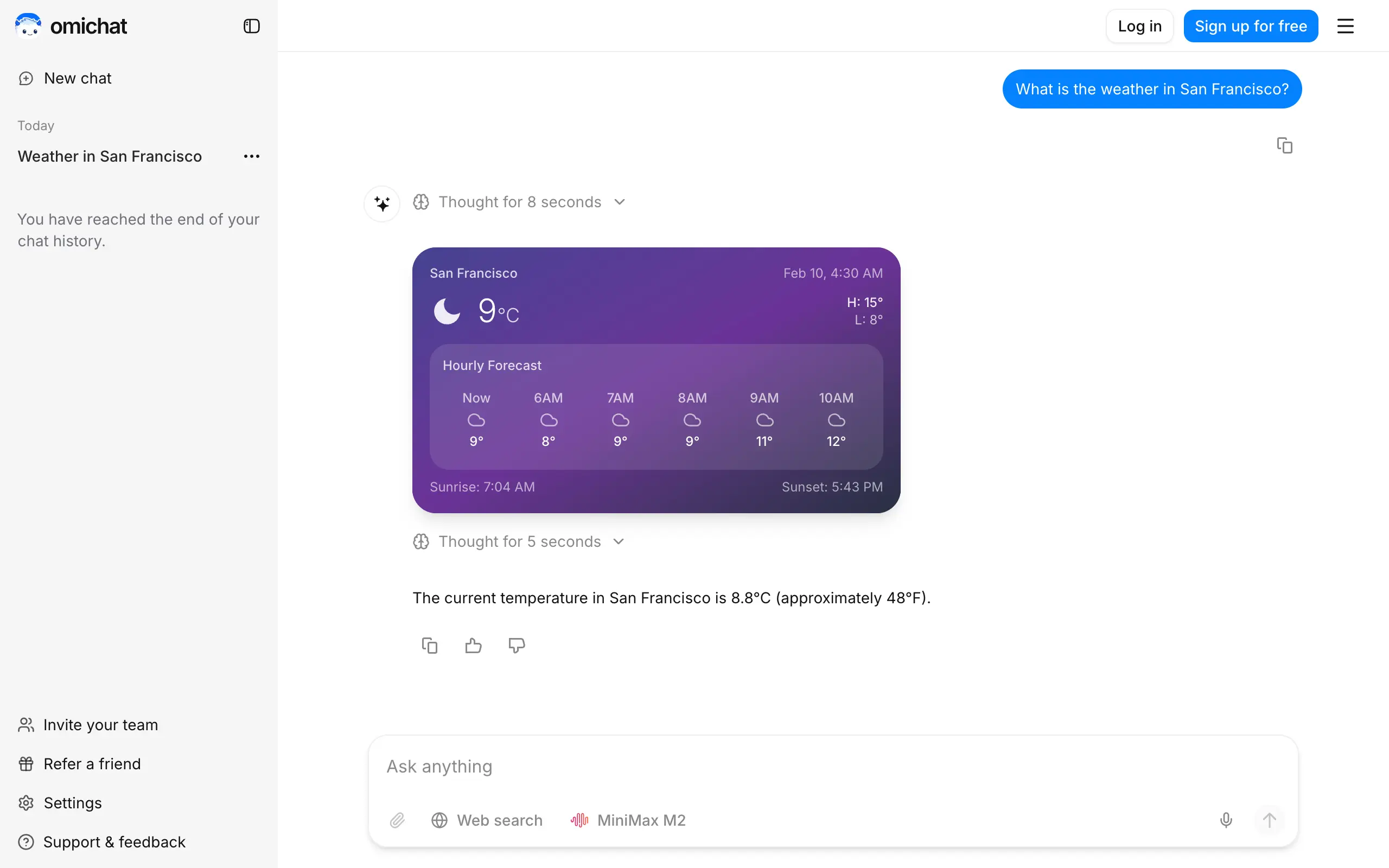
Omichat
Chat with 50+ AI models, including ChatGPT and Claude, in one place - switch models anytime without losing context 🤖
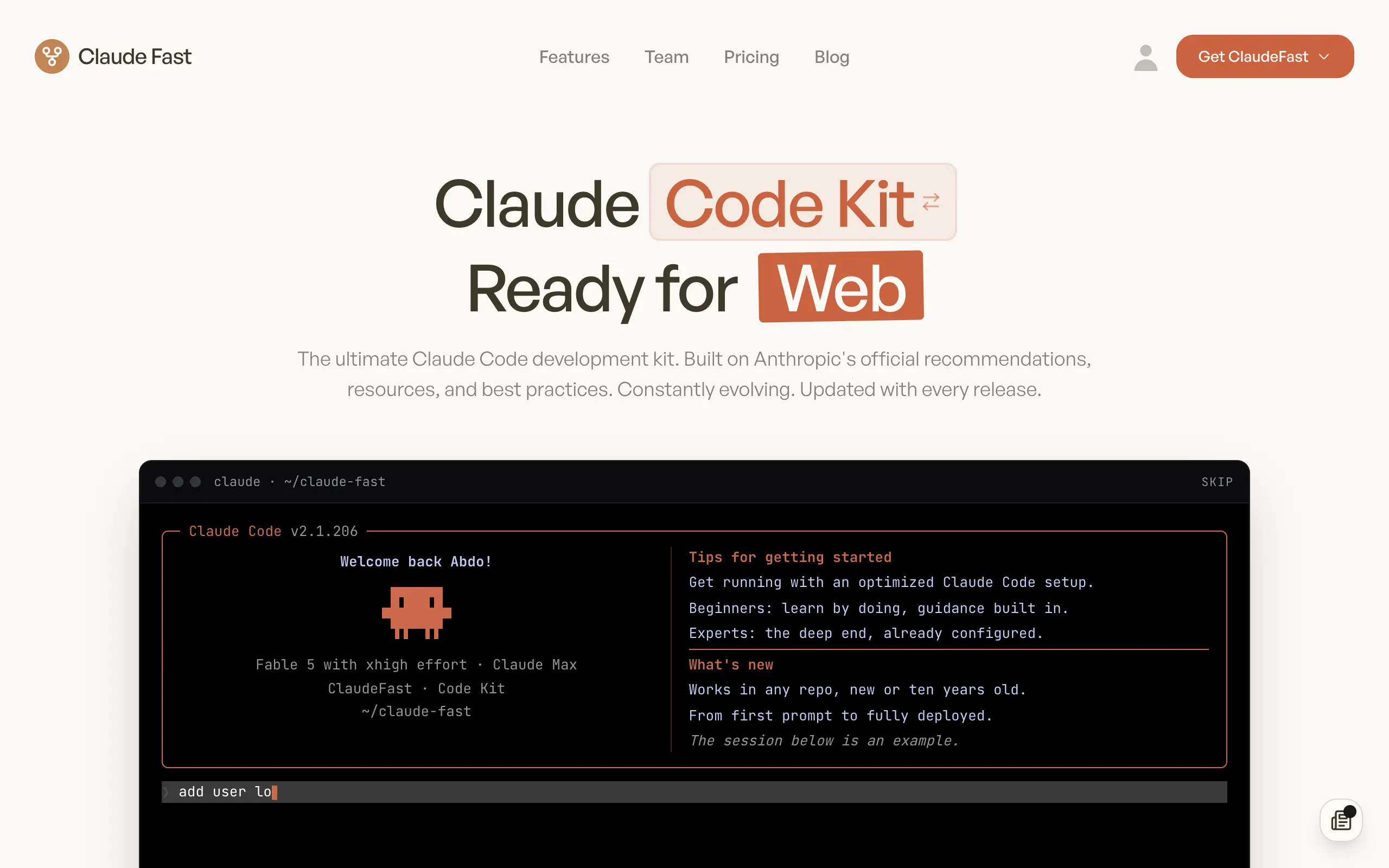
Claude Fast
Supercharge your Claude Code with 6x effective context window and specialized AI agents 🤖
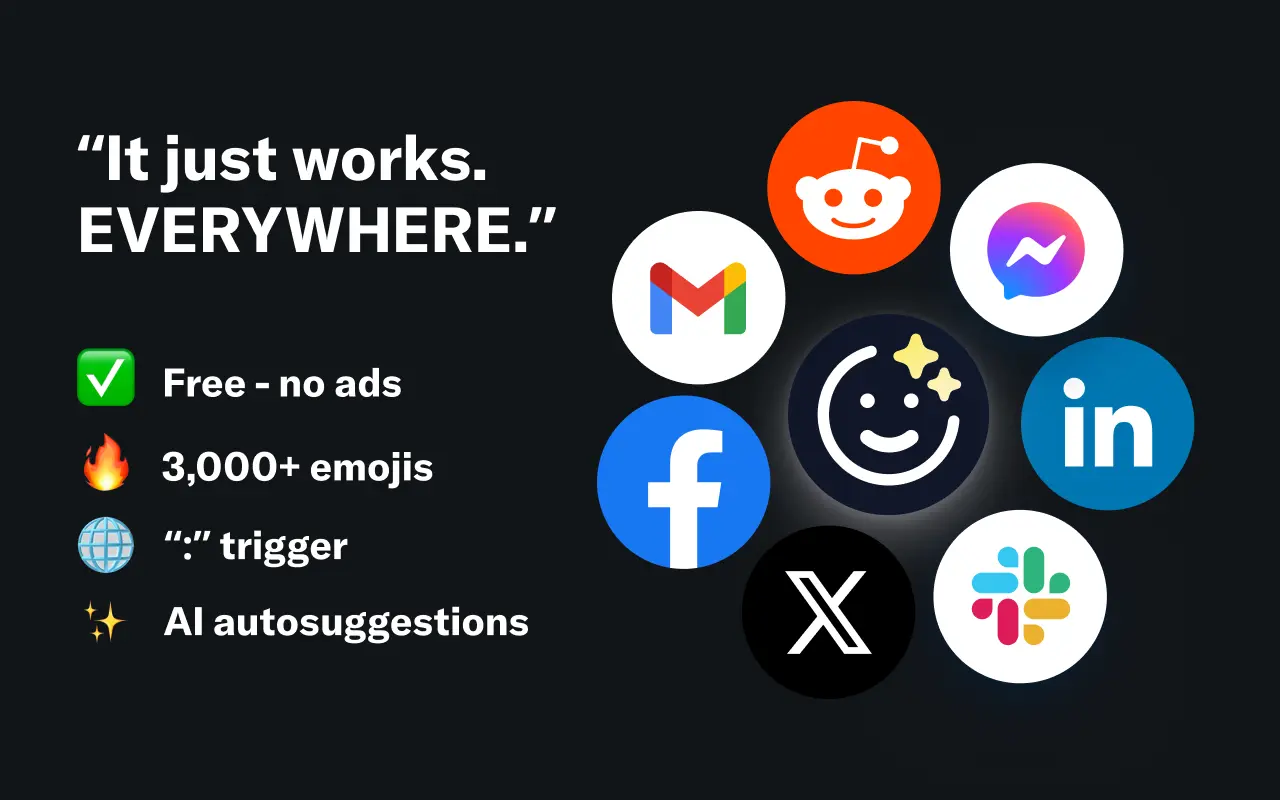
EmojAI
AI-powered emoji picker with smart, context-aware suggestions 🤖
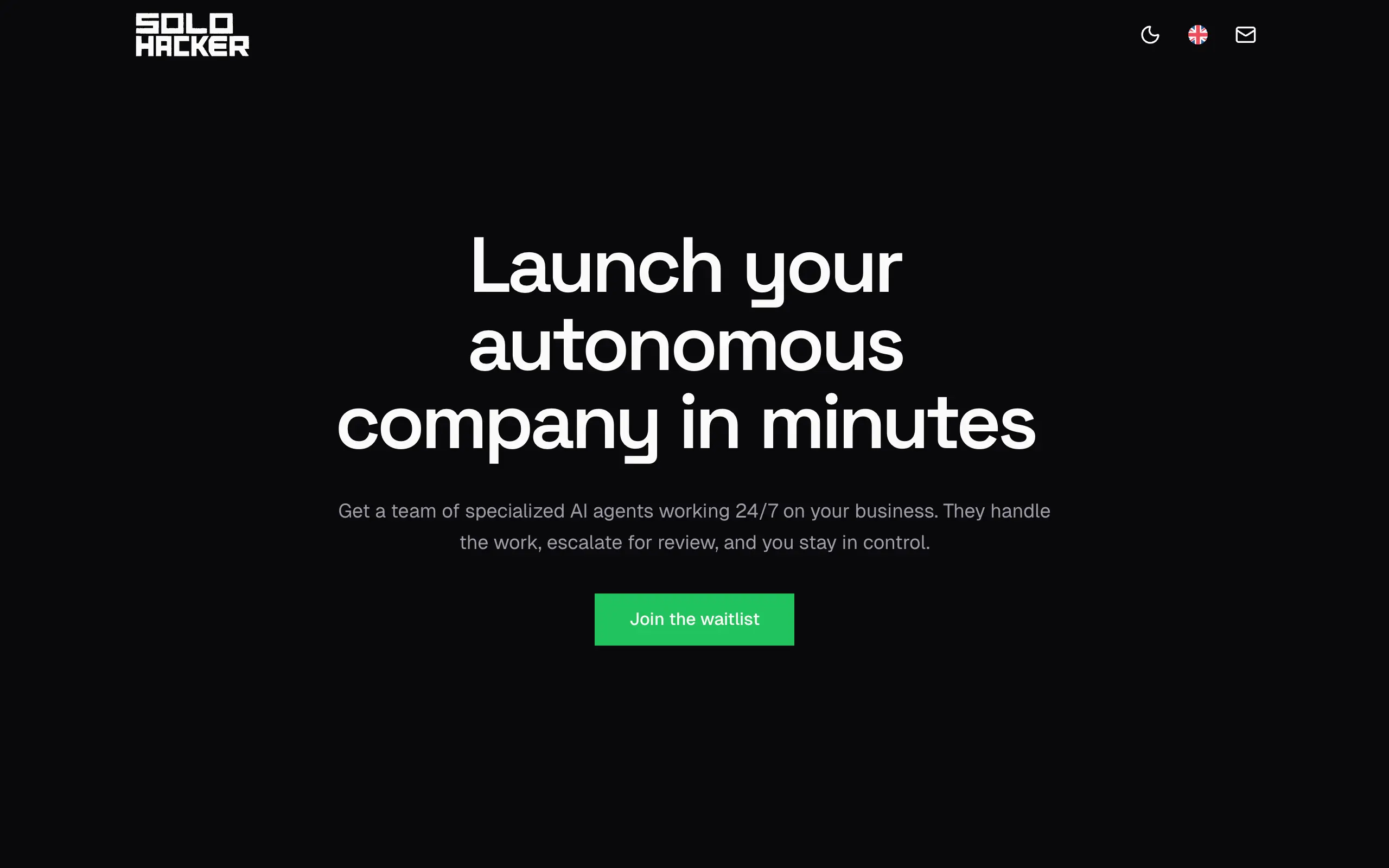
Solohacker
Autonomous company launcher - AI agents work 24/7, escalate what matters, and you stay in control 🤖
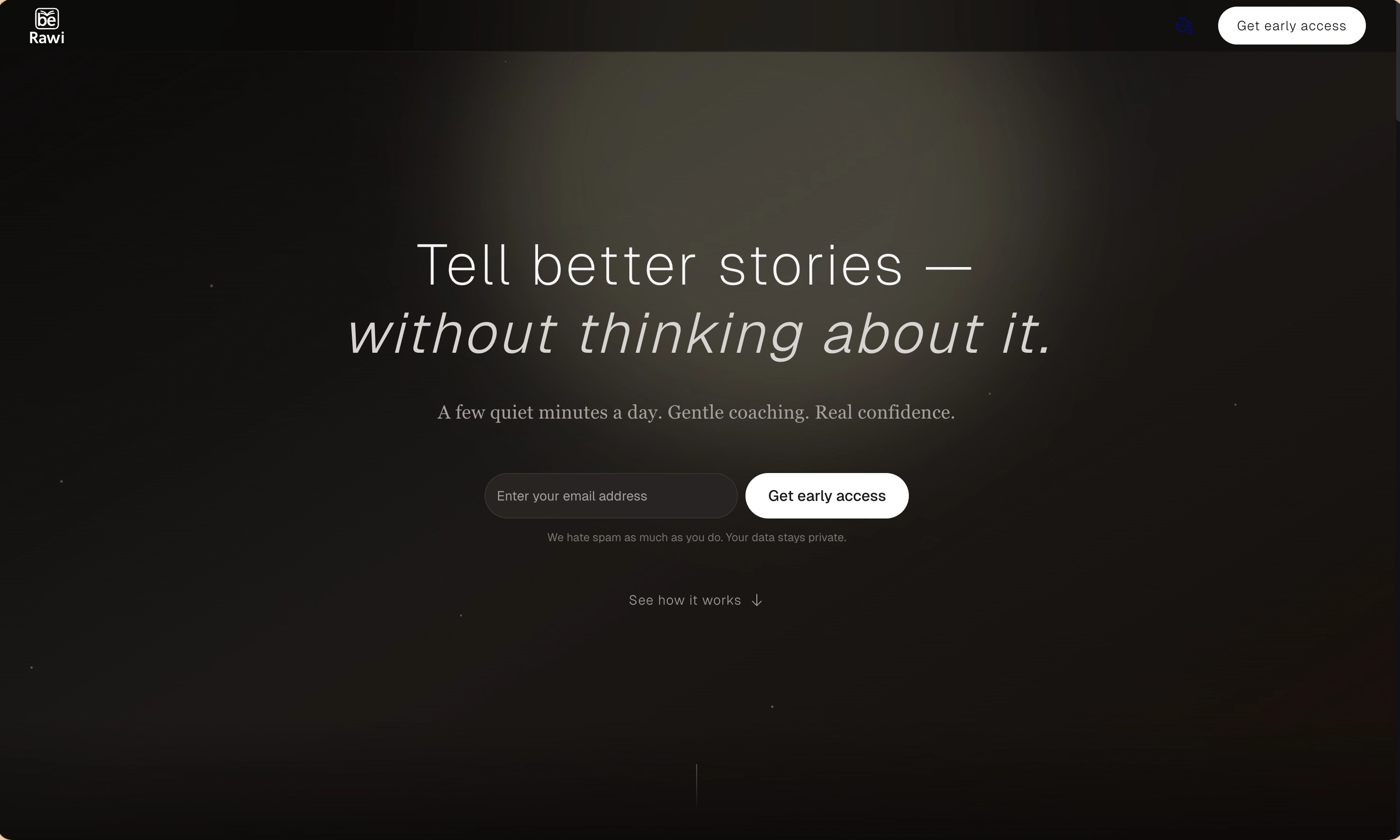
BeRawi: Storytelling Coach
Practice storytelling daily with instant feedback to sound clearer, more engaging, and confident 🎤
Omichat
Chat with 50+ AI models, including ChatGPT and Claude, in one place - switch models anytime without losing context 🤖
Claude Fast
Supercharge your Claude Code with 6x effective context window and specialized AI agents 🤖
EmojAI
AI-powered emoji picker with smart, context-aware suggestions 🤖
Solohacker
Autonomous company launcher - AI agents work 24/7, escalate what matters, and you stay in control 🤖
BeRawi: Storytelling Coach
Practice storytelling daily with instant feedback to sound clearer, more engaging, and confident 🎤
Omichat
Chat with 50+ AI models, including ChatGPT and Claude, in one place - switch models anytime without losing context 🤖
Claude Fast
Supercharge your Claude Code with 6x effective context window and specialized AI agents 🤖
EmojAI
AI-powered emoji picker with smart, context-aware suggestions 🤖
Solohacker
Autonomous company launcher - AI agents work 24/7, escalate what matters, and you stay in control 🤖
BeRawi: Storytelling Coach
Practice storytelling daily with instant feedback to sound clearer, more engaging, and confident 🎤
Omichat
Chat with 50+ AI models, including ChatGPT and Claude, in one place - switch models anytime without losing context 🤖
Claude Fast
Supercharge your Claude Code with 6x effective context window and specialized AI agents 🤖
EmojAI
AI-powered emoji picker with smart, context-aware suggestions 🤖
Solohacker
Autonomous company launcher - AI agents work 24/7, escalate what matters, and you stay in control 🤖
BeRawi: Storytelling Coach
Practice storytelling daily with instant feedback to sound clearer, more engaging, and confident 🎤

Connect with like-minded people
Join our community to get feedback, support, and grow together with 1,000+ builders on board, let's ship it!
Join usShip your startup everywhere. In minutes.
Don't burn tokens on setup and start building features on day one.