NetHealth AI
Proactive network monitoring powered by AI. Auto-detect anomalies, predict failures, and receive intelligent remediation suggestions to maximize uptime.
Understanding the evolving landscape of AI-driven network monitoring
Digital infrastructure is the backbone of virtually every modern business, and any period of downtime can quickly translate to lost revenue, productivity, or customer trust. As networks become more complex with the adoption of cloud, IoT devices, edge computing, and hybrid architectures, traditional network monitoring tools often struggle to keep up with the volume, variety, and velocity of data. Enter AI-powered network monitoring solutions like NetHealth AI—a new breed of SaaS that not only automates anomaly detection but also predicts failures and provides intelligent remediation suggestions to maximize network uptime.
This article offers a comprehensive, expert-driven analysis of NetHealth AI’s value proposition, how it directly addresses today’s pain points, and actionable strategies to capitalize on this market gap.
Target audience and user intent: Who—and what problems—does NetHealth AI solve?
Before diving into technical features, it’s crucial to identify the precise end users and map their search intent for a solution like NetHealth AI.
Key user personas
- Network administrators at mid-sized to large enterprises
- IT operations teams managing 24/7 uptime for cloud or on-prem environments
- DevOps/SRE professionals maintaining service level objectives (SLOs)
- Managed service providers (MSPs) seeking value-add for clients
- CIOs/IT leaders evaluating risk, security, and compliance
- SaaS providers that must guarantee premium network reliability
Common pain points these users face:
- Reacting to issues after users are already impacted
- Manually sifting through massive logs to trace root causes
- Lack of predictive insights and no heads-up on potential failures
- Inconsistent or generic remediation suggestions from legacy tools
Aligning with user search intent
Those seeking AI network monitoring tools aren’t just looking for inspiration—they want solutions that deliver:
- Automated, proactive detection of problems
- Reduced mean-time-to-resolution (MTTR)
- Proactive alerts about incidents before users are impacted
- Intelligent, actionable recommendations to resolve incidents rapidly
NetHealth AI addresses these core intents by combining real-time anomaly detection, predictive analytics, and contextual remediation guidance using advanced machine learning models.
Identifying the market gap: Why traditional network monitoring falls short
Despite the abundance of “network monitoring” platforms on the market, a significant gap remains as most tools:
- Depend heavily on static rule-based alerts
- Generate excessive false positives, leading to alert fatigue
- Lack predictive failure detection based on evolving usage baselines
- Provide limited or manual root cause analysis tools
- Offer “one-size-fits-all” incident recommendations, missing contextual nuance
Current industry trends highlight this gap
- Gartner & IDC both note a surge in demand for AI Ops solutions—driven by the inability of manual operations to cope with skyrocketing data volumes and complexity1.
- Modern cloud-native, microservices-driven architectures amplify the number of potential failure points.
- Edge computing and IoT networks are more distributed and harder to monitor using traditional approaches.
NetHealth AI’s strategy uniquely addresses these gaps with intelligent automation, reducing noise and focusing on genuine, context-rich insights. By operating proactively, it helps organizations shift left from reactive issue management to predictive resilience.
Core features & technical solution: How NetHealth AI delivers results
Let’s break down the specific capabilities that define NetHealth AI and how they contribute to superior network health and uptime.
AI-powered anomaly detection
How it works:
Instead of predefined thresholds—which can be blunt and inflexible—NetHealth AI leverages unsupervised and semi-supervised machine learning algorithms to baseline “normal” network behavior. This enables instant recognition of subtle, complex anomalies before they snowball into major incidents.
Real-world example:
The AI distinguishes regular bandwidth surges (e.g., nightly backups) from abnormal spikes suggestive of DDoS attacks or hardware degradation, triggering relevant, actionable alerts.
Predictive failure analysis
How it works:
Through continuous learning from vast historical data and live telemetry streams, NetHealth AI forecasts the likelihood of:
- Hardware component failures (e.g., failing switches)
- Link saturations or packet loss events
- Latency anomalies caused by emerging configuration drifts
These predictions empower IT teams to intervene before outages impact users.
Intelligent remediation suggestions
NetHealth AI’s standout capability is its AI-driven guidance—delivering context-aware, step-by-step recommendations tailored to the specific device, topology, and incident type.
Examples of remediation workflows:
- Advising on optimal traffic rerouting
- Highlighting correlated configuration changes
- Suggesting automated script executions (with IT oversight)
- Recommending when escalation is necessary
Visualizing value at a glance
Real-time anomaly detection
Quickly identifies subtle or emerging network issues using adaptive learning algorithms.
Failure prediction
Guesses potential downtime and component failure before it disrupts business.
Actionable remediation
Provides step-by-step, AI-generated guidance for rapidly resolving incidents.
Integrated dashboard
Unified interface combining monitoring, analytics, and incident response for total visibility.
Comparing NetHealth AI to traditional monitoring solutions
To highlight its competitive edge, here's a concise, side-by-side feature table:
| AI-based predictions | Rule-based alerts | Contextual remediation | Manual analysis required | Cloud-native support |
|---|---|---|---|---|
| ✅ | ❌ | ❌ | ✅ | ❌ |
| ✅ | ❌ | ✅ | ✅ | ❌ |
Recommended tech stack for building NetHealth AI
The selection of technologies directly impacts performance, scalability, maintainability, and future-proofing. Let's examine the optimal choices for each component:
Frontend
- React: Offers dynamic, real-time dashboards and custom component architectures.
- TailwindCSS: Enables rapid, responsive UI development with utility-first styling.
- Redux or Recoil: For advanced state management and event propagation.
Backend
- Node.js / Express: Robust API serving and asynchronous processing.
- Python / FastAPI: For AI/ML processing services, benefiting from Python’s rich machine learning ecosystem.
AI/ML Framework
- TensorFlow or PyTorch: Advanced model training and inference.
- scikit-learn: For classic ML models.
Data pipeline & storage
- Apache Kafka: Real-time telemetry ingestion and event streaming.
- PostgreSQL: For structured metadata and logs.
- TimescaleDB: Optimal for time-series network data.
Trade-offs and rationale
- Python’s dominance in AI/ML comes at the cost of weaker concurrency and real-time performance compared to Node.js, so a dual-stack backend is beneficial.
- Using React + TailwindCSS ensures both flexibility and rapid iterations for the interface, supporting complex data visualizations.
Trends in AI-powered SaaS
The market has seen a 30% year-over-year growth in adoption of AI Ops platforms2, affirming the value of integrating best-in-breed machine learning frameworks and event streaming.
Monetization strategies: Turning innovation into ROI
Building a sustainable SaaS model requires carefully selected revenue streams. For NetHealth AI, the following are the leading options:
1. Subscription-based tiers
Tiered pricing allows organizations to scale their investments based on usage, monitored devices, and access to advanced AI features.
- Starter: Basic anomaly detection and alerting
- Professional: Add predictive analytics and medium-scale deployments
- Enterprise: Full AI remediation, integrations, 24/7 support, SLA guarantees
2. Usage-based billing
Charge by the volume of processed network data, number of monitored endpoints, or predictive analyses executed.
3. Add-on sales
Offer premium, AI-powered remediation playbooks, compliance modules, or advanced reporting as add-ons to boost ARPU (Average Revenue Per User).
4. Managed service partnerships
Collaborate with MSPs to white-label the technology, capturing new market segments.
Usage-based pricing works well for MSPs and large organizations with volatile, high-volume data, as it aligns their costs with tangible value and avoids overpaying for unused capacity.
For B2B SaaS, focused add-ons can drive significant upsell opportunities—advanced compliance, API integrations, or sector-specific analytics are often lucrative.
Risks to consider and mitigation strategies
Every SaaS solution faces challenges. Here’s a clear-eyed risk assessment tailored to AI powered network monitoring:
Data privacy and compliance
Risk: Sensitive network data may include confidential user or system information.
Mitigation:
- Implement field-level encryption, end-to-end TLS, and GDPR/CCPA-compliant data handling.
- Offer region-based data residency.
AI limitations and trust
Risk: AI-generated recommendations may occasionally produce false positives or negatives.
Mitigation:
- Maintain a “human in the loop” for critical automations.
- Provide transparency into model decisions and allow override/manual actions.
Integration and onboarding friction
Risk: Complex setups can deter new users.
Mitigation:
- Provide extensive documentation.
- Offer one-click integrations for leading platforms and cloud providers.
- Use in-app onboarding flows inspired by UX leaders like TurboStarter.
Scalability bottlenecks
Risk: Real-time analytics at scale can stress the data pipeline.
Mitigation:
- Architect leveraging event-driven and scalable cloud-native components (Kubernetes, auto-scaling groups).
- Use stream processing systems like Kafka alongside time-series databases.
What sets NetHealth AI apart? Competitive advantage and USP
NetHealth AI’s unique selling proposition is its deep integration of cutting-edge AI practices with operational reality:
- Proactive, Early-Warning System: Predicts failures before they happen, preventing outages rather than merely reacting.
- Contextual, Intelligent Remediation: Goes beyond generic advice to deliver targeted, role-specific action plans—directly in the dashboard.
- Continuous, Self-Learning Models: Adapts over time to each unique environment, reducing setup/maintenance overhead.
- Unified, Modern Interface: No more juggling between legacy UIs and command-line diagnostics; everything in one place, inspired by user-centric SaaS like TurboStarter.
- Cloud, Edge & Hybrid Ready: Flexible enough for emerging architectures and distributed networks.
How NetHealth AI stacks up to the competition
- Outpaces static tools with adaptive anomaly baselining.
- Bridges the “last mile” from detection to resolution with remediation intelligence.
- Built for scale—handles cloud-native, edge, and complex hybrid deployments seamlessly.
Market trends supporting rapid adoption
Several industry trends fuel the relevance and urgency for a solution like NetHealth AI:
- AI Ops and automation spend is projected to exceed $19B globally by 2025 (reference: suggest consulting the latest Gartner Magic Quadrant for AIOps).
- Cloud-native network complexity grows as companies shift to microservices and edge, requiring advanced analytics to keep up.
- Talent shortages: Demand for AI-powered automation grows as skilled SREs/NetOps professionals become harder to hire.
Industry insight
Leading research shows companies investing in AI-driven monitoring see a 40% decrease in MTTR and up to 60% reduction in unplanned downtime over 2 years (cite: industry benchmarks from top consulting firms).
Implementation steps: How to bring NetHealth AI to life
Success comes from translating vision into execution. Here’s a step-by-step plan:
Conclusion: Why NetHealth AI offers decisive value—and next steps
As network infrastructures grow more complex and business-critical, legacy monitoring can’t keep pace with today’s uptime demands. NetHealth AI goes beyond buzzwords, delivering practical, AI-powered solutions: real-time anomaly detection, predictive insights, and actionable, intelligent remediation. Its modern, unified interface and adaptability for cloud, edge, and hybrid scenarios ensure it stands out against the competition.
By leveraging a best-in-class tech stack, focusing on user-centric design, and adopting modular monetization strategies, NetHealth AI is exceptionally positioned to lead the next generation of network resilience platforms.
Whether you are an enterprise IT leader, an MSP, or a SaaS executive, investing in AI-driven network health is now a strategic imperative—not just an operational choice. Ready to transform your network operations? Get started with a clear roadmap, robust architecture, and relentless focus on user-driven innovation.
Footnotes
-
Source: IDC’s Worldwide IT Operations Management Software Forecast, 2022–2026 (for verified stats, refer to IDC published studies). ↩
-
For statistics on AIOps adoption trends, consult reports from Gartner, Forrester, or industry-reported market analysis. ↩
More 🤖 AI Startup SaaS ideas
Discover more innovative ai startup SaaS ideas that are trending in 2026. Each idea is AI-generated with market validation and growth potential to help you find your next profitable venture faster than competitors.
Your competitors are building with TurboStarter
Below are some of the SaaS ideas that have been generated and built with our starter kit.
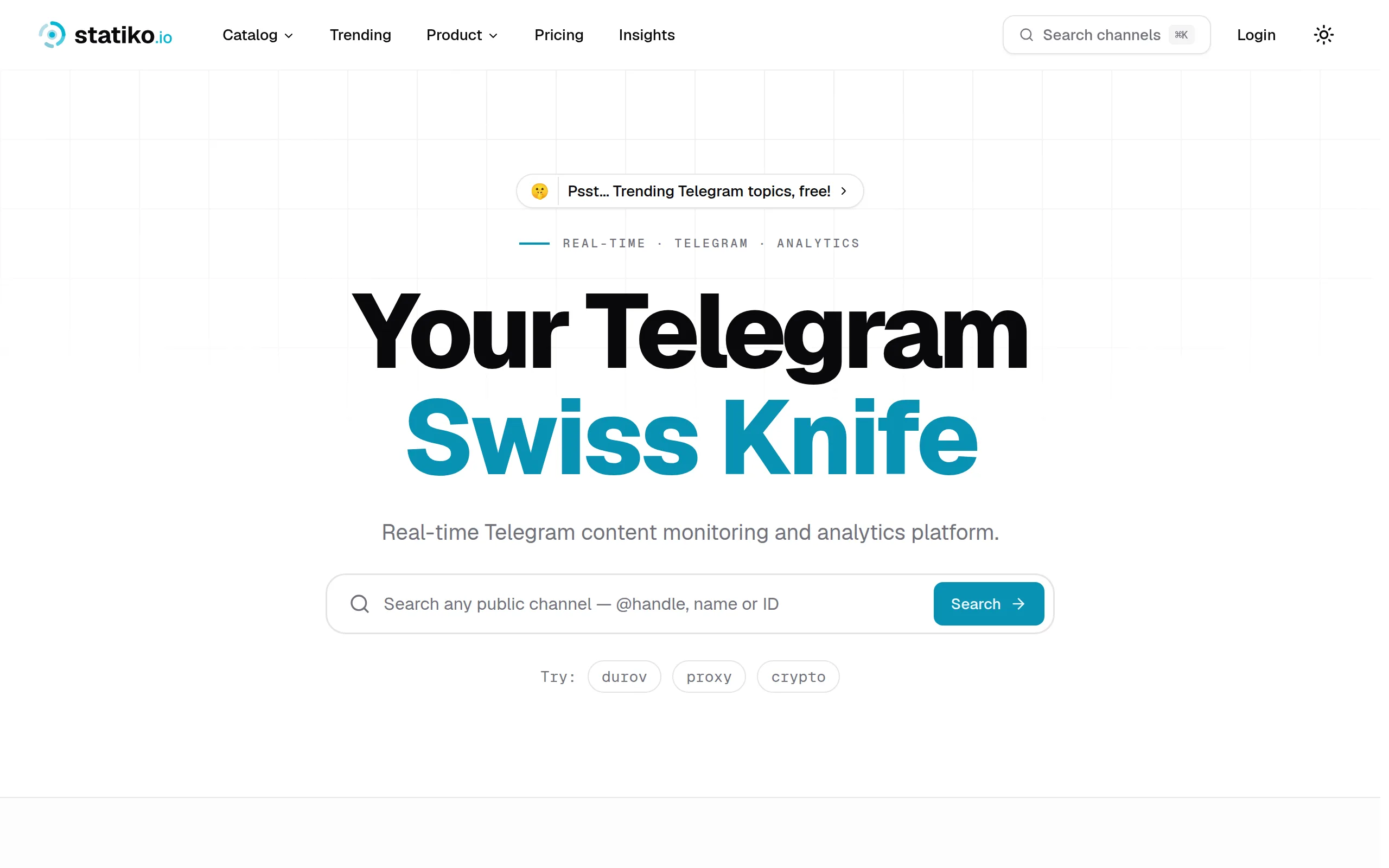
Statiko
Monitor any Telegram channel in real time - track posts, edits, deletions, and growth with AI recaps 📡

Shibui
AI website builder - describe your business, pick a niche template, edit by chatting, and publish instantly ✨

Pro Service
Find verified home service professionals, compare quotes, and pay securely through escrow - built for Brazilians across the US 🏠
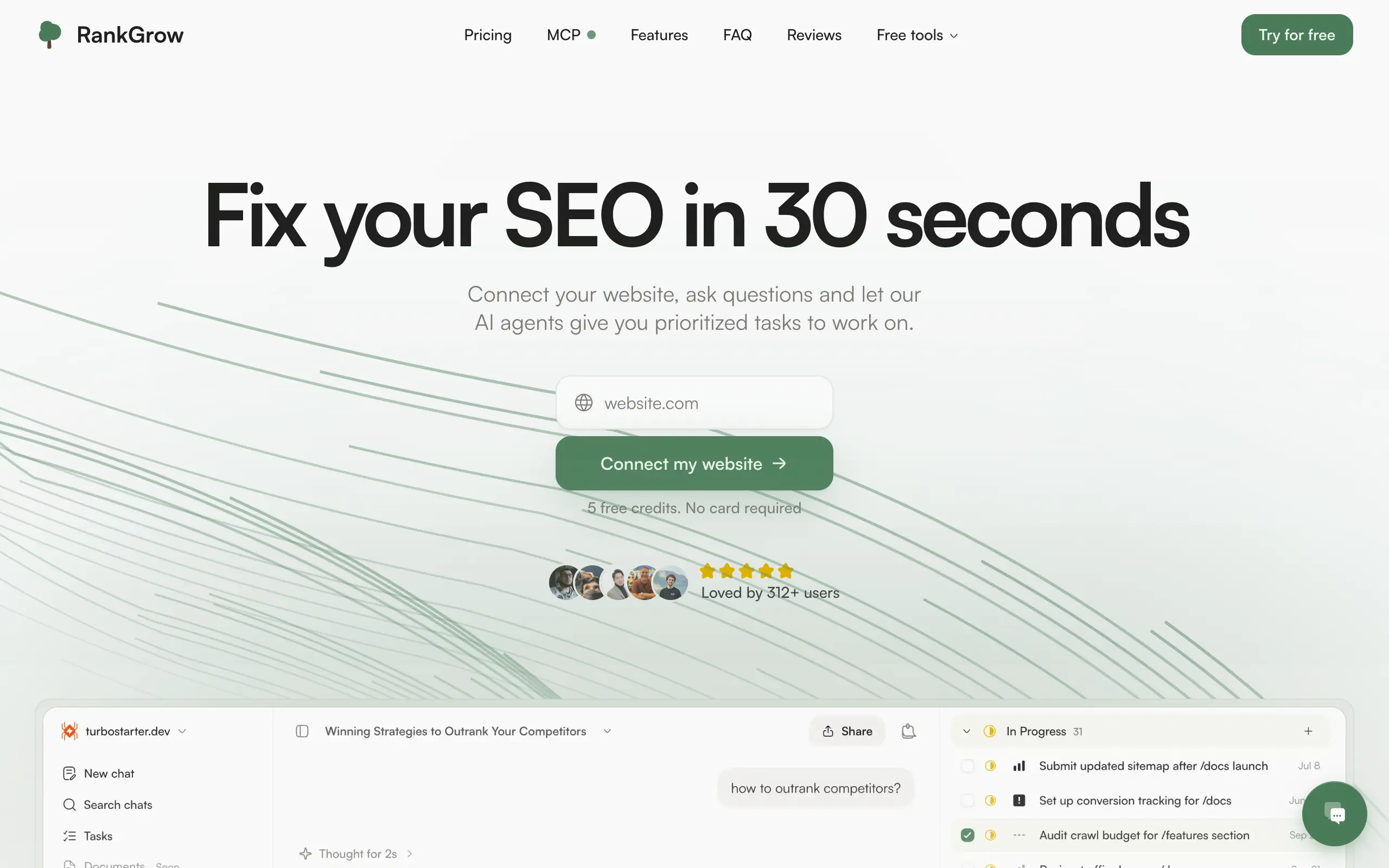
RankGrow
Fix your SEO with AI agents - connect Search Console, get prioritized tasks, and grow organic traffic 📈
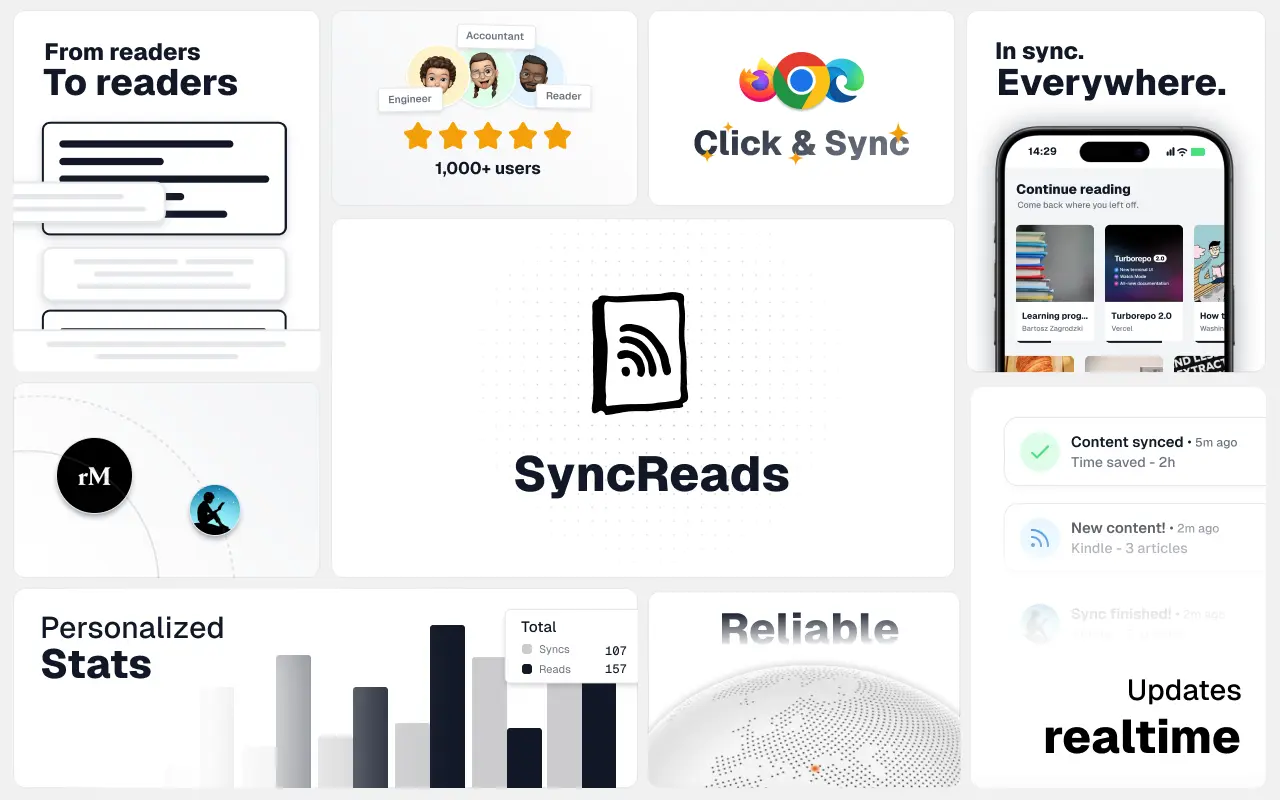
SyncReads
Sync your favorite content for distraction-free reading, save time and replace multiple apps. Anytime, anywhere 🔄
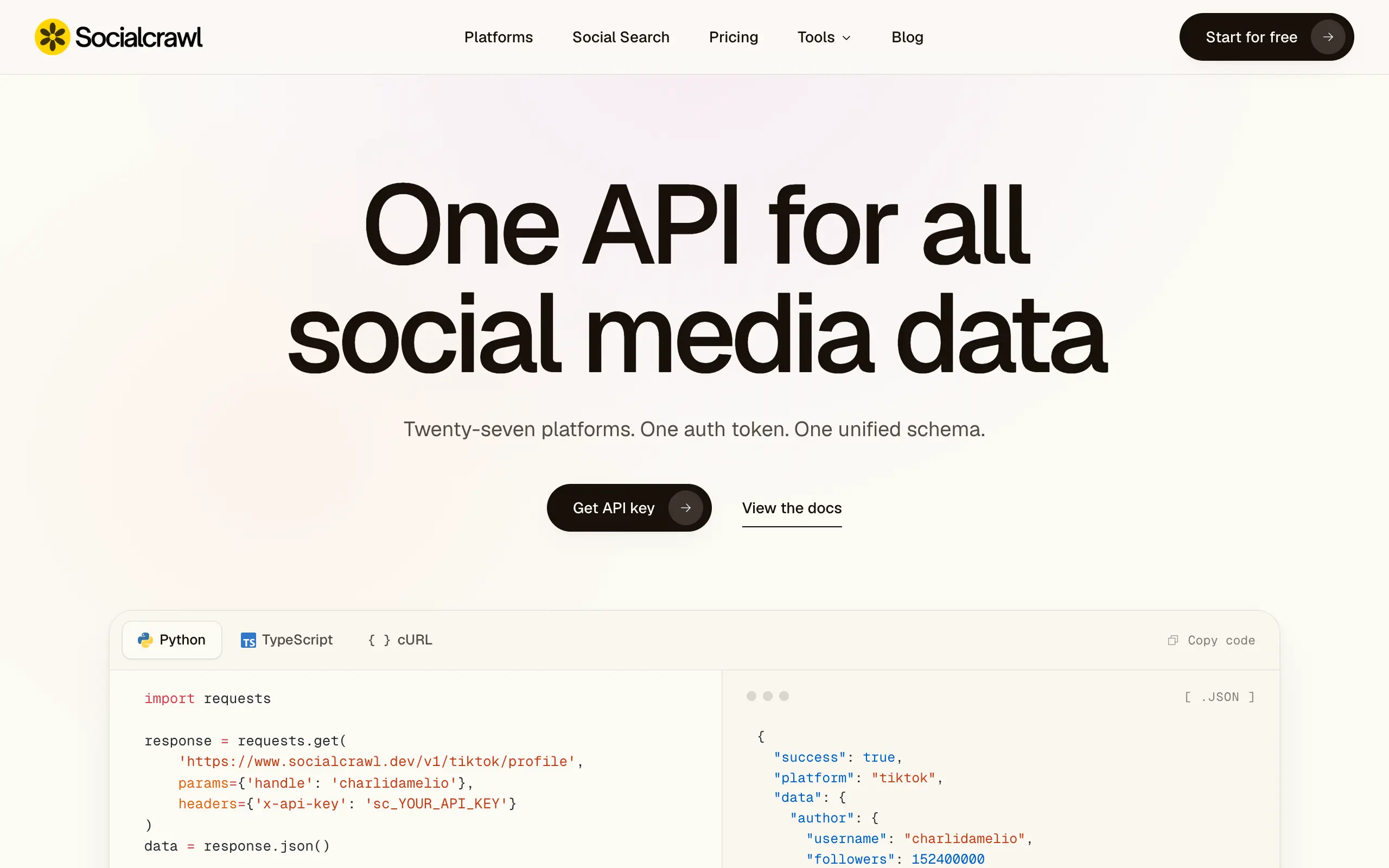
Socialcrawl
Get clean, structured data from 21 platforms like TikTok, Instagram, and YouTube with a single request 📊
Statiko
Monitor any Telegram channel in real time - track posts, edits, deletions, and growth with AI recaps 📡
Shibui
AI website builder - describe your business, pick a niche template, edit by chatting, and publish instantly ✨
Pro Service
Find verified home service professionals, compare quotes, and pay securely through escrow - built for Brazilians across the US 🏠
RankGrow
Fix your SEO with AI agents - connect Search Console, get prioritized tasks, and grow organic traffic 📈
SyncReads
Sync your favorite content for distraction-free reading, save time and replace multiple apps. Anytime, anywhere 🔄
Socialcrawl
Get clean, structured data from 21 platforms like TikTok, Instagram, and YouTube with a single request 📊
Statiko
Monitor any Telegram channel in real time - track posts, edits, deletions, and growth with AI recaps 📡
Shibui
AI website builder - describe your business, pick a niche template, edit by chatting, and publish instantly ✨
Pro Service
Find verified home service professionals, compare quotes, and pay securely through escrow - built for Brazilians across the US 🏠
RankGrow
Fix your SEO with AI agents - connect Search Console, get prioritized tasks, and grow organic traffic 📈
SyncReads
Sync your favorite content for distraction-free reading, save time and replace multiple apps. Anytime, anywhere 🔄
Socialcrawl
Get clean, structured data from 21 platforms like TikTok, Instagram, and YouTube with a single request 📊
Statiko
Monitor any Telegram channel in real time - track posts, edits, deletions, and growth with AI recaps 📡
Shibui
AI website builder - describe your business, pick a niche template, edit by chatting, and publish instantly ✨
Pro Service
Find verified home service professionals, compare quotes, and pay securely through escrow - built for Brazilians across the US 🏠
RankGrow
Fix your SEO with AI agents - connect Search Console, get prioritized tasks, and grow organic traffic 📈
SyncReads
Sync your favorite content for distraction-free reading, save time and replace multiple apps. Anytime, anywhere 🔄
Socialcrawl
Get clean, structured data from 21 platforms like TikTok, Instagram, and YouTube with a single request 📊
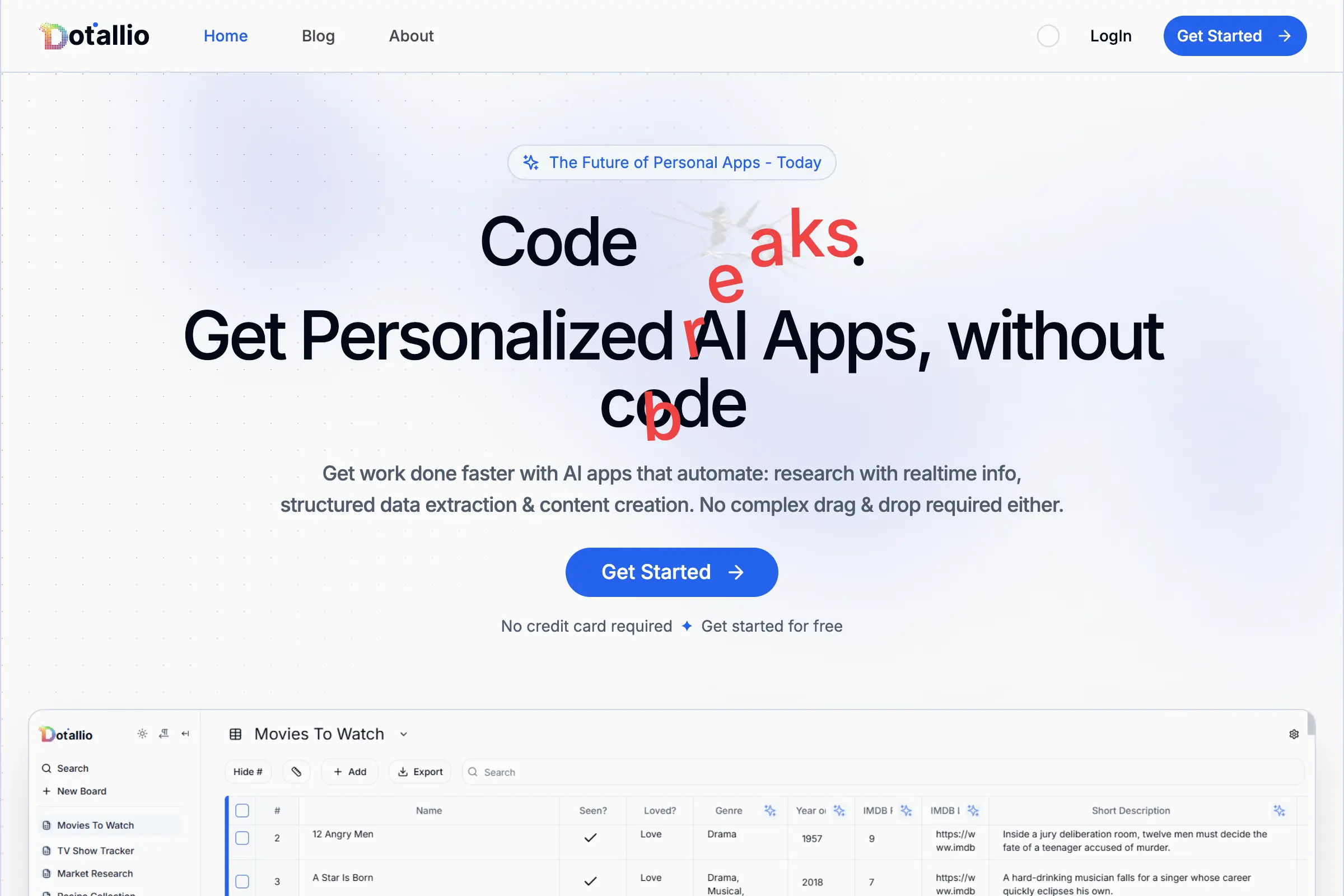
Dotallio
Personalized AI apps that automate research, data extraction, and content creation without code 🤖

Talk to Santa
Enjoy a magical live video chat or receive a unique AI-generated video greeting from Santa Claus 🎅

pozywka.pl
Scalable blog for food journalist, focused on performance and user experience 🌭
zagrodzki.me
Personal blog and portfolio of Bart Zagrodzki, where he shares his knowledge and work 💼
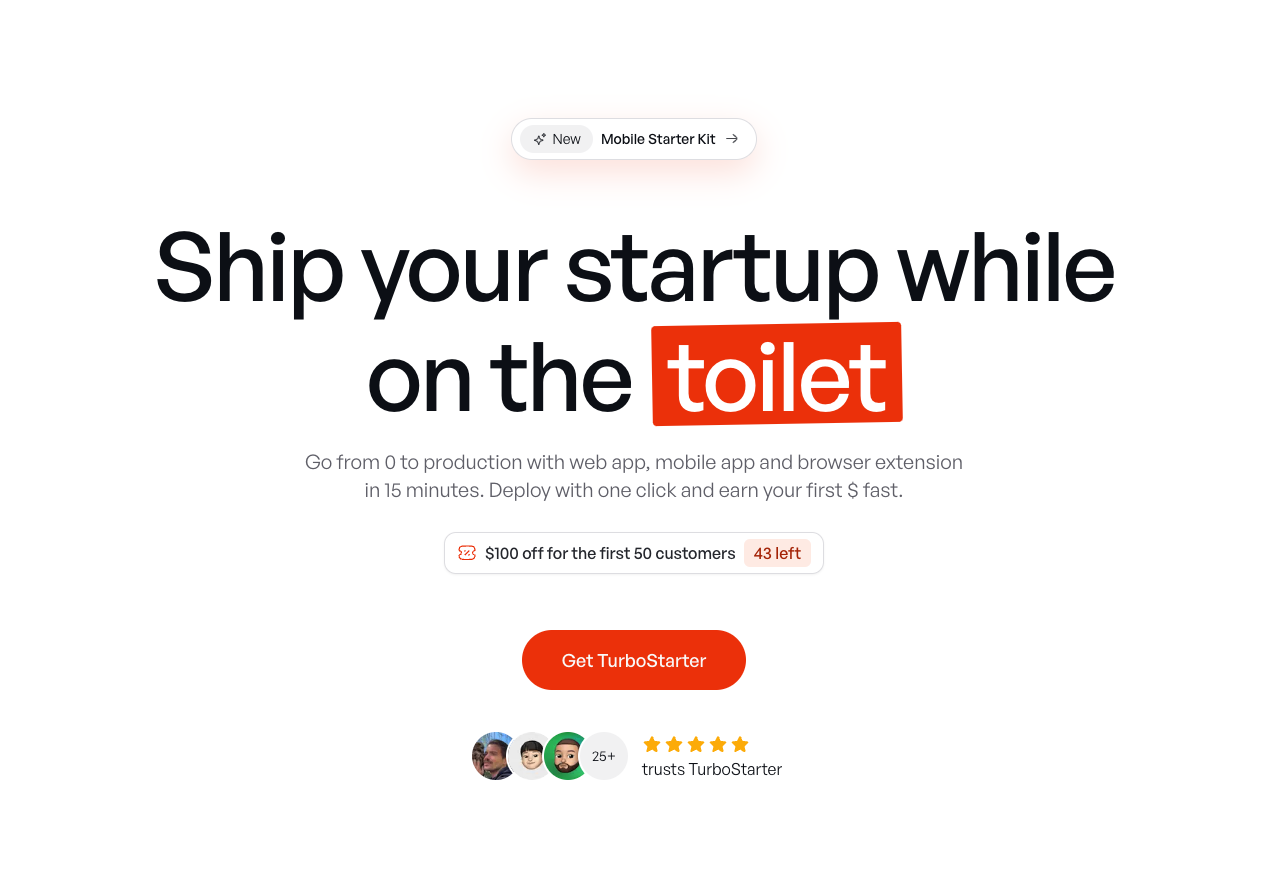
TurboStarter
Ship your startup everywhere. In minutes.
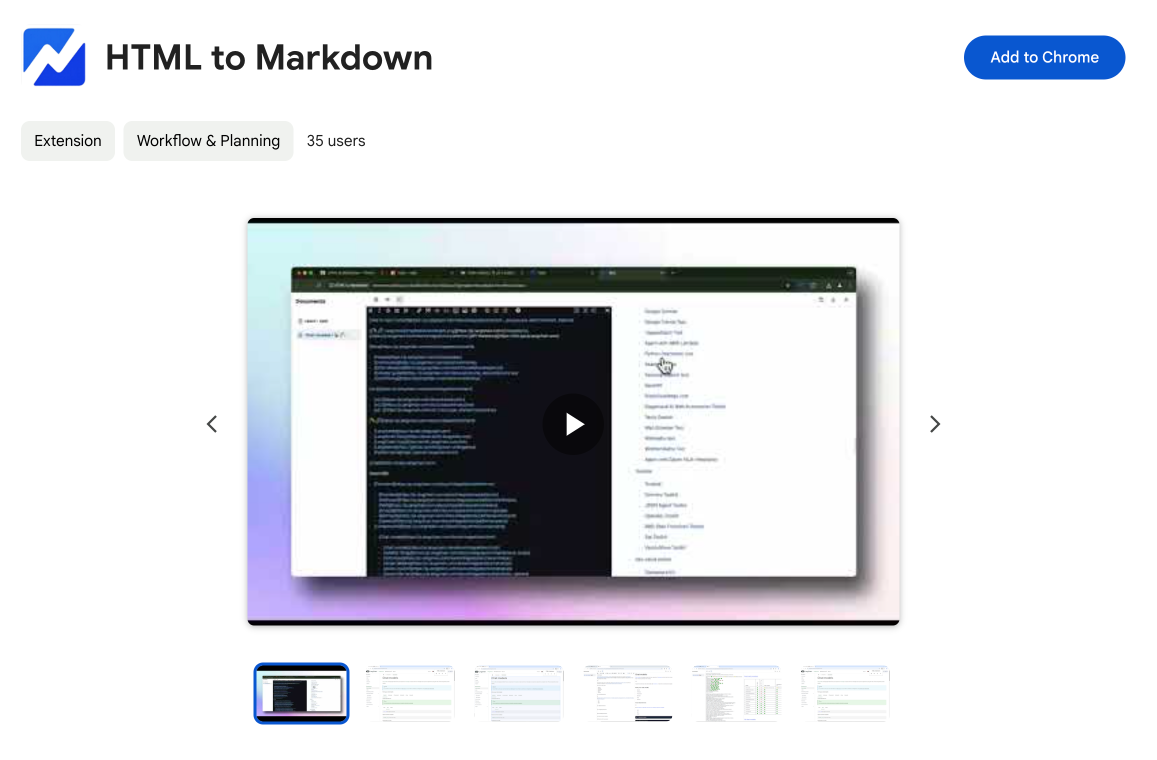
HTML to Markdown
Convert HTML to Markdown with ease, directly in your browser 📄
Dotallio
Personalized AI apps that automate research, data extraction, and content creation without code 🤖
Talk to Santa
Enjoy a magical live video chat or receive a unique AI-generated video greeting from Santa Claus 🎅
pozywka.pl
Scalable blog for food journalist, focused on performance and user experience 🌭
zagrodzki.me
Personal blog and portfolio of Bart Zagrodzki, where he shares his knowledge and work 💼
TurboStarter
Ship your startup everywhere. In minutes.
HTML to Markdown
Convert HTML to Markdown with ease, directly in your browser 📄
Dotallio
Personalized AI apps that automate research, data extraction, and content creation without code 🤖
Talk to Santa
Enjoy a magical live video chat or receive a unique AI-generated video greeting from Santa Claus 🎅
pozywka.pl
Scalable blog for food journalist, focused on performance and user experience 🌭
zagrodzki.me
Personal blog and portfolio of Bart Zagrodzki, where he shares his knowledge and work 💼
TurboStarter
Ship your startup everywhere. In minutes.
HTML to Markdown
Convert HTML to Markdown with ease, directly in your browser 📄
Dotallio
Personalized AI apps that automate research, data extraction, and content creation without code 🤖
Talk to Santa
Enjoy a magical live video chat or receive a unique AI-generated video greeting from Santa Claus 🎅
pozywka.pl
Scalable blog for food journalist, focused on performance and user experience 🌭
zagrodzki.me
Personal blog and portfolio of Bart Zagrodzki, where he shares his knowledge and work 💼
TurboStarter
Ship your startup everywhere. In minutes.
HTML to Markdown
Convert HTML to Markdown with ease, directly in your browser 📄
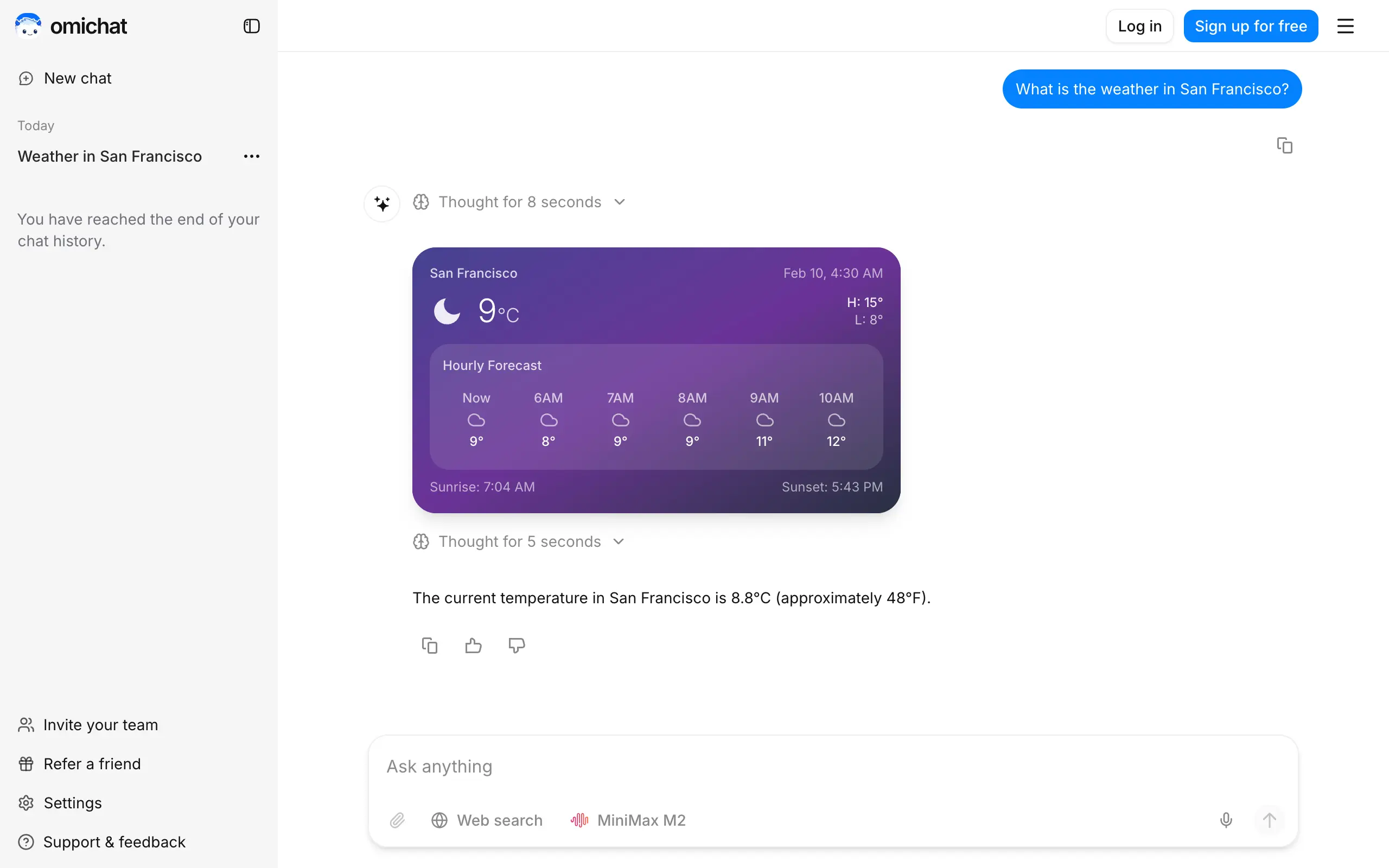
Omichat
Chat with 50+ AI models, including ChatGPT and Claude, in one place - switch models anytime without losing context 🤖
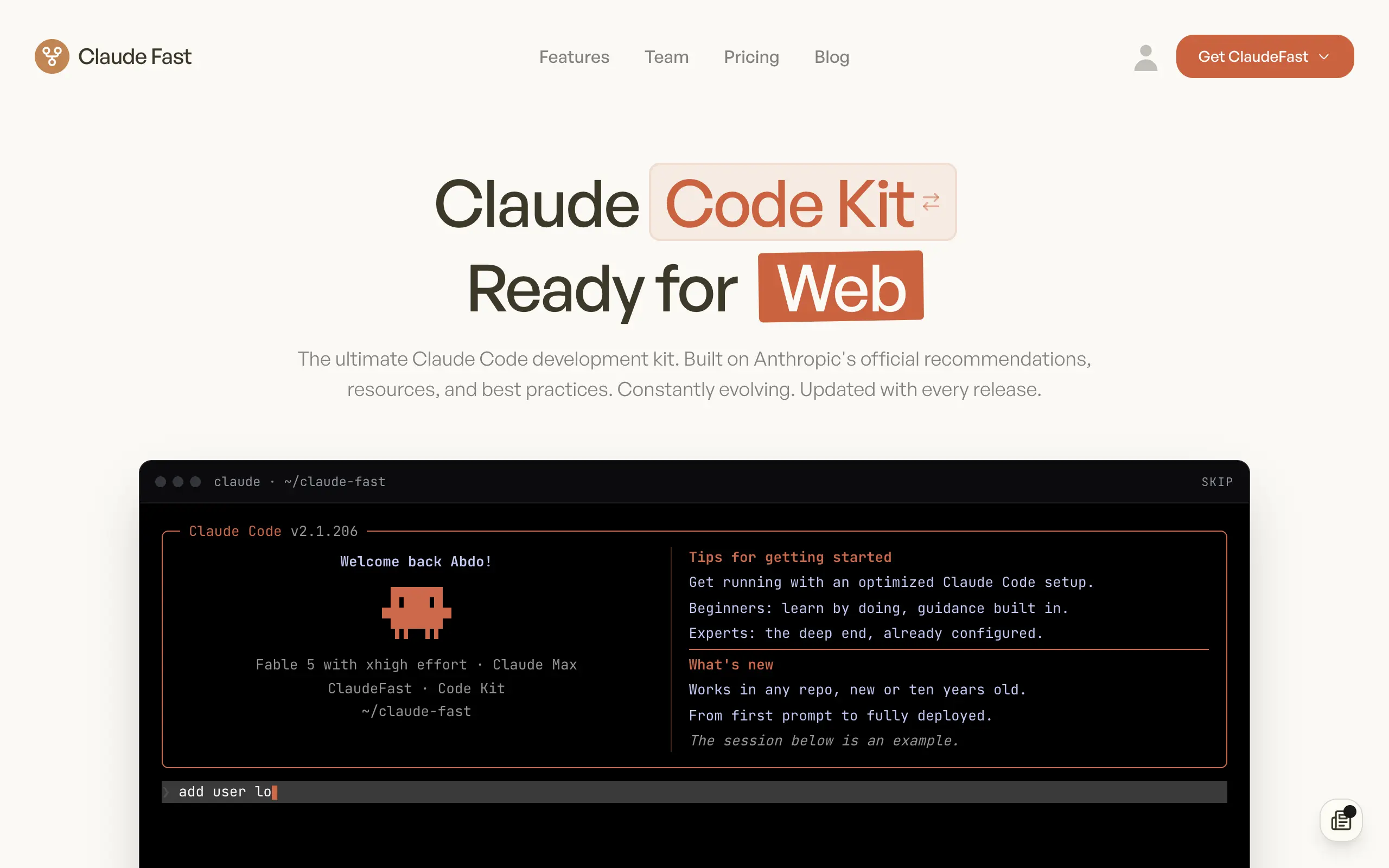
Claude Fast
Supercharge your Claude Code with 6x effective context window and specialized AI agents 🤖
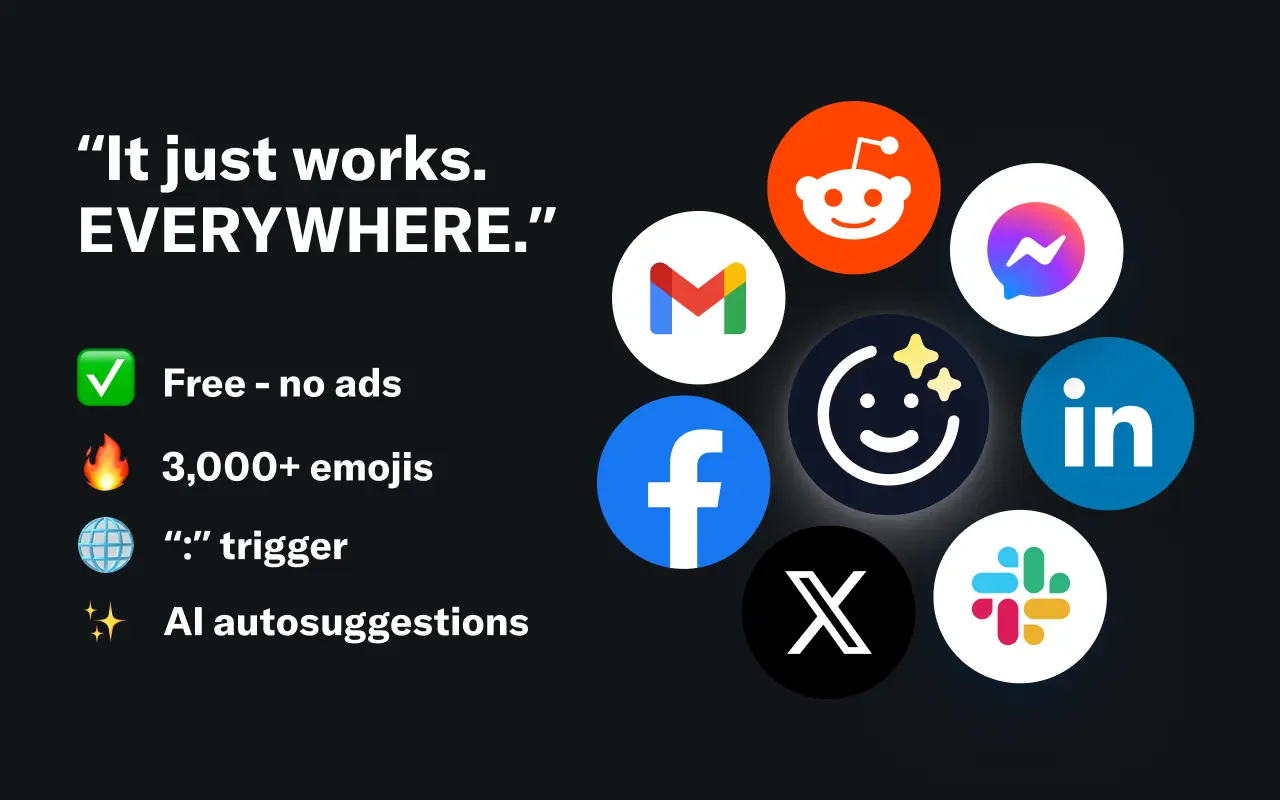
EmojAI
AI-powered emoji picker with smart, context-aware suggestions 🤖
Solohacker
Autonomous company launcher - AI agents work 24/7, escalate what matters, and you stay in control 🤖
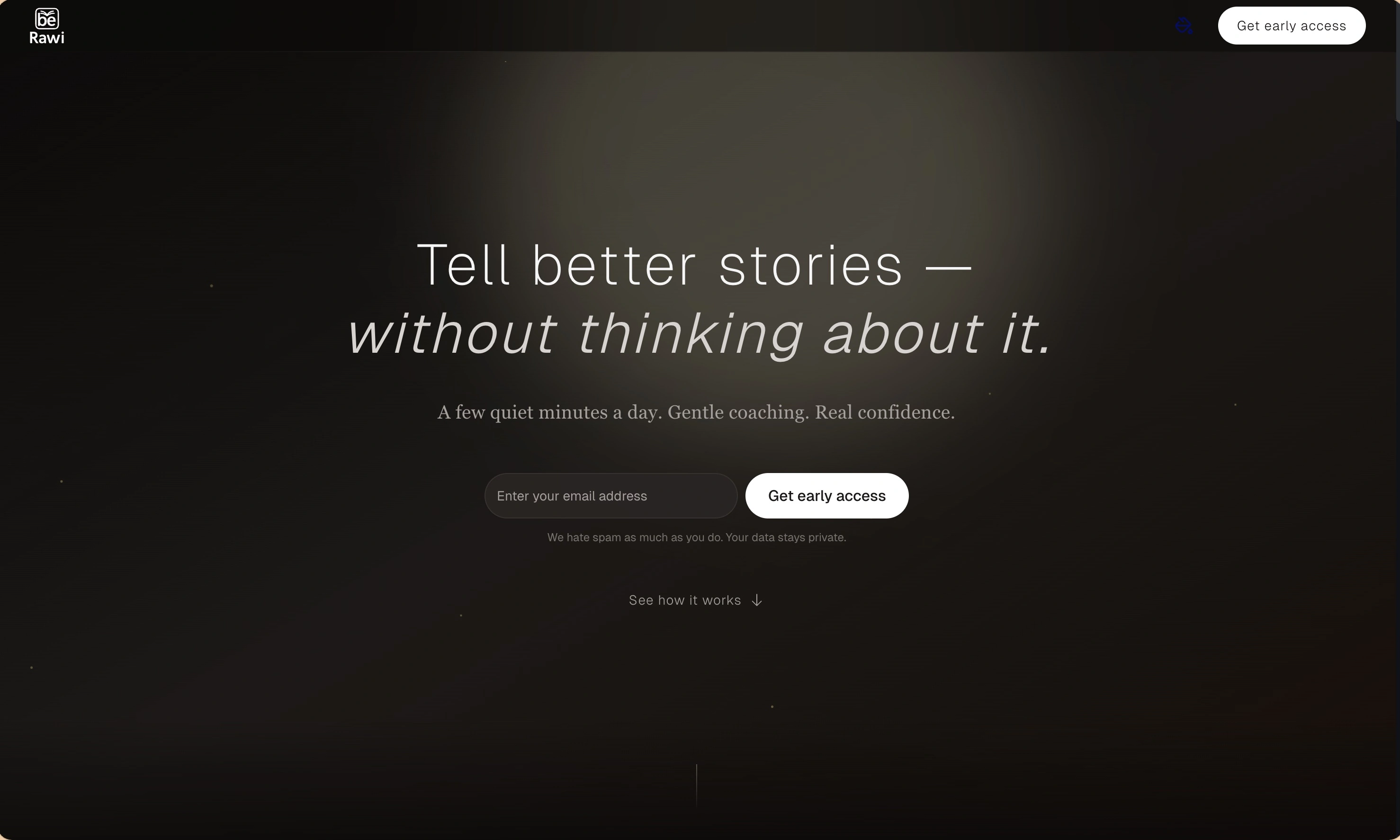
BeRawi: Storytelling Coach
Practice storytelling daily with instant feedback to sound clearer, more engaging, and confident 🎤
Omichat
Chat with 50+ AI models, including ChatGPT and Claude, in one place - switch models anytime without losing context 🤖
Claude Fast
Supercharge your Claude Code with 6x effective context window and specialized AI agents 🤖
EmojAI
AI-powered emoji picker with smart, context-aware suggestions 🤖
Solohacker
Autonomous company launcher - AI agents work 24/7, escalate what matters, and you stay in control 🤖
BeRawi: Storytelling Coach
Practice storytelling daily with instant feedback to sound clearer, more engaging, and confident 🎤
Omichat
Chat with 50+ AI models, including ChatGPT and Claude, in one place - switch models anytime without losing context 🤖
Claude Fast
Supercharge your Claude Code with 6x effective context window and specialized AI agents 🤖
EmojAI
AI-powered emoji picker with smart, context-aware suggestions 🤖
Solohacker
Autonomous company launcher - AI agents work 24/7, escalate what matters, and you stay in control 🤖
BeRawi: Storytelling Coach
Practice storytelling daily with instant feedback to sound clearer, more engaging, and confident 🎤
Omichat
Chat with 50+ AI models, including ChatGPT and Claude, in one place - switch models anytime without losing context 🤖
Claude Fast
Supercharge your Claude Code with 6x effective context window and specialized AI agents 🤖
EmojAI
AI-powered emoji picker with smart, context-aware suggestions 🤖
Solohacker
Autonomous company launcher - AI agents work 24/7, escalate what matters, and you stay in control 🤖
BeRawi: Storytelling Coach
Practice storytelling daily with instant feedback to sound clearer, more engaging, and confident 🎤

Connect with like-minded people
Join our community to get feedback, support, and grow together with 1,000+ builders on board, let's ship it!
Join usShip your startup everywhere. In minutes.
Don't burn tokens on setup and start building features on day one.