NeuroBoost Coach
AI-driven cognitive performance tracker offering tailored brain-training routines, focus analytics, and biofeedback for developers and biohackers.
Understanding the need for AI-driven cognitive performance tracking
In today's fast-paced digital world, cognitive performance is a key differentiator—especially for developers, knowledge workers, and biohackers. The demand for tools that help optimize mental acuity, focus, and productivity is at an all-time high. NeuroBoost Coach, an AI-powered cognitive performance tracker, directly addresses this need by offering personalized brain-training routines, focus analytics, and real-time biofeedback.
This article provides a comprehensive, expert-level analysis of NeuroBoost Coach, covering its target audience, market opportunity, core features, recommended tech stack, monetization strategies, risk mitigation, competitive advantages, and actionable implementation steps. Whether you're seeking inspiration, validation, or a roadmap for launching a SaaS in the cognitive enhancement space, you'll find clear, authoritative answers here.
Who is NeuroBoost Coach for? Target audience analysis
Understanding the target audience is crucial for any SaaS product, especially in the cognitive performance and biohacking niche. NeuroBoost Coach is designed for:
- Developers and software engineers: Individuals who rely on sustained focus, problem-solving, and creativity.
- Biohackers: Early adopters and enthusiasts who experiment with technology and lifestyle interventions to optimize mental and physical performance.
- Remote workers and digital nomads: Professionals seeking to maintain peak productivity and mental clarity in flexible work environments.
- Students and lifelong learners: Those aiming to enhance memory, learning speed, and cognitive resilience.
- Productivity enthusiasts: Individuals interested in self-improvement, quantified self, and data-driven personal development.
Key user needs and pain points
- Distraction and focus issues: Developers and knowledge workers often struggle with digital distractions and context switching.
- Lack of personalized cognitive training: Most brain-training apps offer generic routines, not tailored to individual strengths, weaknesses, or goals.
- Limited actionable insights: Existing tools rarely provide deep analytics or actionable feedback on cognitive performance.
- Integration with biofeedback devices: Biohackers want seamless integration with wearables (e.g., EEG headbands, heart rate monitors) for real-time feedback.
User intent insight
Most users searching for AI-driven cognitive performance tools are looking for actionable, personalized solutions—not just generic advice. They want measurable improvements, data-driven insights, and seamless integration with their workflow.
Market opportunity and gap analysis
The global brain-training and cognitive enhancement market is projected to reach $8.7 billion by 2027 (source: suggest referencing a reputable market research report). However, most existing solutions fall into two categories:
- Generic brain-training apps (e.g., Lumosity, Peak): Focused on casual users, lacking deep analytics or biofeedback integration.
- Biofeedback platforms (e.g., Muse, Emotiv): Hardware-centric, often expensive, and not tailored for software professionals or developers.
Identified market gaps
- Personalization: Few platforms use AI to adapt routines based on real-time performance and user goals.
- Developer-centric design: Most tools are not optimized for the unique cognitive demands of software development.
- Actionable analytics: There's a lack of platforms offering granular focus analytics, distraction tracking, and productivity insights.
- Seamless biofeedback integration: Integrating data from wearables and providing real-time, actionable feedback is rare.
Industry trends supporting NeuroBoost Coach
- Rise of remote work: Increased demand for self-management and productivity tools.
- Growth in wearable tech: More users have access to biofeedback devices, creating opportunities for integration.
- AI-driven personalization: Users expect smarter, adaptive solutions that learn and evolve with them.
Core features and solution details
NeuroBoost Coach stands out by combining AI-driven personalization, deep analytics, and biofeedback integration. Here’s a breakdown of its core features:
1. AI-powered cognitive performance tracking
- Continuous monitoring: Tracks focus, attention span, and cognitive load during work sessions.
- Adaptive algorithms: Uses machine learning to identify patterns, strengths, and areas for improvement.
- Goal setting: Allows users to set cognitive goals (e.g., improve sustained attention, reduce context switching).
2. Tailored brain-training routines
- Personalized exercises: Curates brain-training games and exercises based on user data and goals.
- Dynamic difficulty adjustment: Routines adapt in real-time to user performance.
- Progress tracking: Visualizes improvement over time with intuitive dashboards.
3. Focus analytics and distraction tracking
- Session analytics: Breaks down work sessions by focus level, interruptions, and productivity.
- Distraction alerts: Notifies users when attention drops or distractions are detected.
- Context switching analysis: Identifies patterns in task switching and suggests strategies to minimize it.
4. Biofeedback integration
- Wearable device support: Integrates with popular EEG headbands, heart rate monitors, and other biofeedback devices.
- Real-time feedback: Provides actionable insights based on physiological data (e.g., stress, relaxation, cognitive load).
- Customizable triggers: Users can set up alerts or interventions based on biofeedback thresholds.
5. Developer-centric workflow integration
- IDE plugins: Offers plugins for popular code editors (e.g., VS Code, JetBrains) to track focus and suggest micro-breaks.
- API access: Enables advanced users to integrate NeuroBoost Coach data with their own tools or dashboards.
- Privacy-first design: Ensures user data is secure and never shared without consent.
AI-driven personalization
Adapts routines and feedback to each user's unique cognitive profile.
Deep focus analytics
Provides granular insights into attention, distractions, and productivity.
Biofeedback integration
Leverages data from wearables for real-time, actionable feedback.
Developer workflow support
Seamlessly integrates with code editors and productivity tools.
Recommended tech stack and architecture
Choosing the right tech stack is critical for building a scalable, secure, and performant AI SaaS like NeuroBoost Coach. Here’s an expert breakdown:
Frontend
- React: For building a responsive, interactive user interface.
- Next.js: Enables server-side rendering, API routes, and SEO optimization.
- TailwindCSS: For rapid, consistent UI development.
- TypeScript: Ensures type safety and maintainability.
Backend
- Node.js: Scalable, event-driven backend for handling real-time data.
- Python: For AI/ML model development and data processing.
- FastAPI: High-performance API framework for Python-based services.
- PostgreSQL: Reliable, scalable relational database for user data and analytics.
AI/ML
- TensorFlow or PyTorch: For building and training machine learning models.
- Scikit-learn: For classical ML algorithms and data analysis.
Integrations
- OAuth 2.0: Secure authentication and integration with third-party services.
- Web Bluetooth API: For direct communication with supported biofeedback devices.
- RESTful and WebSocket APIs: For real-time data streaming and updates.
DevOps & Security
- Docker: Containerization for consistent deployment.
- Kubernetes: Orchestration for scaling and managing microservices.
- AWS or GCP: Cloud infrastructure for reliability and scalability.
- End-to-end encryption: Ensures user data privacy and compliance.
Tech stack trade-offs
Monetization strategy options
A successful SaaS must have a clear, sustainable monetization model. Here are the most viable options for NeuroBoost Coach:
1. Freemium model
- Free tier: Basic cognitive tracking, limited analytics, and a selection of brain-training routines.
- Premium tier: Advanced analytics, full biofeedback integration, personalized coaching, and workflow integrations.
2. Subscription plans
- Monthly/annual subscriptions: Tiered pricing based on features, integrations, and support.
- Team/enterprise plans: For organizations seeking to boost developer productivity at scale.
3. Add-on marketplace
- Third-party integrations: Offer paid add-ons for additional device support, advanced analytics, or custom routines.
- API access: Charge for premium API usage or data exports.
4. White-label solutions
- Custom branding: Offer white-label versions for wellness coaches, HR departments, or educational institutions.
| Model | Recurring Revenue | Scalability | User Acquisition | Complexity |
|---|---|---|---|---|
| Freemium | ✅ | ✅ | ✅ | ❌ |
| Subscription | ✅ | ✅ | ❌ | ❌ |
| Add-ons | ✅ | ❌ | ✅ | ✅ |
| White-label | ✅ | ❌ | ❌ | ✅ |
Potential risks and mitigation strategies
Launching an AI-driven cognitive performance SaaS comes with unique challenges. Here’s how to anticipate and address them:
Handling sensitive cognitive and biofeedback data requires robust security measures. Implement end-to-end encryption, comply with GDPR/CCPA, and be transparent about data usage. Regular security audits and user education are essential.
AI-driven recommendations must be accurate and unbiased. Use diverse training data, regularly validate models, and allow users to provide feedback on recommendations.
Supporting a wide range of biofeedback devices can be complex. Start with the most popular devices, offer open APIs, and maintain clear documentation for third-party integrations.
Cognitive training requires sustained engagement. Use gamification, progress tracking, and personalized nudges to keep users motivated.
Stay updated on regulations related to health data, AI, and digital wellness. Consult legal experts and build compliance into your product roadmap.
Competitive advantage analysis
NeuroBoost Coach is uniquely positioned in the market due to its:
- AI-driven personalization: Unlike generic brain-training apps, it adapts to each user's cognitive profile and goals.
- Deep focus analytics: Offers granular, actionable insights tailored for developers and knowledge workers.
- Seamless biofeedback integration: Bridges the gap between software and hardware, providing real-time, actionable feedback.
- Developer-centric design: Integrates directly with code editors and productivity tools, fitting naturally into the developer workflow.
- Privacy-first approach: Prioritizes user data security and transparency, building trust with a tech-savvy audience.
How NeuroBoost Coach compares to alternatives
| Feature | NeuroBoost Coach | Lumosity | Muse | Generic Productivity Apps |
|---|---|---|---|---|
| AI personalization | ✅ | ❌ | ❌ | ❌ |
| Focus analytics | ✅ | ❌ | ❌ | ✅ |
| Biofeedback integration | ✅ | ❌ | ✅ | ❌ |
| Developer workflow support | ✅ | ❌ | ❌ | ❌ |
| Privacy-first | ✅ | ❌ | ❌ | ❌ |
Actionable implementation steps
Ready to bring NeuroBoost Coach to life? Here’s a step-by-step roadmap:
Conclusion: Why NeuroBoost Coach is the future of cognitive performance SaaS
NeuroBoost Coach is more than just another brain-training app—it's a comprehensive, AI-driven platform designed for the unique needs of developers, biohackers, and productivity enthusiasts. By combining personalized routines, deep analytics, and real-time biofeedback, it empowers users to unlock their full cognitive potential.
Key takeaways:
- Addresses a clear market gap with AI-driven personalization and developer-centric features.
- Leverages the latest trends in wearable tech, remote work, and digital wellness.
- Prioritizes privacy, security, and actionable insights.
- Offers a scalable, flexible SaaS model with multiple monetization options.
If you're looking to build or invest in the next generation of cognitive performance tools, NeuroBoost Coach is a compelling, future-proof opportunity.
Frequently asked questions
NeuroBoost Coach leverages machine learning algorithms to analyze user performance, identify strengths and weaknesses, and adapt brain-training routines in real time. This ensures each user receives a tailored experience that evolves with their progress.
The platform is designed to integrate with popular EEG headbands, heart rate monitors, and other wearables via open APIs and the Web Bluetooth API. Initial support will focus on the most widely used devices, with plans to expand based on user demand.
Yes. NeuroBoost Coach implements end-to-end encryption, complies with GDPR/CCPA, and never shares user data without explicit consent. Privacy and transparency are core principles of the platform.
Absolutely. The platform offers plugins for popular IDEs like VS Code, enabling seamless focus tracking and productivity insights directly within your workflow.
Visit TurboStarter for resources, guides, and updates on launching your own SaaS with NeuroBoost Coach.
More 🤖 AI Startup SaaS ideas
Discover more innovative ai startup SaaS ideas that are trending in 2026. Each idea is AI-generated with market validation and growth potential to help you find your next profitable venture faster than competitors.
Your competitors are building with TurboStarter
Below are some of the SaaS ideas that have been generated and built with our starter kit.
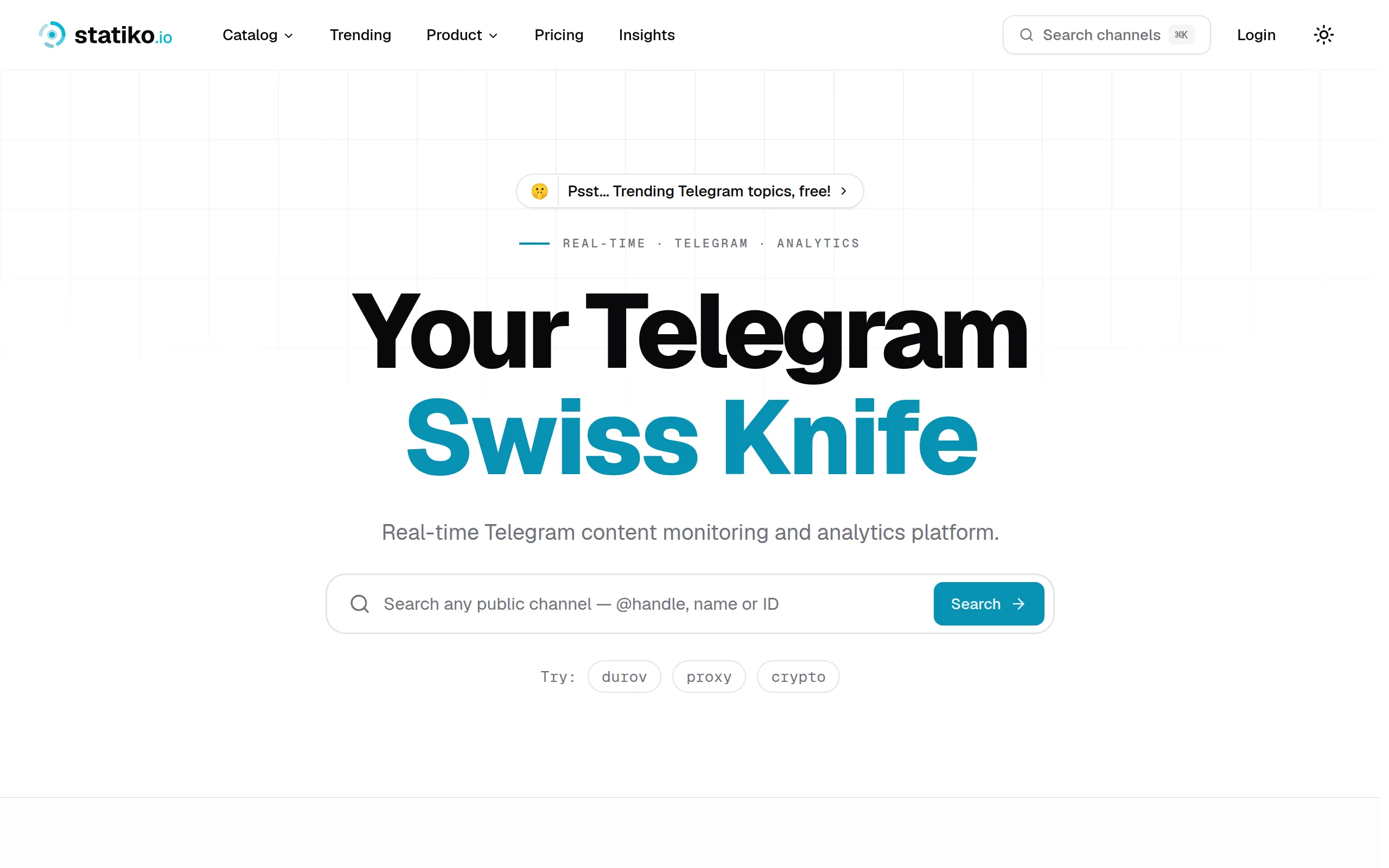
Statiko
Monitor any Telegram channel in real time - track posts, edits, deletions, and growth with AI recaps 📡
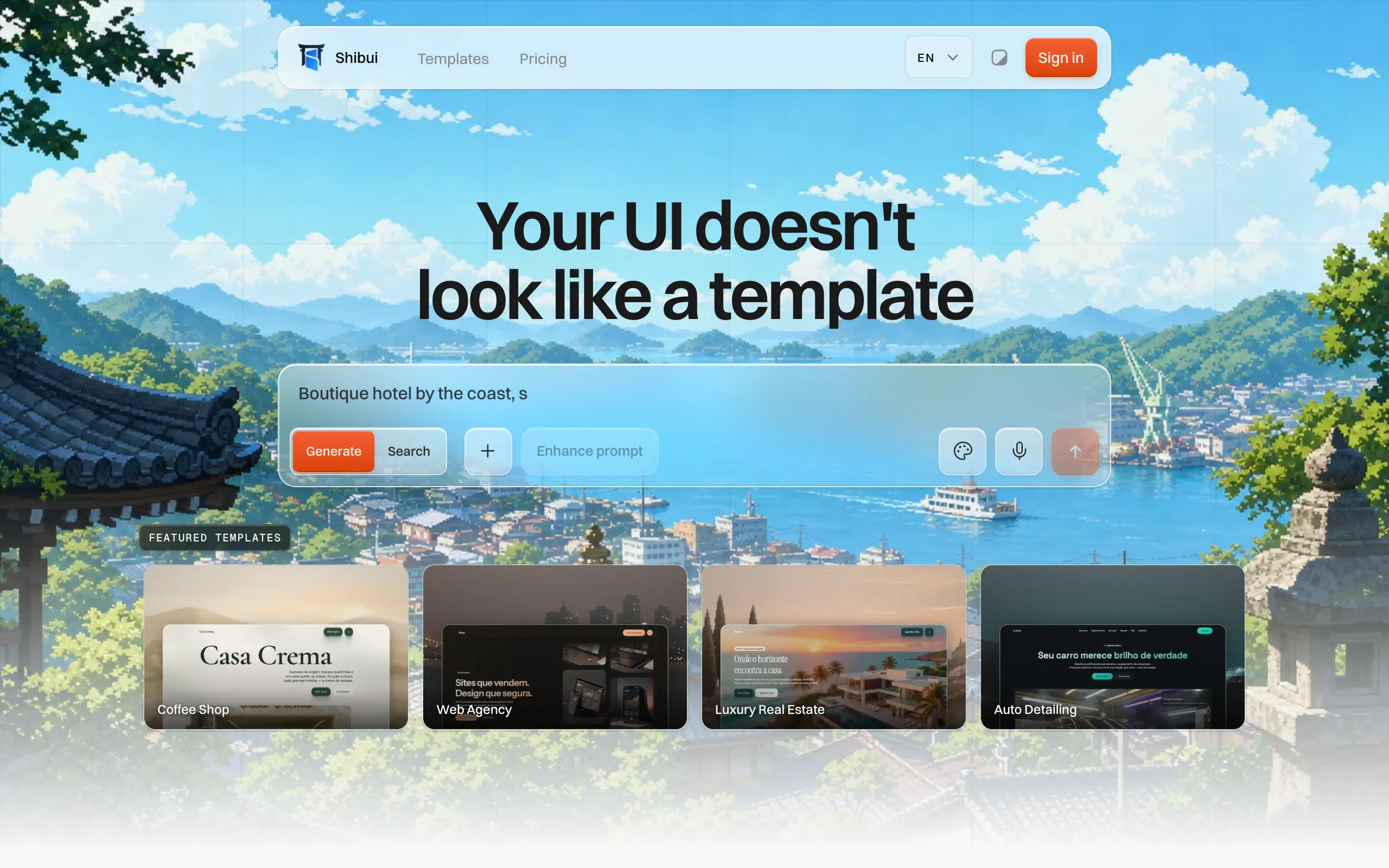
Shibui
AI website builder - describe your business, pick a niche template, edit by chatting, and publish instantly ✨
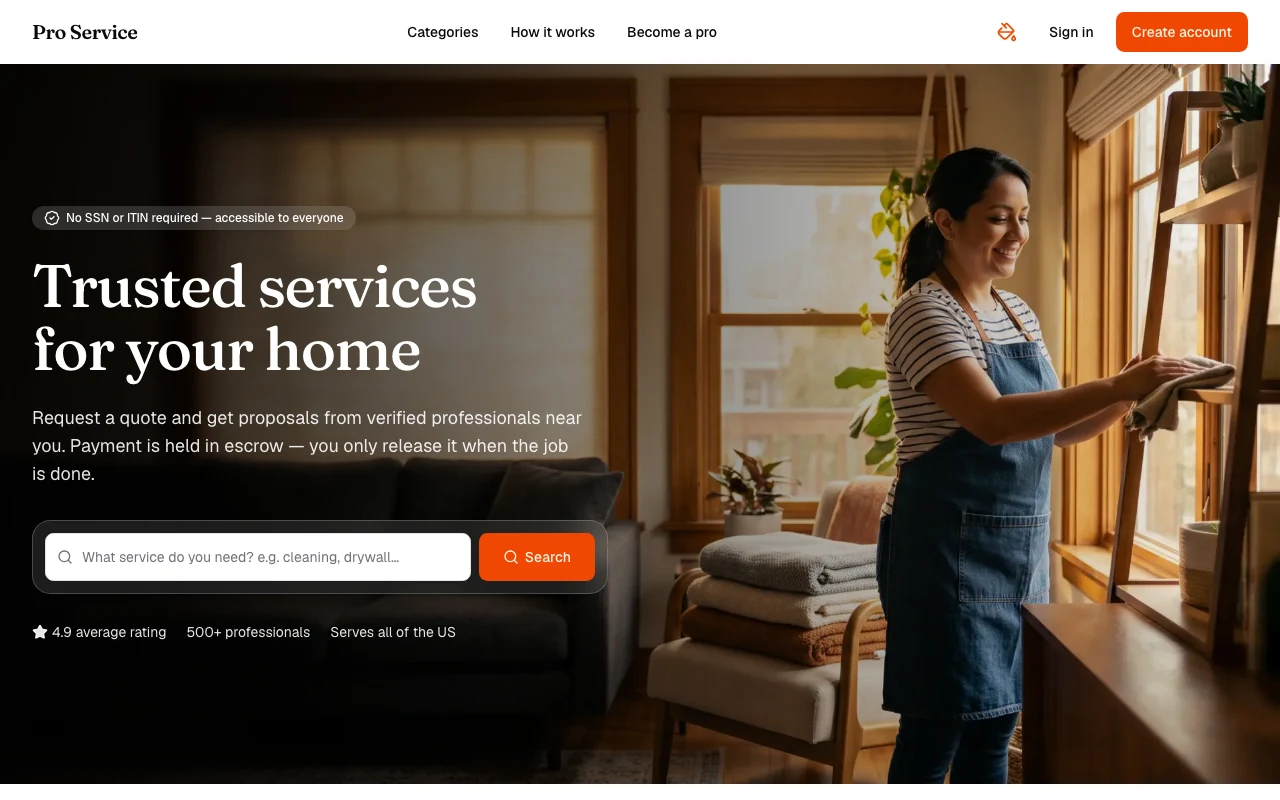
Pro Service
Find verified home service professionals, compare quotes, and pay securely through escrow - built for Brazilians across the US 🏠
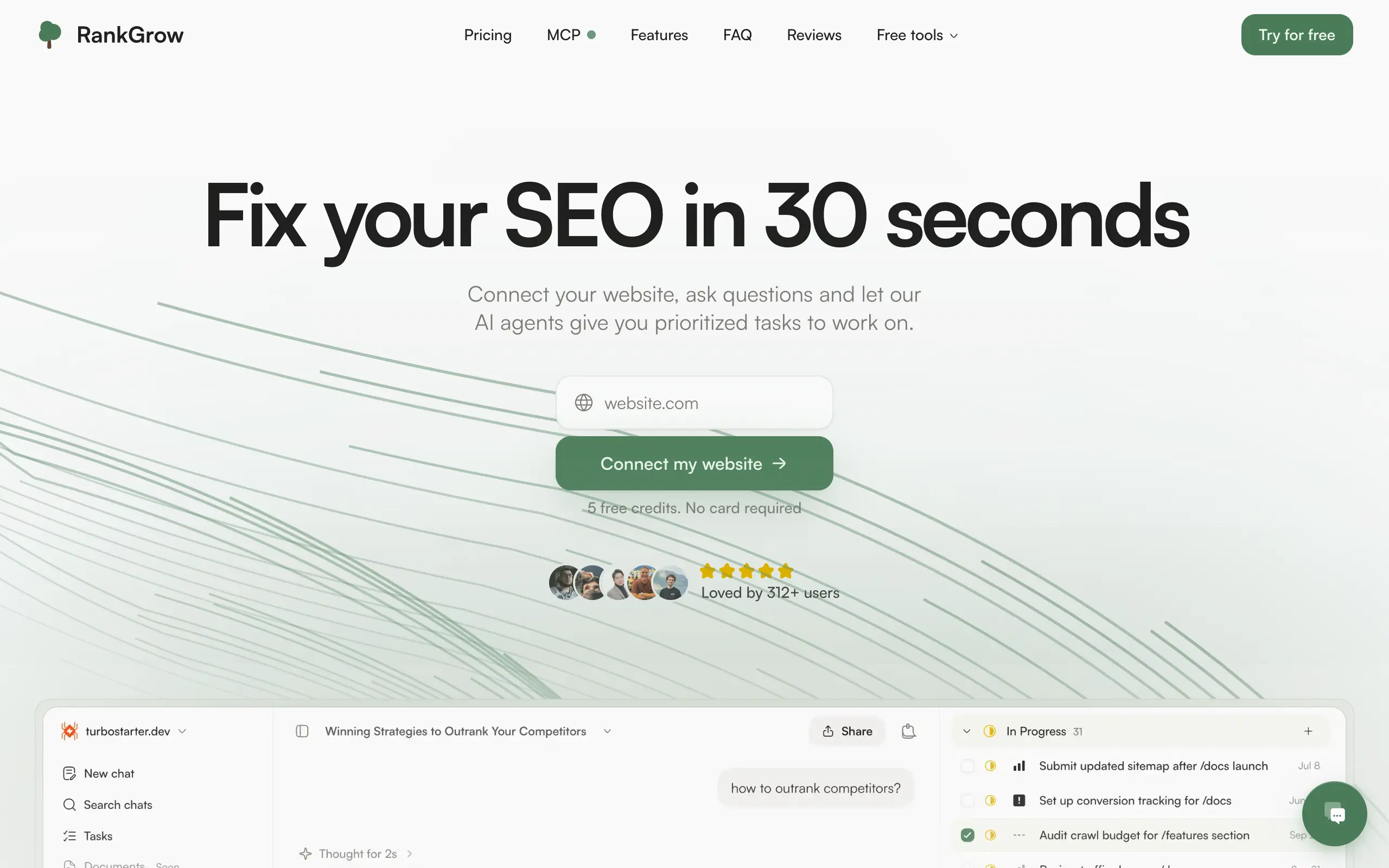
RankGrow
Fix your SEO with AI agents - connect Search Console, get prioritized tasks, and grow organic traffic 📈
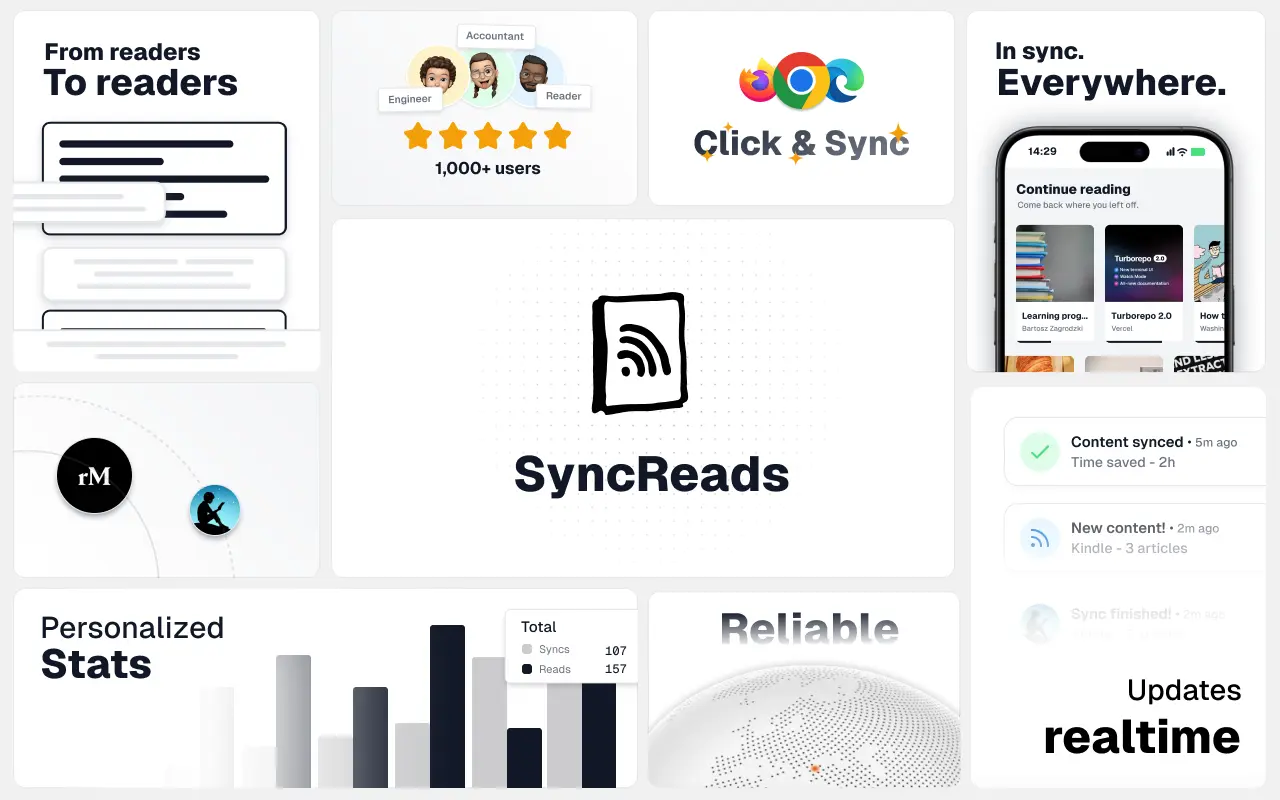
SyncReads
Sync your favorite content for distraction-free reading, save time and replace multiple apps. Anytime, anywhere 🔄
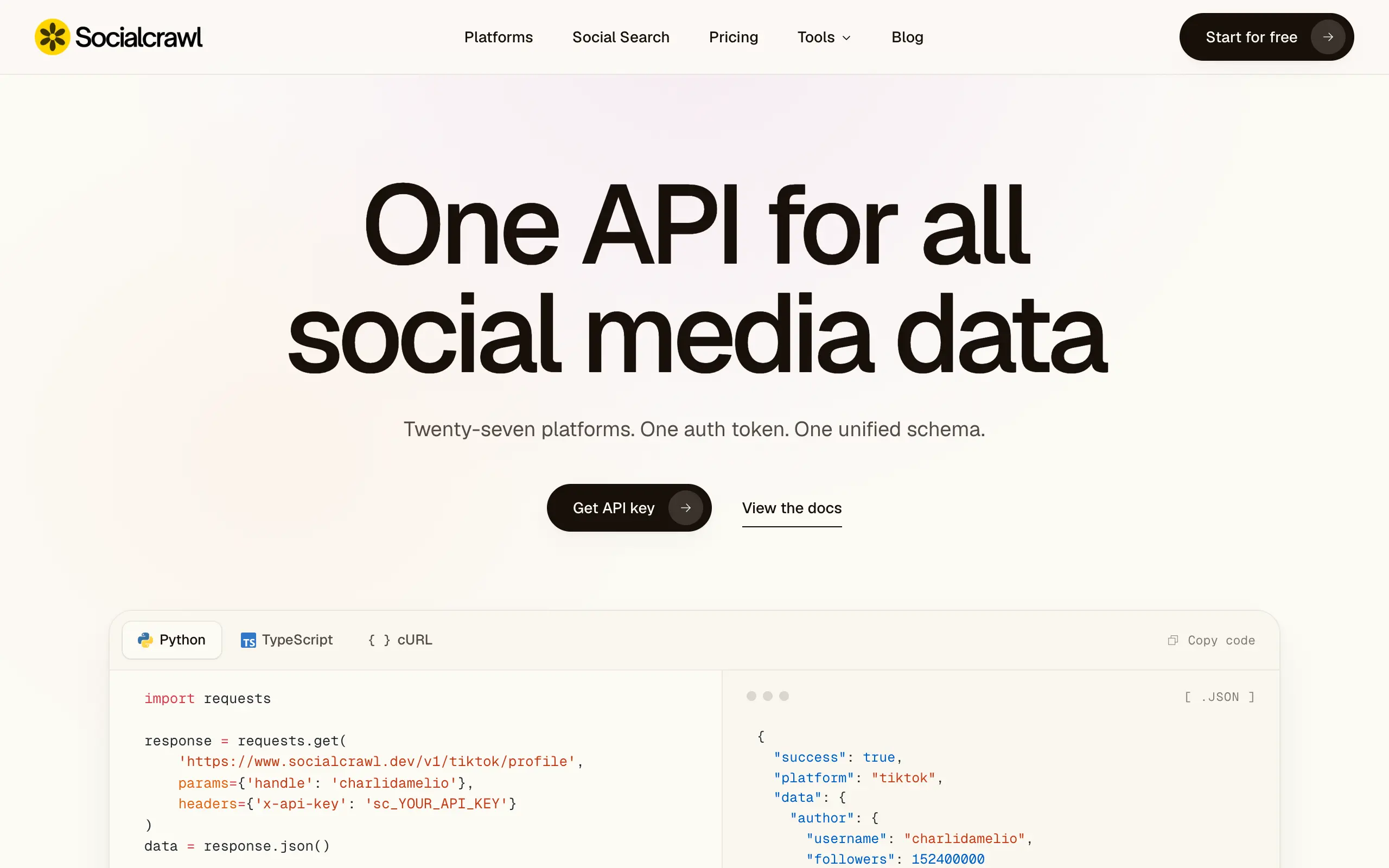
Socialcrawl
Get clean, structured data from 21 platforms like TikTok, Instagram, and YouTube with a single request 📊
Statiko
Monitor any Telegram channel in real time - track posts, edits, deletions, and growth with AI recaps 📡
Shibui
AI website builder - describe your business, pick a niche template, edit by chatting, and publish instantly ✨
Pro Service
Find verified home service professionals, compare quotes, and pay securely through escrow - built for Brazilians across the US 🏠
RankGrow
Fix your SEO with AI agents - connect Search Console, get prioritized tasks, and grow organic traffic 📈
SyncReads
Sync your favorite content for distraction-free reading, save time and replace multiple apps. Anytime, anywhere 🔄
Socialcrawl
Get clean, structured data from 21 platforms like TikTok, Instagram, and YouTube with a single request 📊
Statiko
Monitor any Telegram channel in real time - track posts, edits, deletions, and growth with AI recaps 📡
Shibui
AI website builder - describe your business, pick a niche template, edit by chatting, and publish instantly ✨
Pro Service
Find verified home service professionals, compare quotes, and pay securely through escrow - built for Brazilians across the US 🏠
RankGrow
Fix your SEO with AI agents - connect Search Console, get prioritized tasks, and grow organic traffic 📈
SyncReads
Sync your favorite content for distraction-free reading, save time and replace multiple apps. Anytime, anywhere 🔄
Socialcrawl
Get clean, structured data from 21 platforms like TikTok, Instagram, and YouTube with a single request 📊
Statiko
Monitor any Telegram channel in real time - track posts, edits, deletions, and growth with AI recaps 📡
Shibui
AI website builder - describe your business, pick a niche template, edit by chatting, and publish instantly ✨
Pro Service
Find verified home service professionals, compare quotes, and pay securely through escrow - built for Brazilians across the US 🏠
RankGrow
Fix your SEO with AI agents - connect Search Console, get prioritized tasks, and grow organic traffic 📈
SyncReads
Sync your favorite content for distraction-free reading, save time and replace multiple apps. Anytime, anywhere 🔄
Socialcrawl
Get clean, structured data from 21 platforms like TikTok, Instagram, and YouTube with a single request 📊
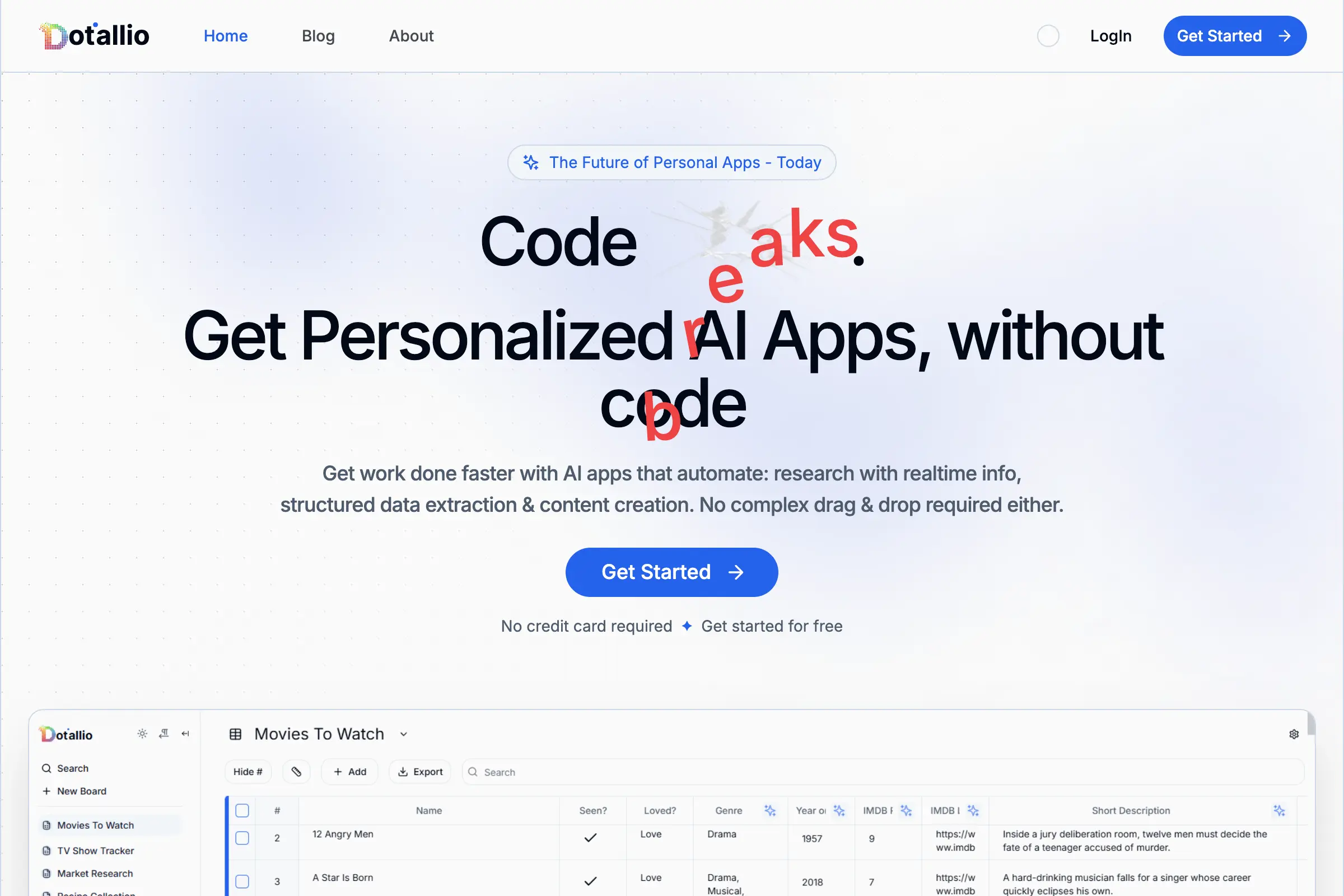
Dotallio
Personalized AI apps that automate research, data extraction, and content creation without code 🤖
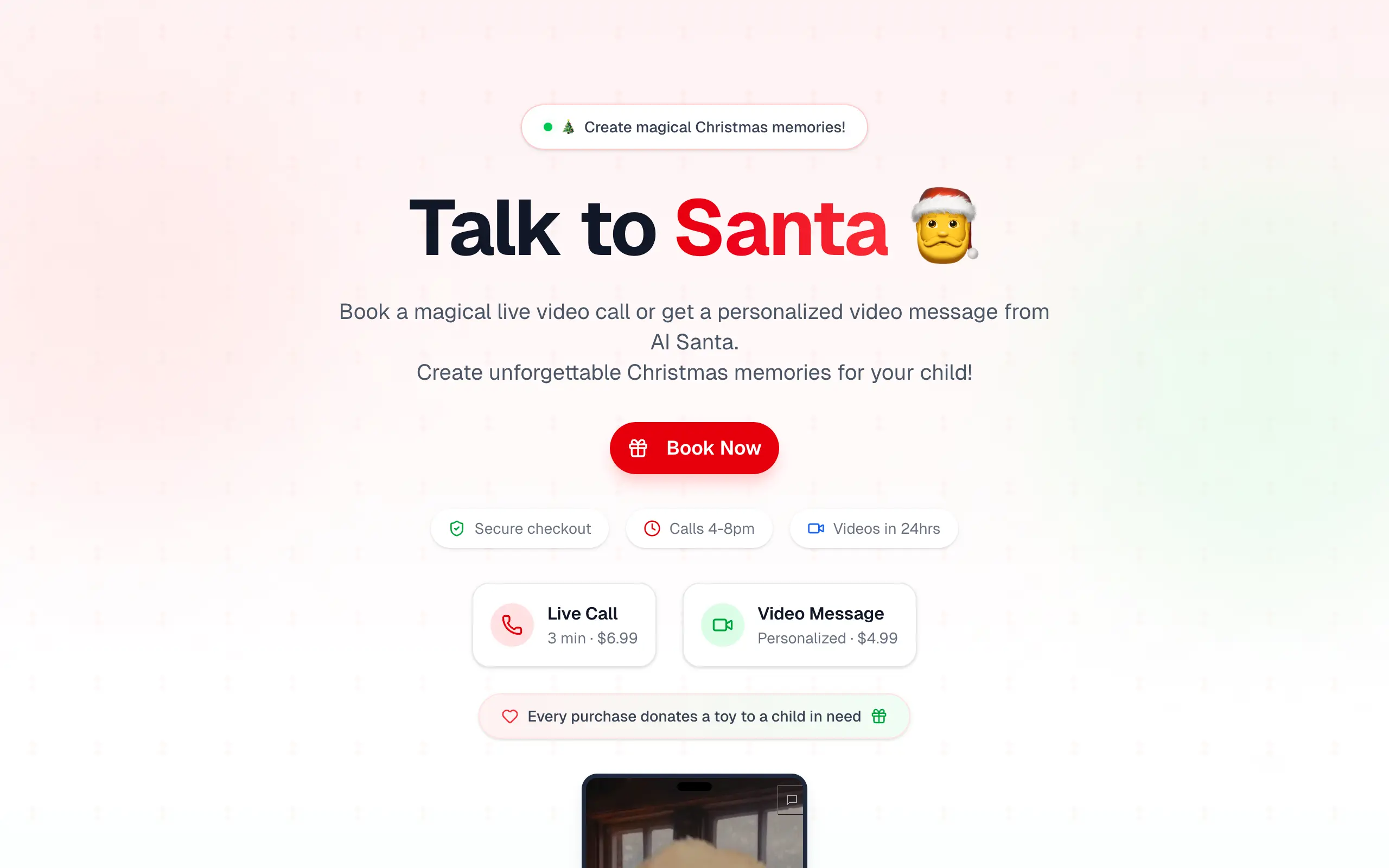
Talk to Santa
Enjoy a magical live video chat or receive a unique AI-generated video greeting from Santa Claus 🎅
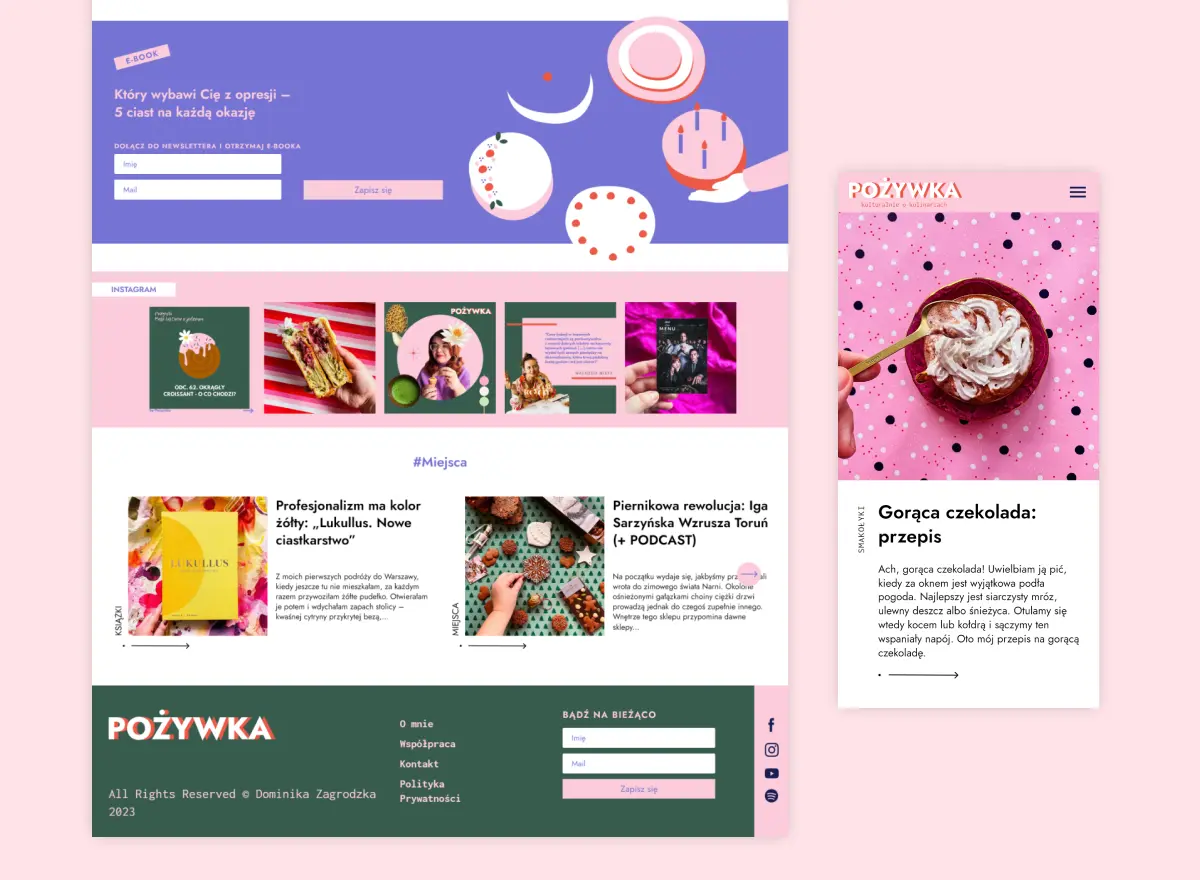
pozywka.pl
Scalable blog for food journalist, focused on performance and user experience 🌭
zagrodzki.me
Personal blog and portfolio of Bart Zagrodzki, where he shares his knowledge and work 💼
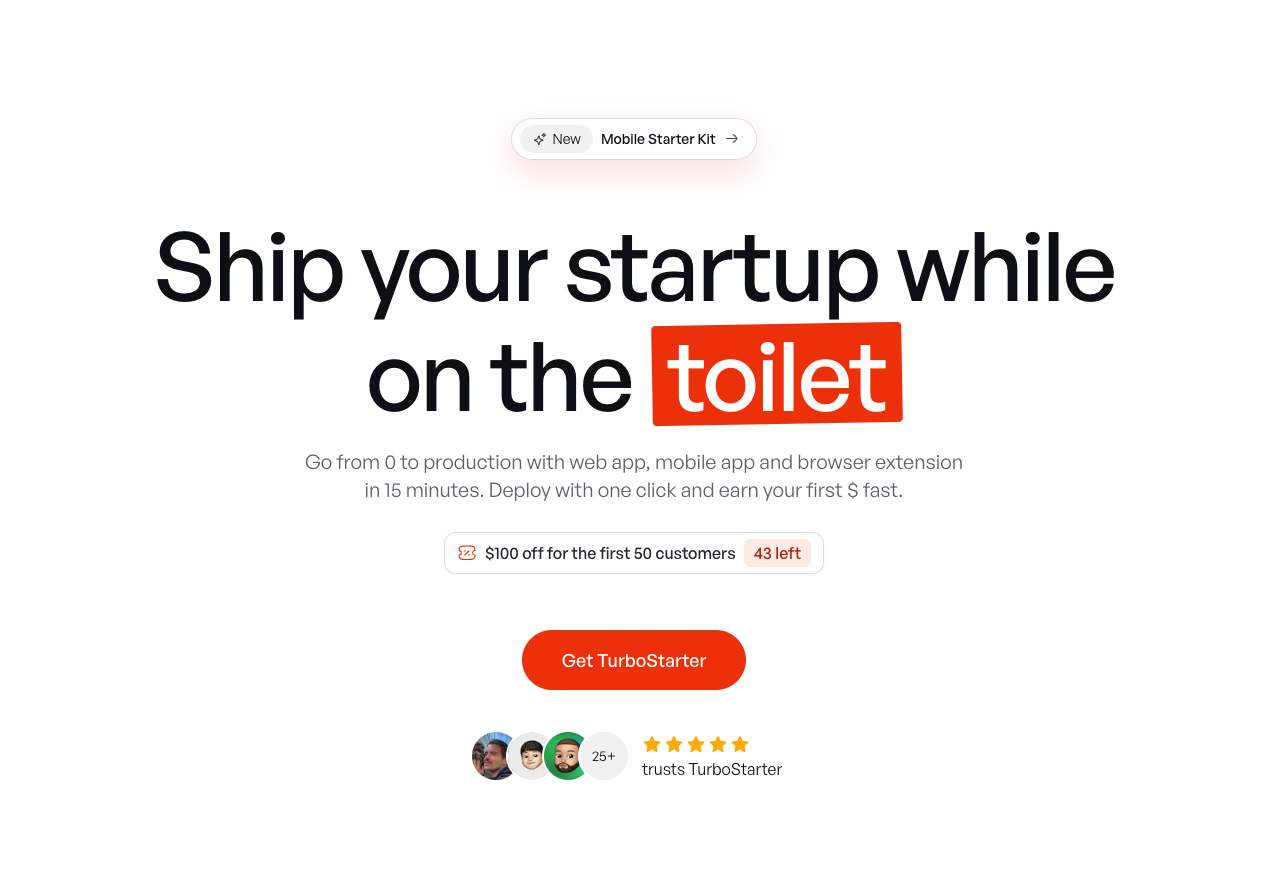
TurboStarter
Ship your startup everywhere. In minutes.
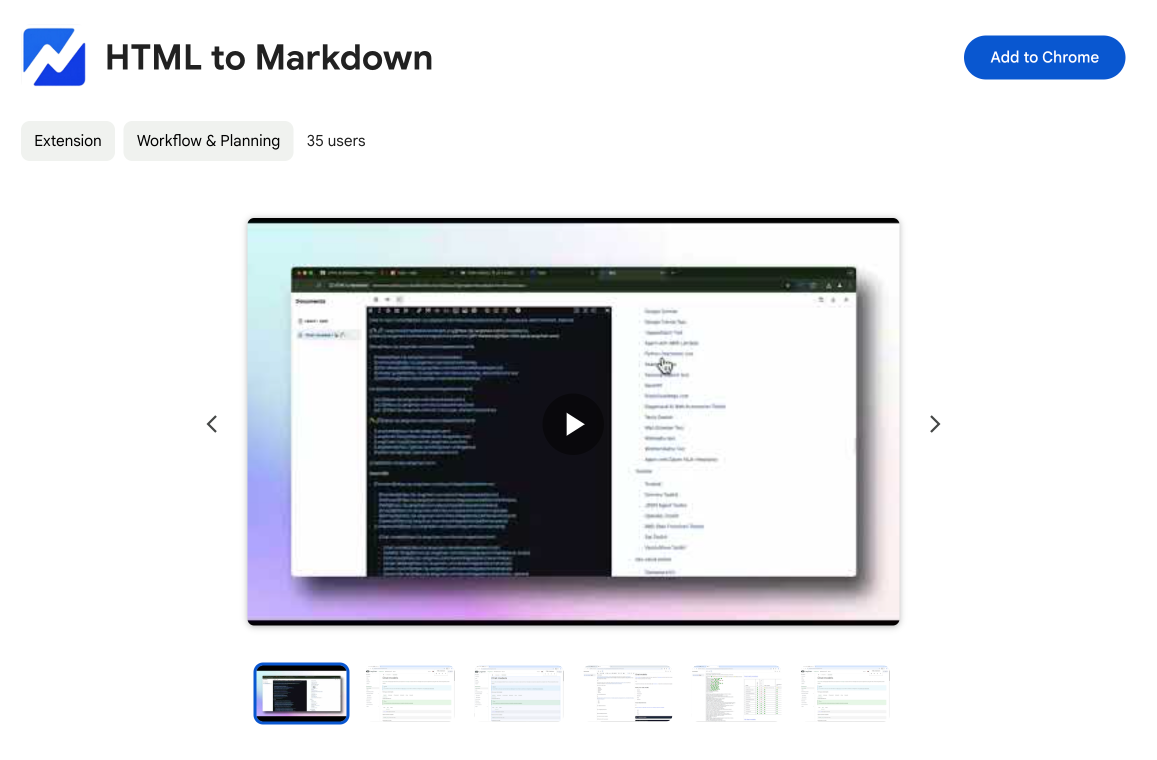
HTML to Markdown
Convert HTML to Markdown with ease, directly in your browser 📄
Dotallio
Personalized AI apps that automate research, data extraction, and content creation without code 🤖
Talk to Santa
Enjoy a magical live video chat or receive a unique AI-generated video greeting from Santa Claus 🎅
pozywka.pl
Scalable blog for food journalist, focused on performance and user experience 🌭
zagrodzki.me
Personal blog and portfolio of Bart Zagrodzki, where he shares his knowledge and work 💼
TurboStarter
Ship your startup everywhere. In minutes.
HTML to Markdown
Convert HTML to Markdown with ease, directly in your browser 📄
Dotallio
Personalized AI apps that automate research, data extraction, and content creation without code 🤖
Talk to Santa
Enjoy a magical live video chat or receive a unique AI-generated video greeting from Santa Claus 🎅
pozywka.pl
Scalable blog for food journalist, focused on performance and user experience 🌭
zagrodzki.me
Personal blog and portfolio of Bart Zagrodzki, where he shares his knowledge and work 💼
TurboStarter
Ship your startup everywhere. In minutes.
HTML to Markdown
Convert HTML to Markdown with ease, directly in your browser 📄
Dotallio
Personalized AI apps that automate research, data extraction, and content creation without code 🤖
Talk to Santa
Enjoy a magical live video chat or receive a unique AI-generated video greeting from Santa Claus 🎅
pozywka.pl
Scalable blog for food journalist, focused on performance and user experience 🌭
zagrodzki.me
Personal blog and portfolio of Bart Zagrodzki, where he shares his knowledge and work 💼
TurboStarter
Ship your startup everywhere. In minutes.
HTML to Markdown
Convert HTML to Markdown with ease, directly in your browser 📄
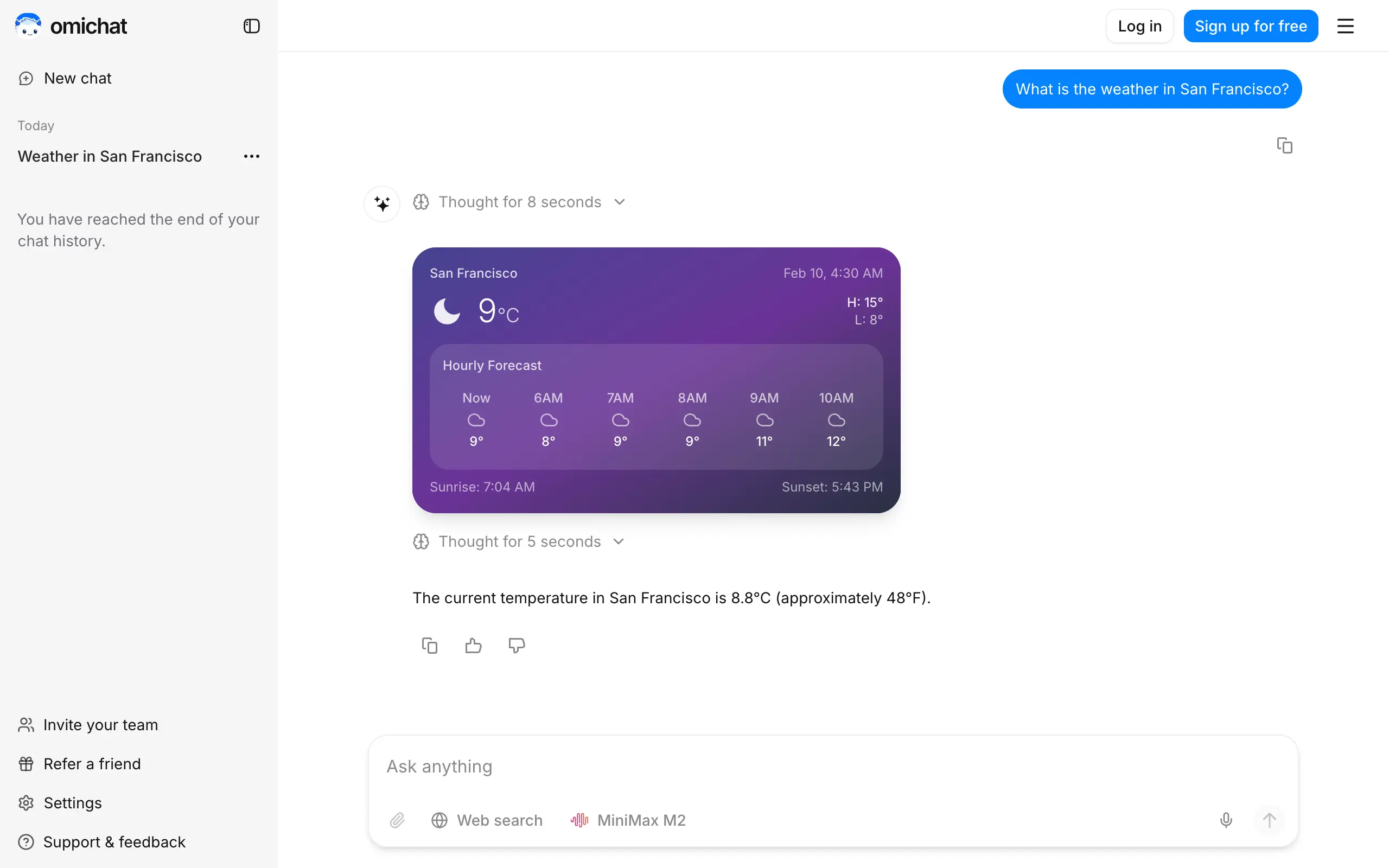
Omichat
Chat with 50+ AI models, including ChatGPT and Claude, in one place - switch models anytime without losing context 🤖
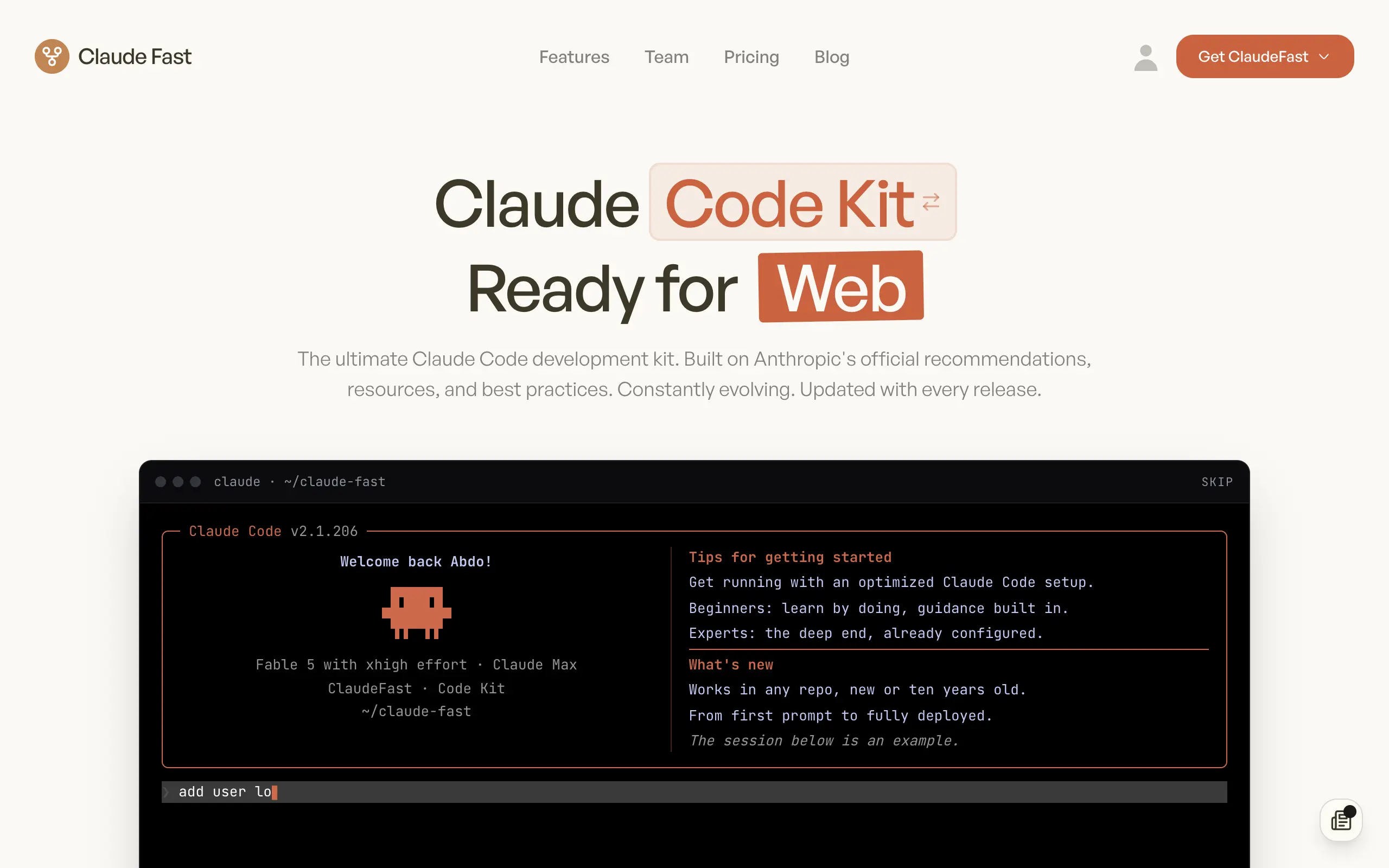
Claude Fast
Supercharge your Claude Code with 6x effective context window and specialized AI agents 🤖
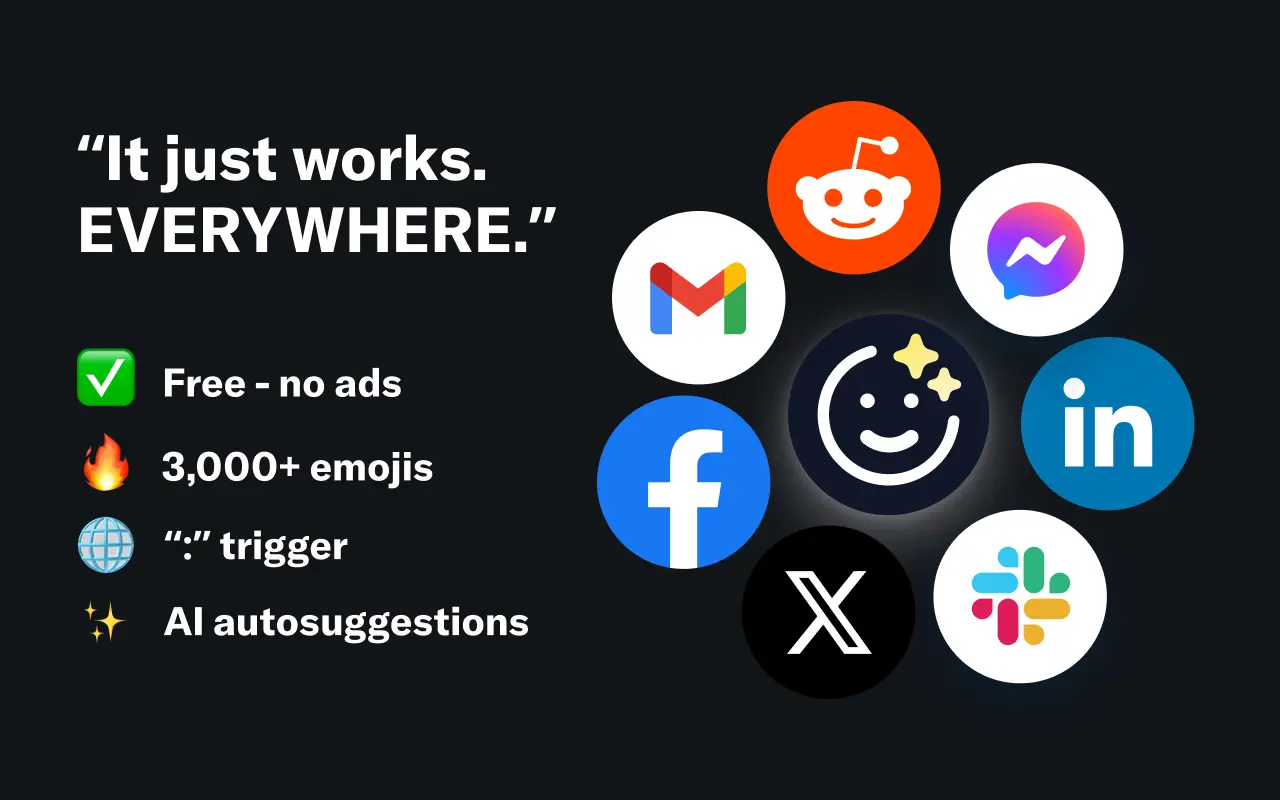
EmojAI
AI-powered emoji picker with smart, context-aware suggestions 🤖
Solohacker
Autonomous company launcher - AI agents work 24/7, escalate what matters, and you stay in control 🤖
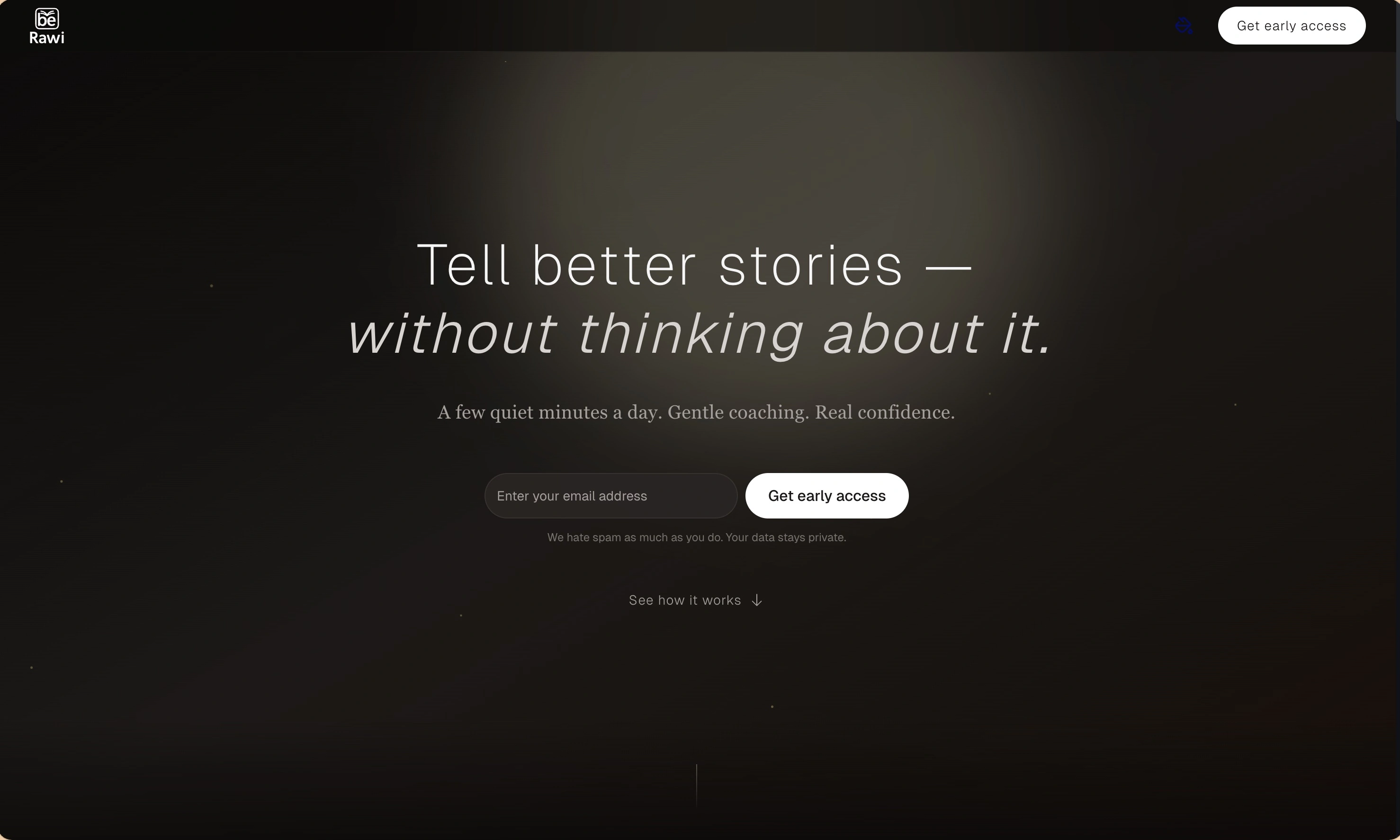
BeRawi: Storytelling Coach
Practice storytelling daily with instant feedback to sound clearer, more engaging, and confident 🎤
Omichat
Chat with 50+ AI models, including ChatGPT and Claude, in one place - switch models anytime without losing context 🤖
Claude Fast
Supercharge your Claude Code with 6x effective context window and specialized AI agents 🤖
EmojAI
AI-powered emoji picker with smart, context-aware suggestions 🤖
Solohacker
Autonomous company launcher - AI agents work 24/7, escalate what matters, and you stay in control 🤖
BeRawi: Storytelling Coach
Practice storytelling daily with instant feedback to sound clearer, more engaging, and confident 🎤
Omichat
Chat with 50+ AI models, including ChatGPT and Claude, in one place - switch models anytime without losing context 🤖
Claude Fast
Supercharge your Claude Code with 6x effective context window and specialized AI agents 🤖
EmojAI
AI-powered emoji picker with smart, context-aware suggestions 🤖
Solohacker
Autonomous company launcher - AI agents work 24/7, escalate what matters, and you stay in control 🤖
BeRawi: Storytelling Coach
Practice storytelling daily with instant feedback to sound clearer, more engaging, and confident 🎤
Omichat
Chat with 50+ AI models, including ChatGPT and Claude, in one place - switch models anytime without losing context 🤖
Claude Fast
Supercharge your Claude Code with 6x effective context window and specialized AI agents 🤖
EmojAI
AI-powered emoji picker with smart, context-aware suggestions 🤖
Solohacker
Autonomous company launcher - AI agents work 24/7, escalate what matters, and you stay in control 🤖
BeRawi: Storytelling Coach
Practice storytelling daily with instant feedback to sound clearer, more engaging, and confident 🎤

Connect with like-minded people
Join our community to get feedback, support, and grow together with 1,000+ builders on board, let's ship it!
Join usShip your startup everywhere. In minutes.
Don't burn tokens on setup and start building features on day one.