NeuroLoop AI
An AI study coach that adapts to your memory patterns using spaced repetition, cognitive load tracking, and exam simulations to maximize long-term retention.
The opportunity behind an adaptive AI study coach
Students don’t fail because they lack information. They fail because they forget it.
Traditional studying is inefficient. Learners re-read notes, highlight textbooks, or cram the night before exams. Yet decades of cognitive science show that spaced repetition, retrieval practice, and adaptive feedback dramatically improve long-term retention.
This is where NeuroLoop AI, an AI study coach built around memory science, creates a compelling SaaS opportunity. By combining:
- Spaced repetition algorithms
- Cognitive load tracking
- AI-powered exam simulations
- Adaptive memory modeling
NeuroLoop AI can position itself as a next-generation learning optimization platform—not just another flashcard app.
This article explores the full strategic blueprint behind launching and scaling an AI-powered study coach like NeuroLoop AI: from market validation and feature design to monetization, competitive positioning, and implementation.
Understanding the primary keyword and user intent
The primary keyword derived from the product concept is:
AI study coach
Closely related semantic (LSI) keywords include:
- Adaptive learning platform
- Spaced repetition software
- Memory retention app
- AI exam preparation tool
- Personalized learning AI
- Cognitive load tracking software
- Exam simulation platform
- Long-term retention learning app
Search intent breakdown
Users searching for an "AI study coach" typically fall into three categories:
- Students looking for better study tools
- Educators exploring adaptive learning technology
- Founders researching SaaS opportunities in EdTech
This article primarily addresses:
- Validation of the idea
- Technical implementation insights
- Market opportunity analysis
- Monetization strategy
- Competitive differentiation
The problem: why most study tools fail
Even popular tools like flashcard apps and note-taking platforms fail to:
- Model individual memory decay patterns
- Adapt difficulty dynamically
- Simulate realistic exam stress
- Measure cognitive fatigue
- Optimize long-term retention over time
The cognitive science gap
Research in learning science highlights:
- Spacing effect – Distributed learning improves retention.
- Testing effect – Active recall beats passive review.
- Cognitive load theory – Working memory has limits.
- Desirable difficulty principle – Slight struggle enhances learning.
Most study tools implement only one of these principles. NeuroLoop AI integrates all four.
Strategic positioning insight
Position NeuroLoop AI as a "memory optimization system" rather than a note app. This shifts perception from productivity to performance enhancement.
Target audience analysis
1. High school and university students
Pain points:
- Cramming cycles
- Forgetting content after exams
- Poor time management
- Exam anxiety
Willingness to pay: Moderate
Customer acquisition channel: TikTok, YouTube, campus ambassadors
2. Competitive exam candidates (MCAT, LSAT, UPSC, SAT, GRE)
Pain points:
- Massive syllabus
- Long preparation timelines
- High-stakes exams
- Burnout
Willingness to pay: High
Acquisition channel: Niche exam communities, Reddit, prep forums
3. Medical and law students
These segments are ideal because:
- Content volume is extremely high
- Long-term retention is essential
- They already use spaced repetition tools
Strategic advantage: They are accustomed to subscription tools.
4. Lifelong learners & professionals
- Language learners
- Certification candidates (AWS, PMP, CPA)
- Skill upgraders
Lower urgency, but strong expansion market.
Market opportunity and gap
The EdTech market continues expanding globally (see industry reports from organizations like HolonIQ or World Economic Forum for recent projections).
However, the gap lies in:
| Feature | Traditional Flashcard Apps | LMS Platforms | NeuroLoop AI |
|---|---|---|---|
| Spaced repetition | ✅ | ❌ | ✅ |
| AI adaptive modeling | ❌ | ❌ | ✅ |
| Cognitive load tracking | ❌ | ❌ | ✅ |
| Exam simulation | ❌ | ✅ | ✅ |
| Memory decay prediction | ❌ | ❌ | ✅ |
The biggest gap: no major tool truly tracks cognitive fatigue and adapts intensity accordingly.
That’s NeuroLoop AI’s defensible wedge.
Core features of NeuroLoop AI
1. Adaptive spaced repetition engine
Not just preset intervals.
Instead:
- Track recall strength
- Adjust intervals dynamically
- Predict forgetting curves
A simplified algorithm approach:
function calculateNextReview(strengthScore: number, difficulty: number) {
  const baseInterval = 1;
  const modifier = strengthScore * 2 - difficulty;
  return baseInterval + Math.max(1, modifier);
}
In production, this would use probabilistic modeling or reinforcement learning.
2. Cognitive load tracking
This is a powerful differentiator.
Track:
- Response time
- Error clustering
- Session duration
- Time of day performance
- Break frequency
The system can:
- Reduce difficulty when fatigue increases
- Recommend breaks
- Shift to lighter material
This increases user trust and perceived personalization.
3. AI-powered exam simulations
Most tools stop at flashcards. NeuroLoop AI should include:
- Timed mock exams
- Adaptive question difficulty
- Weak-topic emphasis
- Stress simulation mode
Exam simulations should:
- Increase time pressure gradually
- Mimic official exam formats
- Provide performance analytics
4. Memory analytics dashboard
Users love feedback.
Provide:
- Retention curve graphs
- Predicted exam readiness score
- Weak-topic heat maps
- Cognitive fatigue index
This transforms the app from “study tool” to “performance intelligence system.”
5. AI study plan generator
Input:
- Exam date
- Available daily time
- Current knowledge level
Output:
- Optimized schedule
- Topic prioritization
- Review cadence
Competitive advantage analysis
Major competitors include:
- Anki
- Quizlet
- RemNote
- Notion AI study templates
Why they can’t easily replicate NeuroLoop AI
- Technical debt – Legacy architecture built for static flashcards.
- Community inertia – Users resist drastic workflow changes.
- Lack of cognitive modeling infrastructure
Strategic positioning
NeuroLoop AI should avoid competing on:
- Flashcard simplicity
- Free forever model
Instead compete on:
- Performance optimization
- Measurable retention improvement
- AI-driven personalization
Recommended tech stack (with trade-offs)
Frontend
Why:
- Server-side rendering for SEO
- Fast iteration
- Scalable UI
Backend
Options:
Node.js + Express or NestJS
Pros:
- Full-stack TypeScript
- Fast real-time features
- Easier scaling with WebSockets
Cons:
- Less mature ML ecosystem
Python + FastAPI
Pros:
- Strong ML ecosystem
- Easier model experimentation
- Better AI integration
Cons:
- Separate frontend/backend logic
AI & modeling layer
- Reinforcement learning for interval tuning
- OpenAI APIs for question generation
- Memory strength scoring engine
- Vector database for topic mapping
Database
- PostgreSQL for structured data
- Redis for session tracking
- Optional vector DB for semantic question matching
Hosting
- Vercel (frontend)
- Railway or Render (backend)
- Scalable cloud provider for ML workloads
Monetization strategy
Tiered subscription model
Free Plan
Limited decks, basic spaced repetition, capped simulations.
Pro Plan
Full AI adaptation, unlimited decks, analytics dashboard.
Elite Plan
Advanced cognitive tracking, premium exam simulations, predictive scoring.
Pricing psychology
- Students respond well to $9–$19/month
- Exam candidates tolerate $29–$49/month
- Offer yearly discount
Additional revenue streams
- Institutional licensing
- White-label exam modules
- API for schools
- Performance coaching upsells
Potential risks and mitigation
Risk 1: Over-engineering
Mitigation:
Start with core spaced repetition + exam simulation. Add cognitive load tracking later.
Risk 2: AI hallucination in generated questions
Mitigation:
- Human-verified question banks
- Clear disclaimers
- Continuous evaluation pipeline
Risk 3: Churn due to study fatigue
Mitigation:
- Gamification
- Streak systems
- Adaptive break reminders
Go-to-market strategy
Phase 1: Niche dominance
Start with:
- Medical students
- MCAT/USMLE aspirants
Build credibility.
Phase 2: Influencer-led growth
- Study YouTubers
- Productivity influencers
- Student TikTok creators
Phase 3: Performance proof marketing
Publish:
- Case studies
- Retention improvement metrics
- Before/after exam results
Authority builds trust.
Implementation roadmap
Building faster with the right foundation
Launching a complex AI SaaS from scratch can be slow and expensive. Instead of reinventing:
- Authentication
- Billing
- SaaS dashboards
- Landing pages
- Subscription management
Use a production-ready SaaS starter framework like TurboStarter to accelerate development and focus on your core differentiation: the memory engine.
Long-term vision: beyond studying
NeuroLoop AI can expand into:
- Corporate training optimization
- Language acquisition
- Certification retention
- Employee onboarding
- Knowledge decay prevention in enterprises
Imagine companies tracking institutional memory health.
That’s a multi-billion dollar expansion path.
Why NeuroLoop AI stands out
Its unique selling proposition (USP):
A fully adaptive AI study coach that models your memory, tracks cognitive fatigue, and simulates real exams to maximize long-term retention.
Unlike generic flashcard apps, it:
- Predicts forgetting
- Adjusts difficulty dynamically
- Monitors mental load
- Measures readiness objectively
It becomes less of a tool—and more of a performance co-pilot.
Final strategic takeaway
The future of learning is not content abundance.
It’s retention optimization.
An AI study coach like NeuroLoop AI is well-positioned to:
- Capitalize on cognitive science
- Leverage modern AI infrastructure
- Serve high-intent student markets
- Build strong subscription economics
If executed with technical rigor, user empathy, and clear positioning, it has the potential to become the next evolution in adaptive learning platforms.
If you're serious about building an AI study coach that truly adapts to human memory patterns, the opportunity is real—but execution quality will define success.
Start focused. Validate fast. Build scientifically. Scale strategically.
More 🤖 AI Startup SaaS ideas
Discover more innovative ai startup SaaS ideas that are trending in 2026. Each idea is AI-generated with market validation and growth potential to help you find your next profitable venture faster than competitors.
Your competitors are building with TurboStarter
Below are some of the SaaS ideas that have been generated and built with our starter kit.
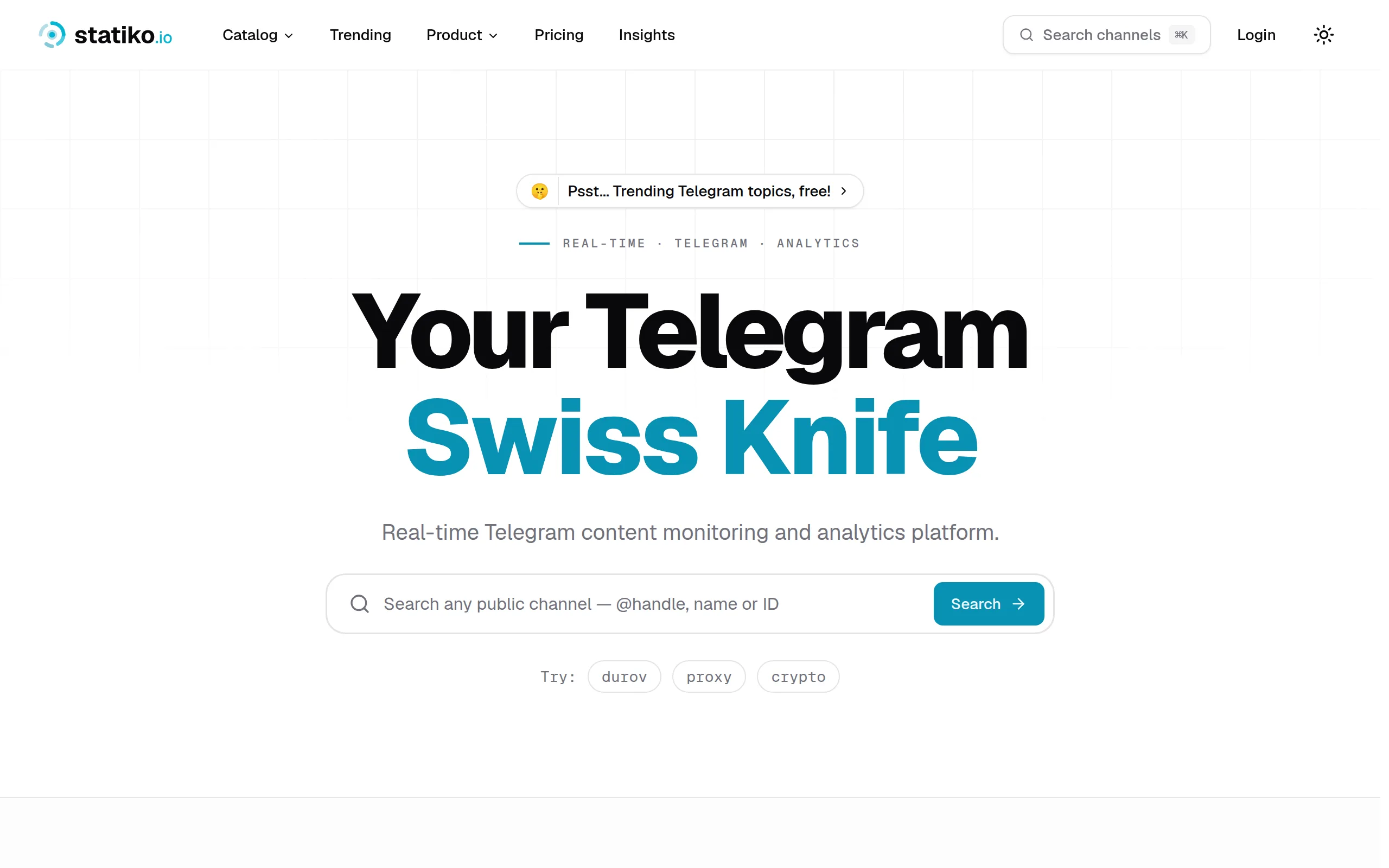
Statiko
Monitor any Telegram channel in real time - track posts, edits, deletions, and growth with AI recaps 📡

Shibui
AI website builder - describe your business, pick a niche template, edit by chatting, and publish instantly ✨

Pro Service
Find verified home service professionals, compare quotes, and pay securely through escrow - built for Brazilians across the US 🏠
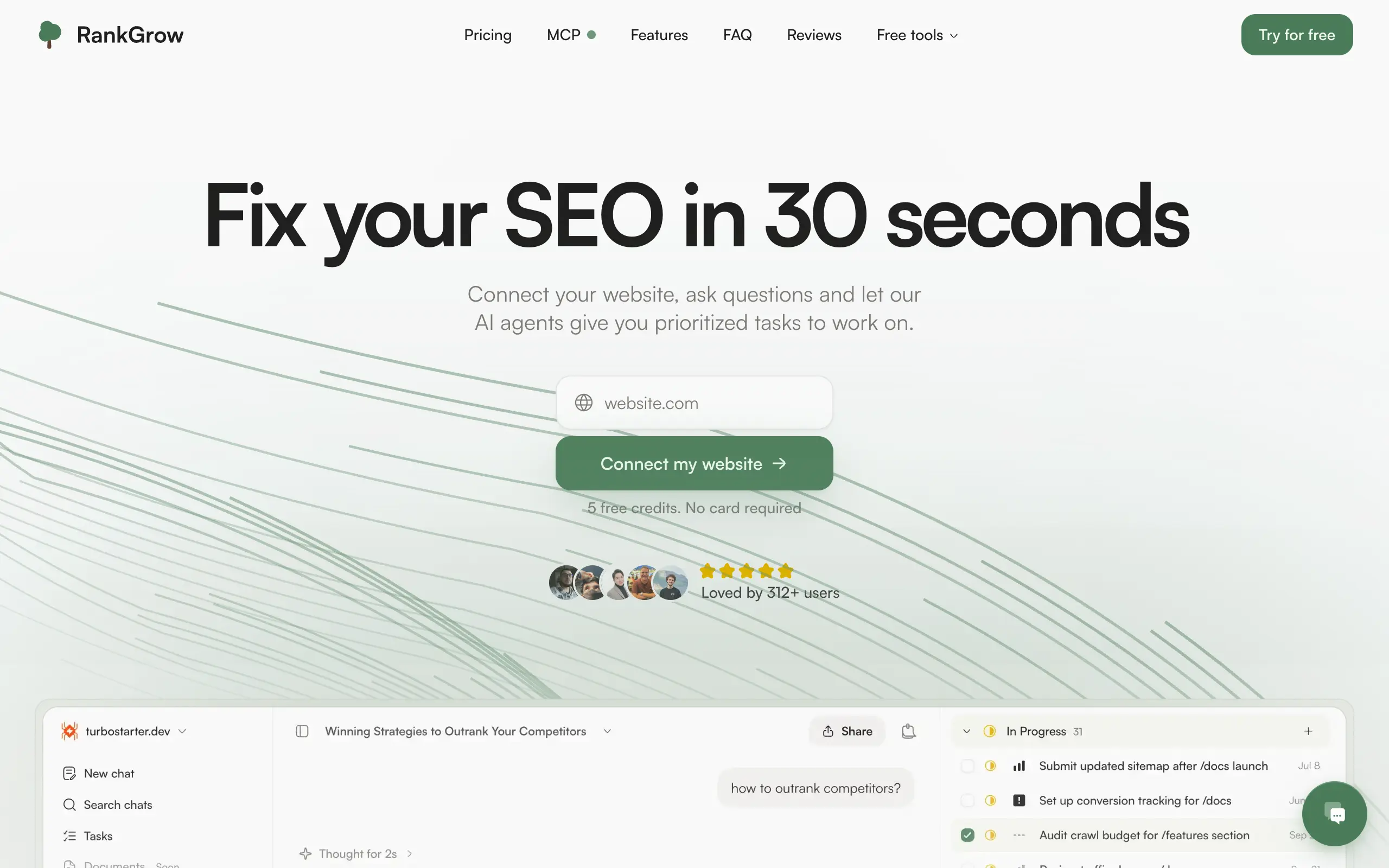
RankGrow
Fix your SEO with AI agents - connect Search Console, get prioritized tasks, and grow organic traffic 📈
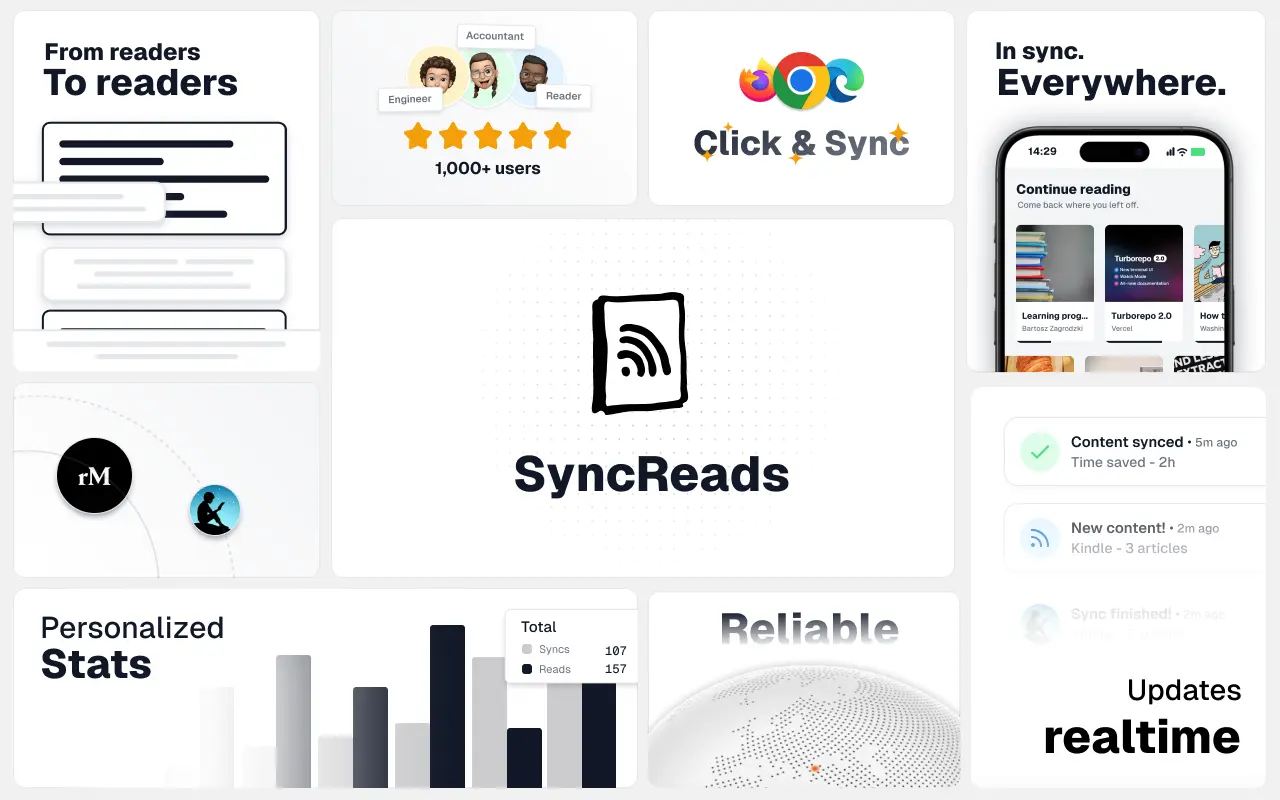
SyncReads
Sync your favorite content for distraction-free reading, save time and replace multiple apps. Anytime, anywhere 🔄
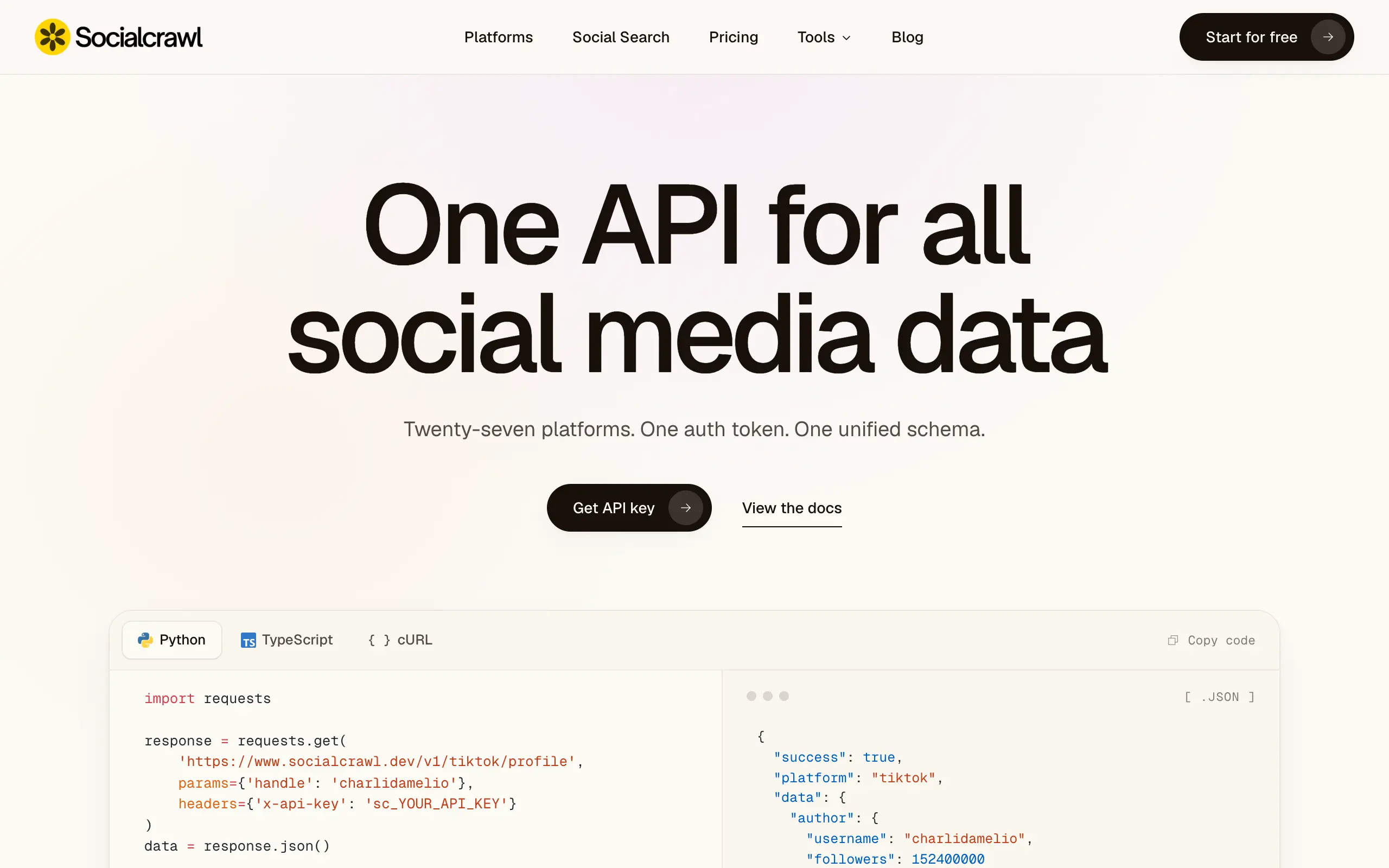
Socialcrawl
Get clean, structured data from 21 platforms like TikTok, Instagram, and YouTube with a single request 📊
Statiko
Monitor any Telegram channel in real time - track posts, edits, deletions, and growth with AI recaps 📡
Shibui
AI website builder - describe your business, pick a niche template, edit by chatting, and publish instantly ✨
Pro Service
Find verified home service professionals, compare quotes, and pay securely through escrow - built for Brazilians across the US 🏠
RankGrow
Fix your SEO with AI agents - connect Search Console, get prioritized tasks, and grow organic traffic 📈
SyncReads
Sync your favorite content for distraction-free reading, save time and replace multiple apps. Anytime, anywhere 🔄
Socialcrawl
Get clean, structured data from 21 platforms like TikTok, Instagram, and YouTube with a single request 📊
Statiko
Monitor any Telegram channel in real time - track posts, edits, deletions, and growth with AI recaps 📡
Shibui
AI website builder - describe your business, pick a niche template, edit by chatting, and publish instantly ✨
Pro Service
Find verified home service professionals, compare quotes, and pay securely through escrow - built for Brazilians across the US 🏠
RankGrow
Fix your SEO with AI agents - connect Search Console, get prioritized tasks, and grow organic traffic 📈
SyncReads
Sync your favorite content for distraction-free reading, save time and replace multiple apps. Anytime, anywhere 🔄
Socialcrawl
Get clean, structured data from 21 platforms like TikTok, Instagram, and YouTube with a single request 📊
Statiko
Monitor any Telegram channel in real time - track posts, edits, deletions, and growth with AI recaps 📡
Shibui
AI website builder - describe your business, pick a niche template, edit by chatting, and publish instantly ✨
Pro Service
Find verified home service professionals, compare quotes, and pay securely through escrow - built for Brazilians across the US 🏠
RankGrow
Fix your SEO with AI agents - connect Search Console, get prioritized tasks, and grow organic traffic 📈
SyncReads
Sync your favorite content for distraction-free reading, save time and replace multiple apps. Anytime, anywhere 🔄
Socialcrawl
Get clean, structured data from 21 platforms like TikTok, Instagram, and YouTube with a single request 📊
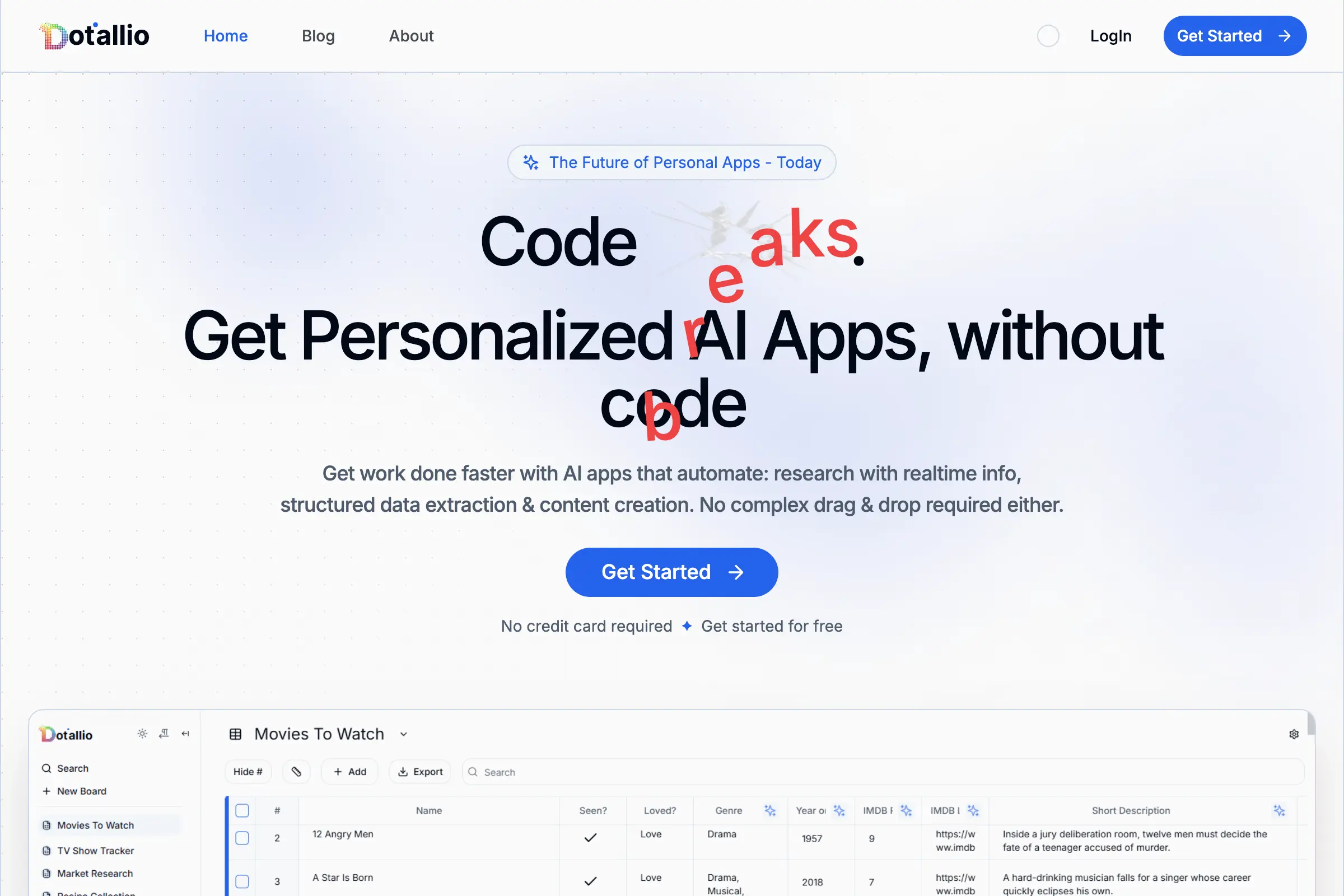
Dotallio
Personalized AI apps that automate research, data extraction, and content creation without code 🤖
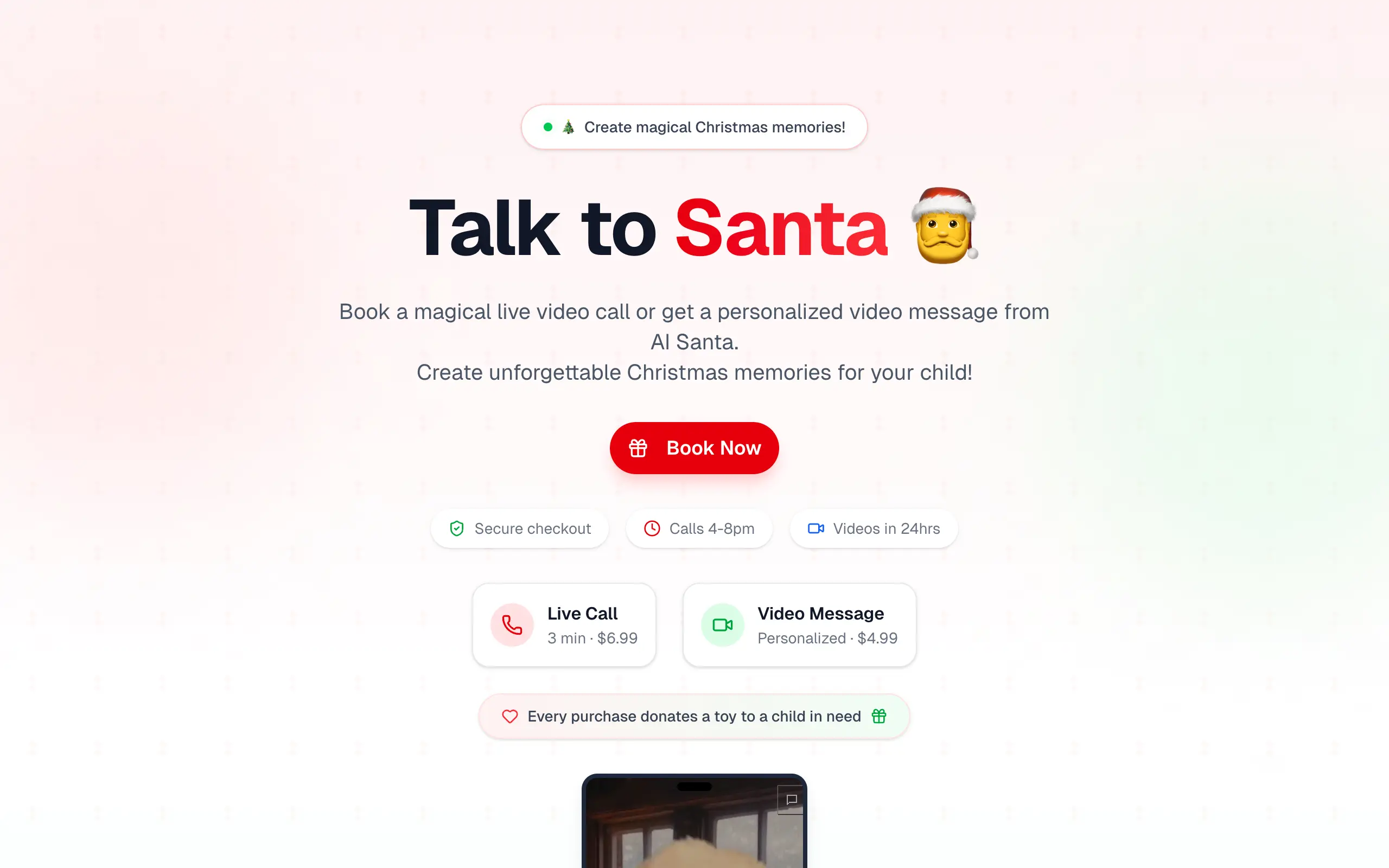
Talk to Santa
Enjoy a magical live video chat or receive a unique AI-generated video greeting from Santa Claus 🎅

pozywka.pl
Scalable blog for food journalist, focused on performance and user experience 🌭
zagrodzki.me
Personal blog and portfolio of Bart Zagrodzki, where he shares his knowledge and work 💼
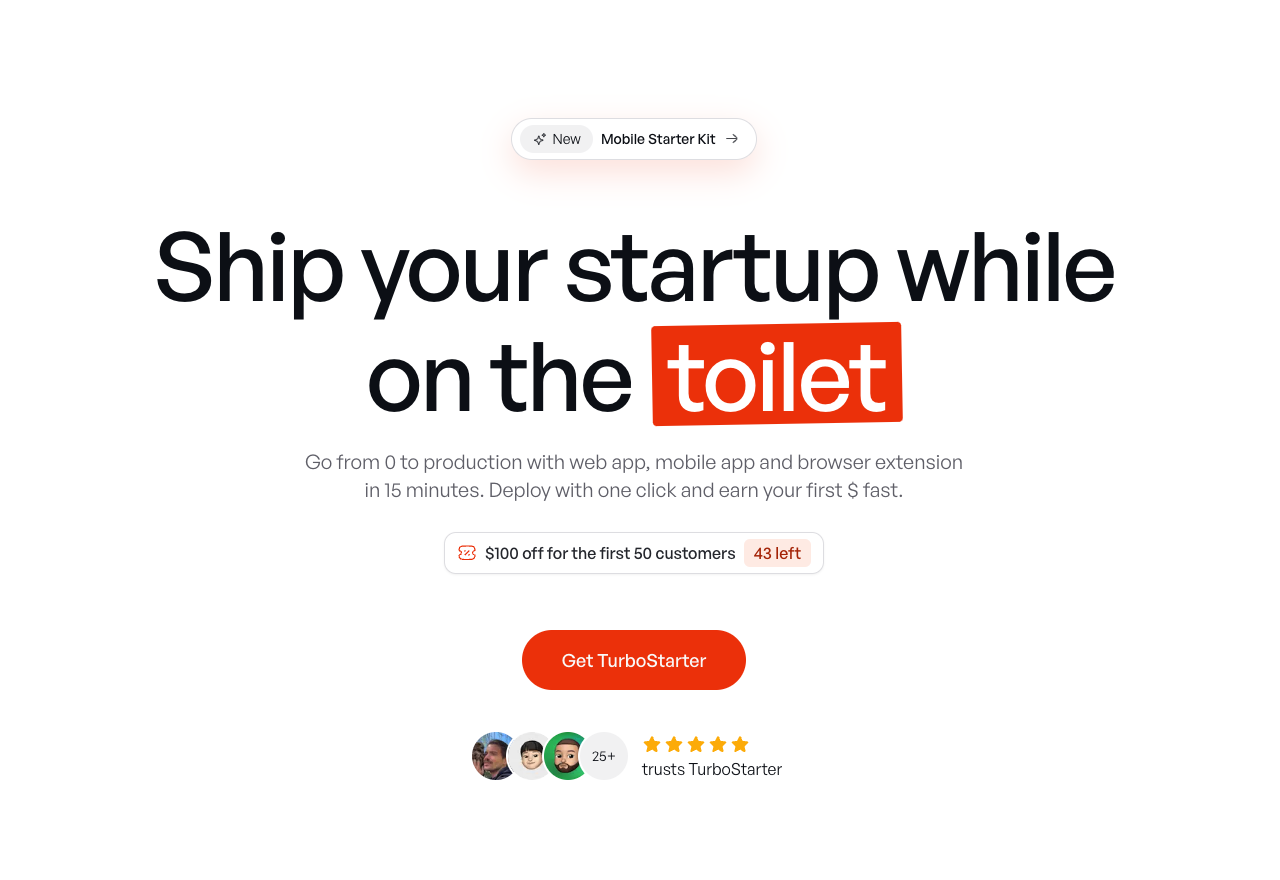
TurboStarter
Ship your startup everywhere. In minutes.
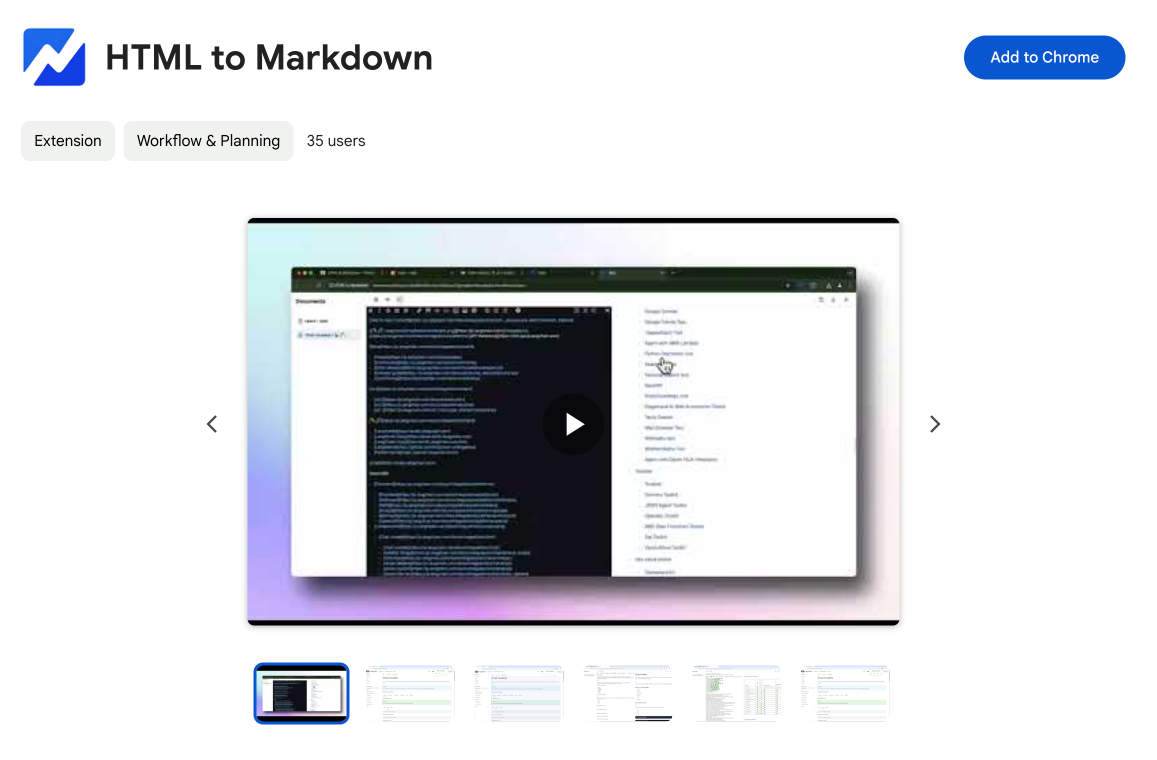
HTML to Markdown
Convert HTML to Markdown with ease, directly in your browser 📄
Dotallio
Personalized AI apps that automate research, data extraction, and content creation without code 🤖
Talk to Santa
Enjoy a magical live video chat or receive a unique AI-generated video greeting from Santa Claus 🎅
pozywka.pl
Scalable blog for food journalist, focused on performance and user experience 🌭
zagrodzki.me
Personal blog and portfolio of Bart Zagrodzki, where he shares his knowledge and work 💼
TurboStarter
Ship your startup everywhere. In minutes.
HTML to Markdown
Convert HTML to Markdown with ease, directly in your browser 📄
Dotallio
Personalized AI apps that automate research, data extraction, and content creation without code 🤖
Talk to Santa
Enjoy a magical live video chat or receive a unique AI-generated video greeting from Santa Claus 🎅
pozywka.pl
Scalable blog for food journalist, focused on performance and user experience 🌭
zagrodzki.me
Personal blog and portfolio of Bart Zagrodzki, where he shares his knowledge and work 💼
TurboStarter
Ship your startup everywhere. In minutes.
HTML to Markdown
Convert HTML to Markdown with ease, directly in your browser 📄
Dotallio
Personalized AI apps that automate research, data extraction, and content creation without code 🤖
Talk to Santa
Enjoy a magical live video chat or receive a unique AI-generated video greeting from Santa Claus 🎅
pozywka.pl
Scalable blog for food journalist, focused on performance and user experience 🌭
zagrodzki.me
Personal blog and portfolio of Bart Zagrodzki, where he shares his knowledge and work 💼
TurboStarter
Ship your startup everywhere. In minutes.
HTML to Markdown
Convert HTML to Markdown with ease, directly in your browser 📄
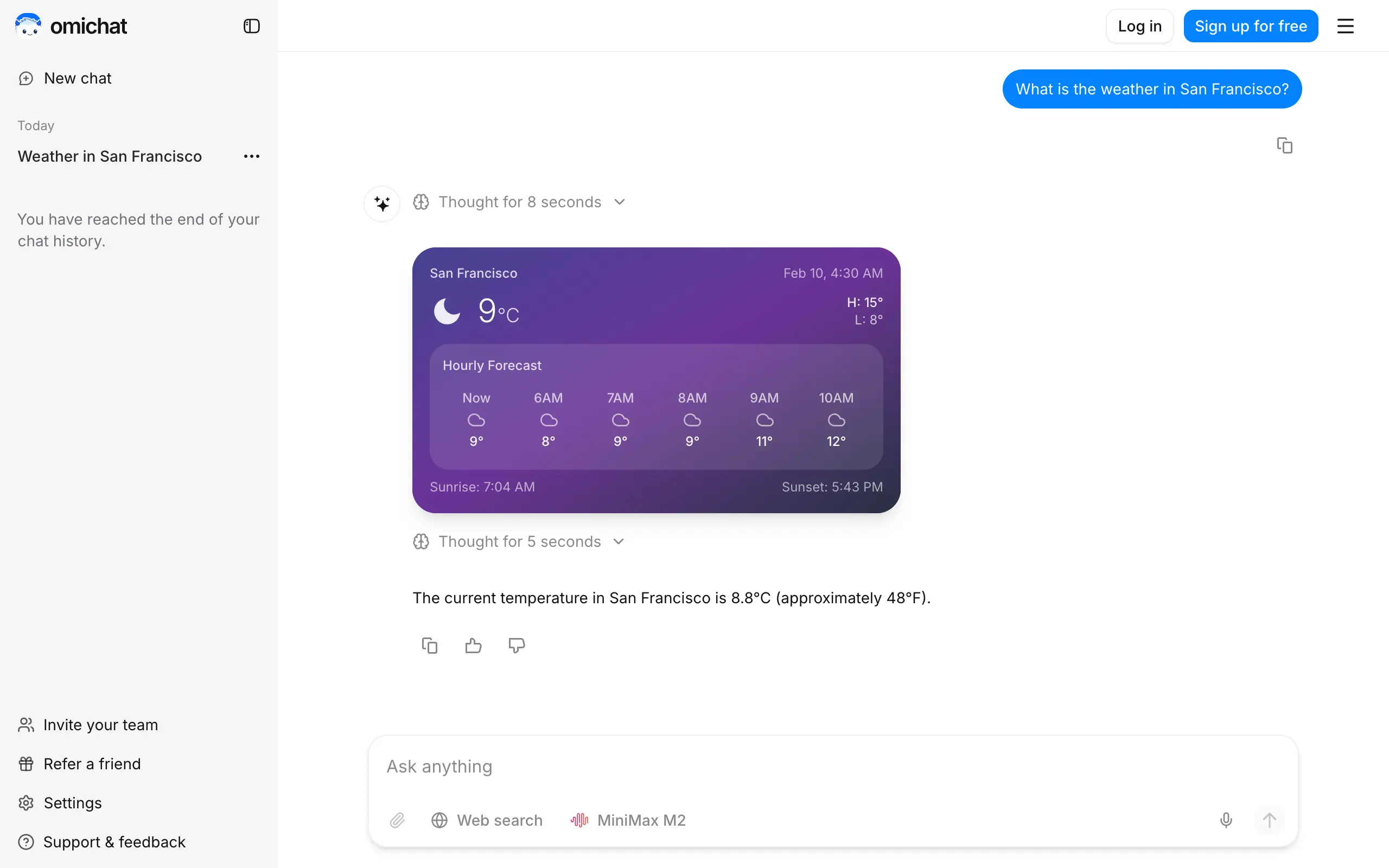
Omichat
Chat with 50+ AI models, including ChatGPT and Claude, in one place - switch models anytime without losing context 🤖
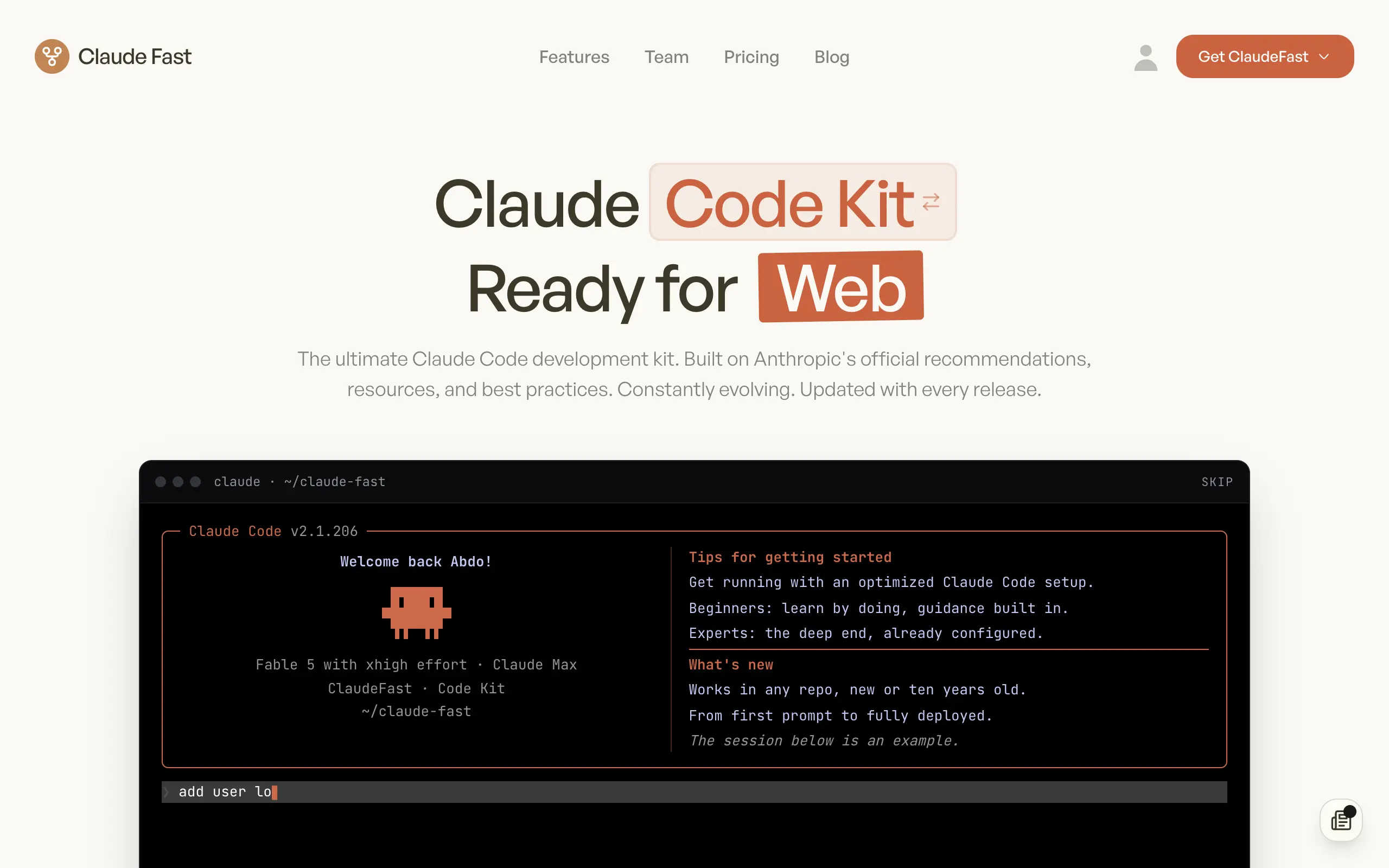
Claude Fast
Supercharge your Claude Code with 6x effective context window and specialized AI agents 🤖
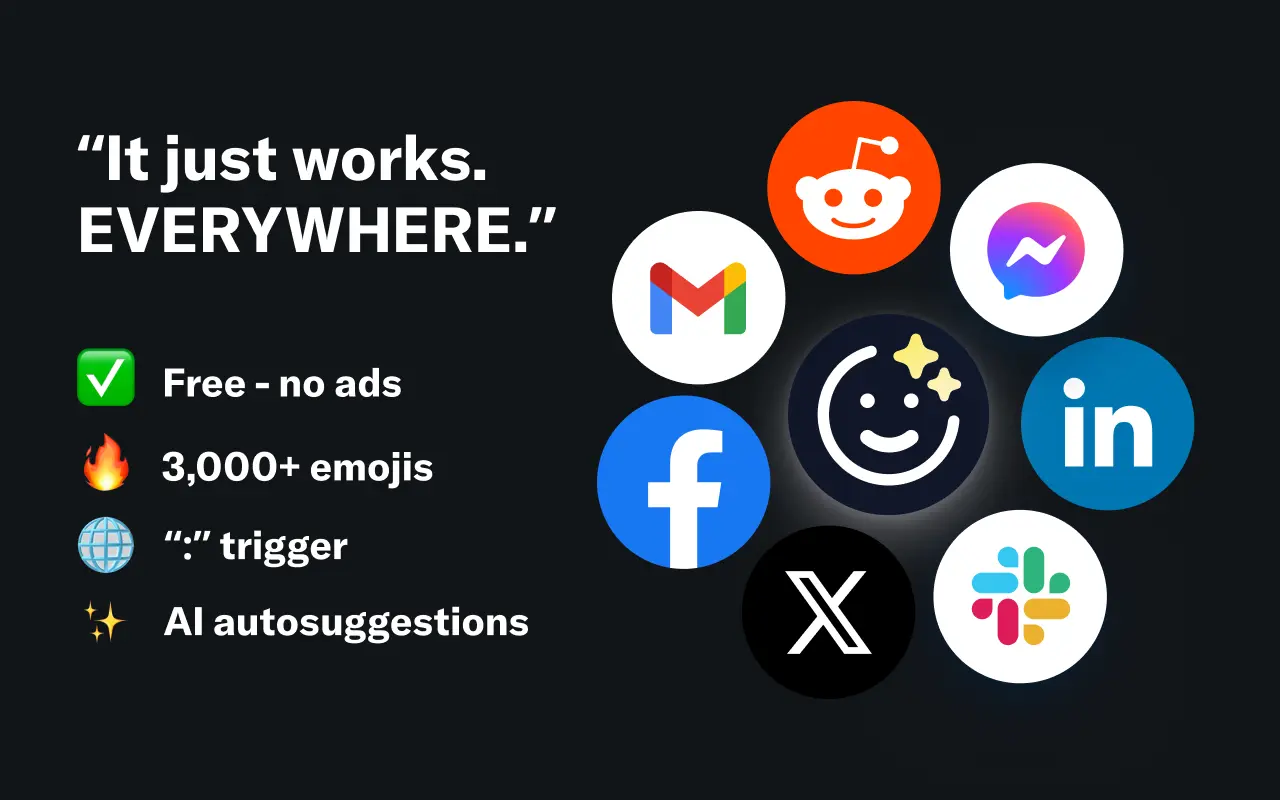
EmojAI
AI-powered emoji picker with smart, context-aware suggestions 🤖
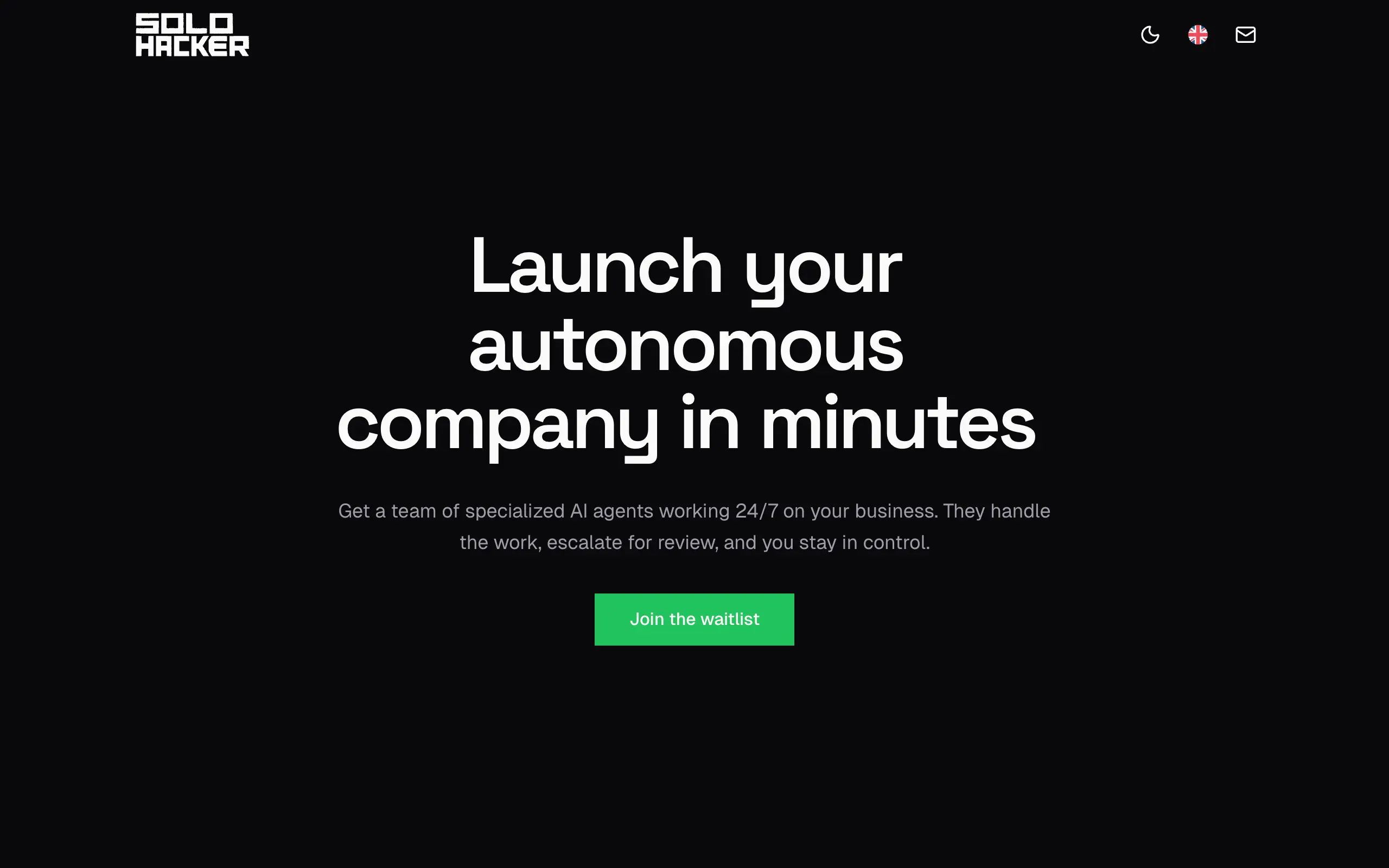
Solohacker
Autonomous company launcher - AI agents work 24/7, escalate what matters, and you stay in control 🤖
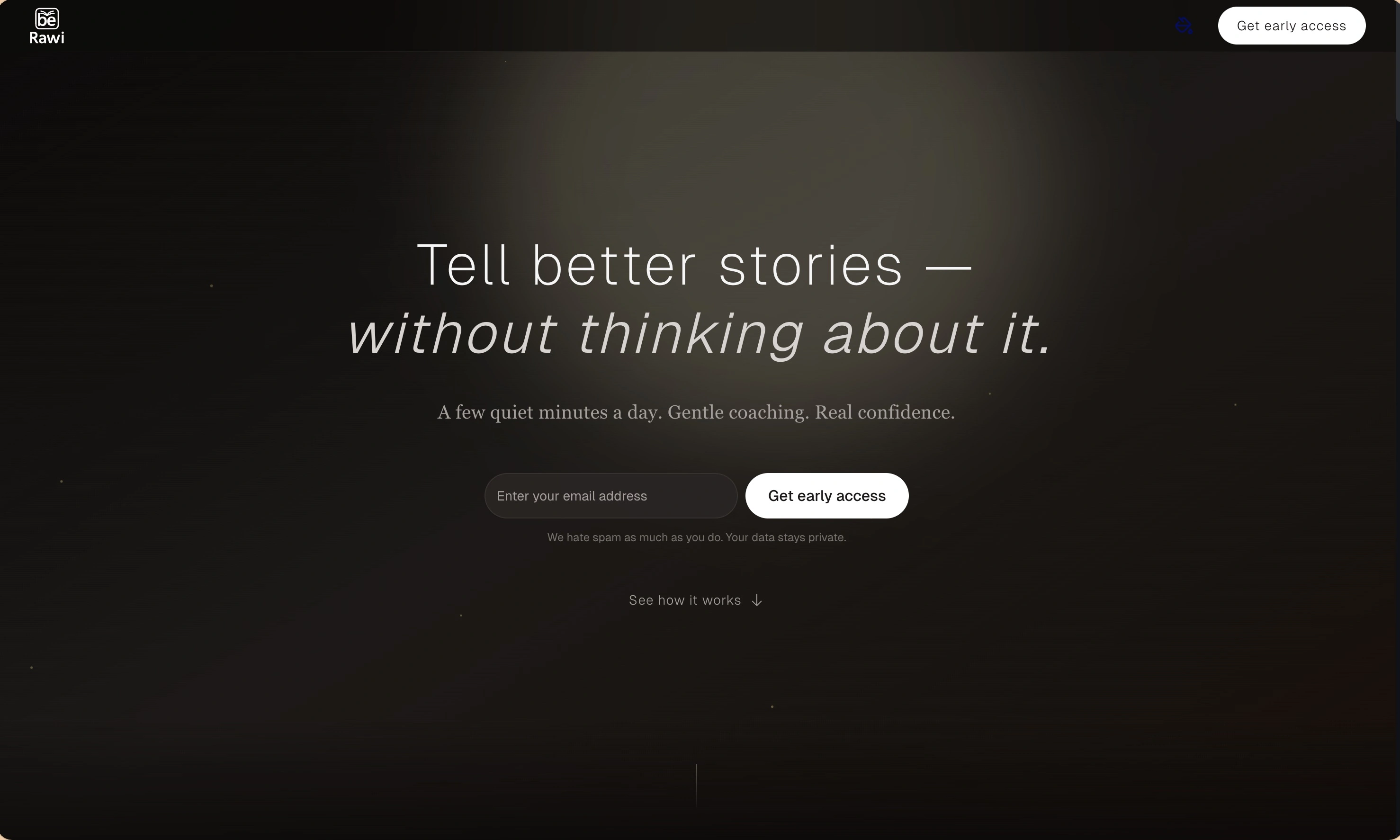
BeRawi: Storytelling Coach
Practice storytelling daily with instant feedback to sound clearer, more engaging, and confident 🎤
Omichat
Chat with 50+ AI models, including ChatGPT and Claude, in one place - switch models anytime without losing context 🤖
Claude Fast
Supercharge your Claude Code with 6x effective context window and specialized AI agents 🤖
EmojAI
AI-powered emoji picker with smart, context-aware suggestions 🤖
Solohacker
Autonomous company launcher - AI agents work 24/7, escalate what matters, and you stay in control 🤖
BeRawi: Storytelling Coach
Practice storytelling daily with instant feedback to sound clearer, more engaging, and confident 🎤
Omichat
Chat with 50+ AI models, including ChatGPT and Claude, in one place - switch models anytime without losing context 🤖
Claude Fast
Supercharge your Claude Code with 6x effective context window and specialized AI agents 🤖
EmojAI
AI-powered emoji picker with smart, context-aware suggestions 🤖
Solohacker
Autonomous company launcher - AI agents work 24/7, escalate what matters, and you stay in control 🤖
BeRawi: Storytelling Coach
Practice storytelling daily with instant feedback to sound clearer, more engaging, and confident 🎤
Omichat
Chat with 50+ AI models, including ChatGPT and Claude, in one place - switch models anytime without losing context 🤖
Claude Fast
Supercharge your Claude Code with 6x effective context window and specialized AI agents 🤖
EmojAI
AI-powered emoji picker with smart, context-aware suggestions 🤖
Solohacker
Autonomous company launcher - AI agents work 24/7, escalate what matters, and you stay in control 🤖
BeRawi: Storytelling Coach
Practice storytelling daily with instant feedback to sound clearer, more engaging, and confident 🎤

Connect with like-minded people
Join our community to get feedback, support, and grow together with 1,000+ builders on board, let's ship it!
Join usShip your startup everywhere. In minutes.
Don't burn tokens on setup and start building features on day one.