NeuroWeave AI
An AI study engine that adapts to each student’s memory patterns using active recall, spaced repetition, and exam simulation to maximize long-term retention.
Why an AI study engine like NeuroWeave AI matters now
Students today are overwhelmed. They face:
- Increasingly competitive exams
- Short-form content that fragments attention
- Passive study habits (re-reading, highlighting) that feel productive but aren’t
At the same time, neuroscience research has consistently shown that active recall and spaced repetition dramatically improve long-term retention. Yet most students don’t systematically apply these methods because they require structure, planning, and discipline.
This is where an AI study engine becomes transformational.
NeuroWeave AI is an adaptive learning platform that personalizes study sessions using:
- Active recall
- Spaced repetition algorithms
- Exam simulation
- Memory pattern analysis
Rather than acting as a static flashcard tool, it behaves like a personal cognitive optimizer, adjusting content timing, difficulty, and format based on how each student’s brain retains information.
This article explores:
- The target audience and search intent
- The market opportunity in AI-powered education
- Core features and system architecture
- Recommended tech stack and trade-offs
- Monetization strategies
- Risks and mitigation strategies
- Competitive advantage
- Step-by-step implementation roadmap
Understanding the target audience for an AI study engine
To build a high-performing SaaS like NeuroWeave AI, we must deeply understand who it serves.
Primary audience segments
High school students
Preparing for standardized exams (SAT, ACT, A-Levels, IB) who need structured revision.
University students
Managing large volumes of complex material and preparing for finals.
Medical & law students
High retention-demand fields requiring mastery of vast, detailed content.
Professional certification learners
CPA, CFA, PMP, bar exam, and other structured exam candidates.
Their core pain points
- Forgetting what they studied weeks ago
- Overconfidence due to passive review
- Poor time management
- Lack of structured revision plans
- Anxiety around exam readiness
Search intent likely includes:
- “Best AI study tool”
- “How to remember what I study”
- “Spaced repetition app for exams”
- “Active recall software”
- “AI for exam preparation”
The user isn’t just looking for information. They are looking for improved academic performance and confidence.
NeuroWeave AI must address both cognitive efficiency and emotional reassurance.
Market opportunity: AI in education and memory science
The EdTech macro trend
AI in education is accelerating. According to widely cited industry analyses (e.g., McKinsey and HolonIQ reports), AI-driven personalization is one of the fastest-growing segments in EdTech.
Key forces driving growth:
- Remote learning normalization
- Rising exam competition
- Generative AI integration in workflows
- Demand for measurable outcomes
The gap in current study tools
Let’s compare the landscape:
| Platform | Adaptive AI | Spaced Repetition | Exam Simulation | Memory Pattern Modeling |
|---|---|---|---|---|
| Traditional flashcards | ❌ | ✅ | ❌ | ❌ |
| Basic AI tutors | ✅ | ❌ | ❌ | ❌ |
| NeuroWeave AI | ✅ | ✅ | ✅ | ✅ |
The gap is clear:
- Flashcard apps lack deep AI adaptation.
- AI tutors focus on explanation, not retention science.
- Exam platforms test knowledge but don’t optimize learning cycles.
NeuroWeave AI uniquely combines cognitive science with machine learning personalization.
Core solution: how NeuroWeave AI works
NeuroWeave AI operates as a memory-optimization engine, not just a content delivery tool.
1. Memory pattern detection
The system tracks:
- Time to answer
- Accuracy
- Confidence level (self-reported)
- Retention decay over time
- Question type performance
It then builds a dynamic retention curve per concept per user.
2. Adaptive spaced repetition
Instead of fixed intervals, NeuroWeave AI:
- Predicts when memory will decay
- Adjusts review timing per topic
- Prioritizes weak but high-impact concepts
3. Active recall engine
Rather than re-reading:
- Students answer structured questions
- AI generates retrieval prompts
- Variations prevent memorization bias
4. Exam simulation layer
Students take timed mock exams:
- Difficulty adapts dynamically
- Question formats mirror real exams
- Performance gaps are fed back into the repetition engine
5. Cognitive load optimization
The system balances:
- Hard vs. easy material
- New vs. old topics
- Short vs. long sessions
This prevents burnout while maximizing retention efficiency.
Key features for MVP and beyond
MVP feature set
Advanced features (Phase 2+)
- Emotion-aware difficulty adaptation
- Voice-based recall testing
- Study streak psychology engine
- Cohort benchmarking (anonymous performance comparison)
- API integrations with LMS systems
Recommended tech stack for building NeuroWeave AI
Frontend
- React for UI
- TailwindCSS for rapid styling
- Next.js for SSR and SEO benefits
Why?
- SEO is critical for organic growth.
- SSR improves performance and crawlability.
- Tailwind accelerates iteration speed.
Backend
- Node.js or Python (FastAPI)
- PostgreSQL for relational data
- Redis for session and scheduling queues
AI layer
- LLM APIs for question generation
- Custom ML model for retention prediction
- Vector database for semantic note indexing
Example retention prediction logic
function predictNextReview(strength: number, difficulty: number) {
  const decayFactor = difficulty * 0.15;
  const adjustedStrength = strength - decayFactor;
  return Date.now() + adjustedStrength * 86400000;
}
This simplified example demonstrates how a memory strength score could influence review scheduling.
Data modeling for adaptive learning
Each user-concept pair should store:
- Concept ID
- Mastery score
- Last reviewed timestamp
- Average recall accuracy
- Recall speed
- Decay curve coefficient
Over time, this becomes a personalized cognitive fingerprint.
Monetization strategies for NeuroWeave AI
1. Freemium model (recommended)
- Free: Limited subjects, capped AI generation
- Pro ($15–$25/month): Unlimited AI generation, full analytics
- Premium ($40/month): Advanced exam simulation + performance insights
2. Institutional licensing
Sell to:
- High schools
- Universities
- Test prep companies
Bulk access + analytics dashboard for educators.
3. Certification vertical bundles
Example:
- “MCAT Mastery Engine”
- “CFA Level 1 AI Study System”
High-value niche targeting increases ARPU.
Competitive advantage: what makes NeuroWeave AI different
The unique selling proposition (USP):
NeuroWeave AI doesn’t just teach. It engineers retention.
Key differentiators:
- Memory-pattern modeling per user
- Integration of recall + repetition + exam simulation
- Performance feedback loop
- Cognitive load balancing
- Real-time exam readiness scoring
Most competitors solve one layer. NeuroWeave integrates all.
Risks and mitigation strategies
Risk 1: Over-reliance on LLM-generated questions
Mitigation:
- Hybrid system with curated question banks
- Human validation loop
Risk 2: Algorithmic bias in difficulty modeling
Mitigation:
- Continuous A/B testing
- Transparent scoring metrics
Risk 3: User churn due to study fatigue
Mitigation:
- Gamified streak system
- Micro-session mode (5-minute bursts)
Important
Retention optimization must prioritize ethical learning. Avoid manipulative engagement tactics that harm student well-being.
SEO growth strategy for neurowave.ai
Primary keyword targets
- AI study engine
- AI spaced repetition app
- Adaptive learning software
- Exam simulation AI
- Active recall app
Content strategy
-
Blog posts:
- “How spaced repetition works”
- “Active recall vs re-reading”
- “Best AI tools for exam preparation”
-
Comparison pages:
- “NeuroWeave AI vs traditional flashcards”
- “AI study engine vs ChatGPT for studying”
-
Program-specific landing pages:
- “AI study engine for medical students”
- “AI exam prep for law students”
SEO should focus on long-tail, high-intent search terms.
Implementation roadmap
For rapid SaaS deployment, frameworks like TurboStarter can significantly reduce setup time for authentication, payments, and dashboards.
Go-to-market strategy
Phase 1: Student influencers
Partner with:
- Study YouTubers
- Medical school content creators
- Exam prep TikTok educators
Phase 2: Reddit and niche communities
Subreddits like:
- r/MCAT
- r/LawSchool
- r/medicalschool
Focus on educational value, not spam.
Phase 3: Institutional pilots
Offer:
- Free 3-month pilot
- Performance analytics for faculty
Long-term vision
NeuroWeave AI can evolve into:
- A cognitive performance platform
- Enterprise training solution
- Lifelong learning engine
Eventually integrating:
- Wearable cognitive data
- AI voice tutors
- Real-time exam stress analytics
Final actionable blueprint
If you are building NeuroWeave AI:
- Start narrow (one exam vertical).
- Build a strong adaptive repetition core.
- Validate measurable retention improvement.
- Publish case studies.
- Expand horizontally.
The opportunity in AI-powered retention optimization is massive — but only if grounded in real cognitive science and measurable outcomes.
NeuroWeave AI’s strength lies not in flashy AI features, but in its ability to systematically improve long-term memory.
Build for retention. Build for mastery. Build for confidence.
More 🤖 AI Startup SaaS ideas
Discover more innovative ai startup SaaS ideas that are trending in 2026. Each idea is AI-generated with market validation and growth potential to help you find your next profitable venture faster than competitors.
Your competitors are building with TurboStarter
Below are some of the SaaS ideas that have been generated and built with our starter kit.
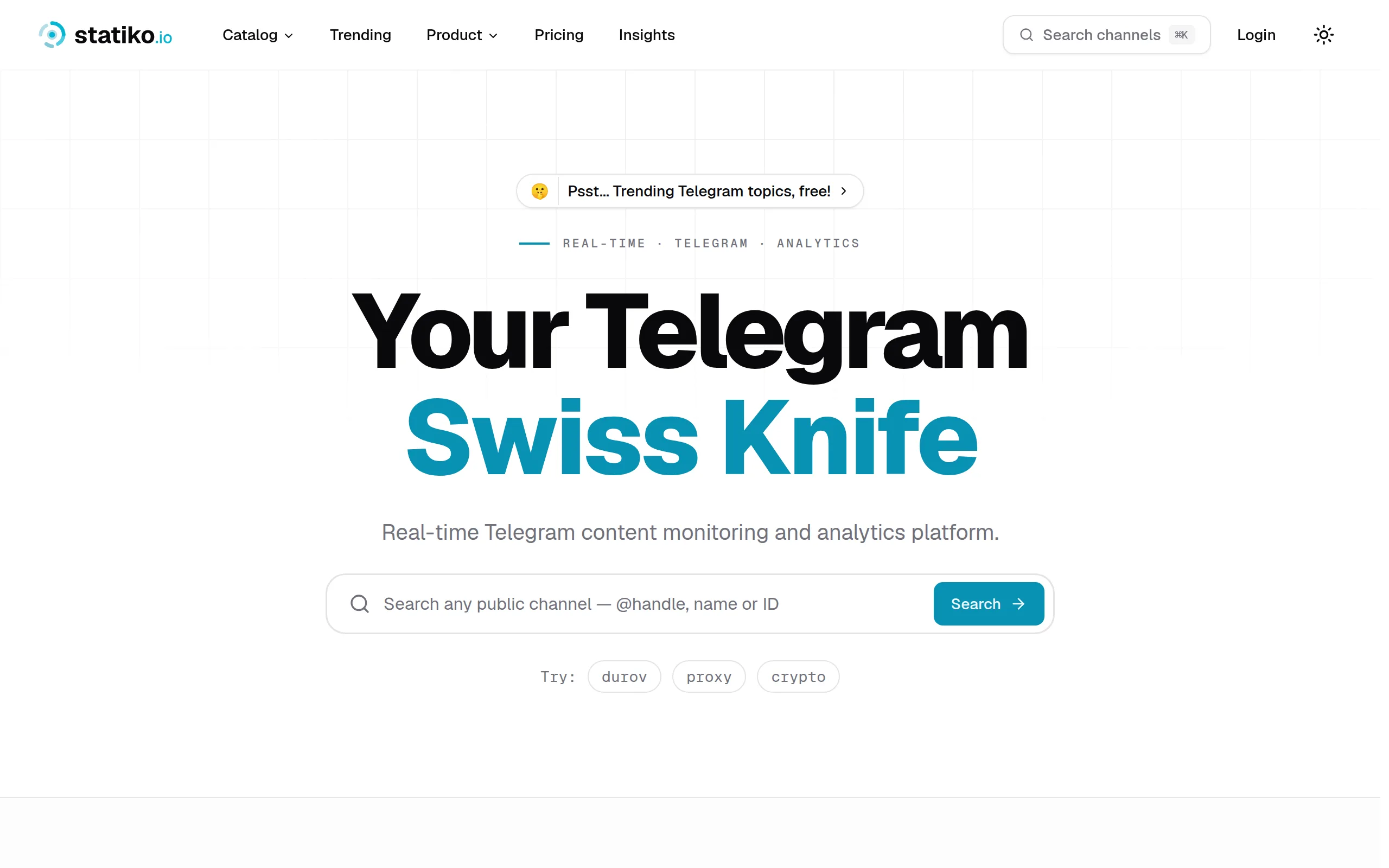
Statiko
Monitor any Telegram channel in real time - track posts, edits, deletions, and growth with AI recaps 📡
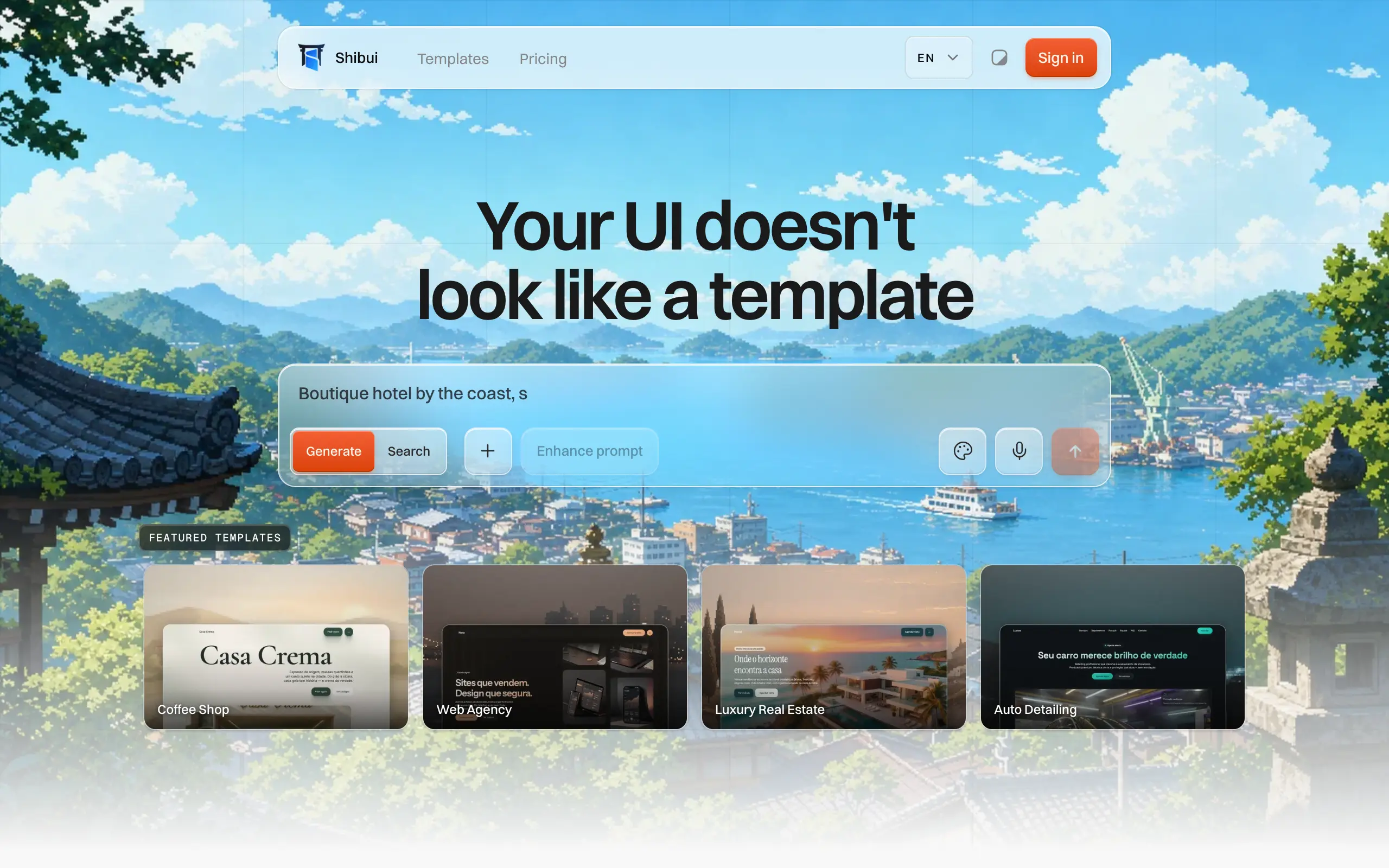
Shibui
AI website builder - describe your business, pick a niche template, edit by chatting, and publish instantly ✨

Pro Service
Find verified home service professionals, compare quotes, and pay securely through escrow - built for Brazilians across the US 🏠
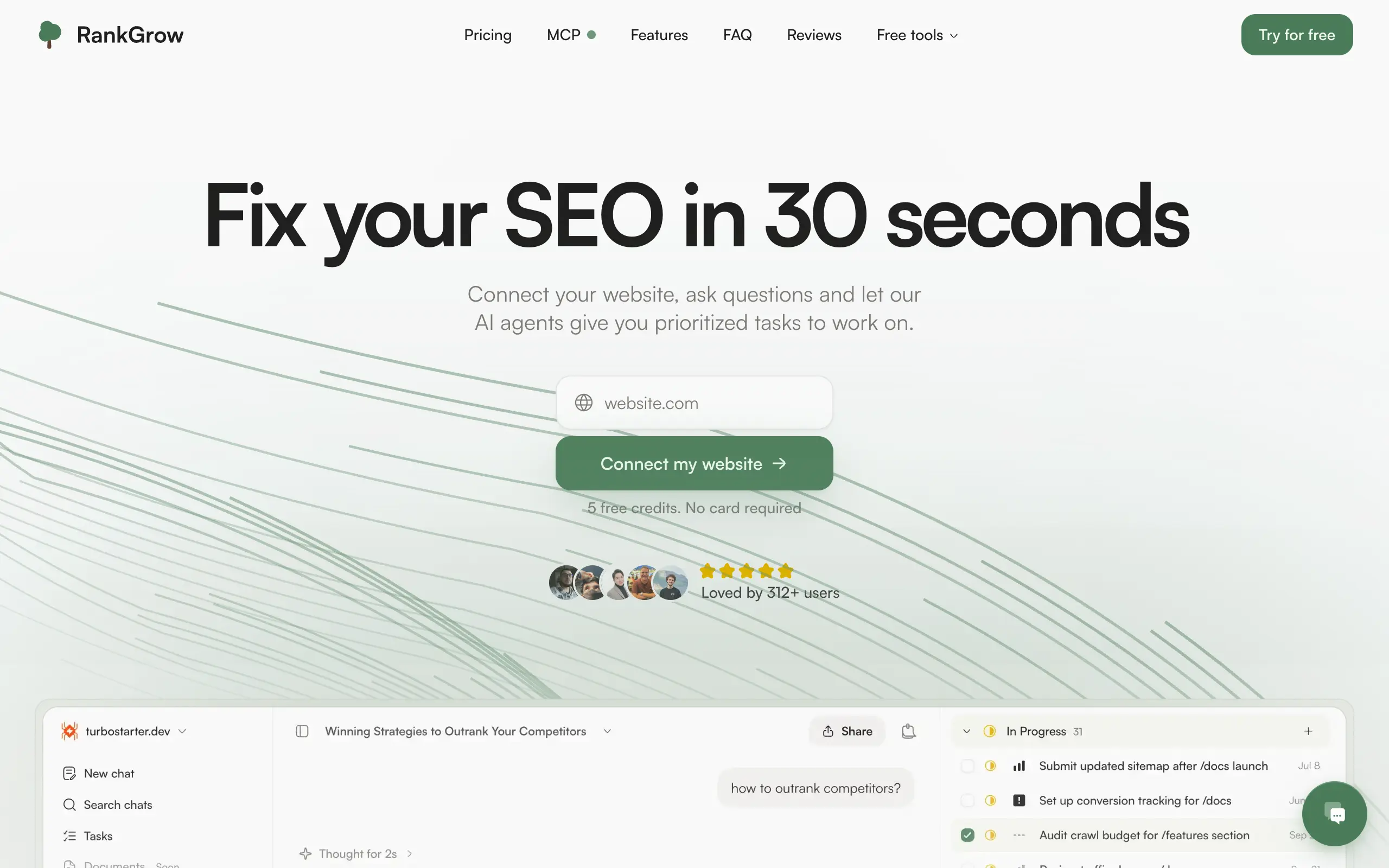
RankGrow
Fix your SEO with AI agents - connect Search Console, get prioritized tasks, and grow organic traffic 📈
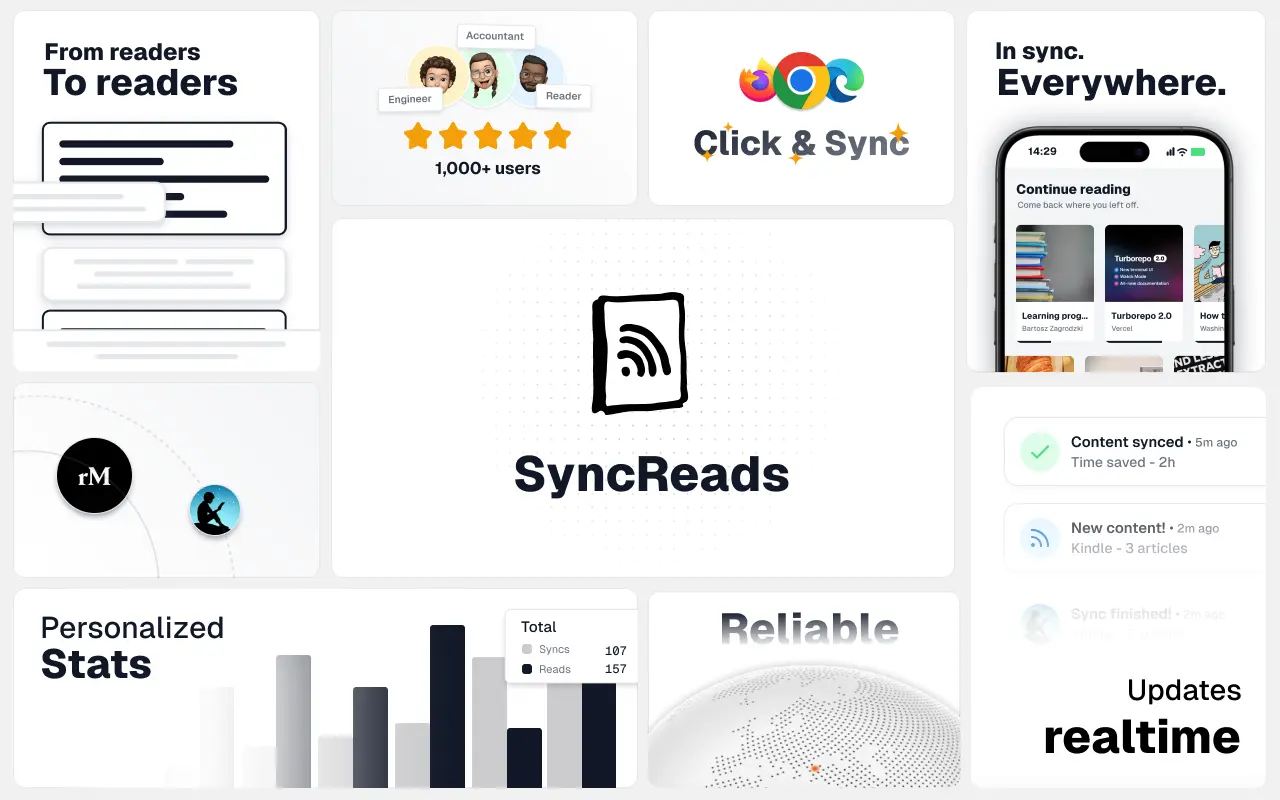
SyncReads
Sync your favorite content for distraction-free reading, save time and replace multiple apps. Anytime, anywhere 🔄
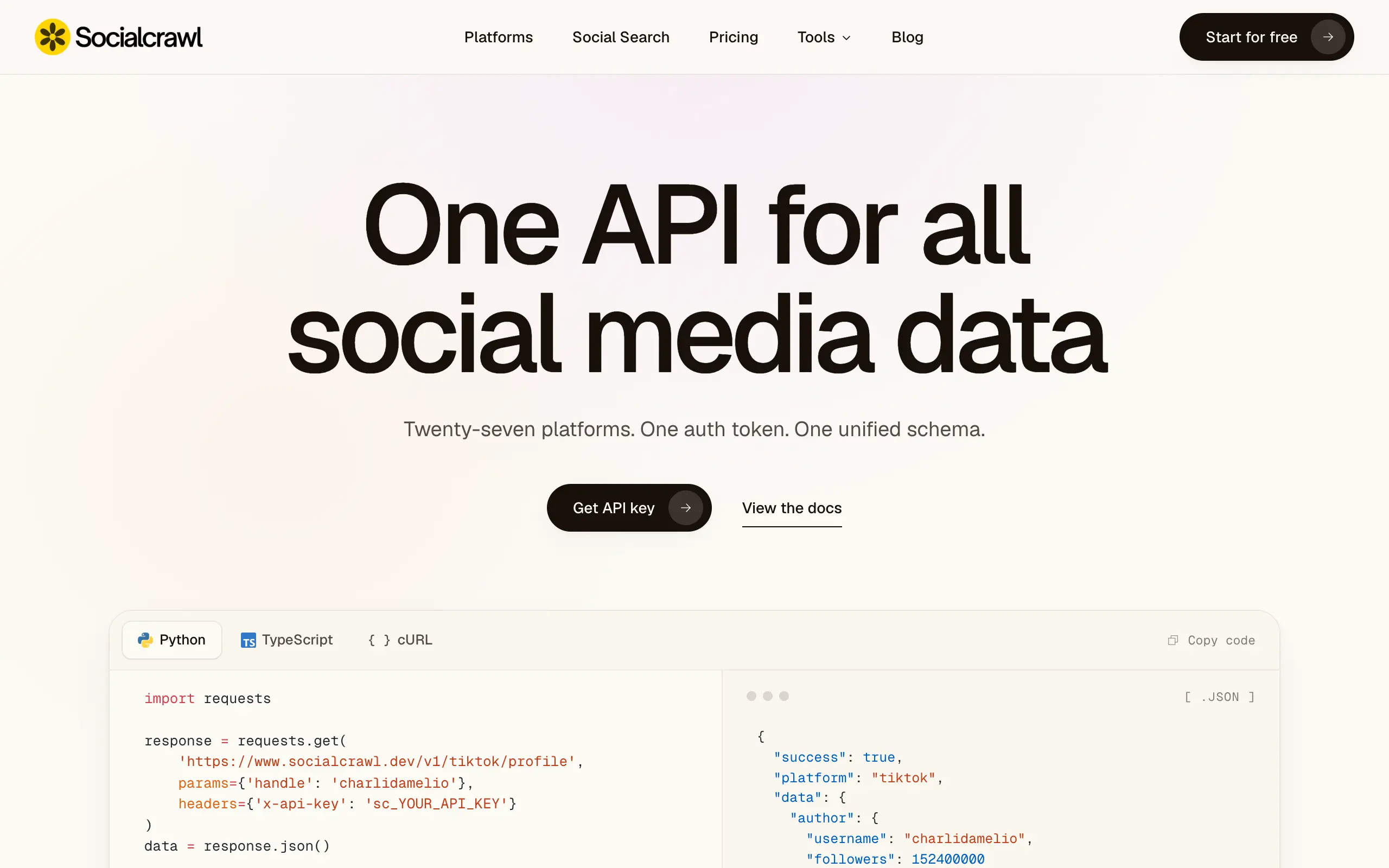
Socialcrawl
Get clean, structured data from 21 platforms like TikTok, Instagram, and YouTube with a single request 📊
Statiko
Monitor any Telegram channel in real time - track posts, edits, deletions, and growth with AI recaps 📡
Shibui
AI website builder - describe your business, pick a niche template, edit by chatting, and publish instantly ✨
Pro Service
Find verified home service professionals, compare quotes, and pay securely through escrow - built for Brazilians across the US 🏠
RankGrow
Fix your SEO with AI agents - connect Search Console, get prioritized tasks, and grow organic traffic 📈
SyncReads
Sync your favorite content for distraction-free reading, save time and replace multiple apps. Anytime, anywhere 🔄
Socialcrawl
Get clean, structured data from 21 platforms like TikTok, Instagram, and YouTube with a single request 📊
Statiko
Monitor any Telegram channel in real time - track posts, edits, deletions, and growth with AI recaps 📡
Shibui
AI website builder - describe your business, pick a niche template, edit by chatting, and publish instantly ✨
Pro Service
Find verified home service professionals, compare quotes, and pay securely through escrow - built for Brazilians across the US 🏠
RankGrow
Fix your SEO with AI agents - connect Search Console, get prioritized tasks, and grow organic traffic 📈
SyncReads
Sync your favorite content for distraction-free reading, save time and replace multiple apps. Anytime, anywhere 🔄
Socialcrawl
Get clean, structured data from 21 platforms like TikTok, Instagram, and YouTube with a single request 📊
Statiko
Monitor any Telegram channel in real time - track posts, edits, deletions, and growth with AI recaps 📡
Shibui
AI website builder - describe your business, pick a niche template, edit by chatting, and publish instantly ✨
Pro Service
Find verified home service professionals, compare quotes, and pay securely through escrow - built for Brazilians across the US 🏠
RankGrow
Fix your SEO with AI agents - connect Search Console, get prioritized tasks, and grow organic traffic 📈
SyncReads
Sync your favorite content for distraction-free reading, save time and replace multiple apps. Anytime, anywhere 🔄
Socialcrawl
Get clean, structured data from 21 platforms like TikTok, Instagram, and YouTube with a single request 📊
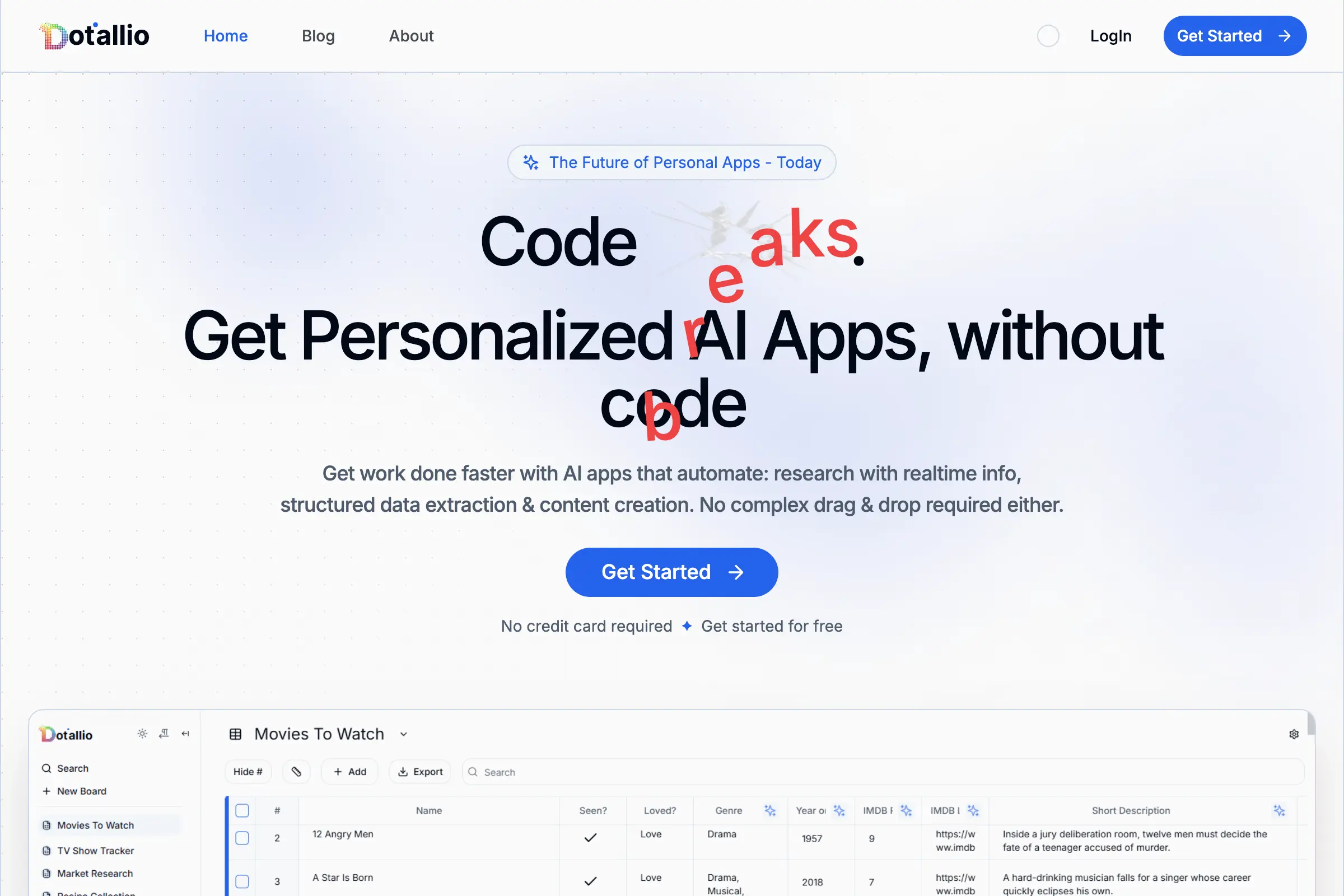
Dotallio
Personalized AI apps that automate research, data extraction, and content creation without code 🤖
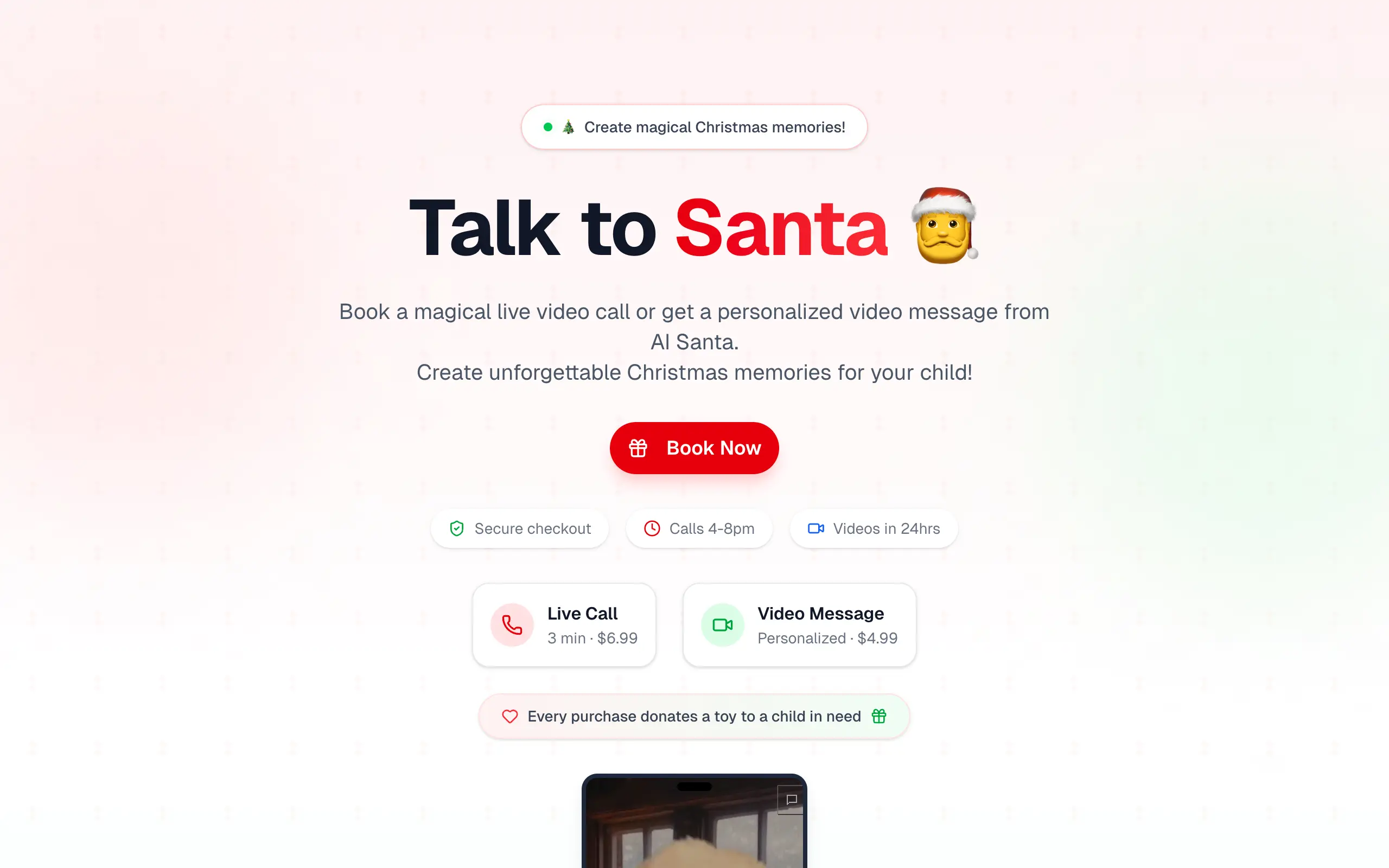
Talk to Santa
Enjoy a magical live video chat or receive a unique AI-generated video greeting from Santa Claus 🎅
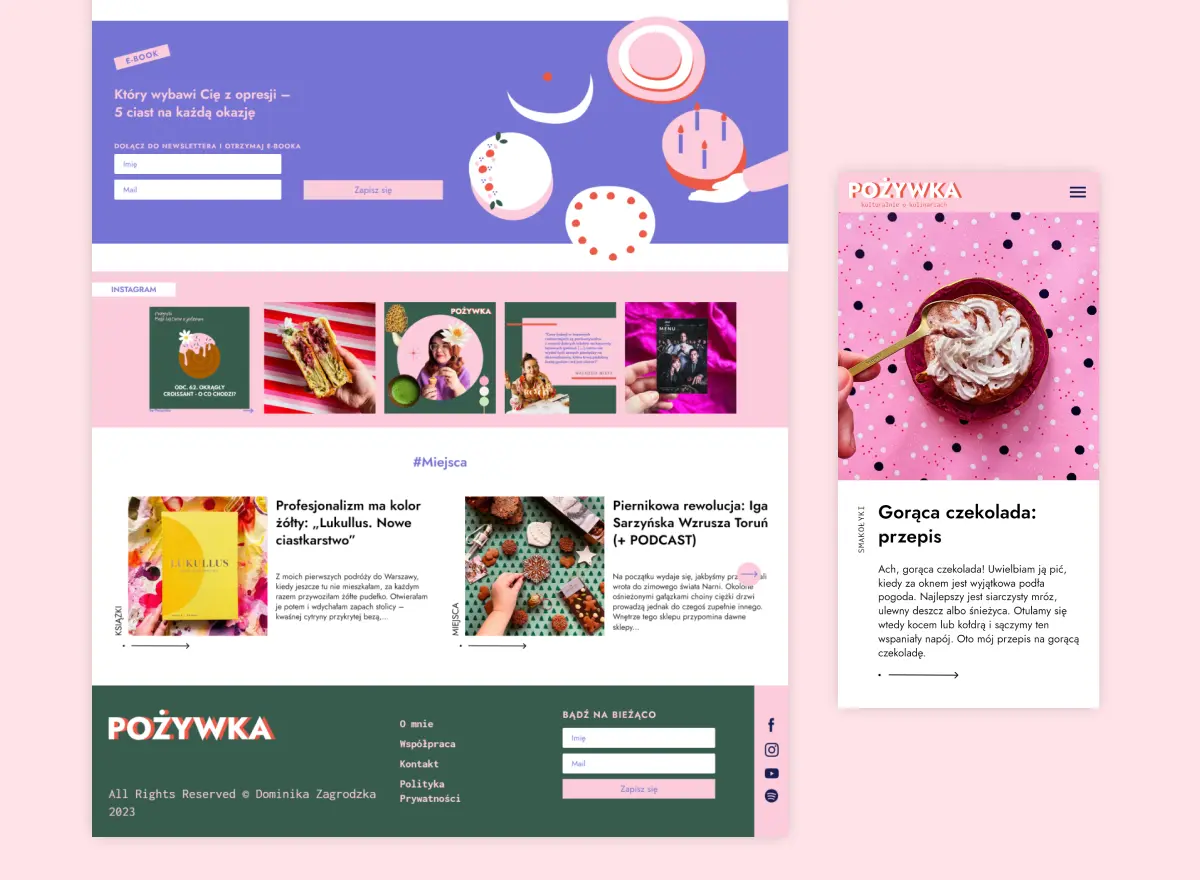
pozywka.pl
Scalable blog for food journalist, focused on performance and user experience 🌭
zagrodzki.me
Personal blog and portfolio of Bart Zagrodzki, where he shares his knowledge and work 💼
TurboStarter
Ship your startup everywhere. In minutes.
HTML to Markdown
Convert HTML to Markdown with ease, directly in your browser 📄
Dotallio
Personalized AI apps that automate research, data extraction, and content creation without code 🤖
Talk to Santa
Enjoy a magical live video chat or receive a unique AI-generated video greeting from Santa Claus 🎅
pozywka.pl
Scalable blog for food journalist, focused on performance and user experience 🌭
zagrodzki.me
Personal blog and portfolio of Bart Zagrodzki, where he shares his knowledge and work 💼
TurboStarter
Ship your startup everywhere. In minutes.
HTML to Markdown
Convert HTML to Markdown with ease, directly in your browser 📄
Dotallio
Personalized AI apps that automate research, data extraction, and content creation without code 🤖
Talk to Santa
Enjoy a magical live video chat or receive a unique AI-generated video greeting from Santa Claus 🎅
pozywka.pl
Scalable blog for food journalist, focused on performance and user experience 🌭
zagrodzki.me
Personal blog and portfolio of Bart Zagrodzki, where he shares his knowledge and work 💼
TurboStarter
Ship your startup everywhere. In minutes.
HTML to Markdown
Convert HTML to Markdown with ease, directly in your browser 📄
Dotallio
Personalized AI apps that automate research, data extraction, and content creation without code 🤖
Talk to Santa
Enjoy a magical live video chat or receive a unique AI-generated video greeting from Santa Claus 🎅
pozywka.pl
Scalable blog for food journalist, focused on performance and user experience 🌭
zagrodzki.me
Personal blog and portfolio of Bart Zagrodzki, where he shares his knowledge and work 💼
TurboStarter
Ship your startup everywhere. In minutes.
HTML to Markdown
Convert HTML to Markdown with ease, directly in your browser 📄
Omichat
Chat with 50+ AI models, including ChatGPT and Claude, in one place - switch models anytime without losing context 🤖
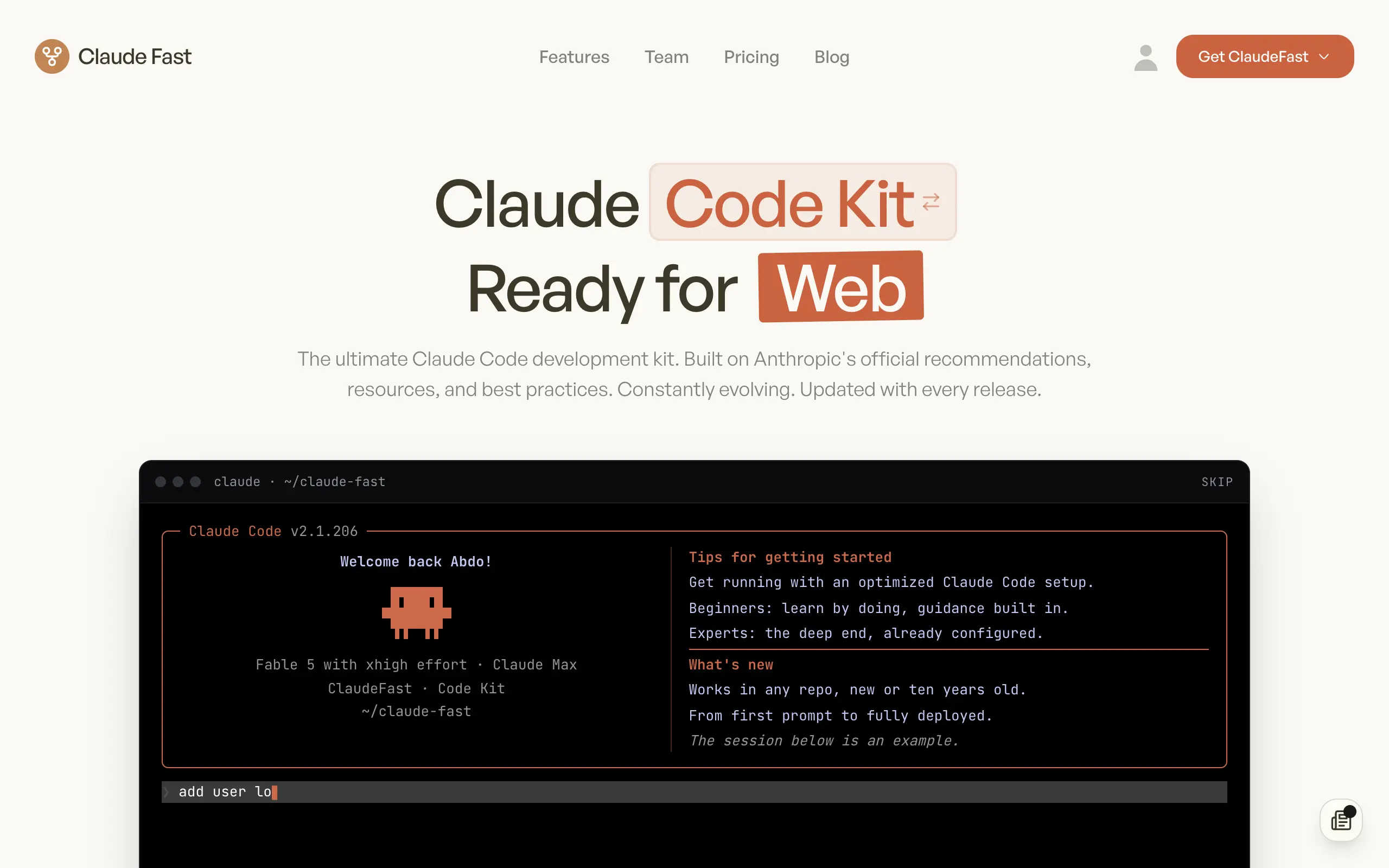
Claude Fast
Supercharge your Claude Code with 6x effective context window and specialized AI agents 🤖
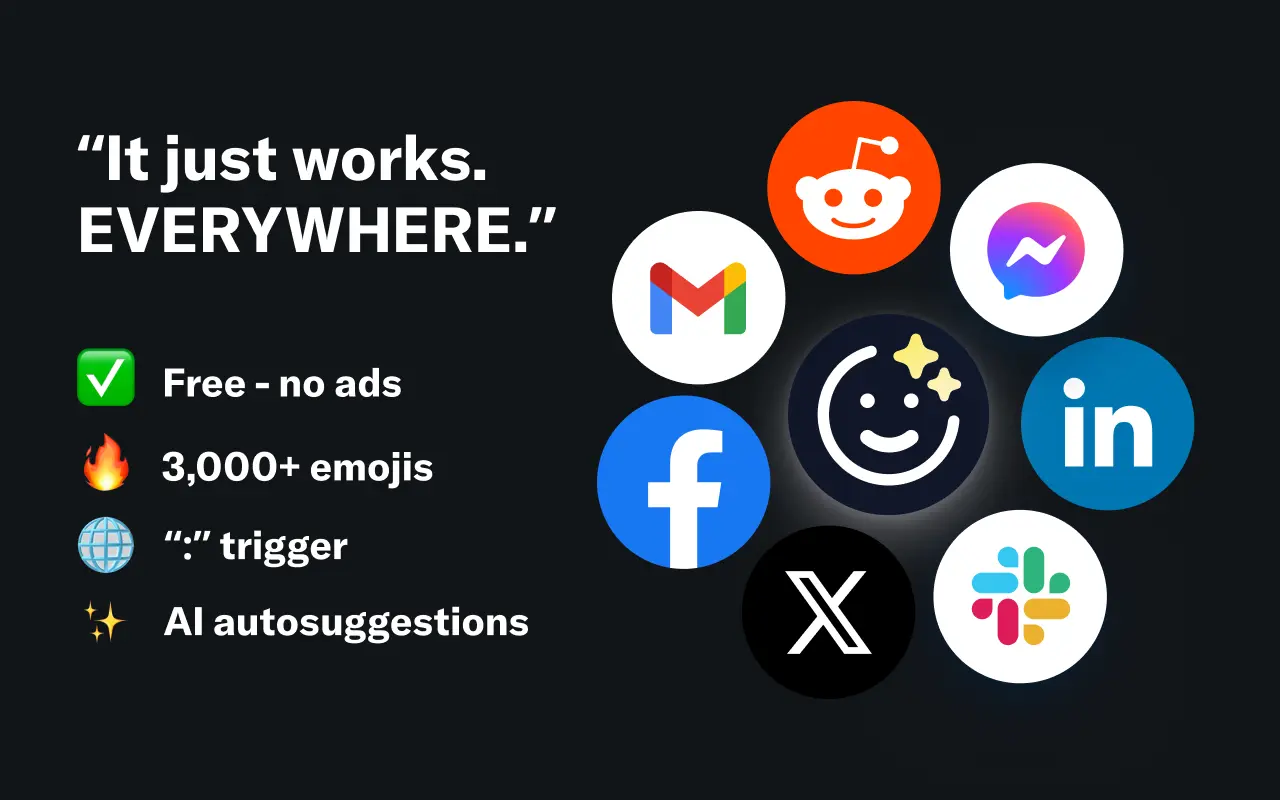
EmojAI
AI-powered emoji picker with smart, context-aware suggestions 🤖
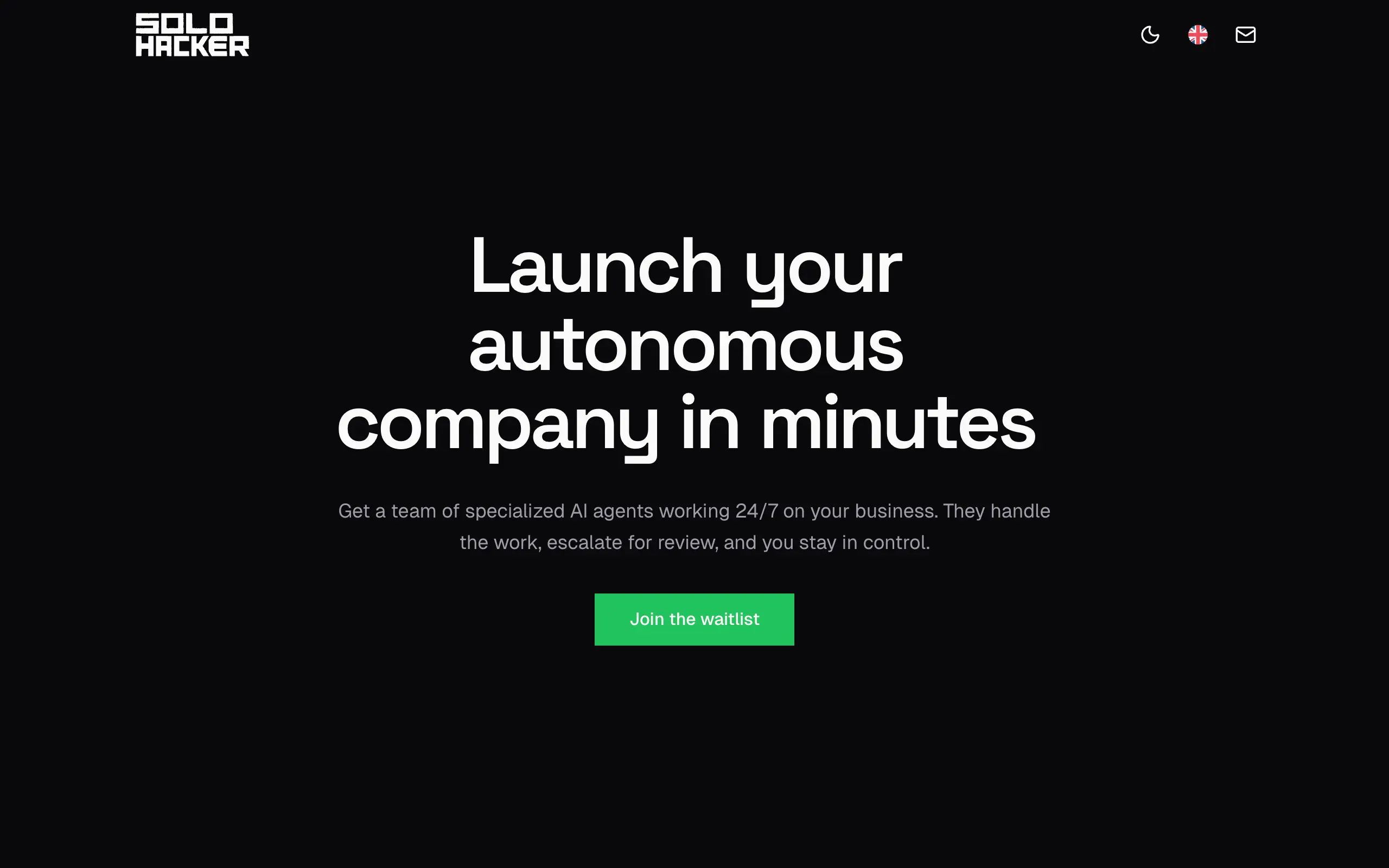
Solohacker
Autonomous company launcher - AI agents work 24/7, escalate what matters, and you stay in control 🤖
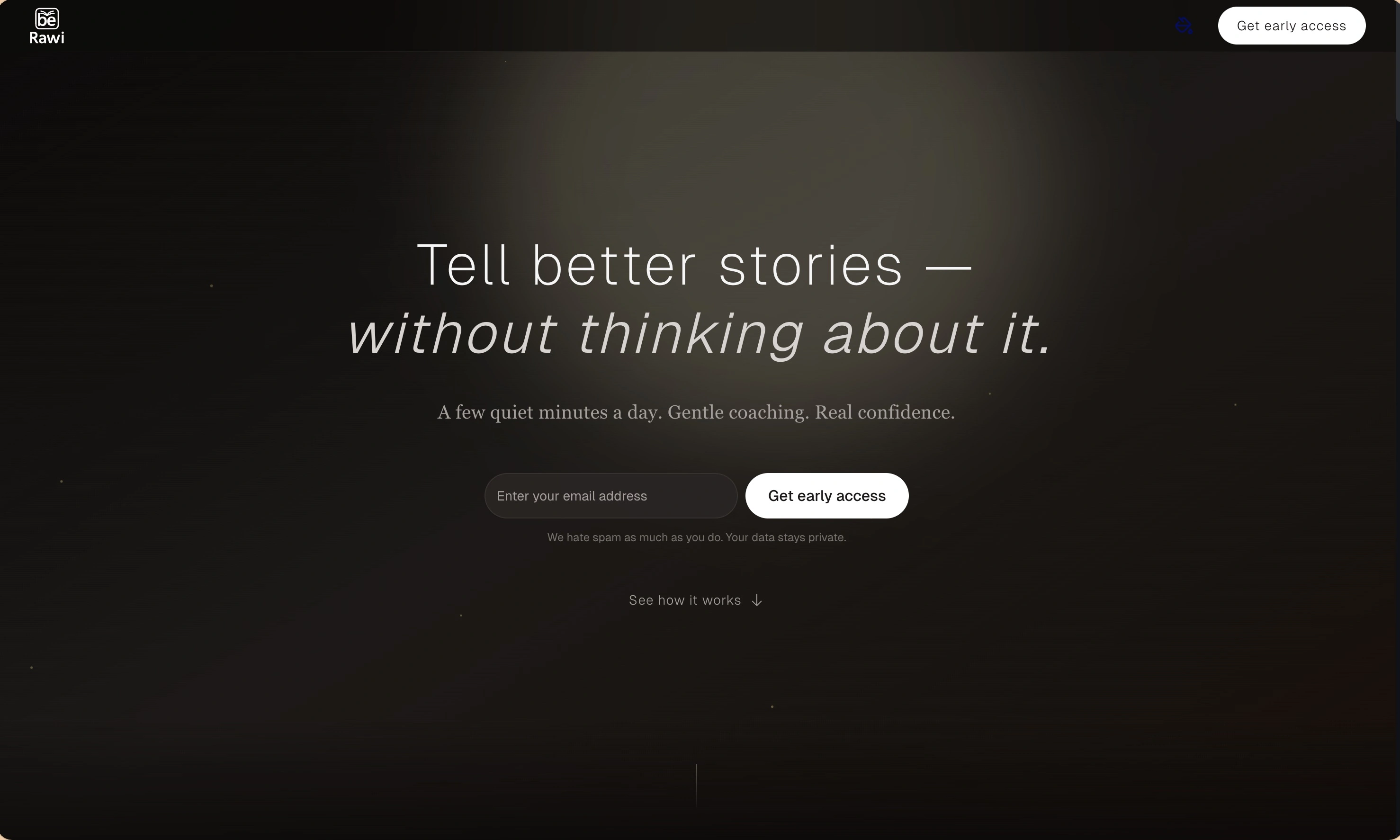
BeRawi: Storytelling Coach
Practice storytelling daily with instant feedback to sound clearer, more engaging, and confident 🎤
Omichat
Chat with 50+ AI models, including ChatGPT and Claude, in one place - switch models anytime without losing context 🤖
Claude Fast
Supercharge your Claude Code with 6x effective context window and specialized AI agents 🤖
EmojAI
AI-powered emoji picker with smart, context-aware suggestions 🤖
Solohacker
Autonomous company launcher - AI agents work 24/7, escalate what matters, and you stay in control 🤖
BeRawi: Storytelling Coach
Practice storytelling daily with instant feedback to sound clearer, more engaging, and confident 🎤
Omichat
Chat with 50+ AI models, including ChatGPT and Claude, in one place - switch models anytime without losing context 🤖
Claude Fast
Supercharge your Claude Code with 6x effective context window and specialized AI agents 🤖
EmojAI
AI-powered emoji picker with smart, context-aware suggestions 🤖
Solohacker
Autonomous company launcher - AI agents work 24/7, escalate what matters, and you stay in control 🤖
BeRawi: Storytelling Coach
Practice storytelling daily with instant feedback to sound clearer, more engaging, and confident 🎤
Omichat
Chat with 50+ AI models, including ChatGPT and Claude, in one place - switch models anytime without losing context 🤖
Claude Fast
Supercharge your Claude Code with 6x effective context window and specialized AI agents 🤖
EmojAI
AI-powered emoji picker with smart, context-aware suggestions 🤖
Solohacker
Autonomous company launcher - AI agents work 24/7, escalate what matters, and you stay in control 🤖
BeRawi: Storytelling Coach
Practice storytelling daily with instant feedback to sound clearer, more engaging, and confident 🎤

Connect with like-minded people
Join our community to get feedback, support, and grow together with 1,000+ builders on board, let's ship it!
Join usShip your startup everywhere. In minutes.
Don't burn tokens on setup and start building features on day one.