NicheAtlas AI
AI-driven tool that maps emerging business opportunities in Indian Ocean island markets using trade, tourism, and supply chain data.
Understanding the opportunity behind an AI-driven niche market intelligence platform
Emerging markets in the Indian Ocean region—such as Mauritius, Seychelles, Maldives, Madagascar, Sri Lanka, and East African coastal economies—represent one of the most under-analyzed yet high-potential business frontiers. While global SaaS tools focus heavily on North America, Europe, or large Asian economies, there is a glaring intelligence gap when it comes to smaller, fast-evolving island ecosystems.
This is exactly where an AI-driven niche opportunity mapping platform like NicheAtlas AI becomes not just useful—but strategically powerful.
NicheAtlas AI is designed to analyze fragmented datasets—trade flows, tourism patterns, logistics constraints, import/export dependencies, and local consumption trends—to uncover high-potential, underserved business opportunities.
This article breaks down the full strategic blueprint: from target users and market gaps to technical implementation, monetization, and competitive advantage.
Why niche market intelligence is the next SaaS frontier
Globalization has created a paradox: while data is abundant, localized insight is scarce.
Most businesses struggle with:
- Identifying micro-market demand signals
- Understanding regional supply chain inefficiencies
- Anticipating emerging consumption trends in smaller economies
For Indian Ocean markets specifically:
- Data is fragmented across government sources
- Many sectors are informal or semi-digitized
- Tourism-driven economies create volatile demand patterns
- Import dependency creates predictable supply gaps
This creates a perfect environment for AI-driven aggregation and insight generation.
Key Insight
The real value of NicheAtlas AI is not just data aggregation—it’s decision intelligence: translating complex regional signals into actionable business opportunities.
Target audience: who will actually pay for this?
A common SaaS failure is building for “everyone.” NicheAtlas AI has a clearly defined, high-value user base.
Primary users
1. Entrepreneurs and startup founders
- Looking to launch businesses in emerging markets
- Need validated ideas with low competition
- Want data-backed opportunity scoring
2. Exporters and importers
- Identify supply gaps in island economies
- Optimize trade routes and product selection
- Discover high-margin niche categories
3. Investors and venture funds
- Scout early-stage opportunities in underdeveloped markets
- Evaluate macro + micro signals
- Reduce risk in frontier market investments
4. Government agencies and development organizations
- Economic planning and diversification strategies
- Tourism-driven infrastructure planning
- Local SME ecosystem development
5. Digital nomads and remote entrepreneurs
- Location-independent founders seeking low-competition markets
- Especially relevant in Mauritius, Seychelles, and Bali-adjacent ecosystems
Market gap analysis: why this product needs to exist
Let’s look at the competitive landscape and its shortcomings.
| Capability | Google Trends | Statista | Crunchbase | NicheAtlas AI | Local Govt Data |
|---|---|---|---|---|---|
| Localized island insights | ❌ | ❌ | ❌ | ✅ | ✅ |
| AI opportunity scoring | ❌ | ❌ | ✅ | ✅ | ❌ |
| Supply chain gap detection | ❌ | ❌ | ❌ | ✅ | ❌ |
| Tourism + trade correlation | ❌ | ❌ | ❌ | ✅ | ❌ |
The gap is clear:
- Existing tools are either too global or too raw
- No platform transforms regional data into business-ready insights
- No AI tool specializes in island economies and supply dependencies
Core product features and AI capabilities
NicheAtlas AI should not be a dashboard—it should feel like a strategic co-pilot for market discovery.
1. AI-powered opportunity mapping
The core engine identifies:
- Underserved product categories
- Import-heavy goods with local production potential
- Tourism-driven seasonal demand spikes
Outputs:
- Opportunity score (0–100)
- Estimated TAM (Total Addressable Market)
- Competition density
2. supply chain intelligence layer
Using trade data, shipping routes, and import/export logs, the platform detects:
- Over-reliance on imports
- Price inefficiencies
- Distribution bottlenecks
Example insight:
“Maldives imports 78% of fresh produce. Local hydroponics has a high feasibility score.”
3. tourism demand correlation engine
Tourism drives many island economies. NicheAtlas AI should correlate:
- Visitor demographics
- Spending behavior
- Seasonal peaks
This enables insights like:
- Luxury vs budget consumption trends
- Demand for niche services (eco-tourism, wellness, remote work hubs)
4. geo-specific opportunity heatmaps
Interactive maps showing:
- Demand clusters
- Infrastructure gaps
- Investment hotspots
5. AI-generated business ideas
Users can input:
- Budget
- Industry preference
- Risk tolerance
And receive:
- Fully structured business concepts
- Market validation data
- Go-to-market strategy suggestions
6. predictive trend modeling
Using time-series forecasting:
- Identify rising product categories
- Predict demand shifts based on tourism and trade cycles
Suggested tech stack and architecture
Building NicheAtlas AI requires a thoughtful balance between scalability, cost, and data processing power.
Frontend
Why:
- Fast UI iteration
- SEO-friendly rendering (critical for organic growth)
- Scalable component architecture
Backend
- Node.js (API layer)
- Python (AI/ML pipelines)
Why hybrid:
- Node handles real-time API responses
- Python handles data processing and model training
AI/ML stack
- Pandas + NumPy for data processing
- Scikit-learn for baseline models
- PyTorch for advanced modeling
Data sources
- UN Comtrade (trade data)
- World Bank datasets
- Local government APIs
- Tourism boards
Data Challenge
Data consistency across island nations is uneven. You will need normalization pipelines and fallback estimation models.
Infrastructure
- AWS or Google Cloud
- S3 for data lakes
- Redshift / BigQuery for analytics
Example: opportunity scoring logic
function calculateOpportunityScore(data) {
  const demand = data.importVolume * 0.4;
  const competition = (1 - data.localSuppliers) * 0.3;
  const growth = data.tourismGrowthRate * 0.3;

  return (demand + competition + growth) * 100;
}
Monetization strategy: how this becomes a profitable SaaS
NicheAtlas AI has strong monetization potential due to its high-value insights.
1. subscription tiers
Starter Plan
Basic insights, limited queries, ideal for solo entrepreneurs
Pro Plan
Advanced analytics, exportable reports, API access
Enterprise Plan
Custom datasets, consulting, dedicated support
2. data-as-a-service (DaaS)
Sell:
- Raw datasets
- Market reports
- API access for third-party platforms
3. consulting upsell
Offer:
- Market entry strategy
- Feasibility studies
- Government advisory
4. marketplace integration (future)
- Connect users with suppliers, logistics providers, or local partners
- Take transaction commissions
Competitive advantage: why NicheAtlas AI can win
This product has multiple defensibility layers.
1. data moat
- Aggregated + cleaned regional data becomes proprietary over time
2. niche specialization
- Focus on Indian Ocean markets creates authority and depth
3. AI-driven insights
- Not just dashboards—actionable intelligence
4. first-mover advantage
- Very few tools target island economies specifically
Risks and mitigation strategies
1. data scarcity
Problem:
- Inconsistent or missing datasets
Solution:
- Use proxy indicators (e.g., shipping data, tourism inflow)
- Apply ML-based estimations
2. market education
Problem:
- Users may not immediately understand the value
Solution:
- Provide:
- Case studies
- ROI calculators
- Free sample insights
3. trust and credibility
Problem:
- Users rely on insights for real investments
Solution:
- Transparent scoring models
- Source attribution
- Regular updates
4. competition from larger platforms
Problem:
- Big players could expand into this niche
Solution:
- Move fast
- Build proprietary datasets
- Focus on UX and actionable insights
Go-to-market strategy
Phase 1: authority building
- Publish SEO content targeting:
- “best business opportunities in Mauritius”
- “Maldives import gaps”
- “emerging markets Indian Ocean”
Phase 2: early adopters
- Target:
- Indie founders
- Micro-VCs
- Export businesses
Phase 3: partnerships
- Collaborate with:
- Trade organizations
- Government agencies
- Investment firms
Implementation roadmap
Example user journey
User searches for “low competition business in Maldives” → lands on platform → enters budget and industry → receives AI-generated opportunity → downloads report → subscribes.
Investor explores “emerging island markets” → views macro trends → identifies high-growth sectors → exports data → invests or funds startups.
SEO strategy for long-term growth
To dominate search rankings, NicheAtlas AI should target:
High-intent keywords
- AI market research tool
- emerging market business ideas
- island economy opportunities
- import export gaps analysis
Content clusters
- Country-specific opportunity guides
- Industry deep dives
- Case studies
Future expansion opportunities
- Expand beyond Indian Ocean:
- Caribbean
- Pacific Islands
- Add:
- Real-time logistics tracking
- Supplier matchmaking
- AI business plan generation
Final thoughts: building a category-defining SaaS
NicheAtlas AI sits at the intersection of:
- AI
- market intelligence
- emerging economies
This is not just another analytics tool—it has the potential to become the default intelligence layer for frontier market entrepreneurship.
The biggest opportunity lies in turning overlooked data into actionable, profitable insights.
Ready to build it?
If you're serious about launching NicheAtlas AI (or a similar SaaS product), you need a fast, scalable foundation.
TurboStarter gives you a production-ready SaaS boilerplate so you can focus on what actually matters: building your data engine and AI insights.
Frequently asked questions
Traditional tools provide raw data or broad insights. NicheAtlas AI focuses on localized, AI-driven opportunity discovery, specifically tailored to underserved island economies.
They have high import dependency, growing tourism sectors, and limited local competition—creating ideal conditions for niche businesses.
It can be, if combined with transparent methodologies, multiple data sources, and regular updates. The platform should emphasize confidence scores and validation layers.
Yes. The same model can be applied to other underserved regions like the Caribbean or Pacific Islands.
More 🤖 AI Startup SaaS ideas
Discover more innovative ai startup SaaS ideas that are trending in 2026. Each idea is AI-generated with market validation and growth potential to help you find your next profitable venture faster than competitors.
Your competitors are building with TurboStarter
Below are some of the SaaS ideas that have been generated and built with our starter kit.

Statiko
Monitor any Telegram channel in real time - track posts, edits, deletions, and growth with AI recaps 📡

Shibui
AI website builder - describe your business, pick a niche template, edit by chatting, and publish instantly ✨

Pro Service
Find verified home service professionals, compare quotes, and pay securely through escrow - built for Brazilians across the US 🏠
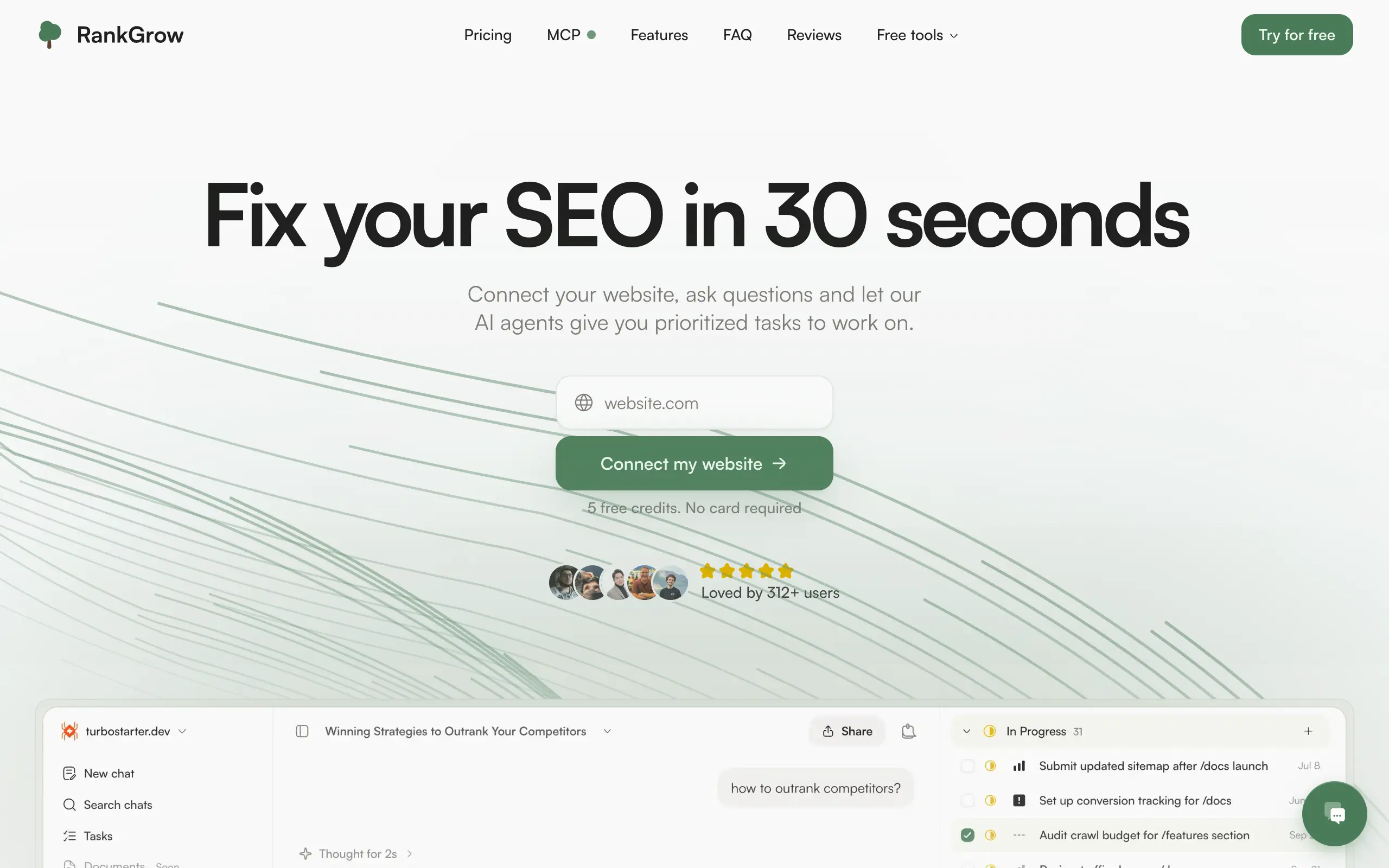
RankGrow
Fix your SEO with AI agents - connect Search Console, get prioritized tasks, and grow organic traffic 📈
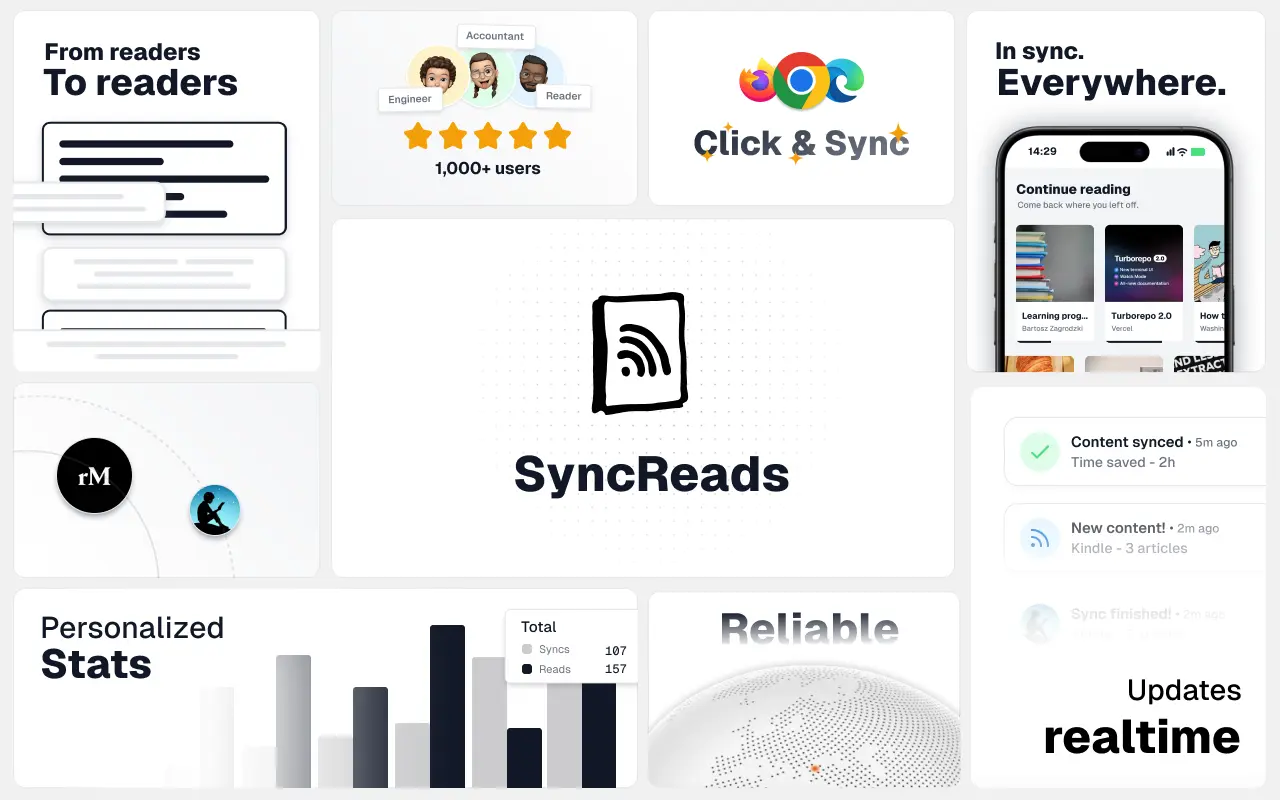
SyncReads
Sync your favorite content for distraction-free reading, save time and replace multiple apps. Anytime, anywhere 🔄
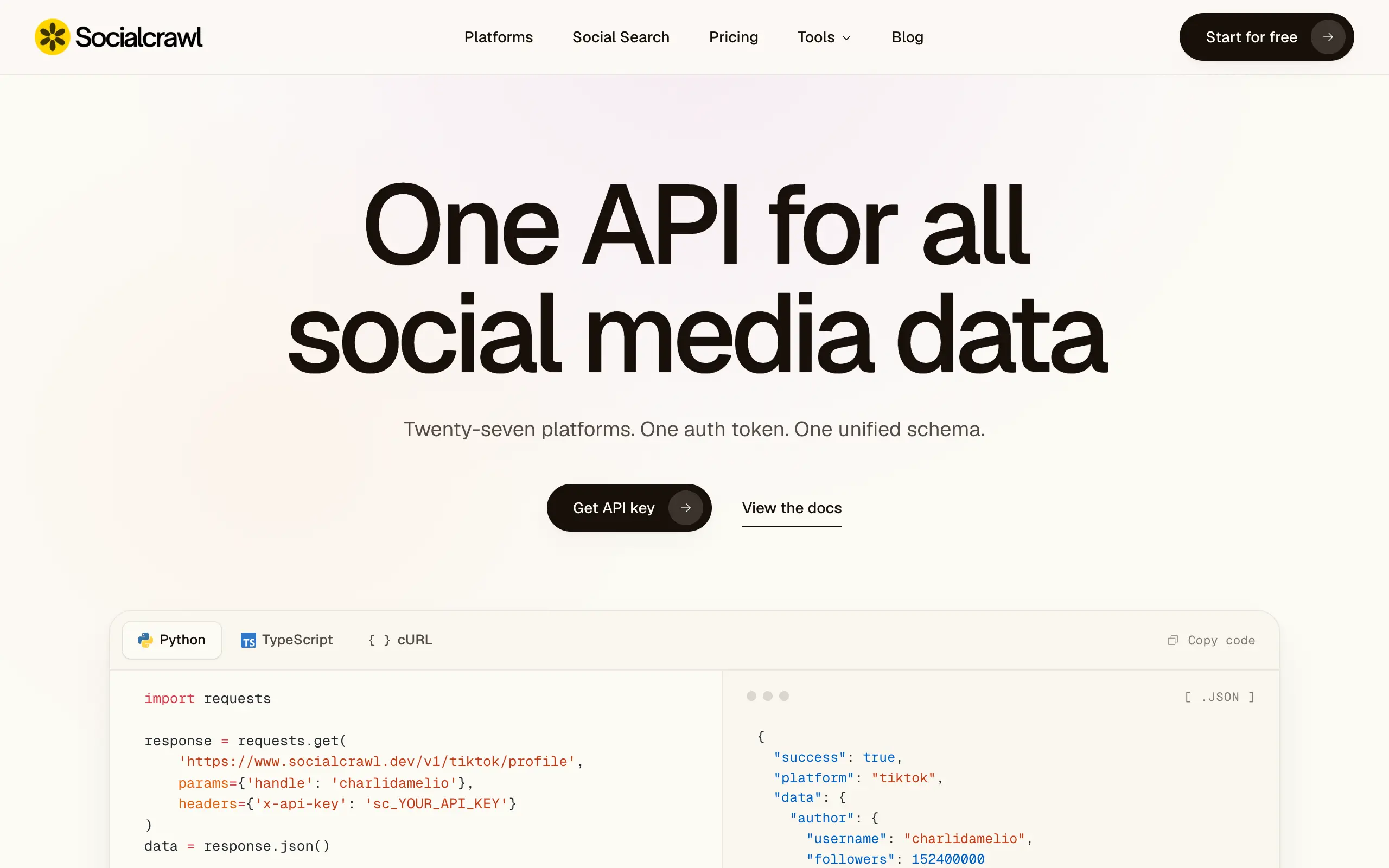
Socialcrawl
Get clean, structured data from 21 platforms like TikTok, Instagram, and YouTube with a single request 📊
Statiko
Monitor any Telegram channel in real time - track posts, edits, deletions, and growth with AI recaps 📡
Shibui
AI website builder - describe your business, pick a niche template, edit by chatting, and publish instantly ✨
Pro Service
Find verified home service professionals, compare quotes, and pay securely through escrow - built for Brazilians across the US 🏠
RankGrow
Fix your SEO with AI agents - connect Search Console, get prioritized tasks, and grow organic traffic 📈
SyncReads
Sync your favorite content for distraction-free reading, save time and replace multiple apps. Anytime, anywhere 🔄
Socialcrawl
Get clean, structured data from 21 platforms like TikTok, Instagram, and YouTube with a single request 📊
Statiko
Monitor any Telegram channel in real time - track posts, edits, deletions, and growth with AI recaps 📡
Shibui
AI website builder - describe your business, pick a niche template, edit by chatting, and publish instantly ✨
Pro Service
Find verified home service professionals, compare quotes, and pay securely through escrow - built for Brazilians across the US 🏠
RankGrow
Fix your SEO with AI agents - connect Search Console, get prioritized tasks, and grow organic traffic 📈
SyncReads
Sync your favorite content for distraction-free reading, save time and replace multiple apps. Anytime, anywhere 🔄
Socialcrawl
Get clean, structured data from 21 platforms like TikTok, Instagram, and YouTube with a single request 📊
Statiko
Monitor any Telegram channel in real time - track posts, edits, deletions, and growth with AI recaps 📡
Shibui
AI website builder - describe your business, pick a niche template, edit by chatting, and publish instantly ✨
Pro Service
Find verified home service professionals, compare quotes, and pay securely through escrow - built for Brazilians across the US 🏠
RankGrow
Fix your SEO with AI agents - connect Search Console, get prioritized tasks, and grow organic traffic 📈
SyncReads
Sync your favorite content for distraction-free reading, save time and replace multiple apps. Anytime, anywhere 🔄
Socialcrawl
Get clean, structured data from 21 platforms like TikTok, Instagram, and YouTube with a single request 📊
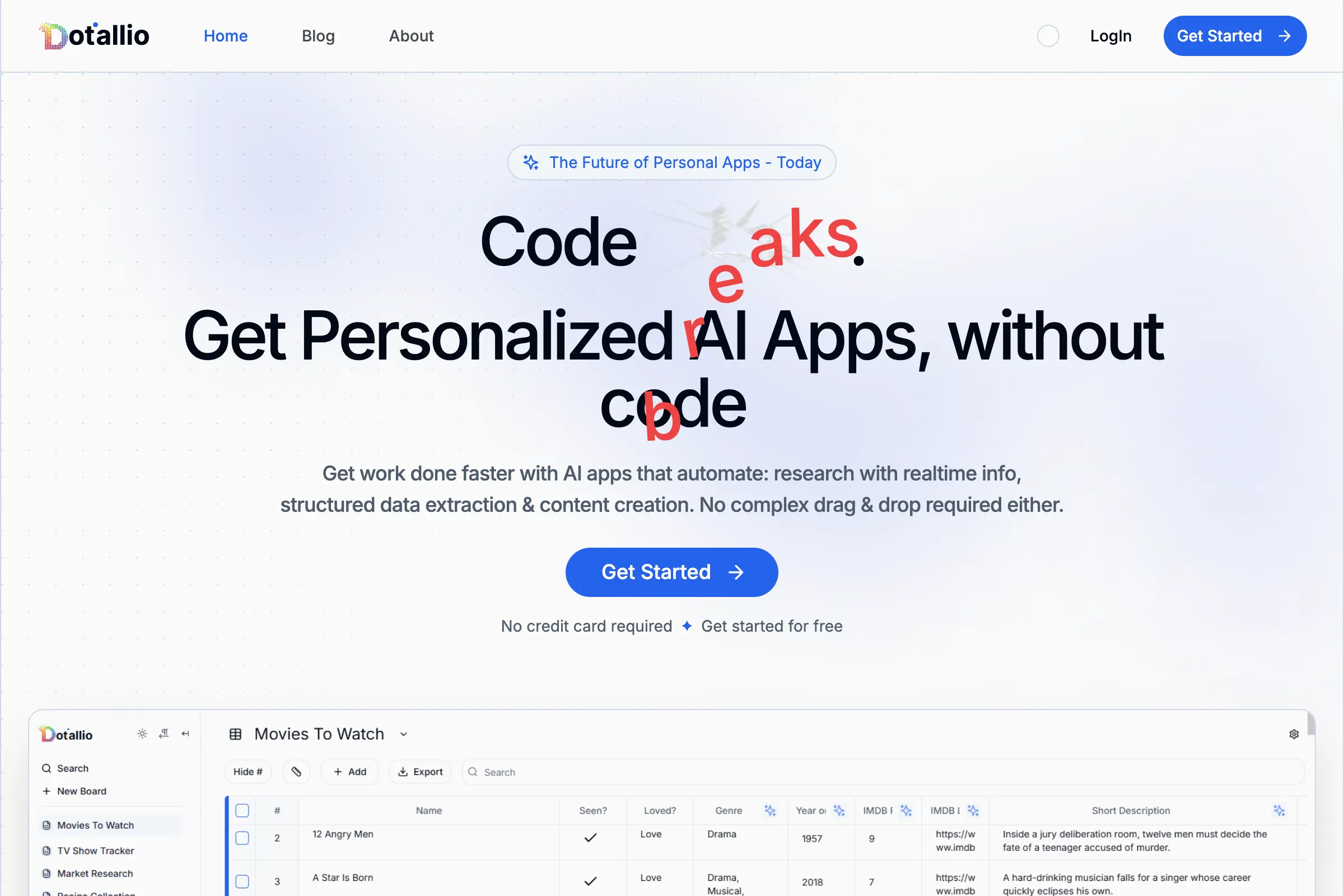
Dotallio
Personalized AI apps that automate research, data extraction, and content creation without code 🤖

Talk to Santa
Enjoy a magical live video chat or receive a unique AI-generated video greeting from Santa Claus 🎅

pozywka.pl
Scalable blog for food journalist, focused on performance and user experience 🌭
zagrodzki.me
Personal blog and portfolio of Bart Zagrodzki, where he shares his knowledge and work 💼
TurboStarter
Ship your startup everywhere. In minutes.
HTML to Markdown
Convert HTML to Markdown with ease, directly in your browser 📄
Dotallio
Personalized AI apps that automate research, data extraction, and content creation without code 🤖
Talk to Santa
Enjoy a magical live video chat or receive a unique AI-generated video greeting from Santa Claus 🎅
pozywka.pl
Scalable blog for food journalist, focused on performance and user experience 🌭
zagrodzki.me
Personal blog and portfolio of Bart Zagrodzki, where he shares his knowledge and work 💼
TurboStarter
Ship your startup everywhere. In minutes.
HTML to Markdown
Convert HTML to Markdown with ease, directly in your browser 📄
Dotallio
Personalized AI apps that automate research, data extraction, and content creation without code 🤖
Talk to Santa
Enjoy a magical live video chat or receive a unique AI-generated video greeting from Santa Claus 🎅
pozywka.pl
Scalable blog for food journalist, focused on performance and user experience 🌭
zagrodzki.me
Personal blog and portfolio of Bart Zagrodzki, where he shares his knowledge and work 💼
TurboStarter
Ship your startup everywhere. In minutes.
HTML to Markdown
Convert HTML to Markdown with ease, directly in your browser 📄
Dotallio
Personalized AI apps that automate research, data extraction, and content creation without code 🤖
Talk to Santa
Enjoy a magical live video chat or receive a unique AI-generated video greeting from Santa Claus 🎅
pozywka.pl
Scalable blog for food journalist, focused on performance and user experience 🌭
zagrodzki.me
Personal blog and portfolio of Bart Zagrodzki, where he shares his knowledge and work 💼
TurboStarter
Ship your startup everywhere. In minutes.
HTML to Markdown
Convert HTML to Markdown with ease, directly in your browser 📄
Omichat
Chat with 50+ AI models, including ChatGPT and Claude, in one place - switch models anytime without losing context 🤖
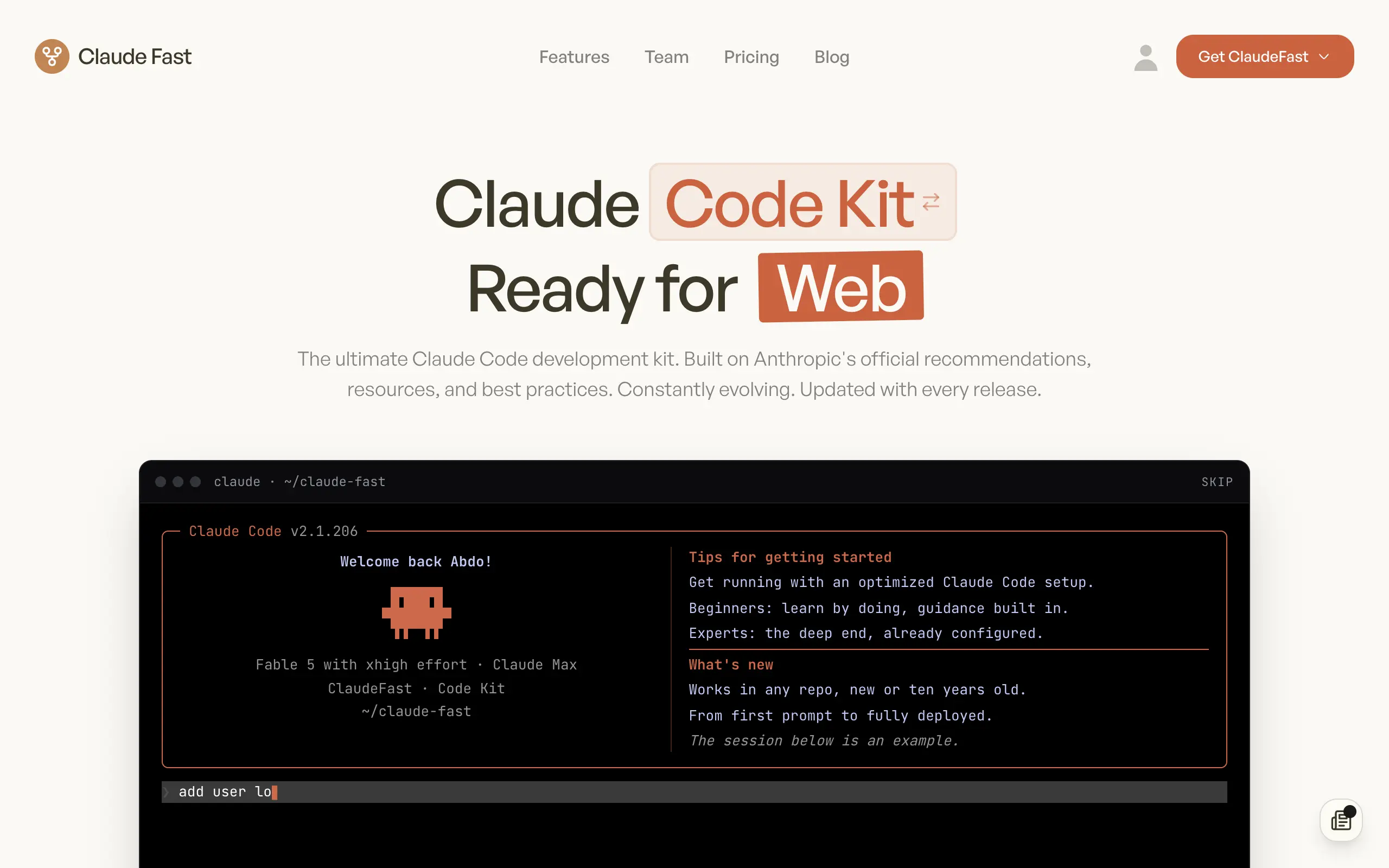
Claude Fast
Supercharge your Claude Code with 6x effective context window and specialized AI agents 🤖
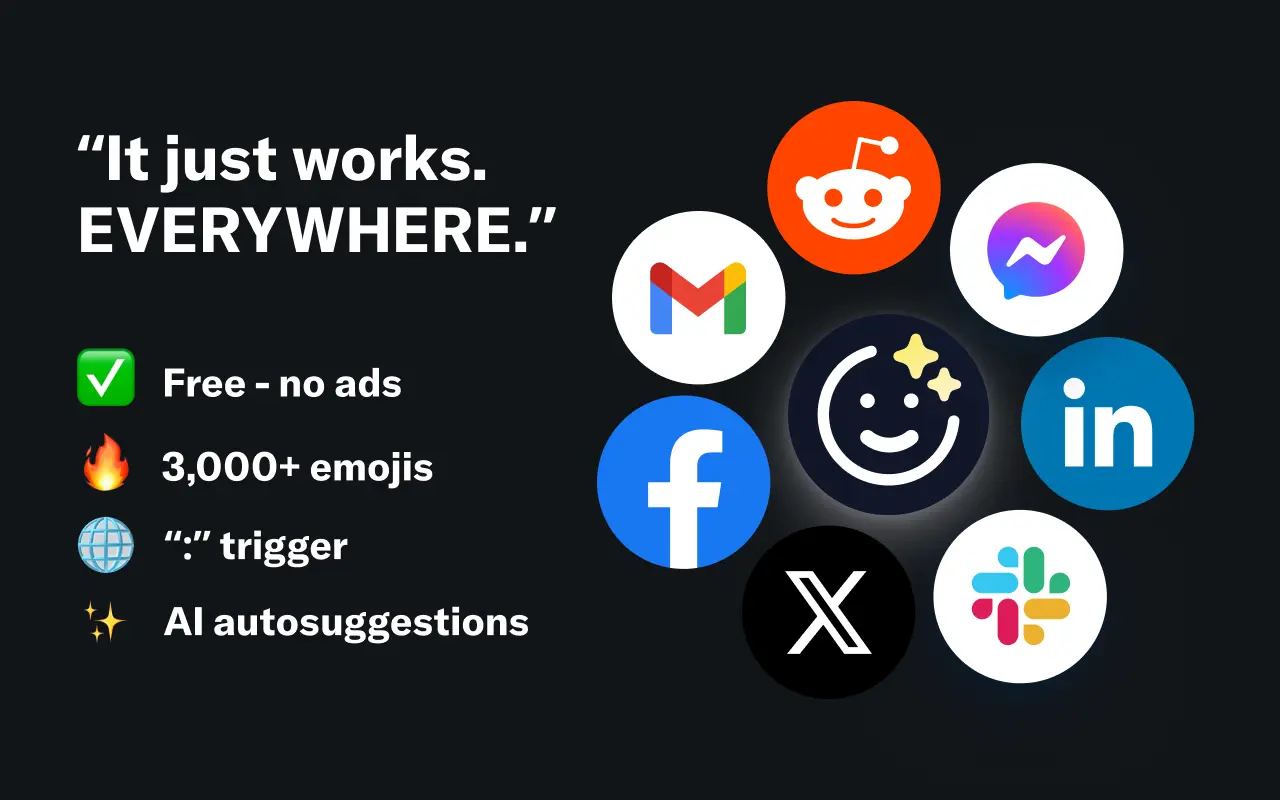
EmojAI
AI-powered emoji picker with smart, context-aware suggestions 🤖
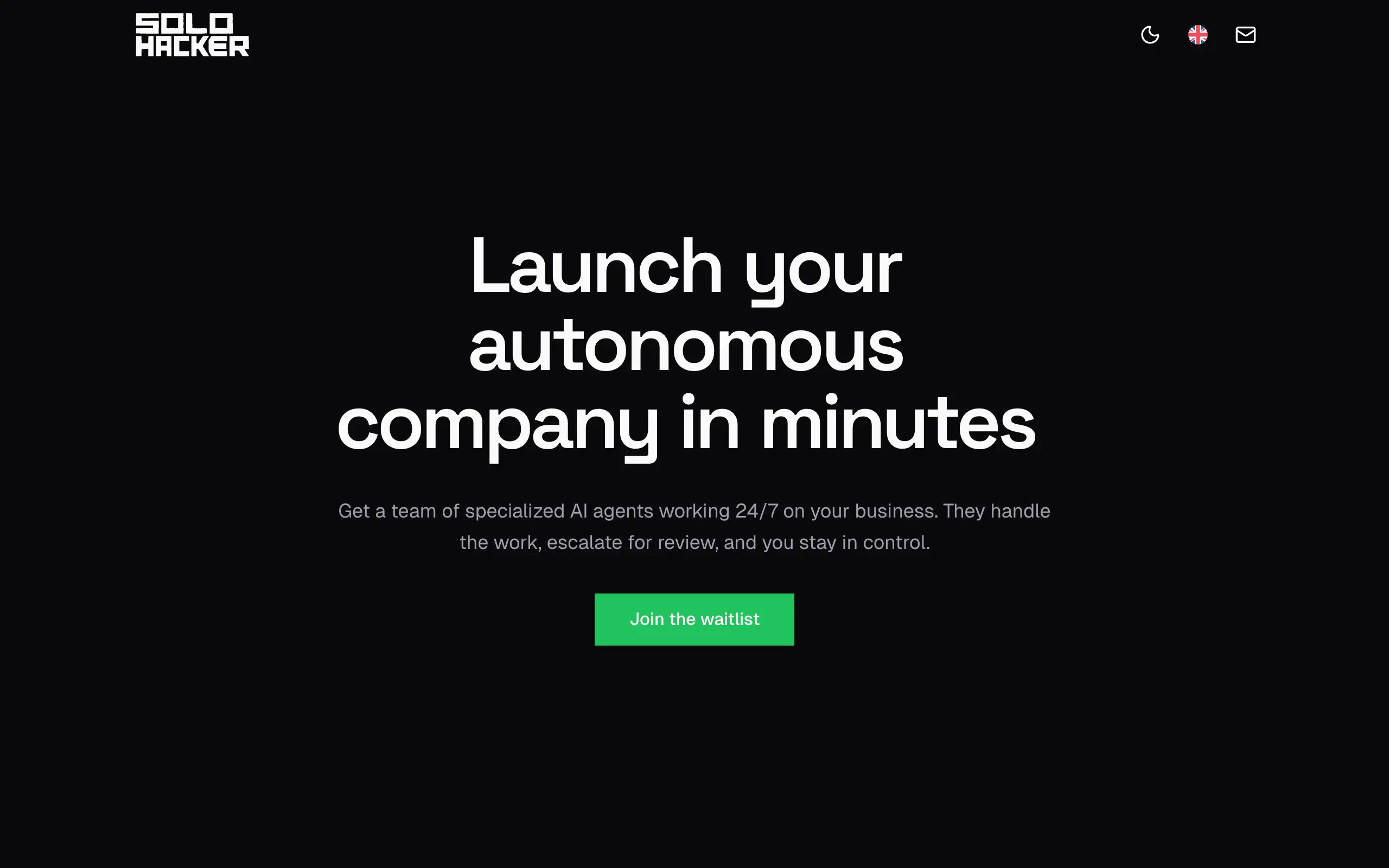
Solohacker
Autonomous company launcher - AI agents work 24/7, escalate what matters, and you stay in control 🤖

BeRawi: Storytelling Coach
Practice storytelling daily with instant feedback to sound clearer, more engaging, and confident 🎤
Omichat
Chat with 50+ AI models, including ChatGPT and Claude, in one place - switch models anytime without losing context 🤖
Claude Fast
Supercharge your Claude Code with 6x effective context window and specialized AI agents 🤖
EmojAI
AI-powered emoji picker with smart, context-aware suggestions 🤖
Solohacker
Autonomous company launcher - AI agents work 24/7, escalate what matters, and you stay in control 🤖
BeRawi: Storytelling Coach
Practice storytelling daily with instant feedback to sound clearer, more engaging, and confident 🎤
Omichat
Chat with 50+ AI models, including ChatGPT and Claude, in one place - switch models anytime without losing context 🤖
Claude Fast
Supercharge your Claude Code with 6x effective context window and specialized AI agents 🤖
EmojAI
AI-powered emoji picker with smart, context-aware suggestions 🤖
Solohacker
Autonomous company launcher - AI agents work 24/7, escalate what matters, and you stay in control 🤖
BeRawi: Storytelling Coach
Practice storytelling daily with instant feedback to sound clearer, more engaging, and confident 🎤
Omichat
Chat with 50+ AI models, including ChatGPT and Claude, in one place - switch models anytime without losing context 🤖
Claude Fast
Supercharge your Claude Code with 6x effective context window and specialized AI agents 🤖
EmojAI
AI-powered emoji picker with smart, context-aware suggestions 🤖
Solohacker
Autonomous company launcher - AI agents work 24/7, escalate what matters, and you stay in control 🤖
BeRawi: Storytelling Coach
Practice storytelling daily with instant feedback to sound clearer, more engaging, and confident 🎤

Connect with like-minded people
Join our community to get feedback, support, and grow together with 1,000+ builders on board, let's ship it!
Join usShip your startup everywhere. In minutes.
Don't burn tokens on setup and start building features on day one.