NicheRadar AI
AI scans search data, communities and marketplaces to uncover low-competition, high-MRR micro-niches with validated demand signals.
The new era of AI-powered micro-niche discovery
Finding profitable micro-niches used to require months of manual research: scraping forums, analyzing search volumes, validating demand on marketplaces, and estimating competition by intuition. Today, AI-powered niche research tools can analyze millions of data points in seconds—but most still focus on surface-level metrics like search volume and keyword difficulty.
That’s where an advanced platform like NicheRadar AI stands apart.
Instead of merely showing keywords, it scans search engines, online communities, marketplaces, and demand signals to uncover low-competition, high-MRR (Monthly Recurring Revenue) micro-niches with real validation.
If you’re searching for:
- How to find profitable SaaS micro-niches
- AI tools for niche research
- Low-competition business ideas with recurring revenue
- Data-driven SaaS opportunity validation
This guide will walk you through the full strategic framework behind building and scaling a tool like NicheRadar AI—from market opportunity to tech stack, monetization, risks, and competitive positioning.
Why micro-niche SaaS is the most attractive opportunity in 2026
The SaaS market continues to grow rapidly, with global SaaS revenue projected to exceed hundreds of billions annually (see reports from Gartner or Statista for updated statistics). But the era of broad, general-purpose SaaS products is saturated.
What’s thriving instead?
Micro-SaaS targeting narrow, underserved audiences.
Examples:
- Scheduling software for tattoo studios
- CRM for independent freight brokers
- Compliance automation for small crypto funds
- Booking management for local fishing charters
These businesses:
- Solve specific pain points
- Face less competition
- Command higher perceived value
- Achieve strong MRR stability
However, identifying these micro-niches before they become saturated is the real challenge.
The problem: traditional niche research is broken
Most entrepreneurs rely on:
- Google Keyword Planner
- SEO tools (Ahrefs, SEMrush)
- Reddit browsing
- Product Hunt scouting
- Amazon bestseller analysis
These methods have critical flaws:
- Search volume ≠ purchase intent
- High volume often means high competition
- Marketplace listings don’t reveal churn or demand durability
- Forum discussions are noisy and anecdotal
- Manual research doesn’t scale
What’s missing is multi-source validation with AI-driven pattern recognition.
That’s the core problem NicheRadar AI solves.
What is NicheRadar AI?
NicheRadar AI is an AI-powered niche discovery platform that scans:
- Search data (Google, Bing trends)
- Communities (Reddit, Discord, niche forums)
- Marketplaces (Shopify apps, SaaS directories, Amazon, Etsy)
- Job boards (indicating spending capacity)
- Review platforms (pain point mining)
- Startup databases
- Social media trends
It correlates signals to detect:
- Growing search demand
- Repeated unmet pain points
- Weak competition density
- Evidence of paying customers
- Recurring revenue potential
Instead of giving raw keyword lists, it outputs:
- Validated micro-niche opportunities
- Competitive landscape breakdown
- Estimated MRR potential
- Demand trend curves
- Monetization model suggestions
Target audience analysis
Understanding who benefits most from NicheRadar AI is critical for positioning and product-market fit.
1. Indie hackers and solo founders
These users:
- Want low-risk SaaS ideas
- Prefer validated data over guesswork
- Have limited development time
- Value recurring revenue stability
Pain points:
- Idea fatigue
- Fear of competition
- Wasting months on dead-end projects
2. Micro-SaaS builders
They:
- Already know how to build SaaS
- Need consistent idea pipelines
- Want scalable niche opportunities
Pain points:
- Oversaturated markets
- Copycat tools
- Weak differentiation
3. Startup studios & accelerators
They:
- Build multiple startups per year
- Need data-backed validation
- Optimize for portfolio ROI
Pain points:
- High failure rates
- Poor market timing
4. SEO entrepreneurs & content builders
They:
- Build niche sites
- Monetize through affiliate or SaaS
- Need low-competition topics
Pain points:
- Increasing SEO competition
- AI-generated content saturation
Market opportunity and gap
Existing tools in the market
There are tools for:
- Keyword research
- Trend analysis
- Startup idea lists
- Amazon product research
But there’s no unified system that:
✅ Correlates search data with community pain signals
✅ Detects monetizable recurring revenue patterns
✅ Filters by low competition density
✅ Prioritizes micro-niche SaaS potential
✅ Uses AI to cluster emerging unmet needs
Let’s break down the gap visually.
| Feature | Keyword Tools | Trend Tools | Product Research | NicheRadar AI |
|---|---|---|---|---|
| Multi-source data aggregation | ❌ | ❌ | ❌ | ✅ |
| Recurring revenue scoring | ❌ | ❌ | ❌ | ✅ |
| Competition density analysis | ✅ | ❌ | ✅ | ✅ |
| Pain-point clustering (AI) | ❌ | ❌ | ❌ | ✅ |
The opportunity lies in becoming the “Bloomberg Terminal for Micro-SaaS Founders.”
Core features and solution architecture
1. Multi-source AI data ingestion
The platform ingests:
- SERP data
- Search volume and trend APIs
- Reddit & forum scraping
- Amazon/Shopify marketplace listings
- G2/Capterra review analysis
- Twitter/X and LinkedIn trend signals
Using NLP models, it extracts:
- Repeated complaints
- Feature gaps
- Unmet needs
- Pricing signals
2. Micro-niche scoring engine
Each potential niche receives a composite score based on:
- Search growth rate
- Competition density
- Paid product presence
- Average pricing
- Pain severity index
- Recurring revenue viability
Example scoring model:
type NicheScore = {
  searchGrowth: number;        // 0–100
  competitionDensity: number;  // 0–100 (inverse weighted)
  painSeverity: number;        // 0–100
  pricingPower: number;        // 0–100
  recurringPotential: number;  // 0–100
}

function calculateScore(n: NicheScore) {
  return (
    n.searchGrowth * 0.25 +
    (100 - n.competitionDensity) * 0.25 +
    n.painSeverity * 0.2 +
    n.pricingPower * 0.15 +
    n.recurringPotential * 0.15
  );
}
3. Pain-point clustering with LLMs
Using modern LLM APIs, the platform:
- Groups similar complaints
- Identifies root problems
- Extracts monetizable features
Example:
“I hate manually reconciling Stripe payouts for my Airbnb properties.”
Clustered insight:
- Target: Airbnb hosts with 3+ properties
- Pain: Financial reconciliation
- Opportunity: Automated reconciliation SaaS
4. Competition mapping dashboard
Includes:
- Direct SaaS competitors
- Indirect substitutes
- SEO domain authority comparison
- Feature gap heatmap
5. MRR projection simulator
Users can:
- Adjust pricing tiers
- Estimate TAM
- Simulate churn
- Model growth scenarios
This supports data-driven decision-making.
Recommended tech stack (with trade-offs)
Frontend
- React – flexible and scalable
- Next.js – SSR for SEO
- TailwindCSS – rapid UI development
Trade-off:
Next.js adds complexity but improves SEO and performance.
Backend
- Node.js (TypeScript)
- Python microservices for ML processing
- FastAPI for ML endpoints
Trade-off:
Polyglot architecture increases DevOps overhead but optimizes AI performance.
Data layer
- PostgreSQL (structured niche data)
- Elasticsearch (search indexing)
- Redis (caching trend queries)
AI & ML
- OpenAI or Anthropic APIs for NLP
- Custom embeddings for clustering
- Vector DB (e.g., Pinecone or pgvector)
Infrastructure
- Vercel (frontend deployment)
- AWS or GCP for ML workloads
- Background jobs with queues (BullMQ)
Monetization strategy options
1. Tiered subscription model (recommended)
- Starter – $29/month (limited scans)
- Pro – $79/month (full dashboard)
- Studio – $199/month (portfolio features)
2. Credit-based system
Users buy niche scan credits.
3. Enterprise data API
Startup studios pay for bulk opportunity feeds.
4. Lifetime deals (early traction)
Useful for initial validation but avoid long-term dependency.
Competitive advantage (USP)
NicheRadar AI stands out through:
- Demand signal triangulation
- AI-powered pain clustering
- Recurring revenue scoring
- Micro-niche focus (not broad markets)
- Actionable execution guidance
Most tools give data.
NicheRadar gives validated opportunity narratives.
Potential risks and mitigation
Risk 1: Data source limitations
Mitigation:
- Diversify APIs
- Build proprietary scraping systems
- Cache trend history
Risk 2: AI hallucination or inaccurate clustering
Mitigation:
- Multi-model validation
- Human review scoring layer
- Confidence metrics display
Risk 3: Idea commoditization
Mitigation:
- Private niche discovery mode
- Time-limited visibility
- Premium exclusivity tiers
Risk 4: Over-reliance on third-party APIs
Mitigation:
- Build long-term data warehouses
- Secure contractual API agreements
Implementation roadmap
Go-to-market strategy
Phase 1: Build in public
- Twitter/X threads sharing discovered niches
- Indie hacker community engagement
- Case studies of validated ideas
Phase 2: Content SEO engine
Target keywords like:
- “AI niche finder”
- “Find profitable micro SaaS ideas”
- “Low competition SaaS ideas”
- “Recurring revenue business ideas”
Create:
- Long-form guides
- Niche case breakdowns
- Data-backed reports
Phase 3: Community flywheel
- Weekly niche report newsletter
- Founder mastermind access
- Paid community layer
Why timing is perfect
Several macro trends make NicheRadar AI highly relevant:
- Explosion of AI builders
- Saturation of generic SaaS
- Rise of solo founders
- Lower dev costs due to AI coding tools
- Increased appetite for MRR stability
The bottleneck is no longer development.
It’s finding validated opportunities.
How to build NicheRadar AI faster
Instead of assembling everything from scratch, you can accelerate development using production-ready SaaS foundations like TurboStarter, which provides authentication, billing, and scalable architecture—so you can focus on your AI differentiation layer.
Long-term expansion opportunities
- White-label API for accelerators
- VC dashboard for pre-seed signal detection
- Marketplace for validated micro-niche SaaS acquisition
- Predictive saturation alerts
- Automated landing page generator per niche
Future-proofing with AI evolution
As LLMs improve:
- Pain extraction becomes more accurate
- Trend detection becomes predictive
- Opportunity scoring becomes dynamic
Eventually, the platform could evolve into:
“Autonomous startup opportunity intelligence.”
Final thoughts: turning data into profitable direction
Entrepreneurs don’t fail because they can’t build.
They fail because they build the wrong thing.
An AI-powered niche research platform like NicheRadar AI shifts the founder mindset from:
“I think this is a good idea.”
to
“Data proves this is a low-competition, high-MRR opportunity.”
The future of SaaS belongs to founders who:
- Move fast
- Build narrowly
- Validate deeply
- Monetize early
NicheRadar AI becomes the strategic compass for that journey.
Ready to validate your next micro-SaaS idea?
The biggest leverage in entrepreneurship isn’t better code.
It’s better opportunity selection.
If you’re serious about building data-driven SaaS products and want to move from guesswork to validated demand, start by building the right foundation—and then let AI guide the direction.
The next profitable micro-niche is already out there.
The question is:
Will you find it before everyone else does?
More 🤖 AI Startup SaaS ideas
Discover more innovative ai startup SaaS ideas that are trending in 2026. Each idea is AI-generated with market validation and growth potential to help you find your next profitable venture faster than competitors.
Your competitors are building with TurboStarter
Below are some of the SaaS ideas that have been generated and built with our starter kit.
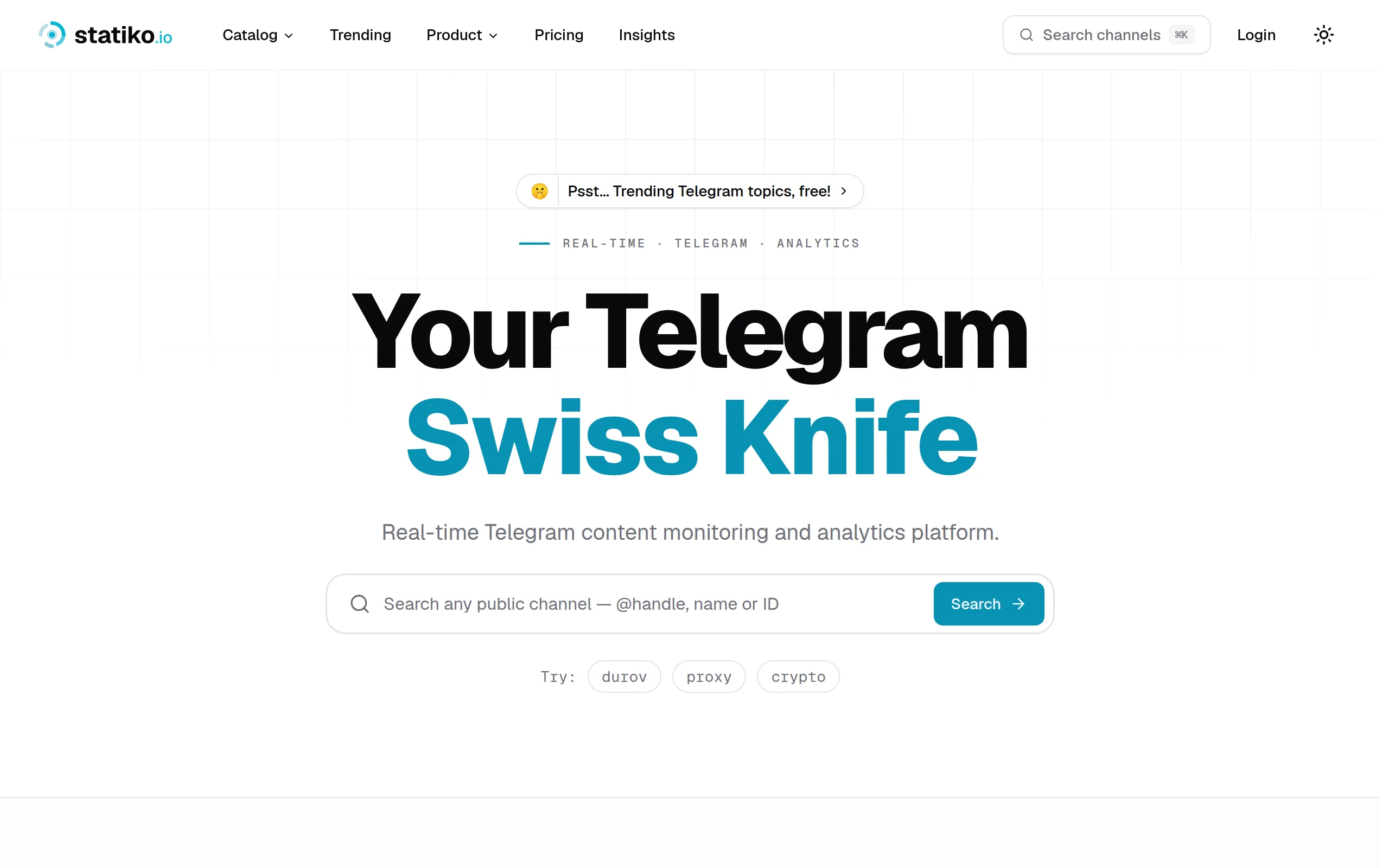
Statiko
Monitor any Telegram channel in real time - track posts, edits, deletions, and growth with AI recaps 📡

Shibui
AI website builder - describe your business, pick a niche template, edit by chatting, and publish instantly ✨

Pro Service
Find verified home service professionals, compare quotes, and pay securely through escrow - built for Brazilians across the US 🏠
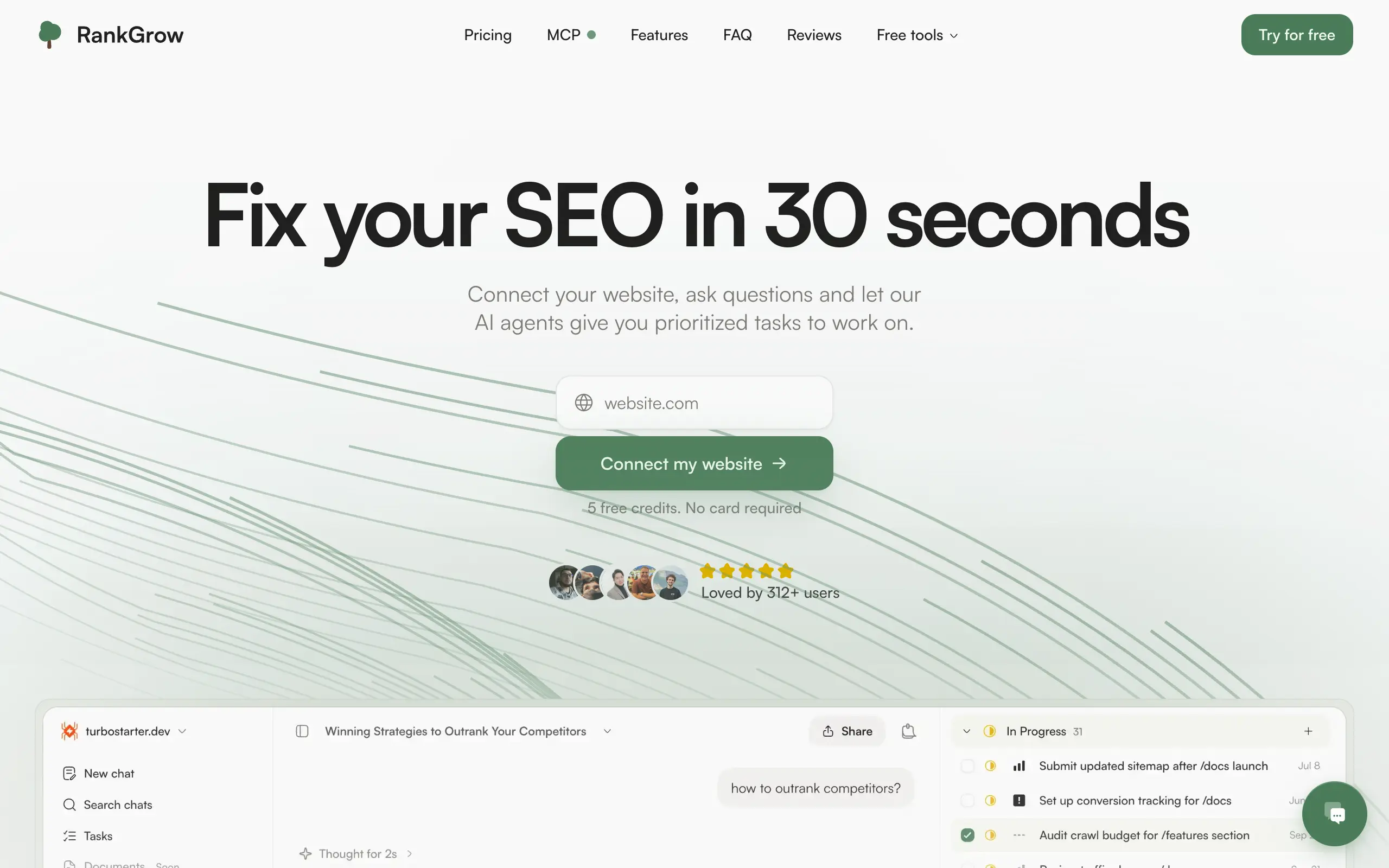
RankGrow
Fix your SEO with AI agents - connect Search Console, get prioritized tasks, and grow organic traffic 📈
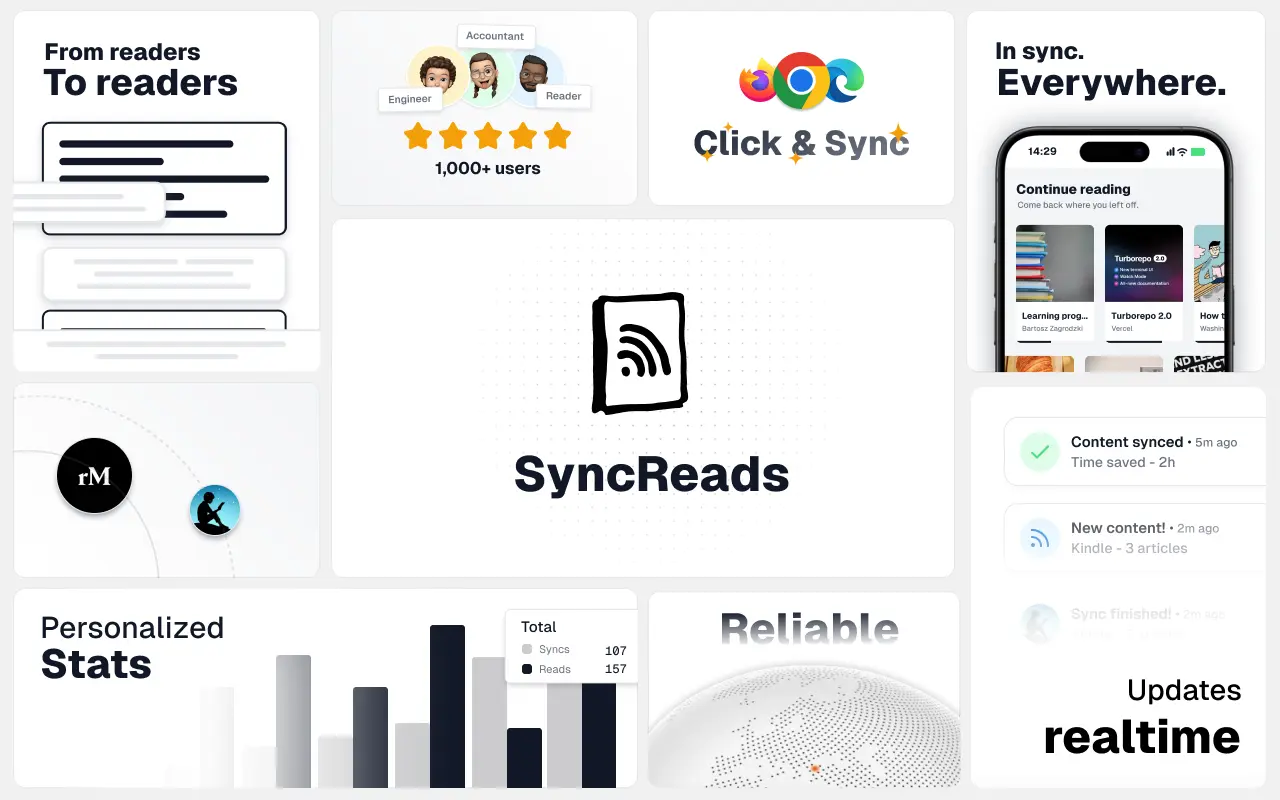
SyncReads
Sync your favorite content for distraction-free reading, save time and replace multiple apps. Anytime, anywhere 🔄
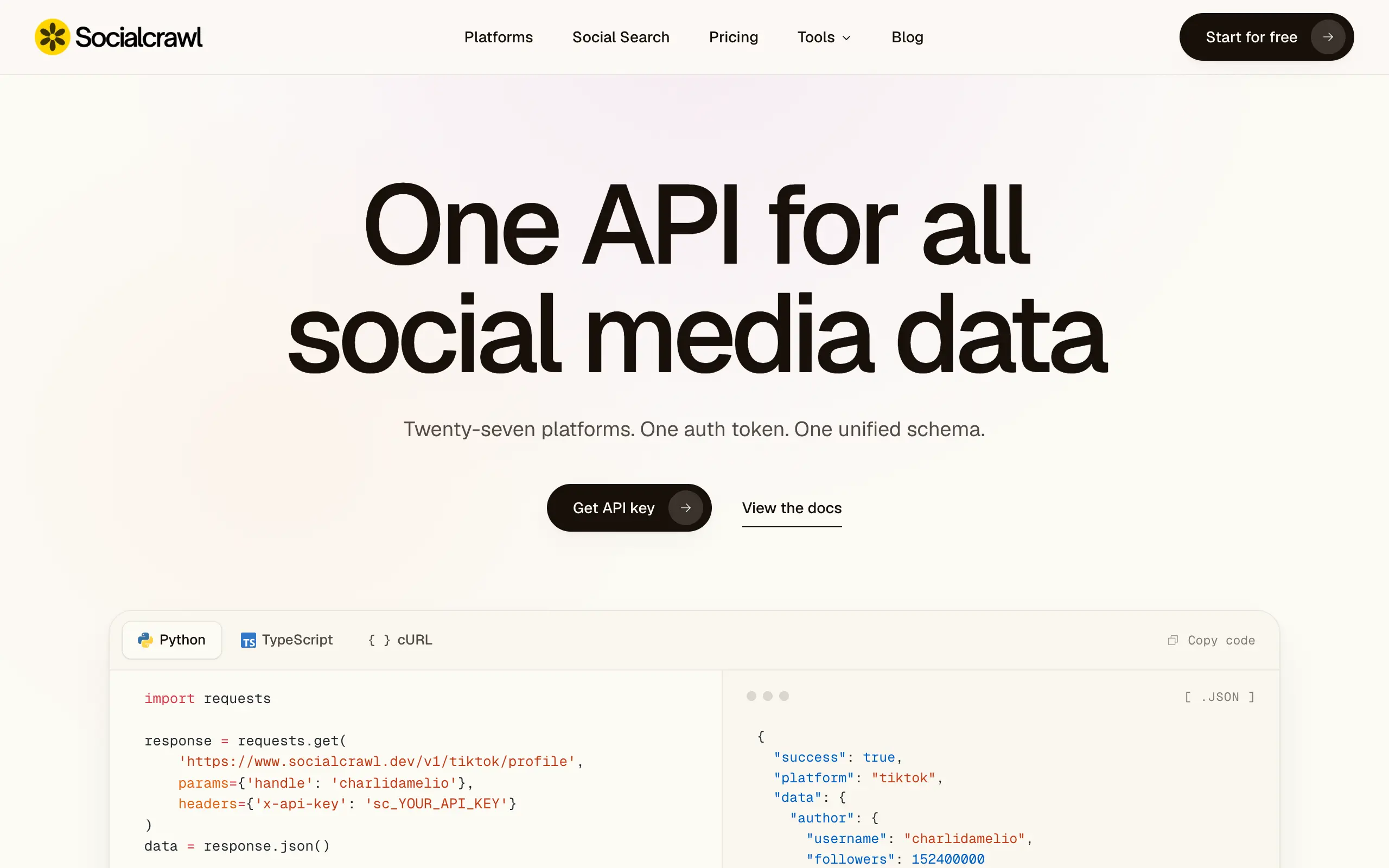
Socialcrawl
Get clean, structured data from 21 platforms like TikTok, Instagram, and YouTube with a single request 📊
Statiko
Monitor any Telegram channel in real time - track posts, edits, deletions, and growth with AI recaps 📡
Shibui
AI website builder - describe your business, pick a niche template, edit by chatting, and publish instantly ✨
Pro Service
Find verified home service professionals, compare quotes, and pay securely through escrow - built for Brazilians across the US 🏠
RankGrow
Fix your SEO with AI agents - connect Search Console, get prioritized tasks, and grow organic traffic 📈
SyncReads
Sync your favorite content for distraction-free reading, save time and replace multiple apps. Anytime, anywhere 🔄
Socialcrawl
Get clean, structured data from 21 platforms like TikTok, Instagram, and YouTube with a single request 📊
Statiko
Monitor any Telegram channel in real time - track posts, edits, deletions, and growth with AI recaps 📡
Shibui
AI website builder - describe your business, pick a niche template, edit by chatting, and publish instantly ✨
Pro Service
Find verified home service professionals, compare quotes, and pay securely through escrow - built for Brazilians across the US 🏠
RankGrow
Fix your SEO with AI agents - connect Search Console, get prioritized tasks, and grow organic traffic 📈
SyncReads
Sync your favorite content for distraction-free reading, save time and replace multiple apps. Anytime, anywhere 🔄
Socialcrawl
Get clean, structured data from 21 platforms like TikTok, Instagram, and YouTube with a single request 📊
Statiko
Monitor any Telegram channel in real time - track posts, edits, deletions, and growth with AI recaps 📡
Shibui
AI website builder - describe your business, pick a niche template, edit by chatting, and publish instantly ✨
Pro Service
Find verified home service professionals, compare quotes, and pay securely through escrow - built for Brazilians across the US 🏠
RankGrow
Fix your SEO with AI agents - connect Search Console, get prioritized tasks, and grow organic traffic 📈
SyncReads
Sync your favorite content for distraction-free reading, save time and replace multiple apps. Anytime, anywhere 🔄
Socialcrawl
Get clean, structured data from 21 platforms like TikTok, Instagram, and YouTube with a single request 📊
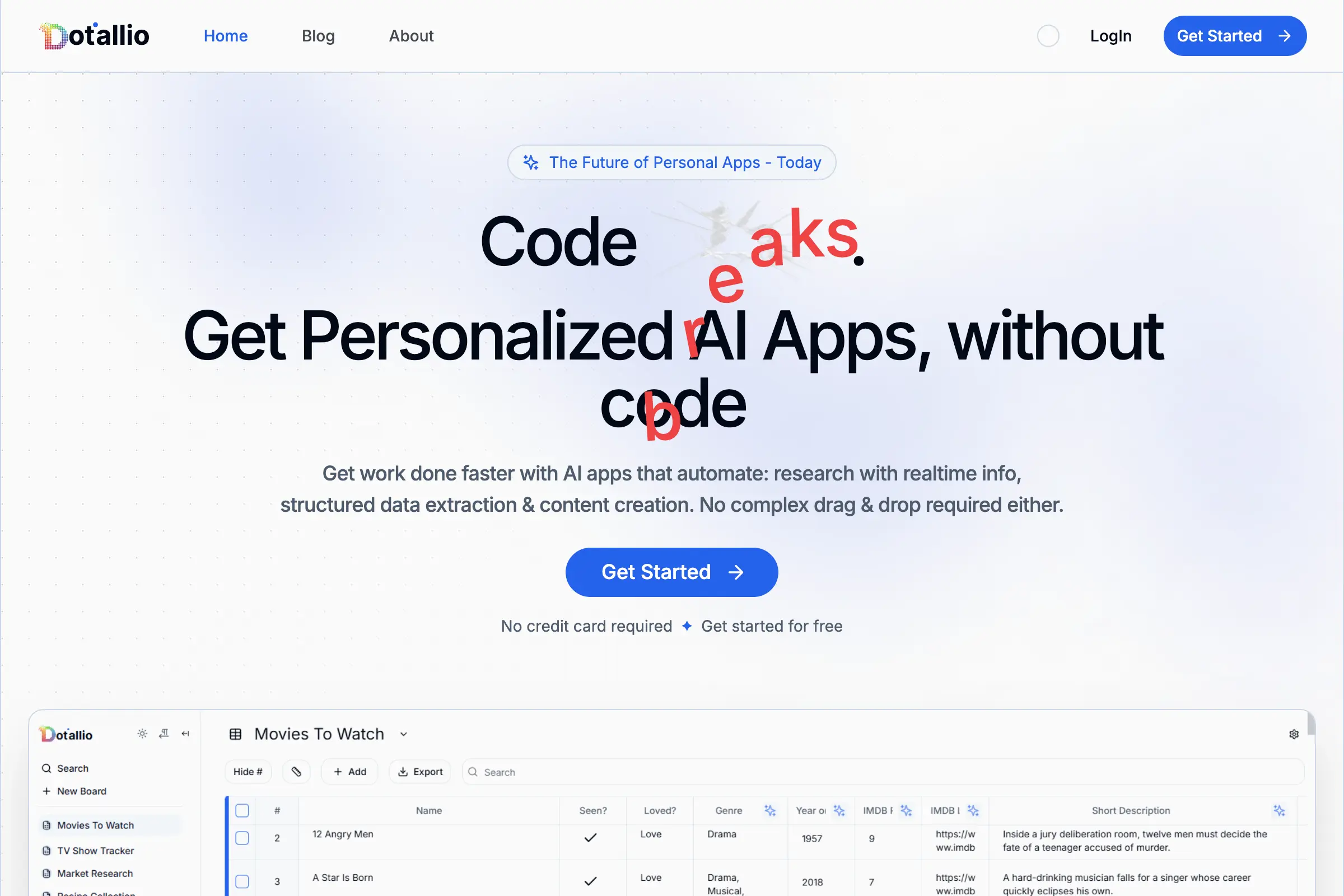
Dotallio
Personalized AI apps that automate research, data extraction, and content creation without code 🤖

Talk to Santa
Enjoy a magical live video chat or receive a unique AI-generated video greeting from Santa Claus 🎅

pozywka.pl
Scalable blog for food journalist, focused on performance and user experience 🌭
zagrodzki.me
Personal blog and portfolio of Bart Zagrodzki, where he shares his knowledge and work 💼
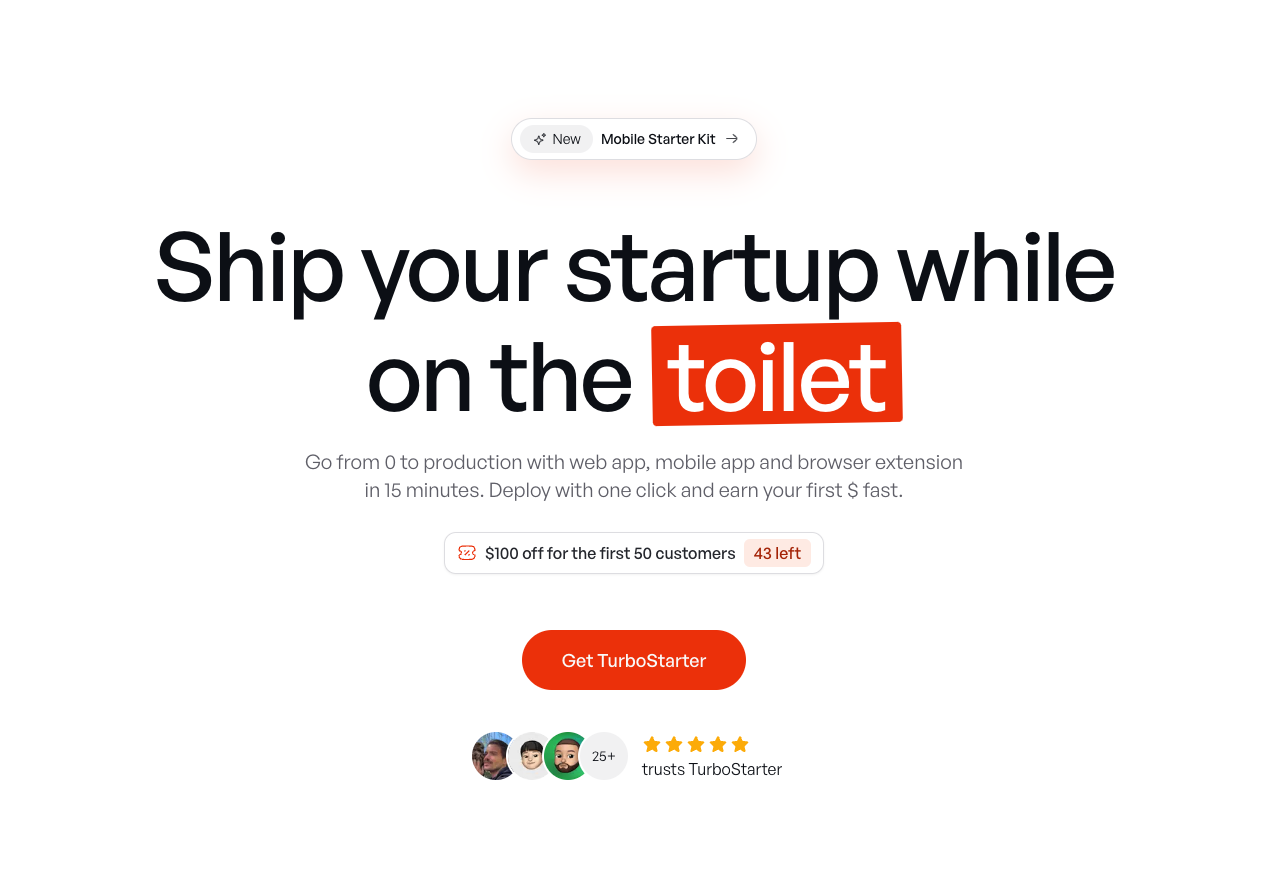
TurboStarter
Ship your startup everywhere. In minutes.
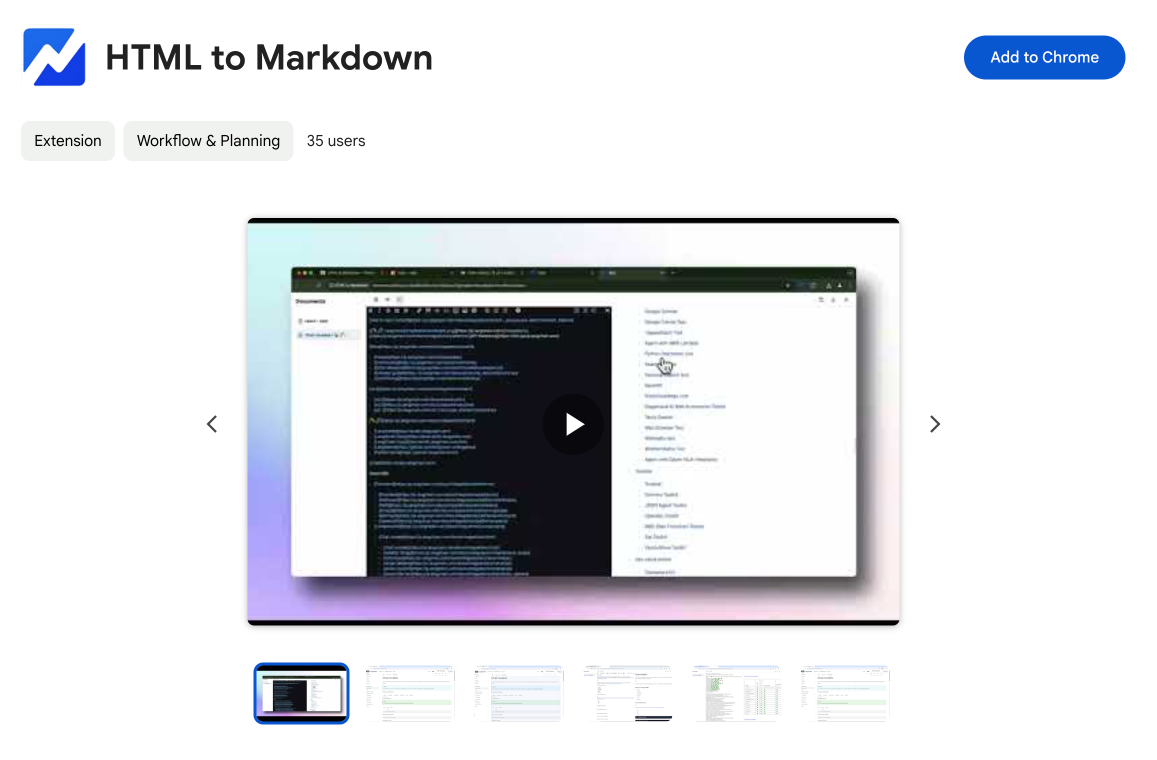
HTML to Markdown
Convert HTML to Markdown with ease, directly in your browser 📄
Dotallio
Personalized AI apps that automate research, data extraction, and content creation without code 🤖
Talk to Santa
Enjoy a magical live video chat or receive a unique AI-generated video greeting from Santa Claus 🎅
pozywka.pl
Scalable blog for food journalist, focused on performance and user experience 🌭
zagrodzki.me
Personal blog and portfolio of Bart Zagrodzki, where he shares his knowledge and work 💼
TurboStarter
Ship your startup everywhere. In minutes.
HTML to Markdown
Convert HTML to Markdown with ease, directly in your browser 📄
Dotallio
Personalized AI apps that automate research, data extraction, and content creation without code 🤖
Talk to Santa
Enjoy a magical live video chat or receive a unique AI-generated video greeting from Santa Claus 🎅
pozywka.pl
Scalable blog for food journalist, focused on performance and user experience 🌭
zagrodzki.me
Personal blog and portfolio of Bart Zagrodzki, where he shares his knowledge and work 💼
TurboStarter
Ship your startup everywhere. In minutes.
HTML to Markdown
Convert HTML to Markdown with ease, directly in your browser 📄
Dotallio
Personalized AI apps that automate research, data extraction, and content creation without code 🤖
Talk to Santa
Enjoy a magical live video chat or receive a unique AI-generated video greeting from Santa Claus 🎅
pozywka.pl
Scalable blog for food journalist, focused on performance and user experience 🌭
zagrodzki.me
Personal blog and portfolio of Bart Zagrodzki, where he shares his knowledge and work 💼
TurboStarter
Ship your startup everywhere. In minutes.
HTML to Markdown
Convert HTML to Markdown with ease, directly in your browser 📄
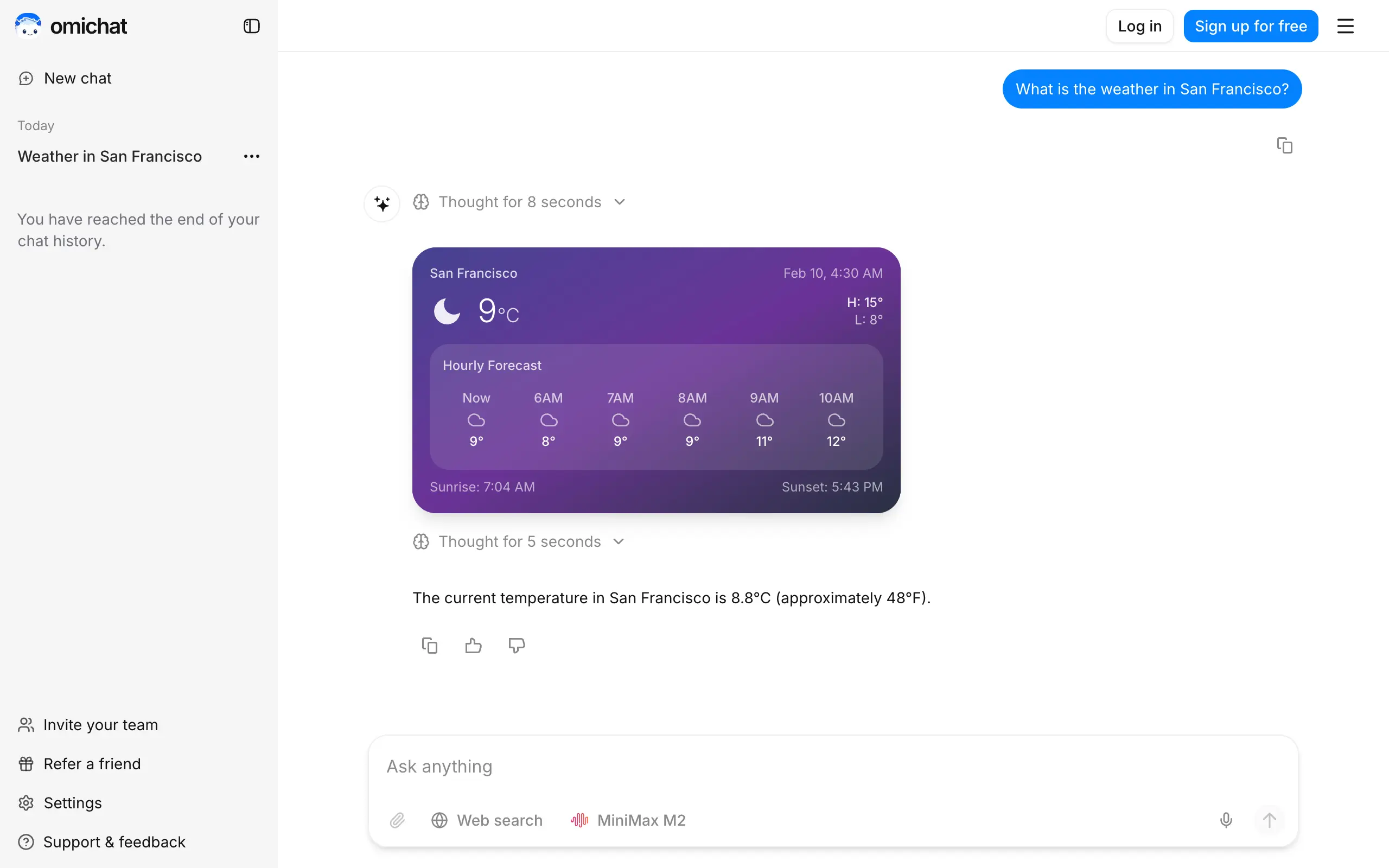
Omichat
Chat with 50+ AI models, including ChatGPT and Claude, in one place - switch models anytime without losing context 🤖
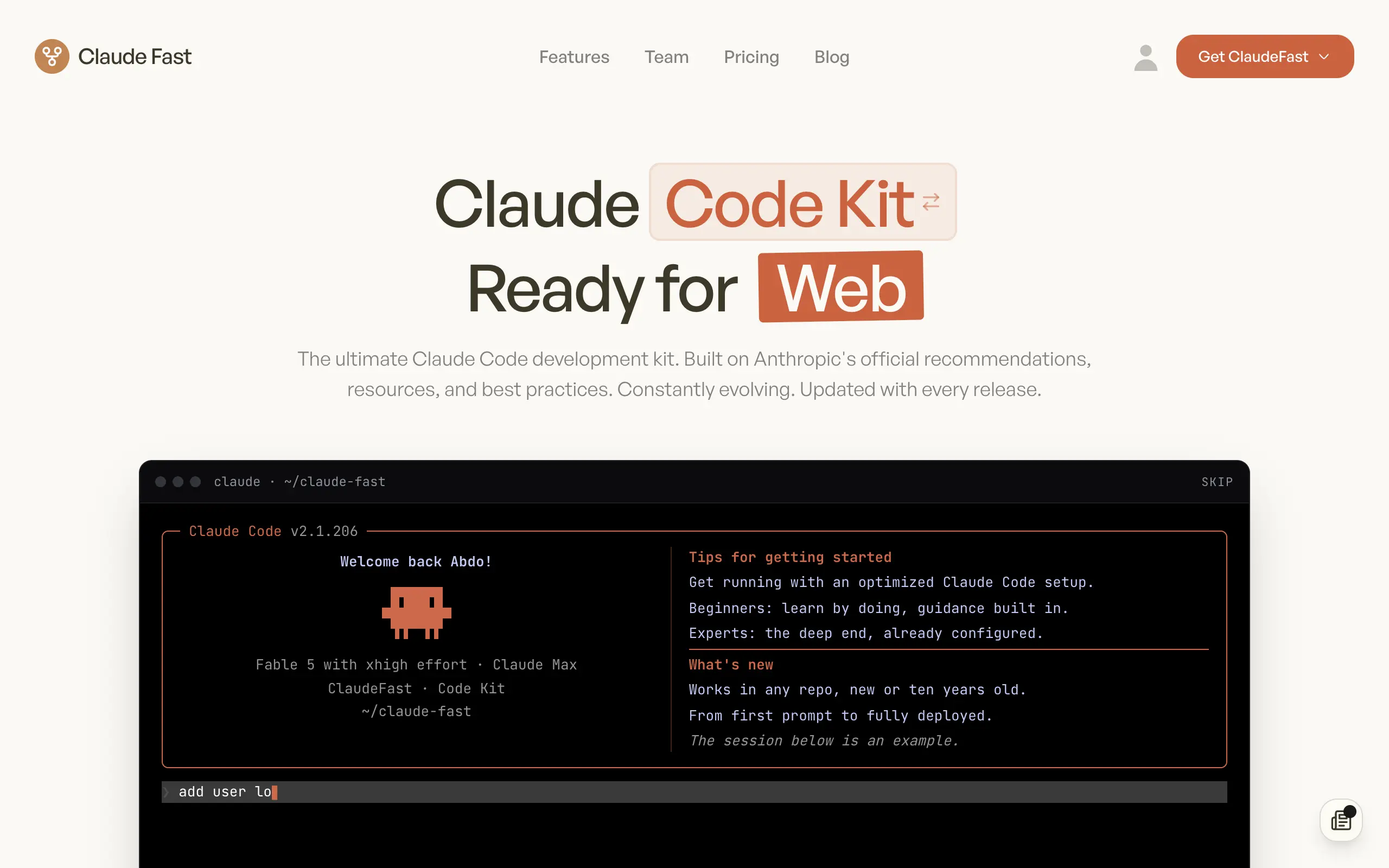
Claude Fast
Supercharge your Claude Code with 6x effective context window and specialized AI agents 🤖
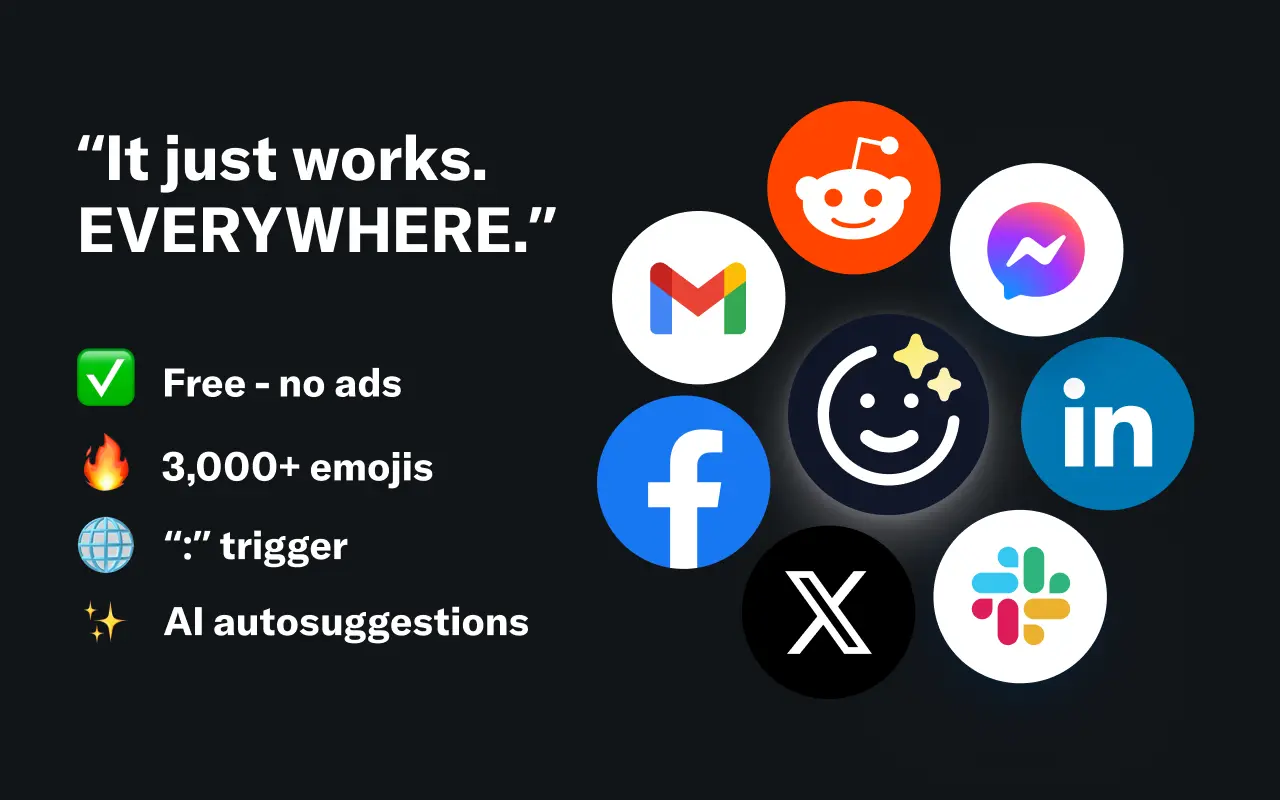
EmojAI
AI-powered emoji picker with smart, context-aware suggestions 🤖

Solohacker
Autonomous company launcher - AI agents work 24/7, escalate what matters, and you stay in control 🤖
BeRawi: Storytelling Coach
Practice storytelling daily with instant feedback to sound clearer, more engaging, and confident 🎤
Omichat
Chat with 50+ AI models, including ChatGPT and Claude, in one place - switch models anytime without losing context 🤖
Claude Fast
Supercharge your Claude Code with 6x effective context window and specialized AI agents 🤖
EmojAI
AI-powered emoji picker with smart, context-aware suggestions 🤖
Solohacker
Autonomous company launcher - AI agents work 24/7, escalate what matters, and you stay in control 🤖
BeRawi: Storytelling Coach
Practice storytelling daily with instant feedback to sound clearer, more engaging, and confident 🎤
Omichat
Chat with 50+ AI models, including ChatGPT and Claude, in one place - switch models anytime without losing context 🤖
Claude Fast
Supercharge your Claude Code with 6x effective context window and specialized AI agents 🤖
EmojAI
AI-powered emoji picker with smart, context-aware suggestions 🤖
Solohacker
Autonomous company launcher - AI agents work 24/7, escalate what matters, and you stay in control 🤖
BeRawi: Storytelling Coach
Practice storytelling daily with instant feedback to sound clearer, more engaging, and confident 🎤
Omichat
Chat with 50+ AI models, including ChatGPT and Claude, in one place - switch models anytime without losing context 🤖
Claude Fast
Supercharge your Claude Code with 6x effective context window and specialized AI agents 🤖
EmojAI
AI-powered emoji picker with smart, context-aware suggestions 🤖
Solohacker
Autonomous company launcher - AI agents work 24/7, escalate what matters, and you stay in control 🤖
BeRawi: Storytelling Coach
Practice storytelling daily with instant feedback to sound clearer, more engaging, and confident 🎤

Connect with like-minded people
Join our community to get feedback, support, and grow together with 1,000+ builders on board, let's ship it!
Join usShip your startup everywhere. In minutes.
Don't burn tokens on setup and start building features on day one.