NicheSignal
Turn a rough SaaS concept into a market signal report with ICPs, pricing clues, competitor weaknesses, and evidence-backed launch angles.
Why AI SaaS idea validation is becoming a founder advantage
Launching a SaaS product without validating demand is expensive. Founders can spend months designing workflows, writing code, and setting up billing before discovering that the target market is too narrow, the buying trigger is weak, or established competitors already own the obvious positioning.
NicheSignal is an AI SaaS idea validation platform designed to reduce that uncertainty. A founder enters a rough concept, target customer, or problem statement. The platform turns that input into a structured market signal report with:
- Ideal customer profiles
- Competitor positioning and weaknesses
- Pricing clues
- Evidence-backed launch angles
- Search intent opportunities
- Market risks and assumptions to test
The primary opportunity is not simply generating an AI-written business plan. It is helping operators make better decisions before they build. The best AI SaaS idea validation tools should reveal whether a concept has a credible wedge, who is likely to pay, what alternatives they use today, and which assumptions need real-world validation.
The central promise
NicheSignal should position itself as a decision-support product for SaaS founders, not a generic AI research assistant. The outcome is a clearer next move, whether that means building, narrowing the niche, changing the offer, or abandoning the idea early.
This matters in a market where AI has made product development faster, but has not made customer discovery easier. A solo founder can now create an MVP in days. Finding a painful, monetizable problem still requires disciplined market research.
The target audience for NicheSignal
NicheSignal serves people who have ideas but lack confidence that those ideas represent a real market opportunity. Its strongest early adopters are likely to value speed, structure, and evidence more than a polished corporate-research experience.
Primary audience: aspiring and early-stage SaaS founders
The core user is an indie hacker, solo founder, or small founding team exploring B2B SaaS, vertical SaaS, AI tools, or workflow products.
They may have noticed a recurring problem in their previous role, read a discussion thread, or identified an inefficient workflow in a specific industry. What they do not have is a repeatable system for turning that observation into a validated business hypothesis.
Typical questions include:
- Is this SaaS idea worth pursuing?
- Which customers have the sharpest pain?
- Are people already paying for alternatives?
- How crowded is the category?
- What could make this product meaningfully different?
- What price range is plausible?
- What should I say on a landing page before I write code?
For this segment, NicheSignal needs to feel faster and more practical than a market research agency, more focused than a general-purpose chatbot, and less intimidating than enterprise business intelligence software.
Secondary audience: product consultants and venture studios
Productized-service operators, startup advisors, agencies, and venture studios frequently assess client ideas or generate concepts for their own portfolios. They need a scalable way to create first-pass market assessments without recreating the same research process for every engagement.
Their needs differ slightly from solo founders:
- Reusable report templates
- White-label exports
- Collaboration and commenting
- Project workspaces
- Shareable research links
- Consistent scoring criteria
- Evidence provenance for recommendations
This segment can support higher pricing because NicheSignal becomes part of a revenue-generating client delivery workflow.
Tertiary audience: product teams seeking adjacent opportunities
Established SaaS companies can use the platform to explore underserved subsegments, expansion markets, pricing packaging opportunities, and competitor gaps. However, this audience should not be the initial focus.
Enterprise buyers often require compliance, data controls, procurement support, and deeper integrations. Building for them too early could distract NicheSignal from its clearest wedge: helping resource-constrained founders validate ideas quickly.
Early-stage founders
Need a fast, structured answer to whether an idea deserves customer interviews and an MVP.
Consultants and agencies
Need repeatable market research outputs that improve proposal quality and client strategy.
Venture builders
Need a scalable way to compare concepts, select bets, and document assumptions.
The market gap in SaaS idea validation
The current market is fragmented. Founders typically stitch together market validation using search engines, spreadsheets, review sites, social media discussions, competitor websites, keyword tools, and AI chat tools. Each can be valuable, but the workflow is manual and inconsistent.
A founder might ask an AI assistant for competitors, use a search engine for customer language, inspect software review platforms for complaints, and collect pricing pages in a spreadsheet. The result is often a loose collection of observations rather than a decision-ready market signal report.
Existing alternatives leave important gaps
General AI tools are excellent at brainstorming, rewriting, and synthesizing text. Their limitation is that they can produce confident-sounding analysis without clear sources, structured comparisons, or transparent uncertainty.
Traditional market research platforms offer deeper datasets but can be expensive, difficult to use, and overbuilt for a founder assessing a narrow micro-SaaS concept. Generic startup idea generators create inspiration, but they rarely help users validate whether an idea has commercial traction.
NicheSignal can bridge the gap by combining AI-assisted research with a repeatable validation framework.
| Approach | Speed | Evidence structure | Founder-friendly | Decision guidance |
|---|---|---|---|---|
| Manual research | Low | Variable | Moderate | Variable |
| Generic AI chat | High | Low without citations | High | Moderate |
| Enterprise research tools | Moderate | High | Low for solo founders | Moderate |
| NicheSignal | High | High with source trails | High | High |
The product’s market opportunity lies in the space between raw information and confident product direction. NicheSignal should help users move from “I have an idea” to “I have a testable niche hypothesis and a concrete launch plan.”
Why this gap is growing
AI-assisted coding tools, low-code platforms, and boilerplates have lowered the cost of building software. As a result, more founders can launch products, while distribution and positioning become more important differentiators.
This creates demand for tools that answer questions such as:
- Which market segment is underserved?
- Which workflow has an urgent cost?
- Which competitor complaints repeat across public discussions?
- Which offer is easier to explain and sell?
- Which acquisition channel can reach the buyer efficiently?
Recent startup and AI market reports from organizations such as Gartner, McKinsey, CB Insights, and major cloud providers can be used as supporting research in published content. When citing data, NicheSignal should show the publication name, publication date, methodology, and source URL rather than presenting unattributed statistics.
How NicheSignal should work
The product should transform vague founder input into a structured validation artifact. The experience must be opinionated enough to guide beginners while remaining flexible for experienced operators.
A useful core workflow has five stages.
Concept intake and assumption mapping
The first screen should not ask users to complete a long business plan. It should start with a short prompt, such as:
“I want to build an AI tool that helps independent accountants collect missing client documents.”
NicheSignal can then ask targeted follow-up questions:
- Who experiences this problem most often?
- What currently happens when the task is not completed?
- What tools, spreadsheets, or services are used today?
- Is the user, buyer, and budget owner the same person?
- What is the expected business outcome?
- Which industry, geography, or company-size constraints matter?
The platform should label each early claim as an assumption, inference, or evidence-backed observation. This distinction creates trust and prevents founders from treating generated analysis as fact.
Ideal customer profile generation
A generic persona is not enough. NicheSignal should create actionable ideal customer profiles built around buying context.
A strong ICP record includes:
- Job title or role
- Company type and size
- Trigger event that increases urgency
- Existing workaround
- Operational or financial cost of inaction
- Primary objection
- Likely budget authority
- Channels where the customer can be reached
- Interview recruitment ideas
For example, a document-chasing tool might identify small accounting firms with recurring monthly close processes as a stronger ICP than “all accountants.” The tighter segment has a visible workflow, repeated pain, and a clearer path to messaging.
Competitor analysis focused on weaknesses
Competitor research should not stop at naming products. Founders need to understand why customers may switch, what category expectations exist, and where a new entrant can credibly differentiate.
NicheSignal can analyze:
- Direct competitors that solve the same workflow
- Indirect competitors offering adjacent functionality
- Substitutes such as spreadsheets, email, virtual assistants, and internal processes
- Positioning claims on public websites
- Pricing and packaging structures
- Review themes and public customer complaints
- Features that appear table stakes
- Unserved customer segments or use cases
The product should avoid framing every competitor weakness as a guaranteed opening. A complaint may reflect a niche edge case, a trade-off that customers accept, or a feature the competitor intentionally deprioritized.
Instead, reports should say:
“This complaint appears repeatedly across public reviews and may indicate a meaningful opportunity. Validate it with five to ten interviews before treating it as a product wedge.”
That language is more useful and more trustworthy than declaring a market gap with certainty.
Pricing clues rather than fabricated pricing advice
Pricing is a common weak point in startup idea validation. AI systems can easily invent a price recommendation based on vague category knowledge. NicheSignal should present pricing as a range of hypotheses supported by visible inputs.
Pricing clues may include:
- Public competitor prices
- Per-seat versus usage-based pricing patterns
- Free trial and freemium norms
- Service replacement costs
- Estimated value created or time saved
- Buyer budget sensitivity
- Whether the product supports an individual, team, or business process
The output should distinguish market reference pricing from recommended experiment pricing. A $49 per month competitor plan does not mean $49 is right for a new product. It simply provides a reference point for testing.
Evidence trails and confidence scoring
Evidence-backed AI market research is NicheSignal’s most important product principle. Every notable claim should be linked to an evidence record containing:
- Source title
- Source URL
- Date accessed
- Source type
- Extracted claim or quotation
- Relevance to the idea
- Confidence level
- Potential bias or limitation
This is how the product avoids becoming another black-box AI report generator. Users should be able to inspect why NicheSignal believes a segment, pain point, or launch angle is promising.
A simple confidence model can combine:
- Frequency of the problem across independent sources
- Severity of the reported pain or cost
- Commercial intent indicated by paid alternatives or buying language
- Reachability of the audience through identifiable channels
- Differentiation from incumbent offerings
- Freshness of the evidence
- Evidence quality based on source credibility and specificity
Core features for an AI market signal report platform
The MVP should focus on outcomes that founders will pay for immediately. Avoid turning NicheSignal into an all-in-one startup operating system.
Market signal report generator
The flagship feature should create a structured report that is useful enough to share with a cofounder, advisor, client, or early investor.
A report can include:
- Executive market summary
- Problem statement and solution hypothesis
- Segment-by-segment ICP analysis
- Jobs to be done
- Competitor and substitute map
- Pricing clues
- Evidence-backed customer pain themes
- Opportunity score with explanation
- Key risks
- Recommended validation experiments
- Launch messaging options
Reports should be editable. Founders need the ability to correct assumptions, exclude irrelevant competitors, add firsthand interview notes, and rerun analysis after changing the niche.
Niche narrowing assistant
Many weak SaaS ideas are broad rather than bad. “AI for marketing teams” is not a useful go-to-market strategy. “AI compliance checker for regulated financial-advice newsletters” may be.
The narrowing assistant should propose focused wedges based on market signals. It can recommend narrowing by:
- Industry vertical
- Company size
- Workflow stage
- Geography
- Regulatory environment
- Specific software ecosystem
- Buyer role
- Trigger event
Each recommendation should explain the trade-off. A narrower niche may improve conversion and messaging but reduce total addressable market. The product should teach founders that a focused initial market can be the path to a broader business later.
Customer interview planner
No AI research platform should imply that desk research replaces customer conversations. NicheSignal should actively drive users toward primary validation.
Useful interview features include:
- Role-specific interview scripts
- Questions that reveal current behavior
- Questions that expose budget and urgency
- Recruiting messages for email or community outreach
- Interview note templates
- Assumption tags for each question
- A synthesis view for recurring themes
The best interview questions focus on past behavior, not hypothetical enthusiasm. Asking “Would you use this?” typically produces poor evidence. Asking “Tell me about the last time this happened” reveals workflows, urgency, alternatives, and willingness to change.
Launch angle generator
A launch angle is more than a slogan. It is a focused explanation of who the product serves, what painful outcome it solves, and why the buyer should care now.
NicheSignal can generate several evidence-linked angles:
- Cost reduction angle
- Time-saving angle
- Revenue protection angle
- Compliance and risk angle
- Workflow consolidation angle
- Faster customer response angle
- Segment-specific alternative angle
Each angle should include suggested landing page copy, objections to address, proof points to collect, and the customer segment it best fits.
“An AI platform that automates document collection for modern businesses.”
“Help small accounting firms collect missing client records before month-end close, without the follow-up email chase.”
The stronger version specifies the customer, workflow, timing, and painful alternative. This is the level of clarity NicheSignal should help users achieve.
Validation experiment builder
The report must end in action. NicheSignal should recommend validation experiments based on risk, not a generic list of startup activities.
Examples include:
- Interview ten target buyers before building
- Create a landing page targeting one ICP
- Test price anchoring with two offers
- Offer a concierge service manually
- Run outbound outreach using a pain-specific message
- Audit competitor reviews for a suspected weakness
- Build a lightweight prototype for a single workflow
- Seek preorders or letters of intent
The platform should prioritize experiments that are cheap, fast, and capable of disproving the most important assumption.
Recommended tech stack for NicheSignal
The right stack should support fast iteration, trustworthy data handling, report generation, and scalable AI workflows. The product does not require a complex microservices architecture at launch.
Frontend and application framework
A practical starting point is Next.js with React and TypeScript. This combination supports server rendering, authenticated app experiences, API routes, and SEO-friendly marketing pages.
Tailwind CSS is a strong choice for designing a fast, consistent interface. The product will likely need dense report layouts, comparison views, source cards, score visualizations, and a polished onboarding flow. A utility-first system can speed up iteration without blocking future design maturity.
For founders who want an accelerated SaaS foundation with authentication, payments, database patterns, and production-ready setup, TurboStarter can reduce initial implementation time.
Backend, database, and data model
Use PostgreSQL as the primary database. The relational model works well for users, organizations, projects, reports, sources, claims, competitors, experiments, and subscriptions.
A typical data model might include:
type EvidenceRecord = {
  id: string
  projectId: string
  sourceUrl: string
  sourceTitle: string
  sourceType: "review" | "competitor_site" | "forum" | "interview" | "report"
  excerpt: string
  claim: string
  confidence: "low" | "medium" | "high"
  accessedAt: string
}
Use a background job system for research collection, content extraction, report generation, and refresh operations. Long-running AI and web research tasks should never depend on a single browser request staying open.
AI orchestration and retrieval
NicheSignal should use large language models for synthesis, classification, extraction, and structured recommendations. However, model outputs must be constrained by source material and schemas.
A reliable flow looks like this:
- Gather candidate sources through approved search or data-provider integrations
- Extract relevant text and metadata
- Store source records with timestamps and permissions context
- Retrieve relevant evidence for a user’s question
- Generate structured output against a strict schema
- Attach source citations to each major claim
- Run consistency and hallucination checks
- Show uncertainty where evidence is thin
Vector search can help retrieve related research excerpts. pgvector is a sensible option when using PostgreSQL, especially for an MVP that benefits from keeping operational data and embeddings close together.
The trade-off is that a managed vector database may offer more specialized scaling and retrieval features later. For most early-stage workloads, operational simplicity is more valuable than premature specialization.
Research data and compliance trade-offs
Web research is strategically valuable but legally and operationally sensitive. NicheSignal should prefer official APIs, licensed datasets, public pages that permit access, and user-provided materials. Do not build the business around indiscriminate scraping.
The product needs:
- Source attribution
- Respect for site terms and robots directives where applicable
- Rate limits and caching
- Clear retention policies
- User controls for deleting projects and uploaded data
- A process for correcting inaccurate source mappings
- Avoidance of storing unnecessary personal data
This approach protects user trust and makes the platform more credible with professional customers.
Monetization strategies for NicheSignal
NicheSignal has a natural subscription model because founders may validate multiple ideas, revise reports, and conduct ongoing competitive monitoring.
Freemium entry point
A free plan can offer one limited market signal report with a small number of evidence records. The goal is not to give away the entire product. It is to demonstrate the quality of the structured output and establish the difference between NicheSignal and a generic AI prompt.
A free plan might include:
- One project
- One ICP
- Limited competitor analysis
- Limited report exports
- A short evidence trail
- Basic validation checklist
Paid founder plan
The primary paid plan should support active builders who need multiple concepts, deeper reports, exports, and ongoing iteration.
Potential paid features include:
- Multiple projects
- Expanded evidence collection
- Competitor comparison matrices
- Pricing signal analysis
- Customer interview planner
- PDF and shareable report exports
- Landing page angle generation
- Report refreshes
- Private notes and evidence uploads
Pricing should be tested according to perceived value and use frequency. Founders may prefer a one-time validation report purchase, while active builders may prefer a monthly subscription.
Consultant and agency plan
A higher-priced plan can target people who use the platform for client work.
Include:
- Client workspaces
- White-label reports
- Collaboration
- Custom report templates
- Team seats
- Priority research capacity
- Branded exports
- Central billing
This plan can materially improve customer lifetime value because it is tied to a professional service workflow rather than an individual founder’s one-off project.
Credit-based research usage
AI research workloads can create variable costs. A hybrid subscription plus credits model can protect gross margin.
For example, subscriptions can include a monthly allocation of deep-research runs, competitor refreshes, and enriched reports. Users who need more can buy credits.
The key is transparent communication. Do not hide expensive operations behind vague “fair use” language. Show what consumes credits and estimate the likely output before a user starts a large job.
Competitive advantage and unique selling proposition
NicheSignal’s USP should be:
Turn an unstructured SaaS idea into an evidence-backed market signal report that tells founders what to validate next.
The differentiator is not AI alone. Many competitors can generate text. The durable advantage comes from the combination of structured workflow, evidence provenance, opinionated validation logic, and actionable outputs.
What makes NicheSignal harder to replace
A generic AI assistant can answer “Who are my competitors?” NicheSignal should answer:
- Which competitor weaknesses repeat across credible sources?
- Which ICP has the strongest combination of pain, budget, and reachability?
- Which claims are supported by evidence?
- Which claims are assumptions that require interviews?
- Which validation experiment should happen before an MVP?
- Which launch angle fits the evidence best?
Over time, NicheSignal can build a proprietary dataset of anonymized market patterns, category benchmarks, successful launch angle structures, and validated buyer signals. Privacy must be built into this strategy. User-specific ideas and research should never be exposed to other users without explicit permission.
General AI tools are useful for brainstorming, but they usually do not enforce evidence trails, structured confidence scoring, repeatable validation workflows, or source-level claim inspection. NicheSignal should complement general AI by providing a specialized decision framework.
No. A report can reduce uncertainty, identify better questions, and prioritize experiments. Customer interviews, behavioral tests, pre-sales, and real usage remain the strongest evidence of demand.
Optimize for trust and actionability. A smaller report with well-labeled evidence and a useful next-step plan is more valuable than a long, unsupported document.
Risks and mitigation strategies
AI SaaS idea validation is valuable precisely because users make consequential decisions from the output. That makes quality control essential.
Risk of hallucinated or outdated research
AI-generated competitor claims, pricing information, or customer pain themes can be wrong. Outdated pricing pages and low-quality sources can create false confidence.
Mitigation includes source-level citations, timestamps, confidence labels, freshness checks, user review workflows, and explicit “insufficient evidence” states. The product should never manufacture a definitive answer when the market signal is weak.
Risk of generic reports
If reports feel interchangeable, users will return to broad AI tools. Generic output is especially likely when intake questions are too shallow.
Mitigation includes progressive onboarding, niche-specific templates, follow-up questions, evidence weighting, and editable assumptions. The report should change meaningfully when a user changes the ICP, workflow, or geographic market.
Risk of high AI and data acquisition costs
Deep research, web retrieval, and multi-step generation can be costly.
Mitigation includes caching, phased research depth, credit controls, model routing, batching, and reuse of source extraction. Lightweight analysis should use lower-cost models, while high-value report synthesis can use stronger models.
Risk of users treating the output as investment advice
Some users may assume an opportunity score guarantees a profitable business.
Mitigation includes clear product language. NicheSignal should describe outputs as research assistance and validation hypotheses, not financial, legal, or investment advice. Include visible prompts that direct users toward customer interviews and real demand tests.
Risk of privacy concerns around ideas
Founders can be highly protective of startup concepts, even when execution matters more than secrecy.
Mitigation includes private-by-default projects, transparent data use policies, encryption in transit and at rest, organization access controls, and an explicit statement that customer ideas are not used for public examples or model training without permission.
Actionable implementation plan
The fastest path is to launch a narrow but trustworthy MVP. Do not begin by attempting to crawl the entire web or create an autonomous startup consultant.
Phase one: build the validation report MVP
Start with one high-quality output for a narrow audience: B2B SaaS founders evaluating a new niche.
The MVP should include:
- Guided concept intake
- ICP and jobs-to-be-done generation
- Competitor and substitute mapping
- Evidence records with links and timestamps
- Pricing clue summary
- Opportunity assumptions and risks
- Customer interview guide
- One recommended launch angle
- Shareable report page
The initial research source set can be intentionally limited. Quality is more important than breadth. Focus on official competitor pages, public review sources available through compliant access methods, founder-provided materials, and user-added evidence.
Phase two: validate willingness to pay
Before building advanced autonomous research capabilities, sell the outcome manually.
Offer a “market signal report” service to ten to twenty founders. Use a combination of human research and internal tooling to produce the reports. Track:
- Which report sections users mention most
- Which recommendations lead to real action
- Whether users share reports with cofounders or advisors
- Whether they request refreshes
- What they would pay
- Which audience segments convert best
This concierge phase will identify the workflows worth automating and protect the team from building features users only claim to want.
Phase three: productize repeatable workflows
Once patterns emerge, automate the repetitive steps:
- Research capture
- Source classification
- Competitor extraction
- Claim clustering
- ICP generation
- Interview script creation
- Report composition
- Launch angle variants
Keep a human-review path for complex reports and premium customers. A hybrid model can be a competitive advantage while the product learns.
Phase four: create a content-led acquisition engine
NicheSignal has a strong SEO opportunity because founders actively search for help with SaaS validation, competitor analysis, niche selection, pricing strategy, and startup market research.
Publish useful, non-generic content around topics such as:
- How to validate a SaaS idea before building
- SaaS competitor analysis template
- How to find a profitable micro-SaaS niche
- Customer interview questions for B2B SaaS
- How to price an early-stage SaaS product
- Market research checklist for startup founders
- Signs a SaaS idea has demand
- How to identify competitor weaknesses ethically
Each article should lead naturally to the product’s core outcome: creating a market signal report and choosing the next validation step.
Avoid a common launch mistake
Do not market NicheSignal as a tool that “finds winning SaaS ideas.” That promise attracts low-intent users and creates unrealistic expectations. Market it as the evidence-backed way to evaluate, narrow, and test ideas founders already care about.
The path to a trusted AI SaaS idea validation product
NicheSignal can become a valuable founder tool by treating market research as a decision process rather than a content-generation task. Its strongest product experience will not overwhelm users with pages of AI text. It will identify the most important unknowns, show the evidence behind each insight, and make the next experiment obvious.
The winning product strategy is clear:
- Focus first on early-stage B2B SaaS founders
- Build evidence trails into every meaningful recommendation
- Separate facts, inferences, and assumptions
- Make competitor research actionable rather than descriptive
- Treat pricing as a testable hypothesis
- Encourage customer interviews and behavioral validation
- Monetize deeper reports, recurring research, and consultant workflows
- Earn trust through transparency, privacy, and source quality
A founder does not need certainty before building. They need enough credible market signal to decide what to test next. NicheSignal’s opportunity is to make that decision faster, sharper, and far less dependent on guesswork.
More 🤖 AI Startup SaaS ideas
Discover more innovative ai startup SaaS ideas that are trending in 2026. Each idea is AI-generated with market validation and growth potential to help you find your next profitable venture faster than competitors.
Your competitors are building with TurboStarter
Below are some of the SaaS ideas that have been generated and built with our starter kit.
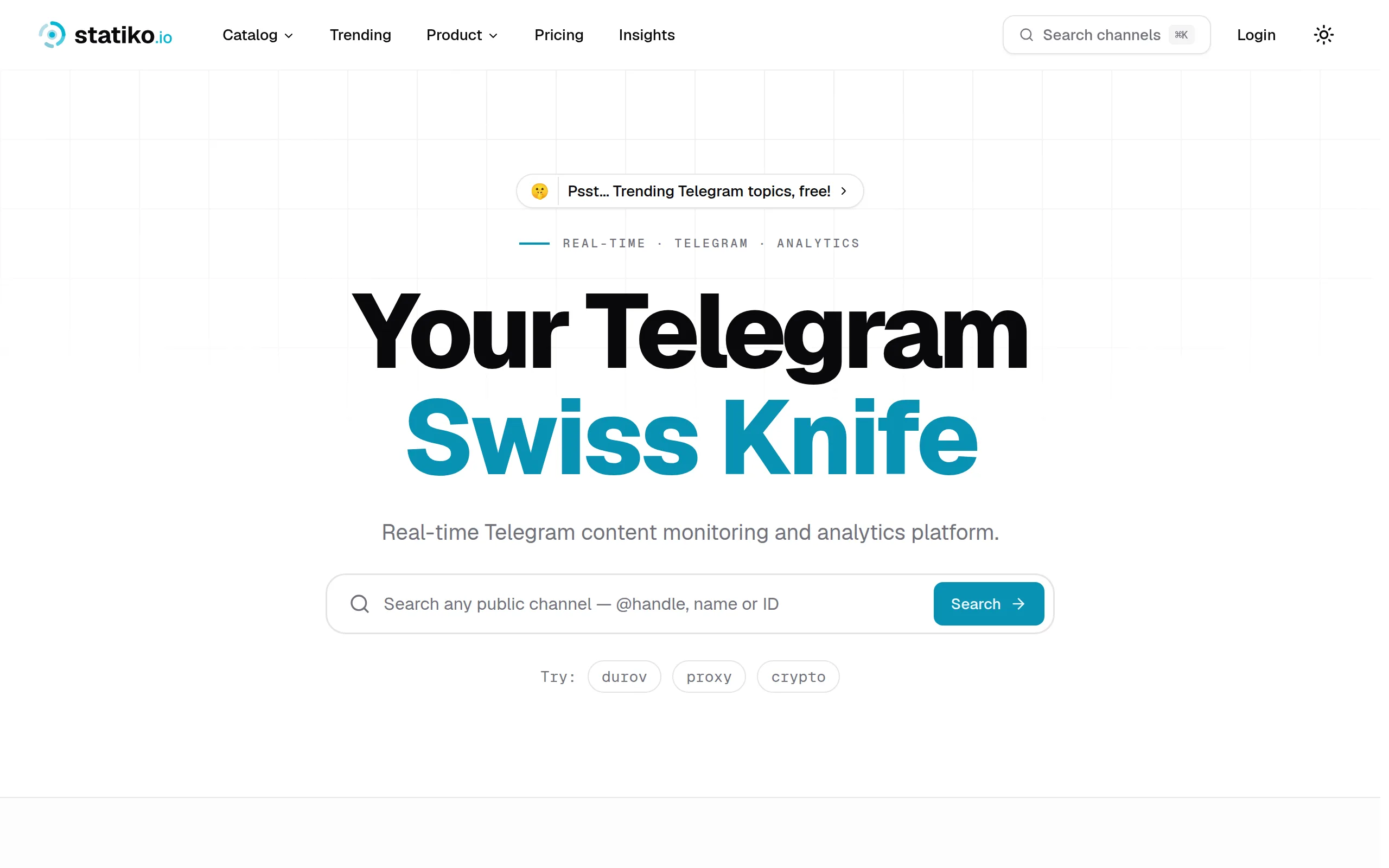
Statiko
Monitor any Telegram channel in real time - track posts, edits, deletions, and growth with AI recaps 📡

Shibui
AI website builder - describe your business, pick a niche template, edit by chatting, and publish instantly ✨

Pro Service
Find verified home service professionals, compare quotes, and pay securely through escrow - built for Brazilians across the US 🏠
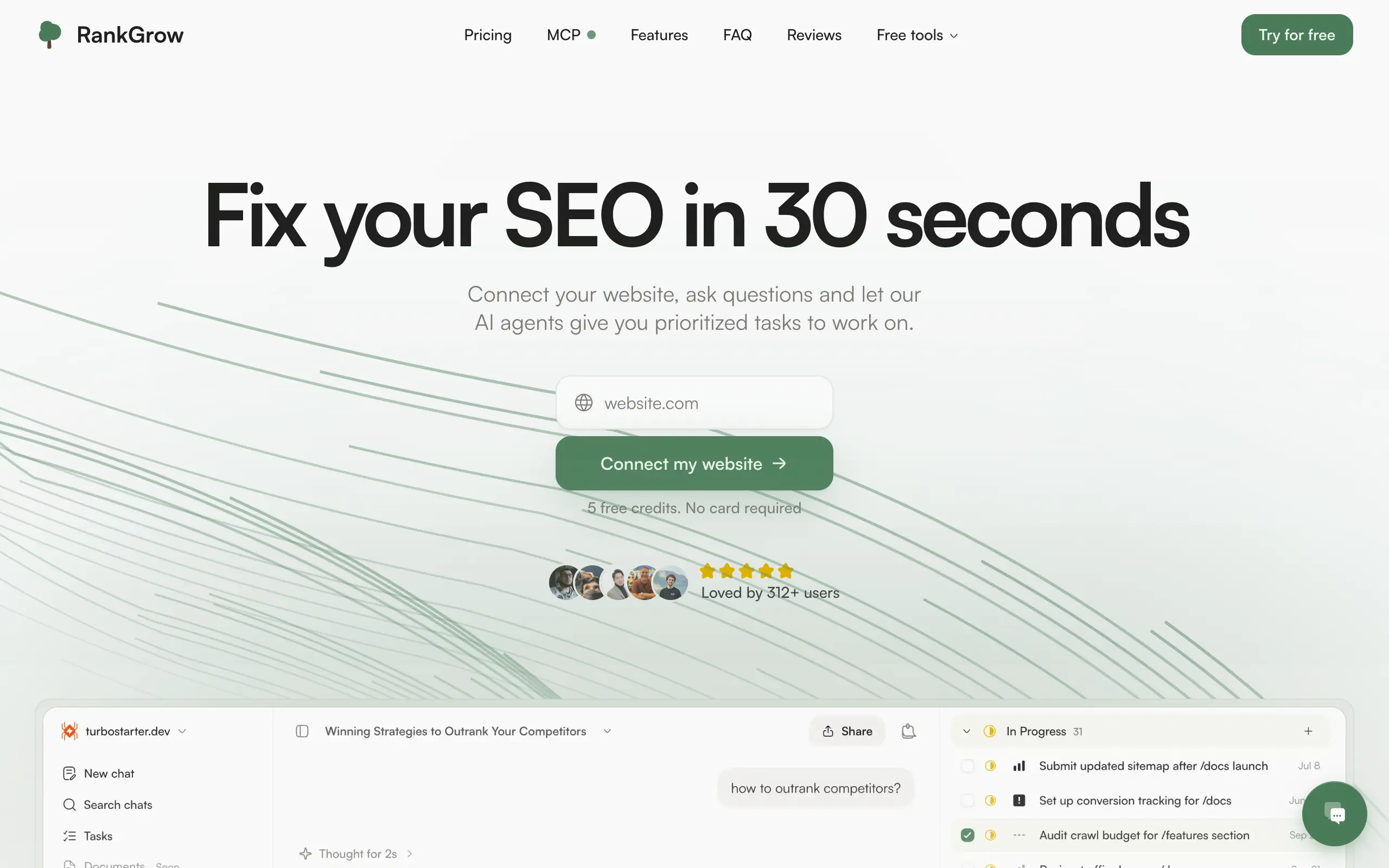
RankGrow
Fix your SEO with AI agents - connect Search Console, get prioritized tasks, and grow organic traffic 📈
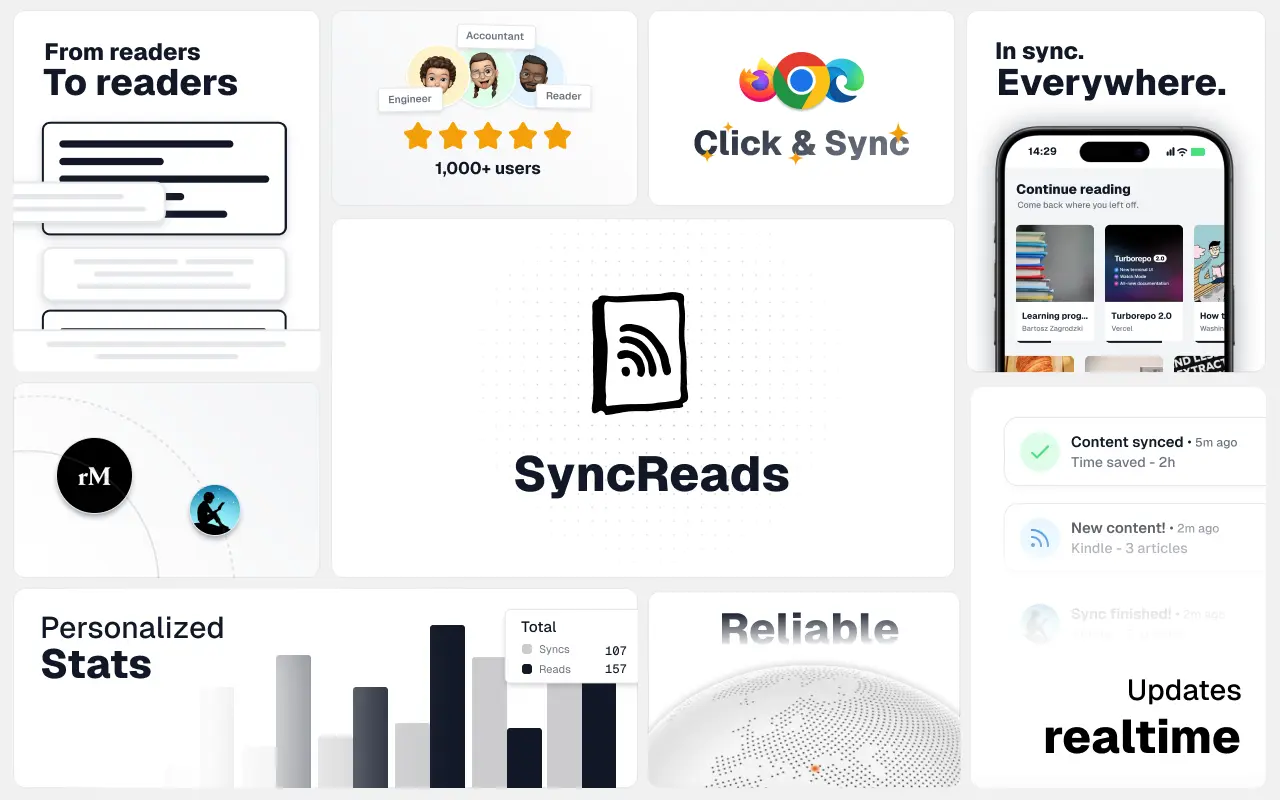
SyncReads
Sync your favorite content for distraction-free reading, save time and replace multiple apps. Anytime, anywhere 🔄
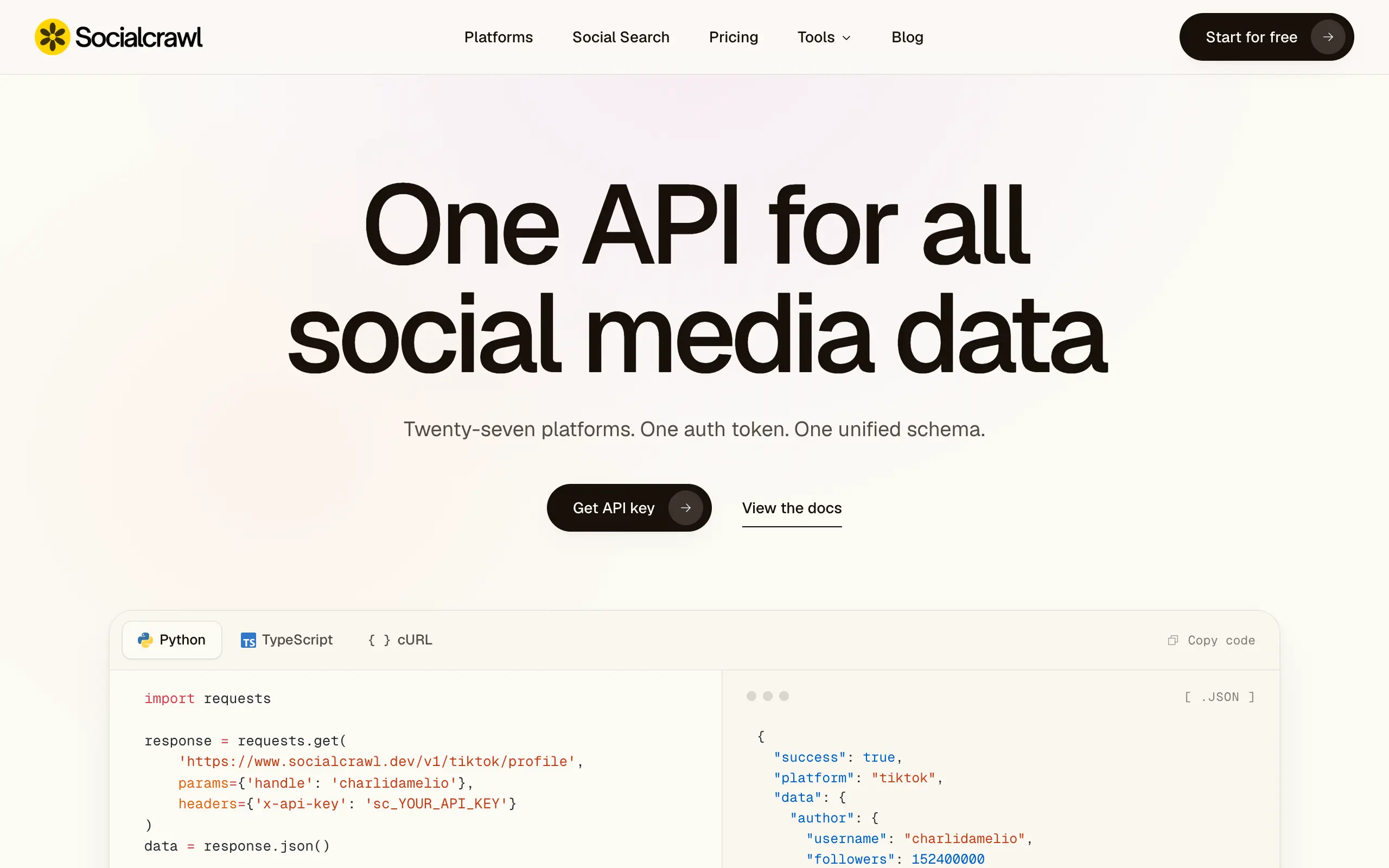
Socialcrawl
Get clean, structured data from 21 platforms like TikTok, Instagram, and YouTube with a single request 📊
Statiko
Monitor any Telegram channel in real time - track posts, edits, deletions, and growth with AI recaps 📡
Shibui
AI website builder - describe your business, pick a niche template, edit by chatting, and publish instantly ✨
Pro Service
Find verified home service professionals, compare quotes, and pay securely through escrow - built for Brazilians across the US 🏠
RankGrow
Fix your SEO with AI agents - connect Search Console, get prioritized tasks, and grow organic traffic 📈
SyncReads
Sync your favorite content for distraction-free reading, save time and replace multiple apps. Anytime, anywhere 🔄
Socialcrawl
Get clean, structured data from 21 platforms like TikTok, Instagram, and YouTube with a single request 📊
Statiko
Monitor any Telegram channel in real time - track posts, edits, deletions, and growth with AI recaps 📡
Shibui
AI website builder - describe your business, pick a niche template, edit by chatting, and publish instantly ✨
Pro Service
Find verified home service professionals, compare quotes, and pay securely through escrow - built for Brazilians across the US 🏠
RankGrow
Fix your SEO with AI agents - connect Search Console, get prioritized tasks, and grow organic traffic 📈
SyncReads
Sync your favorite content for distraction-free reading, save time and replace multiple apps. Anytime, anywhere 🔄
Socialcrawl
Get clean, structured data from 21 platforms like TikTok, Instagram, and YouTube with a single request 📊
Statiko
Monitor any Telegram channel in real time - track posts, edits, deletions, and growth with AI recaps 📡
Shibui
AI website builder - describe your business, pick a niche template, edit by chatting, and publish instantly ✨
Pro Service
Find verified home service professionals, compare quotes, and pay securely through escrow - built for Brazilians across the US 🏠
RankGrow
Fix your SEO with AI agents - connect Search Console, get prioritized tasks, and grow organic traffic 📈
SyncReads
Sync your favorite content for distraction-free reading, save time and replace multiple apps. Anytime, anywhere 🔄
Socialcrawl
Get clean, structured data from 21 platforms like TikTok, Instagram, and YouTube with a single request 📊
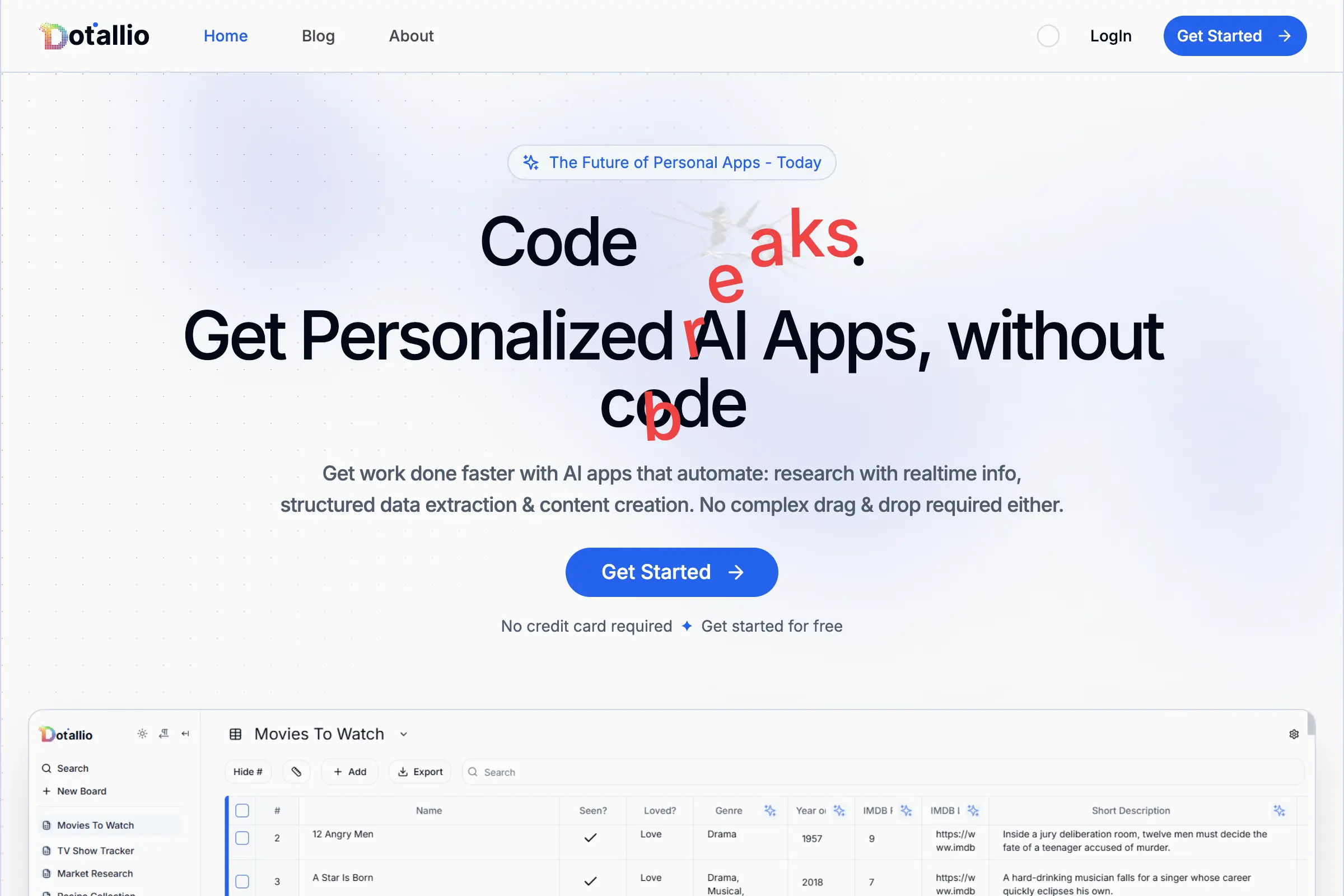
Dotallio
Personalized AI apps that automate research, data extraction, and content creation without code 🤖
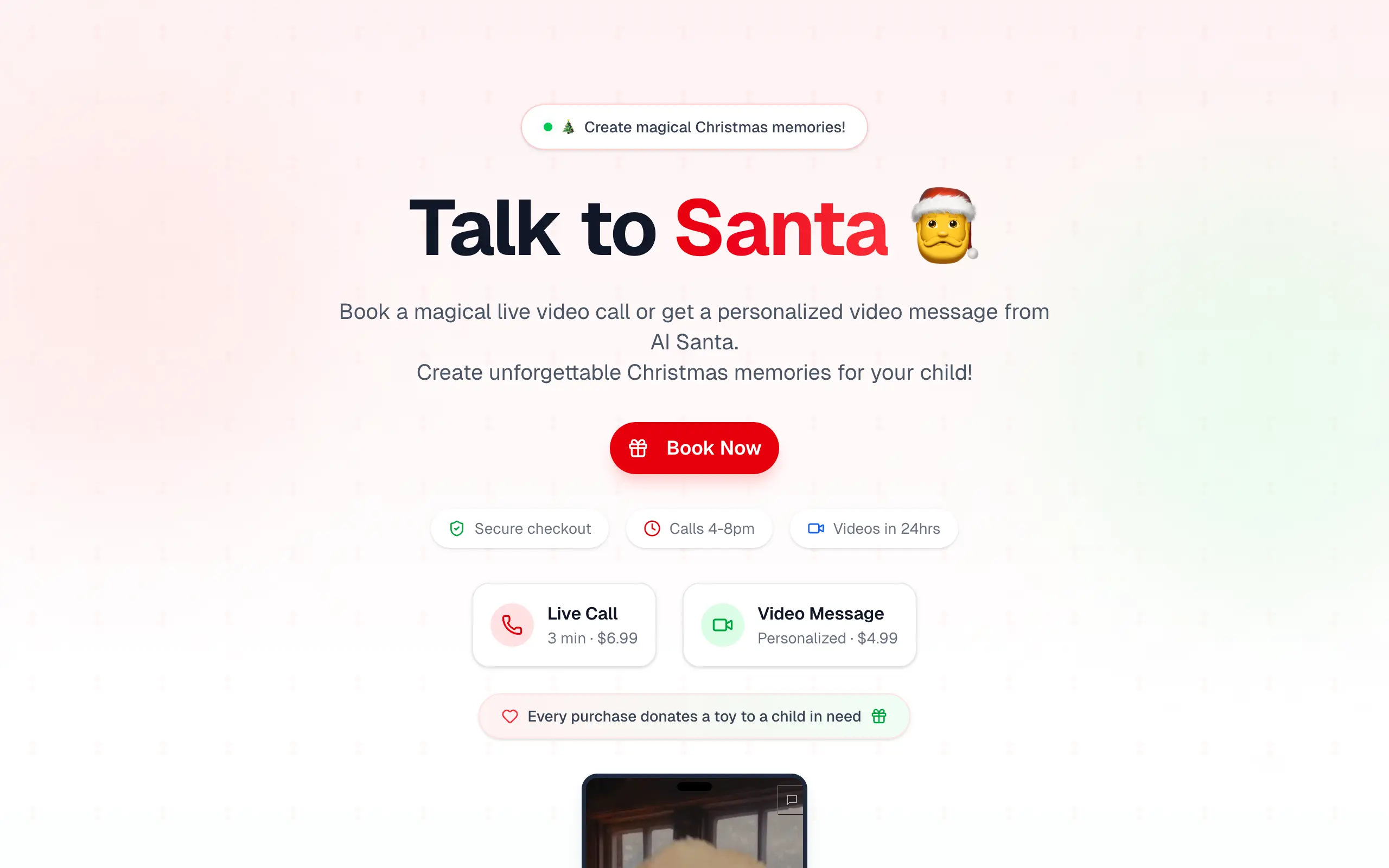
Talk to Santa
Enjoy a magical live video chat or receive a unique AI-generated video greeting from Santa Claus 🎅

pozywka.pl
Scalable blog for food journalist, focused on performance and user experience 🌭
zagrodzki.me
Personal blog and portfolio of Bart Zagrodzki, where he shares his knowledge and work 💼
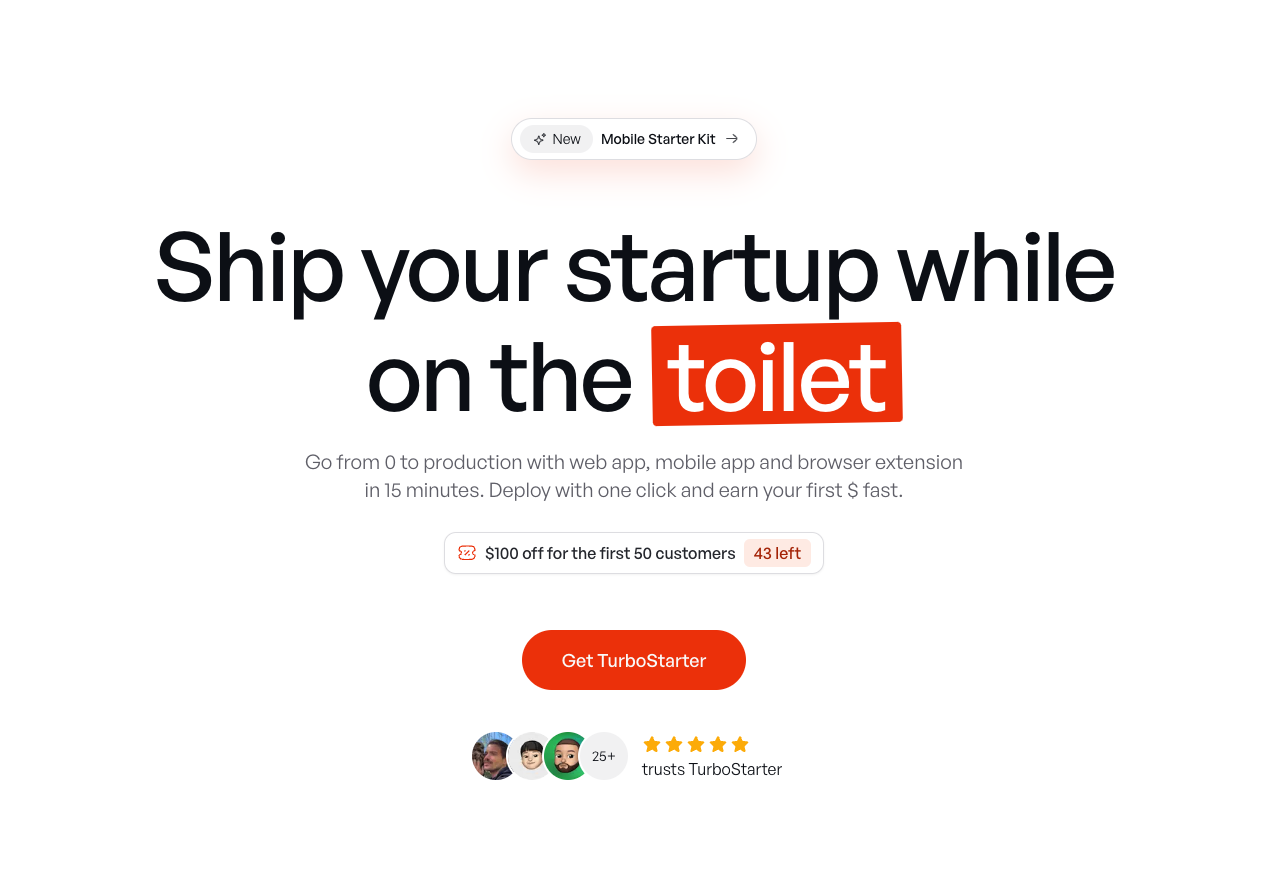
TurboStarter
Ship your startup everywhere. In minutes.
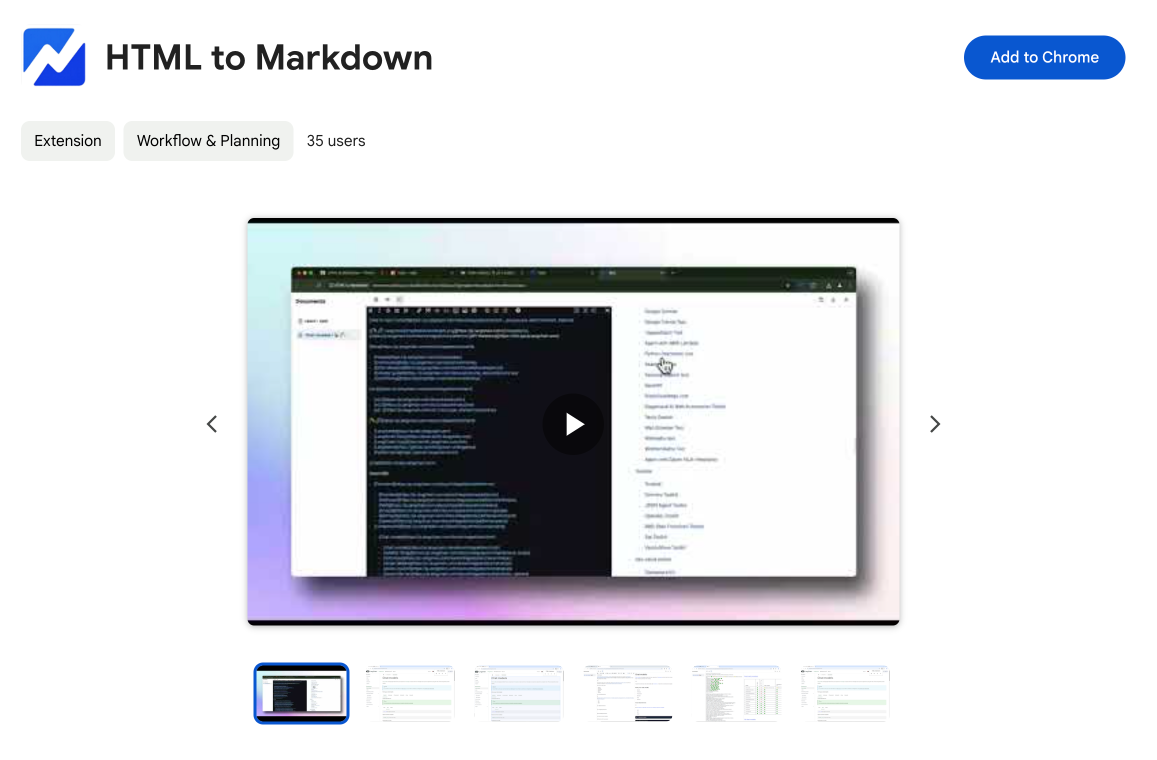
HTML to Markdown
Convert HTML to Markdown with ease, directly in your browser 📄
Dotallio
Personalized AI apps that automate research, data extraction, and content creation without code 🤖
Talk to Santa
Enjoy a magical live video chat or receive a unique AI-generated video greeting from Santa Claus 🎅
pozywka.pl
Scalable blog for food journalist, focused on performance and user experience 🌭
zagrodzki.me
Personal blog and portfolio of Bart Zagrodzki, where he shares his knowledge and work 💼
TurboStarter
Ship your startup everywhere. In minutes.
HTML to Markdown
Convert HTML to Markdown with ease, directly in your browser 📄
Dotallio
Personalized AI apps that automate research, data extraction, and content creation without code 🤖
Talk to Santa
Enjoy a magical live video chat or receive a unique AI-generated video greeting from Santa Claus 🎅
pozywka.pl
Scalable blog for food journalist, focused on performance and user experience 🌭
zagrodzki.me
Personal blog and portfolio of Bart Zagrodzki, where he shares his knowledge and work 💼
TurboStarter
Ship your startup everywhere. In minutes.
HTML to Markdown
Convert HTML to Markdown with ease, directly in your browser 📄
Dotallio
Personalized AI apps that automate research, data extraction, and content creation without code 🤖
Talk to Santa
Enjoy a magical live video chat or receive a unique AI-generated video greeting from Santa Claus 🎅
pozywka.pl
Scalable blog for food journalist, focused on performance and user experience 🌭
zagrodzki.me
Personal blog and portfolio of Bart Zagrodzki, where he shares his knowledge and work 💼
TurboStarter
Ship your startup everywhere. In minutes.
HTML to Markdown
Convert HTML to Markdown with ease, directly in your browser 📄
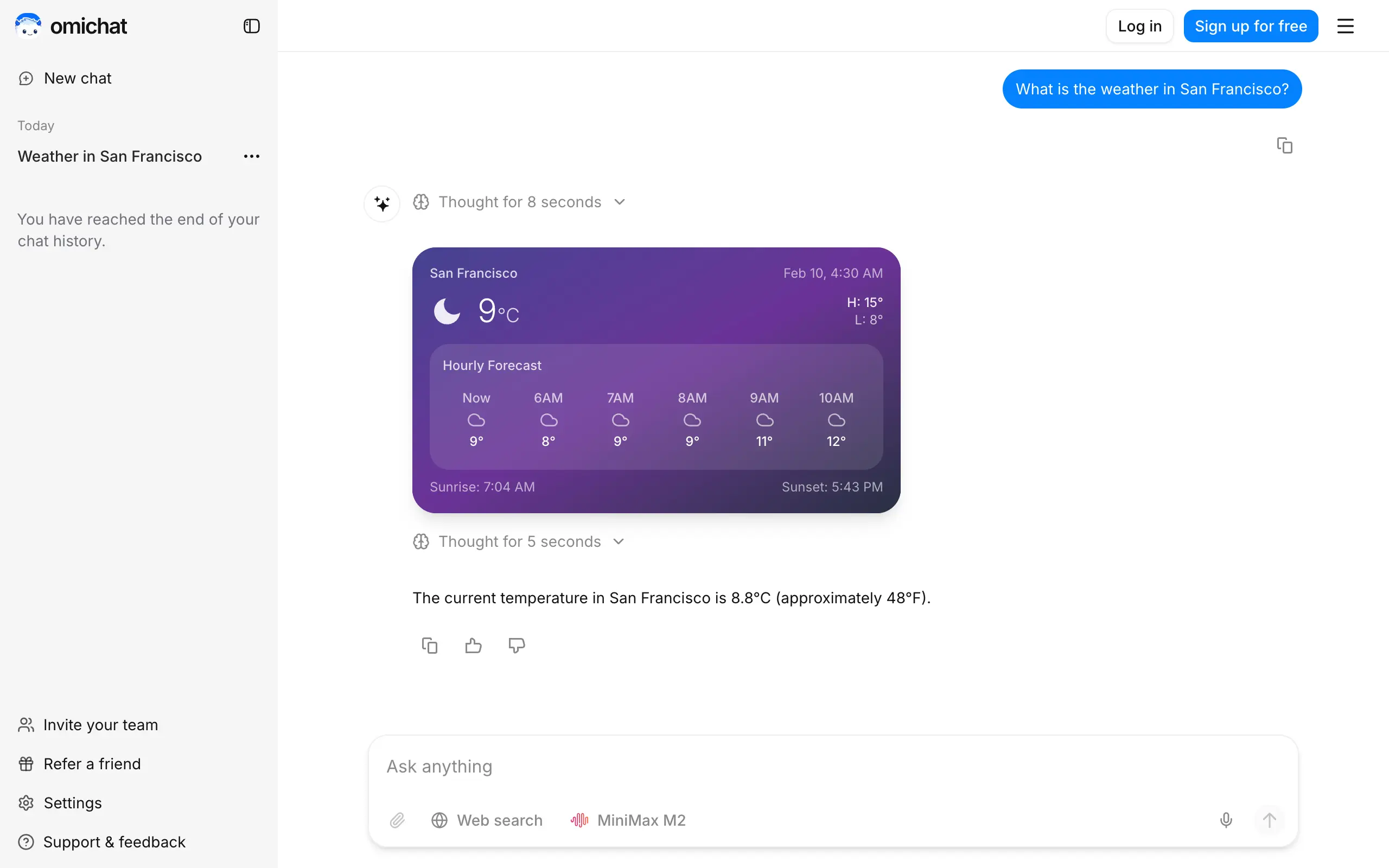
Omichat
Chat with 50+ AI models, including ChatGPT and Claude, in one place - switch models anytime without losing context 🤖
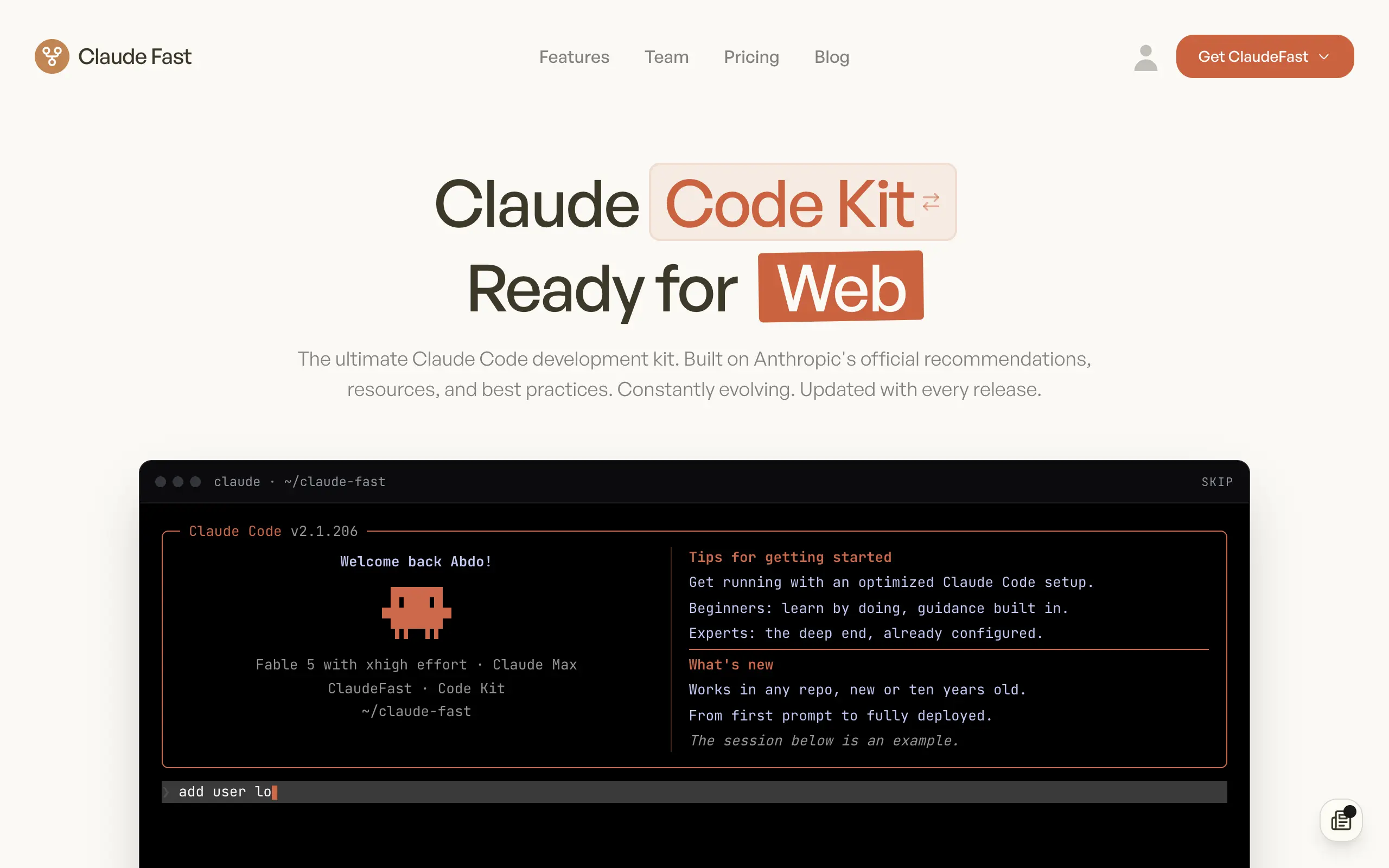
Claude Fast
Supercharge your Claude Code with 6x effective context window and specialized AI agents 🤖
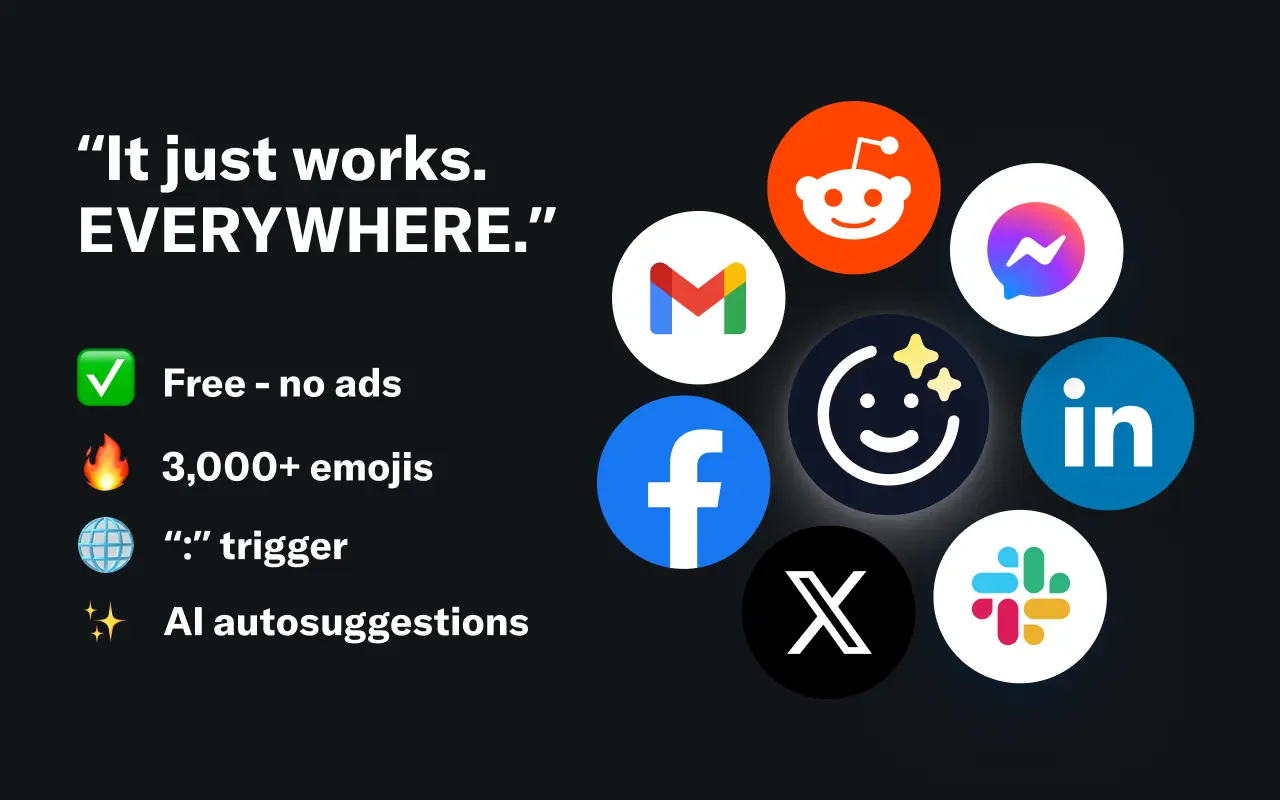
EmojAI
AI-powered emoji picker with smart, context-aware suggestions 🤖
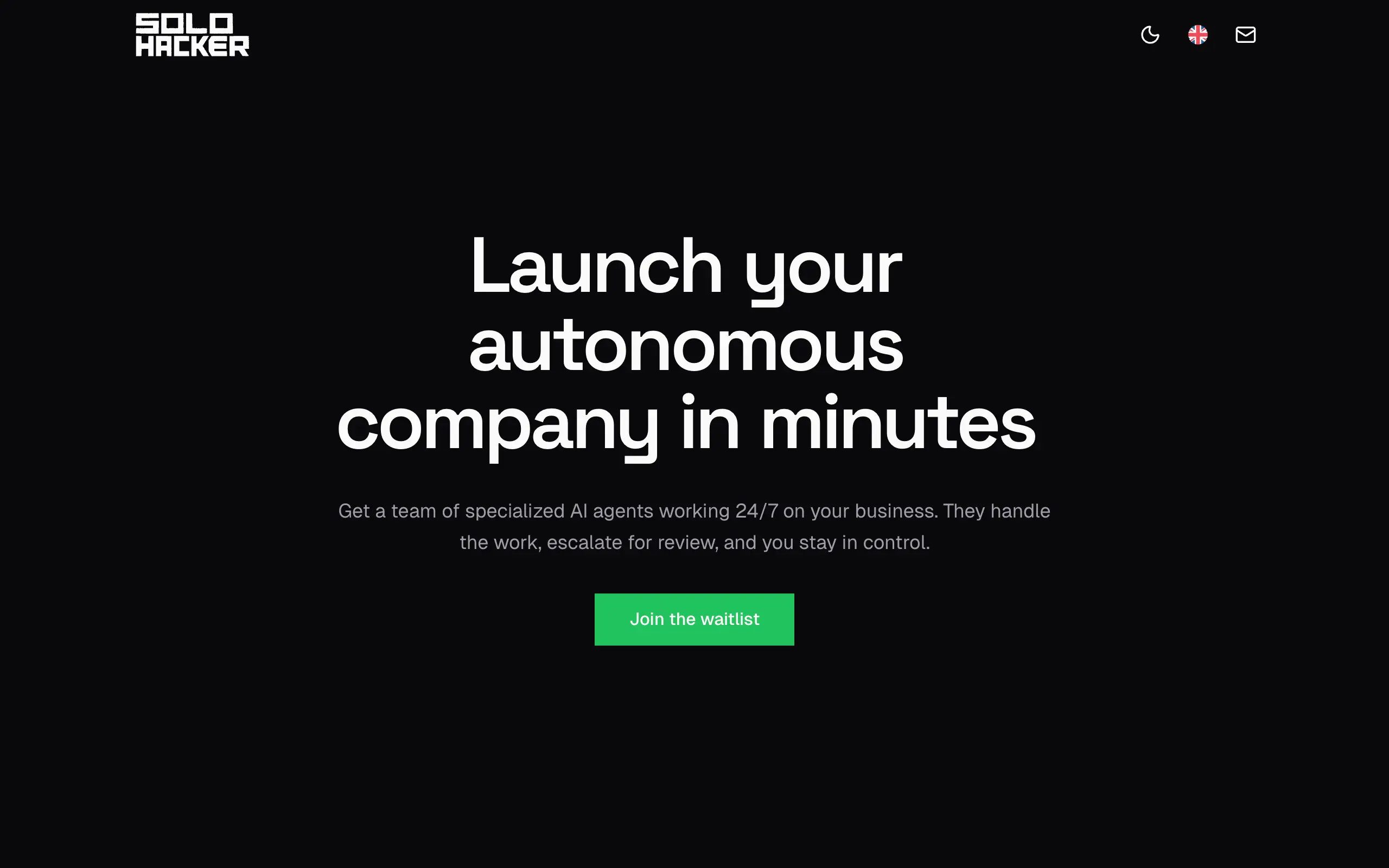
Solohacker
Autonomous company launcher - AI agents work 24/7, escalate what matters, and you stay in control 🤖

BeRawi: Storytelling Coach
Practice storytelling daily with instant feedback to sound clearer, more engaging, and confident 🎤
Omichat
Chat with 50+ AI models, including ChatGPT and Claude, in one place - switch models anytime without losing context 🤖
Claude Fast
Supercharge your Claude Code with 6x effective context window and specialized AI agents 🤖
EmojAI
AI-powered emoji picker with smart, context-aware suggestions 🤖
Solohacker
Autonomous company launcher - AI agents work 24/7, escalate what matters, and you stay in control 🤖
BeRawi: Storytelling Coach
Practice storytelling daily with instant feedback to sound clearer, more engaging, and confident 🎤
Omichat
Chat with 50+ AI models, including ChatGPT and Claude, in one place - switch models anytime without losing context 🤖
Claude Fast
Supercharge your Claude Code with 6x effective context window and specialized AI agents 🤖
EmojAI
AI-powered emoji picker with smart, context-aware suggestions 🤖
Solohacker
Autonomous company launcher - AI agents work 24/7, escalate what matters, and you stay in control 🤖
BeRawi: Storytelling Coach
Practice storytelling daily with instant feedback to sound clearer, more engaging, and confident 🎤
Omichat
Chat with 50+ AI models, including ChatGPT and Claude, in one place - switch models anytime without losing context 🤖
Claude Fast
Supercharge your Claude Code with 6x effective context window and specialized AI agents 🤖
EmojAI
AI-powered emoji picker with smart, context-aware suggestions 🤖
Solohacker
Autonomous company launcher - AI agents work 24/7, escalate what matters, and you stay in control 🤖
BeRawi: Storytelling Coach
Practice storytelling daily with instant feedback to sound clearer, more engaging, and confident 🎤

Connect with like-minded people
Join our community to get feedback, support, and grow together with 1,000+ builders on board, let's ship it!
Join usShip your startup everywhere. In minutes.
Don't burn tokens on setup and start building features on day one.