NicheScope AI
AI tool that discovers profitable micro-niches on TikTok, Etsy and Amazon using trend prediction and demand-gap analysis.
The rise of AI-powered niche discovery in the creator economy
The creator economy, side-hustle culture, and e-commerce entrepreneurship are growing at an unprecedented pace. Platforms like TikTok, Etsy, and Amazon have lowered the barrier to entry for launching products, digital assets, and content-driven brands. Yet one core problem remains unsolved for most entrepreneurs:
How do you find a profitable micro-niche before it becomes saturated?
This is where an AI niche discovery platform like NicheScope AI becomes transformative.
Instead of guessing trends, copying competitors, or manually analyzing spreadsheets, creators and sellers can use AI-powered trend prediction and demand-gap analysis to discover profitable micro-niches early — when competition is still low and demand is rising.
In this comprehensive guide, we’ll explore:
- The market opportunity for AI niche discovery tools
- Target audience segmentation and search intent
- Core features and technical architecture
- Monetization models and growth strategy
- Competitive landscape and differentiation
- Risks and mitigation
- Step-by-step implementation plan
If you’re evaluating building, investing in, or launching an AI SaaS like NicheScope AI, this article will give you strategic clarity.
Understanding the user search intent
Before building or marketing a tool like NicheScope AI, it’s critical to understand user intent behind searches like:
- “How to find profitable niches on Etsy”
- “TikTok trend analysis tool”
- “Amazon product research AI”
- “Low competition high demand niches”
- “Micro niche ideas for 2026”
These users typically fall into four intent categories:
- Exploratory intent – Looking for niche ideas.
- Validation intent – Checking if a niche is profitable.
- Data-driven decision intent – Wanting analytics to reduce risk.
- Automation intent – Seeking tools that do research automatically.
NicheScope AI addresses all four by combining:
- Trend prediction models
- Cross-platform demand signals
- Competition analysis
- Profitability scoring
Market opportunity: the gap in niche discovery tools
The macro trend
Three macro trends make this opportunity massive:
- Growth in e-commerce sellers on Amazon and Etsy
- Explosive short-form video commerce on TikTok
- Rapid adoption of AI tools for business automation
According to publicly available Amazon and Shopify ecosystem reports (suggest referencing official investor reports for updated numbers), millions of new sellers join marketplaces annually. Most fail not because of execution, but because they choose oversaturated niches.
The existing problem
Current tools typically offer:
- Keyword research
- Sales volume estimation
- Competitor analysis
But they don’t offer predictive intelligence across multiple platforms simultaneously.
Most tools are:
- Amazon-only
- Etsy-only
- Keyword-based, not trend-based
- Reactive, not predictive
There’s a clear market gap for:
A cross-platform AI engine that detects emerging micro-niches before mainstream discovery.
That is the strategic positioning of NicheScope AI.
What is a micro-niche and why it matters
A micro-niche is a highly specific sub-segment of a broader market.
Example:
- Broad niche: Fitness
- Niche: Home workouts
- Micro-niche: Resistance band workouts for postpartum moms
Micro-niches matter because:
- Lower competition
- Higher purchase intent
- Easier branding
- Lower ad costs
- Faster authority building
The challenge is finding these micro-niches early.
How NicheScope AI works conceptually
At its core, NicheScope AI performs demand-gap analysis.
Demand-gap analysis = Identifying topics/products with:
- Rising demand
- Low competition
- Monetization potential
Core data sources
- TikTok trend velocity
- Etsy search patterns
- Amazon BSR (Best Seller Rank) trends
- Review velocity changes
- Search autocomplete patterns
- Social sentiment signals
Core features of NicheScope AI
1. Cross-platform trend prediction engine
Instead of looking at static keyword volume, the AI models:
- Trend acceleration rate
- Engagement-to-competition ratio
- Search-to-product ratio
- Listing growth rate vs. demand growth rate
The predictive engine could use:
- Time-series forecasting (Prophet, LSTM)
- NLP for topic clustering
- Anomaly detection for breakout signals
2. Demand-gap scoring system
Each micro-niche gets a composite score:
- ✅ Demand growth score
- ✅ Competition density score
- ✅ Monetization viability score
- ✅ Platform fit score
- ✅ Saturation risk score
Example scoring logic:
function calculateNicheScore(demandGrowth, competitionDensity, monetizationScore) {
  const weightedScore =
    (demandGrowth * 0.5) +
    ((1 - competitionDensity) * 0.3) +
    (monetizationScore * 0.2);

  return Math.round(weightedScore * 100);
}
This score simplifies decision-making for non-technical entrepreneurs.
3. Micro-niche cluster explorer
Using NLP clustering:
- Group similar keywords
- Detect underserved subtopics
- Highlight long-tail opportunities
Example:
“Pet beds” → AI detects:
- Orthopedic pet beds for senior cats
- Cooling pet beds for small apartments
- Anxiety-reducing pet beds for rescue dogs
4. Competition intelligence dashboard
Key metrics:
- Listing growth rate
- Review velocity
- Price compression
- Ad saturation signals
5. AI-powered niche idea generator
The tool can also:
- Suggest product concepts
- Suggest TikTok content angles
- Suggest Etsy bundle ideas
- Suggest digital product opportunities
Target audience analysis
NicheScope AI’s ideal users are not generic “entrepreneurs.”
They fall into clear segments:
Amazon FBA sellers
Looking for low-competition, high-demand product ideas before committing to inventory.
Etsy digital product creators
Searching for profitable printable, template, or niche craft opportunities.
TikTok affiliate marketers
Wanting trend-based product angles with high engagement potential.
Indie hackers & SaaS builders
Validating micro-SaaS or info-product niche ideas using data signals.
Competitive landscape analysis
Let’s compare positioning:
| Feature | Helium 10 | Jungle Scout | TikTok Creative Center | NicheScope AI |
|---|---|---|---|---|
| Cross-platform analysis | ❌ | ❌ | ❌ | ✅ |
| Trend prediction (AI) | Limited | Limited | Reactive | ✅ |
| Demand-gap scoring | ❌ | ❌ | ❌ | ✅ |
Competitive advantage
NicheScope AI differentiates by:
- Predictive rather than reactive analytics
- Cross-platform intelligence
- Micro-niche clustering
- AI-driven opportunity scoring
Recommended tech stack
Building an AI SaaS like NicheScope AI requires thoughtful architecture.
Frontend
Backend
- Node.js (API orchestration)
- Python microservices (AI models)
- PostgreSQL (structured data)
- Redis (caching trend queries)
AI layer
- OpenAI API (NLP clustering)
- Time-series models (Prophet or LSTM)
- Vector database (e.g., Pinecone)
Infrastructure
- Vercel (frontend)
- AWS or GCP (data pipelines)
- Scheduled ETL jobs for scraping and analysis
Monetization strategy options
1. Tiered SaaS pricing
- Starter: $29/month
- Pro: $79/month
- Agency: $199/month
2. Credit-based AI usage
Charge based on:
- Trend predictions
- Deep competitor scans
- Niche exports
3. API monetization
Allow:
- SaaS founders to embed niche data
- Agencies to access bulk trend feeds
4. Data reports
Sell:
- Quarterly micro-niche trend reports
- Industry-specific research packs
Potential risks and mitigation
Platform dependency risk
Heavy reliance on Amazon, Etsy, or TikTok APIs could create volatility.
Mitigation:
- Diversify data sources
- Cache historical data
- Use proxy data (Google Trends, social signals)
False positives in AI predictions
Trend spikes may not convert into profitable niches.
Mitigation:
- Add conversion signals
- Use composite scoring
- Provide confidence intervals
Growth strategy
Content marketing
Target keywords like:
- “Profitable Etsy niches 2026”
- “Low competition Amazon products”
- “TikTok trending products finder”
Community strategy
- Private Discord
- Weekly niche drops
- Case study showcases
Influencer partnerships
- Amazon FBA YouTubers
- Etsy educators
- TikTok growth creators
Implementation roadmap
MVP feature prioritization
- Amazon-only niche discovery
- Demand vs competition score
- Basic trend charts
- Export functionality
- Cross-platform analysis
- Predictive forecasting
- AI idea generation
- API access
Why now is the right time
Several macro forces align:
- AI adoption normalization
- Oversaturation fear among sellers
- Creator economy expansion
- Increased competition requiring better intelligence
Entrepreneurs are no longer satisfied with “keyword tools.”
They want:
Data-backed opportunity validation before investing money.
Building faster with modern SaaS infrastructure
Instead of building everything from scratch, founders can accelerate development using production-ready SaaS frameworks like TurboStarter.
Benefits:
- Authentication system prebuilt
- Billing integration
- Scalable architecture
- Admin dashboard
- Multi-tenant support
This dramatically reduces time-to-market and allows founders to focus on the AI engine — the true competitive moat.
Long-term vision for NicheScope AI
Beyond micro-niches, the platform can evolve into:
- AI-powered brand incubator
- Product validation simulator
- Ad creative suggestion engine
- Inventory risk predictor
- AI dropshipping intelligence tool
Eventually, it could become:
The Bloomberg Terminal of micro-entrepreneurship.
Action plan to build and launch NicheScope AI
Here is a practical execution checklist:
Final thoughts
The biggest challenge for digital entrepreneurs is not execution — it’s choosing the right opportunity.
An AI-powered niche discovery tool like NicheScope AI reduces uncertainty, increases confidence, and enables smarter risk-taking.
With:
- Cross-platform data
- Predictive trend intelligence
- Demand-gap scoring
- Micro-niche clustering
It offers a differentiated position in a crowded market of reactive keyword tools.
If built strategically with strong AI modeling, clean UX, and clear positioning, NicheScope AI has the potential to become an essential tool for:
- Amazon sellers
- Etsy creators
- TikTok marketers
- Indie hackers
The opportunity lies in building predictive intelligence, not just analytics.
If you’re planning to build a SaaS like NicheScope AI, focus on data quality, scoring transparency, and predictive credibility. The creators of tomorrow don’t just want ideas — they want validated opportunities backed by AI intelligence.
More 🤖 AI Startup SaaS ideas
Discover more innovative ai startup SaaS ideas that are trending in 2026. Each idea is AI-generated with market validation and growth potential to help you find your next profitable venture faster than competitors.
Your competitors are building with TurboStarter
Below are some of the SaaS ideas that have been generated and built with our starter kit.
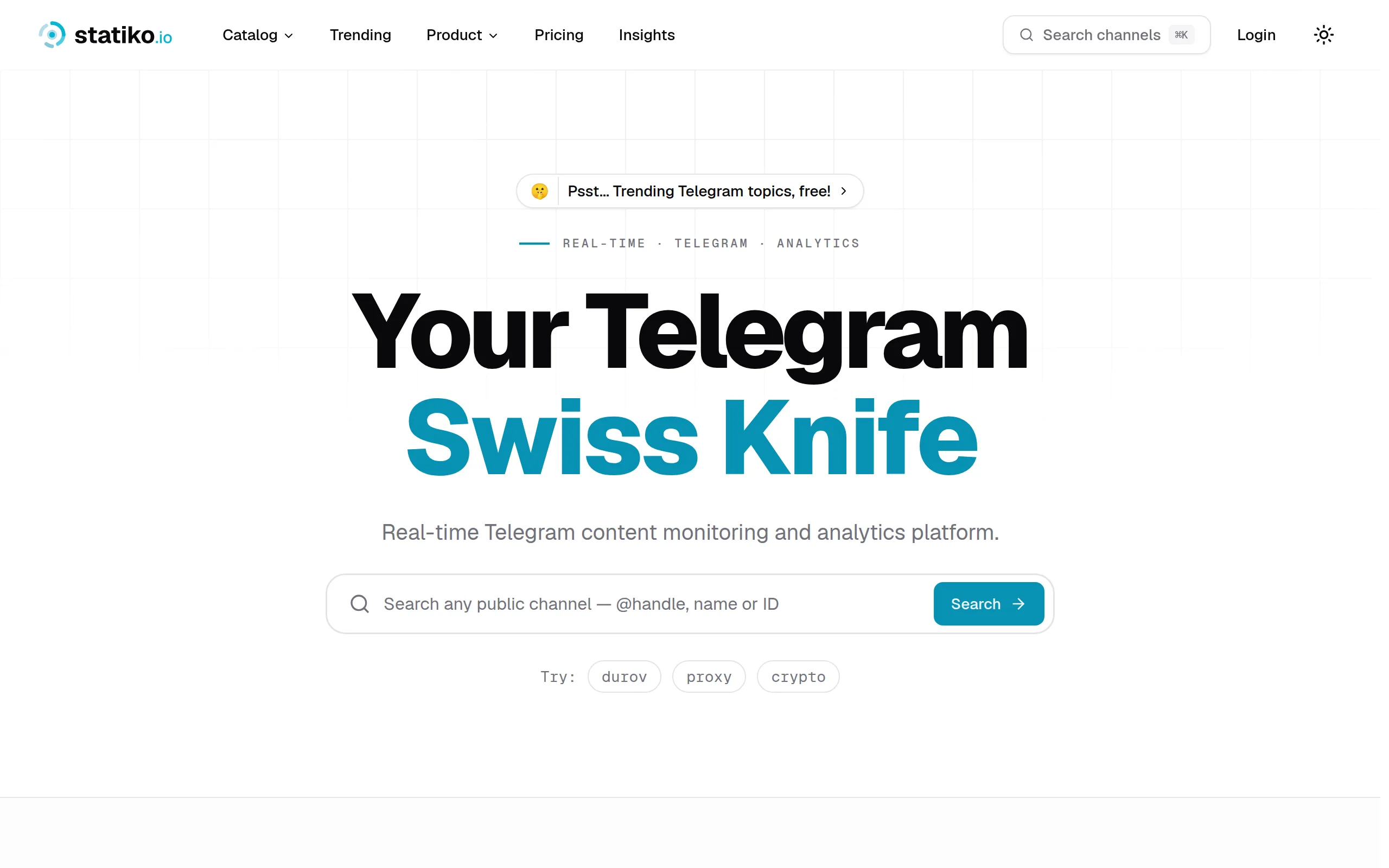
Statiko
Monitor any Telegram channel in real time - track posts, edits, deletions, and growth with AI recaps 📡

Shibui
AI website builder - describe your business, pick a niche template, edit by chatting, and publish instantly ✨

Pro Service
Find verified home service professionals, compare quotes, and pay securely through escrow - built for Brazilians across the US 🏠
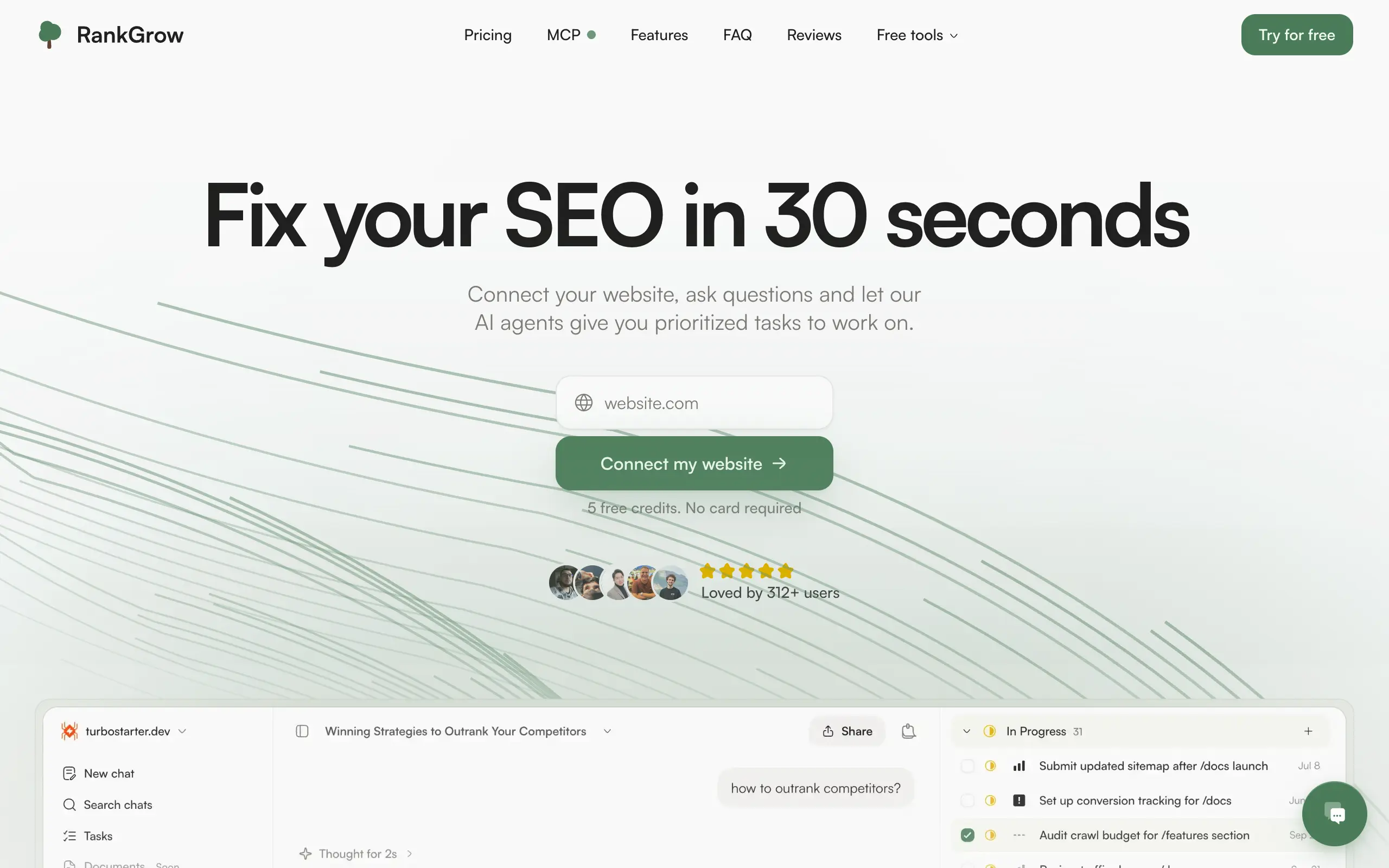
RankGrow
Fix your SEO with AI agents - connect Search Console, get prioritized tasks, and grow organic traffic 📈
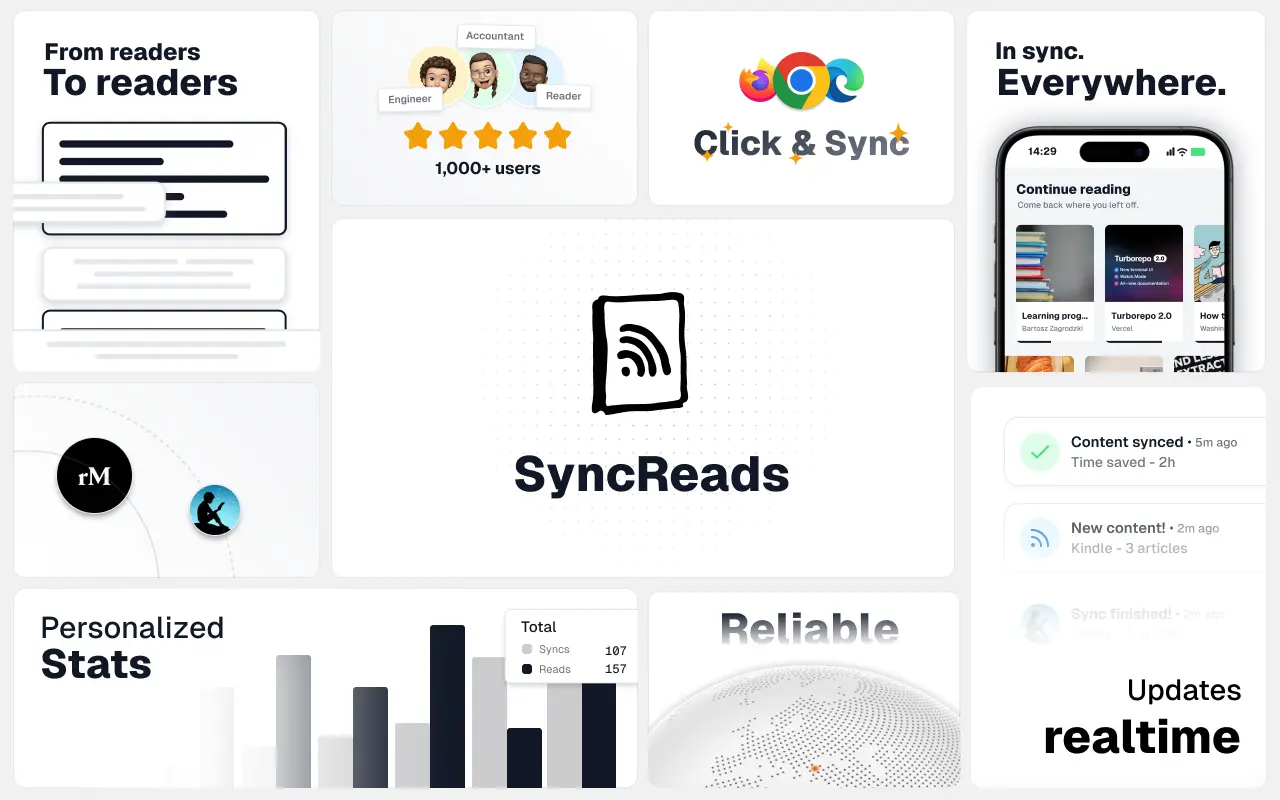
SyncReads
Sync your favorite content for distraction-free reading, save time and replace multiple apps. Anytime, anywhere 🔄
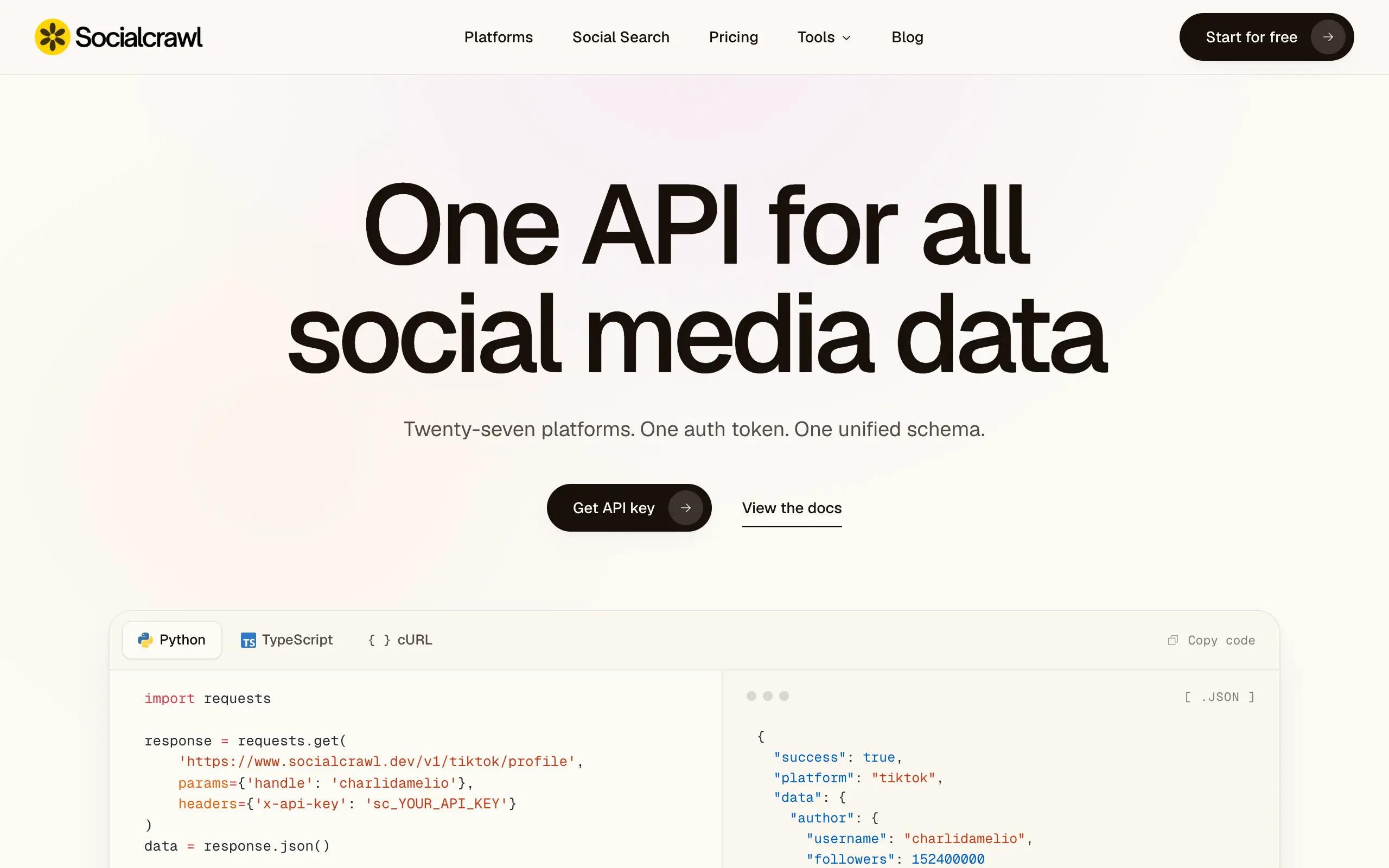
Socialcrawl
Get clean, structured data from 21 platforms like TikTok, Instagram, and YouTube with a single request 📊
Statiko
Monitor any Telegram channel in real time - track posts, edits, deletions, and growth with AI recaps 📡
Shibui
AI website builder - describe your business, pick a niche template, edit by chatting, and publish instantly ✨
Pro Service
Find verified home service professionals, compare quotes, and pay securely through escrow - built for Brazilians across the US 🏠
RankGrow
Fix your SEO with AI agents - connect Search Console, get prioritized tasks, and grow organic traffic 📈
SyncReads
Sync your favorite content for distraction-free reading, save time and replace multiple apps. Anytime, anywhere 🔄
Socialcrawl
Get clean, structured data from 21 platforms like TikTok, Instagram, and YouTube with a single request 📊
Statiko
Monitor any Telegram channel in real time - track posts, edits, deletions, and growth with AI recaps 📡
Shibui
AI website builder - describe your business, pick a niche template, edit by chatting, and publish instantly ✨
Pro Service
Find verified home service professionals, compare quotes, and pay securely through escrow - built for Brazilians across the US 🏠
RankGrow
Fix your SEO with AI agents - connect Search Console, get prioritized tasks, and grow organic traffic 📈
SyncReads
Sync your favorite content for distraction-free reading, save time and replace multiple apps. Anytime, anywhere 🔄
Socialcrawl
Get clean, structured data from 21 platforms like TikTok, Instagram, and YouTube with a single request 📊
Statiko
Monitor any Telegram channel in real time - track posts, edits, deletions, and growth with AI recaps 📡
Shibui
AI website builder - describe your business, pick a niche template, edit by chatting, and publish instantly ✨
Pro Service
Find verified home service professionals, compare quotes, and pay securely through escrow - built for Brazilians across the US 🏠
RankGrow
Fix your SEO with AI agents - connect Search Console, get prioritized tasks, and grow organic traffic 📈
SyncReads
Sync your favorite content for distraction-free reading, save time and replace multiple apps. Anytime, anywhere 🔄
Socialcrawl
Get clean, structured data from 21 platforms like TikTok, Instagram, and YouTube with a single request 📊
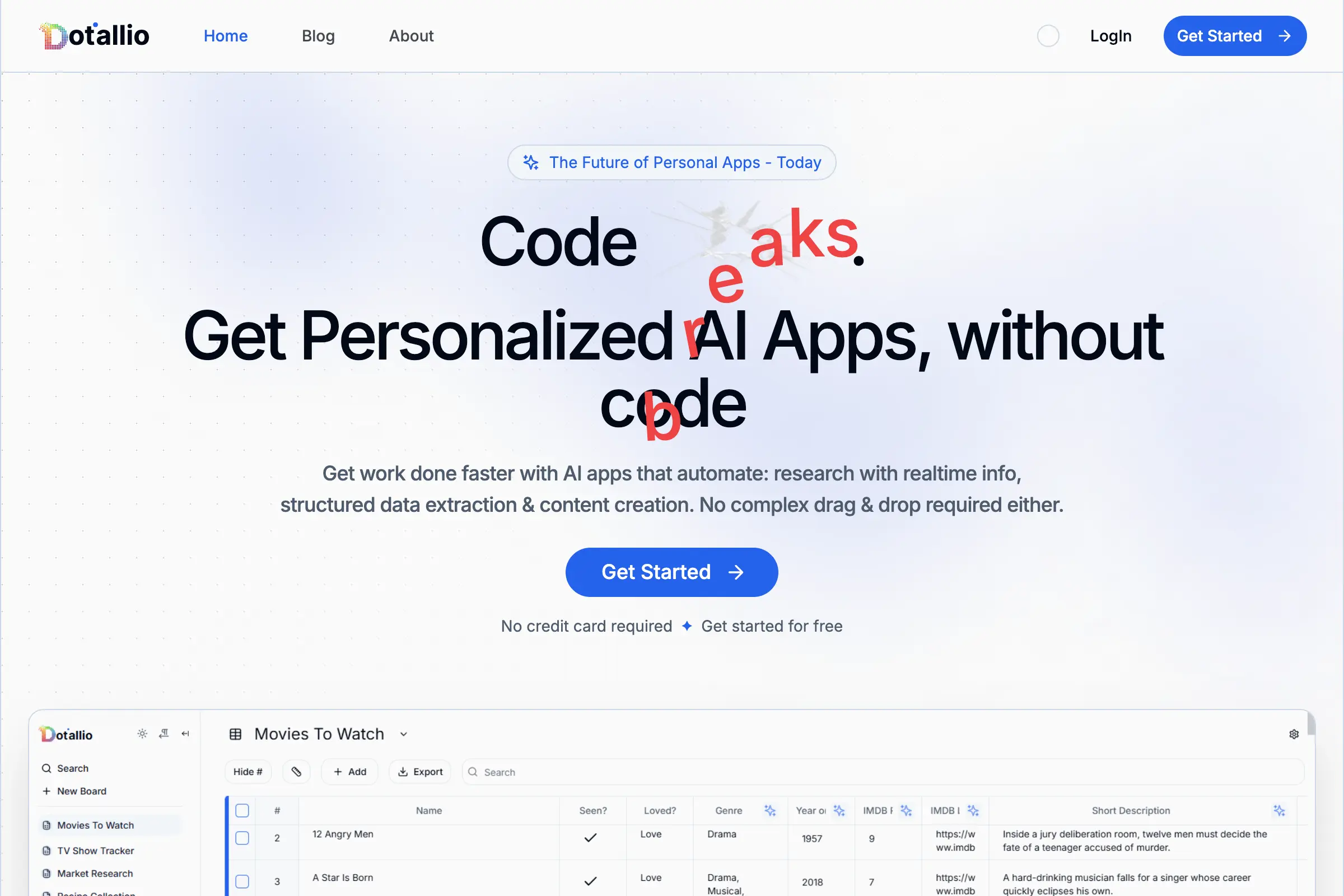
Dotallio
Personalized AI apps that automate research, data extraction, and content creation without code 🤖
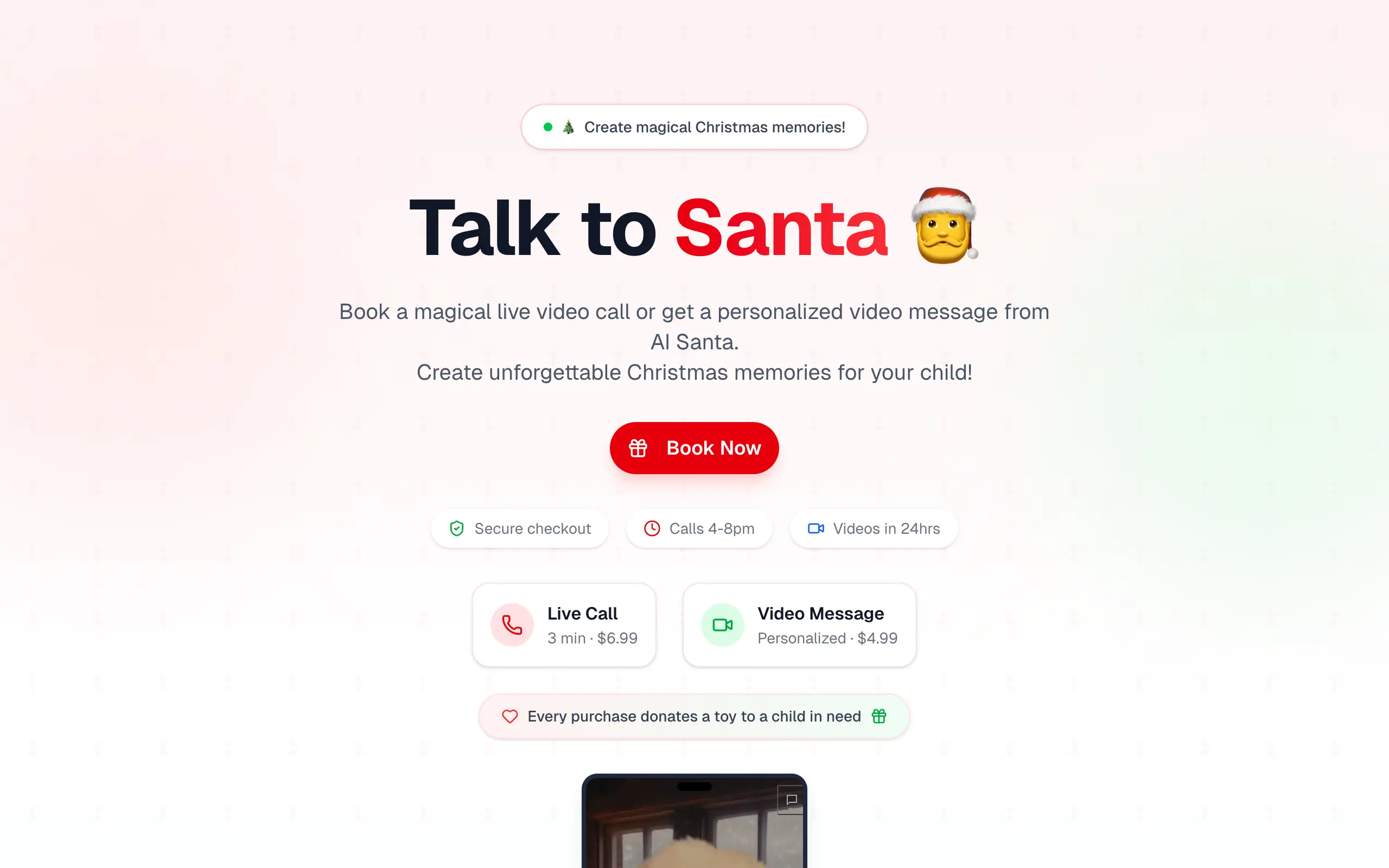
Talk to Santa
Enjoy a magical live video chat or receive a unique AI-generated video greeting from Santa Claus 🎅

pozywka.pl
Scalable blog for food journalist, focused on performance and user experience 🌭
zagrodzki.me
Personal blog and portfolio of Bart Zagrodzki, where he shares his knowledge and work 💼
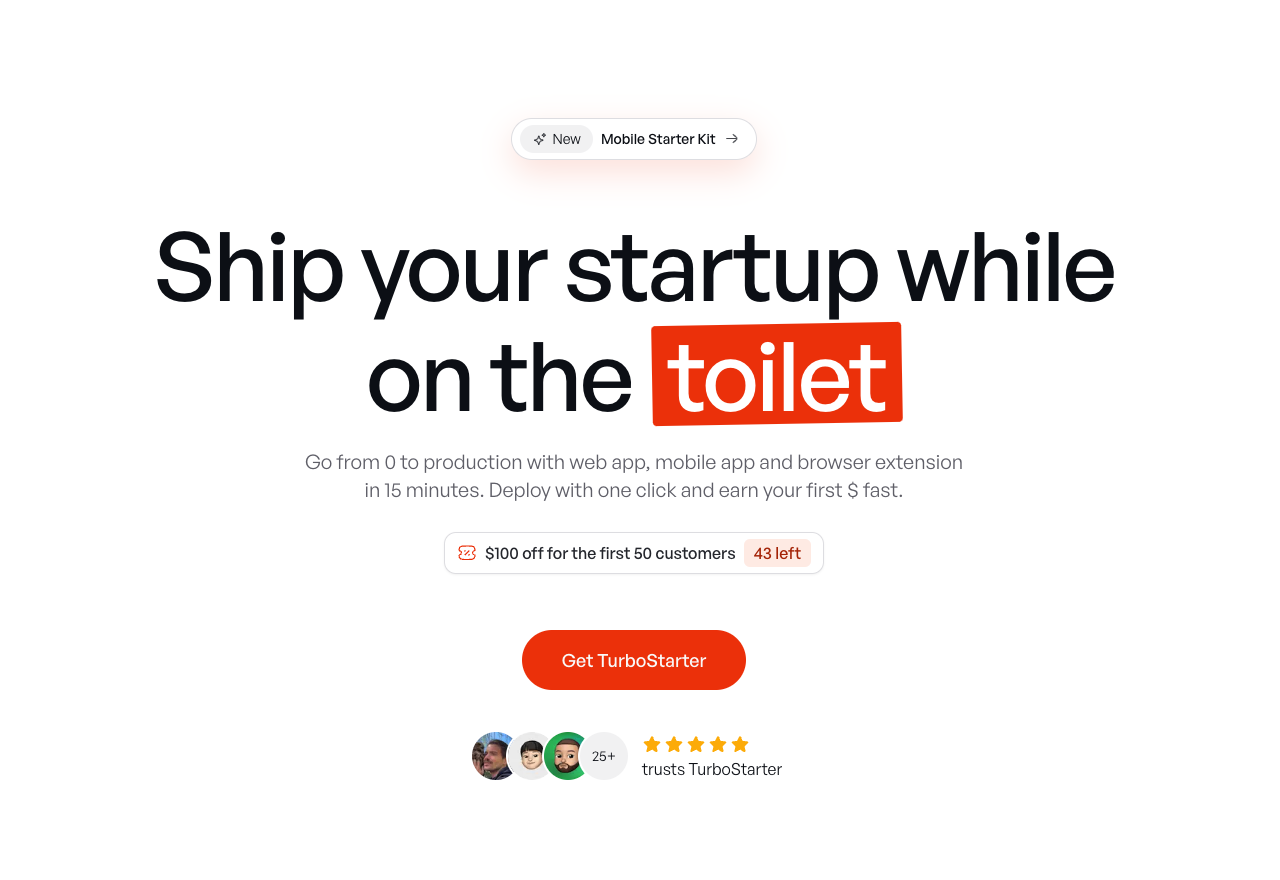
TurboStarter
Ship your startup everywhere. In minutes.
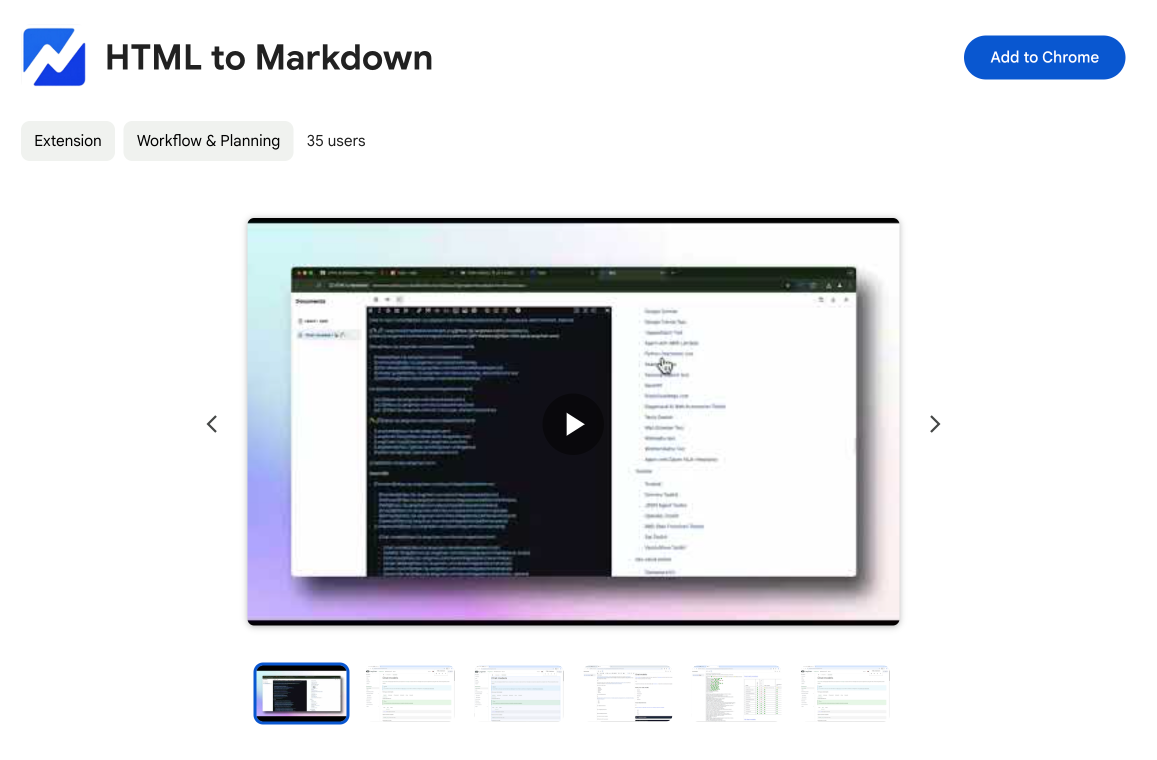
HTML to Markdown
Convert HTML to Markdown with ease, directly in your browser 📄
Dotallio
Personalized AI apps that automate research, data extraction, and content creation without code 🤖
Talk to Santa
Enjoy a magical live video chat or receive a unique AI-generated video greeting from Santa Claus 🎅
pozywka.pl
Scalable blog for food journalist, focused on performance and user experience 🌭
zagrodzki.me
Personal blog and portfolio of Bart Zagrodzki, where he shares his knowledge and work 💼
TurboStarter
Ship your startup everywhere. In minutes.
HTML to Markdown
Convert HTML to Markdown with ease, directly in your browser 📄
Dotallio
Personalized AI apps that automate research, data extraction, and content creation without code 🤖
Talk to Santa
Enjoy a magical live video chat or receive a unique AI-generated video greeting from Santa Claus 🎅
pozywka.pl
Scalable blog for food journalist, focused on performance and user experience 🌭
zagrodzki.me
Personal blog and portfolio of Bart Zagrodzki, where he shares his knowledge and work 💼
TurboStarter
Ship your startup everywhere. In minutes.
HTML to Markdown
Convert HTML to Markdown with ease, directly in your browser 📄
Dotallio
Personalized AI apps that automate research, data extraction, and content creation without code 🤖
Talk to Santa
Enjoy a magical live video chat or receive a unique AI-generated video greeting from Santa Claus 🎅
pozywka.pl
Scalable blog for food journalist, focused on performance and user experience 🌭
zagrodzki.me
Personal blog and portfolio of Bart Zagrodzki, where he shares his knowledge and work 💼
TurboStarter
Ship your startup everywhere. In minutes.
HTML to Markdown
Convert HTML to Markdown with ease, directly in your browser 📄
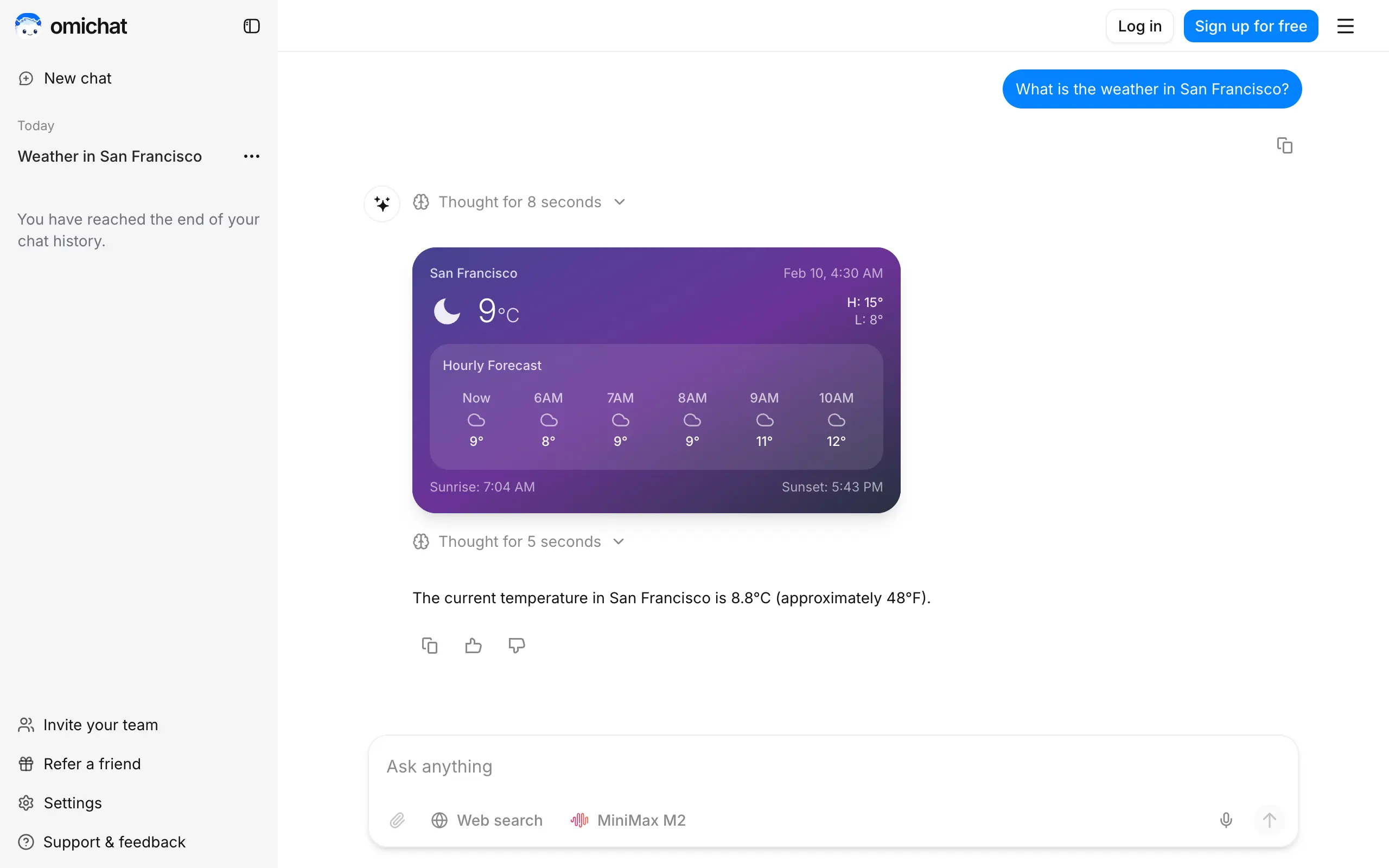
Omichat
Chat with 50+ AI models, including ChatGPT and Claude, in one place - switch models anytime without losing context 🤖
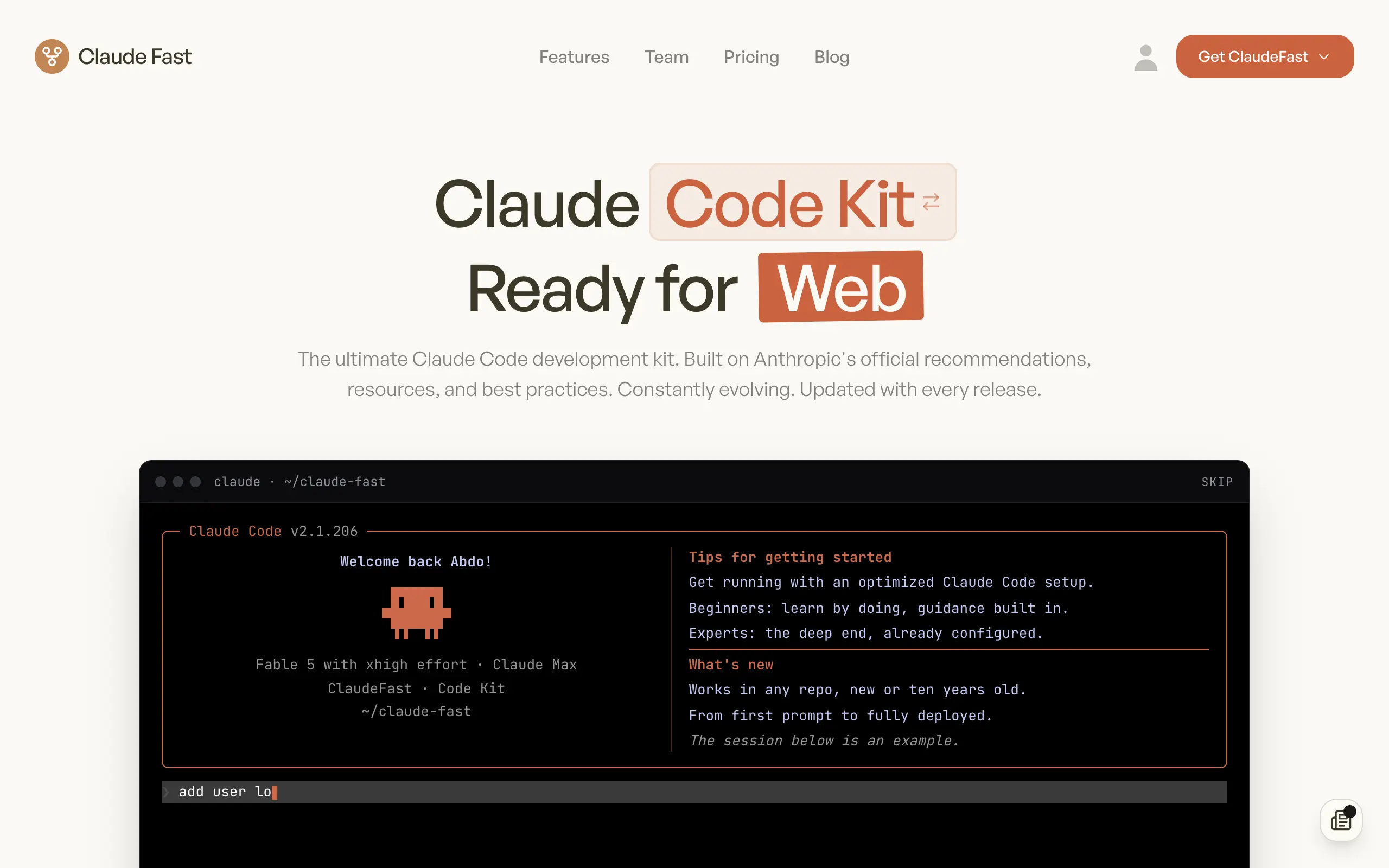
Claude Fast
Supercharge your Claude Code with 6x effective context window and specialized AI agents 🤖
EmojAI
AI-powered emoji picker with smart, context-aware suggestions 🤖
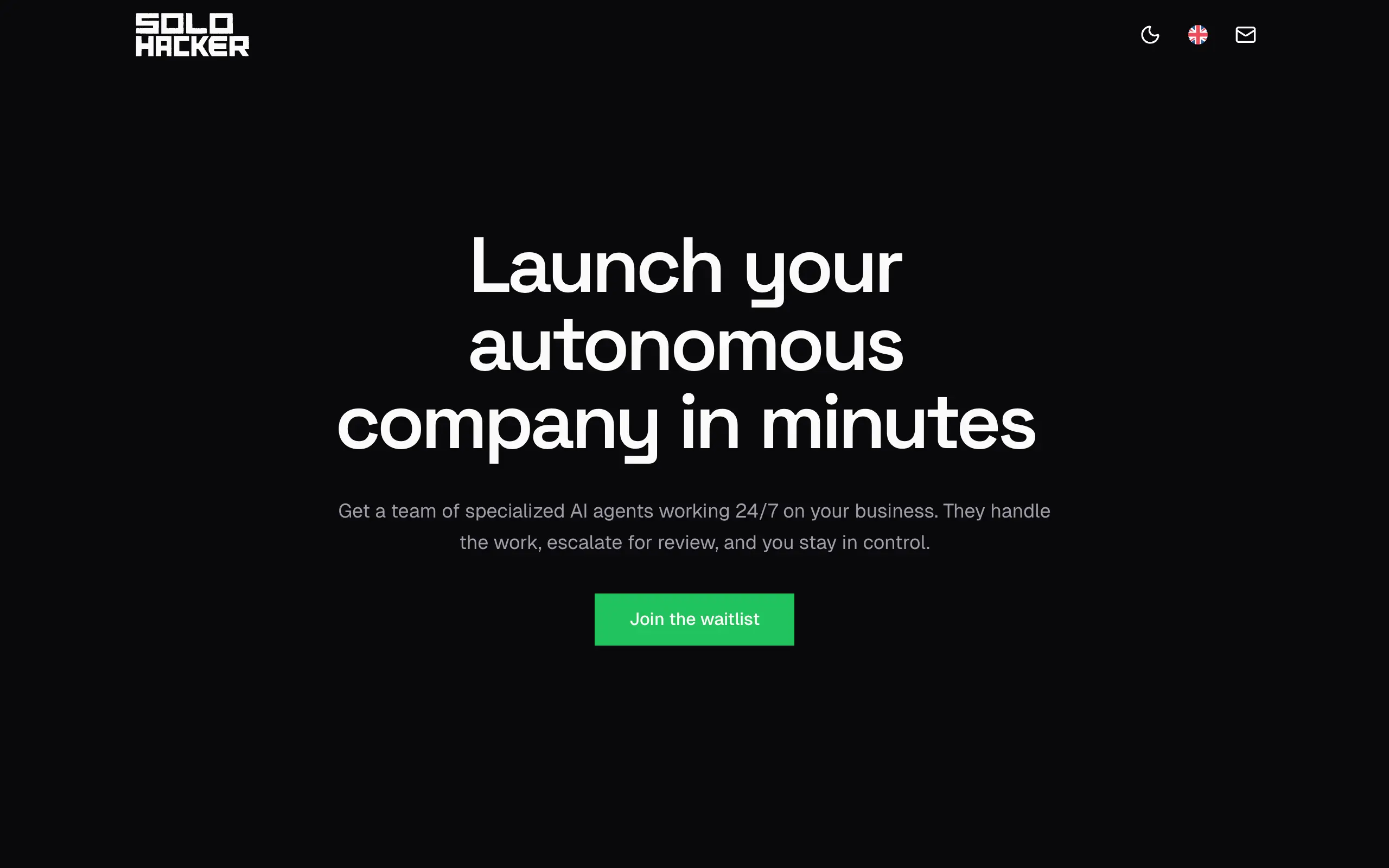
Solohacker
Autonomous company launcher - AI agents work 24/7, escalate what matters, and you stay in control 🤖
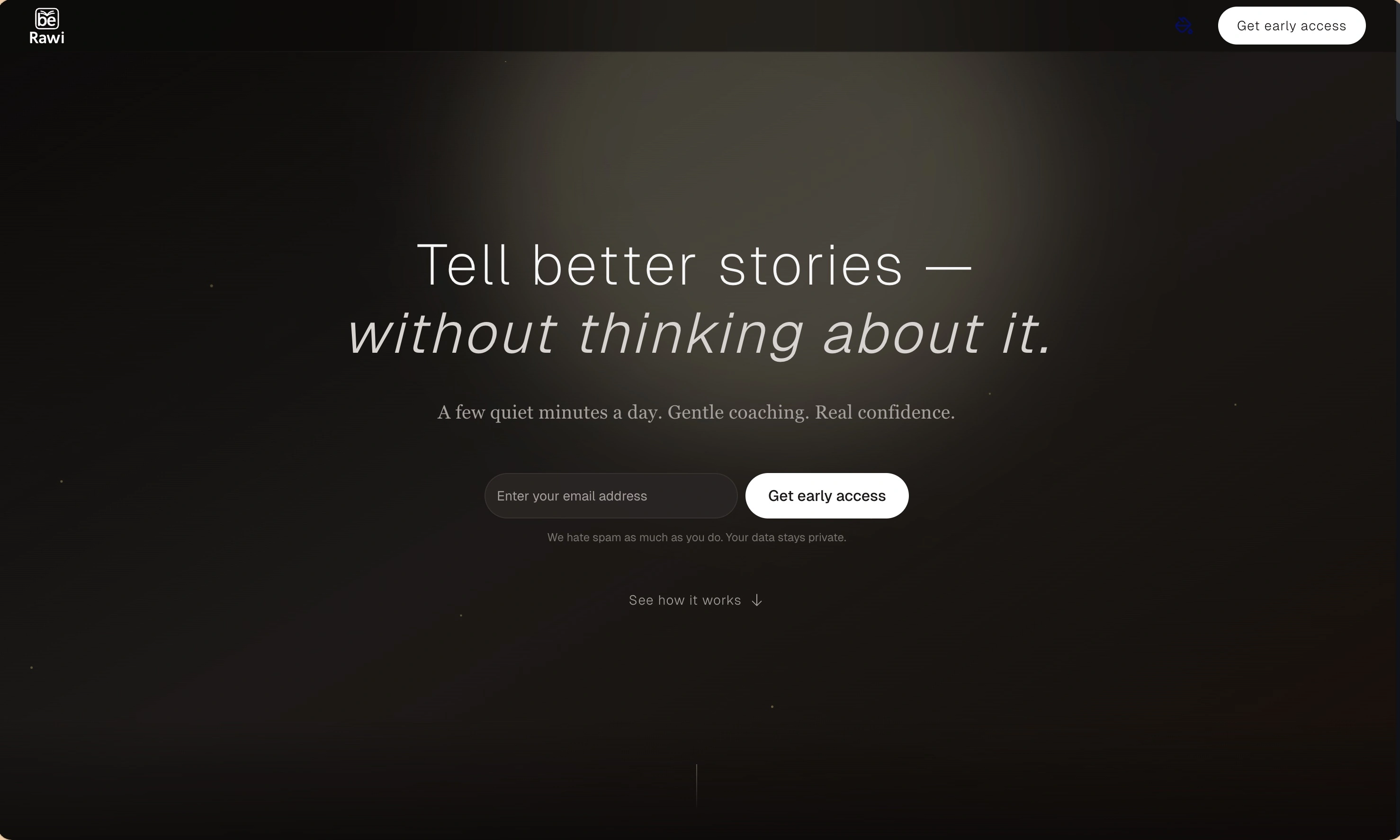
BeRawi: Storytelling Coach
Practice storytelling daily with instant feedback to sound clearer, more engaging, and confident 🎤
Omichat
Chat with 50+ AI models, including ChatGPT and Claude, in one place - switch models anytime without losing context 🤖
Claude Fast
Supercharge your Claude Code with 6x effective context window and specialized AI agents 🤖
EmojAI
AI-powered emoji picker with smart, context-aware suggestions 🤖
Solohacker
Autonomous company launcher - AI agents work 24/7, escalate what matters, and you stay in control 🤖
BeRawi: Storytelling Coach
Practice storytelling daily with instant feedback to sound clearer, more engaging, and confident 🎤
Omichat
Chat with 50+ AI models, including ChatGPT and Claude, in one place - switch models anytime without losing context 🤖
Claude Fast
Supercharge your Claude Code with 6x effective context window and specialized AI agents 🤖
EmojAI
AI-powered emoji picker with smart, context-aware suggestions 🤖
Solohacker
Autonomous company launcher - AI agents work 24/7, escalate what matters, and you stay in control 🤖
BeRawi: Storytelling Coach
Practice storytelling daily with instant feedback to sound clearer, more engaging, and confident 🎤
Omichat
Chat with 50+ AI models, including ChatGPT and Claude, in one place - switch models anytime without losing context 🤖
Claude Fast
Supercharge your Claude Code with 6x effective context window and specialized AI agents 🤖
EmojAI
AI-powered emoji picker with smart, context-aware suggestions 🤖
Solohacker
Autonomous company launcher - AI agents work 24/7, escalate what matters, and you stay in control 🤖
BeRawi: Storytelling Coach
Practice storytelling daily with instant feedback to sound clearer, more engaging, and confident 🎤

Connect with like-minded people
Join our community to get feedback, support, and grow together with 1,000+ builders on board, let's ship it!
Join usShip your startup everywhere. In minutes.
Don't burn tokens on setup and start building features on day one.