Nimbus Sync
AI-powered automation for calendar scheduling and email follow-ups, reducing no-shows and boosting client engagement for service businesses.
Nimbus Sync is an AI-powered automation platform for calendar scheduling and automated email follow-ups, designed to minimize no-shows and maximize client engagement for service businesses. In this comprehensive guide, we’ll dive deep into Nimbus Sync, answering all the core questions that service providers, SaaS founders, and digital transformation leaders have when evaluating such a solution. We'll explore why businesses need smarter calendar automation, how AI can supercharge client engagement, and how Nimbus Sync outshines conventional tools.
Understanding user intent: Why are businesses seeking AI calendar & follow-up automation?
Before reviewing features and strategy, it’s crucial to pinpoint the underlying search intent for solutions like Nimbus Sync.
Primary User Intents:
- Discovering solutions to reduce appointment no-shows
- Improving client engagement and show rates
- Learning how AI can automate calendar management and follow-up reminders
- Comparing “smart” scheduling apps with traditional calendar tools
- Finding technical implementation examples, feature lists, and pricing models
- Validating whether AI-driven scheduling/follow-up is worth the investment
By addressing these goals head-on, we ensure this article is genuinely helpful—demonstrating E-E-A-T and building trust.
Target audience analysis: Who benefits most from Nimbus Sync?
Nimbus Sync is tailored for businesses and professionals who rely on seamless appointments and ongoing client interaction. Here's a breakdown:
Core user segments
- Service-based small businesses: Health clinics, legal practices, consultant agencies
- Solo professionals: Therapists, coaches, real estate agents, freelancers
- SMBs with recurring appointments: Spas, salons, tutors, veterinarians
- Customer success & support teams: SaaS, agencies, B2B providers needing structured follow-ups
Why do these audiences care?
- Revenue impact: Missed appointments and disengaged clients directly reduce earnings.
- Operational efficiency: Manual scheduling and follow-up is time-consuming, error-prone, and distracts from billable work.
- Client trust: Automated, reliable communication signals professionalism.
Reduce no-shows
Automated reminders and rescheduling keep your calendar full.
Boost engagement
Smart follow-ups nurture relationships and increase rebooking.
Save admin hours
Let AI handle the busywork so your team can focus on what matters.
Market opportunity: Why now is the time for AI scheduling & follow-up tools
Industry & technology trends
- Global shift to remote/hybrid services: Post-2020, virtual appointments soared, and digital scheduling has become the default for many businesses ([suggested reference: Statista, 2024 Digital Transformation in SMBs]).
- Rise of AI-powered productivity tools: Companies now expect tools to not just automate workflows, but optimize outcomes using machine learning ([suggested reference: Gartner 2024 Hype Cycle for AI]).
- Client experience is king: Businesses differentiate on service quality, and seamless interactions drive loyalty.
Market gaps identified
- Existing tools lack true customization: Most calendar apps focus on booking, not intelligent follow-up or adaptive reminders.
- Manual follow-up is inconsistent: Human-involved processes are error-prone, especially as businesses scale.
- Fragmented user experience: Using multiple disconnected apps (calendar, CRM, email, automation tools) reduces efficiency and increases friction.
Conclusion: There is a clear demand for an all-in-one, AI-driven scheduling and engagement platform like Nimbus Sync.
Core features of Nimbus Sync: What sets it apart?
Intelligent scheduling automation
- Client self-scheduling: Branded booking links that sync with your calendar and availability.
- Smart time-slot optimization: AI suggests ideal times based on history, user habits, and no-show risk factors.
- Buffer and prep-time logic: Prevents back-to-back burnout and ensures readiness.
Automated, personalized email & SMS follow-ups
- AI-crafted reminder sequences: Dynamic, multi-channel reminders leading up to (and after) events.
- Context-aware messages: Emails and texts adjust based on prior interactions, urgency, and customer profile.
- No-show detection & reschedule flows: Automatically follow up to rebook missed appointments.
Seamless calendar and platform integration
- Connects with Google Calendar, Outlook, iCal
- Two-way sync ensures real-time accuracy across devices
- API & Zapier support for advanced workflow automation
AI-powered engagement analytics
- Client responsiveness scoring: Know who’s engaged, likely to rerun, or at risk of churn.
- No-show analytics: Heatmaps and trends to identify bottlenecks.
- A/B testing for reminder effectiveness: See which communication strategies actually drive results.
Security and compliance
- Data encryption at rest and in transit
- GDPR-ready policies
- Granular access controls for teams
Nimbus Sync leverages AI models trained to optimize engagement timing, tone, and content. Messages can reference previous sessions, contextual details (like weather or local events), and even adjust urgency based on user behavior and segment.
Absolutely. All client-facing emails, texts, and reminder templates are white-labeled. Upload your logo, set custom colors, and personalize the language to fit your brand voice.
Nimbus Sync is built with flexibility in mind—native integrations with major calendars and CRM systems are offered, plus public APIs for custom workflows.
Comparing Nimbus Sync with traditional scheduling and engagement tools
How does Nimbus Sync compare with legacy calendar apps or generic booking software? Here’s a high-level feature matrix:
| AI scheduling | Manual setup | Email/SMS automation | Engagement analytics | Integration support |
|---|---|---|---|---|
| ✅ | ❌ | ❌ | ✅ | ❌ |
| ✅ | ❌ | ✅ | ✅ | ❌ |
Many "appointment schedulers" only handle the initial booking. Nimbus Sync leads clients through the entire journey—from sign-up to follow-up.
Recommended tech stack for building an AI scheduling SaaS
Modern SaaS products like Nimbus Sync must balance speed, scalability, and the latest AI advancements. Here’s a proven tech stack, with trade-offs discussed:
Frontend
- React: Rapid interface development, reusable components, and strong community support
- TailwindCSS: Utility-first styling for maintainable, responsive UIs
Backend
- Node.js: Non-blocking, ideal for real-time data and integrations
- Python: For AI/ML logic, due to rich ecosystem (Scikit-learn, TensorFlow, OpenAI APIs)
Database
- PostgreSQL: Robust, scalable relational database, handles complex event relationships well
AI & automation
- OpenAI / Llama / HuggingFace NLP & scheduling models: Custom-trained for reminder optimization and personalization
- Zapier / public API: For flexible workflow automations and integrations
DevOps & security
- Docker: Ensures consistency across development and deployment
- AWS / GCP: Reliable, scalable cloud infrastructure
What about no-code options?
Early-stage entrepreneurs can rapidly validate the Nimbus Sync MVP using no-code platforms like TurboStarter, before investing in full-stack custom development.
Tech stack trade-offs:
A fully custom approach offers more flexibility and AI capabilities, but requires more upfront investment. No-code tools are perfect for initial validation and speed, but may hit scaling limits with complex AI use-cases.
Monetization strategies for Nimbus Sync
Nimbus Sync has multiple SaaS monetization models to fit varying customer profiles and maximize revenue:
1. Tiered subscriptions
- Starter, Pro, Enterprise: Scale by number of users, clients, or automated messages/month.
- Feature gating: advanced AI analytics, white-label options, and custom integrations reserved for higher tiers.
2. Usage-based fees
- Charge per additional reminder, SMS, or AI-engaged automation beyond the plan limit.
- Good for low-volume users who may "pay as they grow."
3. Integration & API fees
- White-label offers or direct integration into CRMs/industry-specific software for an additional monthly fee.
4. Add-on modules
- Revenue-generating extras (premium analytics, advanced template packs, ad-free communication).
5. Free trial/freemium
- Risk-free entry for new users; removes friction and encourages word-of-mouth adoption.
Potential risks and mitigation tactics
Addressing risks proactively demonstrates trustworthiness and sound strategy. Here’s what creators and buyers should consider:
1. Data privacy and compliance
- Risk: Handling sensitive calendar and client data could trigger regulatory concerns.
- Mitigation: Implement end-to-end encryption, frequent security audits, and clear privacy policies from the outset.
2. Overreliance on AI messaging
- Risk: Automated messages may sound robotic or misfire, annoying clients.
- Mitigation: Continually train models on live engagement data; always allow user overrides and template customization.
3. Integration complexity
- Risk: If integrations with calendars/CRMs break, user trust will erode quickly.
- Mitigation: Use well-documented APIs, robust monitoring, and immediate fallback workflows.
4. Scalability bottlenecks
- Risk: As more clients use the platform, infrastructure strain can cause outages.
- Mitigation: Start on scalable cloud providers (AWS, GCP); use containerization and auto-scaling from MVP.
For optimal performance, retrain AI engagement models at least quarterly, or whenever there is a major feature addition or a shift in client communication styles.
For EU (GDPR) and US healthcare (HIPAA), ensure all data storage, access, and communication protocols follow strict regulatory guidelines.
Defining a clear competitive advantage
What defines Nimbus Sync’s unique selling proposition versus competing solutions?
Nimbus Sync’s Defenseable Advantages:
- Genuine AI Decisioning: Not just rule-based triggers, but machine learning actively optimizing times, messages, and follow-up cadence based on engagement data.
- Full-cycle engagement: Goes beyond scheduling—nurtures clients across their lifecycle, reducing churn and driving rebooking.
- White-label customization: Brand-agnostic, suitable for agencies and professionals alike.
- In-depth analytics dashboard: Provides actionable insights, not just logs.
- Platform-agnostic integration: Supports multiple calendar and business apps out-of-the-box.
Actionable implementation steps to build or deploy a solution like Nimbus Sync
Bringing an AI-powered calendar automation tool to life can feel daunting. Here’s a step-by-step, actionable plan for product founders or teams:
Conclusion: Nimbus Sync’s promise for the future of client engagement
AI-driven automation is rewriting the playbook for service businesses. Nimbus Sync stands at the intersection of productivity and personal touch—empowering you to fill your calendar, engage clients, and scale efficiently without sacrificing the human element. By moving beyond basic scheduling to a complete engagement lifecycle, it creates tangible ROI and client loyalty.
Ready to upgrade your appointment game?
Frequently asked questions (FAQ)
Most users can import their team, calendars, and branding in under 15 minutes. Deeper integrations may take additional setup.
Yes—every aspect of timing, content, and delivery method for reminders is customizable, and you can add as many follow-up steps as needed.
Absolutely. Flexible, tiered plans support solo professionals up to large distributed teams.
For rapid prototyping and MVP validation, try TurboStarter.
Explore the power of AI-powered scheduling and engagement with Nimbus Sync—and ensure you’re never left with an empty calendar again.
More 🤖 AI Startup SaaS ideas
Discover more innovative ai startup SaaS ideas that are trending in 2026. Each idea is AI-generated with market validation and growth potential to help you find your next profitable venture faster than competitors.
Your competitors are building with TurboStarter
Below are some of the SaaS ideas that have been generated and built with our starter kit.
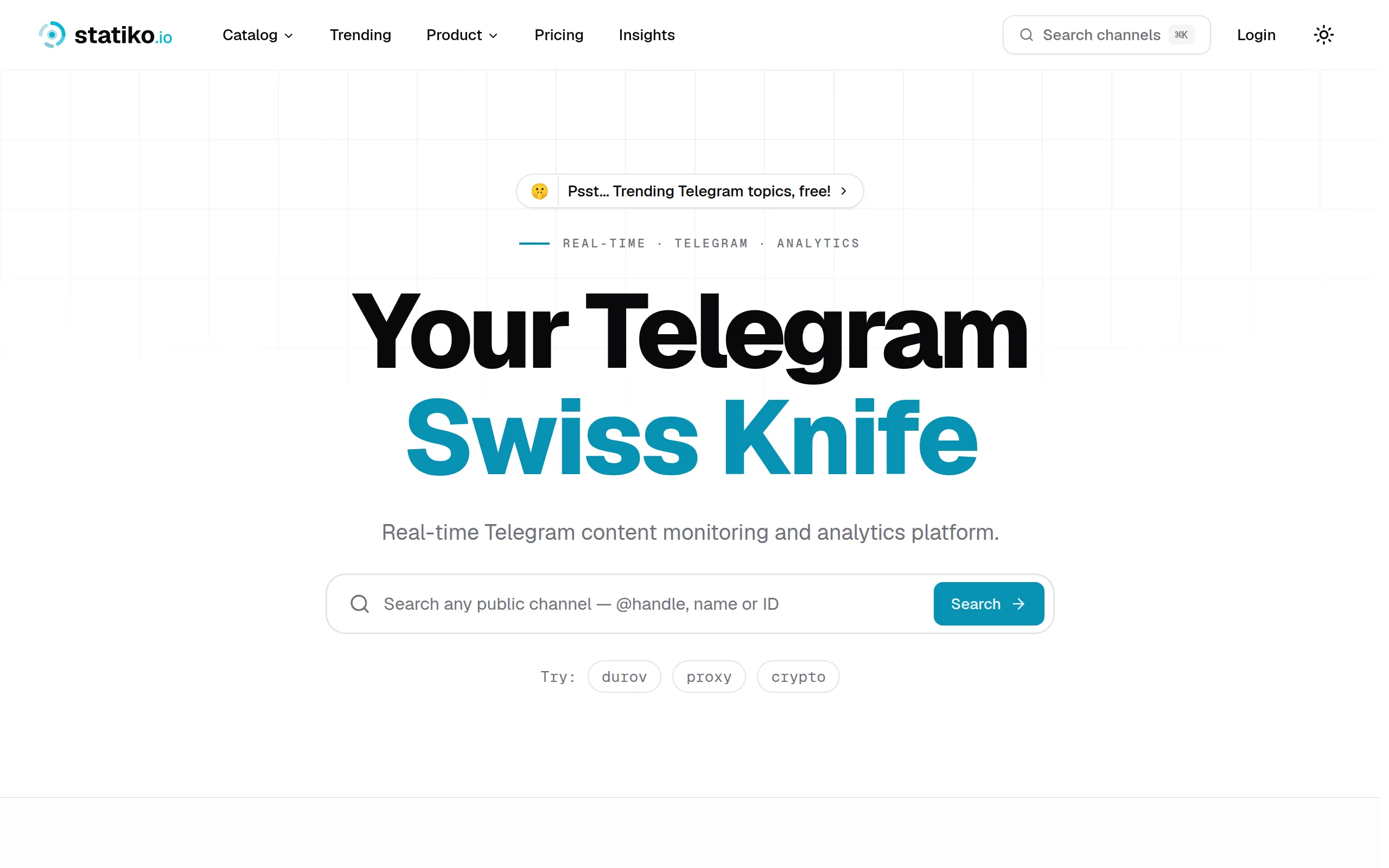
Statiko
Monitor any Telegram channel in real time - track posts, edits, deletions, and growth with AI recaps 📡
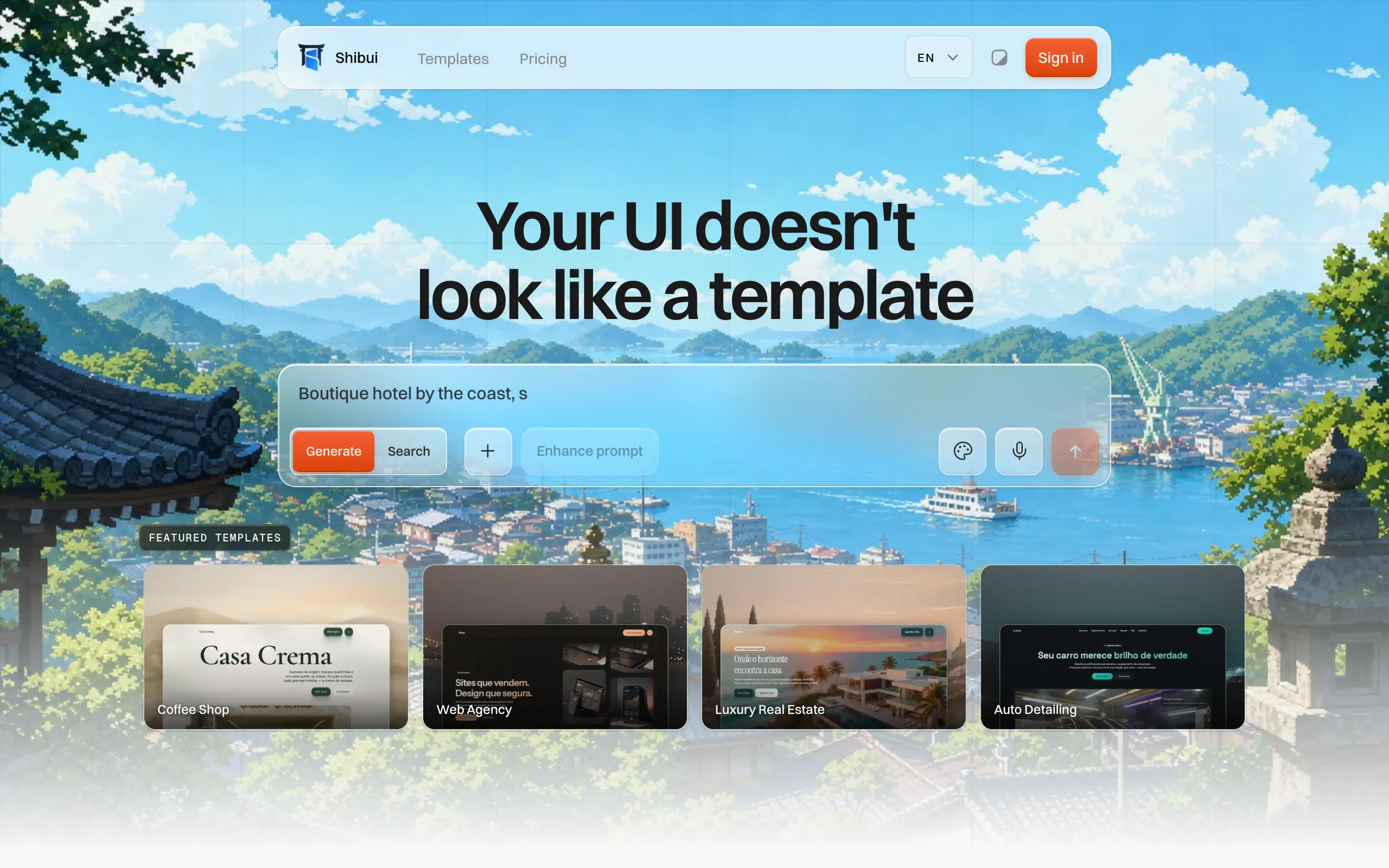
Shibui
AI website builder - describe your business, pick a niche template, edit by chatting, and publish instantly ✨

Pro Service
Find verified home service professionals, compare quotes, and pay securely through escrow - built for Brazilians across the US 🏠
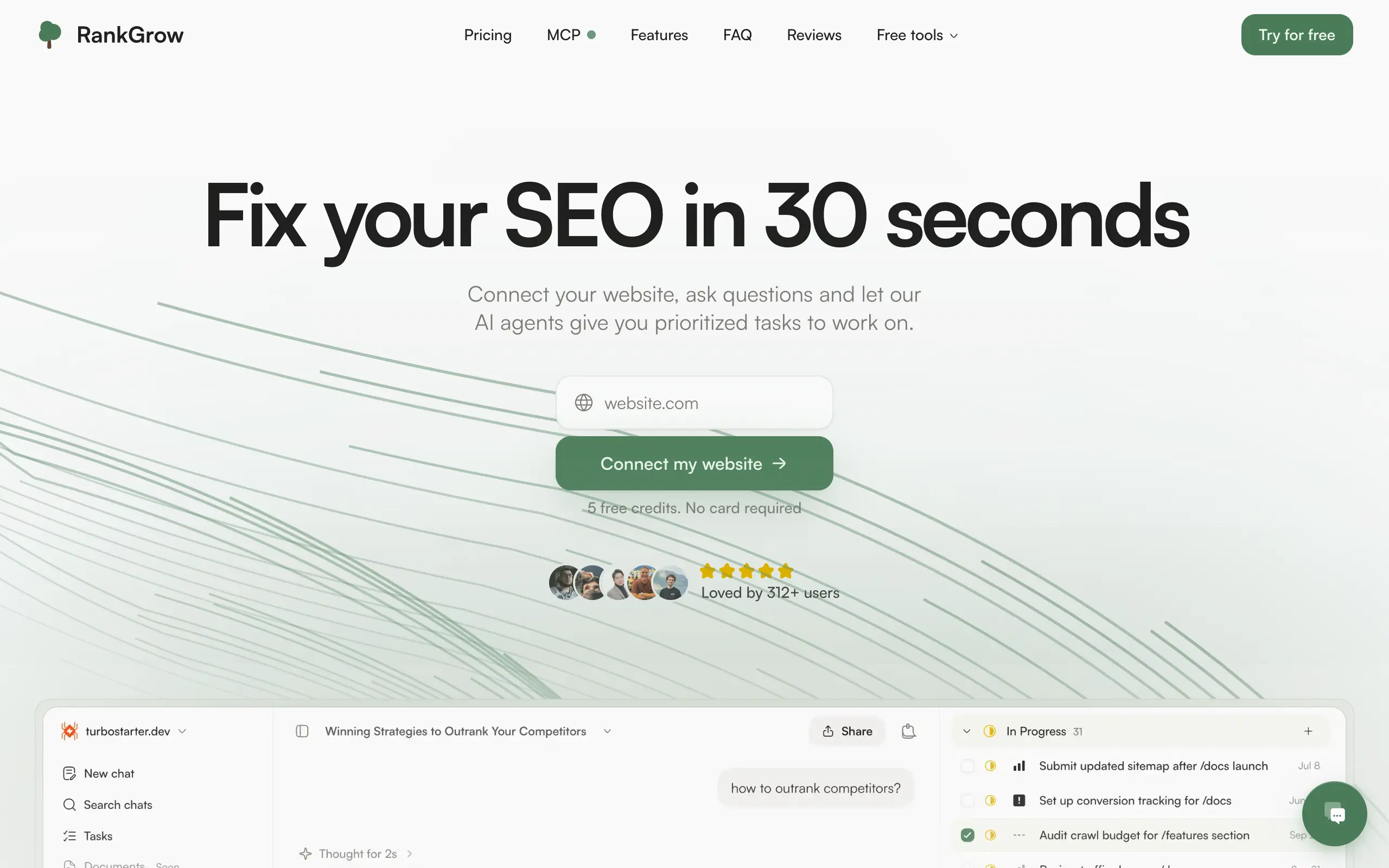
RankGrow
Fix your SEO with AI agents - connect Search Console, get prioritized tasks, and grow organic traffic 📈
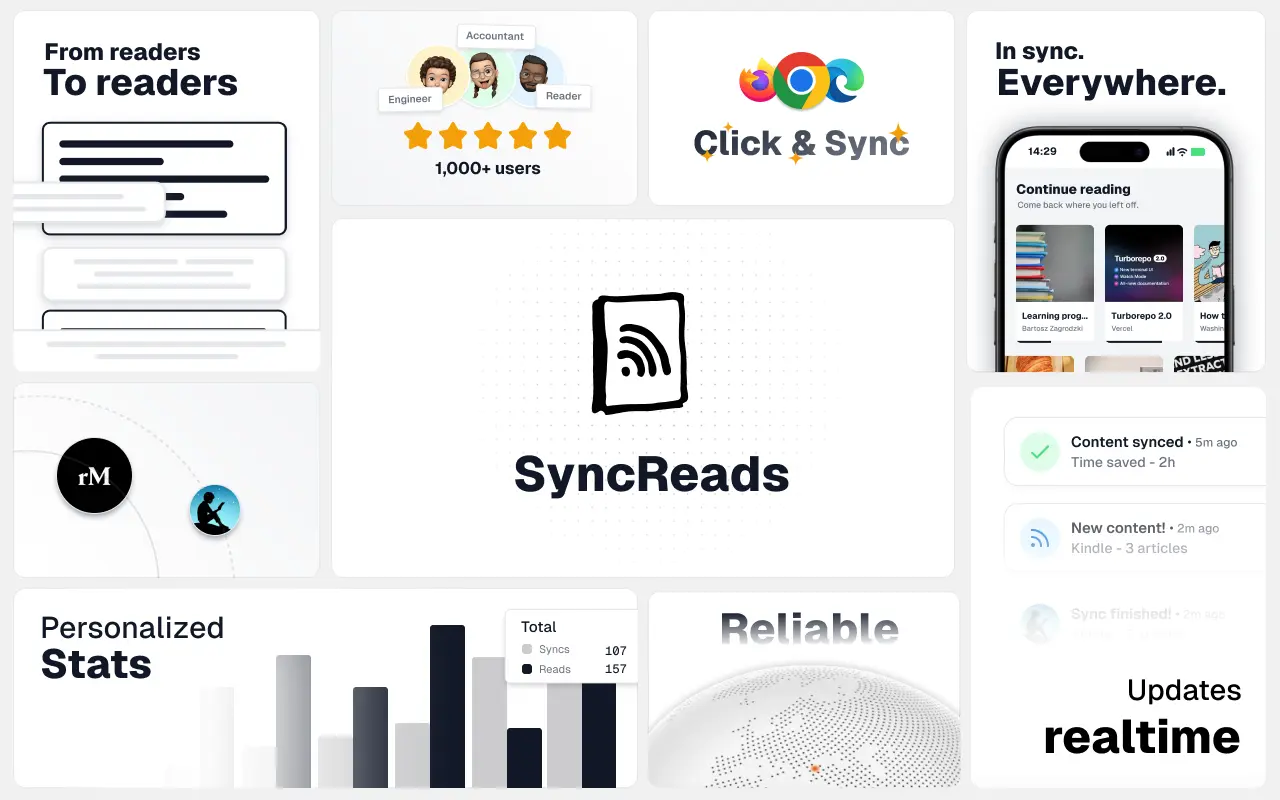
SyncReads
Sync your favorite content for distraction-free reading, save time and replace multiple apps. Anytime, anywhere 🔄
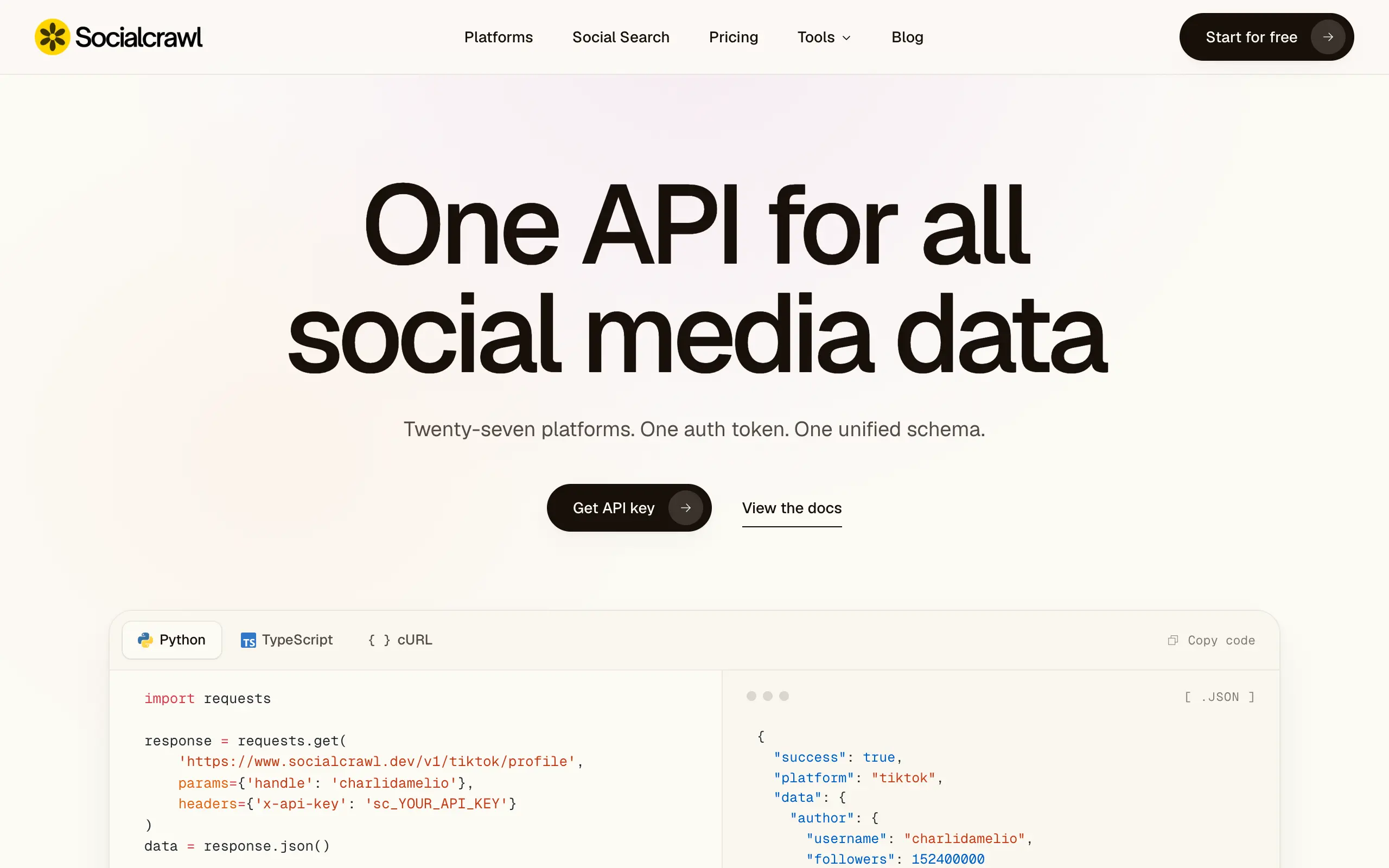
Socialcrawl
Get clean, structured data from 21 platforms like TikTok, Instagram, and YouTube with a single request 📊
Statiko
Monitor any Telegram channel in real time - track posts, edits, deletions, and growth with AI recaps 📡
Shibui
AI website builder - describe your business, pick a niche template, edit by chatting, and publish instantly ✨
Pro Service
Find verified home service professionals, compare quotes, and pay securely through escrow - built for Brazilians across the US 🏠
RankGrow
Fix your SEO with AI agents - connect Search Console, get prioritized tasks, and grow organic traffic 📈
SyncReads
Sync your favorite content for distraction-free reading, save time and replace multiple apps. Anytime, anywhere 🔄
Socialcrawl
Get clean, structured data from 21 platforms like TikTok, Instagram, and YouTube with a single request 📊
Statiko
Monitor any Telegram channel in real time - track posts, edits, deletions, and growth with AI recaps 📡
Shibui
AI website builder - describe your business, pick a niche template, edit by chatting, and publish instantly ✨
Pro Service
Find verified home service professionals, compare quotes, and pay securely through escrow - built for Brazilians across the US 🏠
RankGrow
Fix your SEO with AI agents - connect Search Console, get prioritized tasks, and grow organic traffic 📈
SyncReads
Sync your favorite content for distraction-free reading, save time and replace multiple apps. Anytime, anywhere 🔄
Socialcrawl
Get clean, structured data from 21 platforms like TikTok, Instagram, and YouTube with a single request 📊
Statiko
Monitor any Telegram channel in real time - track posts, edits, deletions, and growth with AI recaps 📡
Shibui
AI website builder - describe your business, pick a niche template, edit by chatting, and publish instantly ✨
Pro Service
Find verified home service professionals, compare quotes, and pay securely through escrow - built for Brazilians across the US 🏠
RankGrow
Fix your SEO with AI agents - connect Search Console, get prioritized tasks, and grow organic traffic 📈
SyncReads
Sync your favorite content for distraction-free reading, save time and replace multiple apps. Anytime, anywhere 🔄
Socialcrawl
Get clean, structured data from 21 platforms like TikTok, Instagram, and YouTube with a single request 📊
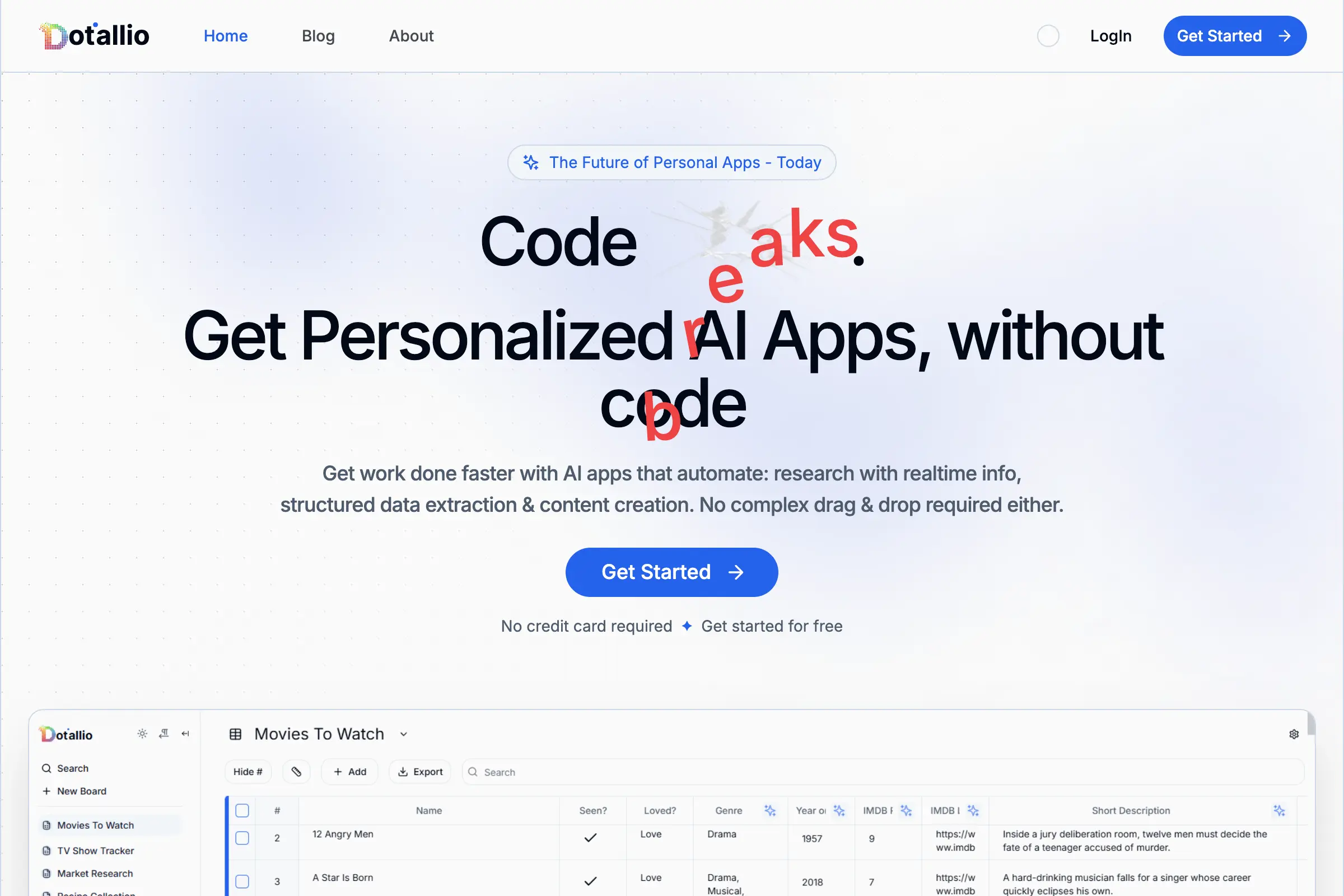
Dotallio
Personalized AI apps that automate research, data extraction, and content creation without code 🤖
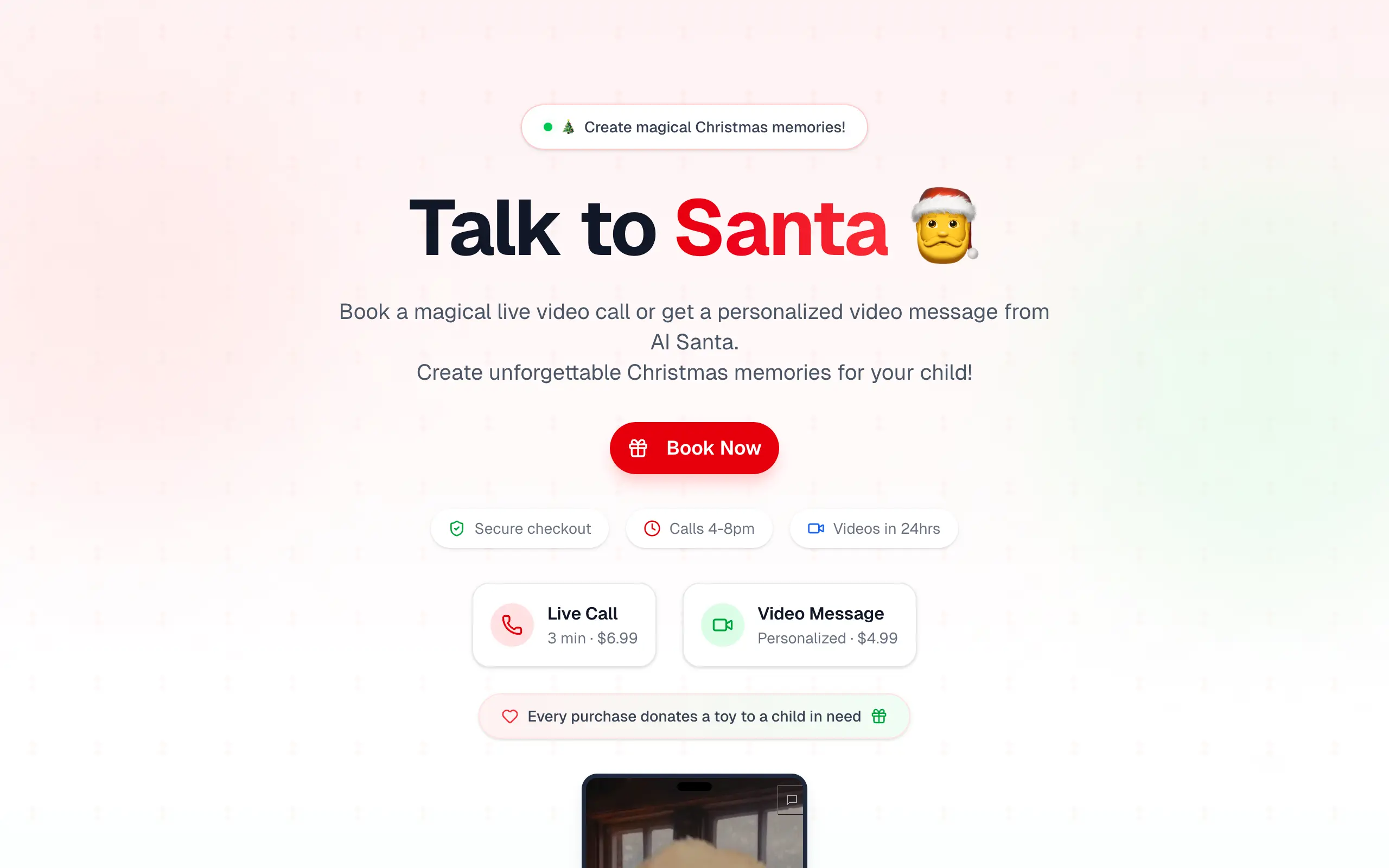
Talk to Santa
Enjoy a magical live video chat or receive a unique AI-generated video greeting from Santa Claus 🎅
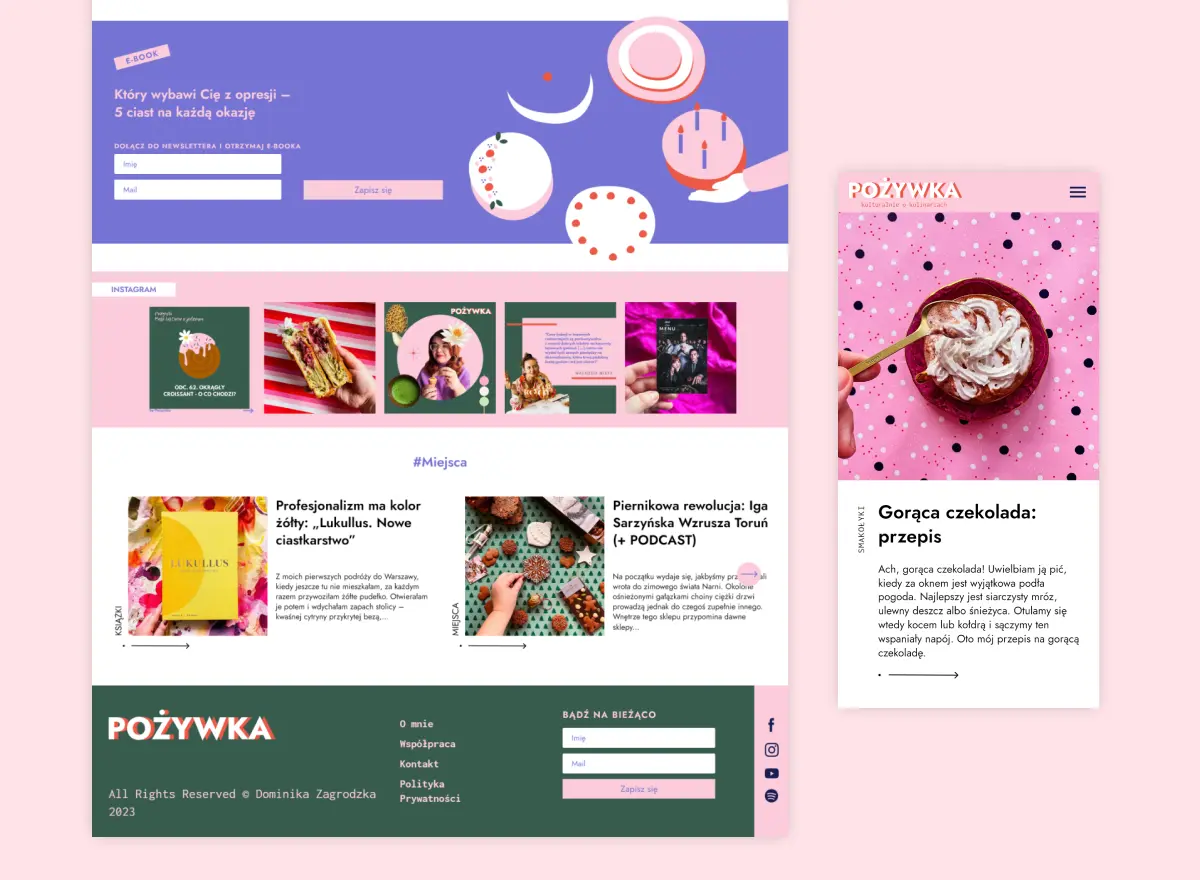
pozywka.pl
Scalable blog for food journalist, focused on performance and user experience 🌭
zagrodzki.me
Personal blog and portfolio of Bart Zagrodzki, where he shares his knowledge and work 💼
TurboStarter
Ship your startup everywhere. In minutes.
HTML to Markdown
Convert HTML to Markdown with ease, directly in your browser 📄
Dotallio
Personalized AI apps that automate research, data extraction, and content creation without code 🤖
Talk to Santa
Enjoy a magical live video chat or receive a unique AI-generated video greeting from Santa Claus 🎅
pozywka.pl
Scalable blog for food journalist, focused on performance and user experience 🌭
zagrodzki.me
Personal blog and portfolio of Bart Zagrodzki, where he shares his knowledge and work 💼
TurboStarter
Ship your startup everywhere. In minutes.
HTML to Markdown
Convert HTML to Markdown with ease, directly in your browser 📄
Dotallio
Personalized AI apps that automate research, data extraction, and content creation without code 🤖
Talk to Santa
Enjoy a magical live video chat or receive a unique AI-generated video greeting from Santa Claus 🎅
pozywka.pl
Scalable blog for food journalist, focused on performance and user experience 🌭
zagrodzki.me
Personal blog and portfolio of Bart Zagrodzki, where he shares his knowledge and work 💼
TurboStarter
Ship your startup everywhere. In minutes.
HTML to Markdown
Convert HTML to Markdown with ease, directly in your browser 📄
Dotallio
Personalized AI apps that automate research, data extraction, and content creation without code 🤖
Talk to Santa
Enjoy a magical live video chat or receive a unique AI-generated video greeting from Santa Claus 🎅
pozywka.pl
Scalable blog for food journalist, focused on performance and user experience 🌭
zagrodzki.me
Personal blog and portfolio of Bart Zagrodzki, where he shares his knowledge and work 💼
TurboStarter
Ship your startup everywhere. In minutes.
HTML to Markdown
Convert HTML to Markdown with ease, directly in your browser 📄
Omichat
Chat with 50+ AI models, including ChatGPT and Claude, in one place - switch models anytime without losing context 🤖
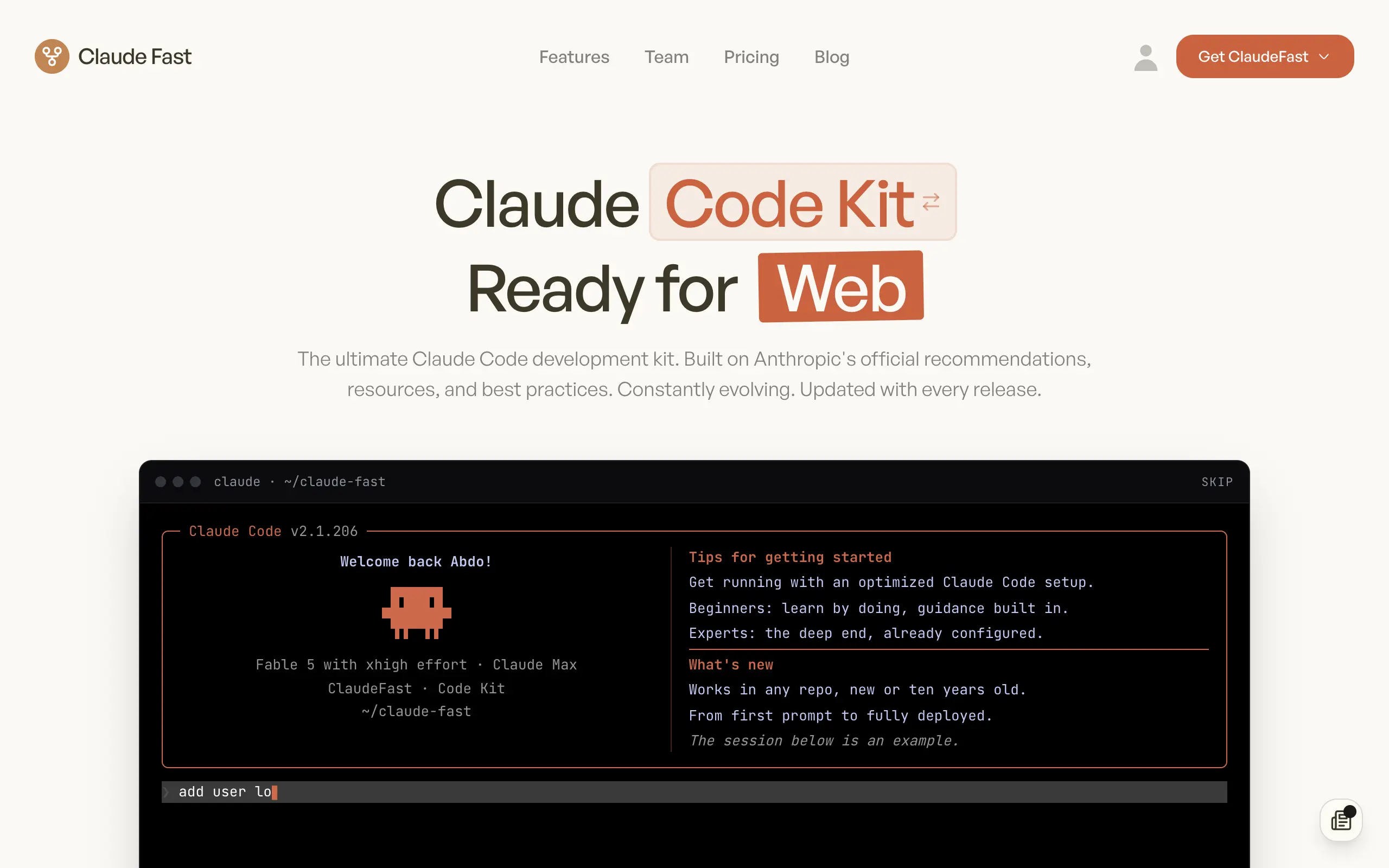
Claude Fast
Supercharge your Claude Code with 6x effective context window and specialized AI agents 🤖
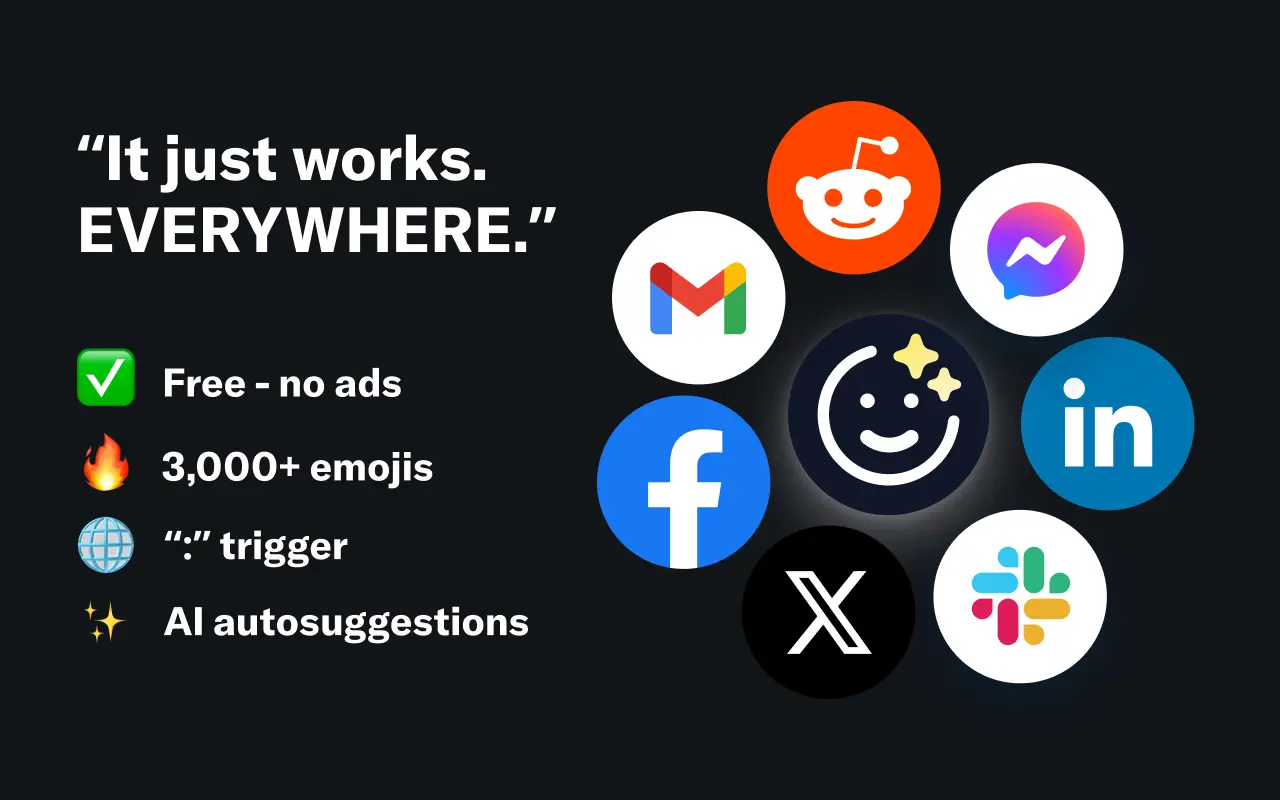
EmojAI
AI-powered emoji picker with smart, context-aware suggestions 🤖
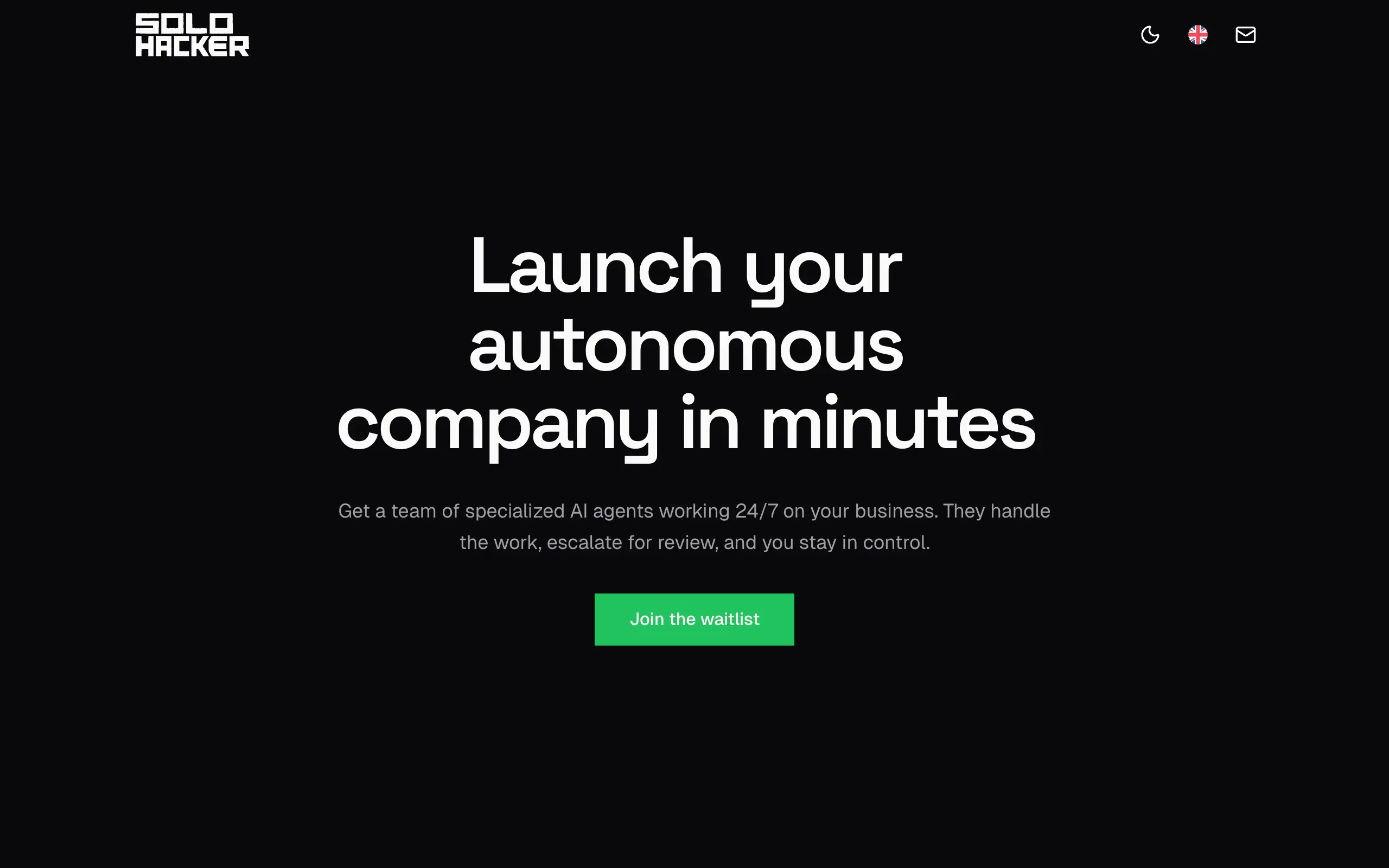
Solohacker
Autonomous company launcher - AI agents work 24/7, escalate what matters, and you stay in control 🤖
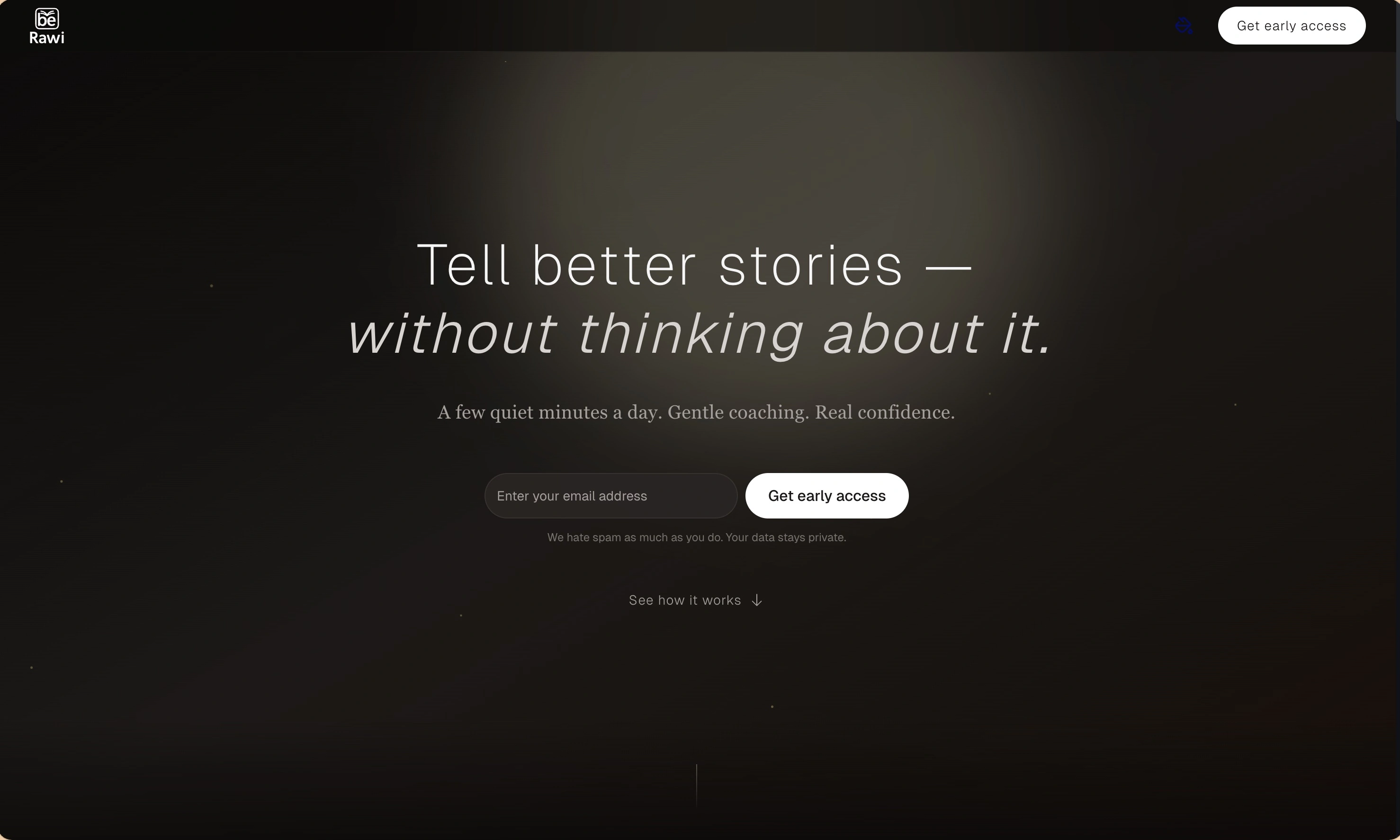
BeRawi: Storytelling Coach
Practice storytelling daily with instant feedback to sound clearer, more engaging, and confident 🎤
Omichat
Chat with 50+ AI models, including ChatGPT and Claude, in one place - switch models anytime without losing context 🤖
Claude Fast
Supercharge your Claude Code with 6x effective context window and specialized AI agents 🤖
EmojAI
AI-powered emoji picker with smart, context-aware suggestions 🤖
Solohacker
Autonomous company launcher - AI agents work 24/7, escalate what matters, and you stay in control 🤖
BeRawi: Storytelling Coach
Practice storytelling daily with instant feedback to sound clearer, more engaging, and confident 🎤
Omichat
Chat with 50+ AI models, including ChatGPT and Claude, in one place - switch models anytime without losing context 🤖
Claude Fast
Supercharge your Claude Code with 6x effective context window and specialized AI agents 🤖
EmojAI
AI-powered emoji picker with smart, context-aware suggestions 🤖
Solohacker
Autonomous company launcher - AI agents work 24/7, escalate what matters, and you stay in control 🤖
BeRawi: Storytelling Coach
Practice storytelling daily with instant feedback to sound clearer, more engaging, and confident 🎤
Omichat
Chat with 50+ AI models, including ChatGPT and Claude, in one place - switch models anytime without losing context 🤖
Claude Fast
Supercharge your Claude Code with 6x effective context window and specialized AI agents 🤖
EmojAI
AI-powered emoji picker with smart, context-aware suggestions 🤖
Solohacker
Autonomous company launcher - AI agents work 24/7, escalate what matters, and you stay in control 🤖
BeRawi: Storytelling Coach
Practice storytelling daily with instant feedback to sound clearer, more engaging, and confident 🎤

Connect with like-minded people
Join our community to get feedback, support, and grow together with 1,000+ builders on board, let's ship it!
Join usShip your startup everywhere. In minutes.
Don't burn tokens on setup and start building features on day one.