NomadGuard AI
Centralized security posture monitoring for remote teams using NetScaler, cloud services, and SaaS apps, powered by AI threat detection and automated alerts.
NomadGuard AI is designed to address one of the fastest-evolving challenges in today’s modern, distributed work environment: managing and securing the digital footprint of remote teams across myriad platforms, from private clouds and NetScaler gateways to an array of SaaS tools. This comprehensive guide explores NomadGuard AI’s unique value proposition, its target audience, market opportunity, essential features, technology stack choices, monetization models, risk factors, competitive landscape, and actionable implementation steps to empower founders and decision-makers alike.
Understanding the user’s search intent
Today, leaders of remote teams, IT managers, founders, and CISOs are searching for solutions that:
- Monitor distributed team security in real time,
- Unify security oversight across NetScaler, public/private clouds, and SaaS apps,
- Use AI for proactive threat detection (reducing manual analysis fatigue),
- Deliver actionable, automated security alerts and recommendations.
Most want validation of the need, clarity on features and benefits, market significance, and guidance on how to implement or build such a platform. This guide is aimed at answering those queries comprehensively.
Target audience analysis
A nuanced understanding of the target audience ensures maximum impact for NomadGuard AI. This SaaS tool will appeal to several overlapping groups:
- IT Security Leaders & CISOs
Responsible for overall security posture; need centralized oversight across hybrid networks and distributed devices. - Remote Team Managers
Overseeing teams collaborating across multiple apps and cloud environments; need assurance that BYOD and distributed access don’t expose vulnerabilities. - SaaS Administrators
Managing multi-app access, from productivity suites to project management, often integrating company logins with cloud platforms. - SMBs and Enterprises Embracing Remote Work
Facing unique security risks due to decentralized IT infrastructure and varied endpoint management. - MSPs (Managed Service Providers)
Offering security as a service to clients; looking for tools that increase efficiency and automate complex monitoring tasks.
These stakeholders are concerned with not only visibility but also automation, compliance, and actionable intelligence – all areas where NomadGuard AI excels.
Identifying the market opportunity and gap
With remote and hybrid work models becoming the norm — in fact, 67% of businesses have expanded remote work capabilities since 2020 (suggested reference: Gartner 2023 report) — security teams are overwhelmed managing multiple tools without sufficient integration. Key gaps NomadGuard AI addresses:
- Fragmented monitoring: Most organizations use separate dashboards for NetScaler, cloud providers (AWS, Azure, GCP), and assorted SaaS applications (e.g., Slack, Microsoft 365, Salesforce).
- Manual threat analysis: Current tools create noise, requiring significant manual investigation to identify real threats.
- Lack of automation: Limited in-auto response or alerting for cross-platform, context-aware issues.
- Limited AI utilization: AI/ML-backed anomaly detection has been adopted, but solutions are often vendor-locked or narrowly focused.
Industry trend
The shift toward Zero Trust security models and pervasive cloud adoption heightens the demand for unified, AI-driven security monitoring tailored for the distributed workforce.
Core features and solution details
The solution’s foundation is its ability to aggregate, analyze, and act upon disparate security and access signals from NetScaler, cloud services, and SaaS platforms — all powered by AI. Let’s explore the standout feature set:
Centralized security posture dashboard
- Unified visibility into network, cloud, and SaaS app security data.
- Customizable, role-based dashboards for IT, security, and compliance teams.
AI-driven threat detection
- Machine learning algorithms benchmark normal user/app/network behavior.
- Real-time anomaly detection and risk scoring for rapid triage.
Automated alerting & remediation
- Automated, context-rich alerts (via Slack, Teams, email, etc.).
- Optional automated response routines: e.g., revoke risky user access or force password resets.
NetScaler-specific monitoring
- API-based visibility into NetScaler gateway events, SSL/TLS config changes, VPN usage anomalies, and possible exploit attempts.
SaaS & cloud integrations
- Plug-and-play connectors for major SaaS (Google Workspace, O365, Salesforce), public cloud (AWS, Azure, GCP), and niche apps.
- Standardized security event normalization.
Compliance mapping
- Built-in mapping to common frameworks: SOC2, GDPR, HIPAA policies, yielding simplified compliance reporting.
Automated incident reporting & forensics
- Detailed logging of anomalies, user activity, and remediation steps for audit or incident response workflows.
| Feature | Manual Tools | Point Solution | NomadGuard AI | SIEM Platforms |
|---|---|---|---|---|
| Unified dashboard | ❌ | ❌ | ✅ | ✅ |
| AI-powered detection | ❌ | ✅ | ✅ | ✅ |
| Remote-team focus | ❌ | ❌ | ✅ | ❌ |
| Automated compliance mapping | ❌ | ❌ | ✅ | ❌ |
Additional features for future expansion
- User risk scores & gamified feedback
Encourage secure behaviors across remote teams. - Custom playbooks
Allow organizations to script their own incident responses.
Recommended tech stack and trade-offs
A robust, scalable, and secure technology foundation is essential for NomadGuard AI’s success. The tech stack selection must balance developer productivity, scalability, data privacy, and integration capability.
Frontend
- React: Preferred for its ecosystem, modularity, and support for dynamic, real-time dashboards.
- Next.js: Extends React with server-side rendering (SSR) and API routes, enhancing SEO and performance.
- TailwindCSS: For rapid, maintainable, and consistent dashboard design.
- WebSocket/Server-Sent Events: For real-time alerting and live updates.
Backend
- Node.js with Express.js: Event-driven, scalable for API aggregation.
- Python: For AI/ML modules and data science workloads; leverages established libraries for threat detection (e.g., scikit-learn, PyTorch).
- FastAPI (optional): For performant async API endpoints and data interaction with AI/ML modules.
Data pipeline
- Kafka or RabbitMQ: Handle high-velocity event streaming from connectors.
- PostgreSQL: Reliable relational store for normalized event data and configurations.
- ClickHouse or Elasticsearch: For log storage, fast analytics, and historical forensics.
Integrations
- OAuth 2.0 / SAML for secure authentication to SaaS APIs.
- RESTful and Webhook-based connectors.
Cloud and DevOps
- Docker: Packaging and deployment.
- Kubernetes: Orchestration for microservices.
- Terraform: Infrastructure-as-code for portability across clouds.
- CI/CD: Automated deploy pipeline with test coverage.
Tech stack trade-offs
- Python for ML offers faster prototyping but may need to be carefully integrated with Node.js services (use message queues or internal APIs).
- ClickHouse/Elasticsearch is excellent for time-series and search analytics but may increase operational complexity compared to managed database solutions.
For rapid prototyping or MVP builds, leveraging a SaaS starter toolkit like TurboStarter can accelerate development and ensure early validation.
Monetization strategy options
The security SaaS market values clarity and flexibility in pricing. The following strategies can align with customer expectations and maximize adoption.
1. Subscription-based pricing (SaaS)
- Tiered plans: Based on the number of monitored assets (users, integrations, NetScaler gateways).
- Feature gating: Advanced automation and AI detection only in higher tiers.
2. Usage-based billing
- Charges based on volume of security events ingested or processed.
- Discounts for enterprises with high-throughput pipelines.
3. Value-based add-ons
- Premium add-ons: Dedicated compliance support, API SLAs, or custom integrations.
4. Channel/white-label sales
- Partner with MSPs or VARs for bulk licensing or regional distribution.
- Branded portal options for resellers.
5. Professional services & onboarding
- Offer consulting, integration, or continuous monitoring as value-added services.
Subscription SaaS
Predictable, recurring revenue; fits IT budgets. Works well for multi-seat teams.
Usage-based Model
Links costs to actual event volumes. Better margin for scale; attractive to variable teams.
Marketplace Integration
Integration with cloud and SaaS app marketplaces increases discoverability and reach.
Potential risks and mitigation steps
Security SaaS must address risks across three key vectors: technical, business, and market.
Technical risks
- Data privacy compliance failure: Breaches or mishandling of sensitive user/app/security data.
Mitigation: End-to-end encryption, regional data residency options, routine compliance audits. - False positives from AI detection: Alert fatigue or missed real risks.
Mitigation: Continuous tuning with real-world datasets, user feedback loop, and AI explainability features. - Integration drift: APIs from third-party SaaS or cloud providers change.
Mitigation: Automated test suites and regular API contract maintenance.
Business risks
- Customer adoption barriers: Complexity of integrations or resistance due to tool fatigue.
Mitigation: Offer plug-and-play connectors, self-serve onboarding, and excellent documentation. - Vendor lock-in accusations:
Mitigation: Open APIs, regular export options, and transparency on data models.
Market risks
- Competitive market saturation: SIEM and legacy tools may try to reposition as “remote-first” solutions.
Mitigation: Highlight unique focus on remote teams and NetScaler; ongoing innovation and ease of use.
Offer multi-region data storage, support for GDPR, CCPA, and enable customers to opt for data localization. Conduct annual third-party audits to maintain certification status.
Regularly re-train models with anonymized, real-world data across deployments. Employ feedback mechanisms for security analysts to flag false positives or missed events.
Competitive advantage analysis
NomadGuard AI gains its unique edge by bridging the divide between legacy SIEM, point SaaS tools, and the needs of the modern distributed team:
- Built for remote-first organizations
Unlike most SIEM tools that target on-prem or hybrid office setups, NomadGuard AI is architected with remote access, BYOD, and decentralized teams as the default use case. - Deep NetScaler and cloud integration
Competitors often generalize; NomadGuard AI gives granular visibility into NetScaler security events—crucial for enterprises with Citrix/NetScaler deployments. - AI-powered, context-aware automation
Automated remediation and prioritization reduces alert fatigue, unlike rule-only or SIEM platforms. - Actionable alerts and simple compliance
Automated mapping to frameworks like SOC2/GDPR—lowering the time/burden on compliance teams.
Actionable implementation steps
Launching a project like NomadGuard AI requires staged execution and early feedback loops. Here’s a proven roadmap:
Validate problem/solution fit through discovery calls with security leads at remote-friendly companies; refine use cases and required integrations with NetScaler and major SaaS.
Rapidly prototype the core dashboard UI (use React and TurboStarter) and a subset of key integrations.
Develop and train baseline AI/ML models using simulated or anonymized security event data. Focus on anomaly detection and user behavior modeling.
Build out event collection pipeline, standardize data ingests across NetScaler/cloud/SaaS.
Pilot with 2-3 real remote teams; gather detailed feedback on alert fidelity, dashboard UX, and automation capabilities.
Harden compliance and privacy controls; conduct external audits as needed (SOC2 readiness, GDPR mapping).
Roll out iterative improvements, expand integration library, and prepare a go-to-market launch.
Conclusion: NomadGuard AI’s unique impact and next steps
NomadGuard AI stands out as the only security posture monitoring solution tailored from the ground up for remote teams, marrying granular NetScaler insights with AI-powered event analysis and rapid alerting across the full SaaS and cloud toolchain. By simplifying compliance, automating threat detection, and enabling actionable intelligence in a single pane of glass, it provides meaningful security outcomes for resource-strapped IT and security teams.
To get started with your own iteration — or to launch a similar SaaS — invest in rapid validation, partner with early adopter teams, and leverage battle-tested frameworks. Tools like TurboStarter can cut your build time substantially.
NomadGuard AI is more than a product—it represents the future of remote-ready cybersecurity automation, empowering distributed teams to work securely and confidently, no matter where they are.
More 🤖 AI Startup SaaS ideas
Discover more innovative ai startup SaaS ideas that are trending in 2026. Each idea is AI-generated with market validation and growth potential to help you find your next profitable venture faster than competitors.
Your competitors are building with TurboStarter
Below are some of the SaaS ideas that have been generated and built with our starter kit.
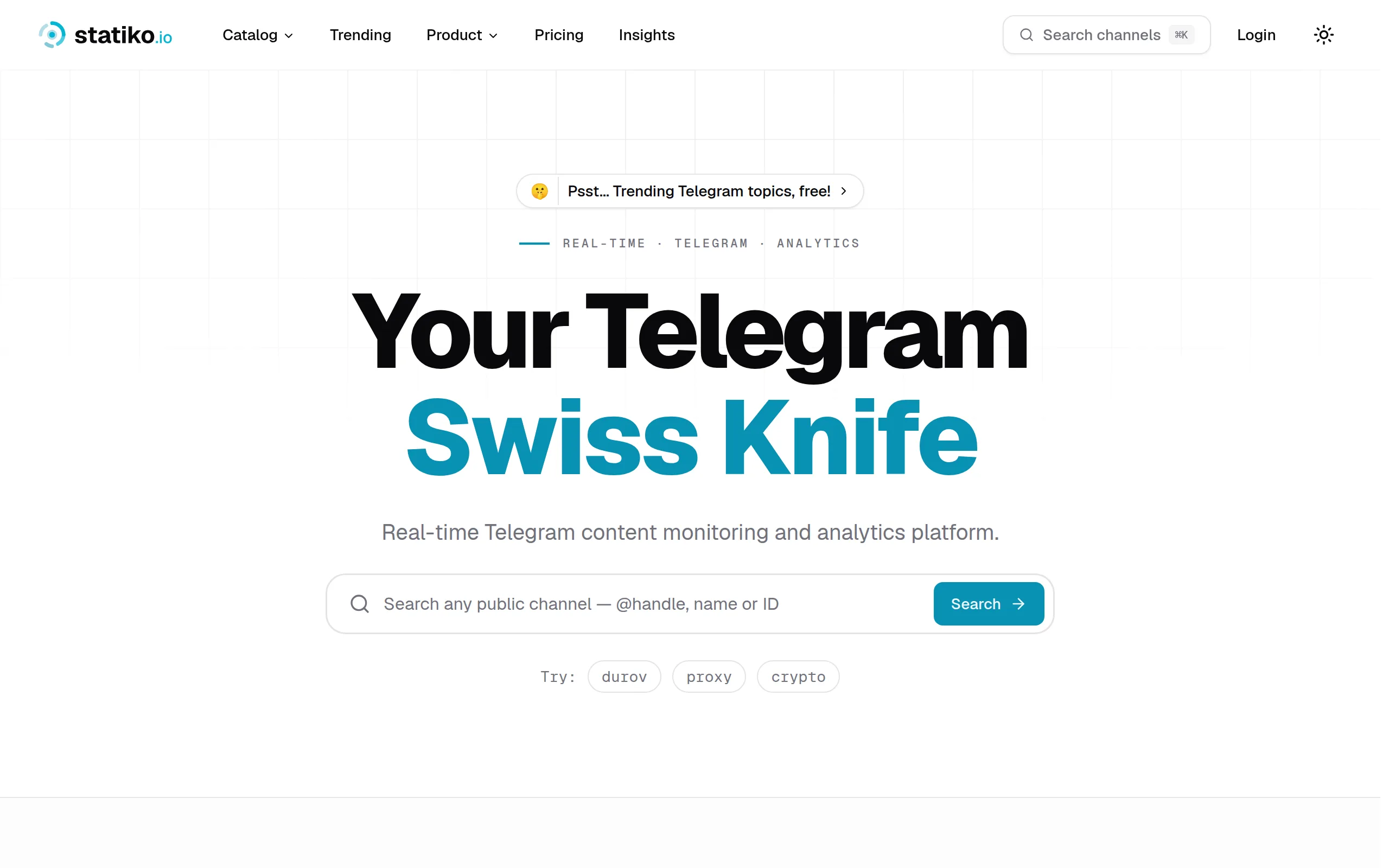
Statiko
Monitor any Telegram channel in real time - track posts, edits, deletions, and growth with AI recaps 📡

Shibui
AI website builder - describe your business, pick a niche template, edit by chatting, and publish instantly ✨

Pro Service
Find verified home service professionals, compare quotes, and pay securely through escrow - built for Brazilians across the US 🏠
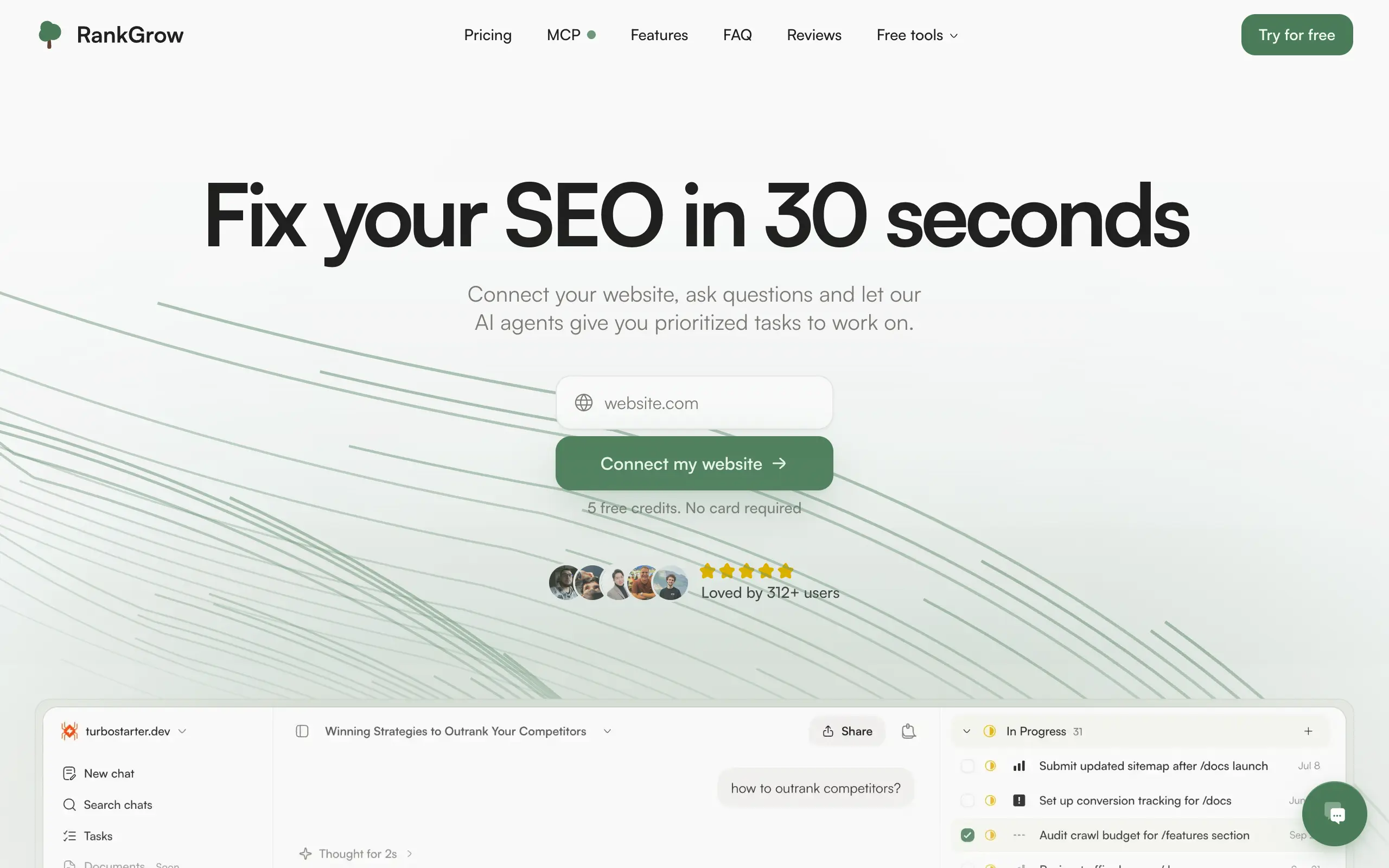
RankGrow
Fix your SEO with AI agents - connect Search Console, get prioritized tasks, and grow organic traffic 📈
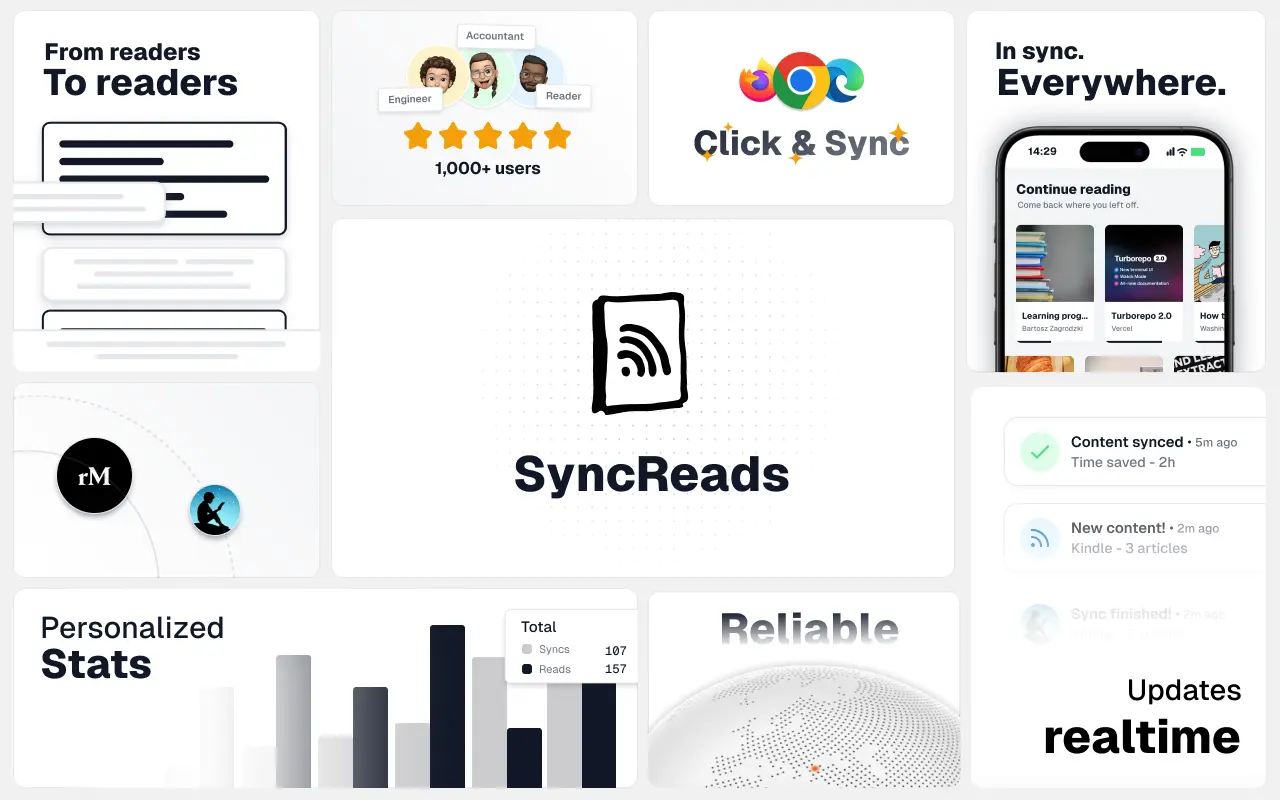
SyncReads
Sync your favorite content for distraction-free reading, save time and replace multiple apps. Anytime, anywhere 🔄
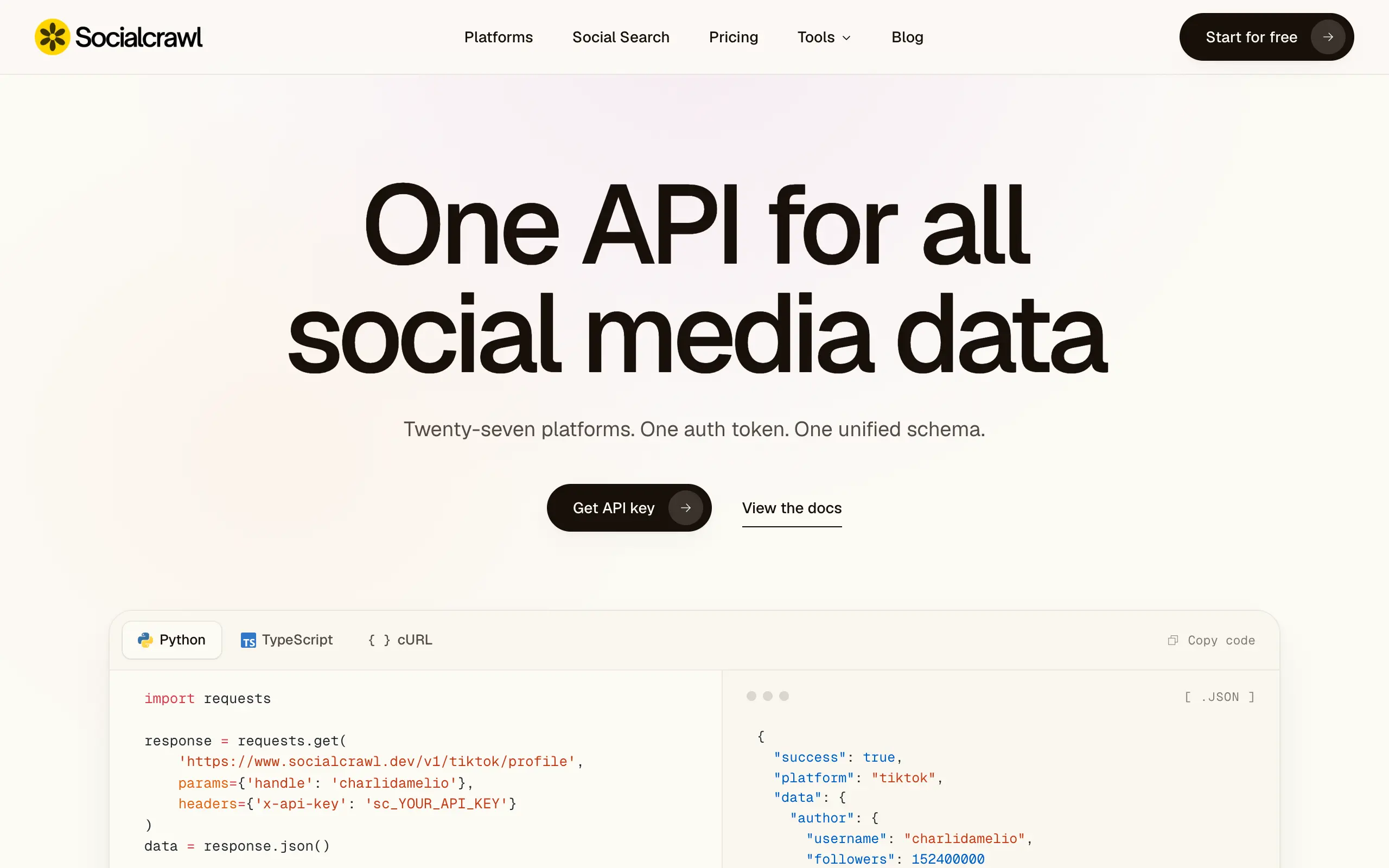
Socialcrawl
Get clean, structured data from 21 platforms like TikTok, Instagram, and YouTube with a single request 📊
Statiko
Monitor any Telegram channel in real time - track posts, edits, deletions, and growth with AI recaps 📡
Shibui
AI website builder - describe your business, pick a niche template, edit by chatting, and publish instantly ✨
Pro Service
Find verified home service professionals, compare quotes, and pay securely through escrow - built for Brazilians across the US 🏠
RankGrow
Fix your SEO with AI agents - connect Search Console, get prioritized tasks, and grow organic traffic 📈
SyncReads
Sync your favorite content for distraction-free reading, save time and replace multiple apps. Anytime, anywhere 🔄
Socialcrawl
Get clean, structured data from 21 platforms like TikTok, Instagram, and YouTube with a single request 📊
Statiko
Monitor any Telegram channel in real time - track posts, edits, deletions, and growth with AI recaps 📡
Shibui
AI website builder - describe your business, pick a niche template, edit by chatting, and publish instantly ✨
Pro Service
Find verified home service professionals, compare quotes, and pay securely through escrow - built for Brazilians across the US 🏠
RankGrow
Fix your SEO with AI agents - connect Search Console, get prioritized tasks, and grow organic traffic 📈
SyncReads
Sync your favorite content for distraction-free reading, save time and replace multiple apps. Anytime, anywhere 🔄
Socialcrawl
Get clean, structured data from 21 platforms like TikTok, Instagram, and YouTube with a single request 📊
Statiko
Monitor any Telegram channel in real time - track posts, edits, deletions, and growth with AI recaps 📡
Shibui
AI website builder - describe your business, pick a niche template, edit by chatting, and publish instantly ✨
Pro Service
Find verified home service professionals, compare quotes, and pay securely through escrow - built for Brazilians across the US 🏠
RankGrow
Fix your SEO with AI agents - connect Search Console, get prioritized tasks, and grow organic traffic 📈
SyncReads
Sync your favorite content for distraction-free reading, save time and replace multiple apps. Anytime, anywhere 🔄
Socialcrawl
Get clean, structured data from 21 platforms like TikTok, Instagram, and YouTube with a single request 📊
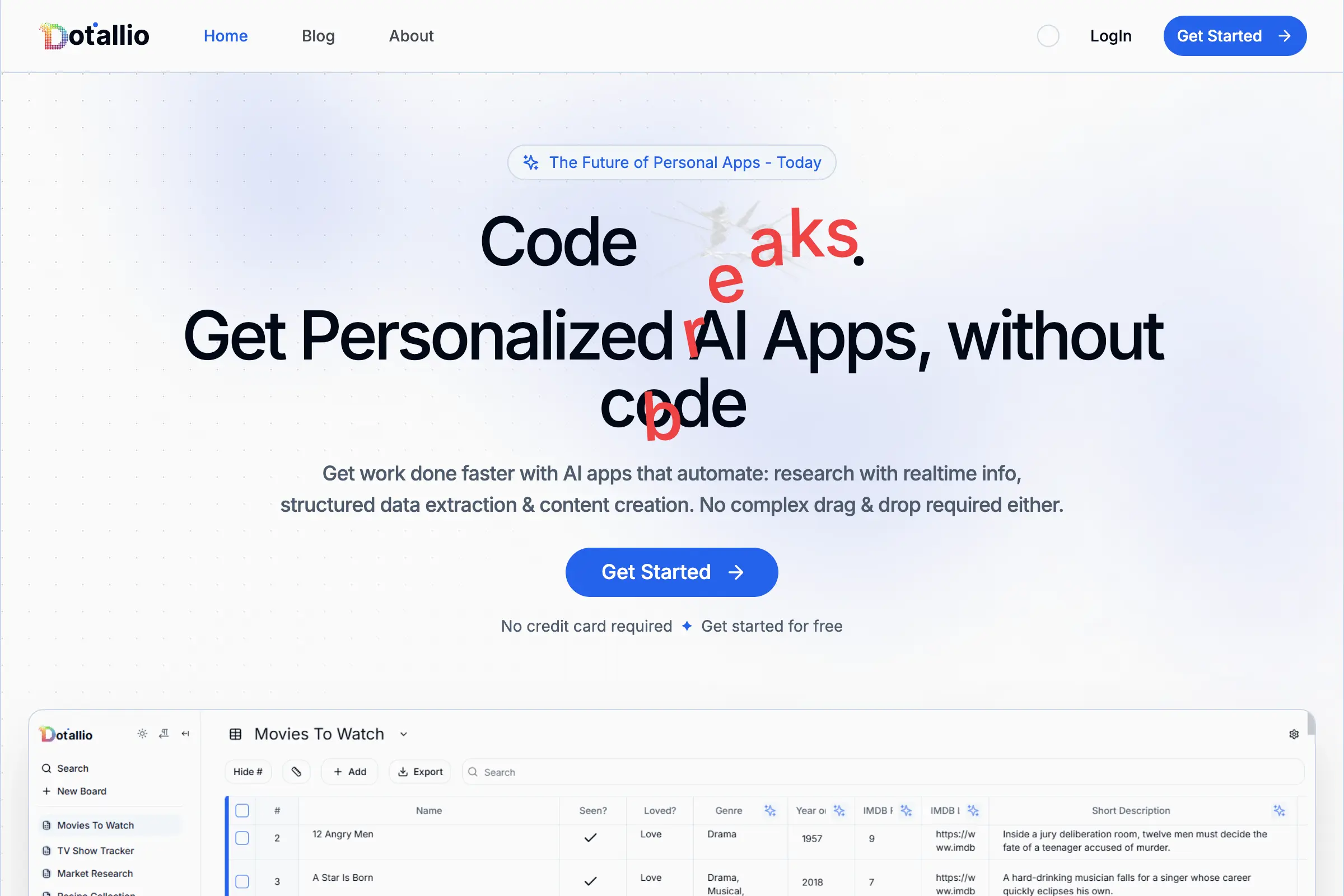
Dotallio
Personalized AI apps that automate research, data extraction, and content creation without code 🤖

Talk to Santa
Enjoy a magical live video chat or receive a unique AI-generated video greeting from Santa Claus 🎅

pozywka.pl
Scalable blog for food journalist, focused on performance and user experience 🌭
zagrodzki.me
Personal blog and portfolio of Bart Zagrodzki, where he shares his knowledge and work 💼
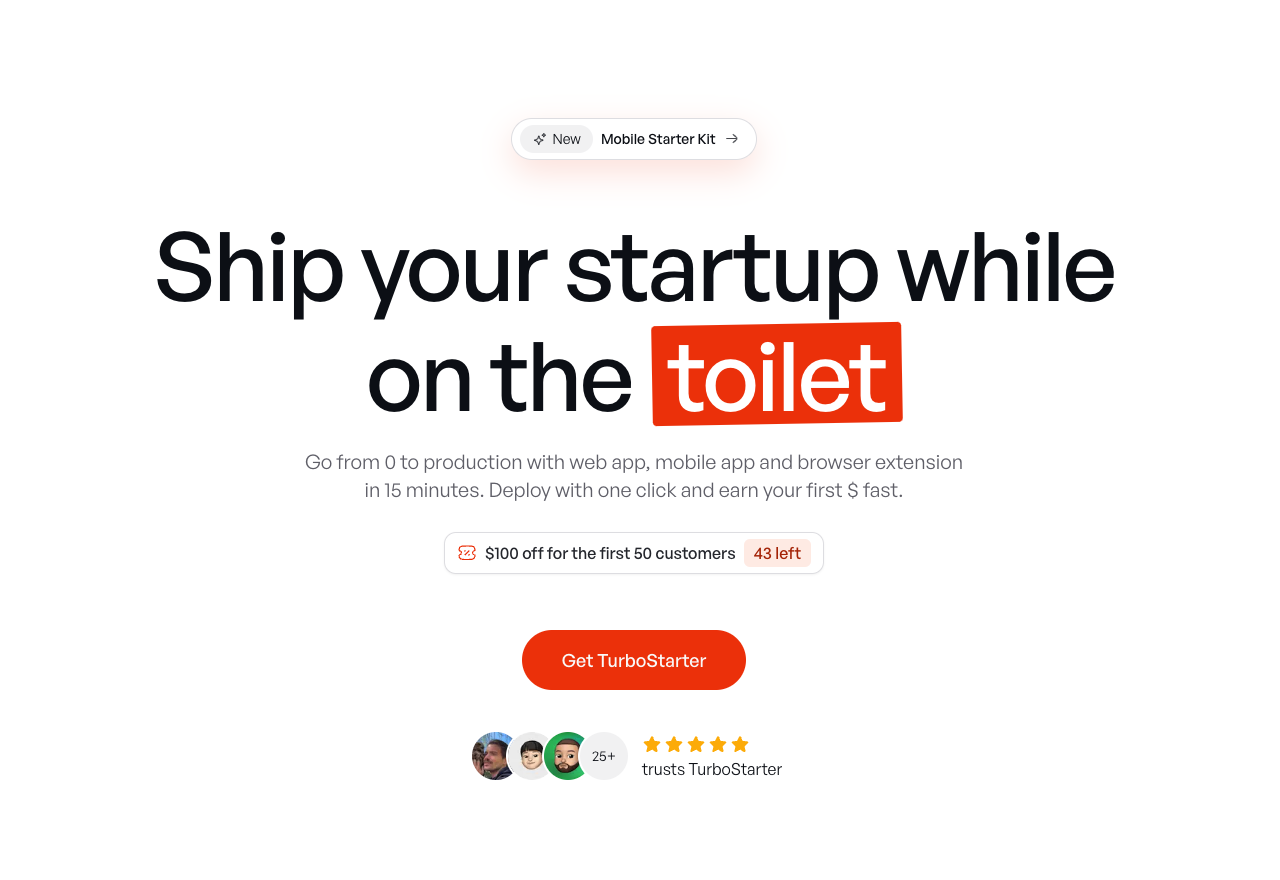
TurboStarter
Ship your startup everywhere. In minutes.
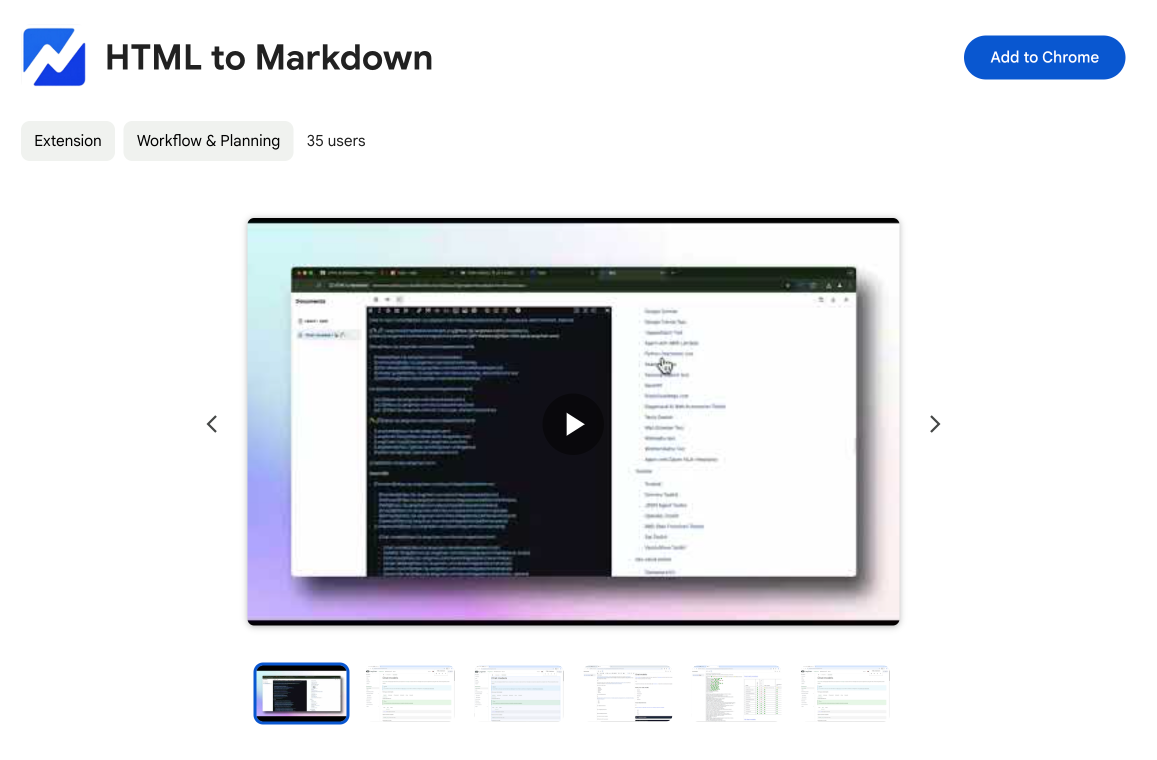
HTML to Markdown
Convert HTML to Markdown with ease, directly in your browser 📄
Dotallio
Personalized AI apps that automate research, data extraction, and content creation without code 🤖
Talk to Santa
Enjoy a magical live video chat or receive a unique AI-generated video greeting from Santa Claus 🎅
pozywka.pl
Scalable blog for food journalist, focused on performance and user experience 🌭
zagrodzki.me
Personal blog and portfolio of Bart Zagrodzki, where he shares his knowledge and work 💼
TurboStarter
Ship your startup everywhere. In minutes.
HTML to Markdown
Convert HTML to Markdown with ease, directly in your browser 📄
Dotallio
Personalized AI apps that automate research, data extraction, and content creation without code 🤖
Talk to Santa
Enjoy a magical live video chat or receive a unique AI-generated video greeting from Santa Claus 🎅
pozywka.pl
Scalable blog for food journalist, focused on performance and user experience 🌭
zagrodzki.me
Personal blog and portfolio of Bart Zagrodzki, where he shares his knowledge and work 💼
TurboStarter
Ship your startup everywhere. In minutes.
HTML to Markdown
Convert HTML to Markdown with ease, directly in your browser 📄
Dotallio
Personalized AI apps that automate research, data extraction, and content creation without code 🤖
Talk to Santa
Enjoy a magical live video chat or receive a unique AI-generated video greeting from Santa Claus 🎅
pozywka.pl
Scalable blog for food journalist, focused on performance and user experience 🌭
zagrodzki.me
Personal blog and portfolio of Bart Zagrodzki, where he shares his knowledge and work 💼
TurboStarter
Ship your startup everywhere. In minutes.
HTML to Markdown
Convert HTML to Markdown with ease, directly in your browser 📄
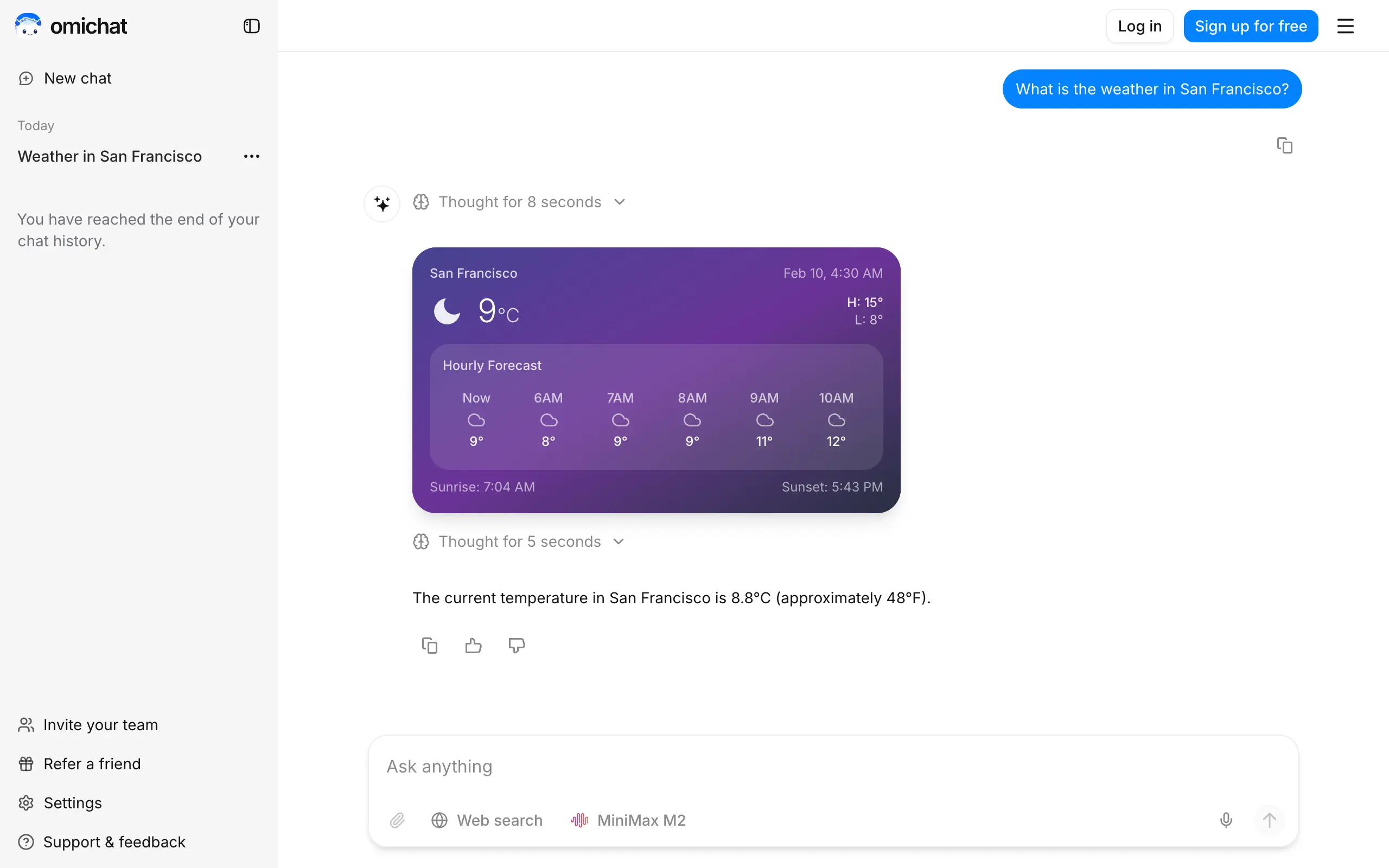
Omichat
Chat with 50+ AI models, including ChatGPT and Claude, in one place - switch models anytime without losing context 🤖
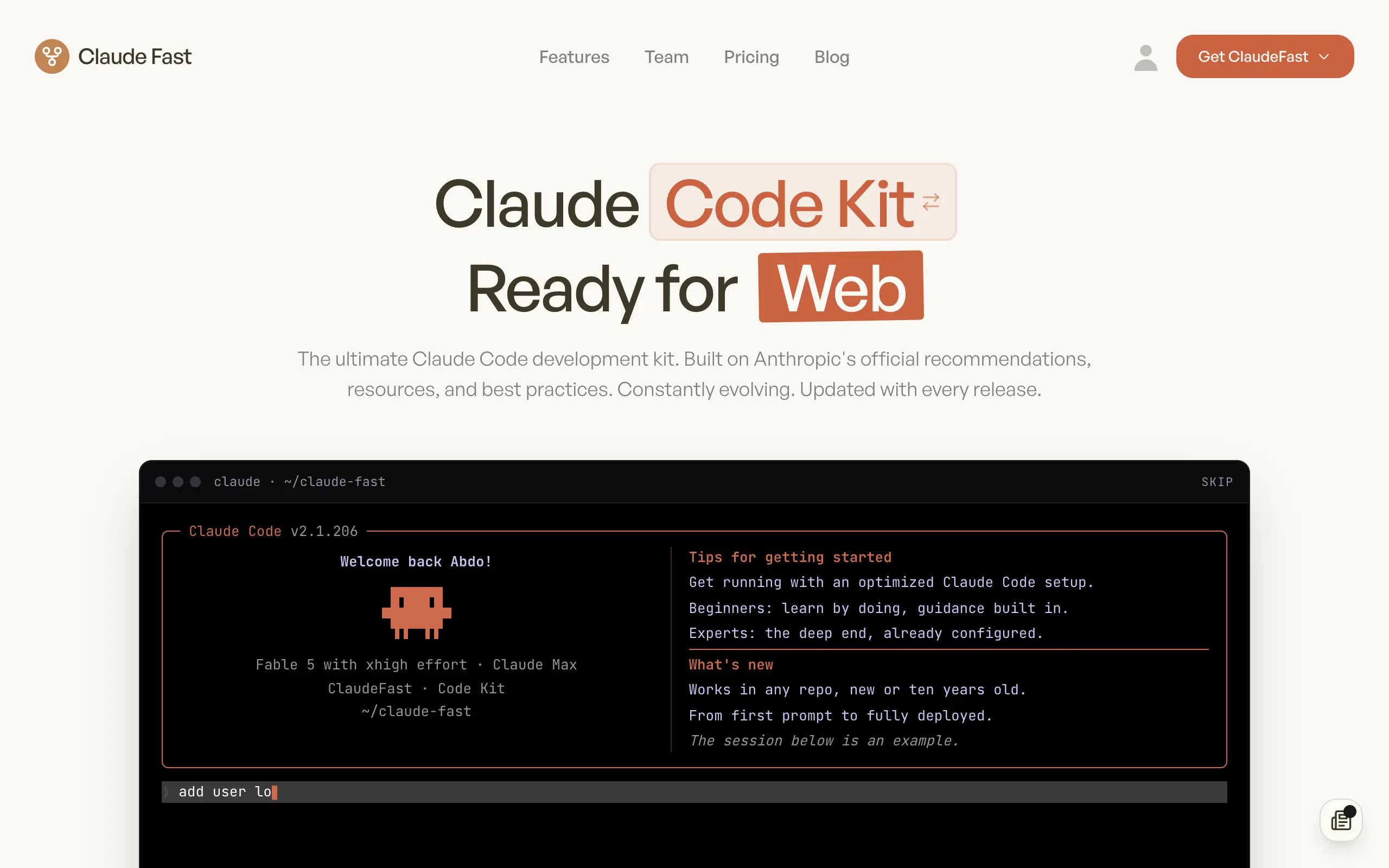
Claude Fast
Supercharge your Claude Code with 6x effective context window and specialized AI agents 🤖
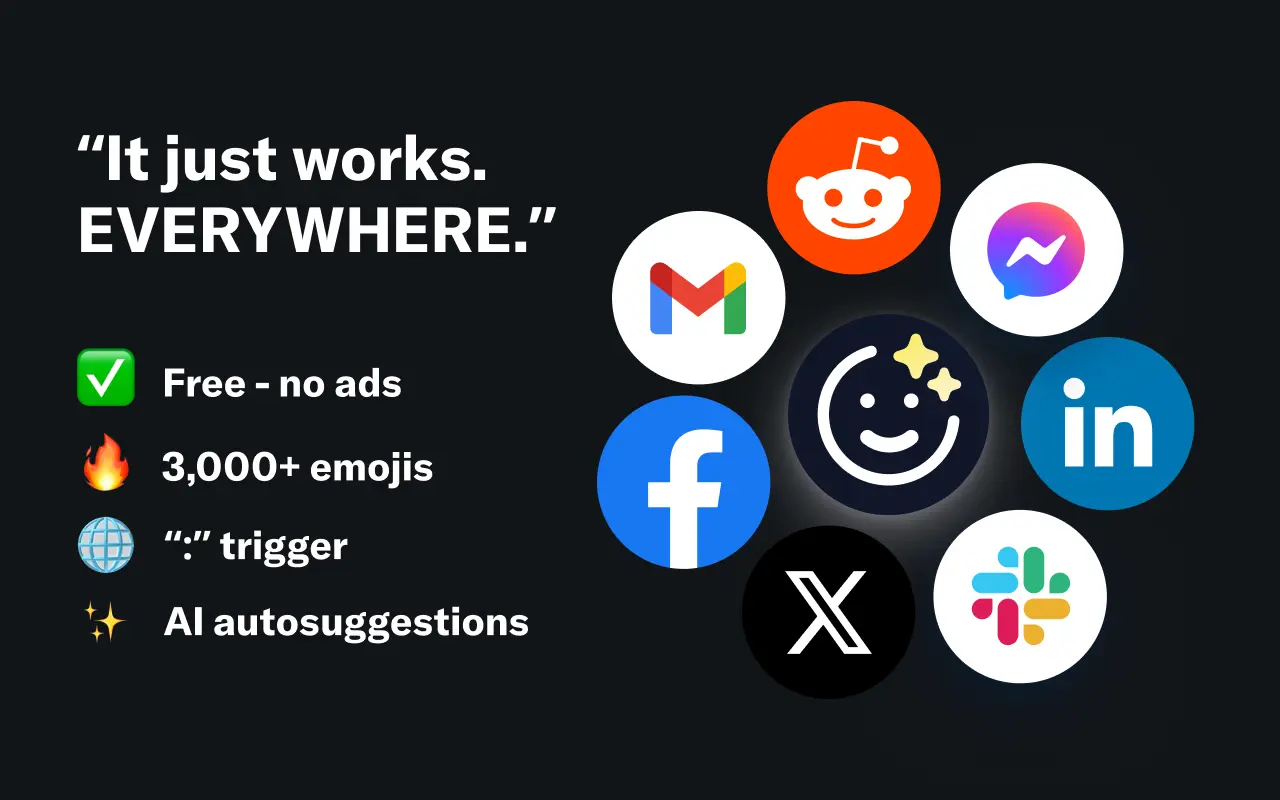
EmojAI
AI-powered emoji picker with smart, context-aware suggestions 🤖
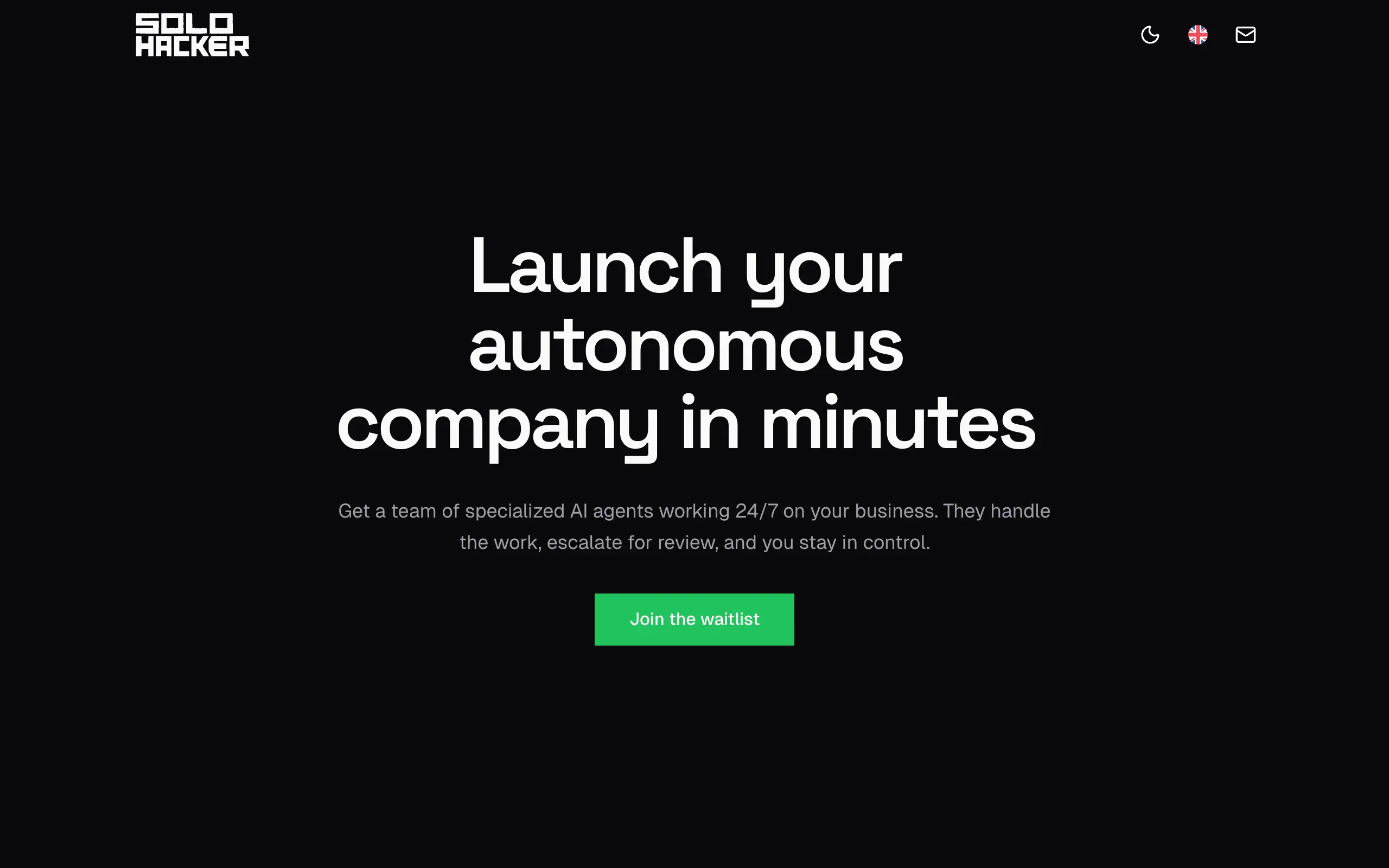
Solohacker
Autonomous company launcher - AI agents work 24/7, escalate what matters, and you stay in control 🤖

BeRawi: Storytelling Coach
Practice storytelling daily with instant feedback to sound clearer, more engaging, and confident 🎤
Omichat
Chat with 50+ AI models, including ChatGPT and Claude, in one place - switch models anytime without losing context 🤖
Claude Fast
Supercharge your Claude Code with 6x effective context window and specialized AI agents 🤖
EmojAI
AI-powered emoji picker with smart, context-aware suggestions 🤖
Solohacker
Autonomous company launcher - AI agents work 24/7, escalate what matters, and you stay in control 🤖
BeRawi: Storytelling Coach
Practice storytelling daily with instant feedback to sound clearer, more engaging, and confident 🎤
Omichat
Chat with 50+ AI models, including ChatGPT and Claude, in one place - switch models anytime without losing context 🤖
Claude Fast
Supercharge your Claude Code with 6x effective context window and specialized AI agents 🤖
EmojAI
AI-powered emoji picker with smart, context-aware suggestions 🤖
Solohacker
Autonomous company launcher - AI agents work 24/7, escalate what matters, and you stay in control 🤖
BeRawi: Storytelling Coach
Practice storytelling daily with instant feedback to sound clearer, more engaging, and confident 🎤
Omichat
Chat with 50+ AI models, including ChatGPT and Claude, in one place - switch models anytime without losing context 🤖
Claude Fast
Supercharge your Claude Code with 6x effective context window and specialized AI agents 🤖
EmojAI
AI-powered emoji picker with smart, context-aware suggestions 🤖
Solohacker
Autonomous company launcher - AI agents work 24/7, escalate what matters, and you stay in control 🤖
BeRawi: Storytelling Coach
Practice storytelling daily with instant feedback to sound clearer, more engaging, and confident 🎤

Connect with like-minded people
Join our community to get feedback, support, and grow together with 1,000+ builders on board, let's ship it!
Join usShip your startup everywhere. In minutes.
Don't burn tokens on setup and start building features on day one.