OpenHouse Studio
AI tools help agents turn property details into polished listings, virtual staging, and platform-ready descriptions. Publish consistent, engaging real estate ads in minutes.
OpenHouse Studio is an AI-powered real estate marketing platform that helps agents transform property details into polished listing copy, virtual staging, and platform-ready advertisements. The concept addresses a practical problem: agents need to market homes quickly and consistently, but creating compelling content for every property takes time, creative effort, and careful attention to listing rules.
The opportunity is not simply to generate more real estate content. It is to help agents produce accurate, brand-consistent, reviewable marketing assets from a single property record, then adapt those assets to the channels where buyers and sellers will see them. That distinction can give OpenHouse Studio a stronger position than a generic AI writing tool or a standalone virtual staging app.
For founders evaluating the idea, the key questions are whether agents will trust AI-generated materials, how the product can fit into existing workflows, and what safeguards are needed when marketing real property. A focused first version can answer those questions without attempting to replace a customer relationship management system, listing service, or full creative agency.
What OpenHouse Studio does
OpenHouse Studio is best understood as an AI real estate listing marketing platform. An agent enters or imports property details, reviews the information, and uses it to create marketing materials for a specific home.
A useful workflow might produce:
- A listing description in multiple tones or lengths
- Short-form copy for social media and email
- Property highlights based on verified facts
- Virtual staging concepts or edited room images
- Platform-specific versions of the listing copy
- A reusable set of assets organized by property
The central promise is speed with control. AI can help agents move from raw notes and property facts to a first draft quickly, but the agent should remain responsible for confirming the facts and approving what gets published.
That principle should shape the product from the beginning. OpenHouse Studio should not be positioned as an autopilot that publishes unverified claims. It should be a production workspace that helps professionals create better marketing materials while keeping them in control of accuracy, disclosure, and final approval.
The problem behind the idea
Real estate marketing is repetitive, but each listing still requires individual attention. An agent may need to review a property data sheet, identify its strongest features, write a compelling description, create social posts, prepare open-house materials, and find suitable images. Those tasks compete with client communication, showings, negotiations, and administrative work.
Several common problems make the work harder:
- Scattered property information: Facts can be spread across notes, forms, emails, and listing systems.
- Repeated rewriting: Agents often adapt the same information for multiple channels.
- Inconsistent quality: Writing skills and available time vary across agents and teams.
- Creative bottlenecks: A property may need visual assets before a photographer or designer is available.
- Risk of inaccurate claims: A generated description can sound convincing while introducing details that were never supplied.
- Brand inconsistency: Individual agents may use different tones, formatting, and visual styles.
- Limited time for review: Fast-moving listings make it tempting to publish before checking every detail.
A well-designed AI listing tool can reduce the work involved in drafting and formatting. It cannot eliminate the need for professional judgment. The product’s value therefore comes from combining generation with structured inputs, review tools, clear provenance, and dependable workflows.
Who OpenHouse Studio should serve first
The product could eventually support a broad range of real estate professionals. Its early success is more likely if it begins with a specific customer group whose work is frequent, repetitive, and easy to observe.
Independent residential agents
Solo agents are a natural starting point. They often handle property marketing themselves and may not have a dedicated copywriter or designer. A straightforward platform that turns property facts into usable copy and visual concepts can be valuable if it is easy to learn and priced within an individual agent’s budget.
The best early users are likely to be agents who already market listings across several channels and regularly create their own materials. Agents who outsource every creative task may have less immediate need.
Small and midsize brokerages
Brokerage leaders may value consistency across agents as much as time savings. A shared workspace could provide approved brand templates, reusable language, team-level asset organization, and a review process for published materials.
This segment can support higher-value plans, but it also brings more demanding requirements. Brokerage buyers may expect centralized billing, user roles, audit history, onboarding, and administrative controls. Those capabilities should be built when customer evidence supports them, rather than added prematurely.
Real estate marketing coordinators
Marketing coordinators often help agents prepare listings and distribute materials. OpenHouse Studio could reduce repetitive production work by giving them reusable templates and one place to manage a property’s copy and images.
These users can be excellent product design partners because they understand both the details of listing preparation and the operational friction of managing several agents’ requests.
Property managers and developers
Property managers and developers also need descriptions and promotional content, but their workflows can differ from residential resale. They may need rental-focused messaging, unit-level variations, amenities lists, and recurring updates.
This could become a later expansion market. For an initial launch, mixing resale listings, rentals, commercial properties, and new developments may make the product too broad. Start with one use case, learn its workflow, and expand when customer demand is clear.
Market opportunity and the product gap
OpenHouse Studio sits at the intersection of several established software categories:
- AI writing assistants
- Real estate listing and marketing tools
- Virtual staging and image editing products
- Social media content platforms
- Brokerage brand and workflow software
That overlap creates opportunity, but it also creates competition. Agents can already combine general-purpose AI tools, design software, image editing services, templates, and manual review. OpenHouse Studio must make the combined workflow more useful than that collection of separate tools.
The potential gap is property-aware marketing production. A general writing assistant can generate a description, but it may not know which facts are verified, which claims require review, or how the copy should change for a listing platform. A virtual staging tool can alter a room image, but it may not connect that image to the property record, related disclosure, approved brand templates, and the rest of the campaign.
OpenHouse Studio can differentiate by making property details the source of truth for a coordinated set of marketing outputs. That means the product should connect the data, content, images, review, and export steps—not merely add an AI prompt box to a dashboard.
A practical way to evaluate the opportunity is to ask prospective users:
- What do you create for every listing?
- Which steps take the most time?
- Which materials are most often revised?
- What tools do you currently use for copy and images?
- What mistakes or approval delays have caused problems?
- Which channels must a listing support?
- What would make you trust AI-generated content enough to use it?
The answers should determine the first product scope. A strong market opportunity is not proven by general enthusiasm for AI. It is demonstrated by repeated, specific pain and a willingness to change an existing workflow or pay to improve it.
Core product features for OpenHouse Studio
The most effective first version should solve the full journey from property facts to approved marketing materials, while limiting unnecessary complexity.
1. A structured property workspace
Every listing should have a dedicated workspace with fields for information such as:
- Property type and location
- Bedrooms, bathrooms, and interior area
- Verified amenities and features
- Renovations or notable updates
- Neighborhood details supplied by the agent
- Listing status and important dates
- Approved photos and image notes
- Brokerage and agent brand settings
Structured inputs are more dependable than asking users to paste everything into one large prompt. They make it easier to generate different formats from the same facts and to identify missing information before content is produced.
The interface should distinguish between required facts, optional context, and claims that need confirmation. For example, a user might provide a renovation year as verified data, while describing a room as “sunny” based on their own assessment. That distinction can support better review and reduce unsupported output.
2. An AI real estate listing description generator
The listing description generator should create drafts, not final answers. Users should be able to choose a tone, length, and audience while preserving factual constraints.
Useful controls could include:
- Concise, warm, elevated, or straightforward tone
- Short, standard, or extended description
- Highlight priorities, such as outdoor space or layout
- Words or phrases to avoid
- A clear instruction not to add facts that were not provided
Each generated draft should be easy to compare, edit, and regenerate in part. If the agent only wants to revise the opening sentence, they should not have to recreate the entire description.
A particularly valuable feature would be a fact traceability view. It could show which supplied property details support each factual statement in the generated copy. Statements without an identifiable source could be flagged for review or rewritten as non-factual suggestions.
3. Channel-ready copy
Agents often need more than one description for a property. OpenHouse Studio could adapt approved content for:
- Listing platform descriptions
- Social media captions
- Email announcements
- Open-house invitations
- Property flyers
- Short video scripts
- Website summaries
The product should not assume that every channel accepts the same length, formatting, or claims. Where a platform has specific rules, users should be able to configure its limits and review the result before exporting. If integrations are not available or appropriate, copy-and-download workflows can still provide immediate value.
4. Virtual staging and image preparation
Virtual staging can help agents present the potential use of a space, especially when a room is empty. It can also create serious trust problems if an edited image is presented as an unaltered photograph.
A responsible virtual staging workflow should:
- Preserve the original image
- Create a separate edited version
- Let users specify a room style or staging direction
- Make it easy to compare the original and generated image
- Keep a record of edits and approvals
- Prompt users to follow applicable disclosure rules
- Avoid edits that misrepresent permanent property features
The product should not imply that AI-generated staging is a substitute for accurate photography. It should frame staging as a visual aid and give agents control over how edited images are labeled and used.
5. Brand kits and reusable templates
A brand kit can make generated materials feel like part of the agent’s existing business rather than generic AI output. It could store approved colors, logos, contact details, preferred language, and common calls to action.
For brokerages, administrators could create shared templates that agents can personalize within defined limits. This offers a practical route to team adoption because it supports brand consistency without requiring every agent to start from scratch.
6. Review, collaboration, and approvals
A listing may pass through several people before publication. OpenHouse Studio can support that process with:
- Draft, review, approved, and published statuses
- Comments tied to a specific asset
- Agent and manager roles
- A change history
- Approval timestamps
- Clear ownership of final publication
A lightweight approval workflow is more valuable than a large project management system. The goal is to make review easier and more visible, not to add process for its own sake.
7. Export and integration options
The product should make it simple to take approved content where it needs to go. Early options might include copying formatted text, downloading image files, and exporting a complete property asset package.
Integrations with listing platforms, customer relationship management systems, or brokerage software may become important, but they can involve technical and commercial constraints. Validate demand before building complex integrations. A reliable export experience can be a more effective MVP than a collection of fragile connections.
How the product can create a defensible advantage
AI generation alone is not a durable differentiator. Competitors can add similar models, and customers can access general-purpose tools directly. OpenHouse Studio’s advantage should come from the workflow and data structure around generation.
Property-aware content production
The product can build a structured record for every property and use it to generate multiple kinds of approved assets. This is more useful than repeatedly entering the same information into separate tools.
Grounded, reviewable output
Showing users where claims come from can increase confidence. The product can distinguish between supplied facts, generated phrasing, and items that require human confirmation. This is an operational advantage as well as a trust feature.
Real estate-specific templates and controls
A general content tool may offer broad flexibility, but real estate professionals need formats and review steps that match property marketing. Templates, property fields, channel settings, and disclosure prompts can make the product feel purpose-built.
A complete listing workspace
Managing copy, image versions, approvals, and exports in one place can reduce context switching. The workspace becomes more valuable as users return for each new property and reuse their brand settings.
Team-level consistency
Brokerage templates, permissions, and approval tools can create value beyond individual content generation. They may also make it harder for a team to switch after its workflows and brand assets are established.
The strongest USP is therefore not “AI writes listings.” It is one property workspace for creating, reviewing, and preparing consistent real estate marketing assets.
Recommended technology stack
The technology should support fast iteration, reliable asset handling, and a clear separation between AI output and user-approved content. The right choices depend on team experience and anticipated scale, but a practical web-first stack could include the following.
Front end
A web application built with React and Next.js can support an interactive property workspace, responsive editing, and public marketing pages if needed. TypeScript can help reduce errors in complex property and asset data structures.
A component library or utility-first styling system can accelerate development, but the most important interface decisions are product-specific: make property facts easy to review, make generated drafts easy to edit, and make image comparisons clear.
Application data and storage
Use a relational database such as PostgreSQL for users, organizations, properties, generated assets, approval states, and billing records. Property and team relationships benefit from structured data and database constraints.
Store original and generated images in object storage rather than directly in database rows. Apply access controls, signed download links, and lifecycle policies appropriate to the product’s retention requirements. Keep original source images separate from edited outputs so users can compare versions and retrieve the original.
AI generation layer
Treat the language model and image model as replaceable services behind an application layer. This allows the product team to compare providers, models, cost, latency, and output quality without rewriting core business logic.
For text generation, build prompts from structured property data and explicit constraints. Validate the output before showing it to users. For example, the application can check that required fields are present, flag unsupported numerical claims, and store the prompt version and model metadata used for generation.
For image generation and editing, pay close attention to rights, privacy, retention, output consistency, and the provider’s usage terms. Do not assume that a generated image accurately depicts the actual property. Keep the user’s source image and approval process central to the workflow.
Authentication and payments
Use a proven authentication approach that supports individual users and organization membership. Brokerage accounts may eventually require invitations, role-based access, and centralized administration.
For subscriptions and usage-based billing, Stripe documentation can help inform payment integration choices. Billing design should match how customers perceive value. A per-seat subscription may work for teams, while property-based credits may be easier for occasional users. Avoid introducing complicated usage meters before usage patterns are understood.
Product analytics and observability
Track important workflow events, such as property creation, first draft generation, edit completion, asset export, and repeat listing creation. Avoid collecting more personal or property information than necessary for analytics.
Monitor generation failures, processing times, storage costs, and user-reported content issues. Useful reliability metrics should connect to customer outcomes, not only system performance. For example, a high generation success rate does not prove that customers find the output publishable.
Monetization strategies
OpenHouse Studio can test several pricing models. The best choice will depend on who uses the product, how often they create listings, and whether the most valuable features are individual or team-oriented.
Individual subscription
A monthly or annual plan for solo agents can offer a predictable price and straightforward onboarding. Plans might differ by the number of active properties, image tools, saved brand settings, or available collaboration features.
The value proposition should be clear. If a plan has too many limits on basic copy generation, users may feel that the product is difficult to evaluate. A simple free trial or starter plan can help customers experience the full workflow before committing.
Usage-based pricing
Credits per listing, image, or generation can align revenue with usage. This can work when image processing has meaningful variable costs. However, a credit system can also create uncertainty. Customers should be able to understand what an action costs before they take it.
A hybrid plan may provide a predictable monthly allowance plus optional top-ups for unusually busy months.
Brokerage and team plans
Team plans can support multiple agents, shared brand kits, administrative controls, and approval workflows. Pricing could be based on seats, active listings, or a negotiated organization plan.
Enterprise features should follow real demand. Adding complex administration before securing team customers can consume engineering time without validating willingness to pay.
Services and onboarding
Some customers may benefit from template setup, brand configuration, or team training. These services can generate early revenue and provide insight into customer workflows. They should be productized where possible, rather than becoming an unscalable dependency for every account.
Risks and how to reduce them
Real estate marketing is a trust-sensitive use case. A product that saves time but creates inaccurate or misleading assets can damage customers’ reputations. Risk management should be part of the product, not a paragraph in the terms of service.
Hallucinated or incorrect property facts
AI models can produce plausible details that were not supplied. Reduce this risk by grounding generation in structured inputs, instructing models not to invent features, and requiring review before publication.
The product can also highlight numbers, claims, and property-specific statements for verification. A visible “check these details” list is more actionable than a general warning that AI may make mistakes.
Fair housing and discriminatory language
Marketing language can create legal and ethical problems if it expresses preferences or exclusionary claims about protected groups. Build safer defaults, review generated text for potentially discriminatory wording, and provide user education about applicable fair housing requirements.
Do not present automated screening as a substitute for legal review. For market-specific guidance, consult qualified legal professionals and relevant housing authorities.
Misleading virtual staging
Edited images can confuse prospective buyers if they are mistaken for photographs of the property’s current condition. Preserve originals, label edited versions clearly, and give agents tools to disclose staging where required by applicable rules or platform policies.
The system should also avoid changes that could falsely imply a room’s dimensions, structural condition, permanent fixtures, or other material characteristics.
Privacy and data security
Property marketing assets may include client details, unpublished listings, interior images, and business information. Use least-privilege access controls, secure file storage, and clear data retention settings. Explain how user content is handled, including whether it is sent to third-party AI providers.
A brokerage customer may ask about data handling before agreeing to use the product. Prepare a clear security and privacy explanation early, even if the initial product is small.
Platform and regulatory changes
Real estate listing and advertising requirements can vary by location, platform, and organization. Rules may change, and different customers may have different obligations. OpenHouse Studio should avoid claiming universal compliance. Instead, provide configurable templates, review prompts, clear version histories, and guidance to confirm local requirements.
Model cost and quality variation
AI providers may change pricing, performance, or terms. Keep model integrations modular, monitor per-workflow costs, and test output quality on representative property examples. Include human review in the product’s assumptions rather than planning around perfect automated output.
How OpenHouse Studio compares with existing alternatives
Customers will compare the product not only with direct competitors but also with the tools they already use. OpenHouse Studio should be evaluated against the complete workflow rather than one isolated feature.
| Alternative | Main strength | Common limitation | OpenHouse Studio opportunity | Best response |
|---|---|---|---|---|
| General AI writing assistant | Flexible and familiar | Requires careful prompting and fact checking | Use structured property data and review tools | Make the workflow real estate specific |
| Standalone virtual staging tool | Focused image editing | May not manage listing copy or approvals | Connect edited images to the property workspace | Keep originals and disclose edits clearly |
| Design software and templates | Visual control and flexibility | Repeated manual updates across listings | Reuse approved brand settings and property facts | Make customization fast without limiting control |
| Agency or freelancer | Human creative judgment | May involve cost, coordination, or turnaround time | Support rapid first drafts and routine variations | Position AI as assistance, not a replacement for every brief |
This comparison should be validated through customer interviews and product trials. Do not assume agents want to replace their existing tools. Some may prefer a workflow that prepares drafts and asset packages for use in the tools they already trust.
How to validate demand before building too much
The most efficient validation process tests the riskiest assumptions in order. For OpenHouse Studio, those assumptions are likely to be:
- Agents experience listing content production as a meaningful problem.
- Structured inputs make AI output more useful than a generic prompt.
- Users trust the system enough to use its drafts after review.
- Virtual staging adds value without creating unacceptable risk.
- Customers will pay for a repeatable workflow, not just a one-time generation.
- Teams care about brand controls and approvals enough to buy a higher-priced plan.
Start with interviews that ask users to describe their most recent listing workflow. Ask them to show the steps, tools, and revisions involved where practical. Concrete examples are more informative than asking whether they “like AI.”
Then test a concierge prototype. A small team can manually prepare property-specific drafts and visual concepts using the proposed workflow. Observe which deliverables customers actually use, what they edit, and where they lose confidence. This can reveal whether the product should prioritize copy, staging, team review, or exports.
A useful early success measure is not the number of generated words or images. Measure whether users finish a listing marketing task faster, publish or export more of the generated assets, and return for subsequent properties.
A focused MVP roadmap
A first release should prove the core workflow before adding a broad platform feature set.
Phase 1: Property brief and copy generation
Build a property workspace with structured fields, an AI-generated description, editable drafts, and simple copy variants. Include a fact review step and let users save the final approved version.
Phase 2: Brand settings and asset organization
Add reusable agent or brokerage information, property folders, draft statuses, and basic export options. These features help customers reuse the product across listings rather than treating it as a one-off writing tool.
Phase 3: Image workflow
Introduce virtual staging or image preparation after validating customer demand and reviewing the relevant provider, disclosure, and image-retention requirements. Keep original and generated files clearly separated.
Phase 4: Team collaboration
Add roles, comments, approval history, shared templates, and team reporting once small brokerage customers demonstrate a need. Design permissions carefully so that users understand who can view, edit, approve, or export each asset.
Phase 5: Integrations and optimization
Explore integrations with listing, marketing, and customer management systems based on repeated customer requests. Prioritize integrations that remove a demonstrable workflow bottleneck and can be maintained reliably.
Measuring product-market fit
OpenHouse Studio should use metrics that reflect customer value, trust, and repeat usage.
Useful measures include:
- Time from entering property details to approving a usable draft
- Percentage of generated drafts that are edited and approved
- Number of assets exported per property
- Repeat property creation per active account
- Time to first successful listing workflow
- Team invitation and collaboration rates
- Support requests related to accuracy or image disclosure
- Subscription renewal and expansion patterns
Track quality feedback alongside engagement. A user generating many drafts may be struggling to get a good result, while a user generating one draft and exporting it may have completed the task successfully. Pair quantitative data with regular conversations and review of anonymized workflow feedback.
Avoid treating model output volume as a success metric. The goal is not to produce the largest amount of AI content. It is to help professionals create accurate, useful marketing materials with less friction.
Actionable implementation steps
Choose one initial customer segment. Start with a clearly defined group, such as independent residential agents or small brokerage marketing teams. Document their current process before deciding what to build.
Map the listing workflow. Identify the source of property facts, the content and images users create, who reviews them, and where the finished assets need to go.
Test the core promise manually. Use a lightweight prototype or concierge service to see whether users value a property-aware workflow more than a standalone AI writing prompt.
Build structured inputs and grounded generation. Make property facts reusable, separate verified information from creative direction, and create a clear human review step.
Add the smallest useful brand and export features. Help users apply approved details and move finished assets into existing workflows without requiring a large integration program.
Validate staging with explicit safeguards. Preserve originals, separate generated images, and provide review and disclosure support before expanding image editing.
Test pricing with real buying behavior. Compare individual subscriptions, team plans, and usage allowances with customers who have completed the workflow—not only people who express interest.
Expand only where usage supports it. Prioritize collaboration, integrations, and additional property types when customer evidence shows they solve repeated problems.
For founders who want to accelerate the broader SaaS build, TurboStarter can help provide a starting point for common product foundations. Use a starter kit to reduce setup work, while keeping OpenHouse Studio’s property workflow, content safeguards, and customer experience purpose-built.
The long-term opportunity
OpenHouse Studio can become more than a listing description generator if it earns a place in the repeated process of bringing a property to market. The long-term product could help teams move from property facts to reviewed copy, visual assets, campaign materials, and reusable records in one coordinated workspace.
The product’s most important advantage will not be access to a particular AI model. Models and generation capabilities will continue to change. A more durable advantage comes from understanding how real estate professionals prepare marketing, organizing property information in a useful way, supporting human review, and making the finished work easy to use.
That also defines the product’s responsibility. Real estate marketing depends on accurate information and buyer trust. OpenHouse Studio should make it easier to create compelling materials without obscuring which details are verified, which images have been altered, or who approved the final content.
A focused launch can test the idea quickly: begin with one customer group, solve one repeated listing workflow, and measure whether users return for their next property. If the platform saves meaningful effort while helping agents maintain accuracy and brand consistency, it can develop from a useful AI tool into an essential part of the real estate marketing process.
More 🤖 AI Startup SaaS ideas
Discover more innovative ai startup SaaS ideas that are trending in 2026. Each idea is AI-generated with market validation and growth potential to help you find your next profitable venture faster than competitors.
Your competitors are building with TurboStarter
Below are some of the SaaS ideas that have been generated and built with our starter kit.

Statiko
Monitor any Telegram channel in real time - track posts, edits, deletions, and growth with AI recaps 📡
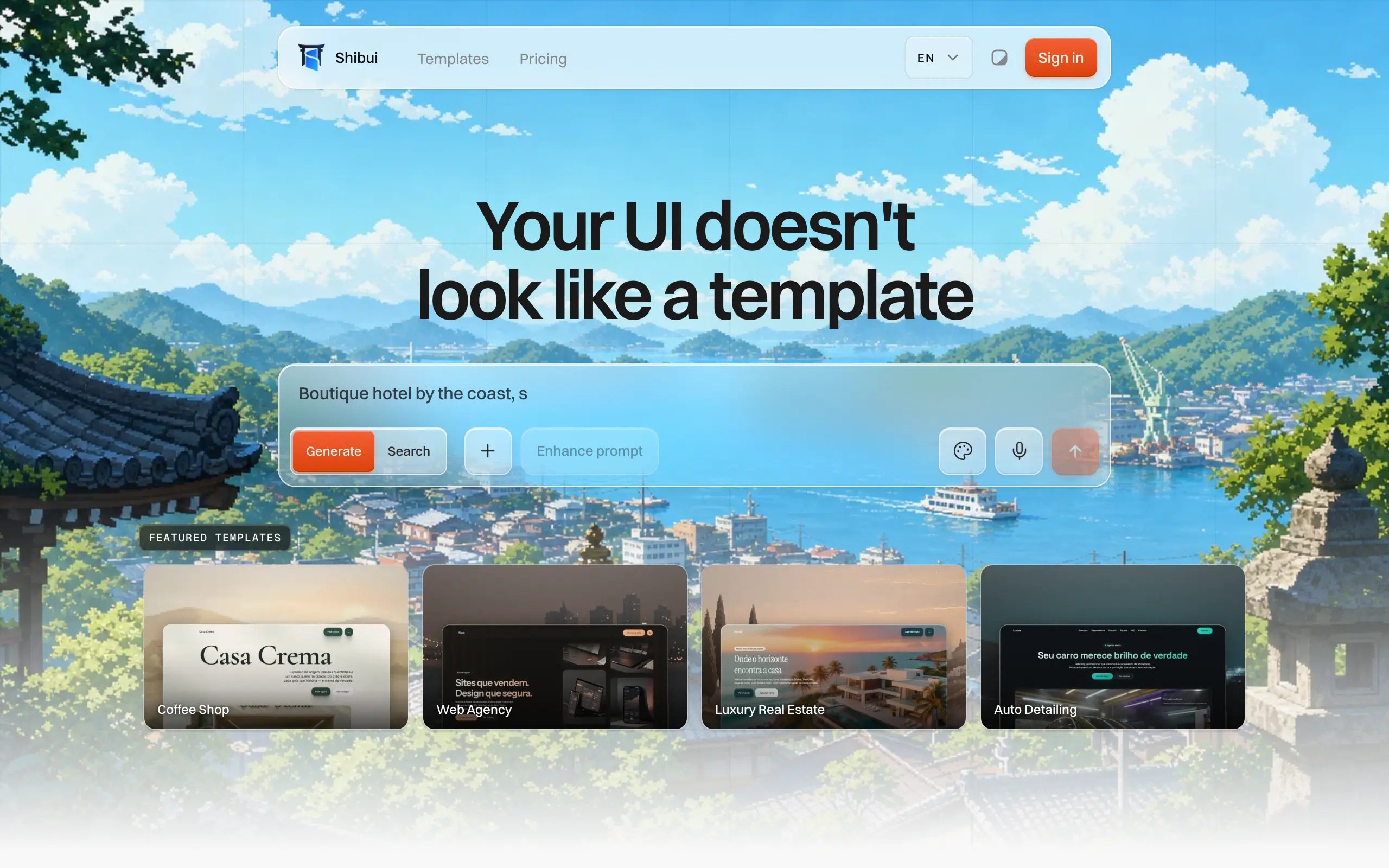
Shibui
AI website builder - describe your business, pick a niche template, edit by chatting, and publish instantly ✨

Pro Service
Find verified home service professionals, compare quotes, and pay securely through escrow - built for Brazilians across the US 🏠
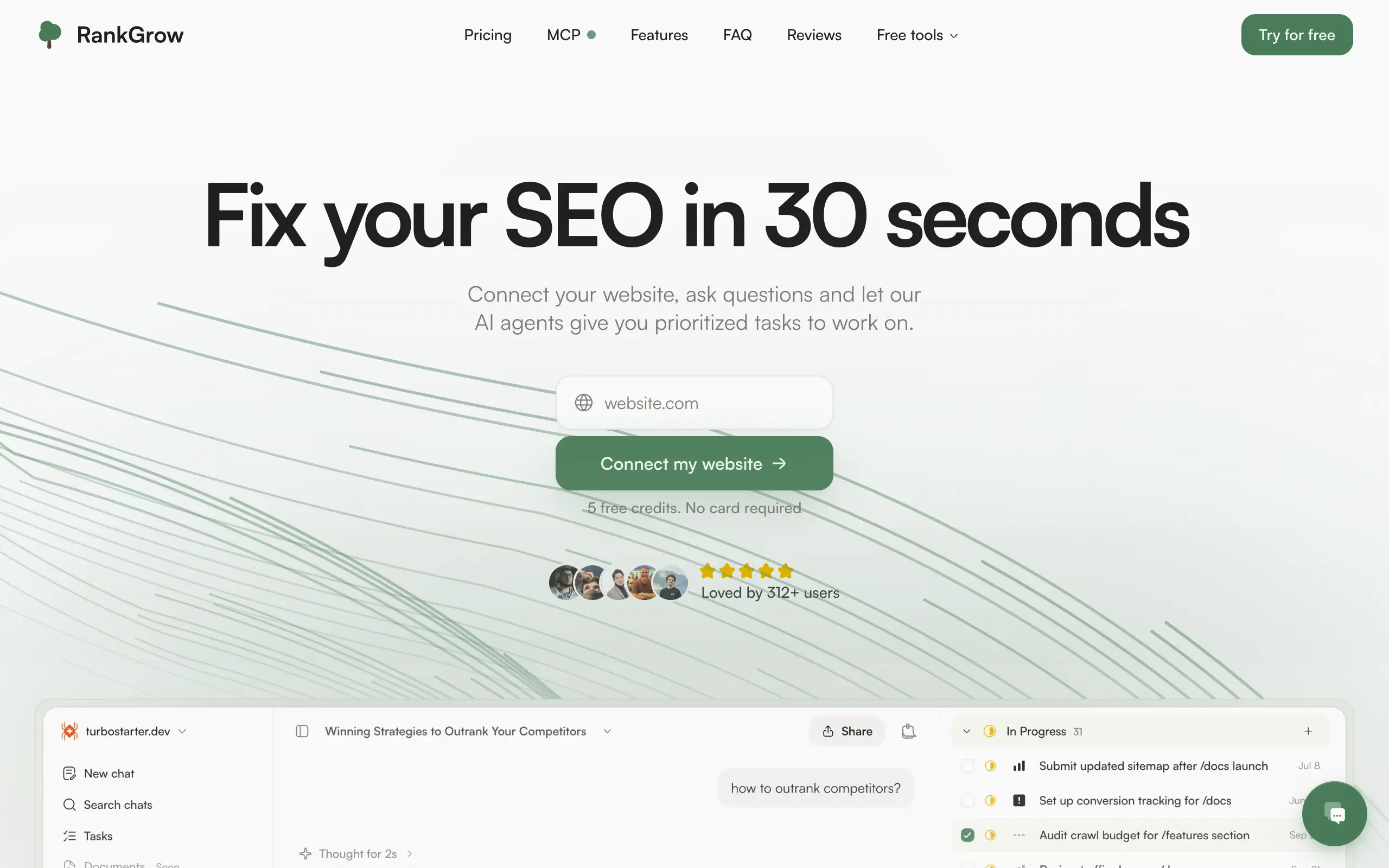
RankGrow
Fix your SEO with AI agents - connect Search Console, get prioritized tasks, and grow organic traffic 📈
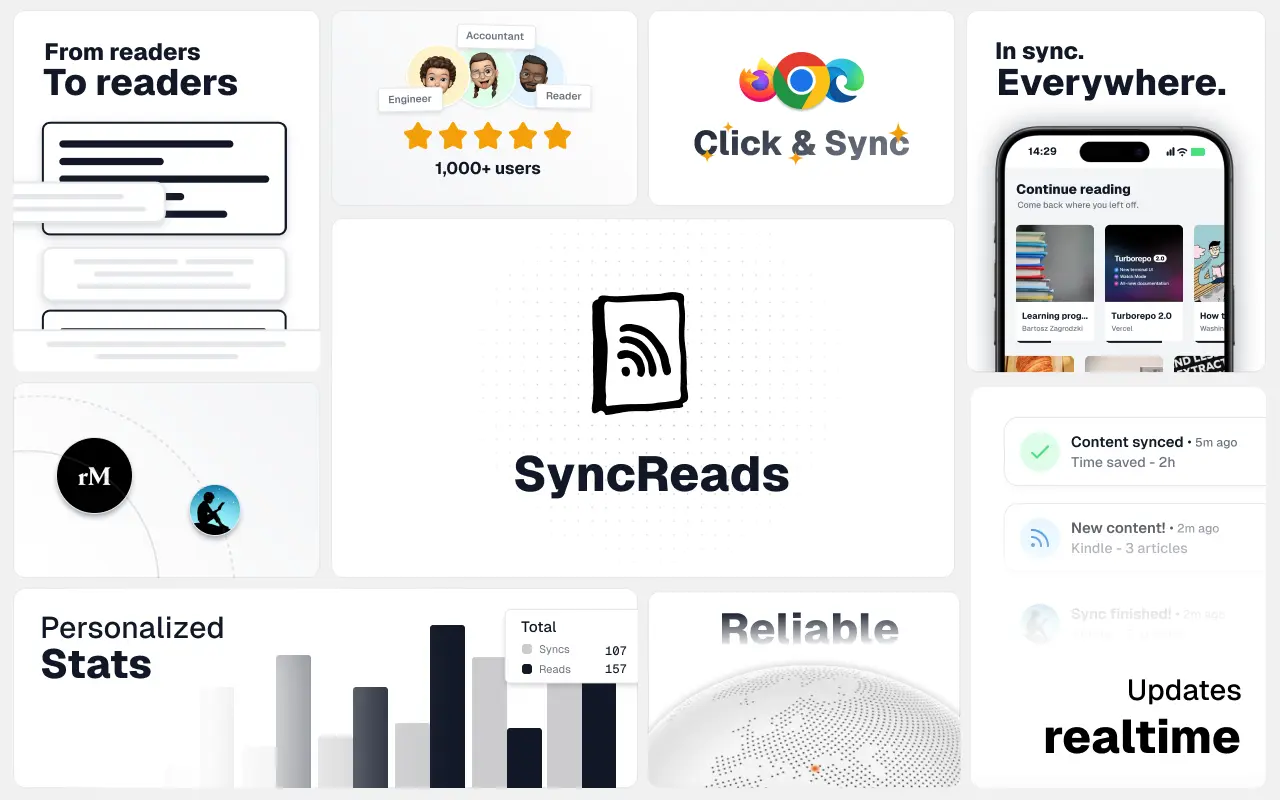
SyncReads
Sync your favorite content for distraction-free reading, save time and replace multiple apps. Anytime, anywhere 🔄
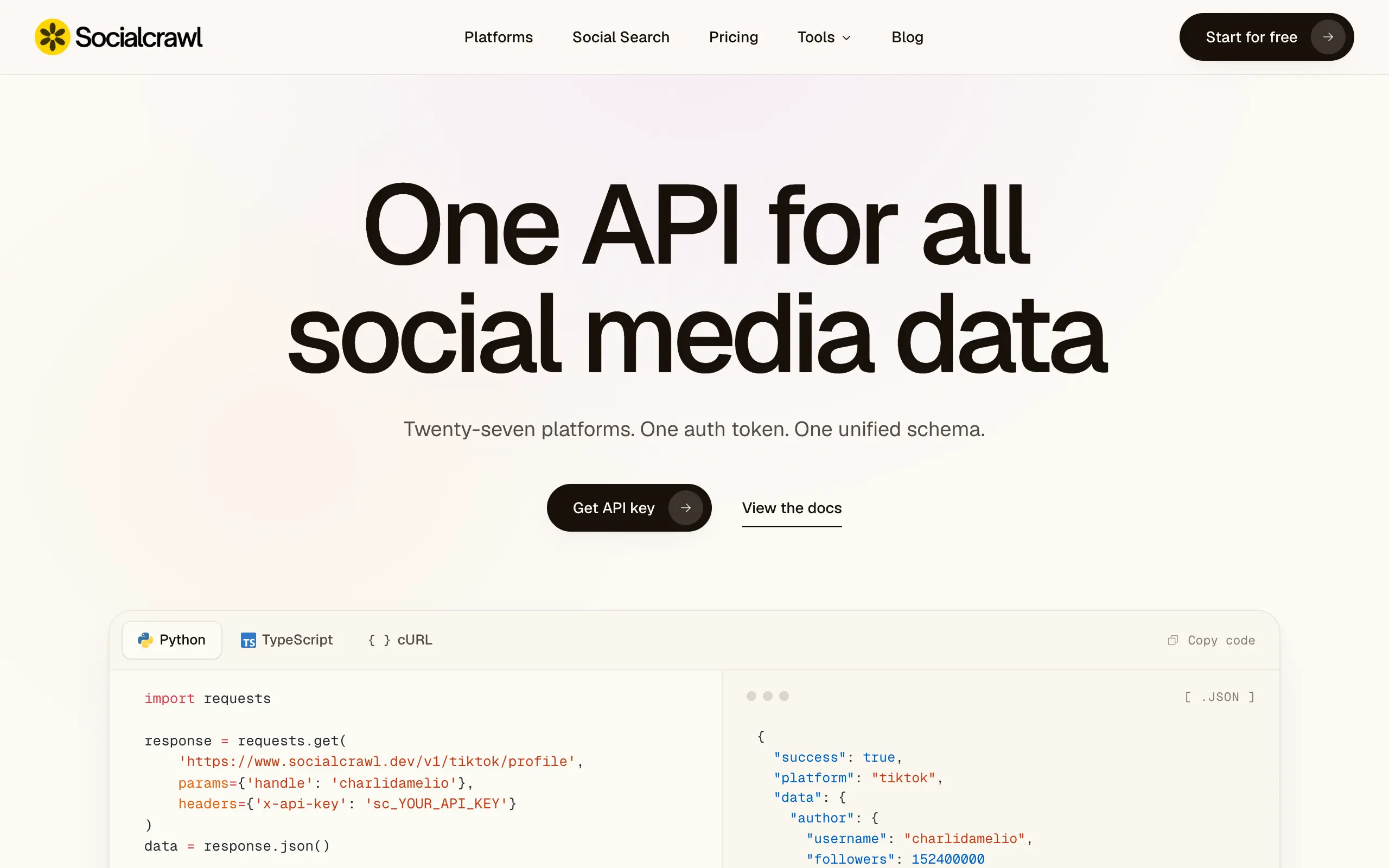
Socialcrawl
Get clean, structured data from 21 platforms like TikTok, Instagram, and YouTube with a single request 📊
Statiko
Monitor any Telegram channel in real time - track posts, edits, deletions, and growth with AI recaps 📡
Shibui
AI website builder - describe your business, pick a niche template, edit by chatting, and publish instantly ✨
Pro Service
Find verified home service professionals, compare quotes, and pay securely through escrow - built for Brazilians across the US 🏠
RankGrow
Fix your SEO with AI agents - connect Search Console, get prioritized tasks, and grow organic traffic 📈
SyncReads
Sync your favorite content for distraction-free reading, save time and replace multiple apps. Anytime, anywhere 🔄
Socialcrawl
Get clean, structured data from 21 platforms like TikTok, Instagram, and YouTube with a single request 📊
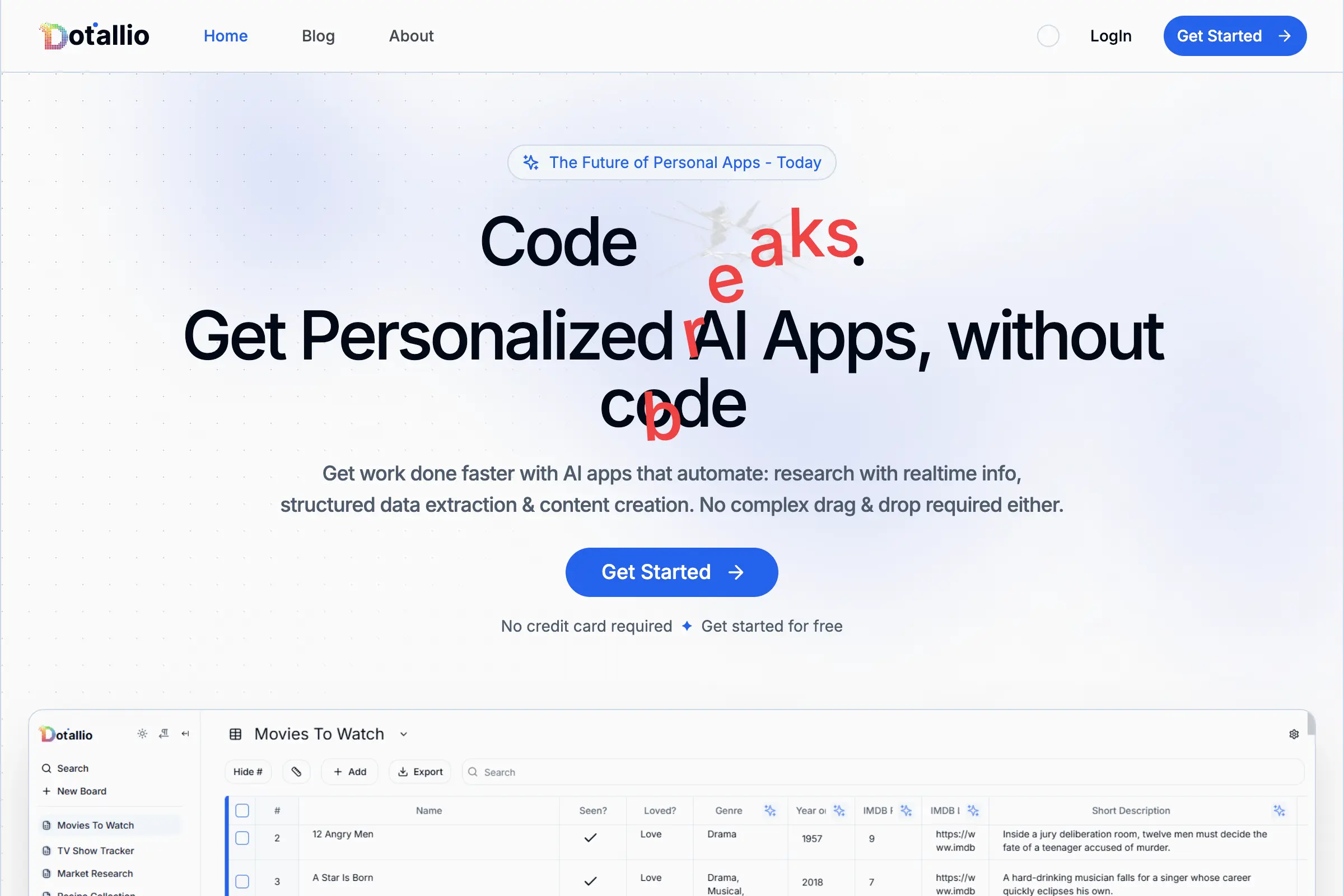
Dotallio
Personalized AI apps that automate research, data extraction, and content creation without code 🤖

Talk to Santa
Enjoy a magical live video chat or receive a unique AI-generated video greeting from Santa Claus 🎅
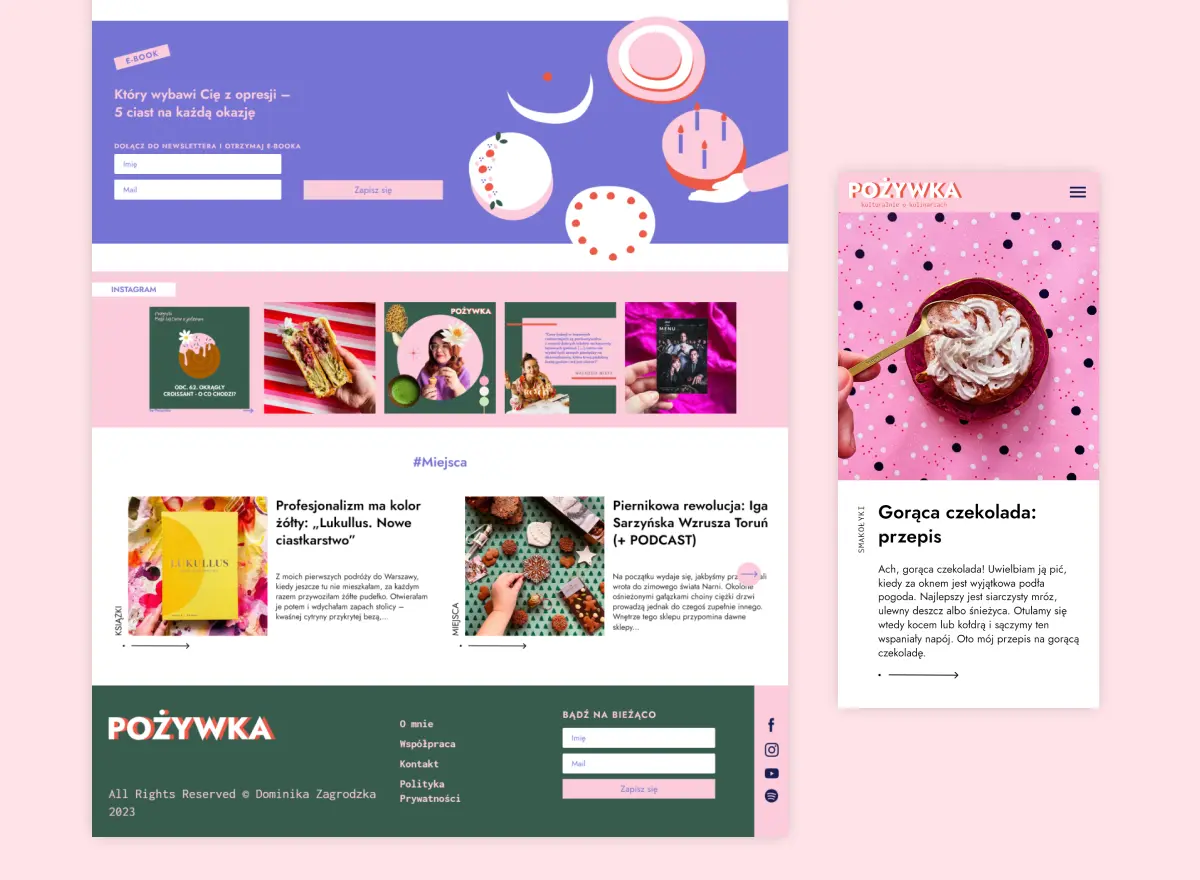
pozywka.pl
Scalable blog for food journalist, focused on performance and user experience 🌭
zagrodzki.me
Personal blog and portfolio of Bart Zagrodzki, where he shares his knowledge and work 💼

TurboStarter
Ship your startup everywhere. In minutes.
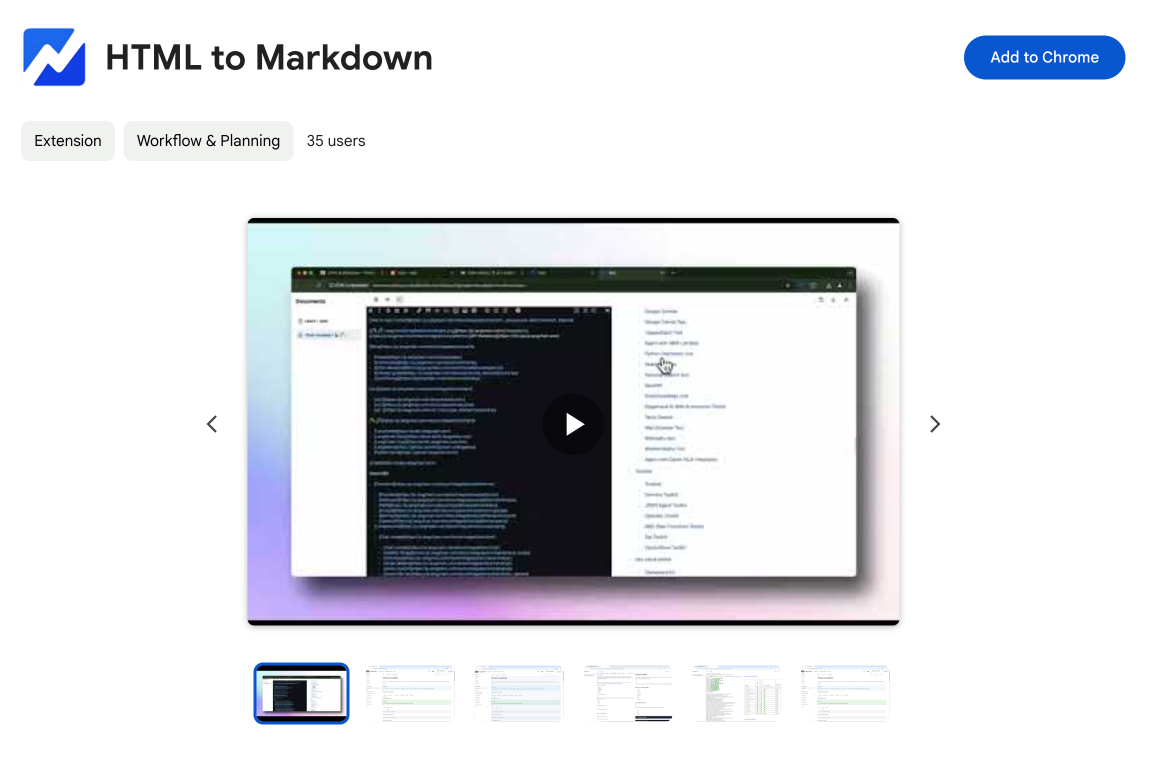
HTML to Markdown
Convert HTML to Markdown with ease, directly in your browser 📄
Dotallio
Personalized AI apps that automate research, data extraction, and content creation without code 🤖
Talk to Santa
Enjoy a magical live video chat or receive a unique AI-generated video greeting from Santa Claus 🎅
pozywka.pl
Scalable blog for food journalist, focused on performance and user experience 🌭
zagrodzki.me
Personal blog and portfolio of Bart Zagrodzki, where he shares his knowledge and work 💼
TurboStarter
Ship your startup everywhere. In minutes.
HTML to Markdown
Convert HTML to Markdown with ease, directly in your browser 📄
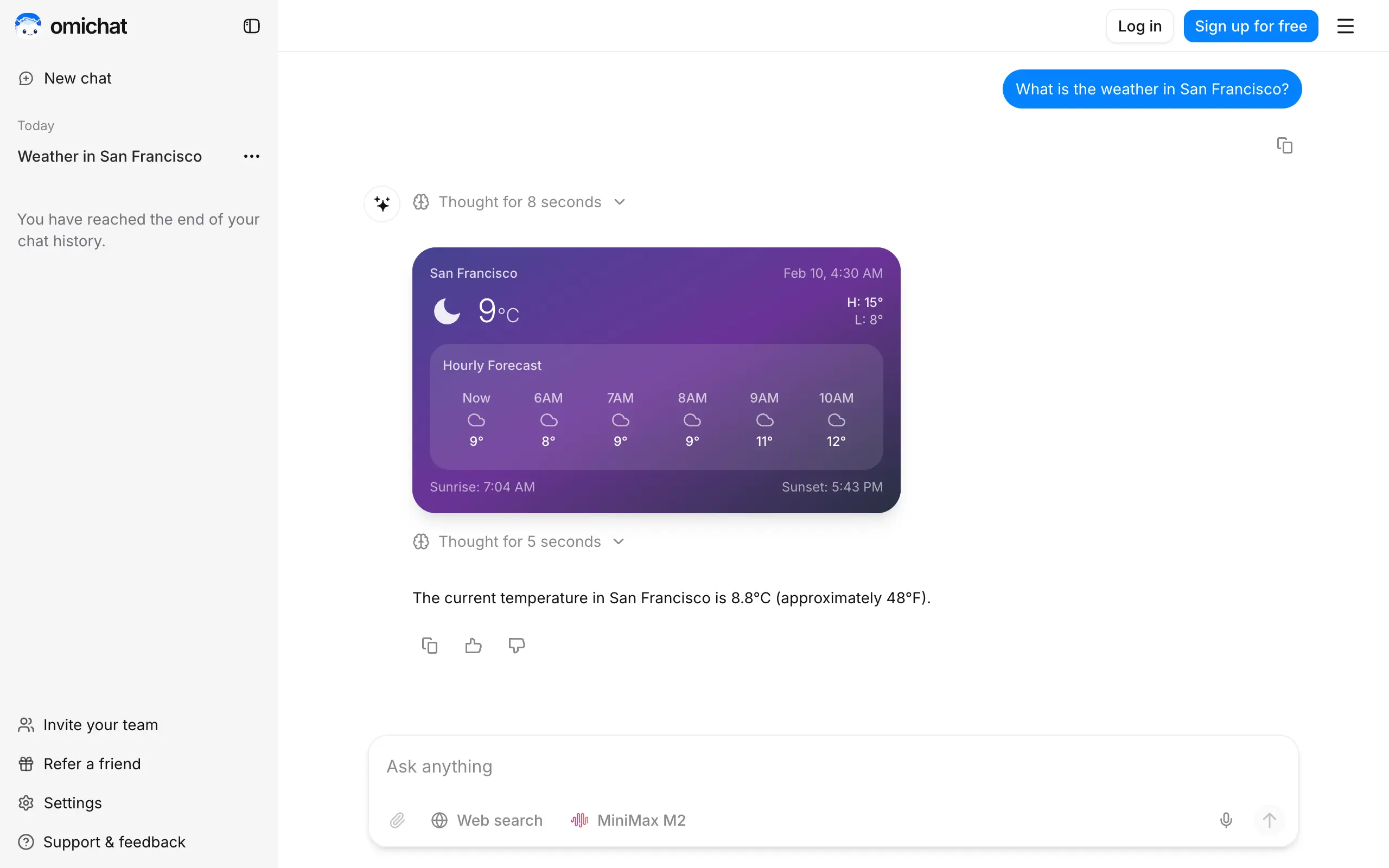
Omichat
Chat with 50+ AI models, including ChatGPT and Claude, in one place - switch models anytime without losing context 🤖
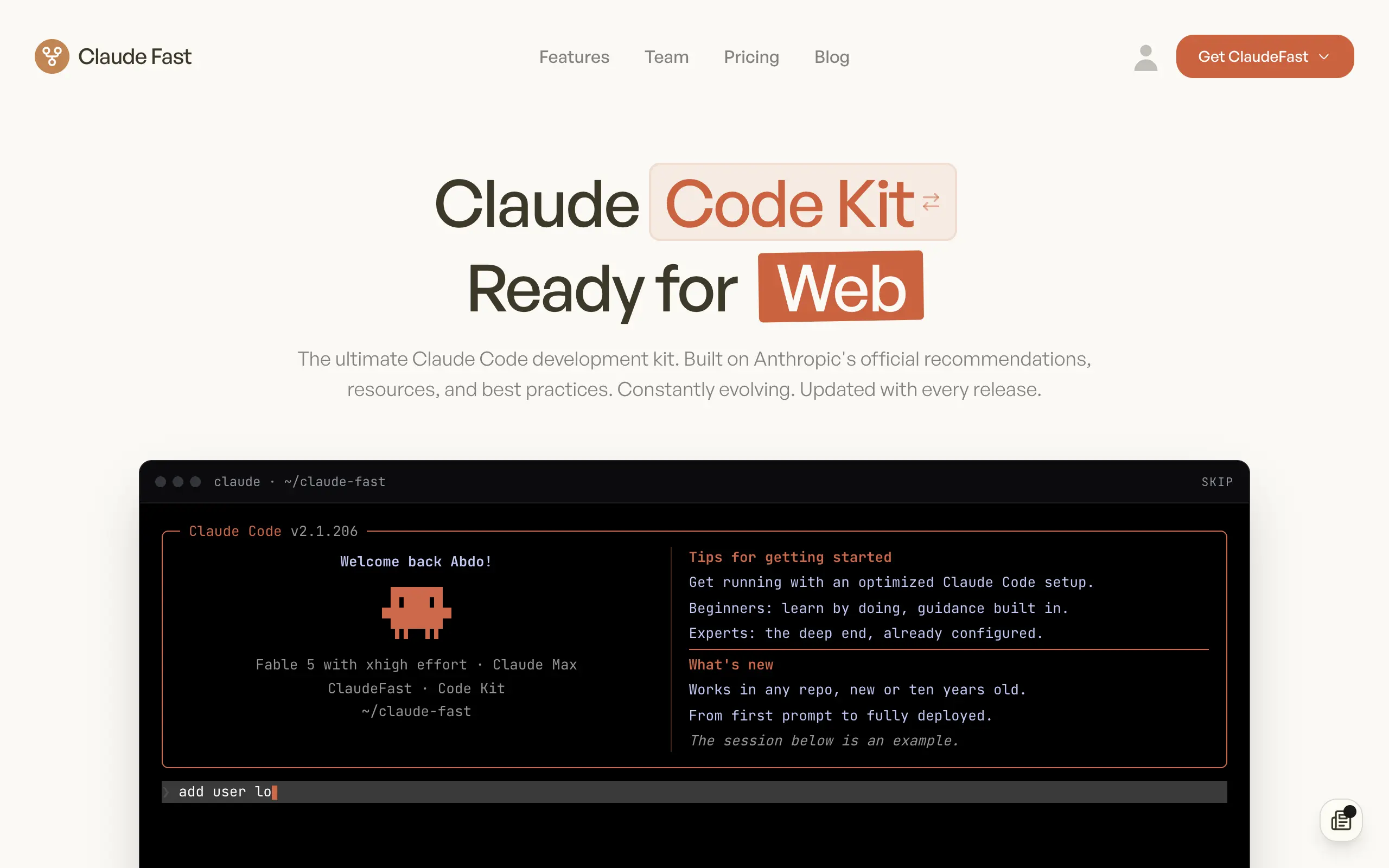
Claude Fast
Supercharge your Claude Code with 6x effective context window and specialized AI agents 🤖
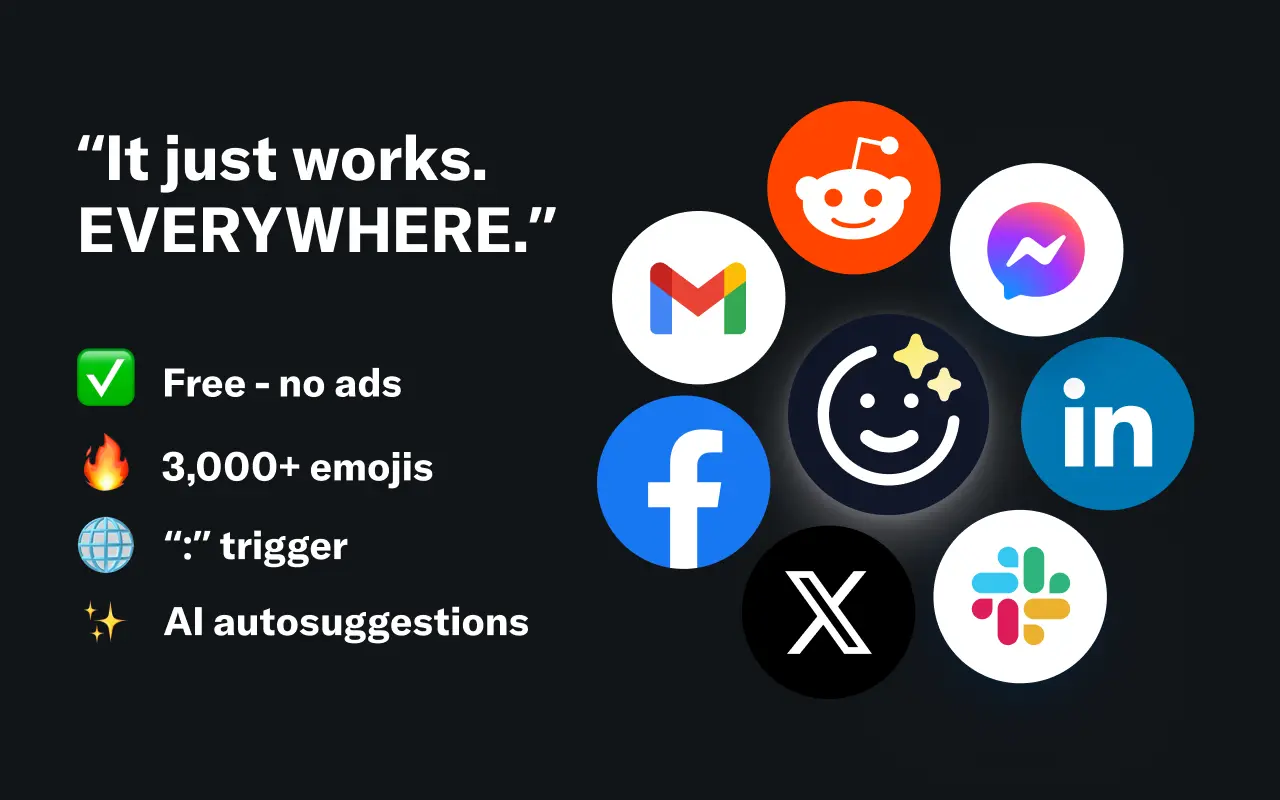
EmojAI
AI-powered emoji picker with smart, context-aware suggestions 🤖

Solohacker
Autonomous company launcher - AI agents work 24/7, escalate what matters, and you stay in control 🤖
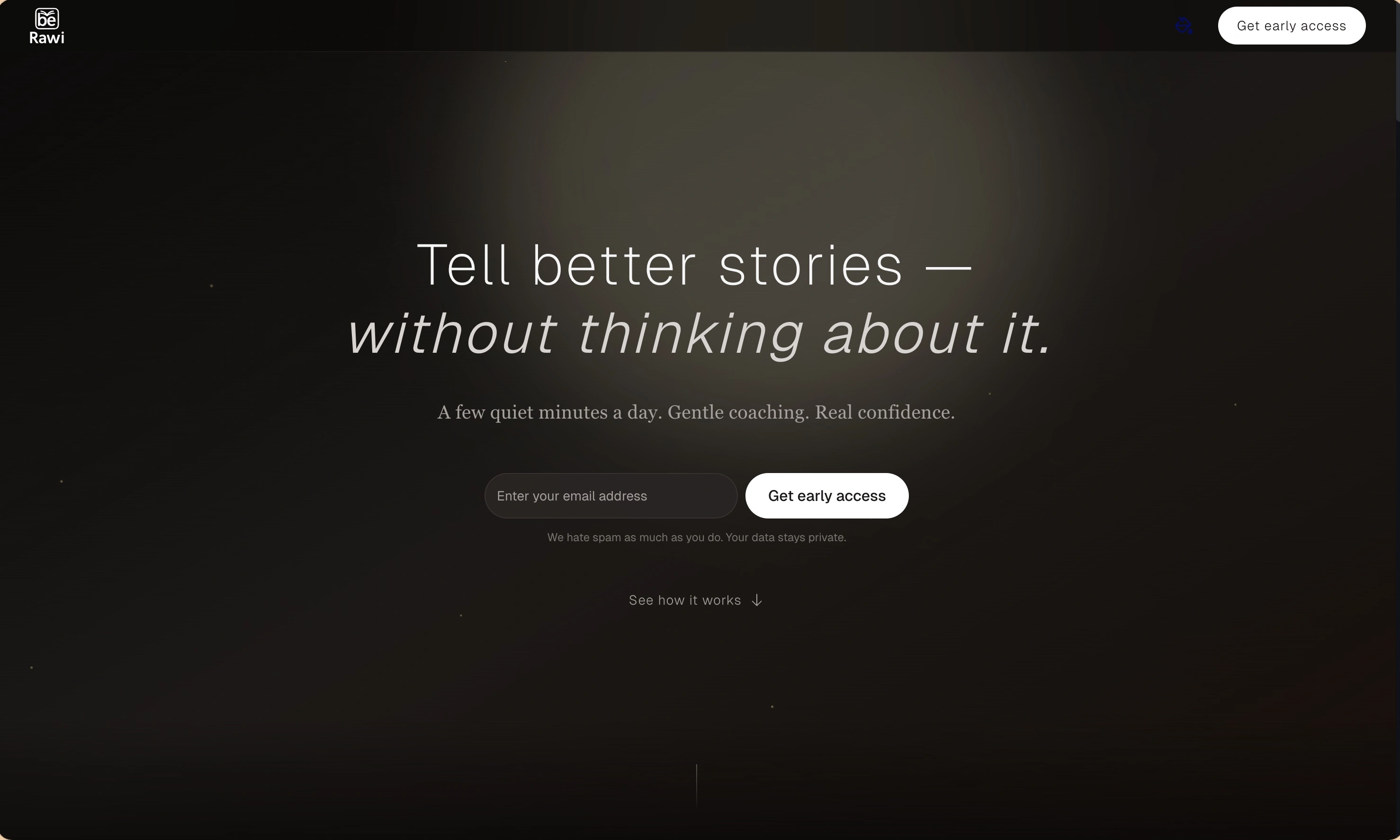
BeRawi: Storytelling Coach
Practice storytelling daily with instant feedback to sound clearer, more engaging, and confident 🎤
Omichat
Chat with 50+ AI models, including ChatGPT and Claude, in one place - switch models anytime without losing context 🤖
Claude Fast
Supercharge your Claude Code with 6x effective context window and specialized AI agents 🤖
EmojAI
AI-powered emoji picker with smart, context-aware suggestions 🤖
Solohacker
Autonomous company launcher - AI agents work 24/7, escalate what matters, and you stay in control 🤖
BeRawi: Storytelling Coach
Practice storytelling daily with instant feedback to sound clearer, more engaging, and confident 🎤

Connect with like-minded people
Join our community to get feedback, support, and grow together with 1,000+ builders on board, let's ship it!
Join usShip your startup everywhere. In minutes.
Don't burn tokens on setup and start building features on day one.