OpsForecast
AI-powered operations forecasting that predicts workload, staffing needs, and bottlenecks using historical project and ERP data.
Understanding the problem OpsForecast solves in modern operations
Operations leaders today are under constant pressure to do more with less. Demand fluctuates, projects overlap, teams are stretched thin, and unexpected bottlenecks can derail even the most carefully planned roadmap. Traditional planning tools—spreadsheets, static ERP reports, or gut-feel forecasting—simply cannot keep up with the speed and complexity of modern operations.
This is the core problem OpsForecast, an AI-powered operations forecasting platform, is designed to solve.
At its heart, OpsForecast helps organizations predict workload, staffing needs, and operational bottlenecks by learning from historical project data, ERP systems, and real-world execution patterns. Instead of reacting to problems after they happen, teams can anticipate them weeks or months in advance.
From an SEO perspective, users searching for AI operations forecasting software, workforce demand forecasting, or AI workload prediction tools are not just browsing—they’re actively looking for clarity, validation, and a practical solution. This article is built to meet that intent head-on.
What is OpsForecast?
OpsForecast is an AI-driven operations forecasting SaaS that analyzes historical operational data—projects, tasks, staffing levels, ERP records, and throughput metrics—to produce accurate, forward-looking forecasts.
It answers questions such as:
- How much workload will we have next month or quarter?
- Do we have enough staff to handle upcoming demand?
- Where are bottlenecks likely to occur?
- What happens if demand increases by 20%?
- Which teams or processes are at the highest risk of burnout or delay?
Unlike static forecasting models, OpsForecast continuously improves its predictions using machine learning, making it more accurate over time as more data flows in.
Who OpsForecast is for (target audience analysis)
Understanding the target audience is critical to both product-market fit and SEO relevance. OpsForecast is not a generic forecasting tool; it is purpose-built for operationally complex organizations.
Primary target users
1. Operations managers and directors
These users are responsible for:
- Capacity planning
- Resource allocation
- Delivery timelines
- Operational efficiency
Their pain point is lack of visibility into future constraints. OpsForecast gives them predictive clarity.
2. COOs and executive leadership
Executives need:
- High-level forecasts tied to business outcomes
- Risk visibility across departments
- Confidence in scaling decisions
OpsForecast translates operational data into strategic foresight.
3. Workforce and capacity planners
Often found in:
- Manufacturing
- Professional services
- Logistics
- Healthcare
- IT services
They rely heavily on accurate demand forecasting. OpsForecast replaces fragile spreadsheet models with AI-driven insights.
4. Project and program management offices (PMOs)
PMOs struggle with:
- Overcommitted teams
- Unpredictable timelines
- Competing priorities
OpsForecast predicts workload clashes before they happen.
Secondary audiences
- Data and analytics teams looking to operationalize AI
- ERP administrators seeking more value from existing data
- Consulting firms supporting operational transformation
Why this matters
OpsForecast aligns strongly with high-intent B2B search queries like operations forecasting software, AI capacity planning, and workforce demand prediction. These users are already aware of the problem—they want a better solution.
The market opportunity for AI-powered operations forecasting
Why the timing is right
The global shift toward data-driven operations has created a significant gap between raw data availability and actionable insights.
Key market trends driving demand:
- Explosion of operational data from ERPs, project tools, and SaaS platforms
- AI maturity making forecasting models more accessible and accurate
- Remote and hybrid work, increasing planning complexity
- Cost pressures, forcing organizations to optimize staffing and throughput
Traditional forecasting tools were never designed for this environment.
The gap in existing solutions
Most organizations today rely on one of three flawed approaches:
- Spreadsheets
- Manual
- Error-prone
- Not scalable
- Static ERP reports
- Backward-looking
- Limited forecasting capability
- Generic BI tools
- Require heavy customization
- Lack domain-specific forecasting logic
OpsForecast occupies a high-value gap:
AI-native forecasting built specifically for operations.
Market validation signals
Without inventing links, credible validation can be drawn from:
- Growing investment in AI-powered planning tools
- Increased adoption of machine learning in ERP ecosystems
- Executive focus on operational resilience and forecasting accuracy
For statistics, referencing reports from analysts like Gartner or McKinsey is recommended when publishing.
Core features that define OpsForecast
1. AI workload forecasting
OpsForecast uses machine learning models to predict future workload based on:
- Historical project timelines
- Task completion rates
- Seasonal trends
- Demand fluctuations
Instead of “best guess” estimates, teams receive probabilistic forecasts with confidence intervals.
2. Staffing and capacity prediction
Staffing is one of the most expensive operational levers. OpsForecast forecasts:
- Required headcount by role
- Overtime risk
- Underutilized capacity
This enables proactive hiring, reskilling, or workload redistribution.
3. Bottleneck detection and early warning
Using pattern recognition, OpsForecast identifies:
- Process slowdowns
- Team overloads
- Dependency risks
Bottlenecks are flagged before they impact delivery, not after.
4. Scenario modeling and “what-if” analysis
Users can simulate scenarios such as:
- Demand spikes
- Budget cuts
- Team expansion
- Process changes
This feature is particularly valuable for executive decision-making.
Analyze workload, staffing, and throughput based on existing conditions and historical data.
Model alternative futures and instantly see how changes impact capacity and delivery risk.
5. ERP and project tool integration
OpsForecast is designed to augment, not replace, existing systems.
Common data sources include:
- ERP platforms
- Project management tools
- Time tracking systems
- HRIS data
The value lies in unifying these data streams into a single forecasting layer.
How OpsForecast works under the hood (solution architecture)
Data ingestion and normalization
OpsForecast ingests structured operational data and normalizes it into a forecasting-ready format. This step is critical because ERP and project data are often inconsistent.
Machine learning forecasting models
The AI layer may include:
- Time-series forecasting models
- Regression-based demand prediction
- Anomaly detection for bottlenecks
Models continuously retrain as new data arrives.
Human-readable insights
Predictions are useless if they aren’t understood. OpsForecast emphasizes:
- Visual forecasts
- Plain-language explanations
- Actionable recommendations
This builds trust and adoption across non-technical teams.
Competitive landscape and differentiation
To rank for OpsForecast and related keywords, it’s essential to clearly articulate why this solution is different.
| Feature | Spreadsheets | ERP reports | Generic BI tools | OpsForecast |
|---|---|---|---|---|
| AI-powered forecasting | ❌ | ❌ | ❌ | ✅ |
| Scenario modeling | ❌ | ❌ | ✅ | ✅ |
Unique selling proposition (USP)
OpsForecast’s USP lies in its operations-first AI forecasting approach:
- Built specifically for operational workloads
- Learns from real execution data
- Produces actionable, explainable forecasts
This is not generic AI—it’s applied operational intelligence.
Recommended tech stack for building OpsForecast
Choosing the right stack impacts scalability, performance, and long-term cost.
Frontend
- React for component-based UI
- TailwindCSS for rapid, consistent styling
Trade-off: Tailwind speeds development but requires disciplined design practices.
Backend
- Node.js or Python for API and model orchestration
- REST or GraphQL for flexible data access
AI and data layer
- Python-based ML pipelines
- Time-series forecasting libraries
- Cloud-managed databases for scalability
Infrastructure
- Cloud hosting with autoscaling
- Secure data encryption and access control
Accelerating development with TurboStarter
Using a production-ready SaaS foundation like TurboStarter can significantly reduce time-to-market by handling authentication, billing, and core infrastructure out of the box.
Monetization strategies for OpsForecast
OpsForecast lends itself to high-value B2B pricing.
Common pricing models
Per-seat pricing
Charge based on the number of users accessing forecasts and dashboards.
Usage-based pricing
Price based on data volume, forecasts generated, or scenarios modeled.
Tiered plans
Different feature sets for SMBs, mid-market, and enterprise customers.
Enterprise upsells
- Custom integrations
- Dedicated support
- Advanced AI models
- SLA guarantees
Risks and challenges (and how to mitigate them)
1. Data quality issues
Risk: Inaccurate or incomplete data leads to poor forecasts.
Mitigation: Data validation, anomaly detection, and user feedback loops.
2. Trust in AI predictions
Risk: Users may distrust “black box” AI.
Mitigation: Explainable forecasts and transparent assumptions.
3. Long sales cycles
Risk: Enterprise buyers move slowly.
Mitigation: Clear ROI messaging and pilot programs.
Accuracy improves after 2–3 data cycles, with continuous learning thereafter.
Implementation roadmap for OpsForecast
Why OpsForecast has long-term defensibility
- Deep integration with customer data
- Continuously improving AI models
- High switching costs once embedded
- Strong alignment with executive decision-making
Over time, OpsForecast becomes mission-critical infrastructure, not just another tool.
Final thoughts: turning forecasting into a strategic advantage
OpsForecast is more than an AI tool—it’s a strategic operations platform. By predicting workload, staffing needs, and bottlenecks, it empowers organizations to move from reactive firefighting to proactive planning.
For founders, OpsForecast represents a high-impact, defensible SaaS opportunity in a growing market where accuracy, trust, and execution matter.
If you’re serious about building or validating an AI-driven SaaS like OpsForecast, starting with a strong technical and business foundation is critical.
Next step: Define a focused vertical (e.g., professional services, manufacturing, healthcare), validate data access, and build a narrowly scoped MVP that proves forecasting accuracy early.
More 🤖 AI Startup SaaS ideas
Discover more innovative ai startup SaaS ideas that are trending in 2026. Each idea is AI-generated with market validation and growth potential to help you find your next profitable venture faster than competitors.
Your competitors are building with TurboStarter
Below are some of the SaaS ideas that have been generated and built with our starter kit.

Statiko
Monitor any Telegram channel in real time - track posts, edits, deletions, and growth with AI recaps 📡

Shibui
AI website builder - describe your business, pick a niche template, edit by chatting, and publish instantly ✨

Pro Service
Find verified home service professionals, compare quotes, and pay securely through escrow - built for Brazilians across the US 🏠
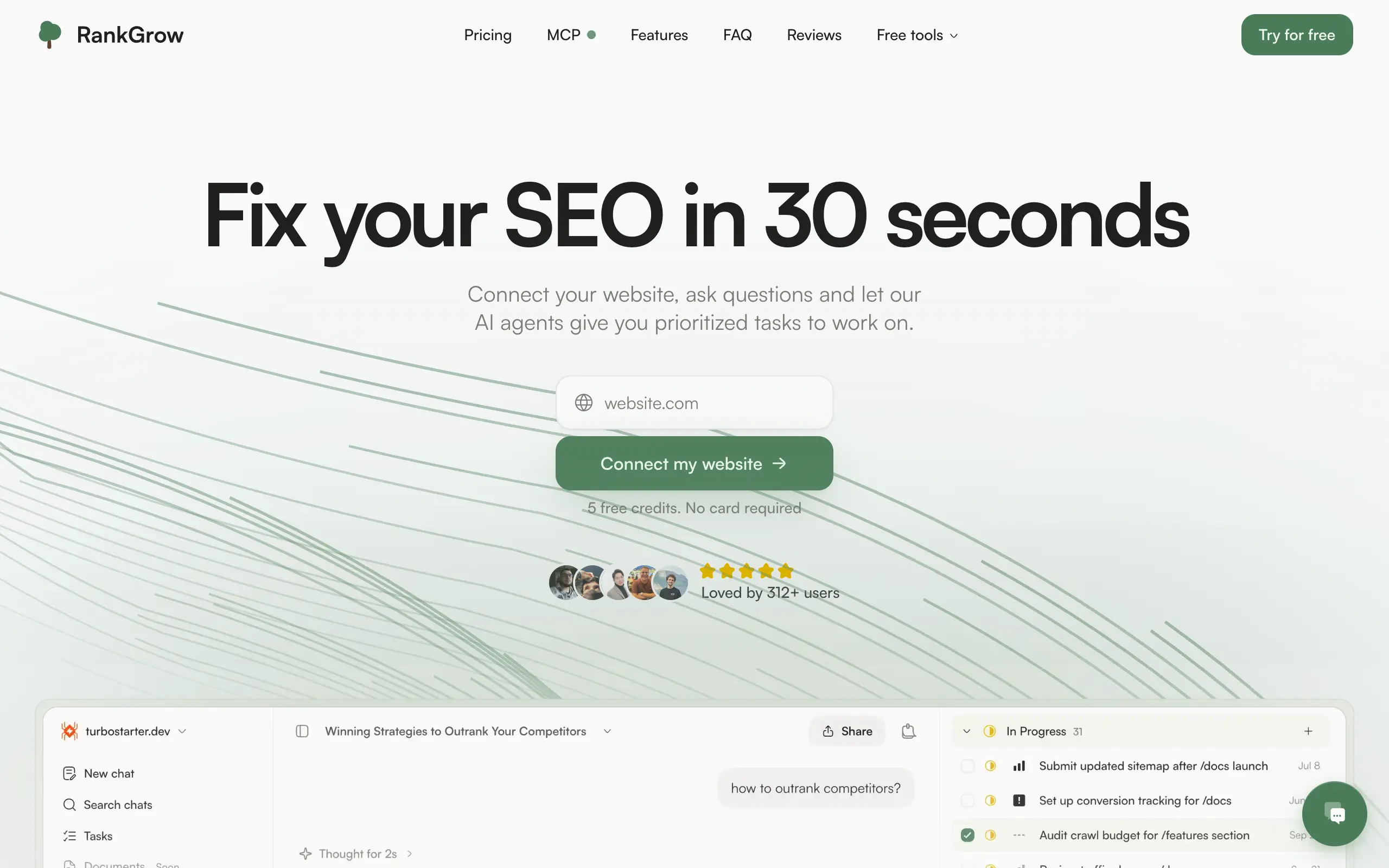
RankGrow
Fix your SEO with AI agents - connect Search Console, get prioritized tasks, and grow organic traffic 📈
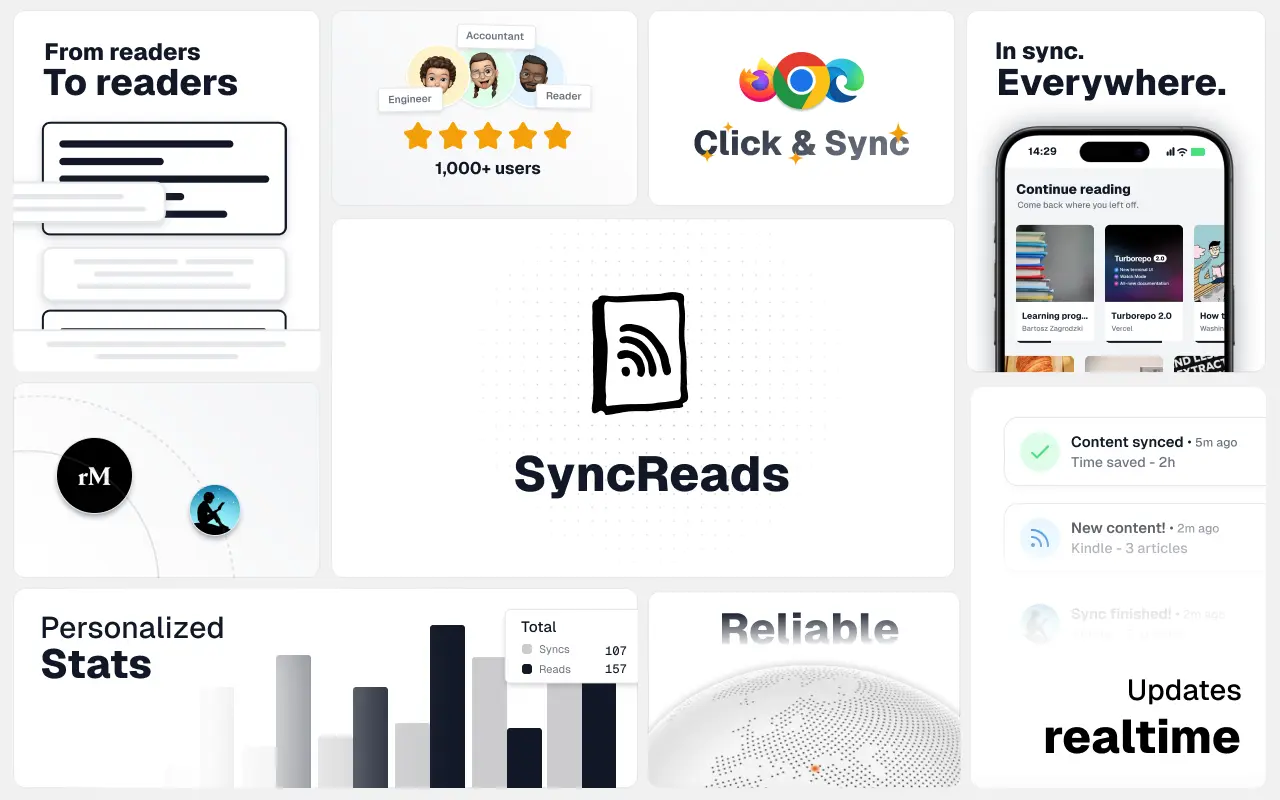
SyncReads
Sync your favorite content for distraction-free reading, save time and replace multiple apps. Anytime, anywhere 🔄
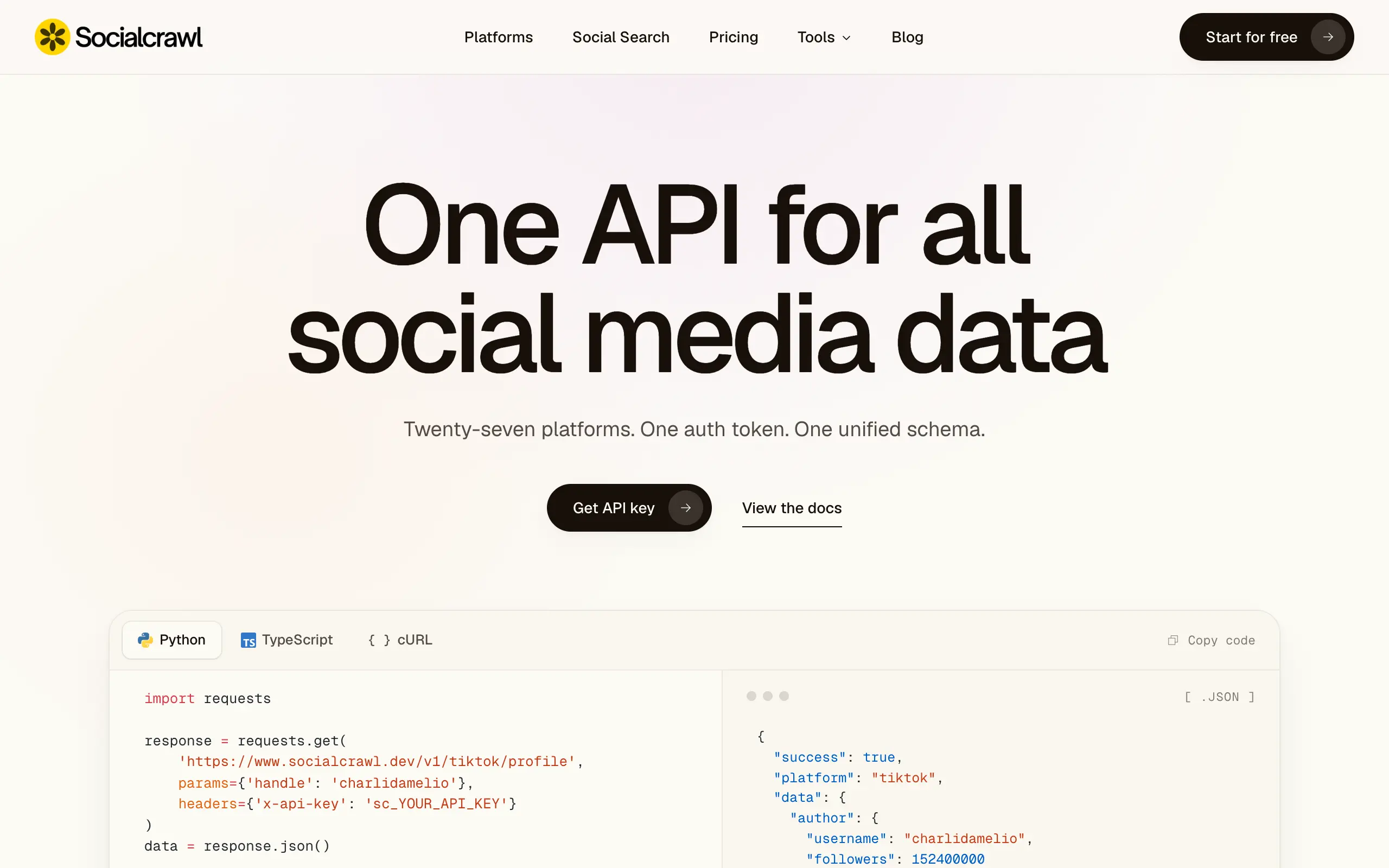
Socialcrawl
Get clean, structured data from 21 platforms like TikTok, Instagram, and YouTube with a single request 📊
Statiko
Monitor any Telegram channel in real time - track posts, edits, deletions, and growth with AI recaps 📡
Shibui
AI website builder - describe your business, pick a niche template, edit by chatting, and publish instantly ✨
Pro Service
Find verified home service professionals, compare quotes, and pay securely through escrow - built for Brazilians across the US 🏠
RankGrow
Fix your SEO with AI agents - connect Search Console, get prioritized tasks, and grow organic traffic 📈
SyncReads
Sync your favorite content for distraction-free reading, save time and replace multiple apps. Anytime, anywhere 🔄
Socialcrawl
Get clean, structured data from 21 platforms like TikTok, Instagram, and YouTube with a single request 📊
Statiko
Monitor any Telegram channel in real time - track posts, edits, deletions, and growth with AI recaps 📡
Shibui
AI website builder - describe your business, pick a niche template, edit by chatting, and publish instantly ✨
Pro Service
Find verified home service professionals, compare quotes, and pay securely through escrow - built for Brazilians across the US 🏠
RankGrow
Fix your SEO with AI agents - connect Search Console, get prioritized tasks, and grow organic traffic 📈
SyncReads
Sync your favorite content for distraction-free reading, save time and replace multiple apps. Anytime, anywhere 🔄
Socialcrawl
Get clean, structured data from 21 platforms like TikTok, Instagram, and YouTube with a single request 📊
Statiko
Monitor any Telegram channel in real time - track posts, edits, deletions, and growth with AI recaps 📡
Shibui
AI website builder - describe your business, pick a niche template, edit by chatting, and publish instantly ✨
Pro Service
Find verified home service professionals, compare quotes, and pay securely through escrow - built for Brazilians across the US 🏠
RankGrow
Fix your SEO with AI agents - connect Search Console, get prioritized tasks, and grow organic traffic 📈
SyncReads
Sync your favorite content for distraction-free reading, save time and replace multiple apps. Anytime, anywhere 🔄
Socialcrawl
Get clean, structured data from 21 platforms like TikTok, Instagram, and YouTube with a single request 📊
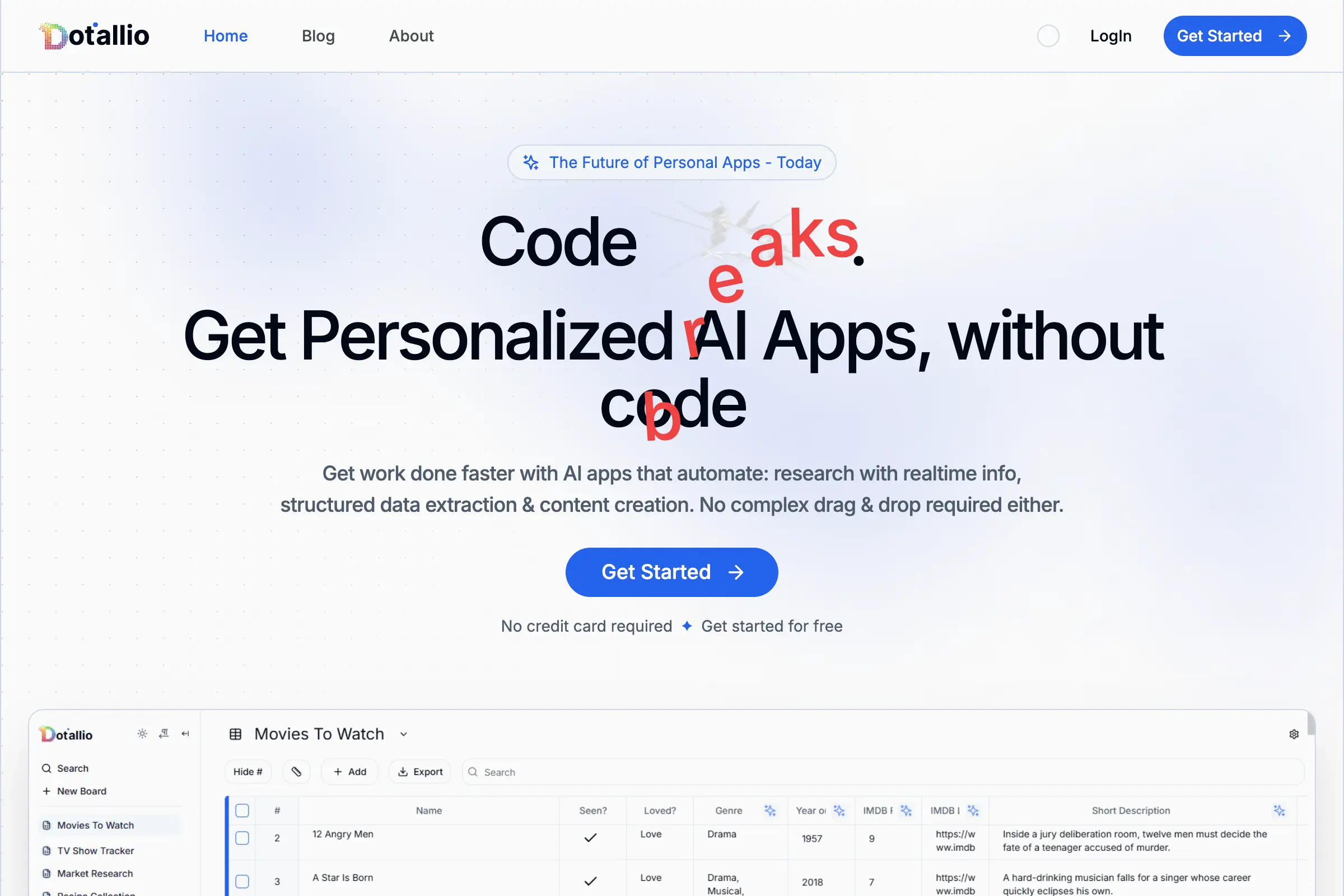
Dotallio
Personalized AI apps that automate research, data extraction, and content creation without code 🤖

Talk to Santa
Enjoy a magical live video chat or receive a unique AI-generated video greeting from Santa Claus 🎅

pozywka.pl
Scalable blog for food journalist, focused on performance and user experience 🌭
zagrodzki.me
Personal blog and portfolio of Bart Zagrodzki, where he shares his knowledge and work 💼
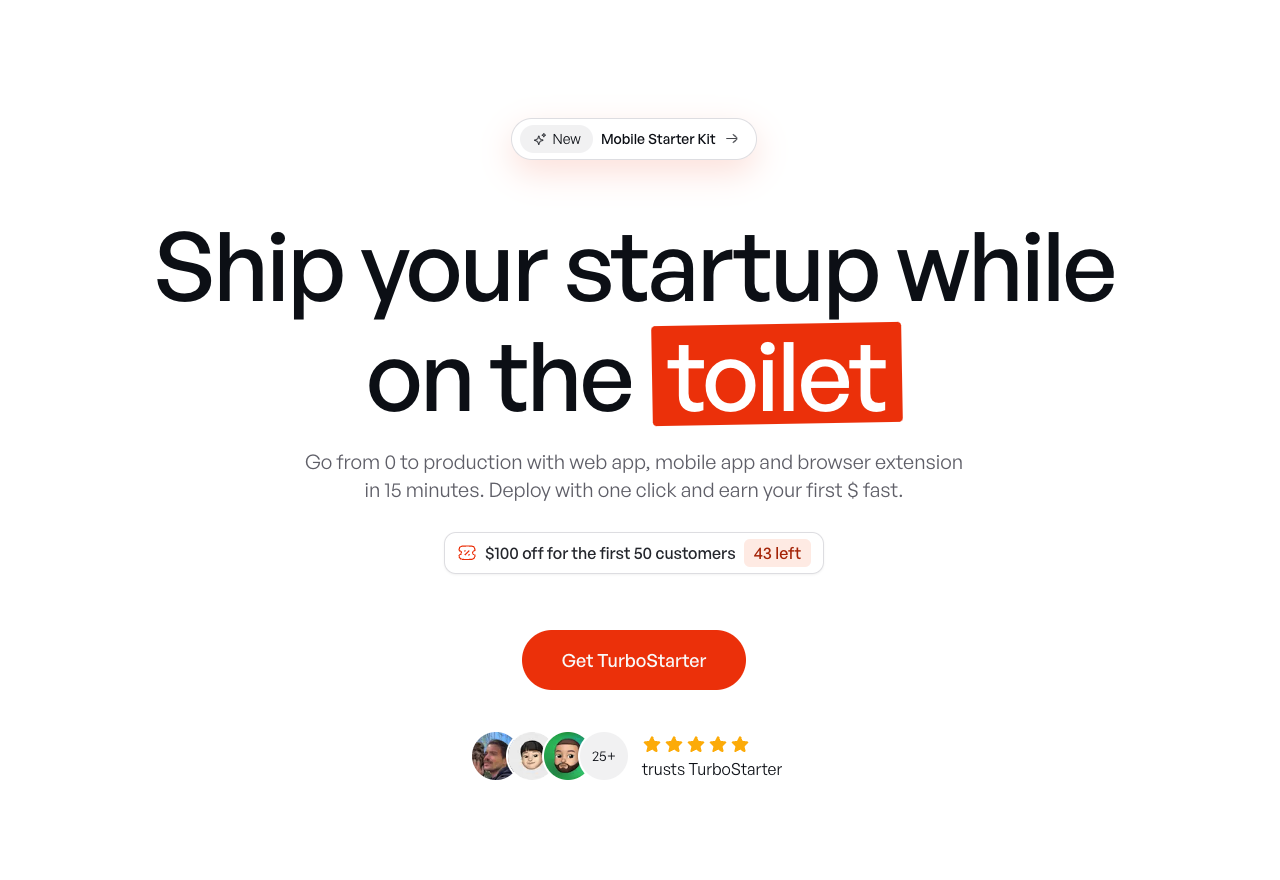
TurboStarter
Ship your startup everywhere. In minutes.
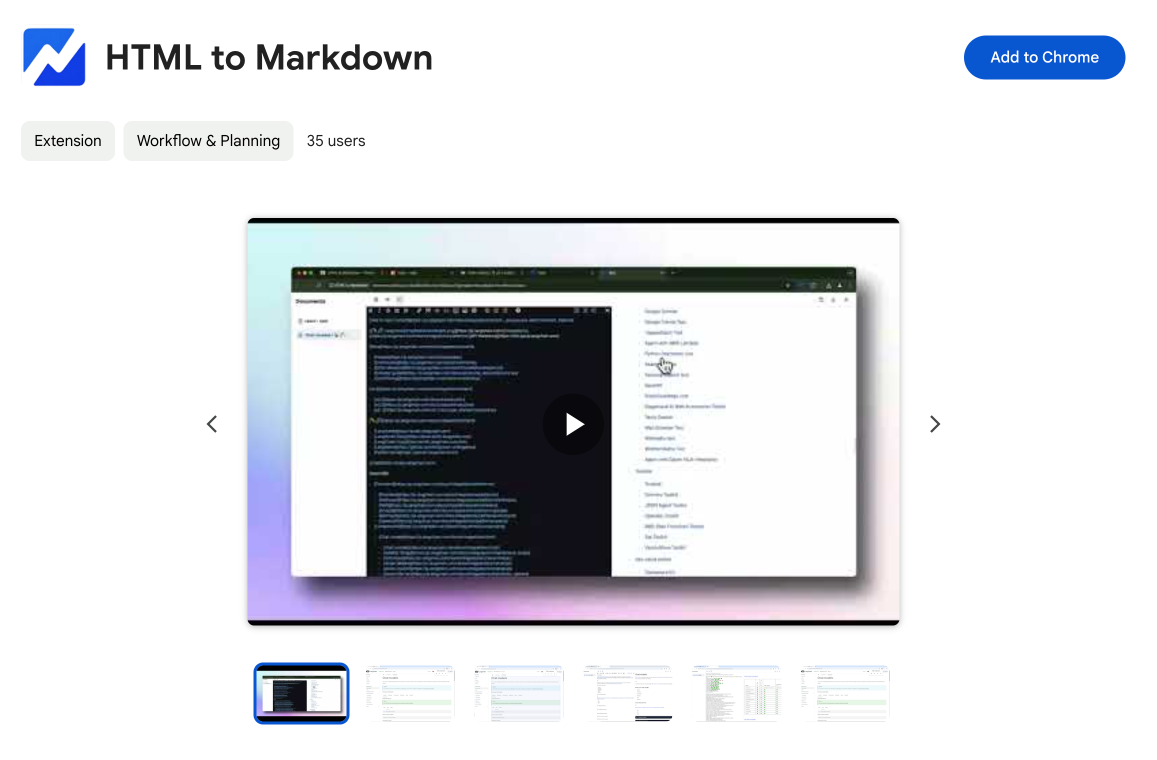
HTML to Markdown
Convert HTML to Markdown with ease, directly in your browser 📄
Dotallio
Personalized AI apps that automate research, data extraction, and content creation without code 🤖
Talk to Santa
Enjoy a magical live video chat or receive a unique AI-generated video greeting from Santa Claus 🎅
pozywka.pl
Scalable blog for food journalist, focused on performance and user experience 🌭
zagrodzki.me
Personal blog and portfolio of Bart Zagrodzki, where he shares his knowledge and work 💼
TurboStarter
Ship your startup everywhere. In minutes.
HTML to Markdown
Convert HTML to Markdown with ease, directly in your browser 📄
Dotallio
Personalized AI apps that automate research, data extraction, and content creation without code 🤖
Talk to Santa
Enjoy a magical live video chat or receive a unique AI-generated video greeting from Santa Claus 🎅
pozywka.pl
Scalable blog for food journalist, focused on performance and user experience 🌭
zagrodzki.me
Personal blog and portfolio of Bart Zagrodzki, where he shares his knowledge and work 💼
TurboStarter
Ship your startup everywhere. In minutes.
HTML to Markdown
Convert HTML to Markdown with ease, directly in your browser 📄
Dotallio
Personalized AI apps that automate research, data extraction, and content creation without code 🤖
Talk to Santa
Enjoy a magical live video chat or receive a unique AI-generated video greeting from Santa Claus 🎅
pozywka.pl
Scalable blog for food journalist, focused on performance and user experience 🌭
zagrodzki.me
Personal blog and portfolio of Bart Zagrodzki, where he shares his knowledge and work 💼
TurboStarter
Ship your startup everywhere. In minutes.
HTML to Markdown
Convert HTML to Markdown with ease, directly in your browser 📄
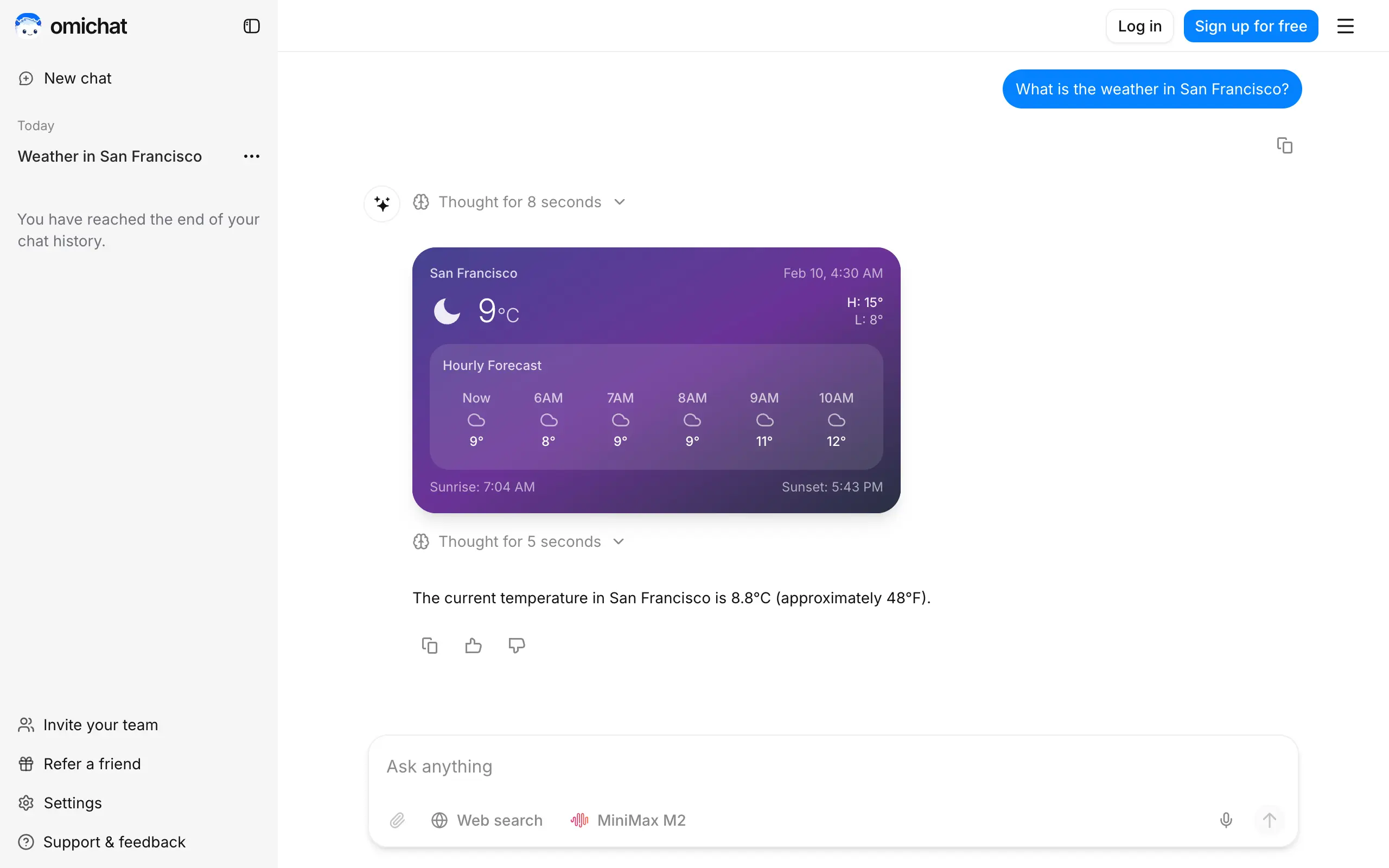
Omichat
Chat with 50+ AI models, including ChatGPT and Claude, in one place - switch models anytime without losing context 🤖
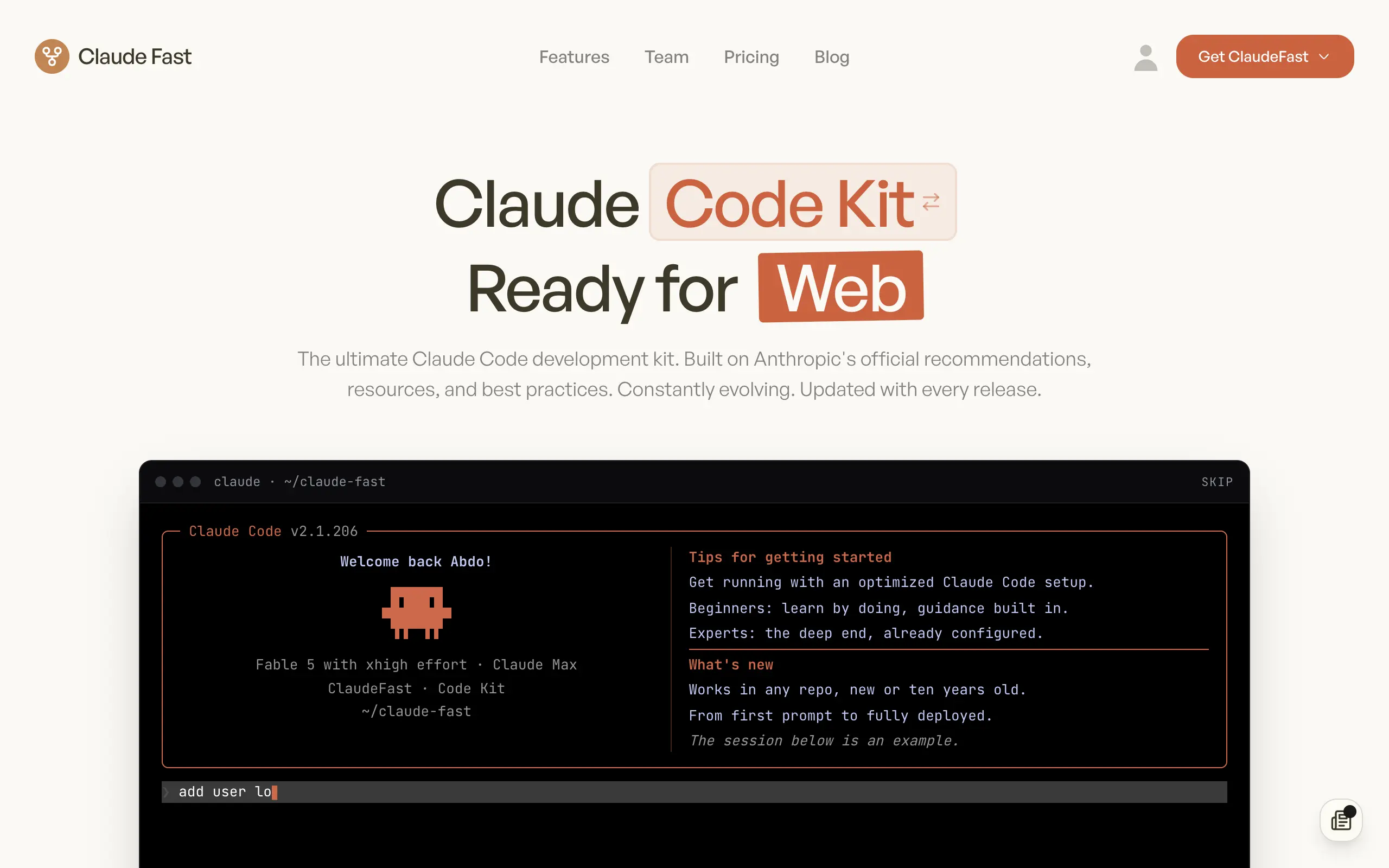
Claude Fast
Supercharge your Claude Code with 6x effective context window and specialized AI agents 🤖
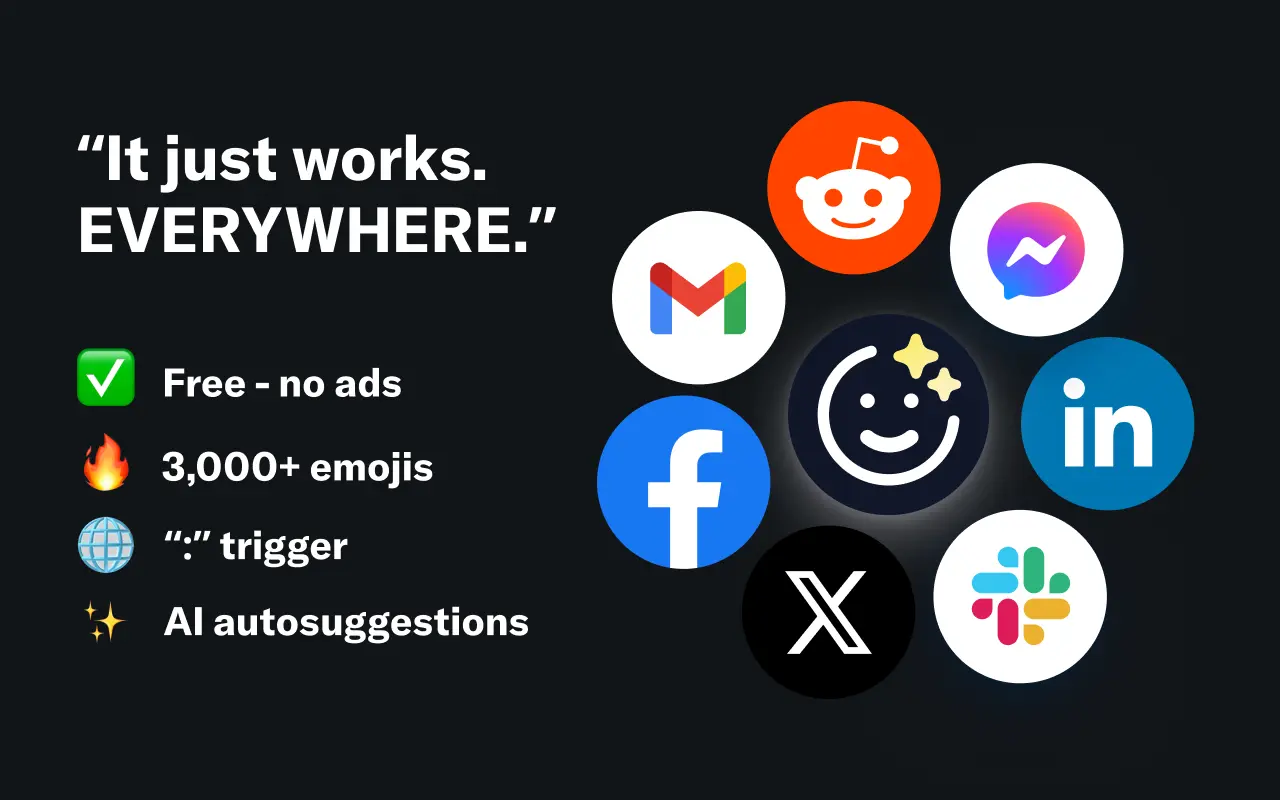
EmojAI
AI-powered emoji picker with smart, context-aware suggestions 🤖
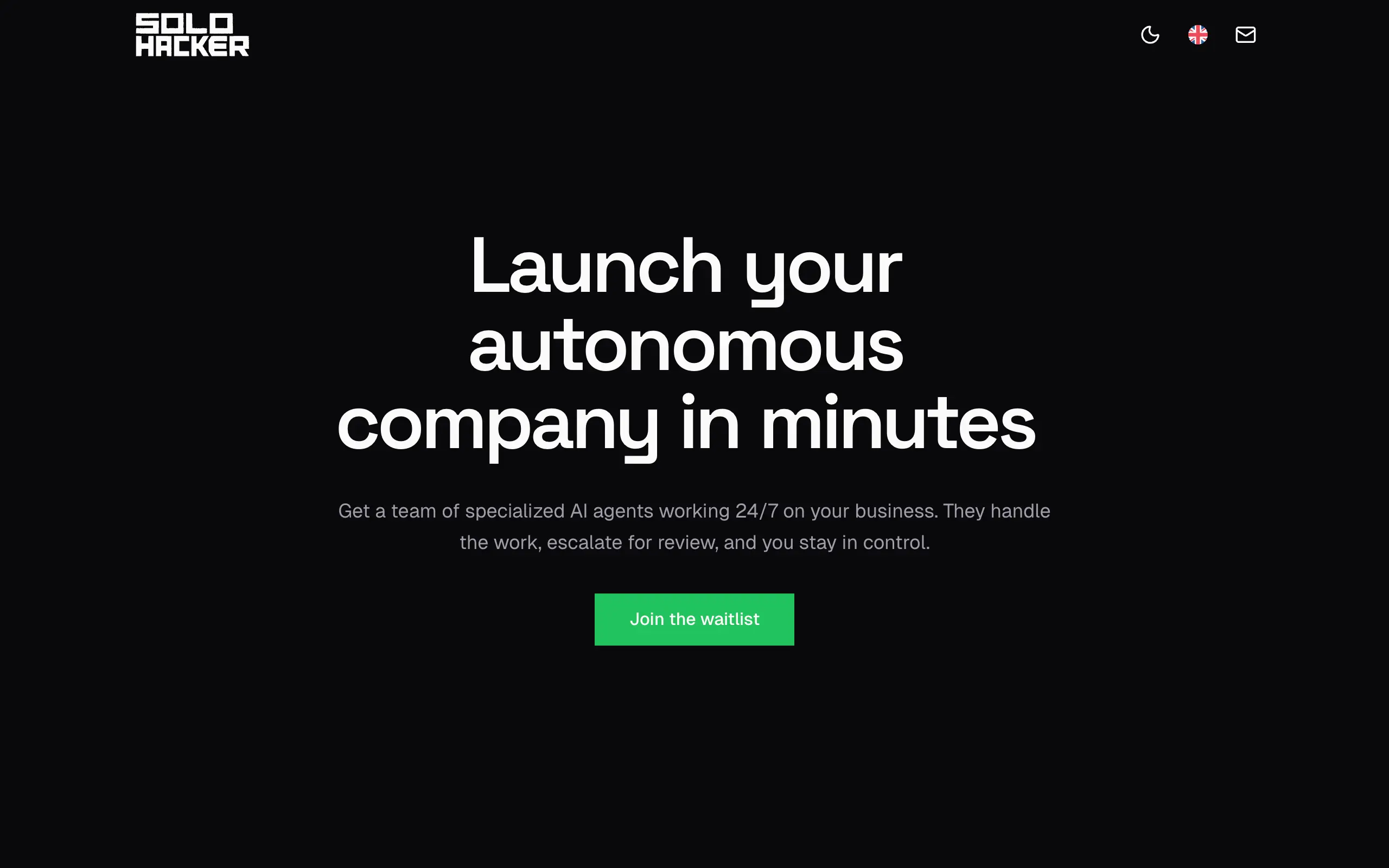
Solohacker
Autonomous company launcher - AI agents work 24/7, escalate what matters, and you stay in control 🤖
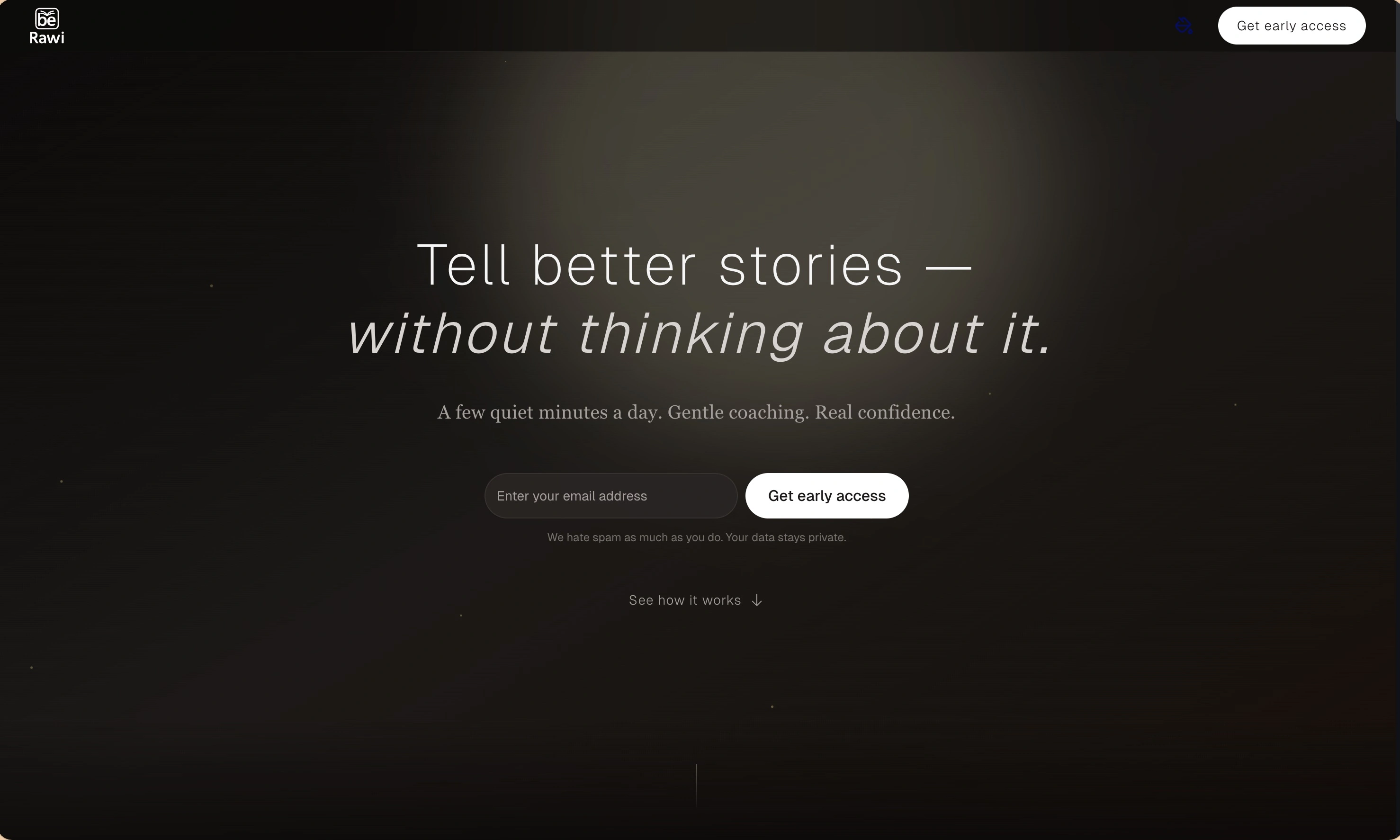
BeRawi: Storytelling Coach
Practice storytelling daily with instant feedback to sound clearer, more engaging, and confident 🎤
Omichat
Chat with 50+ AI models, including ChatGPT and Claude, in one place - switch models anytime without losing context 🤖
Claude Fast
Supercharge your Claude Code with 6x effective context window and specialized AI agents 🤖
EmojAI
AI-powered emoji picker with smart, context-aware suggestions 🤖
Solohacker
Autonomous company launcher - AI agents work 24/7, escalate what matters, and you stay in control 🤖
BeRawi: Storytelling Coach
Practice storytelling daily with instant feedback to sound clearer, more engaging, and confident 🎤
Omichat
Chat with 50+ AI models, including ChatGPT and Claude, in one place - switch models anytime without losing context 🤖
Claude Fast
Supercharge your Claude Code with 6x effective context window and specialized AI agents 🤖
EmojAI
AI-powered emoji picker with smart, context-aware suggestions 🤖
Solohacker
Autonomous company launcher - AI agents work 24/7, escalate what matters, and you stay in control 🤖
BeRawi: Storytelling Coach
Practice storytelling daily with instant feedback to sound clearer, more engaging, and confident 🎤
Omichat
Chat with 50+ AI models, including ChatGPT and Claude, in one place - switch models anytime without losing context 🤖
Claude Fast
Supercharge your Claude Code with 6x effective context window and specialized AI agents 🤖
EmojAI
AI-powered emoji picker with smart, context-aware suggestions 🤖
Solohacker
Autonomous company launcher - AI agents work 24/7, escalate what matters, and you stay in control 🤖
BeRawi: Storytelling Coach
Practice storytelling daily with instant feedback to sound clearer, more engaging, and confident 🎤

Connect with like-minded people
Join our community to get feedback, support, and grow together with 1,000+ builders on board, let's ship it!
Join usShip your startup everywhere. In minutes.
Don't burn tokens on setup and start building features on day one.