OpsPilot
AI operations assistant that connects to your tools, detects bottlenecks, and automates workflows to save time and reduce costs for SMBs.
what is an AI operations assistant and why it matters now
Small and medium-sized businesses (SMBs) are under constant pressure to do more with less. Teams are lean, processes are often fragmented, and operational inefficiencies quietly drain time, money, and morale. This is exactly where an AI operations assistant like OpsPilot enters the picture.
An AI operations assistant connects across your existing tools—project management platforms, CRMs, communication apps, finance systems—and uses intelligent automation to identify bottlenecks, recommend improvements, and execute workflows autonomously.
Unlike traditional automation tools that require manual setup and rigid rules, modern AI-driven platforms leverage:
- Context-aware decision-making
- Pattern recognition across workflows
- Predictive insights for operational optimization
- Natural language interaction
The result is a system that behaves less like a tool and more like a proactive operations partner.
With the rapid adoption of AI in business workflows (accelerated by tools like OpenAI and enterprise copilots), the demand for operational intelligence platforms is surging. OpsPilot sits at the intersection of AI, automation, and business operations, making it a highly relevant and scalable SaaS opportunity.
understanding the target audience
primary audience: SMB operators and founders
OpsPilot is designed primarily for:
- Startup founders juggling multiple roles
- Operations managers in SMBs
- Agency owners managing multiple clients
- E-commerce operators optimizing fulfillment and support
- SaaS teams scaling internal processes
These users share a common pain: operational chaos caused by disconnected tools and manual processes.
They are not necessarily technical, but they are:
- Tool-savvy (using Slack, Notion, HubSpot, etc.)
- Time-constrained
- Cost-conscious
- Results-driven
secondary audience: ops consultants and agencies
A powerful secondary segment includes:
- Fractional COOs
- Operations consultants
- Automation agencies
For them, OpsPilot becomes a force multiplier, enabling them to deliver more value to clients faster.
the core problem: hidden operational inefficiencies
Most SMBs don’t realize how much inefficiency exists in their workflows because:
- Data is siloed across tools
- Processes evolve organically without documentation
- Teams rely on manual coordination
- Bottlenecks are reactive, not proactively identified
Common inefficiencies include:
- Tasks falling through the cracks
- Redundant manual data entry
- Delayed approvals
- Misaligned team communication
- Inefficient customer support workflows
Key insight
Operational inefficiencies rarely appear as a single obvious problem—they emerge as a collection of small delays and misalignments that compound over time.
OpsPilot addresses this by continuously observing and optimizing workflows across tools.
how OpsPilot solves the problem
OpsPilot acts as an intelligent layer on top of your existing stack. It integrates with tools, analyzes workflows, and executes automation in real time.
core capabilities
workflow detection
Automatically maps how work flows across tools without requiring manual setup.
bottleneck identification
Detects delays, redundancies, and inefficiencies using AI pattern analysis.
automation execution
Creates and runs workflows that eliminate manual tasks.
predictive optimization
Recommends improvements before issues become critical.
example use cases
customer support optimization
- Detects repeated ticket types
- Suggests automated responses
- Routes tickets intelligently
- Flags SLA risks
sales pipeline acceleration
- Identifies stalled deals
- Triggers follow-ups automatically
- Enriches CRM data
- Prioritizes high-value leads
internal operations
- Automates task assignment
- Syncs data across tools
- Reduces manual reporting
- Improves cross-team visibility
market opportunity and timing
The market for AI-powered operations tools is expanding rapidly due to several converging trends:
1. tool fragmentation is at an all-time high
The average SMB uses dozens of SaaS tools, creating:
- Data silos
- Workflow fragmentation
- Integration complexity
OpsPilot thrives by acting as a unifying intelligence layer.
2. rise of AI copilots
AI copilots are becoming standard in:
- Development (GitHub Copilot)
- Writing (ChatGPT)
- Productivity (Microsoft Copilot)
Operations is the next frontier.
3. automation fatigue
Tools like Zapier and Make are powerful but:
- Require manual setup
- Lack intelligence
- Break easily with changes
OpsPilot differentiates by being self-adaptive and intelligent.
4. SMBs demand ROI-driven tools
Unlike enterprise software, SMBs prioritize:
- Immediate time savings
- Clear cost reduction
- Easy onboarding
OpsPilot aligns perfectly with these expectations.
competitive landscape
The space is competitive but fragmented. Key categories include:
- Automation tools (Zapier, Make)
- Workflow tools (Monday.com, Asana)
- AI copilots (Notion AI, ChatGPT integrations)
- Integration platforms (Workato, Tray.io)
competitive comparison
| Feature | OpsPilot | Zapier | Asana | Notion AI |
|---|---|---|---|---|
| AI-driven workflow detection | ✅ | ❌ | ❌ | ❌ |
| Automatic bottleneck detection | ✅ | ❌ | ❌ | ❌ |
| No-code automation | ✅ | ✅ | ✅ | ❌ |
| Cross-tool intelligence | ✅ | ⚠️ | ❌ | ⚠️ |
key differentiator
OpsPilot’s advantage lies in its ability to:
- Discover workflows automatically (not manually configured)
- Understand context across tools
- Continuously optimize without user intervention
This positions it as a next-generation operations AI, not just another automation tool.
core product architecture
high-level system design
OpsPilot requires a robust architecture combining integrations, AI, and workflow execution.
// simplified architecture flow
User Tools (Slack, CRM, PM tools)
        ↓
Integration Layer (APIs, Webhooks)
        ↓
Data Processing & Event Stream
        ↓
AI Engine (LLMs + Workflow Models)
        ↓
Decision Layer
        ↓
Automation Execution Engine
        ↓
User Feedback Loop
key components
1. integration layer
- Connects with APIs from tools like Slack, HubSpot, Notion
- Handles authentication (OAuth)
- Normalizes data across platforms
2. AI engine
- Uses LLMs for understanding workflows
- Applies pattern recognition for bottlenecks
- Generates automation suggestions
3. workflow engine
- Executes actions across tools
- Handles retries and failures
- Maintains audit logs
4. user interface
- Dashboard for insights
- Natural language command interface
- Visualization of workflows
recommended tech stack
Choosing the right stack is critical for scalability and speed.
frontend
- React for UI
- Next.js for SSR and routing
- TailwindCSS for styling
backend
- Node.js (fast ecosystem, great for APIs)
- Python (for AI/ML workloads)
AI layer
- OpenAI APIs for LLM capabilities
- Vector databases like Pinecone or Weaviate
data infrastructure
- PostgreSQL for structured data
- Redis for caching and queues
integrations
- REST APIs + webhooks
- OAuth 2.0 for authentication
orchestration
- Temporal or BullMQ for workflow execution
Trade-off to consider
Using LLMs introduces cost and latency. You’ll need caching, batching, and prompt optimization to maintain performance and margins.
monetization strategy
OpsPilot can adopt multiple revenue streams.
1. subscription tiers
- Starter: basic automation + limited integrations
- Pro: advanced AI insights + unlimited workflows
- Enterprise: custom integrations + SLA
2. usage-based pricing
- Charge per automation run
- Charge per AI analysis
3. value-based pricing
Position pricing around:
- Time saved
- Cost reduction
- Productivity gains
4. add-ons
- Advanced analytics
- Custom integrations
- Dedicated support
potential risks and mitigation strategies
risk 1: integration complexity
Challenge: Maintaining dozens of integrations is difficult.
Mitigation:
- Start with high-demand tools
- Use unified API providers where possible
- Build modular connectors
risk 2: AI inaccuracies
Challenge: Incorrect automation decisions can disrupt workflows.
Mitigation:
- Human-in-the-loop approvals initially
- Confidence scoring
- Audit logs and rollback mechanisms
risk 3: user trust
Challenge: Businesses may hesitate to automate operations fully.
Mitigation:
- Transparent decision explanations
- Gradual automation adoption
- Strong onboarding
risk 4: competition from big players
Challenge: Platforms like Microsoft or Google could expand into this space.
Mitigation:
- Focus on SMB niche
- Move fast with innovation
- Build deep integrations and UX advantage
unique selling proposition (USP)
OpsPilot stands out because it shifts from:
- Manual automation → autonomous optimization
Key differentiators:
- No need to define workflows manually
- AI identifies inefficiencies proactively
- Continuous learning from user behavior
- Cross-tool intelligence layer
This makes it more than a tool—it becomes an operations brain for SMBs.
go-to-market strategy
initial positioning
Focus messaging on:
- “Save time without hiring”
- “Your AI operations manager”
- “Find and fix inefficiencies automatically”
acquisition channels
- Content marketing (SEO-driven blogs)
- LinkedIn thought leadership
- Partnerships with agencies
- Product Hunt launch
early adopters
Target:
- Tech-savvy SMBs
- Startup founders
- Agencies
implementation roadmap
building the MVP efficiently
To move fast, leverage modern SaaS starter kits like TurboStarter, which can accelerate:
- Authentication
- Billing
- Dashboard UI
- API setup
This allows you to focus on the core AI and workflow engine, which is your true differentiator.
future expansion opportunities
1. industry-specific versions
- E-commerce ops assistant
- SaaS ops assistant
- Agency ops assistant
2. marketplace for workflows
Allow users to:
- Share automation templates
- Monetize workflows
3. predictive business insights
- Revenue forecasting
- Resource allocation
- Risk detection
frequently asked questions
Zapier requires manual setup of workflows. OpsPilot automatically discovers workflows, identifies inefficiencies, and optimizes them using AI.
No. It augments them by removing repetitive tasks and providing insights, allowing humans to focus on strategic decisions.
Yes, if built correctly with OAuth, encryption, and compliance standards. Security should be a top priority in development.
actionable next steps
If you’re serious about building or validating OpsPilot, here’s what to do next:
- Interview 10–15 SMB operators about workflow pain points
- Identify the top 3 inefficiencies across tools
- Build a narrow MVP solving one core problem
- Launch quickly and gather feedback
- Iterate toward full automation intelligence
final thoughts
The future of SaaS is shifting from tools that require input to systems that think, adapt, and act autonomously. OpsPilot captures this shift perfectly by transforming operations from a manual burden into an intelligent, self-optimizing system.
For SMBs, this is not just a convenience—it’s a competitive advantage.
The opportunity is clear: build an AI operations assistant that doesn’t just automate tasks, but understands and improves how businesses run at their core.
More 🤖 AI Startup SaaS ideas
Discover more innovative ai startup SaaS ideas that are trending in 2026. Each idea is AI-generated with market validation and growth potential to help you find your next profitable venture faster than competitors.
Your competitors are building with TurboStarter
Below are some of the SaaS ideas that have been generated and built with our starter kit.

Statiko
Monitor any Telegram channel in real time - track posts, edits, deletions, and growth with AI recaps 📡

Shibui
AI website builder - describe your business, pick a niche template, edit by chatting, and publish instantly ✨

Pro Service
Find verified home service professionals, compare quotes, and pay securely through escrow - built for Brazilians across the US 🏠
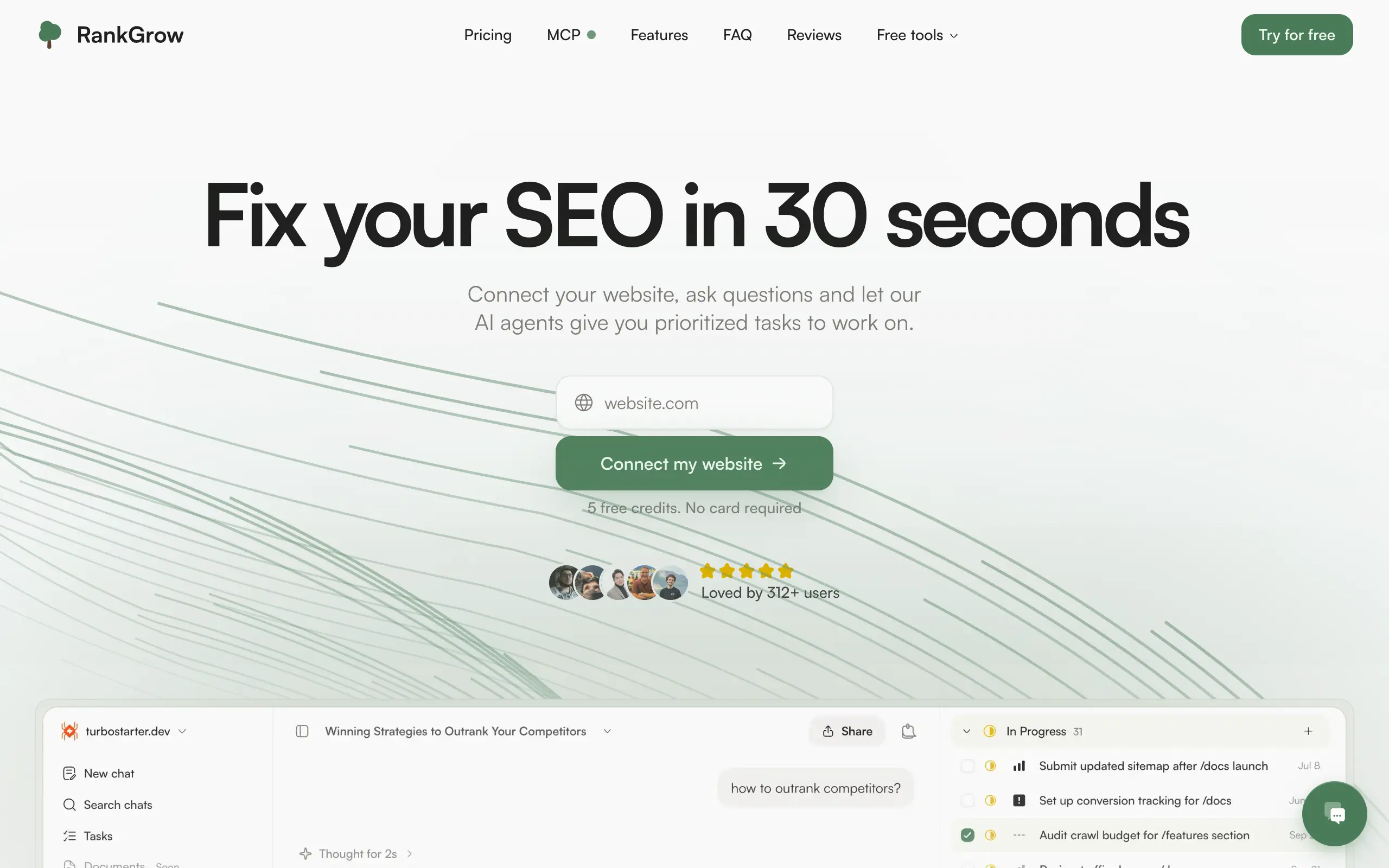
RankGrow
Fix your SEO with AI agents - connect Search Console, get prioritized tasks, and grow organic traffic 📈
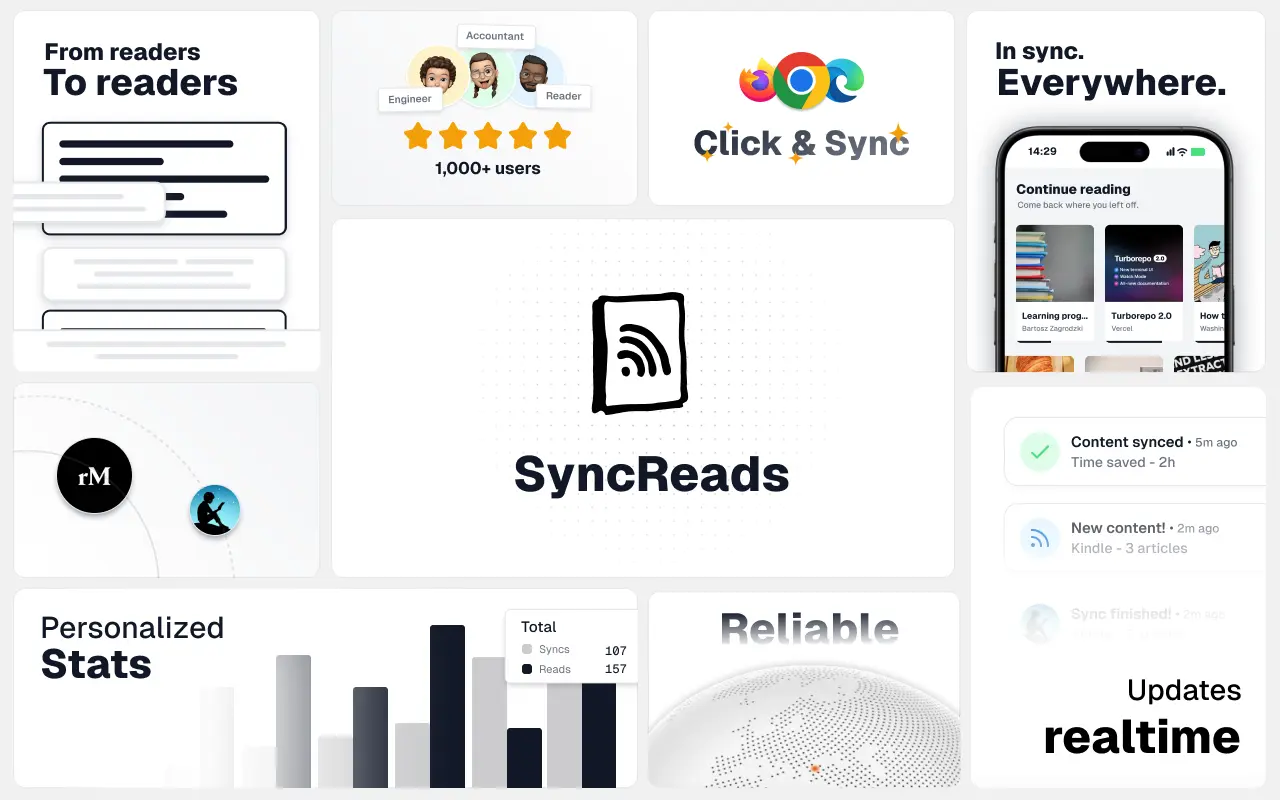
SyncReads
Sync your favorite content for distraction-free reading, save time and replace multiple apps. Anytime, anywhere 🔄
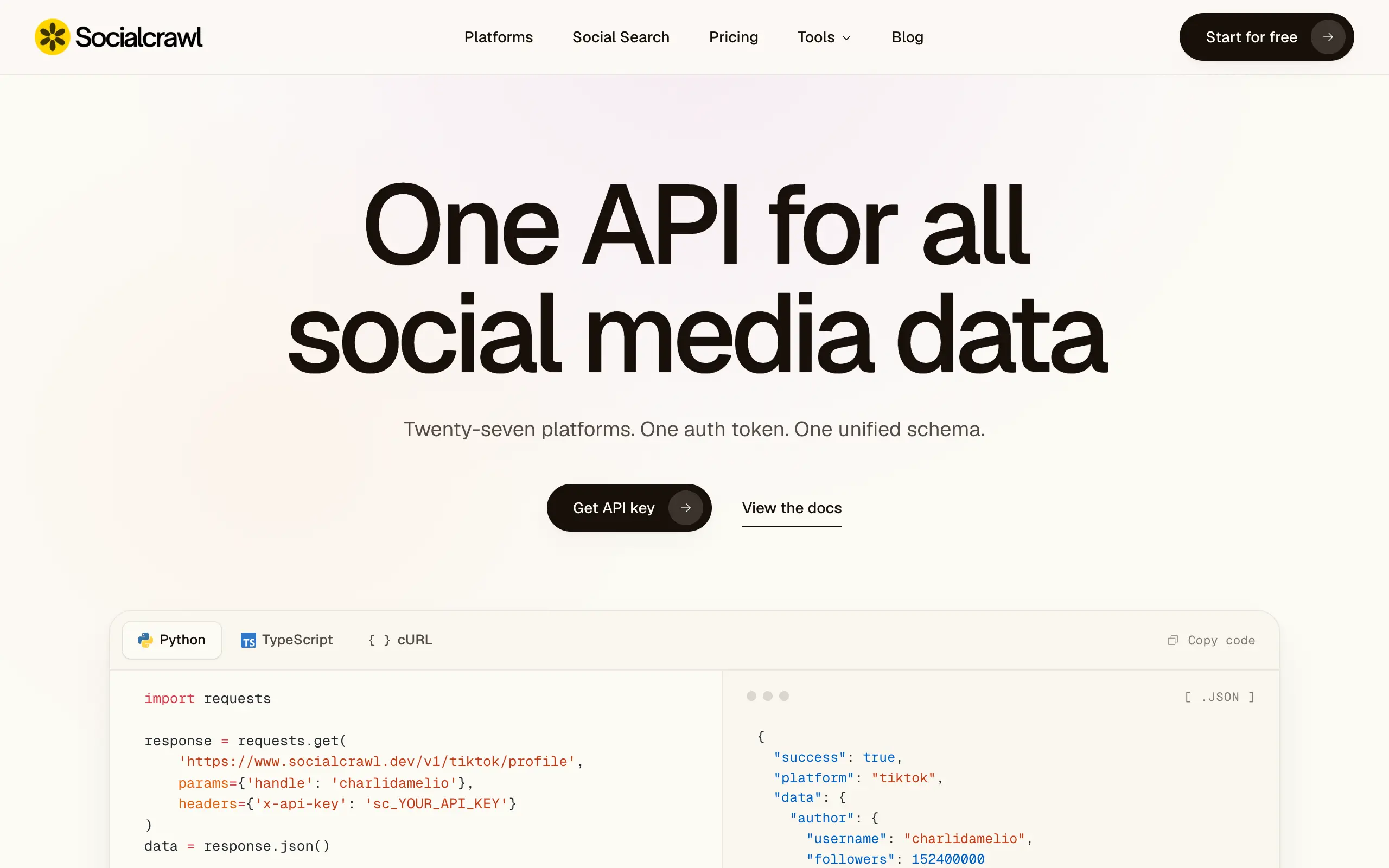
Socialcrawl
Get clean, structured data from 21 platforms like TikTok, Instagram, and YouTube with a single request 📊
Statiko
Monitor any Telegram channel in real time - track posts, edits, deletions, and growth with AI recaps 📡
Shibui
AI website builder - describe your business, pick a niche template, edit by chatting, and publish instantly ✨
Pro Service
Find verified home service professionals, compare quotes, and pay securely through escrow - built for Brazilians across the US 🏠
RankGrow
Fix your SEO with AI agents - connect Search Console, get prioritized tasks, and grow organic traffic 📈
SyncReads
Sync your favorite content for distraction-free reading, save time and replace multiple apps. Anytime, anywhere 🔄
Socialcrawl
Get clean, structured data from 21 platforms like TikTok, Instagram, and YouTube with a single request 📊
Statiko
Monitor any Telegram channel in real time - track posts, edits, deletions, and growth with AI recaps 📡
Shibui
AI website builder - describe your business, pick a niche template, edit by chatting, and publish instantly ✨
Pro Service
Find verified home service professionals, compare quotes, and pay securely through escrow - built for Brazilians across the US 🏠
RankGrow
Fix your SEO with AI agents - connect Search Console, get prioritized tasks, and grow organic traffic 📈
SyncReads
Sync your favorite content for distraction-free reading, save time and replace multiple apps. Anytime, anywhere 🔄
Socialcrawl
Get clean, structured data from 21 platforms like TikTok, Instagram, and YouTube with a single request 📊
Statiko
Monitor any Telegram channel in real time - track posts, edits, deletions, and growth with AI recaps 📡
Shibui
AI website builder - describe your business, pick a niche template, edit by chatting, and publish instantly ✨
Pro Service
Find verified home service professionals, compare quotes, and pay securely through escrow - built for Brazilians across the US 🏠
RankGrow
Fix your SEO with AI agents - connect Search Console, get prioritized tasks, and grow organic traffic 📈
SyncReads
Sync your favorite content for distraction-free reading, save time and replace multiple apps. Anytime, anywhere 🔄
Socialcrawl
Get clean, structured data from 21 platforms like TikTok, Instagram, and YouTube with a single request 📊
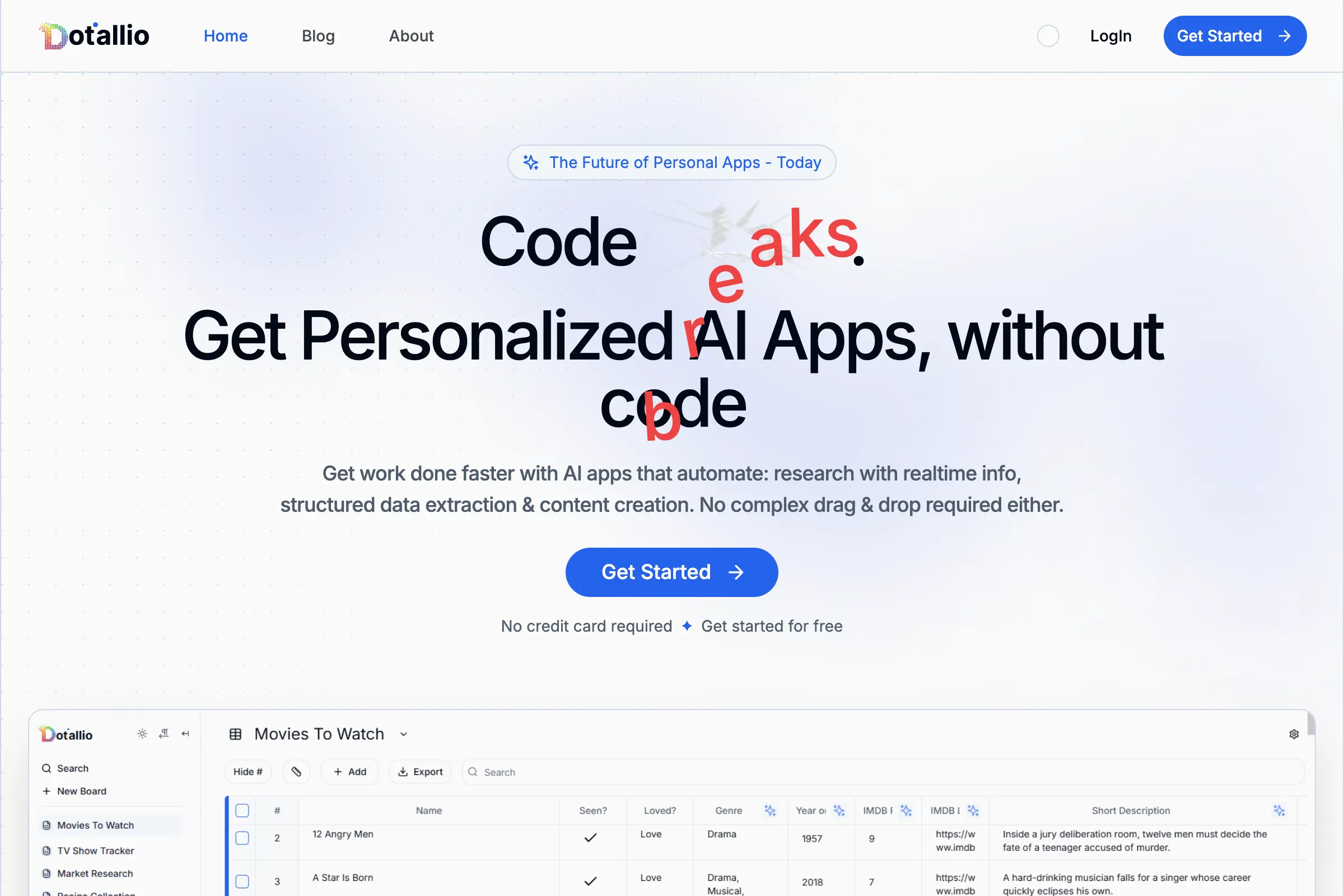
Dotallio
Personalized AI apps that automate research, data extraction, and content creation without code 🤖

Talk to Santa
Enjoy a magical live video chat or receive a unique AI-generated video greeting from Santa Claus 🎅

pozywka.pl
Scalable blog for food journalist, focused on performance and user experience 🌭
zagrodzki.me
Personal blog and portfolio of Bart Zagrodzki, where he shares his knowledge and work 💼
TurboStarter
Ship your startup everywhere. In minutes.
HTML to Markdown
Convert HTML to Markdown with ease, directly in your browser 📄
Dotallio
Personalized AI apps that automate research, data extraction, and content creation without code 🤖
Talk to Santa
Enjoy a magical live video chat or receive a unique AI-generated video greeting from Santa Claus 🎅
pozywka.pl
Scalable blog for food journalist, focused on performance and user experience 🌭
zagrodzki.me
Personal blog and portfolio of Bart Zagrodzki, where he shares his knowledge and work 💼
TurboStarter
Ship your startup everywhere. In minutes.
HTML to Markdown
Convert HTML to Markdown with ease, directly in your browser 📄
Dotallio
Personalized AI apps that automate research, data extraction, and content creation without code 🤖
Talk to Santa
Enjoy a magical live video chat or receive a unique AI-generated video greeting from Santa Claus 🎅
pozywka.pl
Scalable blog for food journalist, focused on performance and user experience 🌭
zagrodzki.me
Personal blog and portfolio of Bart Zagrodzki, where he shares his knowledge and work 💼
TurboStarter
Ship your startup everywhere. In minutes.
HTML to Markdown
Convert HTML to Markdown with ease, directly in your browser 📄
Dotallio
Personalized AI apps that automate research, data extraction, and content creation without code 🤖
Talk to Santa
Enjoy a magical live video chat or receive a unique AI-generated video greeting from Santa Claus 🎅
pozywka.pl
Scalable blog for food journalist, focused on performance and user experience 🌭
zagrodzki.me
Personal blog and portfolio of Bart Zagrodzki, where he shares his knowledge and work 💼
TurboStarter
Ship your startup everywhere. In minutes.
HTML to Markdown
Convert HTML to Markdown with ease, directly in your browser 📄
Omichat
Chat with 50+ AI models, including ChatGPT and Claude, in one place - switch models anytime without losing context 🤖
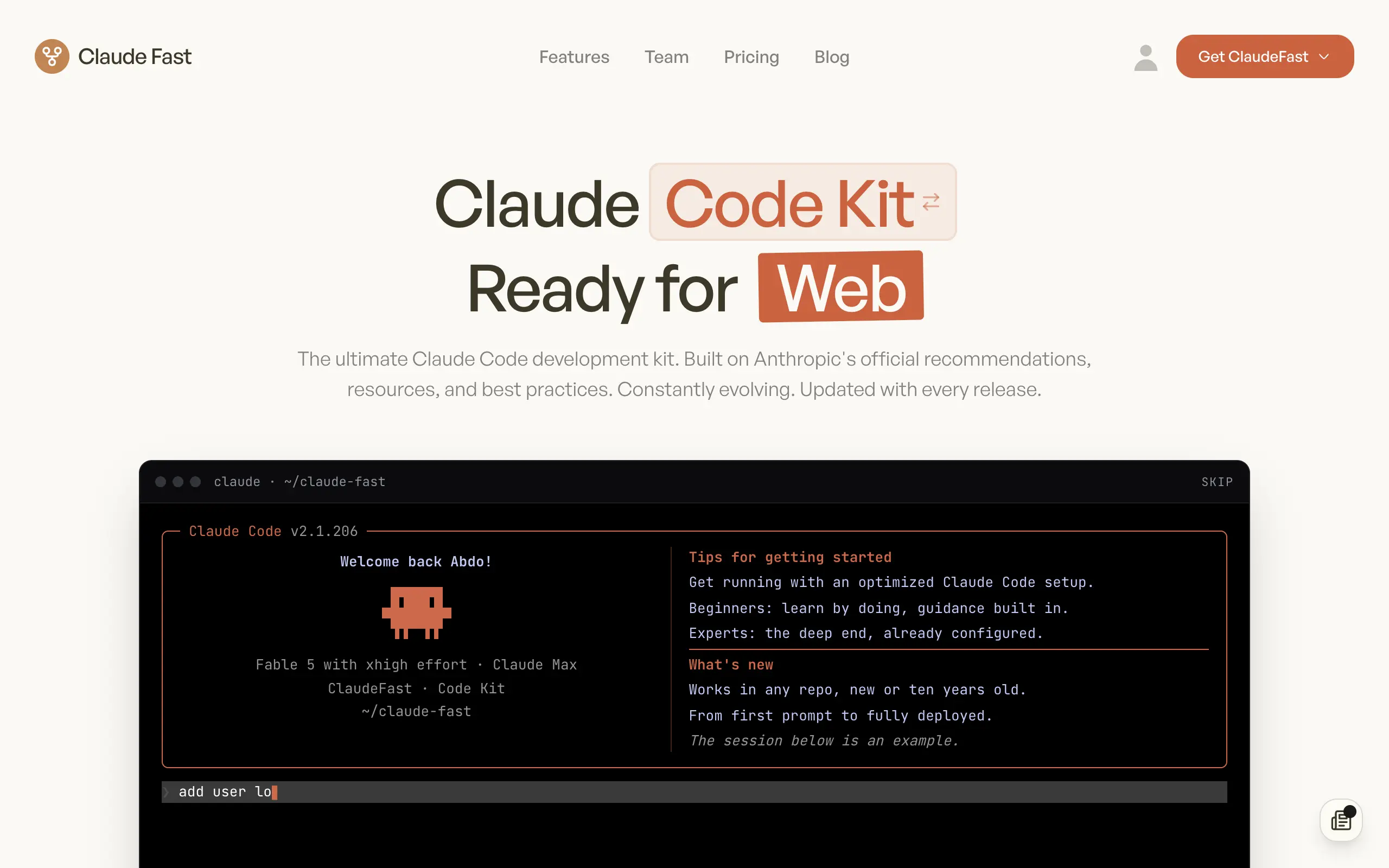
Claude Fast
Supercharge your Claude Code with 6x effective context window and specialized AI agents 🤖
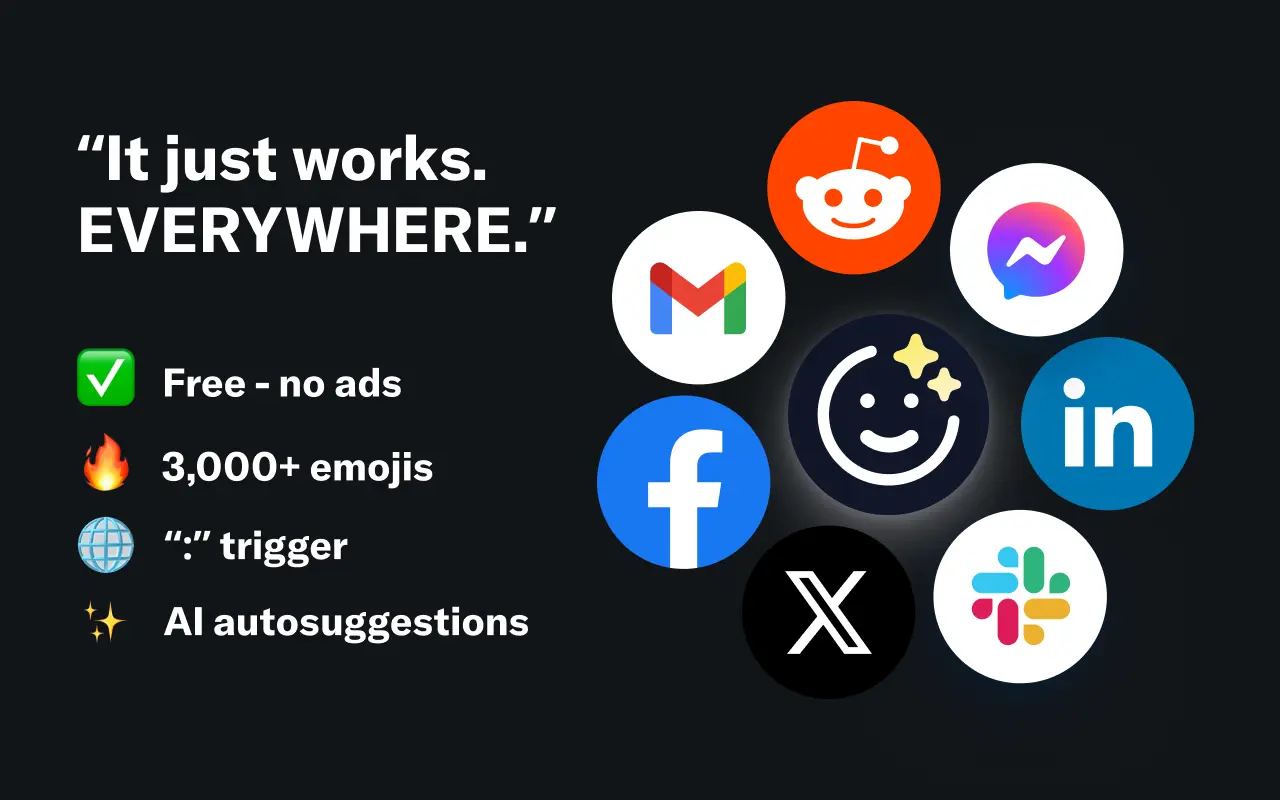
EmojAI
AI-powered emoji picker with smart, context-aware suggestions 🤖
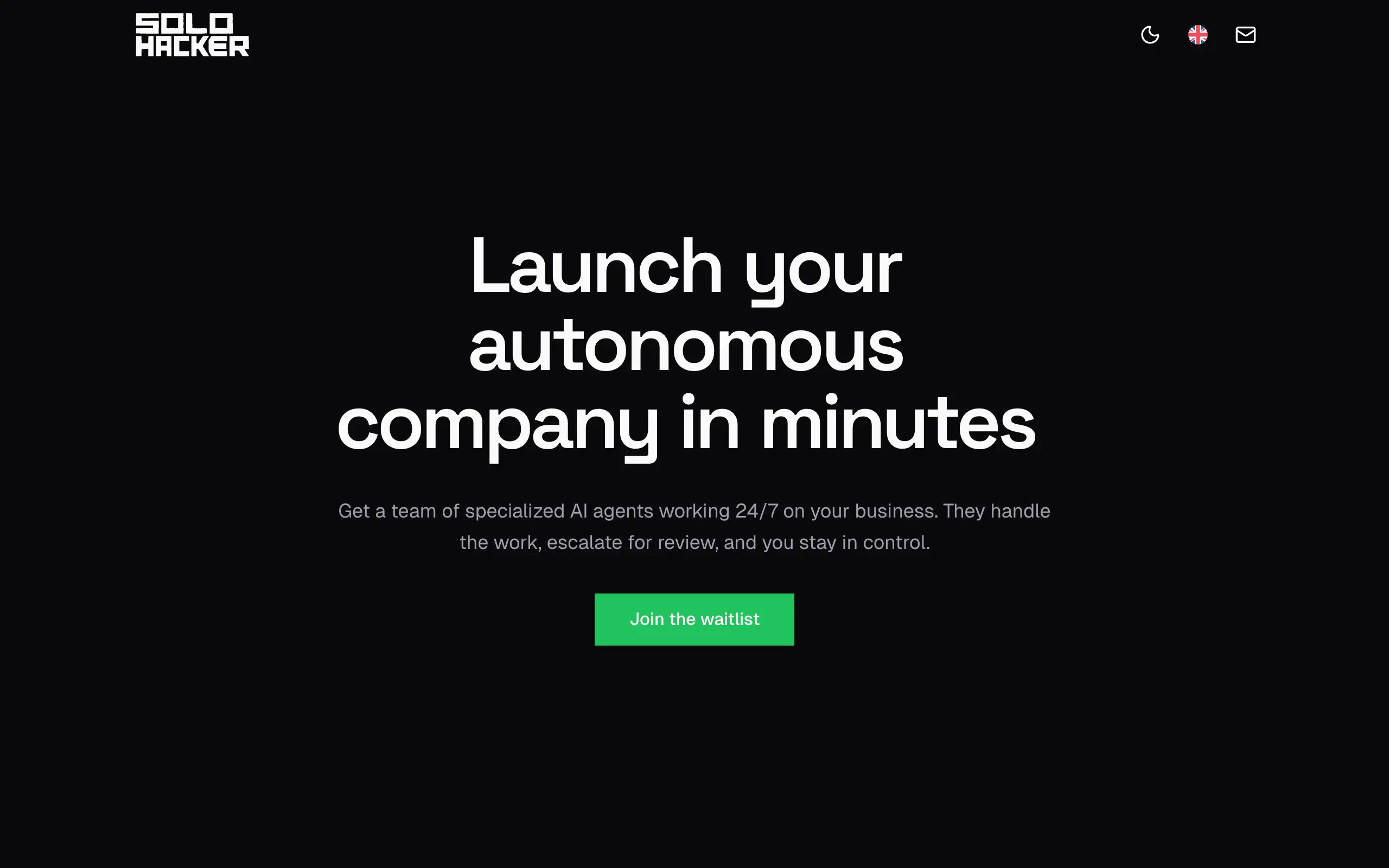
Solohacker
Autonomous company launcher - AI agents work 24/7, escalate what matters, and you stay in control 🤖
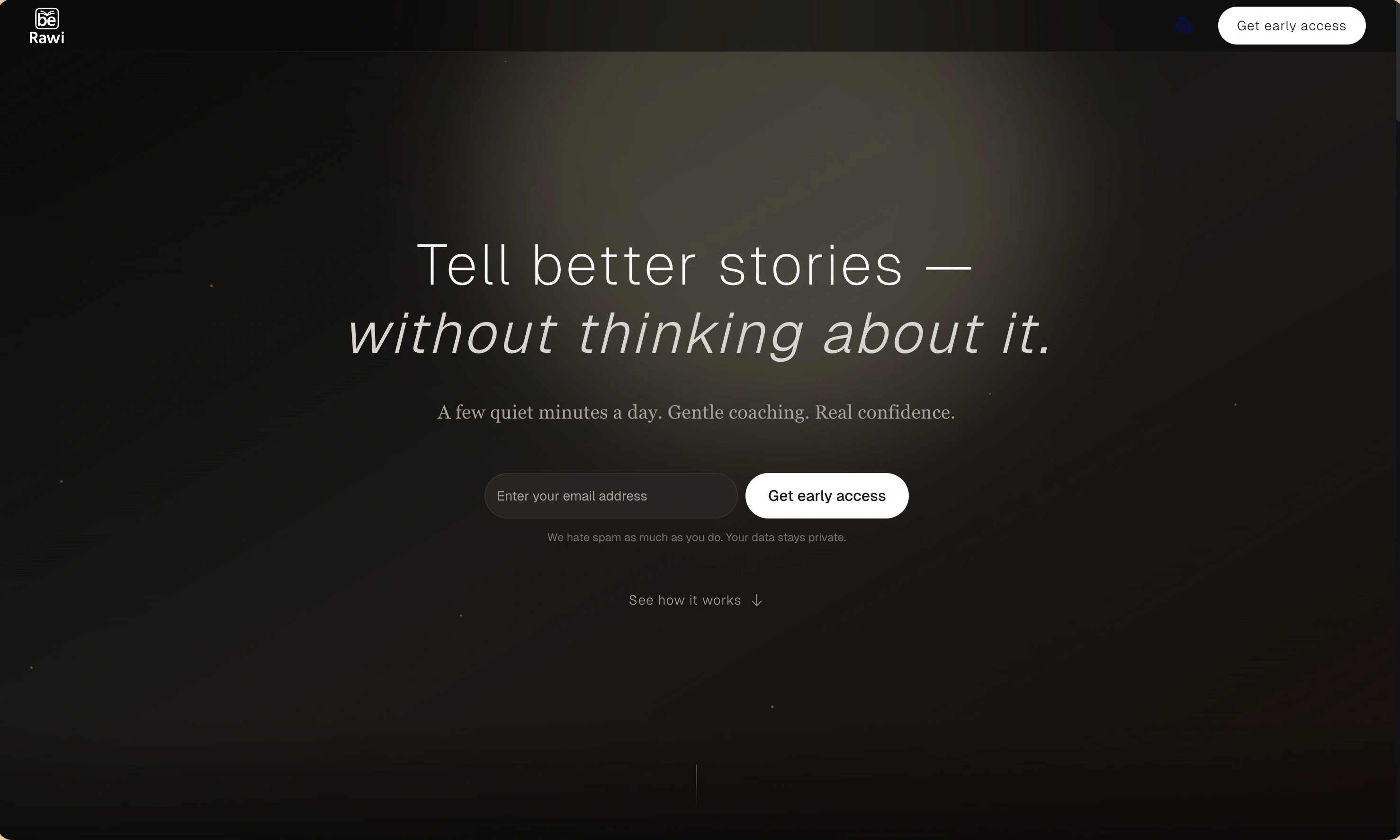
BeRawi: Storytelling Coach
Practice storytelling daily with instant feedback to sound clearer, more engaging, and confident 🎤
Omichat
Chat with 50+ AI models, including ChatGPT and Claude, in one place - switch models anytime without losing context 🤖
Claude Fast
Supercharge your Claude Code with 6x effective context window and specialized AI agents 🤖
EmojAI
AI-powered emoji picker with smart, context-aware suggestions 🤖
Solohacker
Autonomous company launcher - AI agents work 24/7, escalate what matters, and you stay in control 🤖
BeRawi: Storytelling Coach
Practice storytelling daily with instant feedback to sound clearer, more engaging, and confident 🎤
Omichat
Chat with 50+ AI models, including ChatGPT and Claude, in one place - switch models anytime without losing context 🤖
Claude Fast
Supercharge your Claude Code with 6x effective context window and specialized AI agents 🤖
EmojAI
AI-powered emoji picker with smart, context-aware suggestions 🤖
Solohacker
Autonomous company launcher - AI agents work 24/7, escalate what matters, and you stay in control 🤖
BeRawi: Storytelling Coach
Practice storytelling daily with instant feedback to sound clearer, more engaging, and confident 🎤
Omichat
Chat with 50+ AI models, including ChatGPT and Claude, in one place - switch models anytime without losing context 🤖
Claude Fast
Supercharge your Claude Code with 6x effective context window and specialized AI agents 🤖
EmojAI
AI-powered emoji picker with smart, context-aware suggestions 🤖
Solohacker
Autonomous company launcher - AI agents work 24/7, escalate what matters, and you stay in control 🤖
BeRawi: Storytelling Coach
Practice storytelling daily with instant feedback to sound clearer, more engaging, and confident 🎤

Connect with like-minded people
Join our community to get feedback, support, and grow together with 1,000+ builders on board, let's ship it!
Join usShip your startup everywhere. In minutes.
Don't burn tokens on setup and start building features on day one.