OpsPilot AI
Autonomous AI assistant for automation engineers that monitors production systems, predicts incidents, and auto-triggers remediation workflows before outages occur.
Understanding the vision behind OpsPilot AI
OpsPilot AI is an autonomous AI assistant for automation engineers designed to monitor production systems continuously, predict incidents before they escalate, and automatically trigger remediation workflows to prevent outages. In practical terms, OpsPilot AI sits alongside your existing DevOps and SRE toolchain, acting as an always-on operational co-pilot that combines observability, predictive analytics, and intelligent automation.
The primary keyword naturally derived from this idea is “AI operations assistant”, with closely related semantic keywords such as AIOps platform, autonomous incident remediation, predictive incident management, DevOps automation, and SRE tooling.
The user intent behind searches related to this space is typically solution-oriented and evaluative. Engineering leaders, platform teams, and automation engineers are looking for:
- Ways to reduce downtime and alert fatigue
- More proactive, predictive approaches to incident management
- Validation that AI-driven operations tools can be trusted in production
- Practical guidance on architecture, features, and implementation
This article addresses that intent by providing a deep, expert-level breakdown of the OpsPilot AI concept, including market opportunity, technical architecture, risks, monetization, and actionable implementation steps.
The problem with modern production operations
Reactive operations are still the norm
Despite advances in observability and cloud-native tooling, most production operations remain reactive. Teams wait for alerts to fire, incidents to be acknowledged, and humans to manually diagnose and remediate issues. This creates several systemic problems:
- Alert fatigue from noisy monitoring systems
- Slower mean time to resolution (MTTR)
- Increased risk of cascading failures
- Burnout among SREs and automation engineers
Even organizations with sophisticated monitoring stacks (Prometheus, Grafana, Datadog, New Relic) struggle to move from observing problems to preventing them.
Why traditional AIOps tools fall short
Many AIOps platforms promise intelligence but stop at correlation or visualization. Common limitations include:
- Static anomaly detection without context
- Limited integration with remediation tools
- Heavy reliance on manual runbooks
- Lack of trust in automated decision-making
OpsPilot AI is positioned to address these gaps by focusing on autonomous remediation, not just insights.
What makes OpsPilot AI different
OpsPilot AI is designed as an AI-first operations assistant, not just another dashboard. Its value lies in combining three core capabilities:
- Continuous system understanding
- Predictive incident detection
- Automated, policy-driven remediation
Instead of alerting humans to problems, OpsPilot AI aims to resolve issues before humans ever notice them.
Predictive intelligence
Uses historical and real-time signals to forecast incidents before thresholds are breached.
Autonomous remediation
Automatically triggers workflows, scripts, or playbooks when confidence is high.
Engineer-in-the-loop control
Policies, approvals, and guardrails ensure trust and safety in production.
Target audience analysis
Primary audience: automation engineers and SREs
The core users of OpsPilot AI are automation engineers, SREs, and platform engineers working in:
- Cloud-native environments
- Kubernetes-based infrastructures
- High-availability production systems
- SaaS companies with 24/7 uptime requirements
These users value:
- Reliability and predictability
- Explainable automation
- Tight integration with existing tools
- Low operational overhead
Secondary audience: engineering leadership
Engineering managers, directors, and CTOs are indirect buyers. Their priorities include:
- Reduced downtime and SLA breaches
- Lower operational costs
- Improved team morale
- Scalable operations without linear headcount growth
For this audience, OpsPilot AI must clearly demonstrate ROI, safety, and governance.
Market opportunity and gap identification
The rise of autonomous operations
The broader AIOps and DevOps automation market has grown rapidly, driven by:
- Increasing system complexity
- Multi-cloud and hybrid environments
- Microservices and event-driven architectures
- Higher customer expectations for uptime
Industry trends increasingly point toward autonomous operations, where systems self-heal with minimal human intervention.
Where the gap exists
Most existing solutions fall into one of two camps:
- Observability-first tools that stop at insights
- Automation tools that require humans to decide when to act
OpsPilot AI targets the gap between these categories by offering:
- Decision-making intelligence, not just data
- Closed-loop automation from detection to remediation
- Predictive capabilities, not just reactive ones
This positions OpsPilot AI as a next-generation AI operations assistant, rather than a traditional AIOps dashboard.
Core features of OpsPilot AI
Continuous monitoring and signal ingestion
OpsPilot AI integrates with existing observability stacks to ingest:
- Metrics (CPU, memory, latency, error rates)
- Logs and traces
- Deployment events
- Infrastructure changes
Rather than replacing tools like Prometheus or Datadog, OpsPilot AI builds on top of them, adding intelligence and action.
Predictive incident detection
Using historical data and real-time signals, OpsPilot AI identifies patterns that precede incidents, such as:
- Gradual memory leaks
- Increasing request latency trends
- Abnormal traffic patterns
- Resource contention across services
The goal is to act before alerts fire, reducing customer impact.
Automated remediation workflows
Once a high-confidence issue is detected, OpsPilot AI can:
- Restart services or pods
- Scale infrastructure up or down
- Roll back recent deployments
- Trigger custom scripts or runbooks
These actions are governed by policies and confidence thresholds, ensuring safe automation.
Explainability and auditability
Trust is critical in production systems. OpsPilot AI provides:
- Clear explanations of why an action was taken
- Confidence scores for predictions
- Full audit logs of decisions and actions
This supports compliance, debugging, and team trust.
How OpsPilot AI fits into existing DevOps stacks
OpsPilot AI integrates with monitoring platforms such as Prometheus and Grafana to consume metrics and alerts, enhancing them with predictive intelligence rather than replacing them.
Existing automation tools and scripts become more powerful when triggered intelligently by OpsPilot AI instead of manual intervention.
Incident management tools remain useful for edge cases, while OpsPilot AI aims to reduce the total number of incidents that ever reach humans.
This integration-first approach lowers adoption friction and speeds up time-to-value.
Recommended technical architecture and tech stack
High-level architecture
At a high level, OpsPilot AI consists of:
- Data ingestion layer for metrics, logs, and events
- AI inference engine for prediction and decision-making
- Policy and rules engine for governance
- Automation executor for remediation actions
- User interface for configuration and visibility
Frontend
- React for building a dynamic, component-based UI
- TailwindCSS for fast, consistent styling
React offers flexibility and a strong ecosystem, while TailwindCSS speeds up iteration and ensures design consistency.
Backend and AI layer
- Node.js or Python-based services for orchestration
- Time-series databases for historical metrics
- Machine learning models focused on anomaly detection and forecasting
Trade-offs include balancing model complexity with explainability, which is essential for trust in operations.
Infrastructure
- Kubernetes-native deployment
- Event-driven architecture for scalability
- Secure integration via APIs and webhooks
This approach aligns with modern DevOps best practices and makes OpsPilot AI cloud-agnostic.
Security, trust, and governance considerations
Automation without guardrails is dangerous
Autonomous remediation must be carefully controlled. OpsPilot AI should always include policy-based limits, approval workflows, and gradual rollout strategies.
Key trust-building features include:
- Read-only mode during onboarding
- Simulation and dry-run capabilities
- Role-based access control
- Manual override options
These elements are critical for enterprise adoption.
Competitive advantage analysis
| Capability | Traditional monitoring | Basic AIOps | OpsPilot AI | Automation-only tools |
|---|---|---|---|---|
| Predictive detection | ❌ | ✅ | ✅ | ❌ |
| Autonomous remediation | ❌ | ❌ | ✅ | ✅ |
The key differentiator is closing the loop between prediction and action.
Monetization strategies for OpsPilot AI
Subscription-based pricing
Common SaaS pricing models include:
- Per-node or per-service pricing
- Tiered plans based on feature access
- Usage-based pricing tied to events processed
Enterprise plans
For larger organizations, premium plans can offer:
- Advanced governance controls
- Dedicated support
- On-prem or private cloud deployment
A clear pricing narrative tied to reduced downtime and operational savings is essential.
Risks and mitigation strategies
Mitigate by using confidence thresholds, gradual rollout, and human approval for high-impact actions.
Provide explainability, audit logs, and read-only onboarding modes to build confidence over time.
Validate inputs and support multiple data sources to reduce dependency on any single signal.
Implementation roadmap
For founders or teams looking to accelerate this journey, platforms like TurboStarter can significantly reduce boilerplate and speed up SaaS development.
Why OpsPilot AI has long-term potential
OpsPilot AI aligns with several durable trends:
- Increasing system complexity
- Shortage of experienced SRE talent
- Growing acceptance of AI-assisted decision-making
- Demand for higher uptime with lower costs
By focusing on autonomy, trust, and integration, OpsPilot AI has the potential to become an indispensable AI operations assistant for modern engineering teams.
Final thoughts
OpsPilot AI represents a shift from reactive operations to predictive, autonomous system management. By combining AI-driven insights with automated remediation and strong governance, it addresses a real and growing pain point in modern DevOps.
For teams willing to embrace intelligent automation, OpsPilot AI offers not just another tool, but a fundamental upgrade to how production systems are operated.
More 🤖 AI Startup SaaS ideas
Discover more innovative ai startup SaaS ideas that are trending in 2026. Each idea is AI-generated with market validation and growth potential to help you find your next profitable venture faster than competitors.
Your competitors are building with TurboStarter
Below are some of the SaaS ideas that have been generated and built with our starter kit.
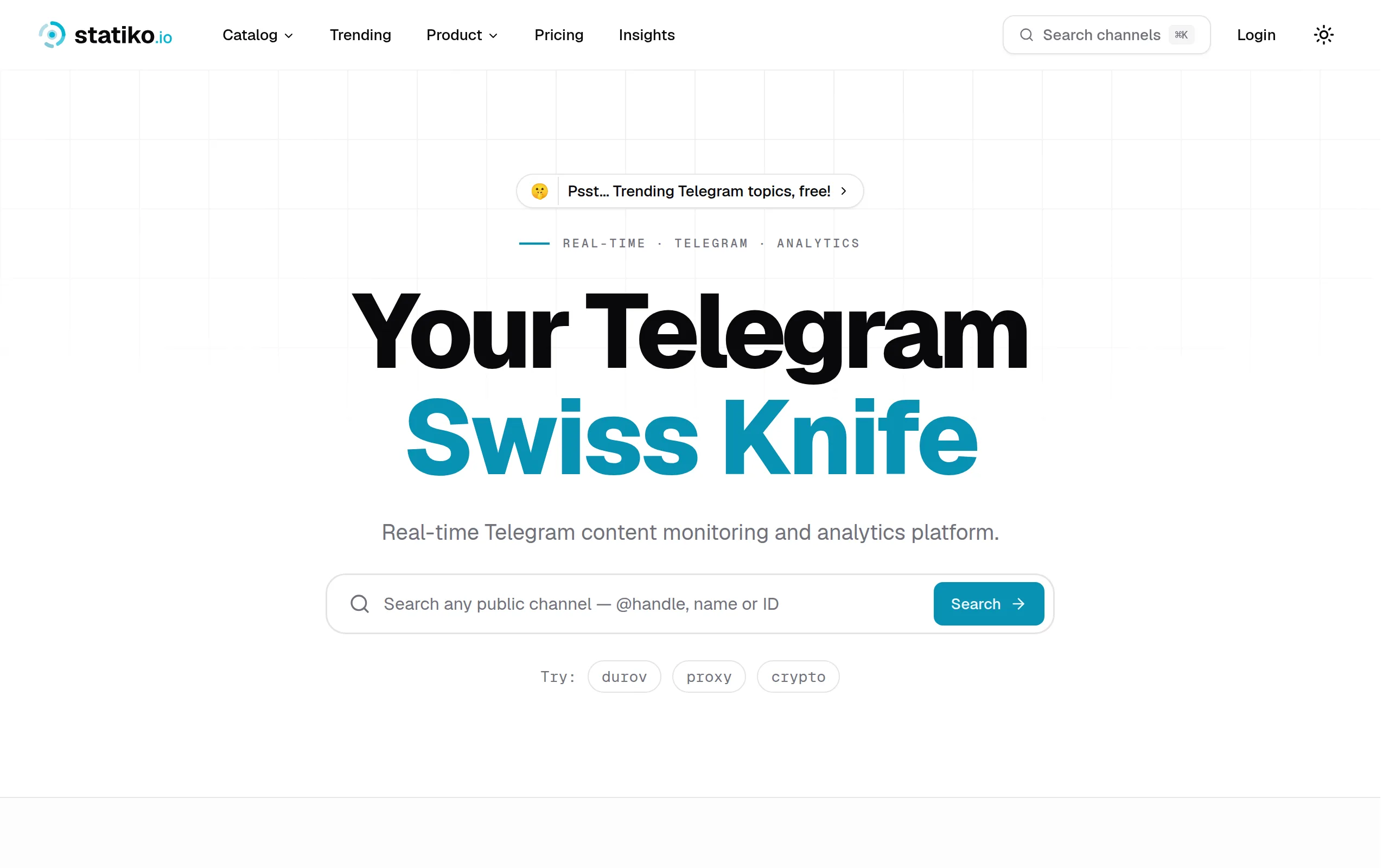
Statiko
Monitor any Telegram channel in real time - track posts, edits, deletions, and growth with AI recaps 📡

Shibui
AI website builder - describe your business, pick a niche template, edit by chatting, and publish instantly ✨

Pro Service
Find verified home service professionals, compare quotes, and pay securely through escrow - built for Brazilians across the US 🏠
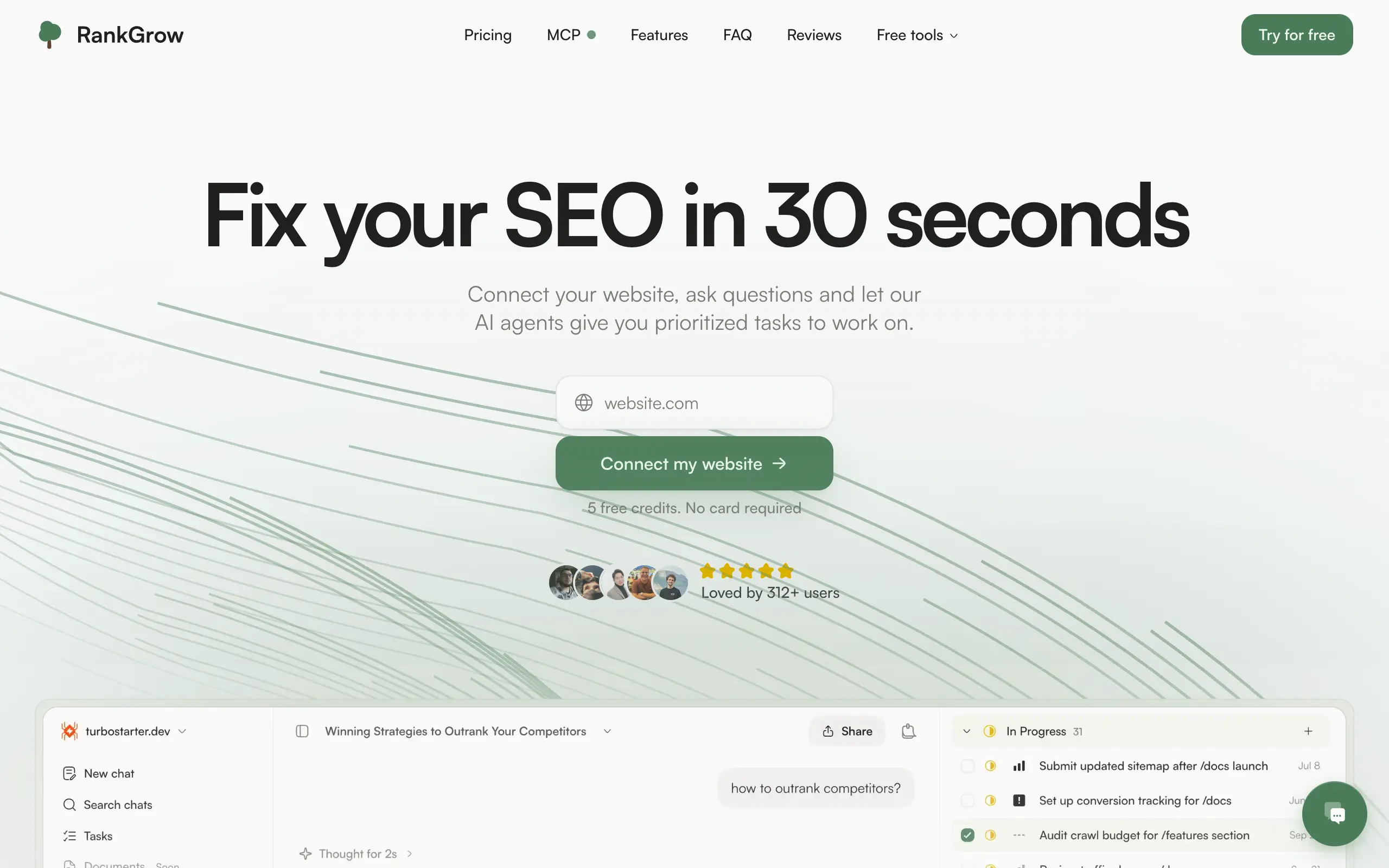
RankGrow
Fix your SEO with AI agents - connect Search Console, get prioritized tasks, and grow organic traffic 📈
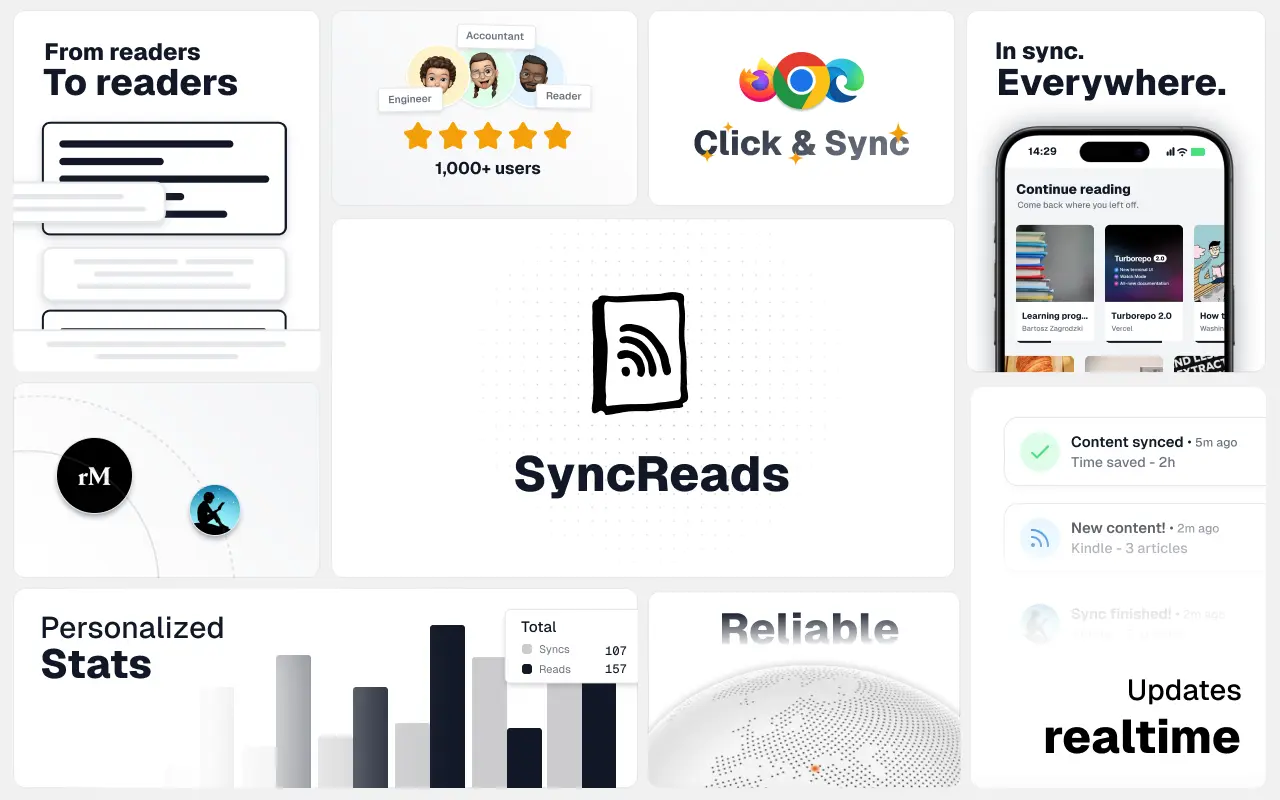
SyncReads
Sync your favorite content for distraction-free reading, save time and replace multiple apps. Anytime, anywhere 🔄
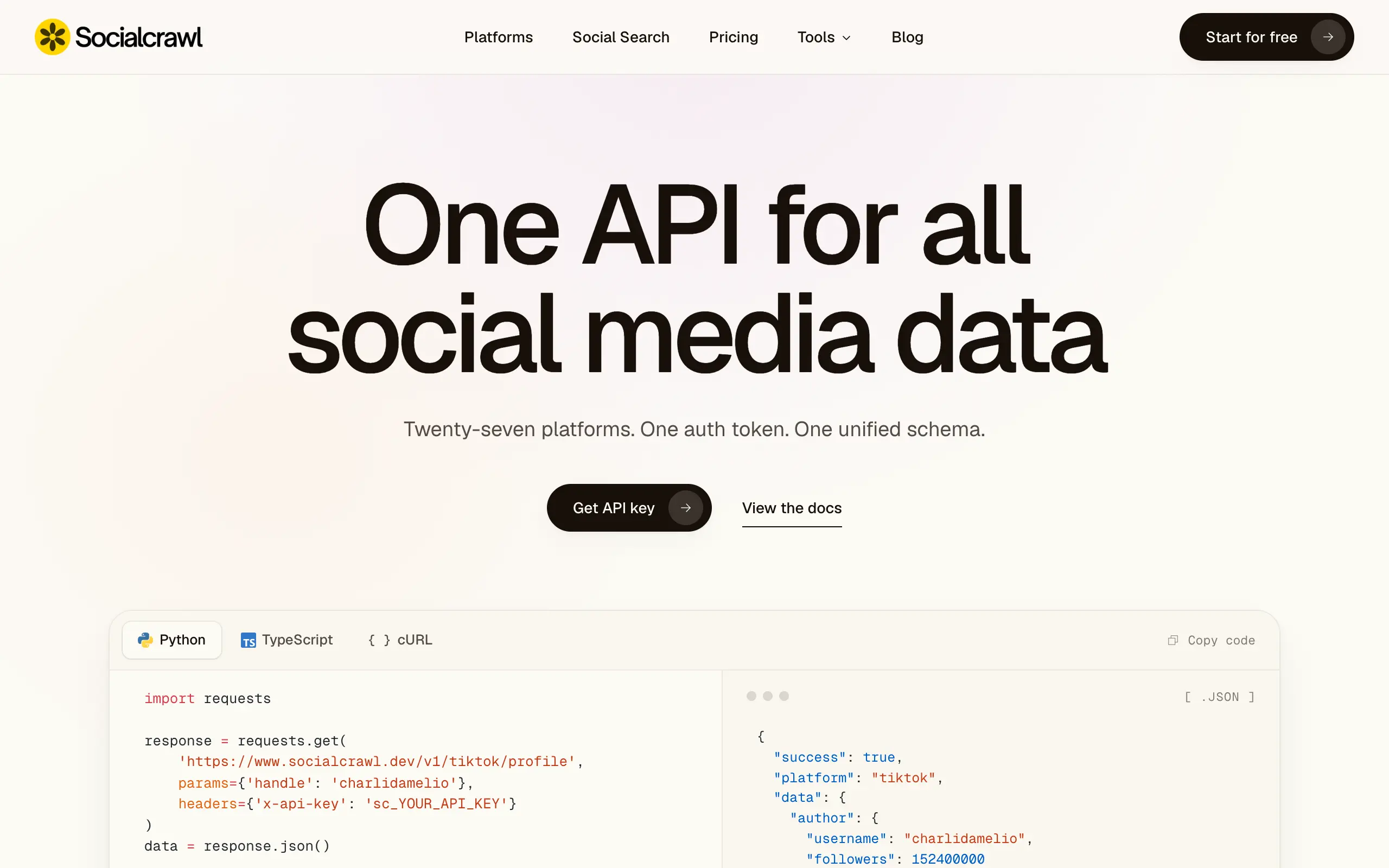
Socialcrawl
Get clean, structured data from 21 platforms like TikTok, Instagram, and YouTube with a single request 📊
Statiko
Monitor any Telegram channel in real time - track posts, edits, deletions, and growth with AI recaps 📡
Shibui
AI website builder - describe your business, pick a niche template, edit by chatting, and publish instantly ✨
Pro Service
Find verified home service professionals, compare quotes, and pay securely through escrow - built for Brazilians across the US 🏠
RankGrow
Fix your SEO with AI agents - connect Search Console, get prioritized tasks, and grow organic traffic 📈
SyncReads
Sync your favorite content for distraction-free reading, save time and replace multiple apps. Anytime, anywhere 🔄
Socialcrawl
Get clean, structured data from 21 platforms like TikTok, Instagram, and YouTube with a single request 📊
Statiko
Monitor any Telegram channel in real time - track posts, edits, deletions, and growth with AI recaps 📡
Shibui
AI website builder - describe your business, pick a niche template, edit by chatting, and publish instantly ✨
Pro Service
Find verified home service professionals, compare quotes, and pay securely through escrow - built for Brazilians across the US 🏠
RankGrow
Fix your SEO with AI agents - connect Search Console, get prioritized tasks, and grow organic traffic 📈
SyncReads
Sync your favorite content for distraction-free reading, save time and replace multiple apps. Anytime, anywhere 🔄
Socialcrawl
Get clean, structured data from 21 platforms like TikTok, Instagram, and YouTube with a single request 📊
Statiko
Monitor any Telegram channel in real time - track posts, edits, deletions, and growth with AI recaps 📡
Shibui
AI website builder - describe your business, pick a niche template, edit by chatting, and publish instantly ✨
Pro Service
Find verified home service professionals, compare quotes, and pay securely through escrow - built for Brazilians across the US 🏠
RankGrow
Fix your SEO with AI agents - connect Search Console, get prioritized tasks, and grow organic traffic 📈
SyncReads
Sync your favorite content for distraction-free reading, save time and replace multiple apps. Anytime, anywhere 🔄
Socialcrawl
Get clean, structured data from 21 platforms like TikTok, Instagram, and YouTube with a single request 📊
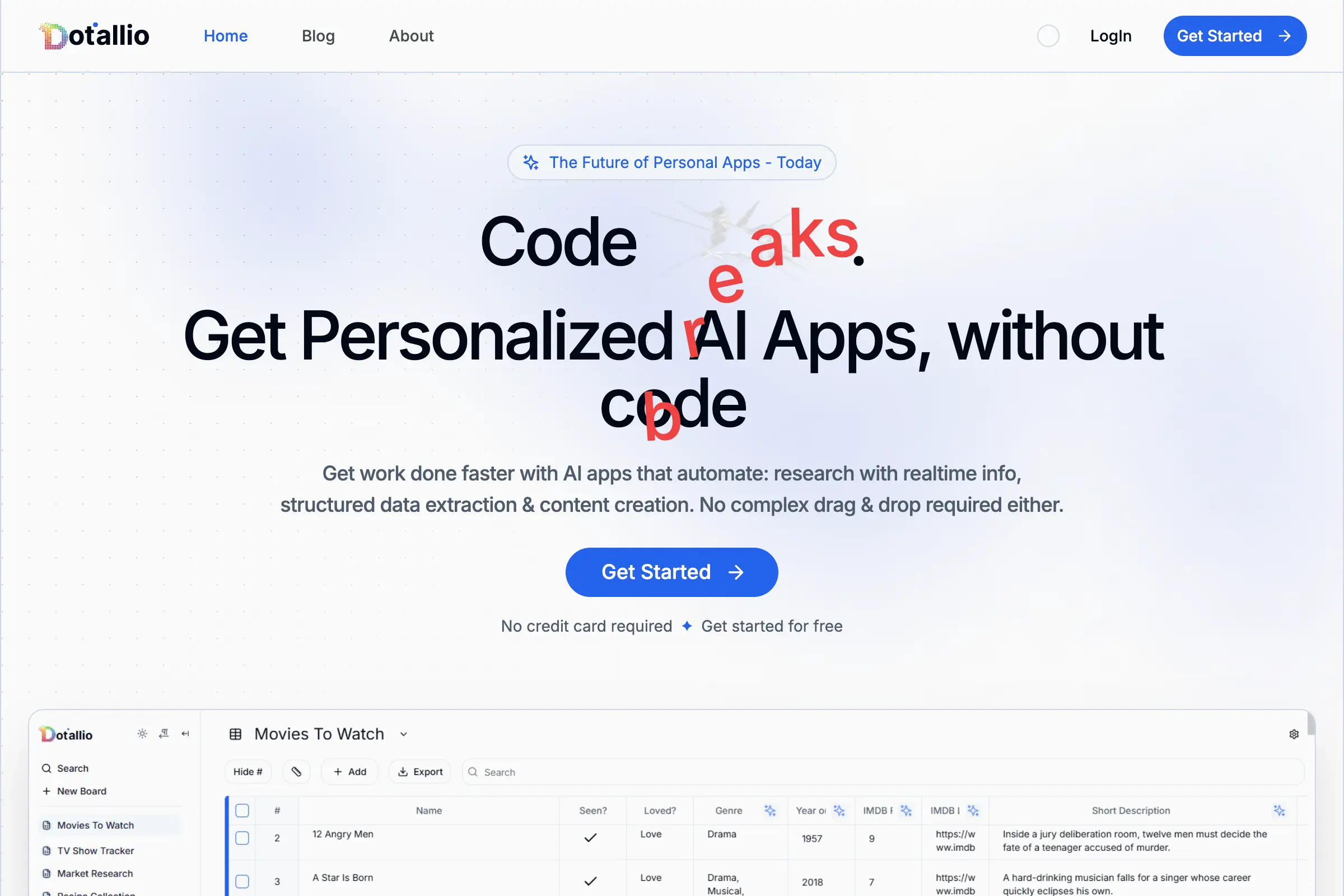
Dotallio
Personalized AI apps that automate research, data extraction, and content creation without code 🤖

Talk to Santa
Enjoy a magical live video chat or receive a unique AI-generated video greeting from Santa Claus 🎅

pozywka.pl
Scalable blog for food journalist, focused on performance and user experience 🌭
zagrodzki.me
Personal blog and portfolio of Bart Zagrodzki, where he shares his knowledge and work 💼
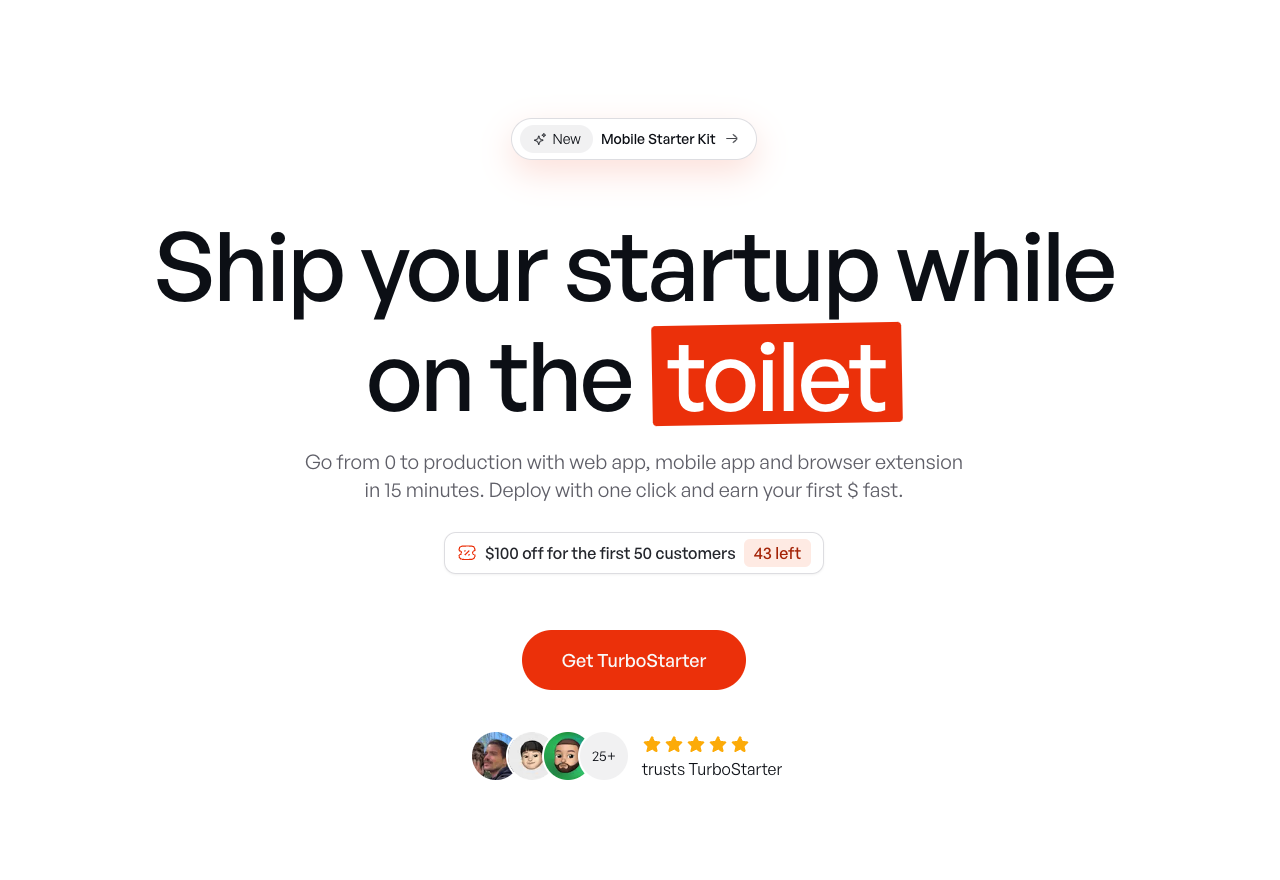
TurboStarter
Ship your startup everywhere. In minutes.
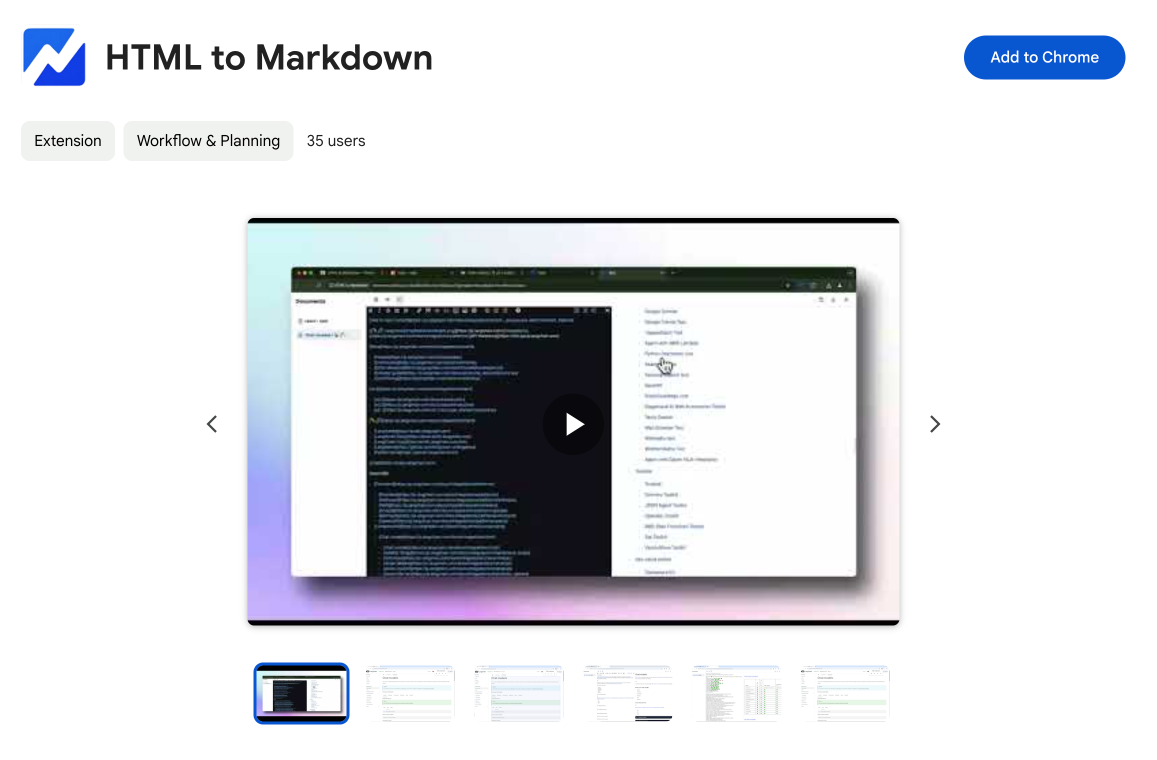
HTML to Markdown
Convert HTML to Markdown with ease, directly in your browser 📄
Dotallio
Personalized AI apps that automate research, data extraction, and content creation without code 🤖
Talk to Santa
Enjoy a magical live video chat or receive a unique AI-generated video greeting from Santa Claus 🎅
pozywka.pl
Scalable blog for food journalist, focused on performance and user experience 🌭
zagrodzki.me
Personal blog and portfolio of Bart Zagrodzki, where he shares his knowledge and work 💼
TurboStarter
Ship your startup everywhere. In minutes.
HTML to Markdown
Convert HTML to Markdown with ease, directly in your browser 📄
Dotallio
Personalized AI apps that automate research, data extraction, and content creation without code 🤖
Talk to Santa
Enjoy a magical live video chat or receive a unique AI-generated video greeting from Santa Claus 🎅
pozywka.pl
Scalable blog for food journalist, focused on performance and user experience 🌭
zagrodzki.me
Personal blog and portfolio of Bart Zagrodzki, where he shares his knowledge and work 💼
TurboStarter
Ship your startup everywhere. In minutes.
HTML to Markdown
Convert HTML to Markdown with ease, directly in your browser 📄
Dotallio
Personalized AI apps that automate research, data extraction, and content creation without code 🤖
Talk to Santa
Enjoy a magical live video chat or receive a unique AI-generated video greeting from Santa Claus 🎅
pozywka.pl
Scalable blog for food journalist, focused on performance and user experience 🌭
zagrodzki.me
Personal blog and portfolio of Bart Zagrodzki, where he shares his knowledge and work 💼
TurboStarter
Ship your startup everywhere. In minutes.
HTML to Markdown
Convert HTML to Markdown with ease, directly in your browser 📄
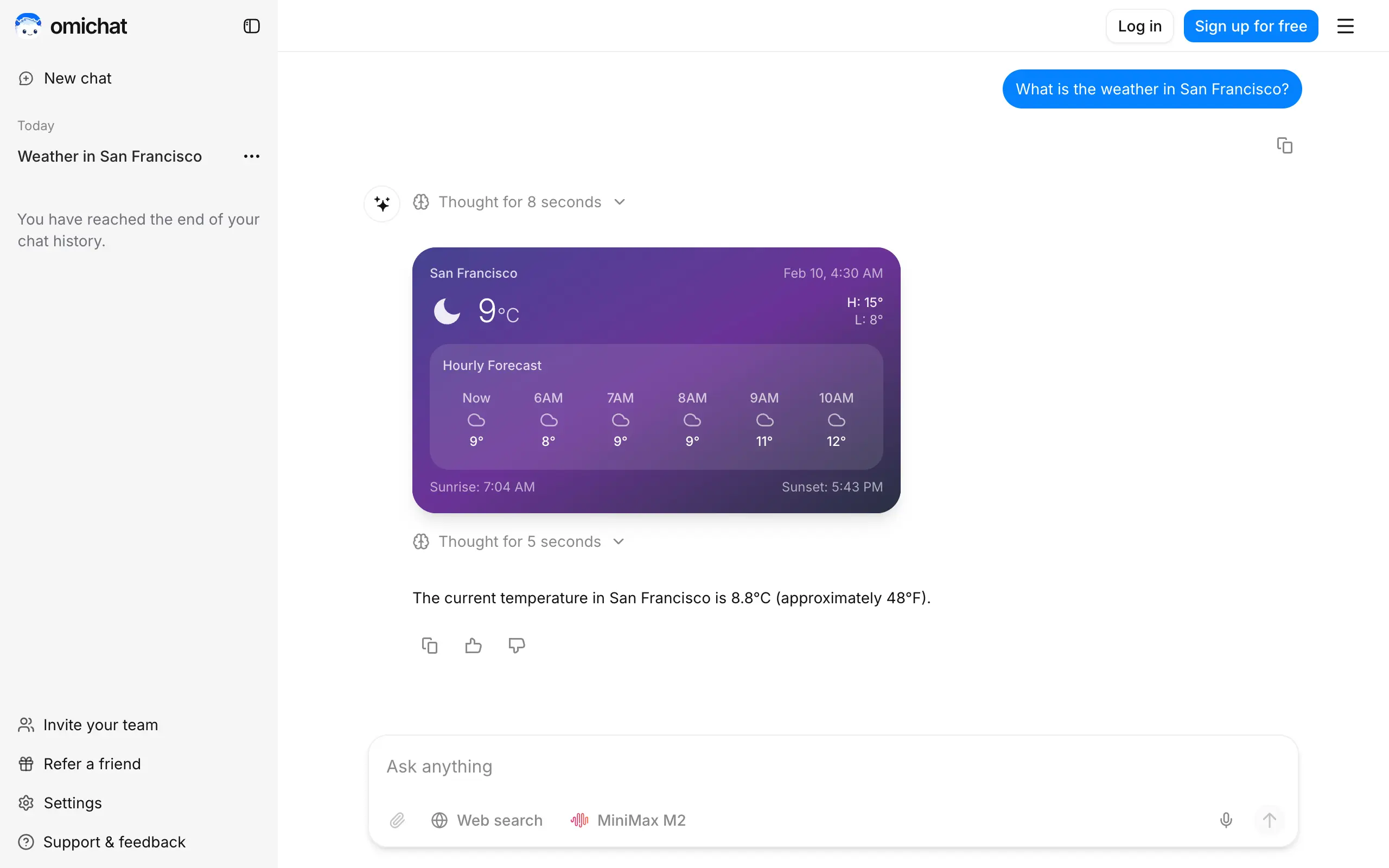
Omichat
Chat with 50+ AI models, including ChatGPT and Claude, in one place - switch models anytime without losing context 🤖
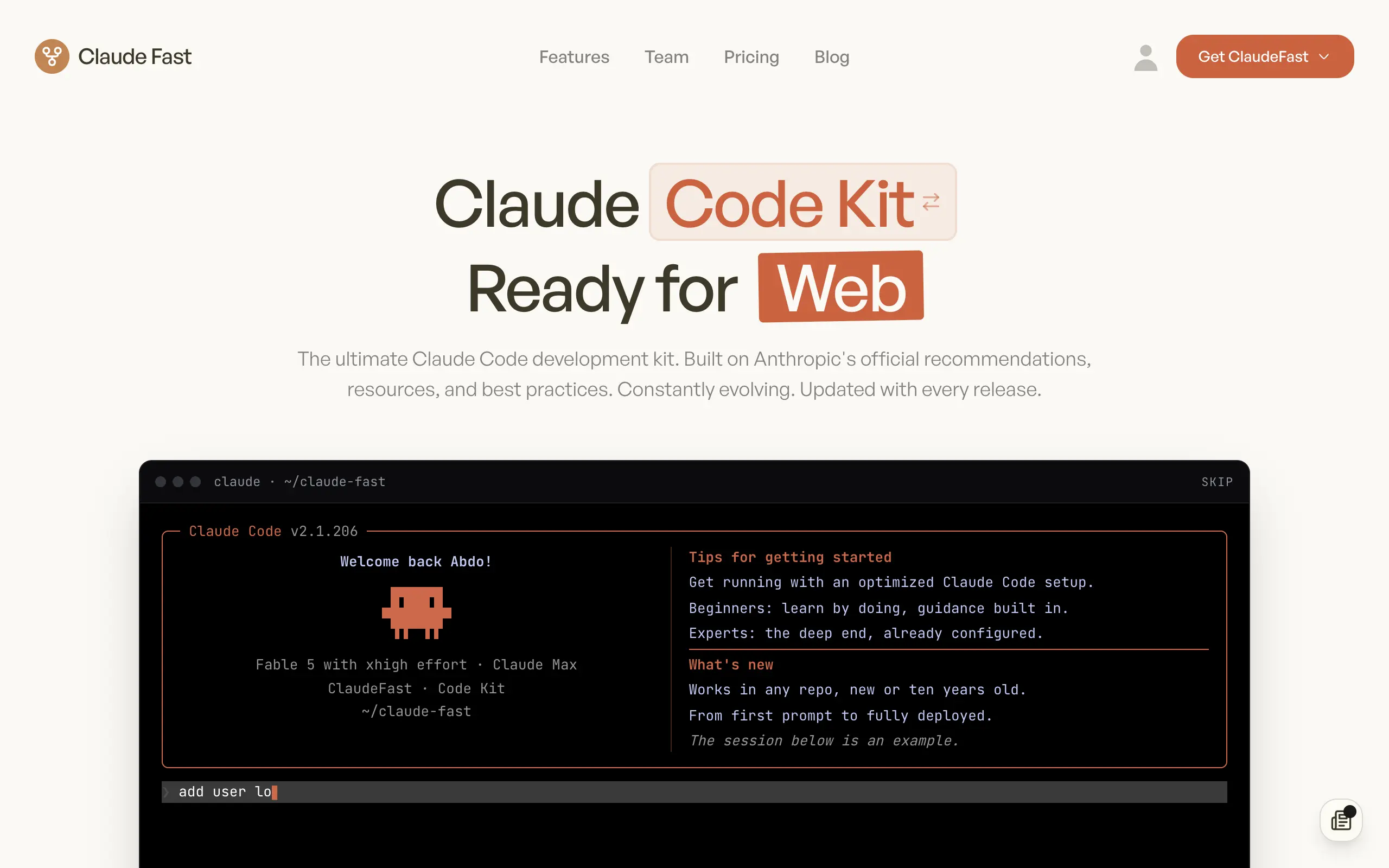
Claude Fast
Supercharge your Claude Code with 6x effective context window and specialized AI agents 🤖
EmojAI
AI-powered emoji picker with smart, context-aware suggestions 🤖
Solohacker
Autonomous company launcher - AI agents work 24/7, escalate what matters, and you stay in control 🤖

BeRawi: Storytelling Coach
Practice storytelling daily with instant feedback to sound clearer, more engaging, and confident 🎤
Omichat
Chat with 50+ AI models, including ChatGPT and Claude, in one place - switch models anytime without losing context 🤖
Claude Fast
Supercharge your Claude Code with 6x effective context window and specialized AI agents 🤖
EmojAI
AI-powered emoji picker with smart, context-aware suggestions 🤖
Solohacker
Autonomous company launcher - AI agents work 24/7, escalate what matters, and you stay in control 🤖
BeRawi: Storytelling Coach
Practice storytelling daily with instant feedback to sound clearer, more engaging, and confident 🎤
Omichat
Chat with 50+ AI models, including ChatGPT and Claude, in one place - switch models anytime without losing context 🤖
Claude Fast
Supercharge your Claude Code with 6x effective context window and specialized AI agents 🤖
EmojAI
AI-powered emoji picker with smart, context-aware suggestions 🤖
Solohacker
Autonomous company launcher - AI agents work 24/7, escalate what matters, and you stay in control 🤖
BeRawi: Storytelling Coach
Practice storytelling daily with instant feedback to sound clearer, more engaging, and confident 🎤
Omichat
Chat with 50+ AI models, including ChatGPT and Claude, in one place - switch models anytime without losing context 🤖
Claude Fast
Supercharge your Claude Code with 6x effective context window and specialized AI agents 🤖
EmojAI
AI-powered emoji picker with smart, context-aware suggestions 🤖
Solohacker
Autonomous company launcher - AI agents work 24/7, escalate what matters, and you stay in control 🤖
BeRawi: Storytelling Coach
Practice storytelling daily with instant feedback to sound clearer, more engaging, and confident 🎤

Connect with like-minded people
Join our community to get feedback, support, and grow together with 1,000+ builders on board, let's ship it!
Join usShip your startup everywhere. In minutes.
Don't burn tokens on setup and start building features on day one.