OptiRoute AI
AI-powered route and load optimization for logistics fleets, reducing costs and emissions while maximizing delivery efficiency. Real-time dashboard for remote management.
Understanding the need for AI-powered route and load optimization in logistics
The logistics industry is under immense pressure to deliver faster, cheaper, and more sustainably. With the rise of e-commerce, customer expectations for same-day or next-day delivery have become the norm. At the same time, fuel costs, driver shortages, and environmental regulations are squeezing margins. This is where AI-powered route and load optimization—the core of OptiRoute AI—becomes a game-changer.
By leveraging artificial intelligence, logistics fleets can dynamically optimize delivery routes and vehicle loads in real time. This not only reduces operational costs and emissions but also maximizes delivery efficiency. A real-time dashboard for remote management further empowers fleet managers to make data-driven decisions on the fly.
In this comprehensive guide, we’ll explore the market opportunity, target audience, core features, technology stack, monetization strategies, risks, and actionable steps to implement a solution like OptiRoute AI.
Who needs OptiRoute AI? Target audience analysis
Understanding the target audience is crucial for any SaaS product, especially in the logistics sector where operational needs vary widely.
Primary user segments
- Logistics companies: From small regional carriers to large national fleets, these businesses need to optimize routes and loads to stay competitive.
- Third-party logistics (3PL) providers: Companies managing logistics for multiple clients require scalable, flexible optimization tools.
- E-commerce retailers: Direct-to-consumer brands with in-house delivery fleets can benefit from improved efficiency and reduced costs.
- Courier and express delivery services: Time-sensitive deliveries demand real-time route adjustments and load balancing.
- Fleet management firms: Businesses offering fleet management as a service need advanced optimization to add value for their clients.
Key decision-makers
- Operations managers
- Fleet managers
- Logistics directors
- CTOs and digital transformation leads
User pain points addressed
- Rising fuel and labor costs
- Inefficient manual route planning
- Underutilized vehicle capacity
- Missed delivery windows and poor customer satisfaction
- Difficulty tracking and managing fleets remotely
Market opportunity and gap analysis
The global logistics market is massive and growing. According to recent industry reports, the logistics sector is expected to surpass $12 trillion by 2027 (reference: Statista, 2023). Yet, many fleets still rely on outdated, manual processes for route and load planning.
Key market trends
- Digital transformation: Logistics companies are rapidly adopting digital tools to stay competitive.
- Sustainability mandates: Governments and customers are demanding lower emissions and greener operations.
- AI adoption: Artificial intelligence is increasingly seen as essential for operational efficiency.
- Real-time data: The proliferation of IoT devices and telematics enables real-time fleet tracking and optimization.
Market gaps OptiRoute AI addresses
- Lack of real-time, AI-driven optimization: Many existing solutions offer static route planning, not dynamic, AI-powered adjustments.
- Limited load optimization: Few platforms optimize both routes and vehicle loads simultaneously.
- Fragmented dashboards: Fleet managers often juggle multiple tools for tracking, planning, and reporting.
- Remote management challenges: The shift to remote work has made centralized, cloud-based dashboards essential.
Industry insight
AI-powered route optimization can reduce logistics costs by up to 20% and cut emissions by 10-15%, according to McKinsey & Company (reference: McKinsey, 2022).
Core features and solution details
OptiRoute AI’s value lies in its comprehensive, AI-driven approach to logistics optimization. Here’s a breakdown of the essential features:
1. AI-powered route optimization
- Dynamic routing: Automatically recalculates optimal routes based on real-time traffic, weather, and delivery constraints.
- Multi-stop planning: Handles complex delivery schedules with multiple stops and time windows.
- Predictive analytics: Anticipates delays and suggests proactive rerouting.
2. Load optimization
- Smart load balancing: Maximizes vehicle capacity utilization by intelligently assigning packages to vehicles.
- Weight and volume constraints: Ensures compliance with legal and operational limits.
- Automated load sequencing: Optimizes loading order for faster unloading and delivery.
3. Real-time dashboard for remote management
- Live fleet tracking: Visualizes vehicle locations, routes, and delivery statuses on an interactive map.
- Performance analytics: Provides KPIs such as on-time delivery rate, fuel consumption, and CO₂ emissions.
- Alerts and notifications: Notifies managers of delays, route deviations, or vehicle issues.
4. Integration and scalability
- API access: Seamlessly integrates with existing TMS, ERP, and telematics systems.
- Cloud-based architecture: Enables remote access and easy scaling as fleets grow.
5. User experience and accessibility
- Intuitive UI: Designed for non-technical users with drag-and-drop planning and clear visualizations.
- Mobile support: Allows drivers and managers to access key features on the go.
Dynamic AI routing
Continuously optimizes routes in real time, adapting to changing conditions.
Smart load balancing
Maximizes vehicle utilization and reduces empty miles.
Real-time dashboard
Centralizes fleet management with live tracking and analytics.
Seamless integrations
Connects with your existing logistics tech stack via robust APIs.
Recommended tech stack for OptiRoute AI
Choosing the right technology stack is critical for performance, scalability, and maintainability. Here’s a recommended stack for building an AI-powered logistics SaaS like OptiRoute AI:
Frontend
- React: For building a responsive, interactive dashboard.
- TailwindCSS: For rapid UI development and consistent styling.
- Map visualization: Mapbox or Google Maps Platform for real-time fleet tracking.
Backend
- Node.js: For scalable, event-driven server logic.
- Python: For AI/ML algorithms and data processing.
- PostgreSQL: For robust, relational data storage.
- Redis: For caching and real-time data handling.
AI/ML
- TensorFlow or PyTorch: For developing and deploying machine learning models.
- Google OR-Tools: For advanced route and load optimization algorithms.
Cloud and DevOps
- AWS or Google Cloud: For scalable cloud infrastructure.
- Docker and Kubernetes: For containerization and orchestration.
- TurboStarter: For rapid SaaS prototyping and deployment.
Trade-offs and considerations
- Python vs. Node.js for backend: Python excels at AI/ML, while Node.js offers superior real-time performance. A hybrid approach leverages both strengths.
- Mapbox vs. Google Maps: Mapbox offers more customization and cost control, while Google Maps provides broader data coverage.
- Cloud provider choice: AWS and Google Cloud both offer robust AI and data services; selection may depend on existing infrastructure and pricing.
Monetization strategy options
A successful SaaS must have a clear path to revenue. Here are proven monetization models for OptiRoute AI:
1. Subscription-based pricing
- Tiered plans: Offer different feature sets and usage limits (e.g., number of vehicles, routes, or users).
- Monthly/annual billing: Incentivize longer commitments with discounts.
2. Usage-based pricing
- Pay-per-route or pay-per-optimization: Charge based on the number of routes optimized or deliveries managed.
- API call pricing: For customers integrating via API.
3. Enterprise licensing
- Custom contracts: For large fleets or 3PLs requiring advanced features, integrations, or SLAs.
4. Add-on services
- Premium analytics: Advanced reporting and predictive insights as paid add-ons.
- White-labeling: Allow partners to rebrand the platform for their clients.
For small fleets, a simple subscription-based model with a low entry tier is most attractive. This reduces barriers to adoption and allows for predictable budgeting.
Offer custom enterprise plans with volume discounts, dedicated support, and advanced integrations to meet complex requirements.
Potential risks and mitigation strategies
Launching an AI-powered logistics SaaS comes with challenges. Here’s how to anticipate and address them:
1. Data quality and availability
- Risk: Inaccurate or incomplete data can undermine optimization.
- Mitigation: Implement robust data validation, partner with telematics providers, and offer manual override options.
2. AI model transparency
- Risk: Black-box AI decisions may erode user trust.
- Mitigation: Provide explainable AI outputs and clear reasoning for route/load recommendations.
3. Integration complexity
- Risk: Customers may struggle to connect OptiRoute AI with legacy systems.
- Mitigation: Offer comprehensive APIs, detailed documentation, and onboarding support.
4. Security and compliance
- Risk: Sensitive fleet and customer data must be protected.
- Mitigation: Use industry-standard encryption, regular security audits, and comply with regulations like GDPR.
5. Change management
- Risk: Resistance from staff used to manual processes.
- Mitigation: Provide training, intuitive UI, and highlight ROI through pilot programs.
Competitive advantage analysis
The logistics optimization space is competitive, with established players and new entrants. Here’s how OptiRoute AI stands out:
| Real-time AI optimization | Load + route in one | Remote dashboard | API-first | Custom analytics |
|---|---|---|---|---|
| ✅ | ❌ | ❌ | ✅ | ❌ |
| ✅ | ❌ | ✅ | ✅ | ❌ |
Unique selling proposition (USP)
- Unified AI optimization: Simultaneously optimizes both routes and loads, unlike most competitors.
- Real-time, remote management: Empowers managers to adapt instantly from anywhere.
- Seamless integration: API-first design ensures compatibility with existing logistics tech stacks.
- Sustainability focus: Directly reduces emissions, supporting ESG goals.
Actionable implementation steps
Ready to build or adopt a solution like OptiRoute AI? Here’s a step-by-step roadmap:
Conclusion: Why OptiRoute AI is the future of logistics optimization
AI-powered route and load optimization is no longer a luxury—it’s a necessity for logistics companies aiming to thrive in a fast-changing, cost-sensitive, and sustainability-driven market. OptiRoute AI’s unified, real-time, and remote management platform delivers measurable ROI by reducing costs, emissions, and operational headaches.
By focusing on seamless integration, explainable AI, and a user-friendly dashboard, OptiRoute AI stands out as a trusted partner for logistics transformation. Whether you’re a small fleet or a global 3PL, the path to smarter, greener, and more profitable logistics starts here.
Frequently asked questions
Industry studies suggest AI-powered optimization can cut costs by 10-20%, depending on fleet size and operational complexity. Actual savings will vary based on your current processes and data quality.
Yes, the platform is designed to scale from small local fleets to large enterprise operations, with flexible pricing and features.
All data is encrypted in transit and at rest, with strict access controls and compliance with relevant regulations (e.g., GDPR).
Absolutely. OptiRoute AI offers robust APIs and detailed documentation to ensure smooth integration with your TMS, ERP, and telematics platforms.
Further reading and resources
- React – Official documentation for building modern UIs
- TailwindCSS – Utility-first CSS framework
- TurboStarter – Rapid SaaS prototyping and deployment
- Google OR-Tools – Open-source optimization tools for routing and scheduling
- AWS and Google Cloud – Scalable cloud infrastructure for SaaS
By leveraging the latest in AI and cloud technology, OptiRoute AI is poised to redefine logistics optimization for the next decade and beyond.
More 🤖 AI Startup SaaS ideas
Discover more innovative ai startup SaaS ideas that are trending in 2026. Each idea is AI-generated with market validation and growth potential to help you find your next profitable venture faster than competitors.
Your competitors are building with TurboStarter
Below are some of the SaaS ideas that have been generated and built with our starter kit.
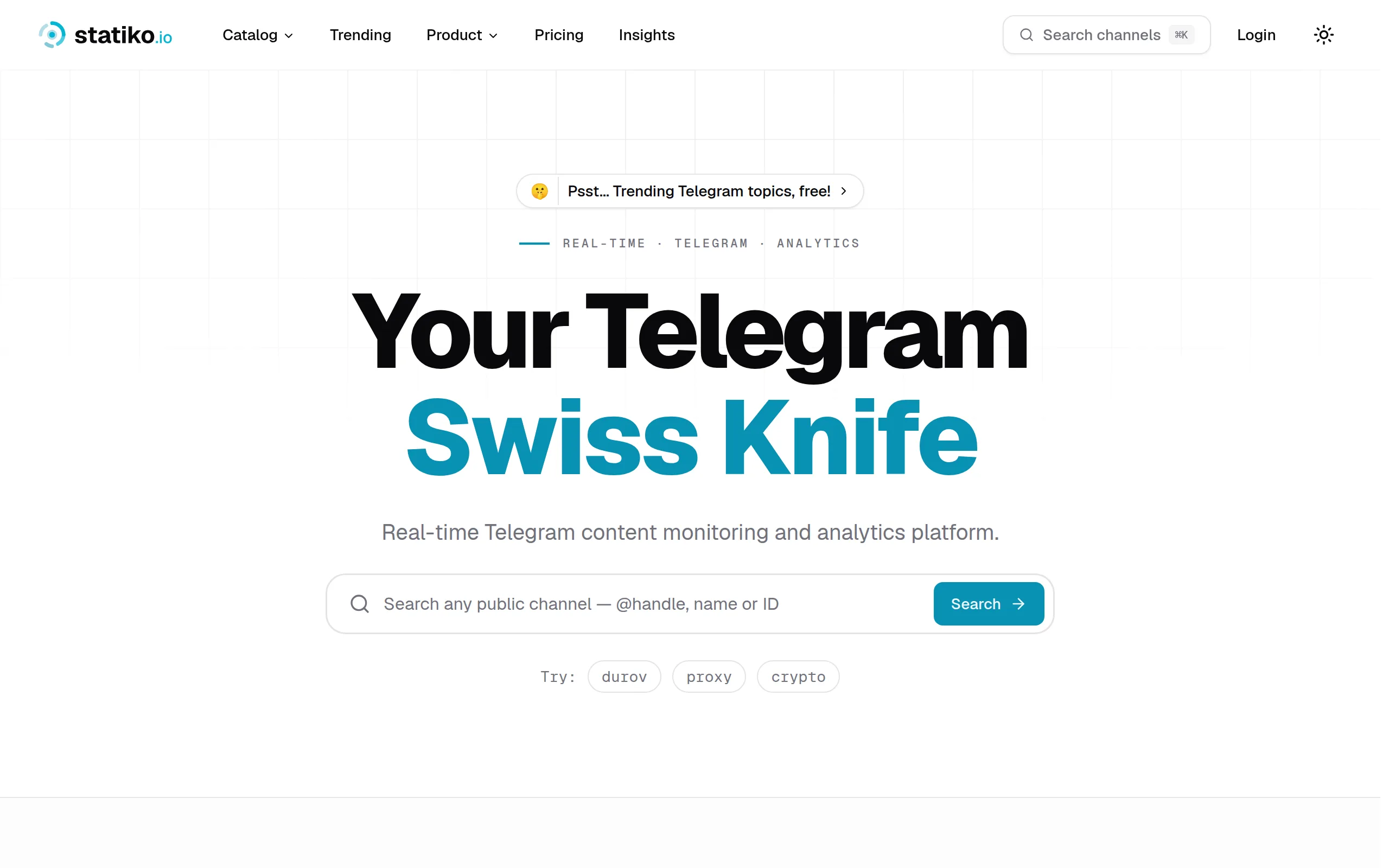
Statiko
Monitor any Telegram channel in real time - track posts, edits, deletions, and growth with AI recaps 📡

Shibui
AI website builder - describe your business, pick a niche template, edit by chatting, and publish instantly ✨

Pro Service
Find verified home service professionals, compare quotes, and pay securely through escrow - built for Brazilians across the US 🏠
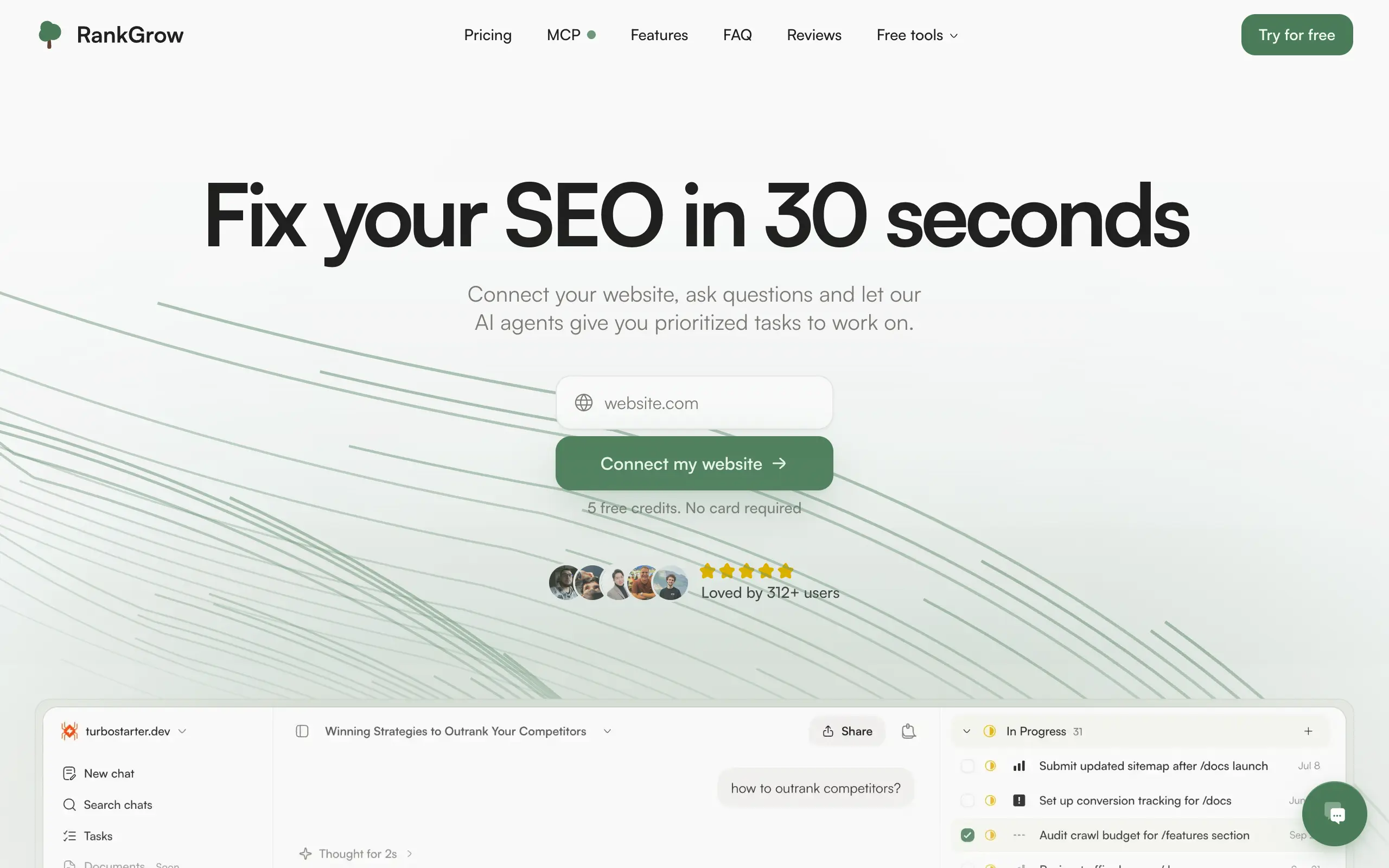
RankGrow
Fix your SEO with AI agents - connect Search Console, get prioritized tasks, and grow organic traffic 📈
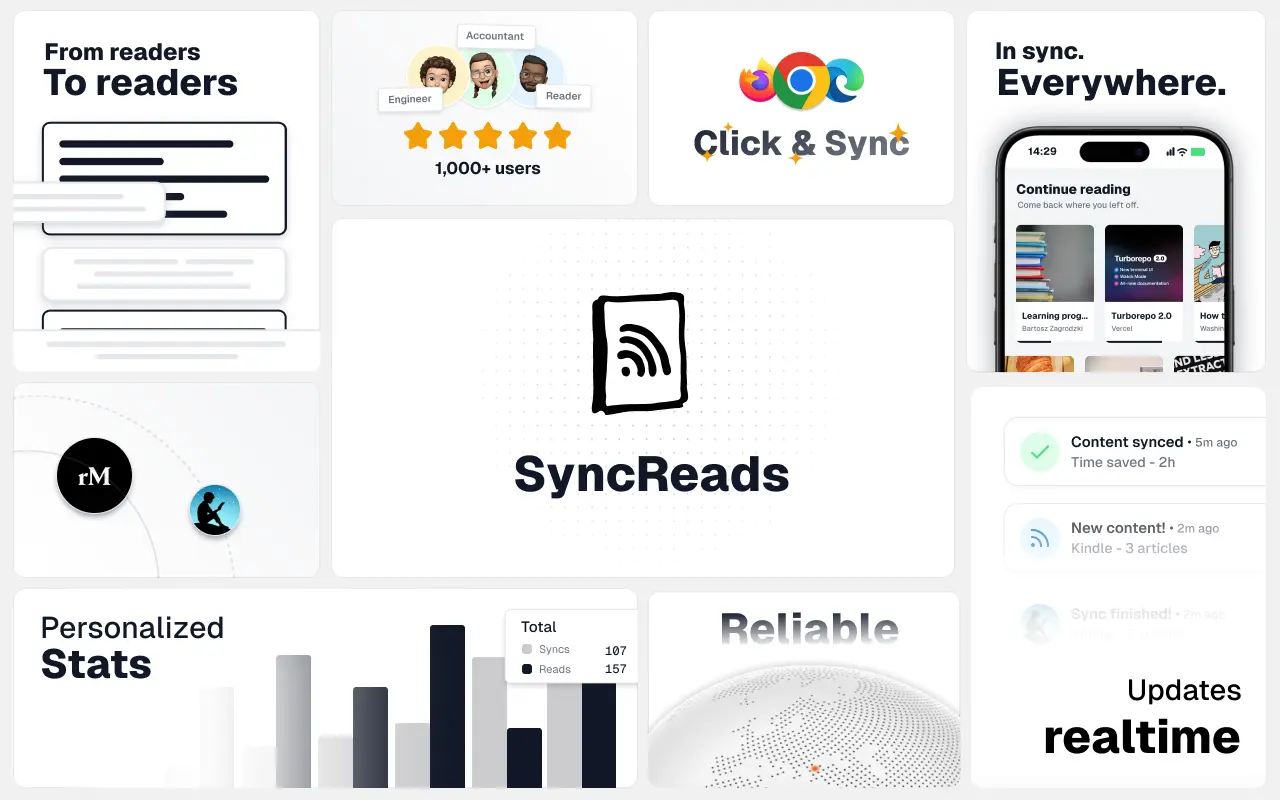
SyncReads
Sync your favorite content for distraction-free reading, save time and replace multiple apps. Anytime, anywhere 🔄
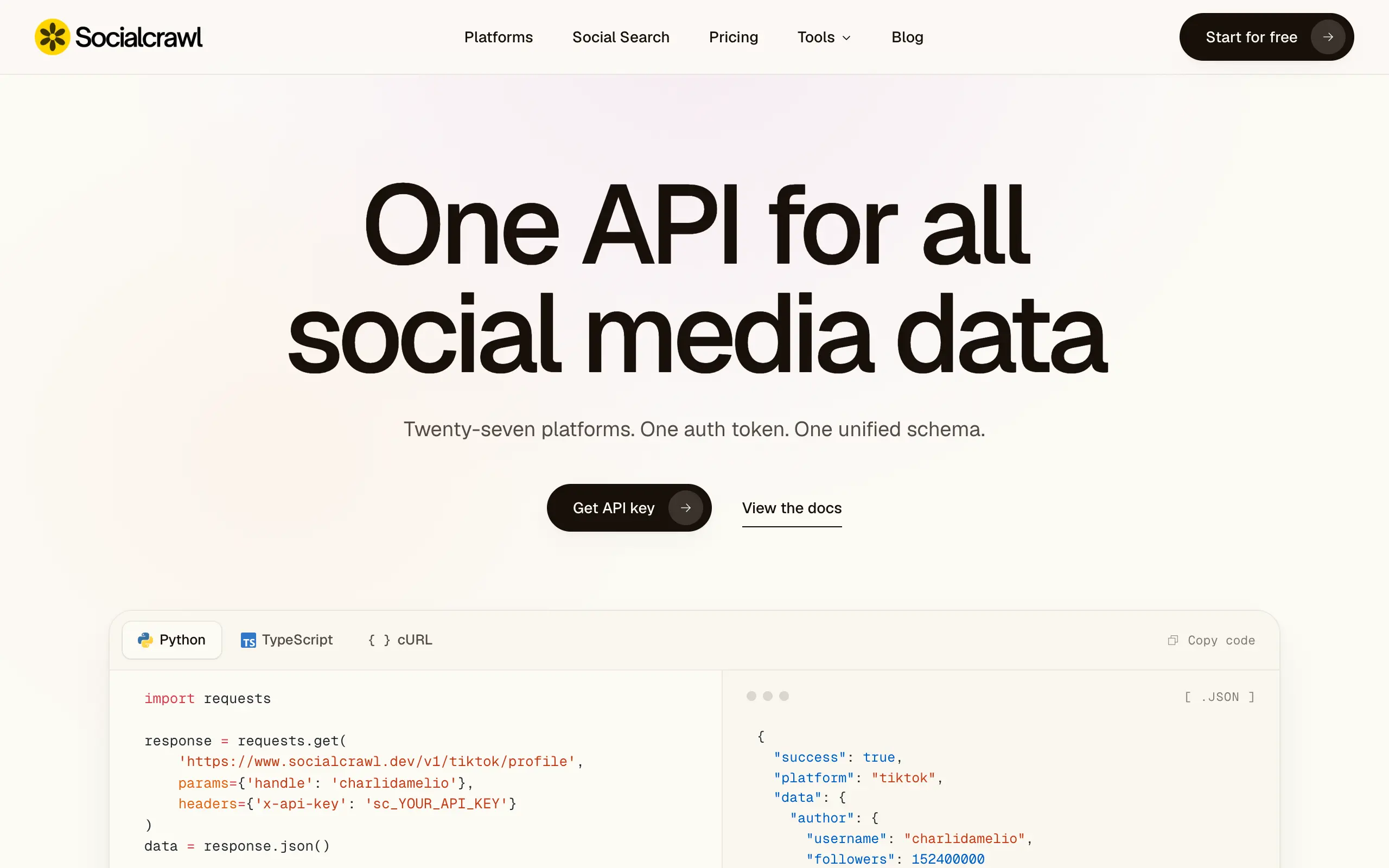
Socialcrawl
Get clean, structured data from 21 platforms like TikTok, Instagram, and YouTube with a single request 📊
Statiko
Monitor any Telegram channel in real time - track posts, edits, deletions, and growth with AI recaps 📡
Shibui
AI website builder - describe your business, pick a niche template, edit by chatting, and publish instantly ✨
Pro Service
Find verified home service professionals, compare quotes, and pay securely through escrow - built for Brazilians across the US 🏠
RankGrow
Fix your SEO with AI agents - connect Search Console, get prioritized tasks, and grow organic traffic 📈
SyncReads
Sync your favorite content for distraction-free reading, save time and replace multiple apps. Anytime, anywhere 🔄
Socialcrawl
Get clean, structured data from 21 platforms like TikTok, Instagram, and YouTube with a single request 📊
Statiko
Monitor any Telegram channel in real time - track posts, edits, deletions, and growth with AI recaps 📡
Shibui
AI website builder - describe your business, pick a niche template, edit by chatting, and publish instantly ✨
Pro Service
Find verified home service professionals, compare quotes, and pay securely through escrow - built for Brazilians across the US 🏠
RankGrow
Fix your SEO with AI agents - connect Search Console, get prioritized tasks, and grow organic traffic 📈
SyncReads
Sync your favorite content for distraction-free reading, save time and replace multiple apps. Anytime, anywhere 🔄
Socialcrawl
Get clean, structured data from 21 platforms like TikTok, Instagram, and YouTube with a single request 📊
Statiko
Monitor any Telegram channel in real time - track posts, edits, deletions, and growth with AI recaps 📡
Shibui
AI website builder - describe your business, pick a niche template, edit by chatting, and publish instantly ✨
Pro Service
Find verified home service professionals, compare quotes, and pay securely through escrow - built for Brazilians across the US 🏠
RankGrow
Fix your SEO with AI agents - connect Search Console, get prioritized tasks, and grow organic traffic 📈
SyncReads
Sync your favorite content for distraction-free reading, save time and replace multiple apps. Anytime, anywhere 🔄
Socialcrawl
Get clean, structured data from 21 platforms like TikTok, Instagram, and YouTube with a single request 📊
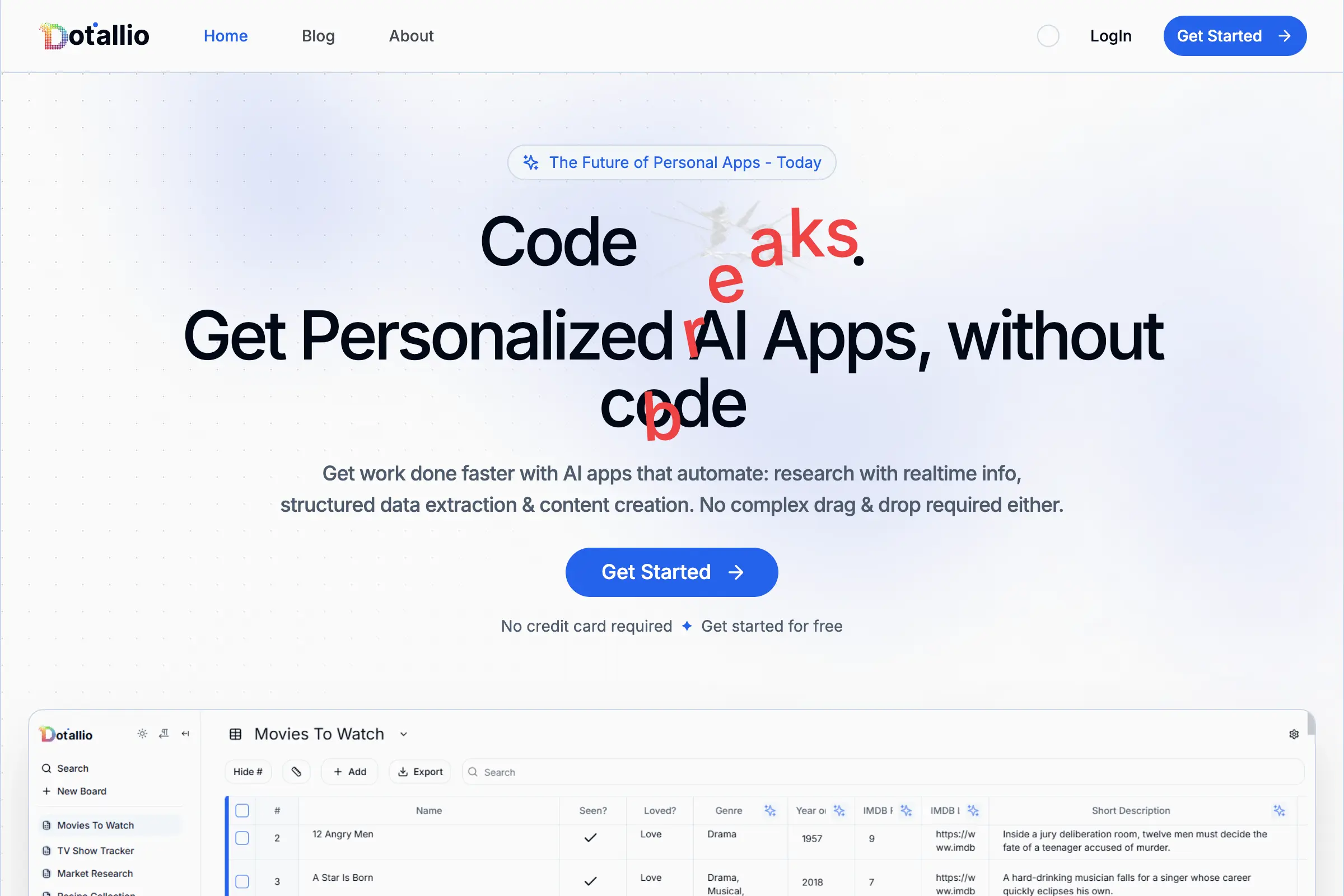
Dotallio
Personalized AI apps that automate research, data extraction, and content creation without code 🤖

Talk to Santa
Enjoy a magical live video chat or receive a unique AI-generated video greeting from Santa Claus 🎅

pozywka.pl
Scalable blog for food journalist, focused on performance and user experience 🌭
zagrodzki.me
Personal blog and portfolio of Bart Zagrodzki, where he shares his knowledge and work 💼
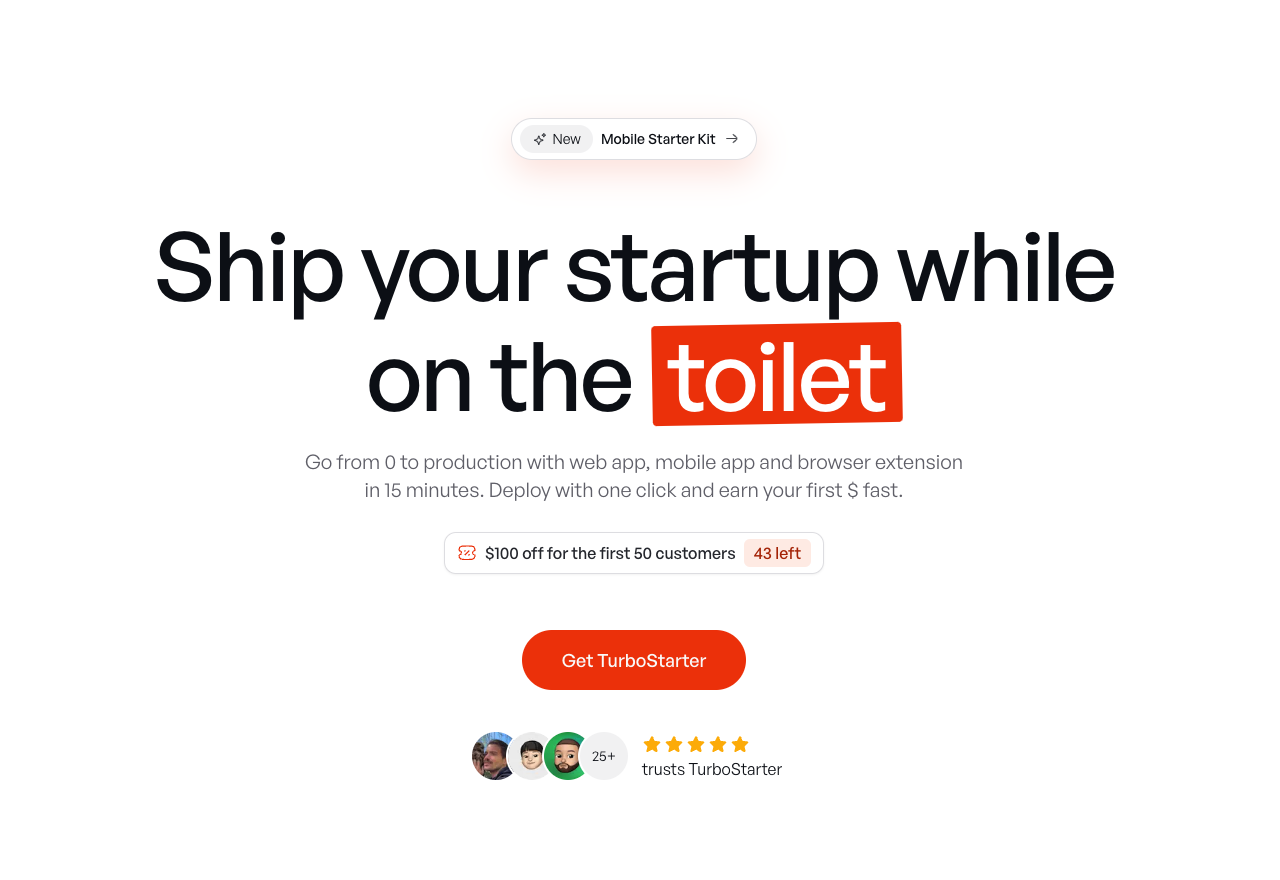
TurboStarter
Ship your startup everywhere. In minutes.
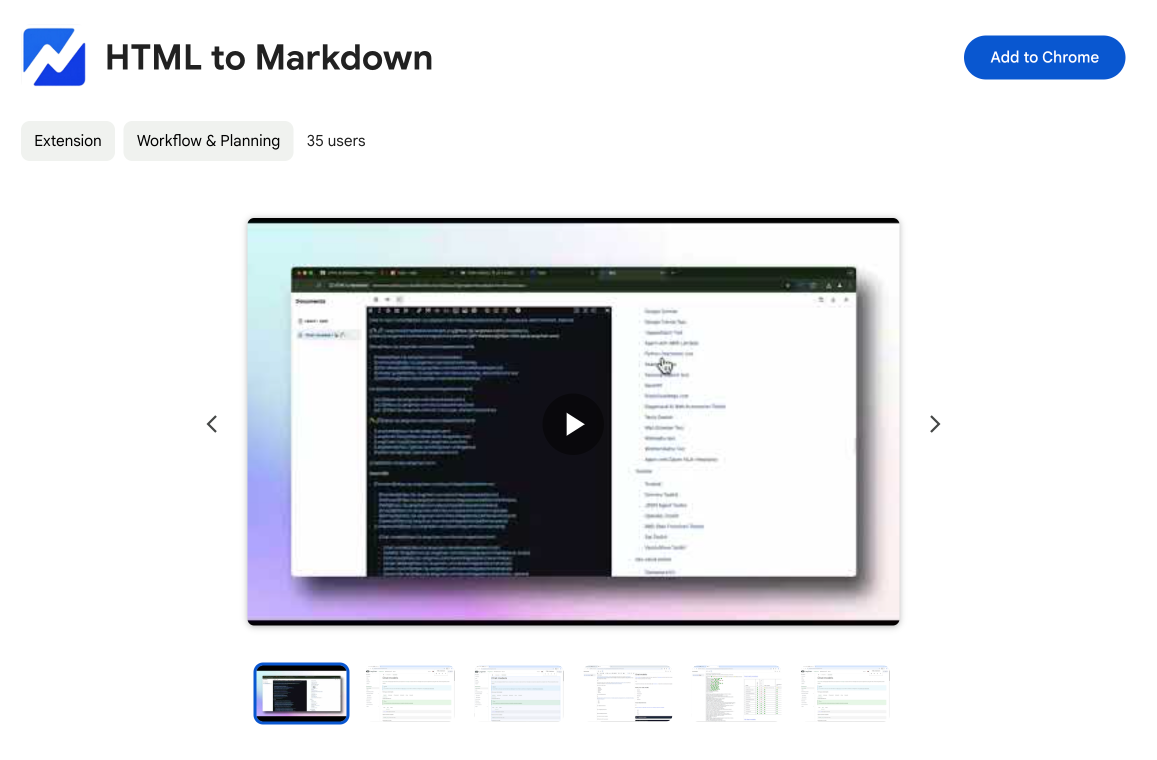
HTML to Markdown
Convert HTML to Markdown with ease, directly in your browser 📄
Dotallio
Personalized AI apps that automate research, data extraction, and content creation without code 🤖
Talk to Santa
Enjoy a magical live video chat or receive a unique AI-generated video greeting from Santa Claus 🎅
pozywka.pl
Scalable blog for food journalist, focused on performance and user experience 🌭
zagrodzki.me
Personal blog and portfolio of Bart Zagrodzki, where he shares his knowledge and work 💼
TurboStarter
Ship your startup everywhere. In minutes.
HTML to Markdown
Convert HTML to Markdown with ease, directly in your browser 📄
Dotallio
Personalized AI apps that automate research, data extraction, and content creation without code 🤖
Talk to Santa
Enjoy a magical live video chat or receive a unique AI-generated video greeting from Santa Claus 🎅
pozywka.pl
Scalable blog for food journalist, focused on performance and user experience 🌭
zagrodzki.me
Personal blog and portfolio of Bart Zagrodzki, where he shares his knowledge and work 💼
TurboStarter
Ship your startup everywhere. In minutes.
HTML to Markdown
Convert HTML to Markdown with ease, directly in your browser 📄
Dotallio
Personalized AI apps that automate research, data extraction, and content creation without code 🤖
Talk to Santa
Enjoy a magical live video chat or receive a unique AI-generated video greeting from Santa Claus 🎅
pozywka.pl
Scalable blog for food journalist, focused on performance and user experience 🌭
zagrodzki.me
Personal blog and portfolio of Bart Zagrodzki, where he shares his knowledge and work 💼
TurboStarter
Ship your startup everywhere. In minutes.
HTML to Markdown
Convert HTML to Markdown with ease, directly in your browser 📄
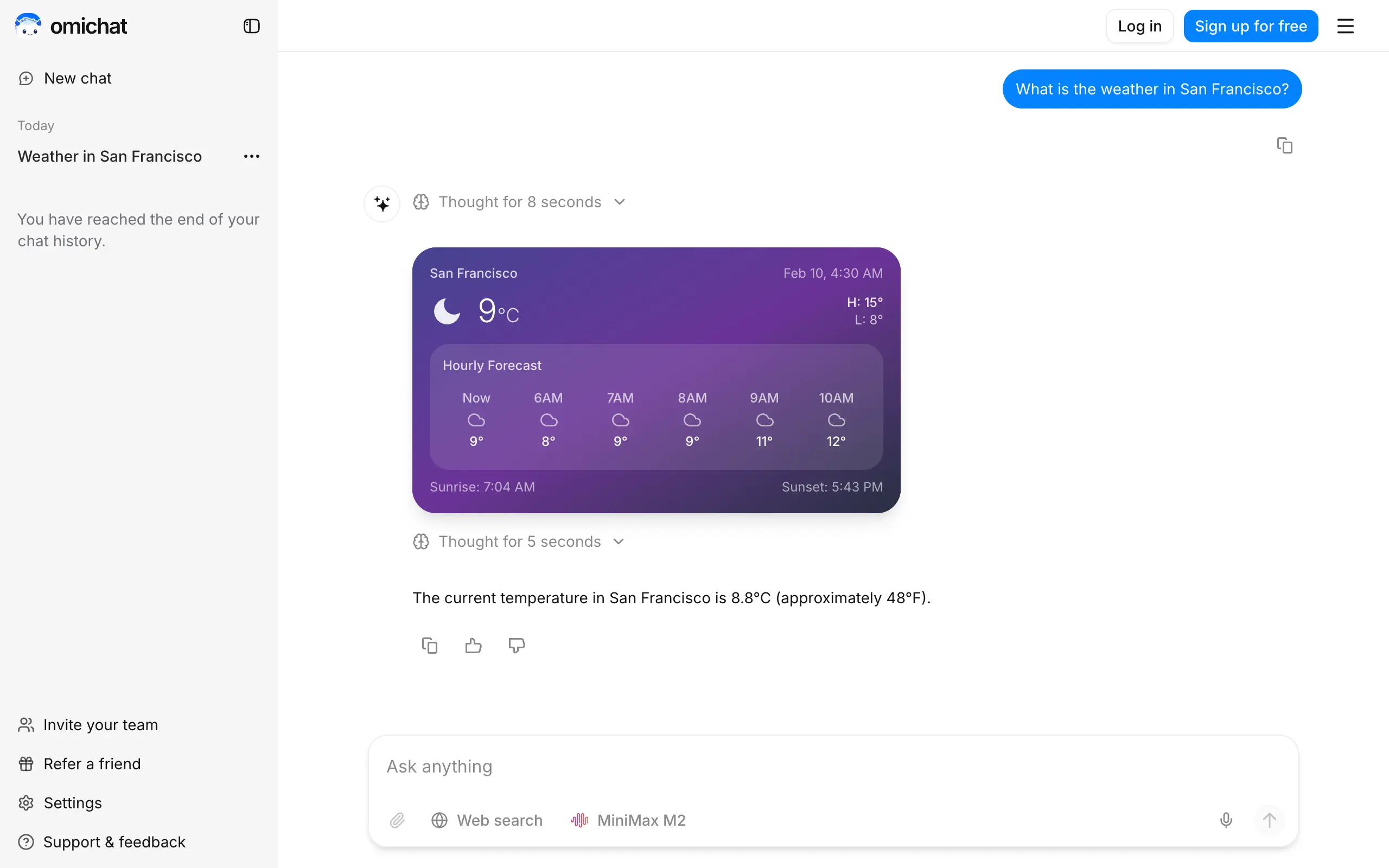
Omichat
Chat with 50+ AI models, including ChatGPT and Claude, in one place - switch models anytime without losing context 🤖
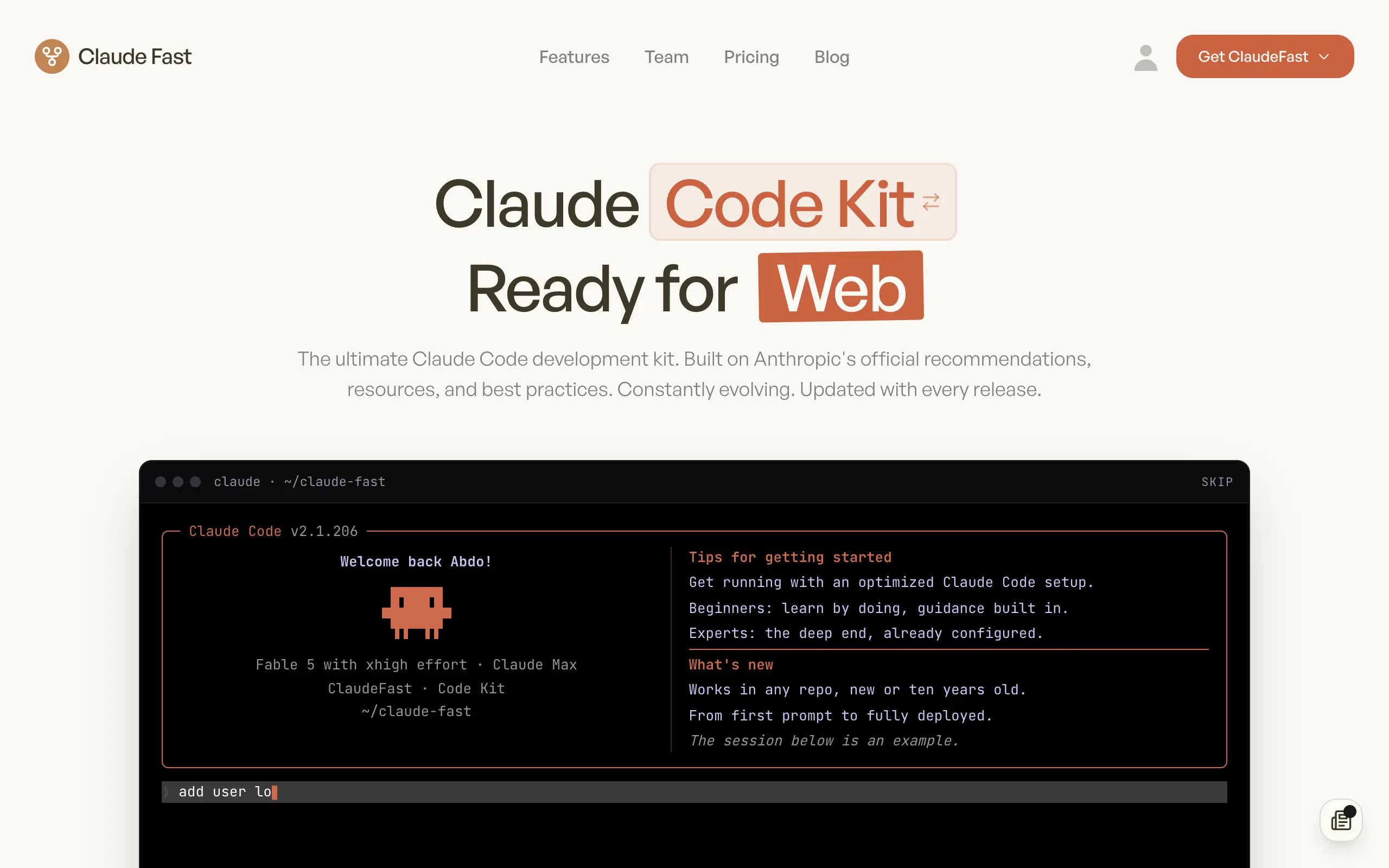
Claude Fast
Supercharge your Claude Code with 6x effective context window and specialized AI agents 🤖
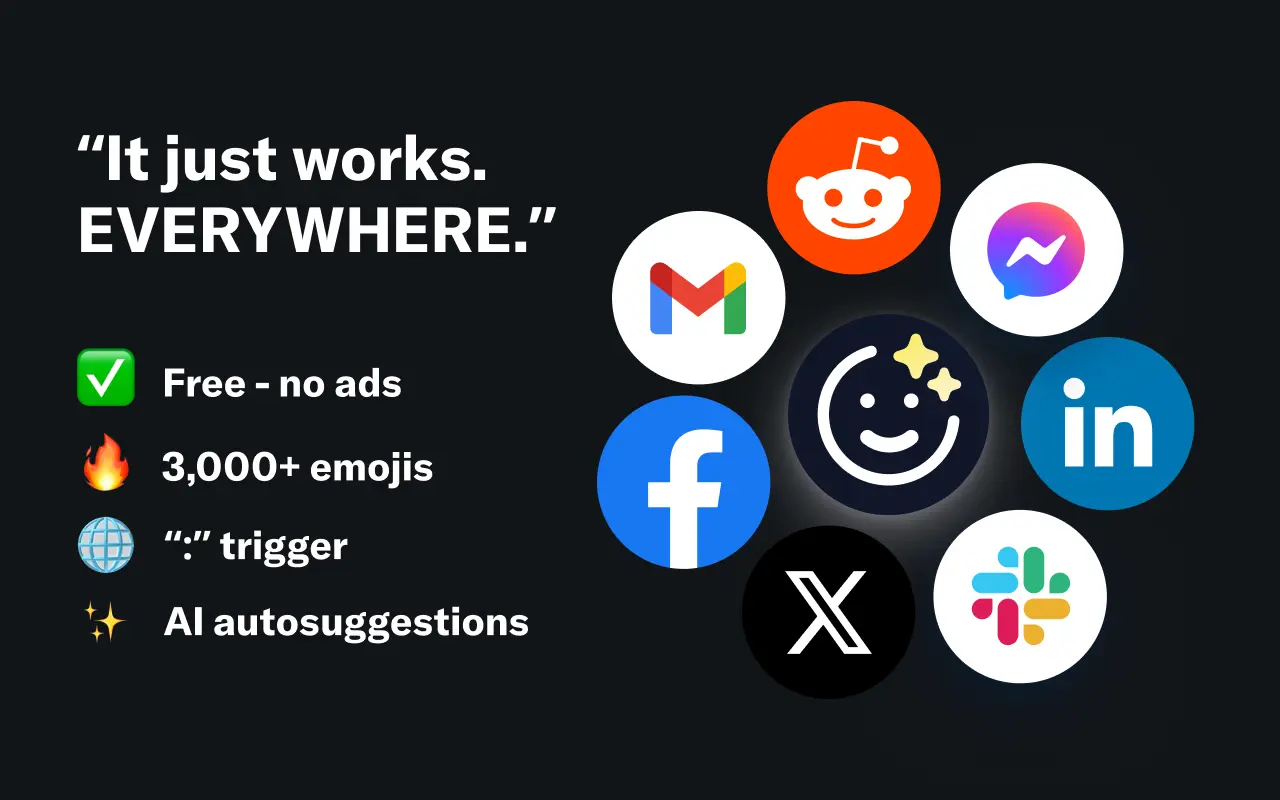
EmojAI
AI-powered emoji picker with smart, context-aware suggestions 🤖
Solohacker
Autonomous company launcher - AI agents work 24/7, escalate what matters, and you stay in control 🤖
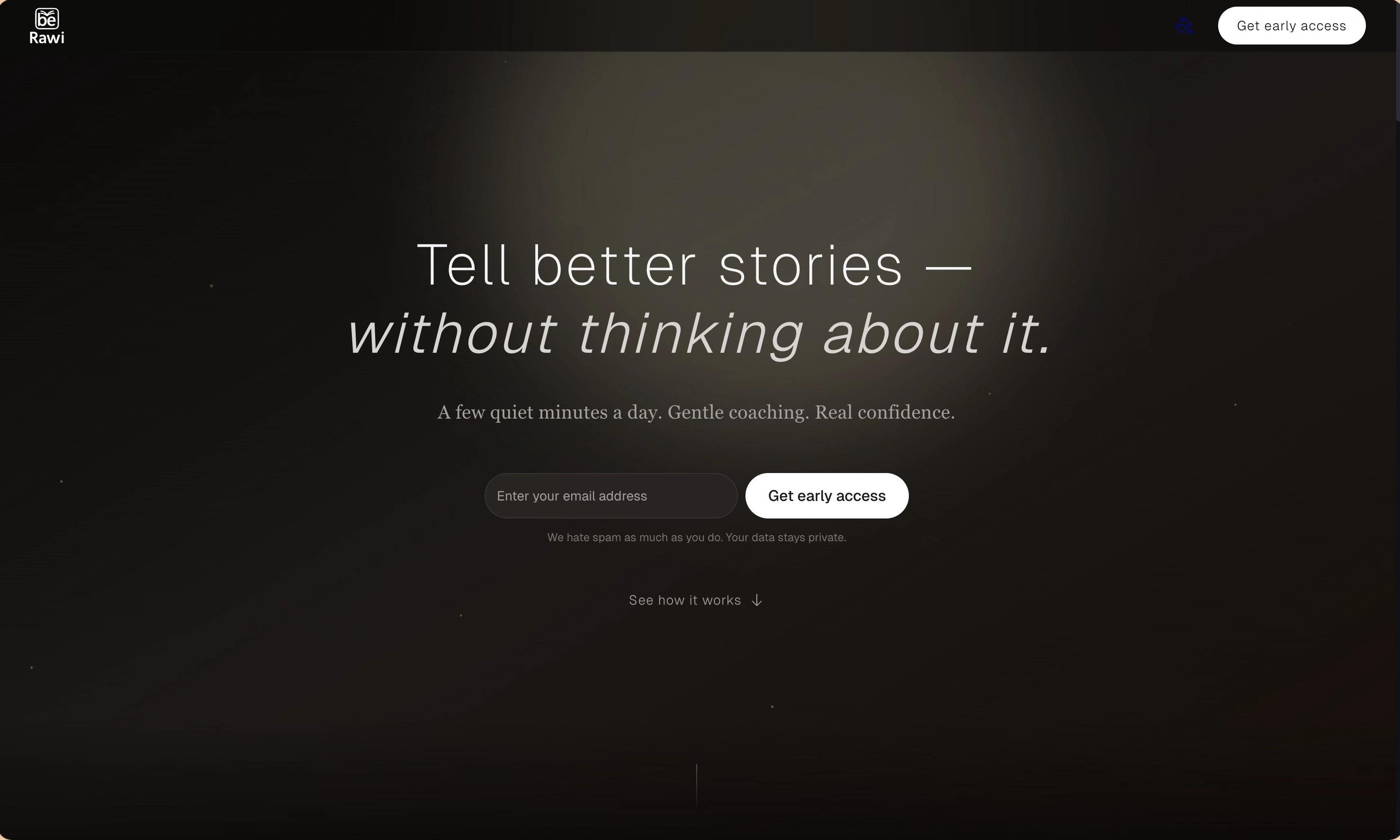
BeRawi: Storytelling Coach
Practice storytelling daily with instant feedback to sound clearer, more engaging, and confident 🎤
Omichat
Chat with 50+ AI models, including ChatGPT and Claude, in one place - switch models anytime without losing context 🤖
Claude Fast
Supercharge your Claude Code with 6x effective context window and specialized AI agents 🤖
EmojAI
AI-powered emoji picker with smart, context-aware suggestions 🤖
Solohacker
Autonomous company launcher - AI agents work 24/7, escalate what matters, and you stay in control 🤖
BeRawi: Storytelling Coach
Practice storytelling daily with instant feedback to sound clearer, more engaging, and confident 🎤
Omichat
Chat with 50+ AI models, including ChatGPT and Claude, in one place - switch models anytime without losing context 🤖
Claude Fast
Supercharge your Claude Code with 6x effective context window and specialized AI agents 🤖
EmojAI
AI-powered emoji picker with smart, context-aware suggestions 🤖
Solohacker
Autonomous company launcher - AI agents work 24/7, escalate what matters, and you stay in control 🤖
BeRawi: Storytelling Coach
Practice storytelling daily with instant feedback to sound clearer, more engaging, and confident 🎤
Omichat
Chat with 50+ AI models, including ChatGPT and Claude, in one place - switch models anytime without losing context 🤖
Claude Fast
Supercharge your Claude Code with 6x effective context window and specialized AI agents 🤖
EmojAI
AI-powered emoji picker with smart, context-aware suggestions 🤖
Solohacker
Autonomous company launcher - AI agents work 24/7, escalate what matters, and you stay in control 🤖
BeRawi: Storytelling Coach
Practice storytelling daily with instant feedback to sound clearer, more engaging, and confident 🎤

Connect with like-minded people
Join our community to get feedback, support, and grow together with 1,000+ builders on board, let's ship it!
Join usShip your startup everywhere. In minutes.
Don't burn tokens on setup and start building features on day one.